Following instructions Math Worksheets for 6-Year-Olds
22 filtered results
-
From - To
Enhance your 6-year-old's math skills with our expertly designed "Following Instructions Math Worksheets". Specifically tailored for young learners, these printable worksheets help children develop essential math skills and the ability to follow directions. Each activity combines fun, engaging exercises with clear instructions to keep kids entertained while they learn. Our worksheets cover a range of topics such as counting, addition, subtraction, and more, making math both enjoyable and educational. Ideal for practice at home or in the classroom, these worksheets are an excellent resource to support your child's academic growth and success.
Visit the webpage to download the worksheets now: Kids Academy Following Instructions Worksheets
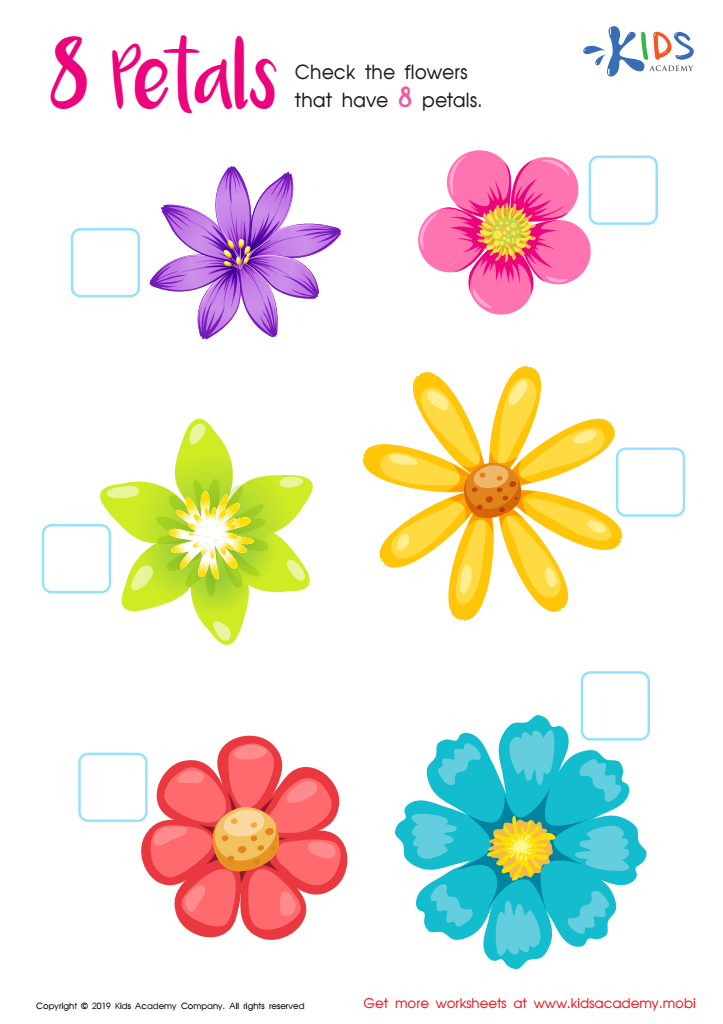
8 Petals Worksheet
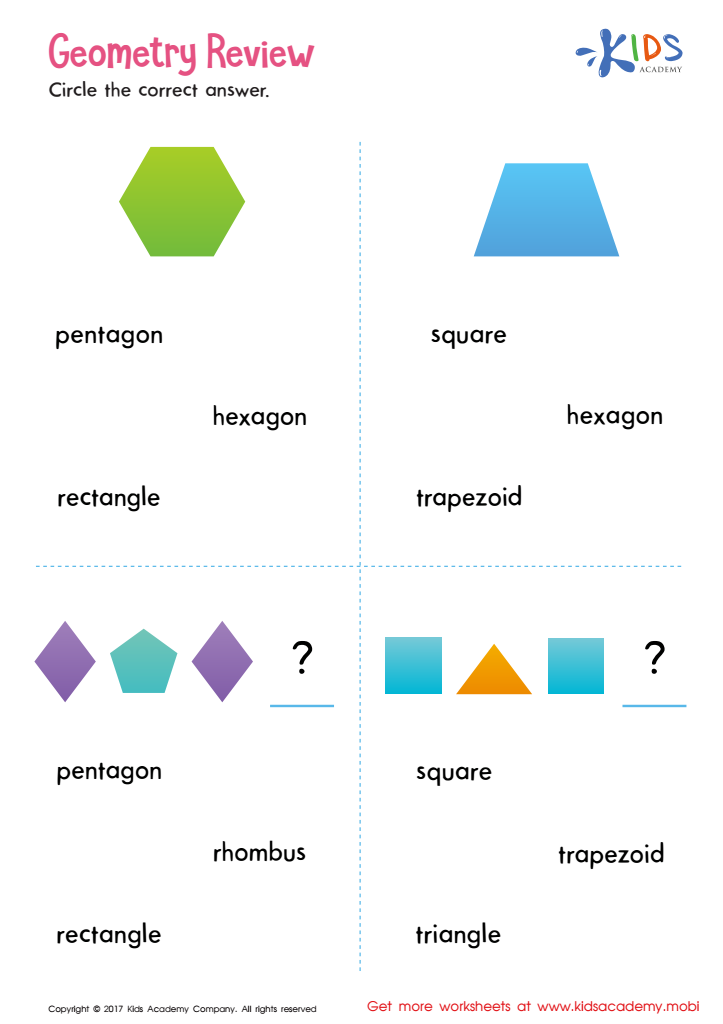
Geometry Review Printable
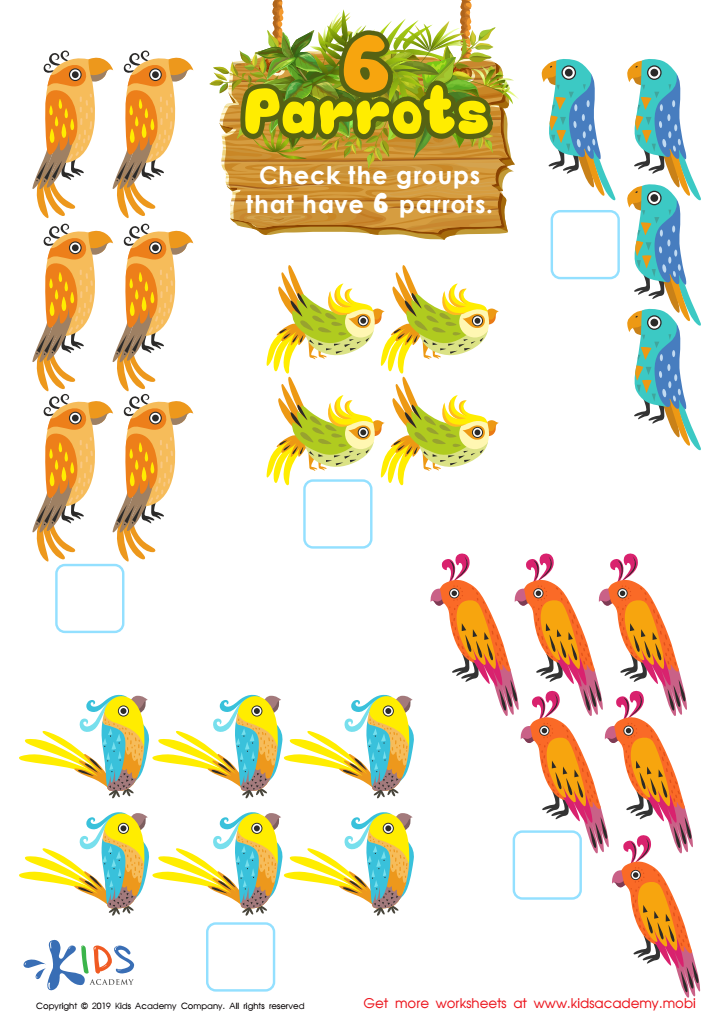
6 Parrots Worksheet
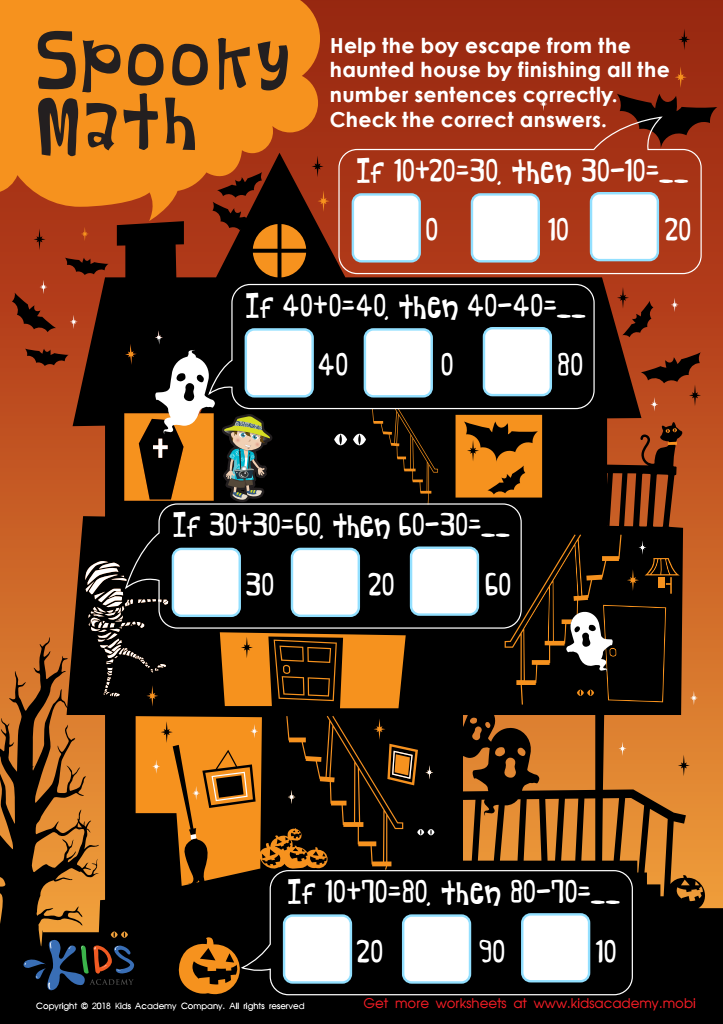
Subtract Tens: Spooky Math Worksheet
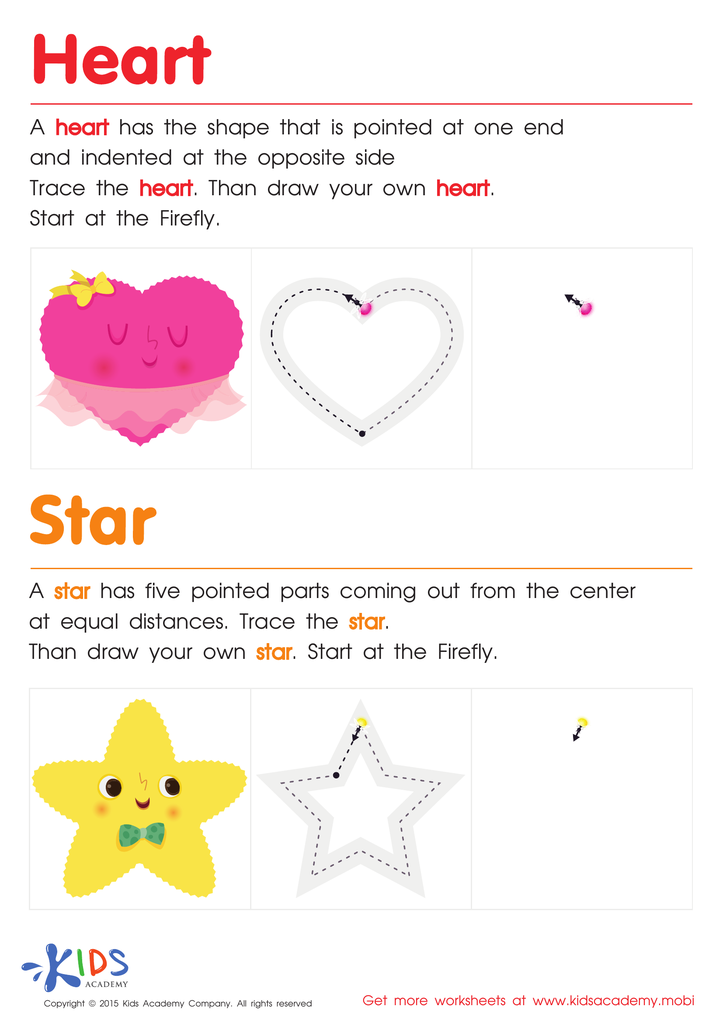
Let's Learn to Draw Hearts And Stars Printable
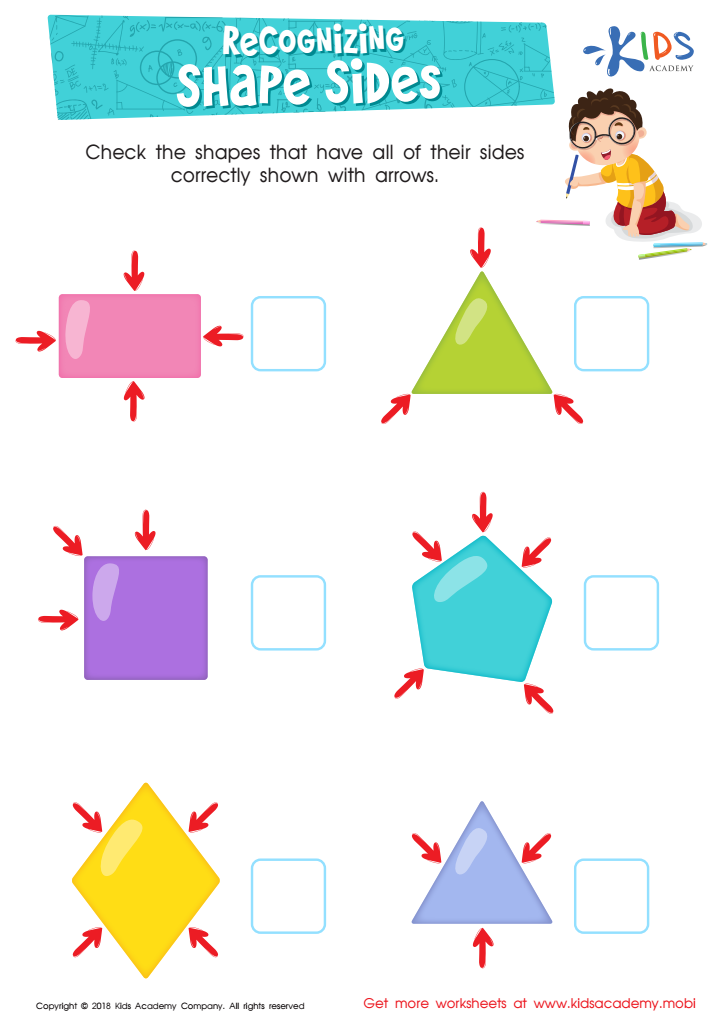
Recognizing Shape Sides Worksheet
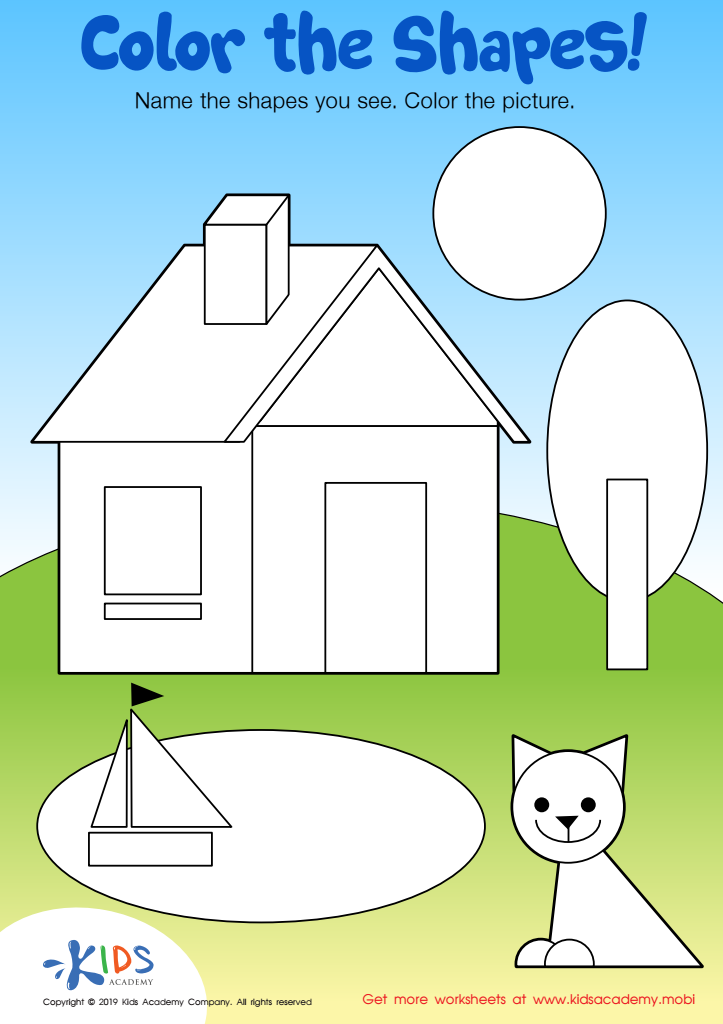
Color the Shapes Worksheet
 Assign to My Students
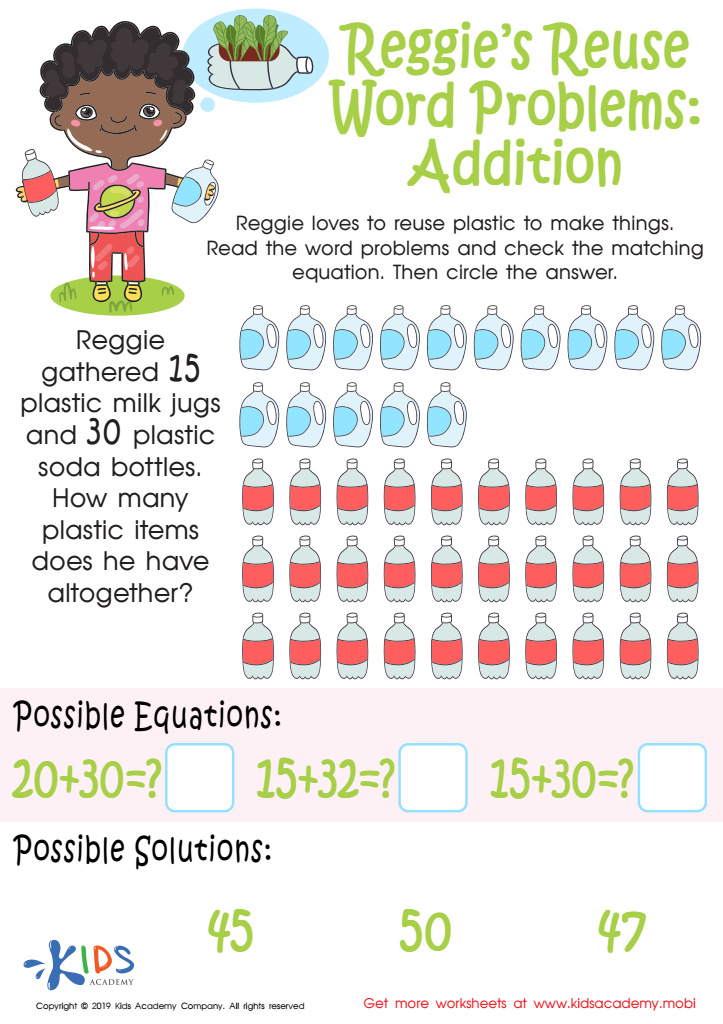
Reggie's Reuse Word Problems: Addition Worksheet
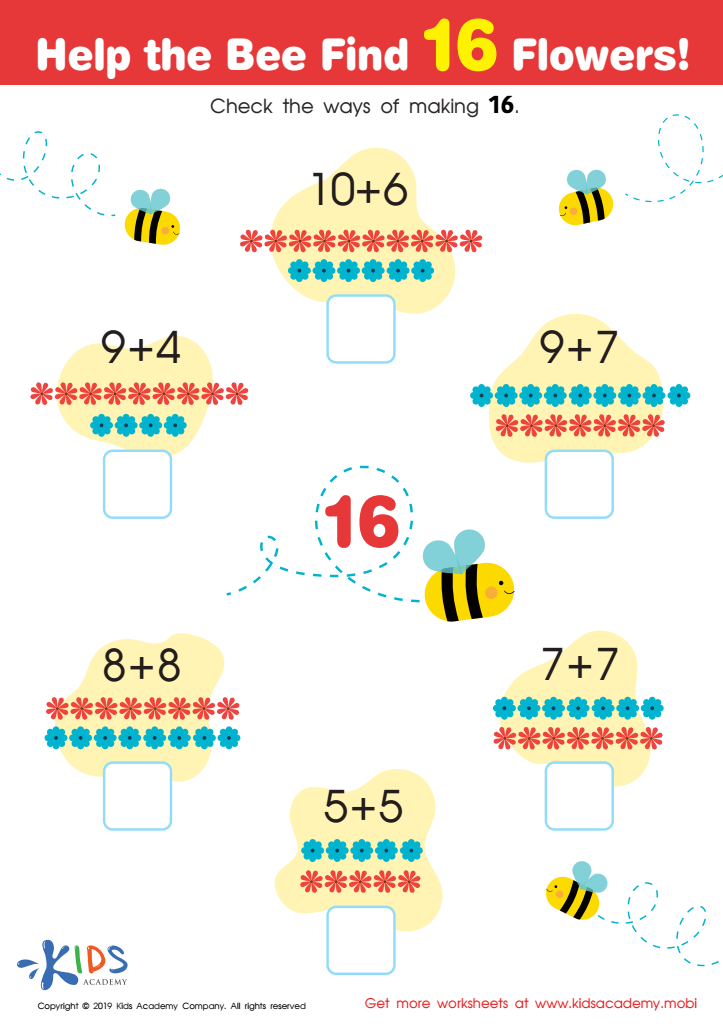
Help the Bee Find 16 Flowers Worksheet
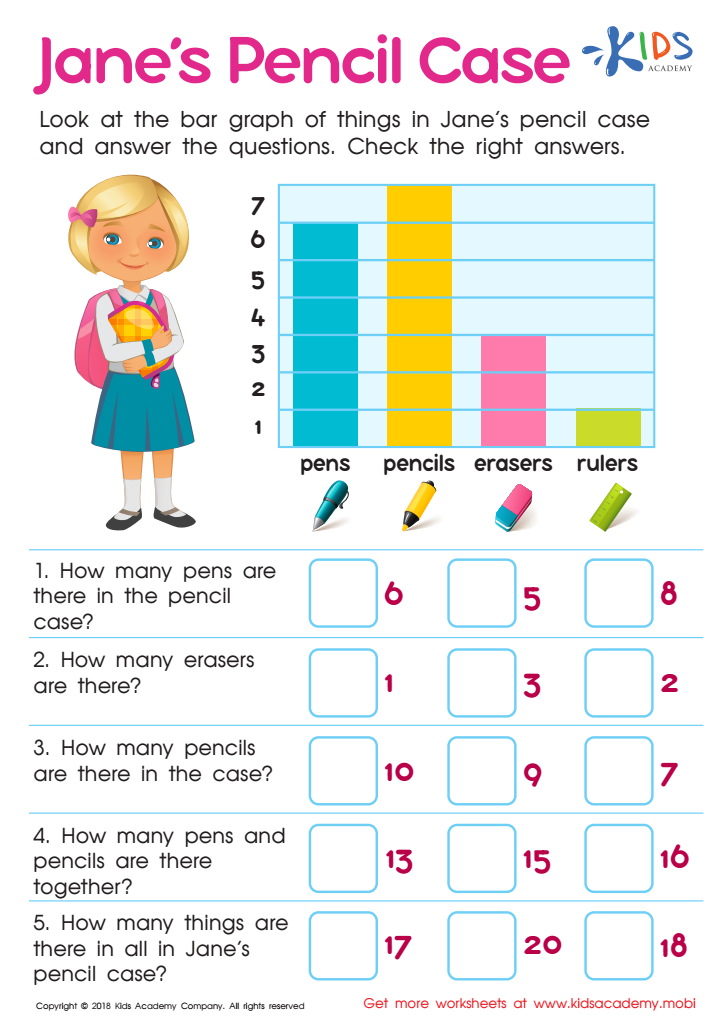
Jane's Pencil Case Worksheet
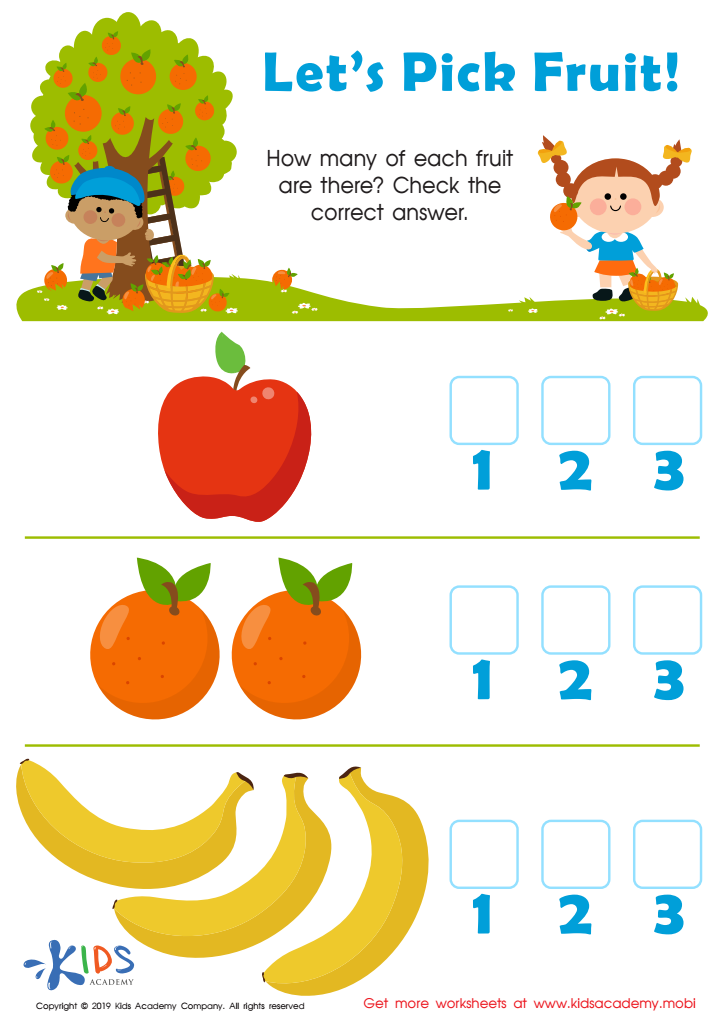
Let's Pick Fruit Worksheet
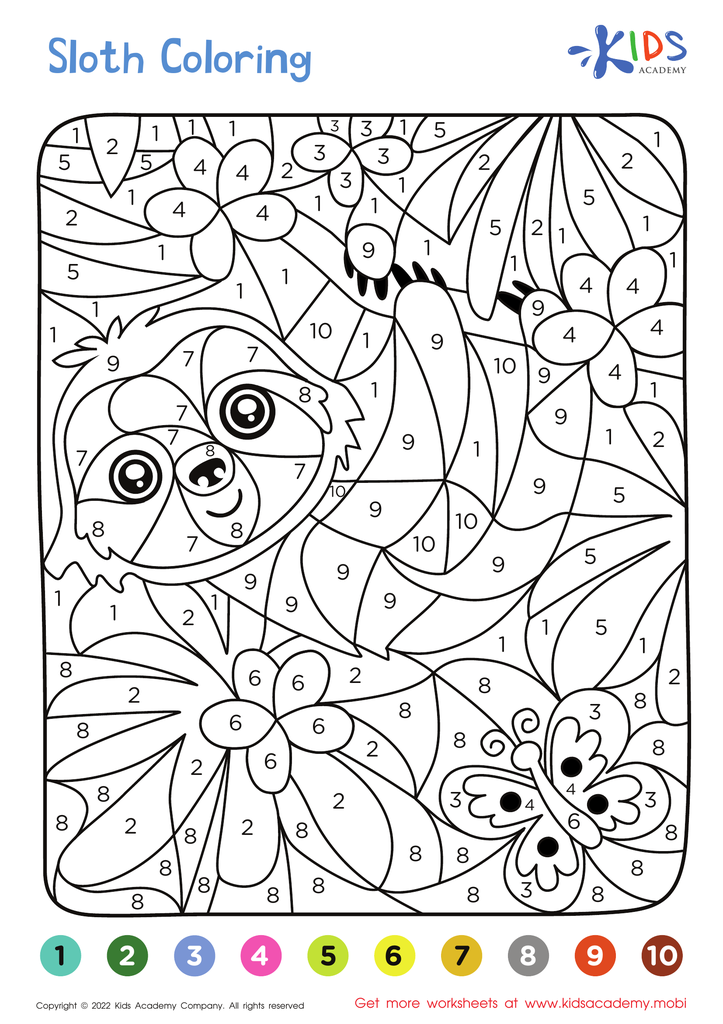
Sloth – Coloring by Numbers
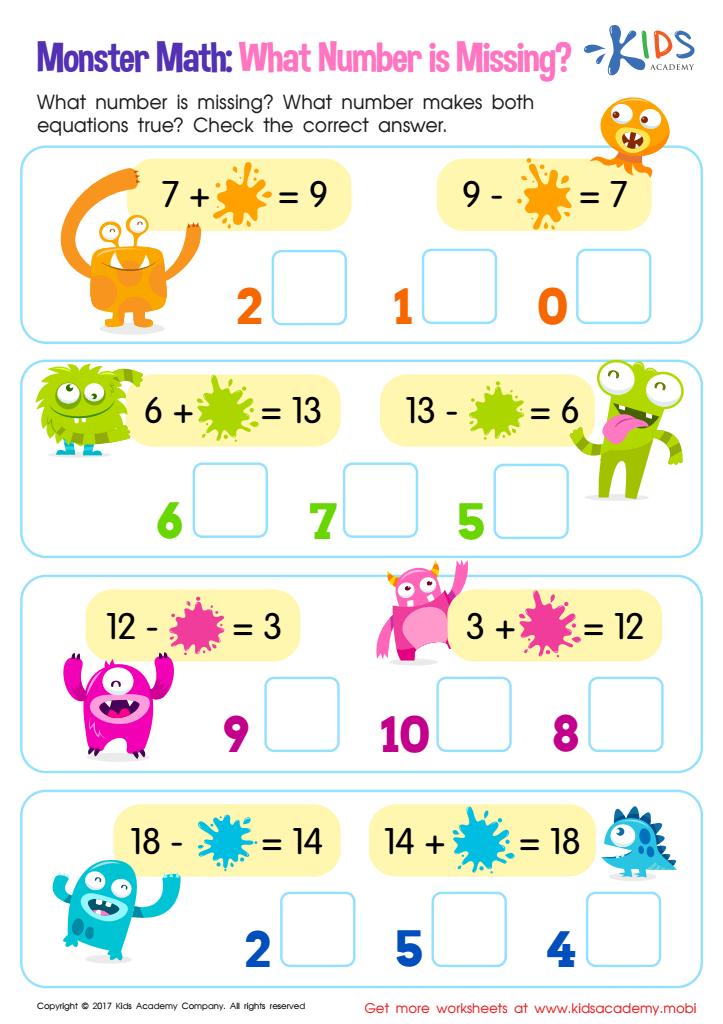
Missing Number: Monster Math Worksheet
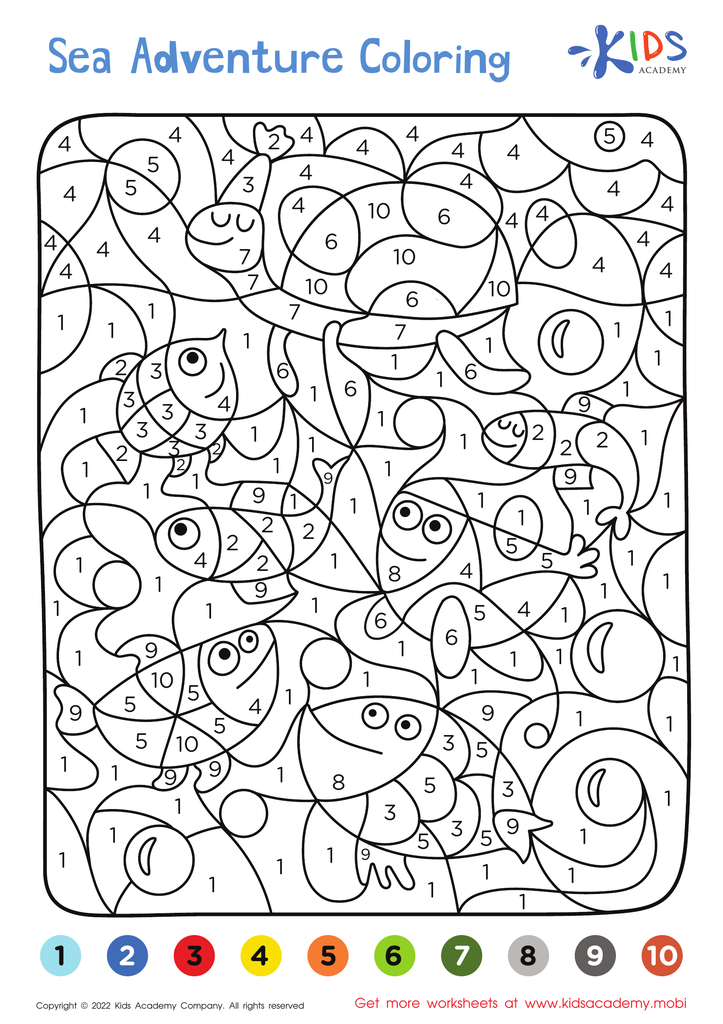
Sea Adventure – Coloring by Numbers
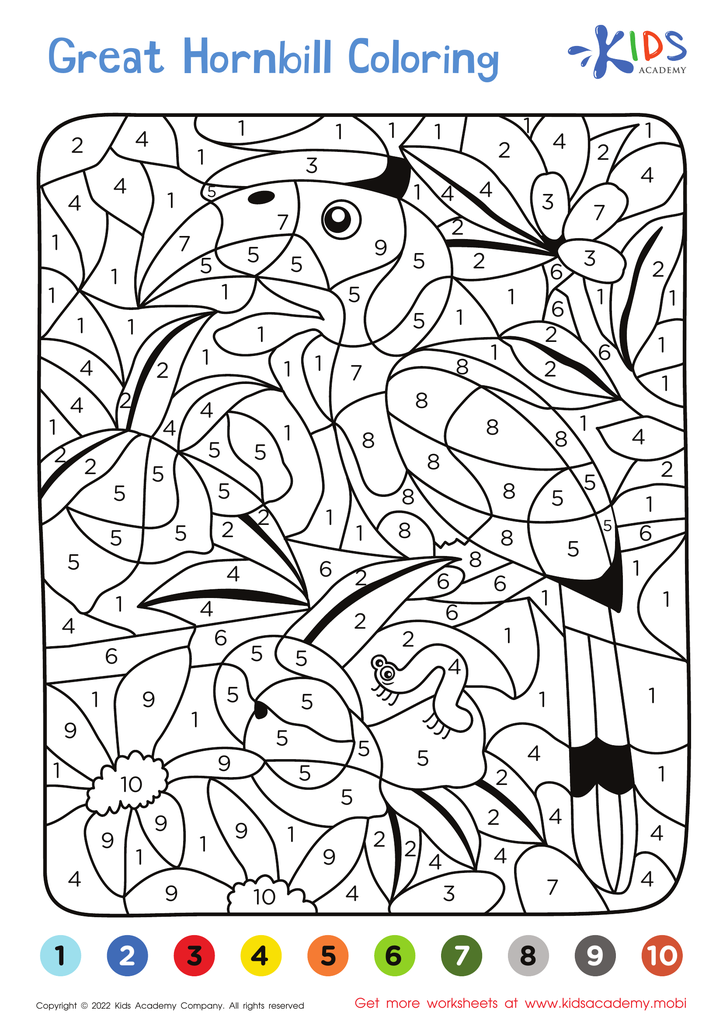
Great Hornbill – Coloring by Numbers
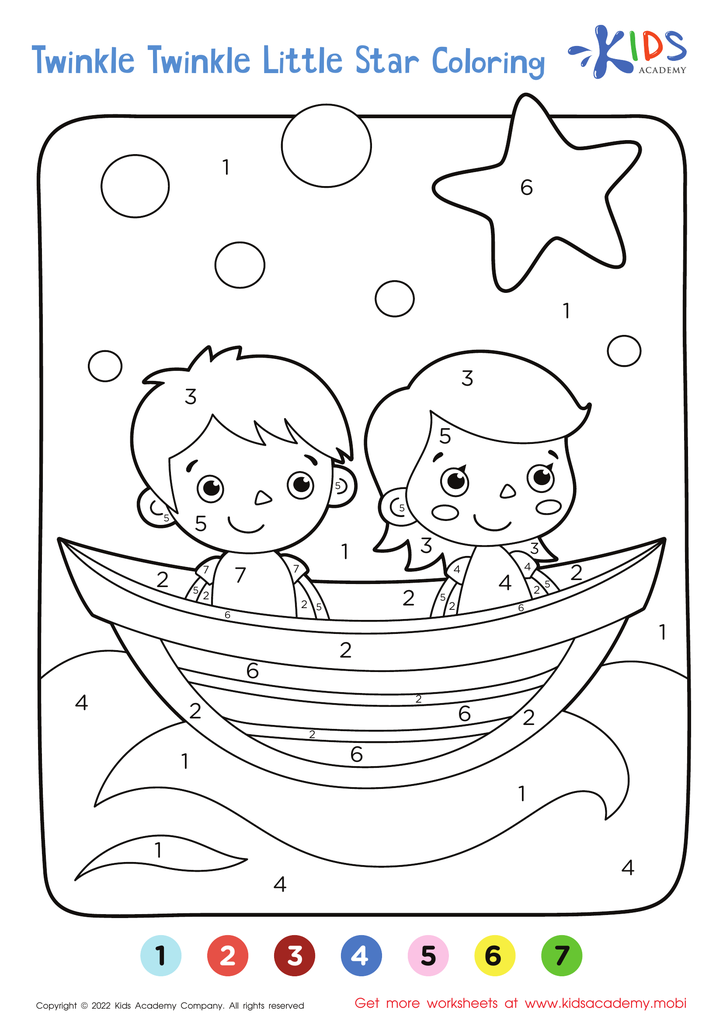
Twinkle, Twinkle, Little Star – Coloring by Numbers
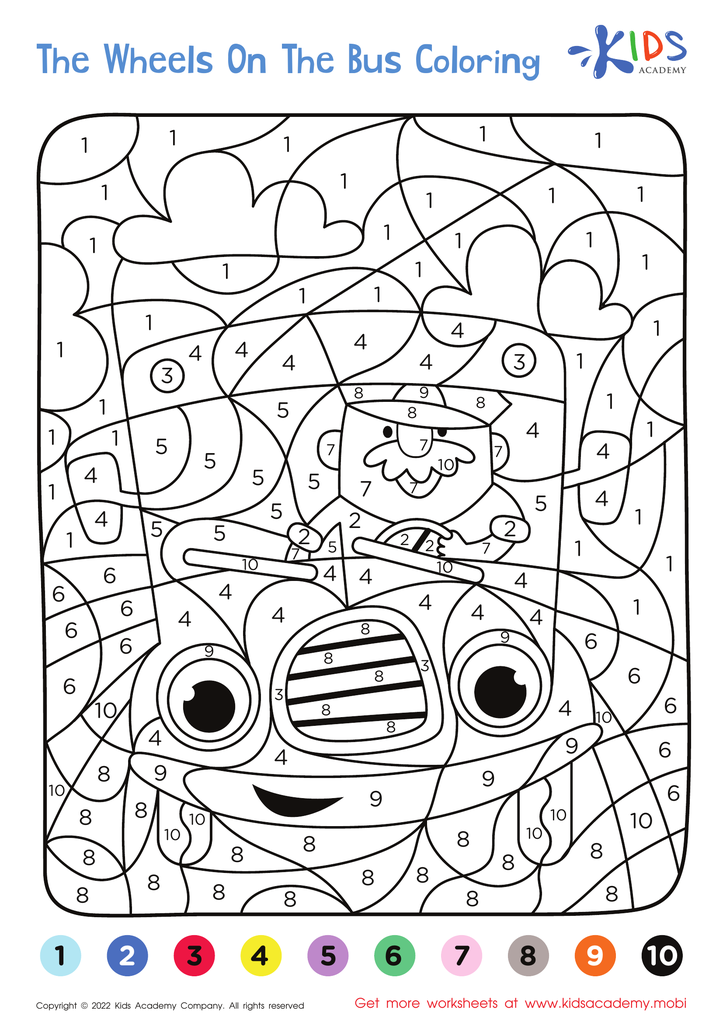
Wheels on the Bus – Coloring by Numbers
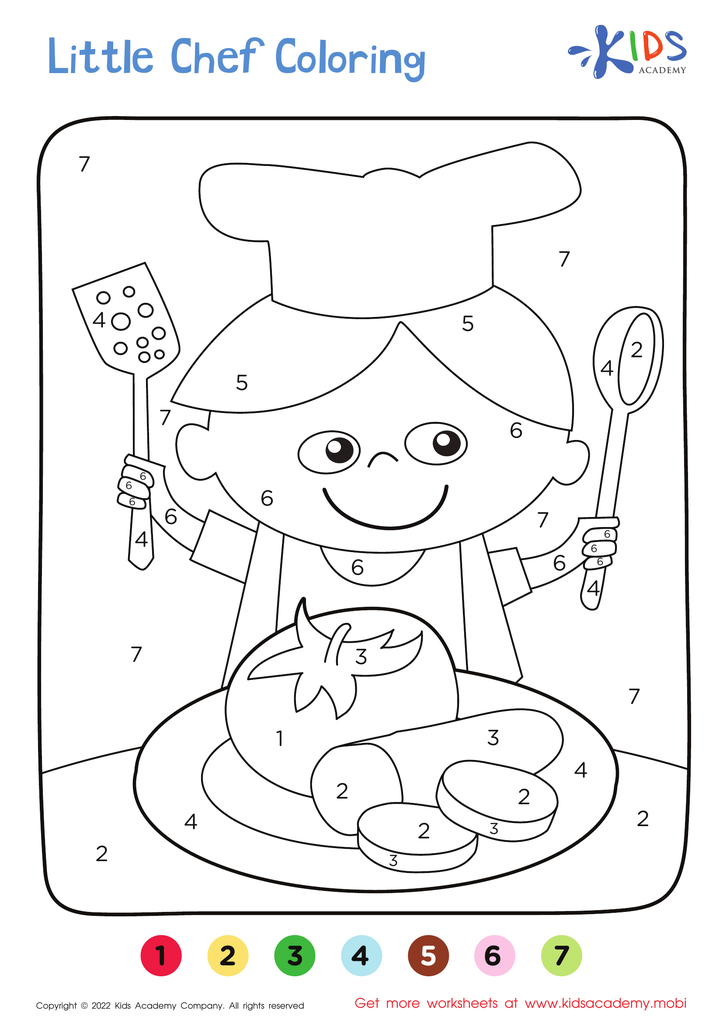
Little Chef – Coloring by Numbers
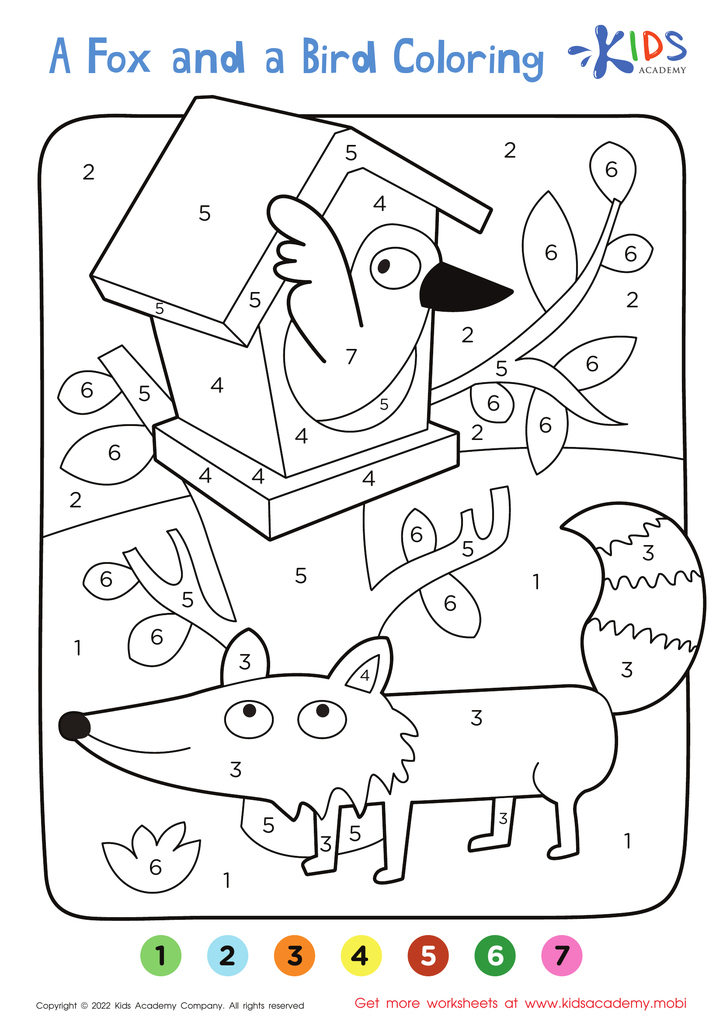
A Fox and a Bird – Coloring by Numbers
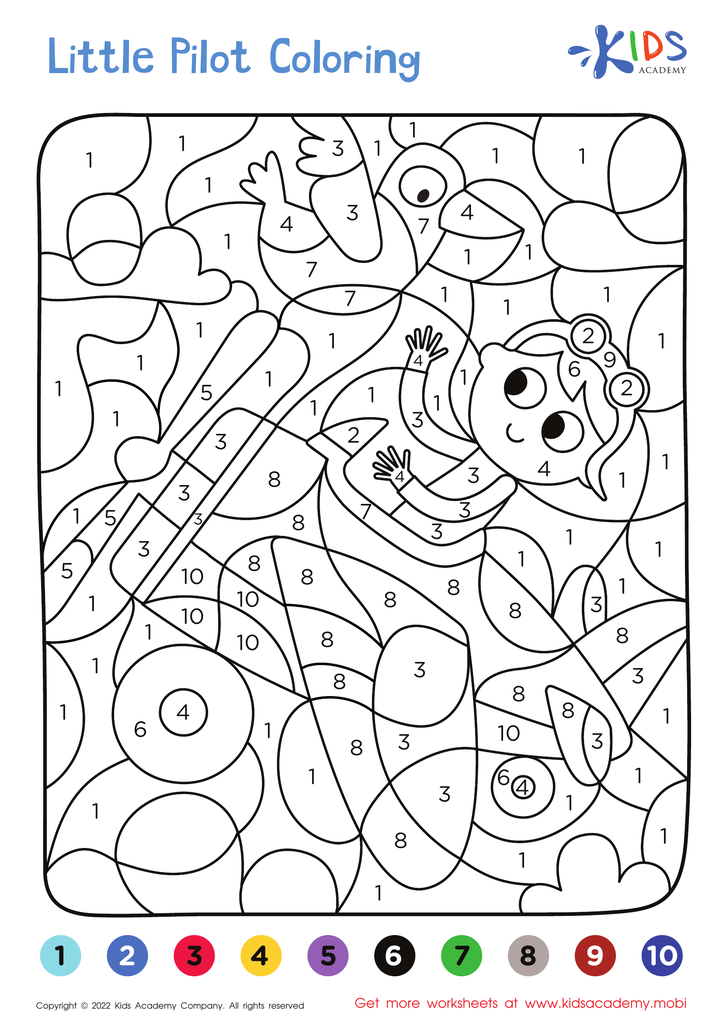
Little Pilot – Coloring by Numbers
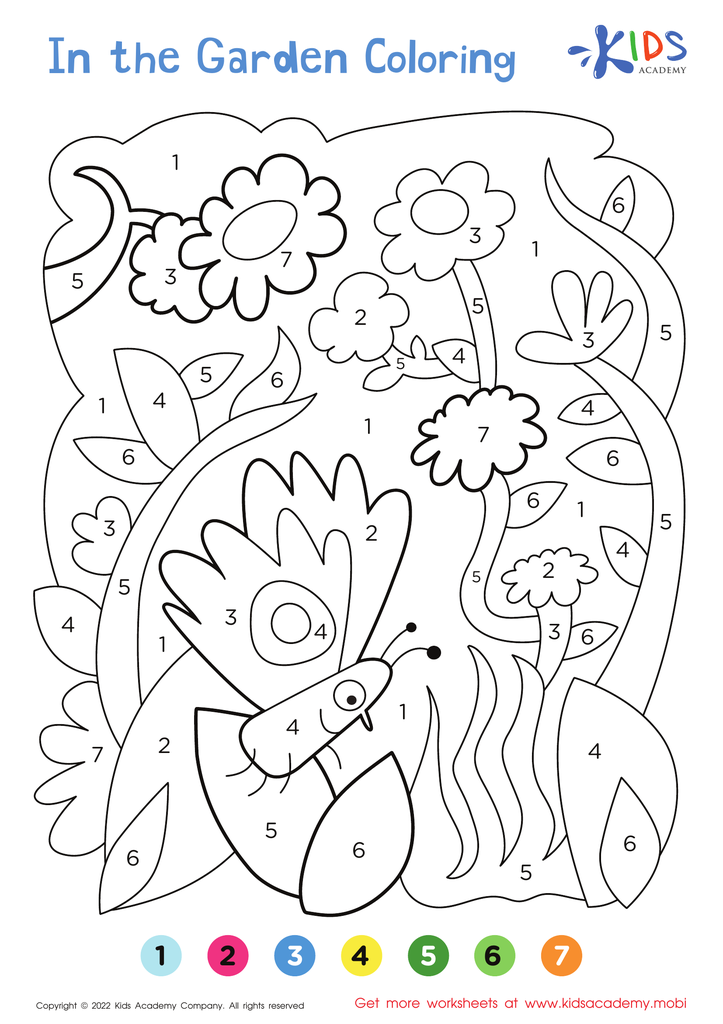
In the Garden – Coloring by Numbers
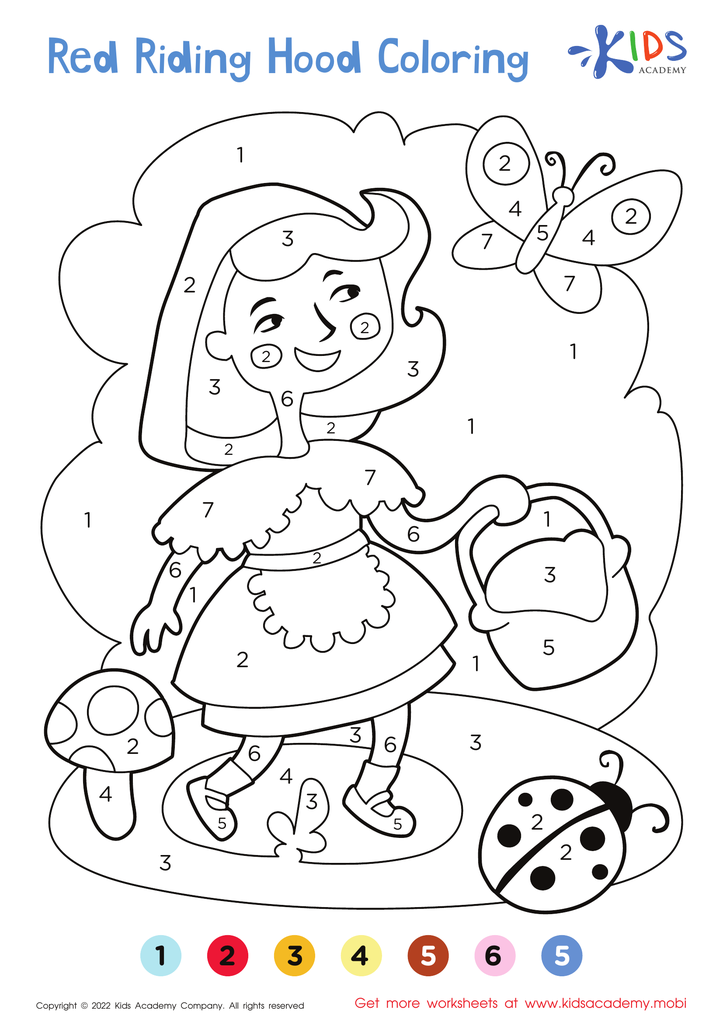
Little Red Riding Hood – Coloring by Numbers







Parents and teachers should prioritize teaching 6-year-olds to follow instructions in math because it lays a critical foundation for their overall learning and cognitive development. At this age, children's brains are exceptionally adaptable and able to absorb new information quickly. Learning to follow instructions enhances their ability to think logically, which is essential for solving math problems. It also helps them develop strong attention to detail, a crucial skill not just in math, but in every academic subject.
Following instructions in math involves understanding sequences and processes, which are vital skills in daily life and more complex problem-solving. For instance, if children can correctly follow a sequence of numbers or operations now, they will be better prepared to handle more complicated math concepts later on, such as fractions or algebra. Additionally, these skills are transferable to other areas of education and personal development, teaching them patience, perseverance, and focus.
Parents and teachers also care about this because following instructions prepares children for real-life situations. Success in cooking, assembling toys, or even managing time demands the ability to follow step-by-step instructions. Instilling this skill early on can help children become more independent, confident, and capable individuals, setting the stage for lifelong learning and achievement.








