Filters

8 filtered results

Clear all filters
Favorites
With answer key
Interactive

8 filtered results

Difficulty Level

Grade


Enhance your child's vocabulary with our engaging Plants and Animals worksheets designed specifically for 6-year-olds! These interactive resources focus on expanding language skills through the captivating themes of nature. Featuring illustrations and activities about various plants and animals, children will learn new words while deepening their understanding of the environment. Our worksheets promote critical thinking and foster a love for science, making learning enjoyable. Perfect for home or classroom use, these exercises ensure that your child will build a strong foundation in vocabulary while exploring the wonders of the natural world. Start enriching your child's language journey today!

Check out this FREE Trial Lesson on Plants and Animals for age 6!

Animal Adaptations

Favorites
With answer key
Interactive
  • 6
  • Vocabulary expansion
  • Plants and Animals
Thorns and Spikes Worksheet
Thorns and Spikes Worksheet

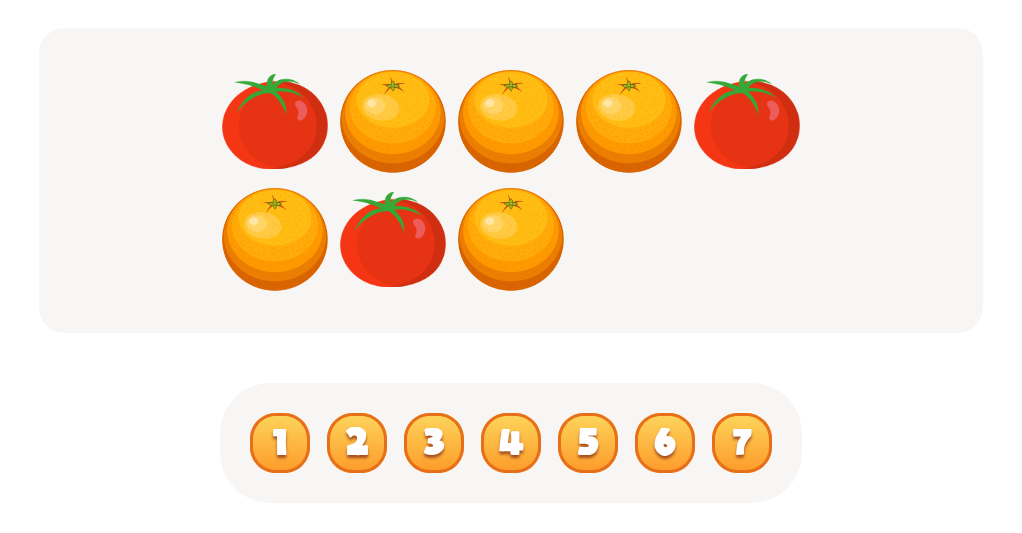
Can your students name and identify the plants and flowers in this worksheet? Ask them to read out the names and circle the ones with spikes or thorns. Help them appreciate nature's beauty and understand how plants protect themselves.
Thorns and Spikes Worksheet
Worksheet
Big Cats and Their Cubs Worksheet

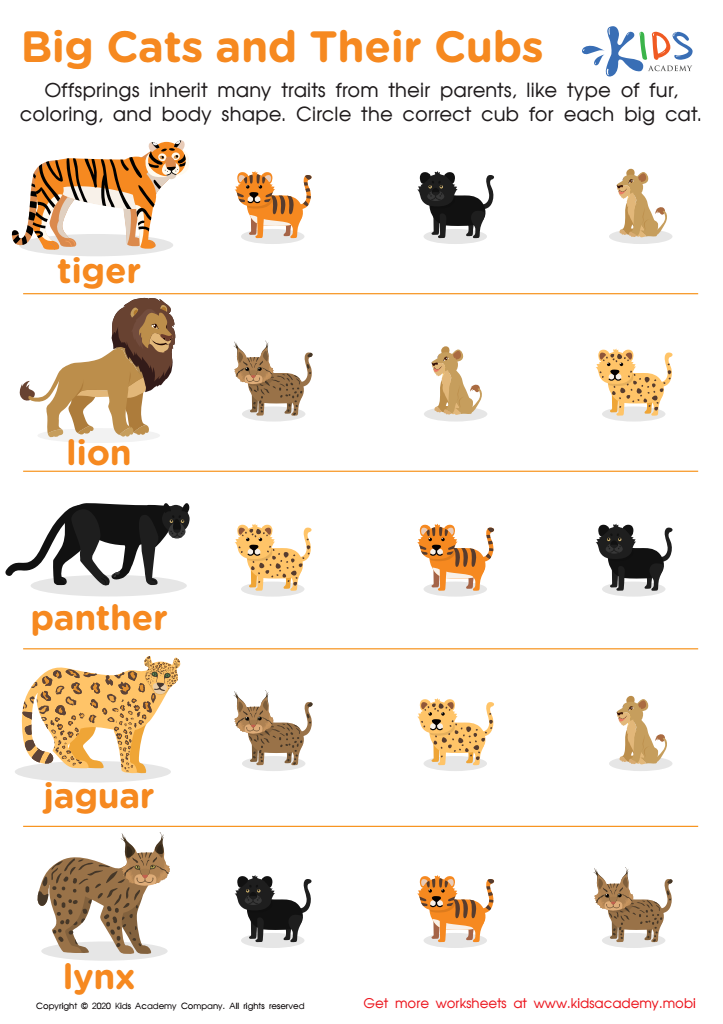
Big Cats and Their Cubs Worksheet

Kids are often like their parents, and the same is true for big cats and their cubs. Introduce your young scientists to genetics with this fun printable worksheet from Kids Academy! Observe the big cats and their cubs, then circle the right cub to complete! It's a great way to teach an early lesson in genetics.
Big Cats and Their Cubs Worksheet
Worksheet
Fish Body Parts Worksheet

Fish Body Parts Worksheet

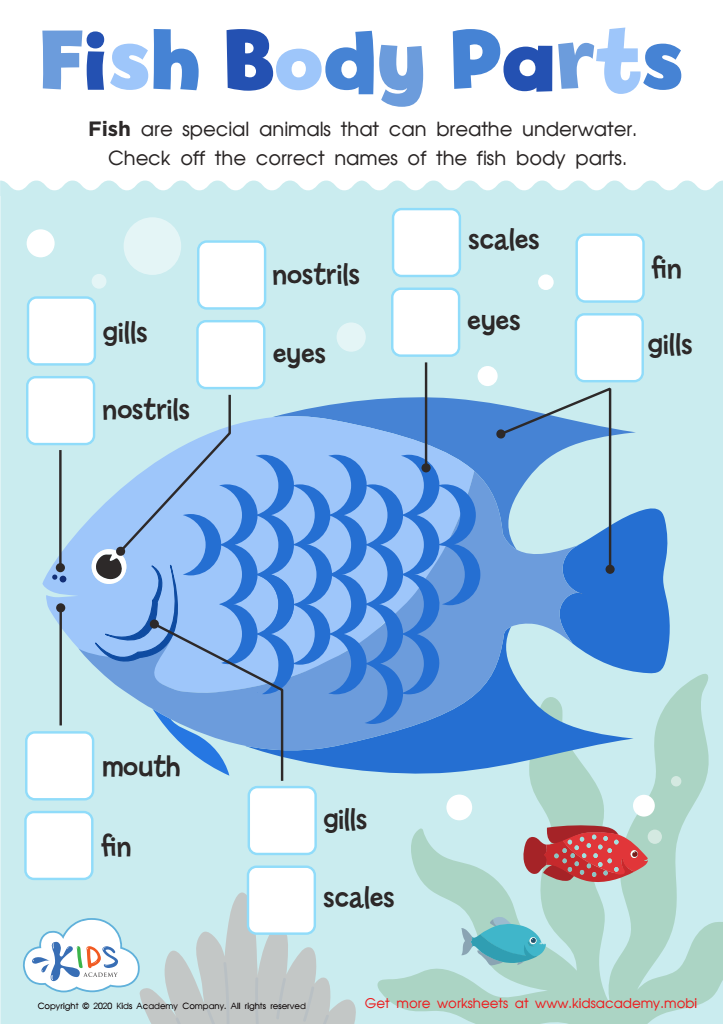
Fascinate kids with fish: teach them about these amazing creatures with this free Kids Academy printable worksheet. Let little learners study the vibrant blue fish, identify its different body parts, and discover why it can survive underwater. From gills to fins, your child will gain an early appreciation for life science!
Fish Body Parts Worksheet
Worksheet
Bald Eagle Parents Worksheet

Bald Eagle Parents Worksheet

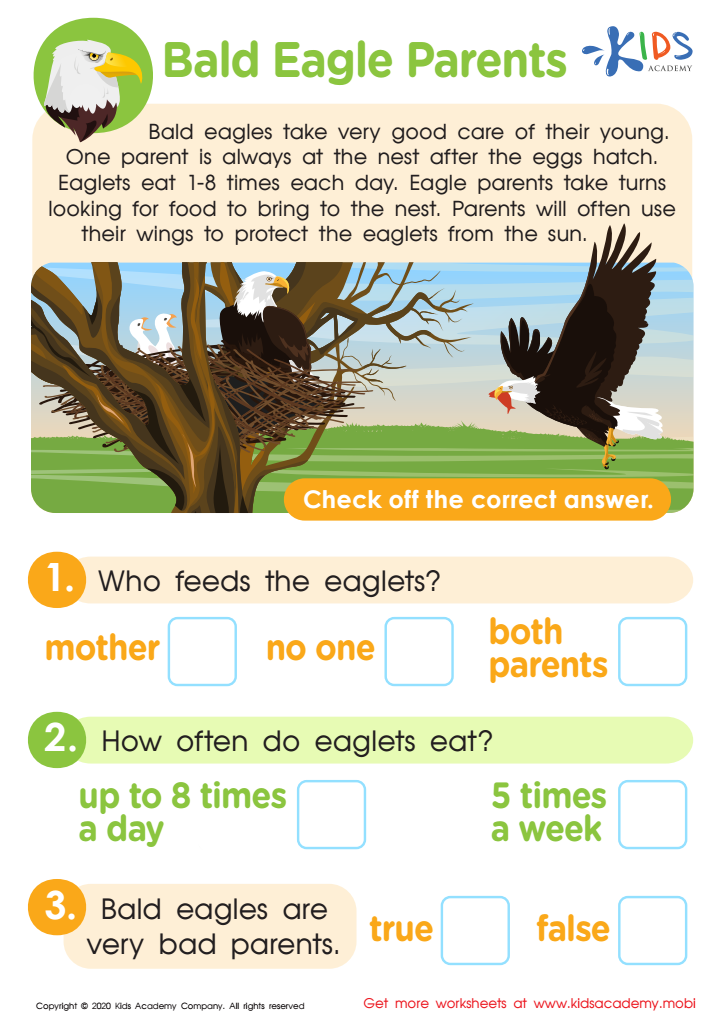
Teach your child about bald eagle parenting with this science worksheet! Read the passage and answer the questions to learn how these majestic birds protect their young from predators. Eaglets need protection, and the bald eagle parents are masters of providing it!
Bald Eagle Parents Worksheet
Worksheet
Arctic World Worksheet

Arctic World Worksheet

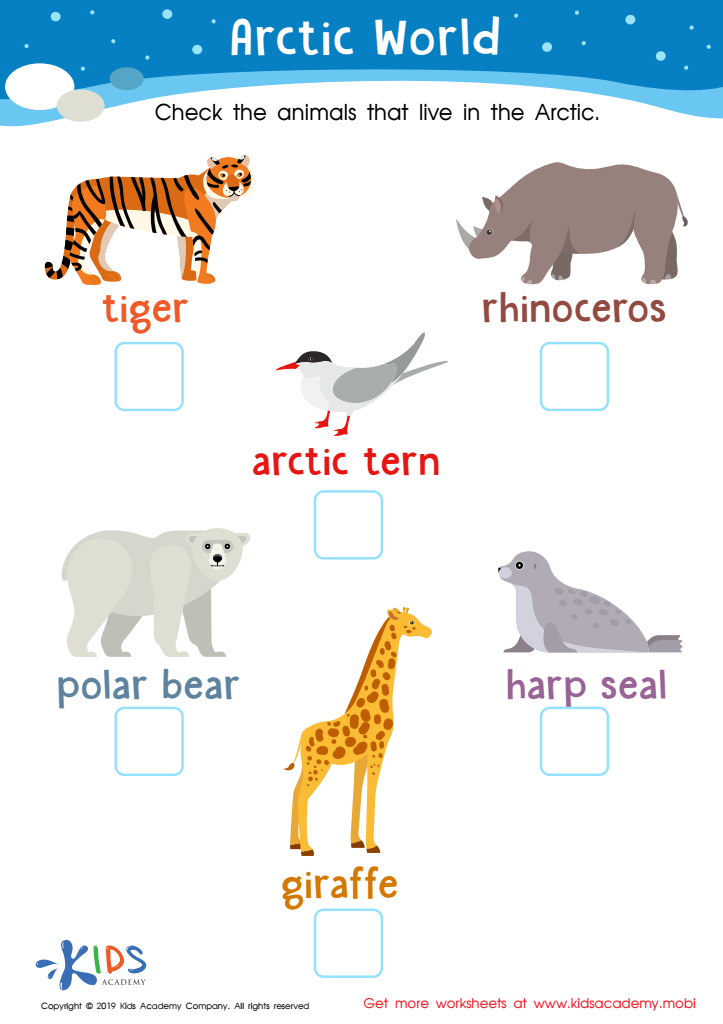
Ask your students if they know where the Arctic is located and what lives there. If not, use a world atlas to show them. The Arctic is very cold and snow-covered; native animals have adapted to survive the harsh conditions. Look at the animals in the worksheet and help your students decide which ones live in the Arctic.
Arctic World Worksheet
Worksheet
Jungle Plants Worksheet

Jungle Plants Worksheet

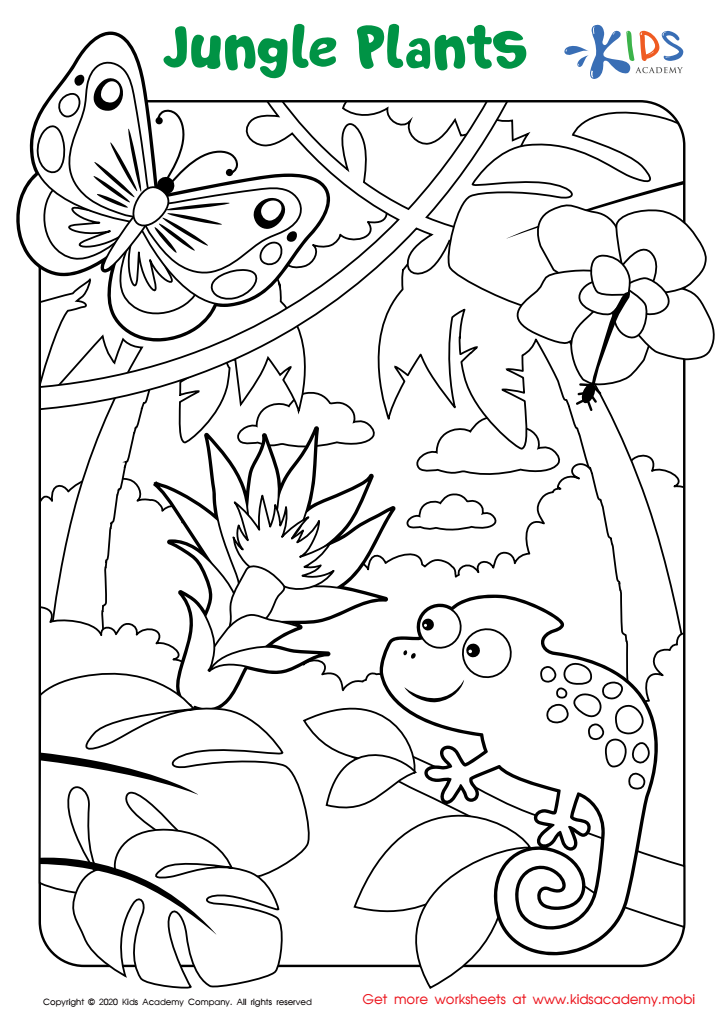
Coloring pages can be fun and educational for kids! Print this adorable jungle worksheet with plants, a butterfly, and a lizard. Ask preschoolers to choose colors to bring the scene to life, while discussing rainforest plants and animals.
Download (PDF)
Assign to My Students
Jungle Plants Worksheet
Worksheet
What Does It Mean? Worksheet

What Does It Mean? Worksheet

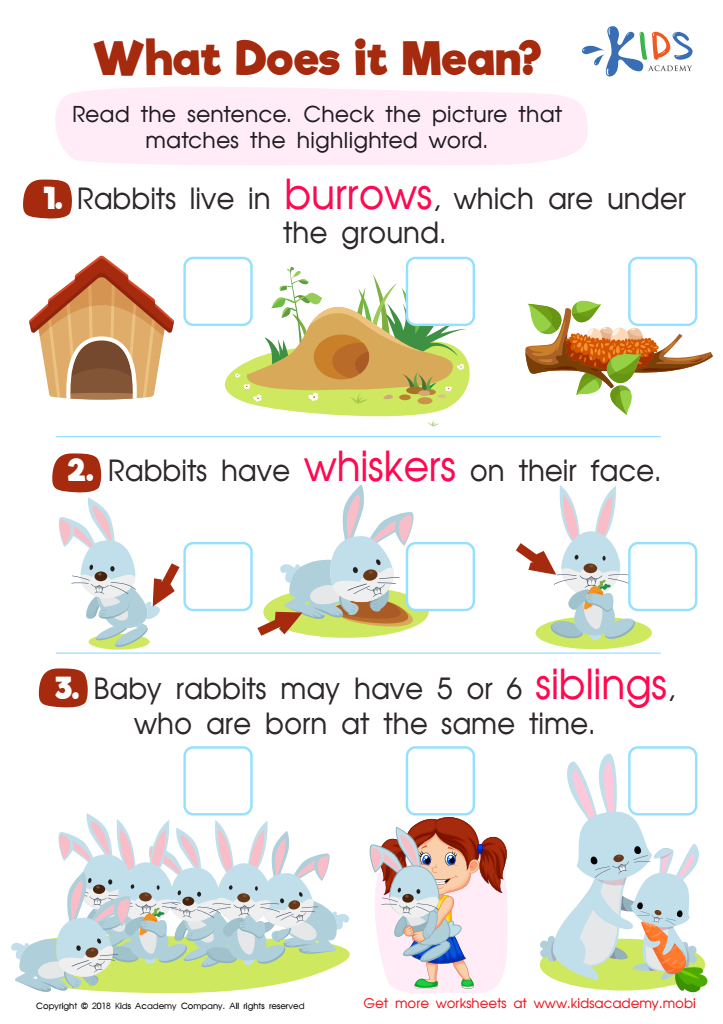
Teach your child to use context clues with this engaging Kids Academy worksheet. Read the sentences and find the pink-highlighted word. Use the other words in the sentence to figure out the meaning, then check the box next to the picture that represents it.
What Does It Mean? Worksheet
Worksheet
Siblings Quiz Worksheet


Siblings Quiz Worksheet

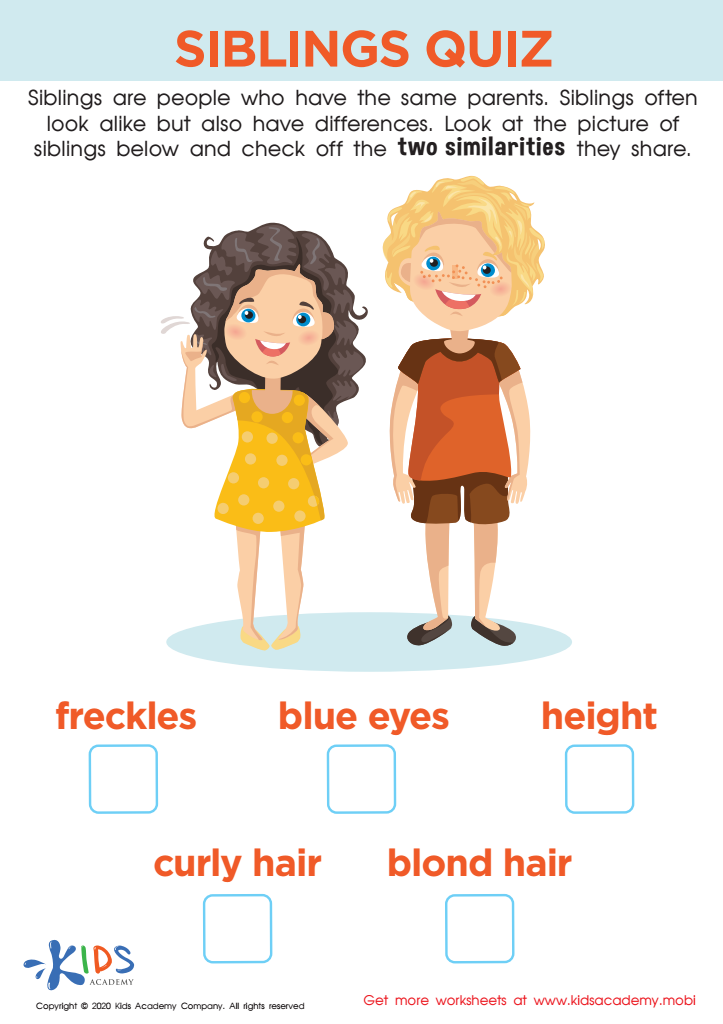
Your children may know a sibling is a sister or brother, but not realize what it means to be one. Siblings share the same parents, which means they share many genes. They are alike in many ways, but also have their own unique traits. Help your future scientist understand this early biology concept with this fun worksheet. They'll be tasked with finding similarities between two siblings on the page.
Siblings Quiz Worksheet
Worksheet


Vocabulary expansion in the context of plants and animals for 6-year-olds is crucial for several reasons. At this stage, children are rapidly developing their language skills, and introducing them to specific terminology related to the natural world fosters curiosity and engagement. A rich vocabulary empowers children to express their thoughts and observations, boosting their confidence and communication skills.

Understanding vocabulary related to plants and animals helps children make connections to their environment, enhancing their observational and critical thinking abilities. For instance, knowing terms like "photosynthesis" or "ecosystem" can spark interest in science and nature, laying the groundwork for a lifelong appreciation of the environment.

Moreover, enhanced vocabulary positively impacts literacy development; as children learn to read and write about plants and animals, they build comprehension skills that are essential for academic success. Engaging with nature-based vocabulary also supports cross-curricular learning, linking subjects like science and language arts, making education more integrated and relevant.

Ultimately, by focusing on vocabulary related to plants and animals, parents and teachers contribute to holistic growth, ensuring that children not only become knowledgeable about the world around them but also develop the skills needed for effective communication and critical thinking.