Multiplication practice Science Worksheets for Ages 7-8
15 filtered results
-
From - To
Explore our engaging "Multiplication Practice Science Worksheets" designed specifically for children aged 7-8! These worksheets seamlessly blend key multiplication skills with fascinating scientific concepts, making learning both fun and effective. Perfect for reinforcing math foundations, each worksheet encourages young learners to develop essential multiplication skills while exploring topics such as nature, physics, and more. Our carefully crafted activities promote critical thinking and problem-solving abilities, ensuring your child gains confidence in their math skills. Printable and easy to use, these worksheets are ideal for home practice or classroom integration. Discover the perfect resource to make math and science come alive for your child!
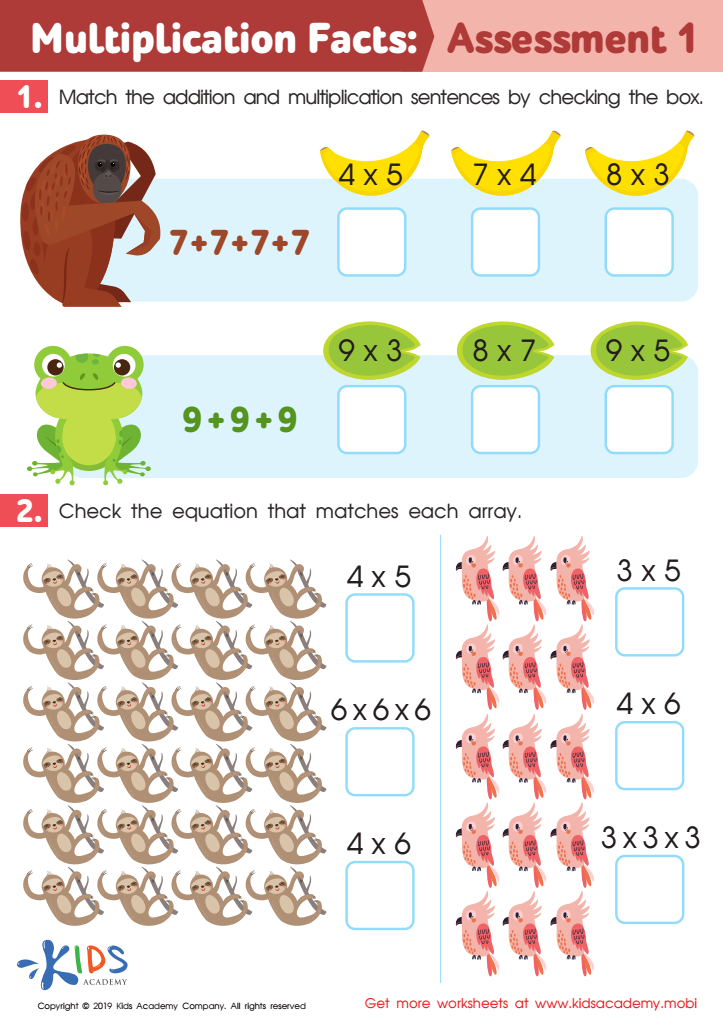
Multiplication Facts: Assessment 1 Worksheet
 Assign to My Students
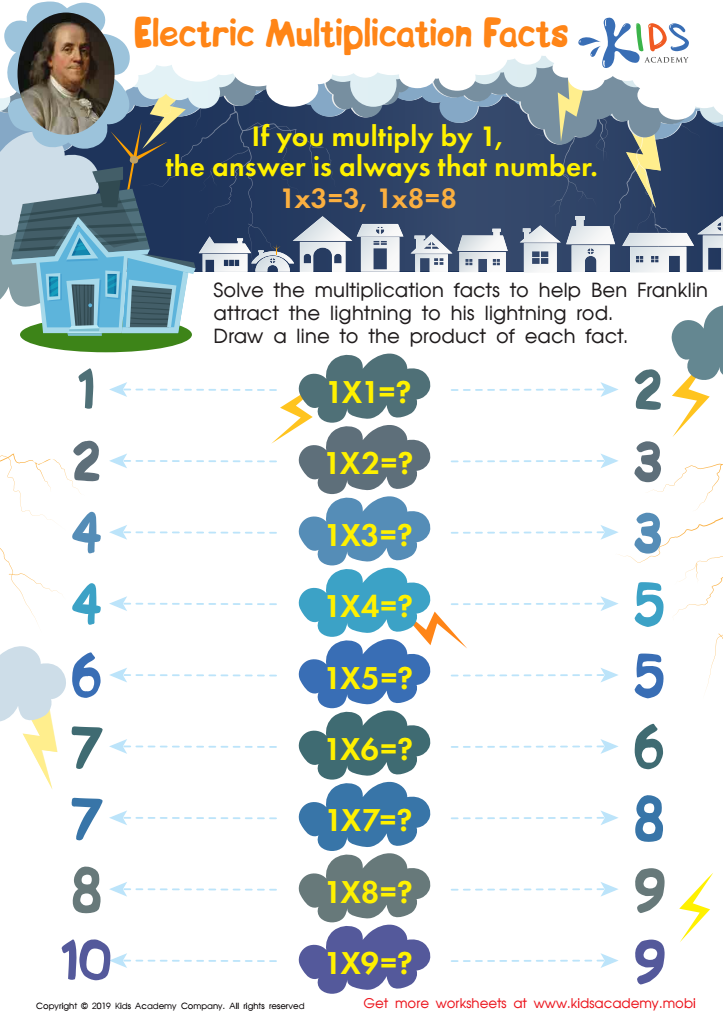
Electric Multiplication Facts Worksheet
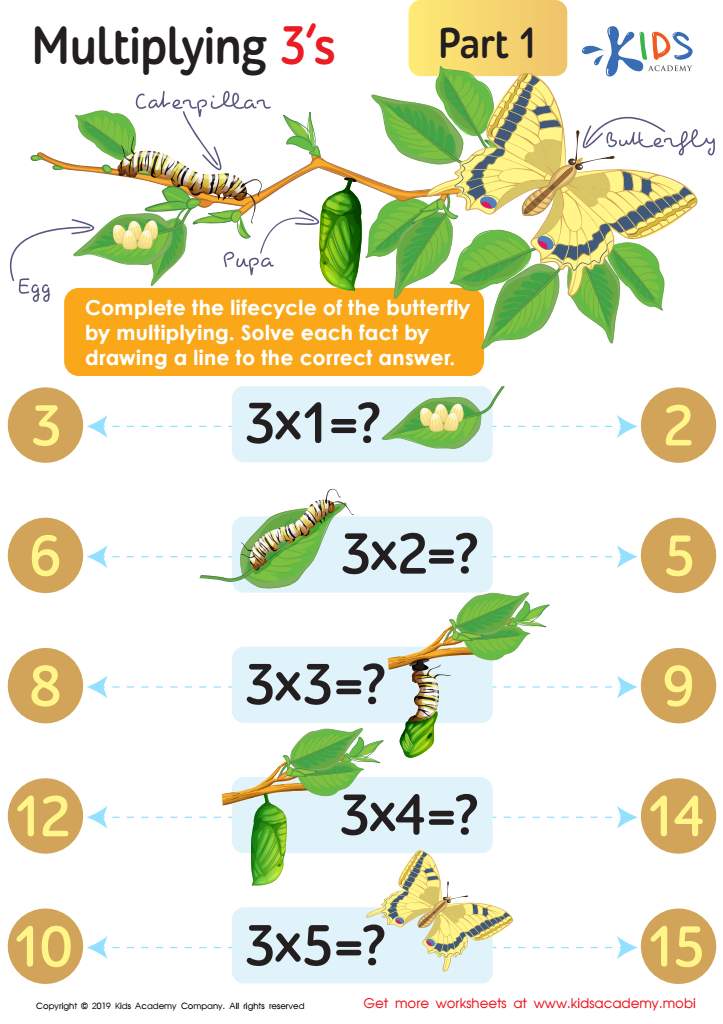
Multiplying 3’s Part 1 Worksheet
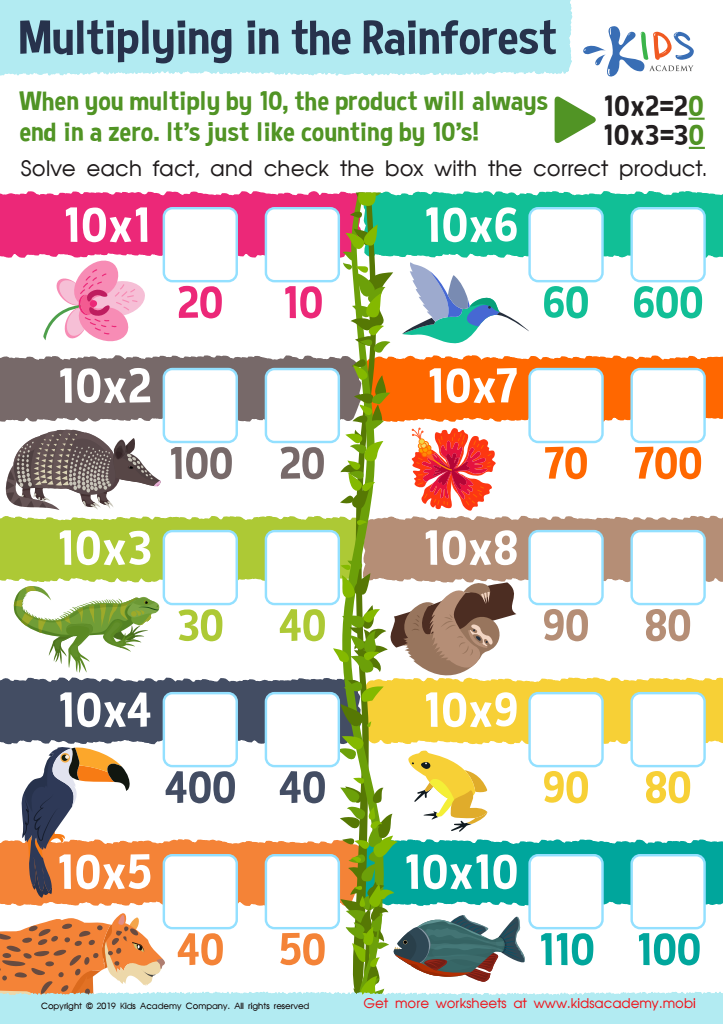
Multiplying in the Rainforest Worksheet
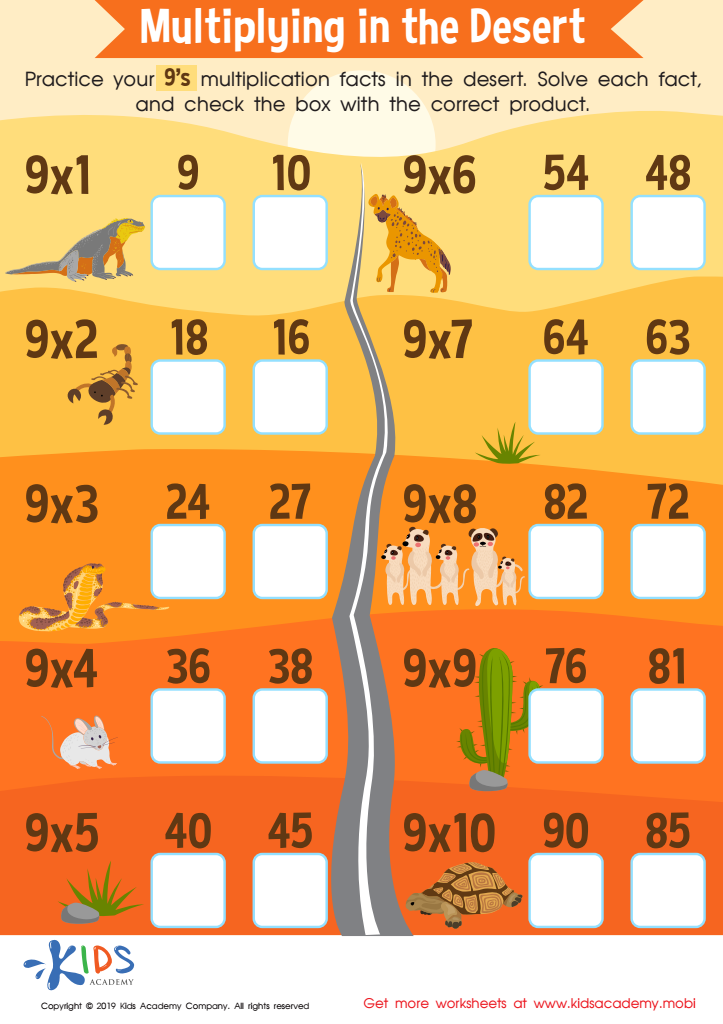
Multiplying in the Desert Worksheet
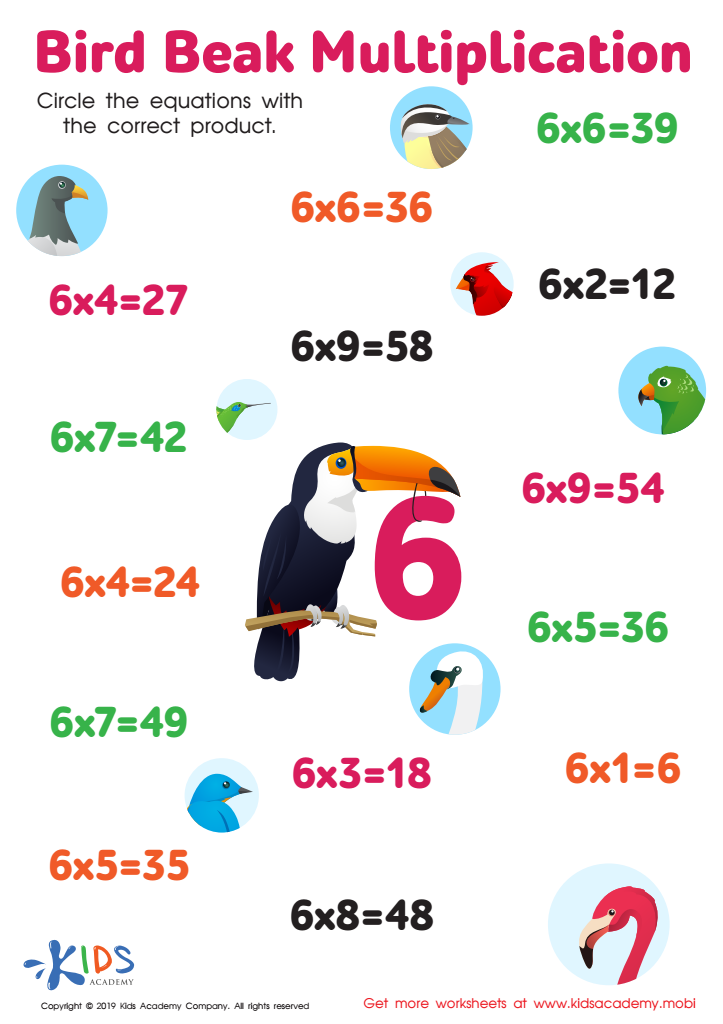
Bird Beak Multiplication Worksheet
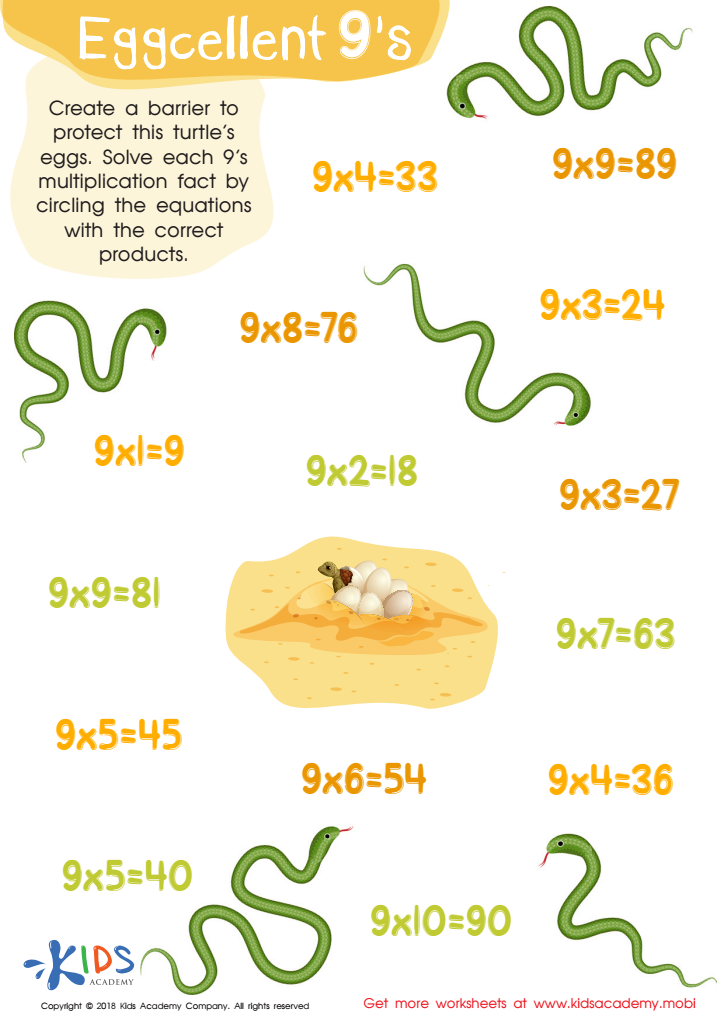
Eggcellent 9’s Worksheet
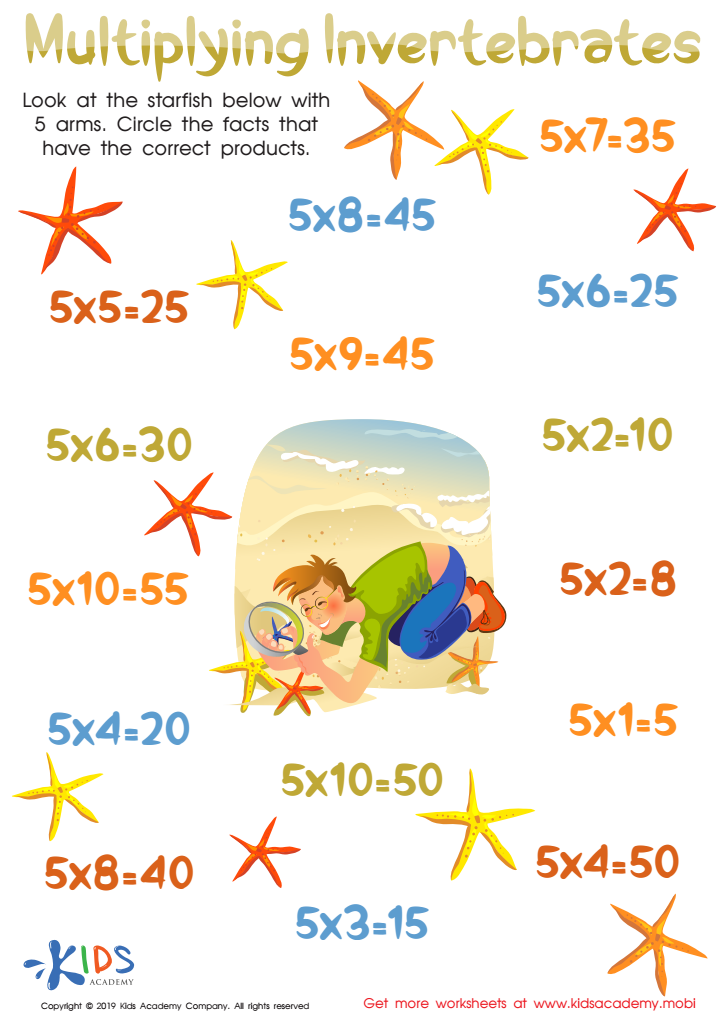
Multiplying Invertebrates Worksheet
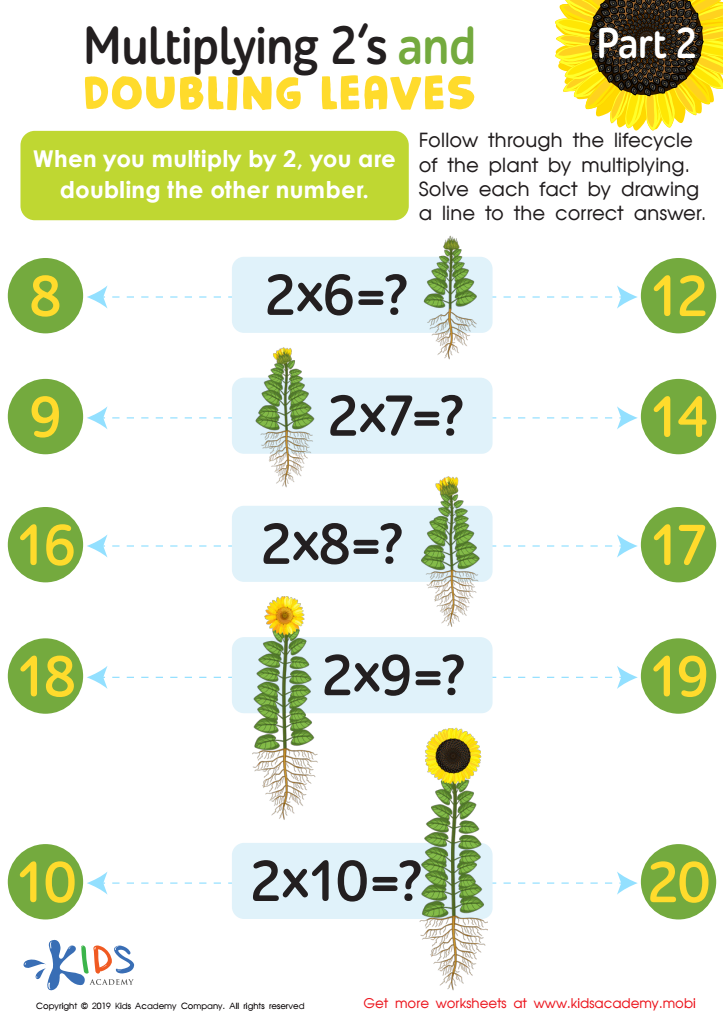
Multiplying 2’s and Doubling Leaves Part 2 Worksheet
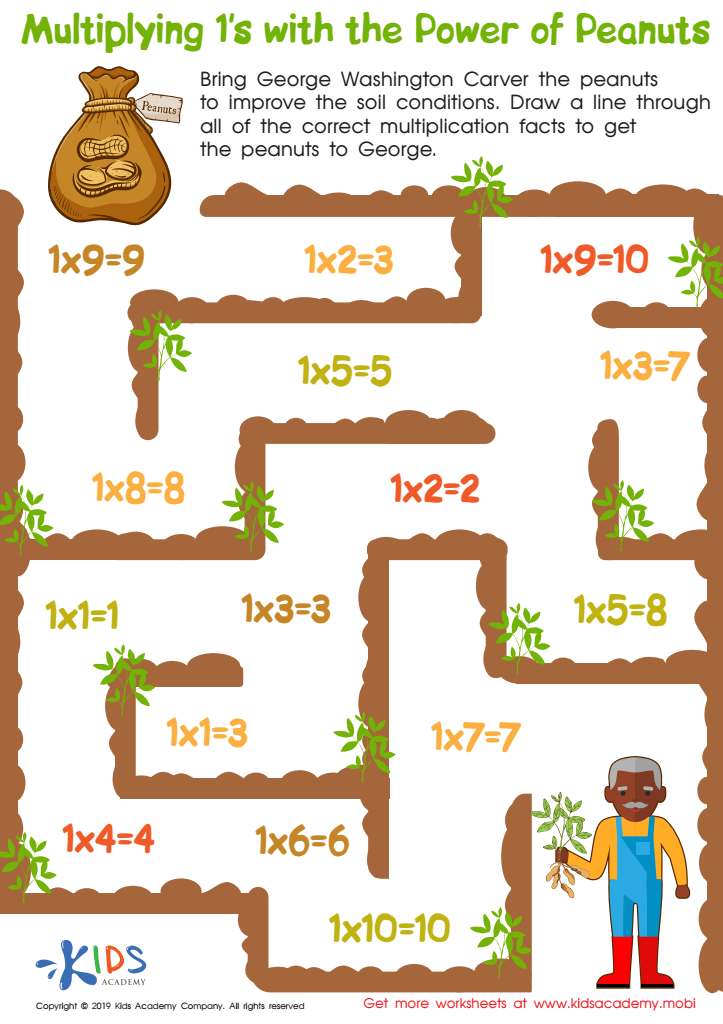
Multiplying 1’s With the Power of Peanuts Worksheet
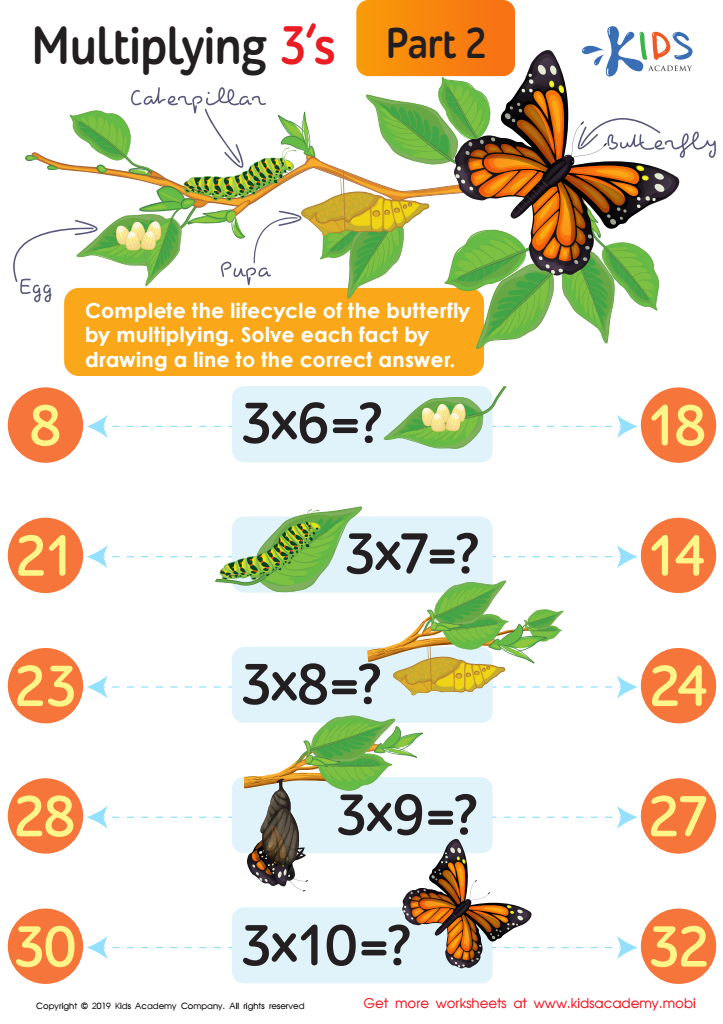
Multiplying 3s Part 2 Worksheet
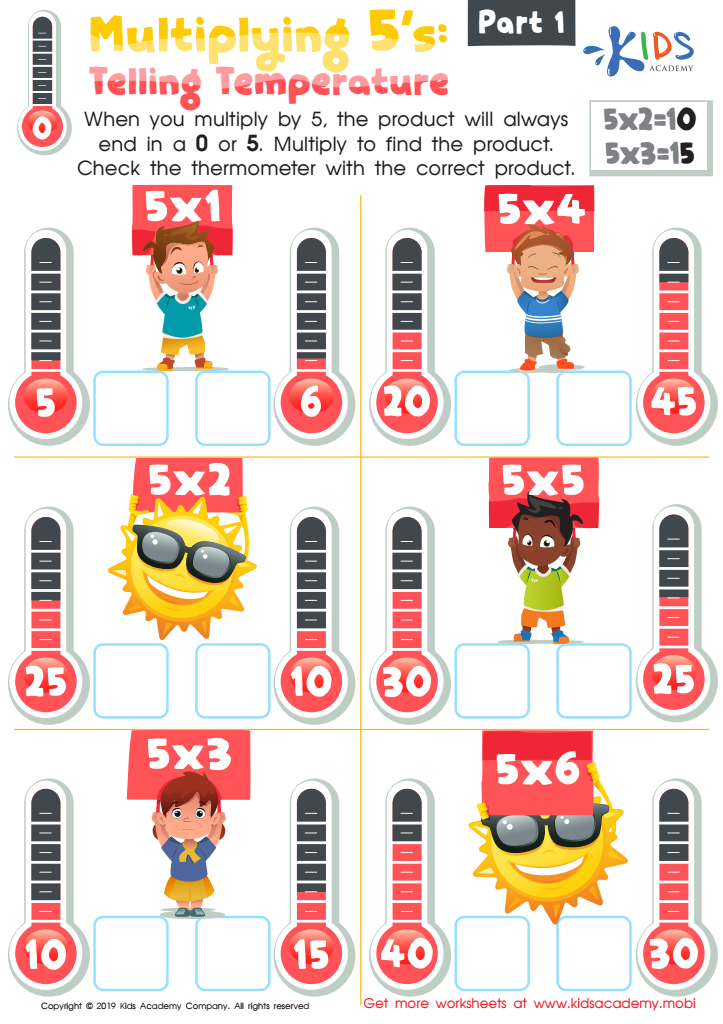
Multiplying 5’s: Telling Temperature Worksheet
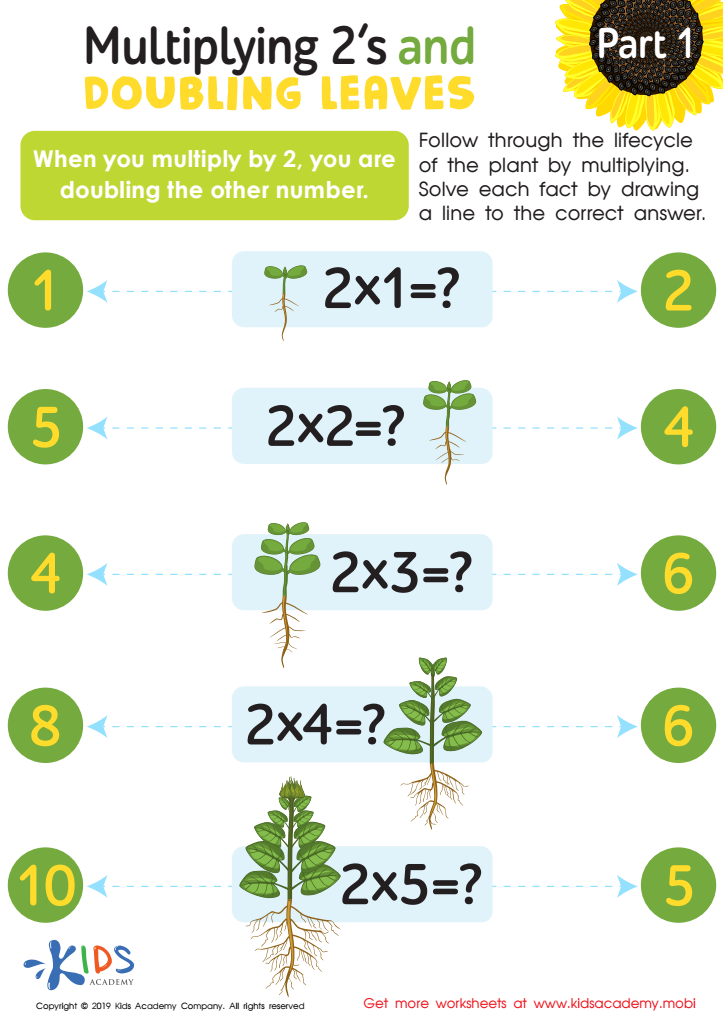
Multiplying 2’s and Doubling Leaves Part 1 Worksheet
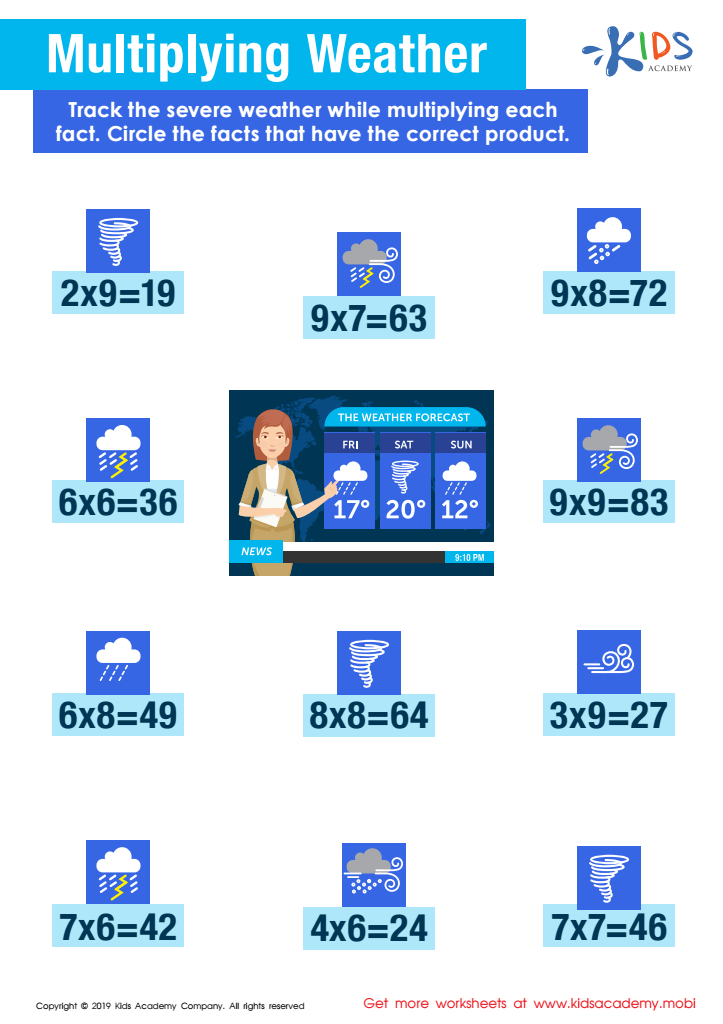
Multiplying Weather Worksheet
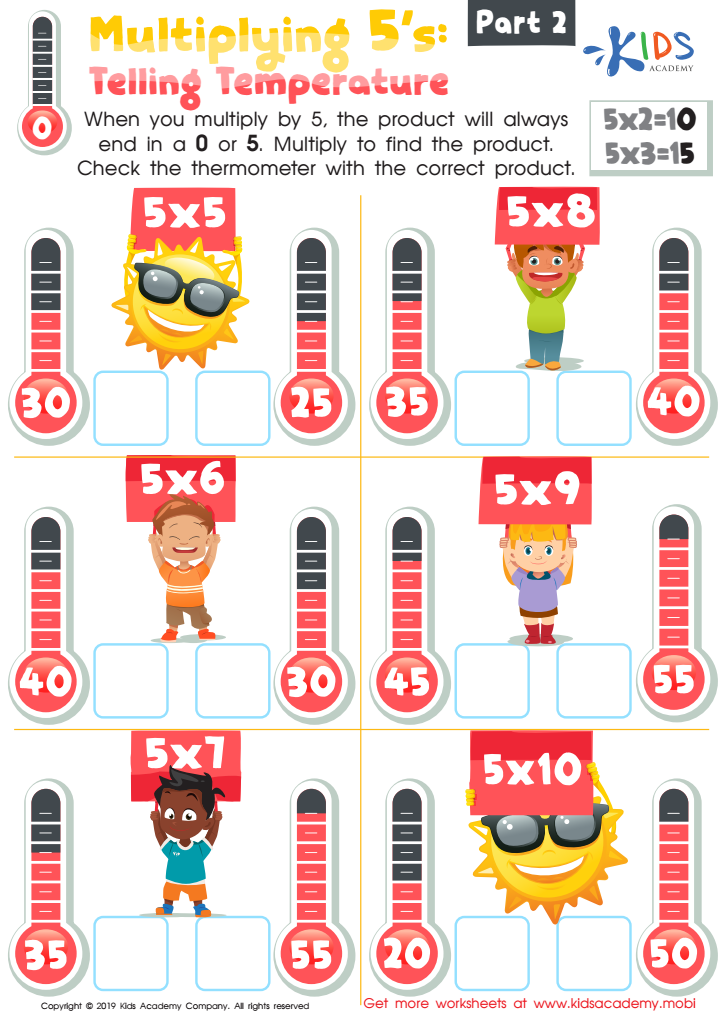
Multiplying 5’s: Telling Temperature Part 2 Worksheet








Parents and teachers should prioritize multiplication practice for children ages 7-8 because it lays a critical foundation for their mathematical understanding. At this age, students transition from basic arithmetic to more complex problem-solving. Mastery of multiplication is essential, as it forms the basis for more advanced concepts like division, fractions, and algebra. Engaging in consistent multiplication practice enhances a child's cognitive skills, improving their ability to think logically and solve puzzles, which are essential abilities in both math and everyday life.
Moreover, multiplication practice encourages confidence in mathematics. When students repeatedly engage with multiplication problems, they gradually reduce math anxiety, paving the way for a more positive attitude towards learning. It also fosters perseverance and patience as children learn to tackle challenges.
Furthermore, joining multiplication practice with science topics can create an interdisciplinary approach, making learning more engaging and relevant. For instance, using multiplication to calculate the number of seeds in a science experiment or understanding patterns in nature can enliven both subjects. This not only builds their mathematical skills but also enhances their scientific thinking and appreciation for connections across disciplines. Therefore, prioritizing multiplication practice is vital for academic success and holistic development at this critical learning stage.







