Cognitive Development Math Worksheets for Ages 7-9 - Page 2
46 filtered results
-
From - To
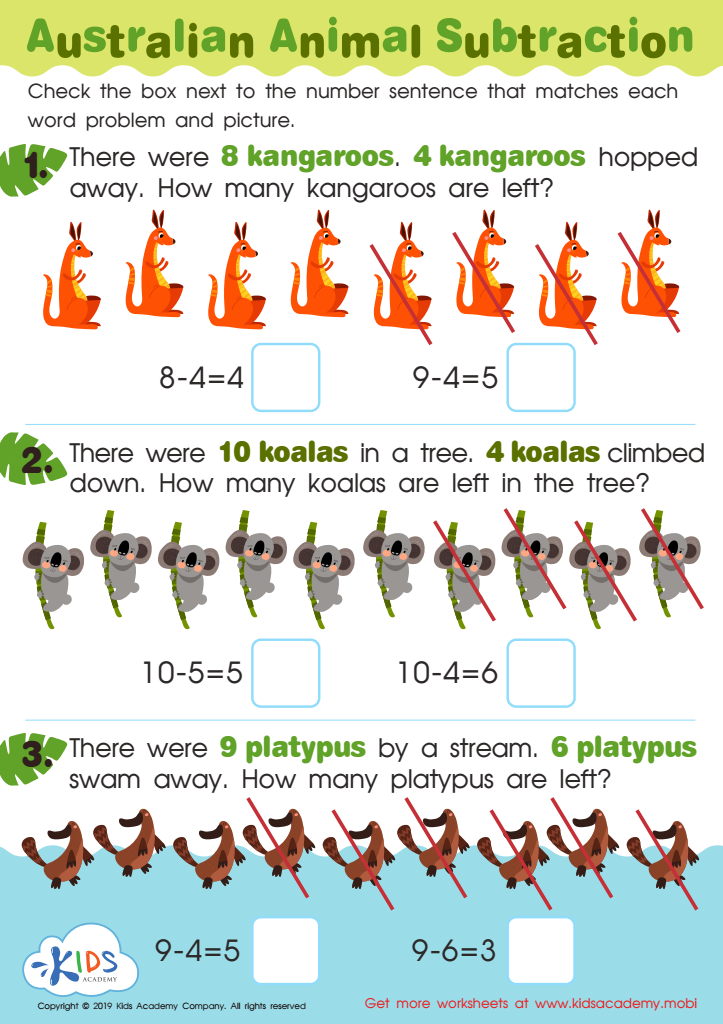
Australian Animal Subtraction Worksheet
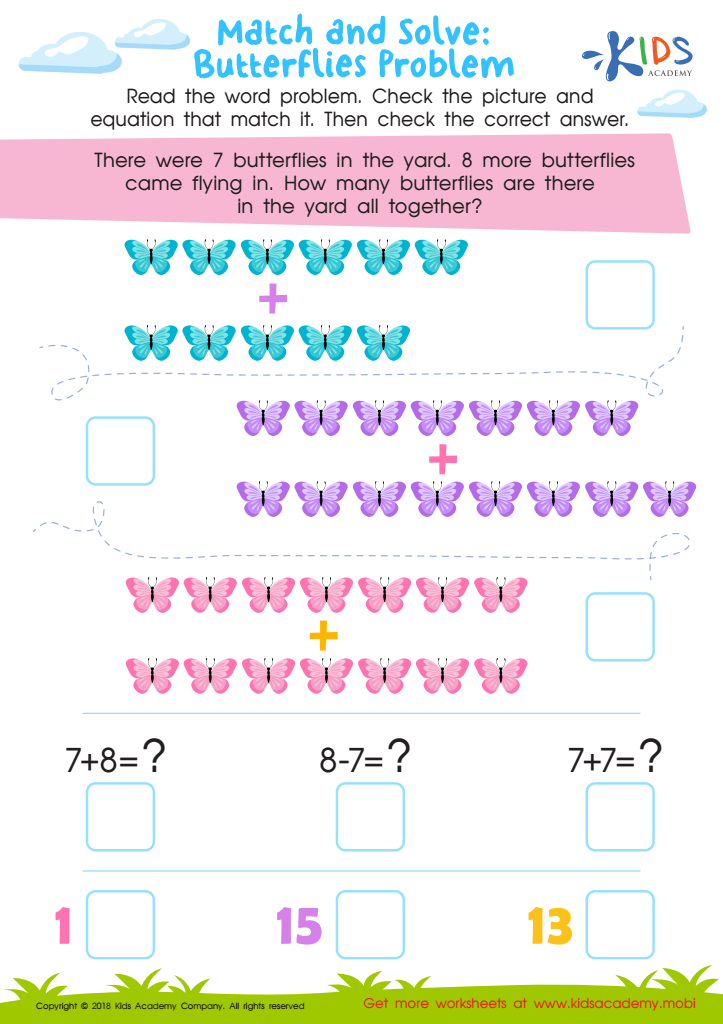
Match and Solve: Butterfly Problem Worksheet
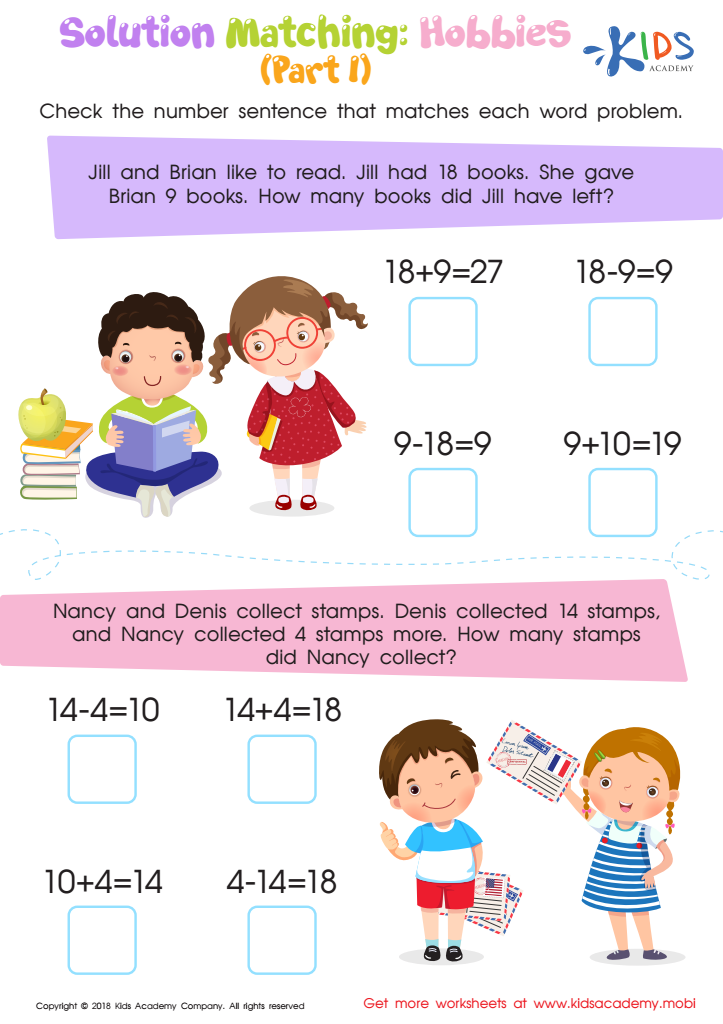
Solution Matching: Hobbies. Part 1 Worksheet
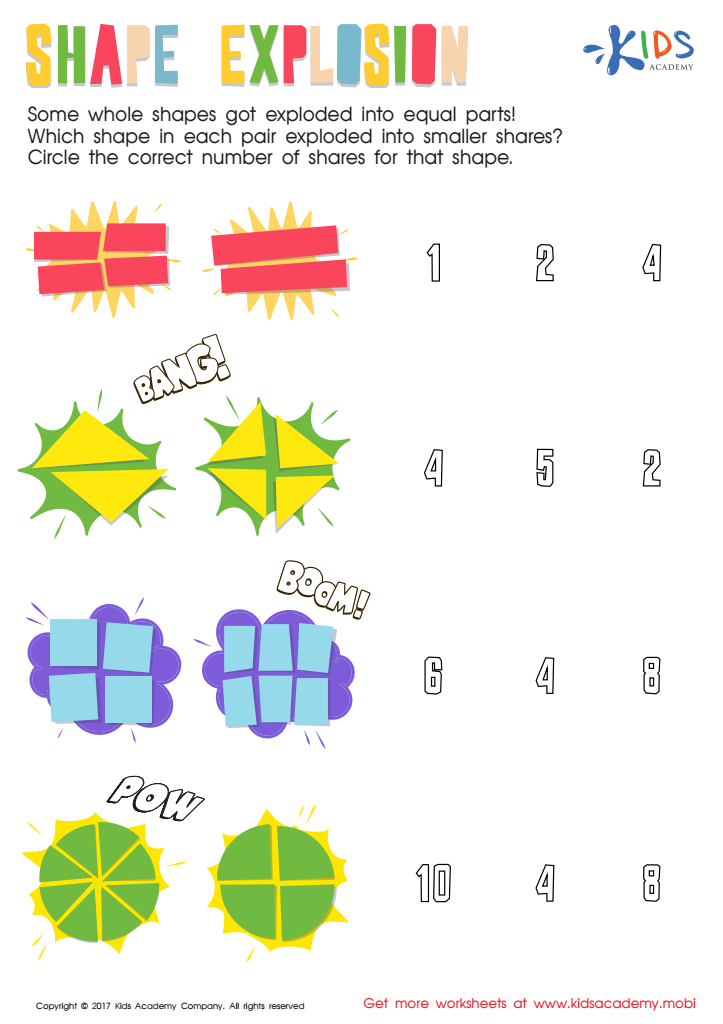
Shape Explosion Worksheet
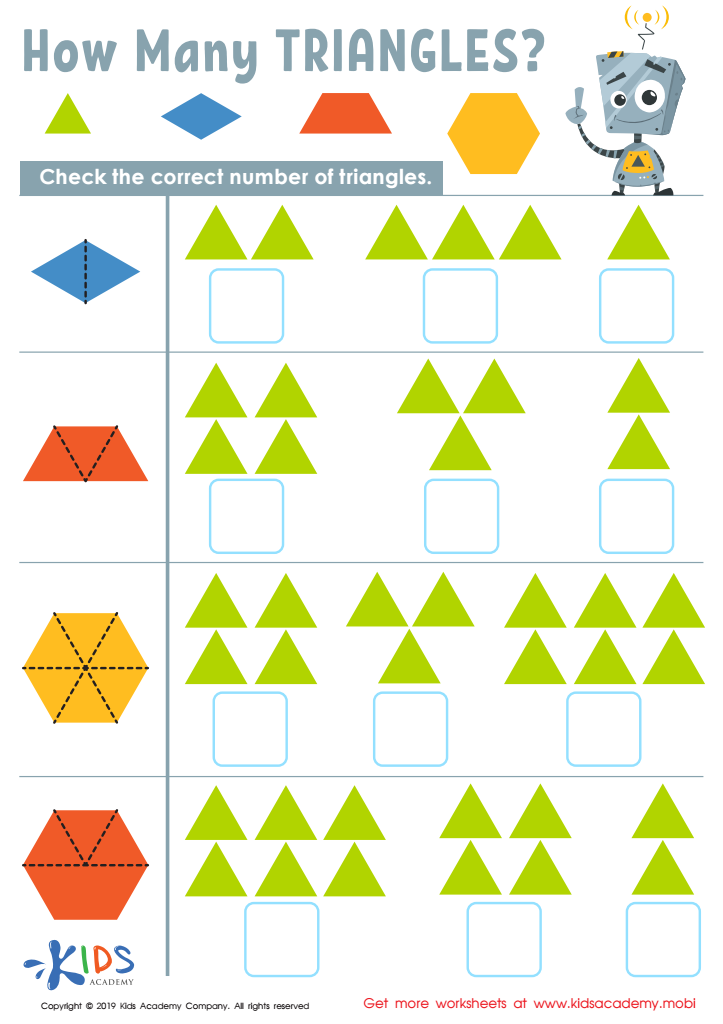
How Many Triangles Worksheet
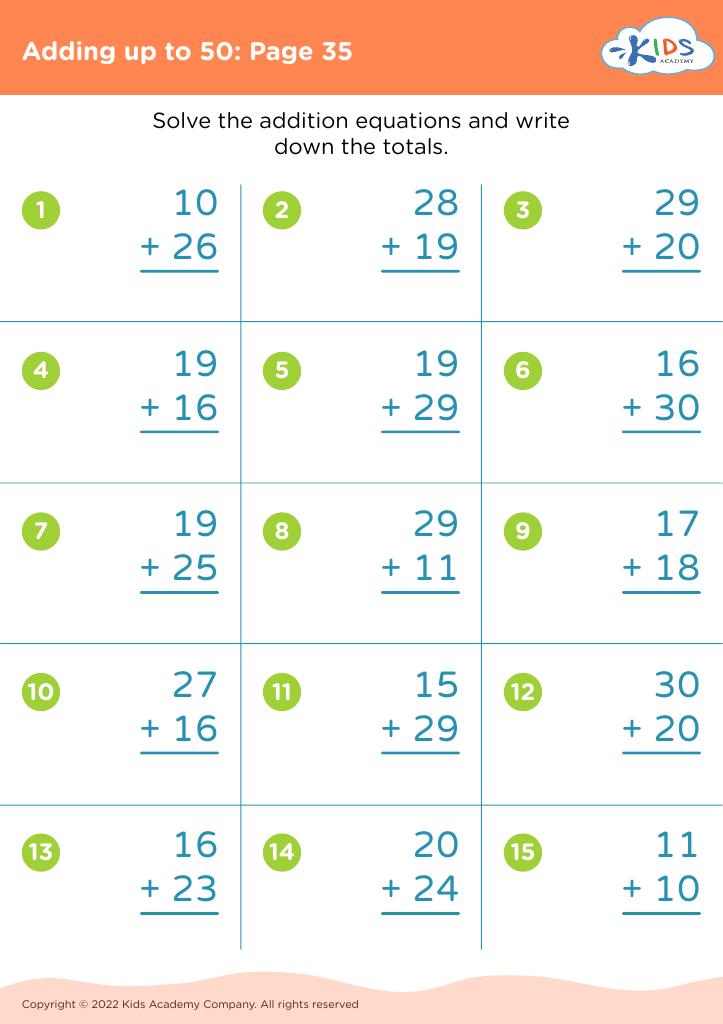
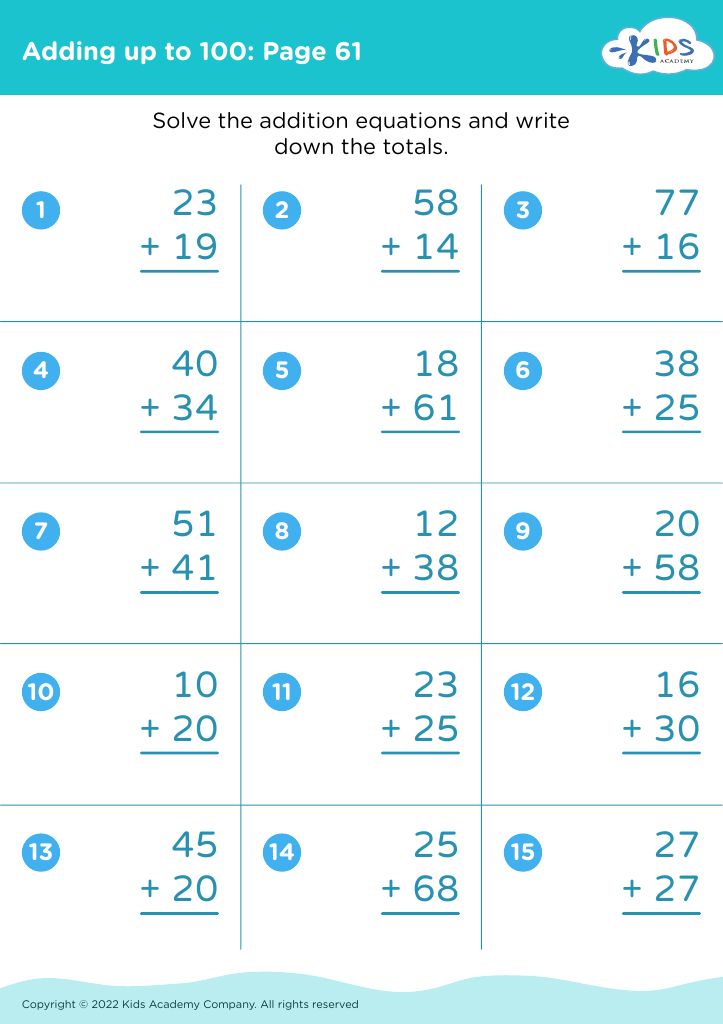
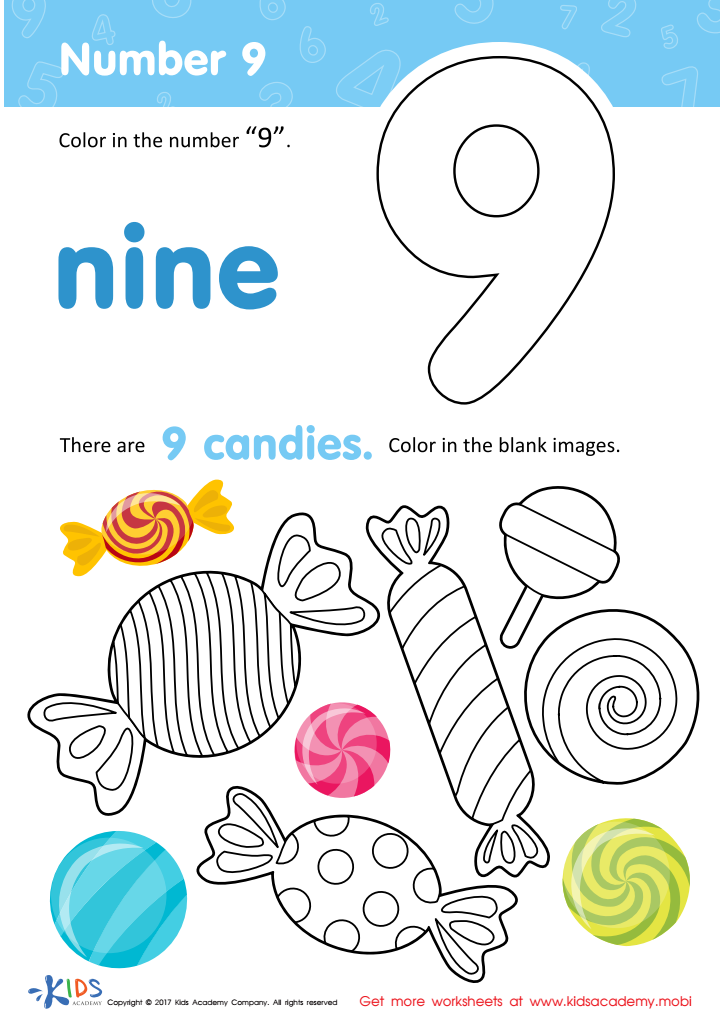
Number 9 Printable
 Assign to My Students
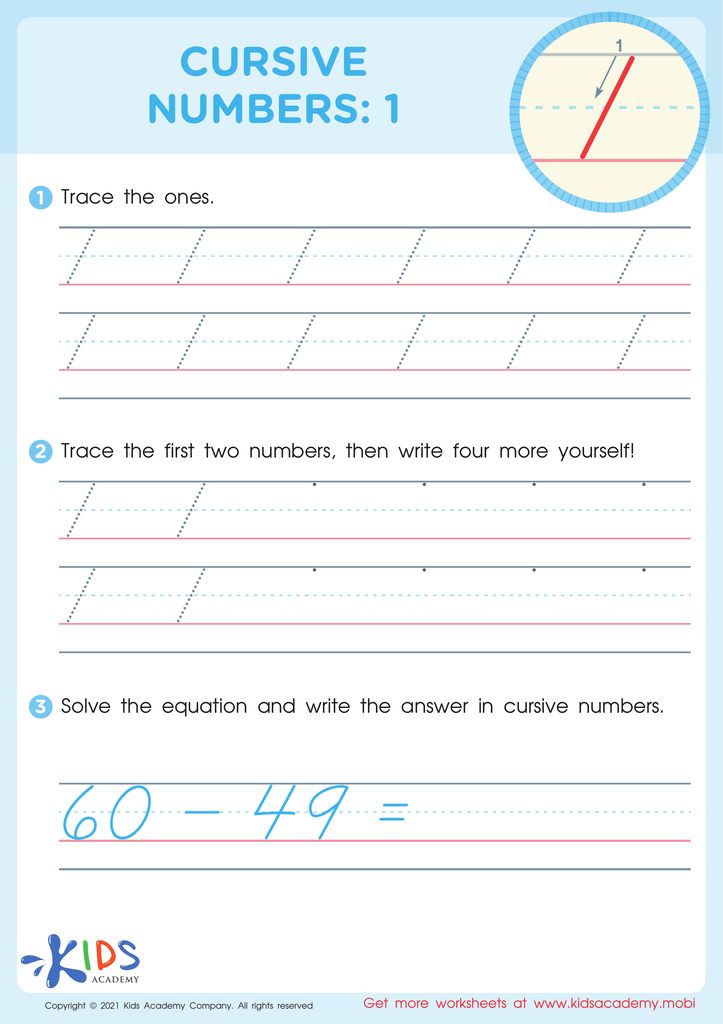
Cursive Numbers: 1 Worksheet
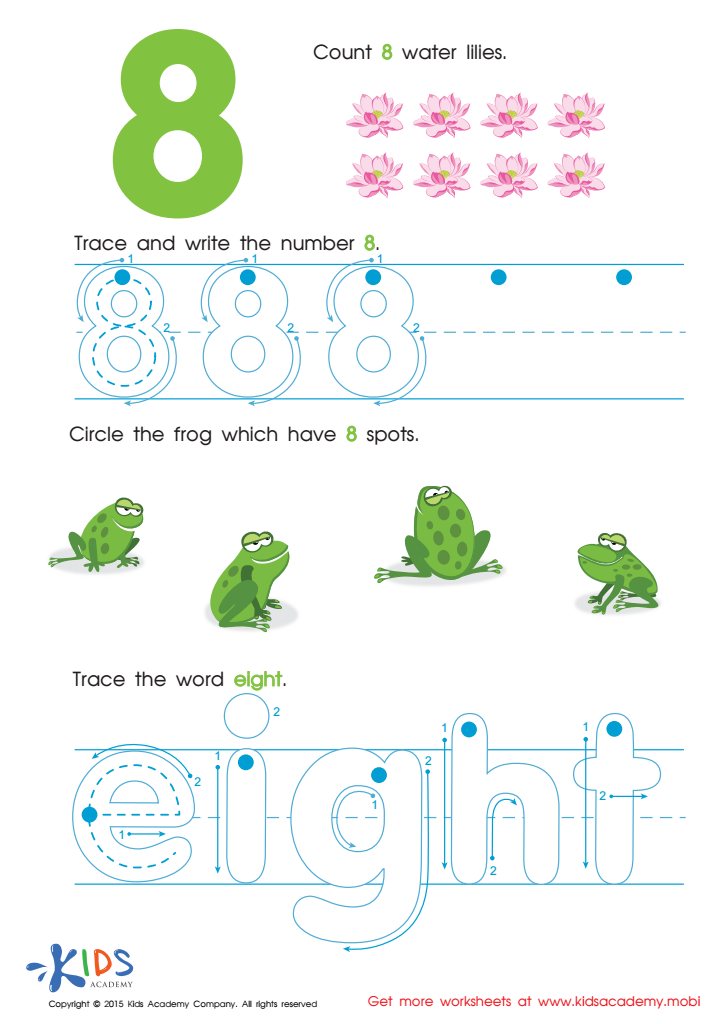
Learn Number 8 Easily Worksheet
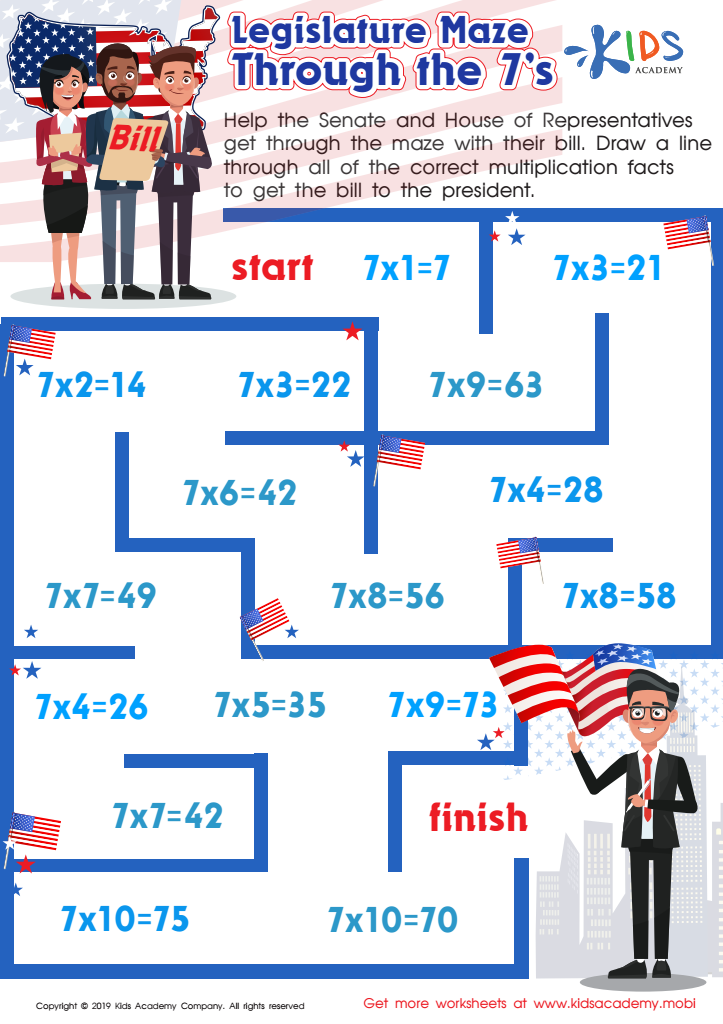
Legislature Maze Through the 7’s Worksheet
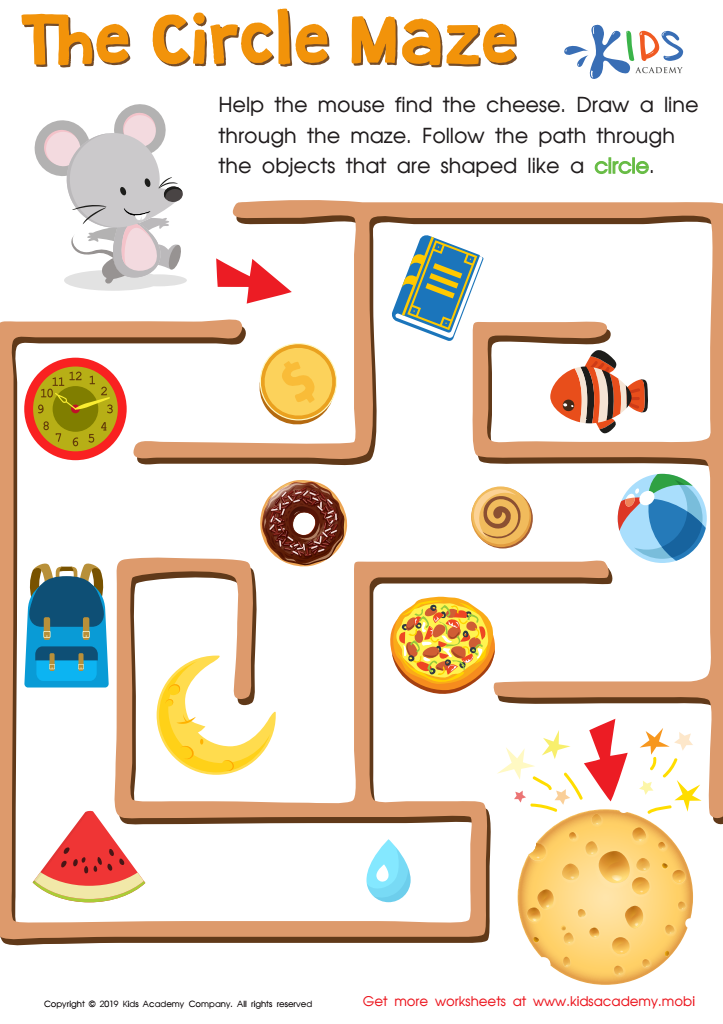
The Circle Maze Worksheet
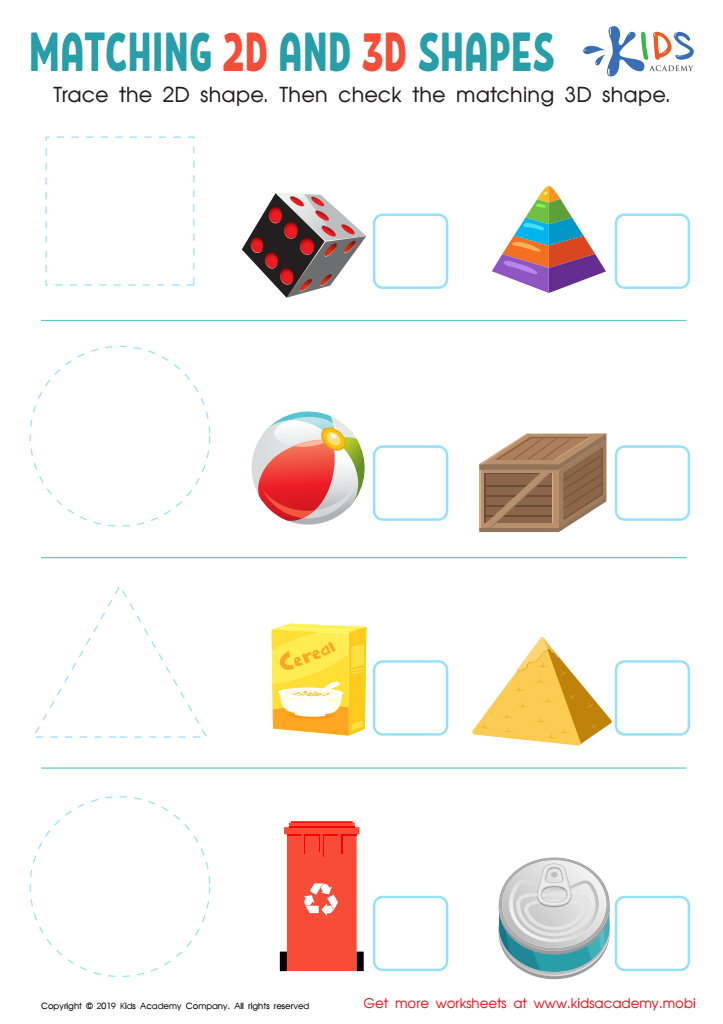
Matching 2D and 3D Shapes Worksheet
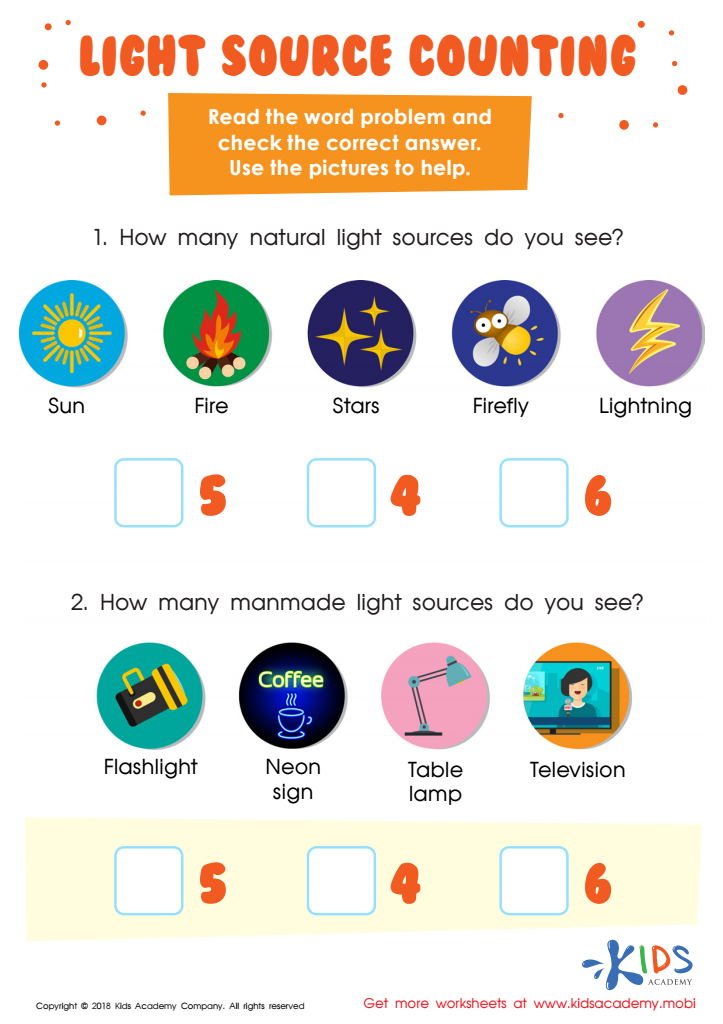
Light Source Counting Worksheet
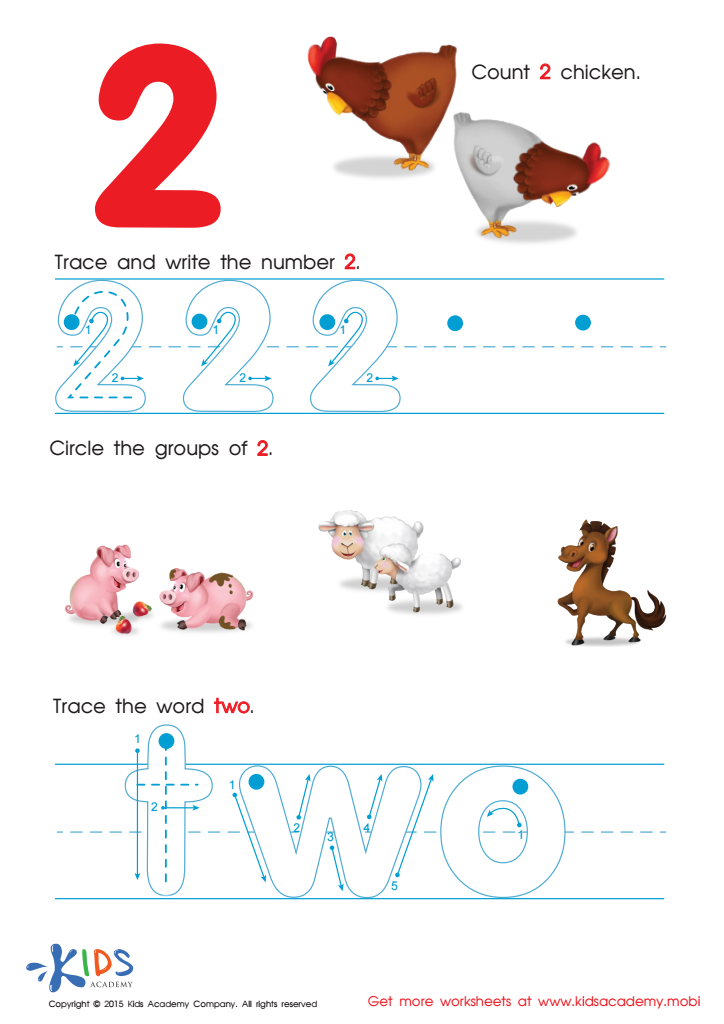
Learn to Write the Number 2 Worksheet
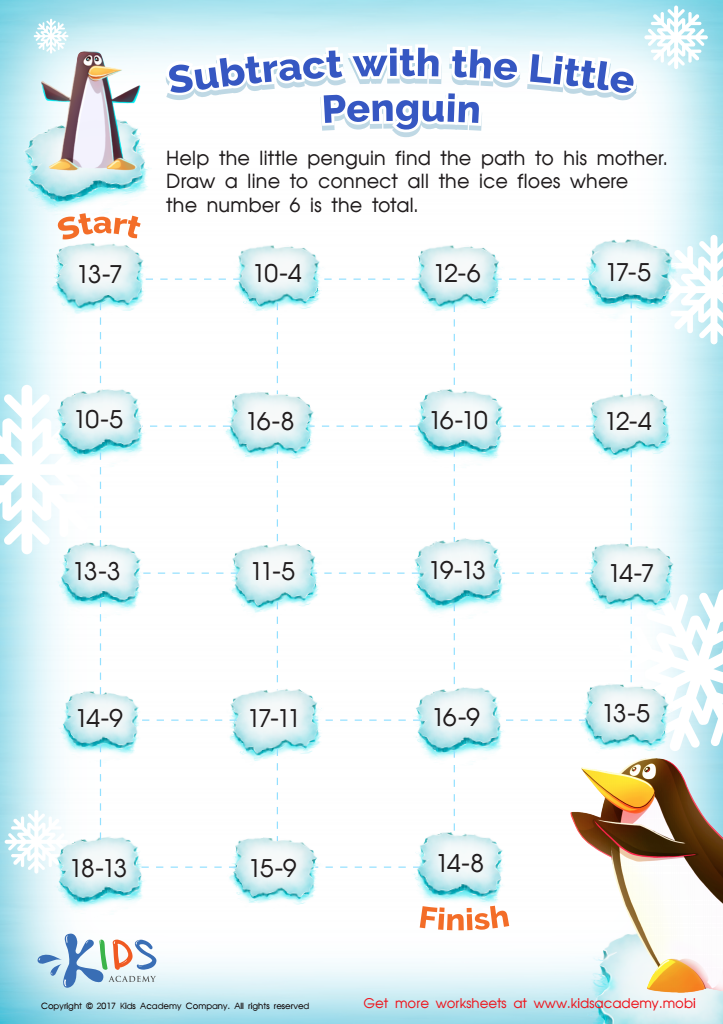
Subtract With The Little Penguin Substraction Worksheet
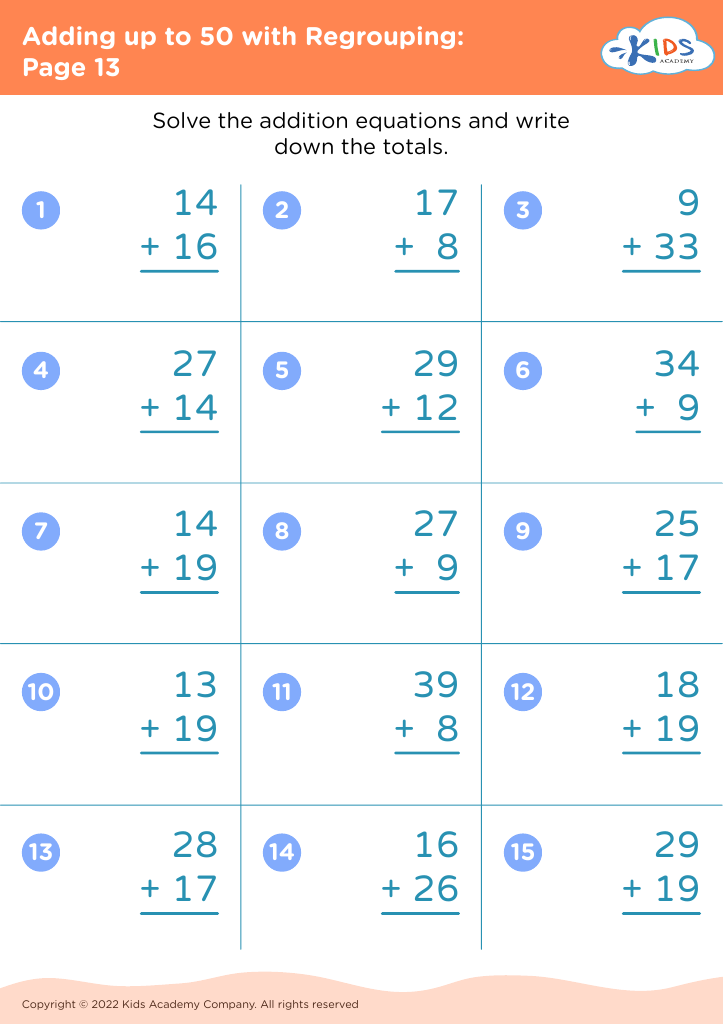








Cognitive development in math for children ages 7-9 is a critical stage that lays the foundation for future learning and academic success. During this period, children transition from relying on concrete objects to thinking more abstractly, enabling them to grasp concepts such as addition, subtraction, multiplication, and division more effectively.
Engaging in math activities helps children enhance their problem-solving skills, logical reasoning, and critical thinking abilities. These cognitive skills are not just essential for math but are transferable to other subjects and real-life situations. As they learn to structure their thoughts and approach problems methodically, children build confidence and resilience.
Moreover, early success in math can prevent math-related anxiety and foster a positive attitude toward learning. Parents and teachers who prioritize cognitive development in math are providing children with opportunities to explore patterns, relationships, and connections, which are crucial for higher-order thinking.
By making math engaging and relatable, adults can help children develop a genuine interest in numbers and problem-solving. This early encouragement can lead to a lifelong appreciation for math, opening doors to future academic and career opportunities in STEM fields. Therefore, investing time and resources in cognitive development math activities for ages 7-9 is instrumental in shaping well-rounded, intellectually curious, and confident learners.








