Understanding patterns Math Worksheets for Ages 7-9 - Page 2
47 filtered results
-
From - To
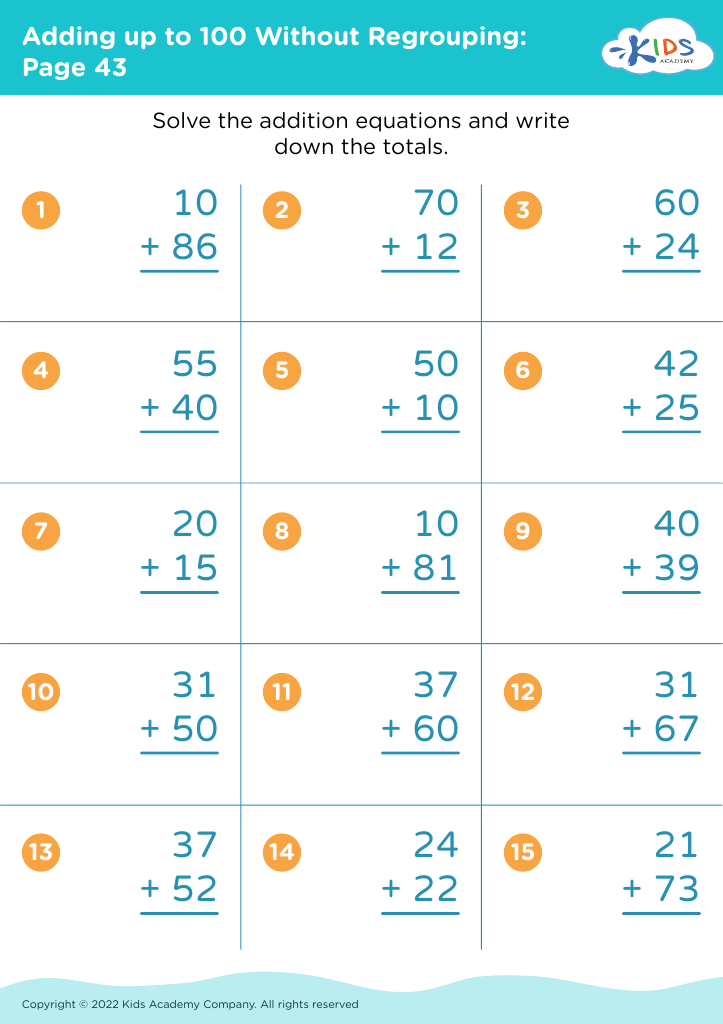
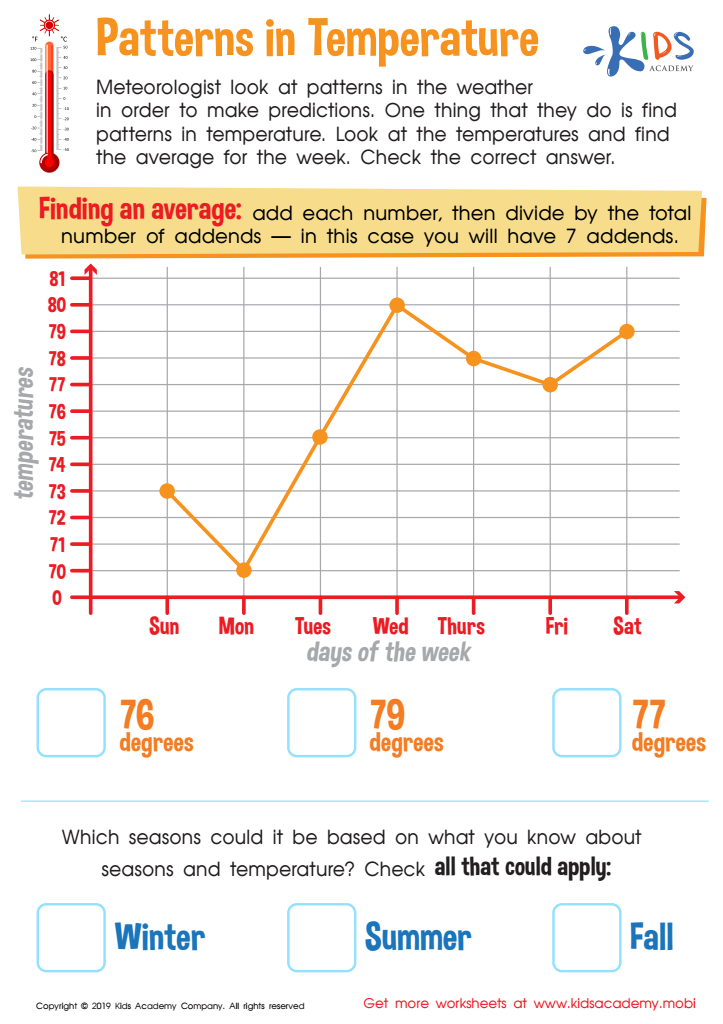
Patterns in Temperature Worksheet
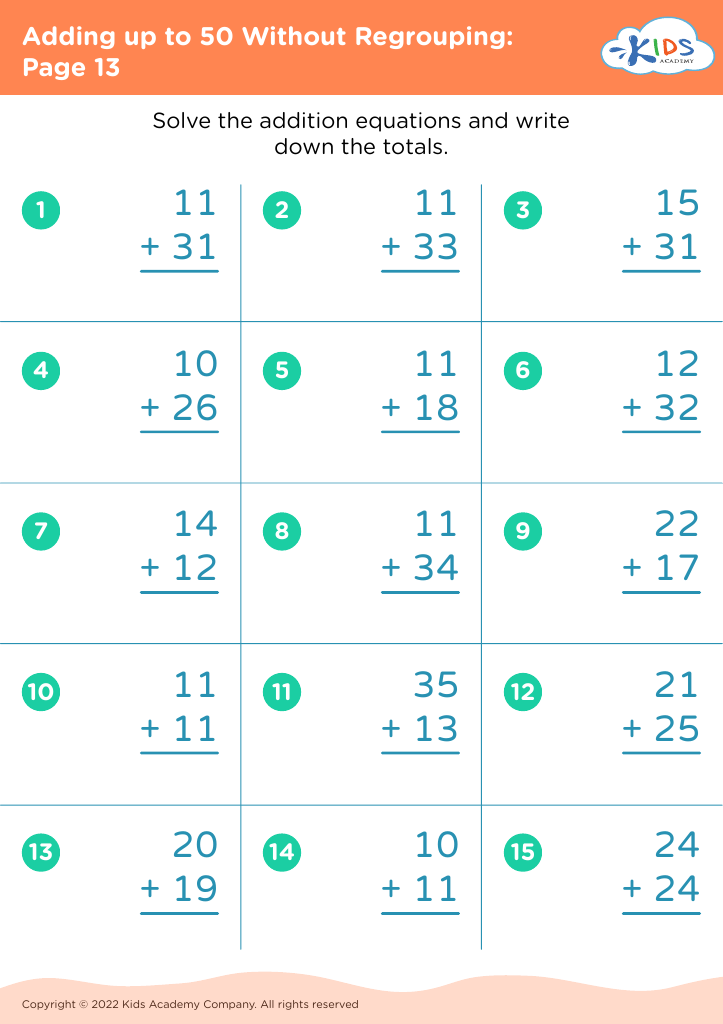
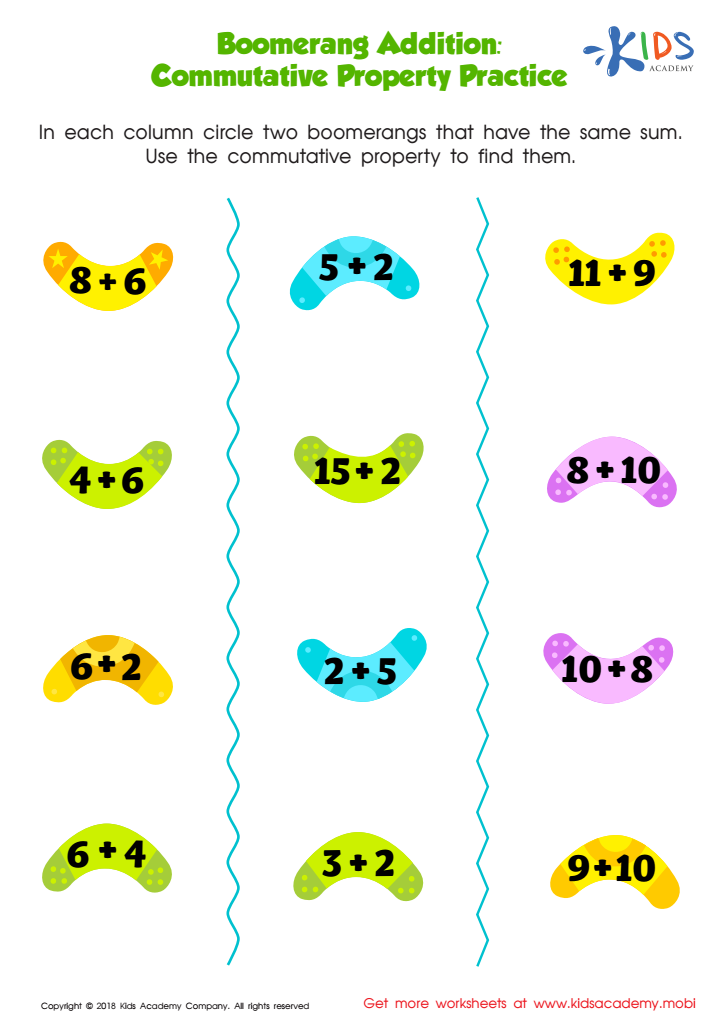
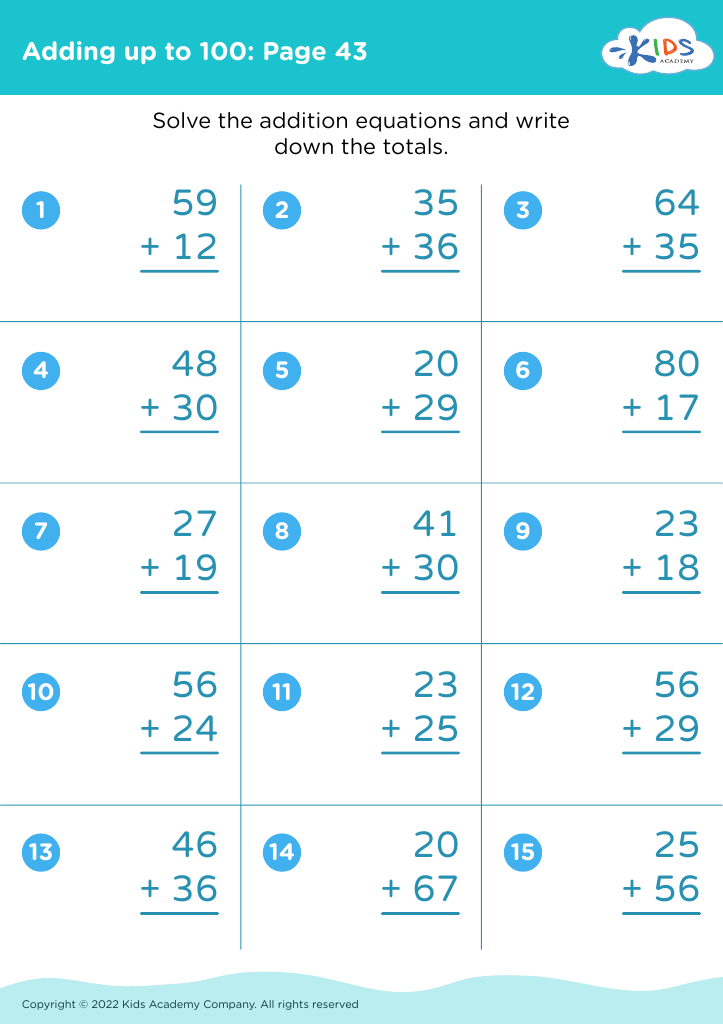
Boomerang Addition Worksheet
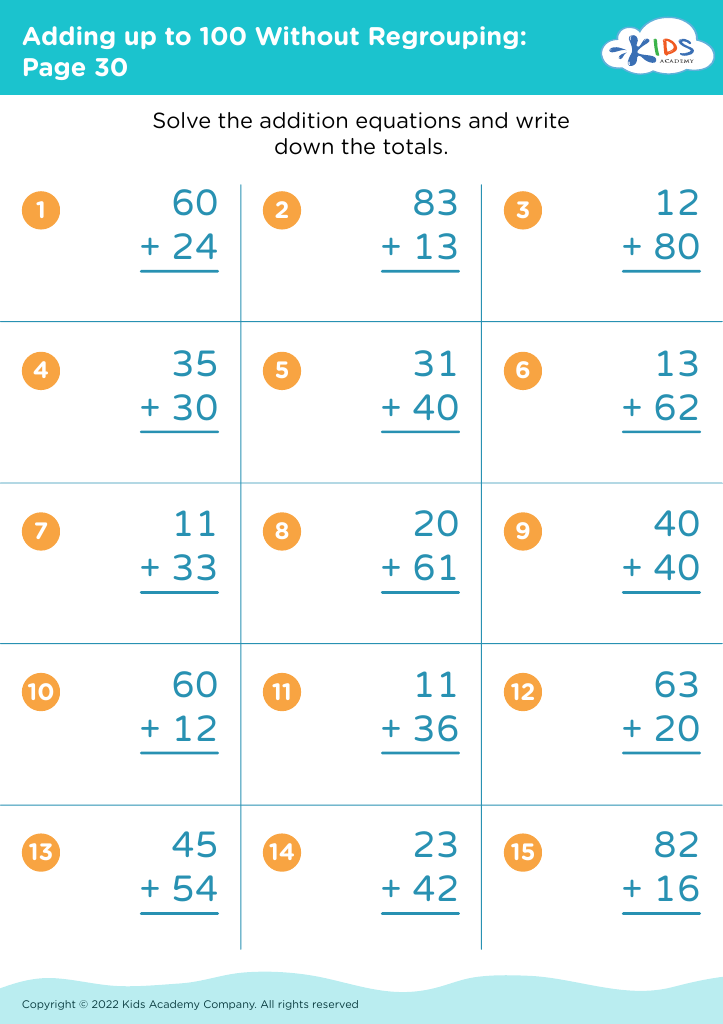
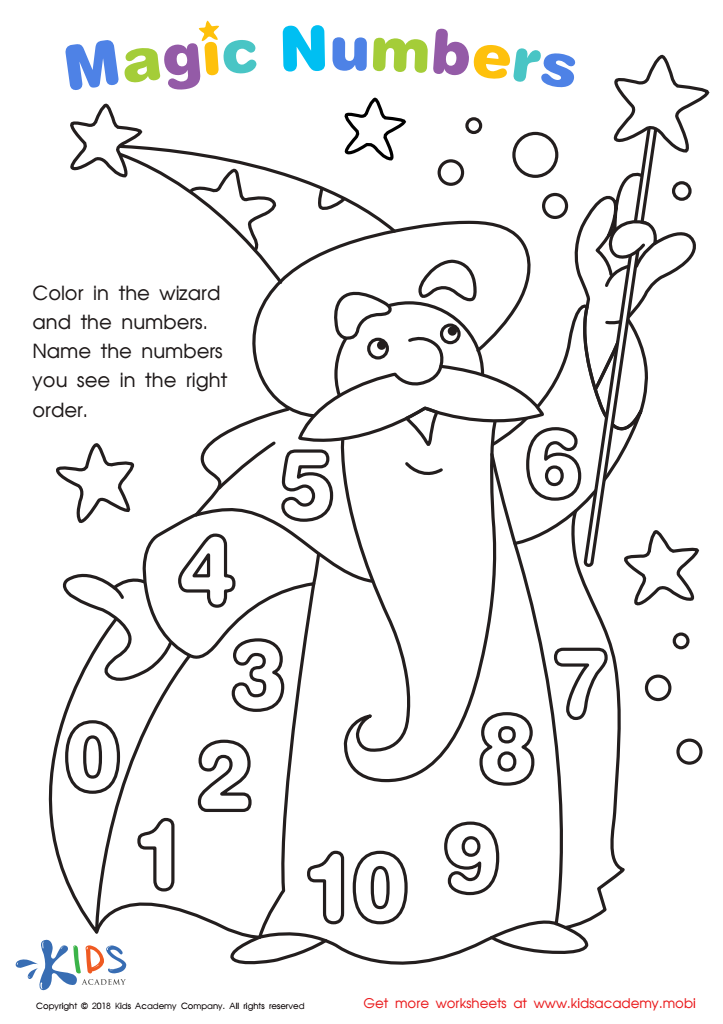
Magic Numbers Worksheet
 Assign to My Students
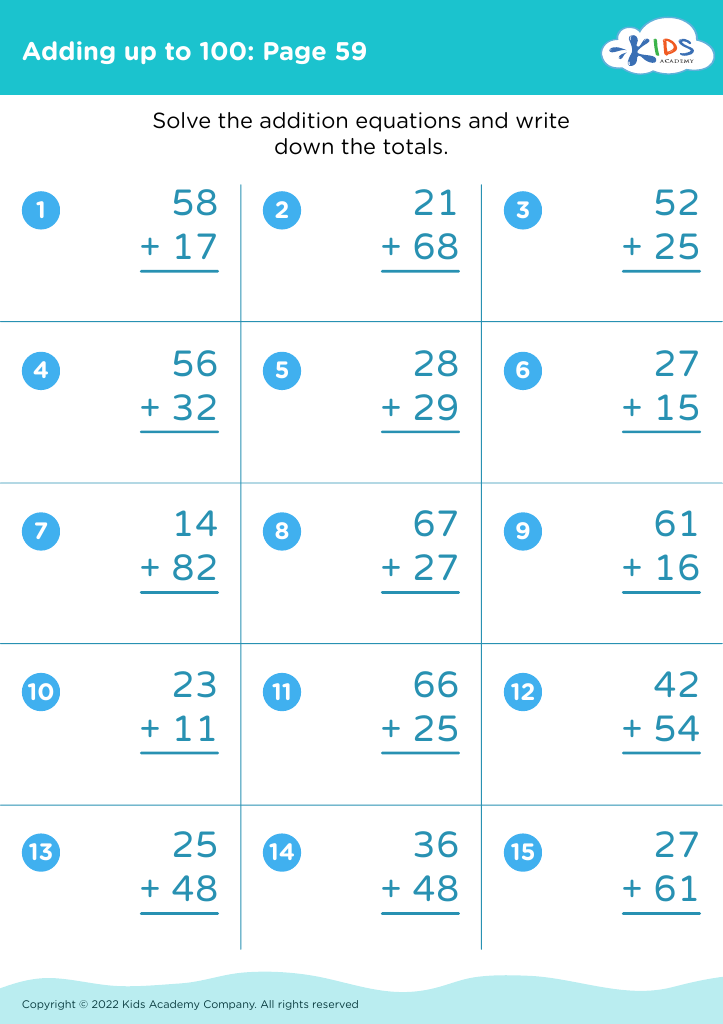
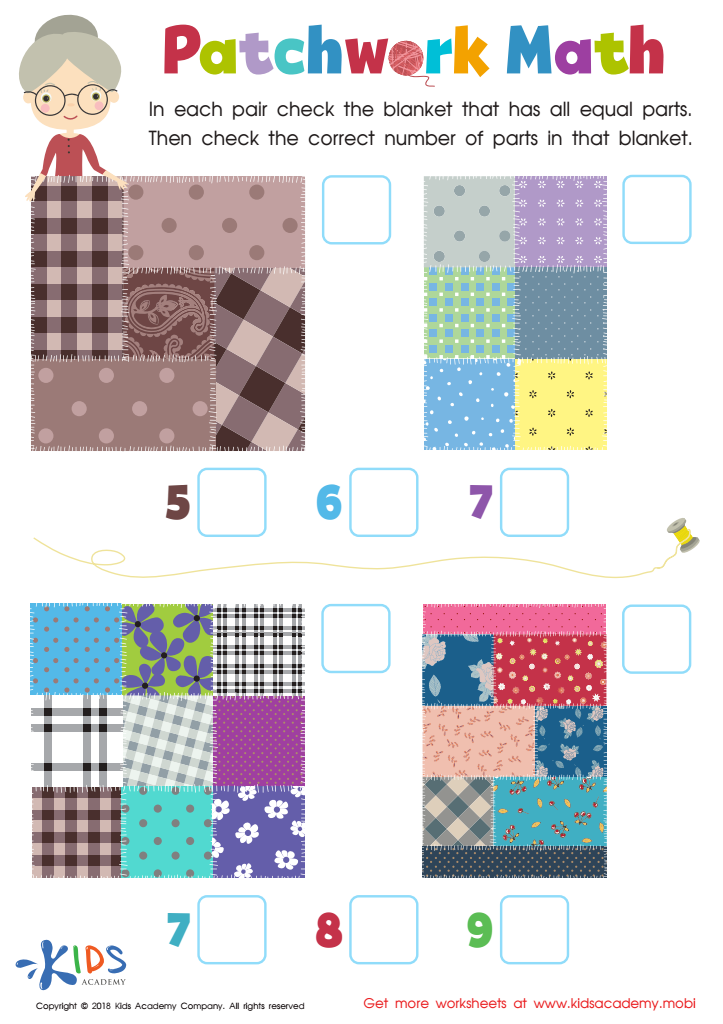
Patchwork Math Worksheet
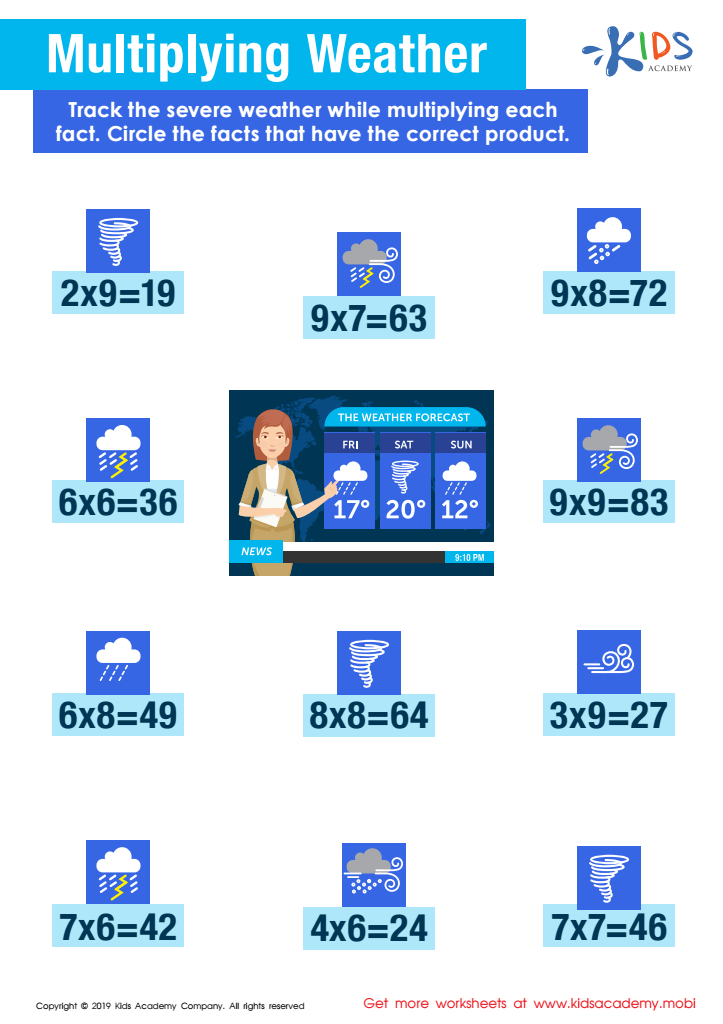
Multiplying Weather Worksheet
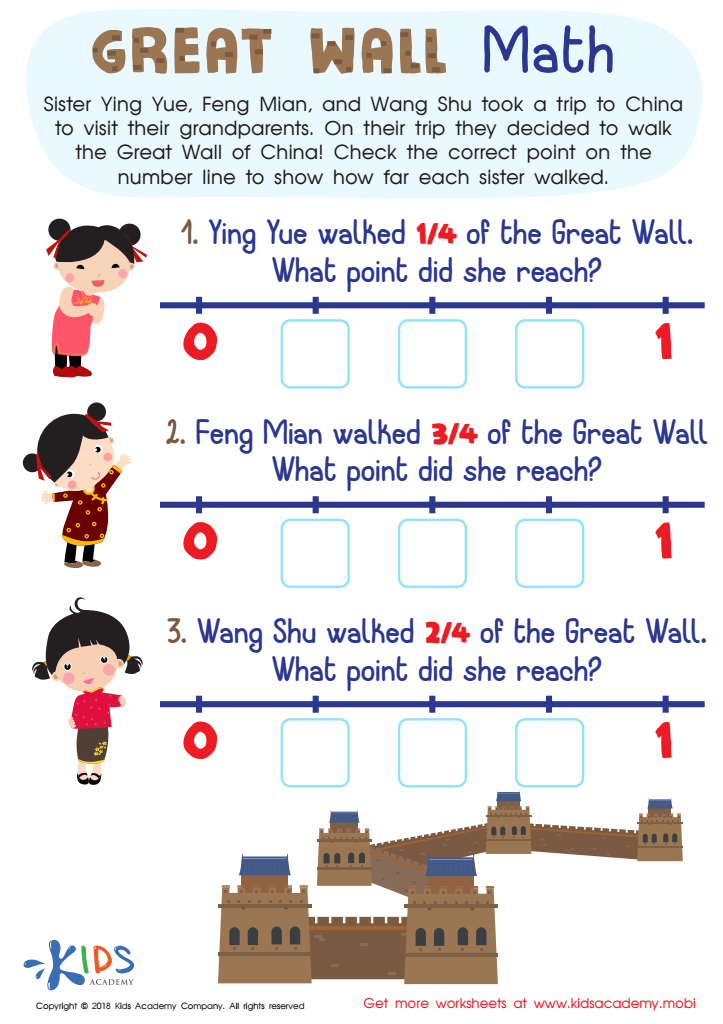
Great Wall Math Worksheet
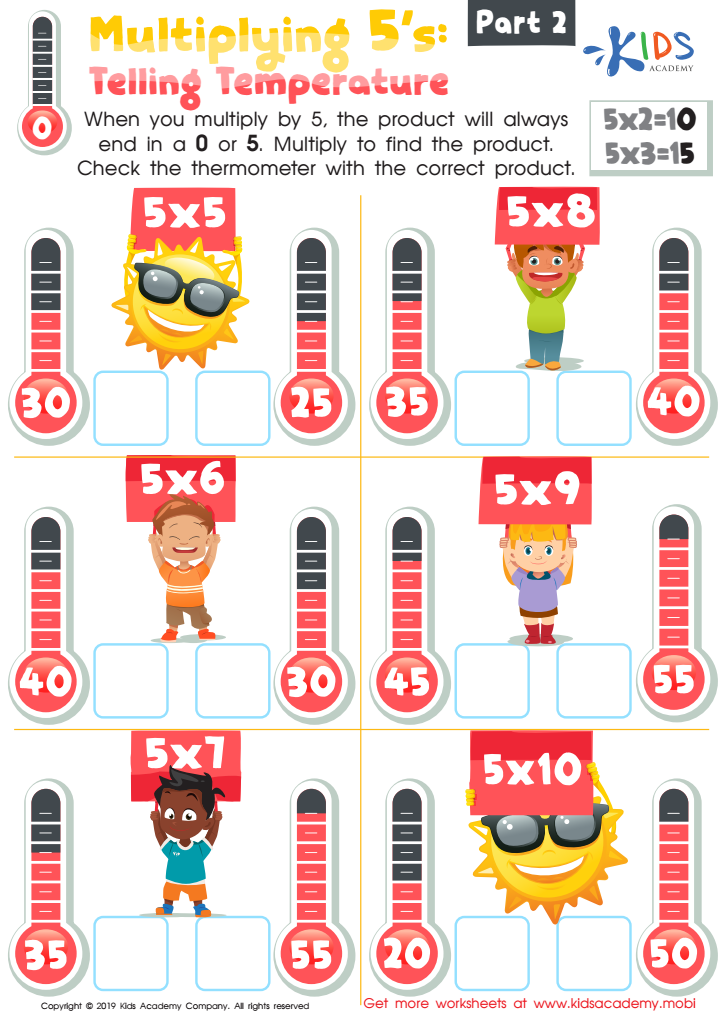
Multiplying 5’s: Telling Temperature Part 2 Worksheet
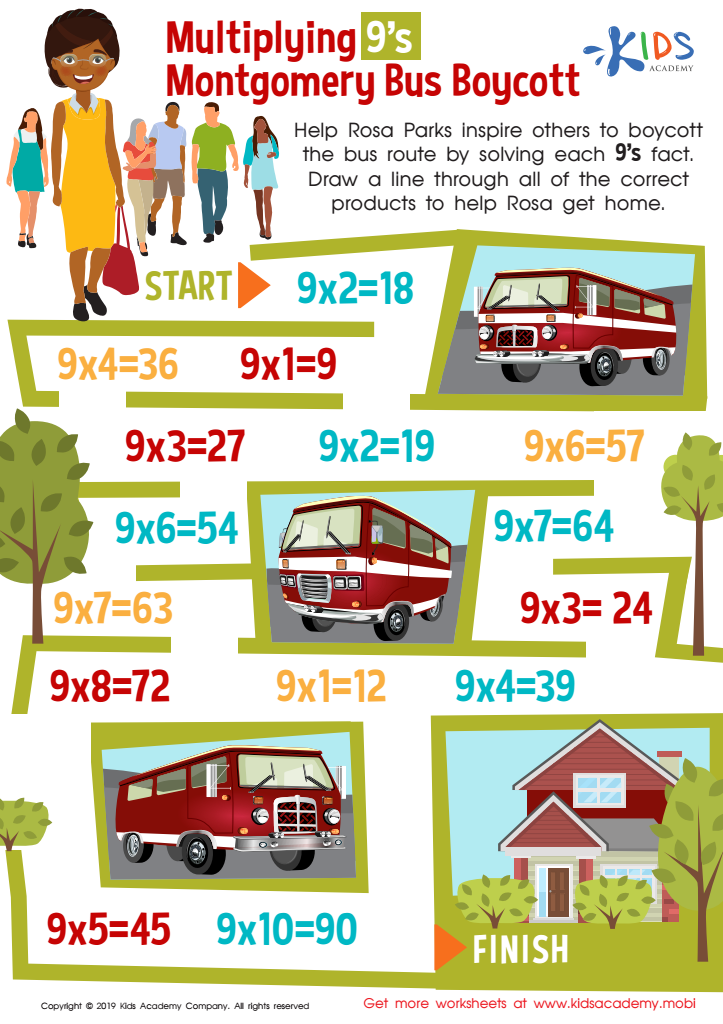
Multiplying 9’s Montgomery Bus Boycott Worksheet


.jpg)




Understanding patterns in math is crucial for children ages 7-9, as it forms the foundation for more complex mathematical concepts. Recognizing and predicting patterns enhances problem-solving skills and critical thinking, essential abilities for success in various academic areas and real-life situations. When children learn to identify patterns in numbers, shapes, and activities, they begin to develop logical reasoning and analytical skills that not only apply to mathematics but also to subjects like science and art.
For parents and teachers, focusing on patterns can dramatically improve a child's confidence and interest in math. This subject is not merely about memorizing facts; it's about developing a mindset that allows for flexible thinking. Engaging children with fun, patterned activities—like counting, sorting, and creating sequences—can make learning enjoyable and relatable.
Additionally, pattern recognition is a key element in understanding algebra, geometry, and even disciplines beyond math. By nurturing this ability early on, caregivers help children build a solid numeracy foundation that will support their lifelong academic journey. Investing time in understanding patterns now will ultimately foster a love for math and inspire future learning and exploration, making it a crucial focus for parents and educators alike.








