Analytical skills Science Worksheets for Ages 7-9
6 filtered results
-
From - To
Boost your child's scientific curiosity and critical thinking with our Analytical Skills Science Worksheets for Ages 7-9. These engaging worksheets encourage young learners to explore, ask questions, and develop essential analytical skills through hands-on experiments and thought-provoking activities. Perfectly tailored for kids in elementary grades, our worksheets cover a variety of topics, from basic physics to biology, fostering a love for science. With vibrant illustrations and clear instructions, children can easily follow along, enhancing their problem-solving abilities and understanding of scientific concepts. Give your child the tools to excel in science and beyond with our comprehensive worksheets.
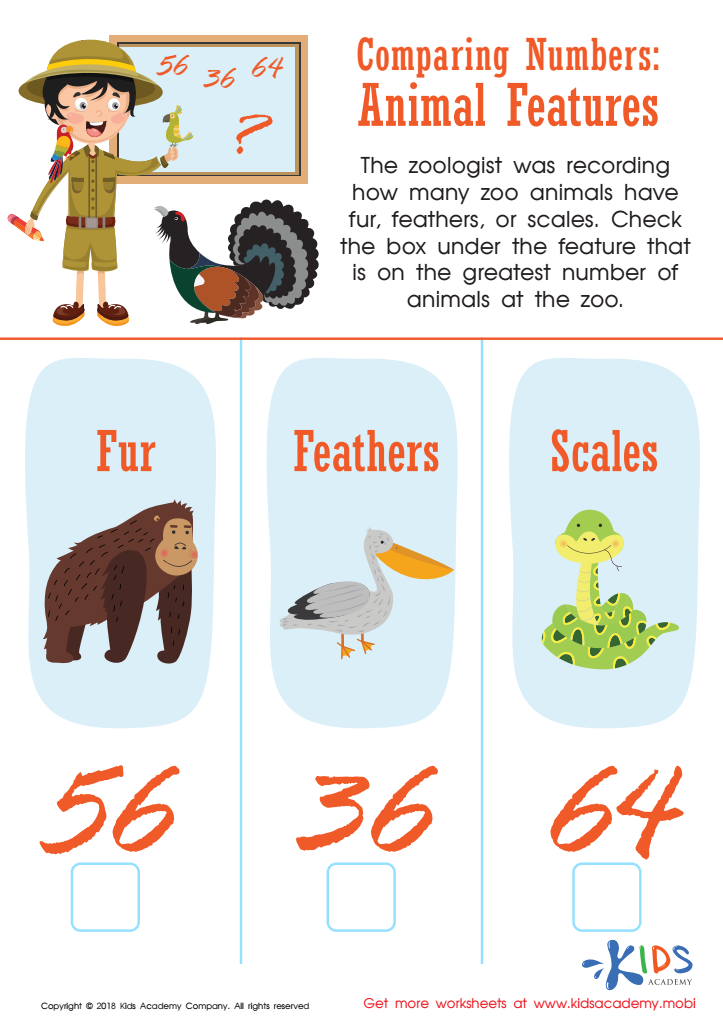
Animal Features Worksheet
 Assign to My Students
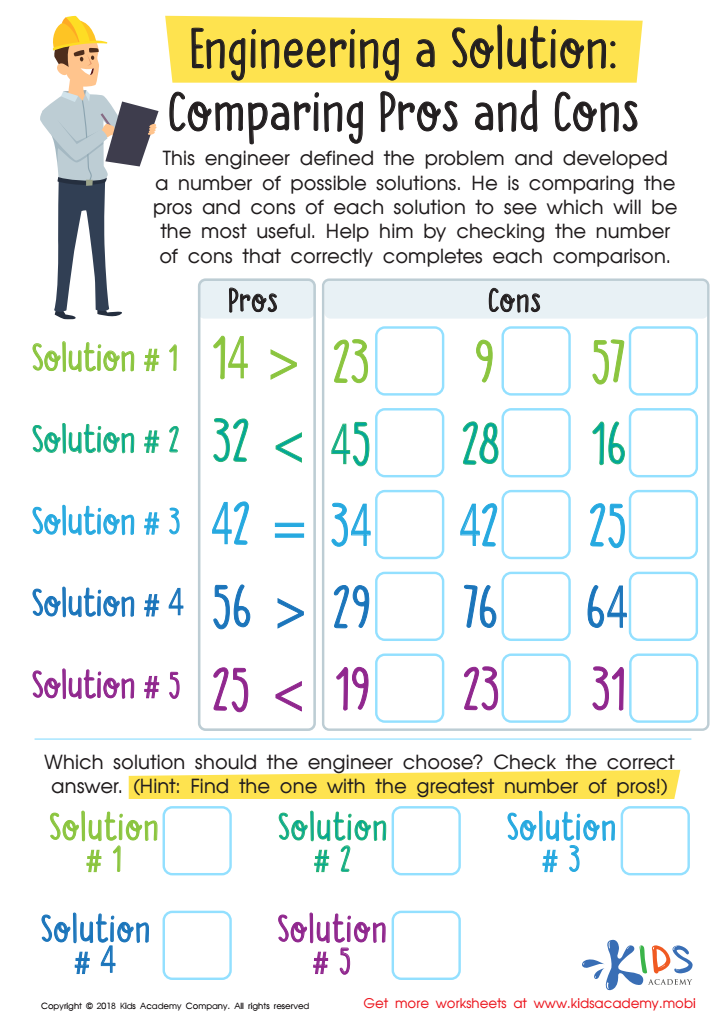
Engineering a Solution: Comparing Pros and Cons Worksheet
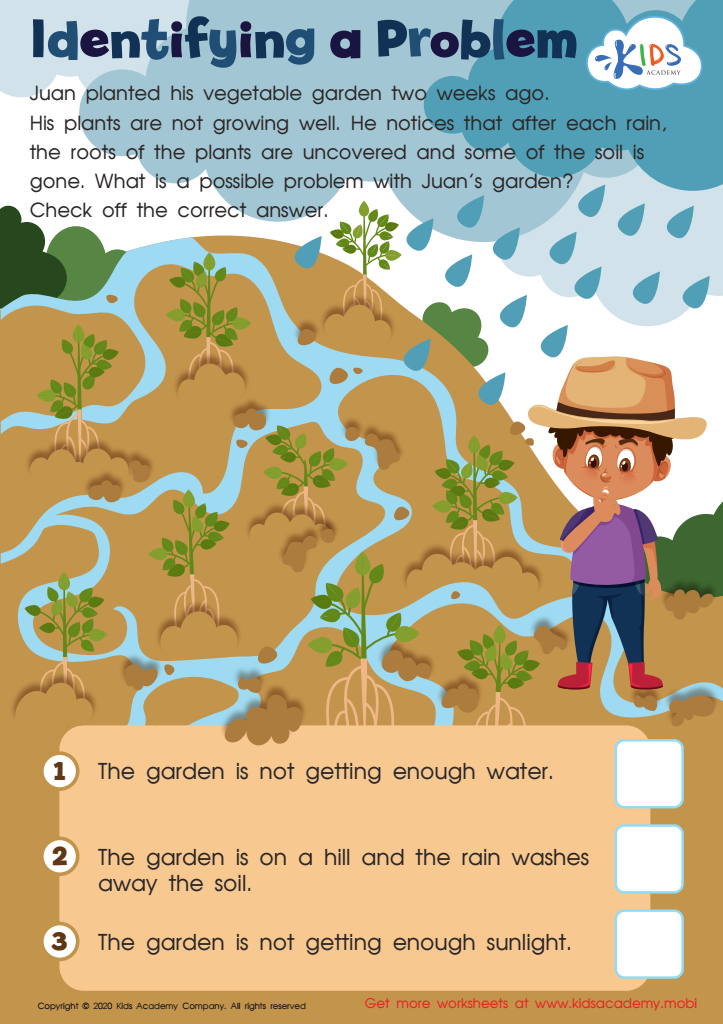
Identifying a Problem Worksheet
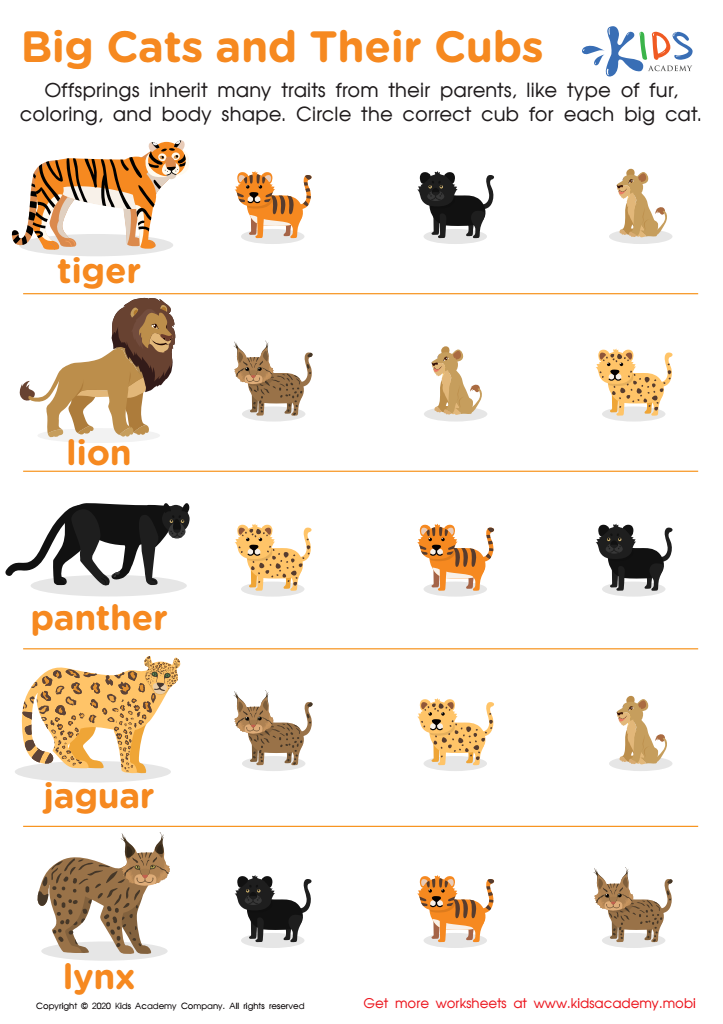
Big Cats and Their Cubs Worksheet
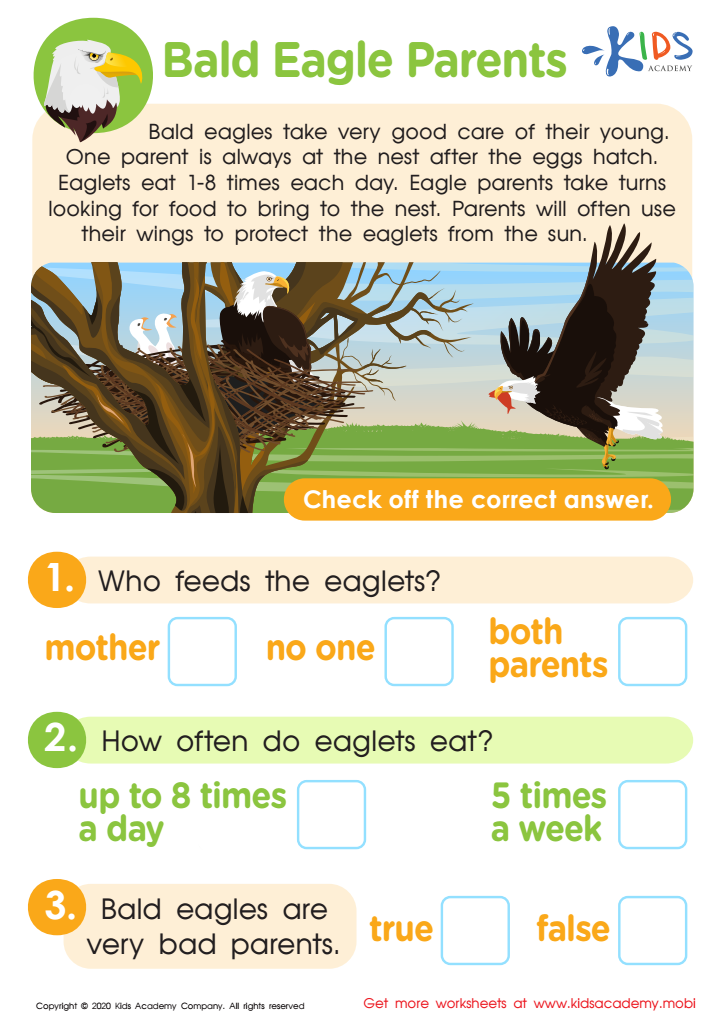
Bald Eagle Parents Worksheet
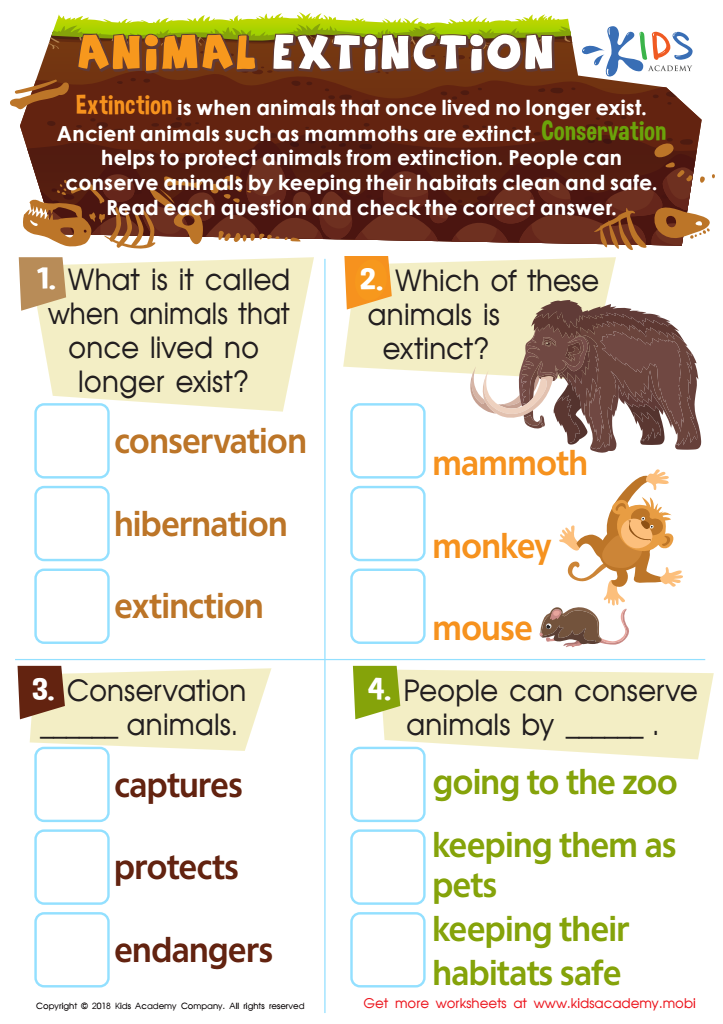
Animal Extinction Worksheet






.jpg)

Analytical skills are vital in the development of young minds, especially within the Science curriculum for children aged 7-9. At this crucial age, children are naturally curious and eager to explore the world around them. By focusing on analytical skills, parents and teachers can channel this curiosity into constructive learning experiences.
Emphasizing these skills encourages students to observe closely, ask questions, and think critically. For example, when children conduct simple scientific experiments, they learn to make predictions, record observations, and analyze results. This not only nurtures their problem-solving abilities but also fosters a deeper understanding of scientific concepts and processes.
Moreover, developing analytical skills equips children with the ability to break down complex problems into manageable parts. This skill is not limited to science alone; it extends to other subjects such as math, reading, and even daily decision-making. Collaborative activities like group projects further enhance these skills by teaching kids how to think systematically and work through problems together.
Parents and teachers who prioritize the cultivation of analytical skills in science give children the tools needed for lifelong learning. These skills build a strong educational foundation, empowering young learners to tackle future academic challenges and encouraging a mindset of curiosity and continuous exploration.







