Cognitive Development Numbers Worksheets for 7-Year-Olds
17 filtered results
-
From - To
Enhance your child's cognitive development with our engaging numbers worksheets designed specifically for 7-year-olds! These expertly crafted activities focus on fundamental mathematical concepts, promoting critical thinking and problem-solving skills. Through a variety of exercises, children will practice number recognition, sequencing, counting, and basic arithmetic in a fun and interactive way. Perfect for homeschooling or supplementary practice, our worksheets help solidify foundational math knowledge, setting the stage for future success. Boost your child's confidence and cognitive abilities with these carefully designed educational tools. Explore our collection today and watch your little learner thrive!
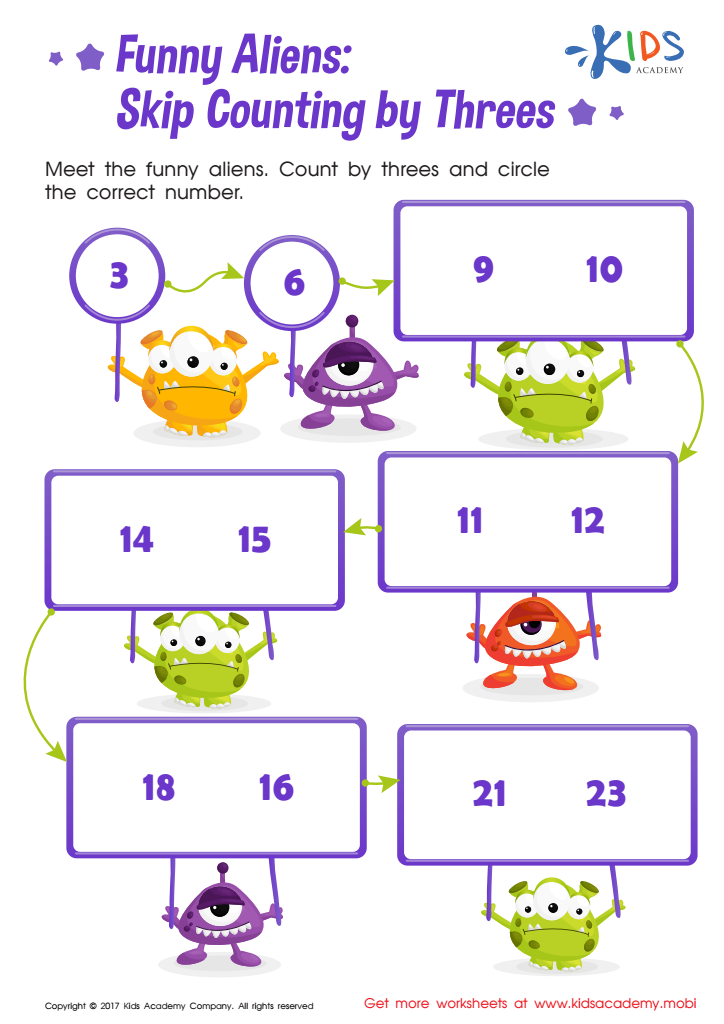
Skip Counting by 3s: Funny Aliens Printable
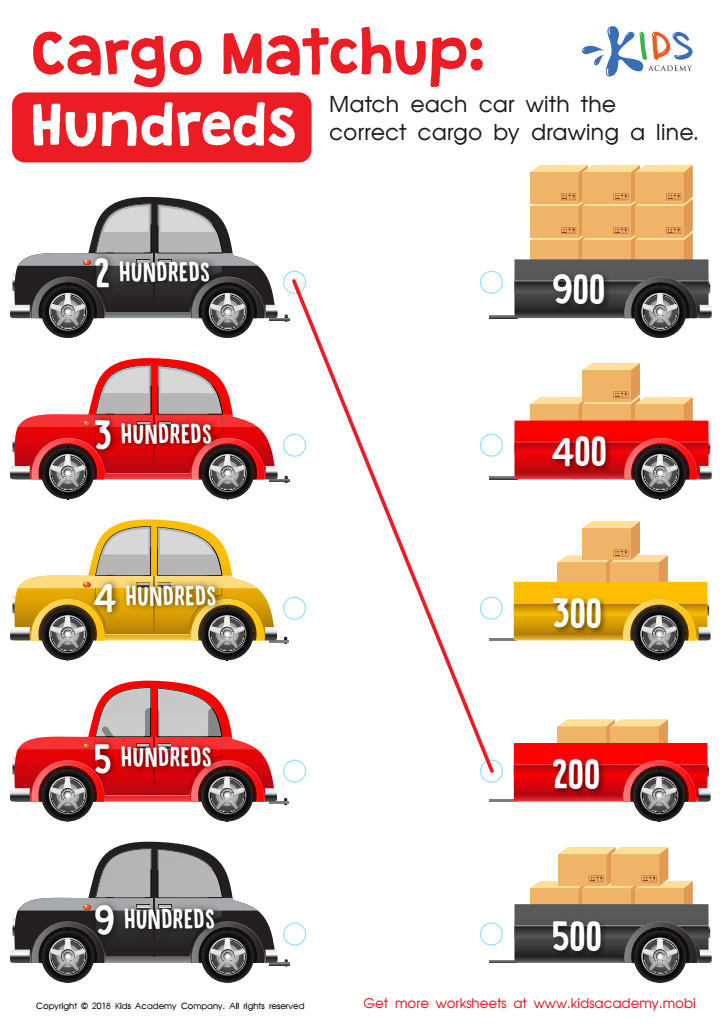
Cargo Matchup: Hundreds Worksheet
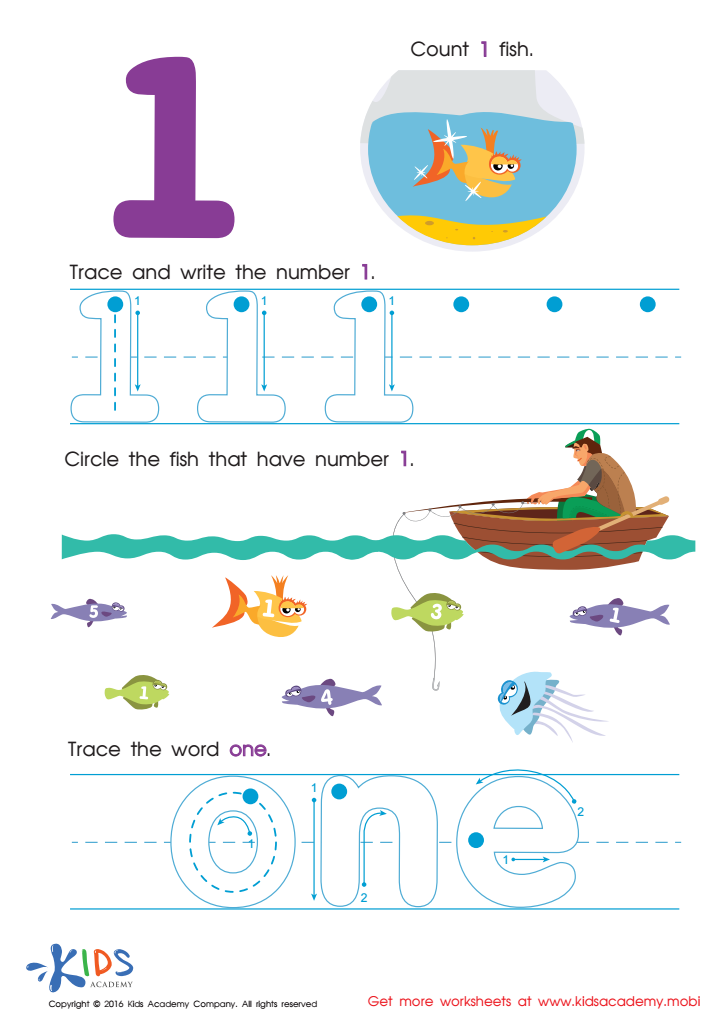
Learning to Write 1 Worksheet
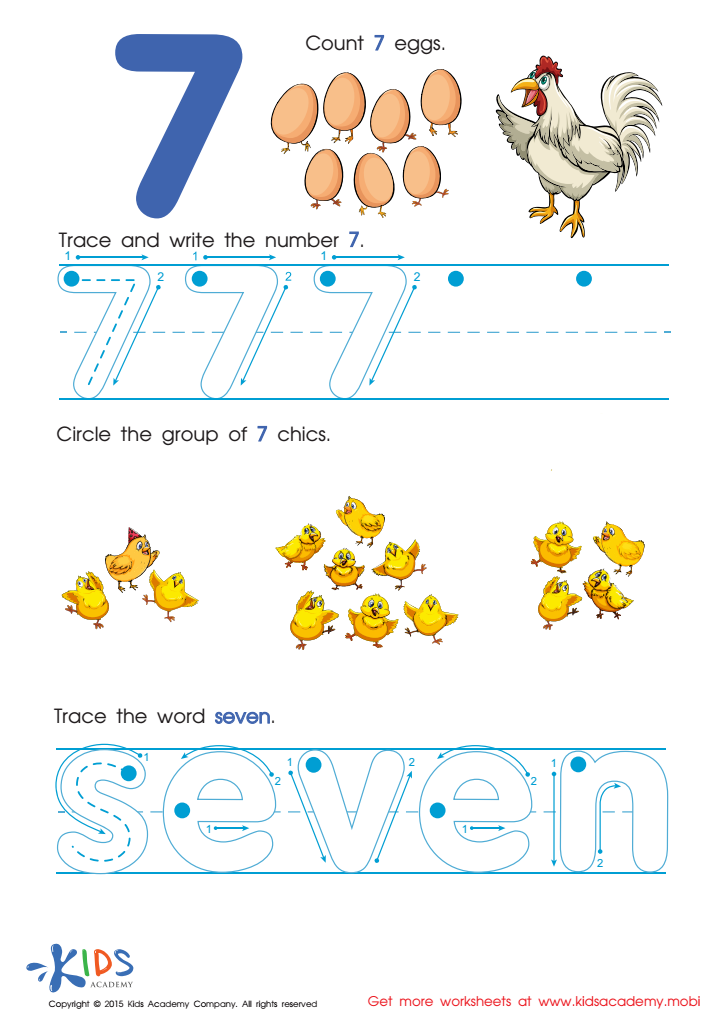
Trace And Write Number 7 with Fun Worksheet
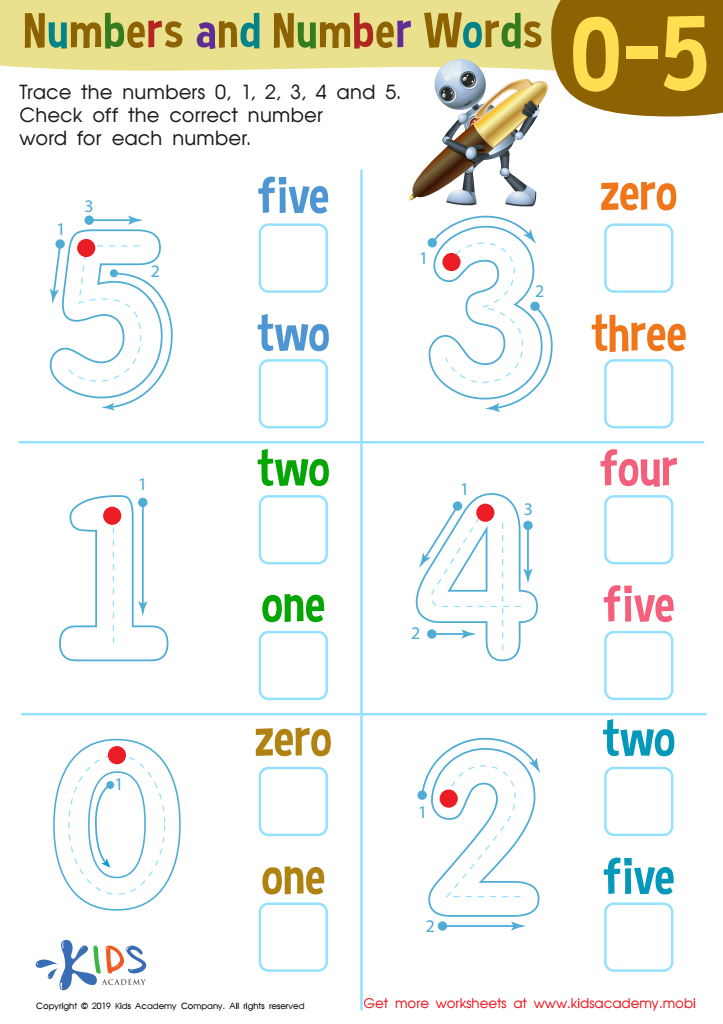
Numbers and Number Words Worksheet
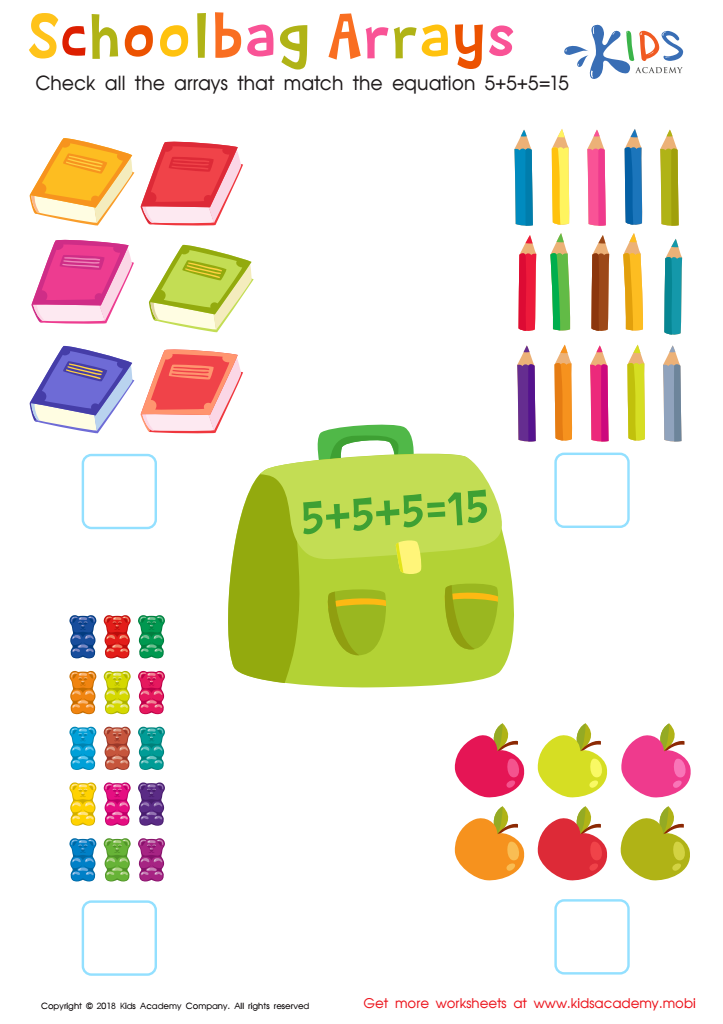
Schoolbag Arrays Worksheet
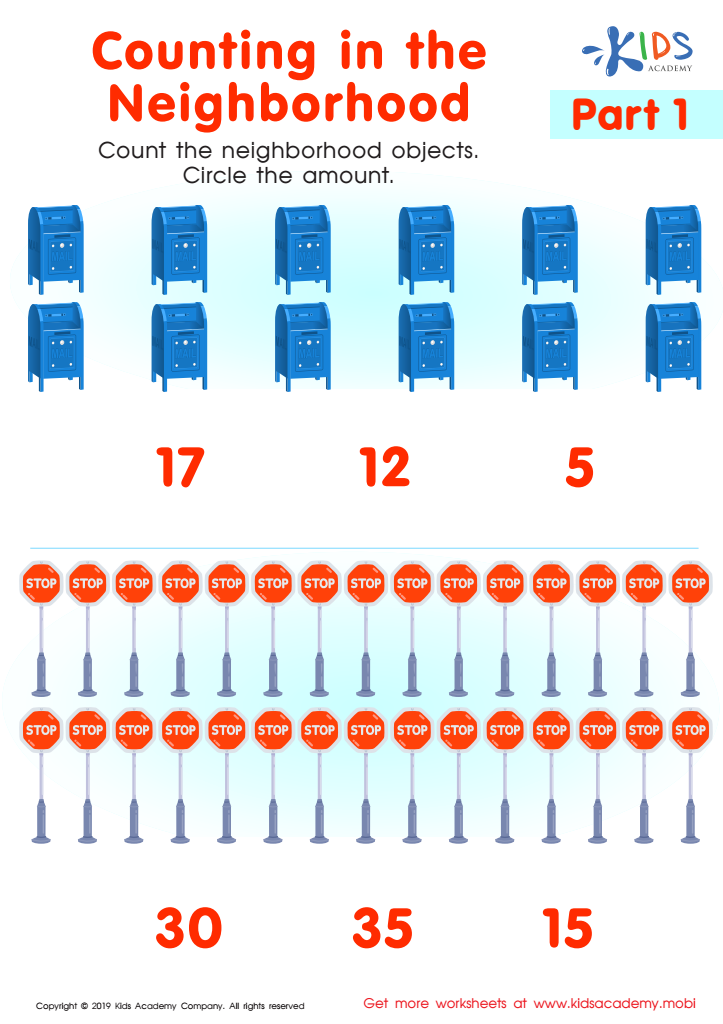
Counting in the Neighborhood Part1 Worksheet
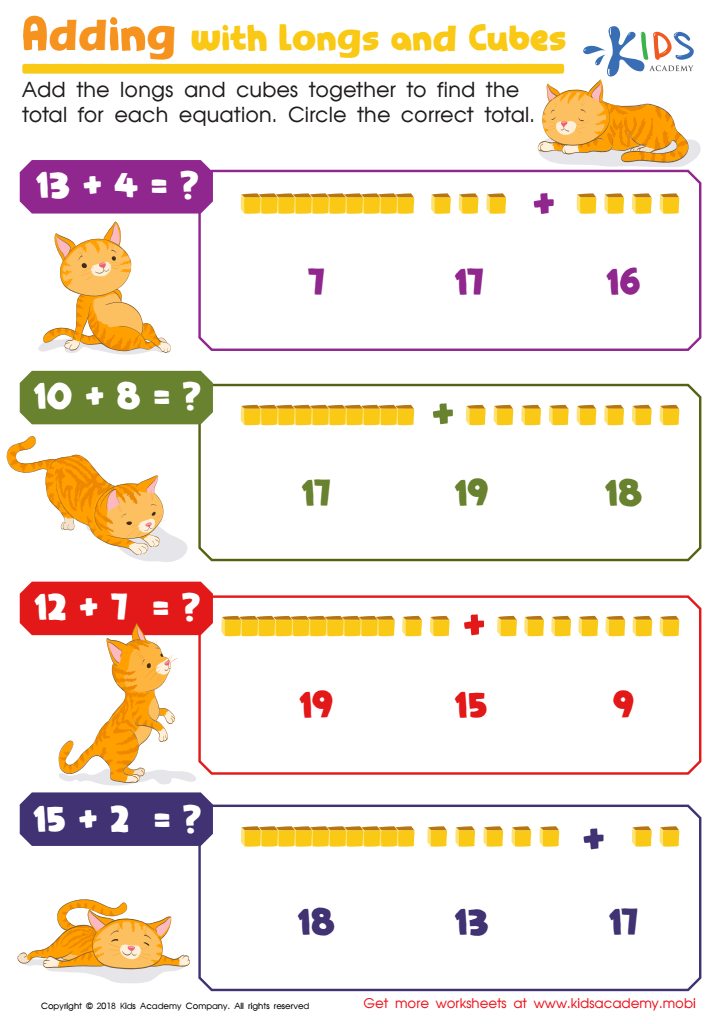
Adding With Longs and Cubes Worksheet
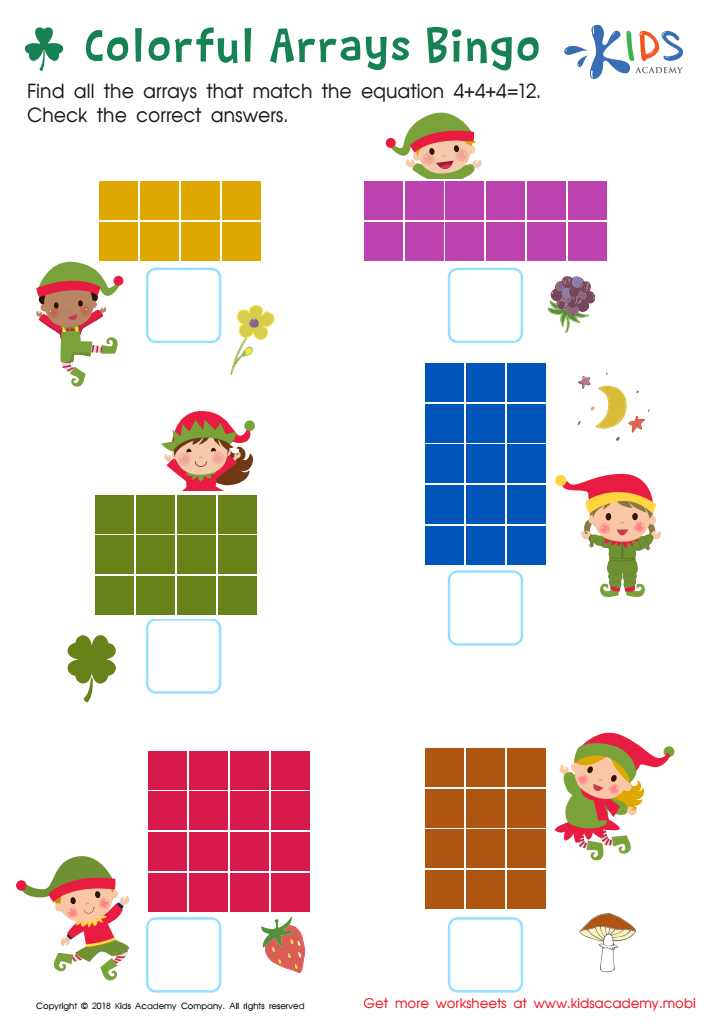
Colorful Arrays Bingo Worksheet
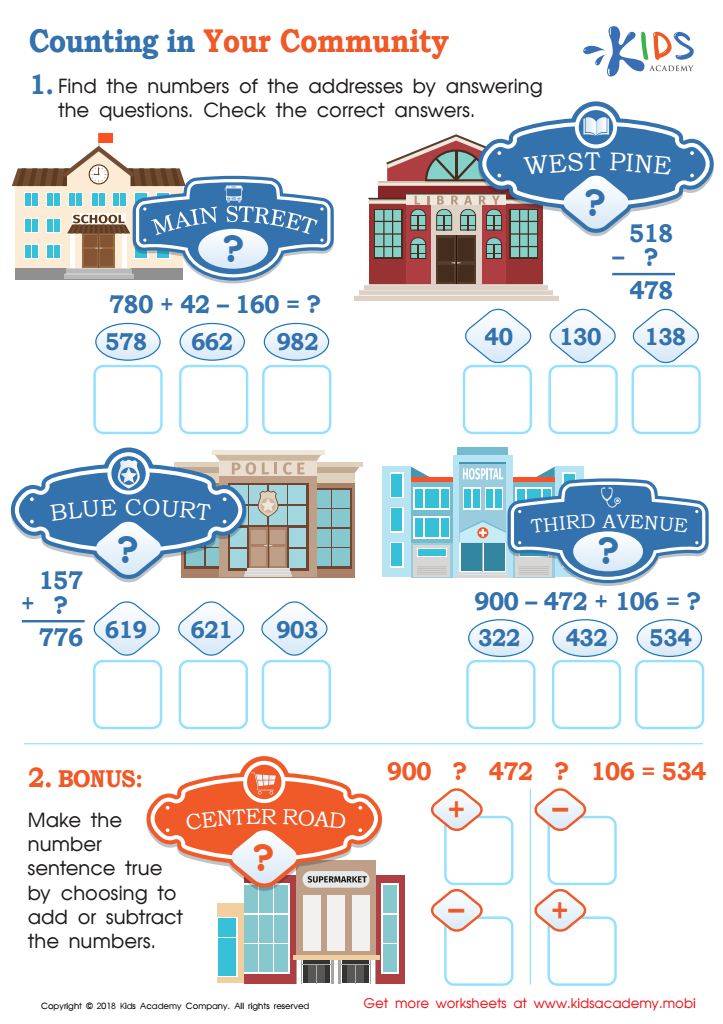
Counting in Your Community Worksheet
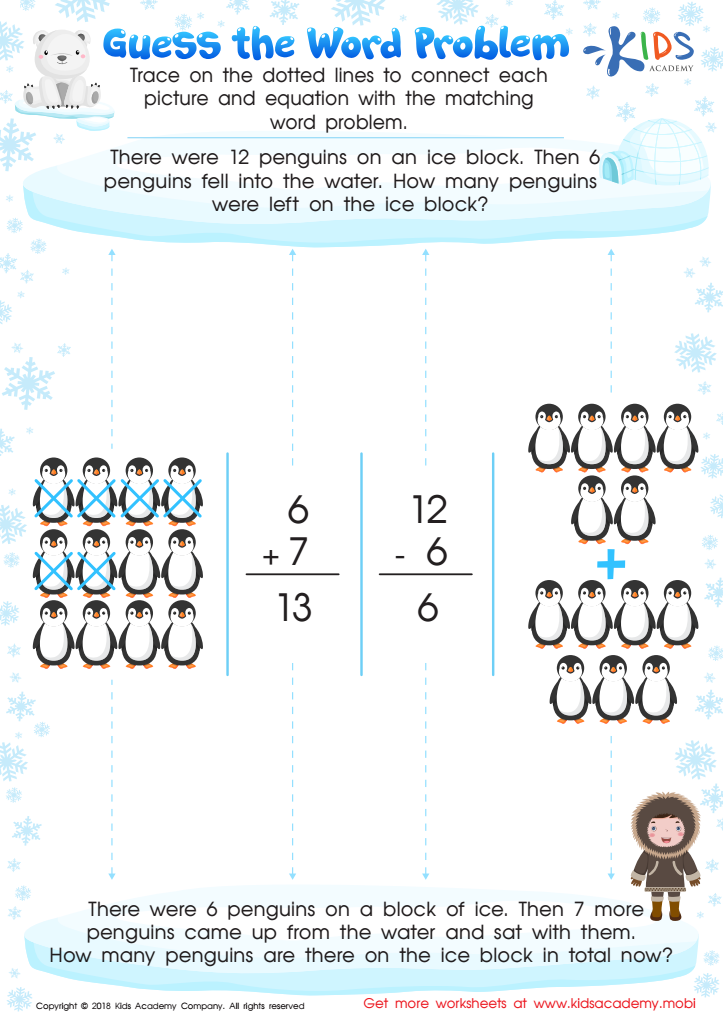
Guess the Word Problem Worksheet
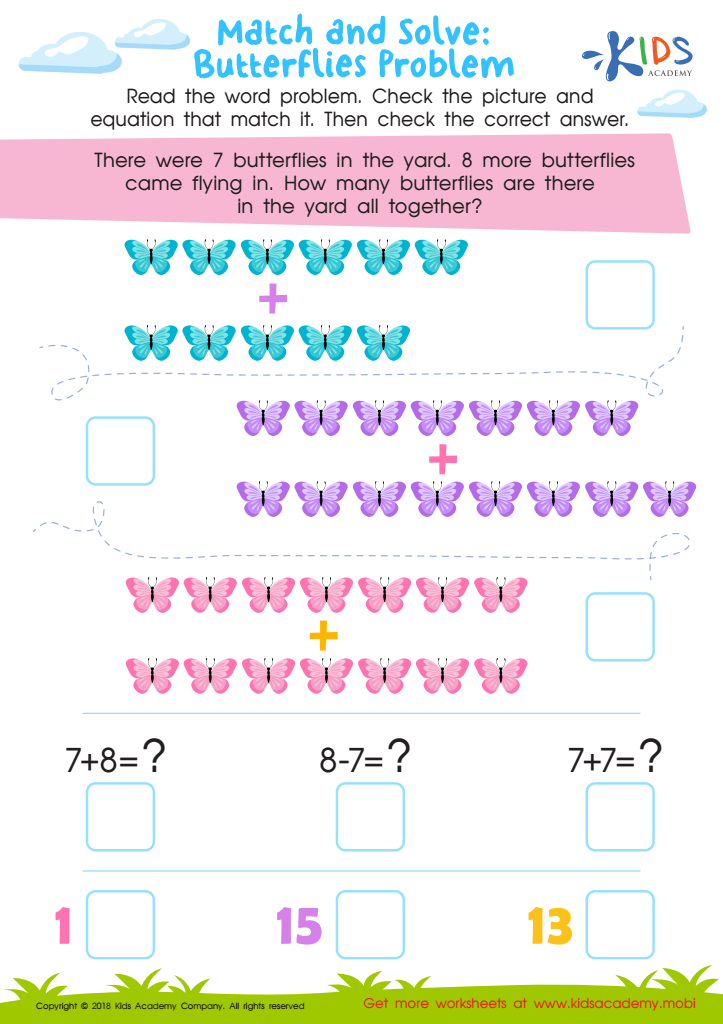
Match and Solve: Butterfly Problem Worksheet
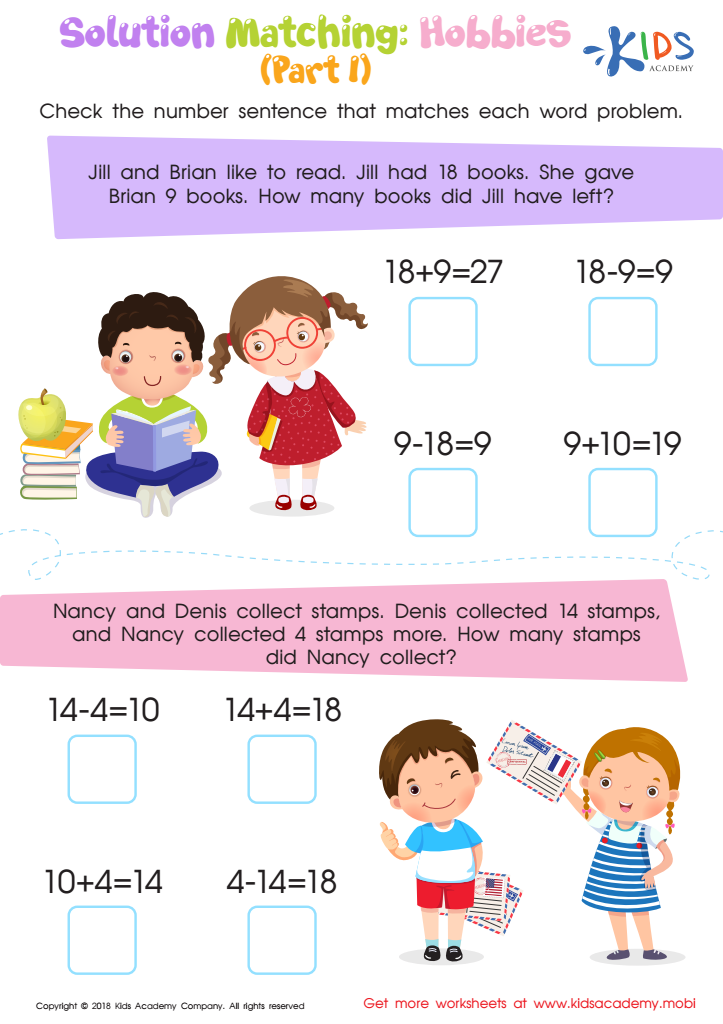
Solution Matching: Hobbies. Part 1 Worksheet
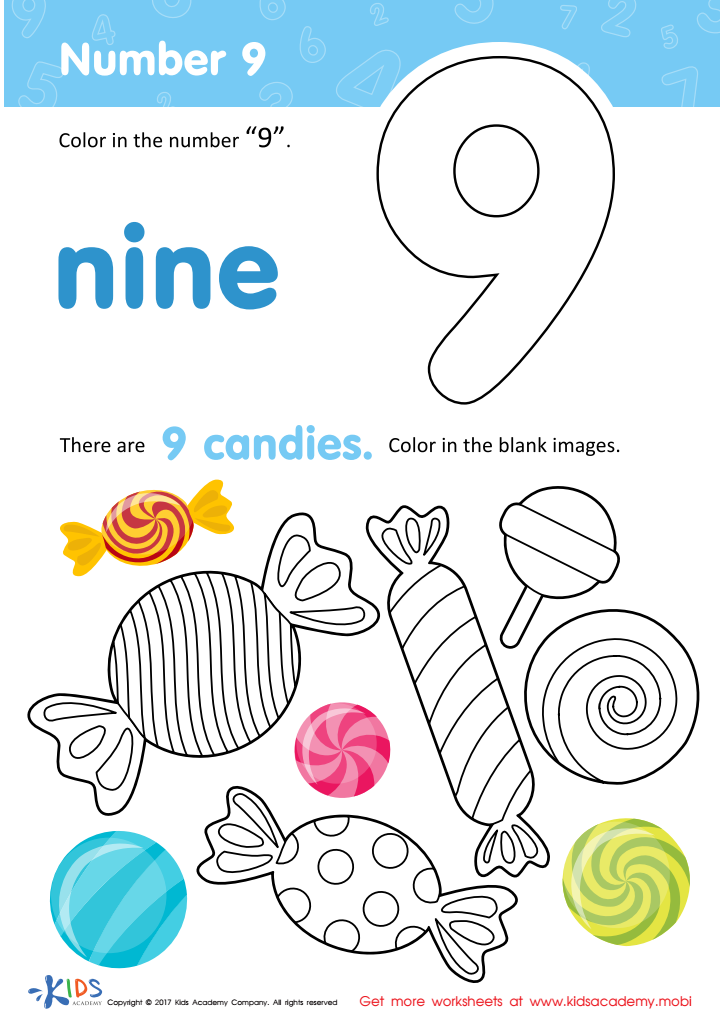
Number 9 Printable
 Assign to My Students
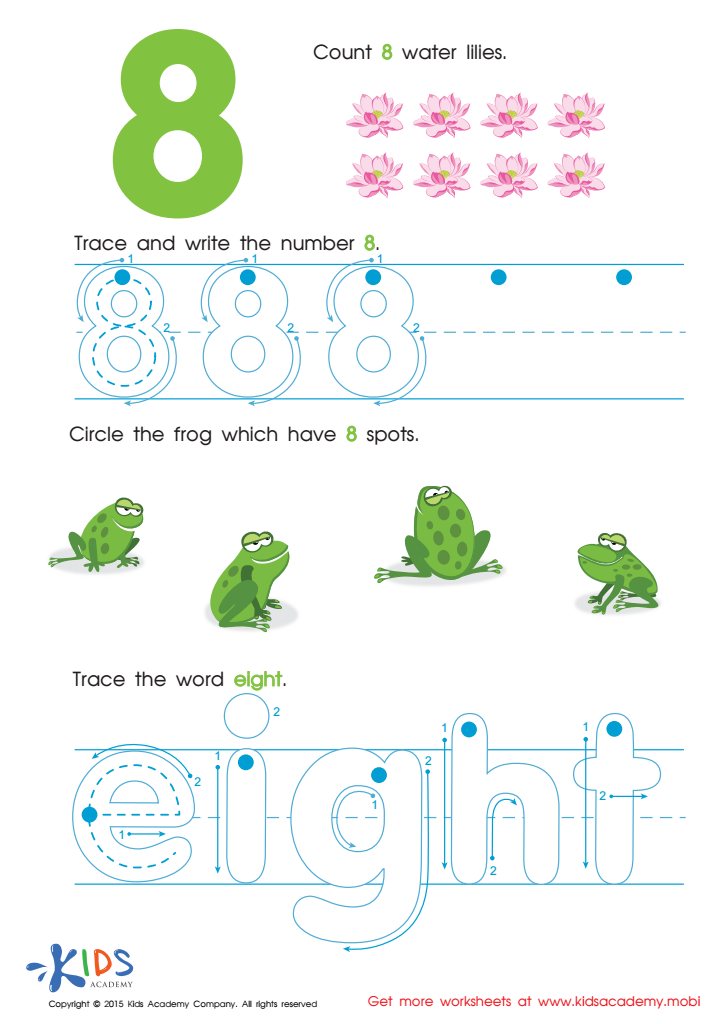
Learn Number 8 Easily Worksheet
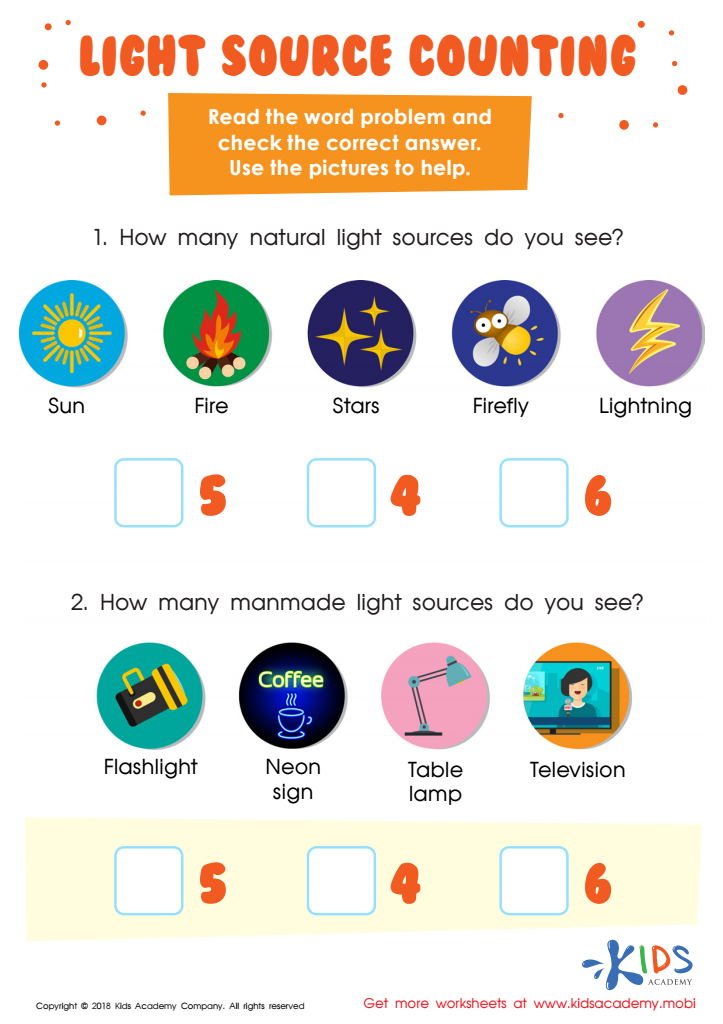
Light Source Counting Worksheet
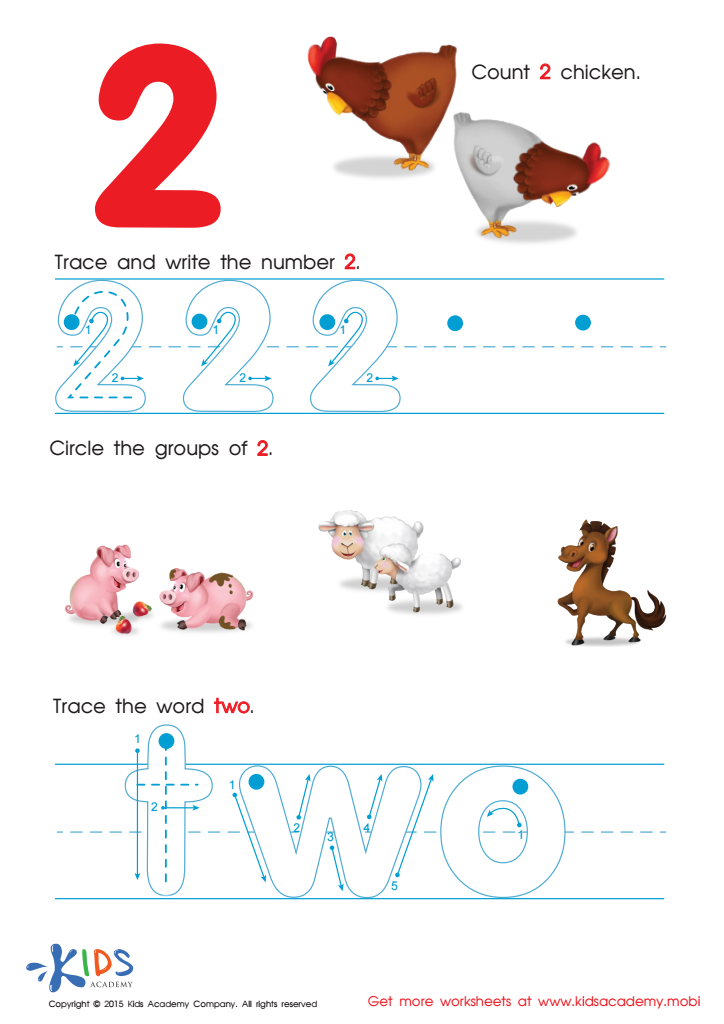
Learn to Write the Number 2 Worksheet








Cognitive development in 7-year-olds is crucial because this period lays the foundation for future learning and problem-solving abilities. For parents and teachers, understanding and nurturing this growth ensures a robust preparation for more complex academic tasks ahead. At this age, children typically develop skills in logical thinking, basic arithmetic, and start understanding the concept of number relationships.
By focusing on cognitive development, educators can introduce age-appropriate challenges that stimulate critical thinking and reasoning. This is the age when children begin to transition from concrete to more abstract forms of thinking. They start recognizing patterns, understanding basic math operations like addition and subtraction, and grasp fundamental mathematical principles, which are key for their overall academic- and real-life problem-solving.
Parents and teachers can foster cognitive growth by engaging children in activities that develop numerical skills, such as puzzles, games, or simple, everyday tasks that involve counting and measurement. These formative experiences are not only educational but also enjoyable, making learning a natural and continuous process.
Additionally, a strong emphasis on cognitive development enhances children’s confidence and eagerness to tackle more challenging concepts in future grades, promoting lifelong learning tendencies. Early intervention and consistent nurturing of these skills can lead to sustained academic success and a curious, inquisitive mindset.








