
Developing analytical skills Worksheets for Ages 8-9
8 filtered results
Difficulty Level
Grade
Age
-
From - To
Subject
Activity
Standards
Enhance your child's critical thinking with our "Developing Analytical Skills Worksheets" for ages 8-9! These thoughtfully designed worksheets encourage kids to explore problem-solving, pattern recognition, and logical reasoning. Engaging activities foster curiosity, helping children to team up different concepts and improve their ability to analyze information effectively. Perfect for home or the classroom, our resources cater to various learning styles, ensuring every child gains confidence in their analytical abilities. With clear instructions and vibrant visuals, these worksheets make learning enjoyable and dynamic. Empower your child today with skills that will serve them throughout their educational journey and beyond!
Favorites
With answer key
Interactive

Author's Purpose Worksheet
Help your kids figure out the author's purpose when they read something. In this worksheet, there are three descriptions; they must identify the author's purpose and circle it from the options provided. Doing this will help them to get correct information from what they read.
 Assign to My Students
Author's Purpose Worksheet
Worksheet
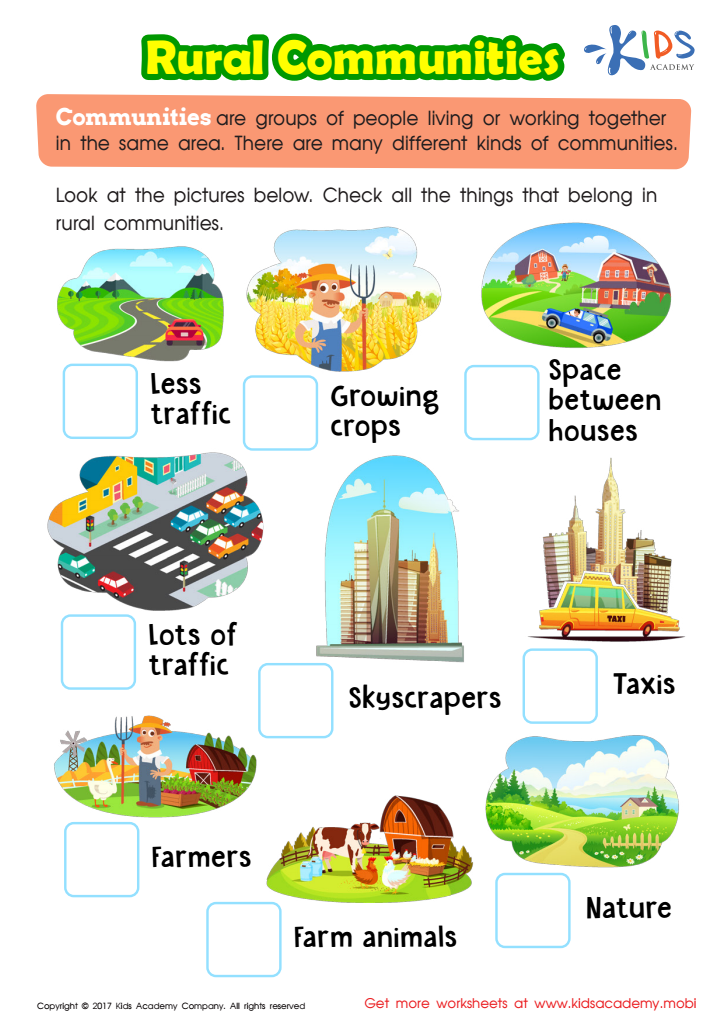
Rural Communities Printable
Help your child explore the contrast between city and rural living with this worksheet. They'll learn to recognize the buildings and transportation in urban settings, as well as how rural life can differ. Then, discuss the differences between city and rural living, and why life is different for people living in each.
Rural Communities Printable
Worksheet
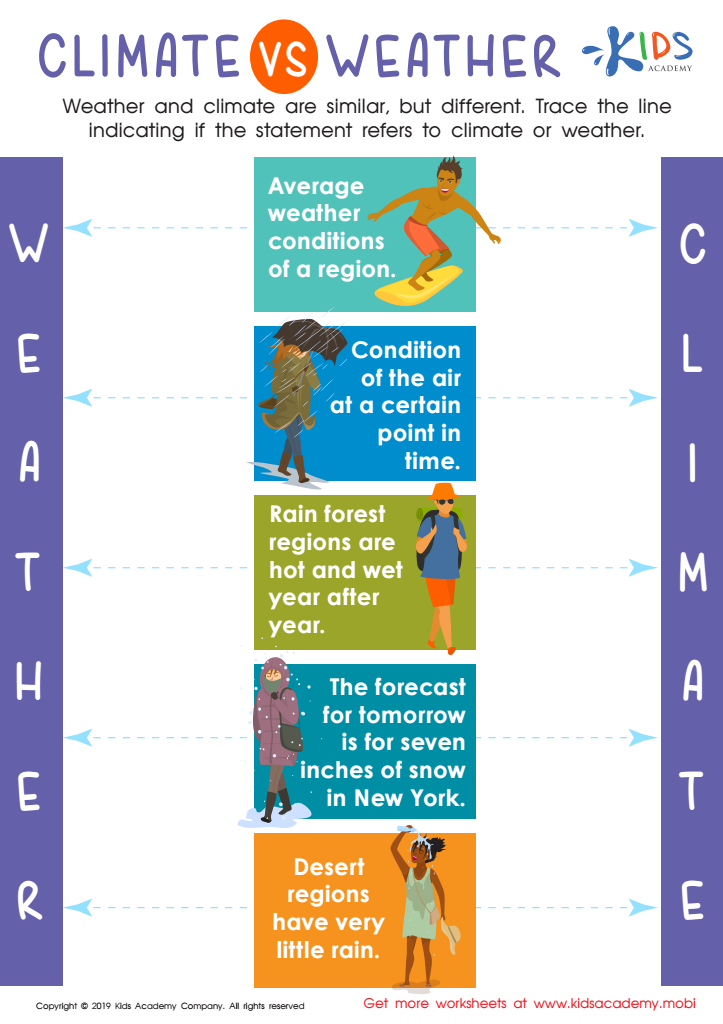
Climate vs Weather Worksheet
Weather and climate might sound similar, but they're different! Kids can discover the difference with this free, factual worksheet. Weather is the air's condition at one moment, while climate is an area's average weather. Kids can draw lines to connect factoids to either one. An interesting and educational activity!
Climate vs Weather Worksheet
Worksheet
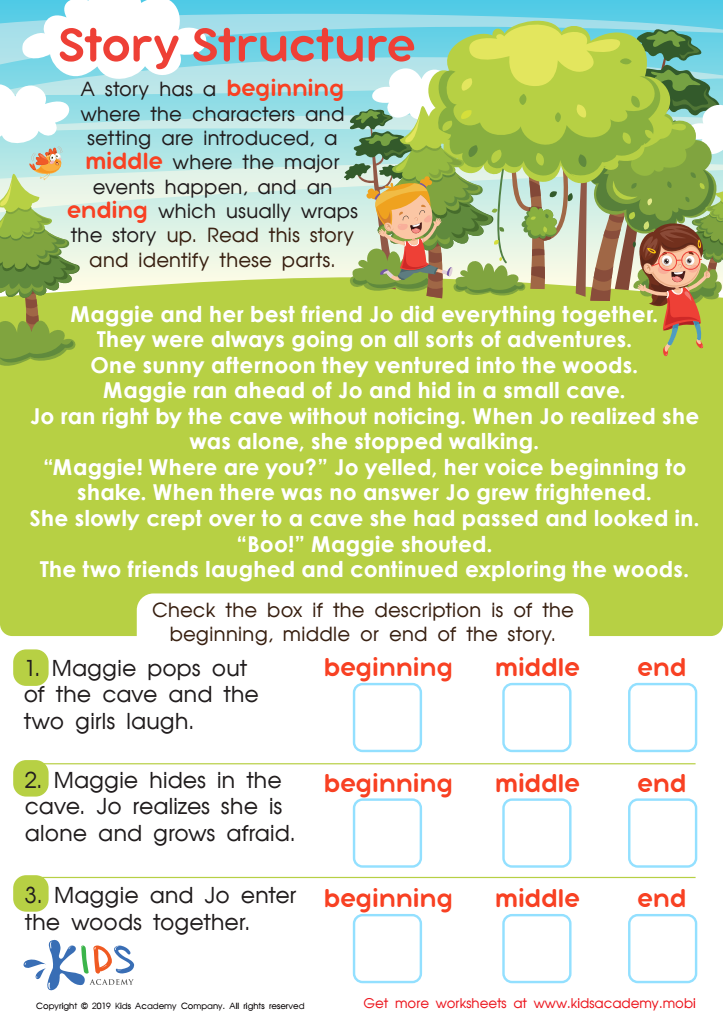
Story Structure Worksheet
Help your students read and identify the parts of the story in this worksheet: the beginning (characters and setting), middle (major events), and ending (events are resolved). Show them how to structure a story for clarity.
Story Structure Worksheet
Worksheet
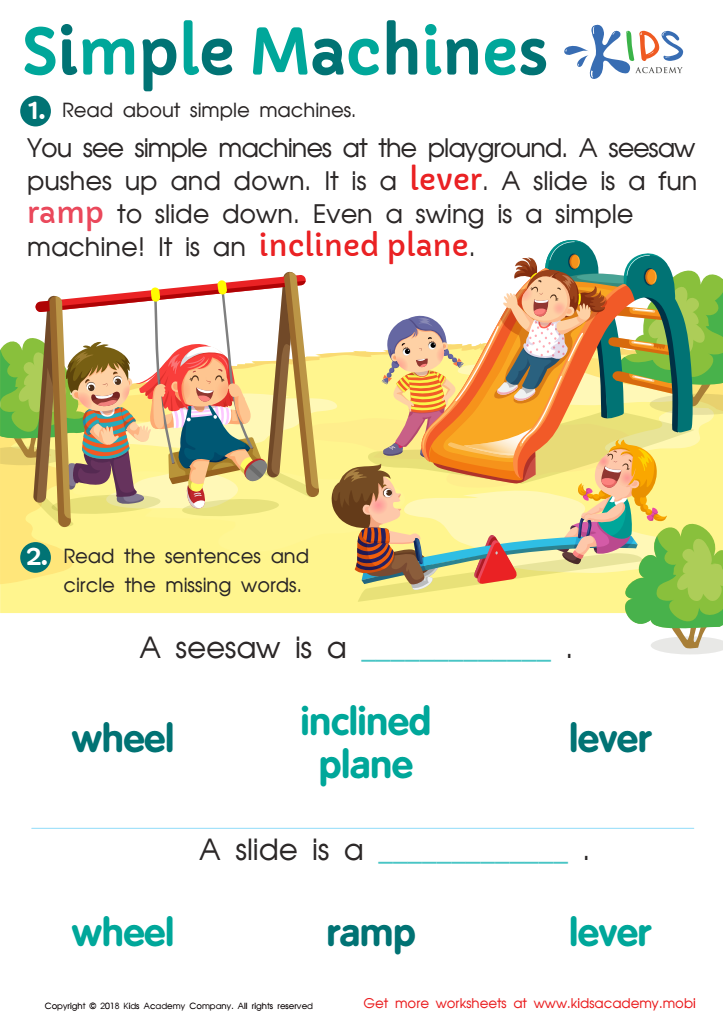
Simple Machines Worksheet
At the playground, your kids likely love to play and swing. Swings are simple machines – they work by using force to move something. Read the following sentences to them, with some words missing - help them fill in the blanks. Simple machines make work easier by __changing__ the size or __direction__ of a force. Swings use a _fulcrum_ and a _lever_ to move.
Simple Machines Worksheet
Worksheet
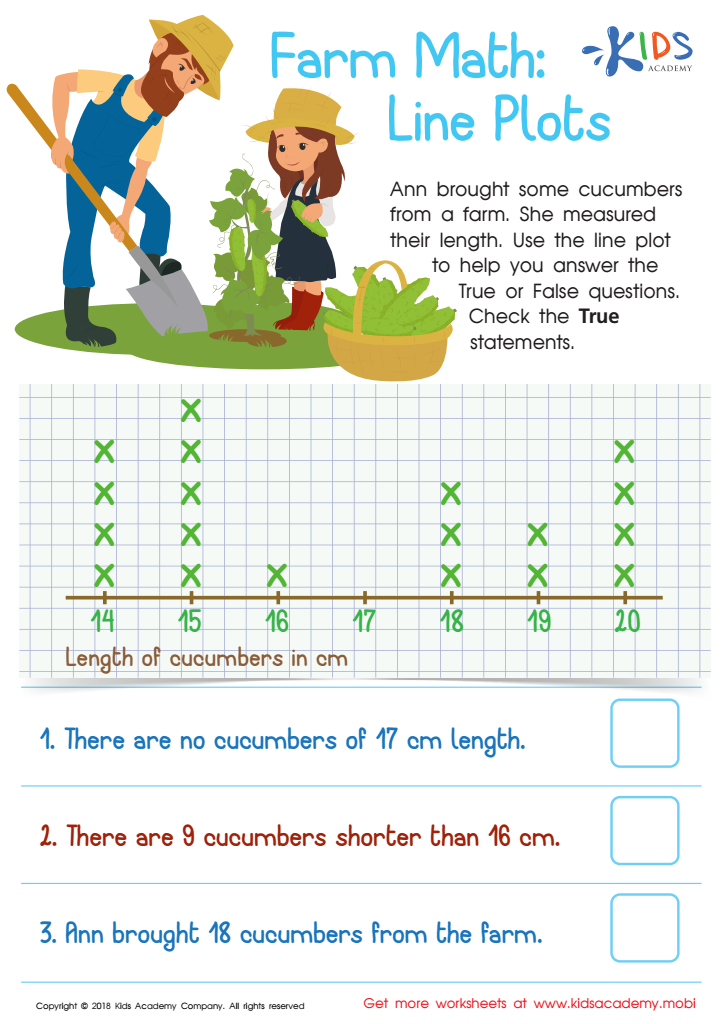
Farm Math: Line Plots Worksheet
Ann brought cucumbers from a farm and measured their length. She drew a line plot for your students to use to answer True/False questions about the number and length of the cucumbers. Ask your students to check only the True statements. (80 words)
Farm Math: Line Plots Worksheet
Worksheet
Learning Skills
Join Kids Academy for Free
Who is primarily going to use this learning content?





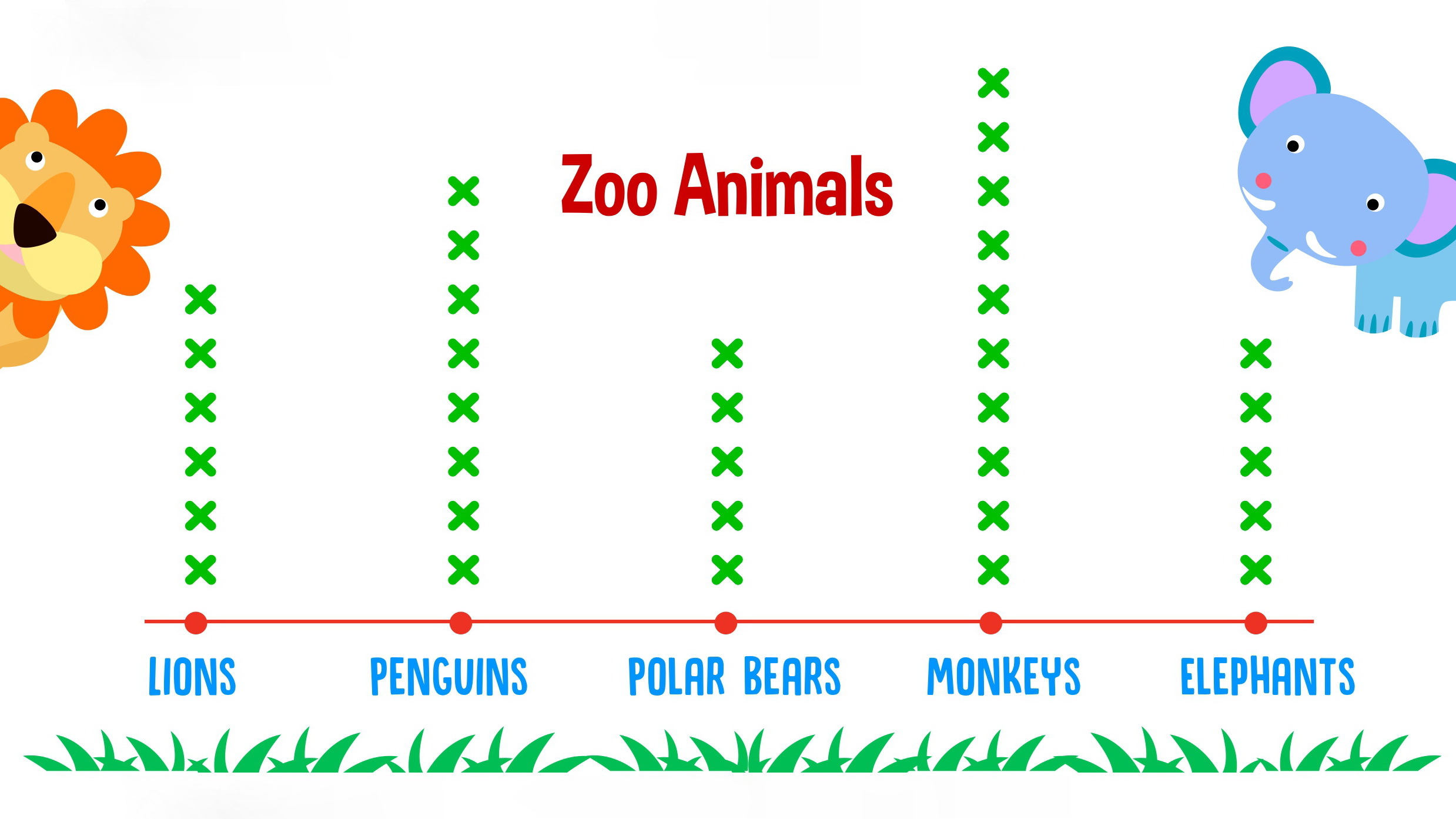


Developing analytical skills in children aged 8-9 is crucial for their overall growth and future success. At this age, children are beginning to approach learning more actively, and fostering analytical thinking empowers them to make sense of the world around them. This developmental stage involves critical cognitive leaps; children are not just absorbing information but are also asked to interpret, question, and draw conclusions.
Analytical skills, which include problem-solving, logical reasoning, and the ability to evaluate information, provide a strong foundation for academic success. When children learn to analyze data and assess situations critically, they become adept at navigating challenges not only in school subjects like math and science but in daily life scenarios as well.
Parents and teachers should care about these skills because they contribute significantly to a child’s confidence and independence. Children skilled in analysis are more likely to tackle difficulties head-on, seek innovative solutions, and engage in meaningful discussions. By prioritizing analytical skills, adults can help foster a generation of thinkers capable of evaluating sources, questioning assumptions, and making informed decisions—an essential competency in our rapidly changing world. Nurturing these abilities early on sets the stage for success both in and out of the classroom.








