Fine Motor Skills Worksheets for Ages 8-9 - Page 8
175 filtered results
-
From - To
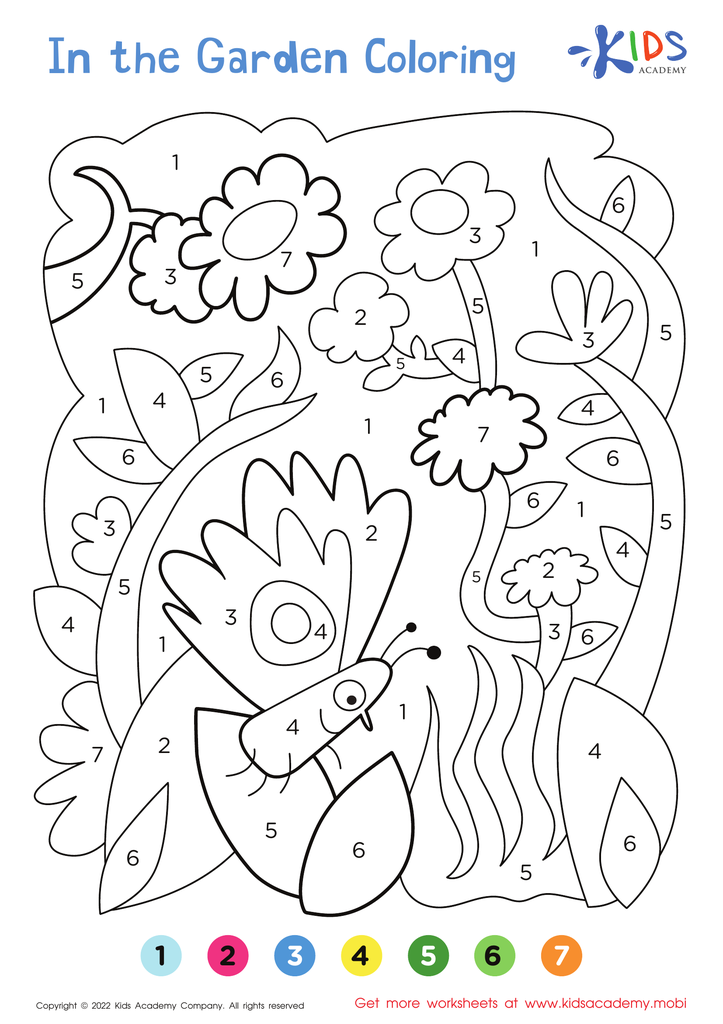
In the Garden – Coloring by Numbers
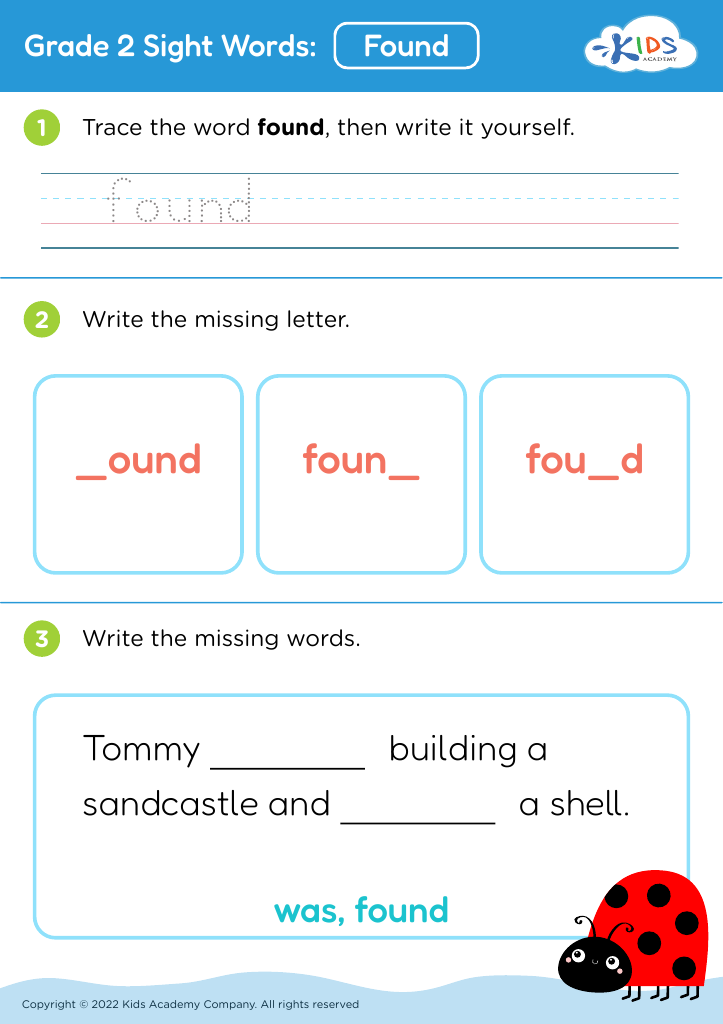
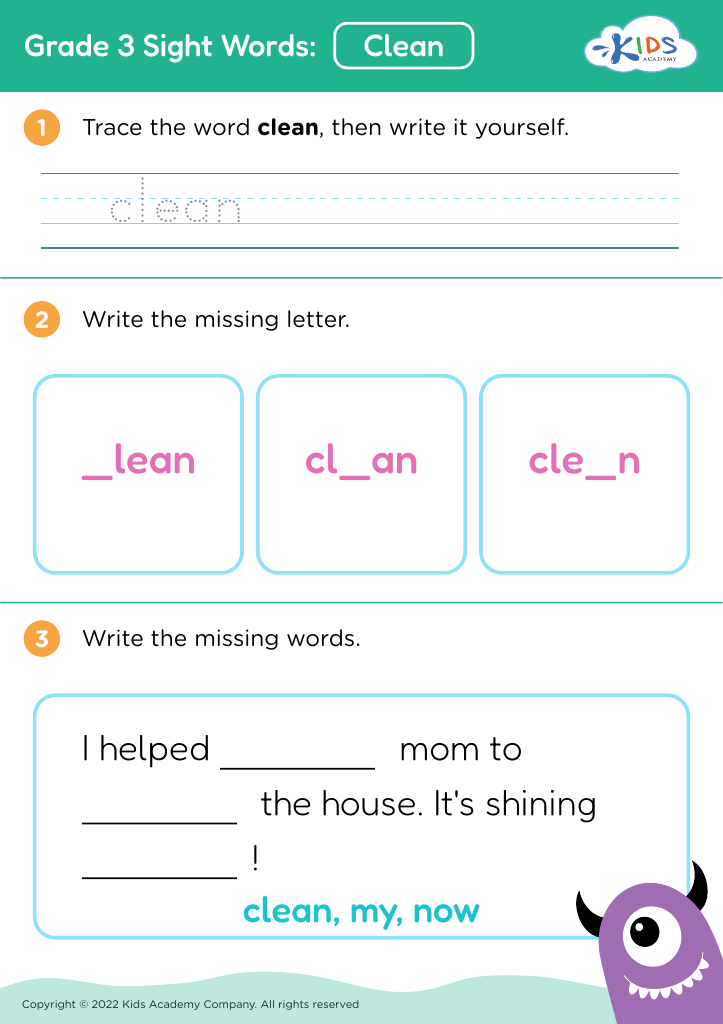
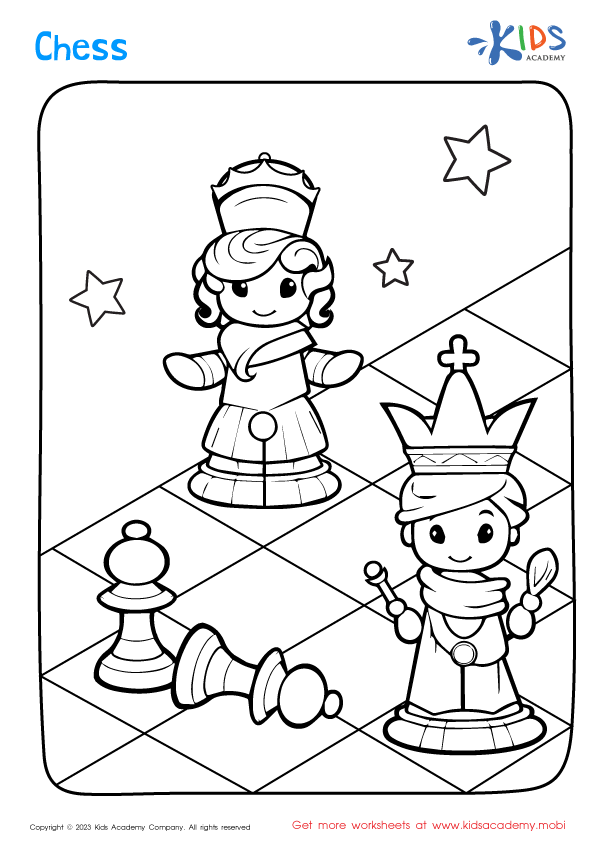








Fine motor skills involve the coordination of small muscle movements, primarily in the hands and fingers, and are crucial for children aged 8-9. During this developmental stage, children use fine motor skills daily in activities such as writing, drawing, cutting with scissors, tying shoelaces, and buttoning clothes.
Parents and teachers should care about fine motor skills because they directly impact a child's ability to perform essential school tasks. Proficient fine motor skills contribute to legible handwriting, which is foundational for effective communication and academic success. Struggles with these skills can lead to frustration, lower self-esteem, and decreased academic performance.
Moreover, fine motor skills are interconnected with cognitive development. Activities like puzzle-solving and model-building help fine-tune motor skills while enhancing problem-solving, concentration, and spatial awareness. These skills also play a role in developing independence and life skills, supporting children as they learn to manage everyday tasks.
Early identification and intervention of fine motor difficulties can prevent long-term challenges. Teachers and parents can offer targeted activities to strengthen these skills, ensuring children have the tools they need to cope well in both academic and personal arenas. Prioritizing fine motor skills prepares children for more complex tasks and fosters an environment where they can flourish personally and academically.








