Fine Motor Skills Addition & Subtraction Worksheets for Ages 8-9
37 filtered results
-
From - To
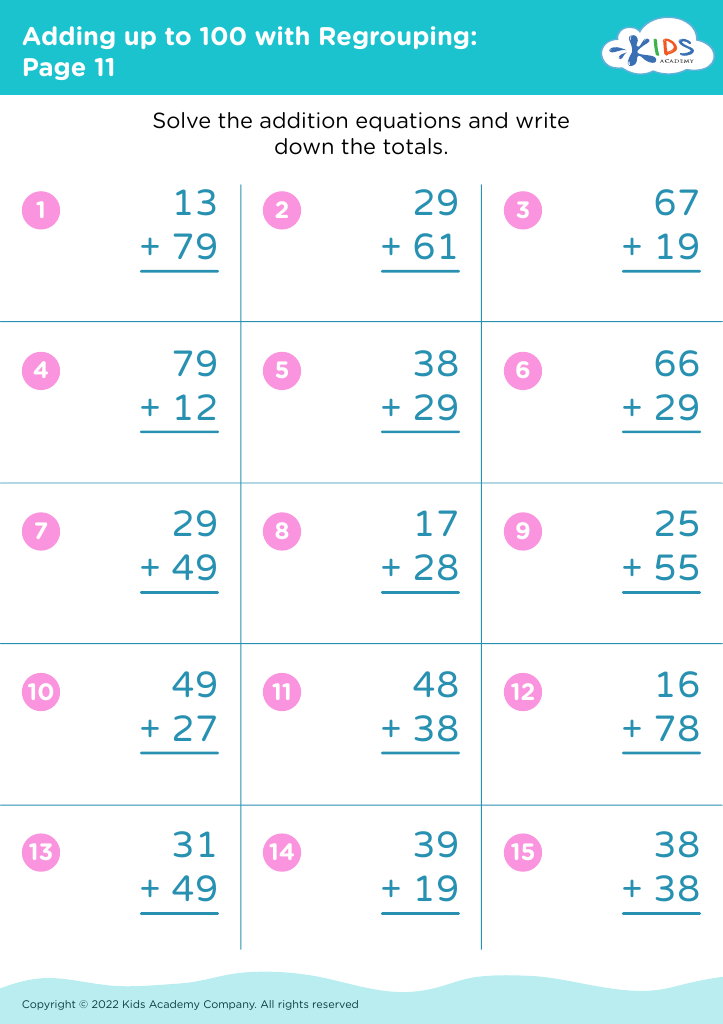
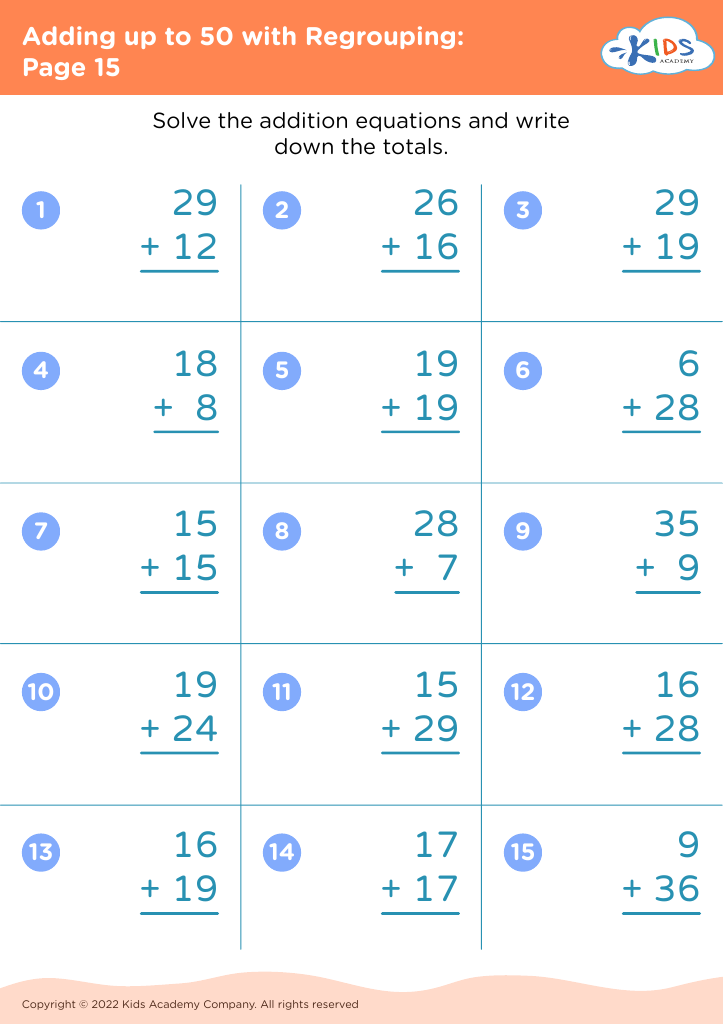
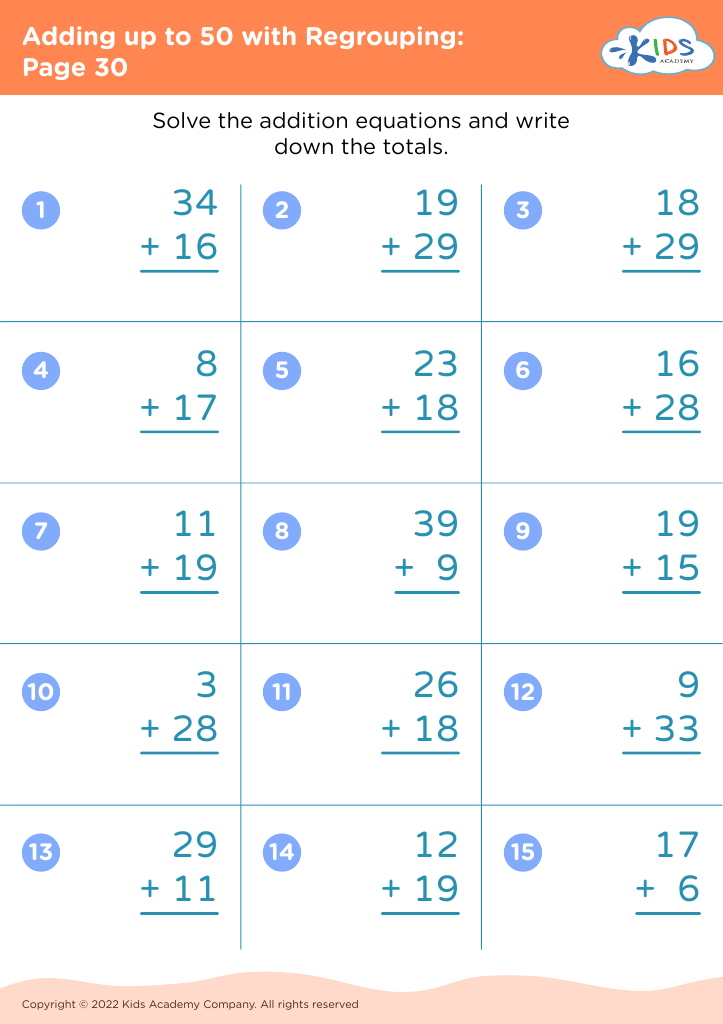
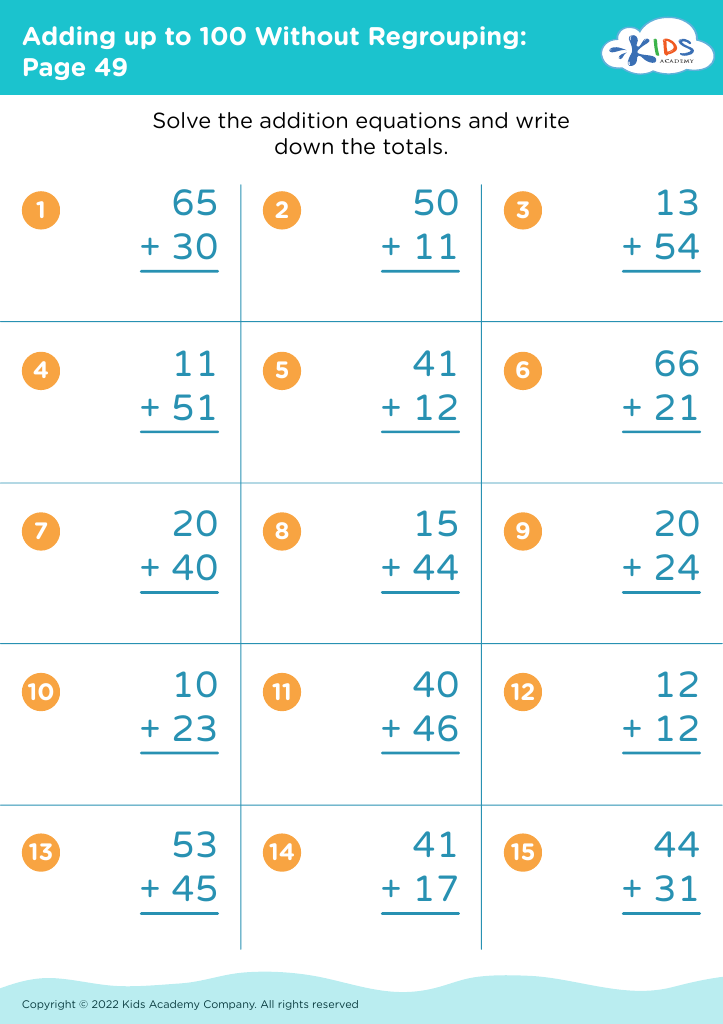
Enhance your child's learning with our Fine Motor Skills Addition & Subtraction Worksheets for ages 8-9. These educational resources are designed to develop crucial fine motor skills while practicing essential math operations. Each worksheet combines engaging math problems with activities like tracing and drawing, which help strengthen hand-eye coordination and dexterity. Perfect for supplementary home practice or classroom use, our worksheets offer a fun and effective way to master addition and subtraction while fostering fine motor development. Download today and give your child the tools they need for academic and physical growth!
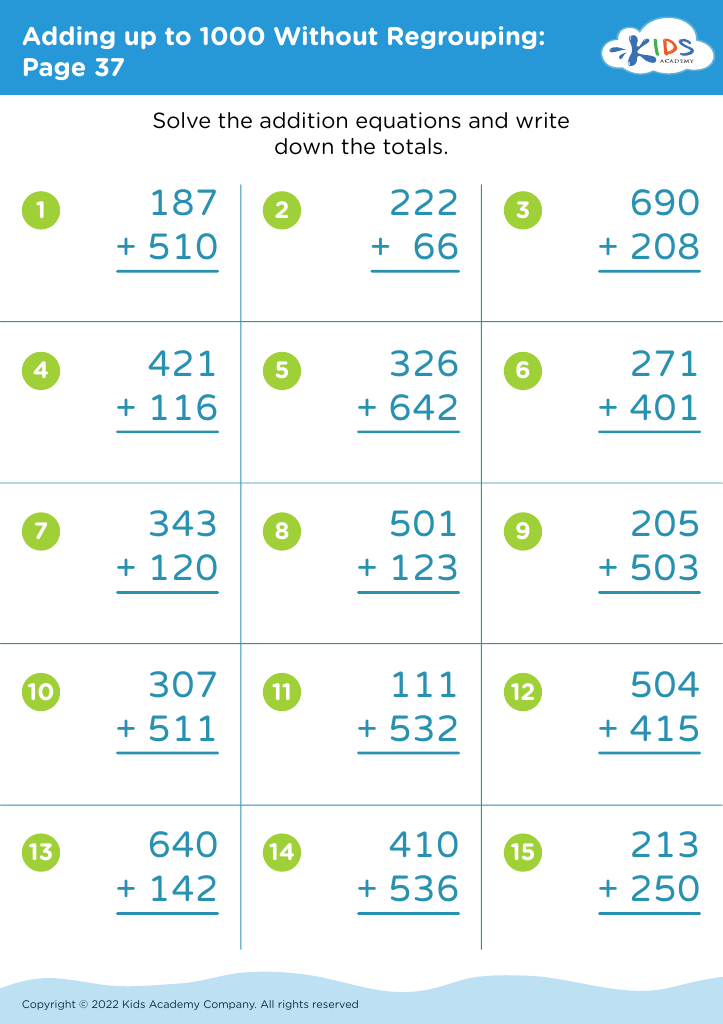
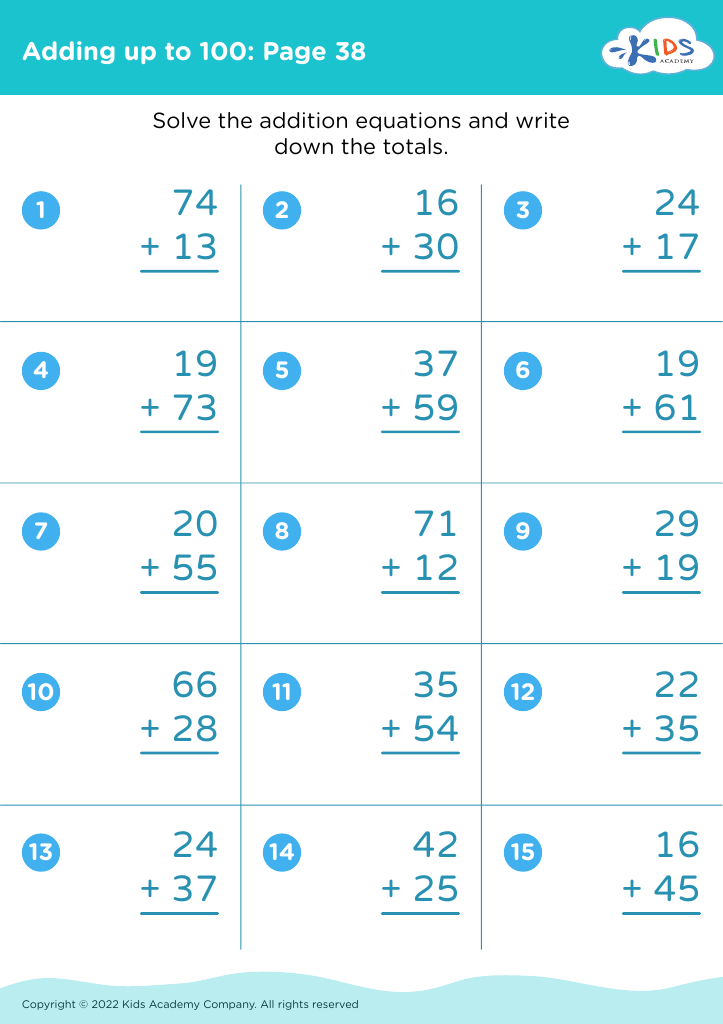
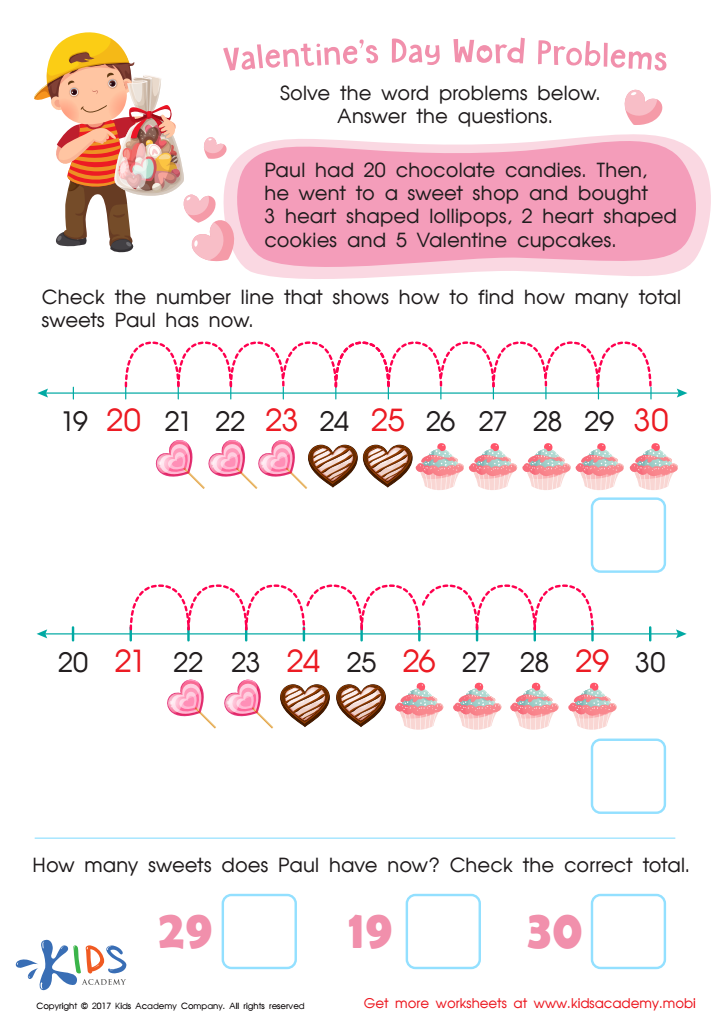
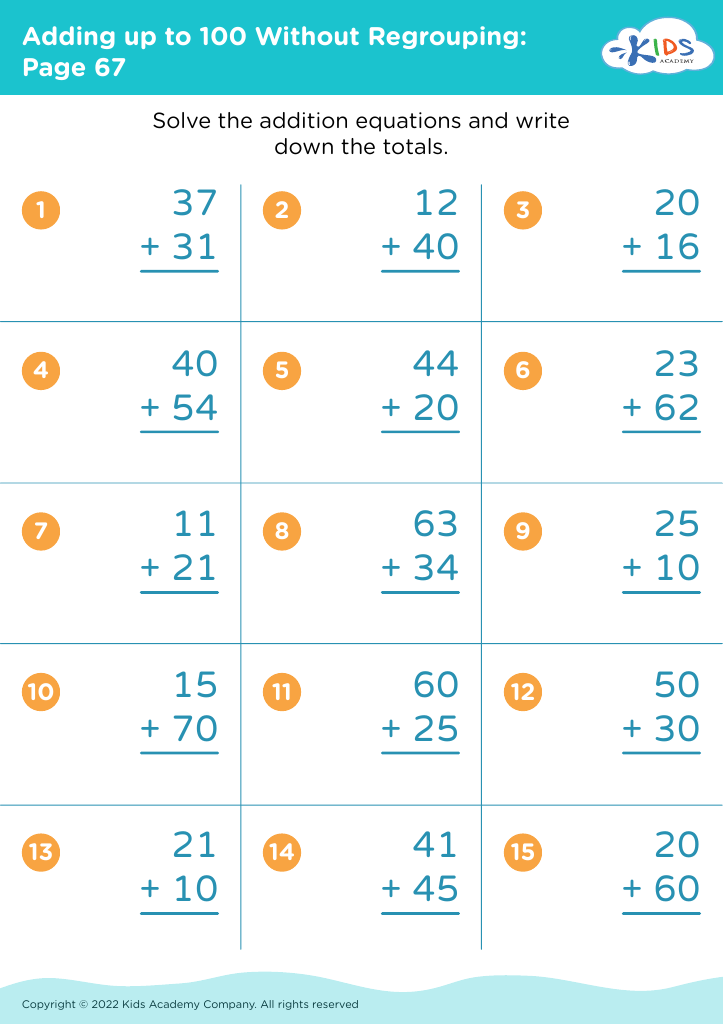
Valentines Day 2 Printable
 Assign to My Students
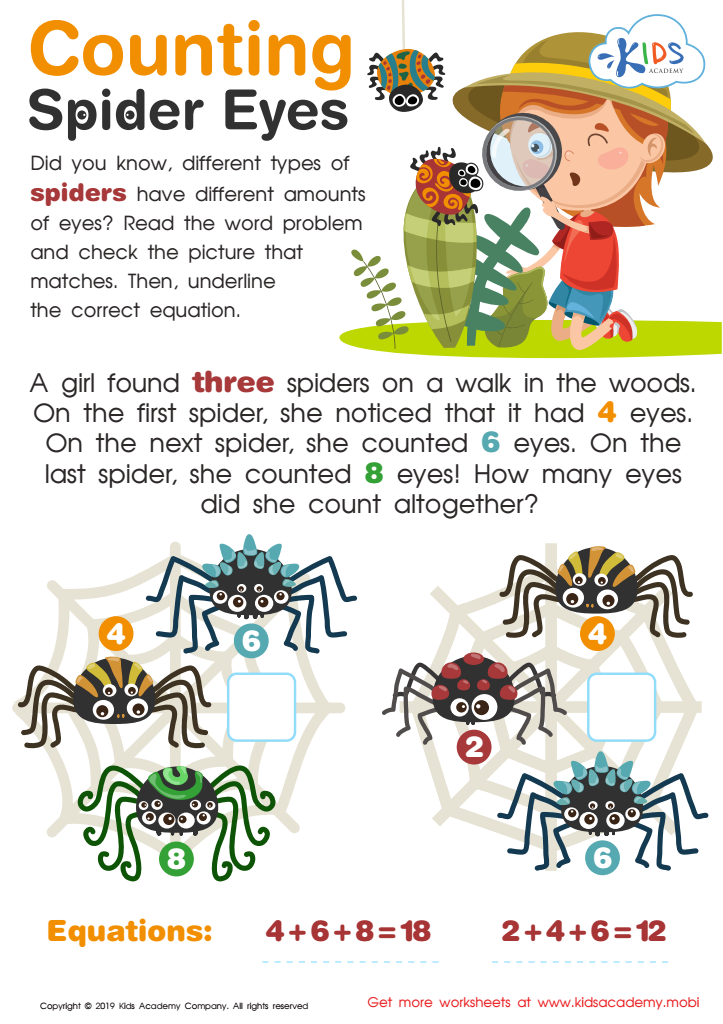
Counting Spider Eyes Worksheet
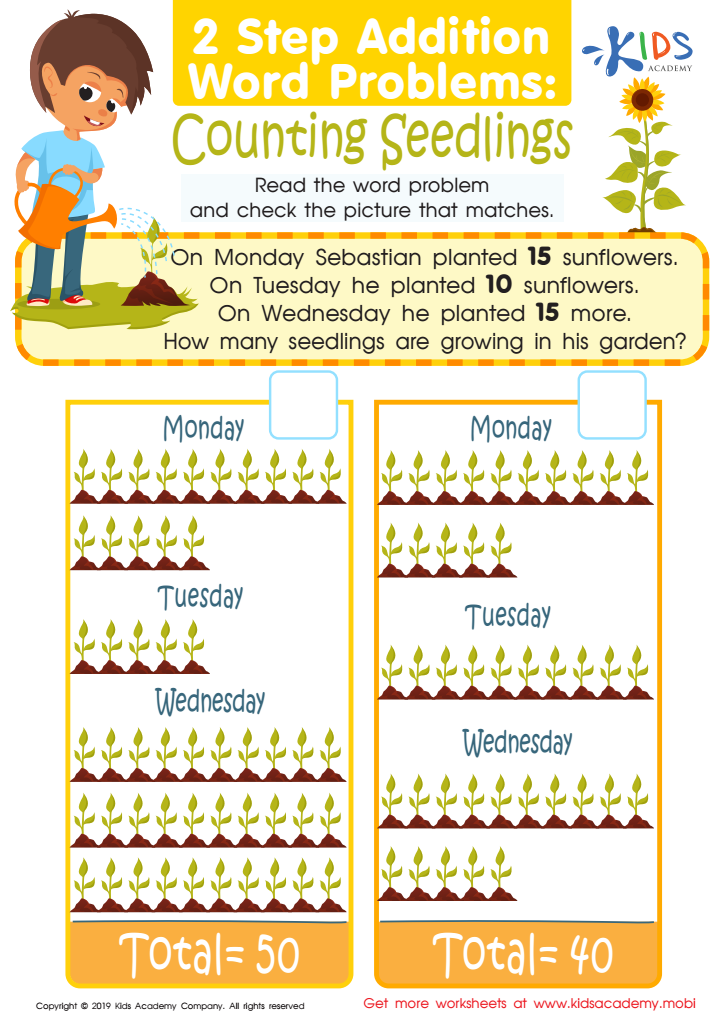
Counting Seedlings Worksheet
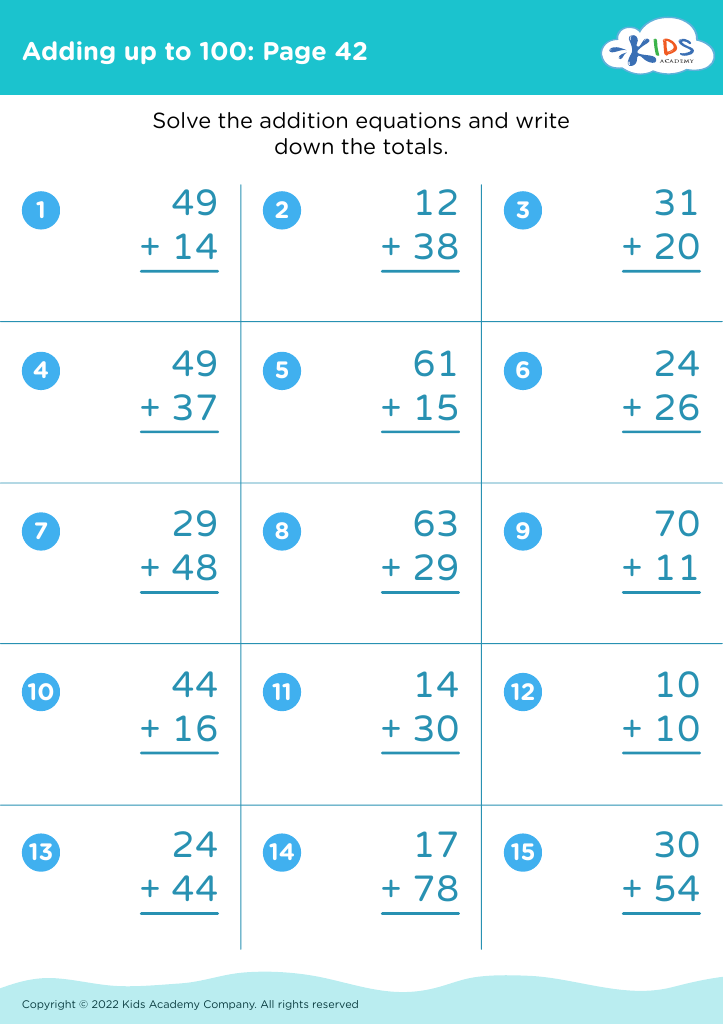
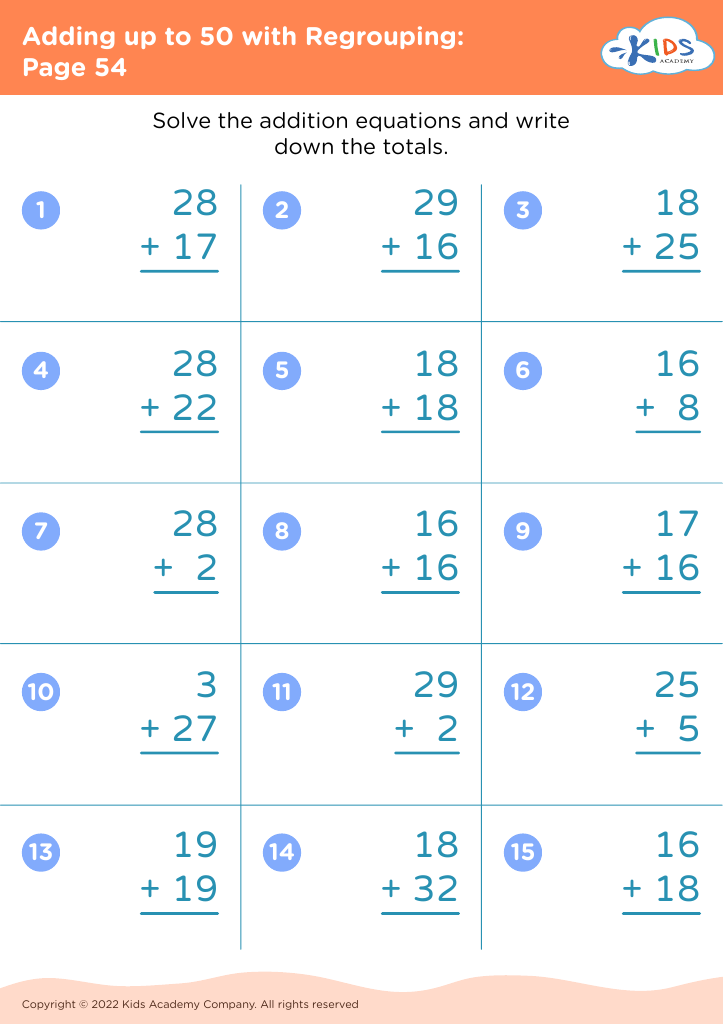
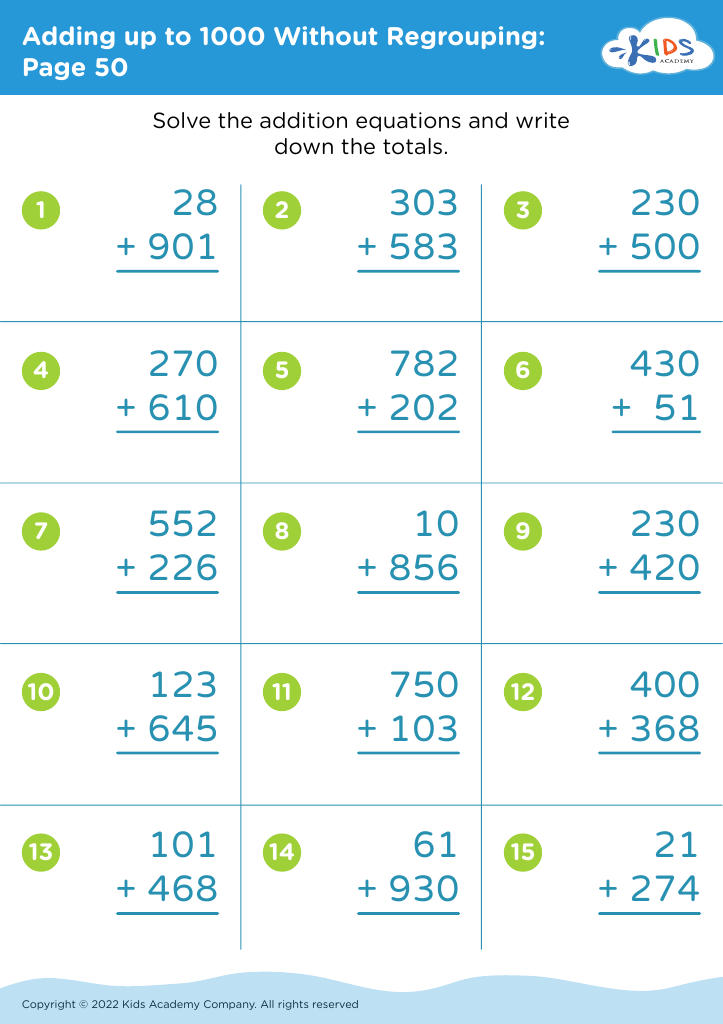
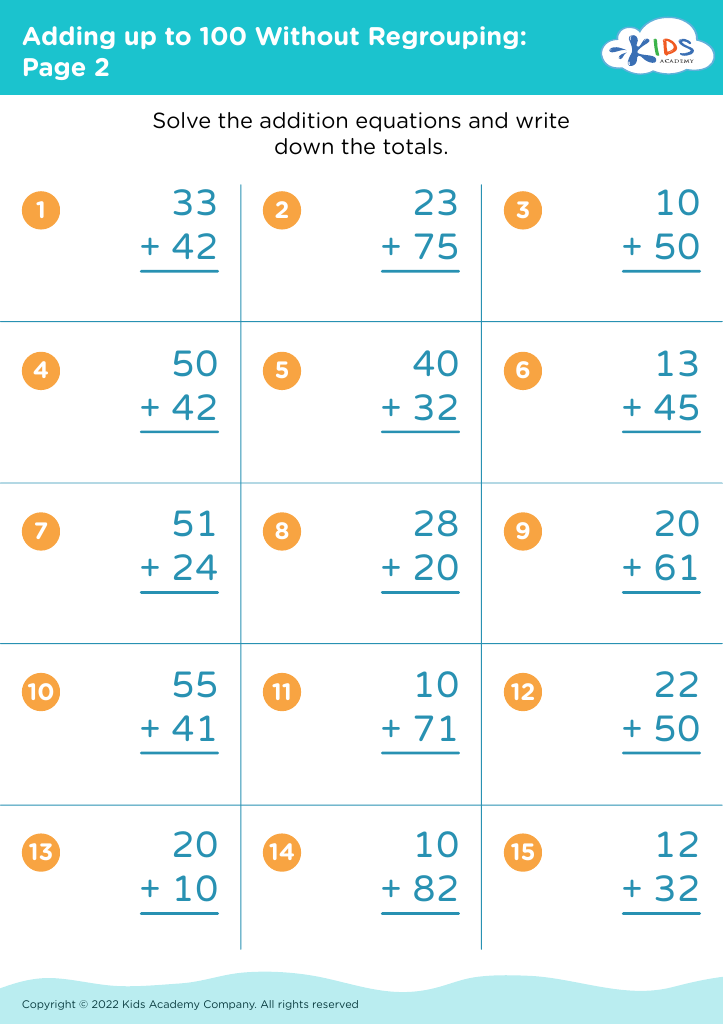
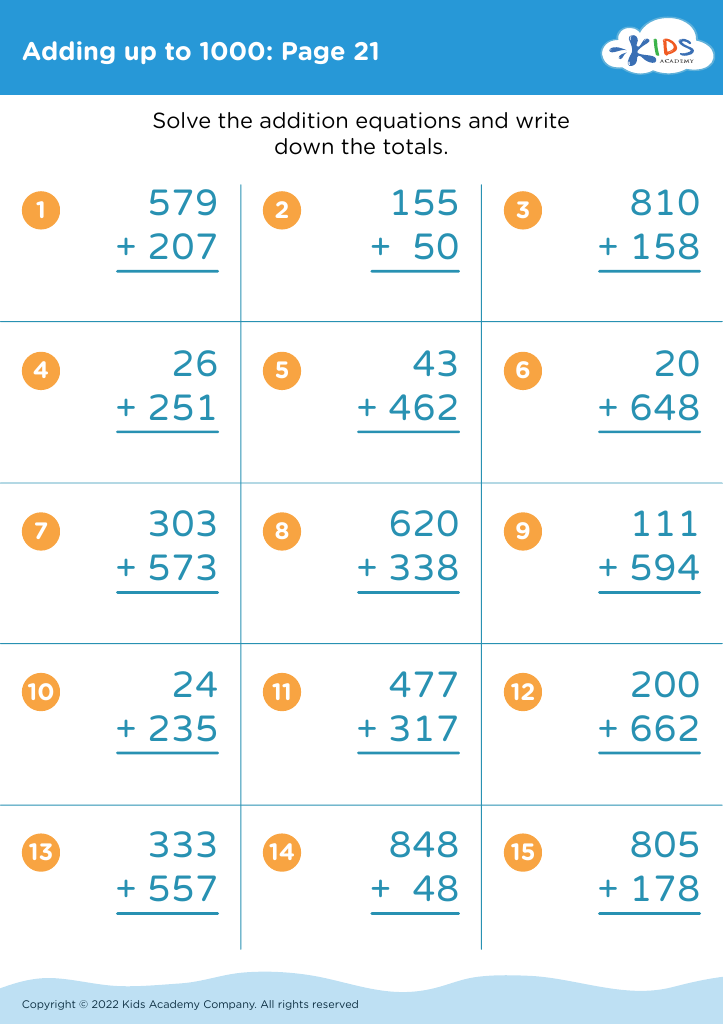
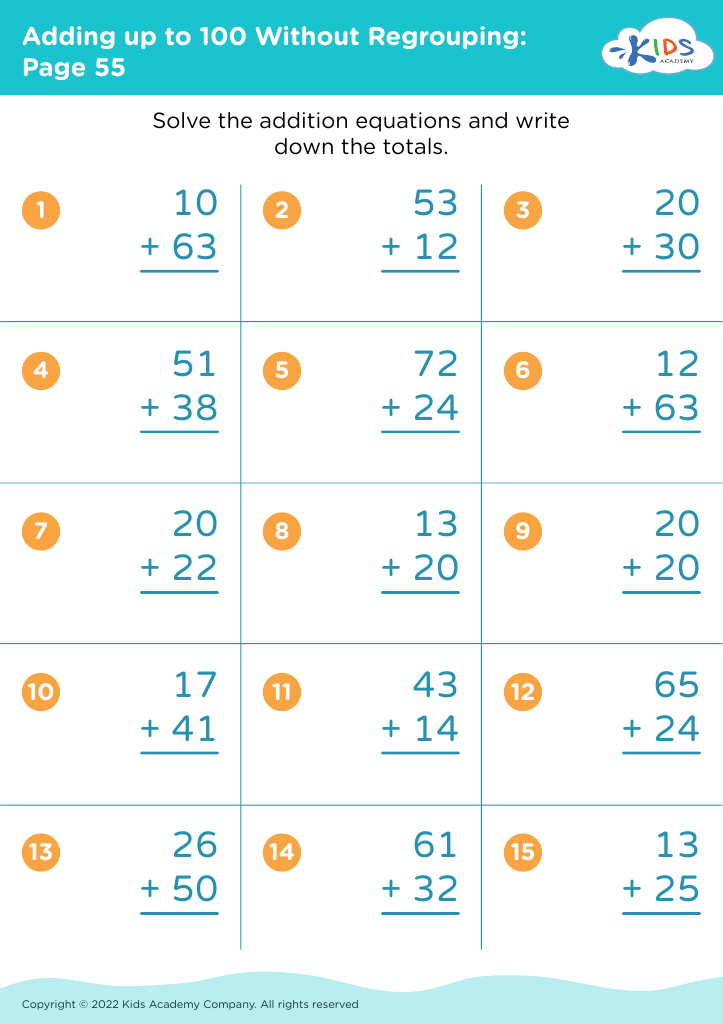
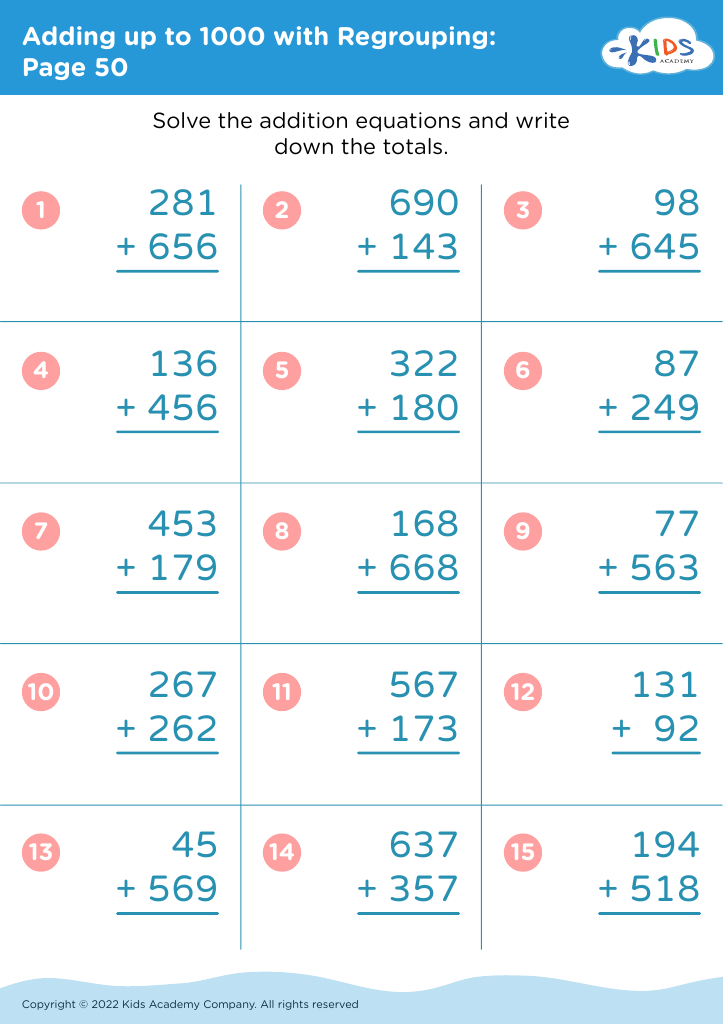
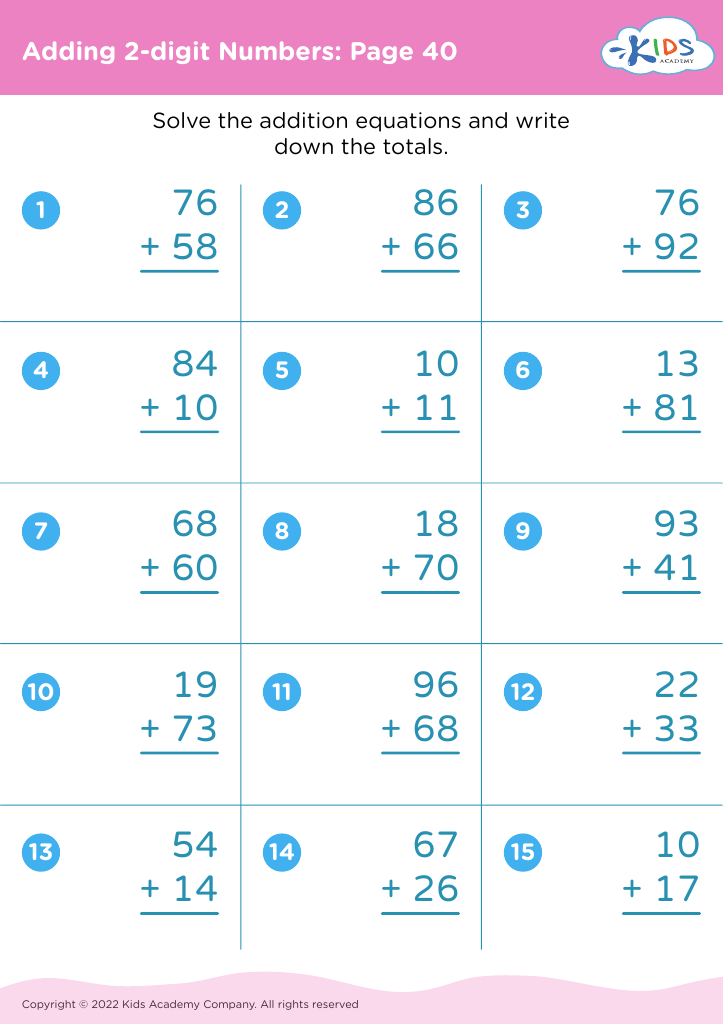
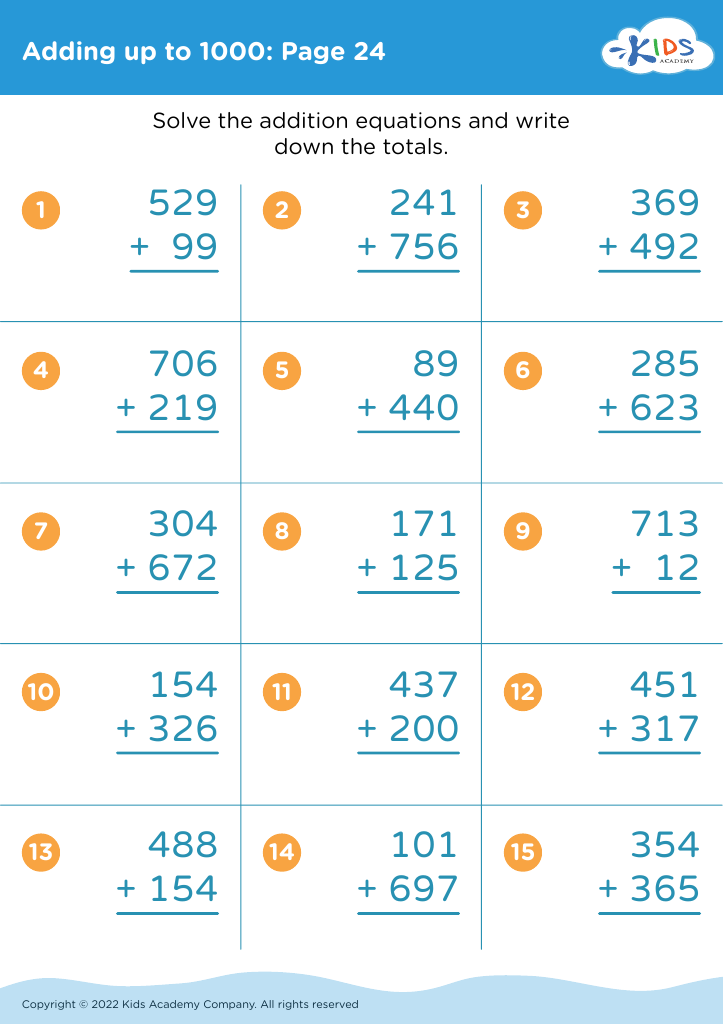
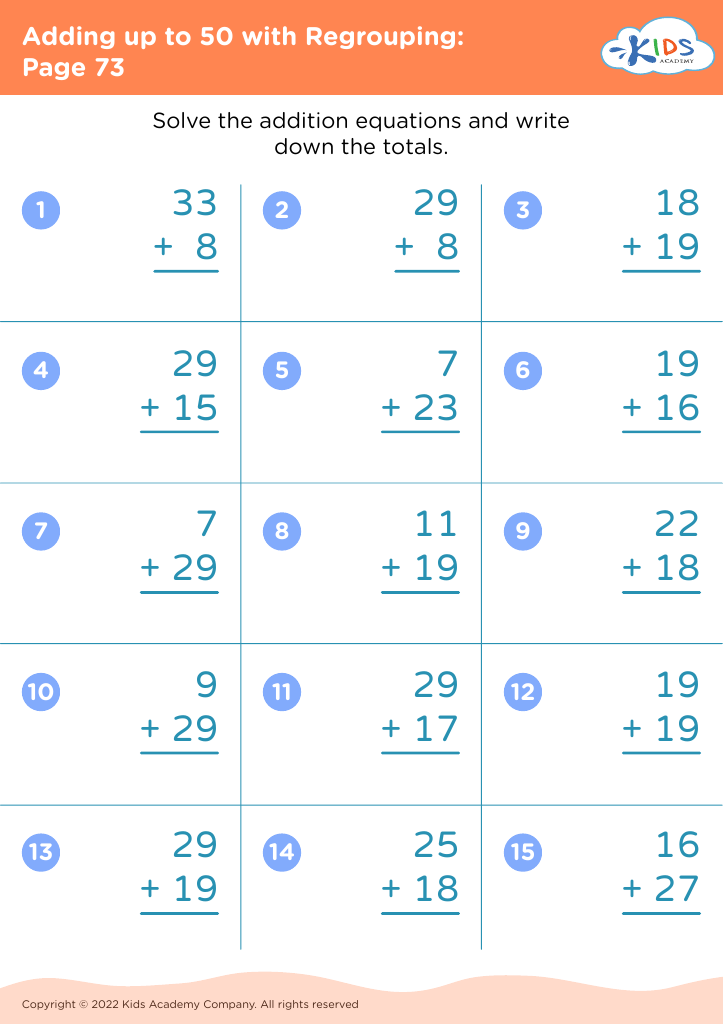
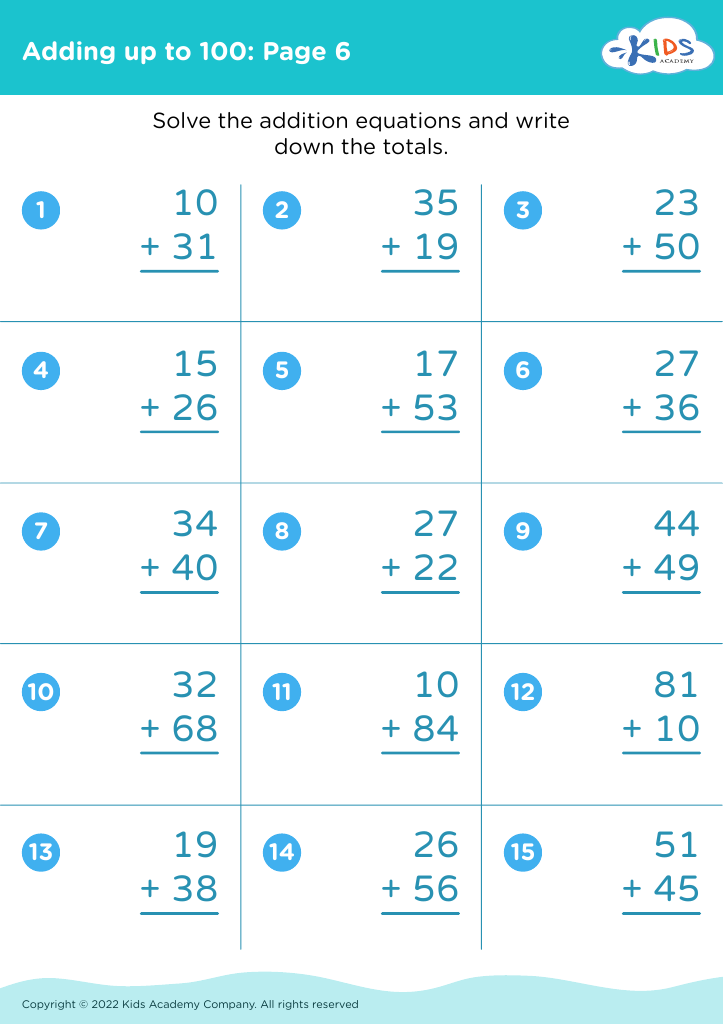
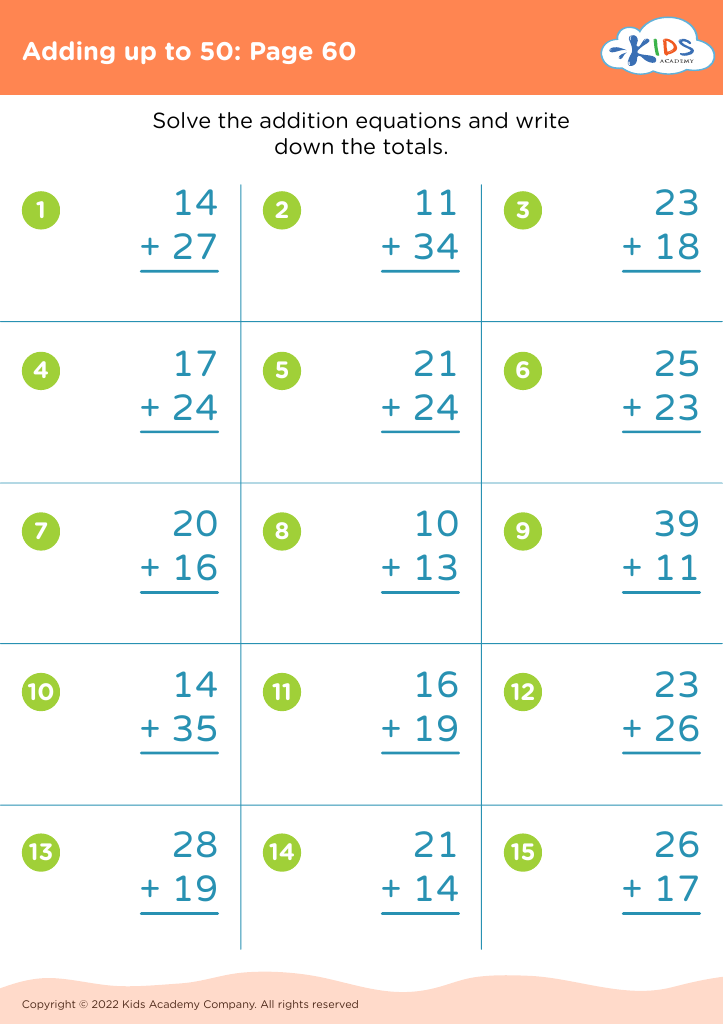
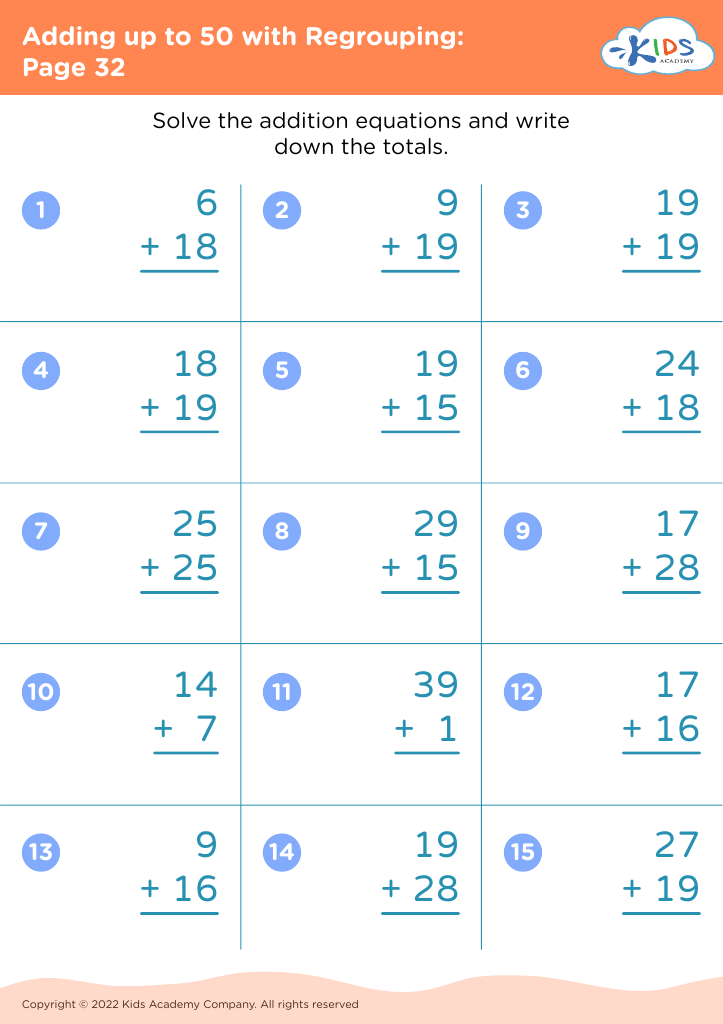
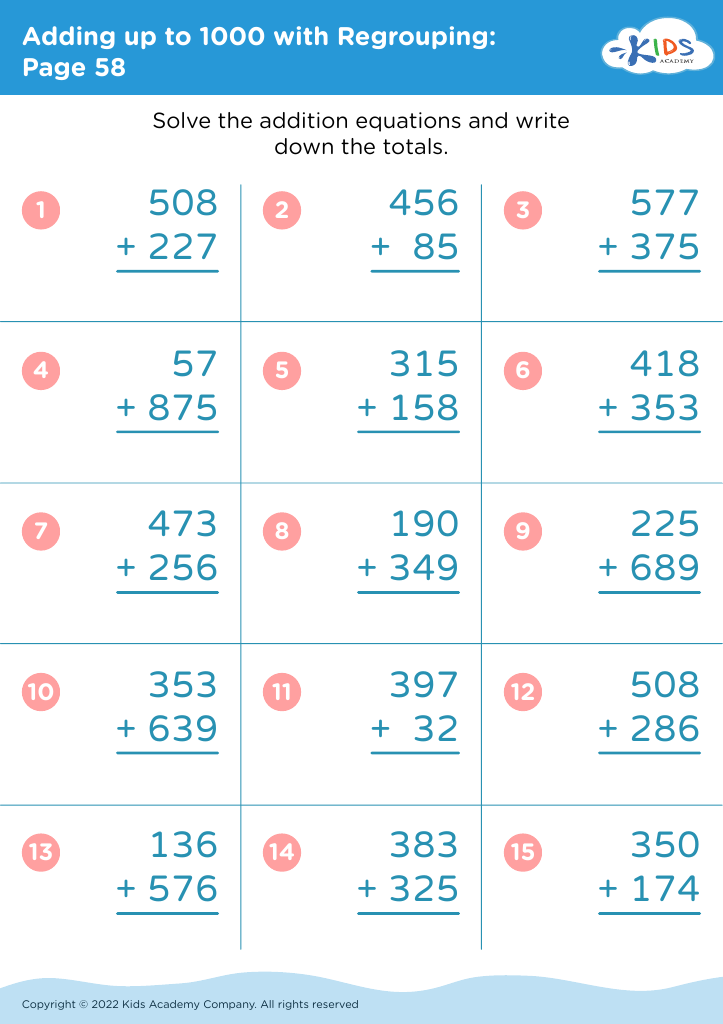








Parents and teachers should place significant emphasis on fine motor skills for children ages 8-9 because they form the foundation for many essential academic and daily activities. At this pivotal age, children are honing skills that directly influence their ability to write legibly, perform accurate hand-eye coordination tasks, and succeed in manipulating objects precisely. When children enhance their fine motor skills through activities like sorting small objects, grasping pencils, and using scissors, they simultaneously boost their mathematical abilities, notably in addition and subtraction. The physical act of writing numbers, arranging counters, and using manipulatives reliably and confidently affects their calculation skills and comprehension.
Furthermore, well-developed fine motor skills promote independence and boost self-esteem as children can manage self-care tasks such as buttoning clothes, tying shoelaces, and packing school bags. These skills also aid in time management during classroom activities and exams, as they mitigate the frustration and delays caused by poor hand control. By integrating fun and purposeful activities targeting both fine motor development and mathematical operations, parents and teachers help children achieve comprehensive cognitive and physical growth, setting them up for academic success and life-long proficiencies. This holistic approach ensures that children rarely encounter avoidable hurdles in their educational journey or everyday tasks.








