Critical Thinking Reading Worksheets for Ages 8-9
28 filtered results
-
From - To
Enhance your child's reading comprehension and analytical skills with our "Critical Thinking Reading Worksheets for Ages 8-9." Our expertly designed printables challenge young minds to go beyond mere reading. These engaging worksheets cultivate the ability to ask questions, infer meaning, and draw conclusions, fostering a deeper understanding of the text. Perfect for classroom and home use, they support critical thinking development while making learning enjoyable. Visit us at Kids Academy to explore an extensive collection of thought-provoking activities that transform young readers into strategic thinkers and lifelong learners. Develop their mind with real-world applications today!
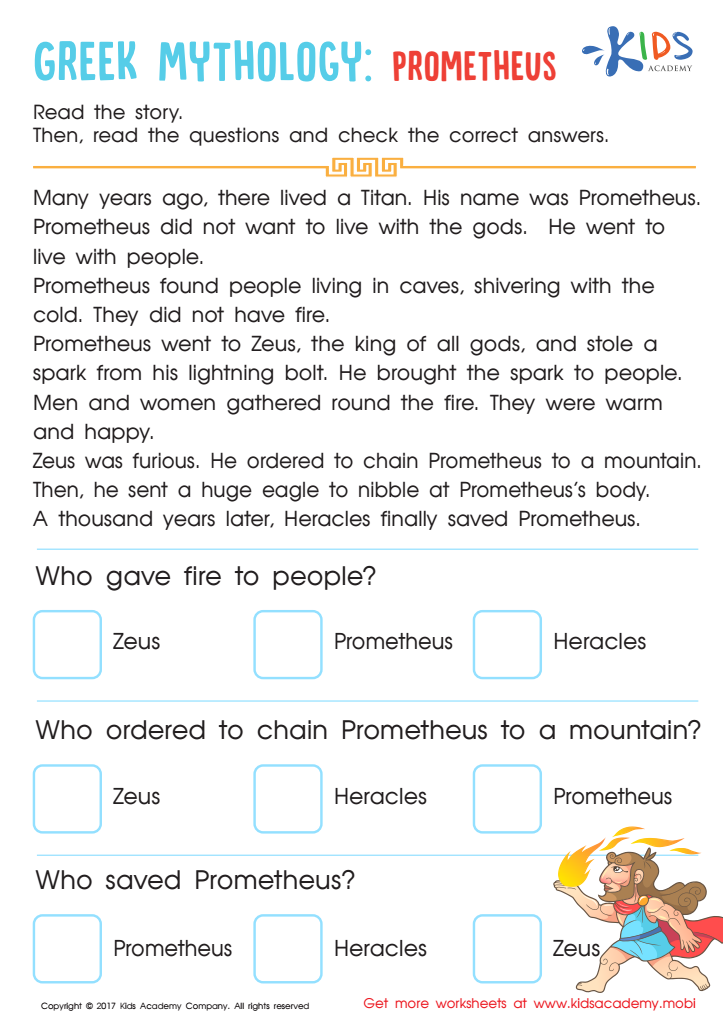
Prometheus Story Worksheet
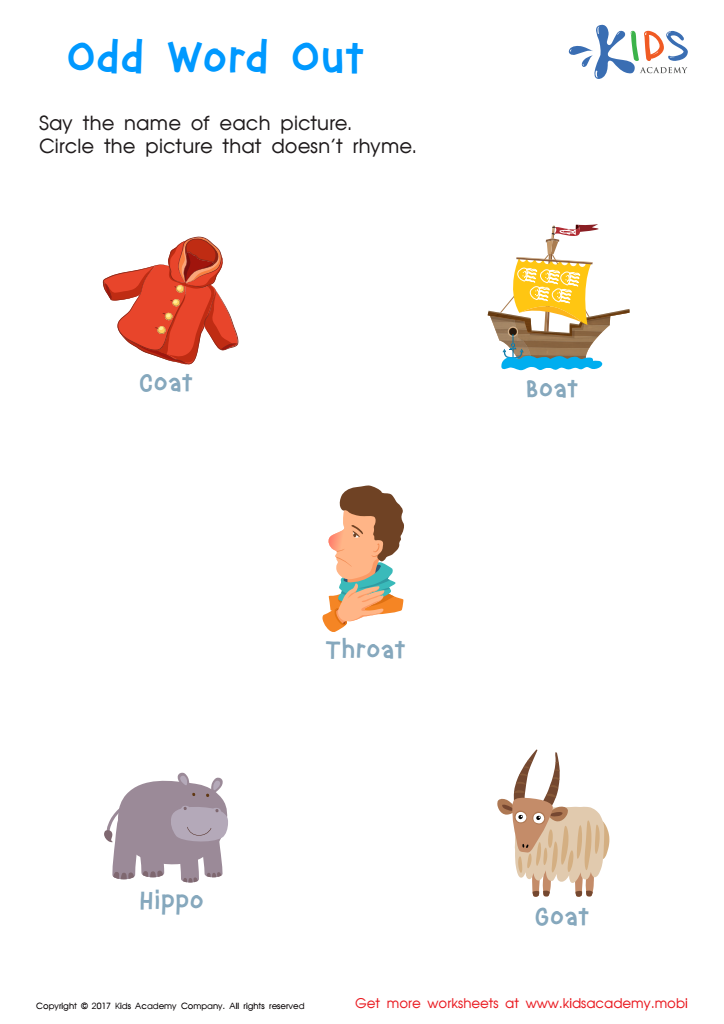
Odd Word Out Rhyming Worksheet
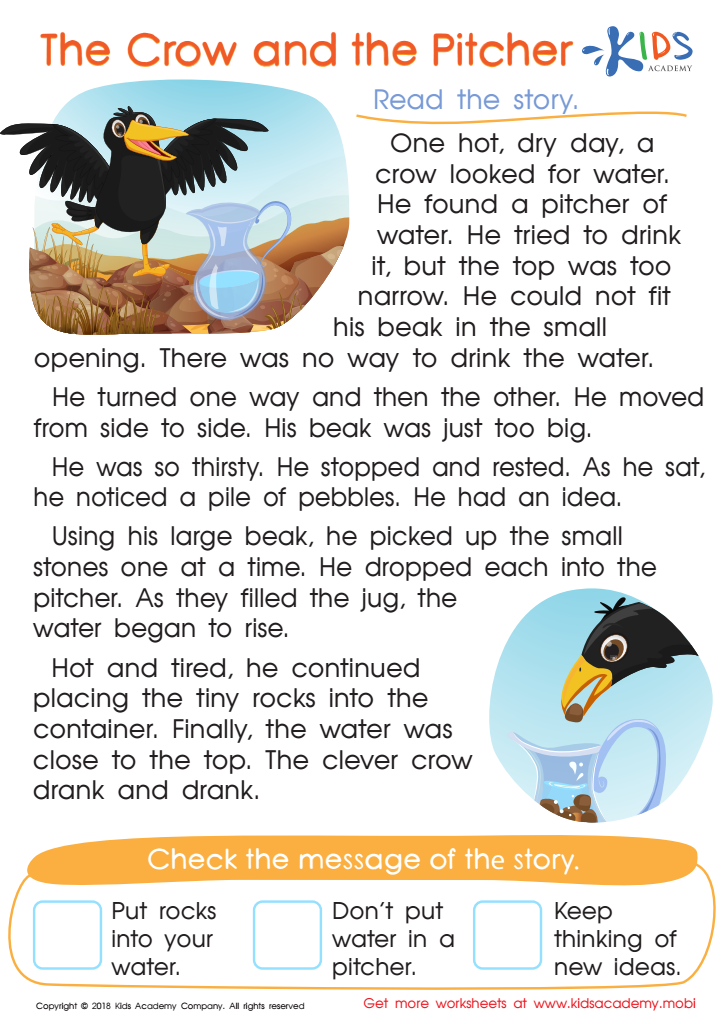
The Crow and the Pitcher Worksheet
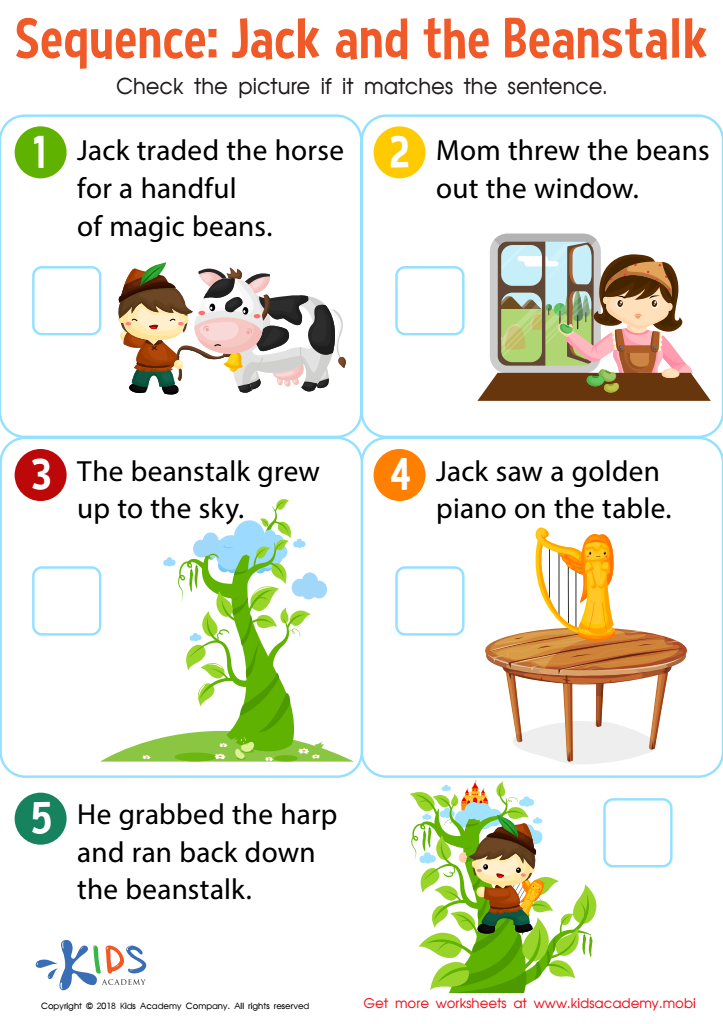
Sequence: Jack and The Beanstalk Worksheet
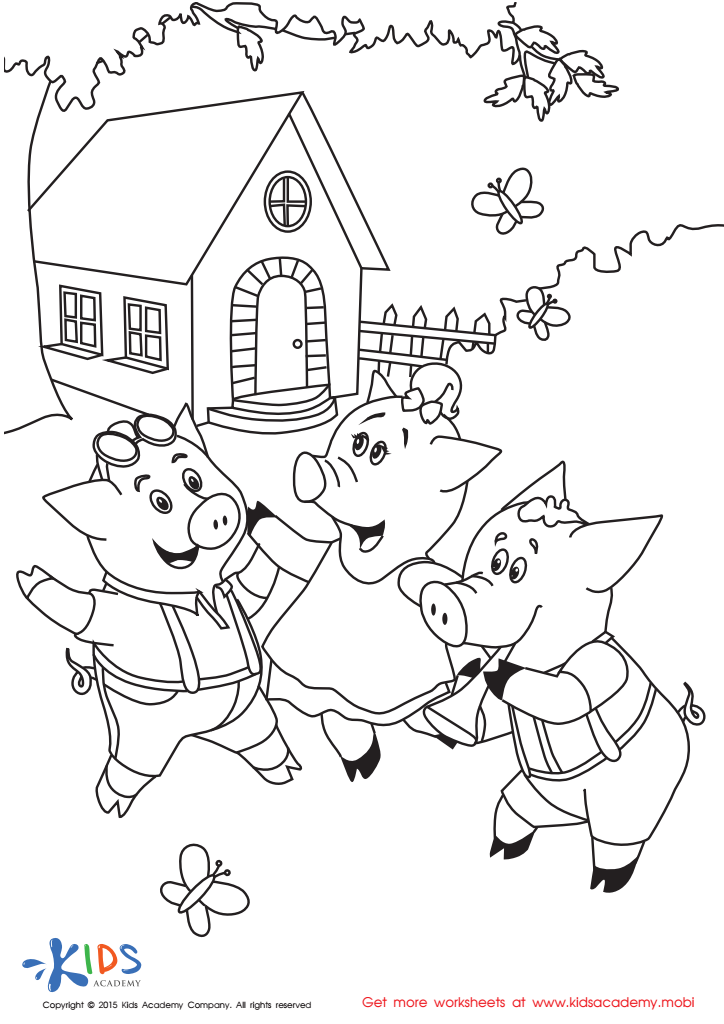
Folktales Printable PDF Worksheet: The 3 Little Pigs
 Assign to My Students
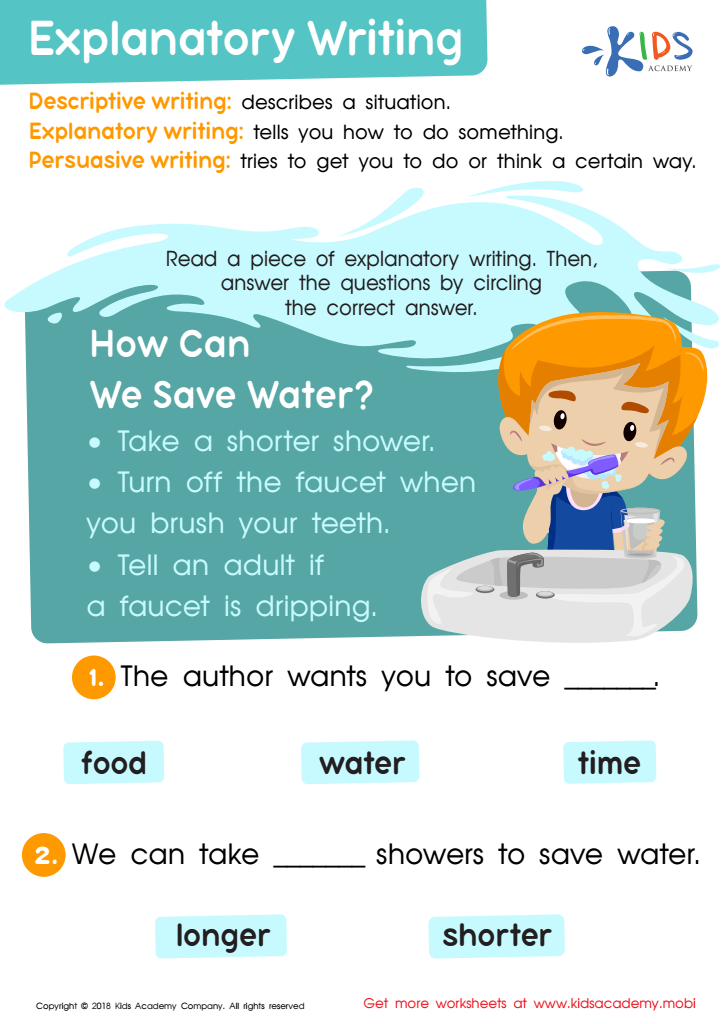
Explanatory Writing Worksheet
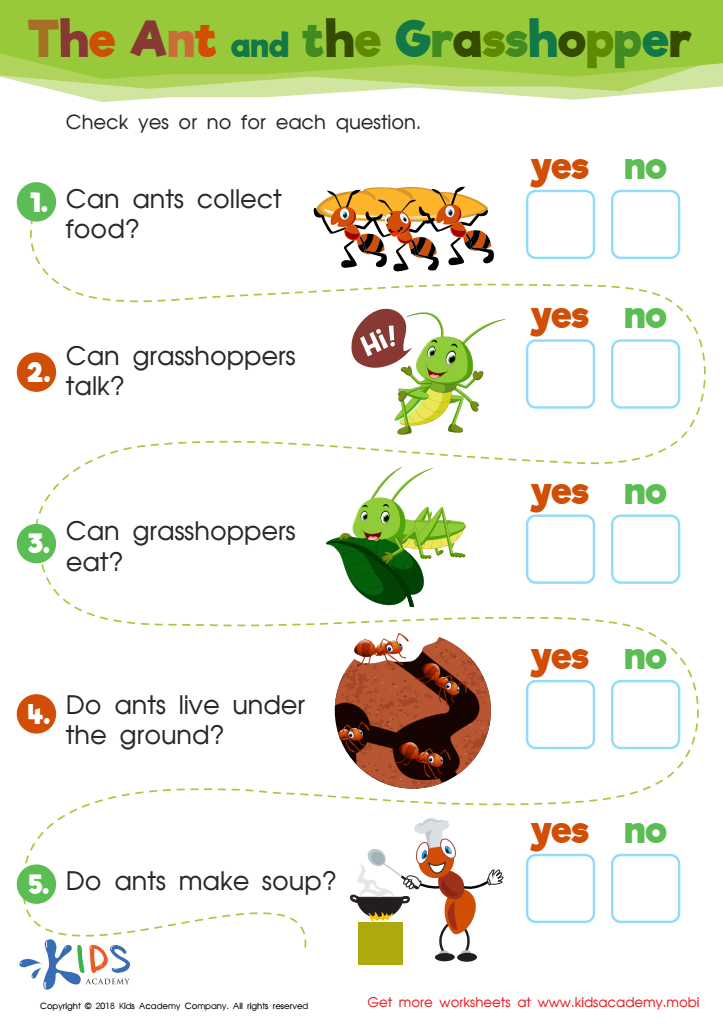
The Ant and The Grasshopper Worksheet
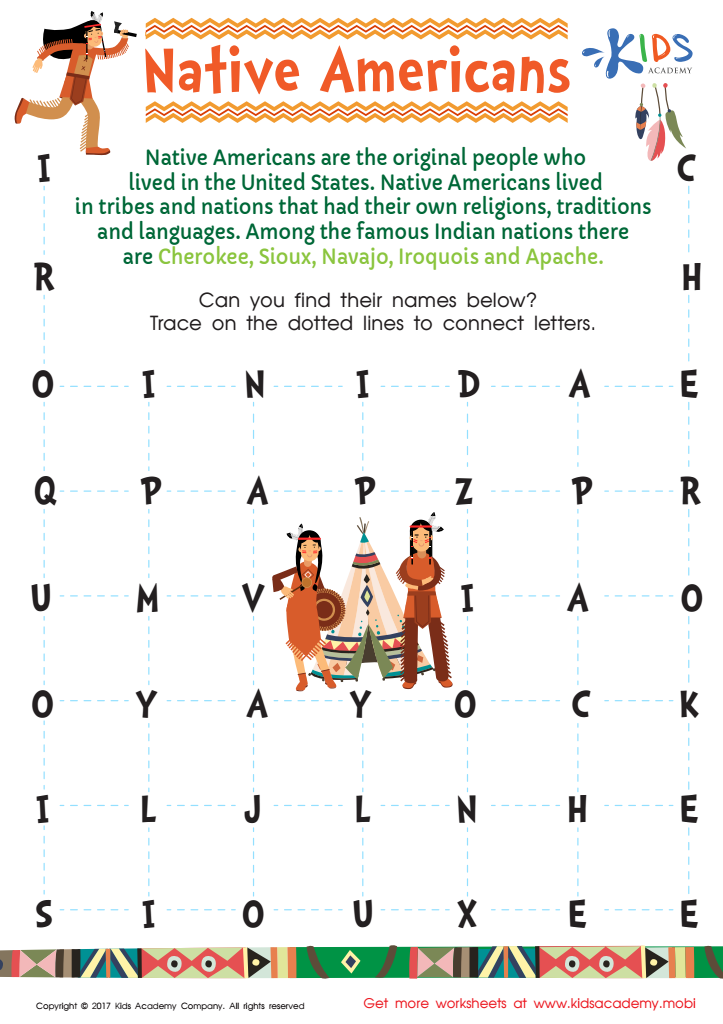
Native American Word Search Printable
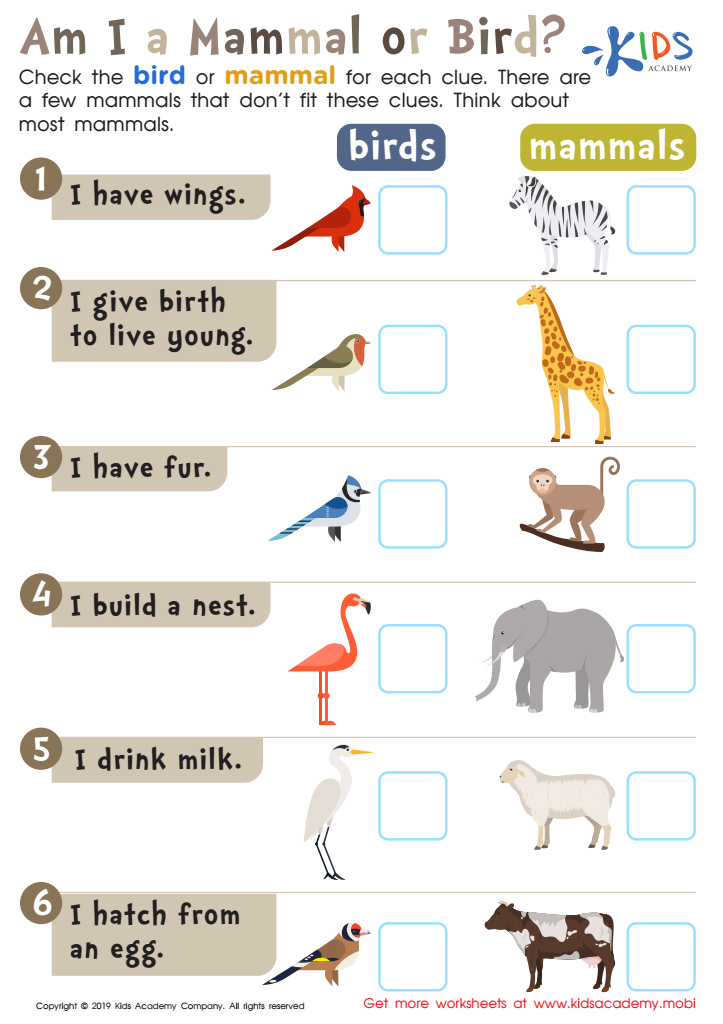
Am I a Mammal or Bird? Worksheet
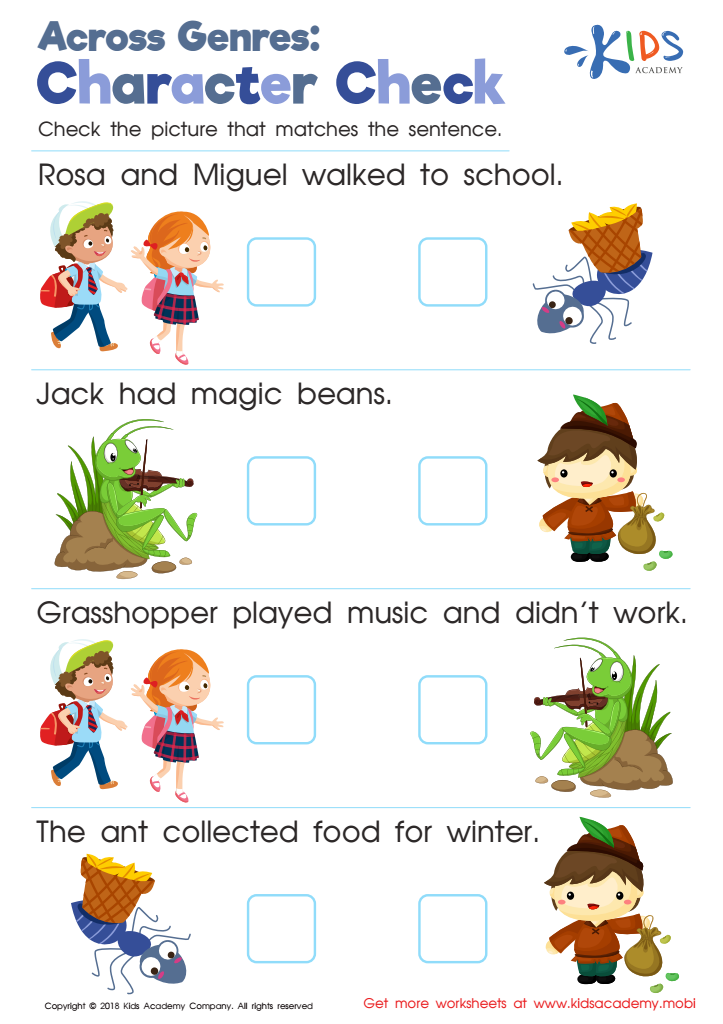
Across Genres: Character Check Worksheet
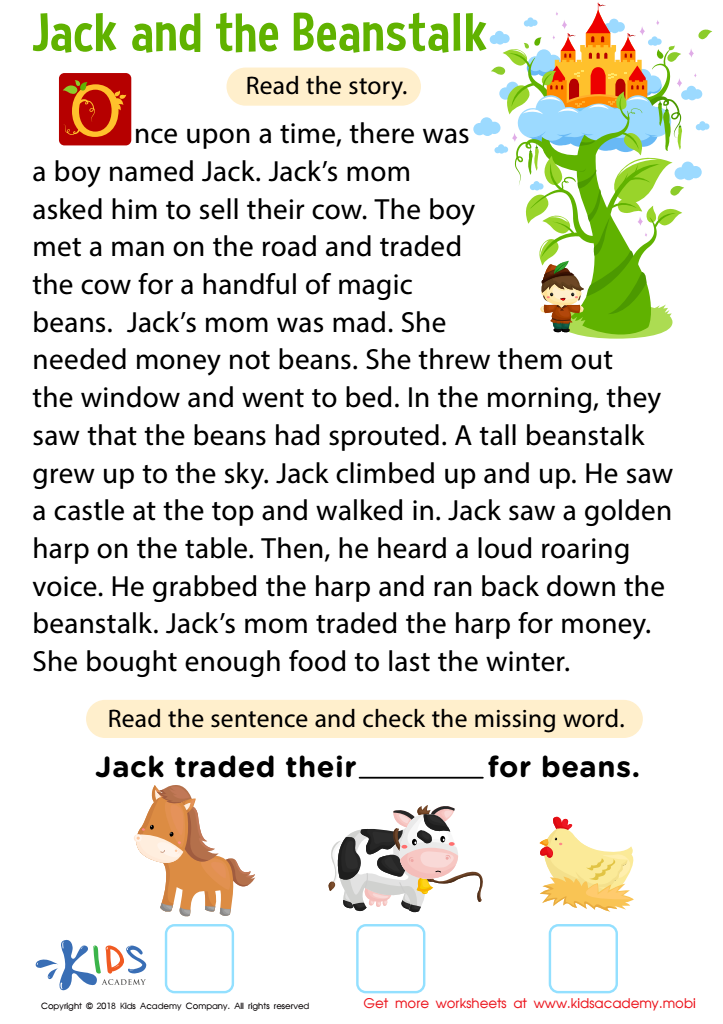
Jack and Beanstalk Worksheet
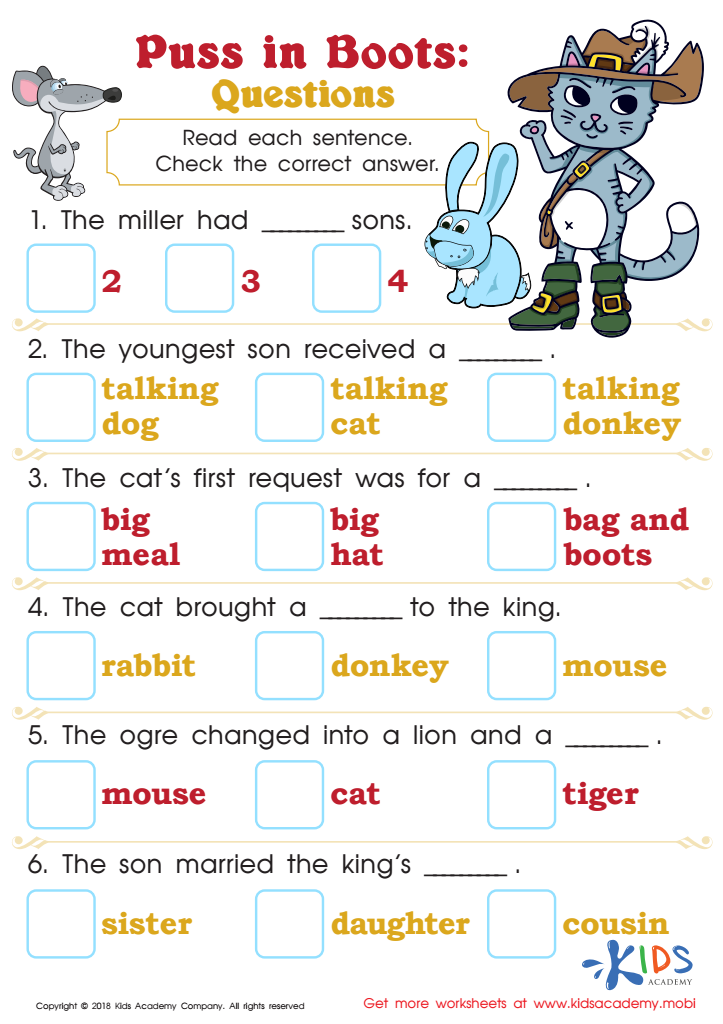
Puss in Boots: Questions Worksheet
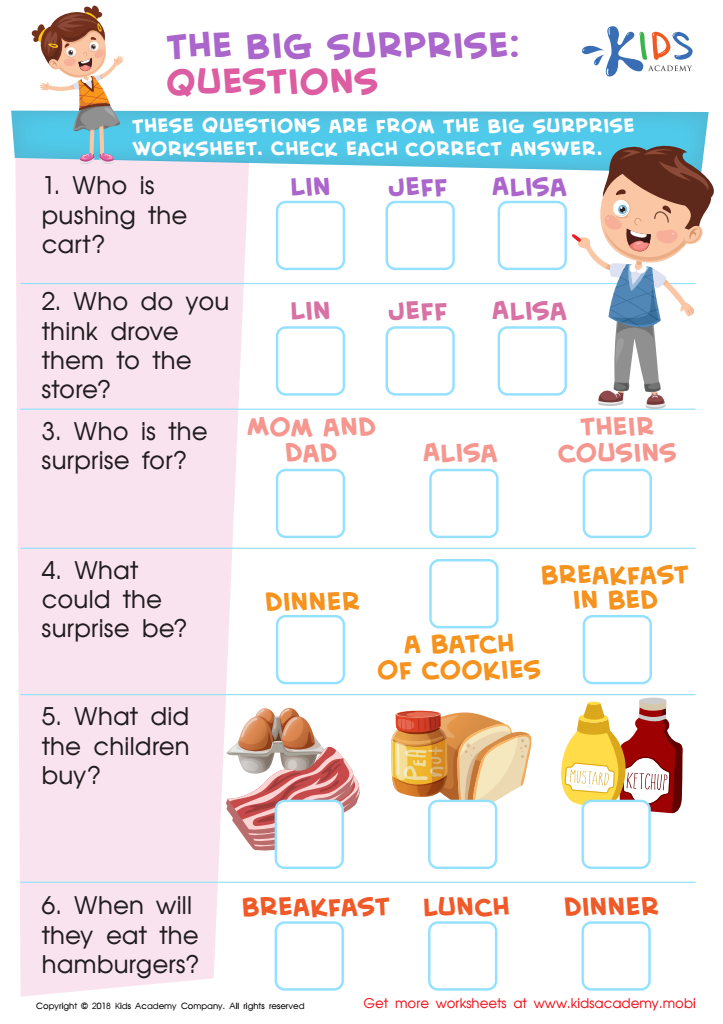
The Big Surprise: Questions Worksheet
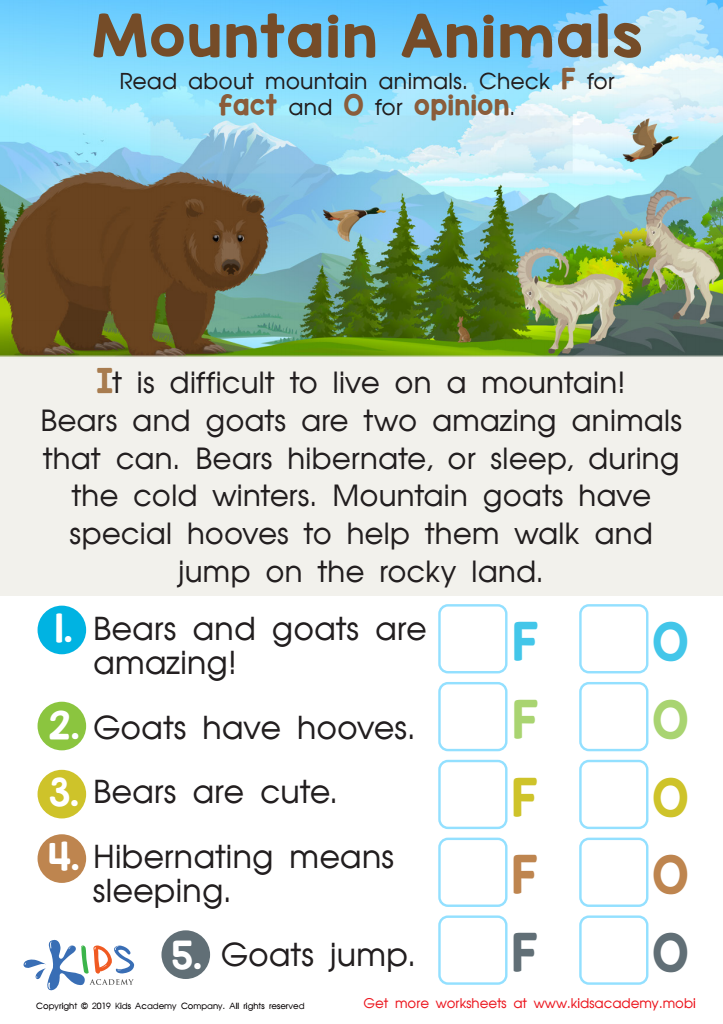
Mountain Animals Worksheet
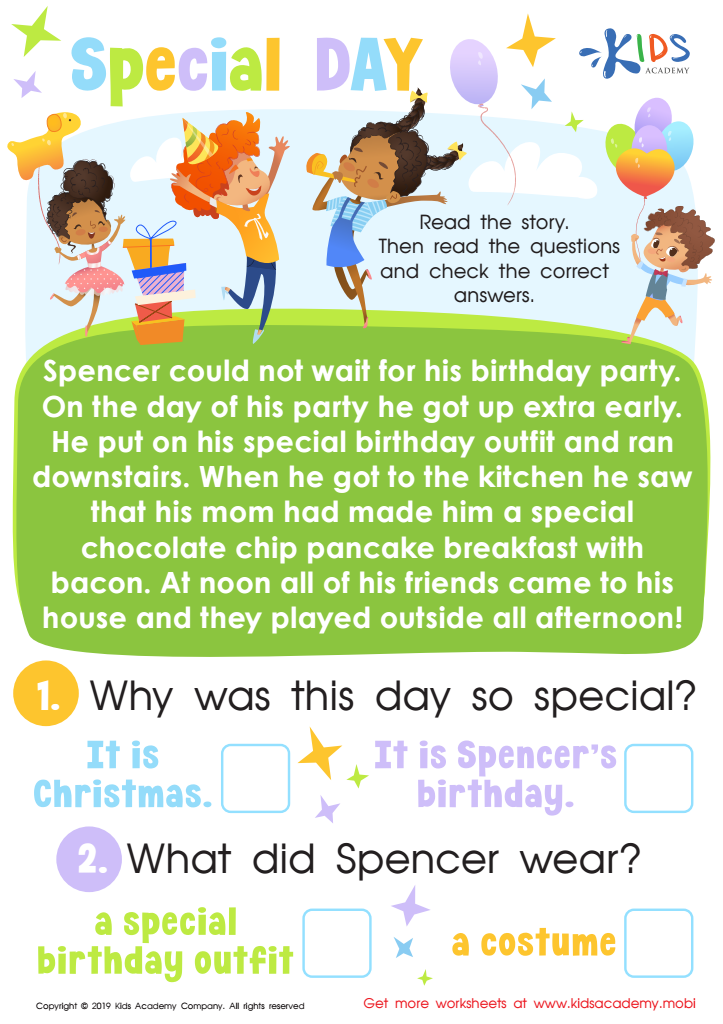
Special Day Worksheet
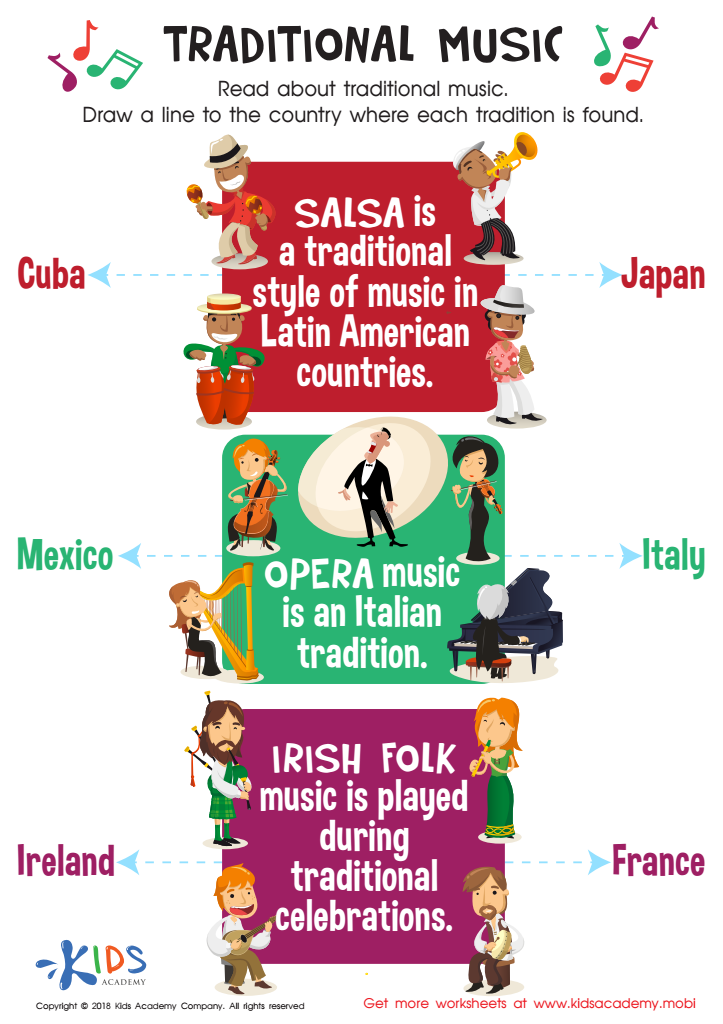
Traditional Music Worksheet
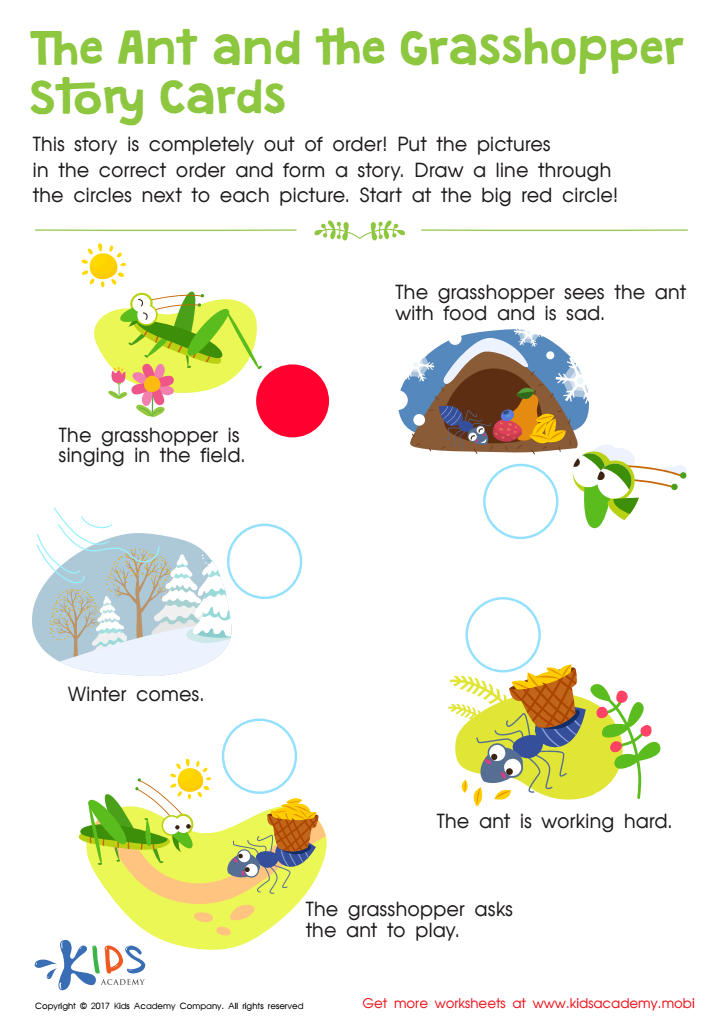
The Ant and The Grasshopper Worksheet
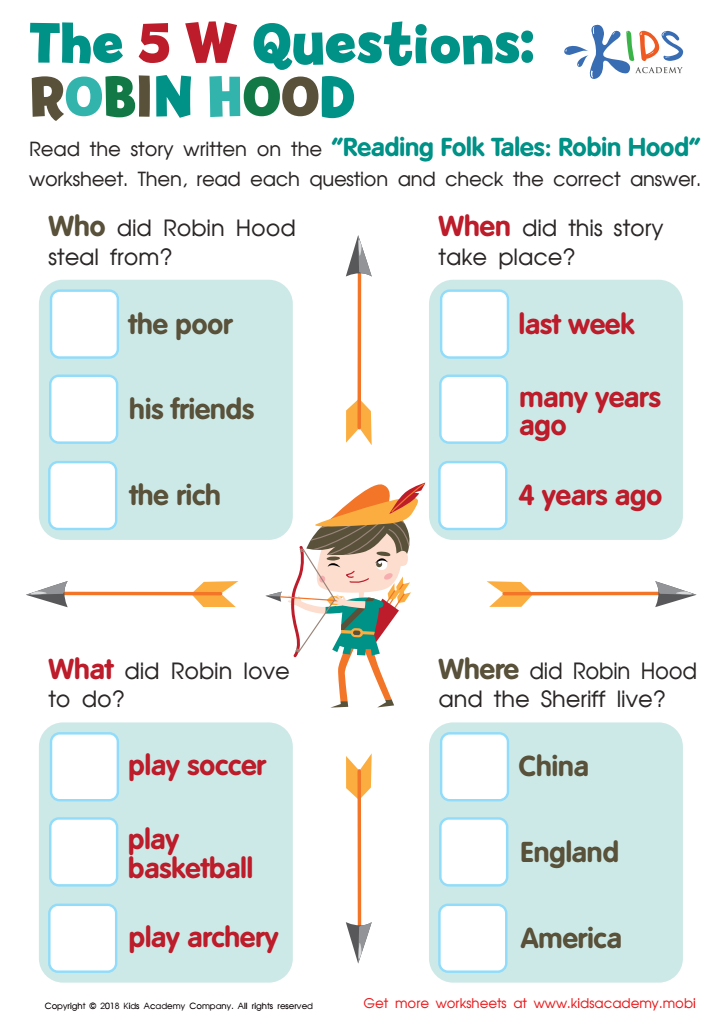
The 5 W Questions: Robin Hood Worksheet
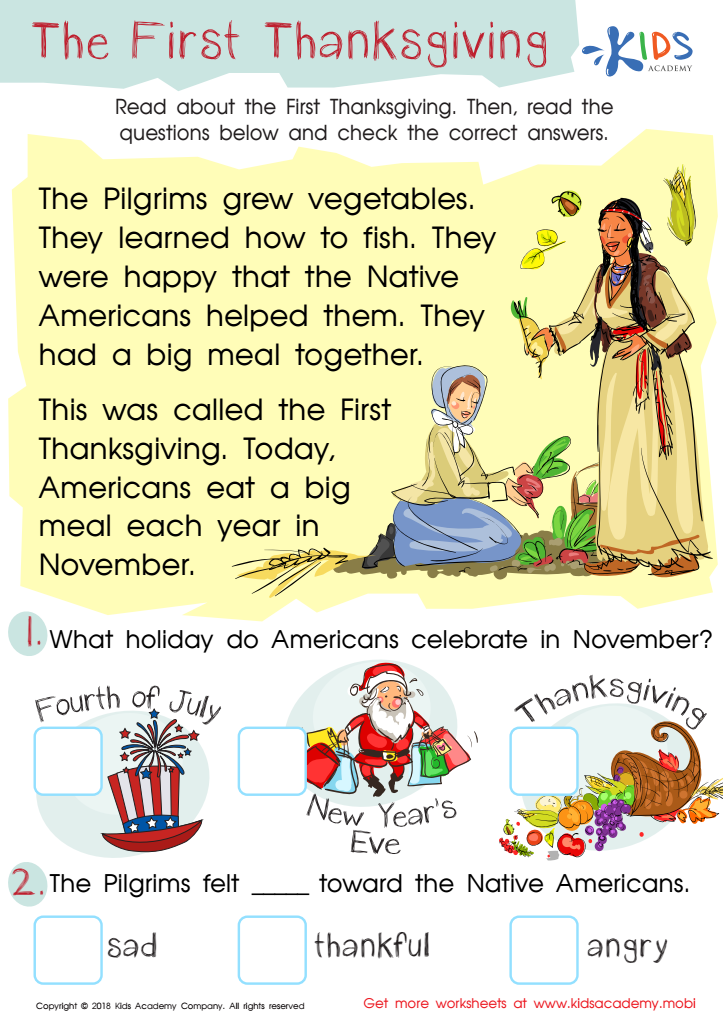
Assessment: First Thanksgiving Worksheet
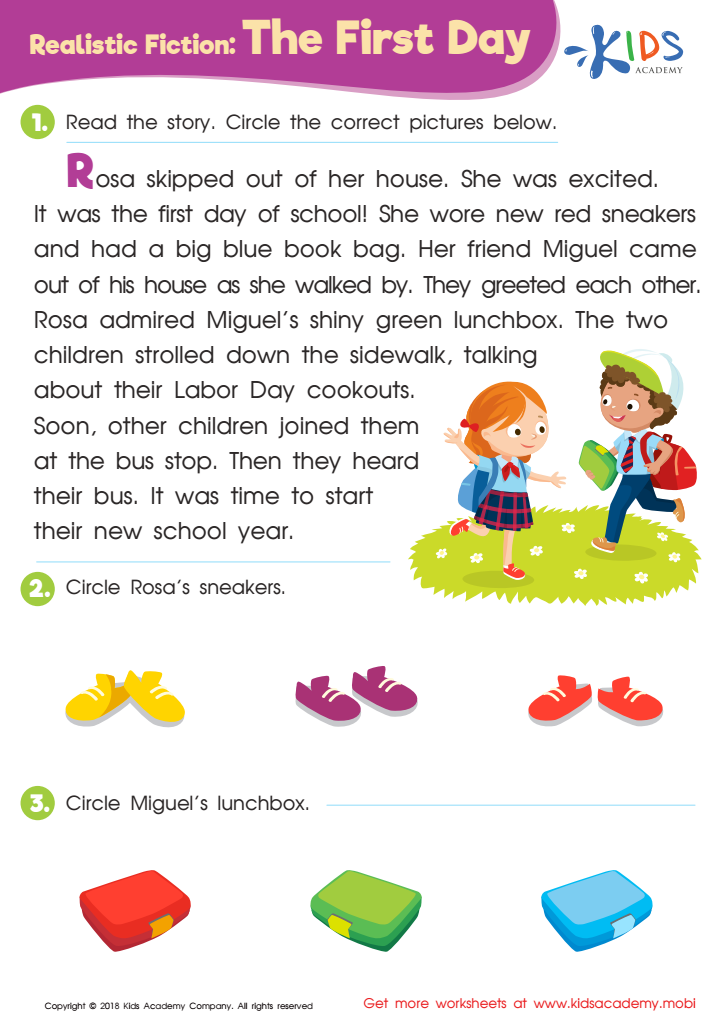
Realistic Fiction: The First Day Worksheet
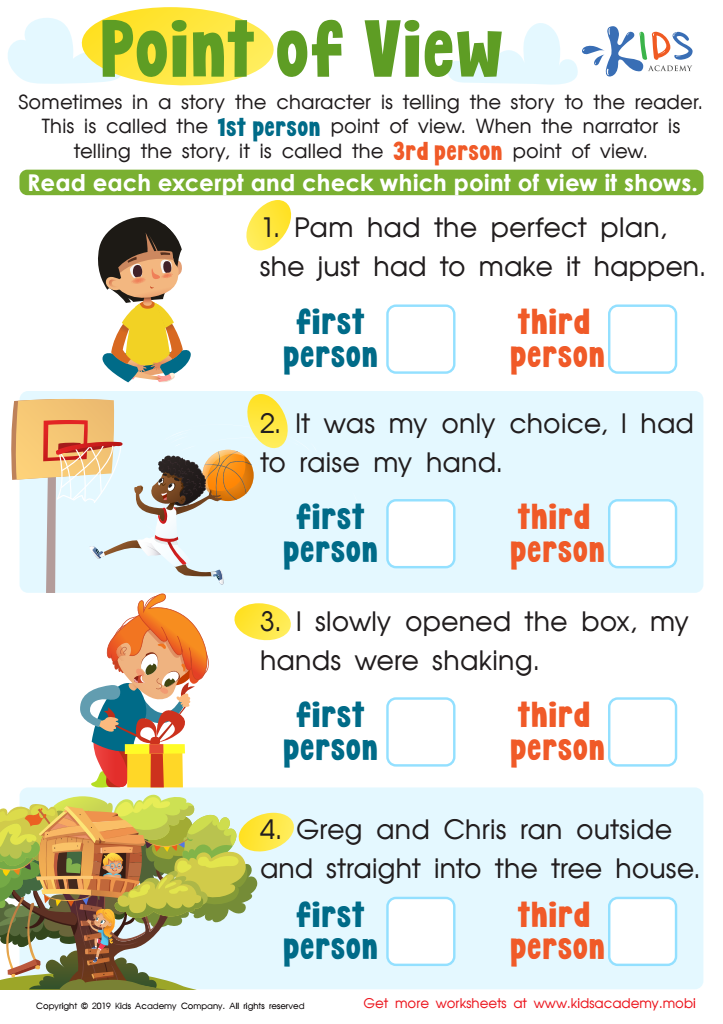
Point of View Printable
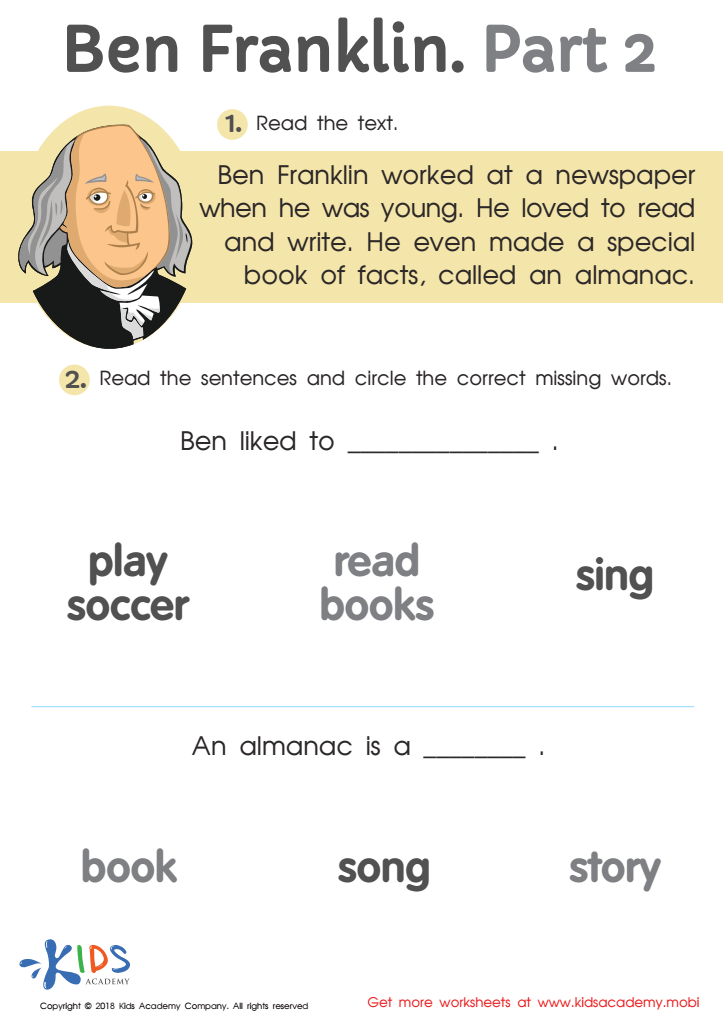
Ben Franklin Part 2 Worksheet
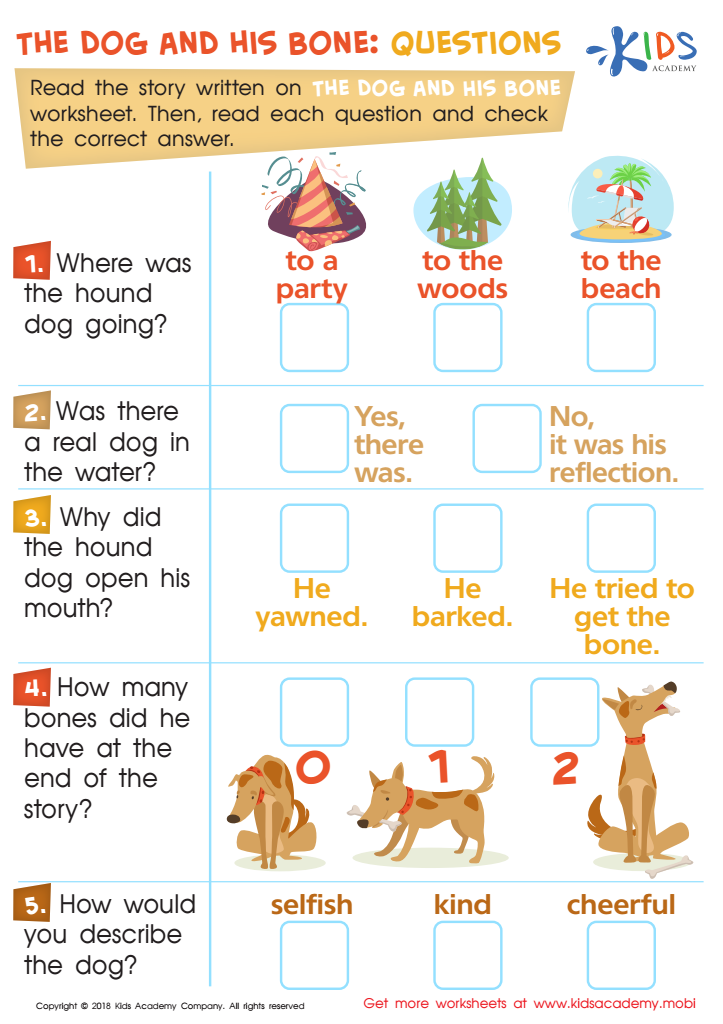
The Dog and His Bone: Questions Worksheet
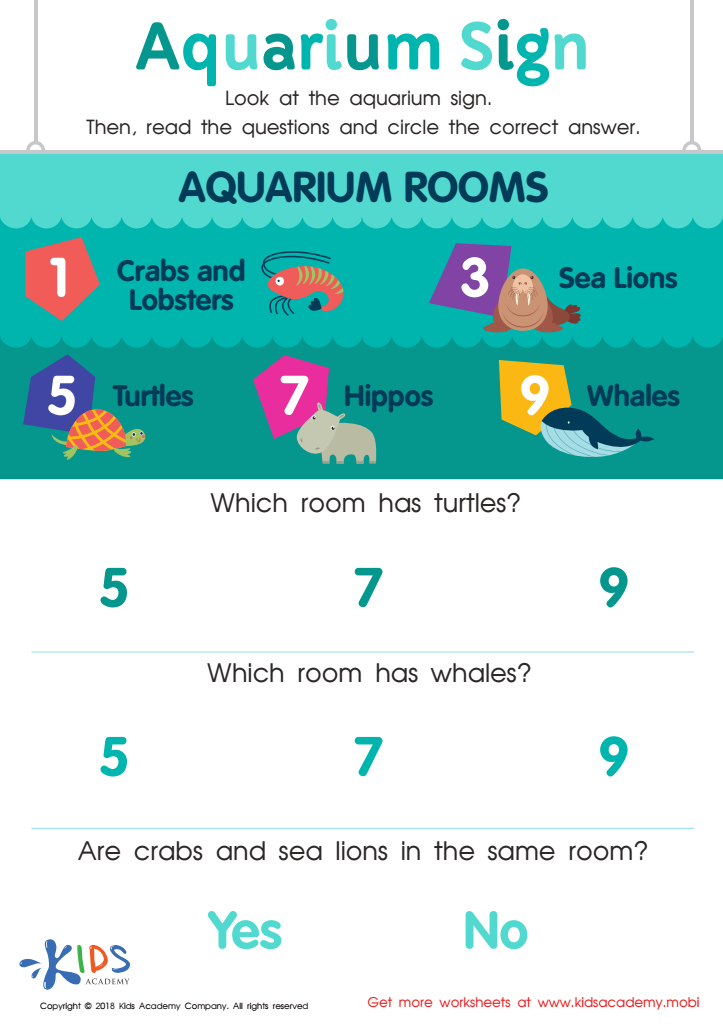
Assessment: Aquarium Sign Worksheet








Critical thinking in reading for children aged 8-9 is essential for their overall cognitive development and success in future learning endeavors. At this pivotal age, children transition from learning to read to reading to learn. By fostering critical thinking while reading, parents and teachers encourage children to not only decode words but to deeply engage with and understand the text.
Engaging in critical thinking helps children analyze stories and texts, identify main ideas, make predictions, and draw conclusions. It encourages curiosity, prompting children to ask questions and seek out answers, thereby enhancing comprehension. This skill set not only contributes to academic success but also supports problem-solving abilities and creativity in varied situations outside the classroom.
Additionally, critical thinking in reading nurtures lifelong learning skills. When children are taught to evaluate information, differentiate between fact and opinion, and assess the reliability of sources, they become discerning readers who are better prepared to navigate a world saturated with information. This will ultimately empower them to make informed decisions and think independently, laying a robust foundation for becoming responsible, thoughtful individuals.
Therefore, focusing on critical thinking in reading at an early stage equips children with the tools to succeed academically and in all aspects of life, making it a vital area for parents and teachers to invest in their children's education.








