Reading comprehension Science Worksheets for Ages 8-9 - Page 2
40 filtered results
-
From - To
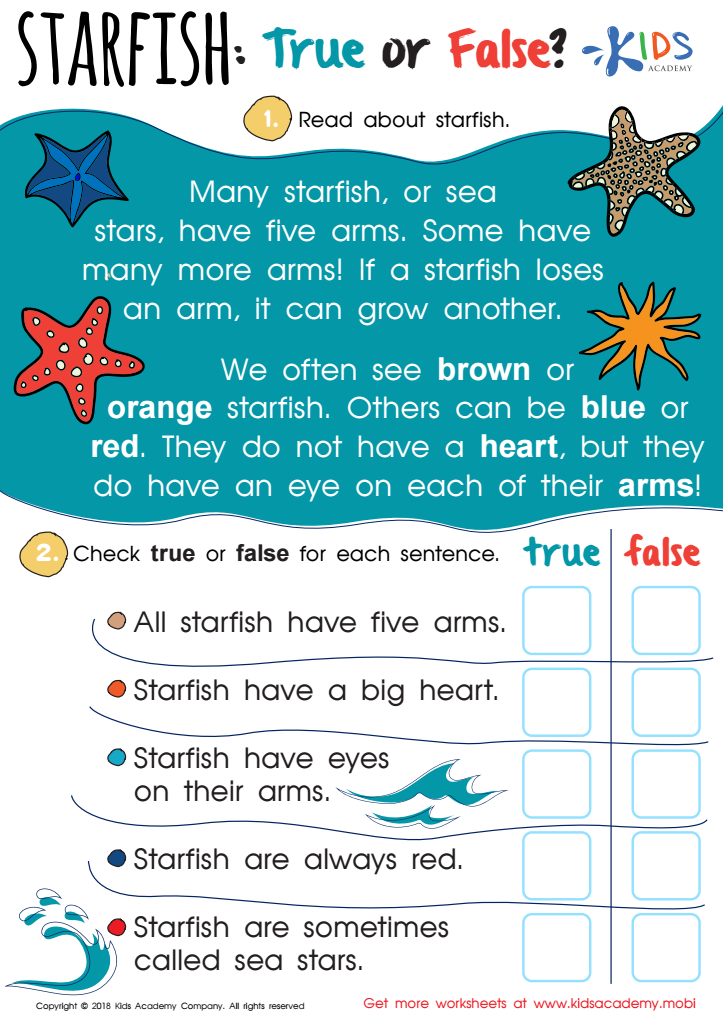
Starfish: True or False Worksheet
 Assign to My Students
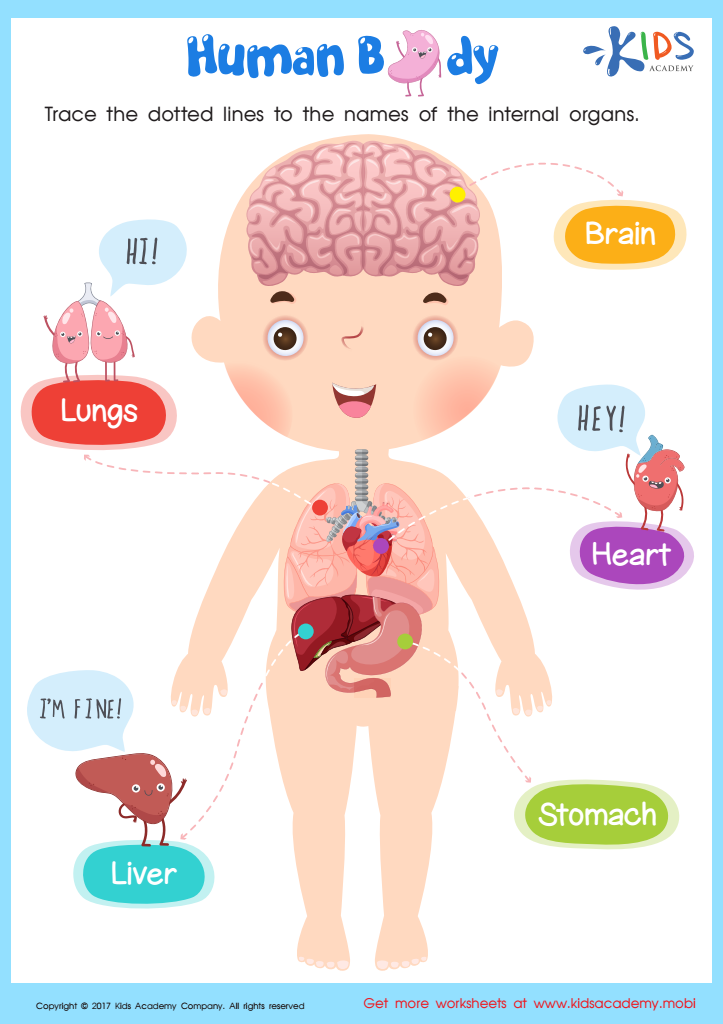
Human Body Worksheet
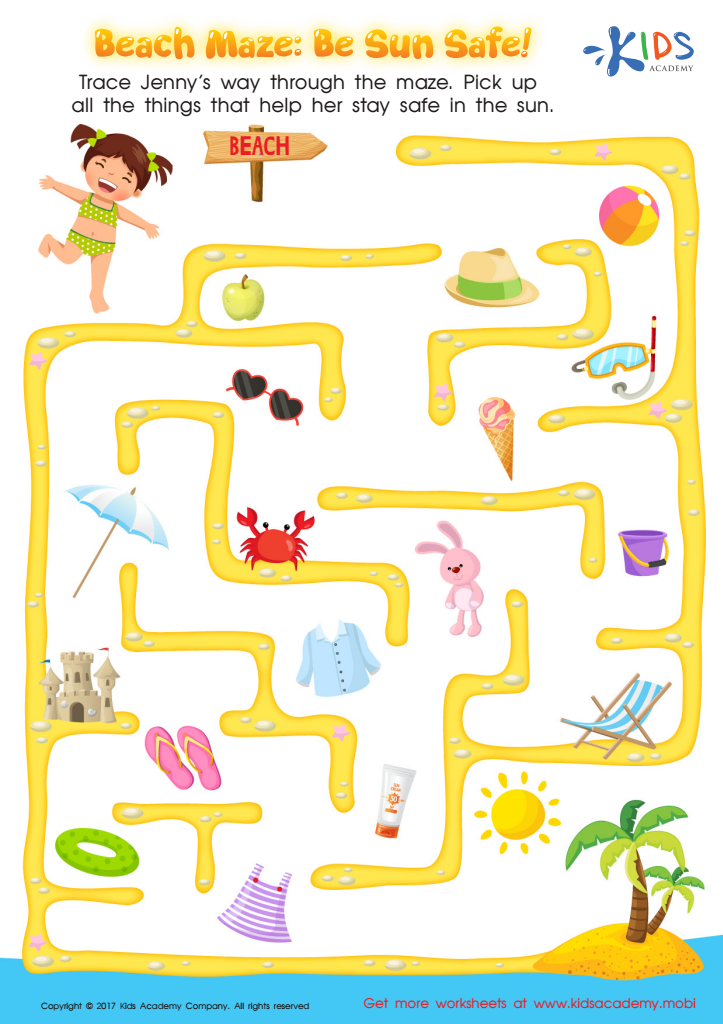
Beach Maze: Sun Safe Worksheet
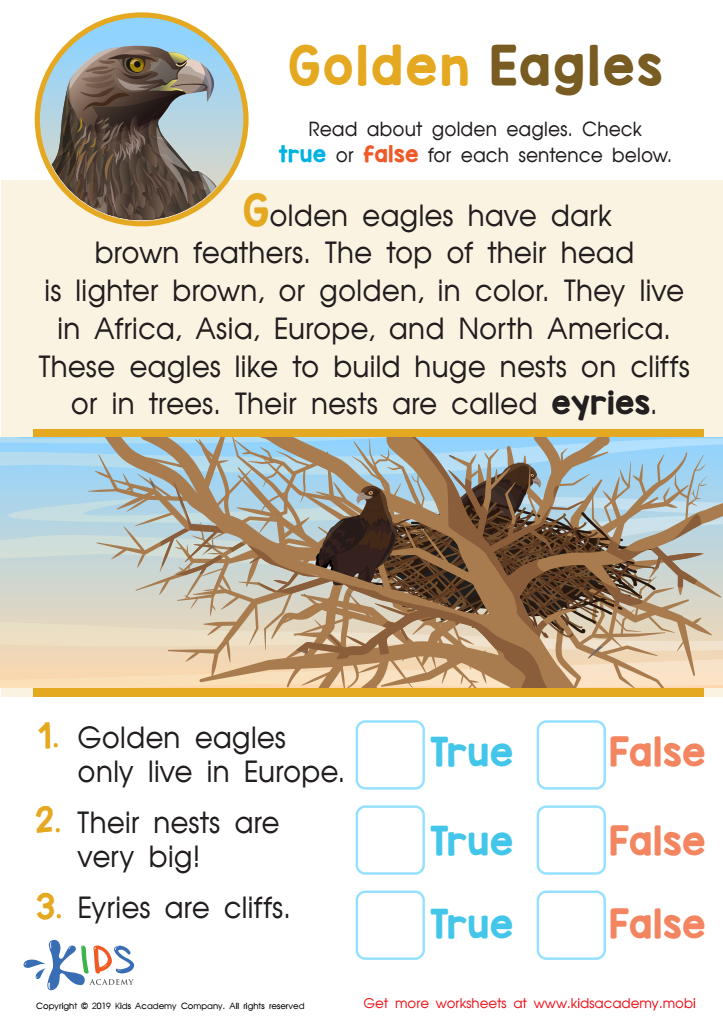
Golden Eagles Worksheet
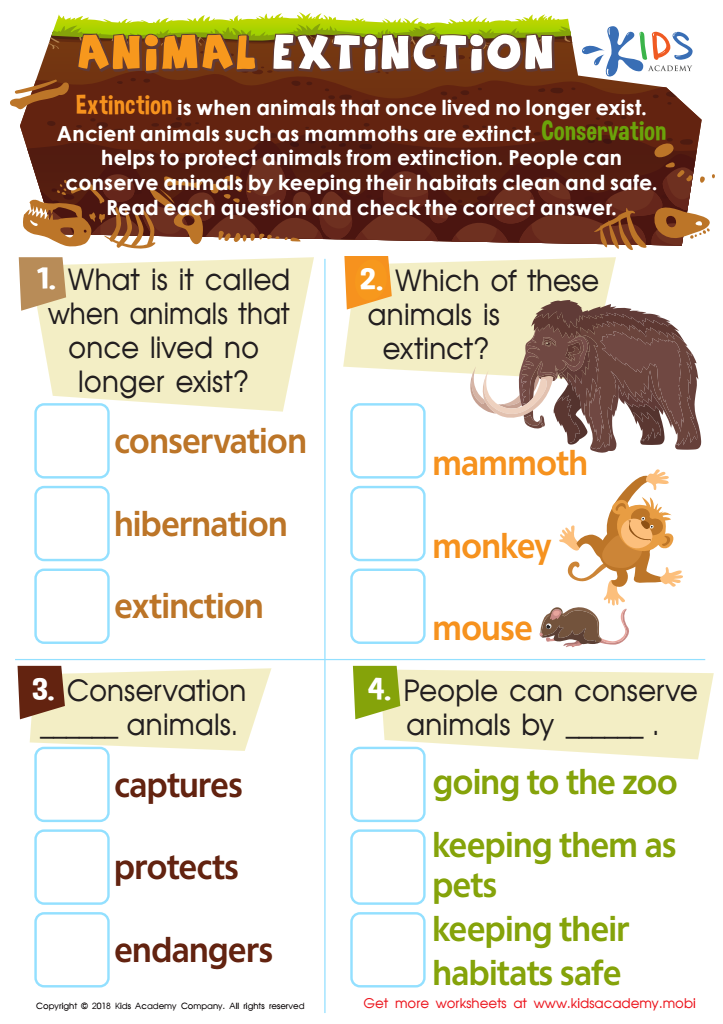
Animal Extinction Worksheet
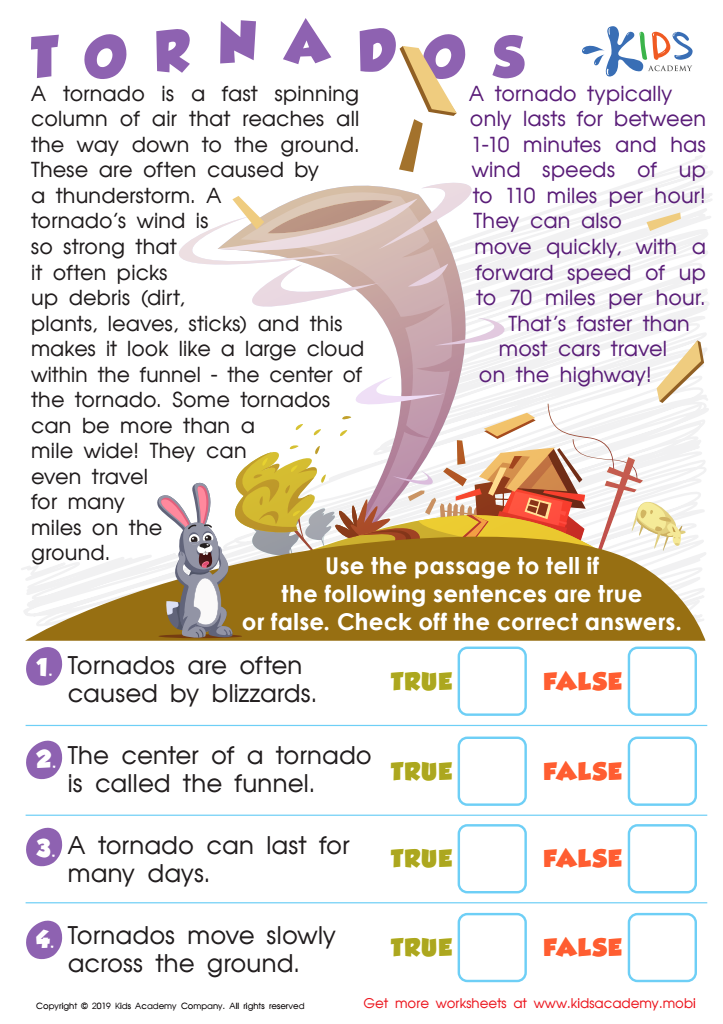
Tornados Worksheet
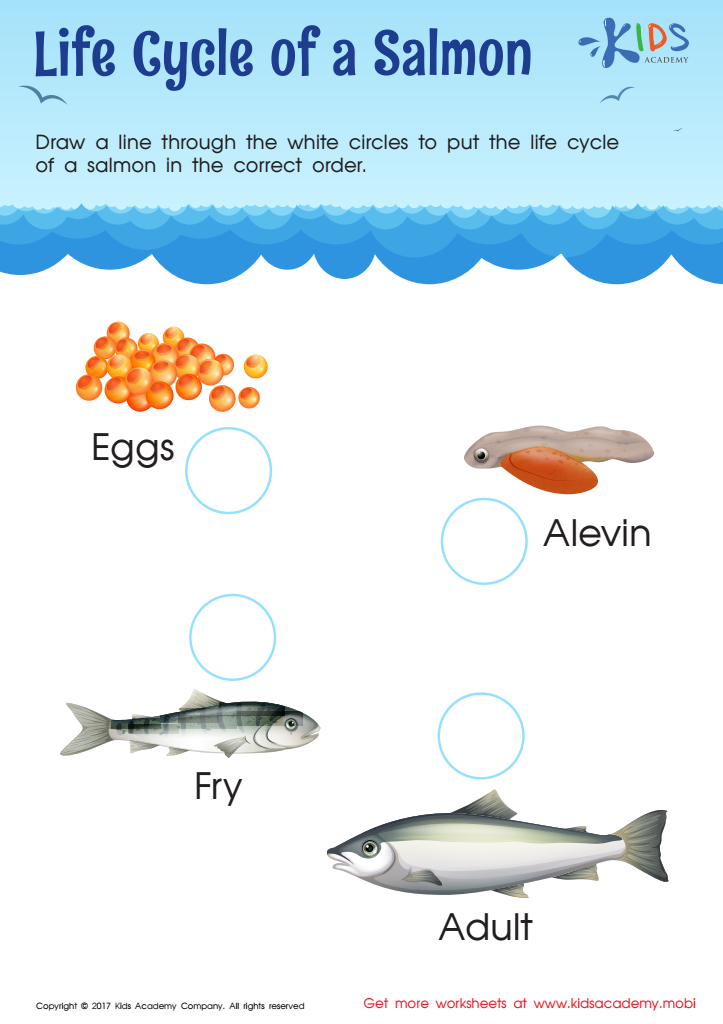
Cycle Of Salmon Worksheet
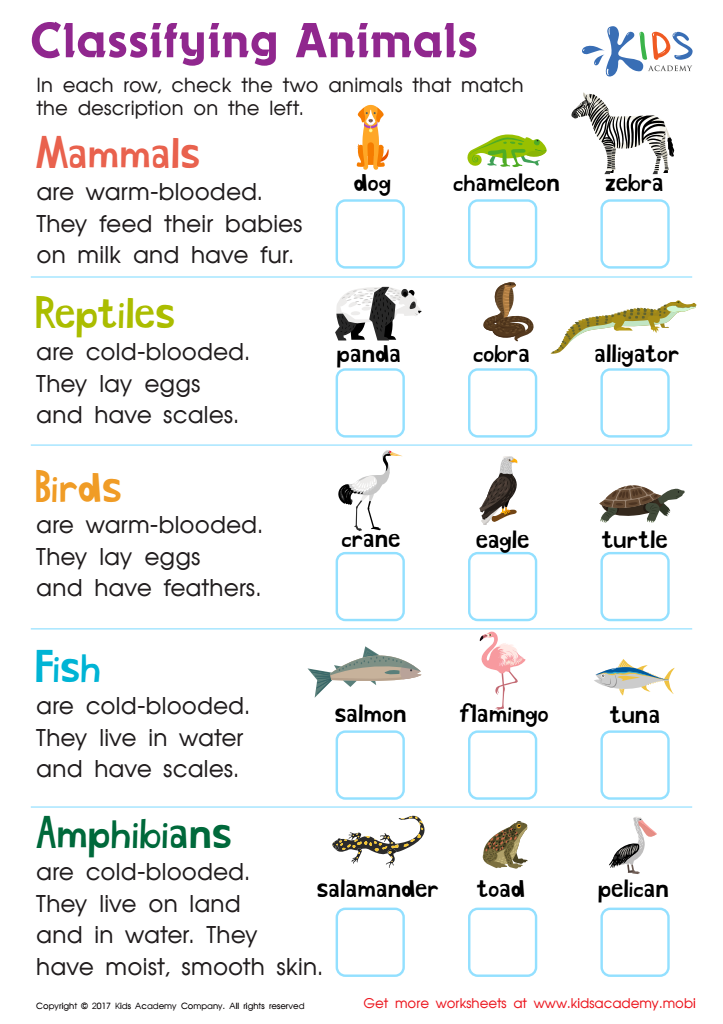
Classifying Animals Worksheet
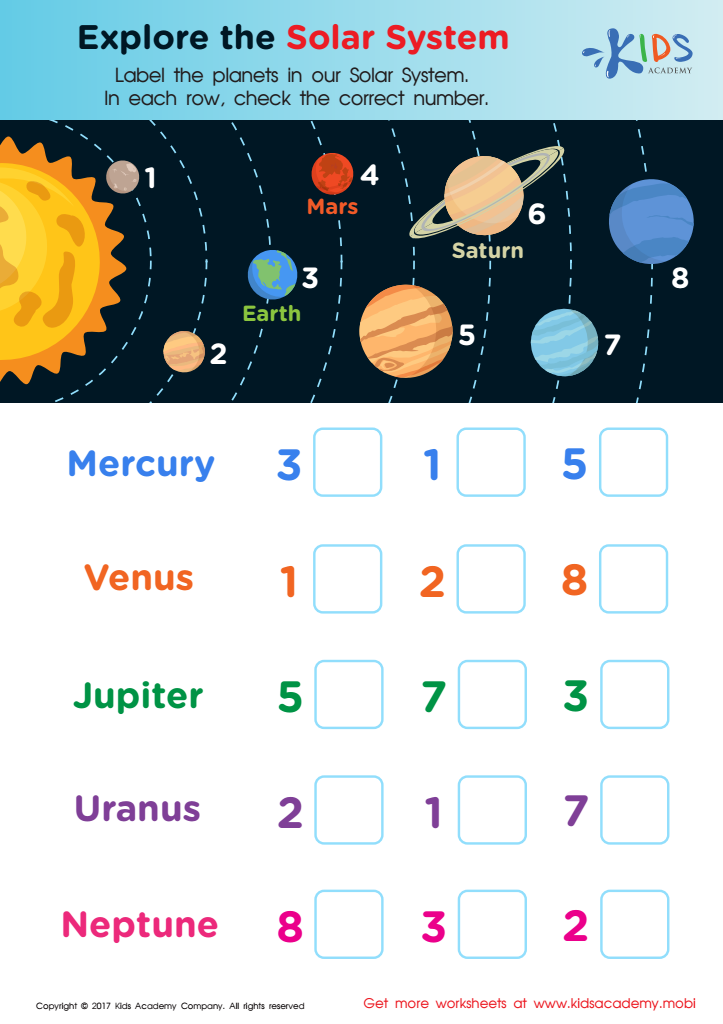
Solar System Planets Worksheet
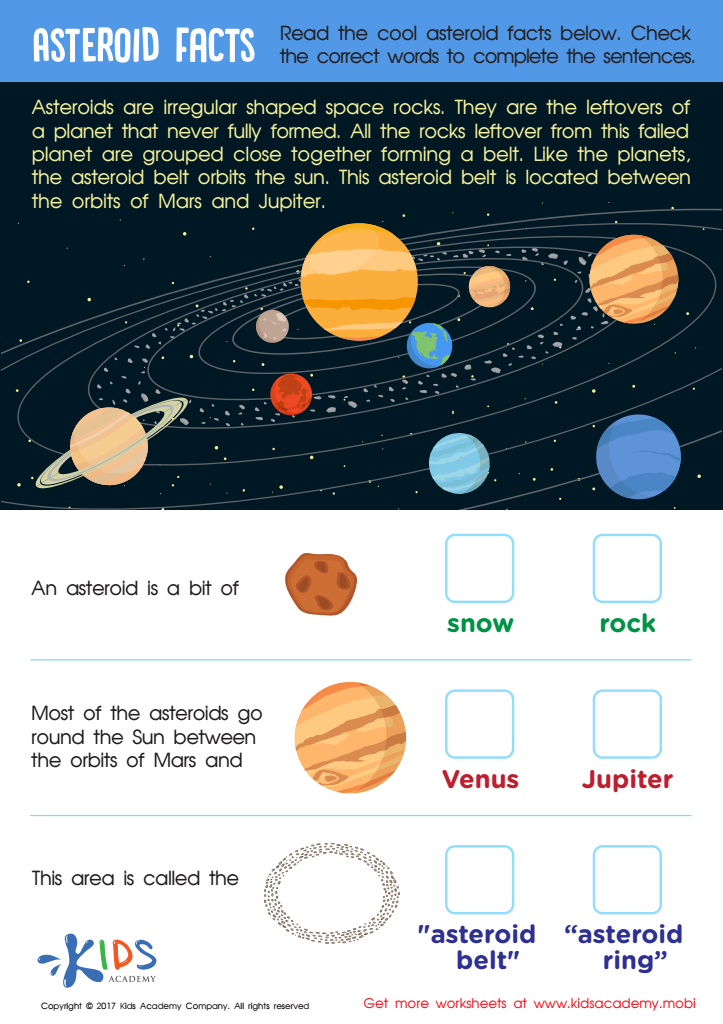
Asteroid Facts Worksheet
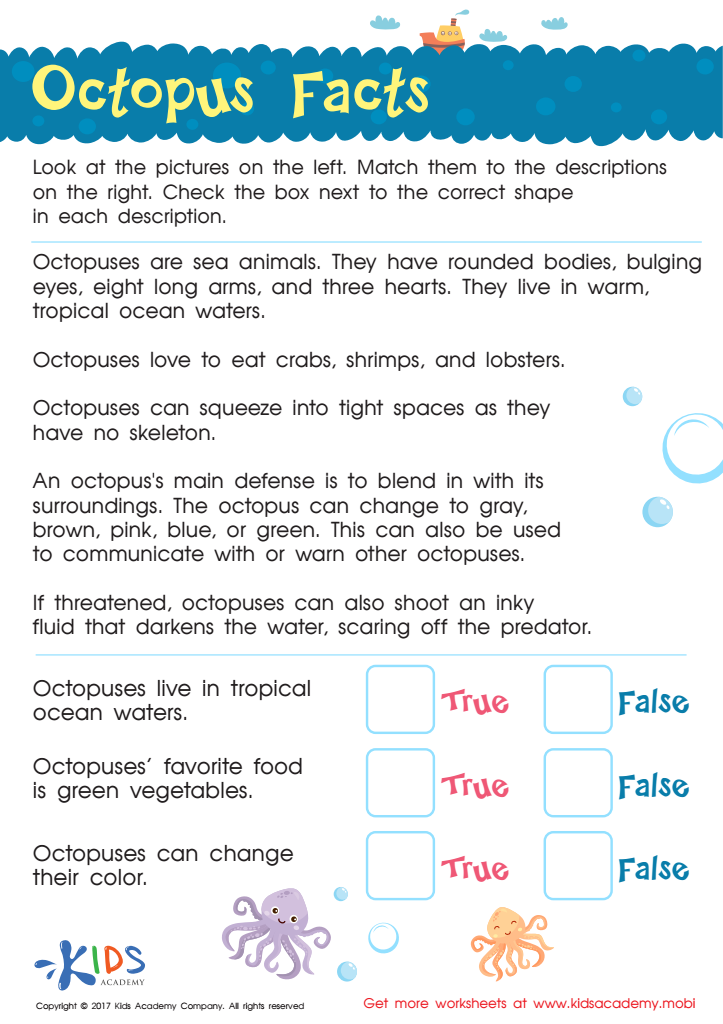
Octopus Facts Worksheet For Kids
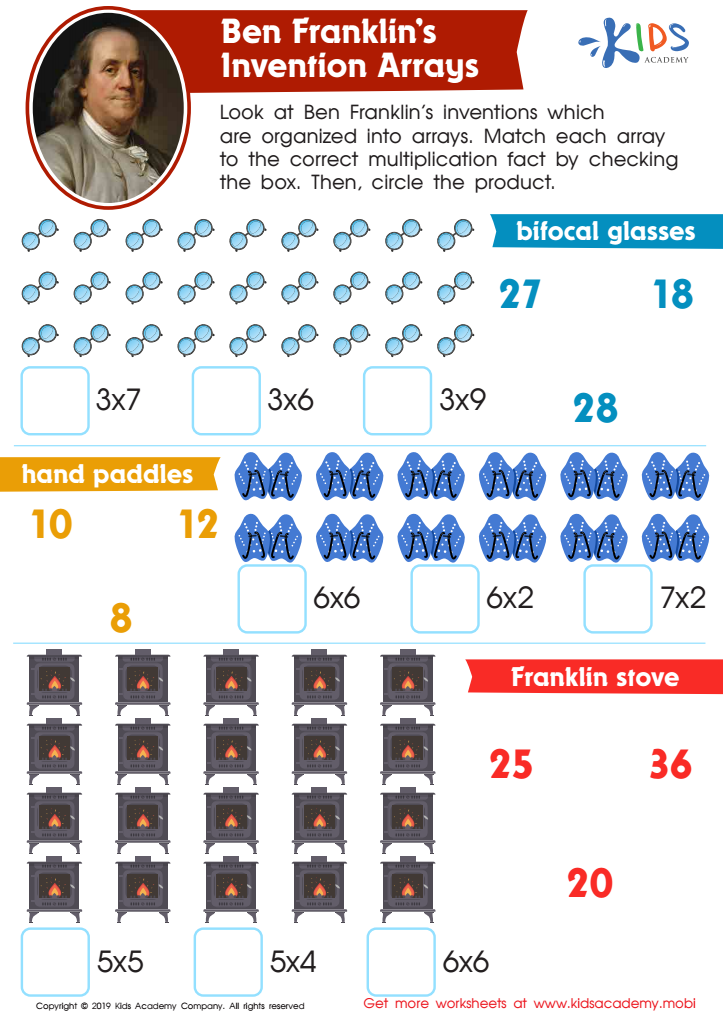
Ben Franklin’s Invention Arrays Worksheet
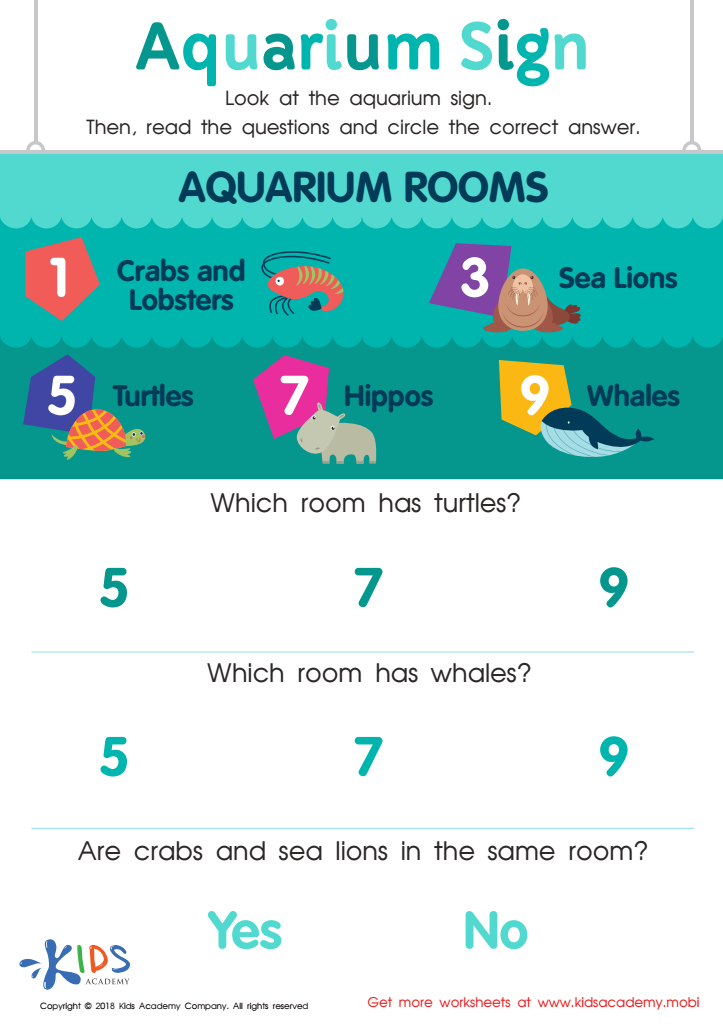
Assessment: Aquarium Sign Worksheet
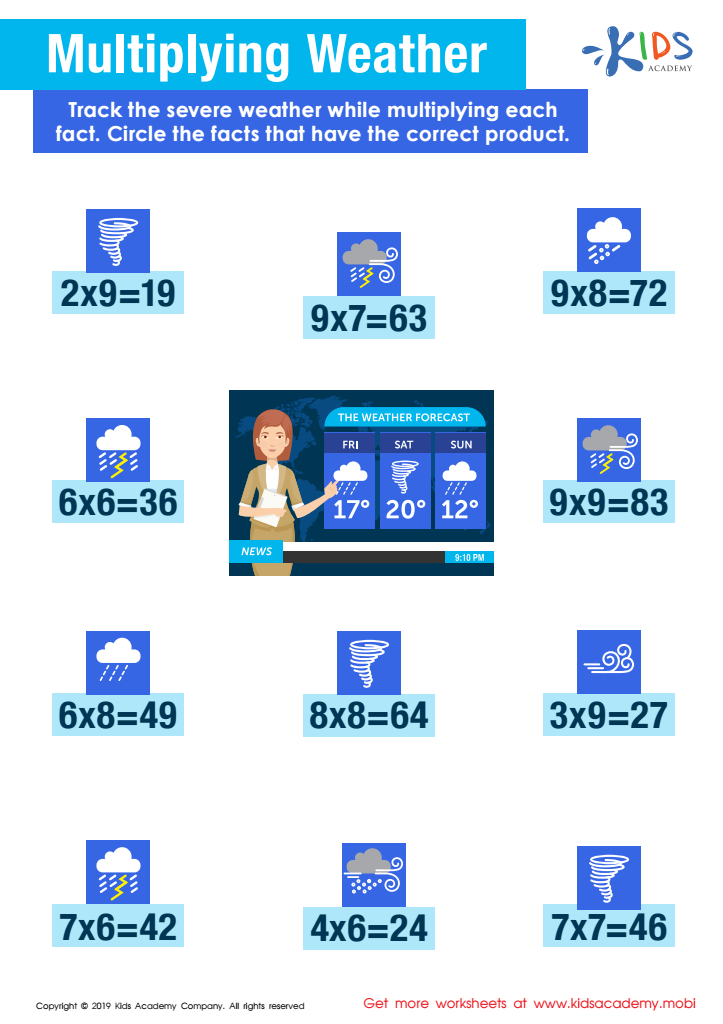
Multiplying Weather Worksheet
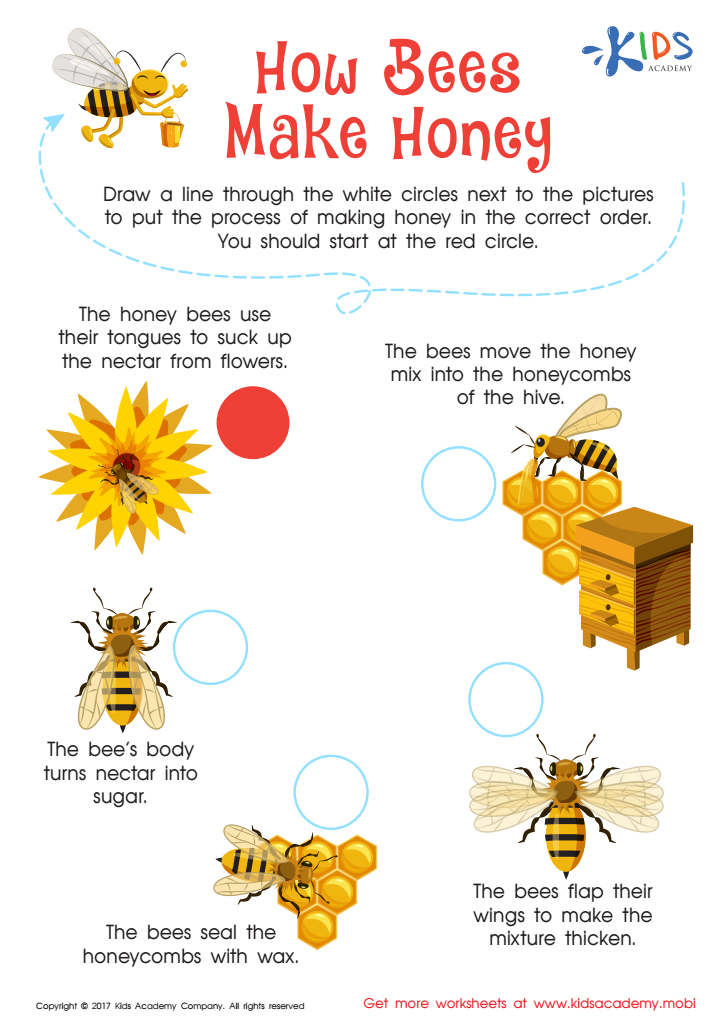
Honey Bee Worksheet
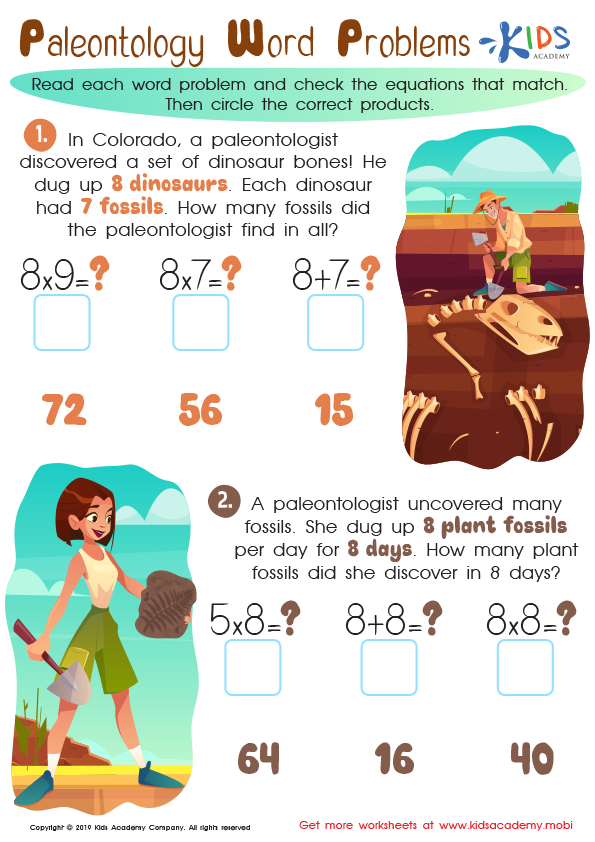
Archeology Word Problems Worksheet







Parents and teachers should prioritize reading comprehension science for children ages 8-9 because it lays a crucial foundation for academic success and lifelong learning. At this stage, children transition from learning to read to reading to learn. Comprehension is not just about decoding words but understanding and engaging with the text, integrating background knowledge, and making inferences. A solid grasp of comprehension skills enables children to absorb information across all subjects, including math, science, and social studies.
Moreover, strong reading comprehension fosters critical thinking, problem-solving, and analytical skills. These skills are essential for navigating complex information and making informed decisions in everyday life. Early comprehension difficulties, if left unaddressed, can lead to long-term academic struggles and diminished confidence.
Teaching reading comprehension science incorporates evidence-based methods and strategies that are shown to be effective. These include questioning techniques, summarizing, predicting, and connecting the text to personal experiences. Understanding the science behind reading comprehension helps educators tailor their instruction to meet each child’s needs, ensuring that no one is left behind.
Ultimately, investing in reading comprehension at this age builds a strong, versatile, and resilient scholarly foundation, fostering a love of reading and encouraging an inquisitive mindset that opens the door to endless learning opportunities in the future.







