Learning about ecosystems Plants and Animals Worksheets for 8-Year-Olds
4 filtered results
-
From - To
Explore the wonders of ecosystems with our engaging "Learning about Ecosystems: Plants and Animals Worksheets" designed specifically for 8-year-olds. These interactive resources foster a deeper understanding of how living organisms interact within their environments. Through fun activities and illustrations, students will discover the role of plants and animals in ecosystems, food chains, and habitats. Our worksheets encourage critical thinking and enhance knowledge retention while making science enjoyable. Perfect for classroom use or at-home study, these materials will spark curiosity in young learners and help them appreciate the intricate balance of nature. Dive into the fascinating world of ecosystems today!
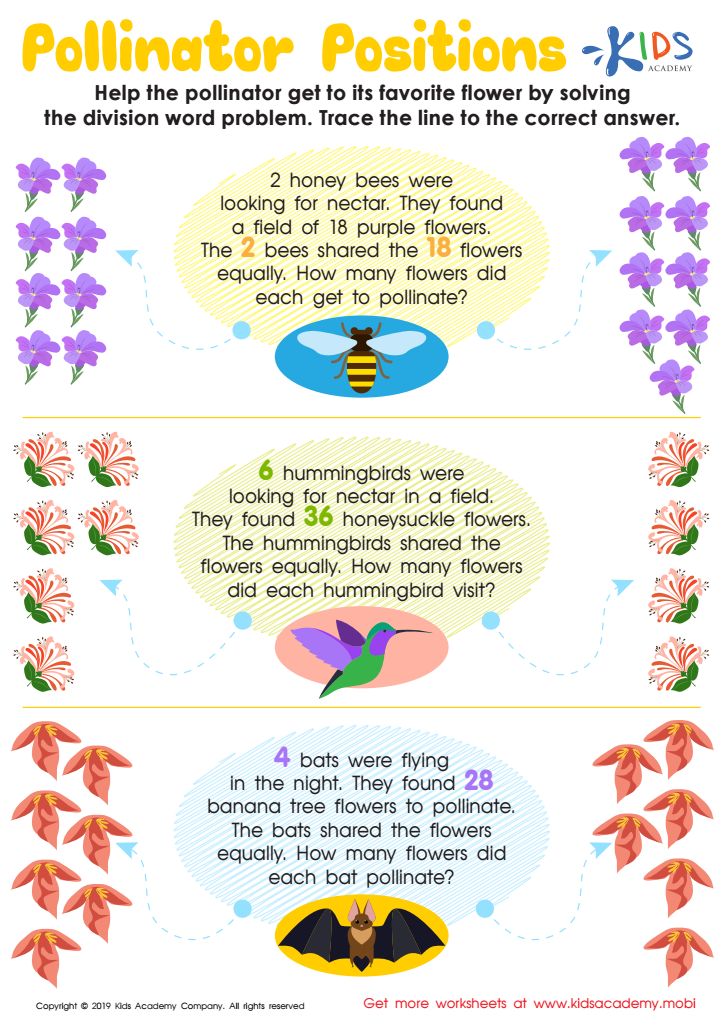
Pollinator Positions Worksheet
 Assign to My Students











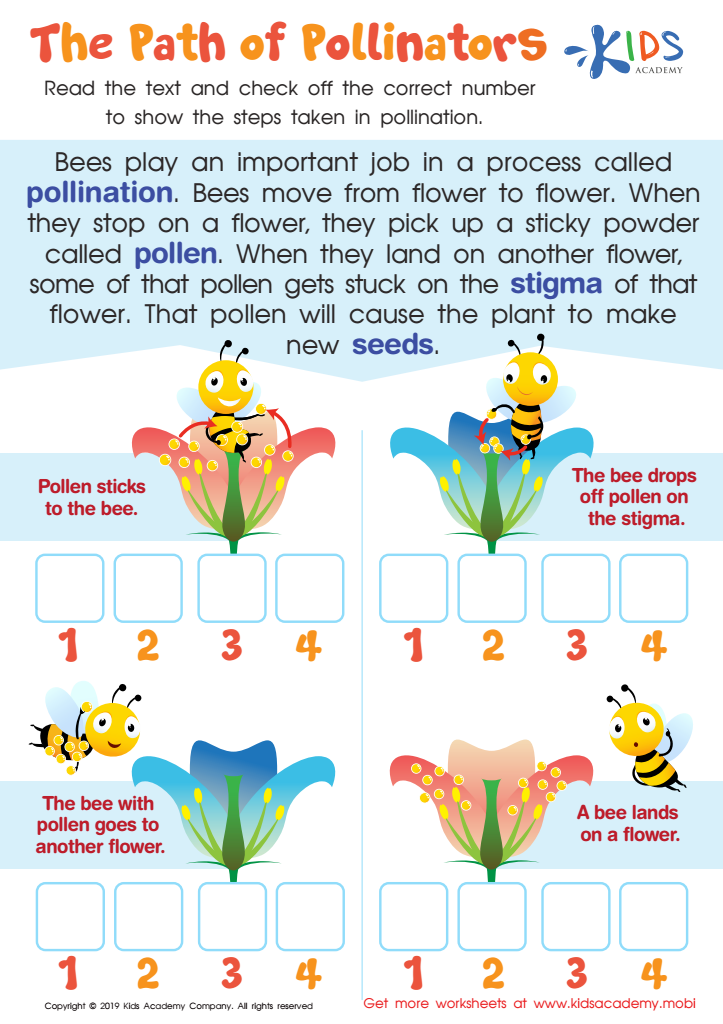
The Path of Pollinators Worksheet
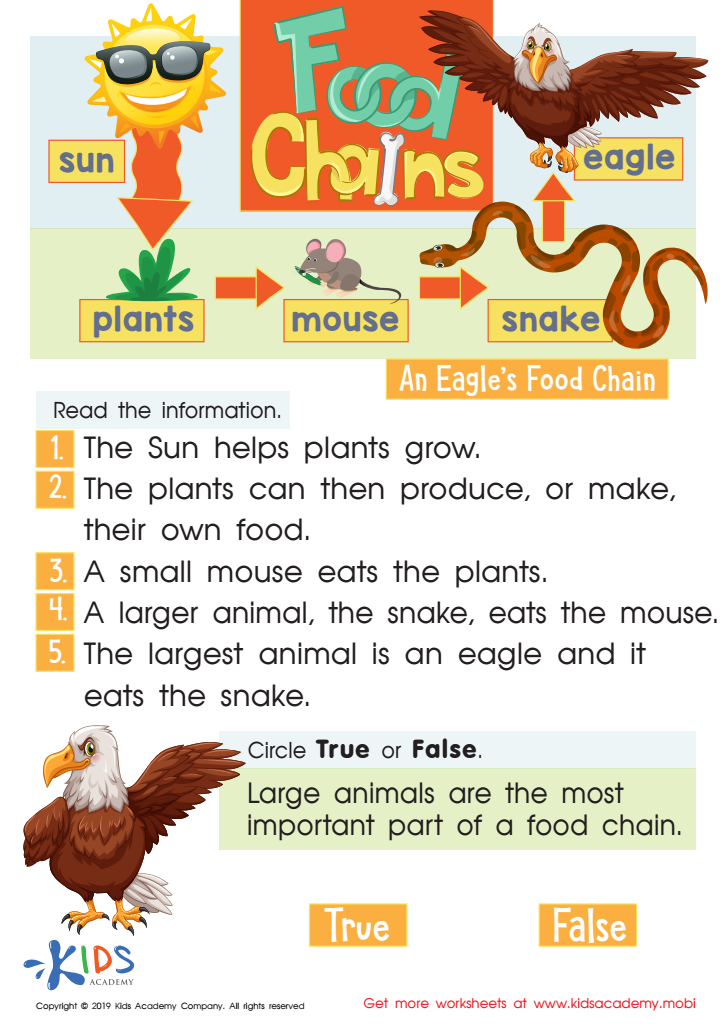
Food Chains Worksheet
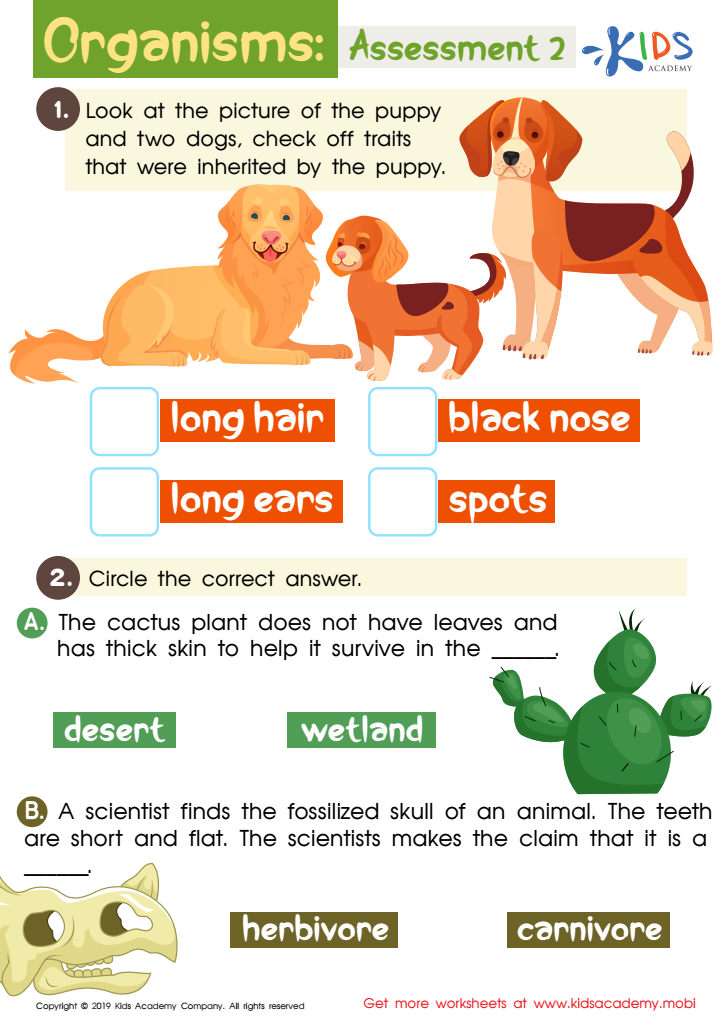
Organisms: Assessment 2 Worksheet








Understanding ecosystems, plants, and animals is vital for 8-year-olds as it lays the groundwork for their environmental awareness and responsibility. This age is crucial for developing curiosity about the natural world, and teaching young learners about ecosystems fosters a sense of wonder and connection to nature.
By introducing these subjects, parents and teachers cultivate empathy and respect for living things. Children learn how different organisms depend on one another and how their actions can impact the environment. This knowledge encourages children to think critically about their role in preserving natural habitats, promoting conservation efforts among future generations.
Furthermore, exploring ecosystems enhances interdisciplinary learning opportunities. It can incorporate science, art, and even storytelling, making lessons more engaging. When students discover the roles of various plants and animals, they build observational skills and increase their scientific literacy, essential tools for learning other subjects and solving problems.
Finally, understanding ecosystems can inspire children to participate in community initiatives, such as tree planting and local clean-ups. This active involvement not only fosters a sense of community but also helps them develop a lifelong commitment to protecting the environment. Thus, learning about ecosystems is foundational to nurturing informed, proactive, and compassionate future stewards of our planet.








