Worksheets With Answers for Kids - Page 66
2848 filtered results
Difficulty Level
Grade
Age
-
From - To
Subject
Activity
Standards
Favorites
With answer key
Interactive
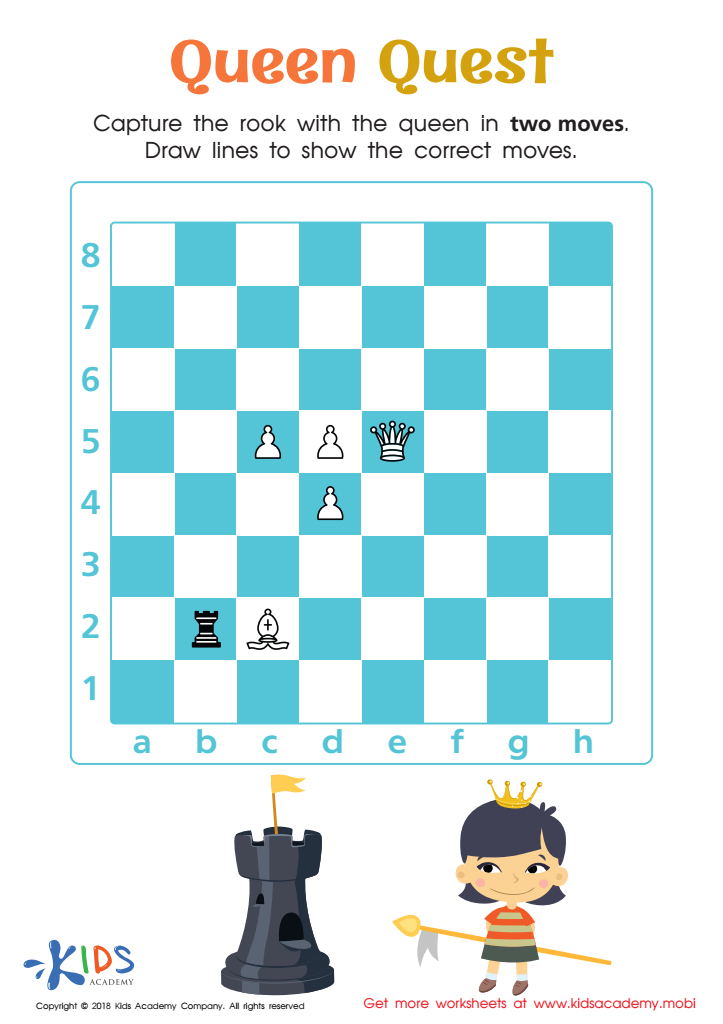
Queen Quest Worksheet
Want to test your child's chess skills? See if they know how the queen, king, knights, rooks, and pawns move. This worksheet challenges your young one to capture a rook with the queen in two moves. Draw lines to show the queen's moves to complete the task.
 Assign to My Students
Queen Quest Worksheet
Worksheet
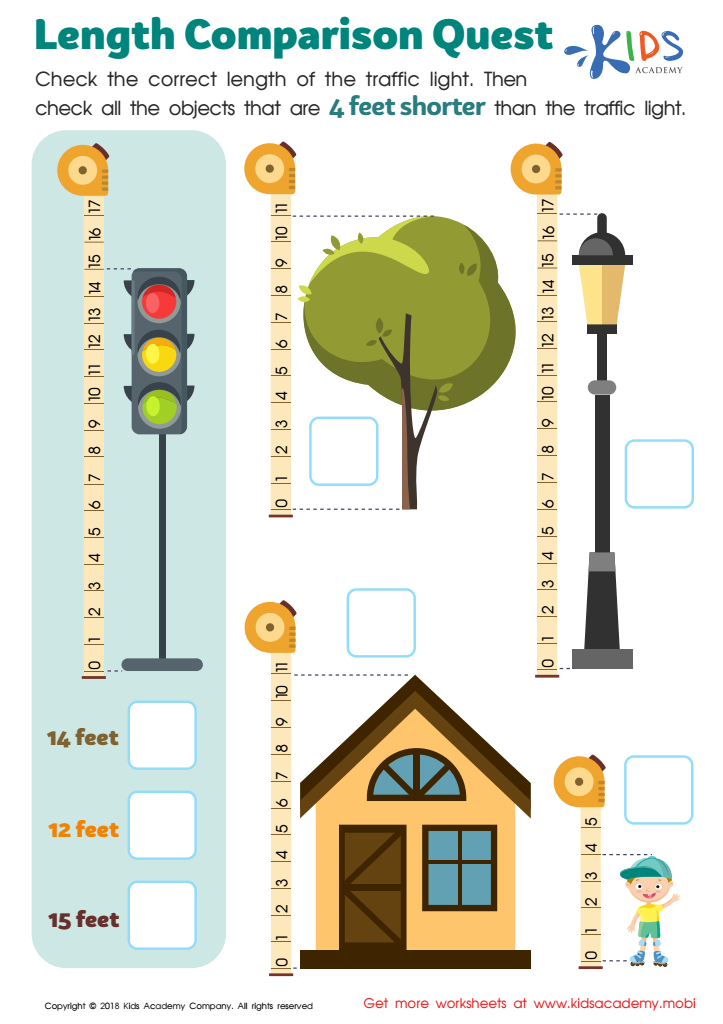
Length Comparison Quest Worksheet
Knowing measurement tools and how to use them is just the start. To be proficient, your kid must be able to accurately compare objects and their lengths. With the 'Length Comparison Quest' worksheet, they will check the correct length of the traffic light in the picture and then compare other objects to it, marking those that measure 4 feet shorter.
Length Comparison Quest Worksheet
Worksheet
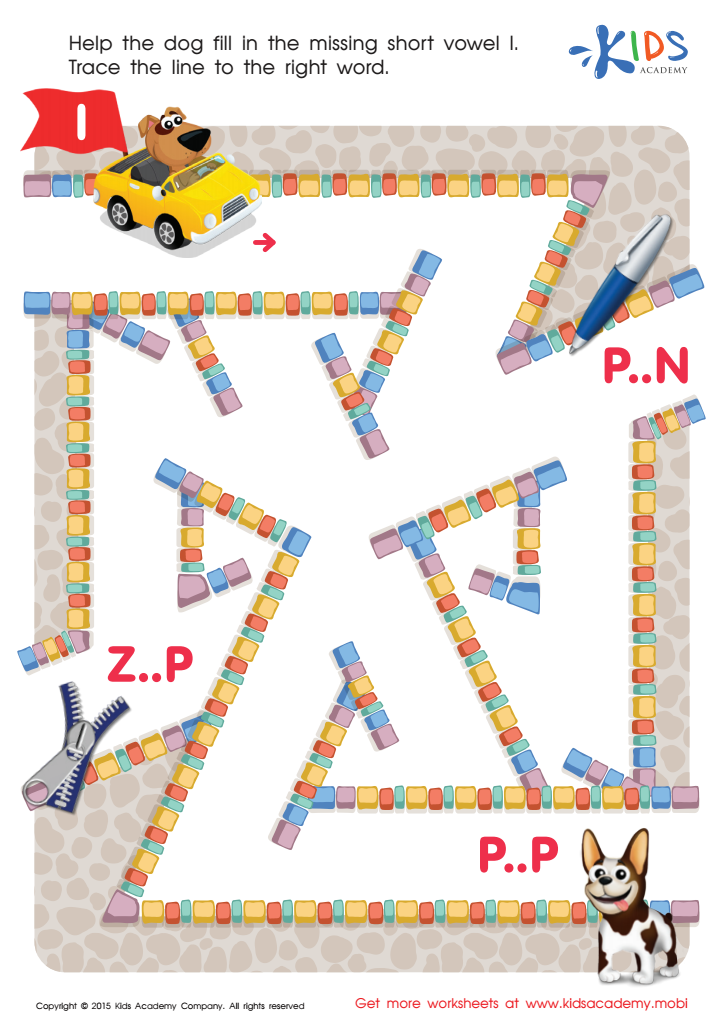
Short Vowel Sound I Worksheet
This free printable phonics worksheet will get your kid prepped for reading! It's a maze to help the dog complete the word “zip” with the missing letter I. Have your kid say the word aloud to learn the I sound. It's a great way to practice reading, writing and spelling skills. Check out here for more phonics worksheets!
Short Vowel Sound I Worksheet
Worksheet
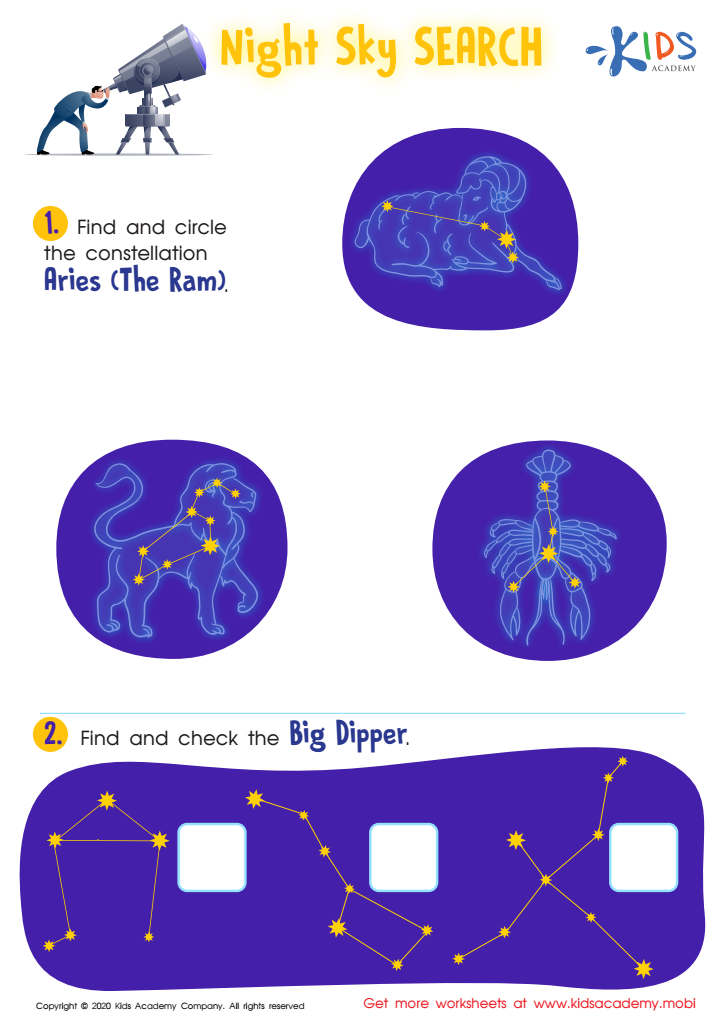
Night Sky Search Worksheet
Gaze up into the night sky and spot the stars! Your little astronomer can learn about Aries and Big Dipper constellations with this science worksheet. Simply find the ram for Aries and check the box for Big Dipper. Then, when the weather is right, go outside and look for them in the night sky!
Night Sky Search Worksheet
Worksheet
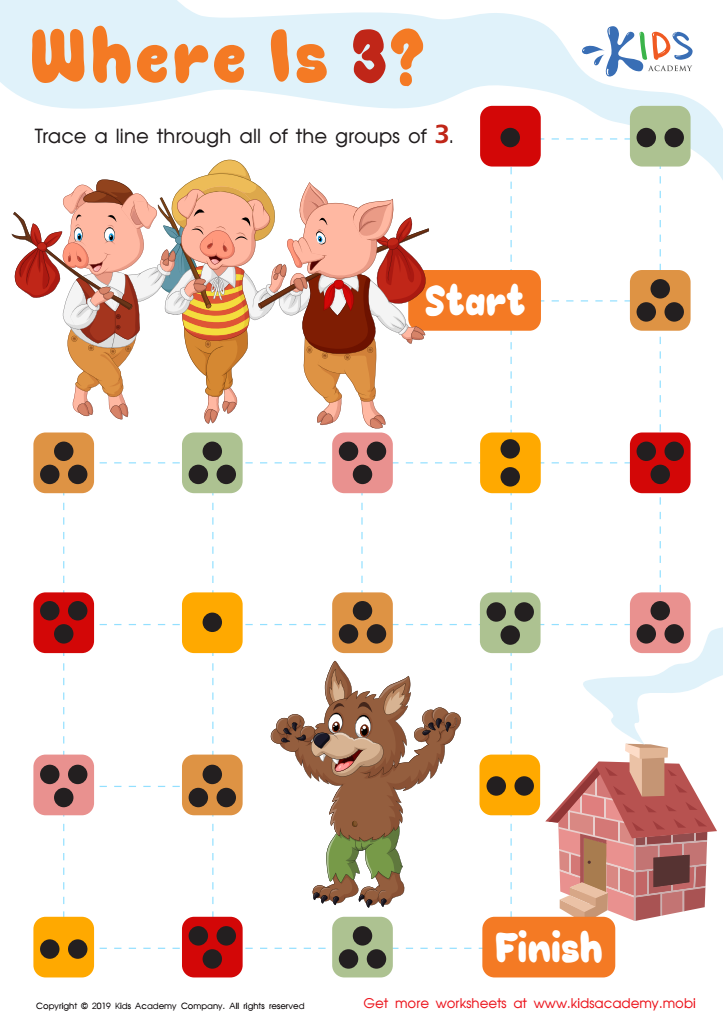
Where Is 3? Worksheet
Let your little mathematician join the Three Little Pigs on an adventure! With this free worksheet, they'll guide the pigs through a maze of numbered bricks, using one-to-one representation to get to the sturdy house. Have fun helping the piggy friends past the wolf!
Where Is 3? Worksheet
Worksheet
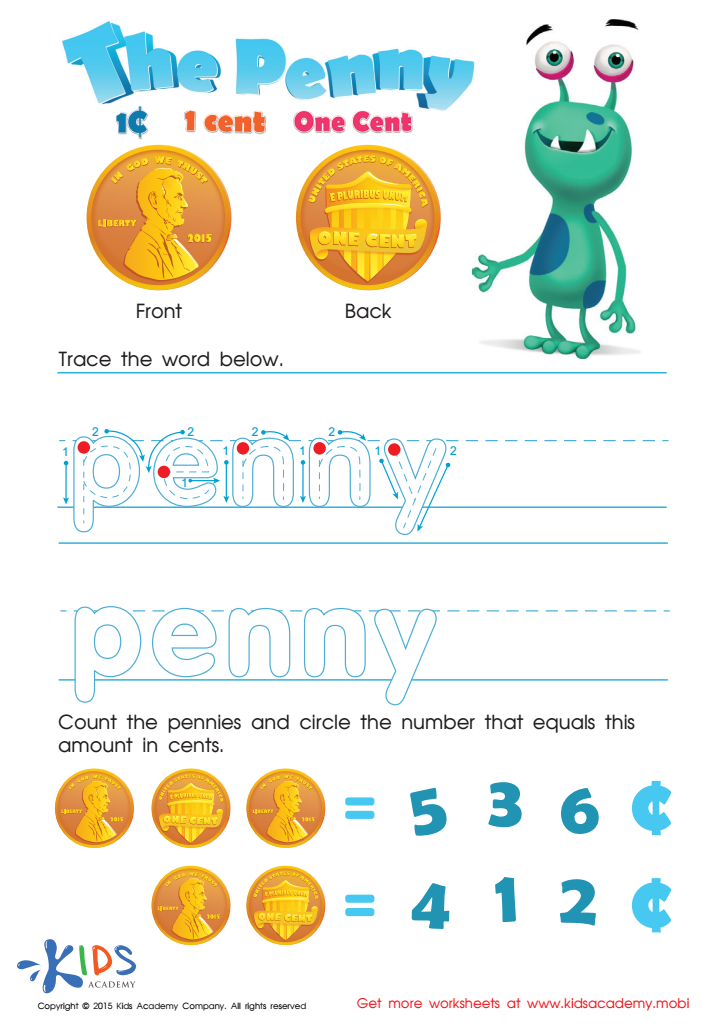
One Cent or the Penny Money Worksheet
Counting money made easy with Kids Academy's new collection of worksheets! Start with the one cent coin, or "Penny": trace it and count the pennies to work out the total. Visit our site for more free, printable money worksheets.
One Cent or the Penny Money Worksheet
Worksheet

First Words: Picture Rhymes Worksheet
Rhyming helps kids understand language, read and write better. This printable worksheet boosts problem-solving and cognitive skills with vibrant pictures. It teaches kids to identify words, recognize rhymes, complete mental tasks and write words. An extra activity: show them how rhyming words share some of the same letters.
First Words: Picture Rhymes Worksheet
Worksheet
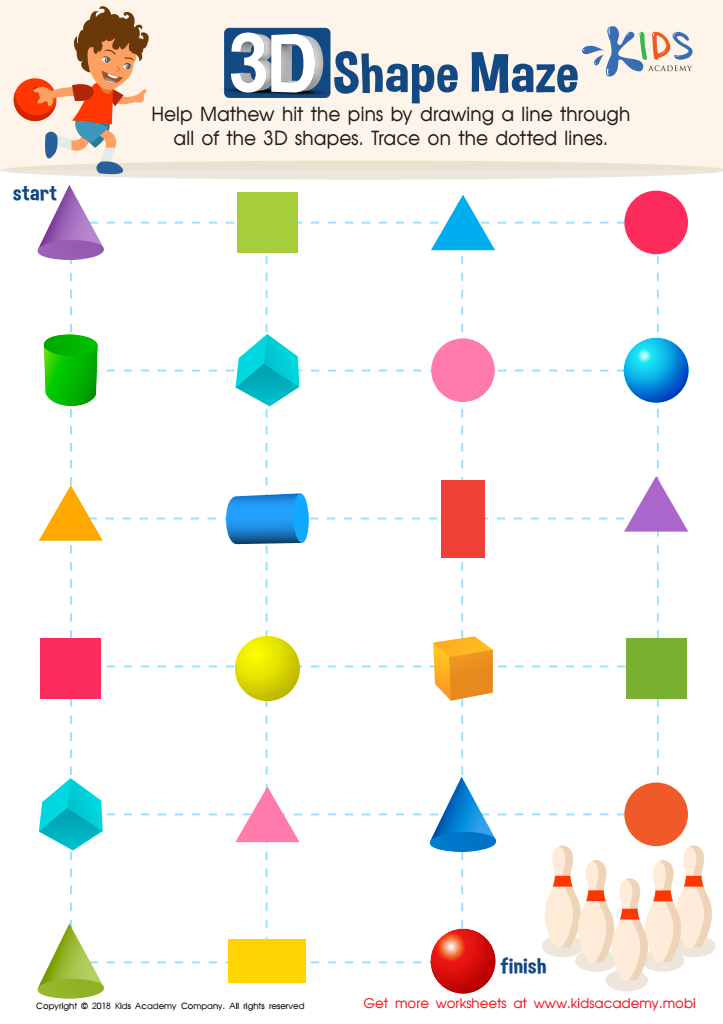
Shapes Maze Geometry Worksheet
Boost your child's geometry skills with this shapes maze worksheet! Help Matthew bowl a strike by guiding him through the maze to draw a line through every 3D shape. It's a fun and challenging way to practice foundational math skills!
Shapes Maze Geometry Worksheet
Worksheet
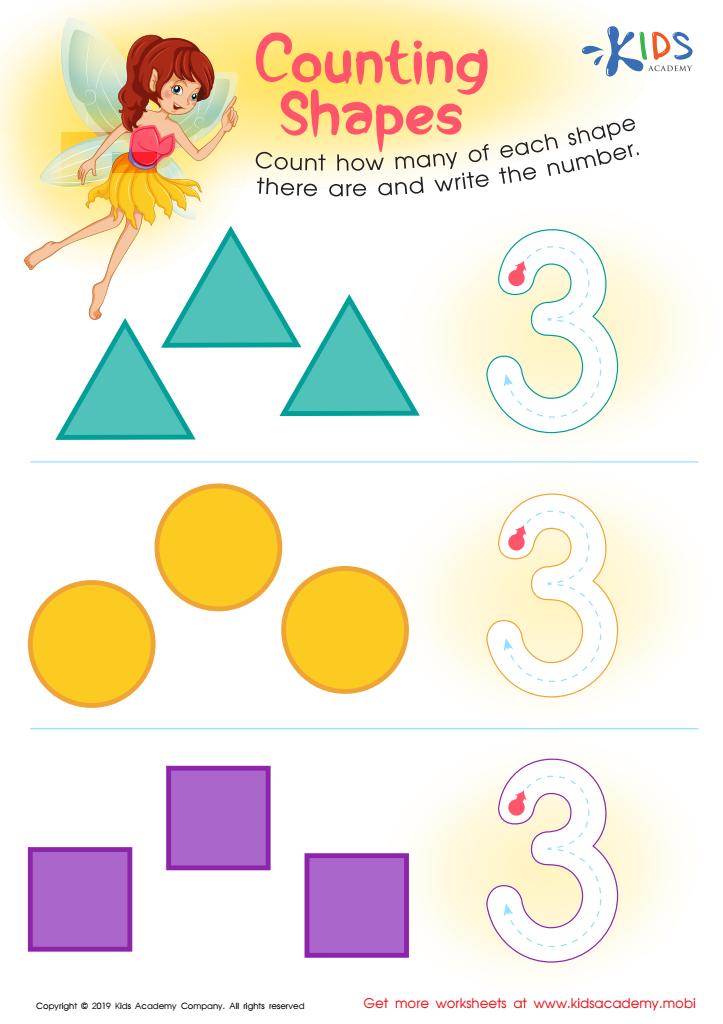
Counting Shapes Worksheet
Counting and number sense are essential skills. Picture representation helps kids understand and remember concepts. This free worksheet is perfect for introducing numbers and counting in groups of three. It also helps kids to practice writing numbers with traceable lines and guiding dots. It's an easy and fun way to give little mathematicians a successful start.
Counting Shapes Worksheet
Worksheet
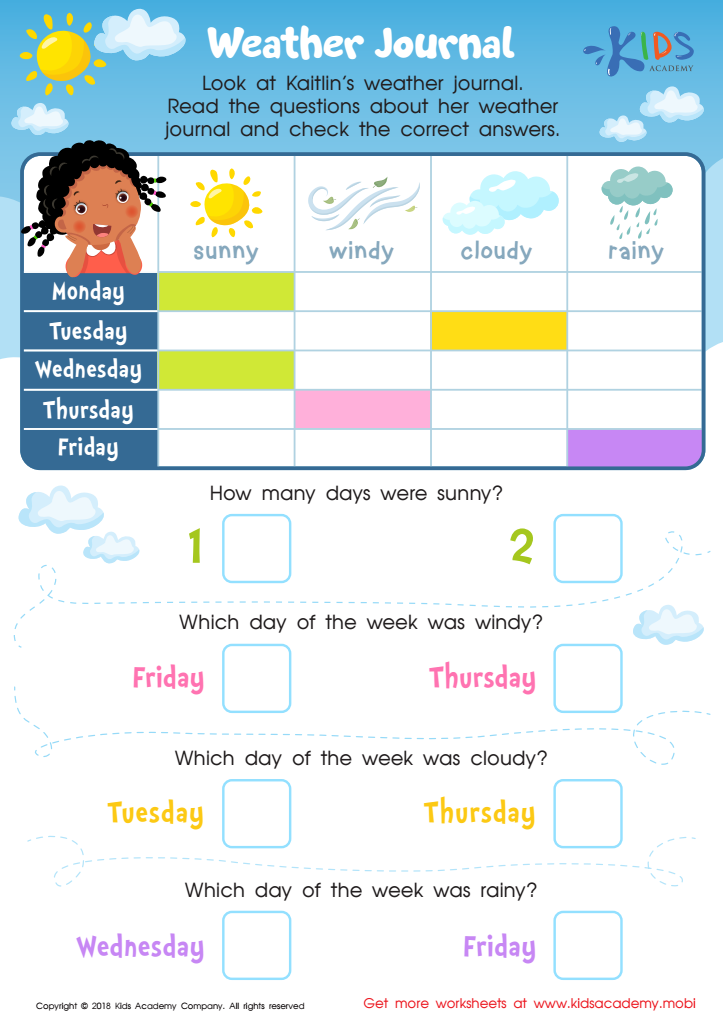
Weather Journal Worksheet
Kaitlin keeps a weather journal. Encourage your child to do the same! Look at Kaitlin's journal with them, and have them note the weather for each day. Read aloud the questions and check the correct answers.
Weather Journal Worksheet
Worksheet
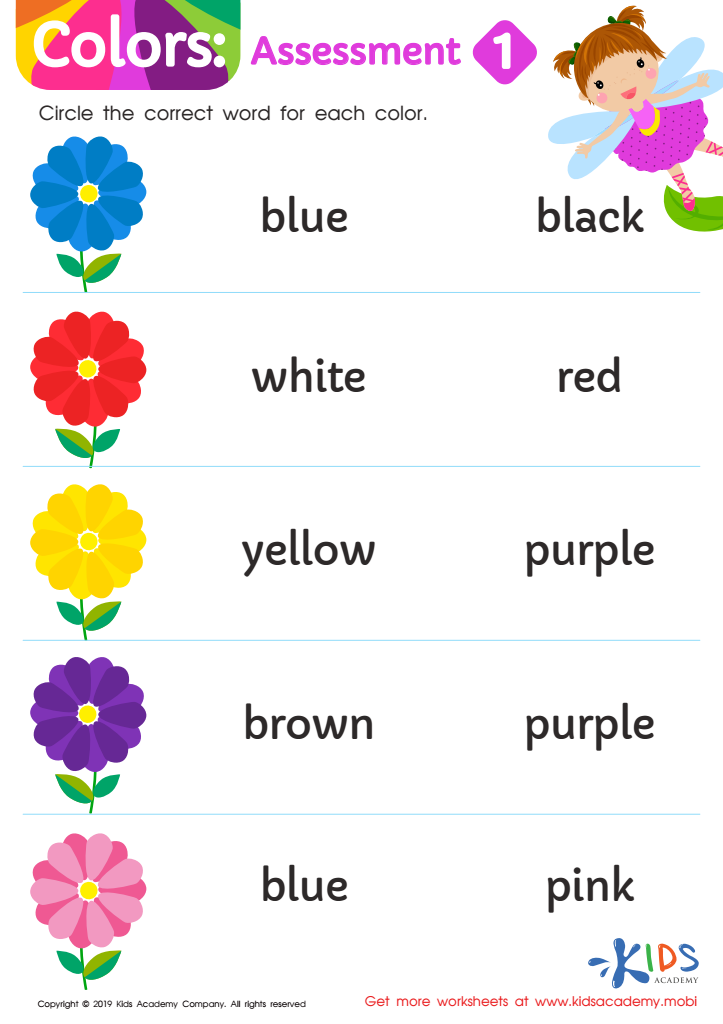
Colors: Assessment 1 Worksheet
Children can decode unfamiliar words by sounding them out or by recognizing sight words. Color words are an important part of sight word knowledge, so add them to your child's list! This color word worksheet is an effective assessment tool for teachers to use with preschool and kindergarten students. It checks their knowledge of five color words - they simply look at the flower and circle the appropriate color word!
Colors: Assessment 1 Worksheet
Worksheet
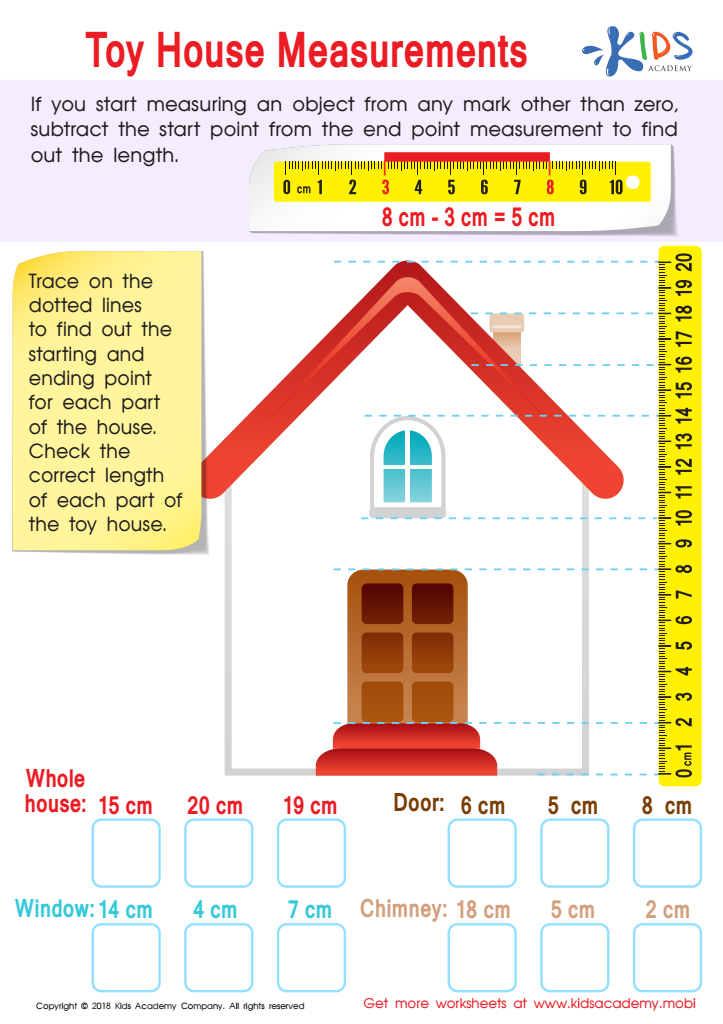
Toy House Measurements Worksheet
This worksheet requires math and measuring skills. When measuring an object from a non-zero starting point, subtract the start point from the end point to get the correct length. Kids must trace the dotted lines to get the right length for each part of the house.
Toy House Measurements Worksheet
Worksheet
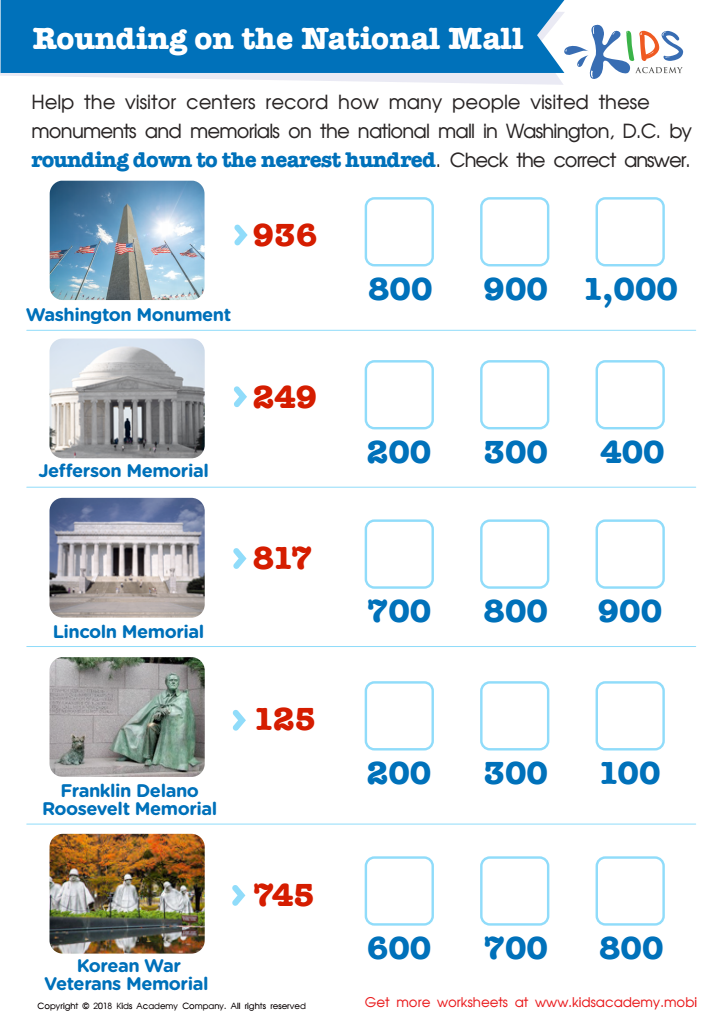
Rounding on the National Mall Worksheet
Math and social studies come together in this worksheet. Learners must round numbers to record attendance at Washington D.C. monuments and memorials. Remind them to round down to the nearest hundred. Extend the lesson by talking about each monument - a great way to teach or refresh your child's knowledge of these national landmarks!
Rounding on the National Mall Worksheet
Worksheet
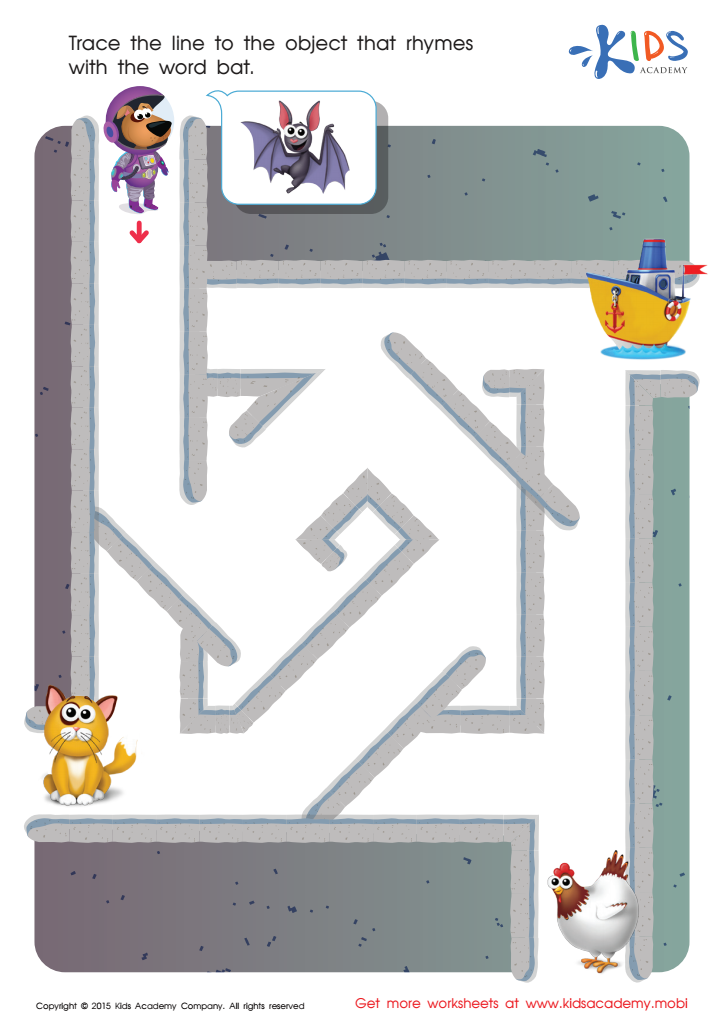
Bat Rhyming Words Worksheet
Get new reading and vocabulary worksheets to help make learning enjoyable for you and your kids. Join the dog and match the objects that rhyme. Have a blast!
Bat Rhyming Words Worksheet
Worksheet
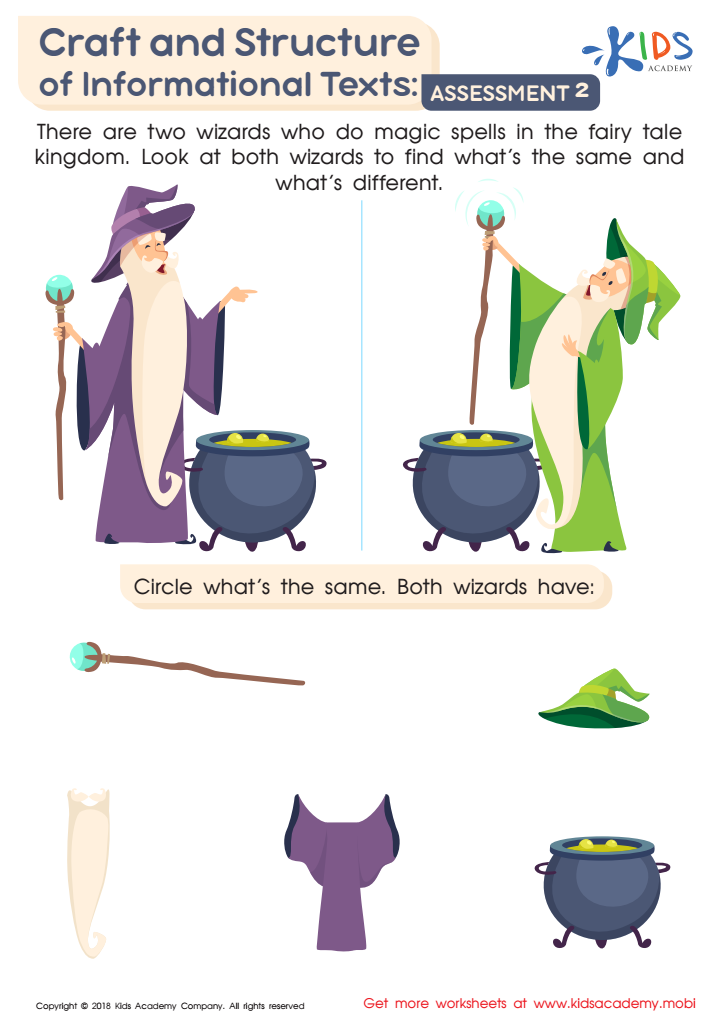
Craft and Structure of Informational Texts: Assessment 2 Worksheet
This assessment has kids looking at two similar fairy tale wizards, focusing on their visuals to find the similarities and differences. Then, they'll circle the things they both have. It's a great way to help children hone their detail-oriented comprehension skills, which is essential when using informational texts.
Craft and Structure of Informational Texts: Assessment 2 Worksheet
Worksheet
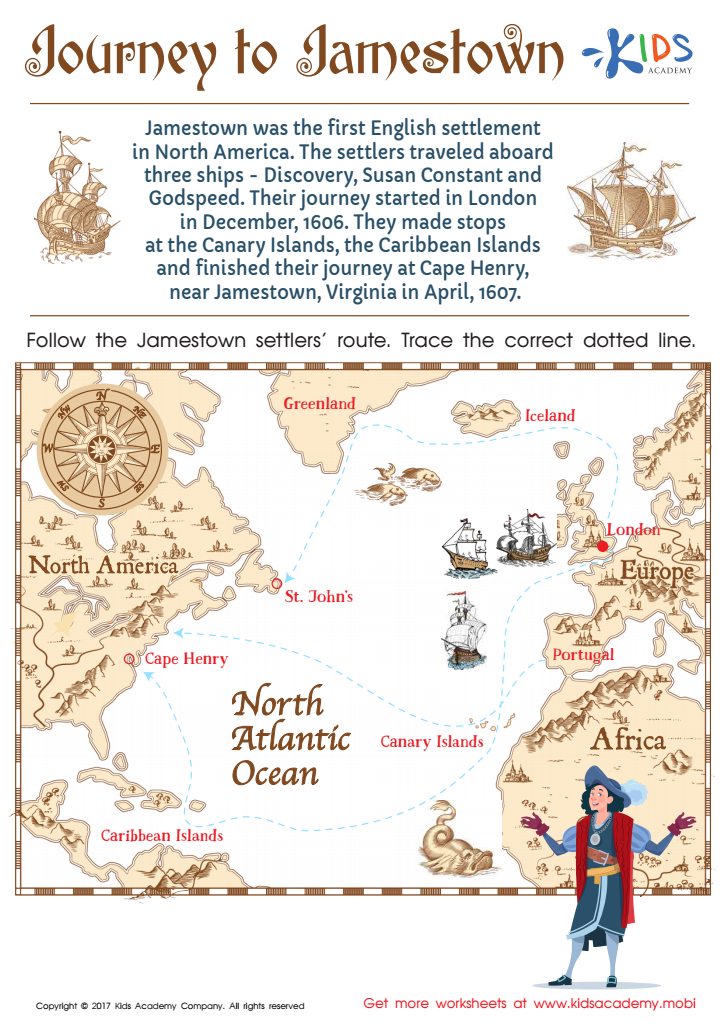
Journey to Jamestown Worksheet
Hit the high seas with this Journey to Jamestown worksheet and uncover the route the first pilgrims took to America! Kids explore a map and learn about stops the pilgrims made during their historic voyage.
Journey to Jamestown Worksheet
Worksheet
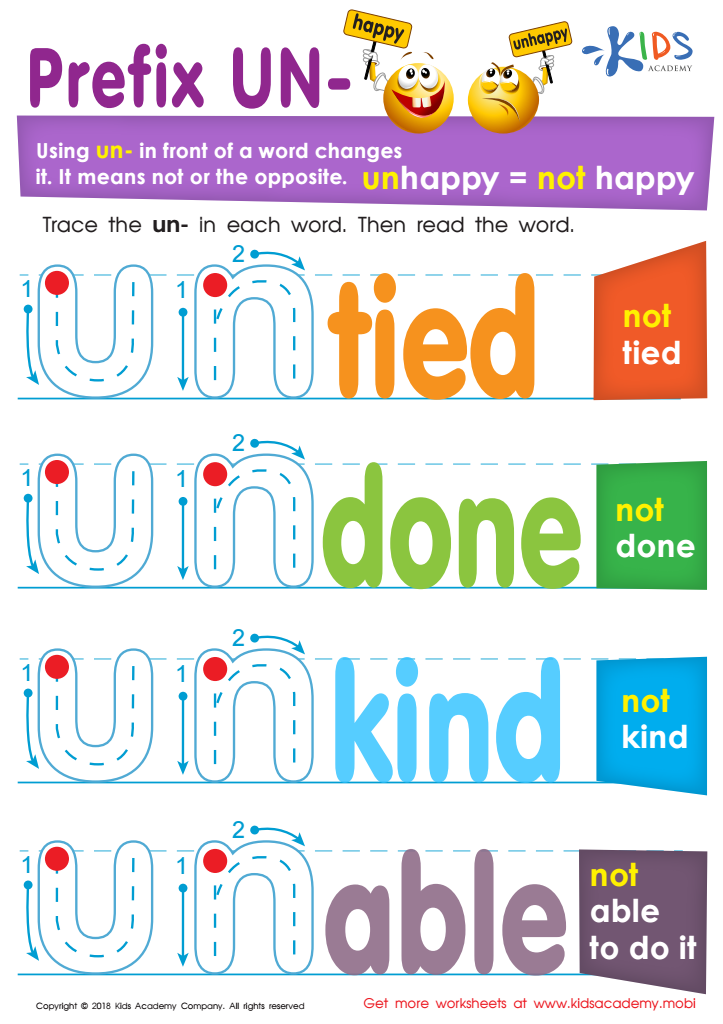
Prefix Un- Worksheet
Help your child understand the concept of adding "un-" to the front of words by giving examples such as "unhappy" (not happy) and "unserious" (not serious). Guide them in tracing the "un-" in each word and read it aloud together.
Prefix Un- Worksheet
Worksheet
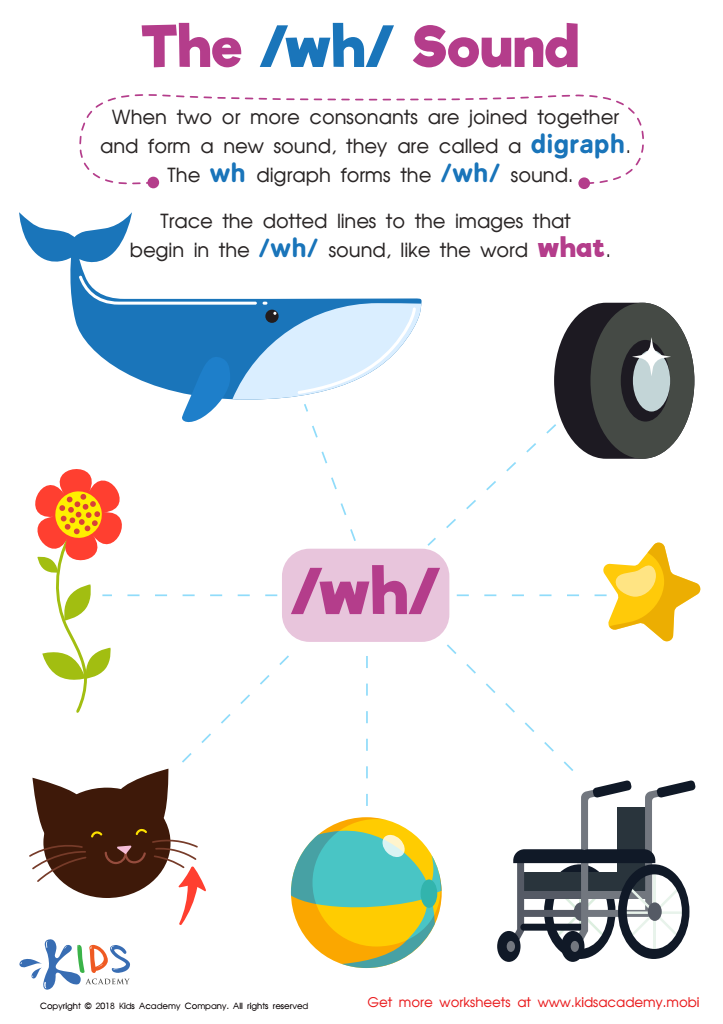
The /wh/ Sound Worksheet
Digraphs join two consonants to make a new sound, like /wh/. Give examples, like "whale", "when" and "why". Ask kids to name pictures in a worksheet and trace dotted lines to images beginning with the /wh/ sound; "what" is one example.
The /wh/ Sound Worksheet
Worksheet
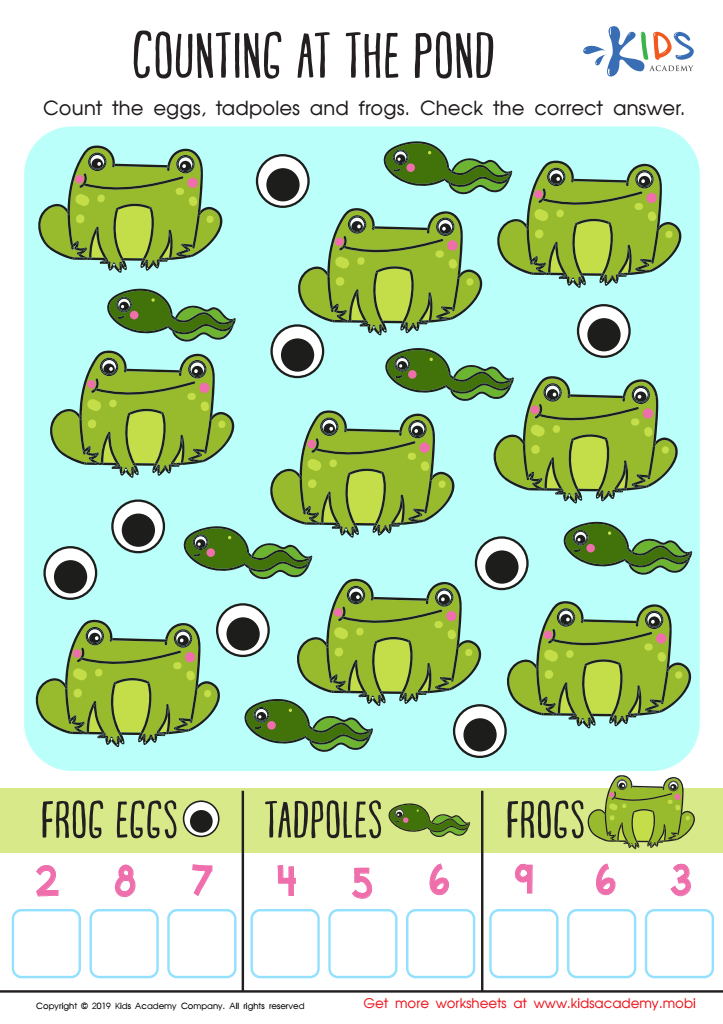
Counting at the Pond Worksheet
Ask your kids what they see in the picture. Can they identify the animal? Where does it live, what does it eat and what sound does it make? These questions will help get them in the math mood. Help them count the eggs, tadpoles and frogs, then check the answer.
Counting at the Pond Worksheet
Worksheet
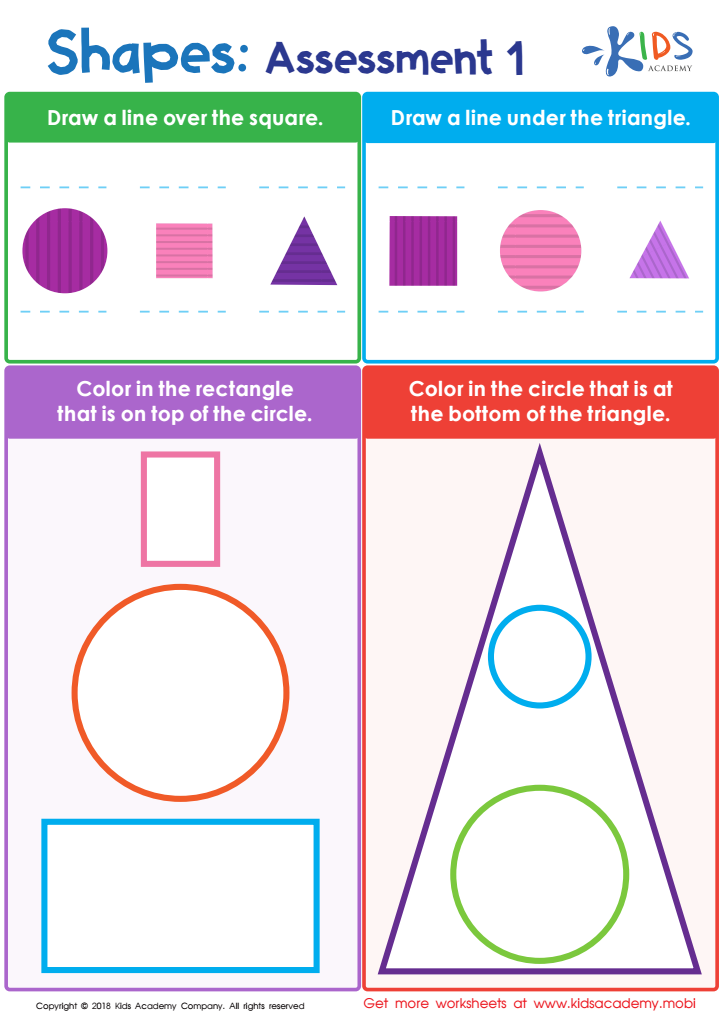
Shapes: Assessment 1 Worksheet
Test your students' understanding of the four basic shapes - circle, square, triangle and rectangle - with this assessment worksheet. Get them to draw a line over or under the shape indicated in the directions to show they can identify it correctly.
Shapes: Assessment 1 Worksheet
Worksheet
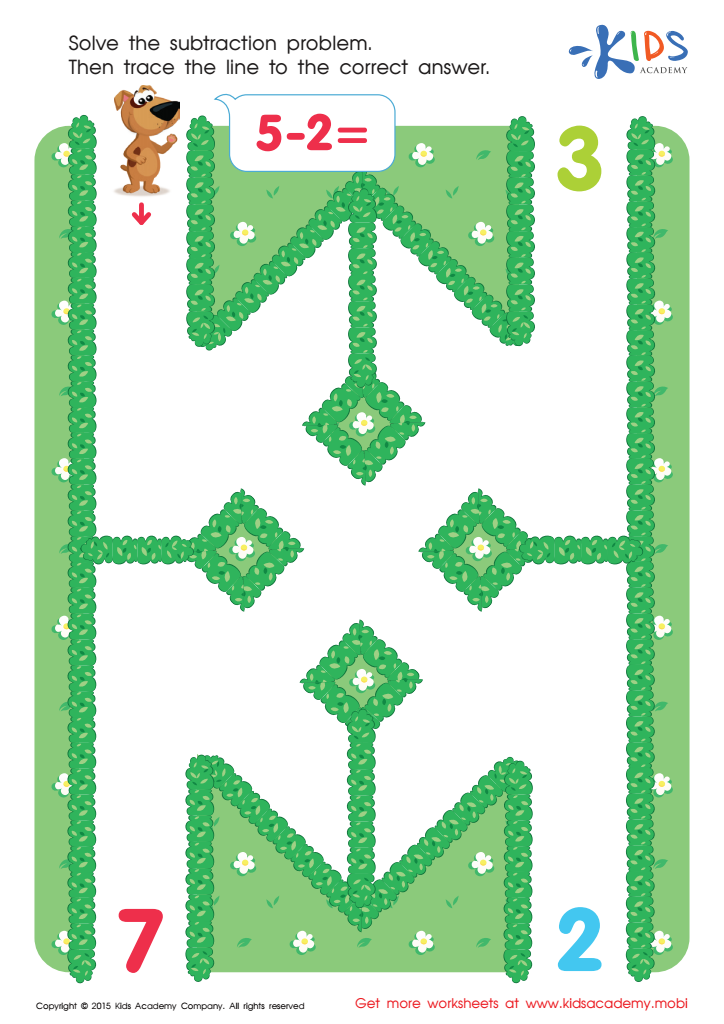
Five Minus Two Worksheet
Help the dog find its way by practising subtraction - trace the path and make sure to have fun!
Five Minus Two Worksheet
Worksheet
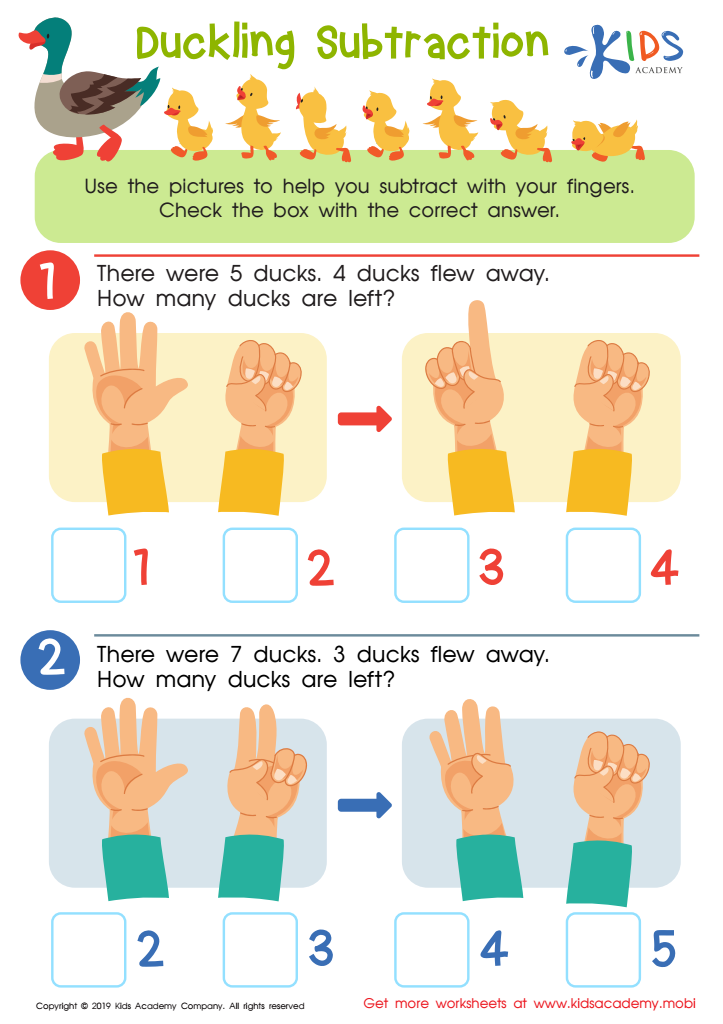
Duckling Subtraction Worksheet
Help your students learn equations and math with this fun worksheet. There are two questions to solve with the help of the pictures. Ask them to subtract with their fingers and check the box with the correct answer. This makes math easier and more enjoyable!
Duckling Subtraction Worksheet
Worksheet
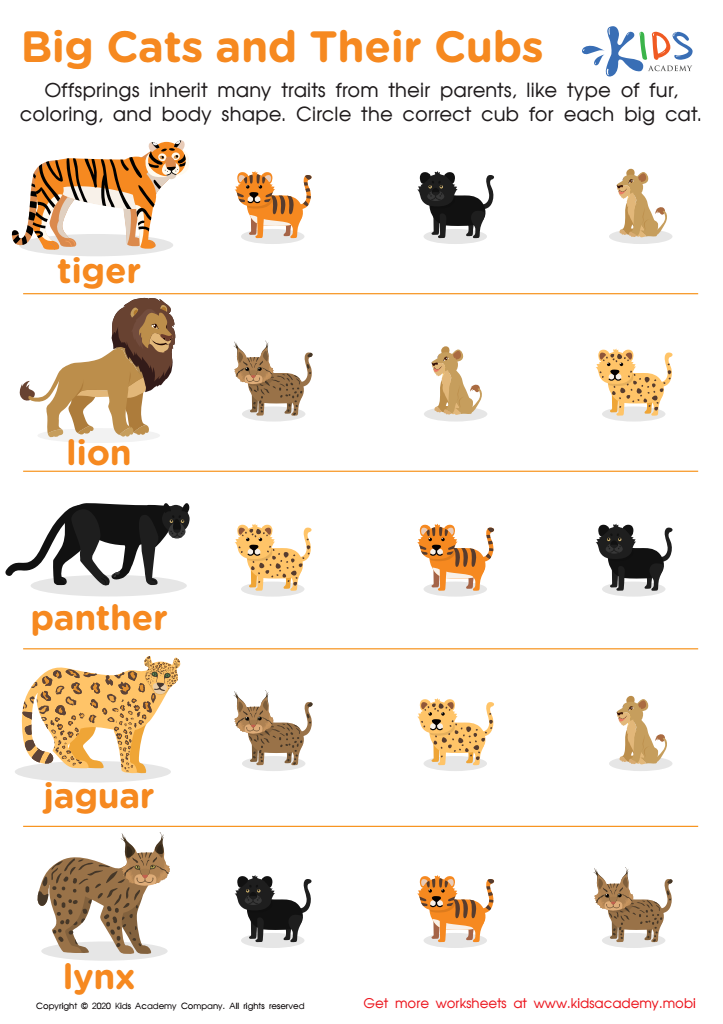
Big Cats and Their Cubs Worksheet
Kids are often like their parents, and the same is true for big cats and their cubs. Introduce your young scientists to genetics with this fun printable worksheet from Kids Academy! Observe the big cats and their cubs, then circle the right cub to complete! It's a great way to teach an early lesson in genetics.
Big Cats and Their Cubs Worksheet
Worksheet
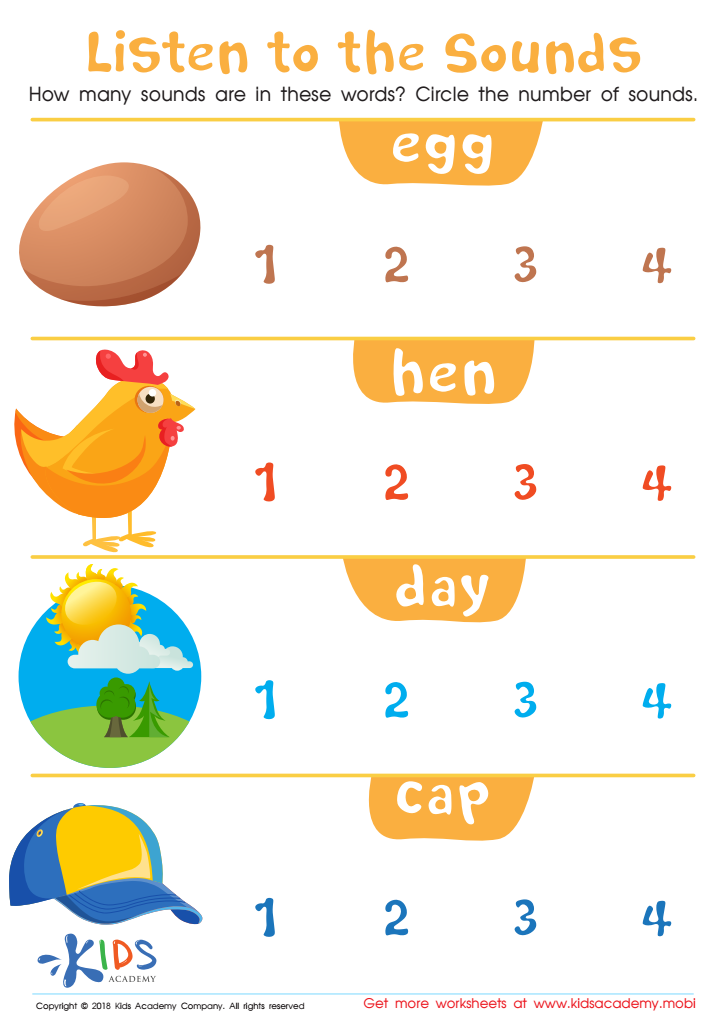
Listen to the Sounds Worksheet
This worksheet builds emerging readers' skills in using sounds for reading and spelling. It helps strengthen auditory processing by having them count the sounds in each word, then trace the corresponding number. Fun and cheerful!
Listen to the Sounds Worksheet
Worksheet
Join Kids Academy for Free
Who is primarily going to use this learning content?