Mazes Worksheets Activities With Answers for Ages 3-6 - Page 2
46 filtered results
-
From - To
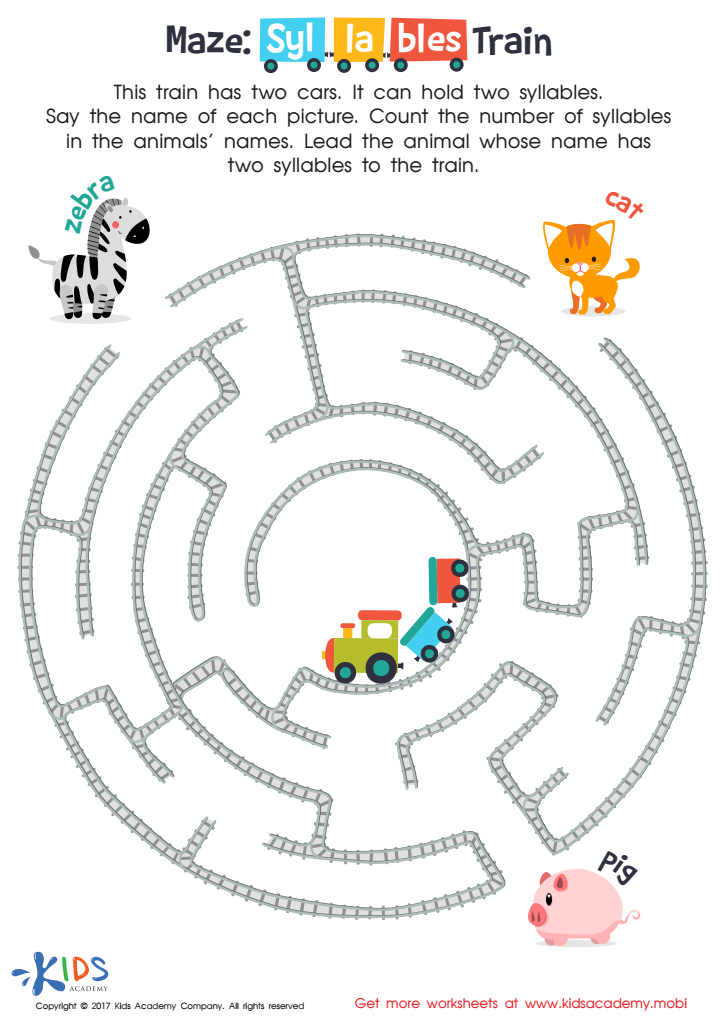
Maze Syllables Word Structure Worksheet
 Assign to My Students
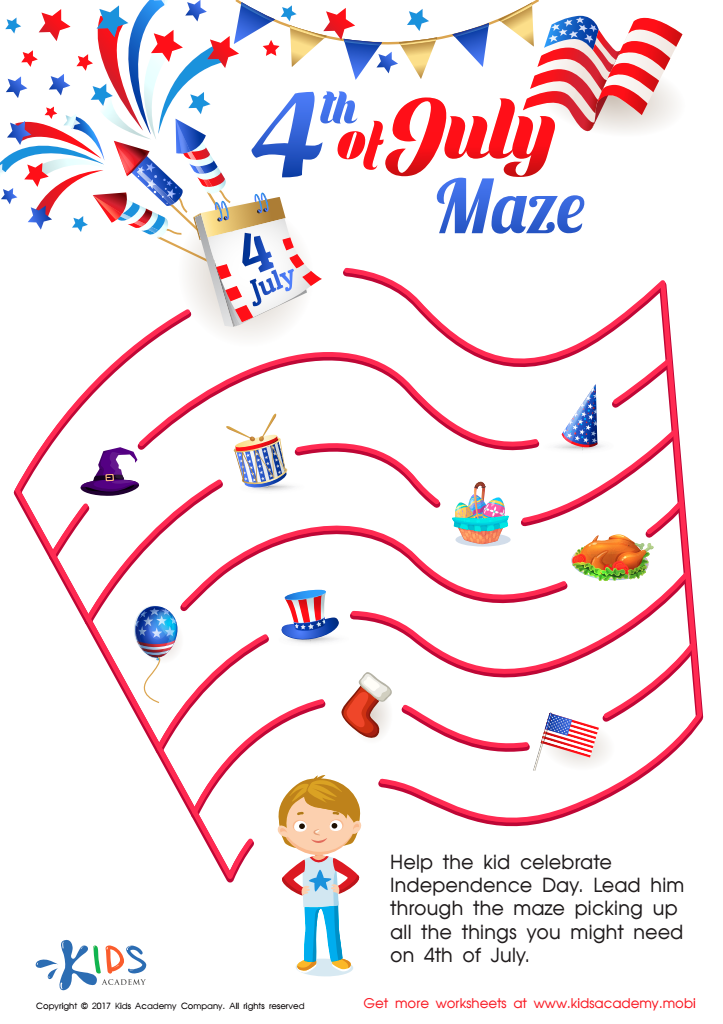
Fourth of July Maze Printable
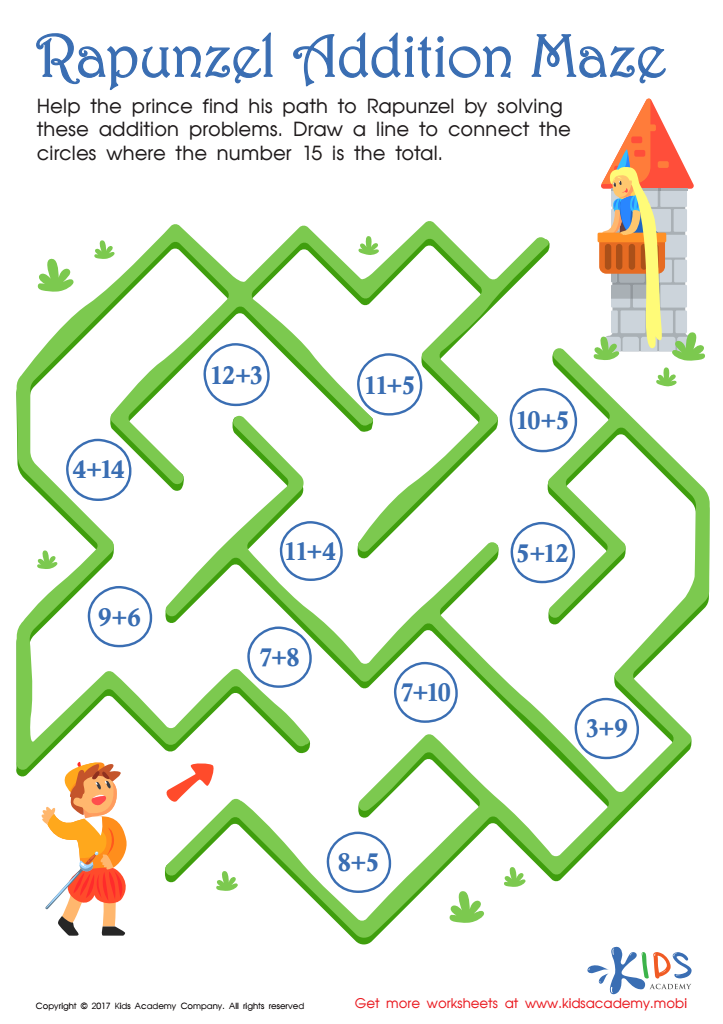
Rapunzel Addition Maze Worksheet
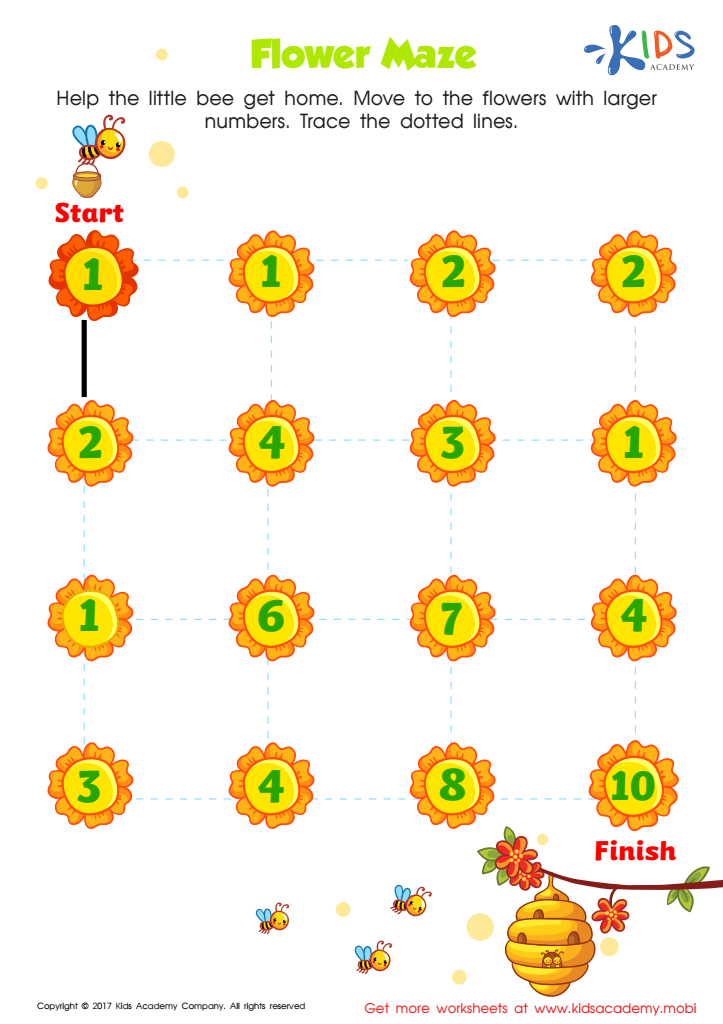
Number Maze For Kindergarten Printable
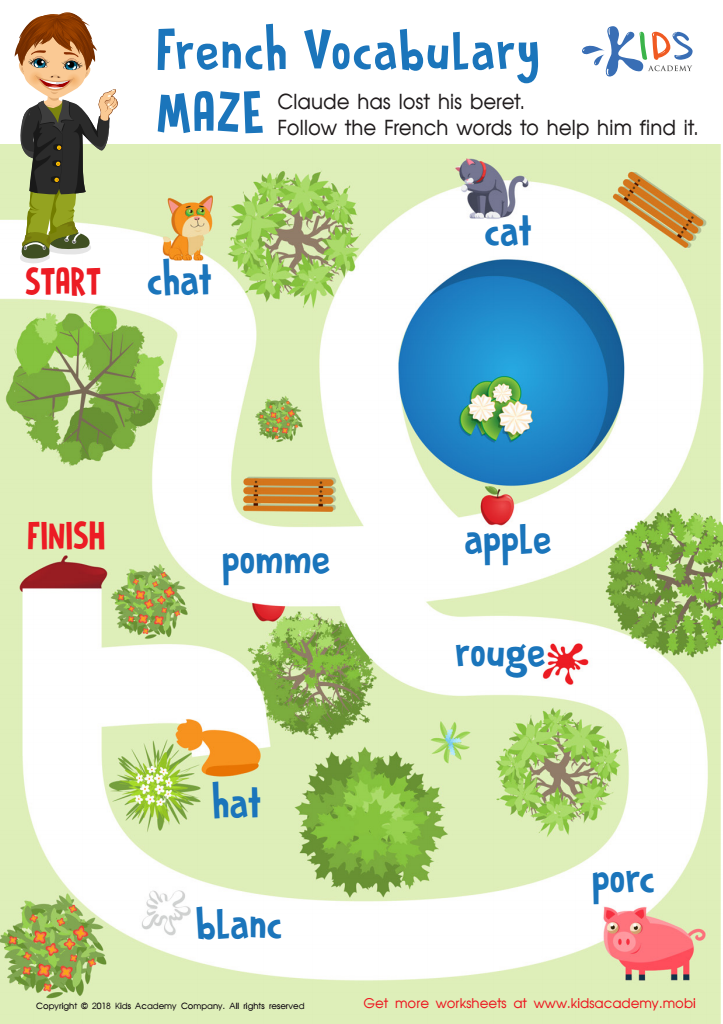
French Vocabulary Maze Worksheet
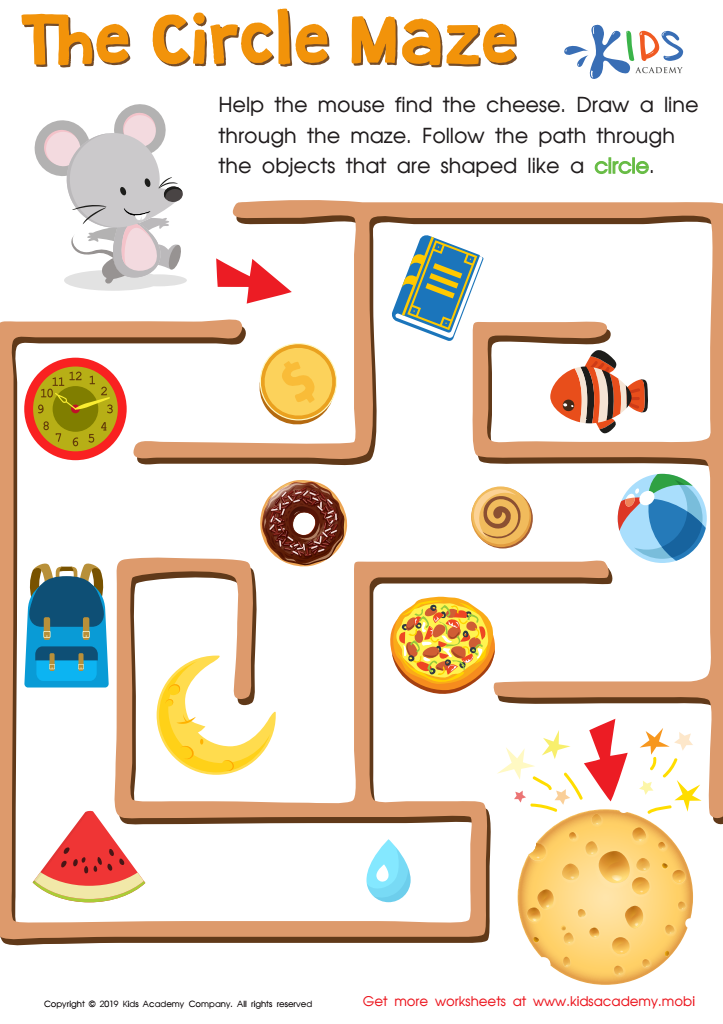
The Circle Maze Worksheet
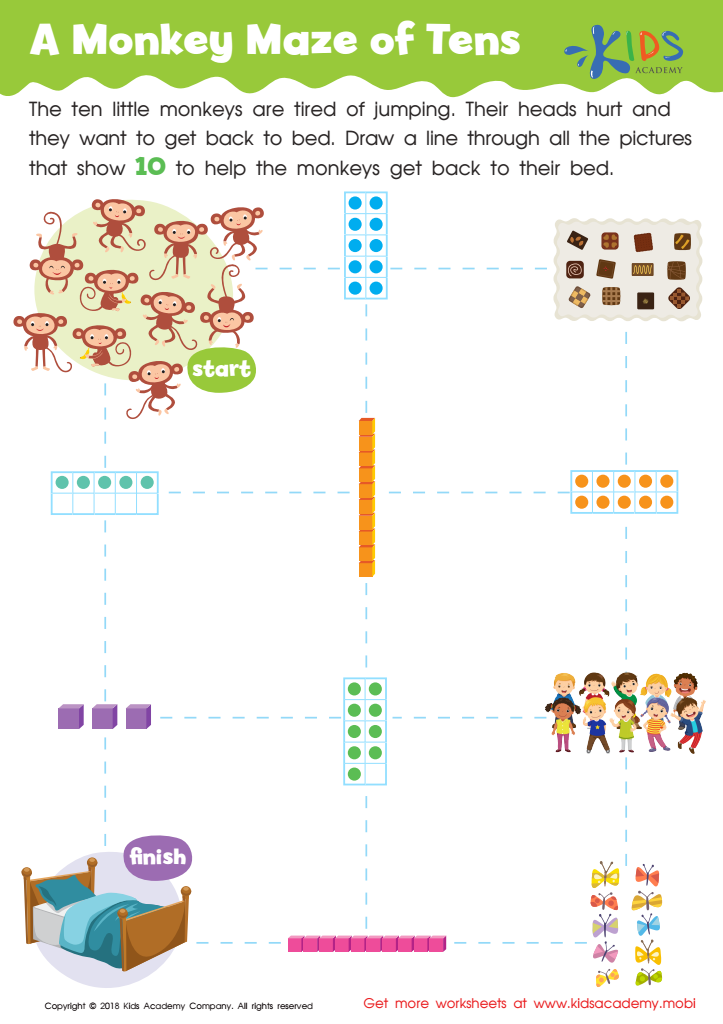
A Monkey Maze of Tens Worksheet
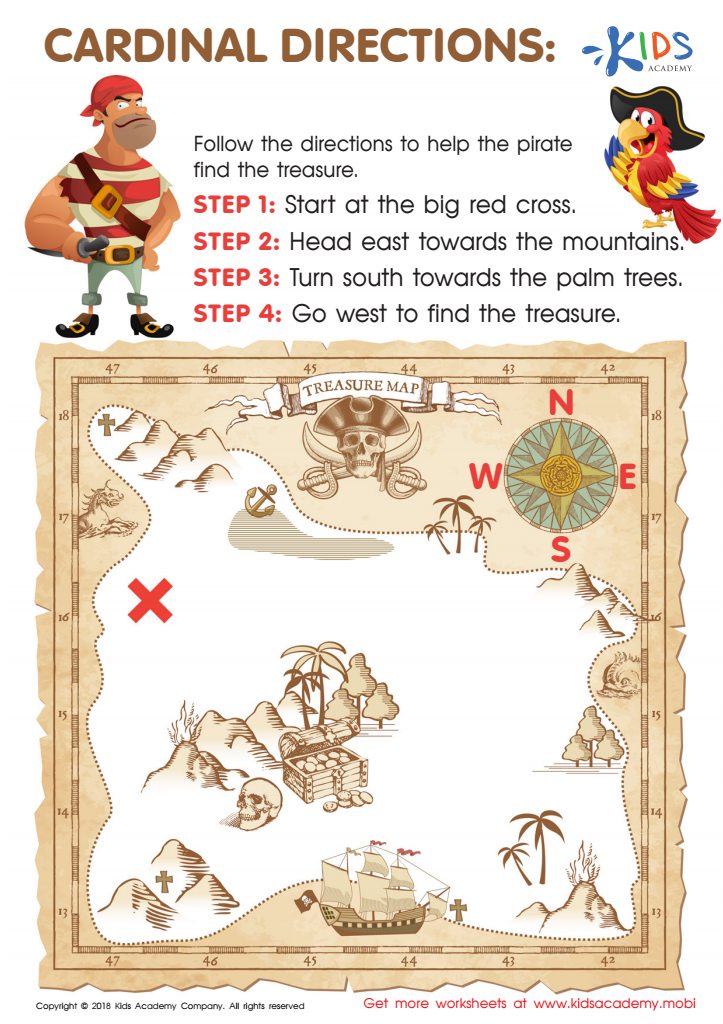
Cardinal Directions Treasure Map Maze Worksheet
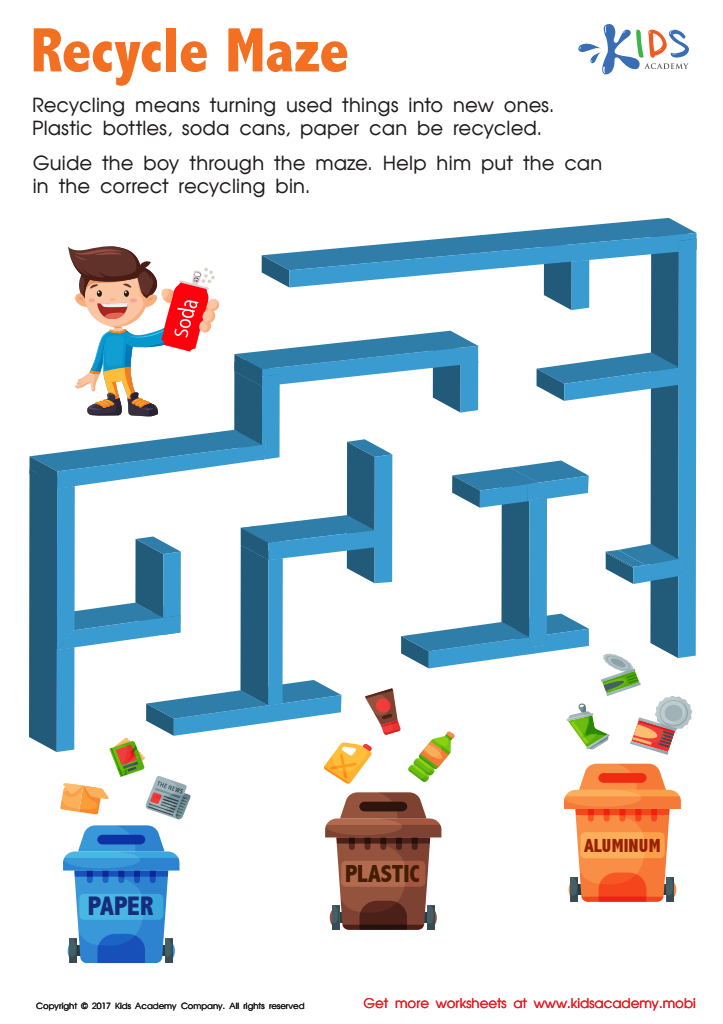
Recycle Maze Worksheet
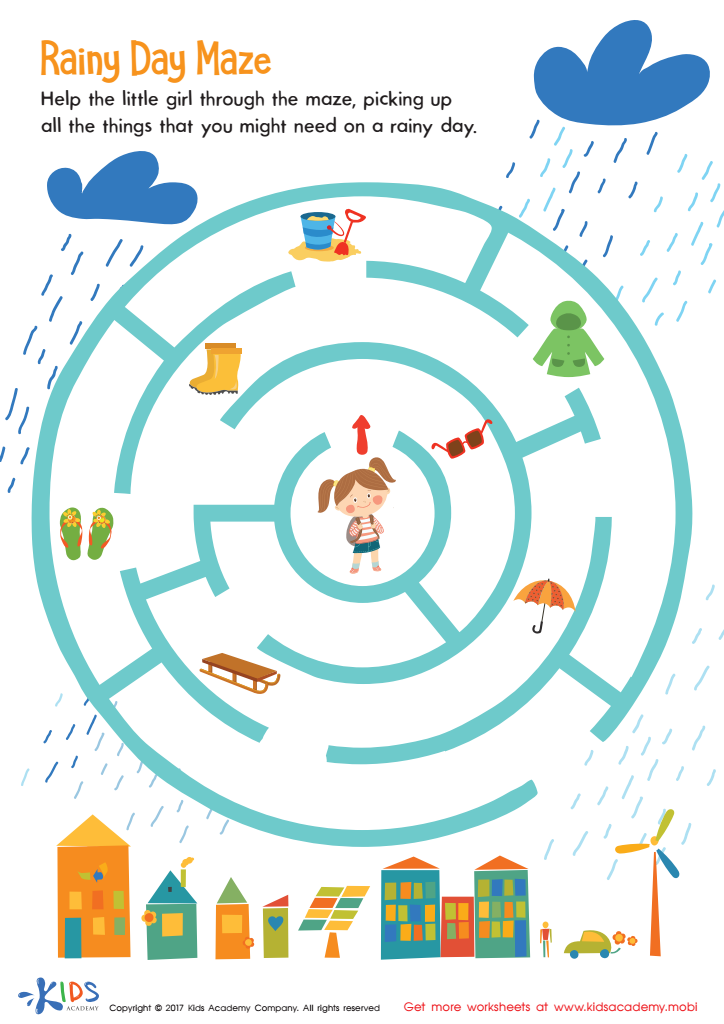
Rainy Day Maze Worksheet
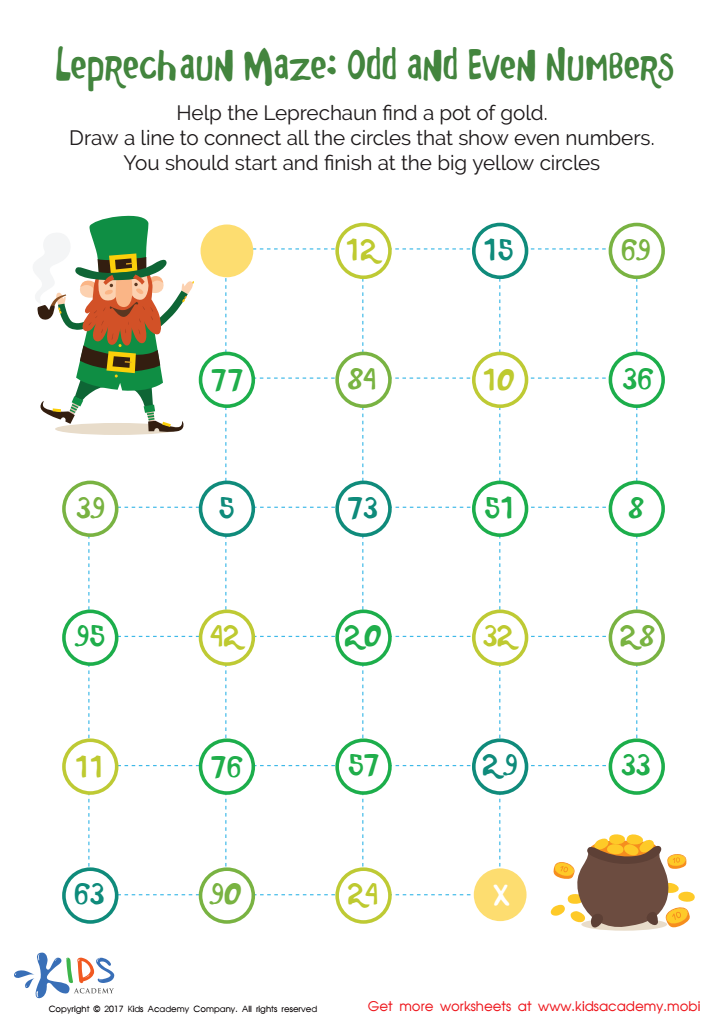
Leprechaun Maze Printable
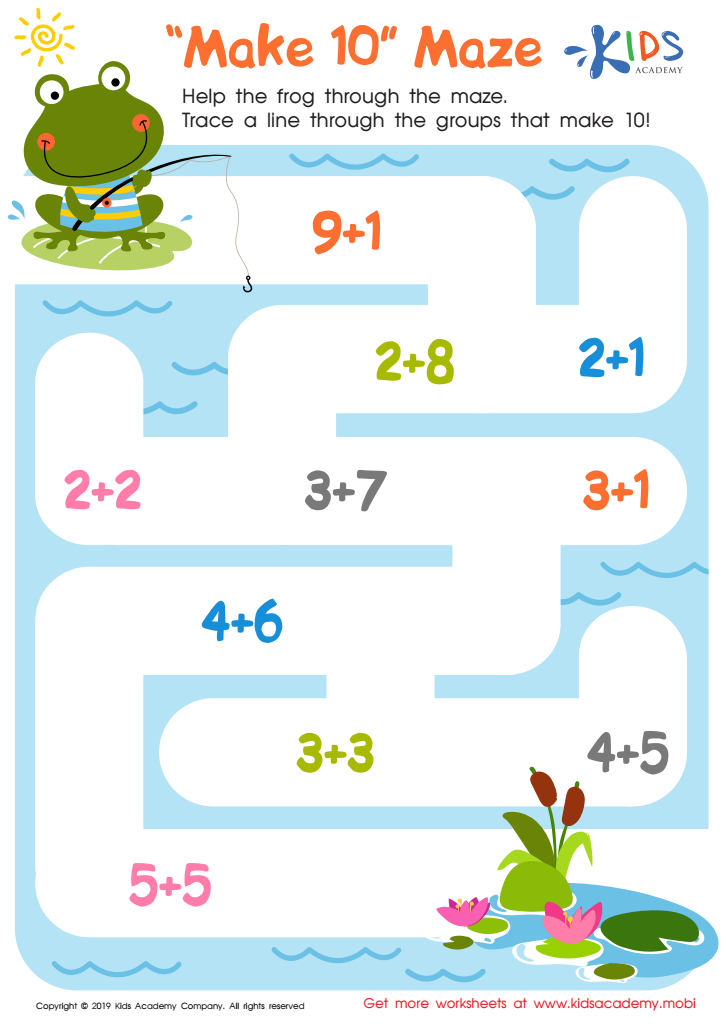
Make 10 Maze Worksheet
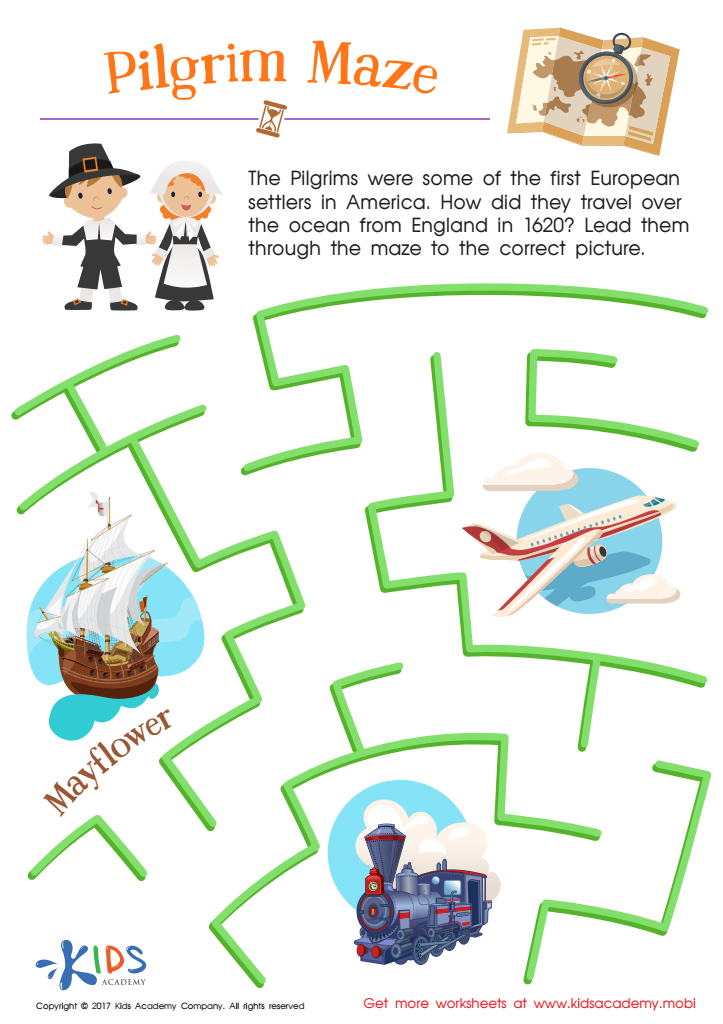
Pilgrim Maze Worksheet
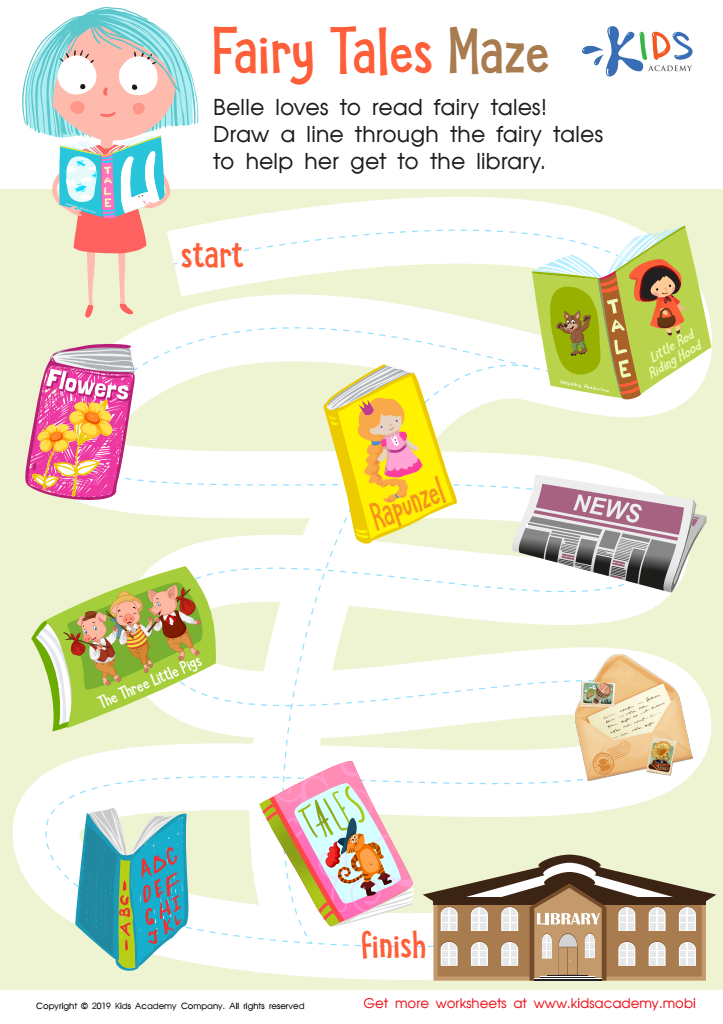
Fairy Tales Maze Worksheet
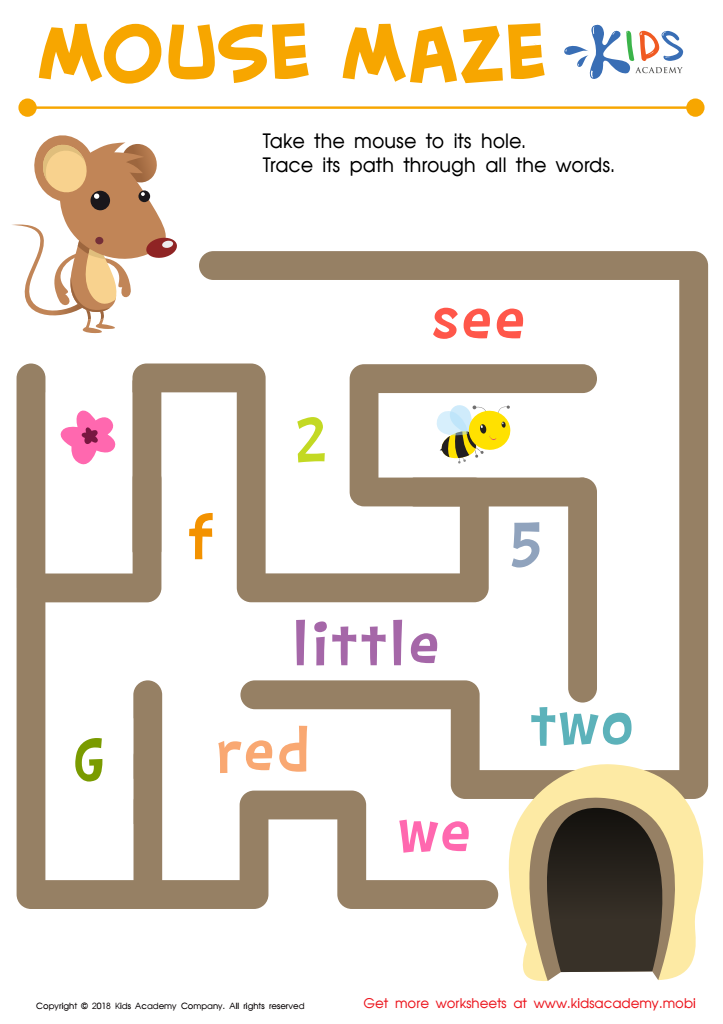
Find Words Mouse Maze Worksheet
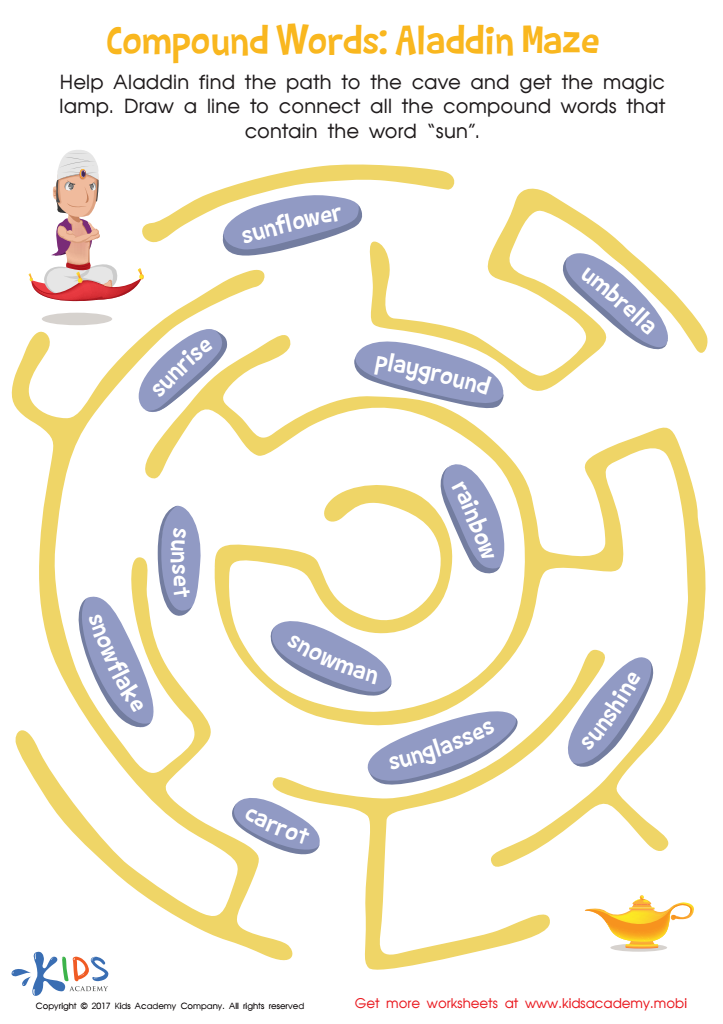
Compound Aladdin Maze Word Structure Worksheet
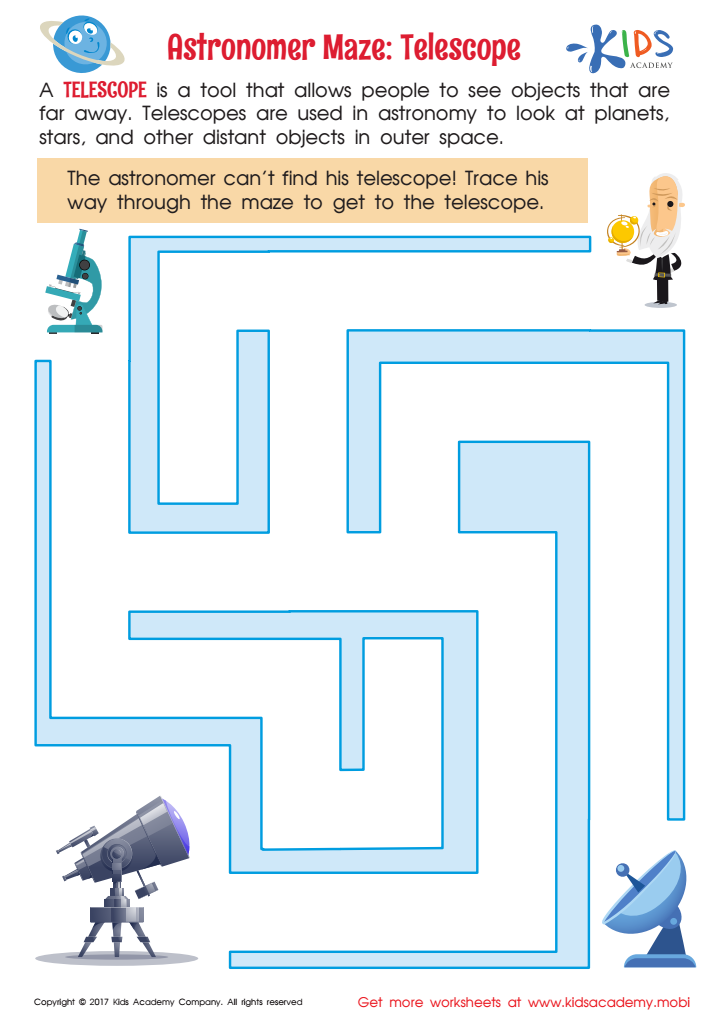
Astronomer Maze: Telescope Worksheet
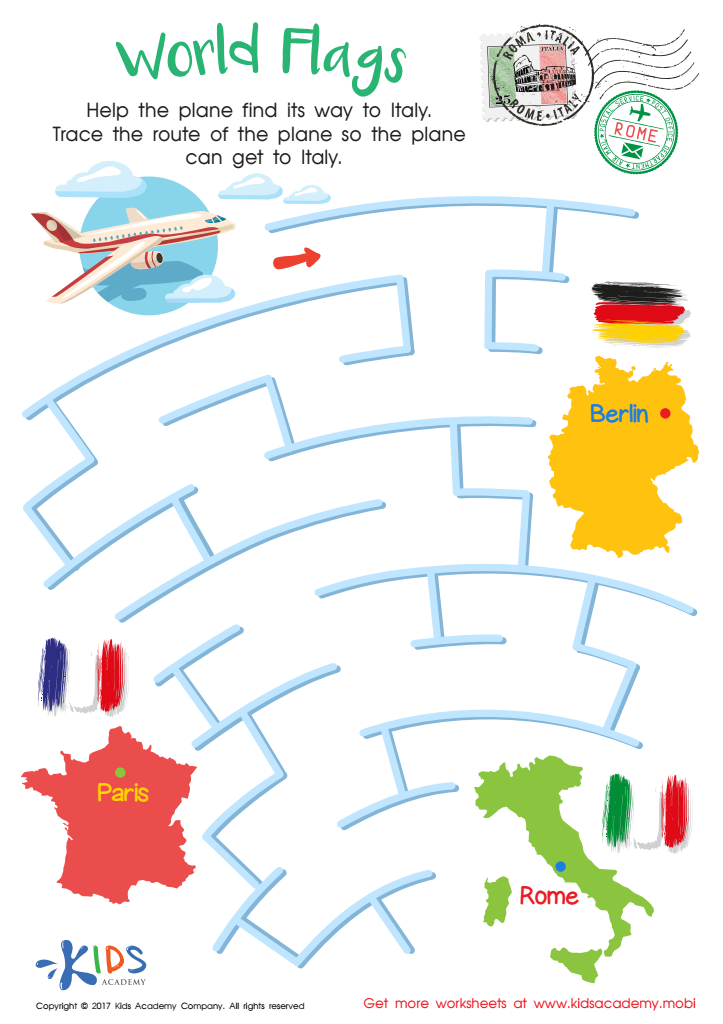
World Flags Maze Worksheet
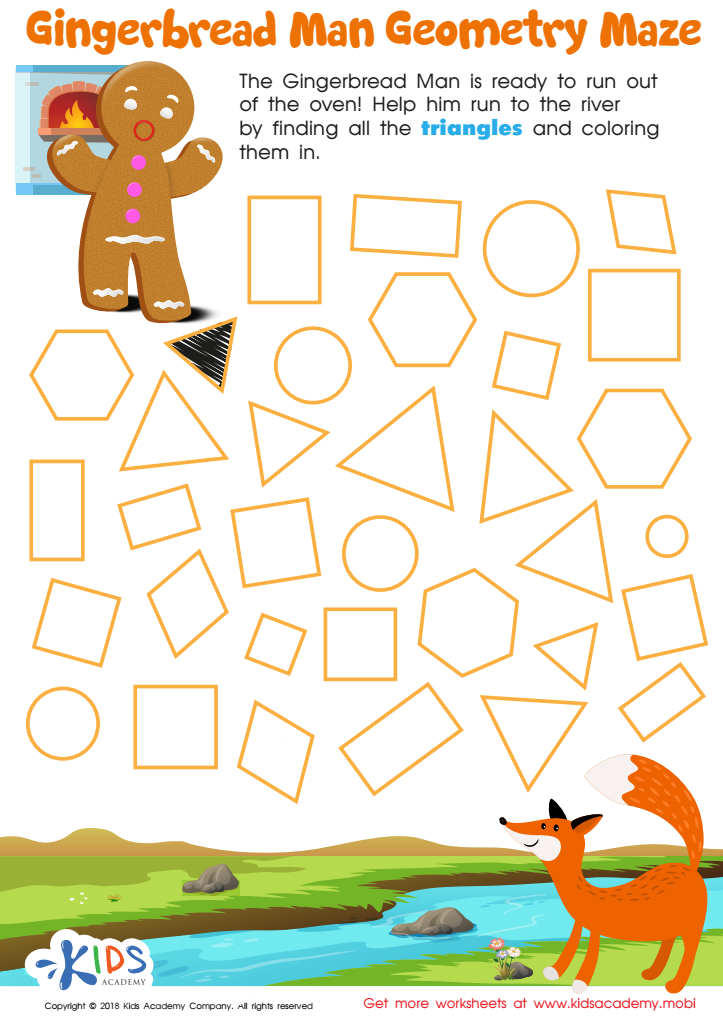
Gingerbread Man Geometry Maze Worksheet
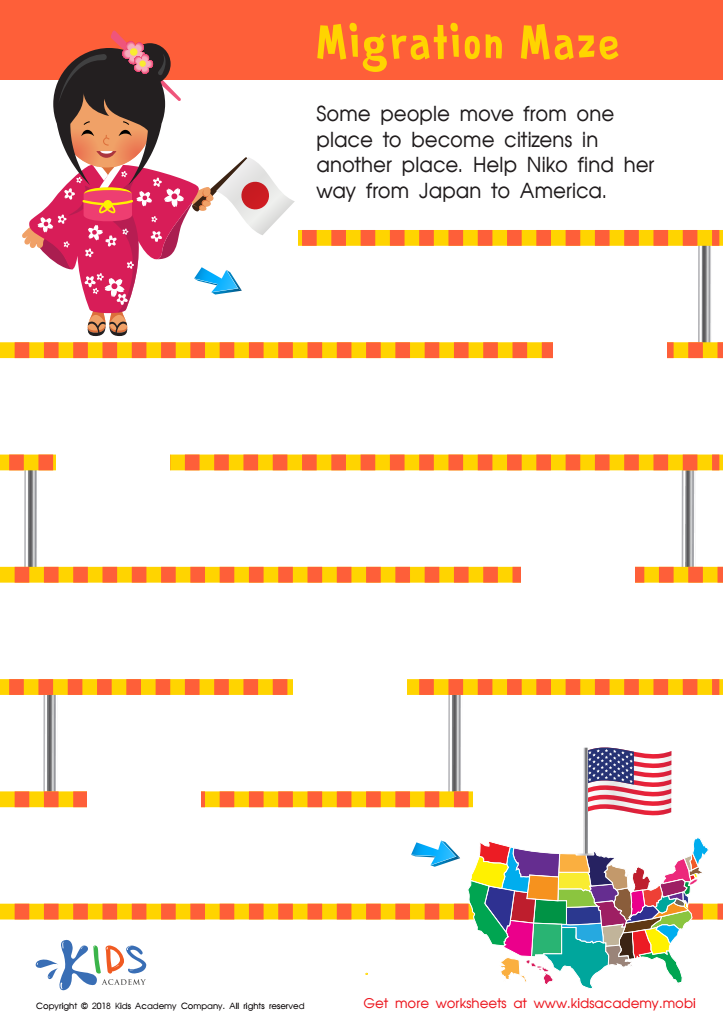
Migration Maze Worksheet
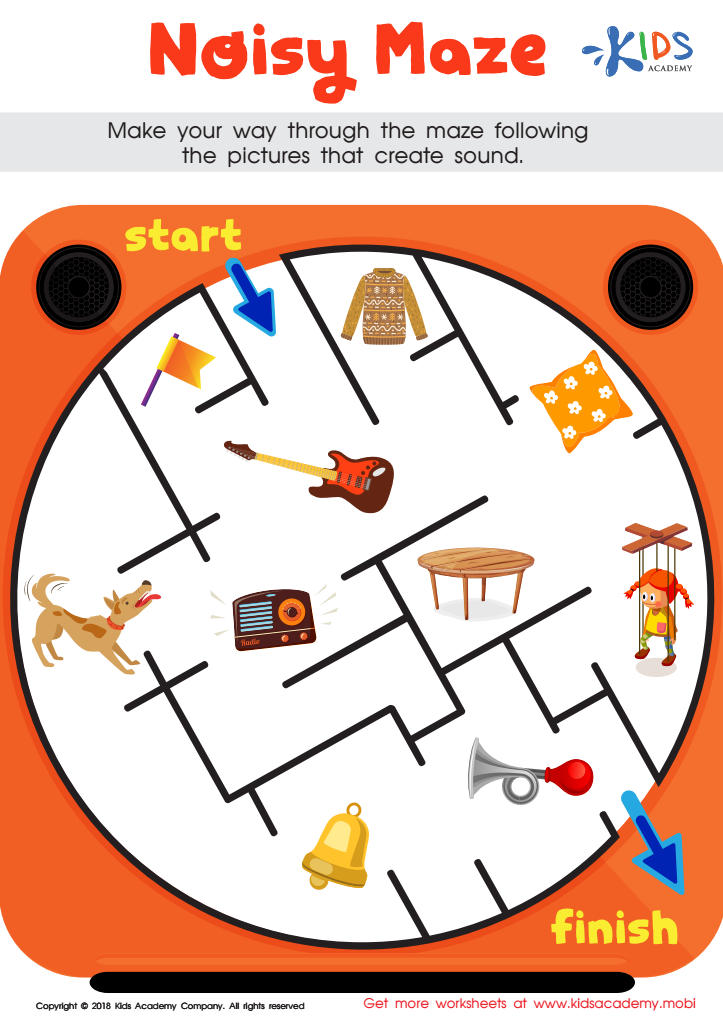
Noisy Maze Worksheet
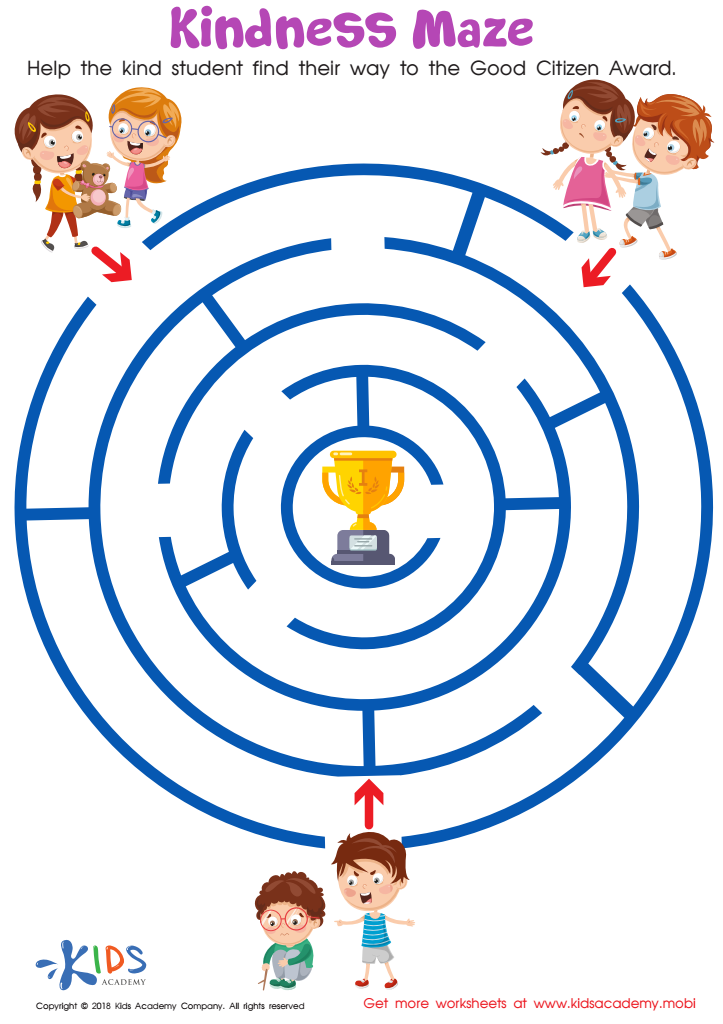
Kindness Maze Worksheet







Mazes activities offer a fun and engaging way for children aged 3-6 to develop essential cognitive and motor skills. For parents and teachers, these activities hold considerable educational value. First and foremost, mazes help enhance critical thinking and problem-solving skills as children learn to identify pathways and navigate their way through challenges. This kind of early puzzle-solving encourages logical reasoning, essential for future learning.
Moreover, maze activities promote fine motor skills as children trace lines, grip pencils, or color in pathways, contributing to their overall hand-eye coordination and dexterity, which are crucial for tasks such as writing and crafting. Mazes also allow for fostering patience and perseverance; completing a maze can teach children to work through frustration and celebrate their accomplishments upon finding a solution.
Additionally, maze activities can be easily integrated into various themes and subjects, supporting cross-curricular learning, from spatial awareness in math to storytelling in language arts. They can stimulate creativity when children design their own mazes. Given these benefits, incorporating maze activities into educational routines is a powerful tool for developmental growth, engaging children while reinforcing foundational skills for lifelong learning. This not only enriches the classroom experience but empowers parents to reinforce learning at home.








