Normal Tracing Letters Worksheets Activities With Answers for Ages 5-7 - Page 2
32 filtered results
-
From - To
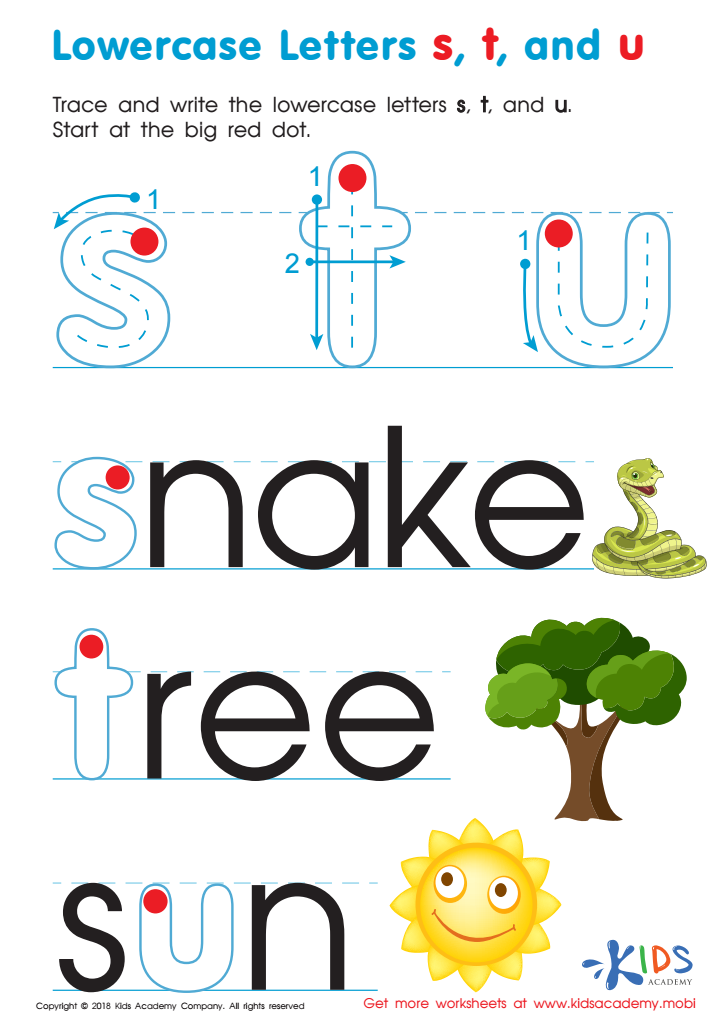
Lowercase Letters s t u Worksheet
 Assign to My Students
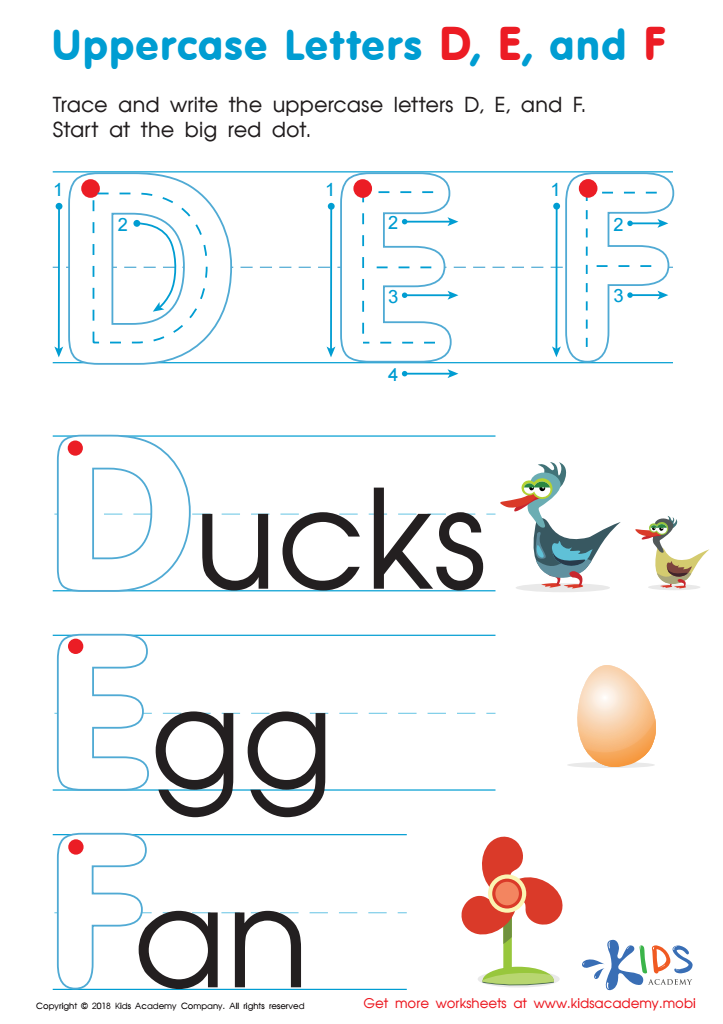
Uppercase Letters D, E, and F Worksheet
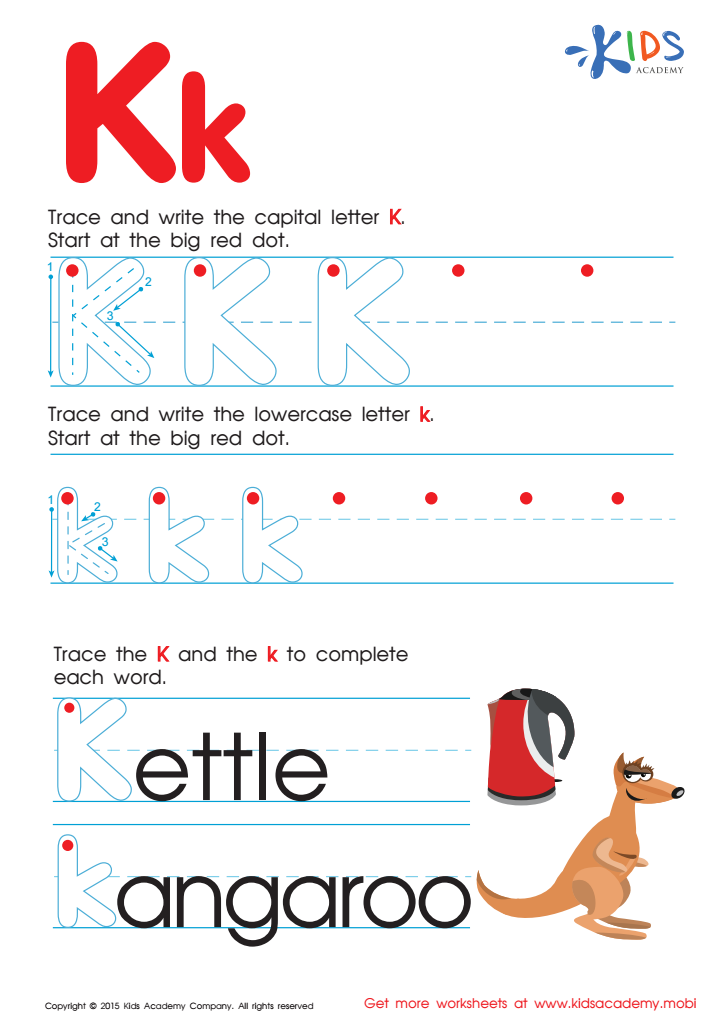
Letter K Tracing Page
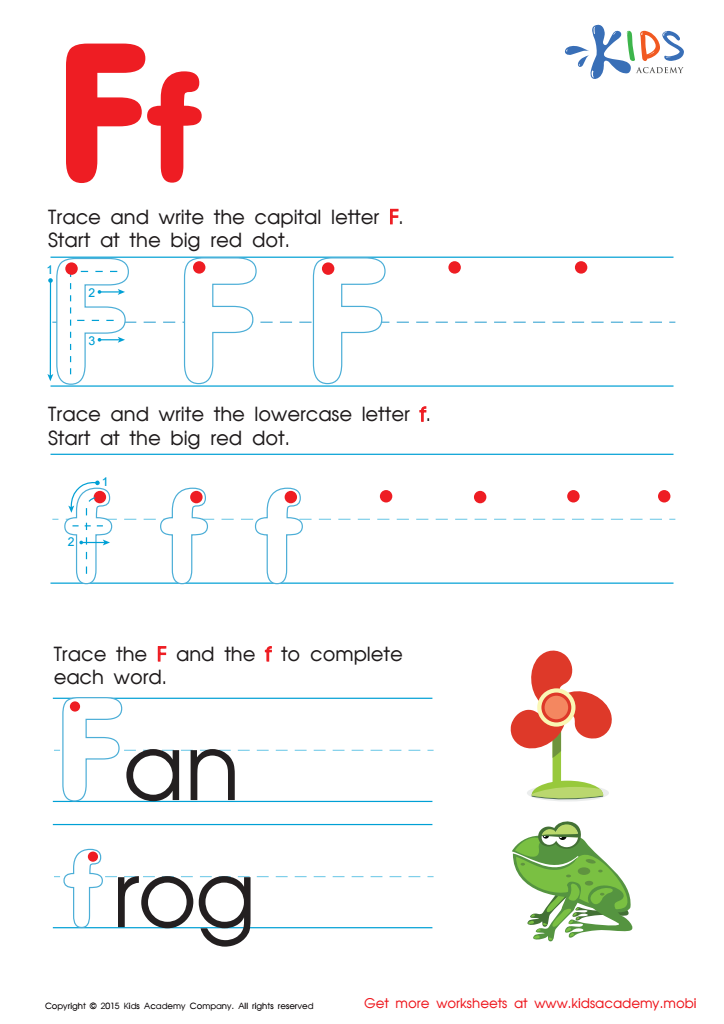
Letter F Tracing Page
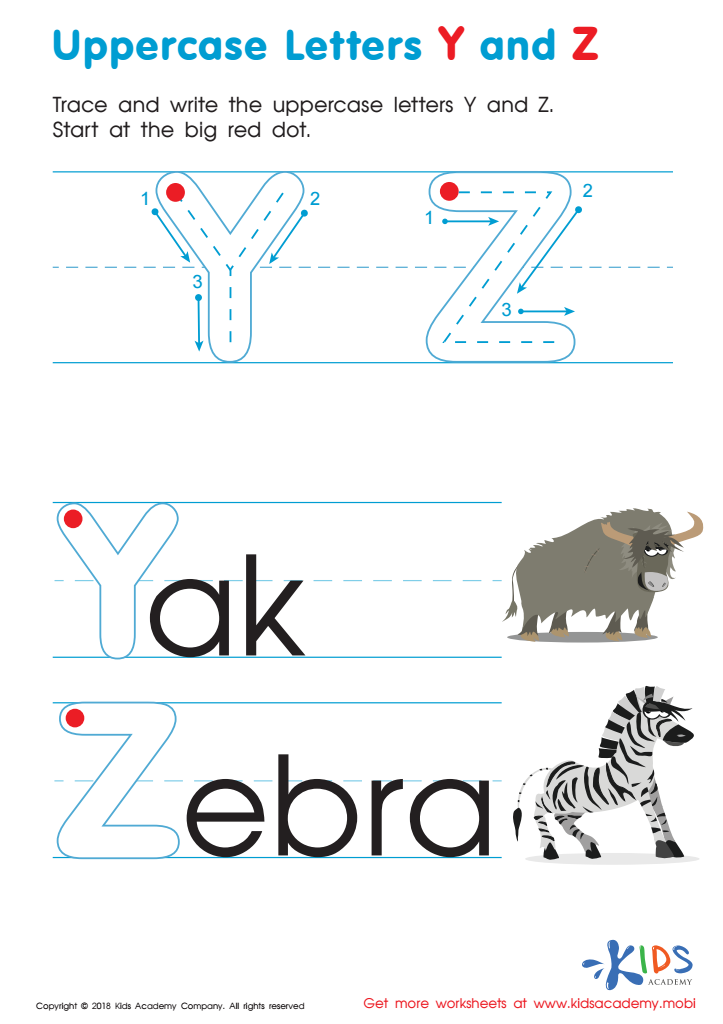
Uppercase Letters Y Z Worksheet
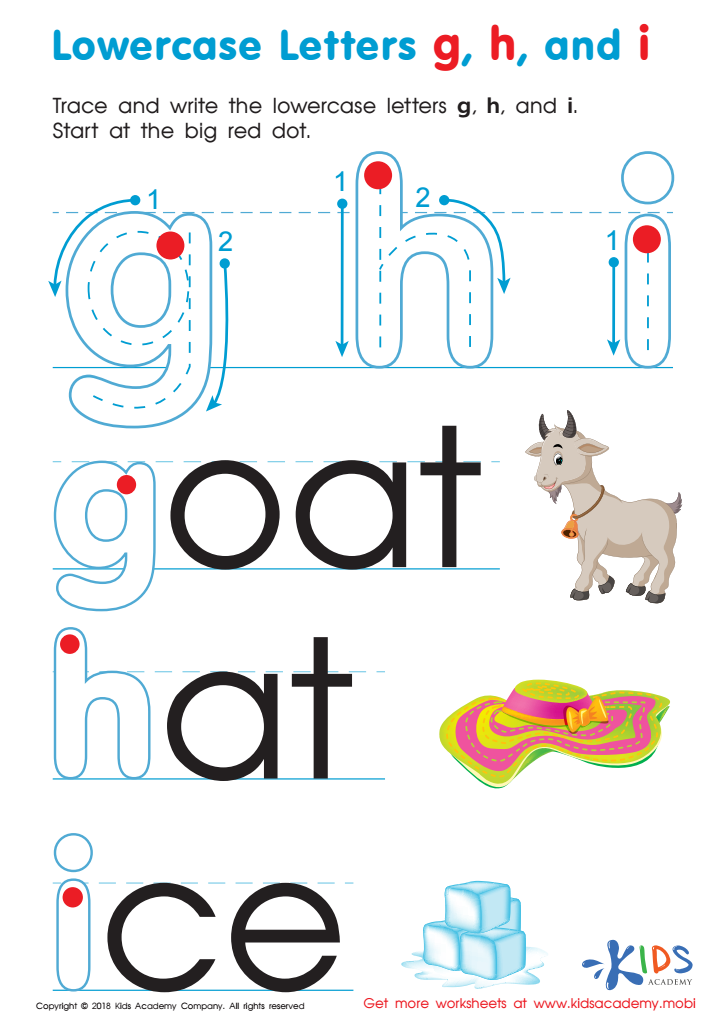
Lowercase Letters g h i Worksheet
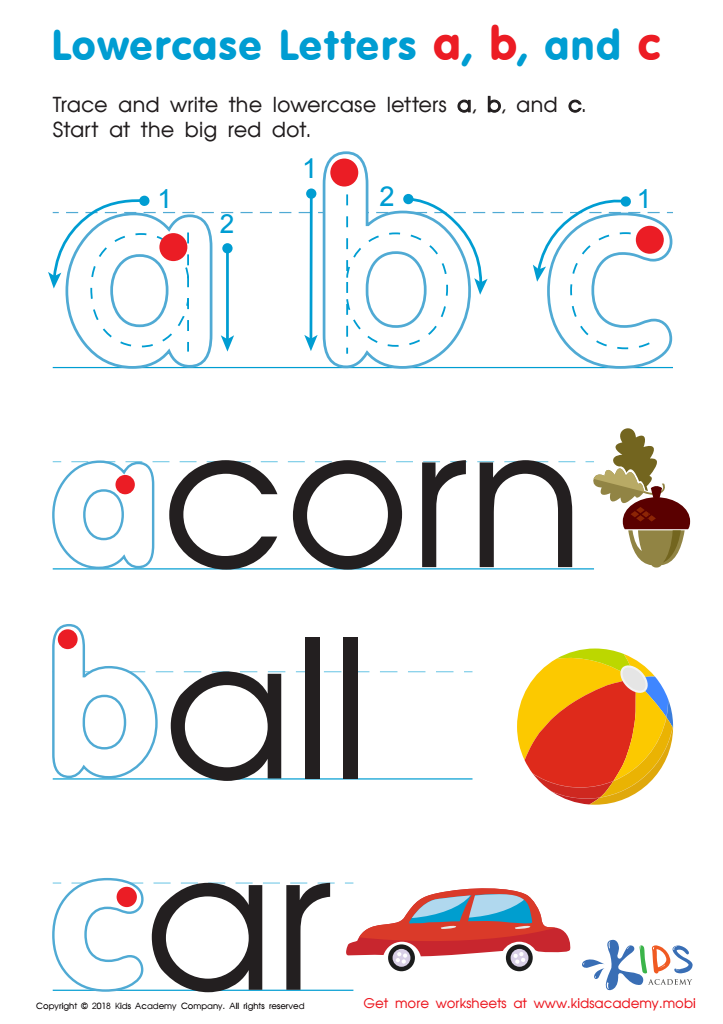
Lowercase Letters a b c Worksheet
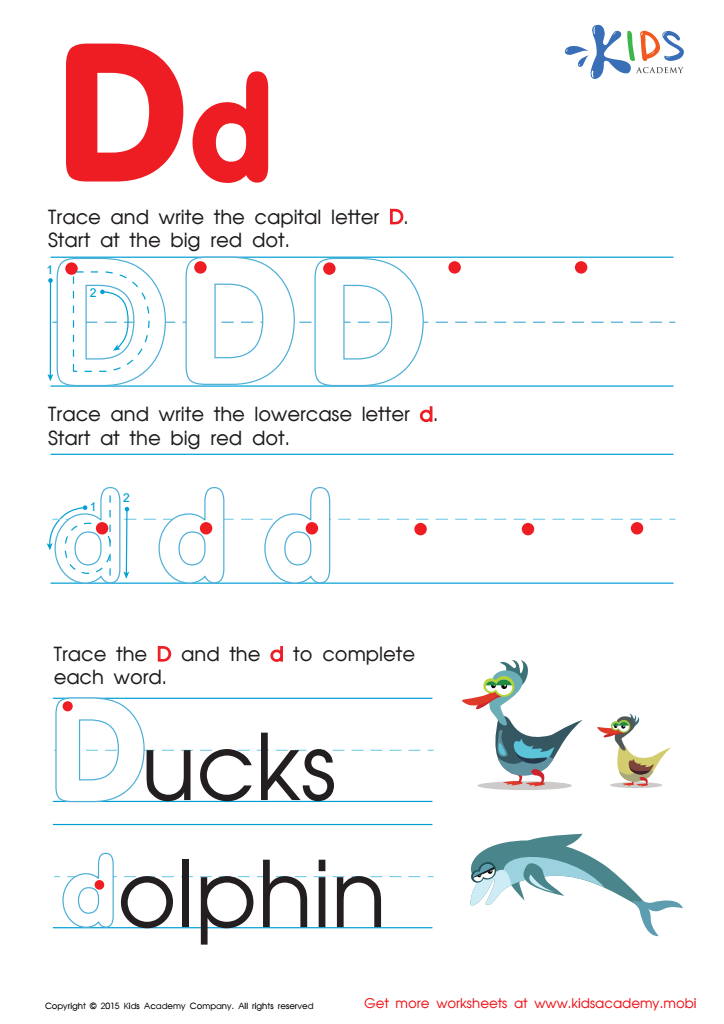
Letter D Tracing Page







Normal tracing letters activities for children aged 5-7 are essential for several reasons, making them worthwhile for both parents and teachers. First, these activities enhance fine motor skills, crucial for a child's writing development. By tracing letters, children learn to control their hand movements, which builds muscle memory needed for handwriting.
Additionally, tracing helps children familiarize themselves with letter shapes and forms, reinforcing their understanding of the alphabet. This familiarity is crucial for early reading and writing, setting a foundation for future literacy skills. As children engage in these tracing activities, they also develop phonemic awareness, associating the letters with their corresponding sounds.
Furthermore, these activities can foster a sense of accomplishment. Completing a tracing task can boost a child's confidence and motivation, making them more eager to learn. For parents and teachers, tracing letters can serve as a bonding activity, providing an opportunity to support and encourage children's learning.
Lastly, the availability of answer keys allows adults to quickly check progress and ensure children are grasping correct letter formation, making these activities effective educational tools. In essence, normal tracing letters activities are beneficial tools for nurturing a child's early literacy and fine motor skill development.








