Alphabet Worksheets for Ages 3-6 - Page 10
290 filtered results
-
From - To
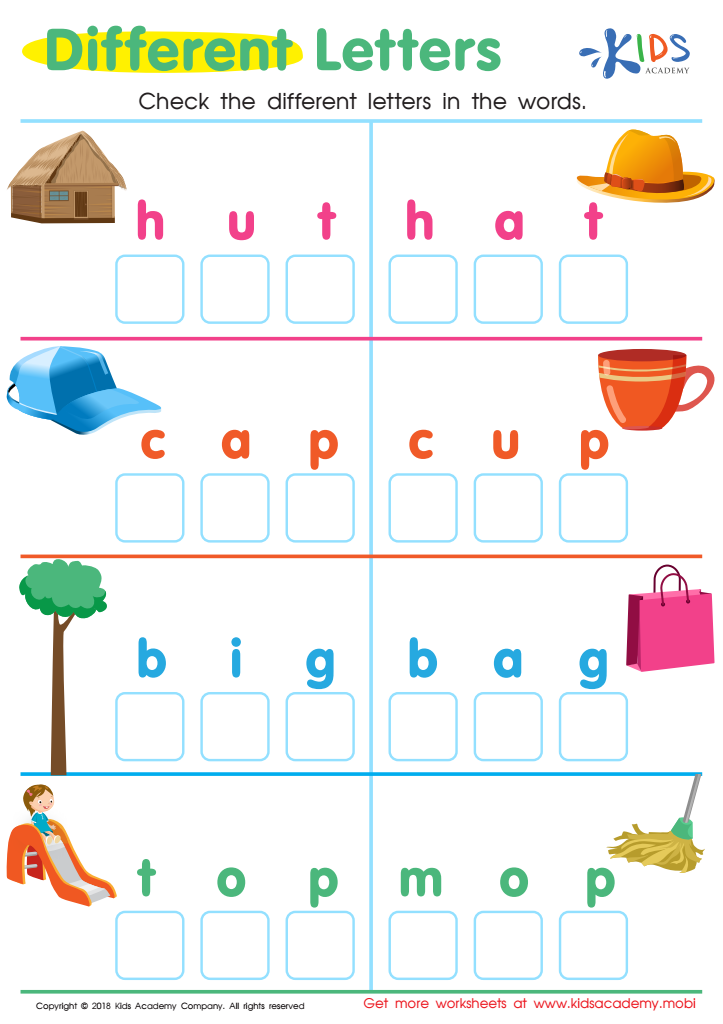
Different Letters Reading Worksheet
 Assign to My Students
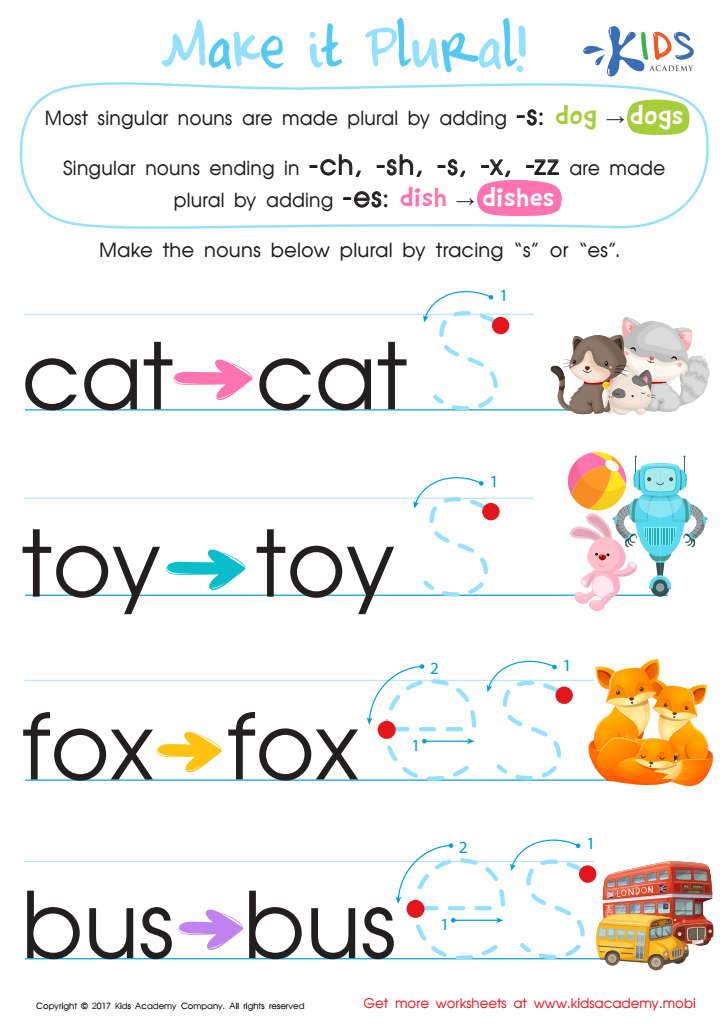
Make it Plural Worksheet
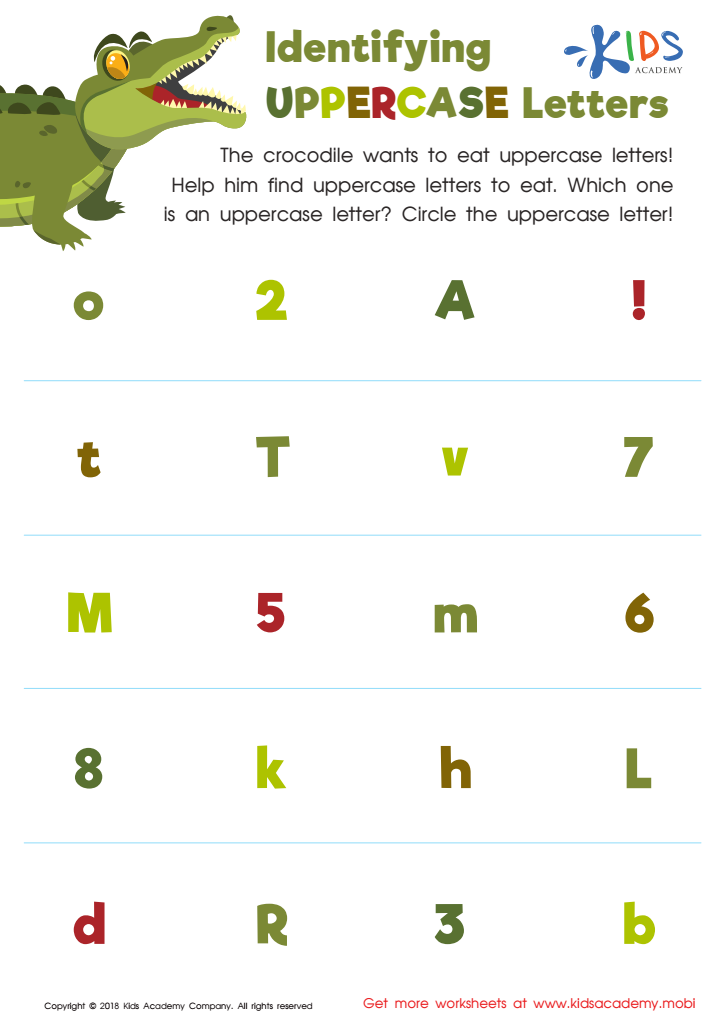
Identifying Uppercase Letters Worksheet
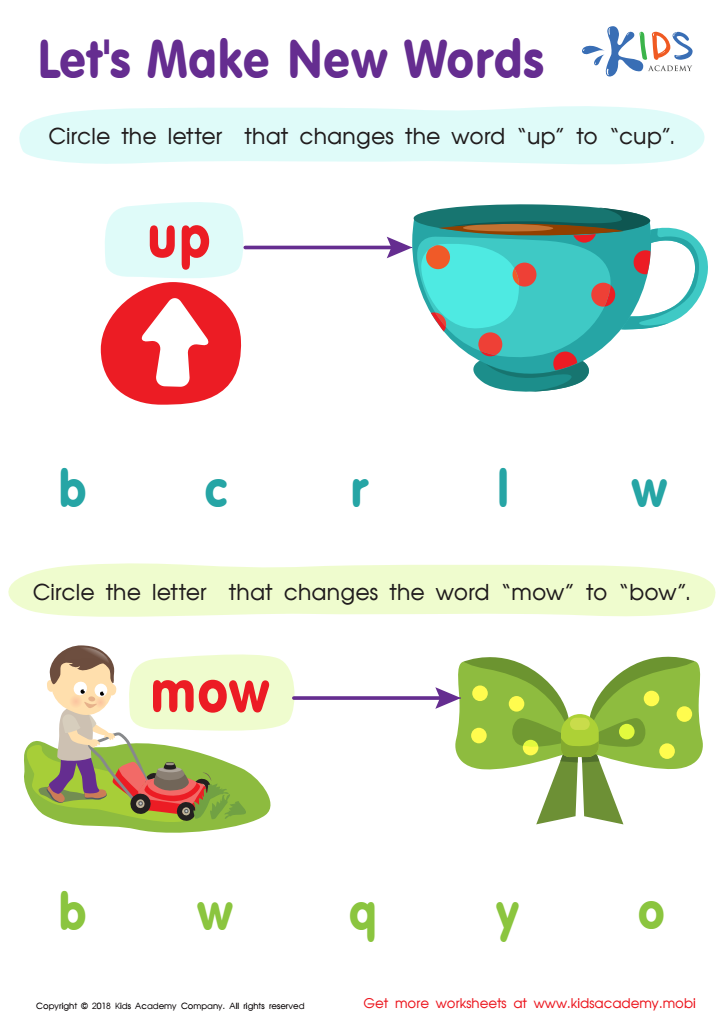
Let's Make New Words Worksheet
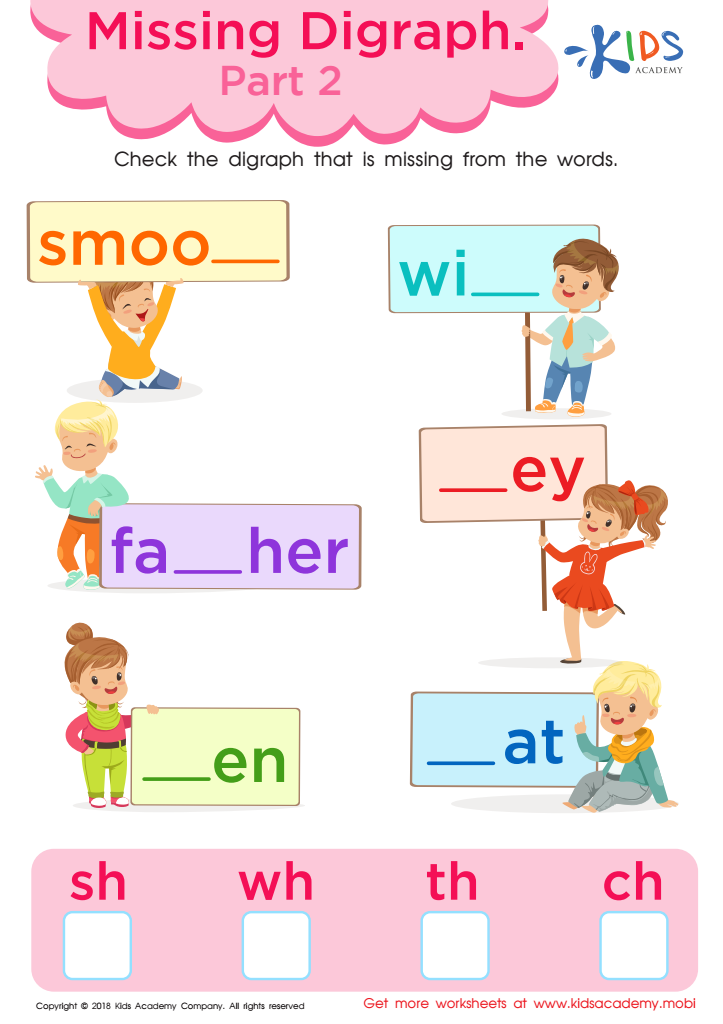
Missing Digraph: Part 2 Worksheet
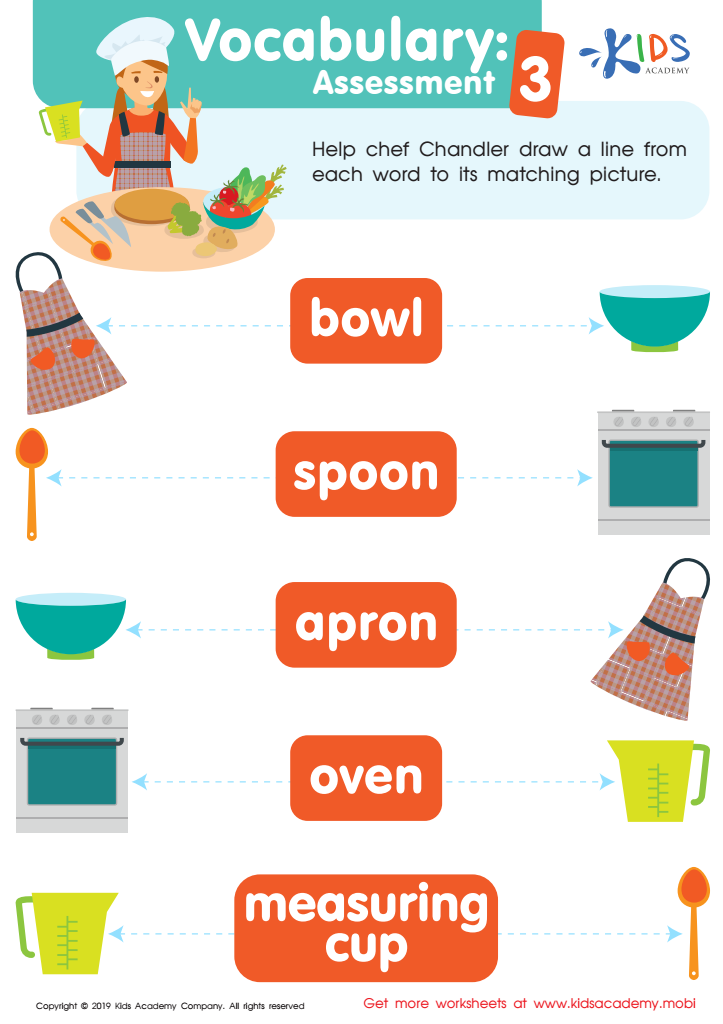
Vocabulary: Assessment 3 Worksheet
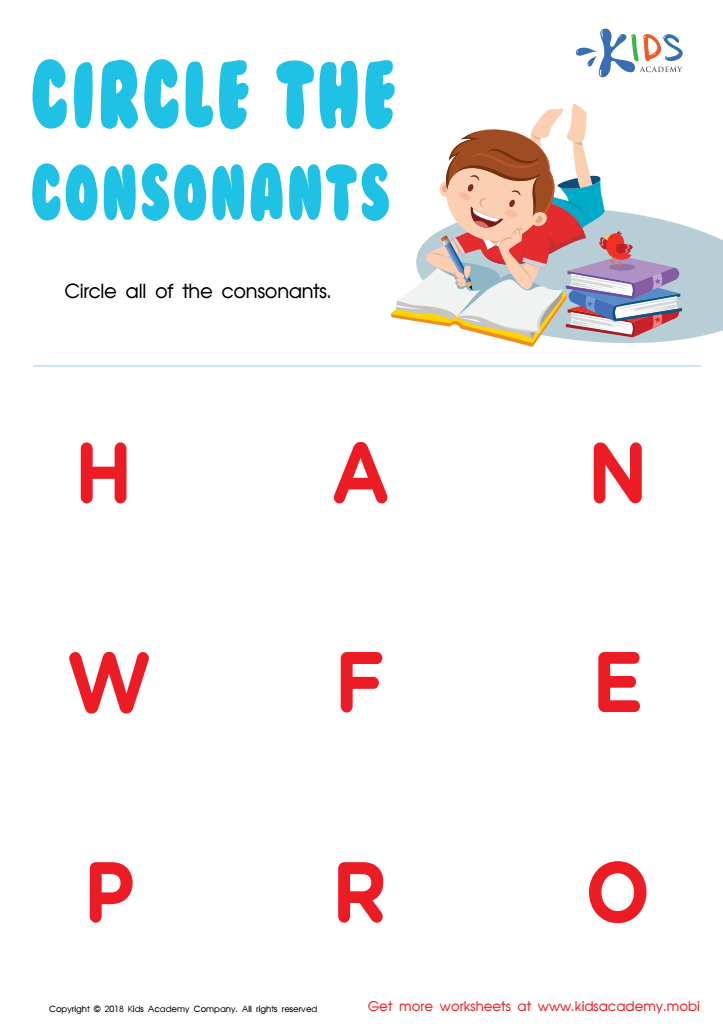
Circle the Consonants Worksheet
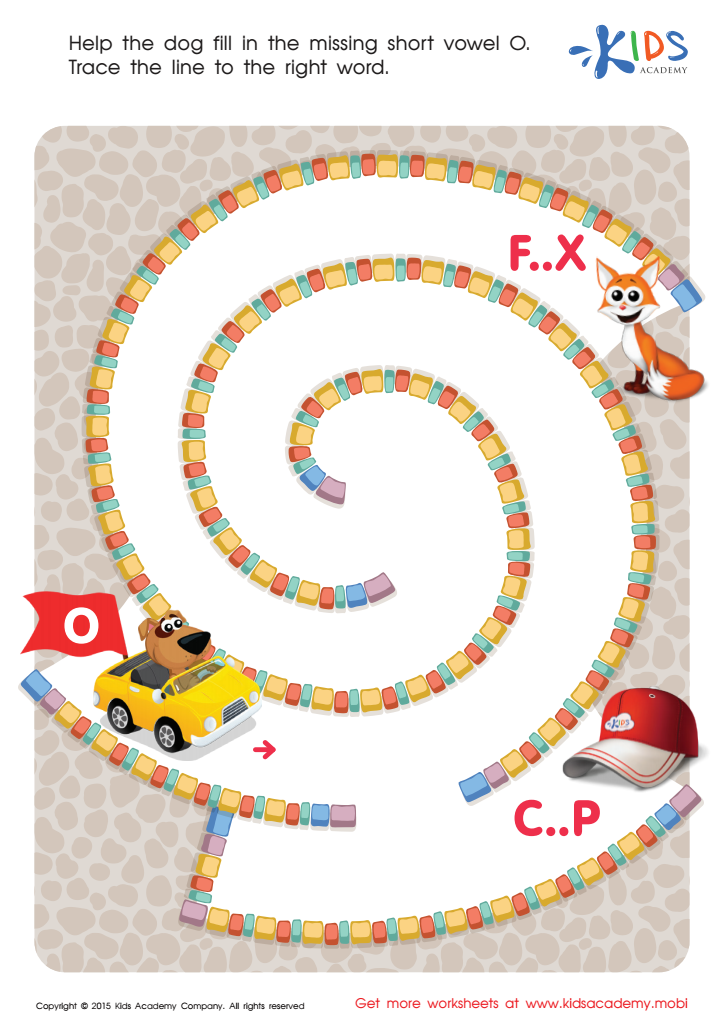
Short Vowel Sound O Worksheet
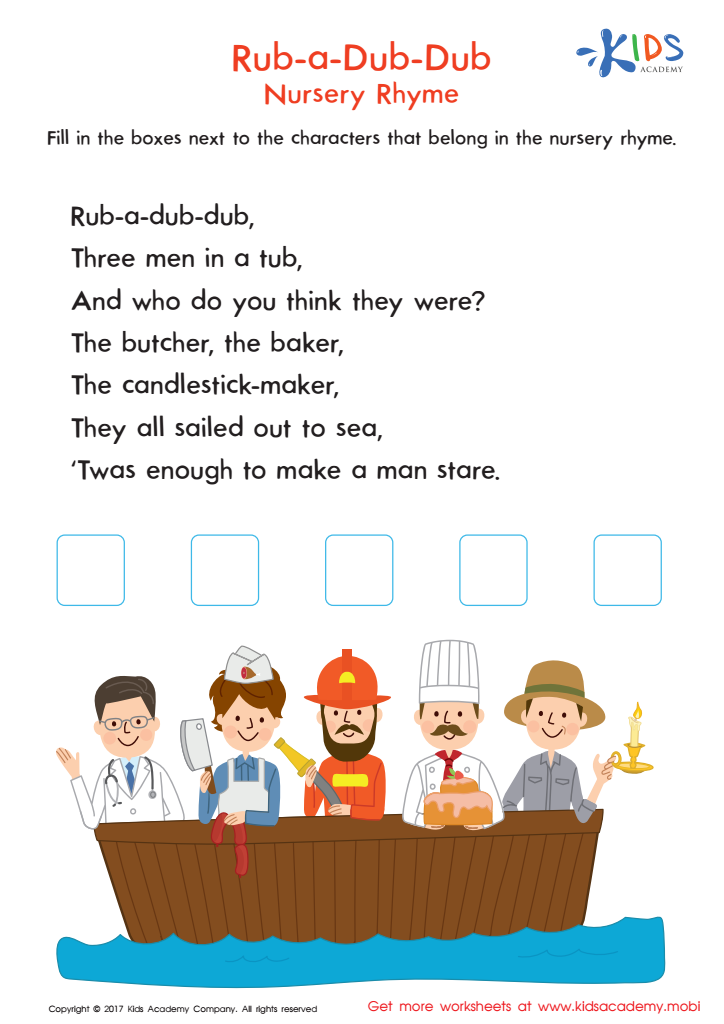
Rub a Dub Dub Printable
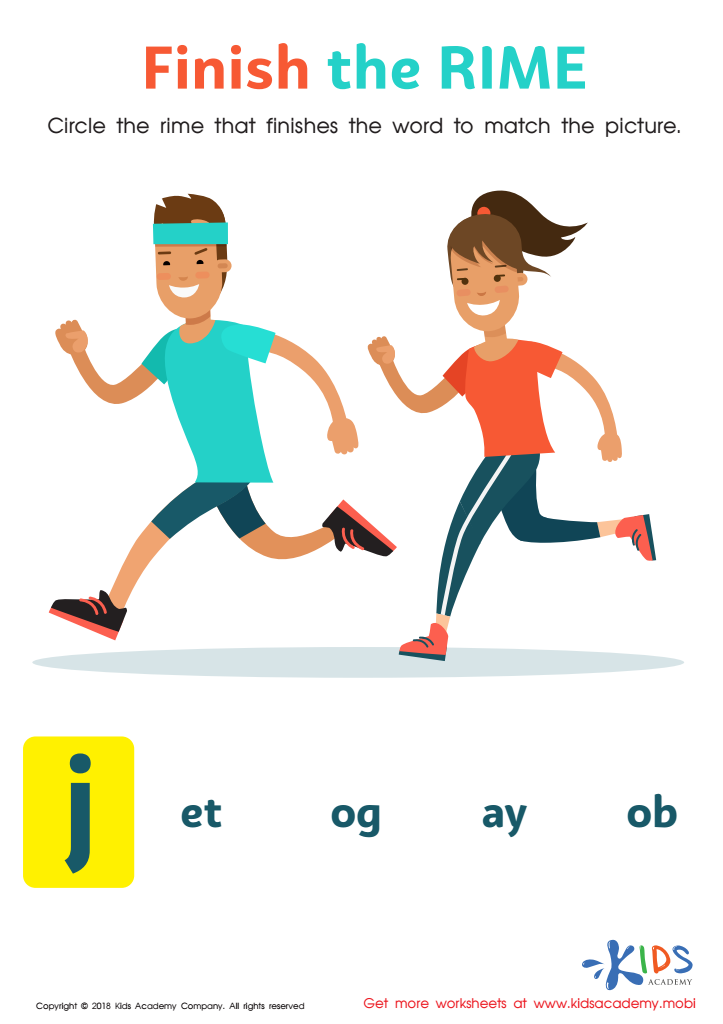
Finish the Rime Worksheet
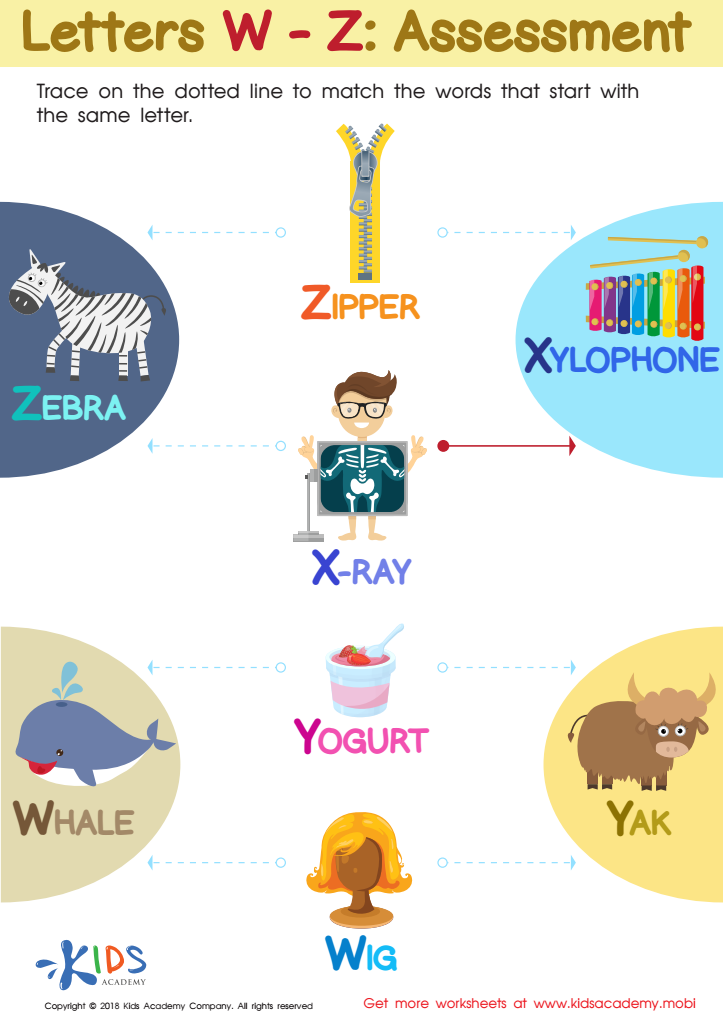
Letters W–Z Tracing Worksheet
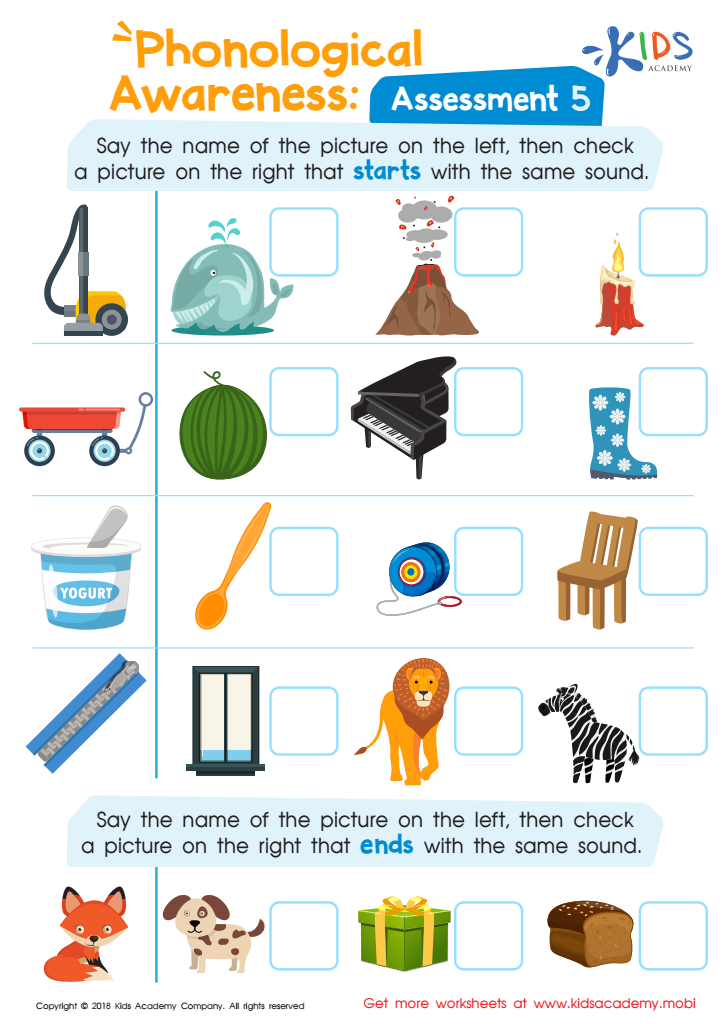
Phonological Awareness: Assessment 5 Worksheet
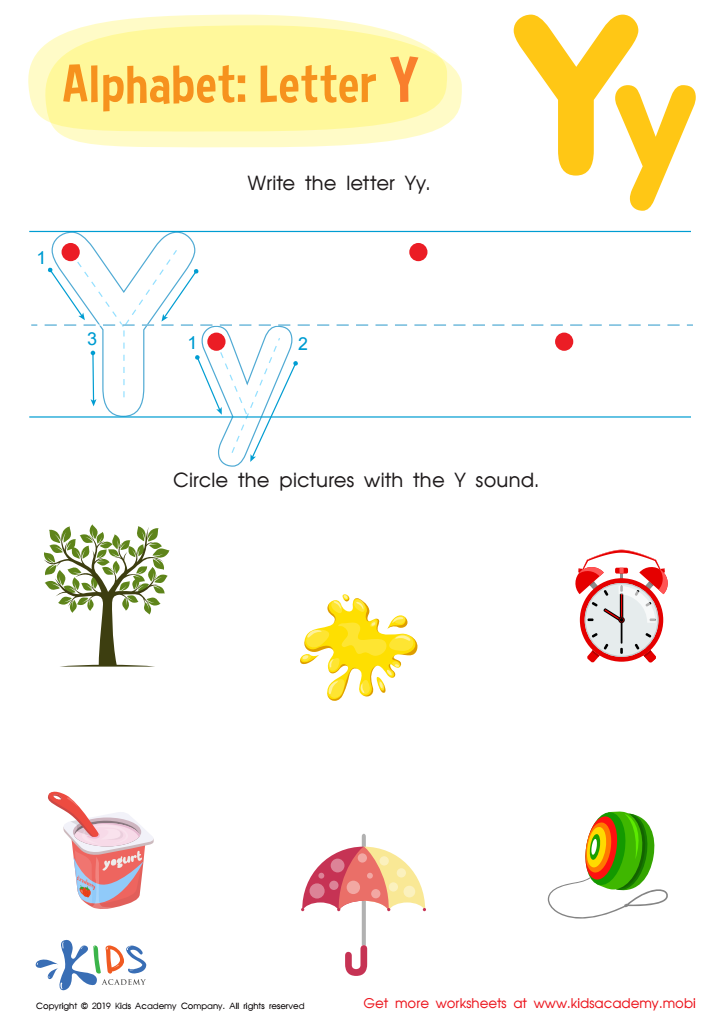
Letter Y Tracing Worksheet
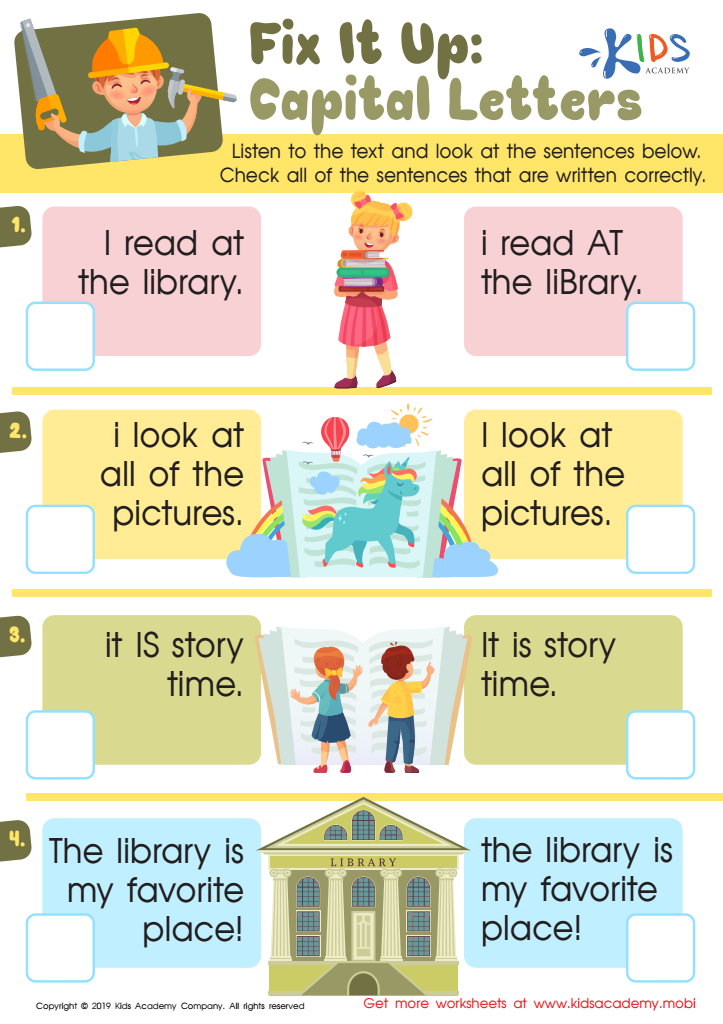
Fix Capital Letters Worksheet

Find lowercase letters a b c Worksheet
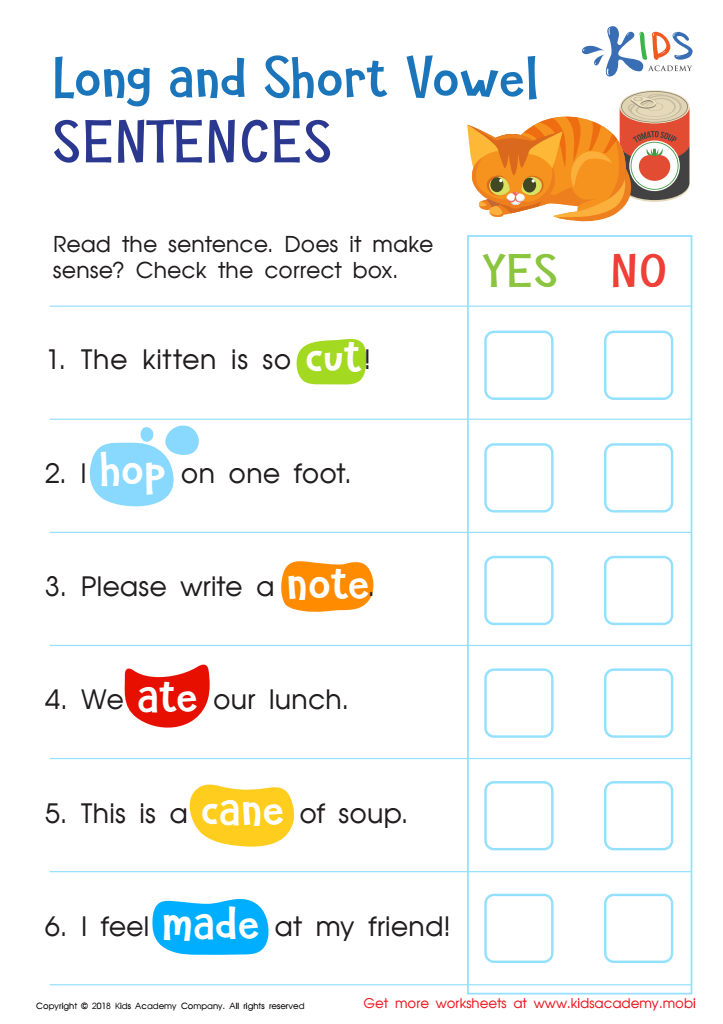
Long and Short Vowel Sentences: Assessment Worksheet
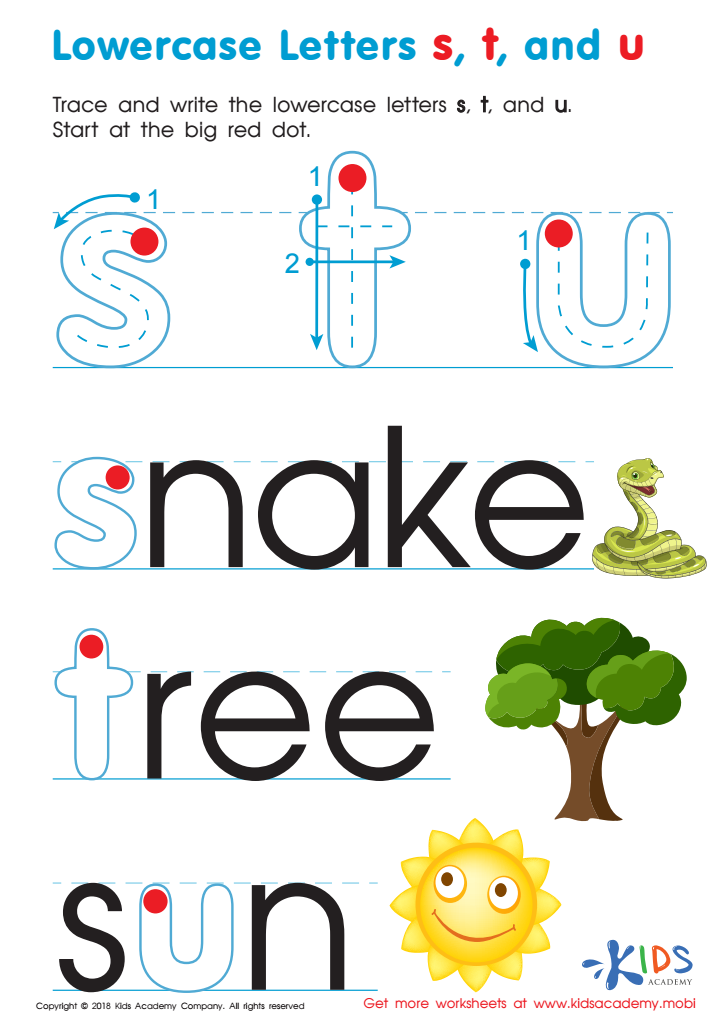
Lowercase Letters s t u Worksheet
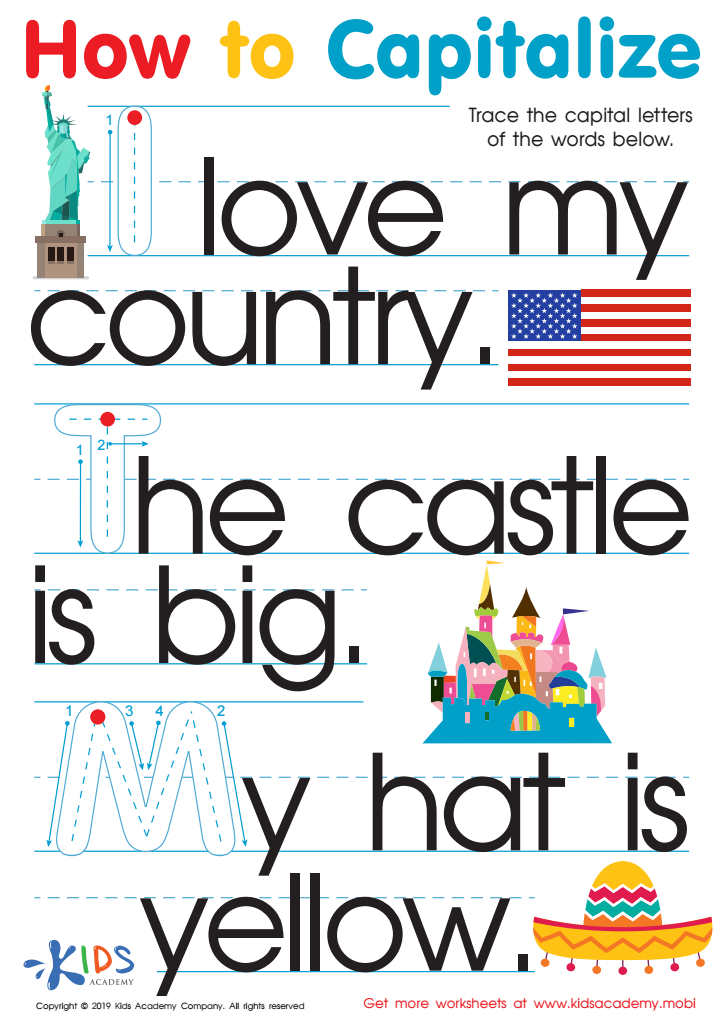
How to Capitalize Worksheet
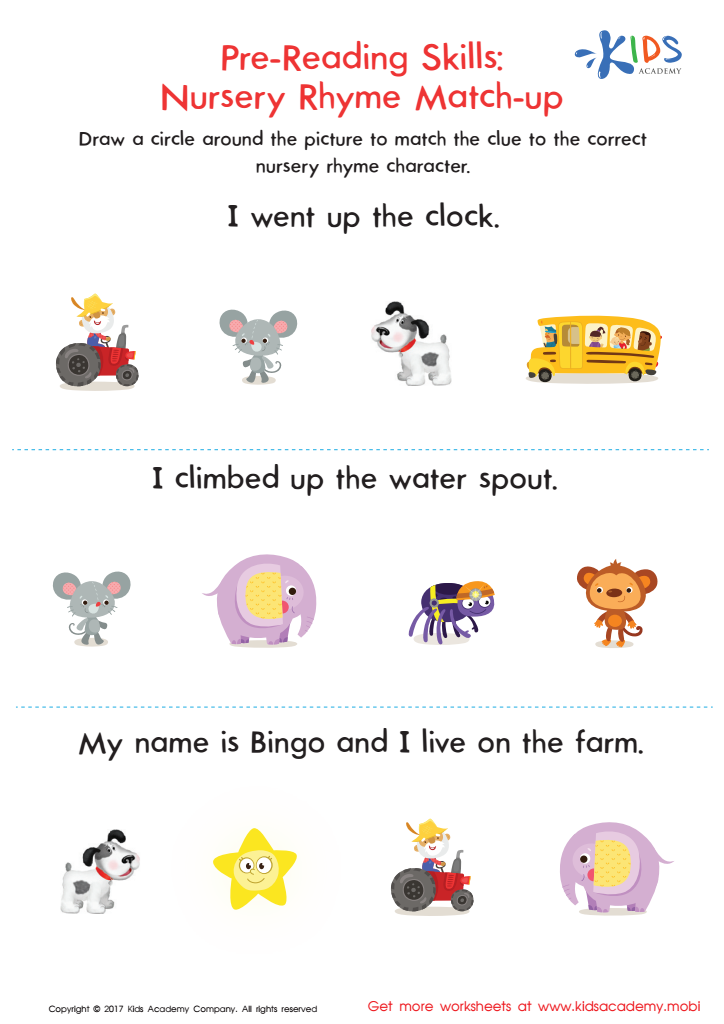
Nursery Rhyme Match–Up Worksheet
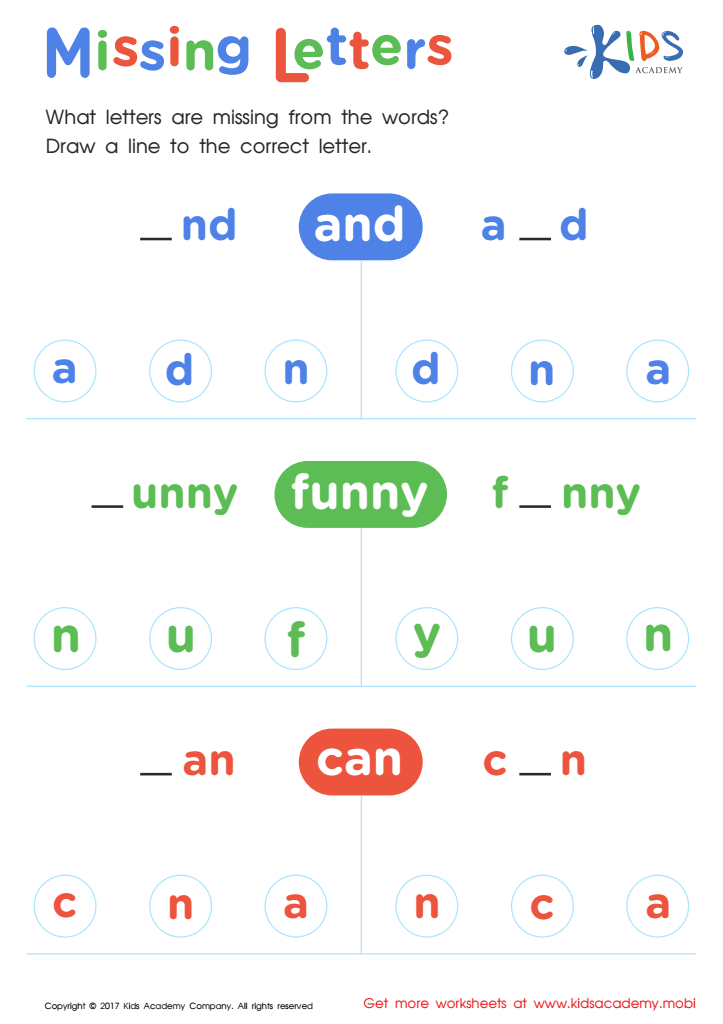
Missing Letters Worksheet
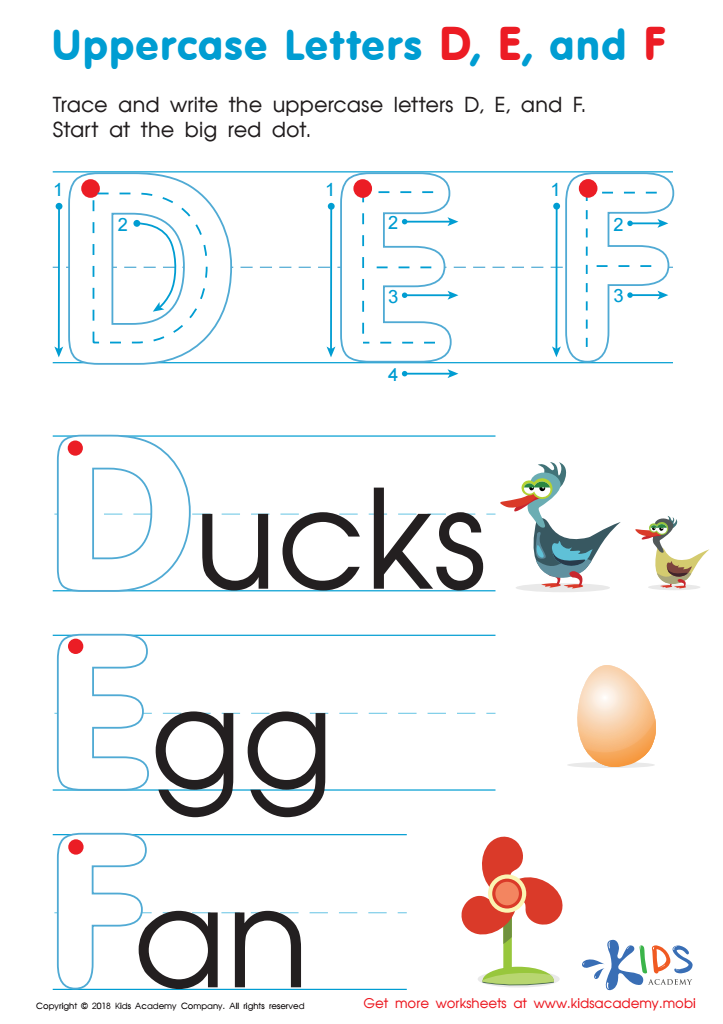
Uppercase Letters D, E, and F Worksheet
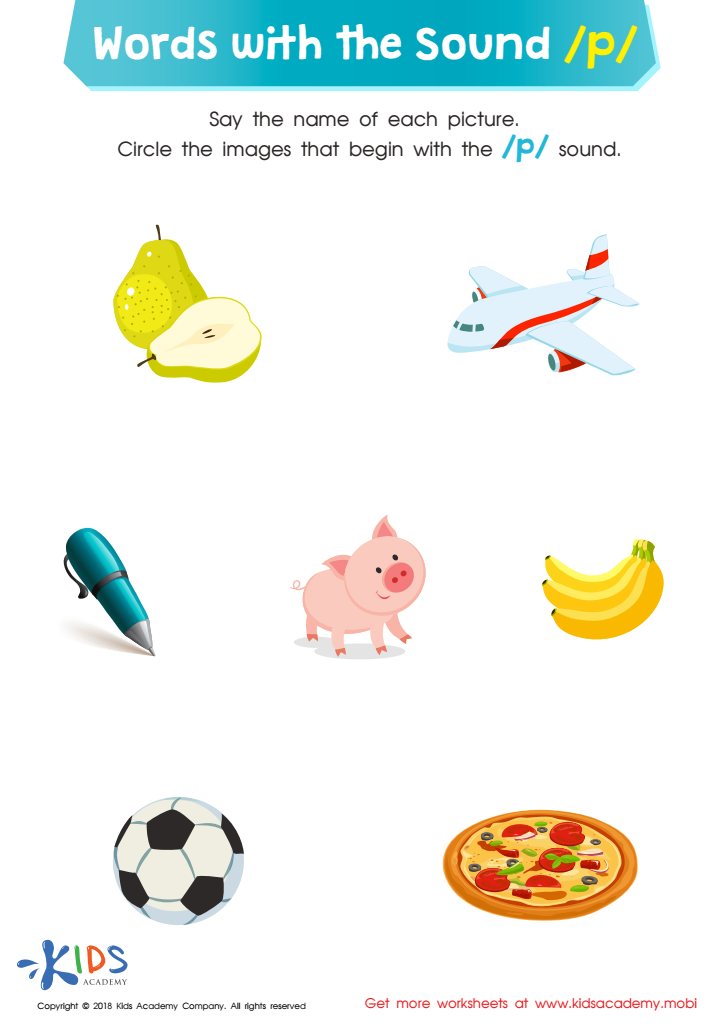
Words with sound p Reading Worksheet
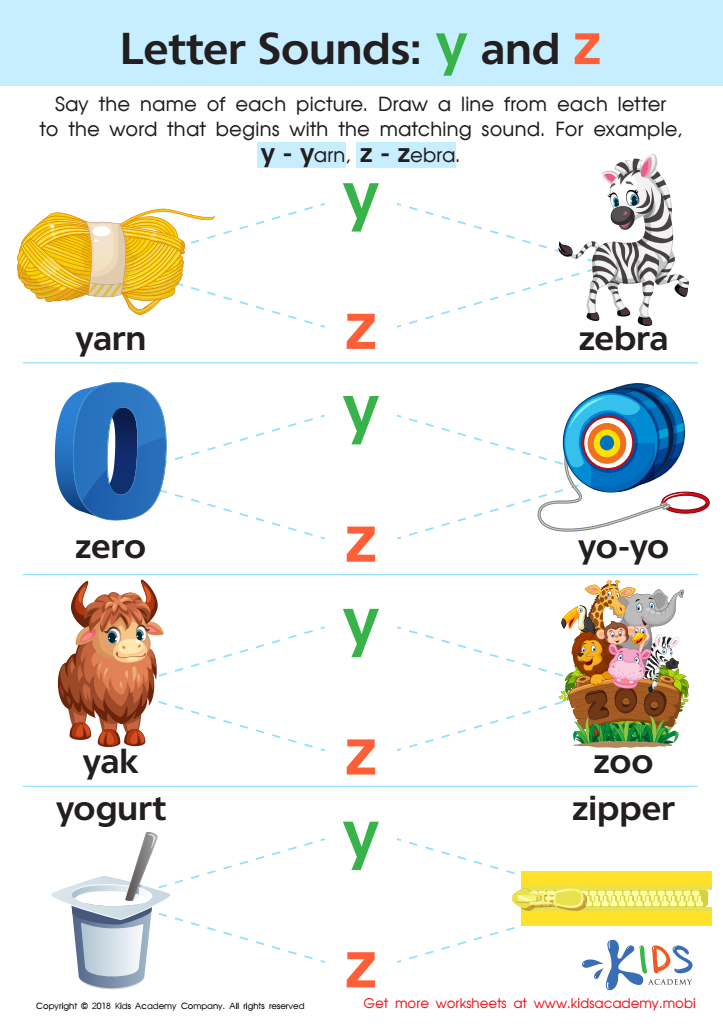
Letter Y and Z Sounds Worksheet
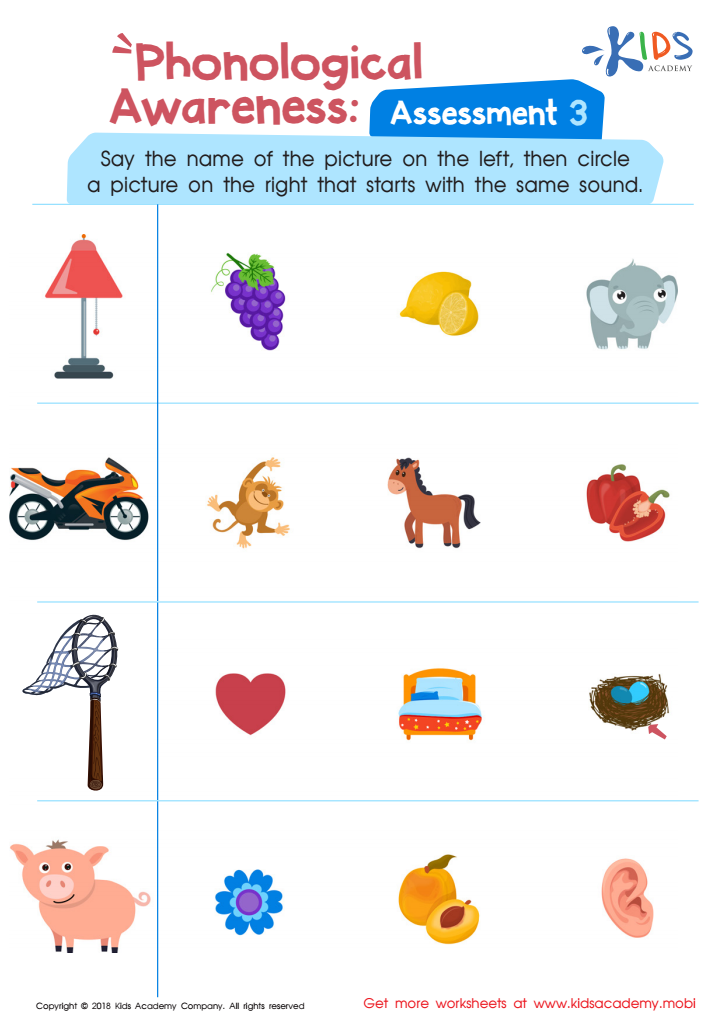
Phonological Awareness: Assessment 3 Worksheet





Introducing the alphabet to children aged 3-6 is crucial for their early literacy development, and both parents and teachers play instrumental roles in this process. At this young age, children's brains are highly adaptable and primed for learning fundamental skills, such as distinguishing and recognizing letter shapes, sounds, and names. Mastery of the alphabet serves as the foundation for developing crucial reading and writing skills.
Engaging children with the alphabet helps enhance their phonemic awareness, which is the ability to hear and manipulate the individual sounds in words—a critical predictor of reading success. Knowing the alphabet also aids in vocabulary development and spelling as it helps children understand the relationship between sounds and letters, allowing them to decode new words and build confidence as emergent readers.
Parents and teachers can incorporate alphabet learning in a fun, interactive, and pressure-free manner—through songs, stories, games, and crafts—to foster a love for reading right from the start. This integrated approach promotes positive, meaningful literacy experiences that can accommodate various learning styles among young children. Prioritizing alphabet knowledge for children aged 3-6 therefore empowers them with essential skills that serve as the bedrock for future academic success.







