Elementary Phonics Worksheets for Ages 3-6
29 filtered results
-
From - To
Discover our engaging Elementary Phonics Worksheets designed for children aged 3-6. These printable resources are perfect for early learners beginning their reading journey. Each worksheet is crafted to help young minds recognize and sound out letters, enhancing their phonemic awareness and early literacy skills. Fun and interactive activities feature colorful visuals that captivate little ones’ attention, making learning enjoyable and effective. Ideal for parents and educators alike, our worksheets provide the foundational skills necessary for successful reading development. Boost your child's confidence in phonics with our easy-to-use and educational materials suited for young learners!
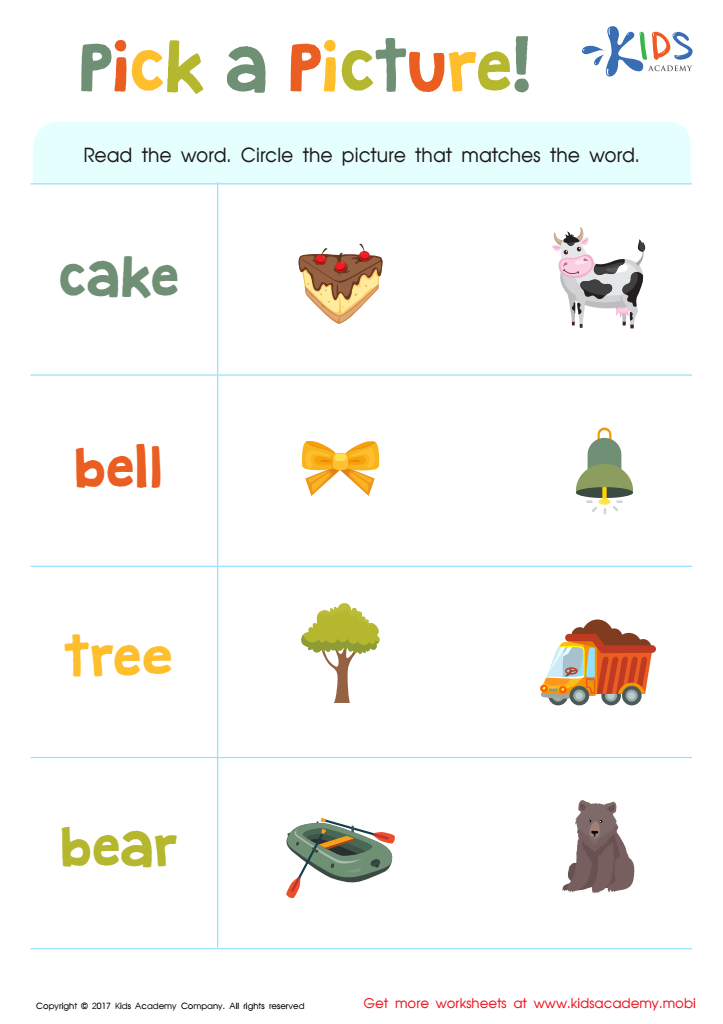
Pick a Picture Word Recognition Worksheet
 Assign to My Students
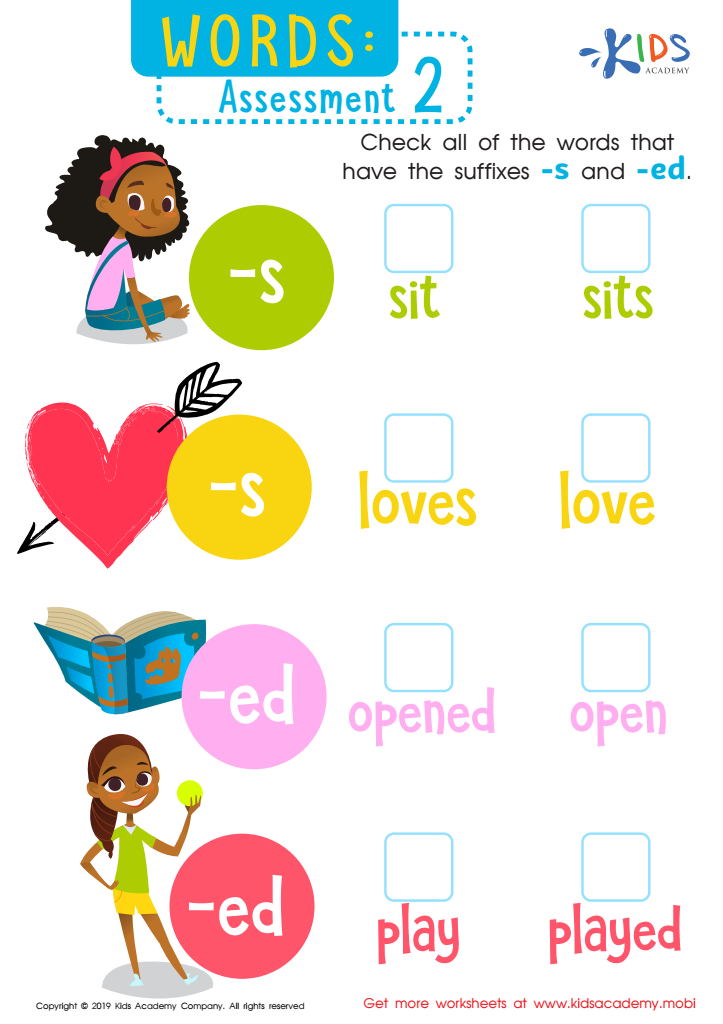
Words: Assessment 2 Worksheet
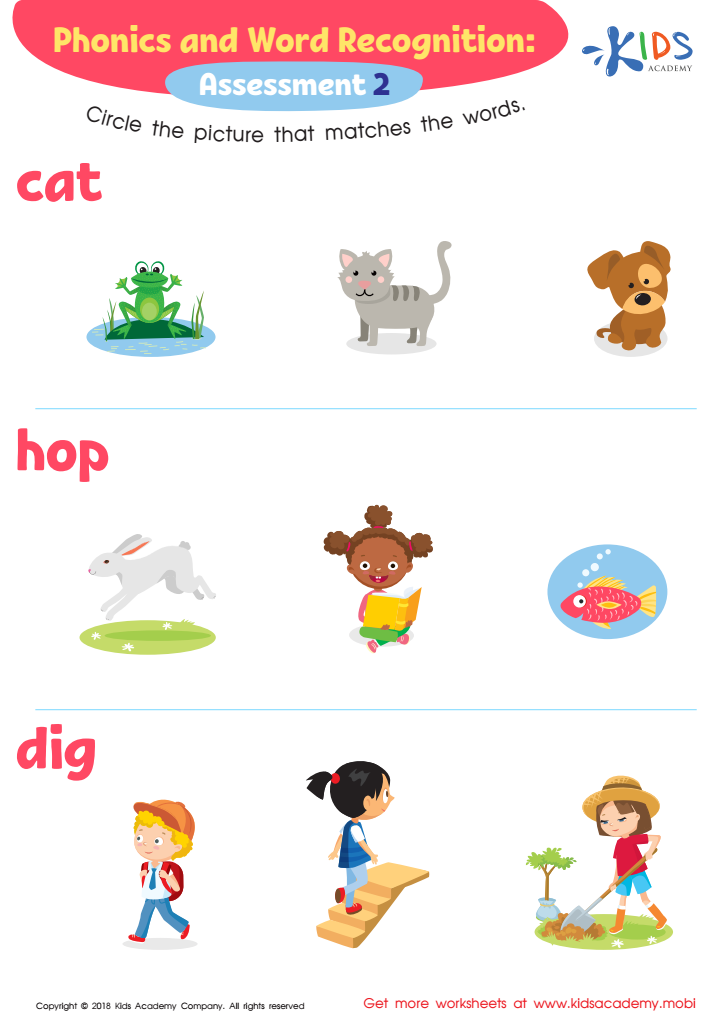
Phonological Awareness: Assessment 2 ELA Worksheet
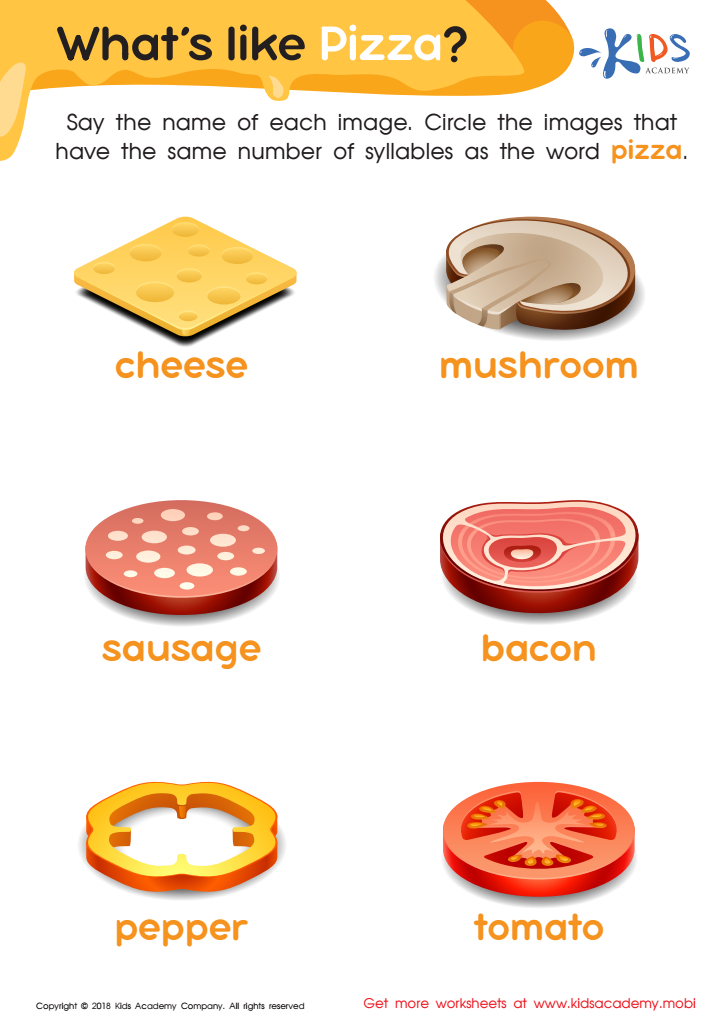
What's Like Pizza? Worksheet
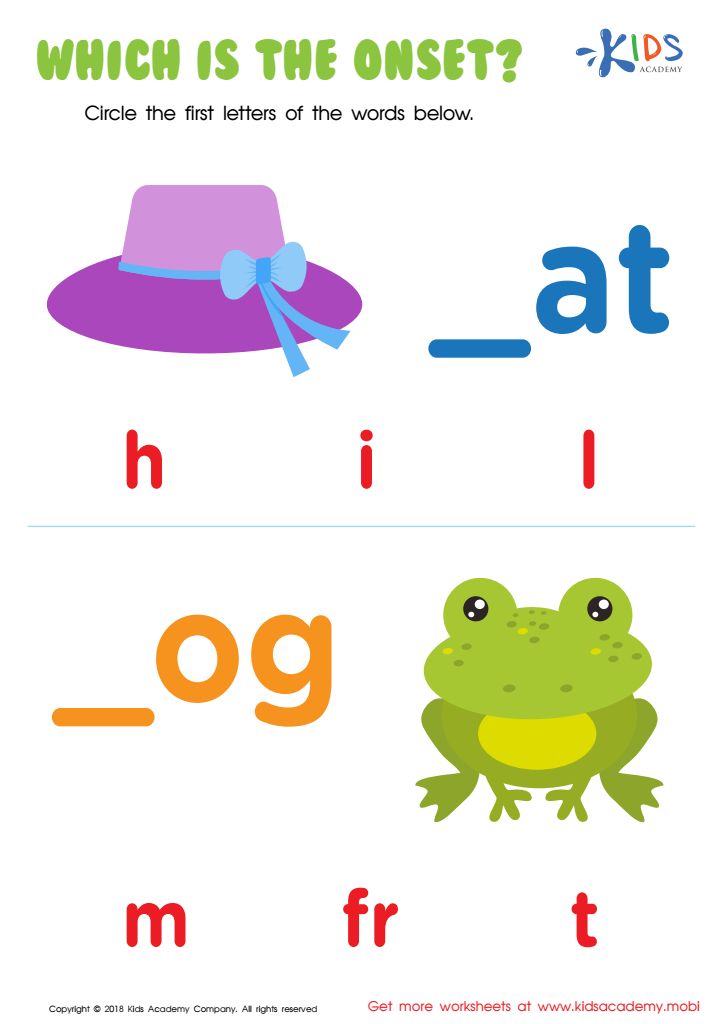
Which Is the Onset? Worksheet
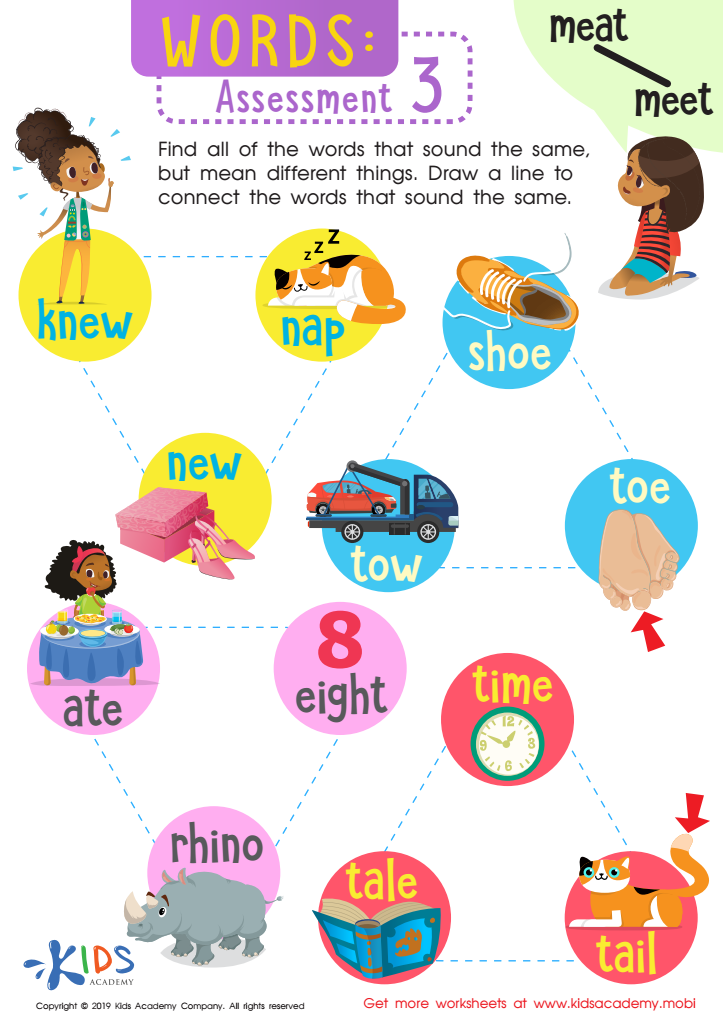
Words: Asessment 3 Worksheet
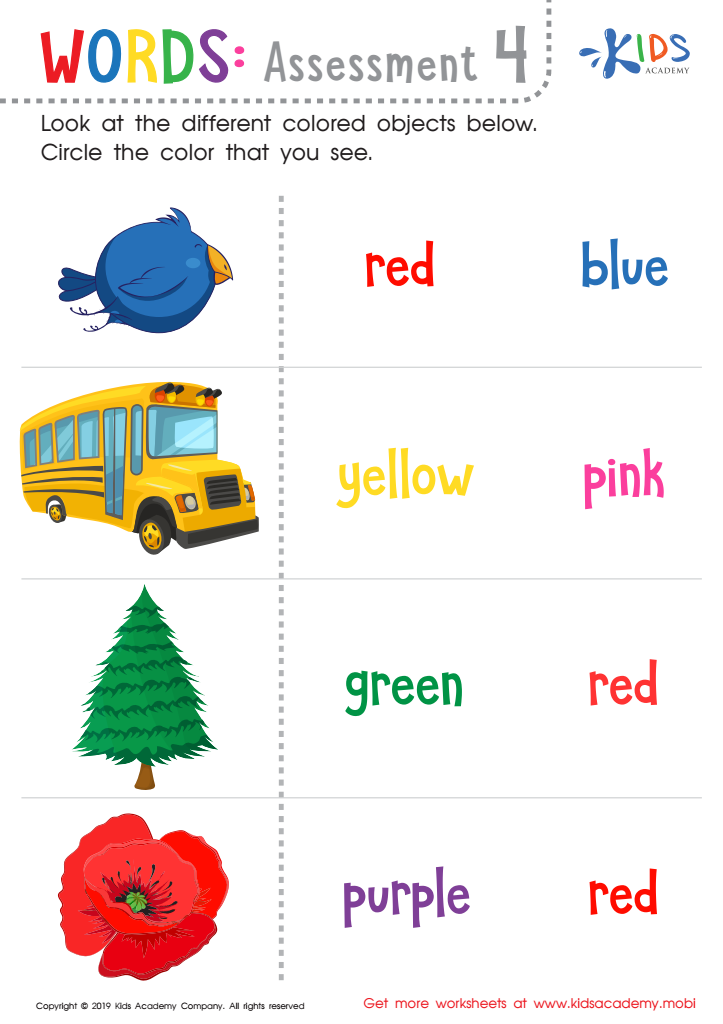
Words: Assessment 4 Worksheet
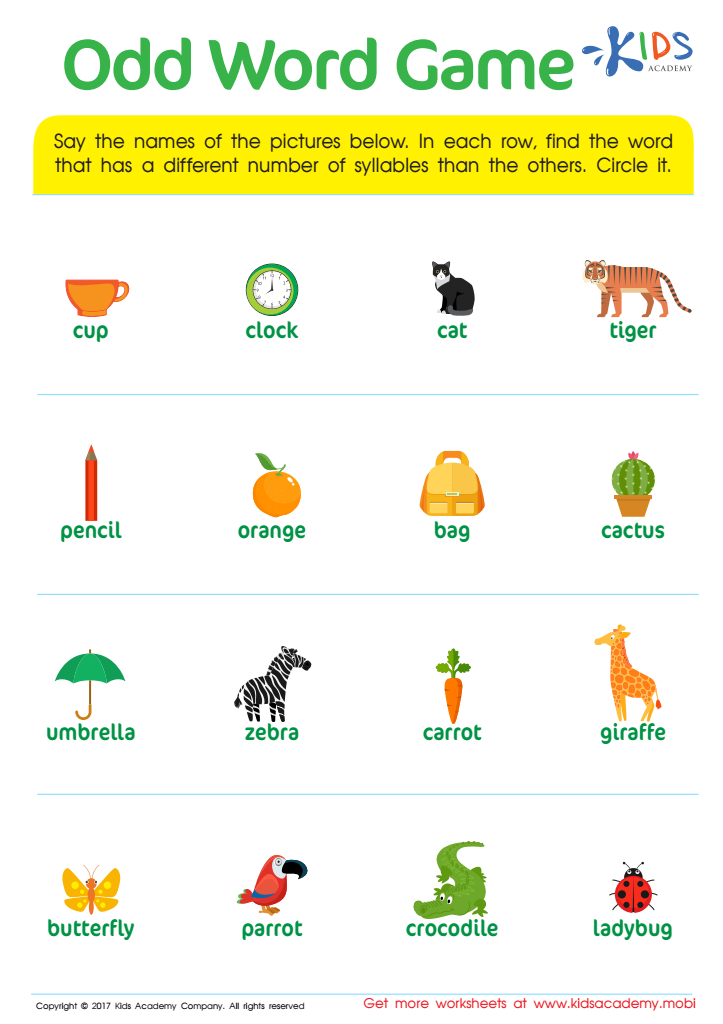
Count Syllables: Odd Word Game Worksheet
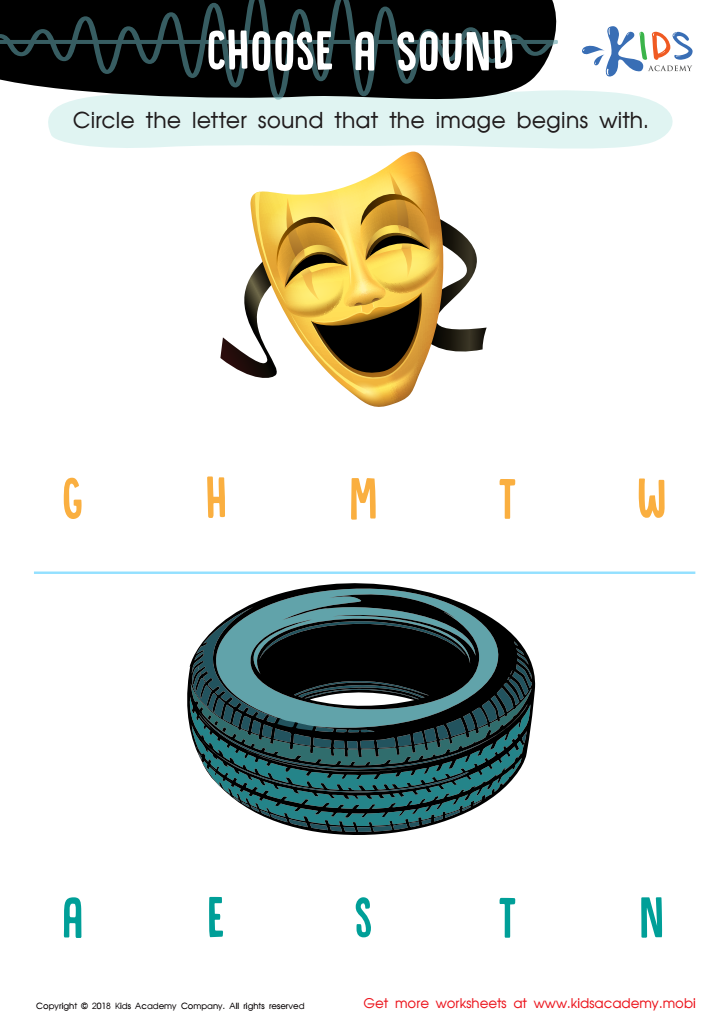
Choose a Sound Worksheet
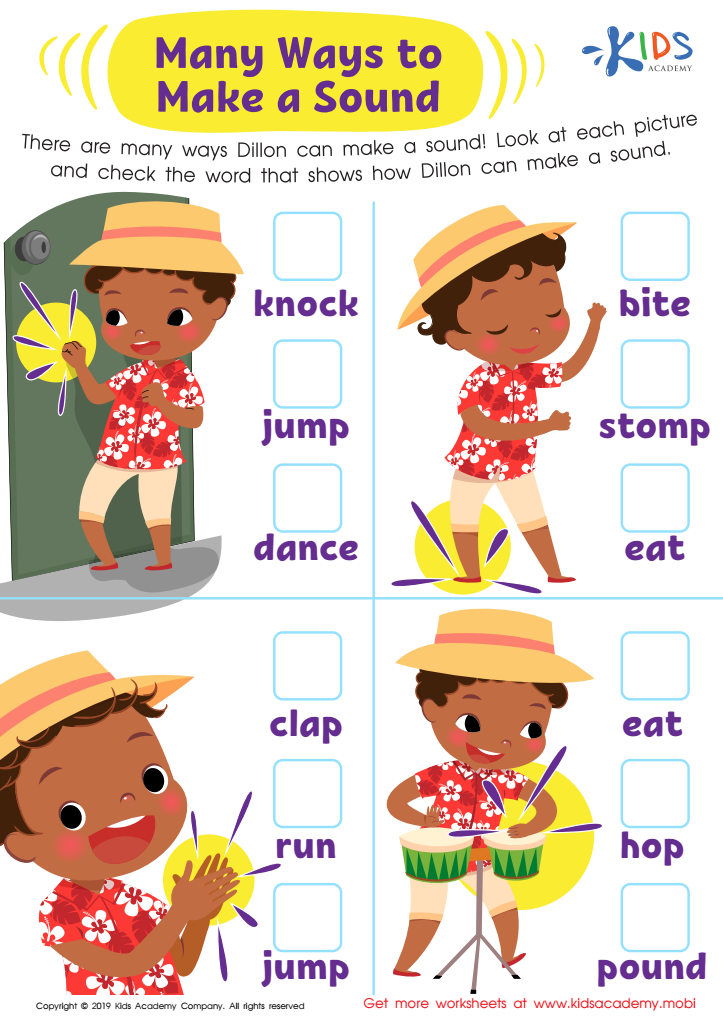
Many Ways to Make a Sound Worksheet
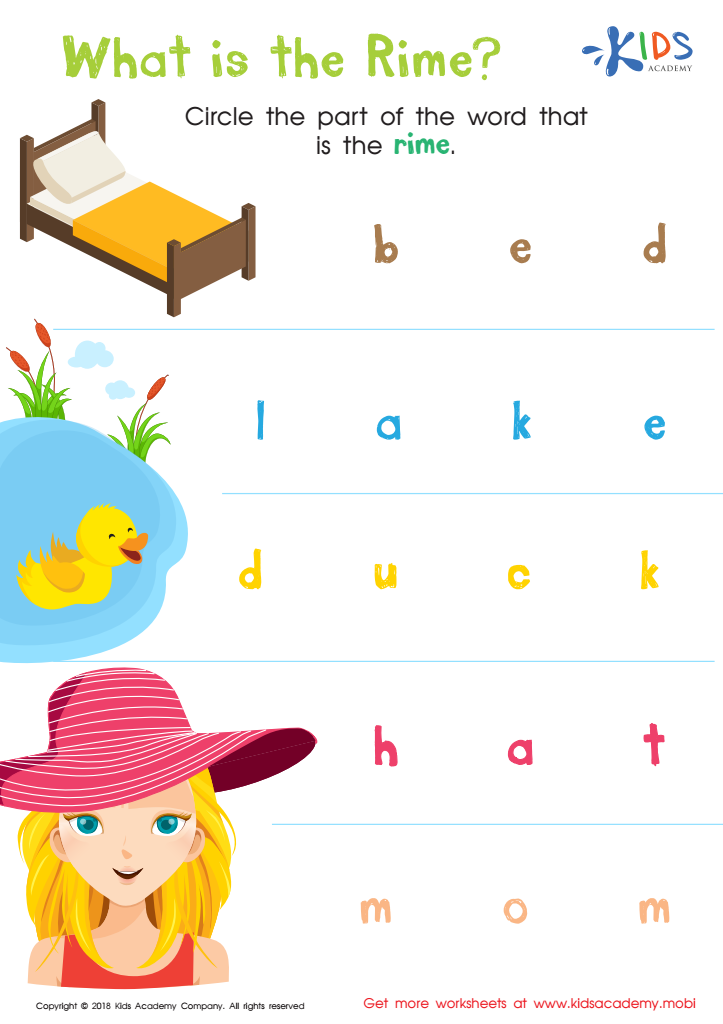
What Is the Rime? Worksheet
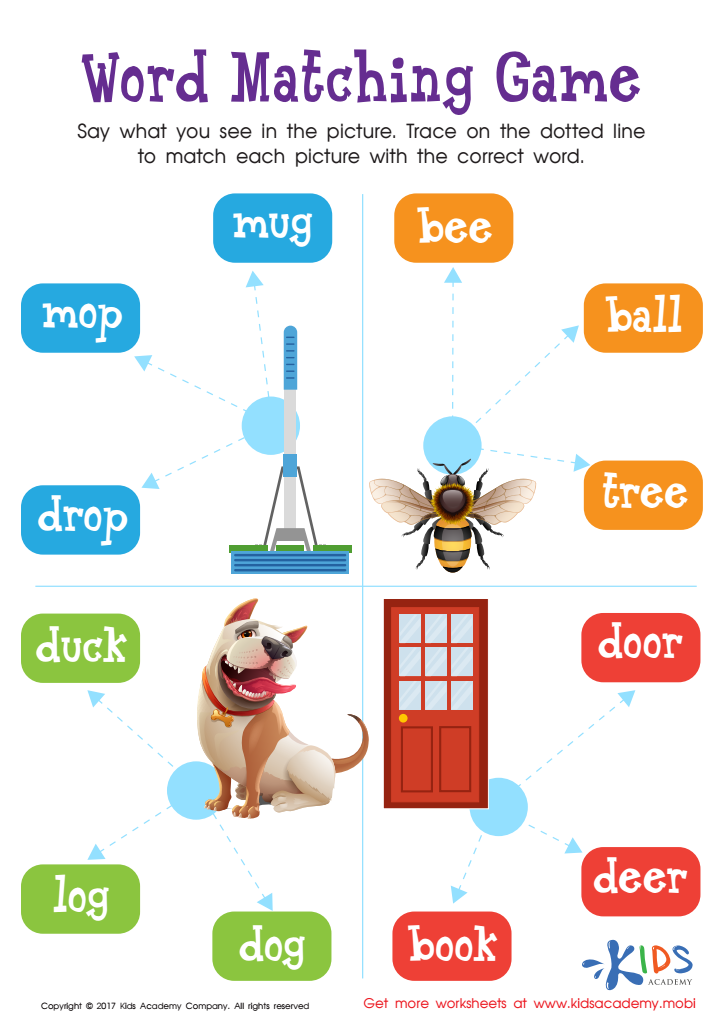
Word Matching Game Worksheet
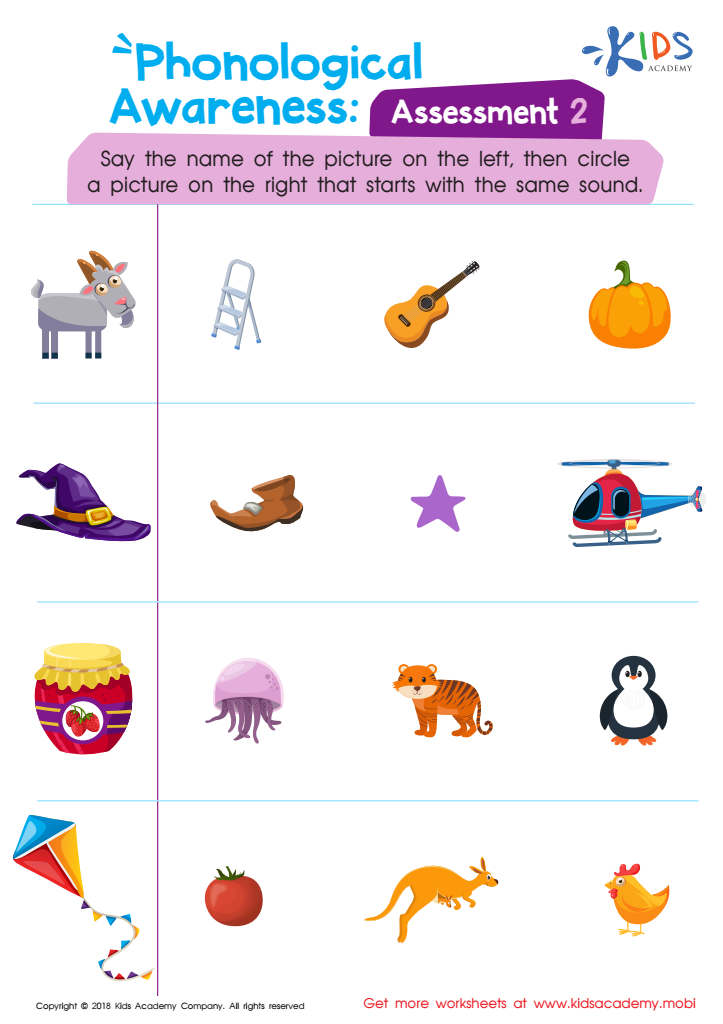
Phonological Awareness: Assessment 2 Worksheet
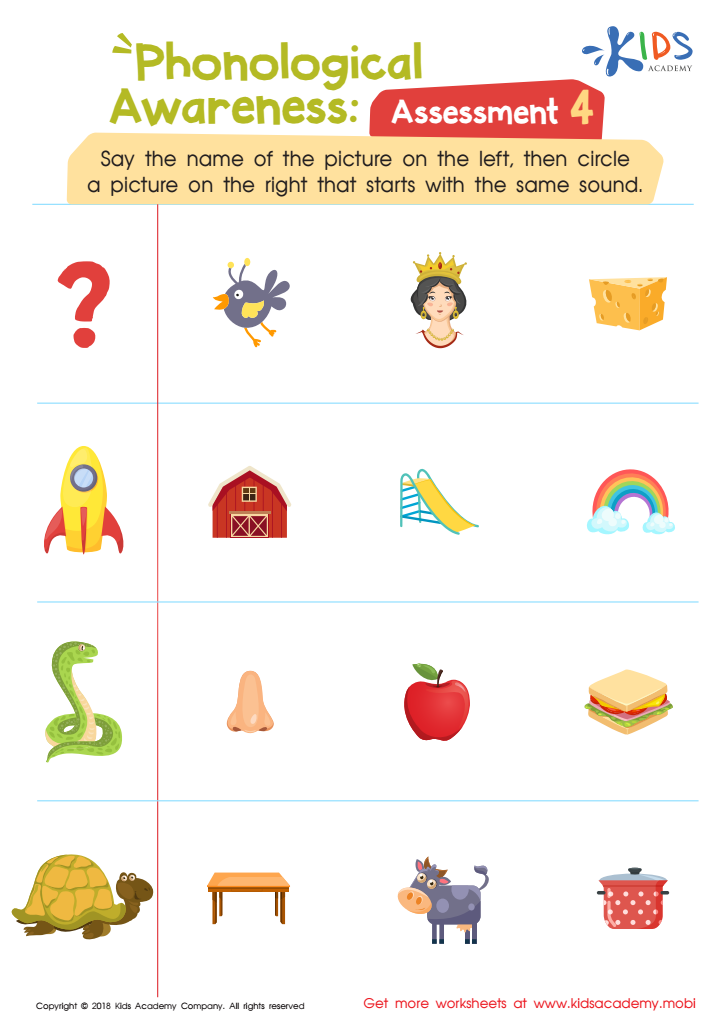
Phonological Awareness: Assessment 4 Worksheet
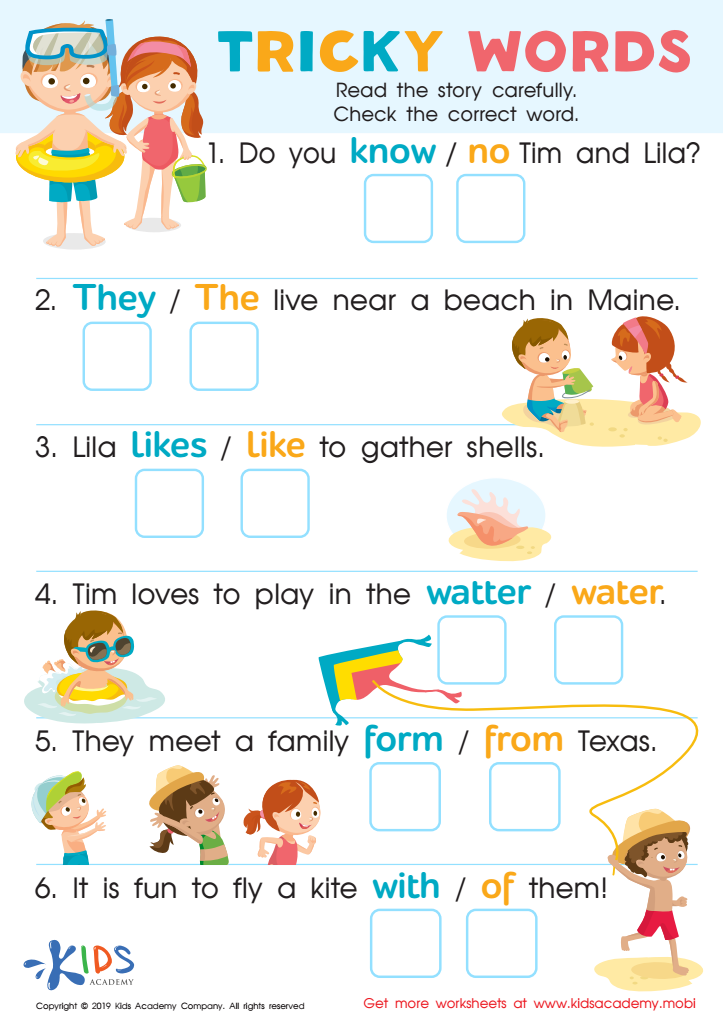
Tricky Words Worksheet
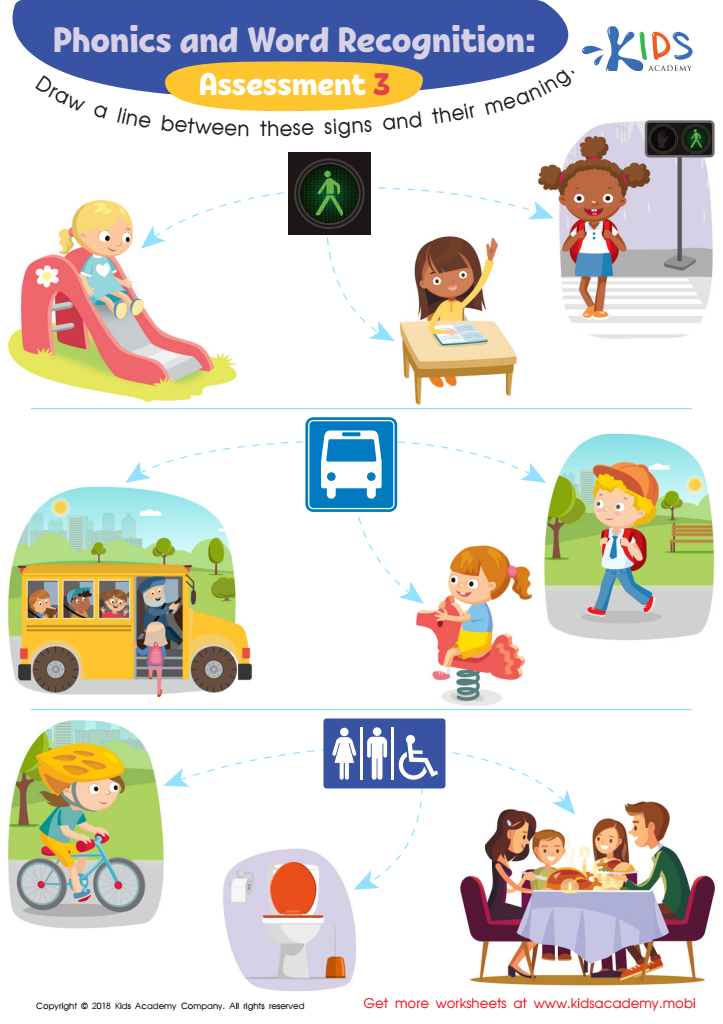
Phonological Awareness: Assessment 3 ELA Worksheet
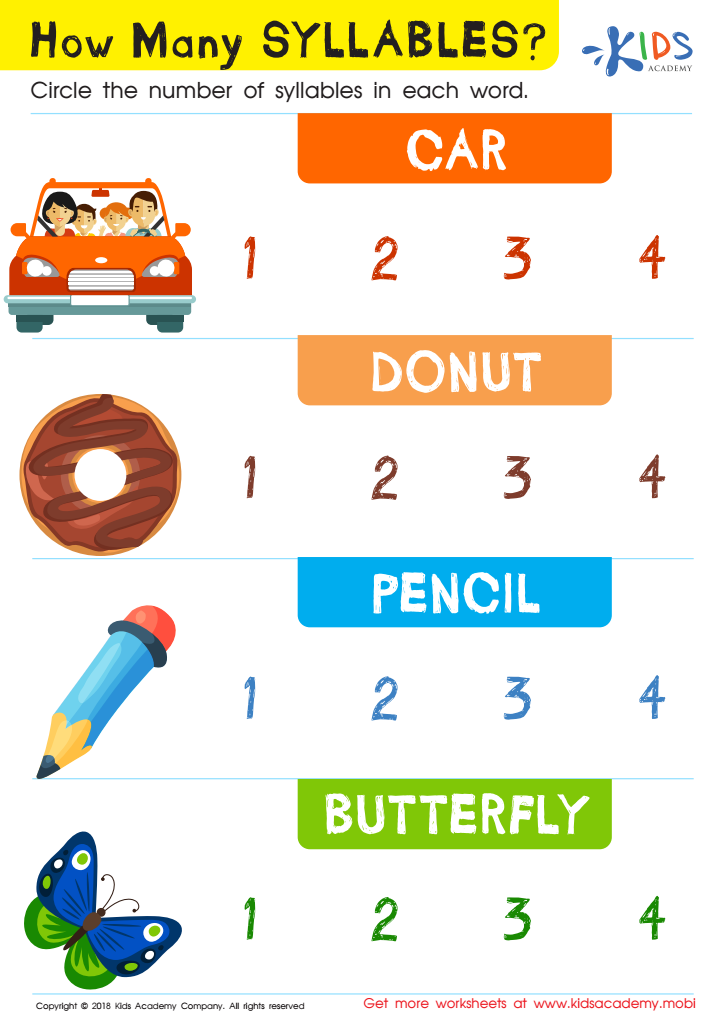
How Many Syllables? Worksheet
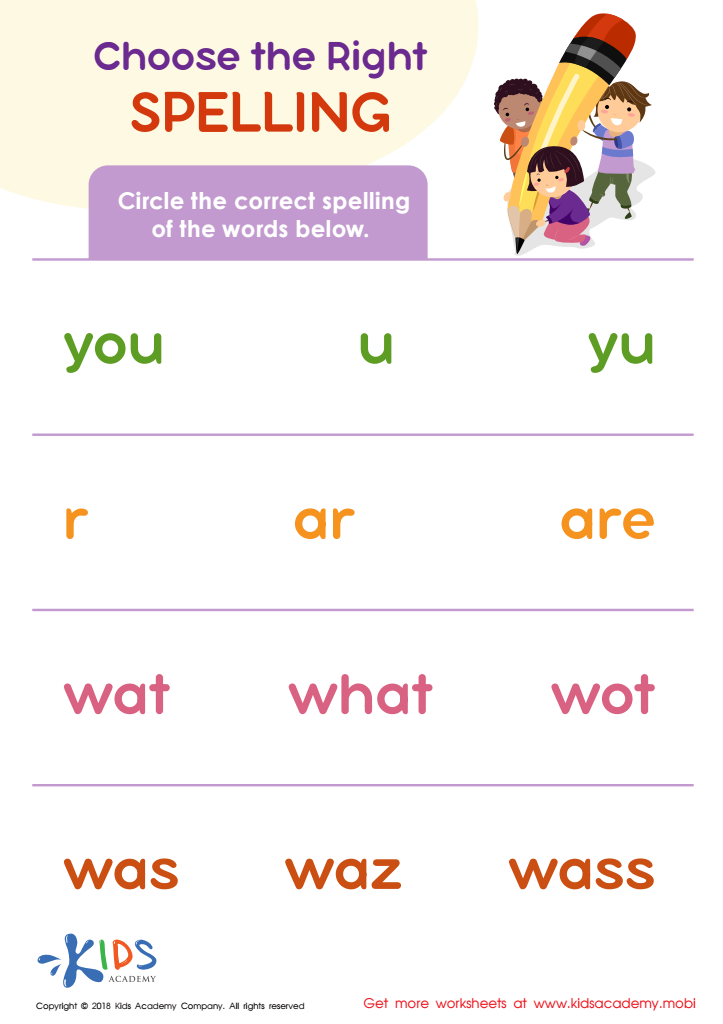
Choose the Right Spelling Worksheet
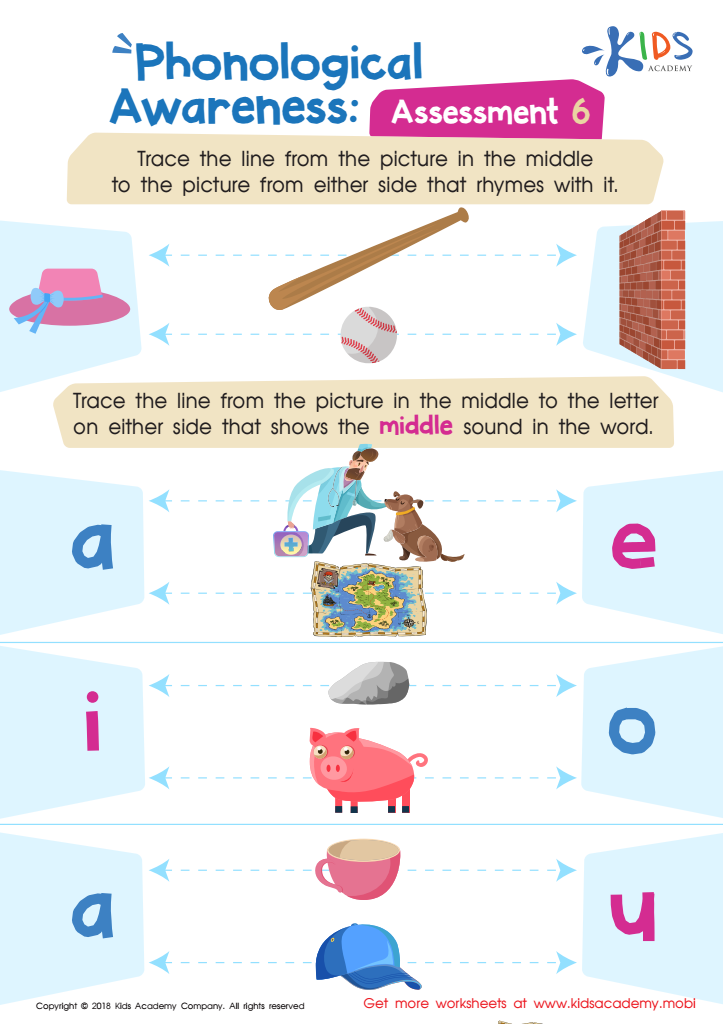
Phonological Awareness: Assessment 6 Worksheet
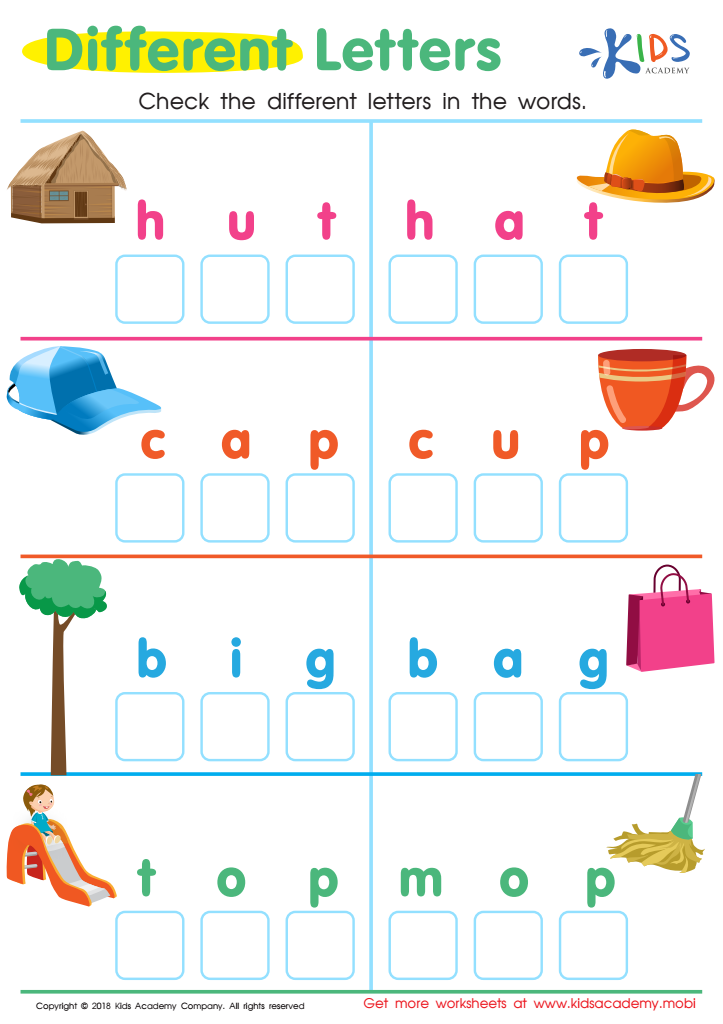
Different Letters Reading Worksheet
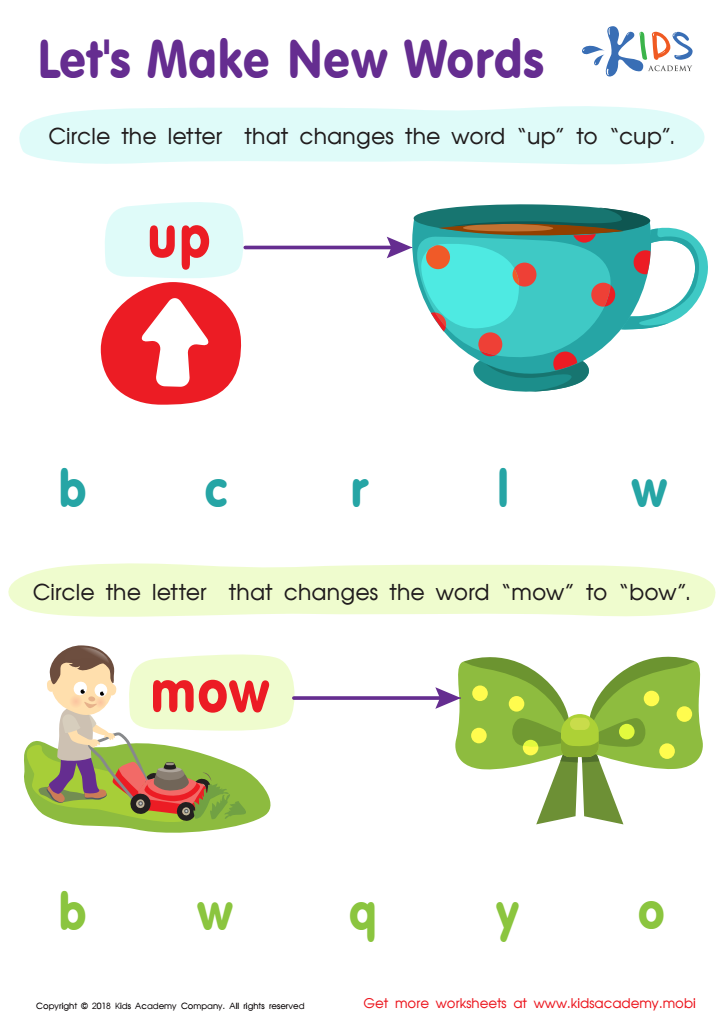
Let's Make New Words Worksheet
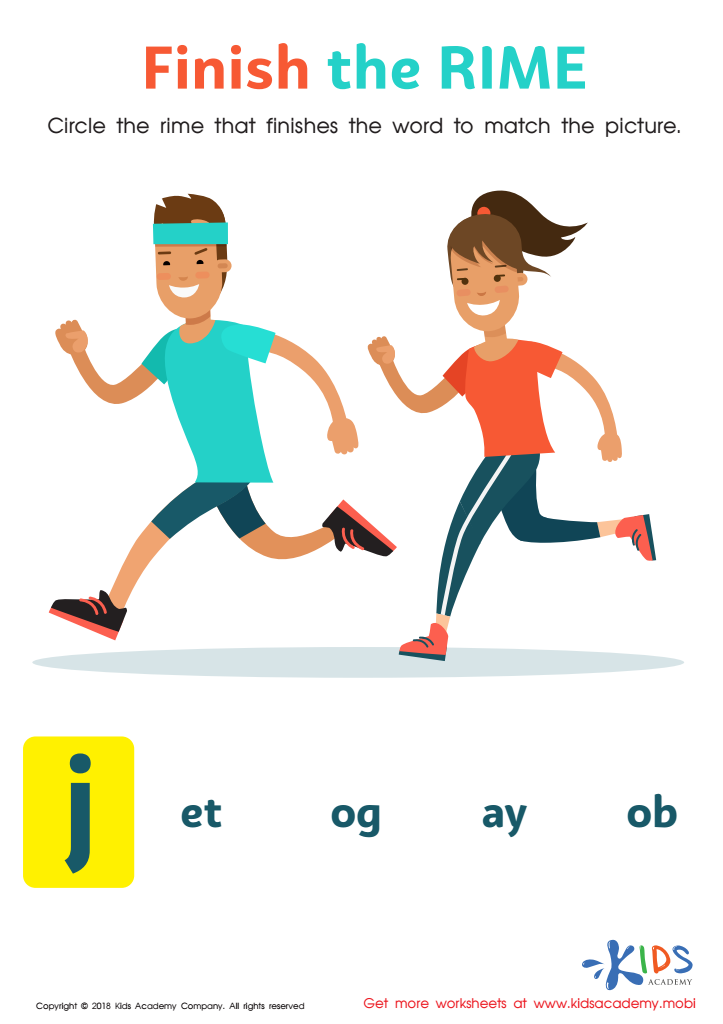
Finish the Rime Worksheet
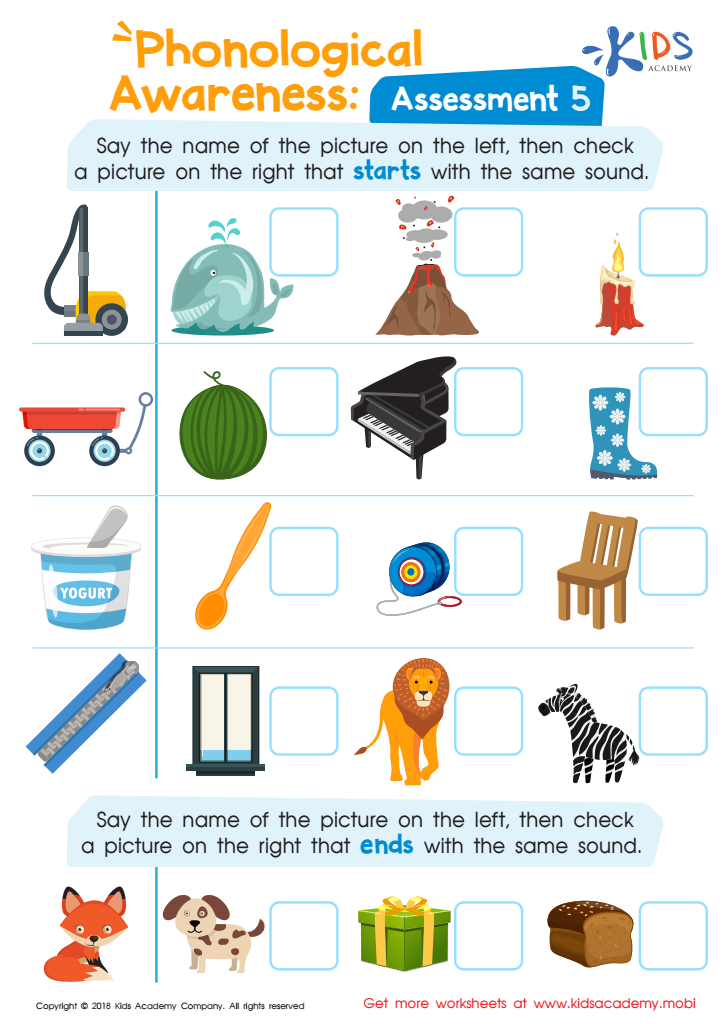
Phonological Awareness: Assessment 5 Worksheet
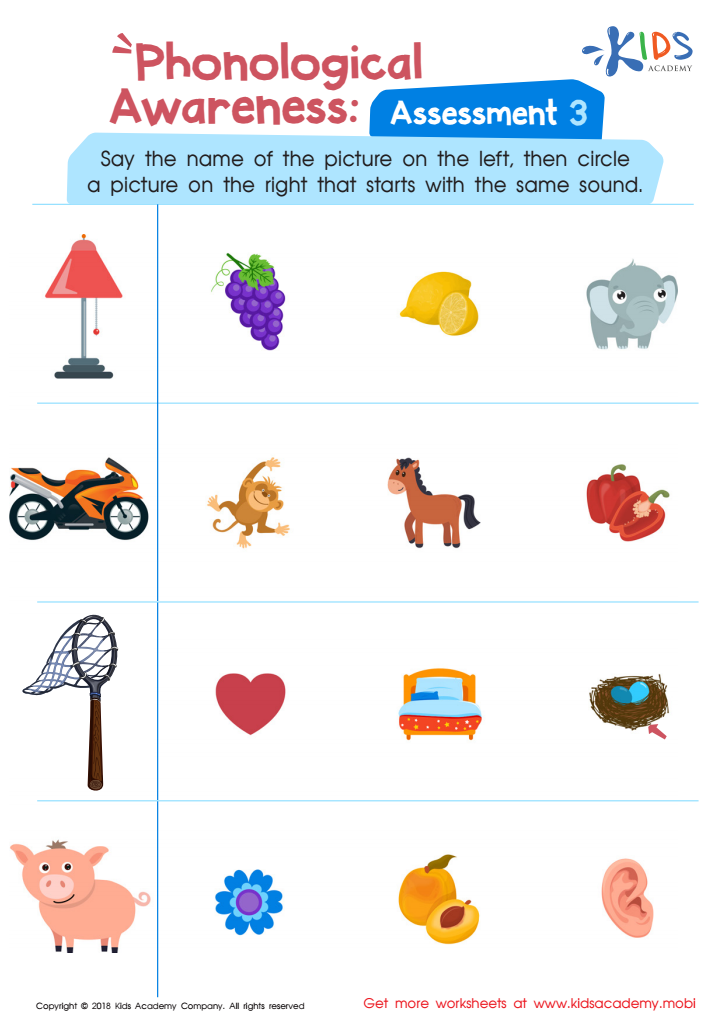
Phonological Awareness: Assessment 3 Worksheet




Elementary phonics for ages 3-6 is crucial because it lays the foundation for effective reading and writing skills, which are essential for a child's academic success and lifelong learning. During these formative years, children's brains are highly receptive to language acquisition. By introducing phonics early, parents and teachers can help children understand the relationship between letters and sounds, enabling them to decode words accurately and efficiently.
Phonics instruction also supports the development of vocabulary, comprehension, and spelling skills. When children grasp phonetic patterns, they can more easily sound out unfamiliar words, leading to improved fluency and confidence in reading. This early mastery can prevent future reading difficulties and foster a love for books and learning.
Moreover, early phonics education aligns with the way children naturally learn. Interactive activities like songs, rhymes, and games make it an engaging and enjoyable process, tapping into their innate curiosity and joy for exploration.
Neglecting phonics can delay reading progress, causing frustration and potential setbacks in other academic areas. Therefore, investing time and resources in a solid phonics foundation during these early years equips children with critical skills that will benefit them throughout their education and beyond. This proactive approach enables children to become proficient readers, opening doors to a world of knowledge and opportunities.







