Subtraction Worksheets for Ages 3-6 - Page 3
70 filtered results
-
From - To
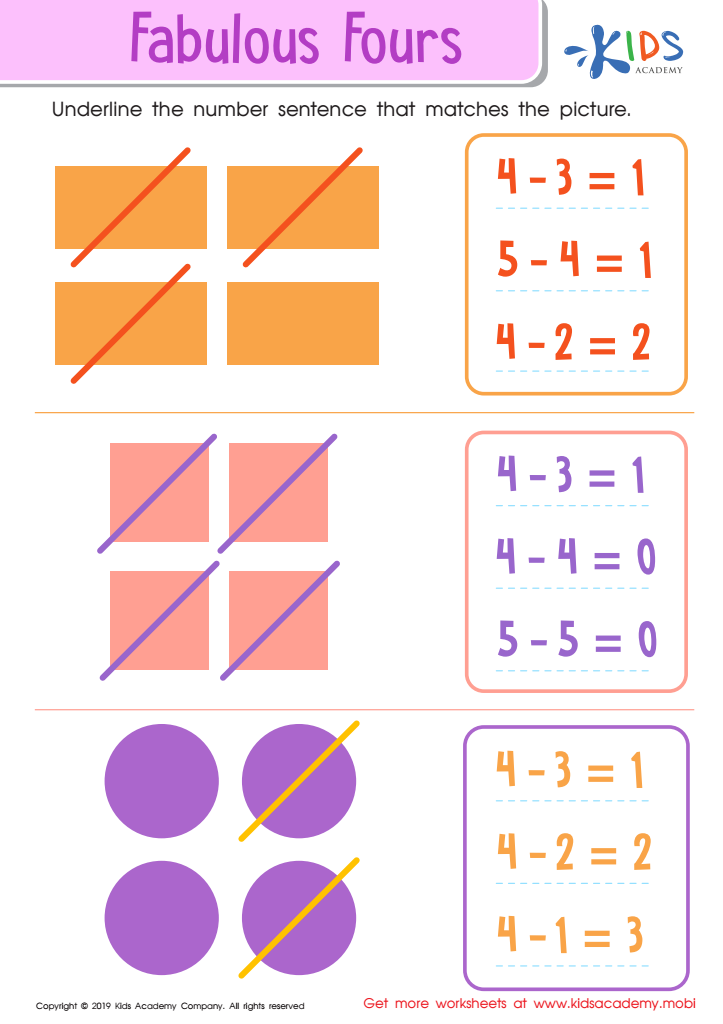
Fabulous Fours Worksheet
 Assign to My Students
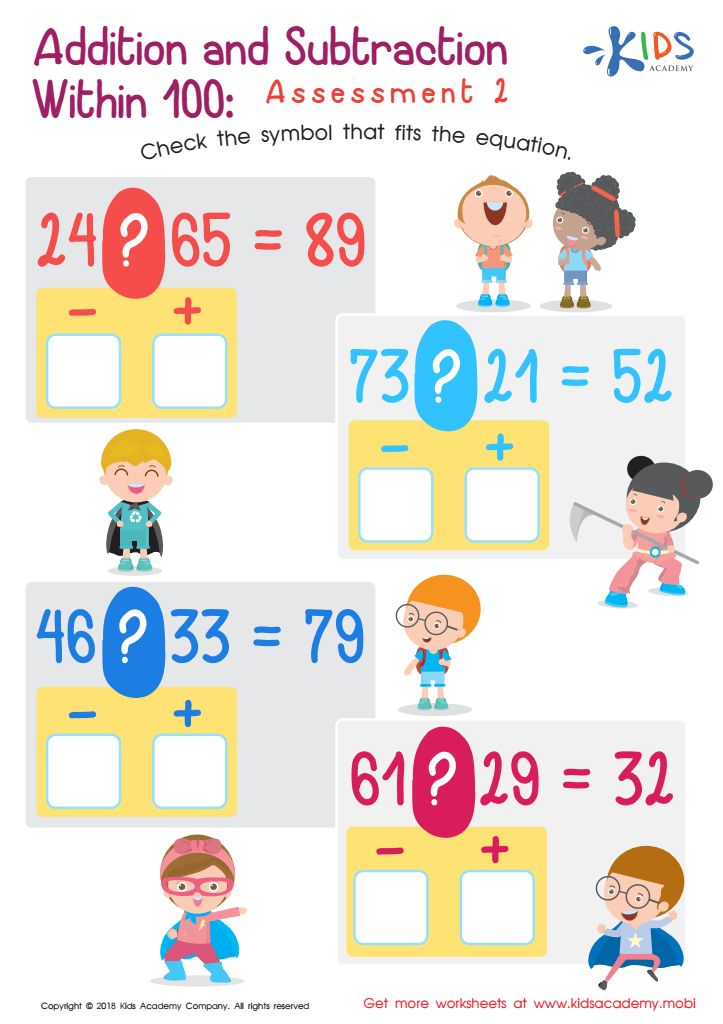
Addition and Subtraction Within 1: Assessment 2 Worksheet
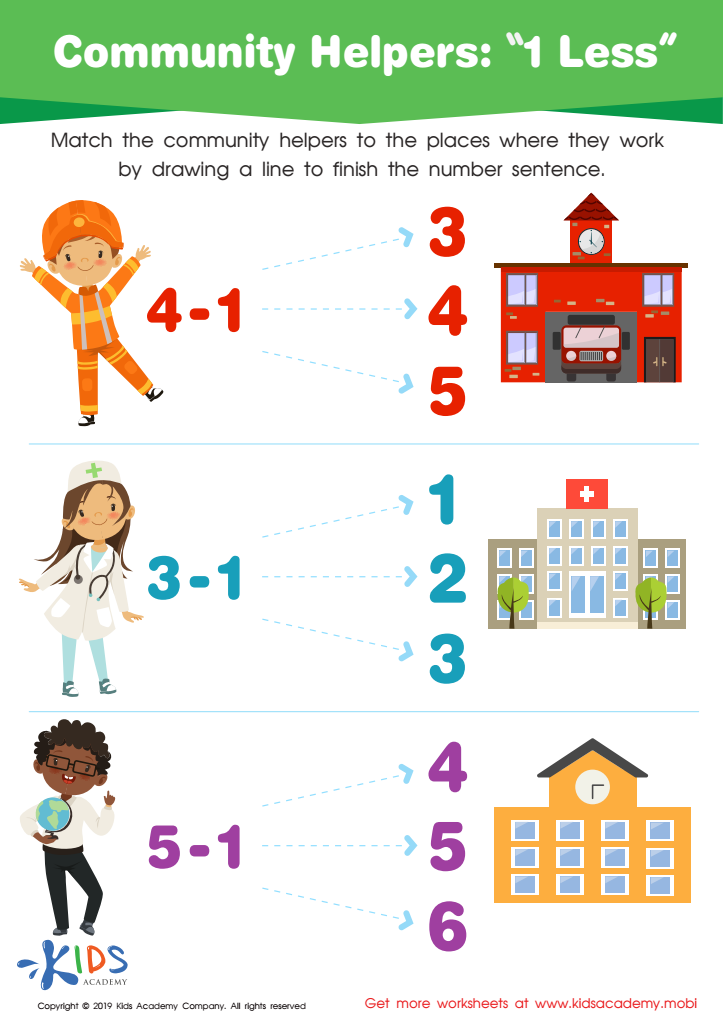
Community Helpers: 1 less Worksheet
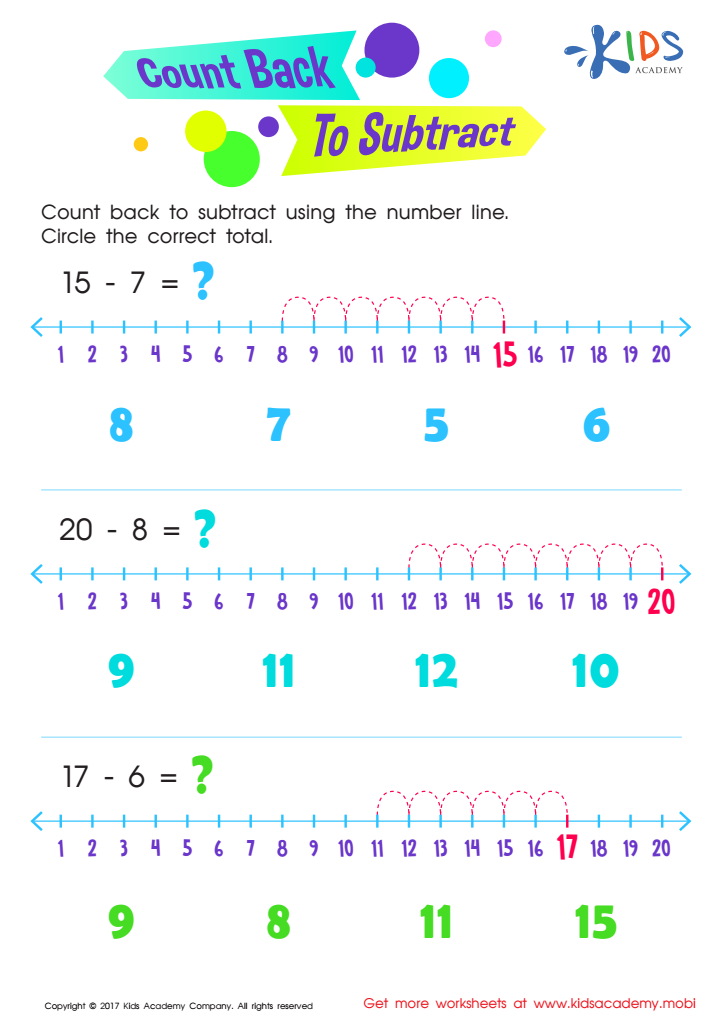
Count Back to Subtract Substraction Worksheet
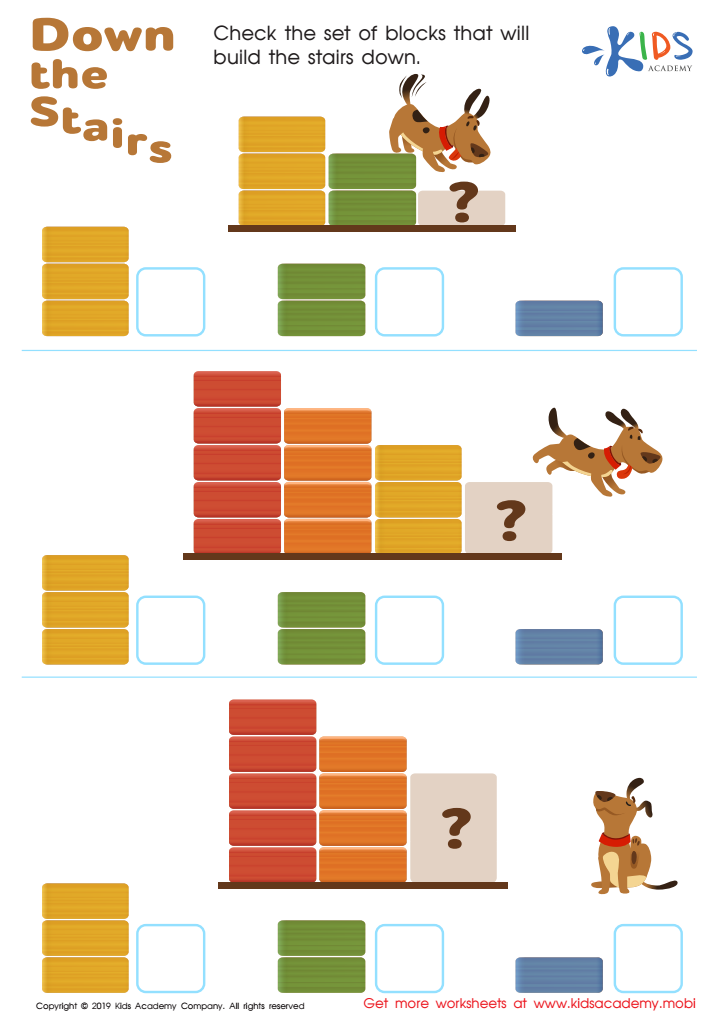
Down the Stairs Worksheet
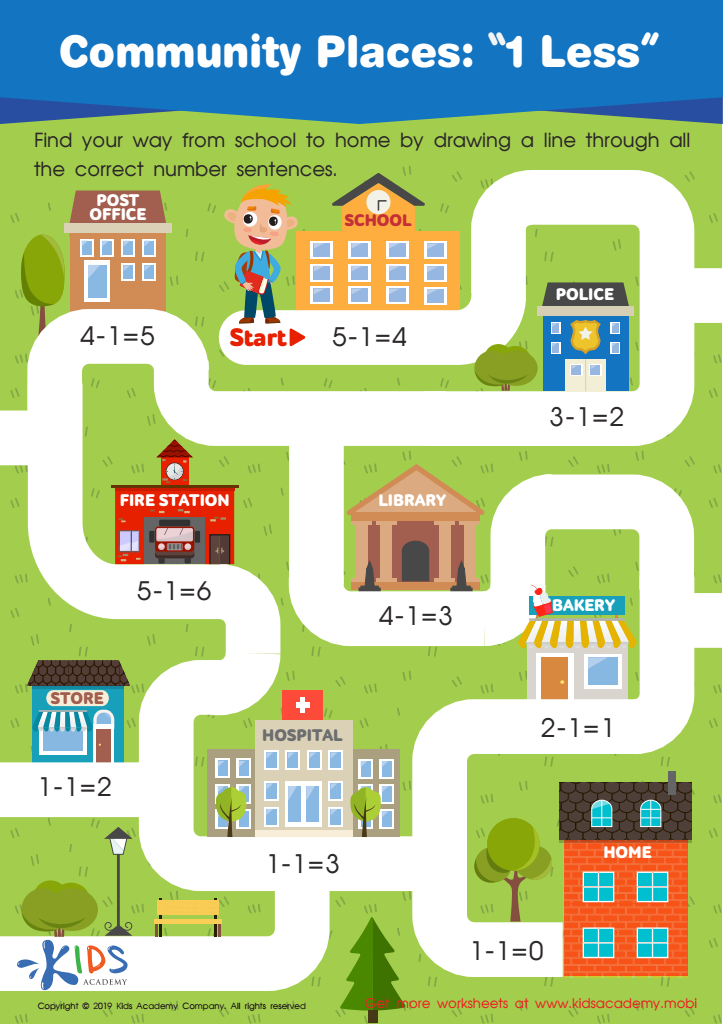
Community Places: 1 Less Worksheet
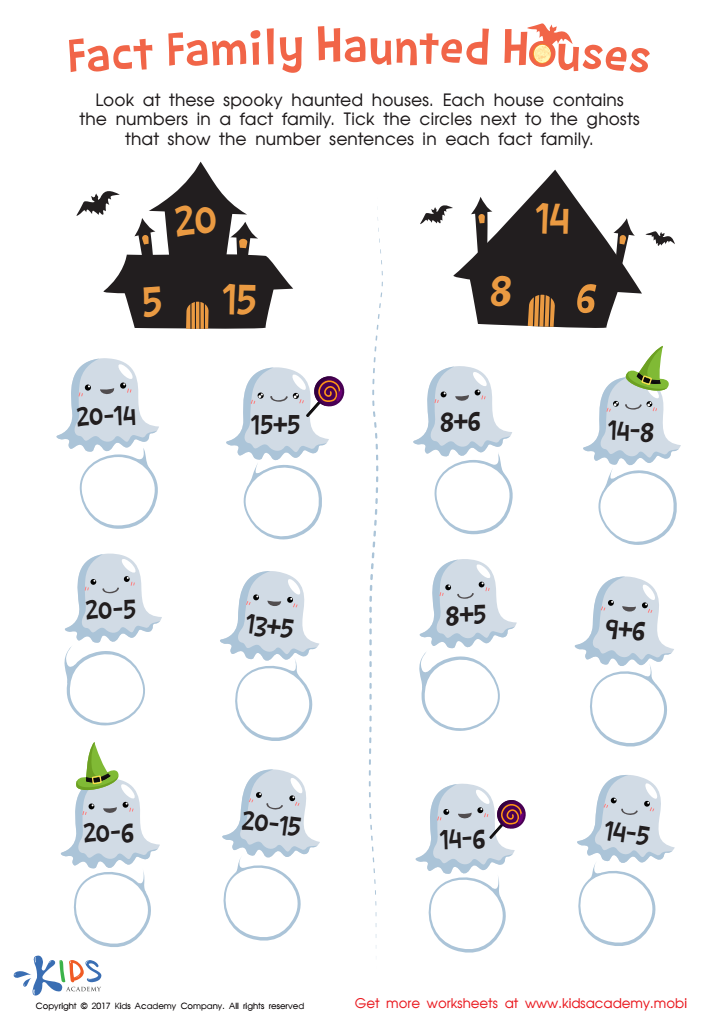
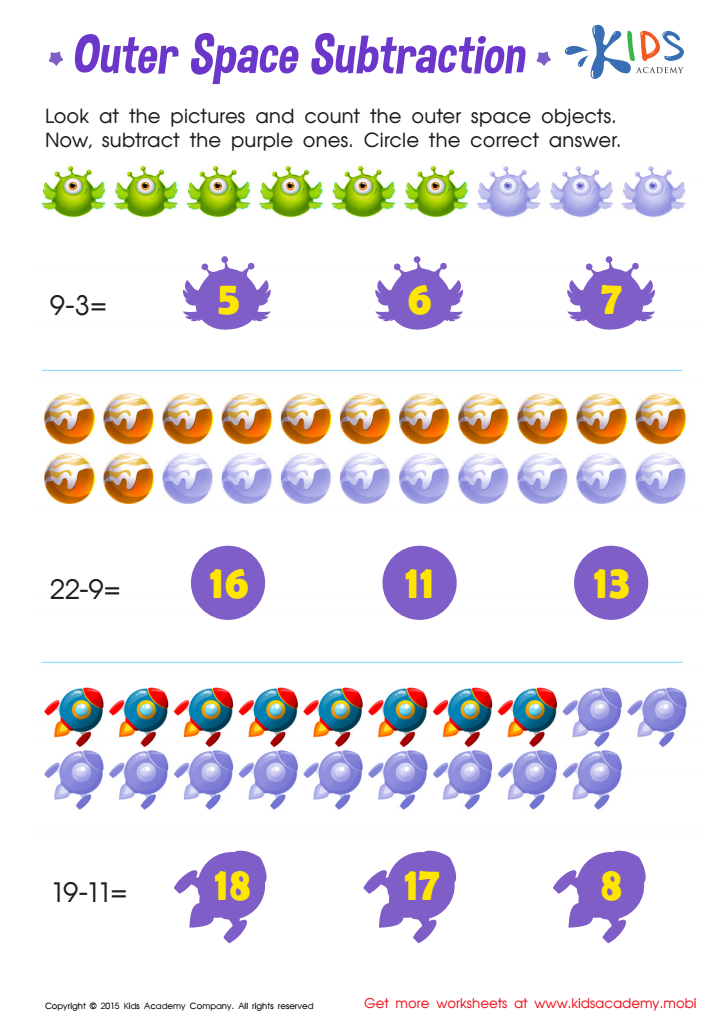
Outer Space Substraction Worksheet
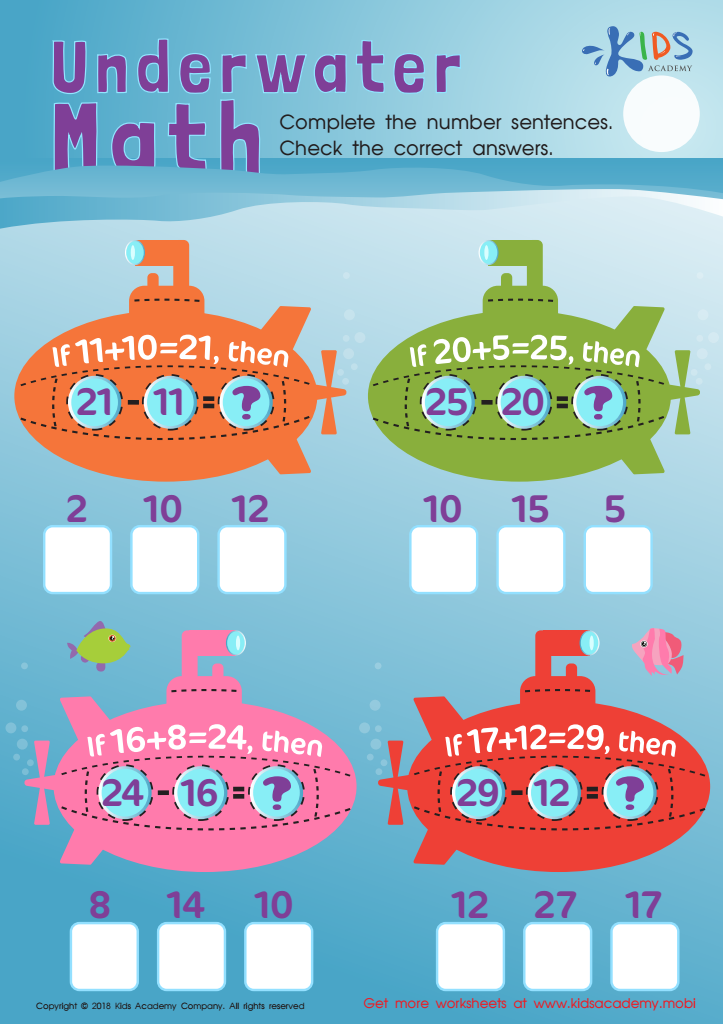
Addition and Subtraction: Underwater Math Worksheet
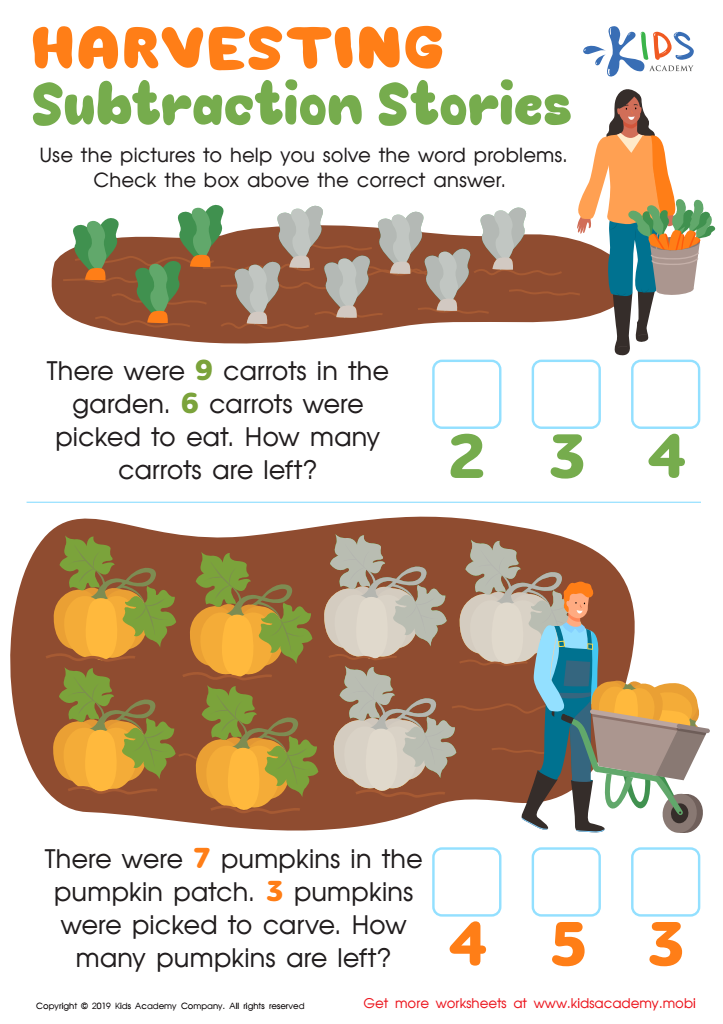
Harvesting Subtraction Stories Worksheet
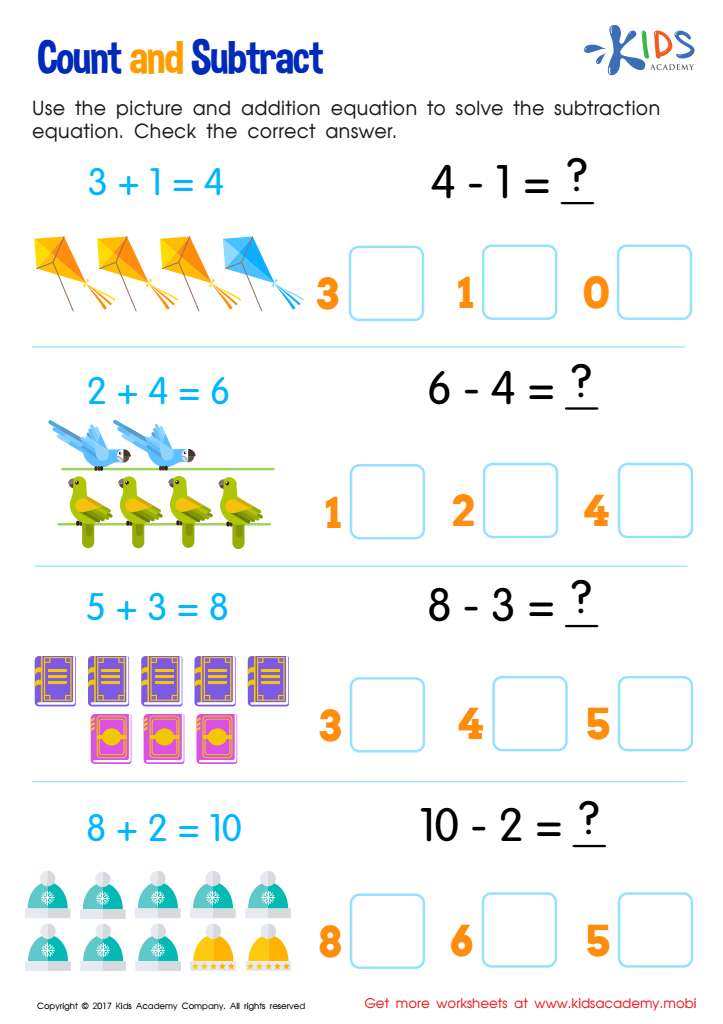
Count and Subtract Worksheet
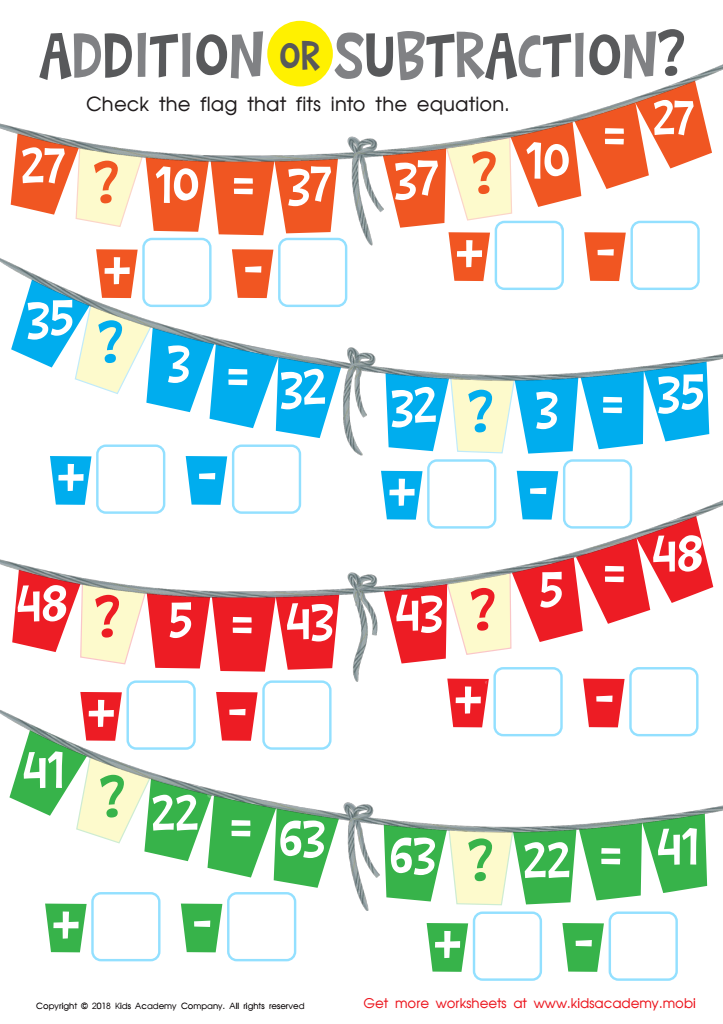
Addition or Subtraction? Worksheet
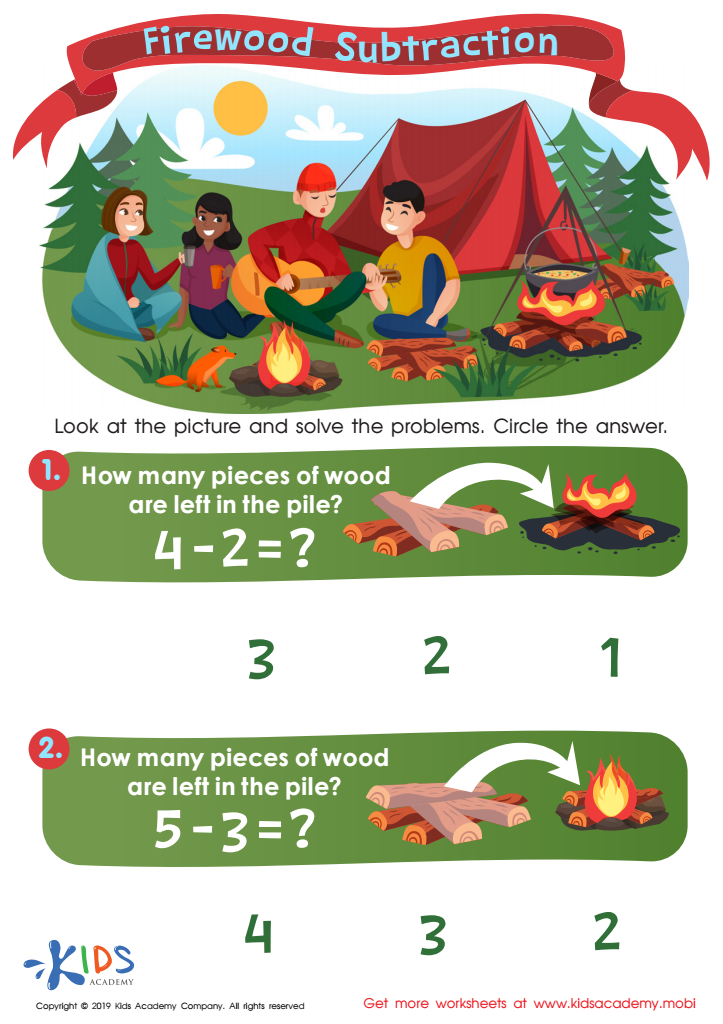
Firewood Subtraction Worksheet
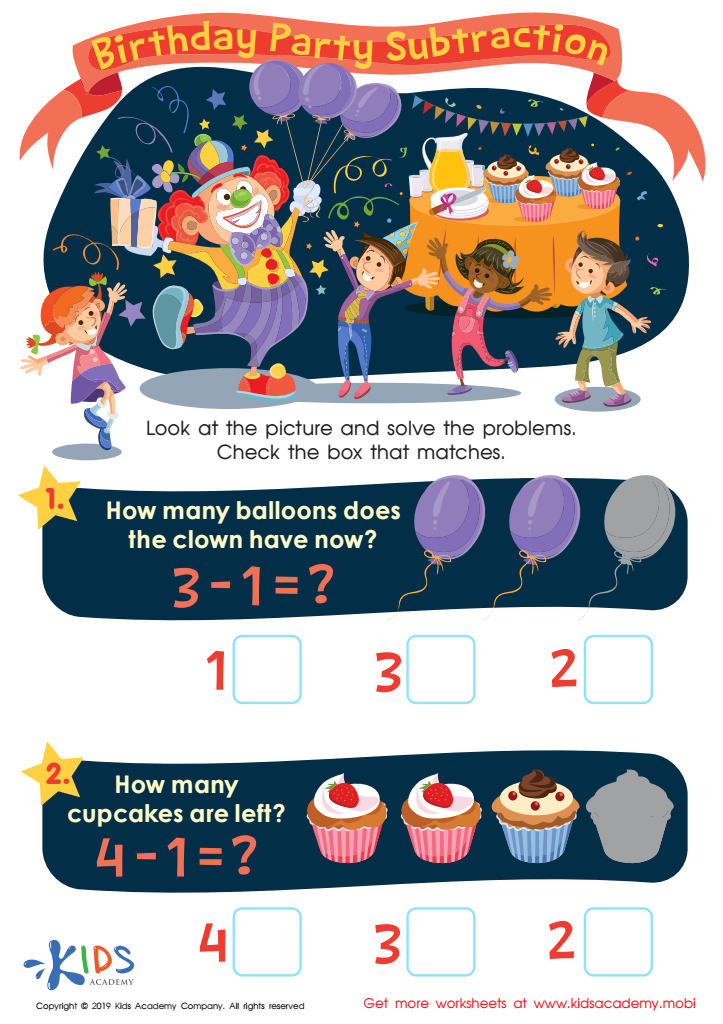
Birthday Party Subtraction Worksheet
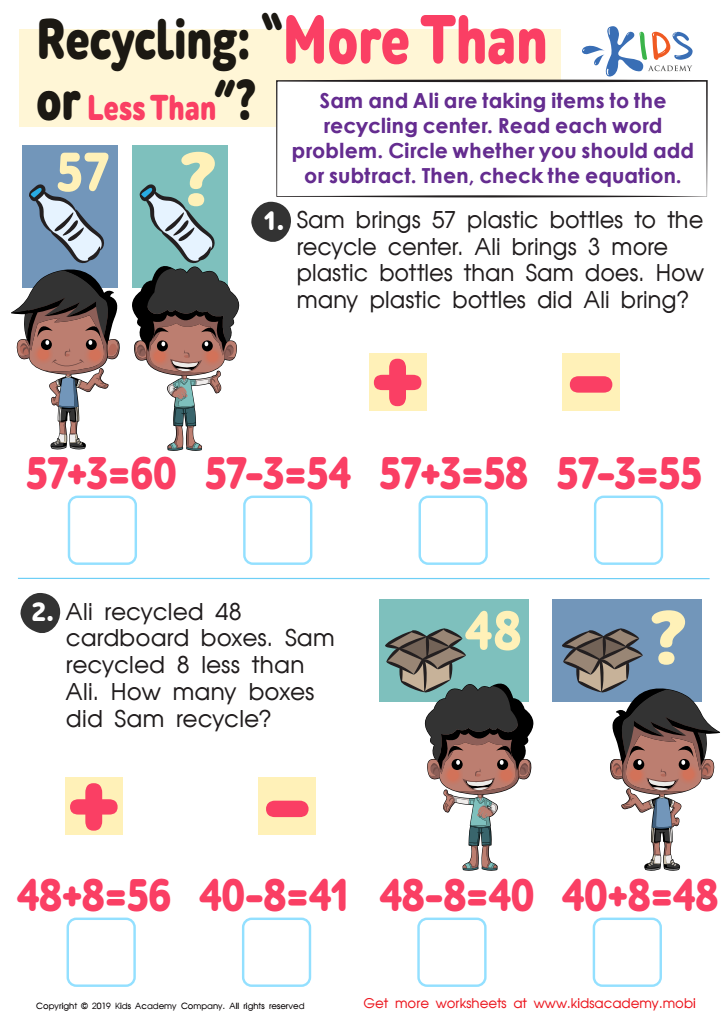
Recycling - More or Less Worksheet
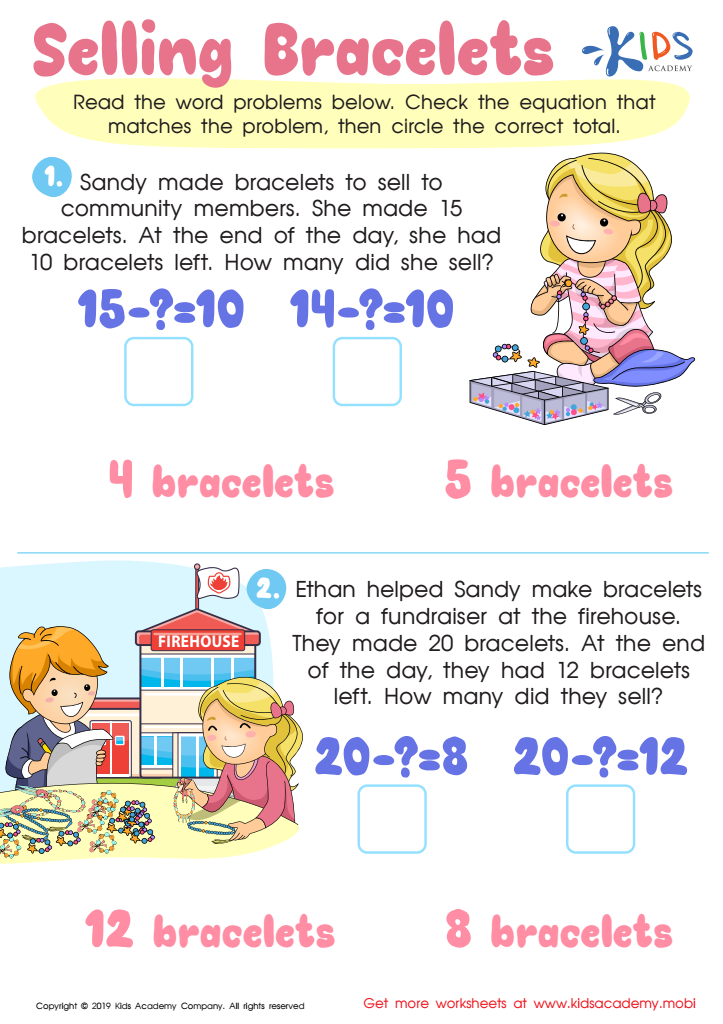
Selling the Bracelets Worksheet
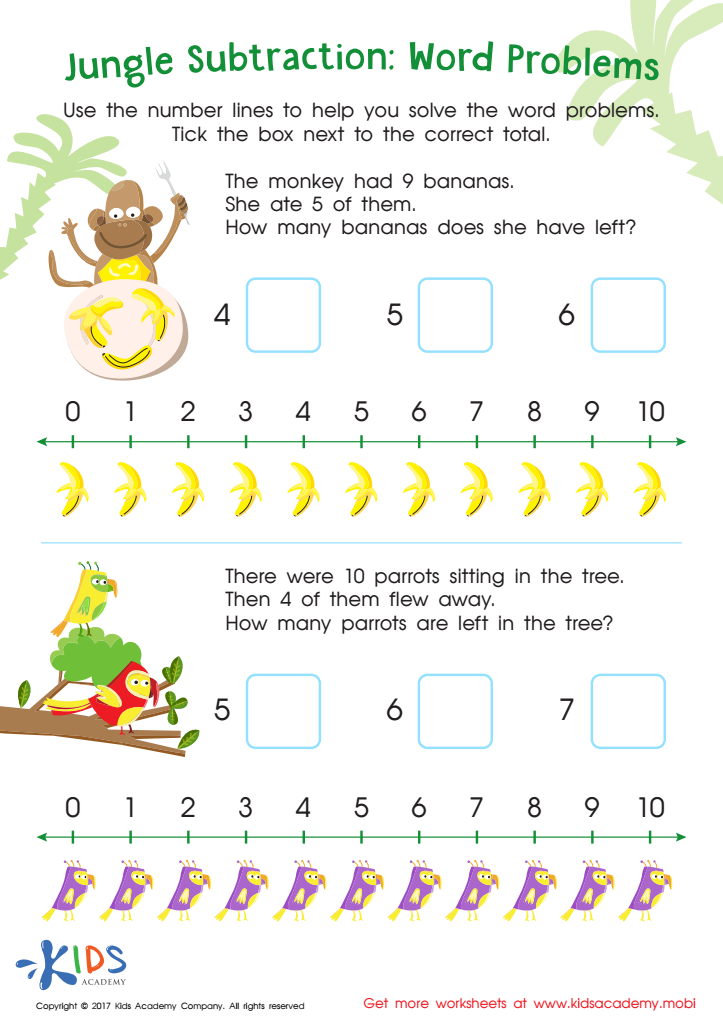
Jungle Subtraction Word Problems Substraction Worksheet
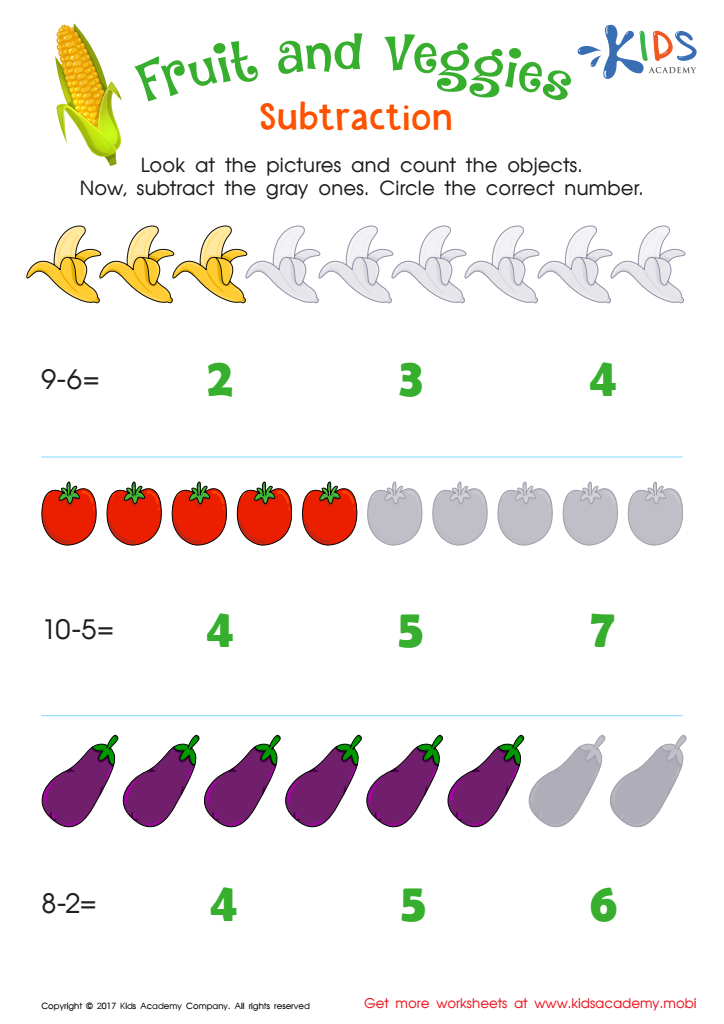
Fruit and Veggies Subtraction Worksheet
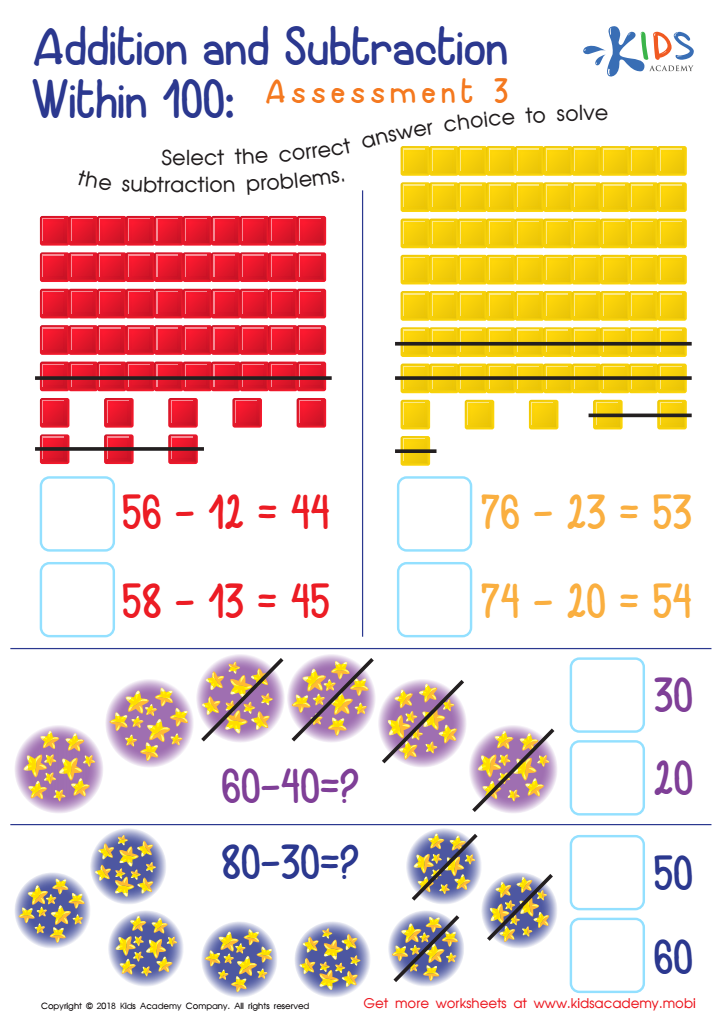
Addition and Subtraction Within 1: Assessment 3 Worksheet
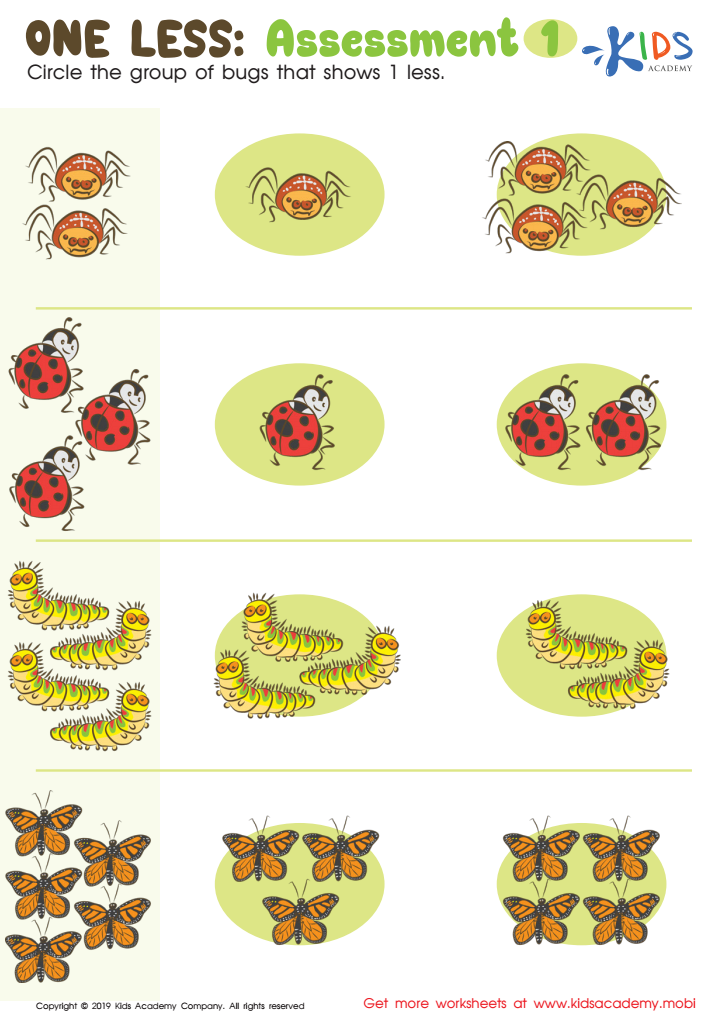
One Less: Assessment 1 Worksheet
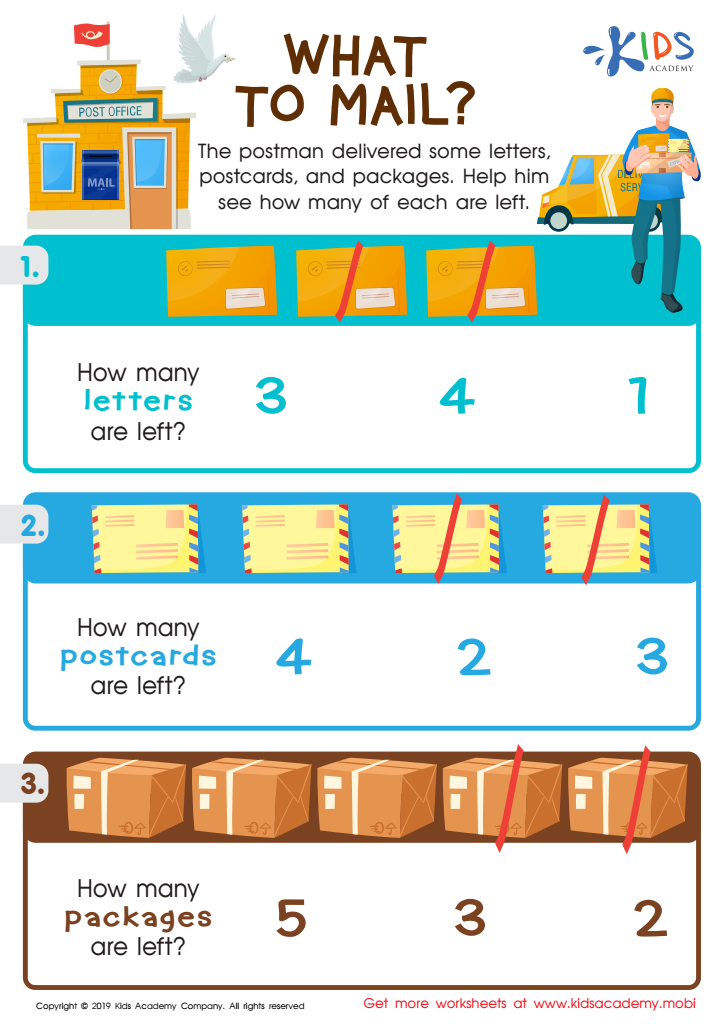
What to Mail? Worksheet
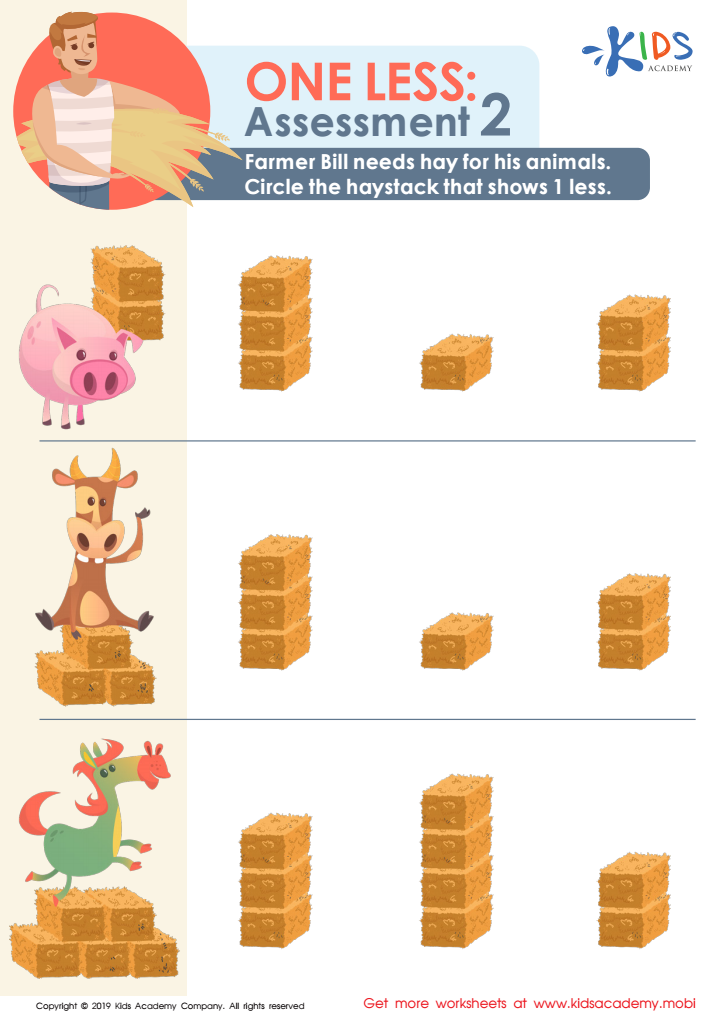
One Less: Assessment 2 Worksheet








Subtraction is a key foundational math skill that parents and teachers should prioritize for children ages 3-6 because it plays a critical role in their cognitive and academic development. During these formative years, children’s brains are wired for rapid growth and learning, making it an ideal period to introduce basic mathematical concepts.
Understanding subtraction helps in developing logical thinking and problem-solving skills. By grasping the concept of “taking away,” children learn to make sense of their world and how quantities can change. This understanding also sets the stage for more complex arithmetic and mathematical reasoning tasks in the future, such as multiplication, division, and algebra.
Additionally, early mastery of subtraction significantly boosts a child's confidence in handling numbers, ensuring a smoother transition to more advanced math topics in school. It also fosters a positive attitude towards mathematics, reducing anxiety and encouraging a lifelong interest in the subject.
From a practical standpoint, subtraction, like addition, appears frequently in everyday scenarios—from determining how many toys remain after sharing to understanding the concept of having fewer objects. Through engaging activities and hands-on experiences, teaching subtraction can also enhance motor skills and concentration, making it an enriching part of early education. Therefore, focusing on subtraction from a young age builds a strong mathematical foundation essential for future educational success.








