Building Vocabulary Worksheets for Ages 3-6 - Page 7
148 filtered results
-
From - To
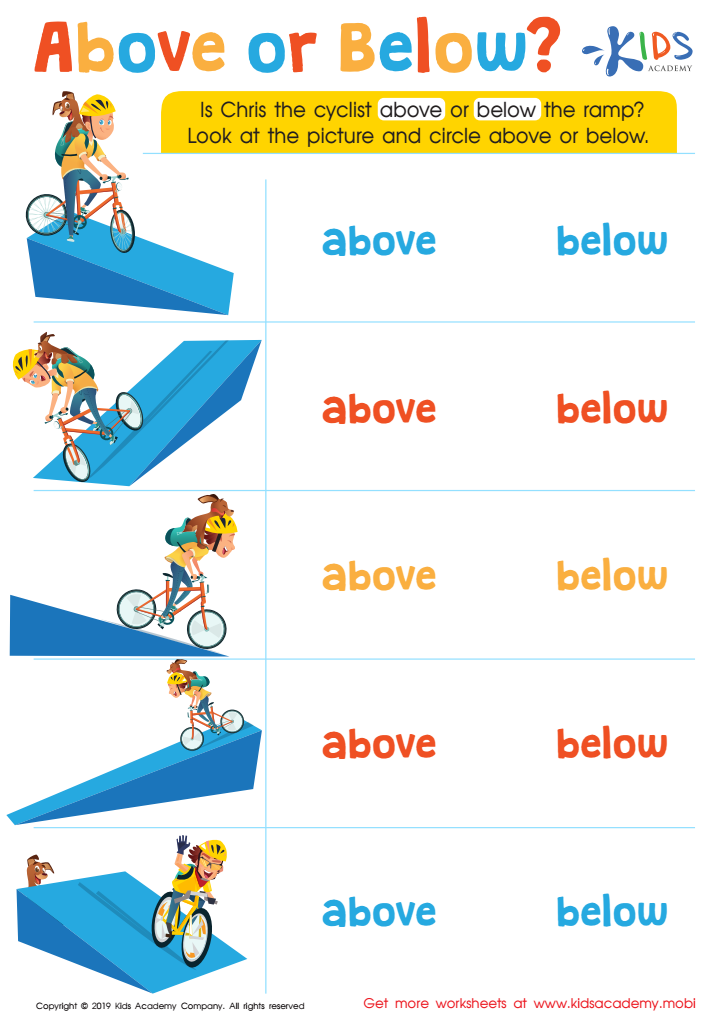
Above or Below? Worksheet
 Assign to My Students











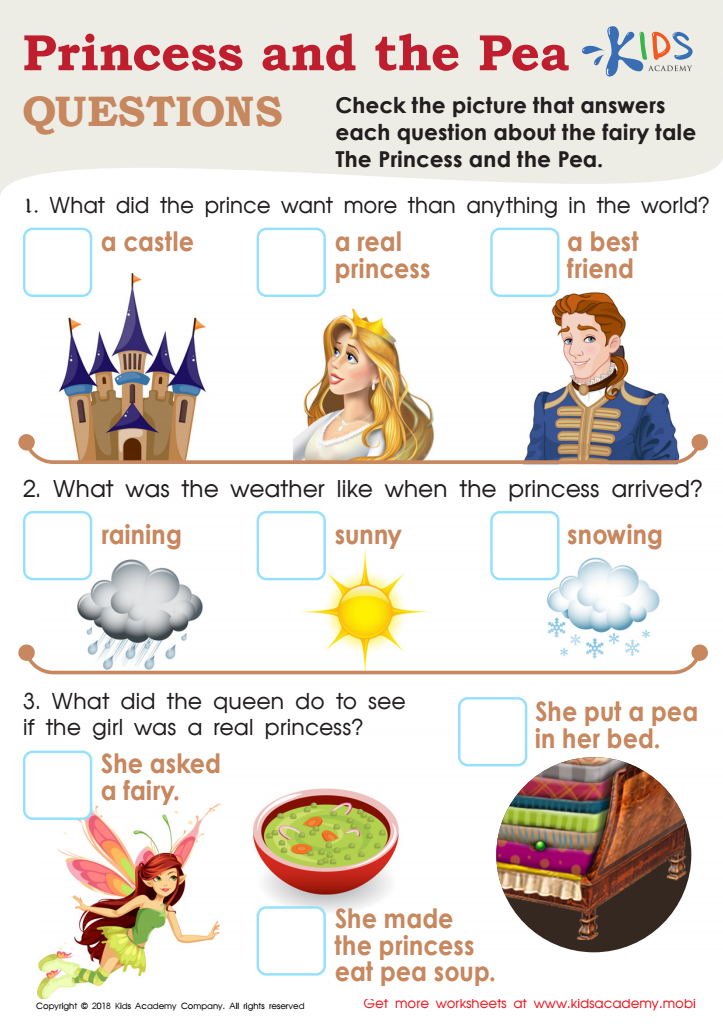
Princess and the Pea Questions Worksheet
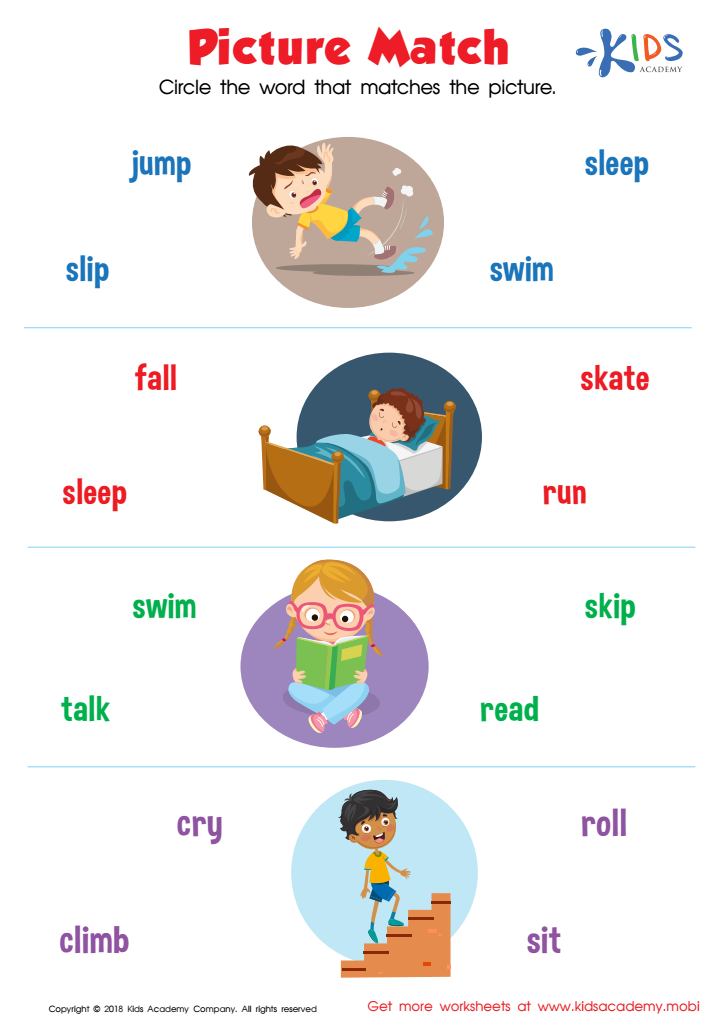
Picture Match Worksheet
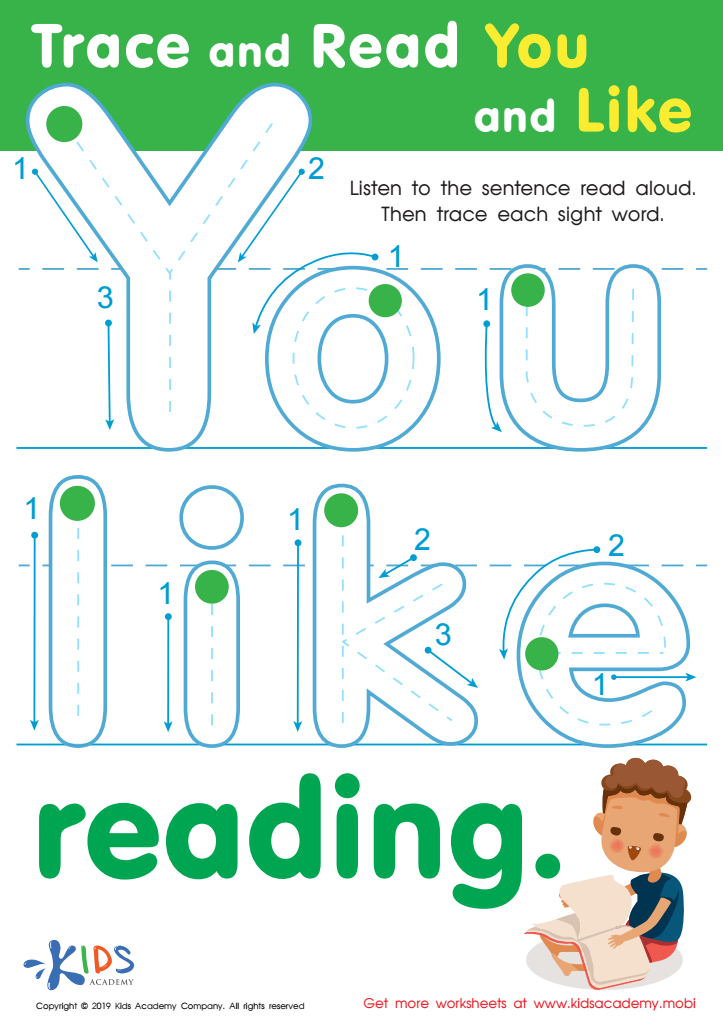
Trace Read You Like Worksheet








Building vocabulary in children ages 3-6 is crucial for their overall development and future academic success. This foundational stage of language development helps children express their thoughts, needs, and emotions effectively. A rich vocabulary enhances comprehension abilities, allowing young learners to better understand stories, instructions, and concepts introduced in preschool or early grades.
Parents and teachers should recognize that a strong vocabulary correlates with improved literacy skills, which are built on the ability to decode words and comprehend texts. Early exposure to diverse language, whether through reading, storytelling, or interactive conversations, equips children with the tools to articulate their ideas and engage more fully with their surroundings.
Moreover, vocabulary influences critical thinking and problem-solving skills. When children possess an extensive word bank, they're able to describe their ideas and reason through challenges more efficiently. Additionally, early vocabulary development can boost children's confidence during discussions and group activities, fostering a love for learning.
Investing time in vocabulary-building activities strengthens the teacher-parent partnership, enriching children's linguistic environment. Whether through playful word games, songs, or reading, nurturing vocabulary builds a strong foundation for lifelong learning, interpersonal communication, and social-emotional skills.








