Science Worksheets for Ages 3-6 - Page 2
229 filtered results
-
From - To
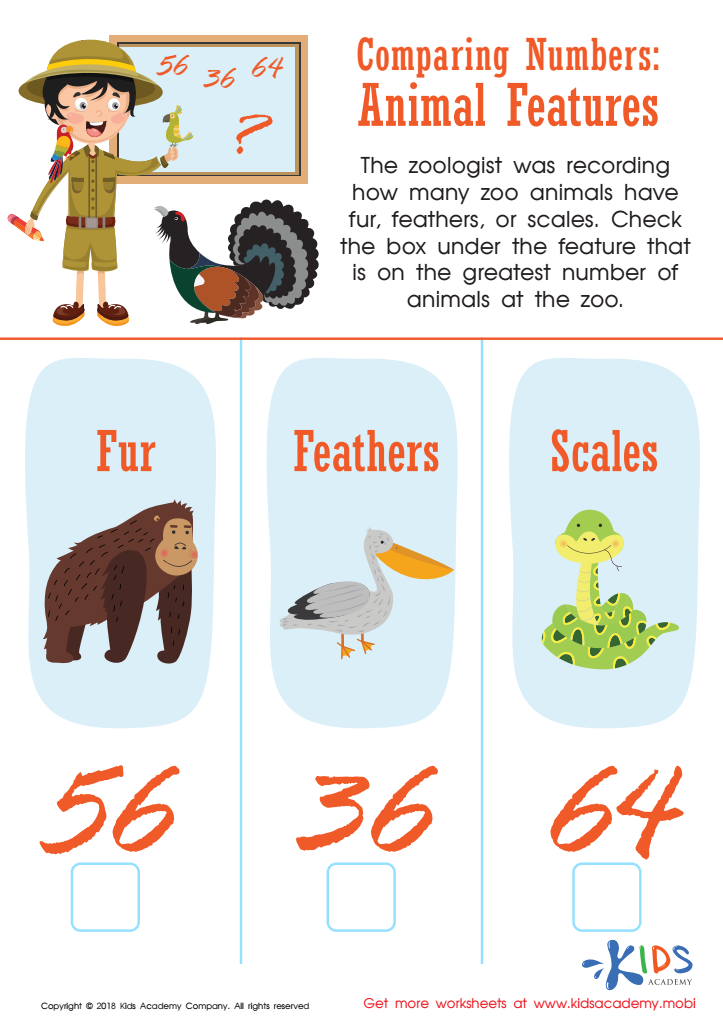
Animal Features Worksheet
 Assign to My Students
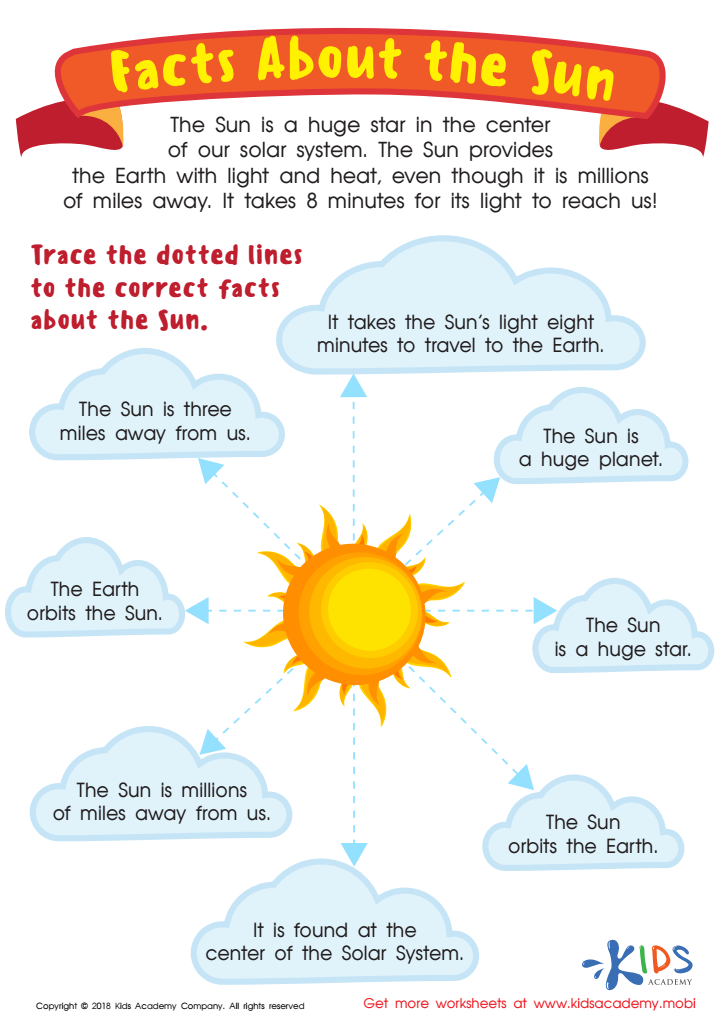
Facts About the Sun Worksheet
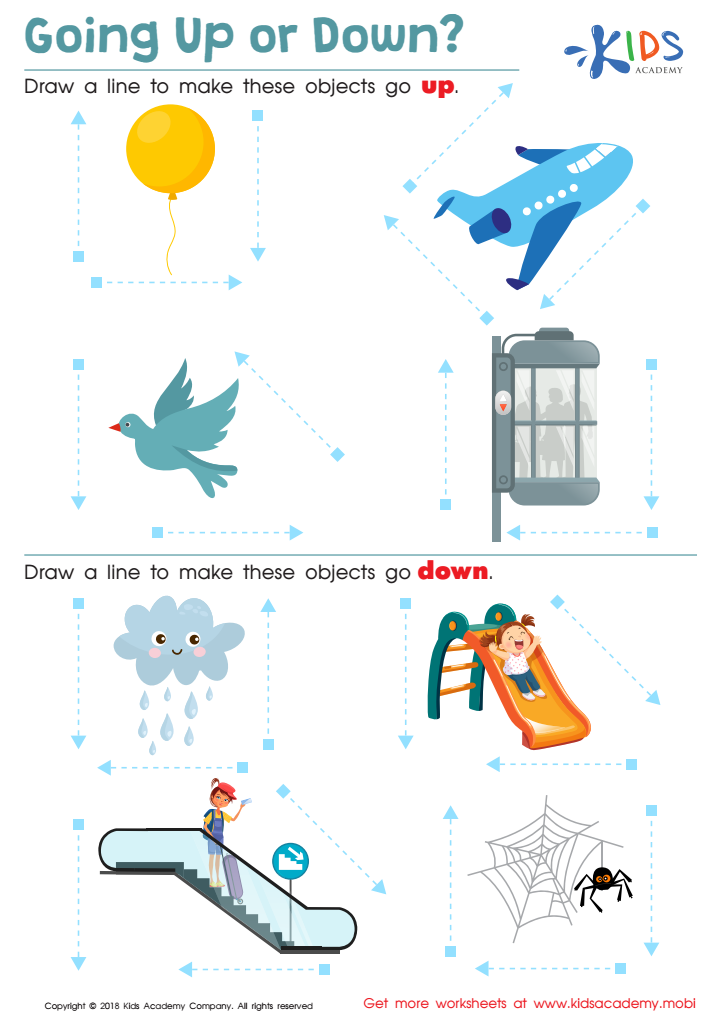
Going up or Down? Worksheet
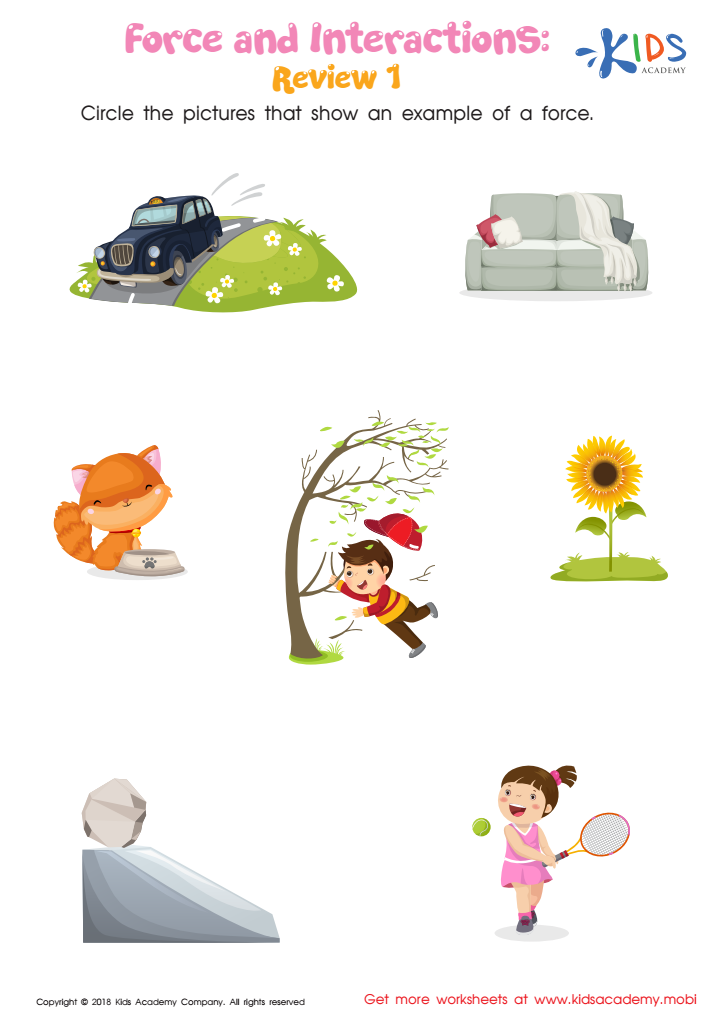
Force and Interactions: Review 1 Worksheet
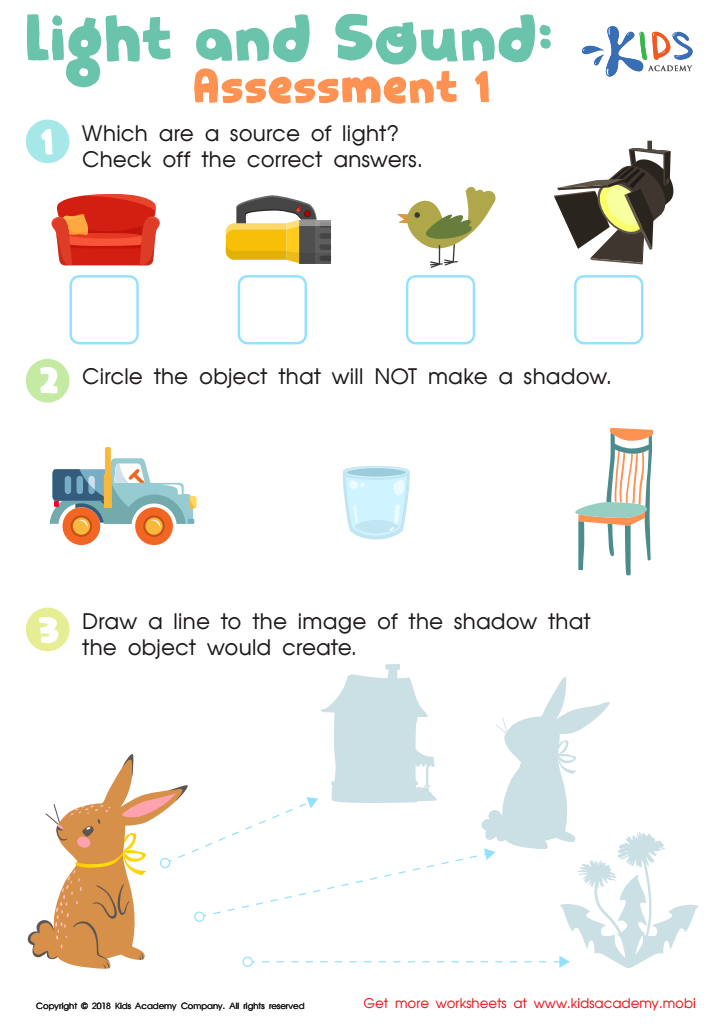
Light and Sound: Assessment 1 Worksheet
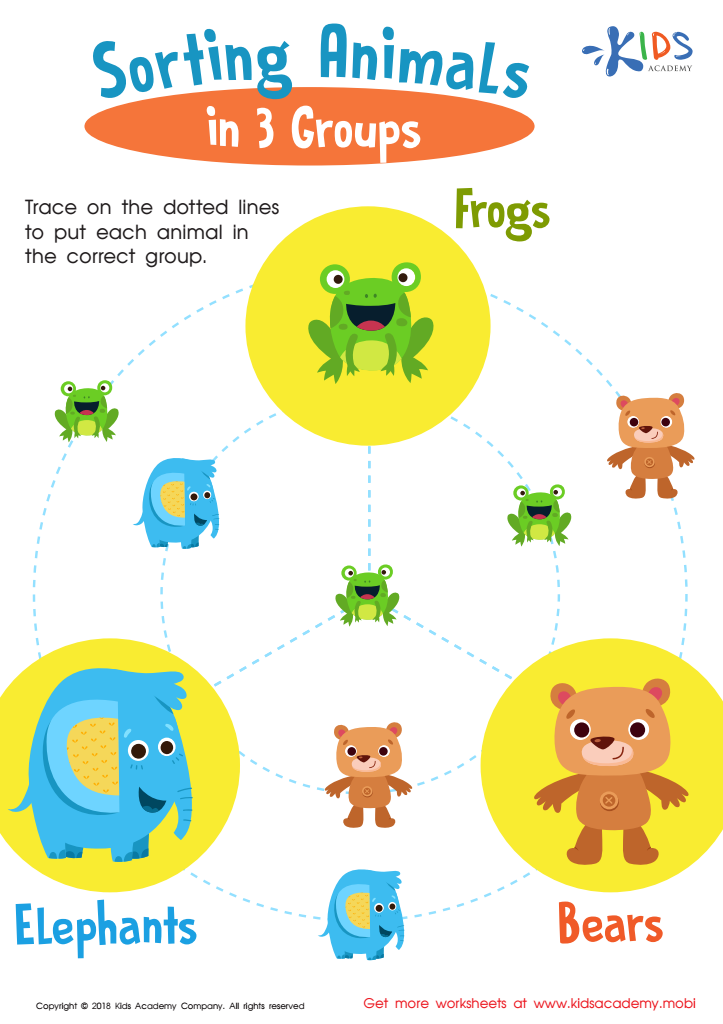
Sorting Animals in 3 Groups Worksheet
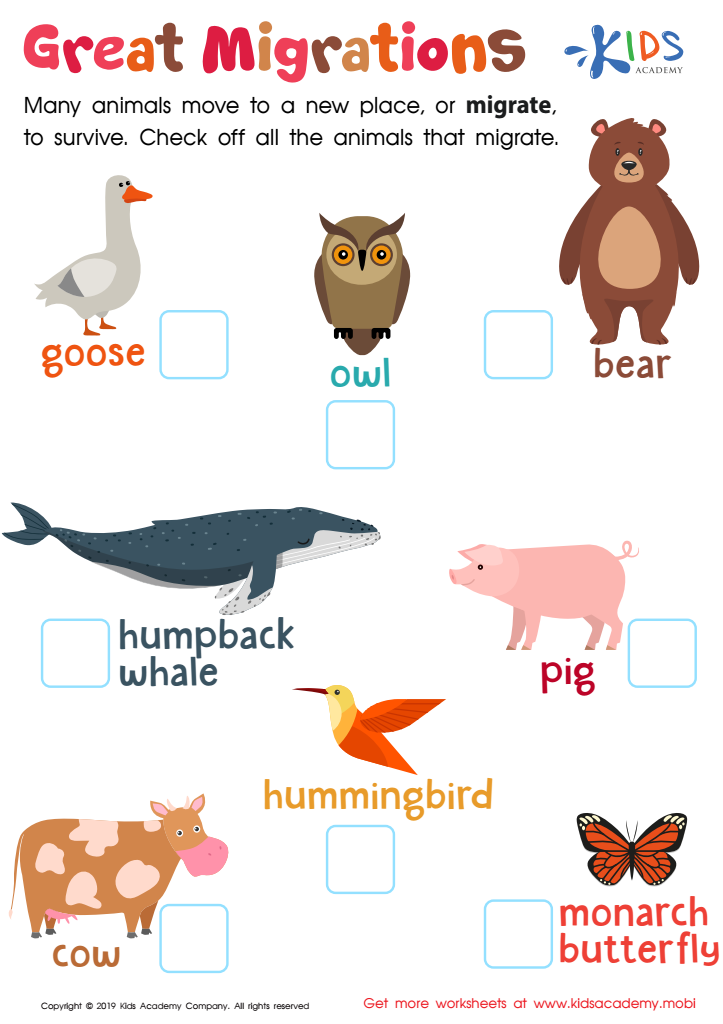
Great Migrations Worksheet
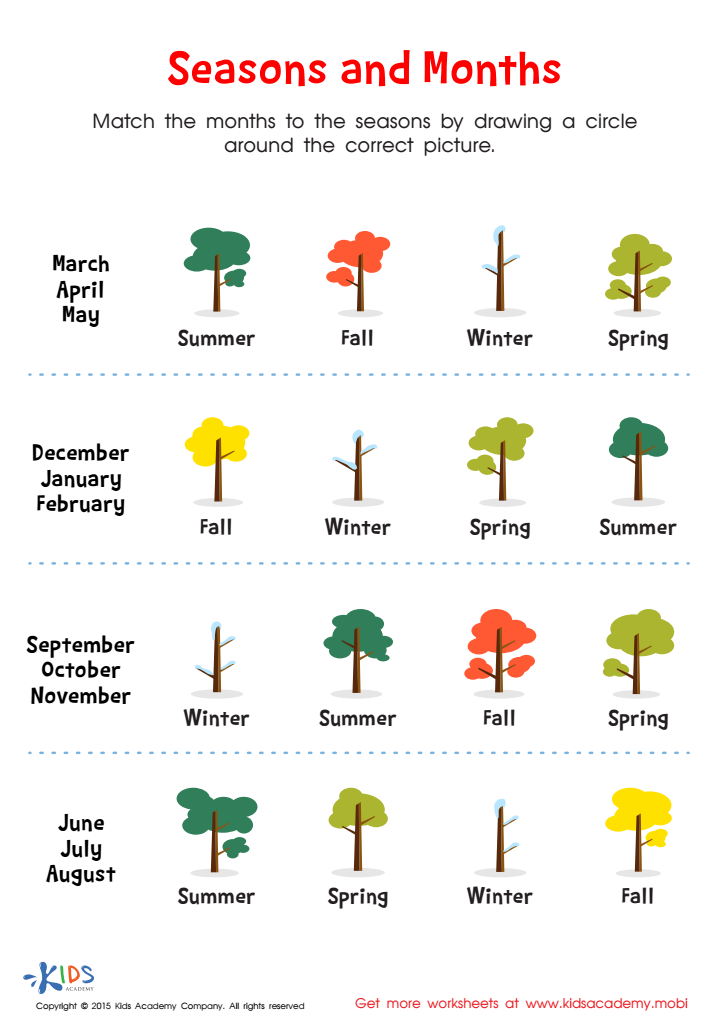
Seasons and Months Worksheet
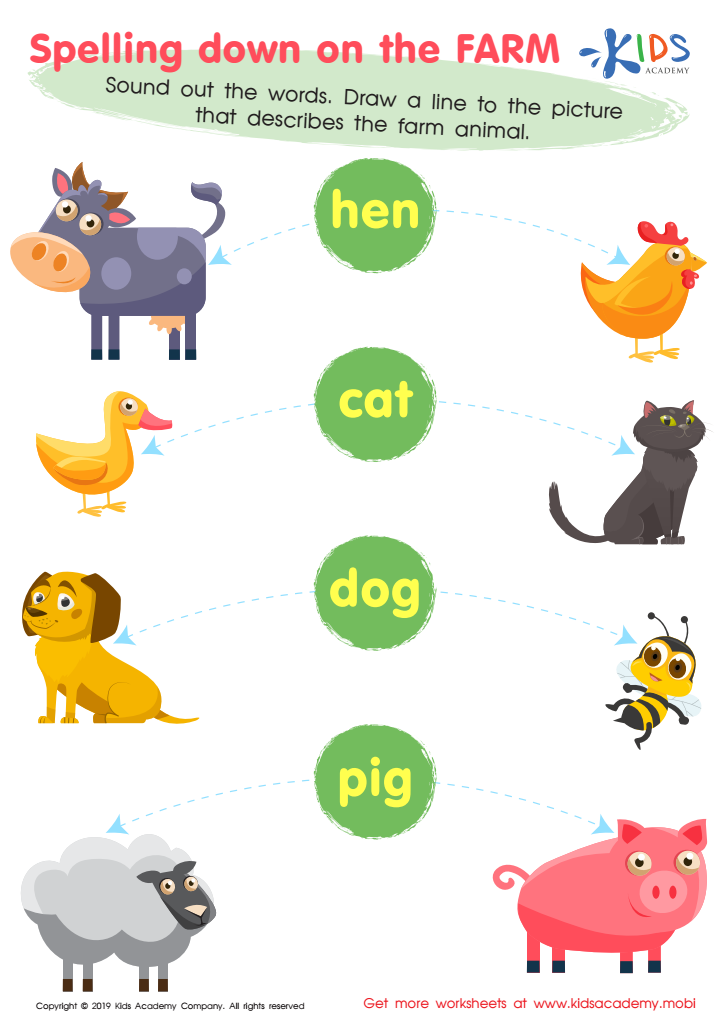
Spelling Down on the Farm Worksheet
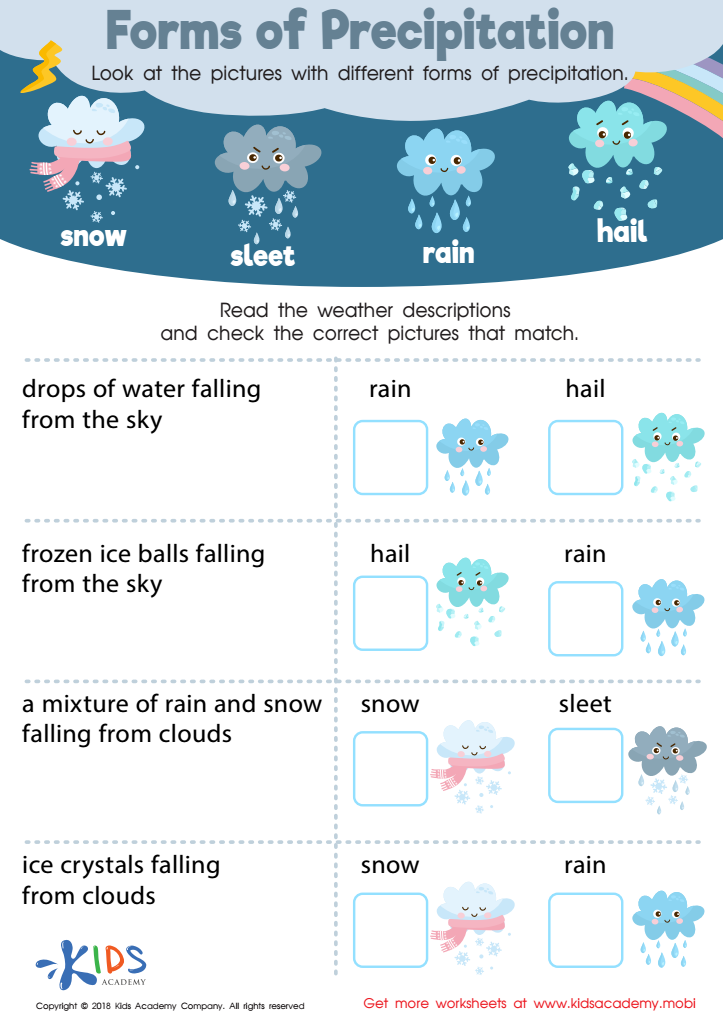
Forms of Precipitation Worksheet
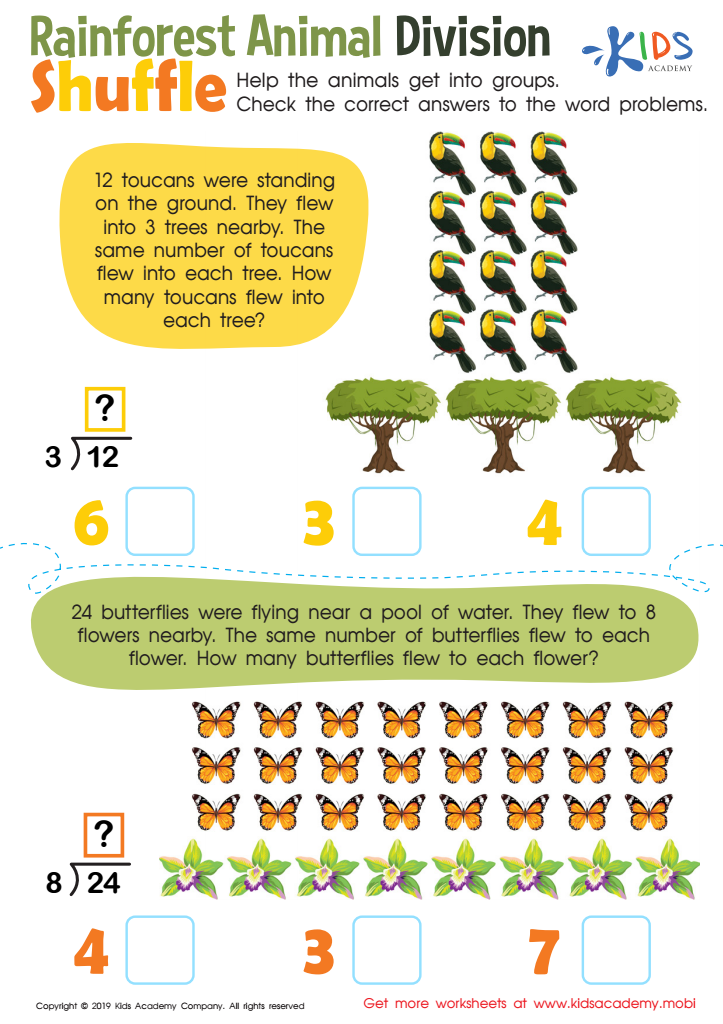
Rainforest Animal Division Worksheet
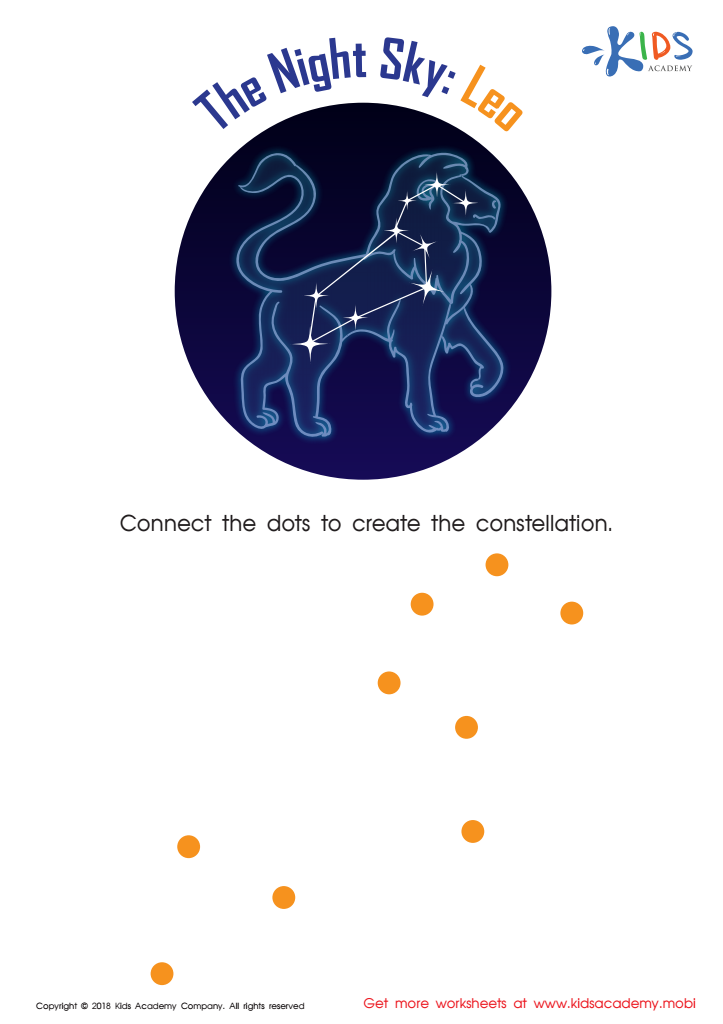
The Night Sky: Leo Worksheet
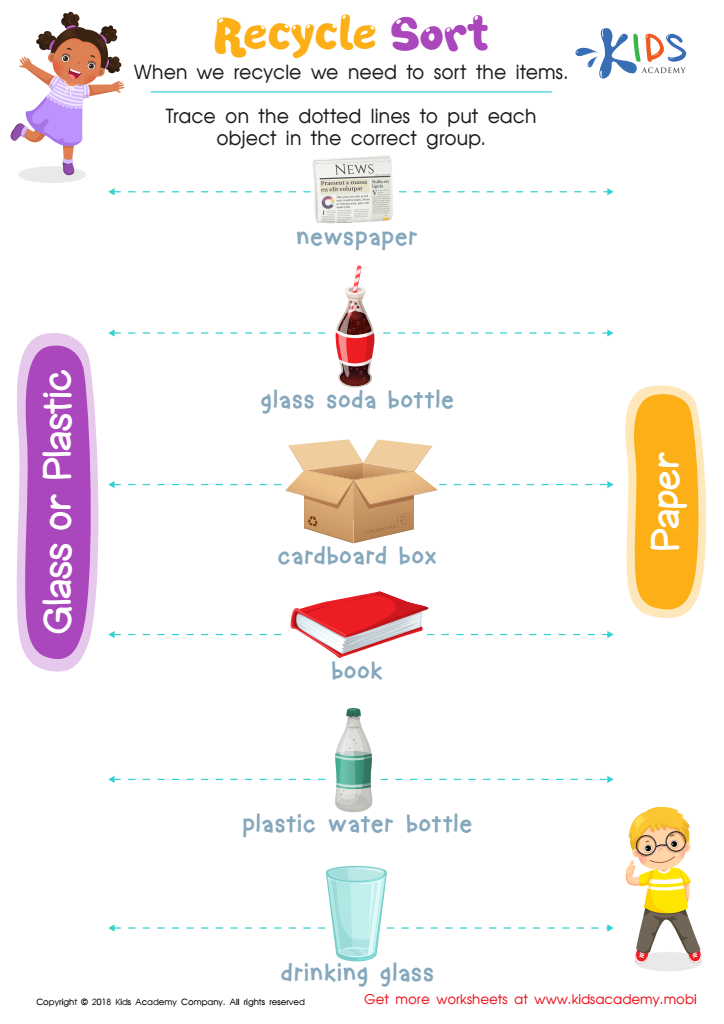
Recycle Sort Worksheet
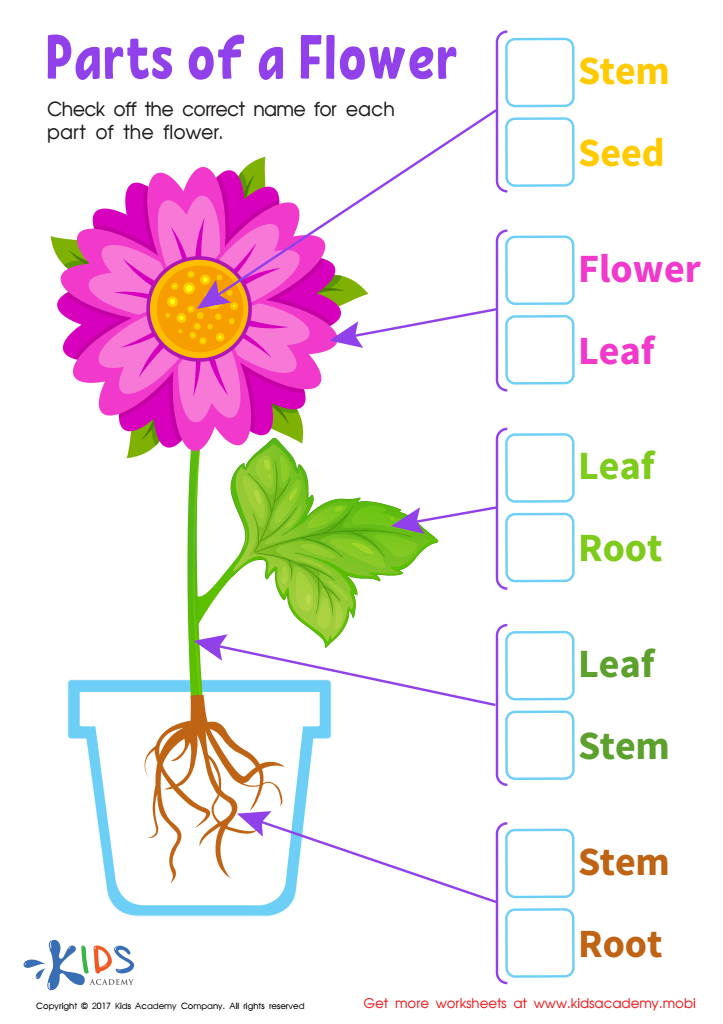
Parts Flower Printable
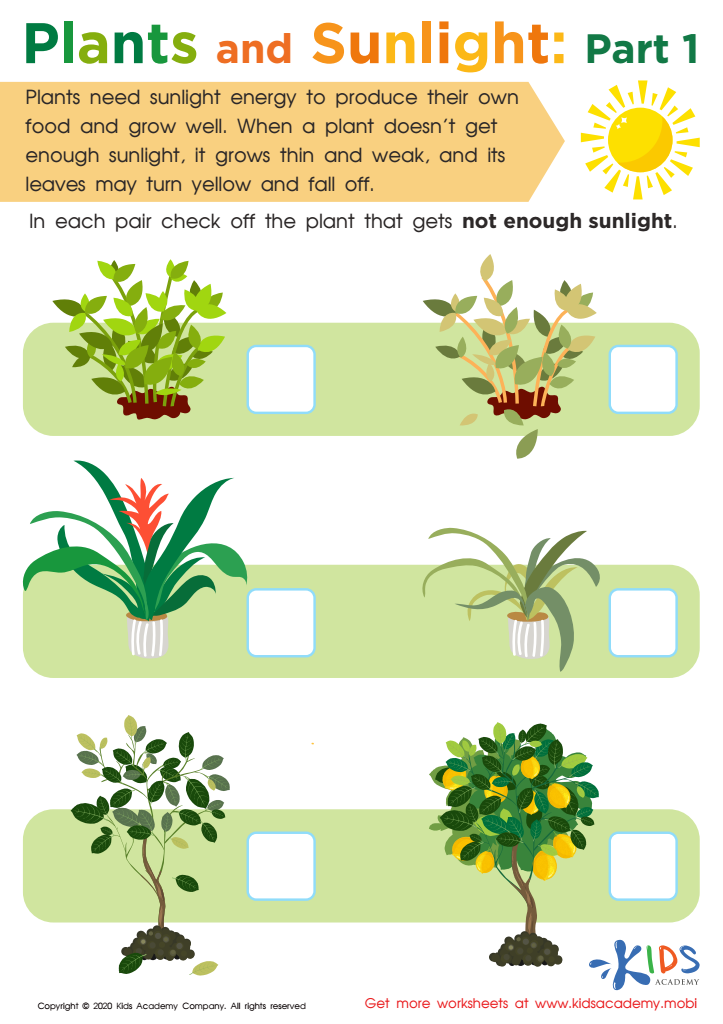
Plants and Sunlight: Part 1 Worksheet
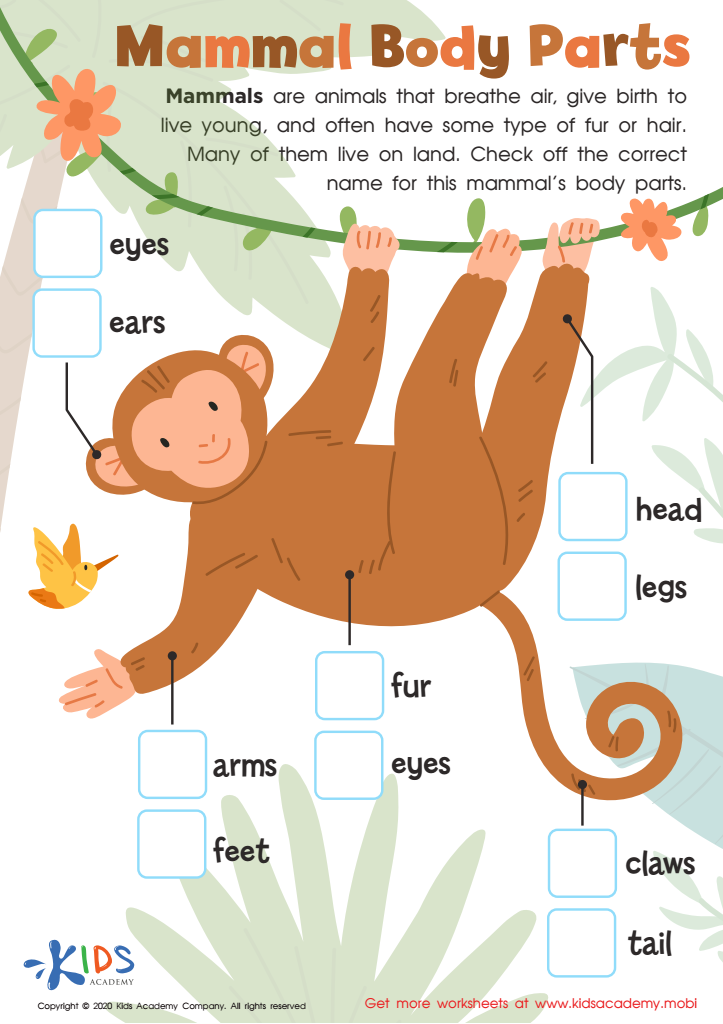
Mammal Body Parts Worksheet
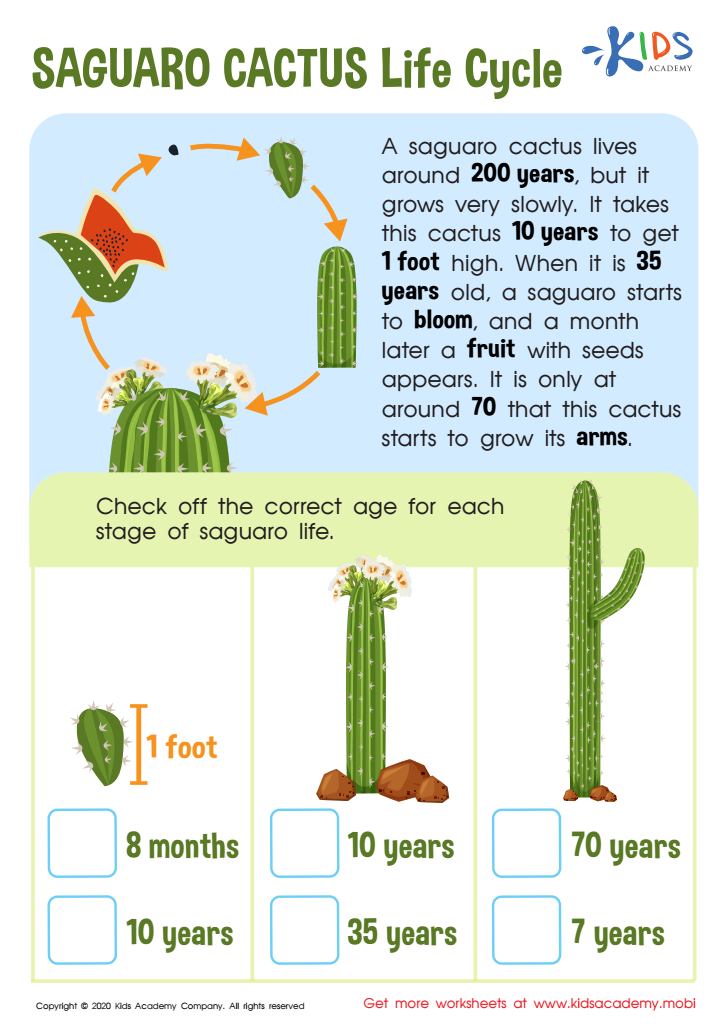
Saguaro Cactus Life Cycle Worksheet
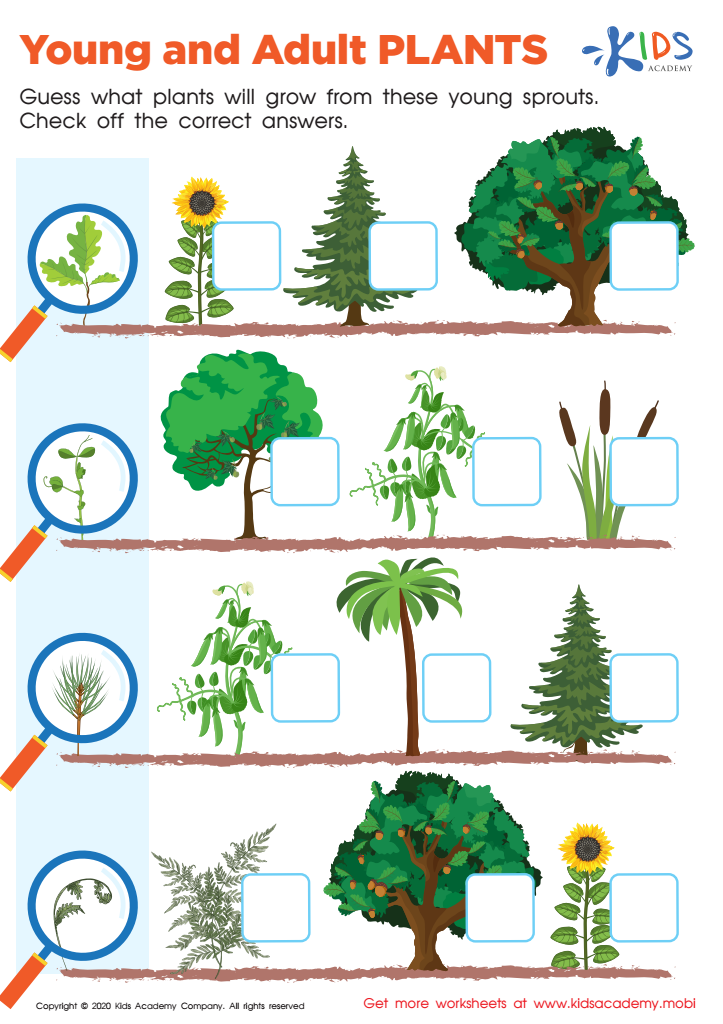
Young and Adult Plants Worksheet
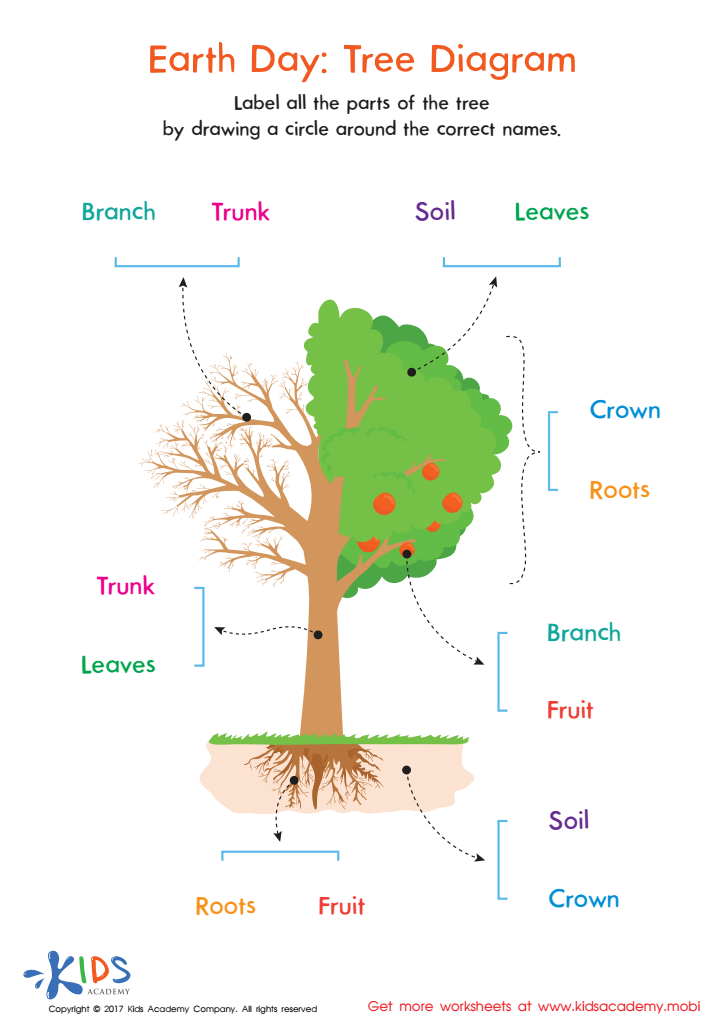
Earth Day: Tree Diagram Worksheet
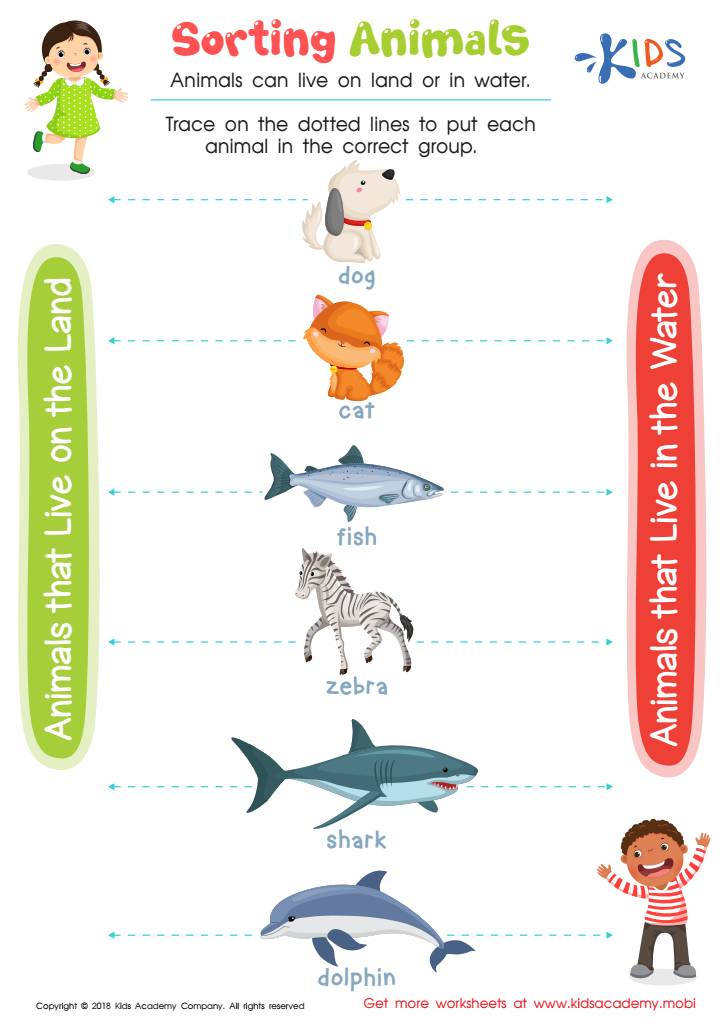
Sorting Animals Worksheet
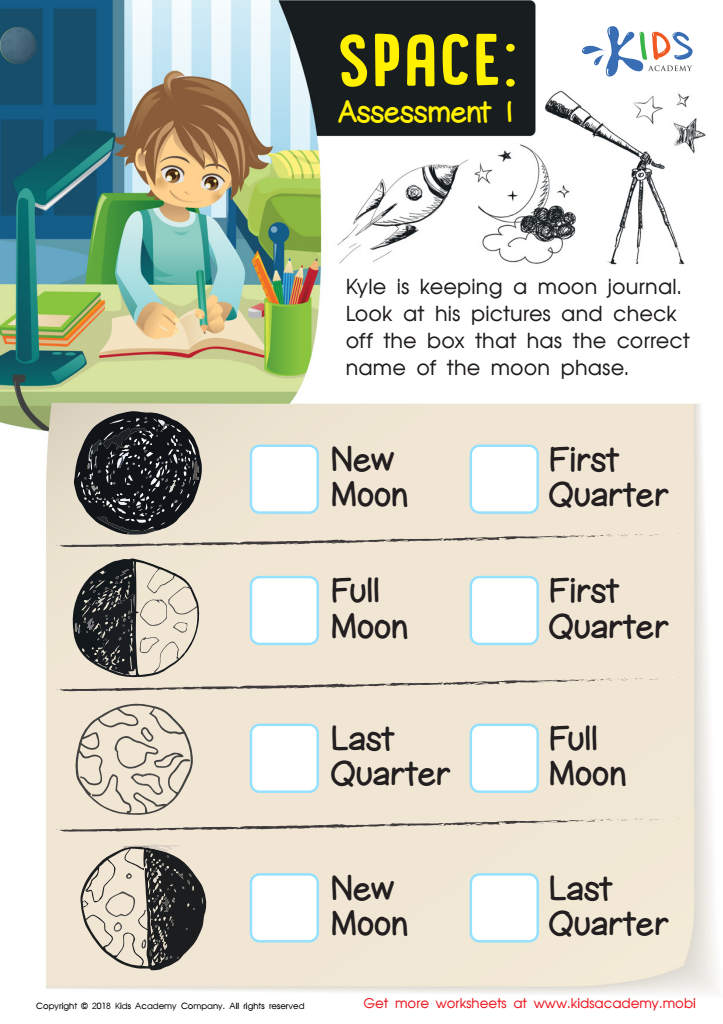
Space: Assessment 1 Worksheet
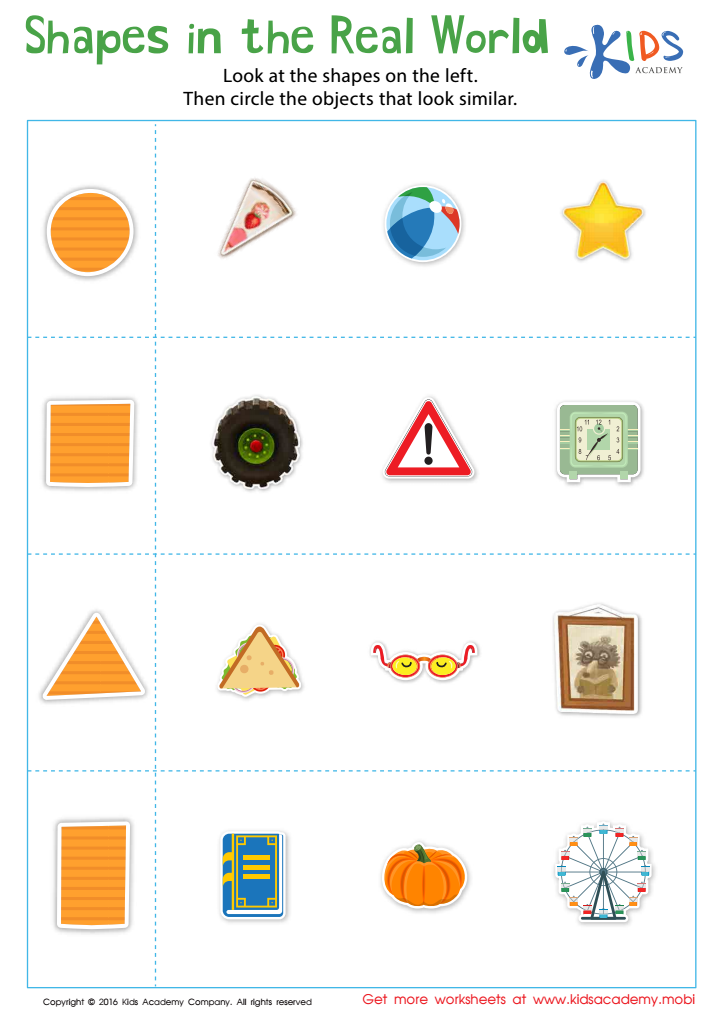
Shapes in the Real World Worksheet







Parents and teachers should prioritize science education for children aged 3-6 because early exposure fosters curiosity and critical thinking skills essential for lifelong learning. At this age, children are naturally inquisitive, constantly asking "why" and "how." Engaging them in science nurtures this curiosity, helping them explore the world around them through hands-on experiences and experimentation.
Science education also enhances cognitive development, enabling children to develop problem-solving abilities and cognitive flexibility. Activities like counting, sorting, and measuring introduce foundational math concepts intertwined with science, reinforcing understanding through tangible experiences.
Moreover, science can teach children to observe, question, and make predictions. It encourages them to communicate their findings, fostering language skills while learning to articulate complex ideas. Incorporating science into play also supports social skills as children often collaborate on projects, sharing ideas and learning from one another.
Finally, instilling a love for science early fosters a sense of wonder about the natural world. As children grow, this early foundation can lead to greater interest in STEM fields, contributing to a future workforce skilled in innovation and problem-solving. In summary, science at an early age is crucial for developing well-rounded, inquisitive, and capable learners.







