Phonics Worksheets for Ages 3-8 - Page 4
242 filtered results
-
From - To
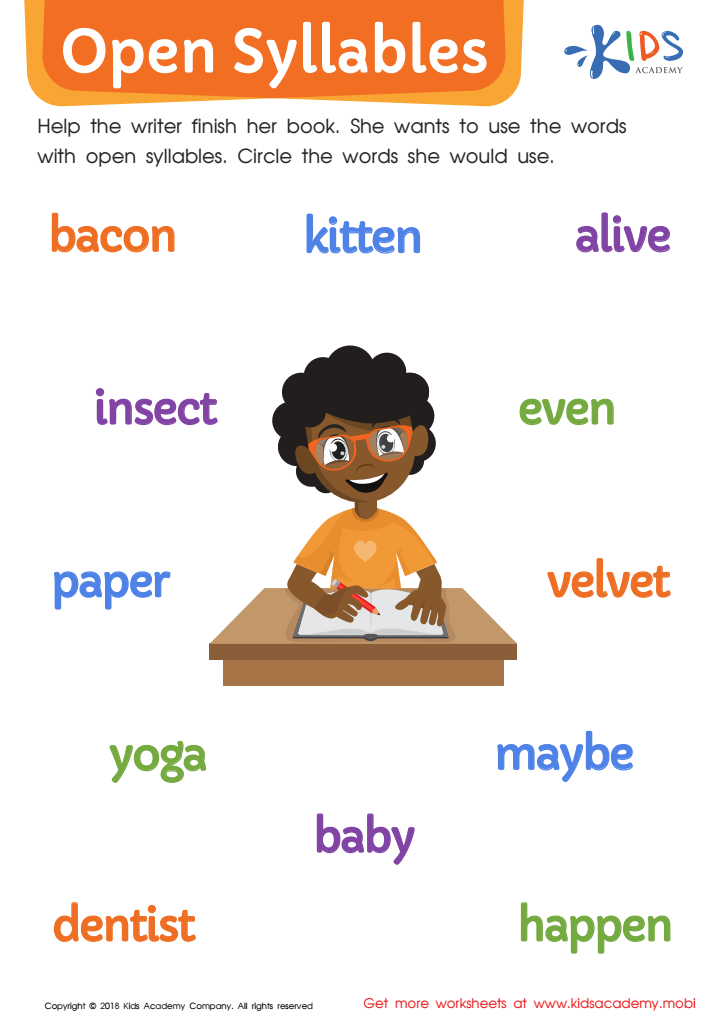
Open Syllables Worksheet
 Assign to My Students
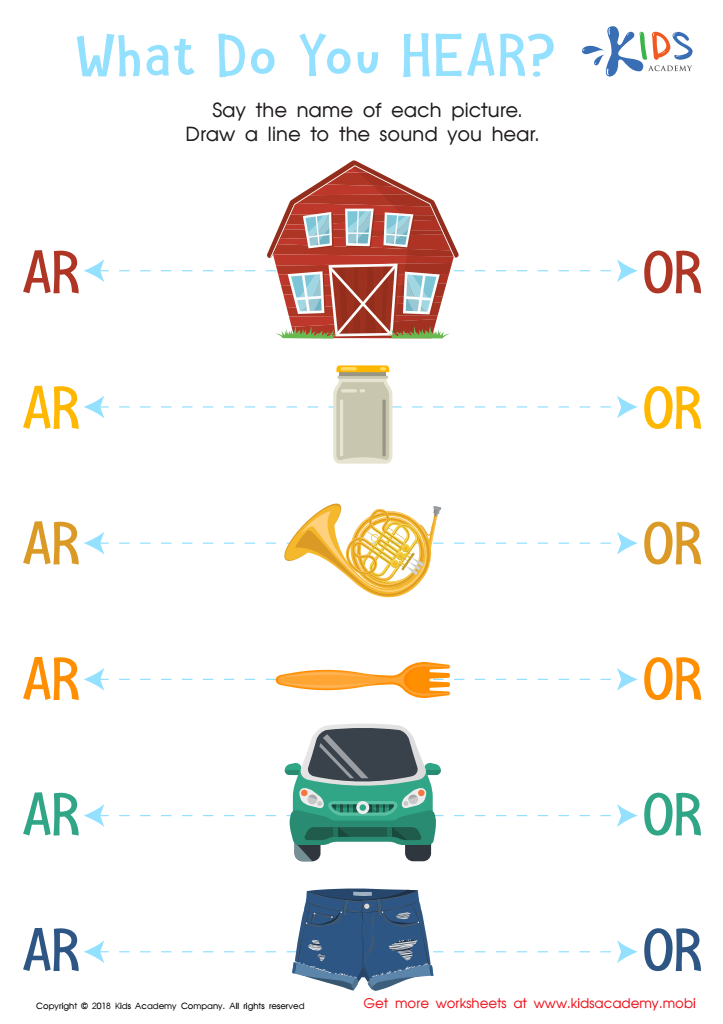
What do you hear Worksheet
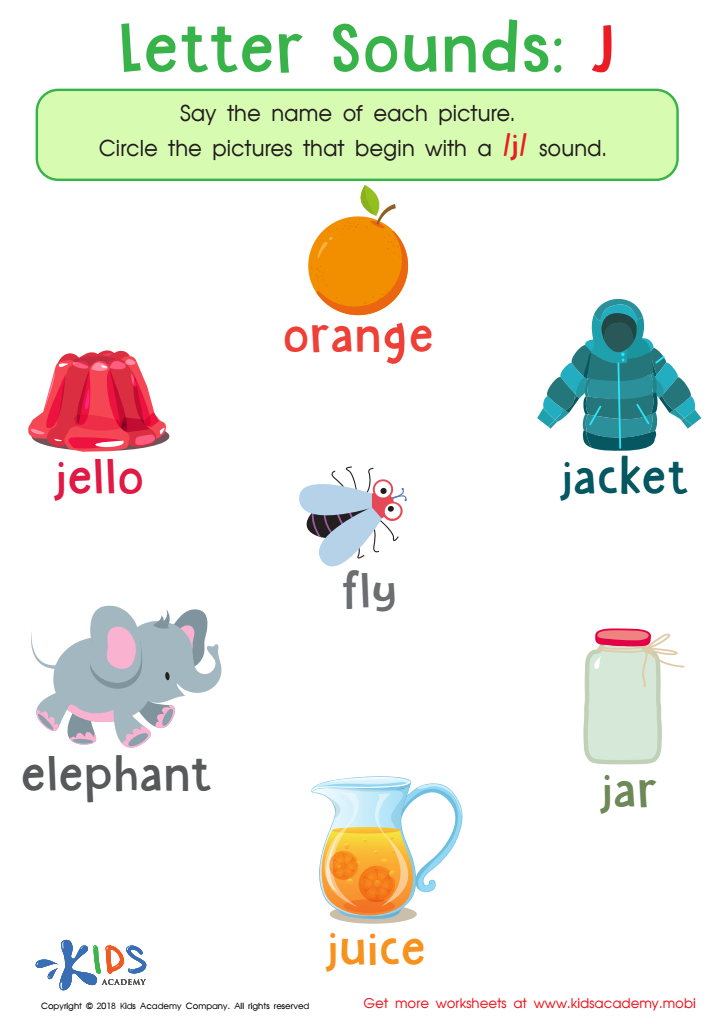
Letter Sounds: J Printable Worksheet
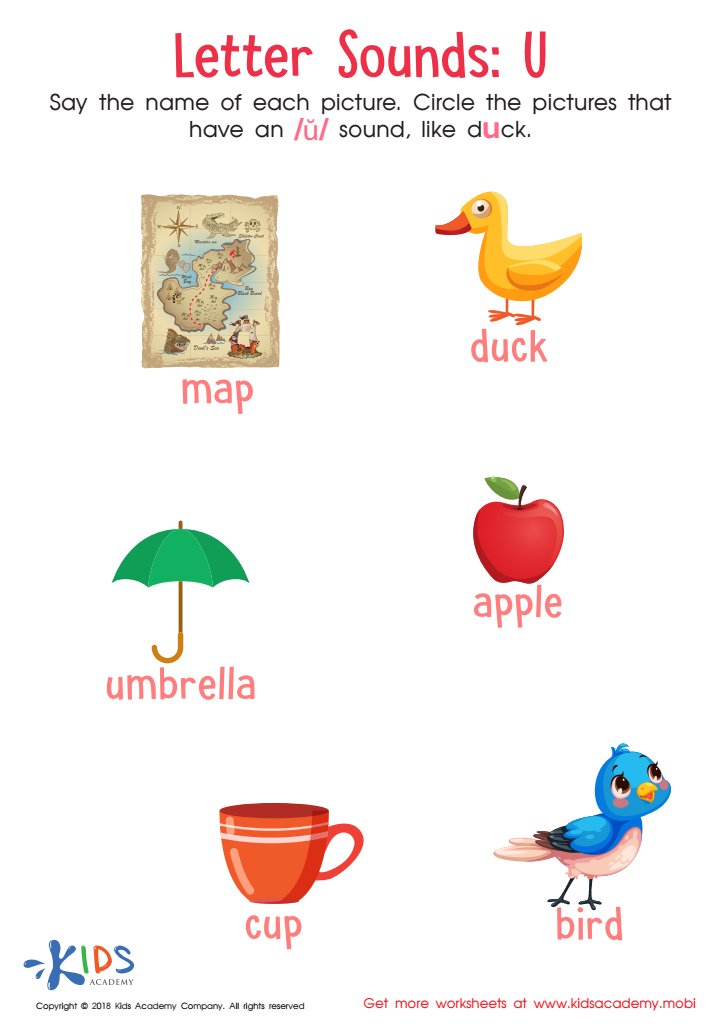
Letter U Sounds Worksheet
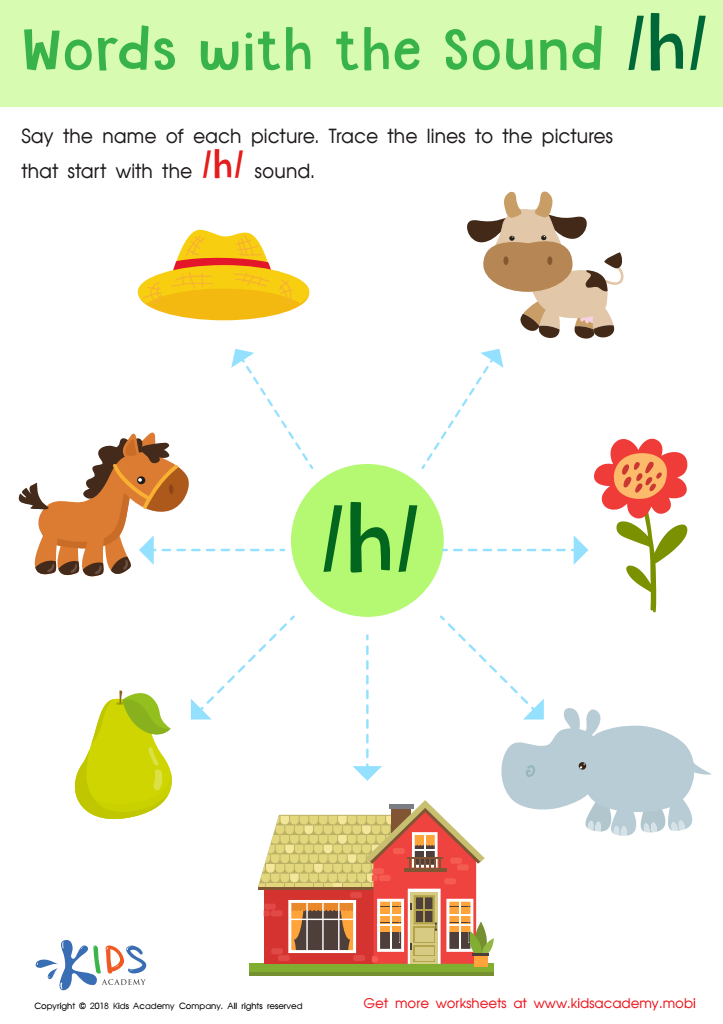
Words with sound h Reading Worksheet
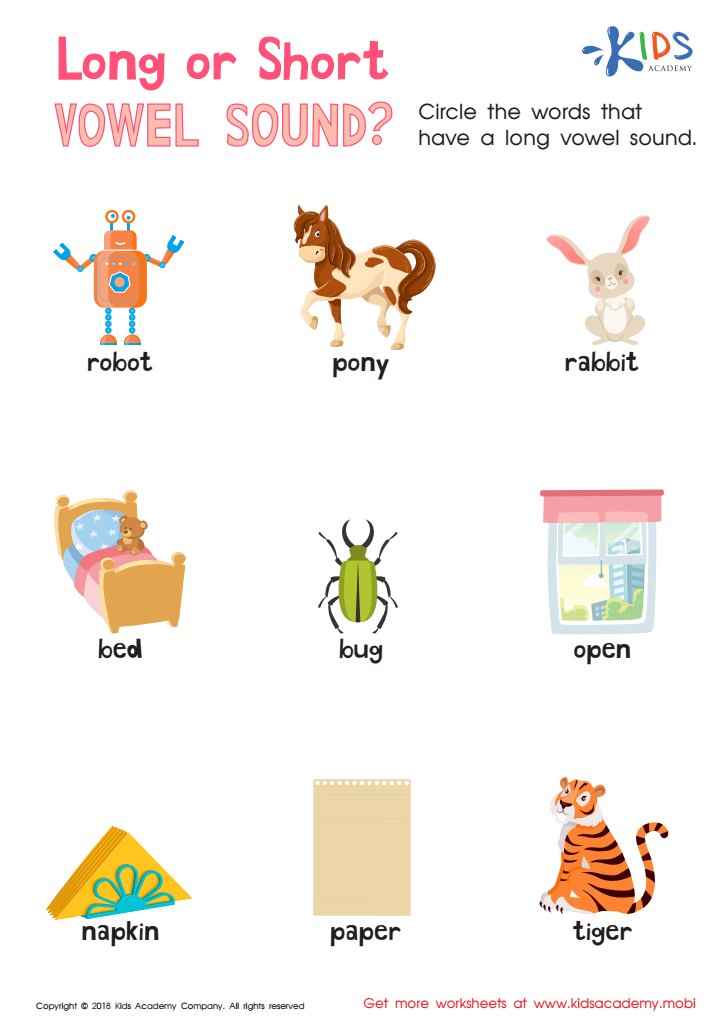
Long or Short Vowel Sound? Worksheet
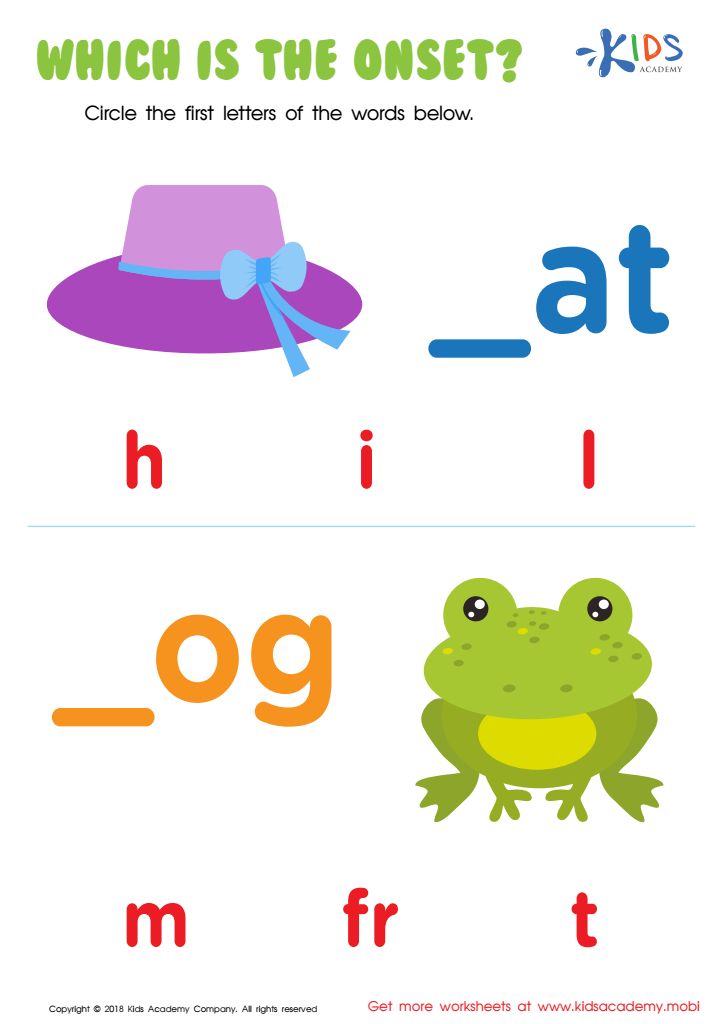
Which Is the Onset? Worksheet
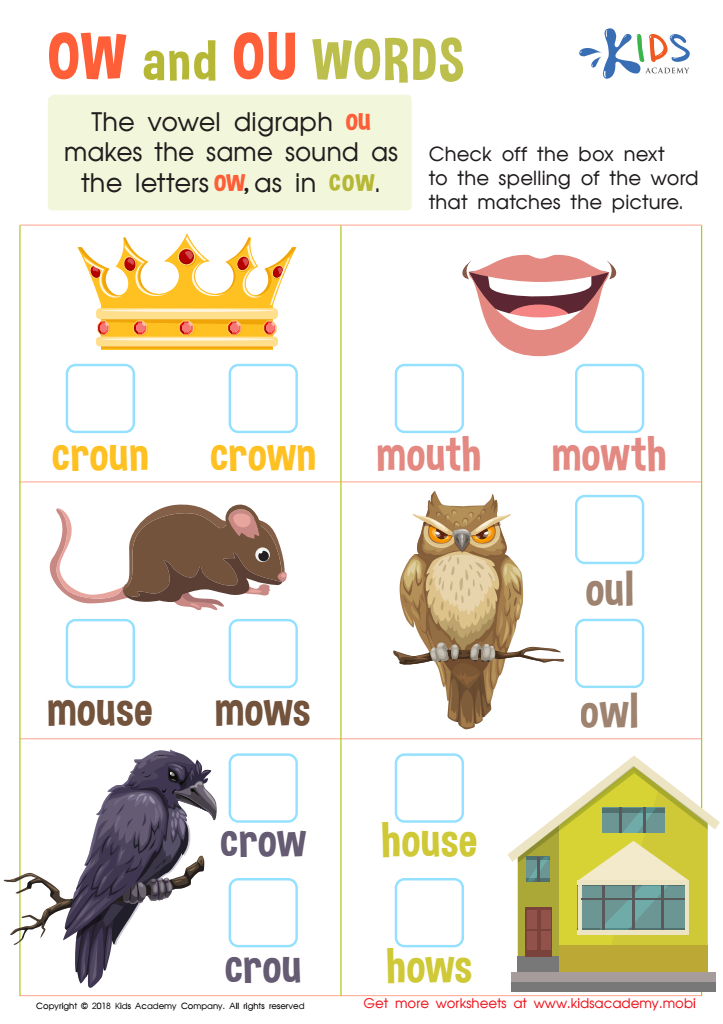
Reading: OW and OU Words Worksheet

Rhyming Words Rhyming Worksheet
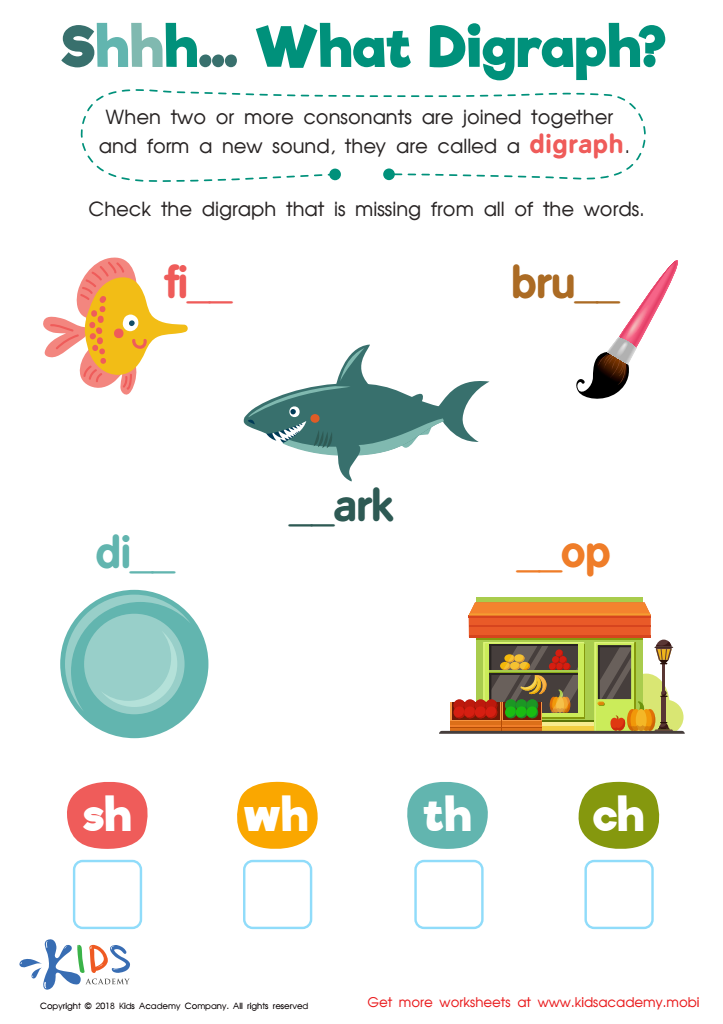
Shhh... What Digraph? Worksheet
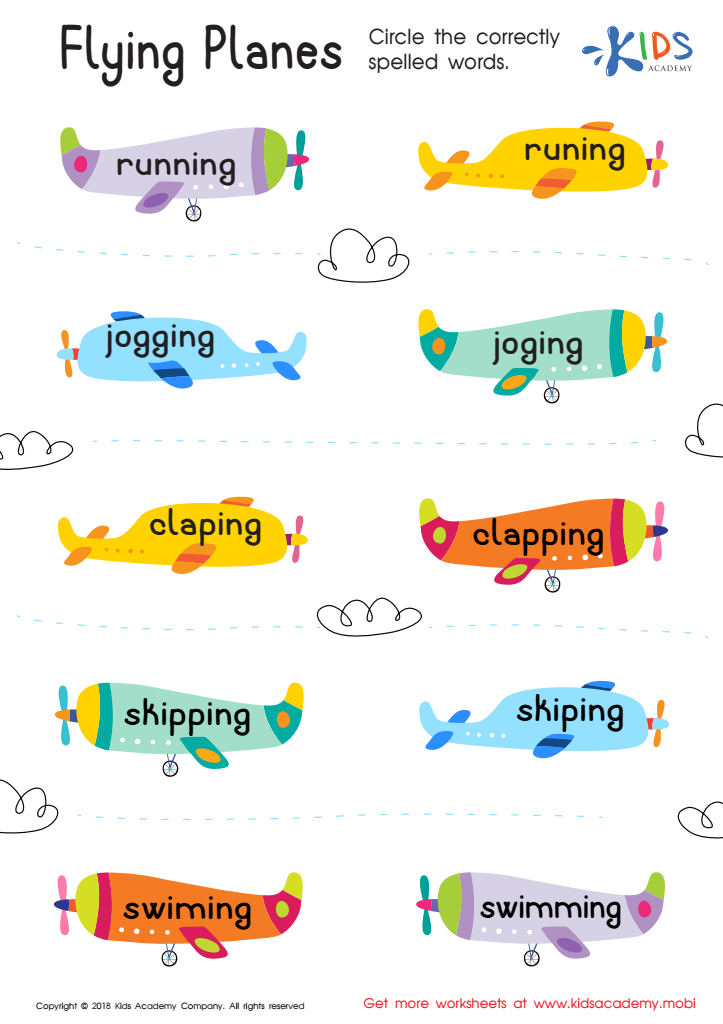
Flying Planes Worksheet
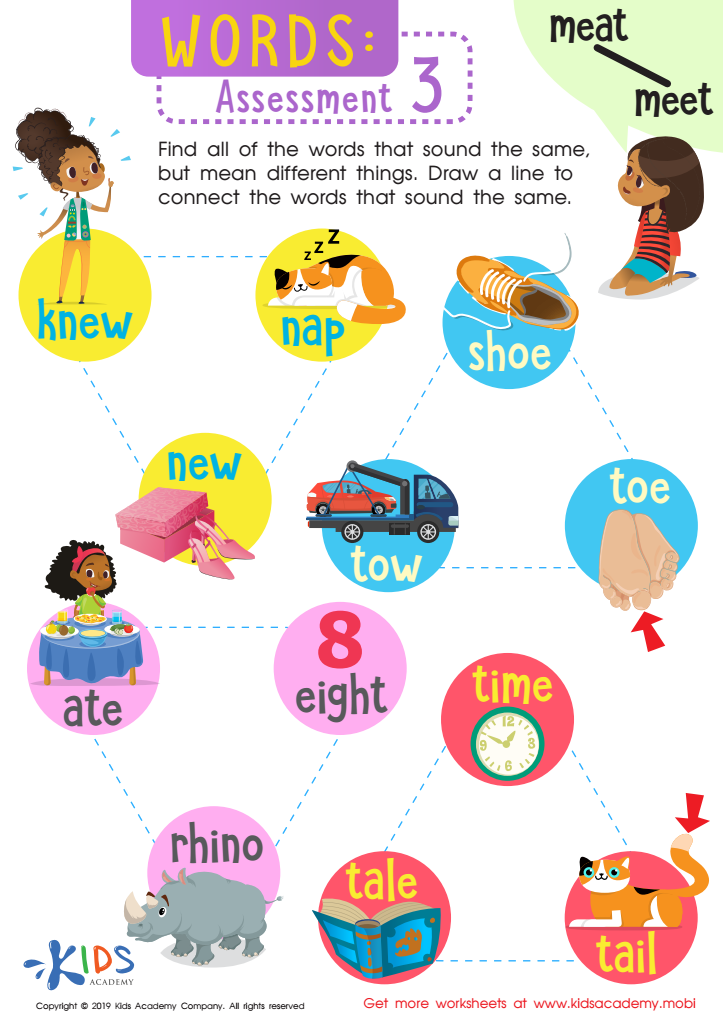
Words: Asessment 3 Worksheet
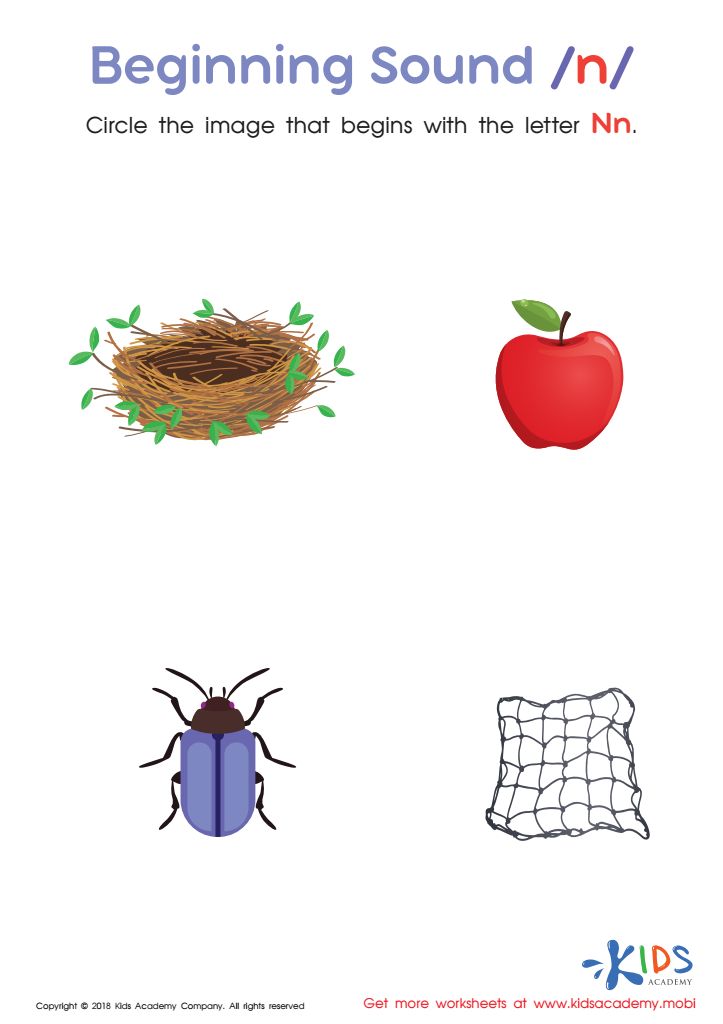
Beginning Sound «n» Worksheet
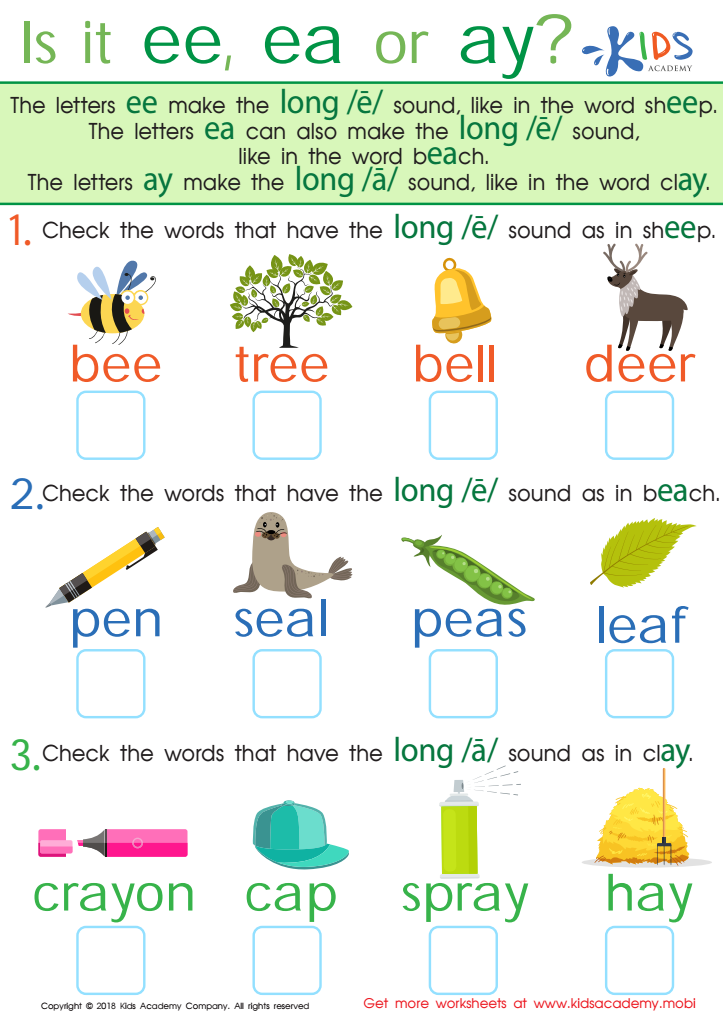
Is It EE, EA, or AY? Worksheet
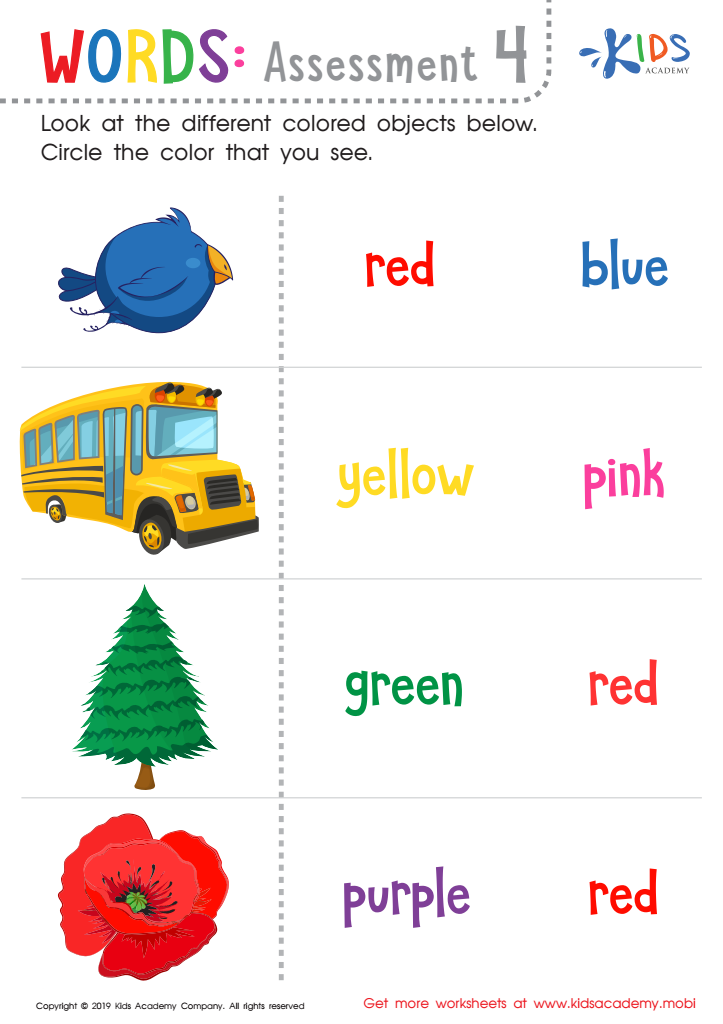
Words: Assessment 4 Worksheet
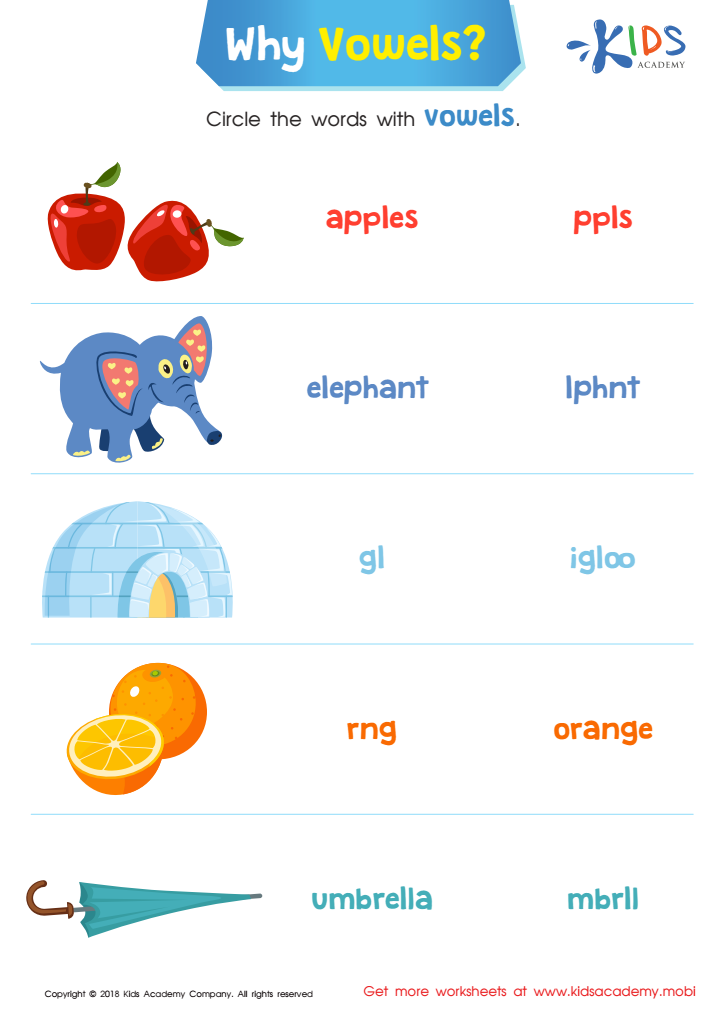
Why Vowels? Reading Worksheet
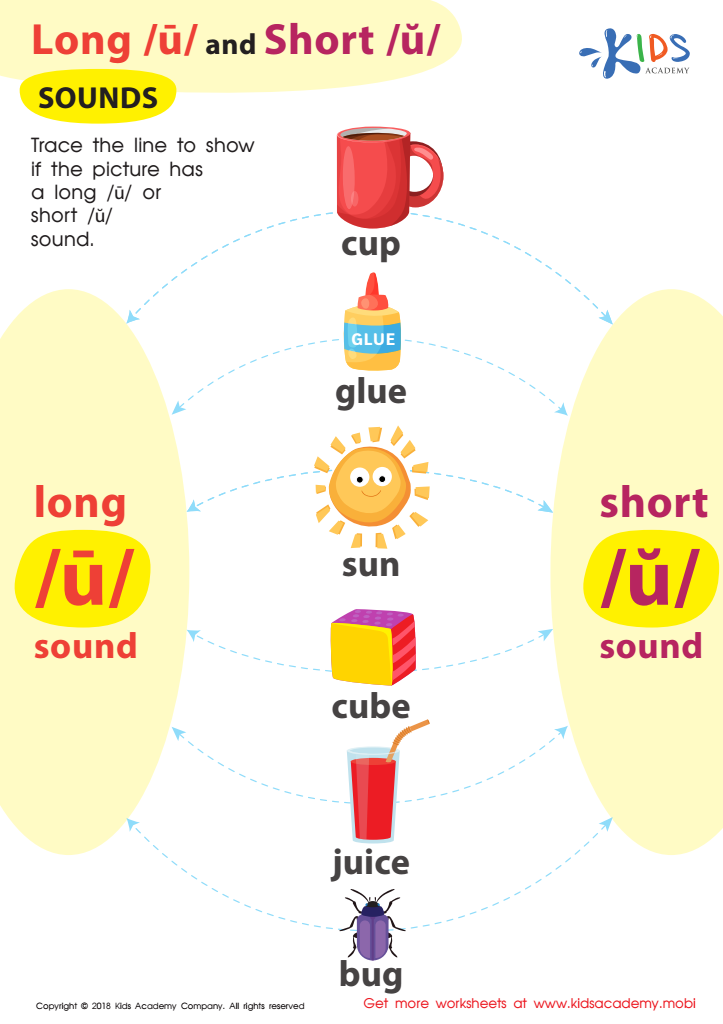
Reading: Long U and Short U Sounds Worksheet
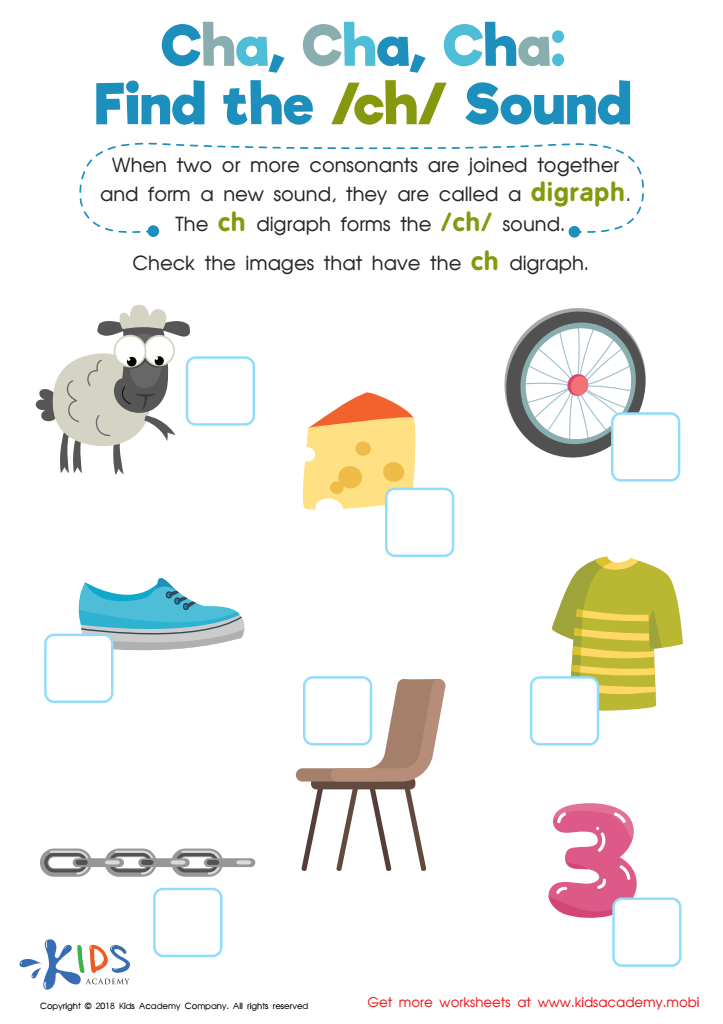
Cha, Cha, Cha: Find the /Ch/ Sound Worksheet
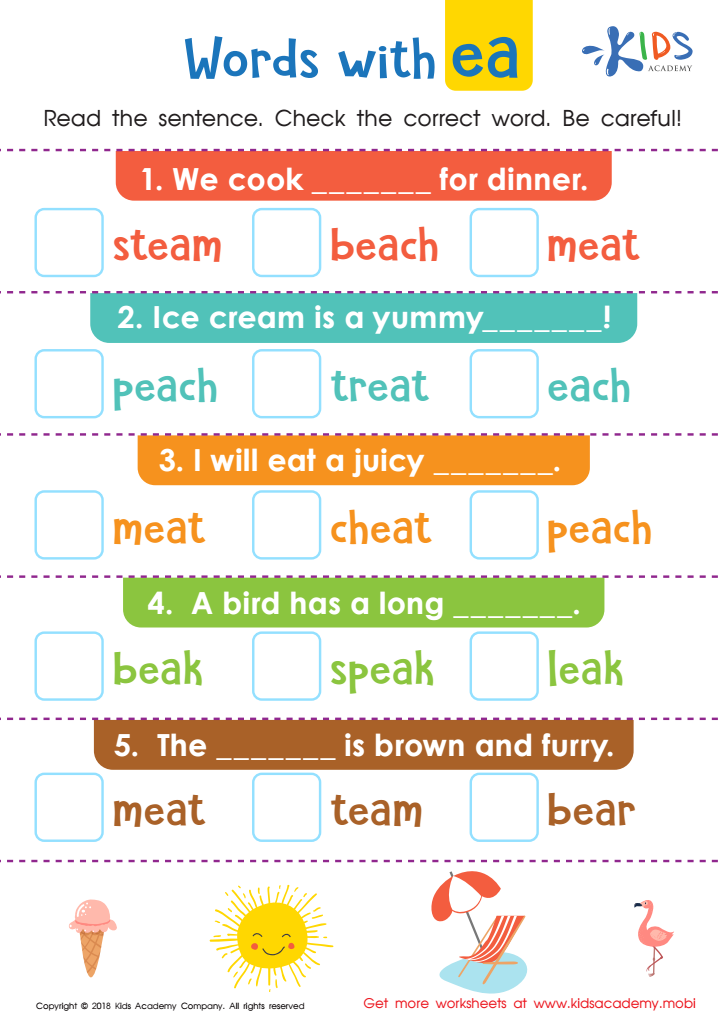
Words with ea Worksheet
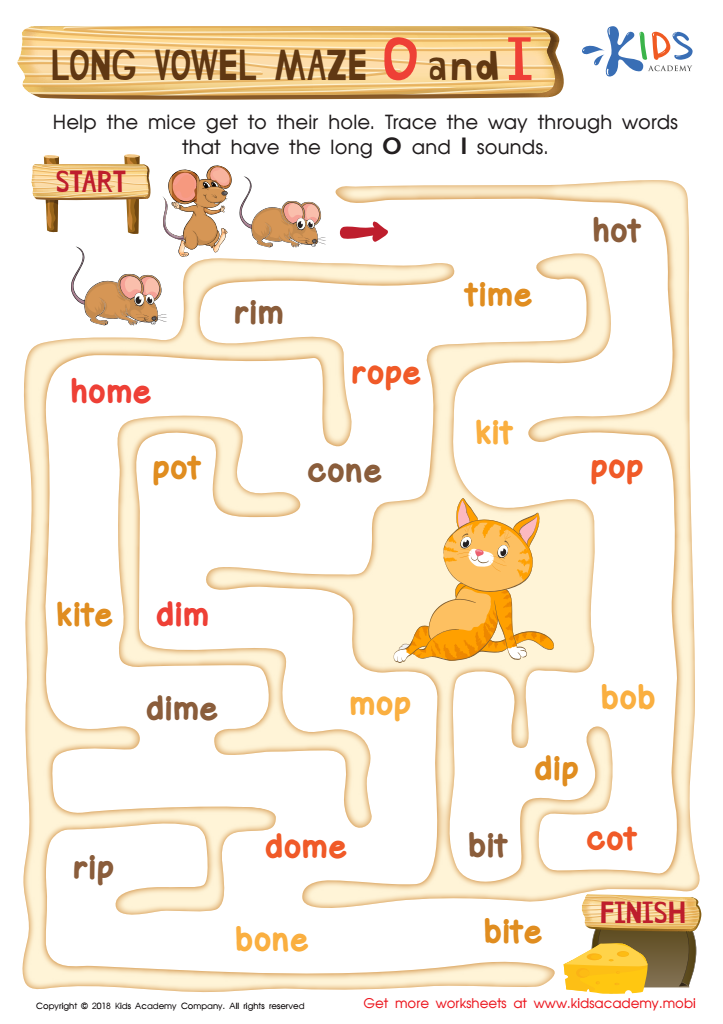
Long Vowel Maze /o/ and /i/ Worksheet
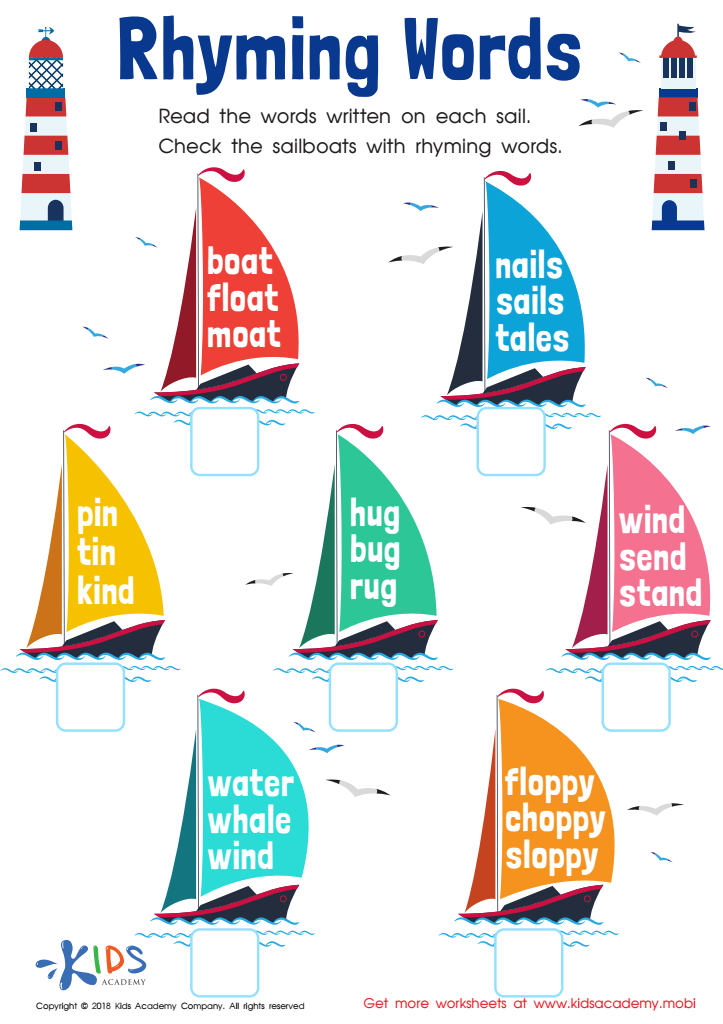
Rhyming Words Worksheet
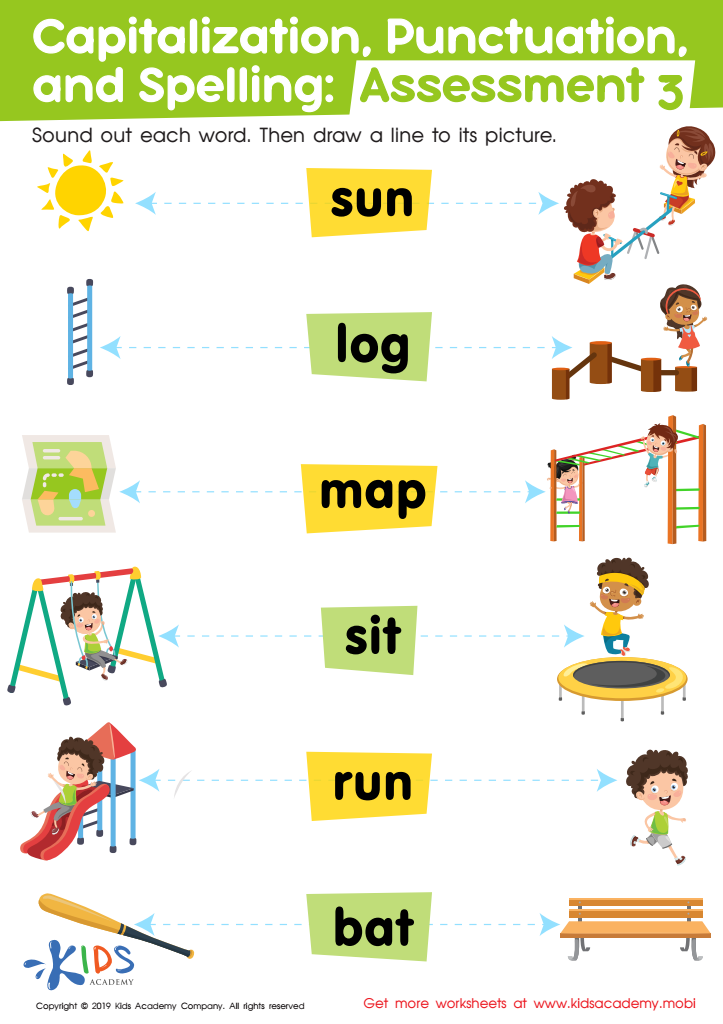
Capitalization. Punctuation. Spelling. Assessment 3 Worksheet
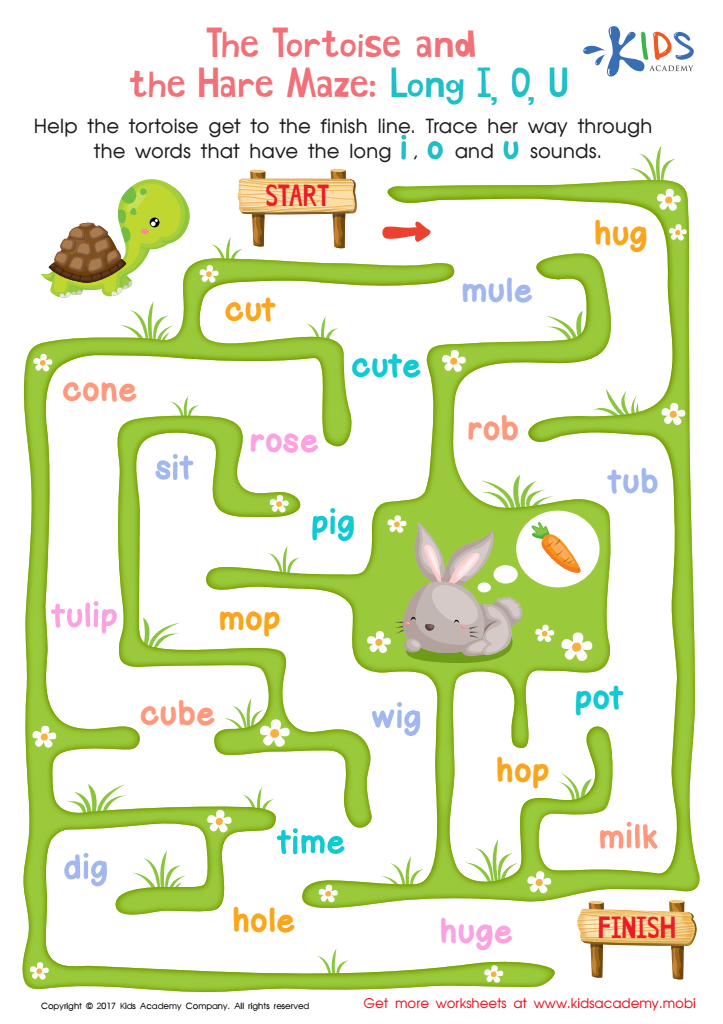
Long I, O, U Words Worksheet
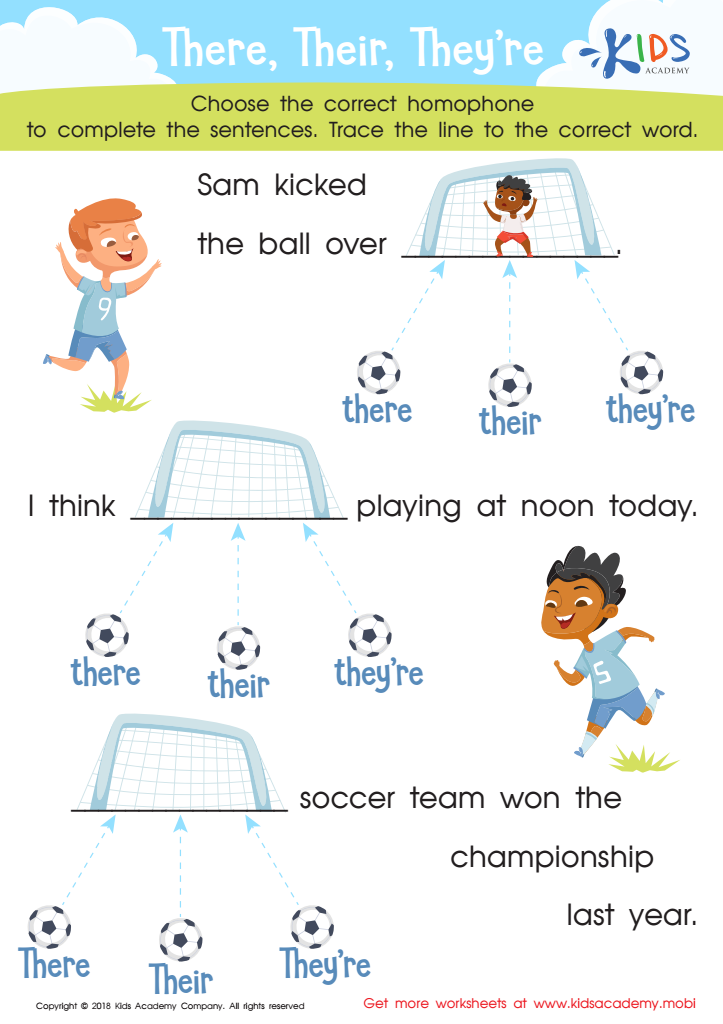
There, Their, They're Worksheet








Phonics is a crucial component of early literacy that significantly impacts children's reading abilities, particularly among ages 3-8. Understanding phonics, which involves the relationship between letters and sounds, lays the groundwork for effective reading and writing.
For parents and teachers, emphasizing phonics during these formative years is vital for several reasons. Firstly, children who master phonics are better equipped to decode words, leading to improved fluency and comprehension skills. This foundational knowledge fosters a confident and motivated reader. Secondly, supporting phonics education early can help identify and prevent reading difficulties, allowing for timely intervention.
Additionally, phonics aids in vocabulary acquisition and spelling, promoting overall language development. Engaging children with phonics through songs, games, and activities can make learning enjoyable and interactive, nurturing a lifelong love for reading. It also closes the literacy gap, ensuring all children, regardless of background, have access to essential communication skills necessary for academic and personal success.
In summary, prioritizing phonics education for young children is an investment in their future, equipping them with the tools to thrive academically and socially.







