Space Worksheets for Ages 3-8 - Page 2
42 filtered results
-
From - To
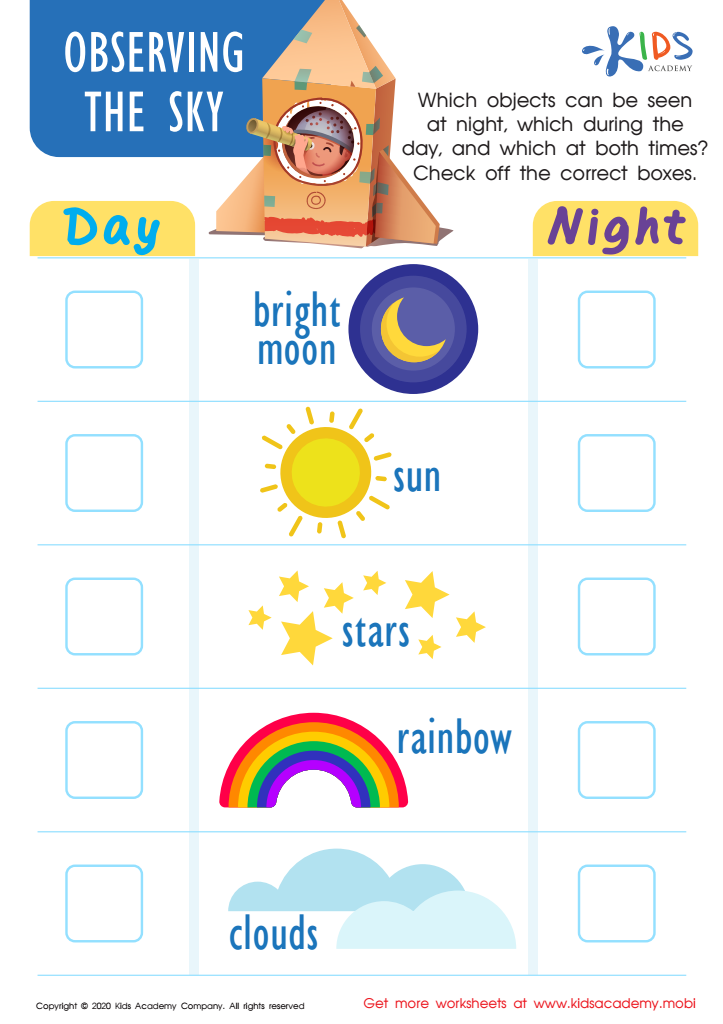
Observing the Sky Worksheet
 Assign to My Students
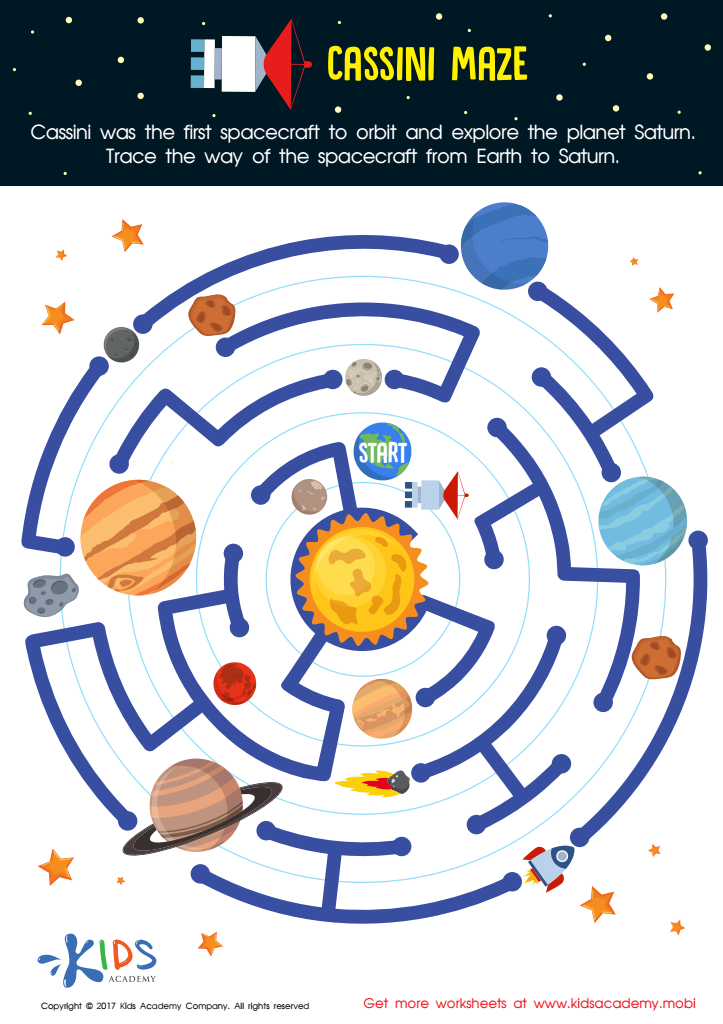
Cassini Printable Worksheet
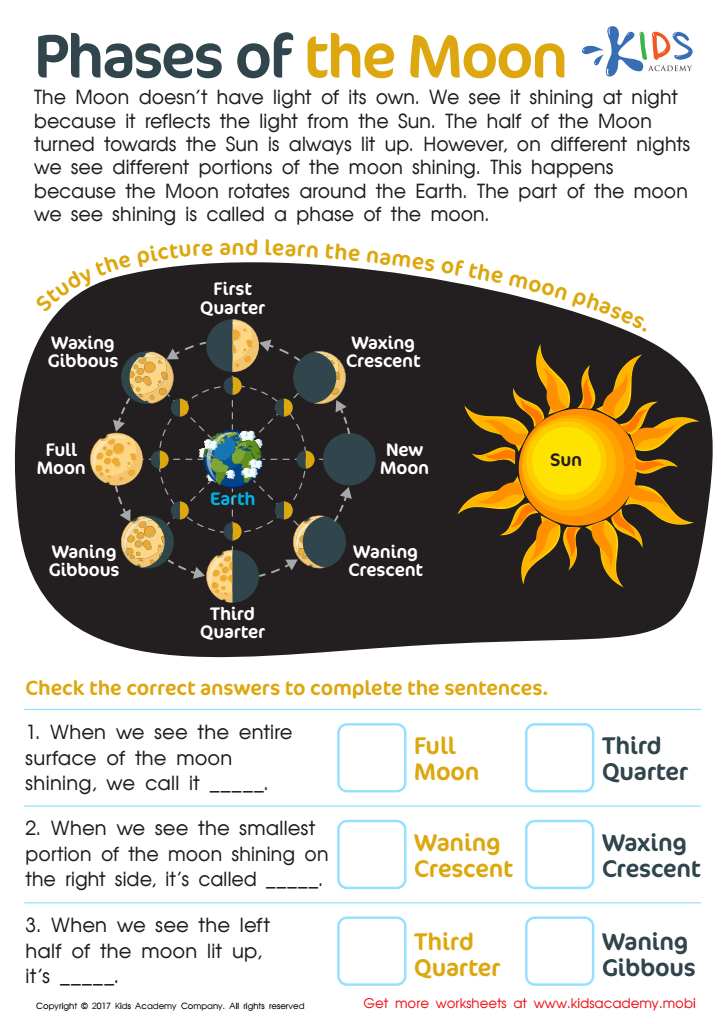
Phases of The Moon Worksheet
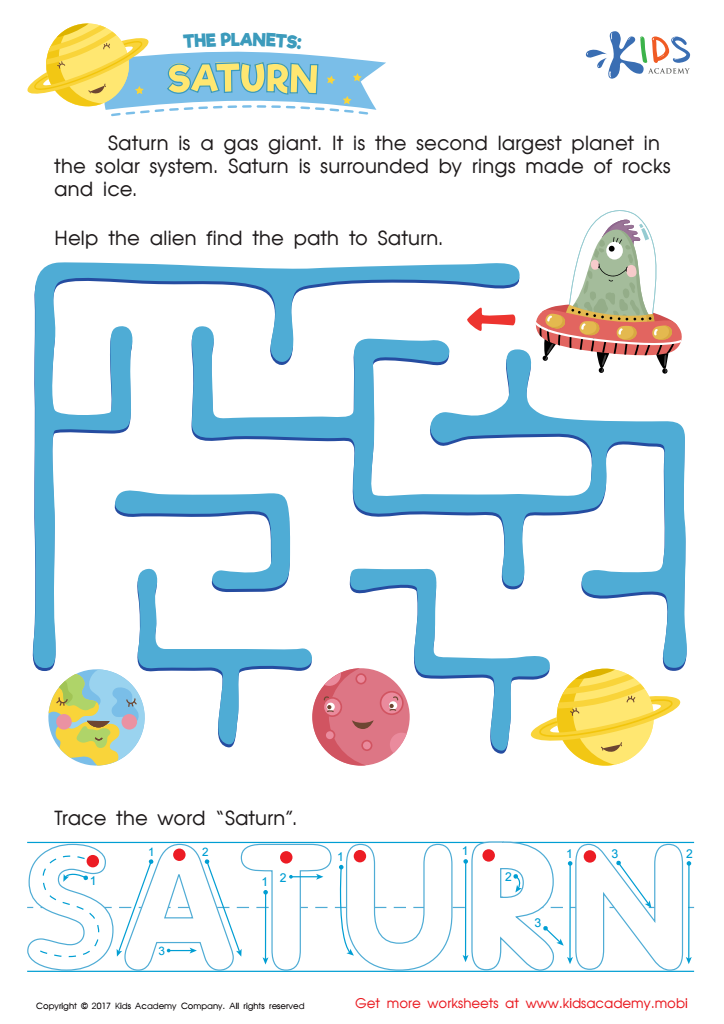
The Planets: Saturn Printable
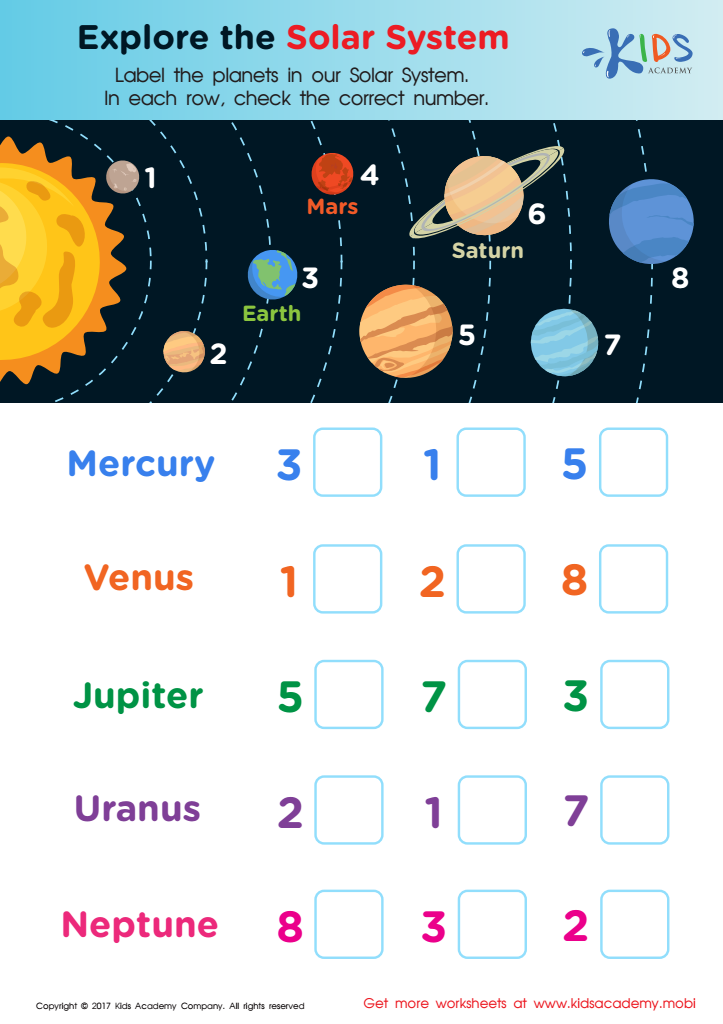
Solar System Planets Worksheet
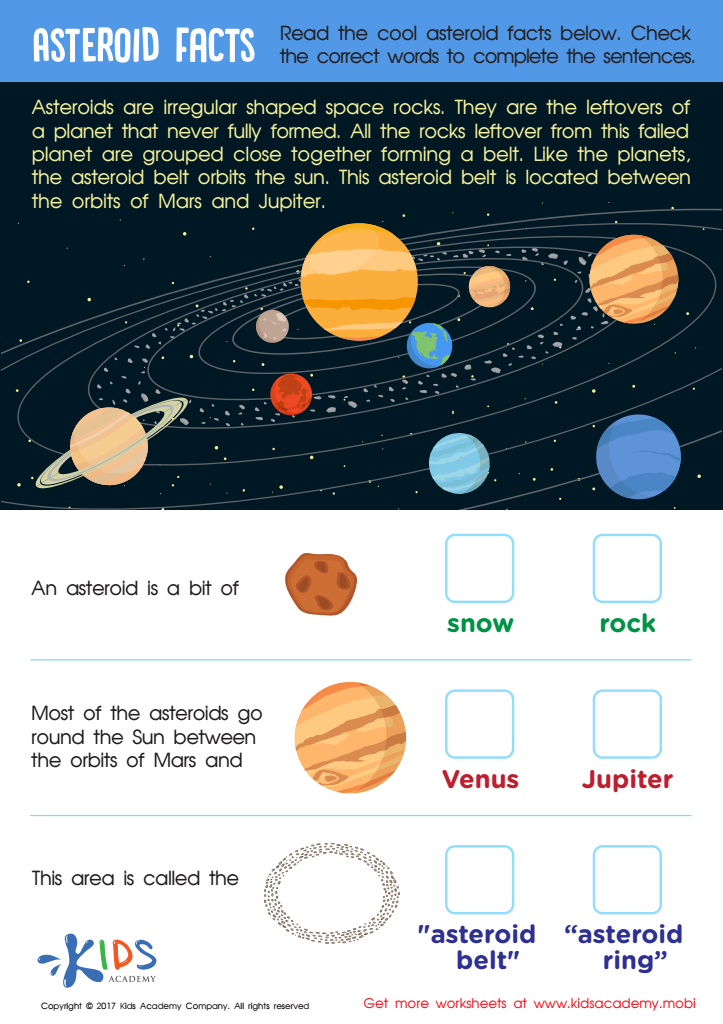
Asteroid Facts Worksheet
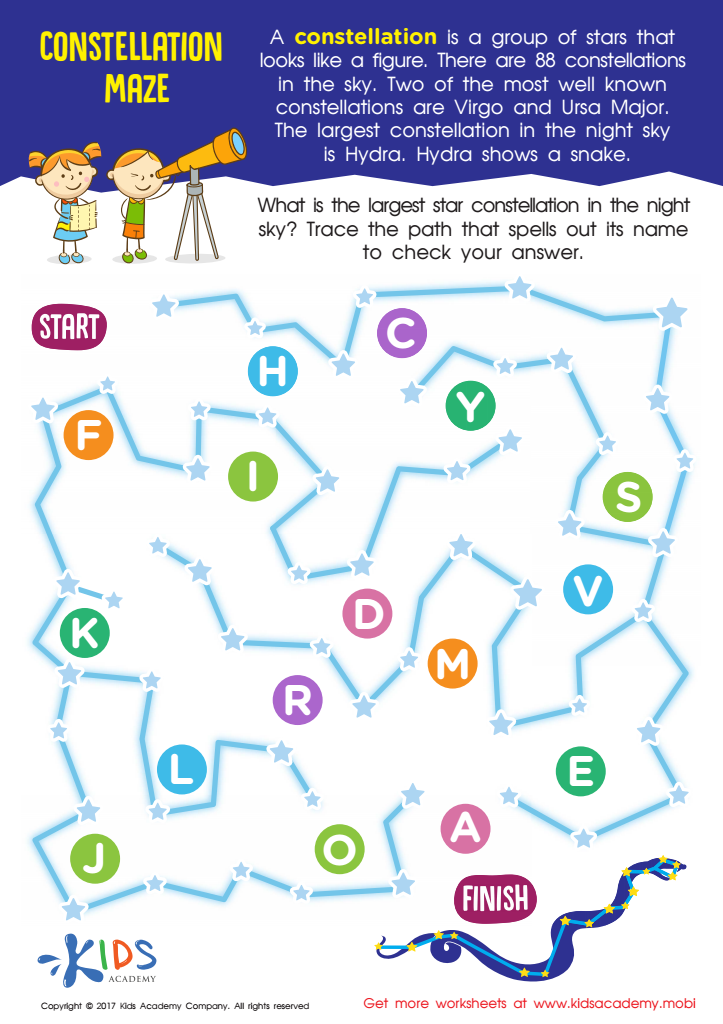
Constellations Worksheet
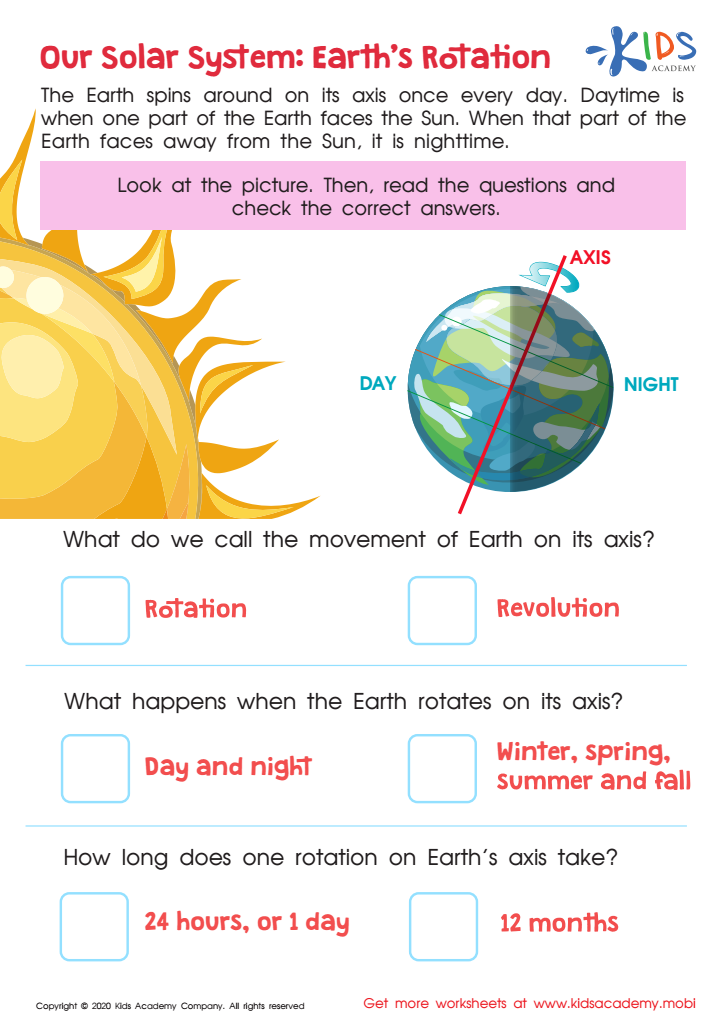
Our Solar System: Earth's Rotation Printable
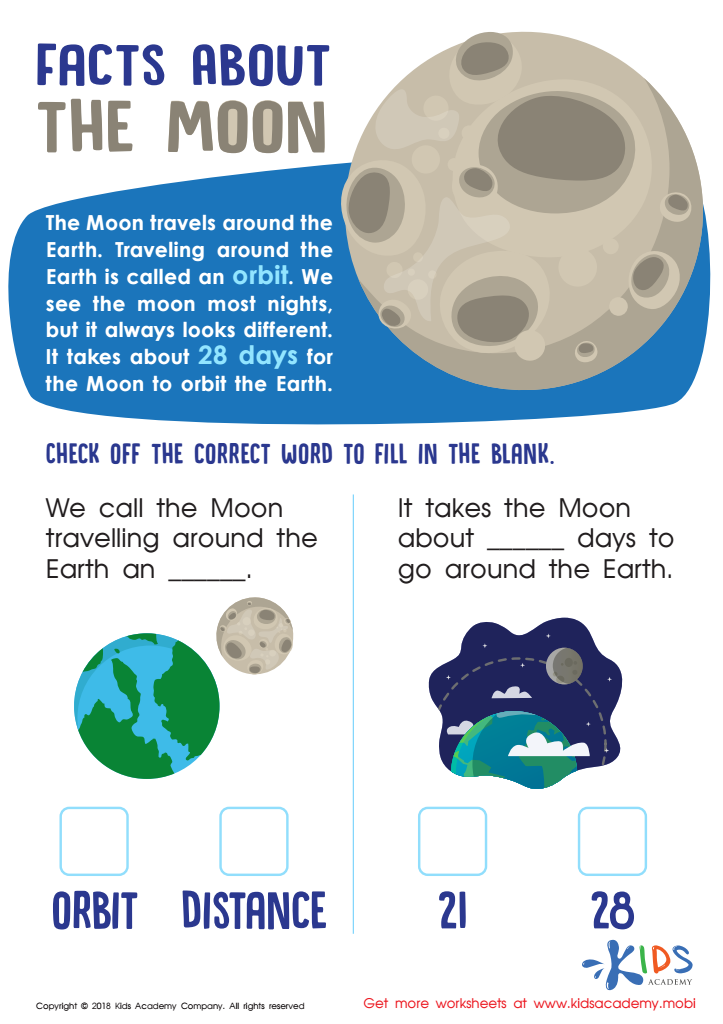
Facts About the Moon Worksheet
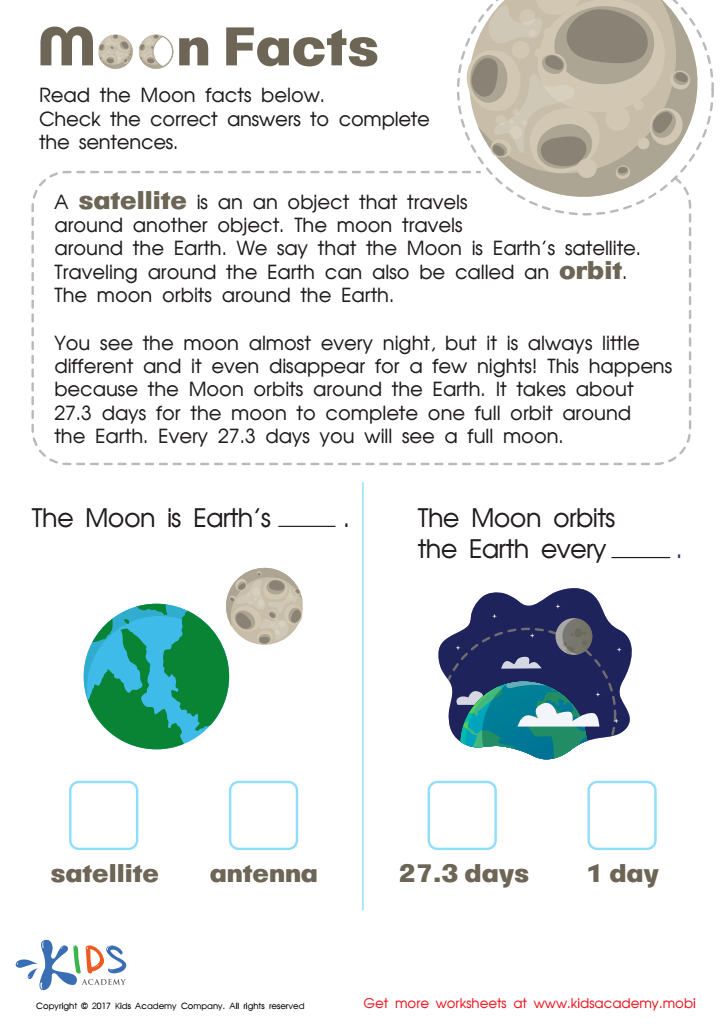
Moon Facts Worksheet
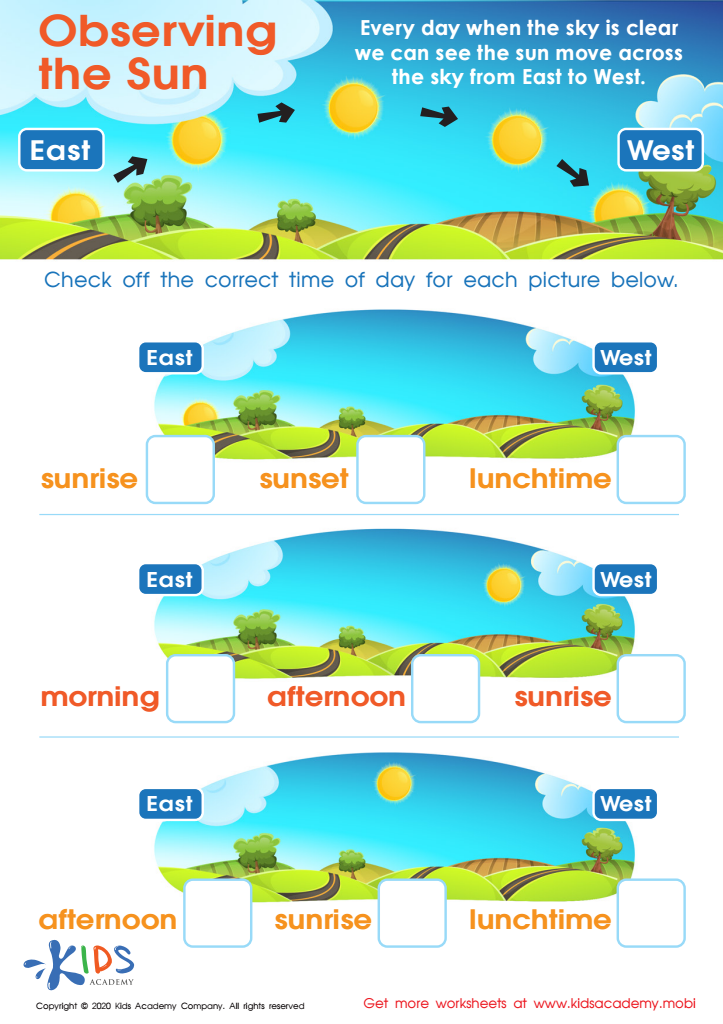
Observing the Sun Worksheet
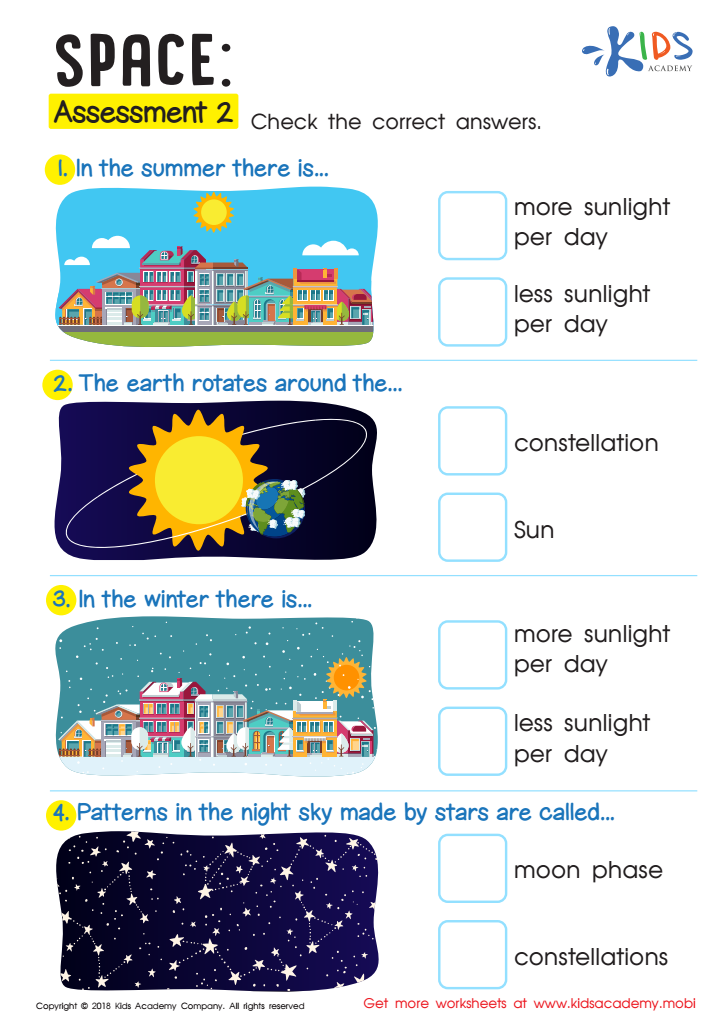
Space: Assessment 2 Worksheet
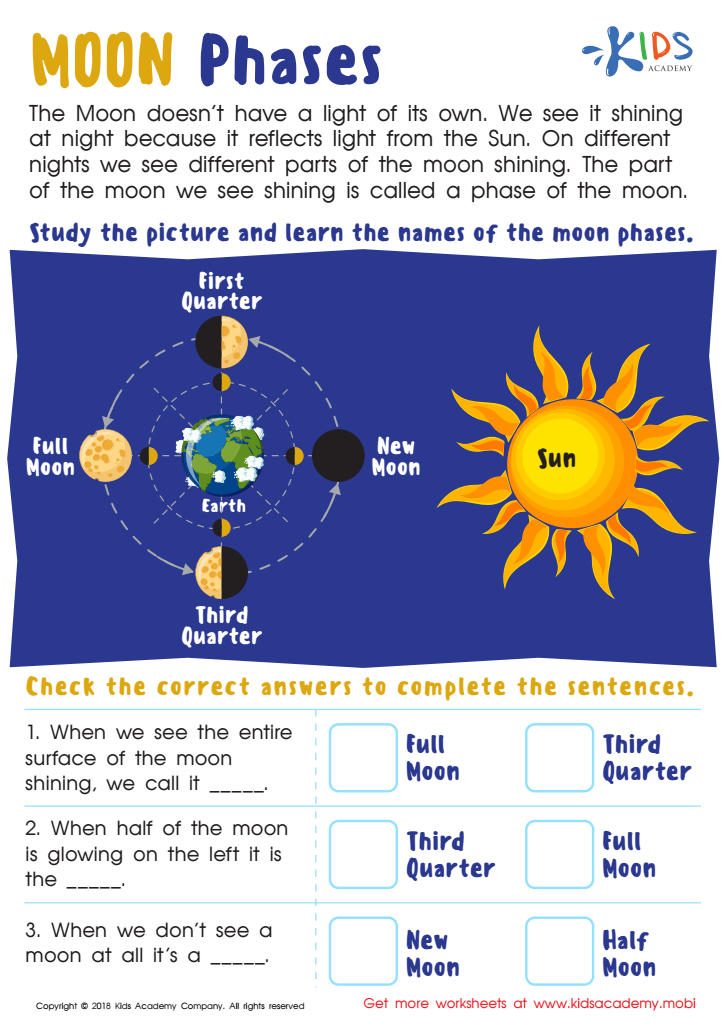
Moon Phases Worksheet
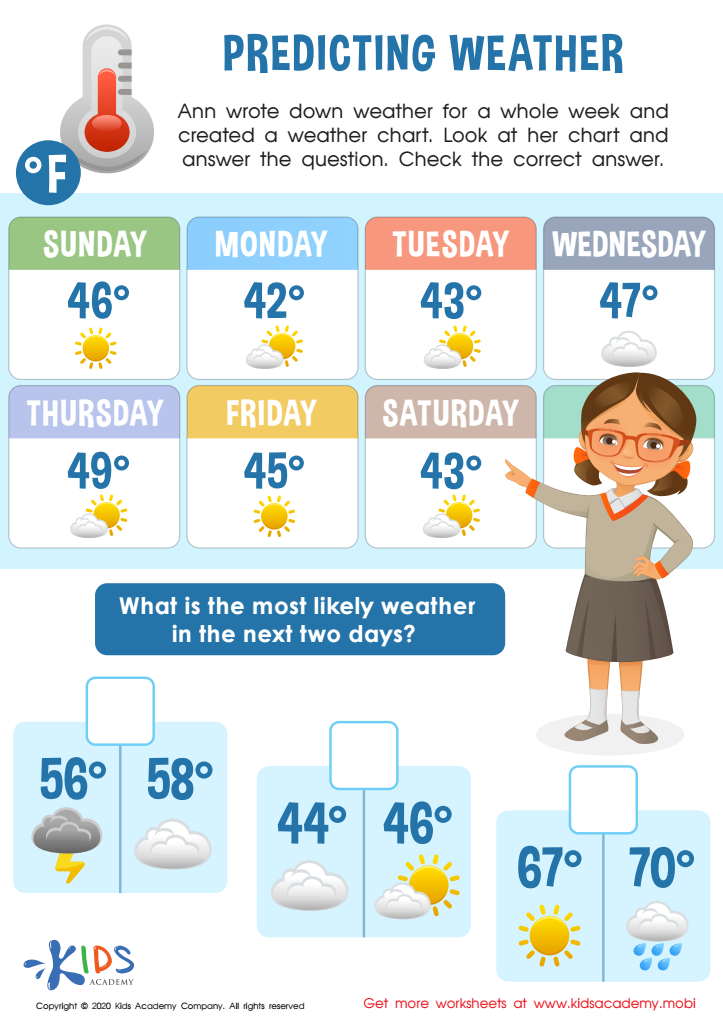
Predicting Weather Worksheet
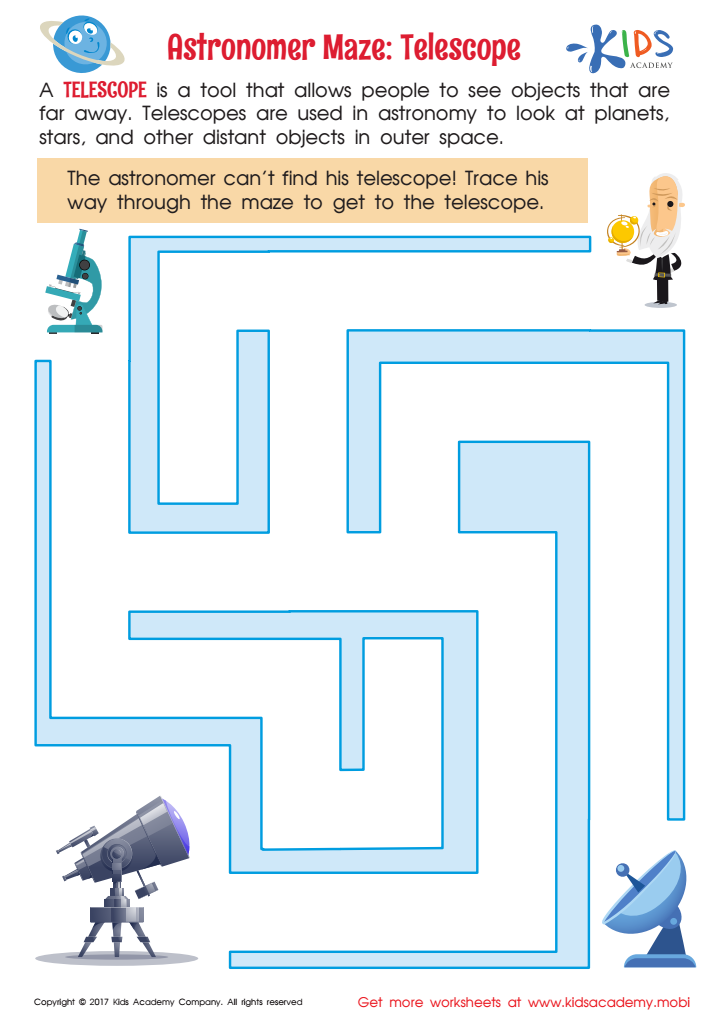
Astronomer Maze: Telescope Worksheet
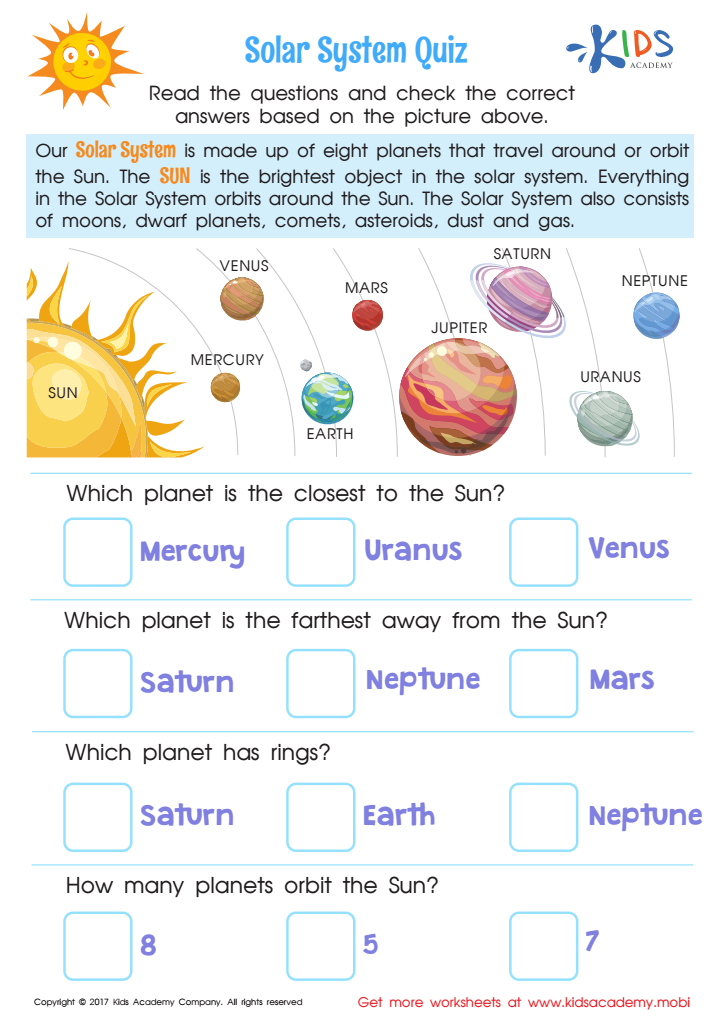
Solar System Quiz Printable
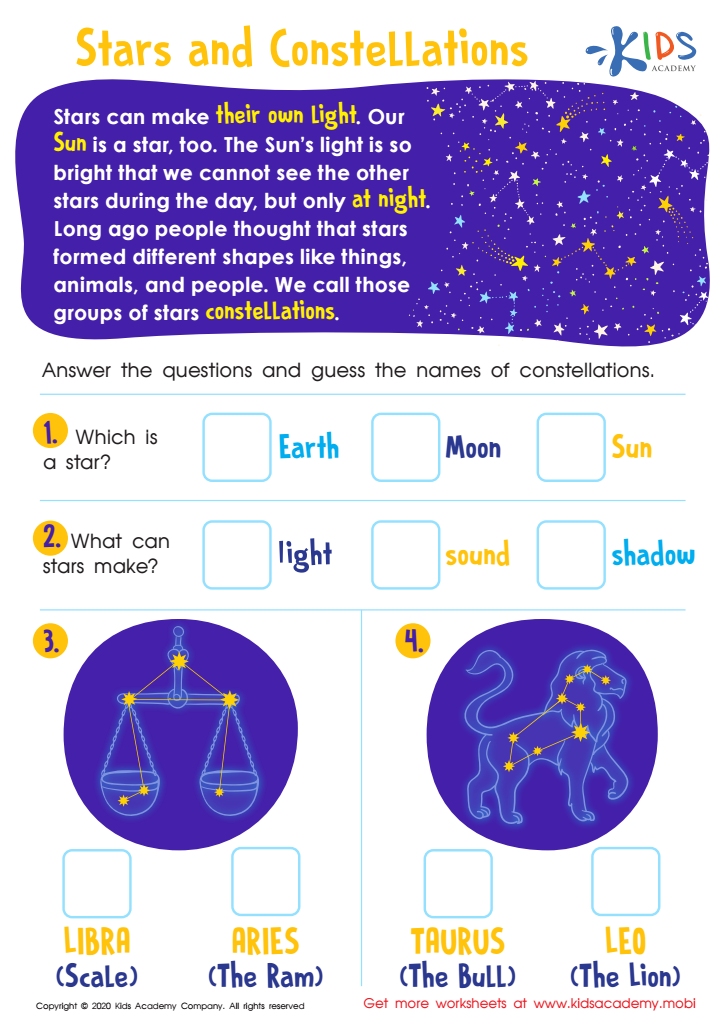
Stars and Constellations Worksheet
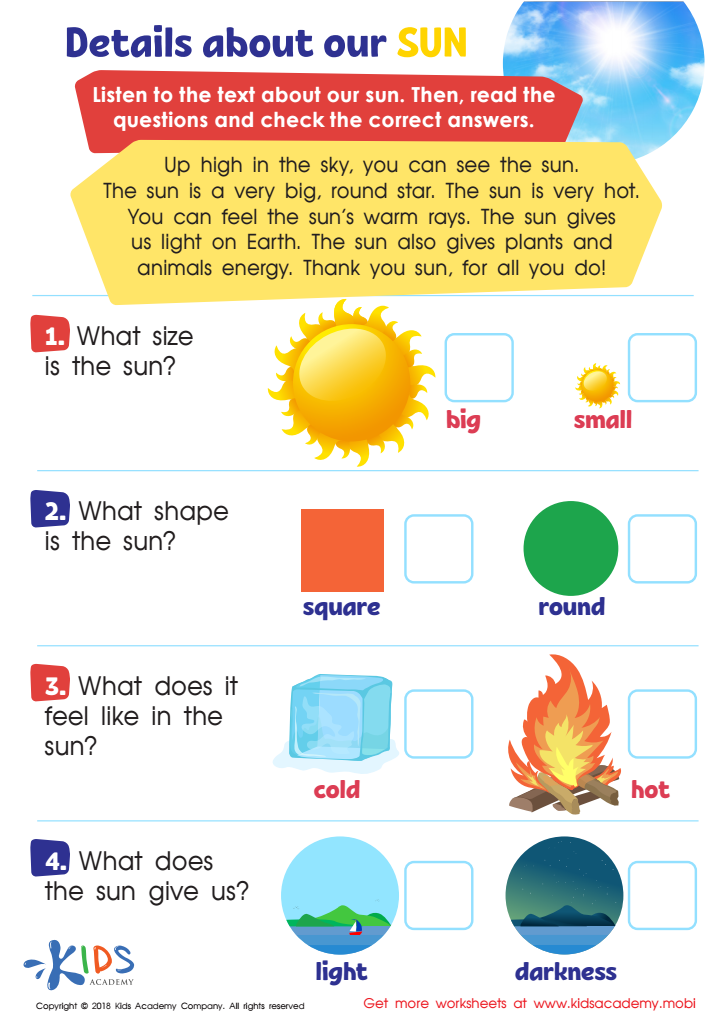
Details About Our Sun Worksheet




%20(1).jpg)



Parents and teachers should care about space for children aged 3-8 because it sparks curiosity and wonder about the universe. At this age, children are naturally inquisitive, and space topics can captivate their imagination. Learning about space introduces basic scientific concepts such as gravity, planets, and stars in a fun and engaging way. This not only promotes early STEM learning but also helps foster critical thinking skills as children begin to ask questions about the world around them.
Moreover, engaging children in discussions about space encourages creativity. Activities like storytelling, making crafts, or even stargazing can enrich their understanding and appreciation of science. Space offers a unique way to discuss bigger themes such as exploration, cooperation, and the importance of protecting our planet.
Additionally, when parents and teachers show interest in space, they model a love for learning and discovery, helping to instill a sense of lifelong curiosity in children. By nurturing an early interest in space, adults can inspire the next generation of scientists, engineers, and explorers, ensuring that children not only gain knowledge but also learn to dream big about their potential contributions to the universe.







