Letter Recognition Worksheets for Ages 3-9 - Page 4
100 filtered results
-
From - To
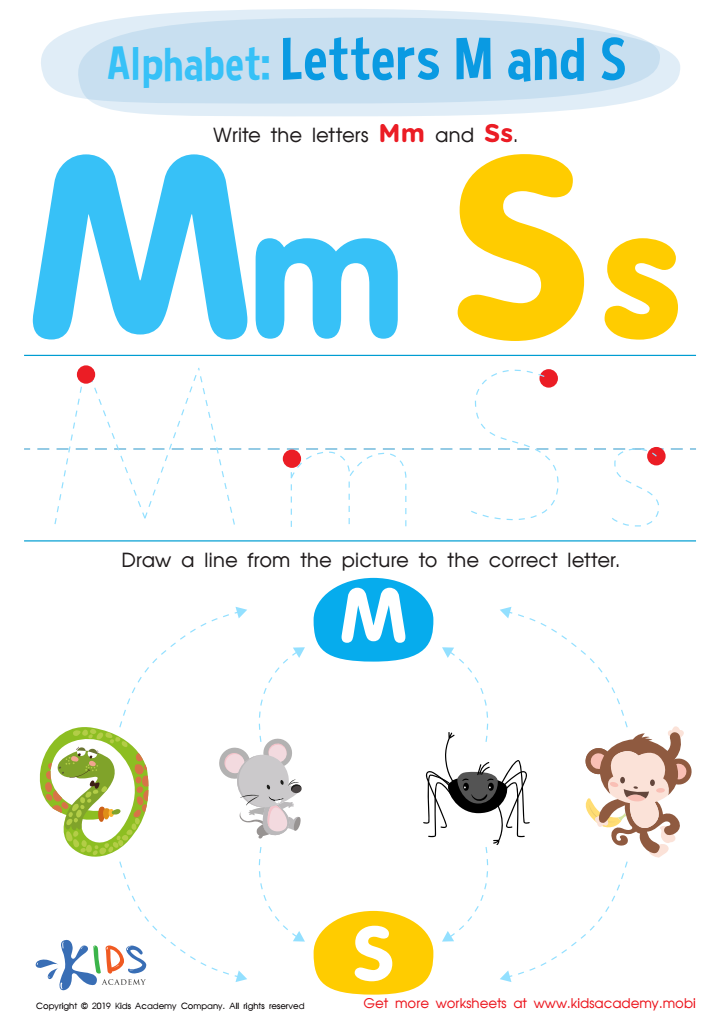
Letters M and S Tracing Worksheet
 Assign to My Students
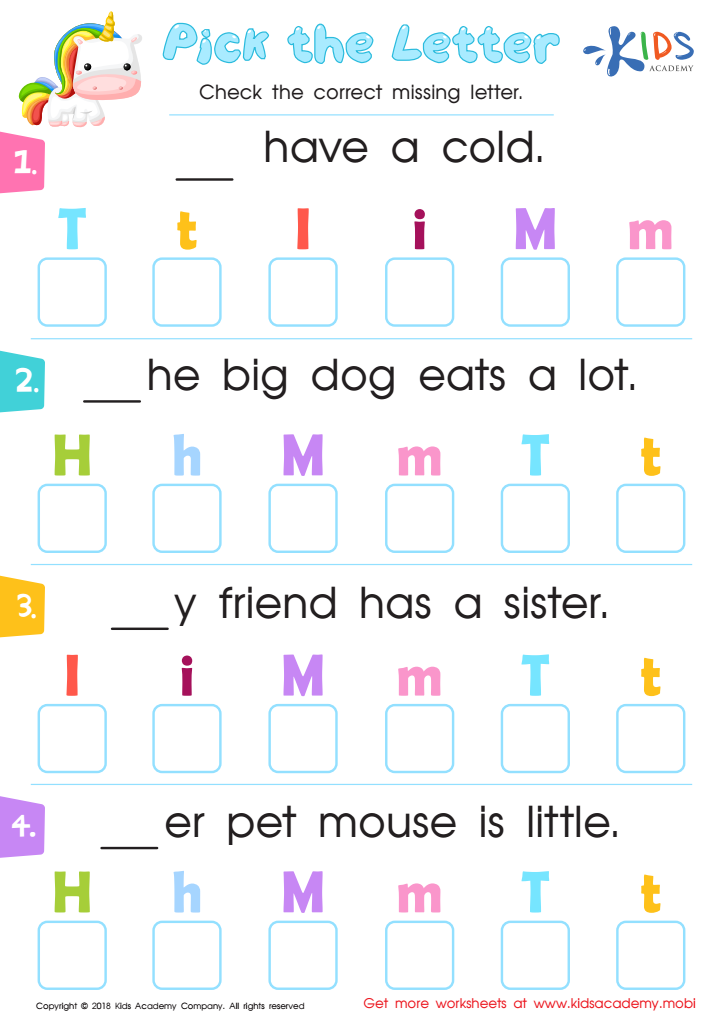
Pick the Letter Worksheet
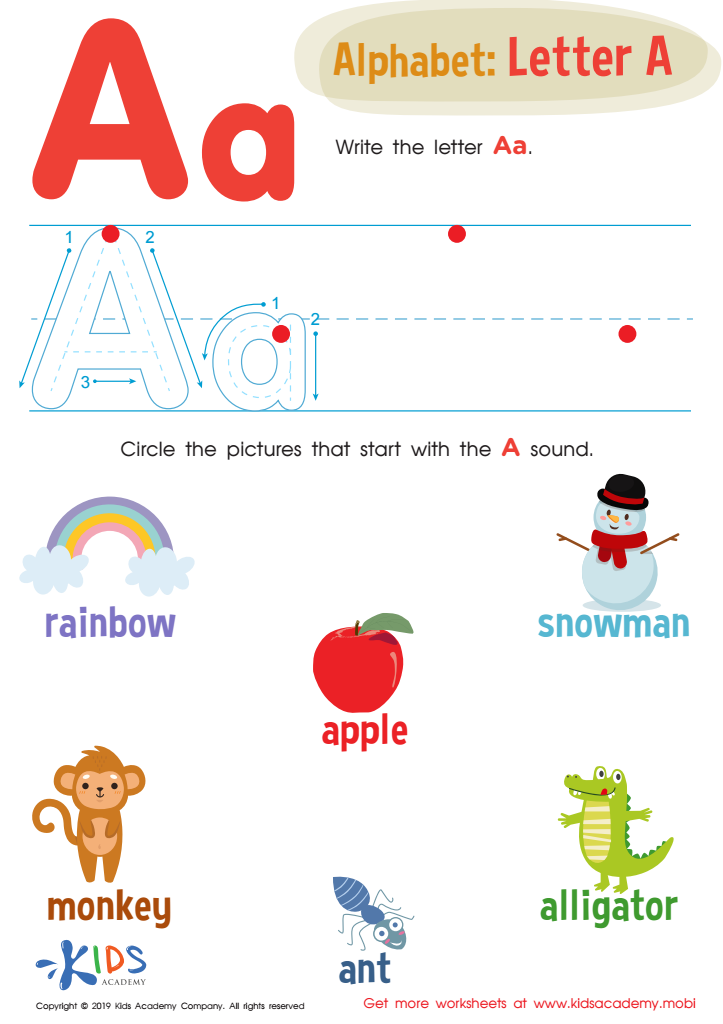
Letter A Tracing Worksheet
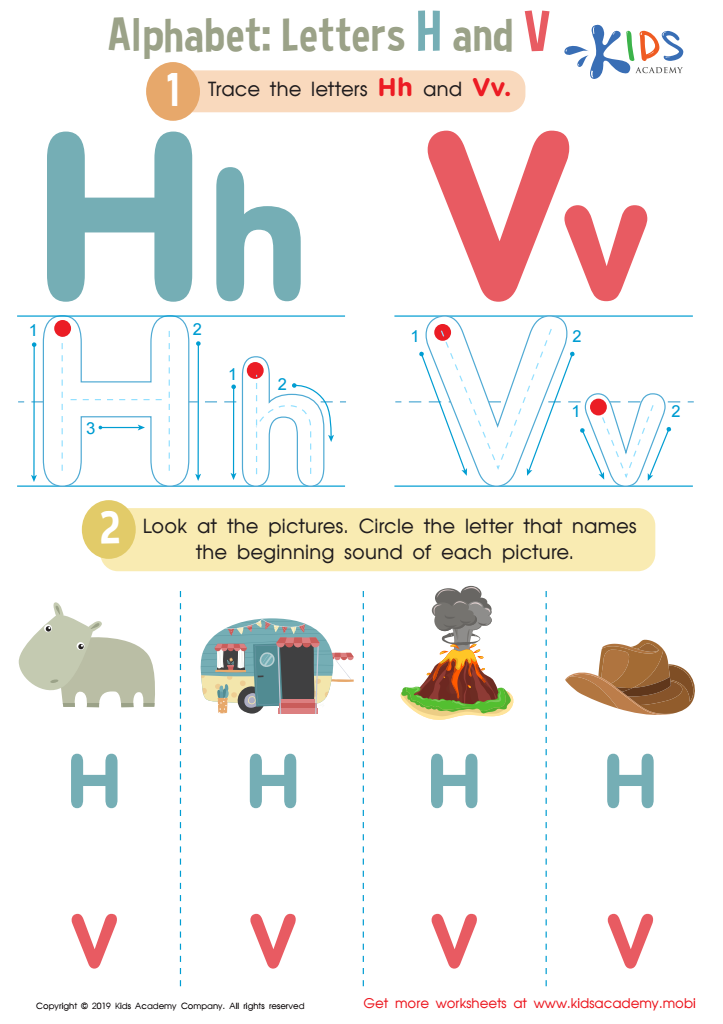
Letters H and V Tracing Worksheet
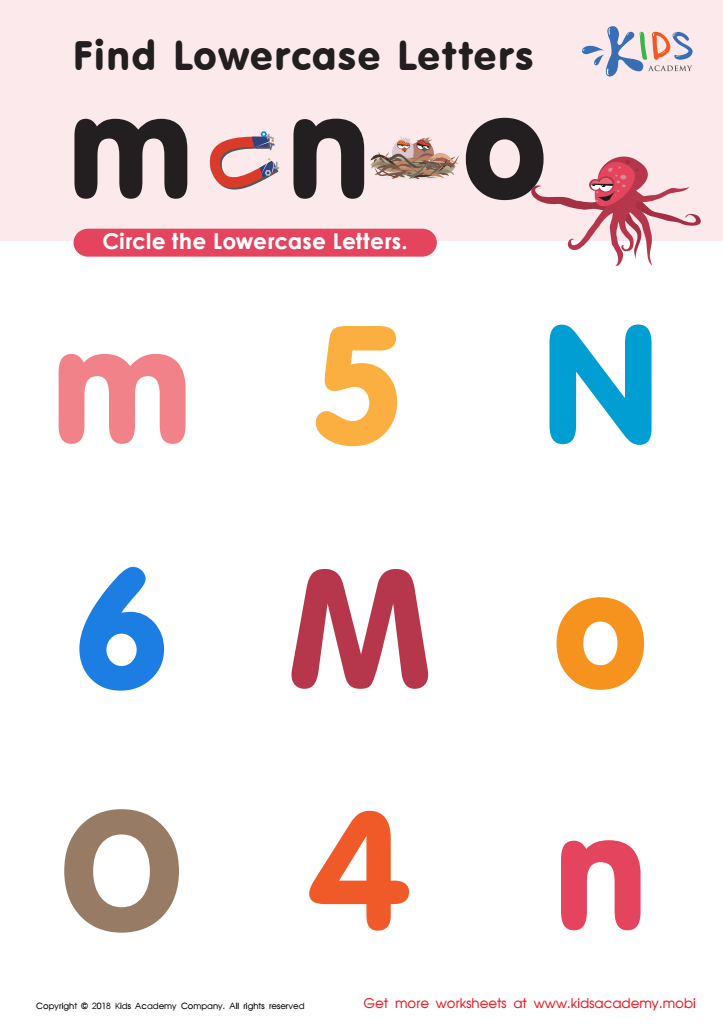
Find Lowercase Letters m n o Worksheet
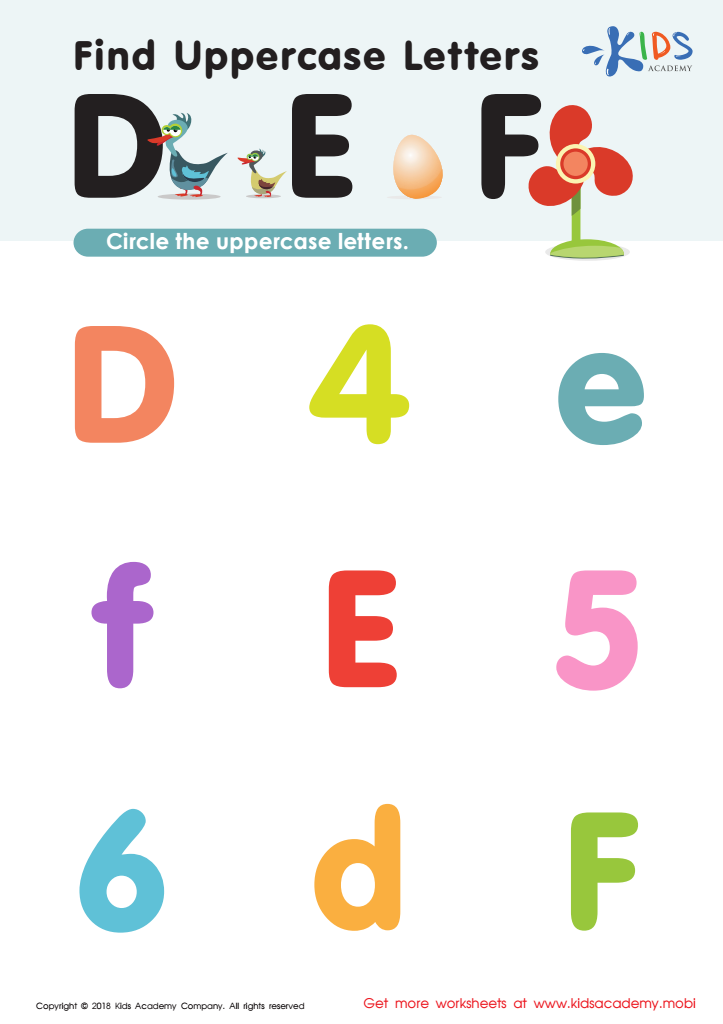
Find Uppercase Letters D, E, and F Worksheet
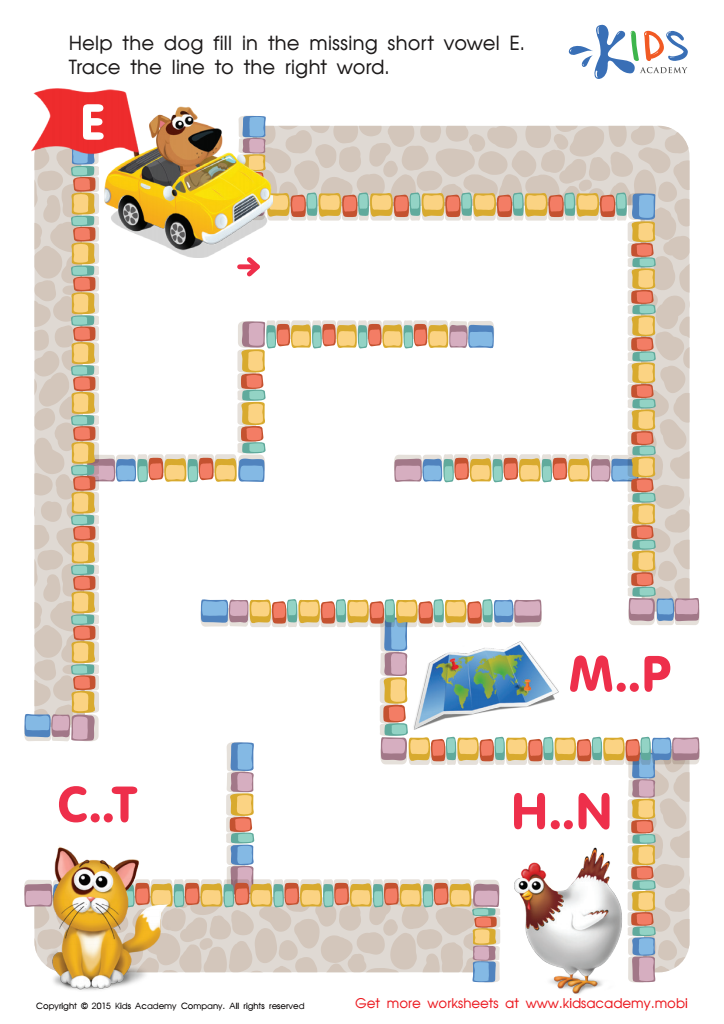
Short Vowel Sound E Worksheet
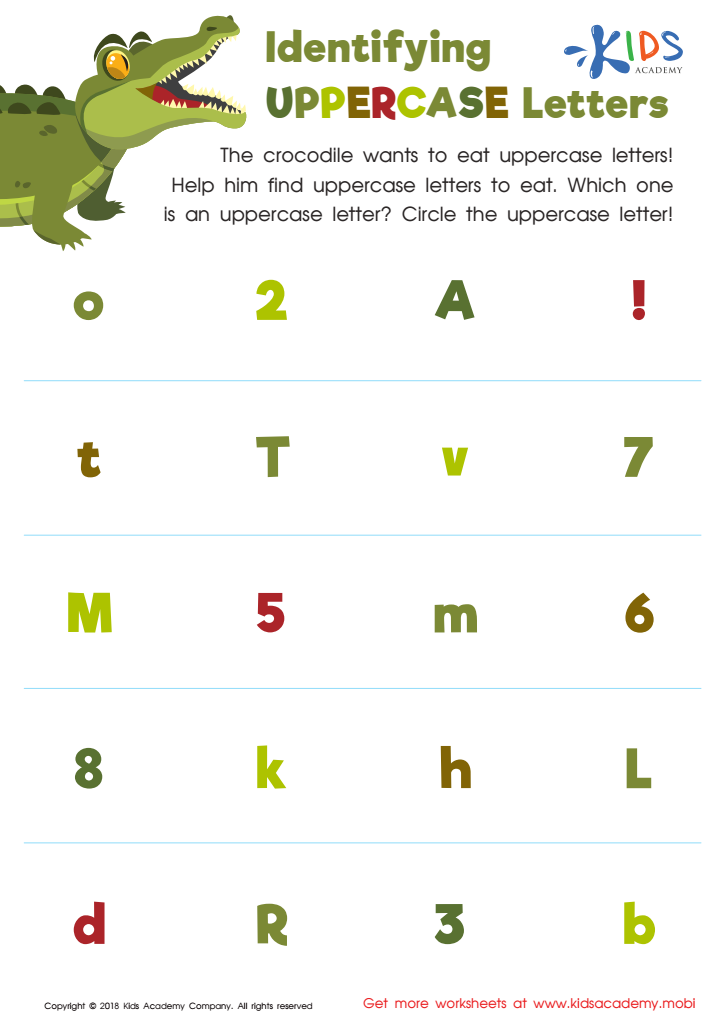
Identifying Uppercase Letters Worksheet
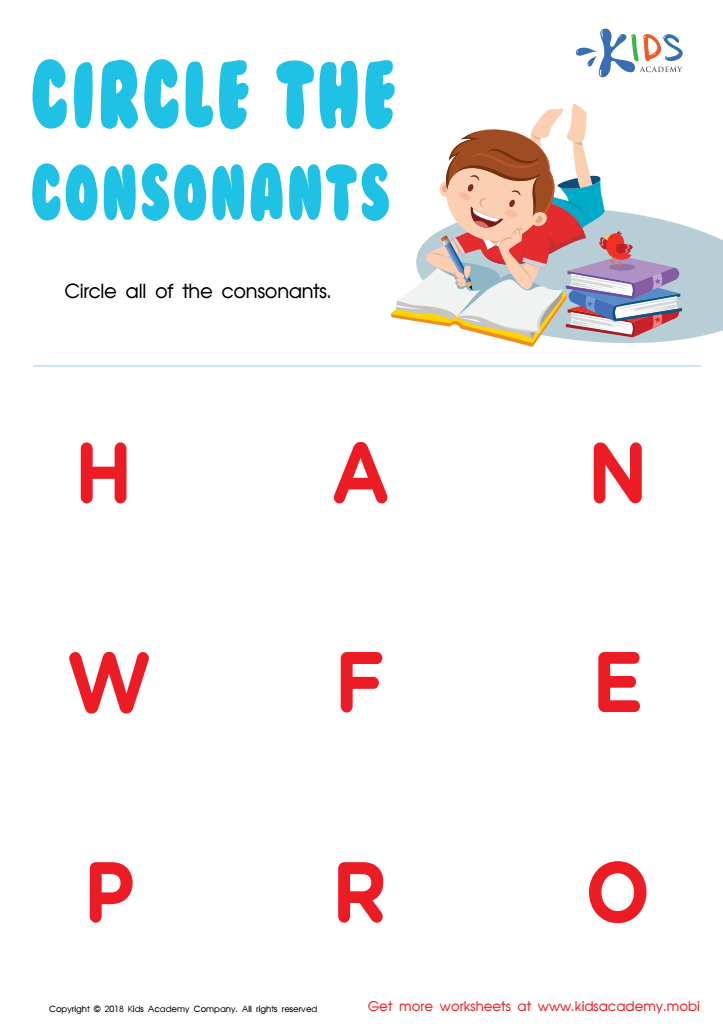
Circle the Consonants Worksheet
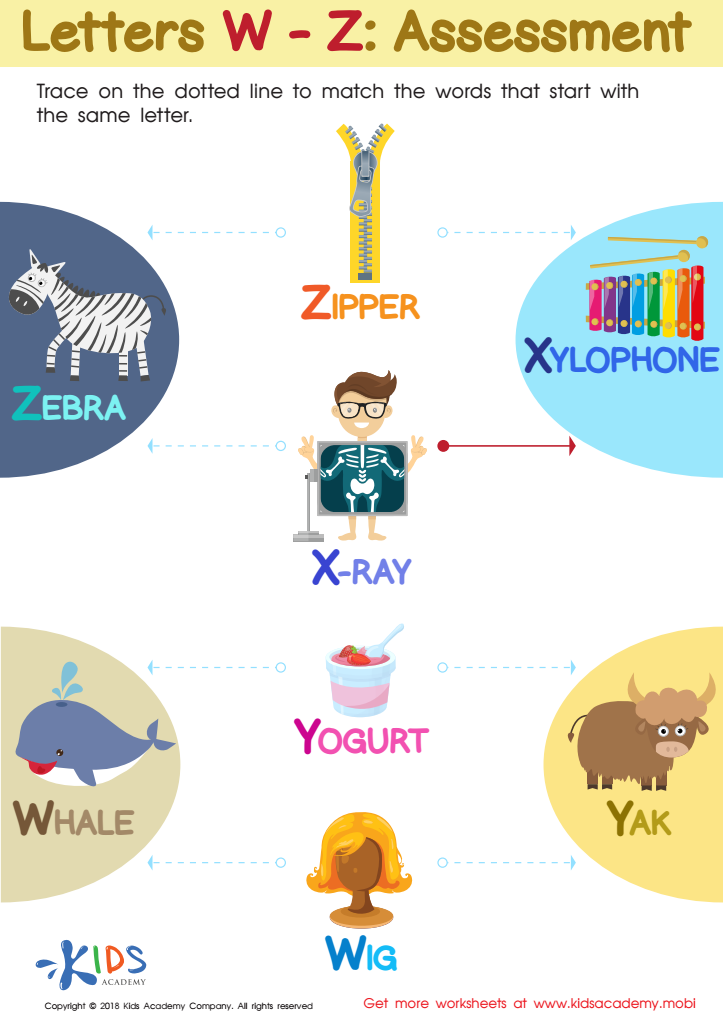
Letters W–Z Tracing Worksheet
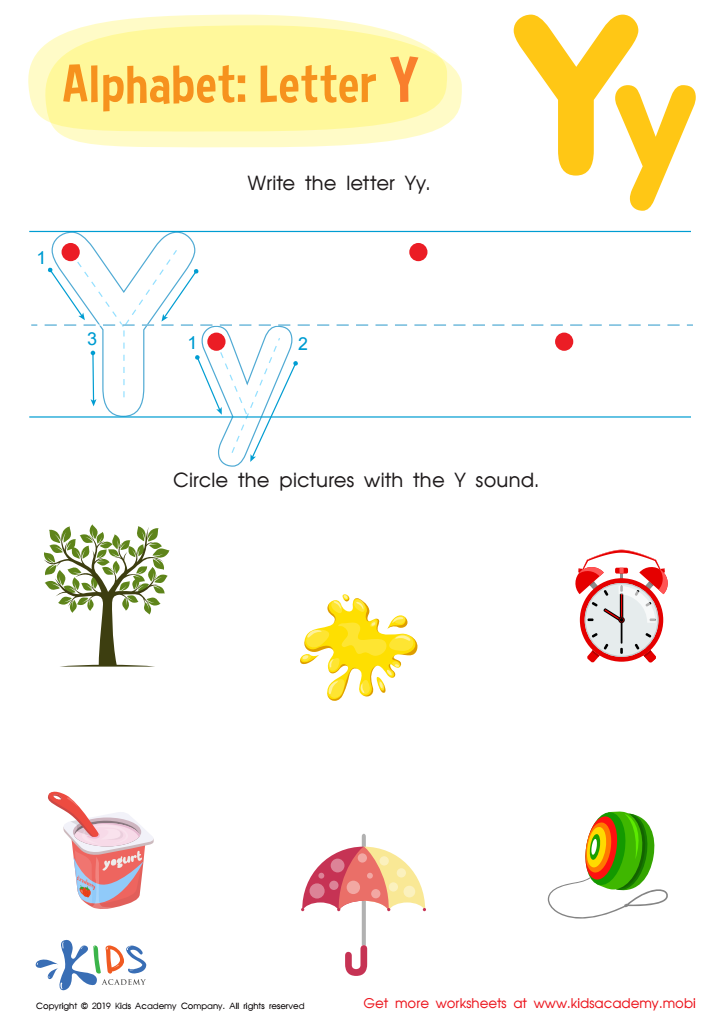
Letter Y Tracing Worksheet
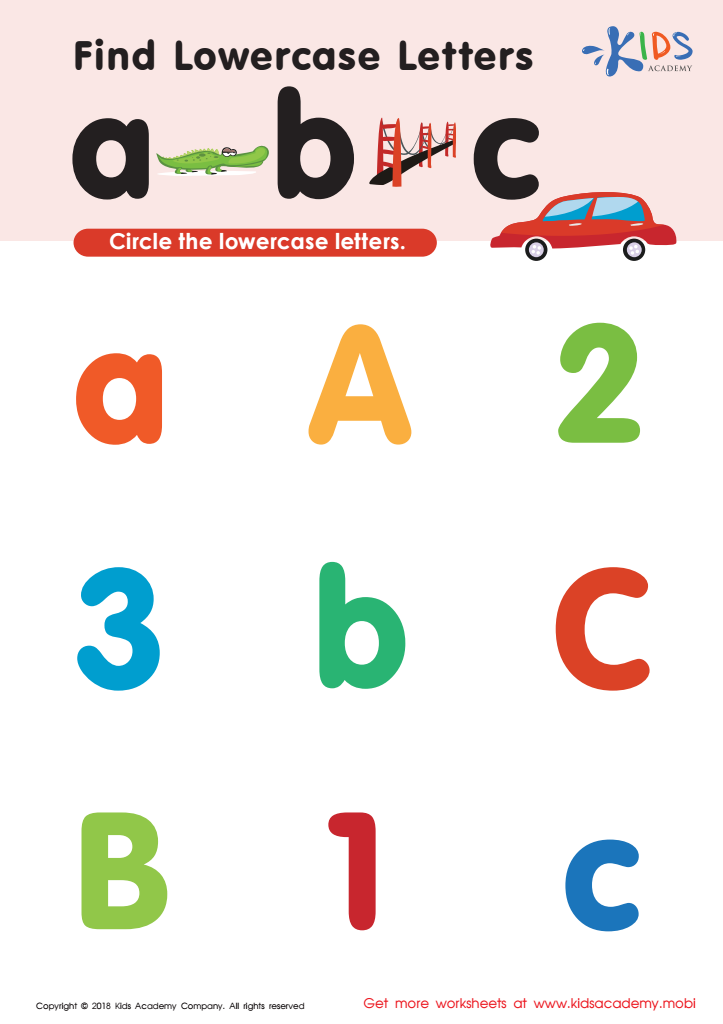
Find lowercase letters a b c Worksheet
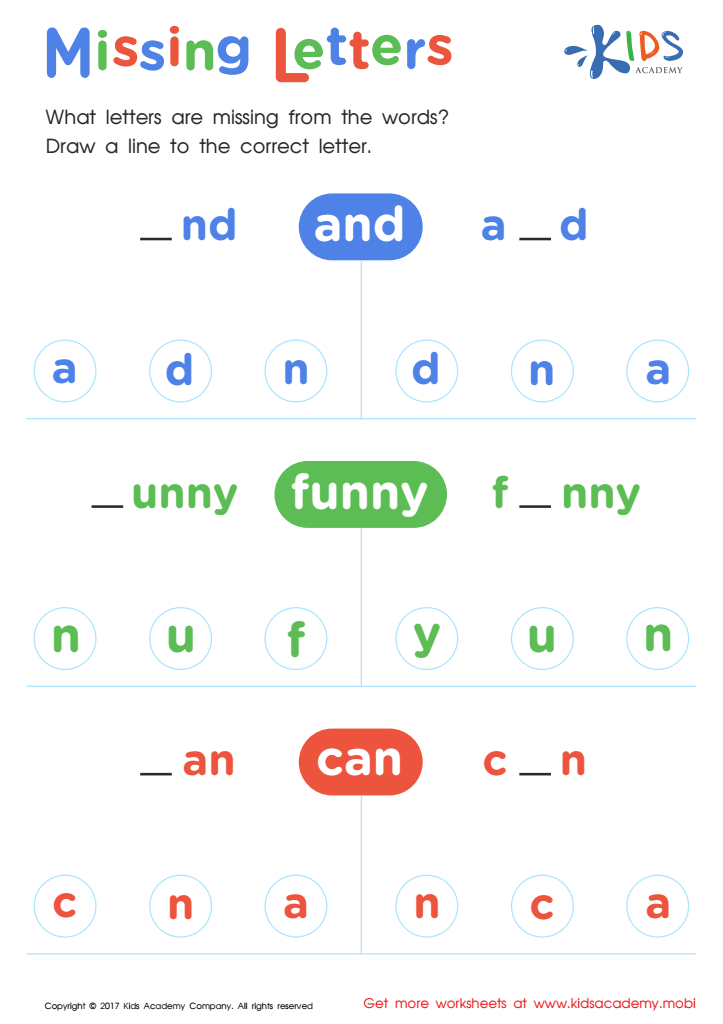
Missing Letters Worksheet
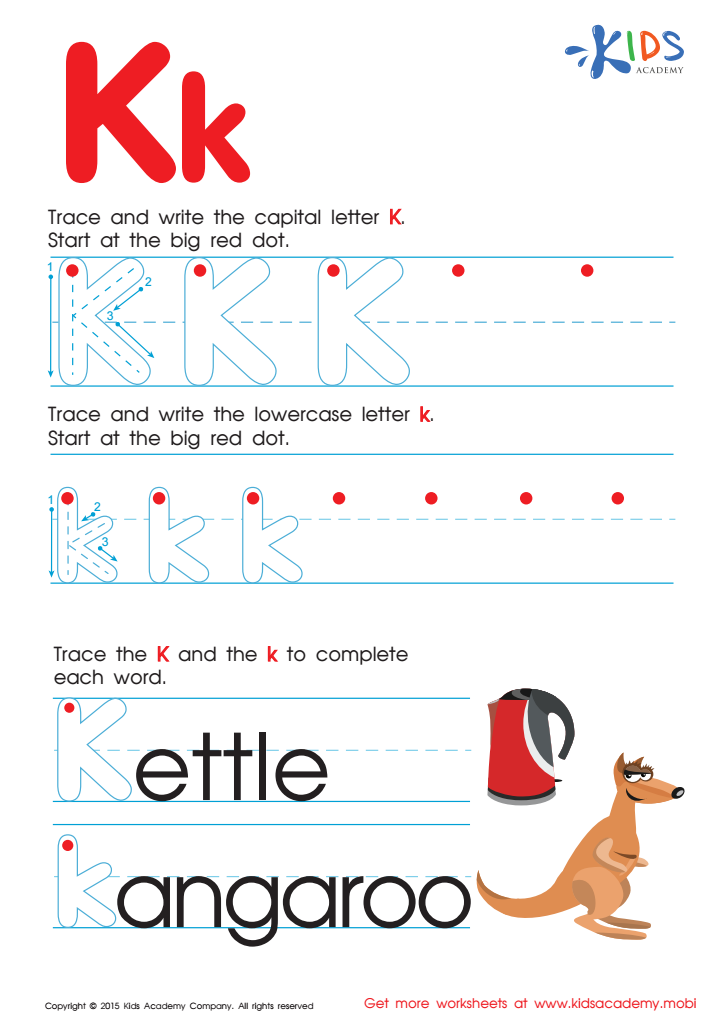
Letter K Tracing Page
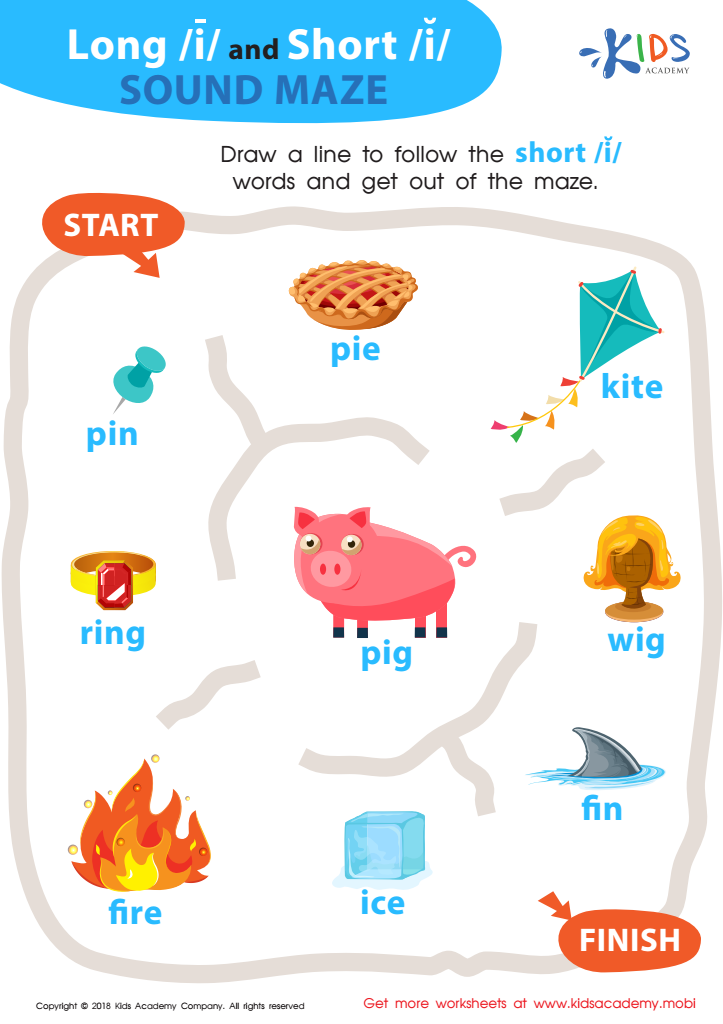
Reading: Long I and Short I Sound Maze Worksheet
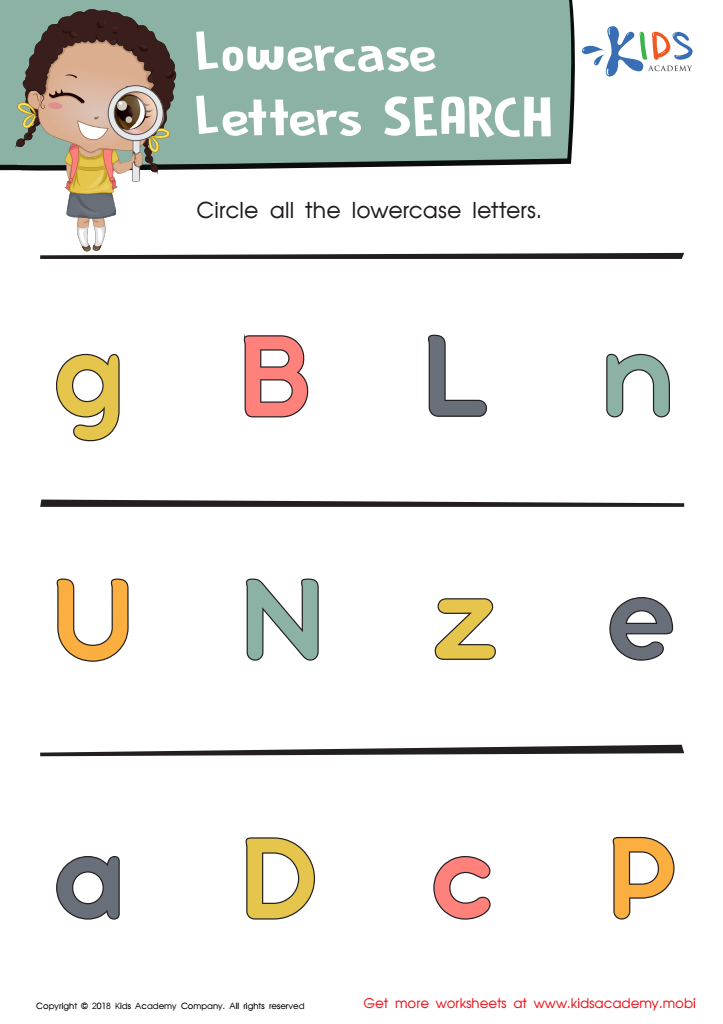
Lowercase Letters Search: Assessment Worksheet
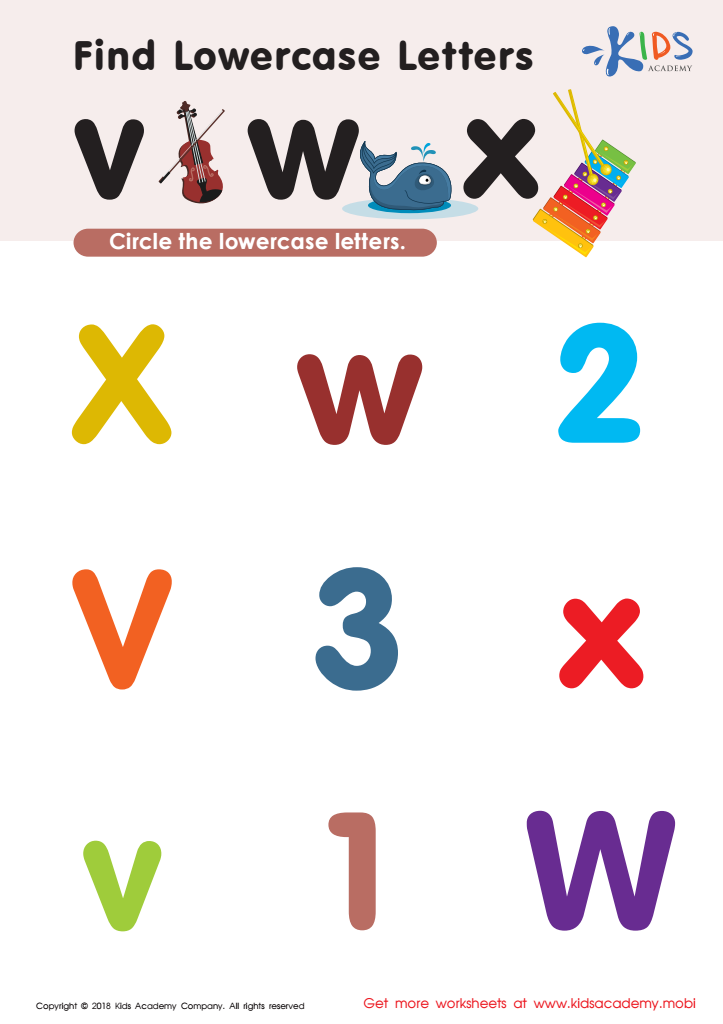
Find Lowercase Letters v w x Worksheet
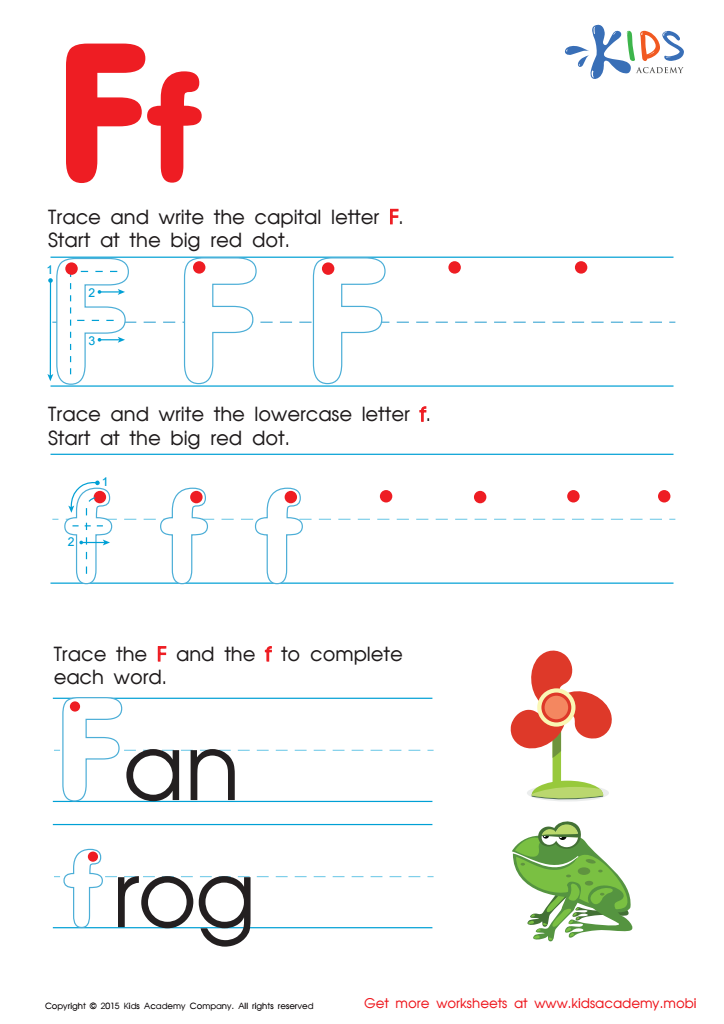
Letter F Tracing Page
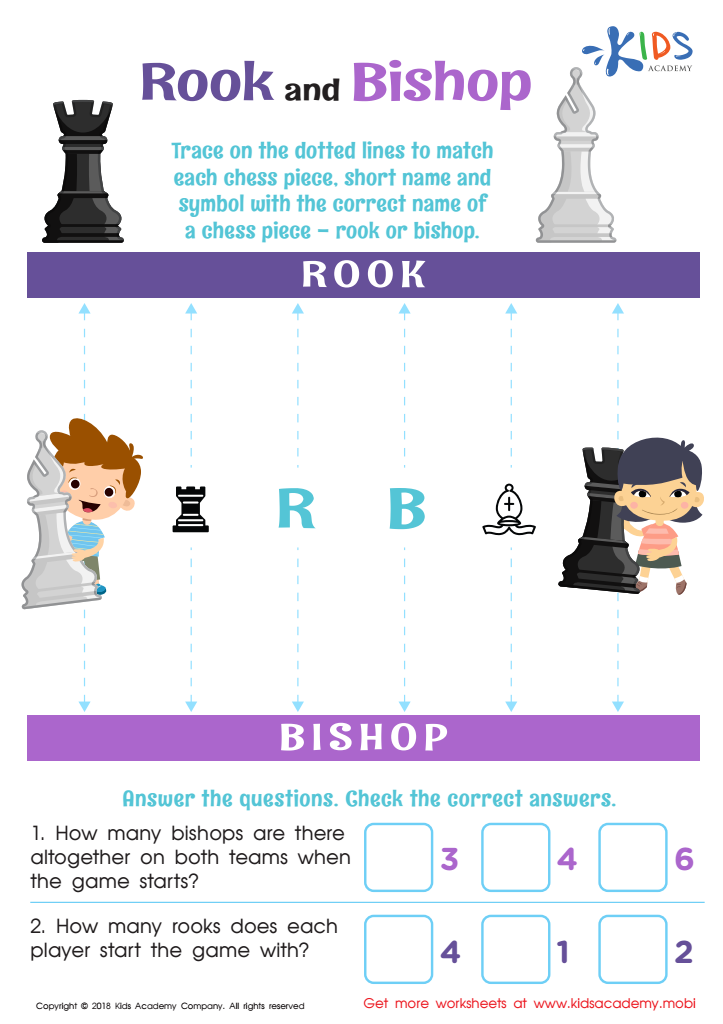
Rook and Bishop Worksheet
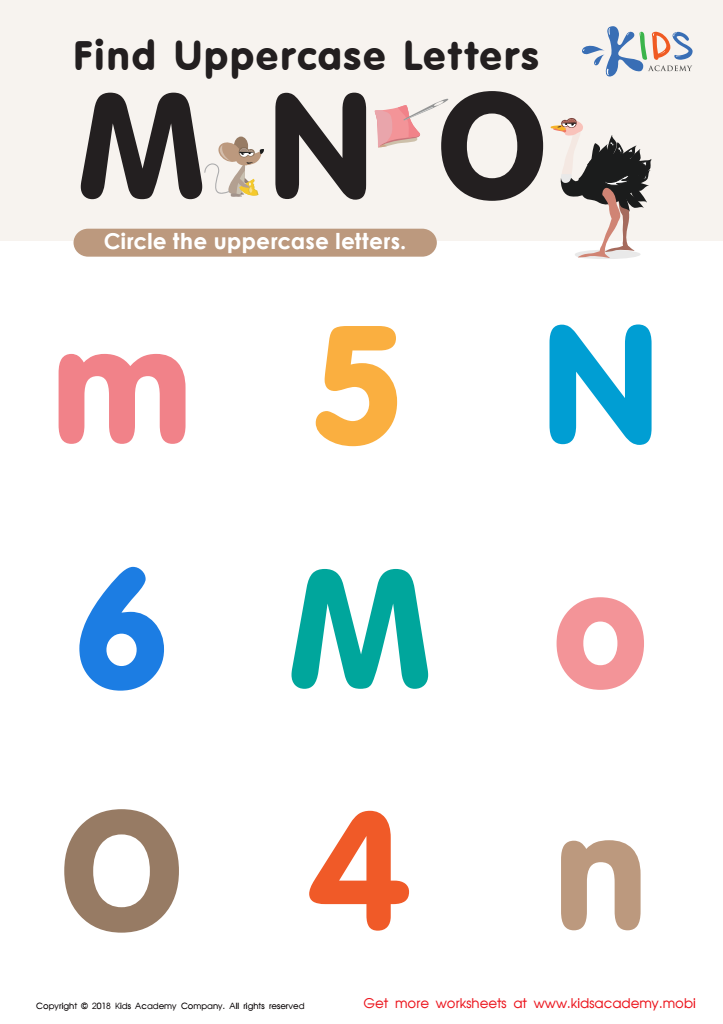
Find Uppercase Letters M, N, and O Worksheet
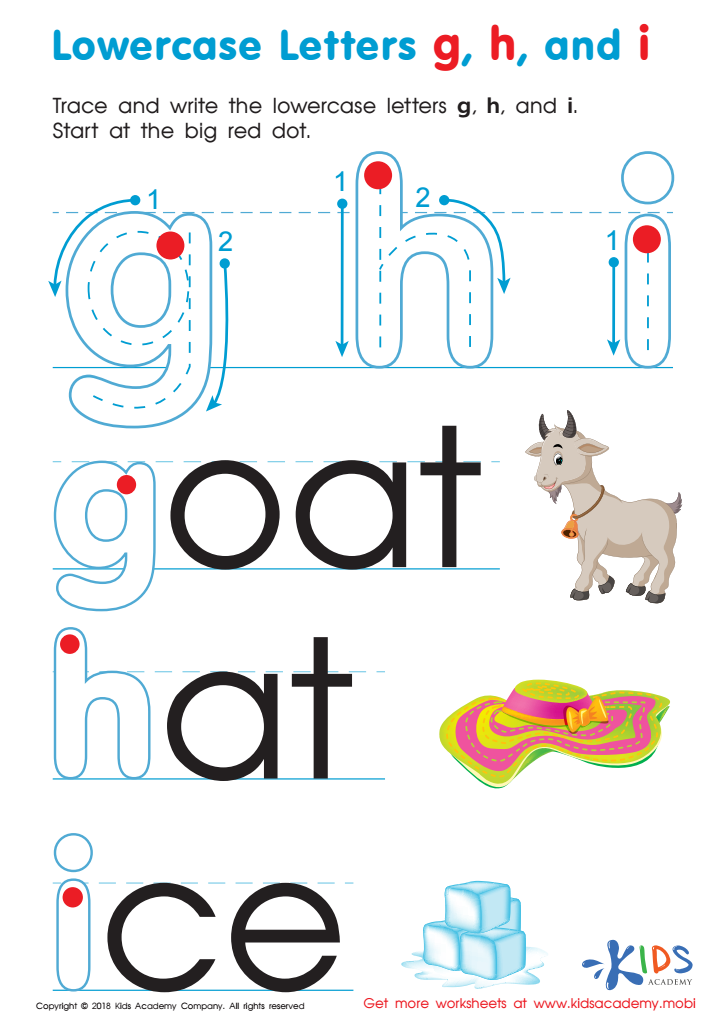
Lowercase Letters g h i Worksheet
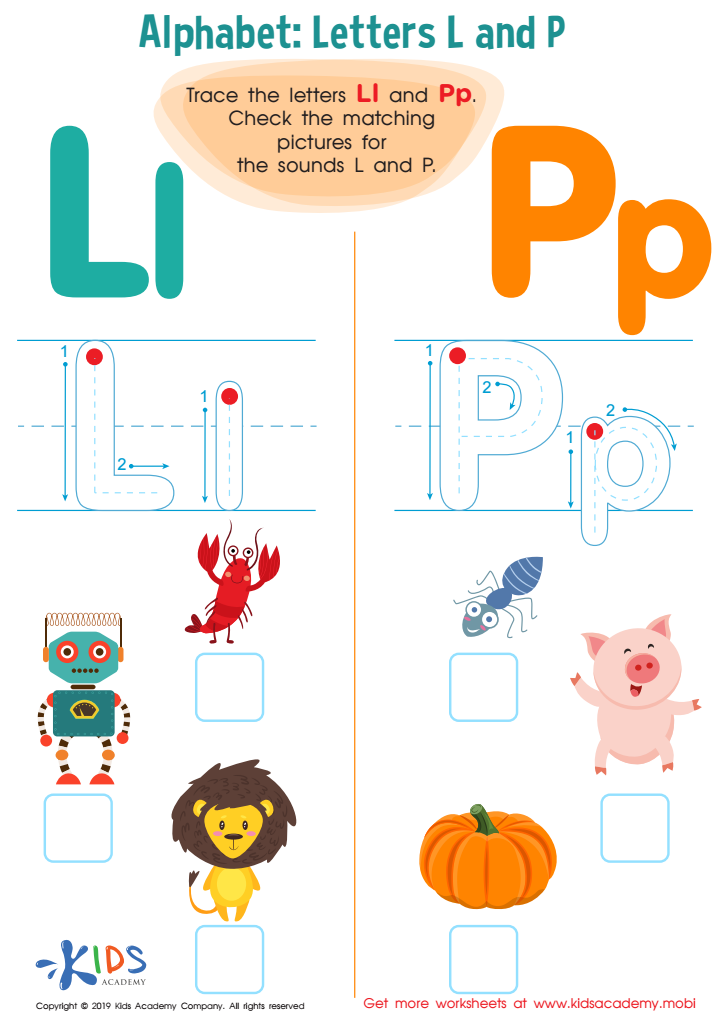
Letter L and P Tracing Worksheet
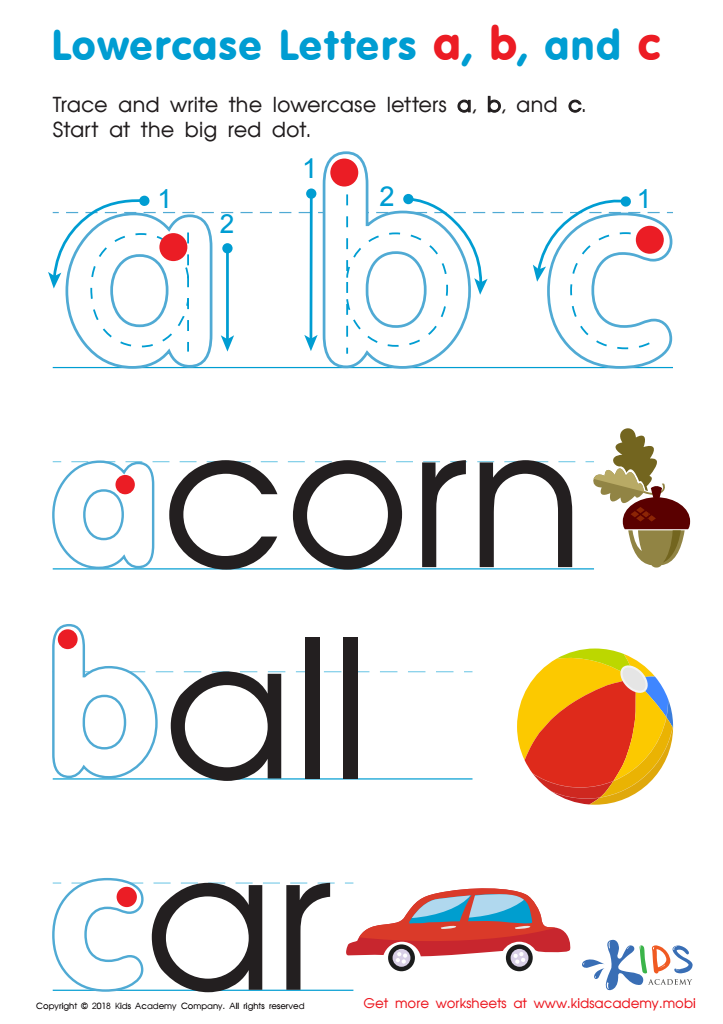
Lowercase Letters a b c Worksheet
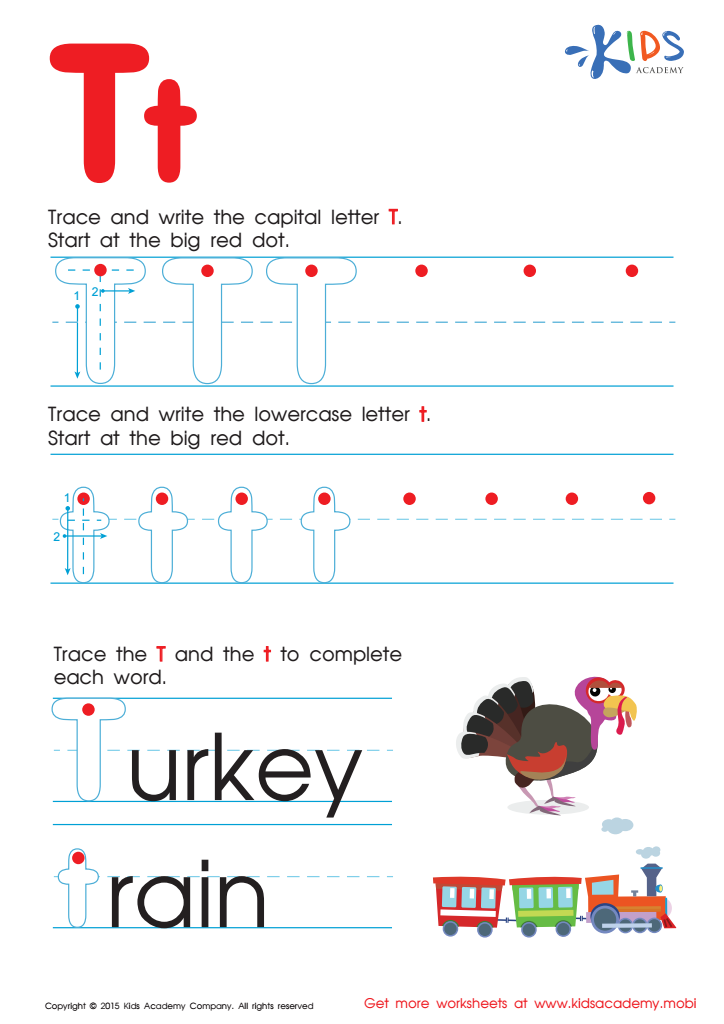
Letter T Tracing Page








Letter recognition is a crucial foundation for literacy development in children aged 3 to 9. Understanding letters—their shapes, names, and sounds—provides young learners with the necessary tools to decode written language, facilitating reading and writing skills later on.
For parents and teachers, promoting letter recognition helps prepare children for academic success. Research shows that early exposure to letters significantly predicts future reading abilities and overall literacy. By engaging children in fun and interactive activities like reading books, singing the alphabet, or playing letter-based games, caregivers create a stimulating learning environment.
Moreover, letter recognition supports cognitive development. It encourages critical thinking and problem-solving skills as children learn to identify and manipulate letters in various contexts. As they build this foundational skill, they also improve their phonemic awareness, which is crucial when it comes to understanding speech sounds and language patterns.
Lastly, fostering letter recognition boosts children's confidence and excitement towards reading. Positive early experiences with letters can instill a lifelong love for learning and books, setting the stage for their success both academically and socially. Therefore, it’s essential for parents and teachers to prioritize and nurture letter recognition during these formative years.







