Vowels Worksheets for Ages 3-9 - Page 2
88 filtered results
-
From - To
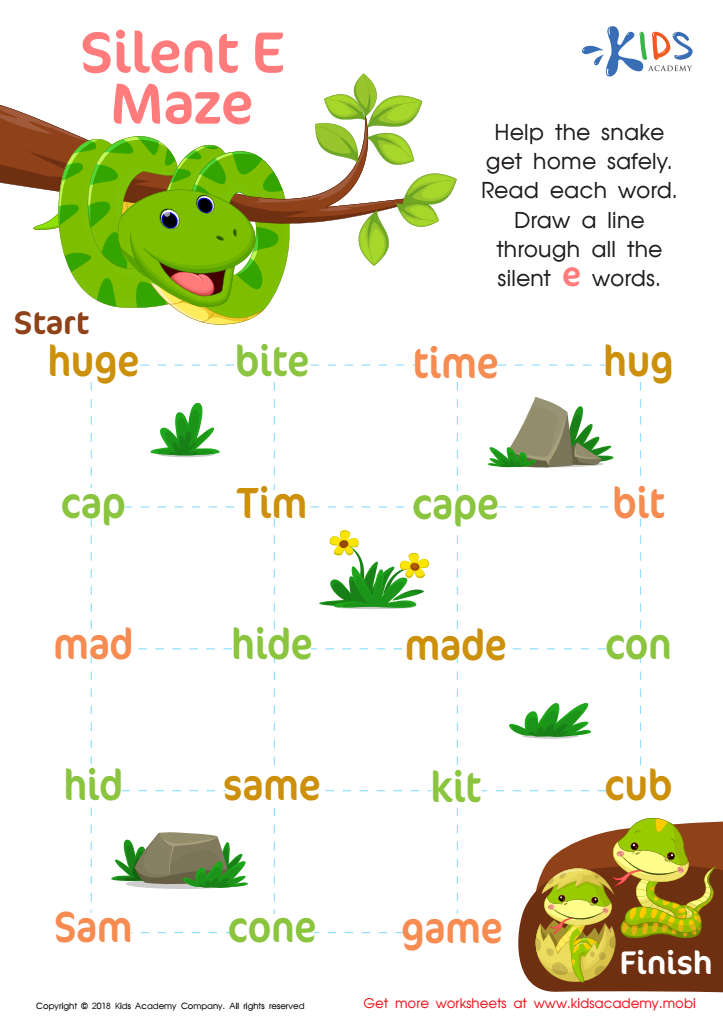
Silent E Maze Worksheet
 Assign to My Students
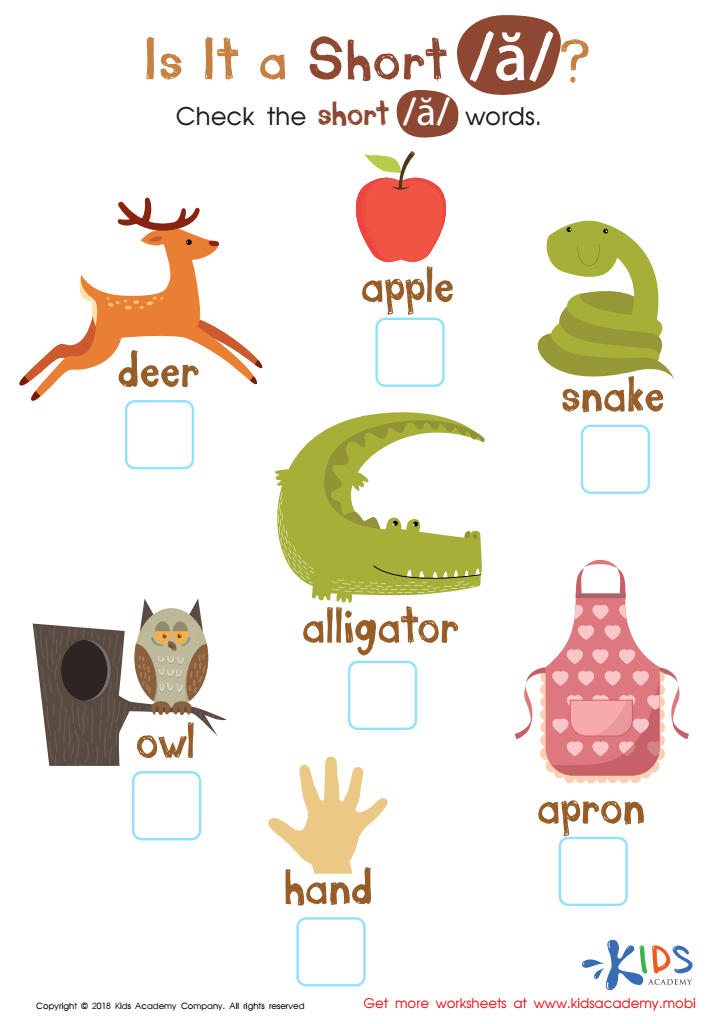
Is It Short A? Reading Worksheet
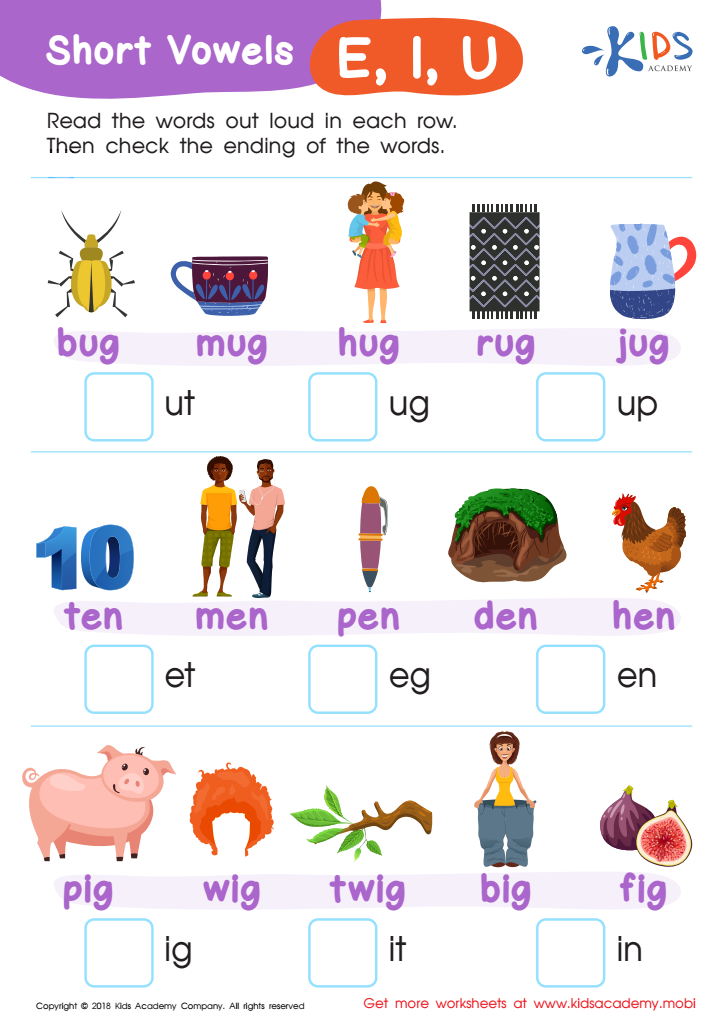
Short Vowels /e/, /i/, and /u/ Worksheet
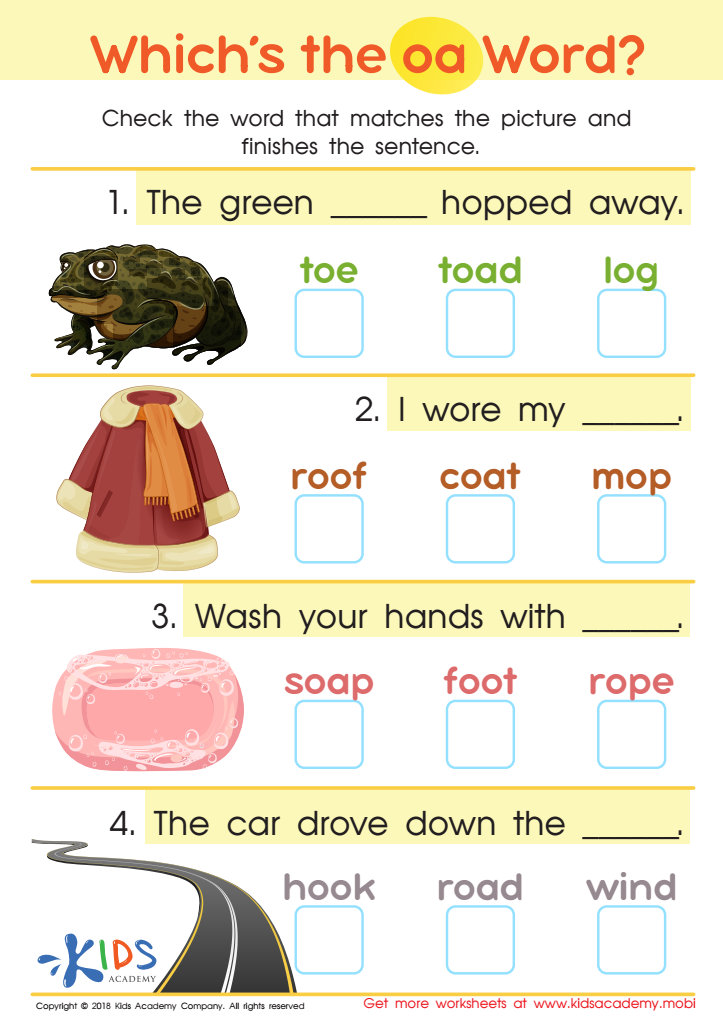
Which's the OA Word? Worksheet
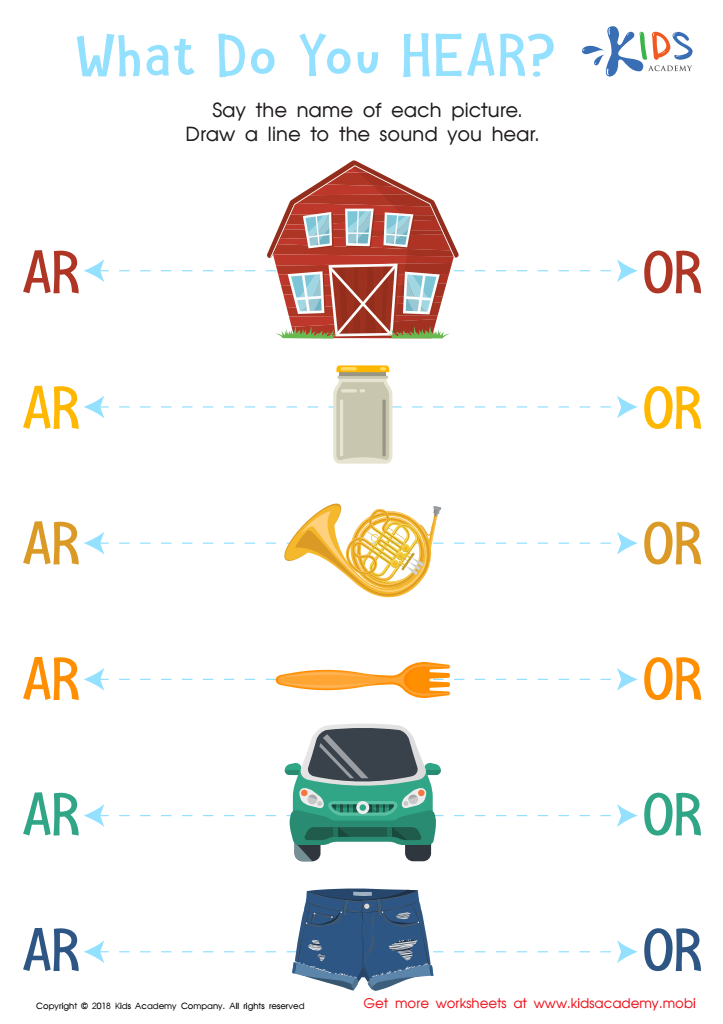
What do you hear Worksheet
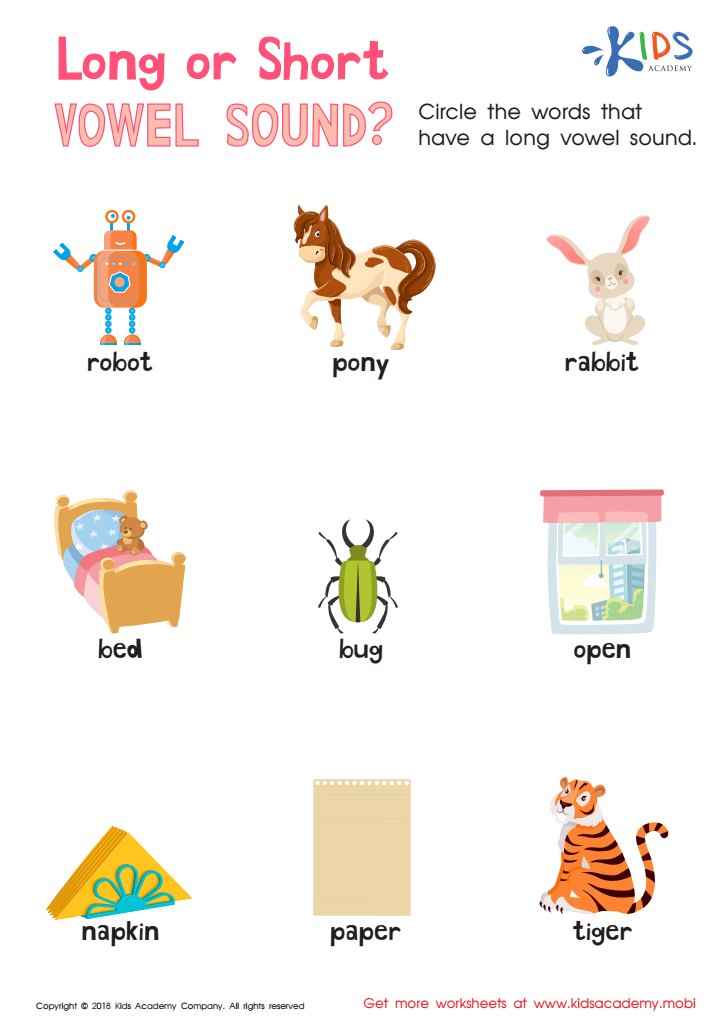
Long or Short Vowel Sound? Worksheet
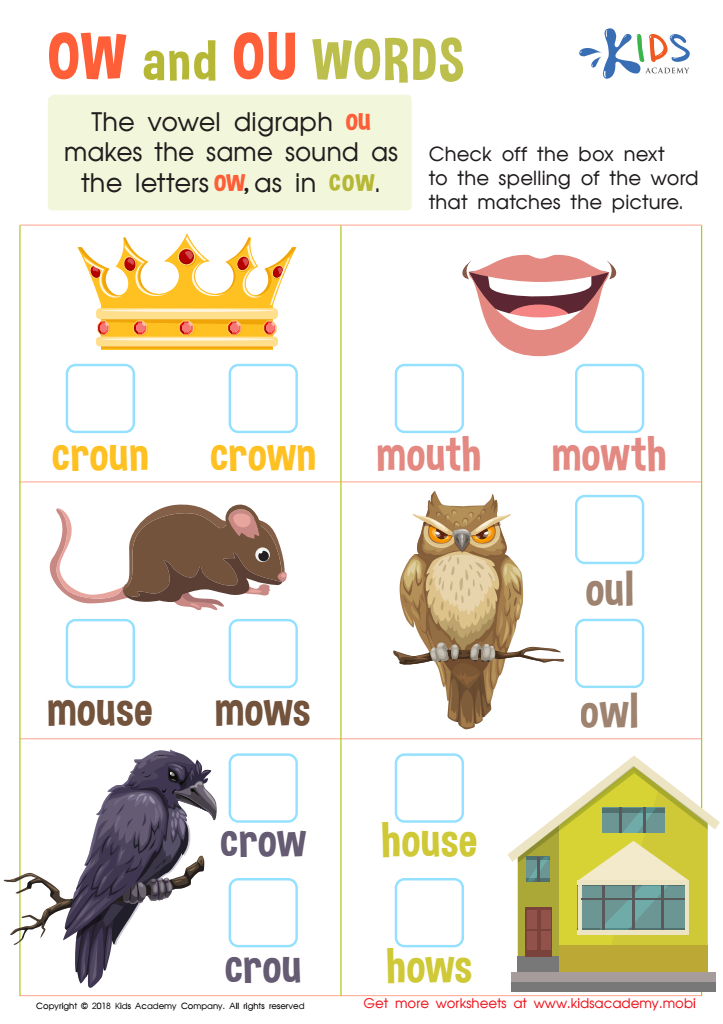
Reading: OW and OU Words Worksheet
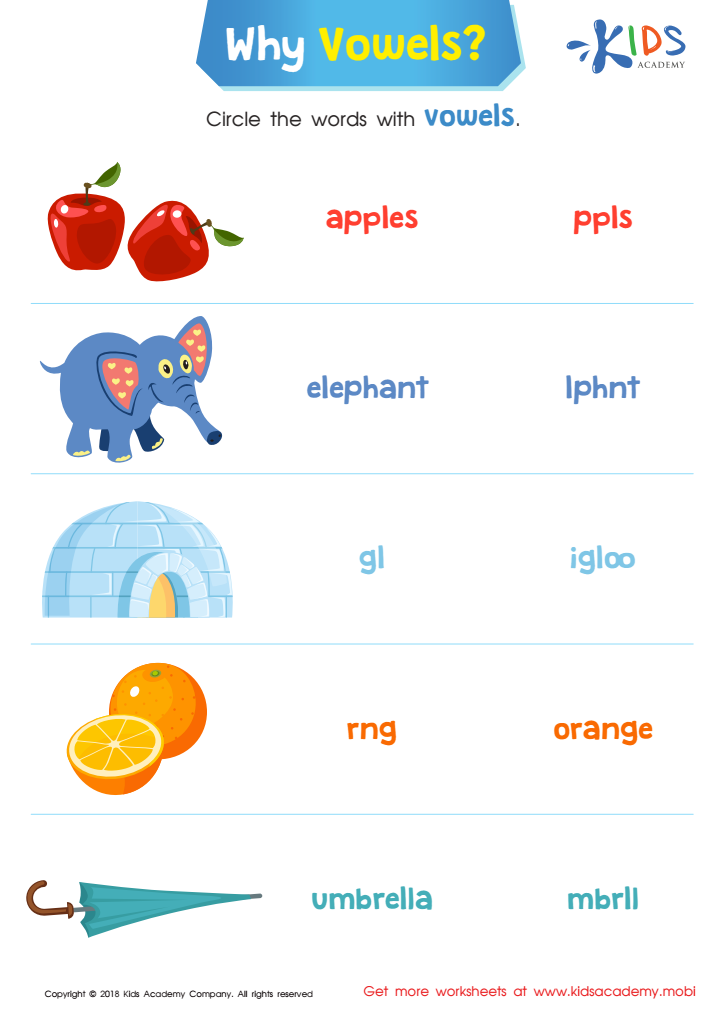
Why Vowels? Reading Worksheet
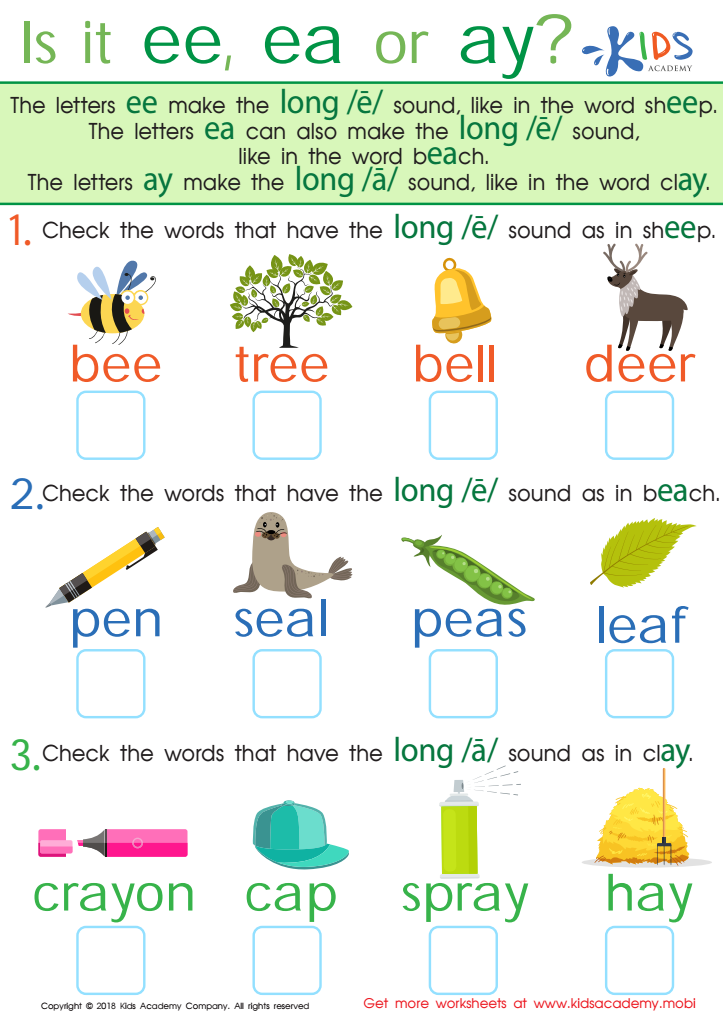
Is It EE, EA, or AY? Worksheet
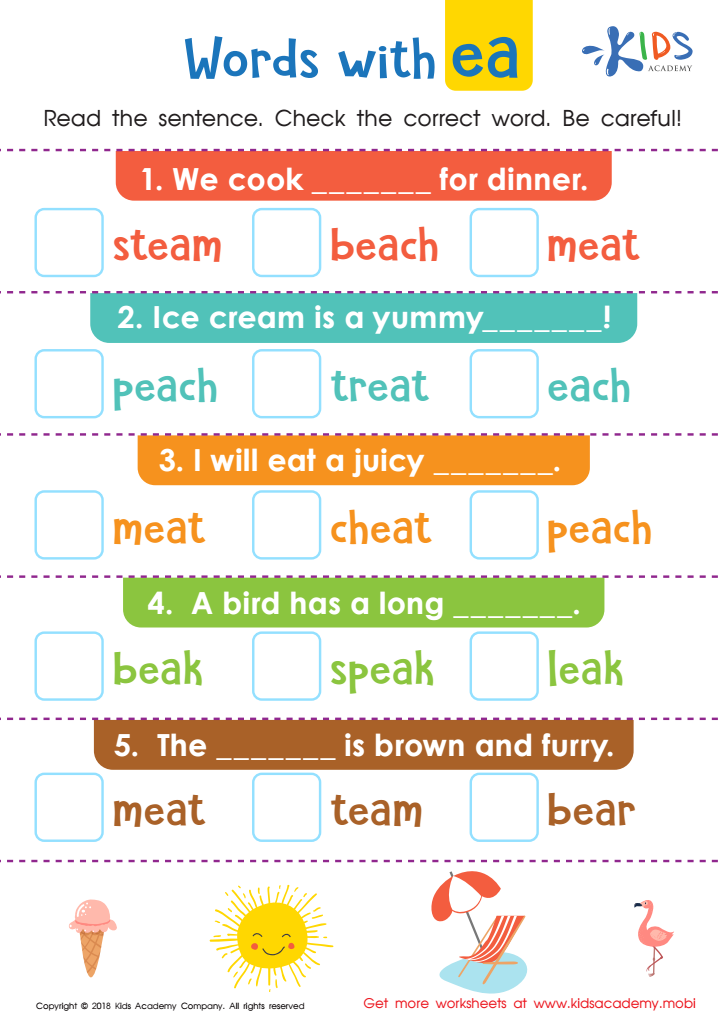
Words with ea Worksheet
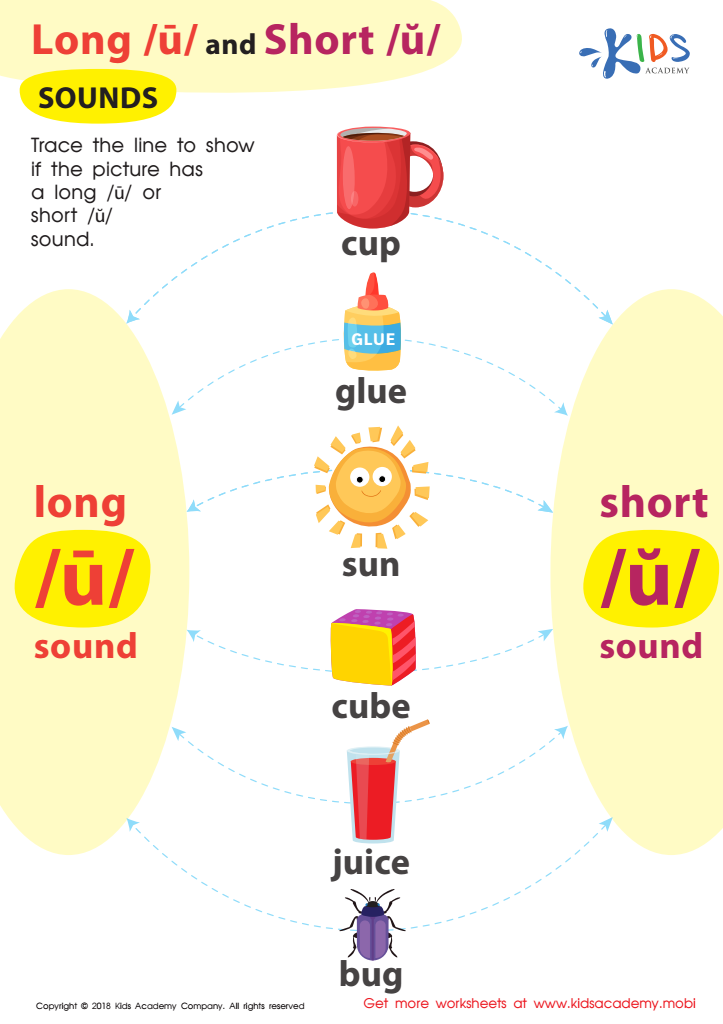
Reading: Long U and Short U Sounds Worksheet
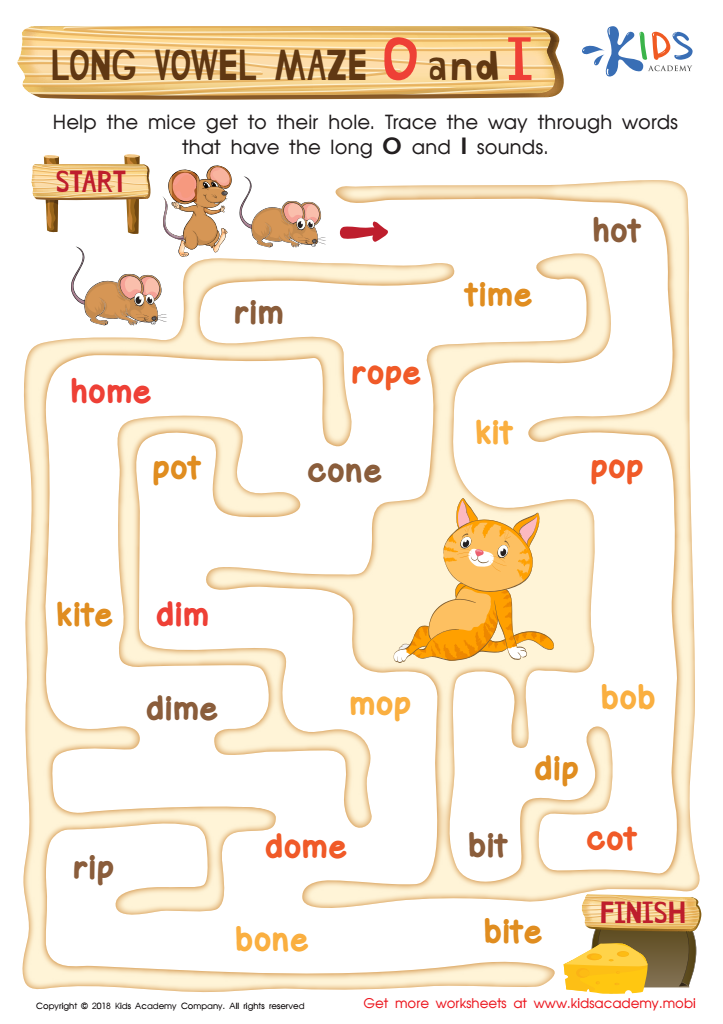
Long Vowel Maze /o/ and /i/ Worksheet
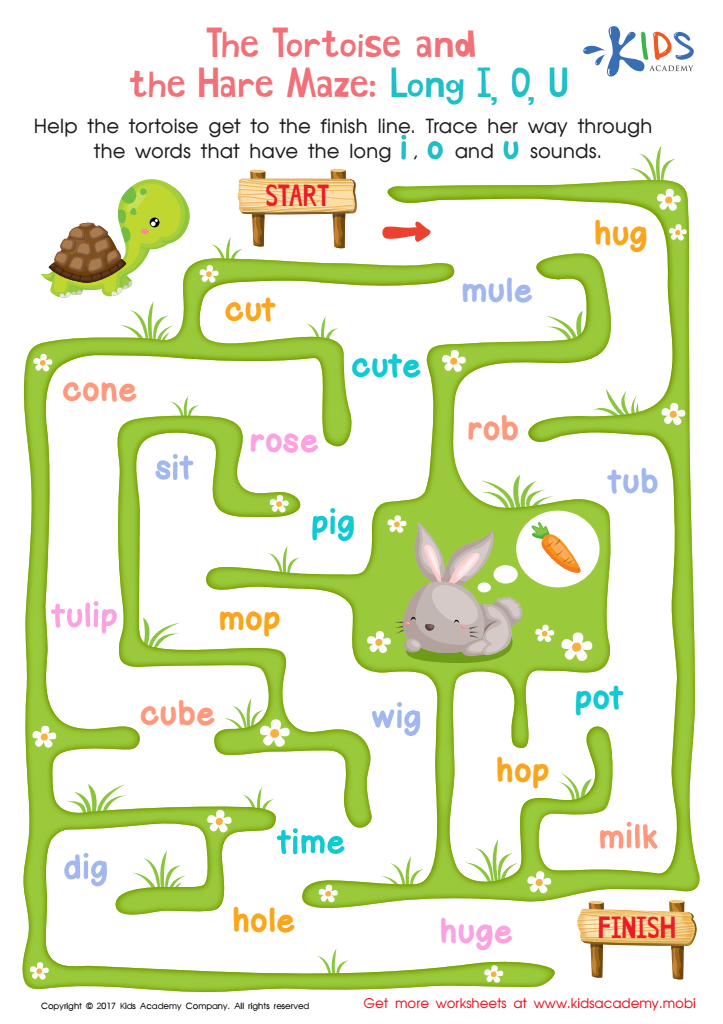
Long I, O, U Words Worksheet
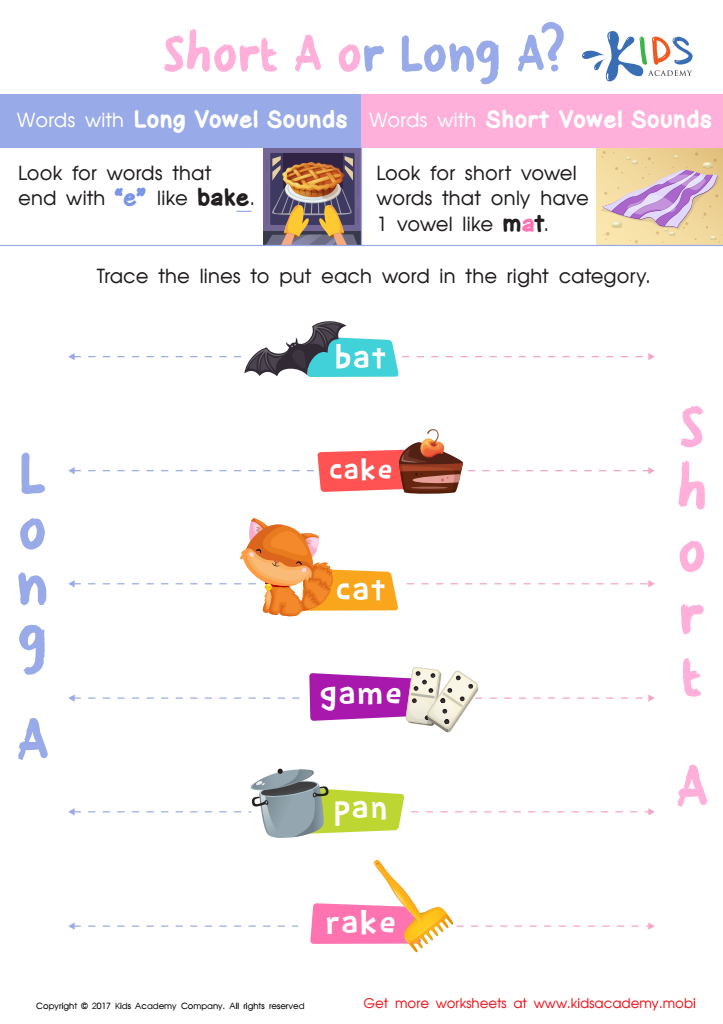
Short /a/ or Long /a/? Worksheet
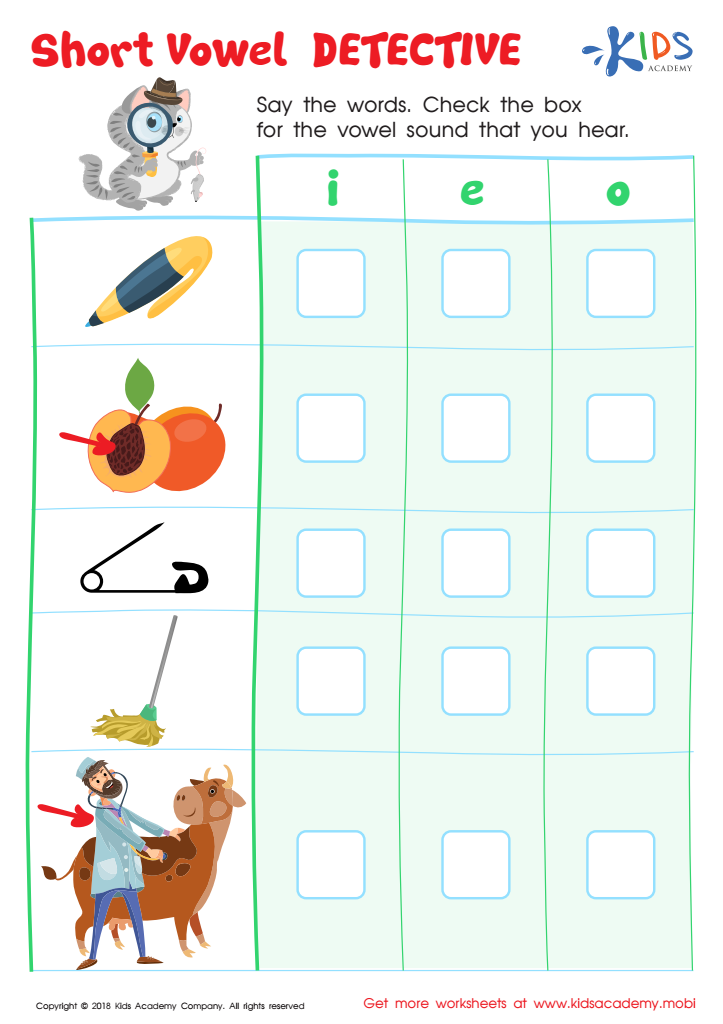
Short Vowel Detective Worksheet
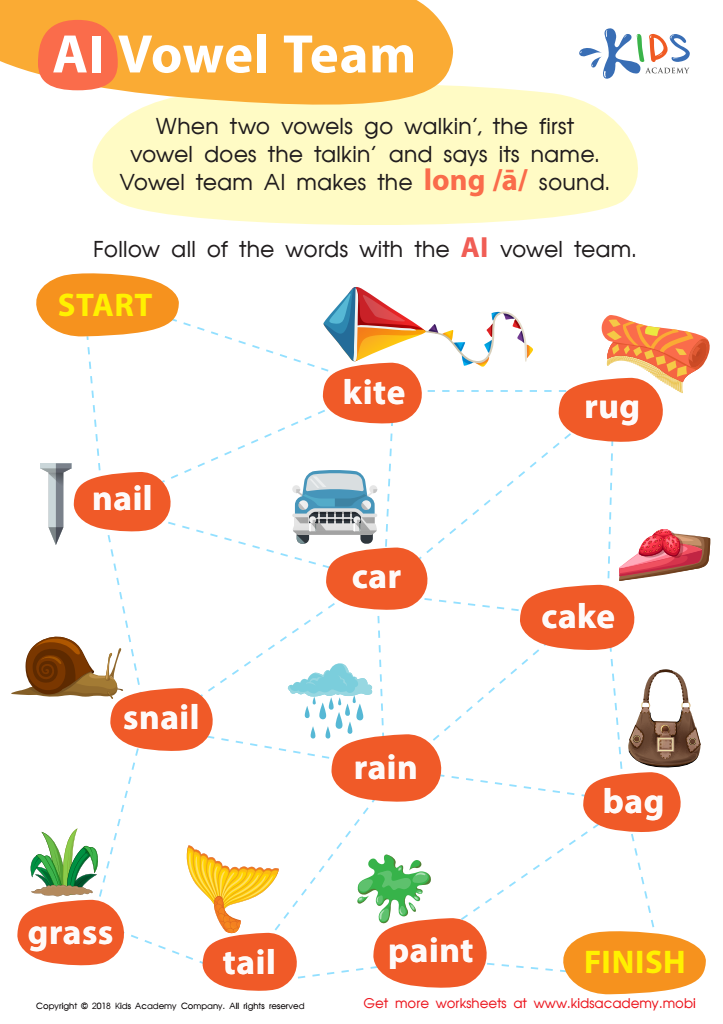
Reading: AI Vowel Team Worksheet
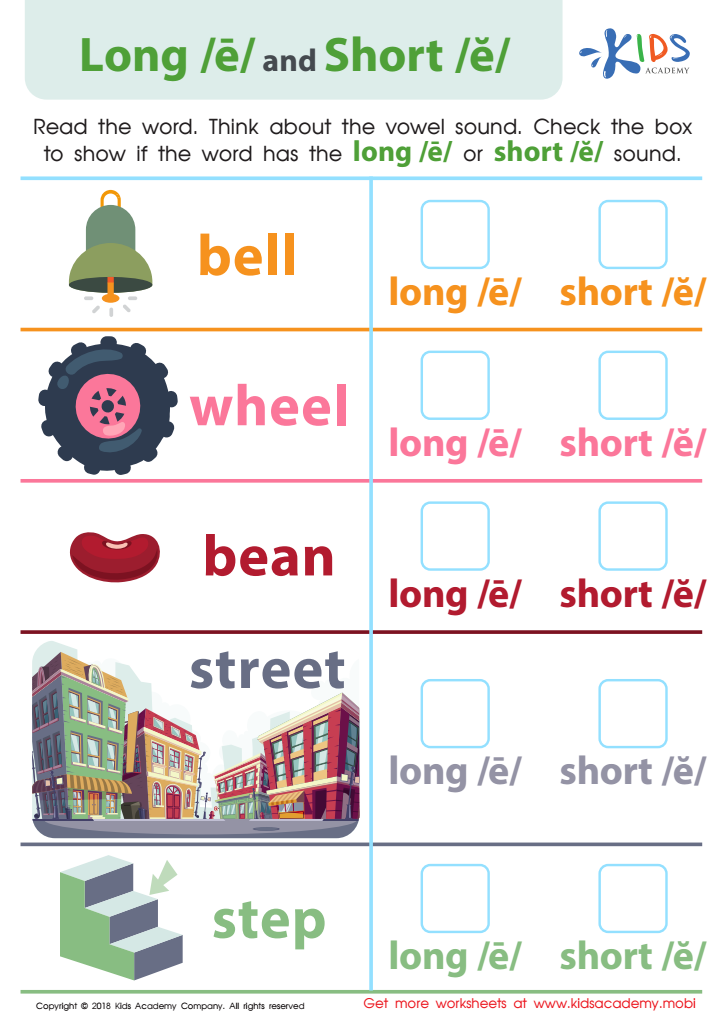
Reading: Long E and Short E Worksheet
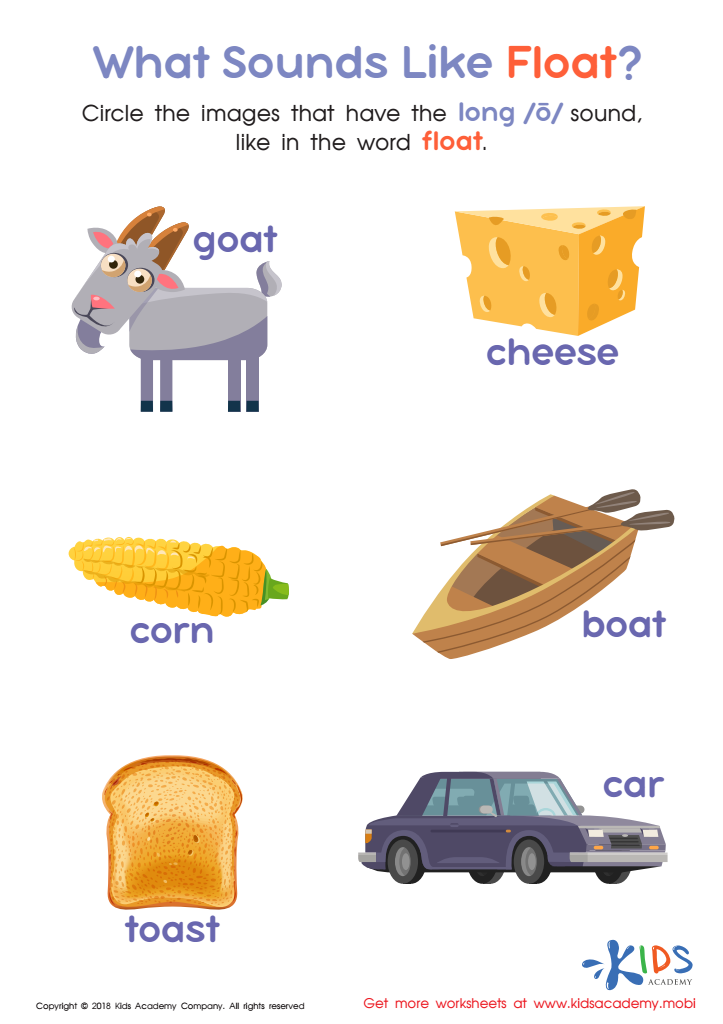
What Sounds Like Float? Worksheet
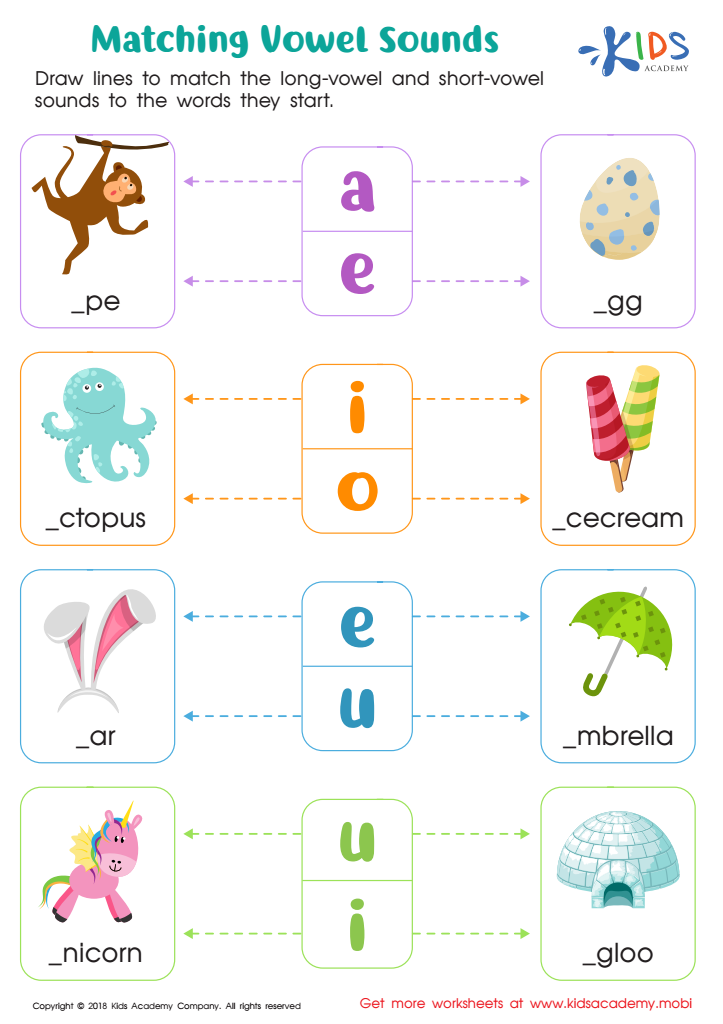
Matching Vowel Sounds Worksheet
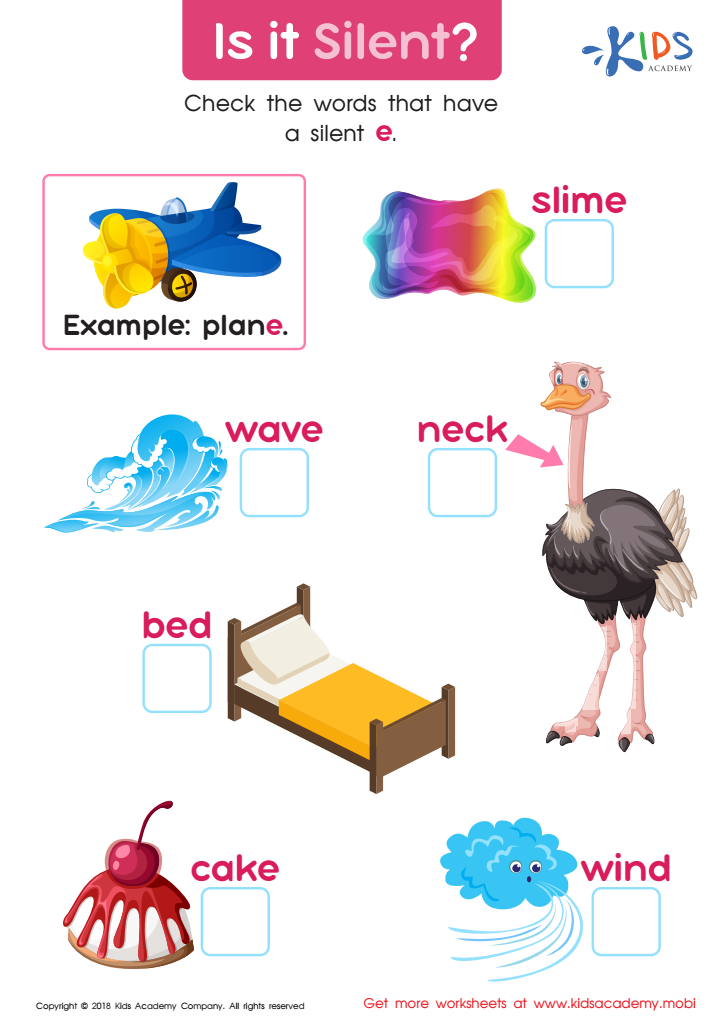
Is It Silent? Worksheet
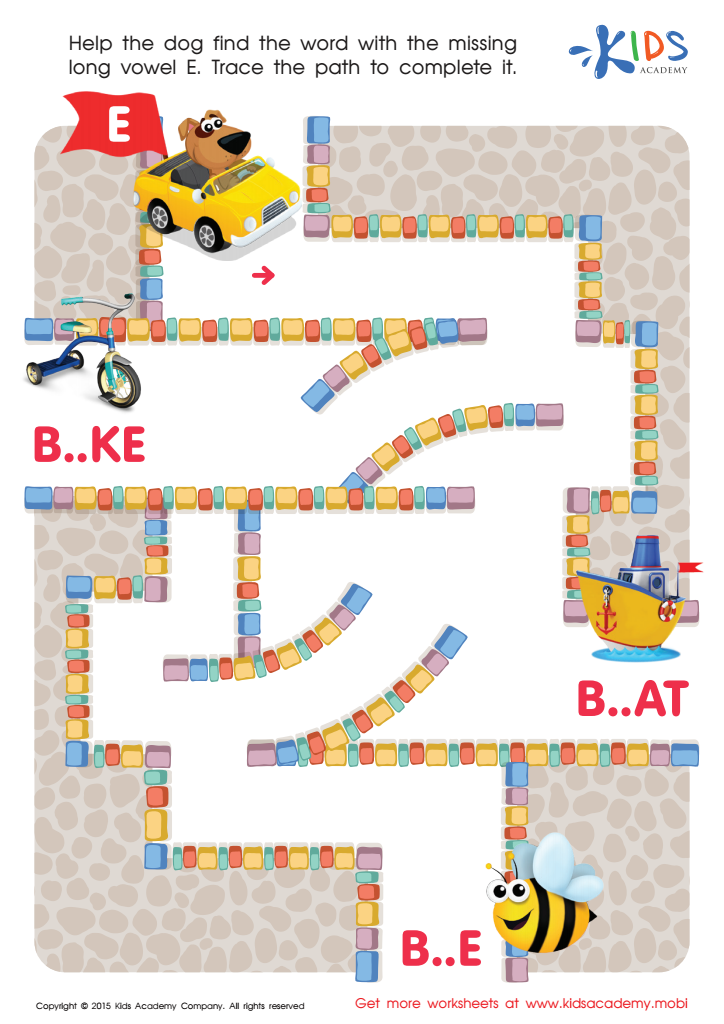
Long Vowel Sound E Worksheet
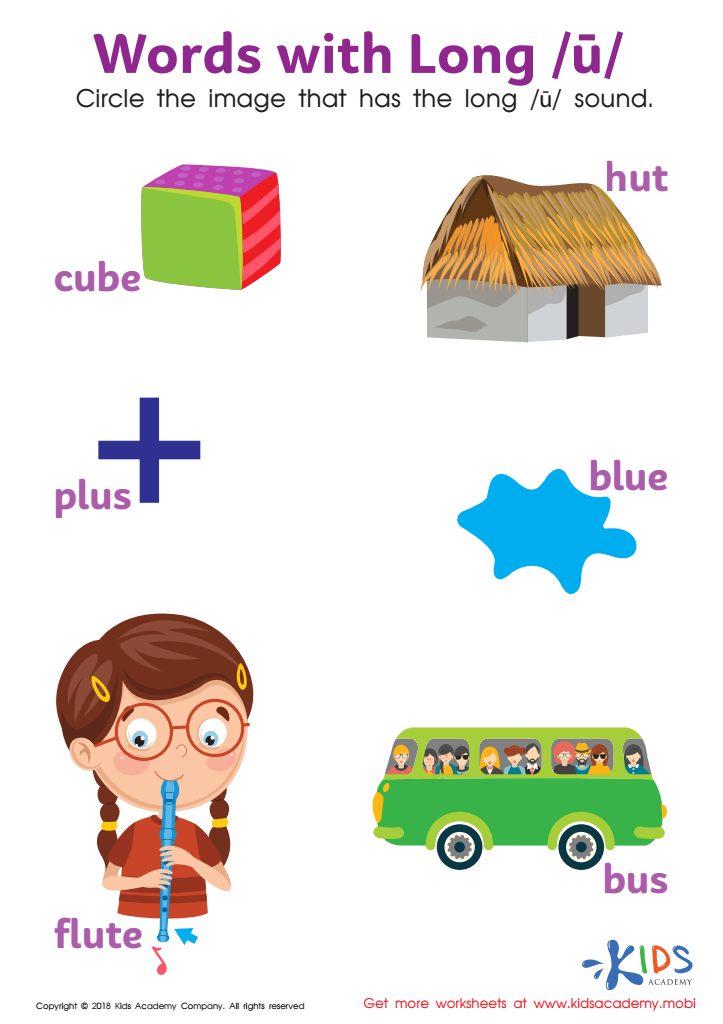
Words with Long U Reading Worksheet
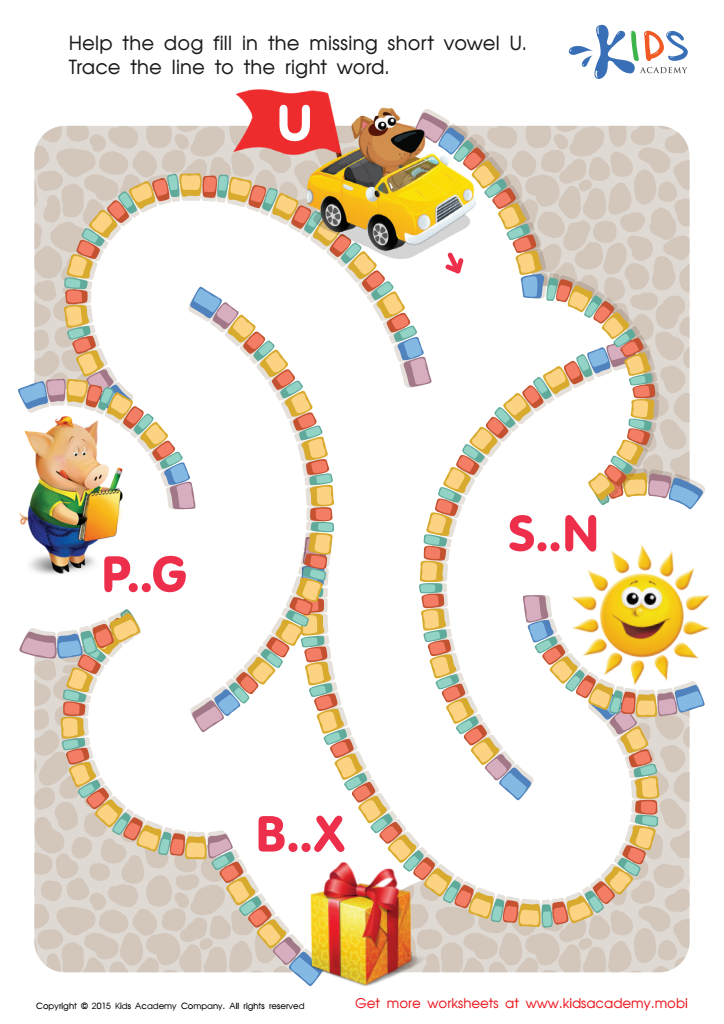
Short Vowel Sound U Worksheet
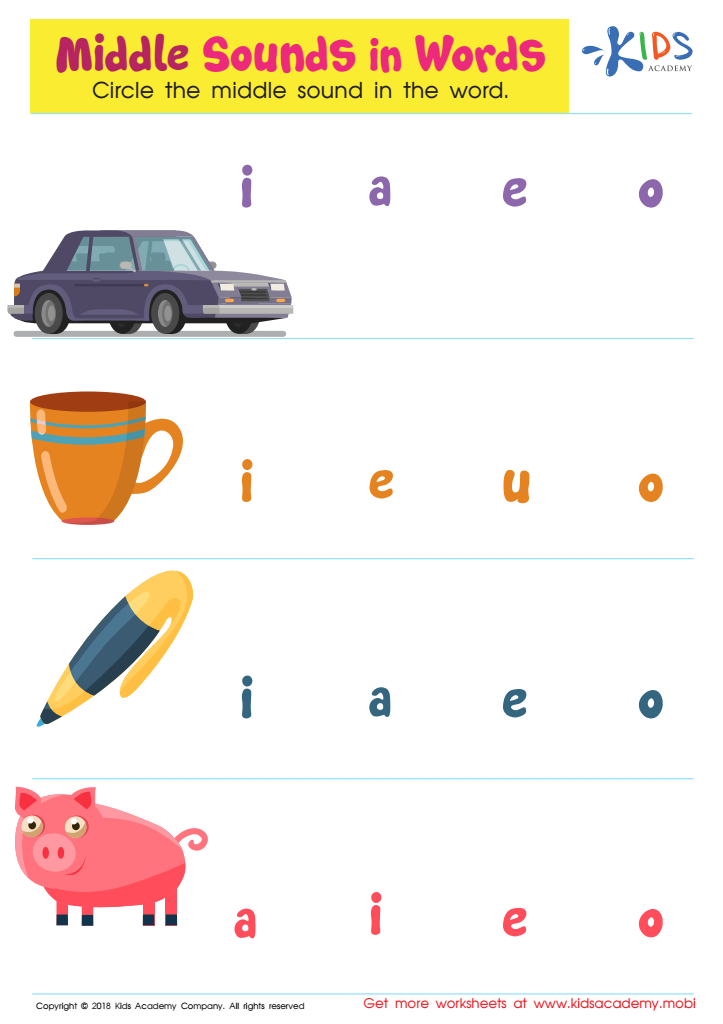
Middle Sounds in Words Worksheet





Vowels are a fundamental component of language and literacy development, making them crucial for children aged 3-9. Teaching vowels is essential for several reasons. First, vowels are the building blocks of words; they are necessary for children to understand phonetics and pronunciation. Mastery of vowels enables young learners to decode words, facilitating reading skills.
Understanding vowels also supports spelling and writing independence. Without a solid grasp of vowel sounds and their placements, children may struggle to form words properly, hindering their ability to communicate effectively. As children develop their literacy skills, the ability to recognize and use vowels correctly serves as a foundation for more complex language structures.
In addition, engaging with vowels helps improve children’s listening and speaking skills. It fosters phonemic awareness, which is vital for language acquisition. Activities that focus on vowels—like songs, games, and storytelling—make learning enjoyable and interactive.
Furthermore, since early literacy is closely linked to future academic success, parents and educators should prioritize vowel education. By fostering a solid understanding of vowels, we help children build confidence, creativity, and a lifelong love of learning, setting them up for success in all areas of their education.







