Geography Worksheets for Ages 3-9 - Page 2
60 filtered results
-
From - To
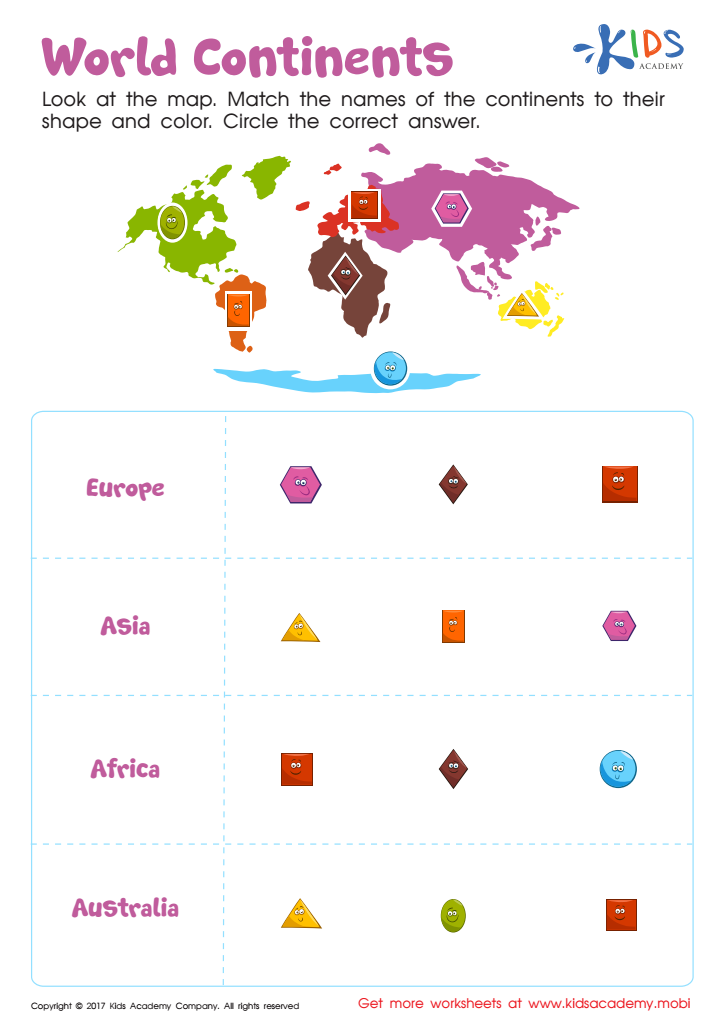
World Continents Worksheet
 Assign to My Students
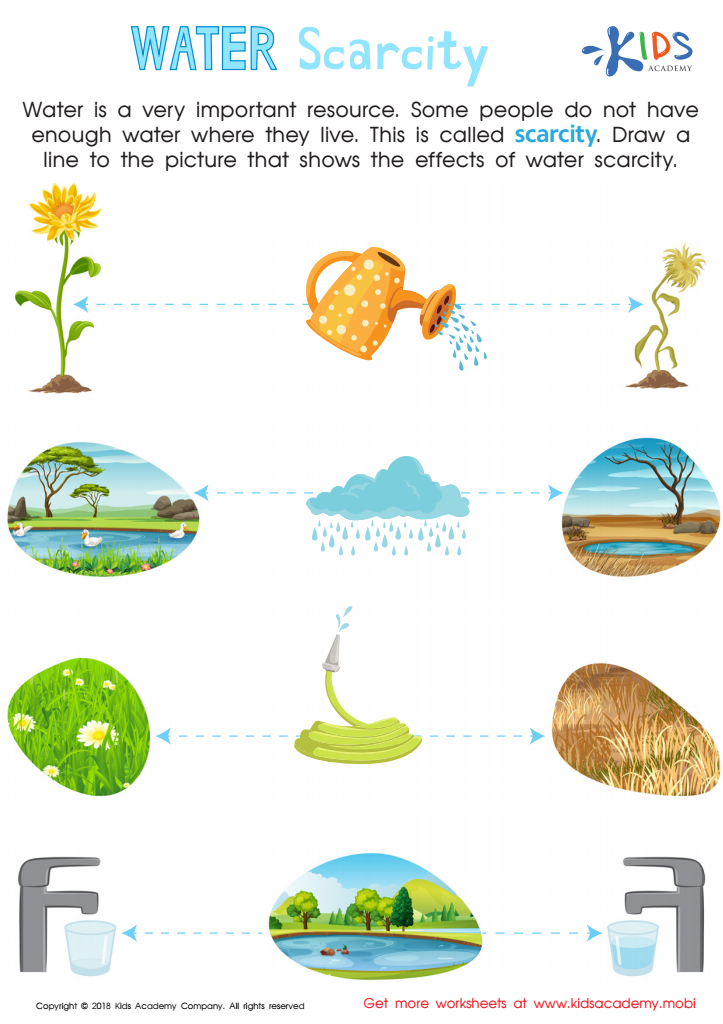
Water Scarcity Worksheet
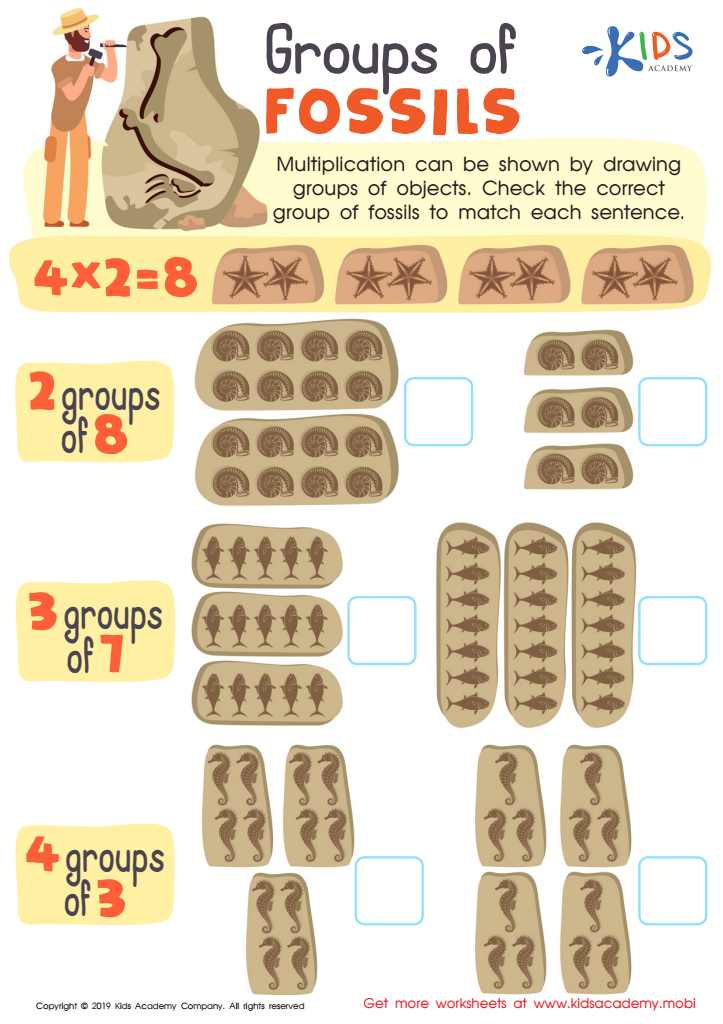
Groups of Fossils Worksheet
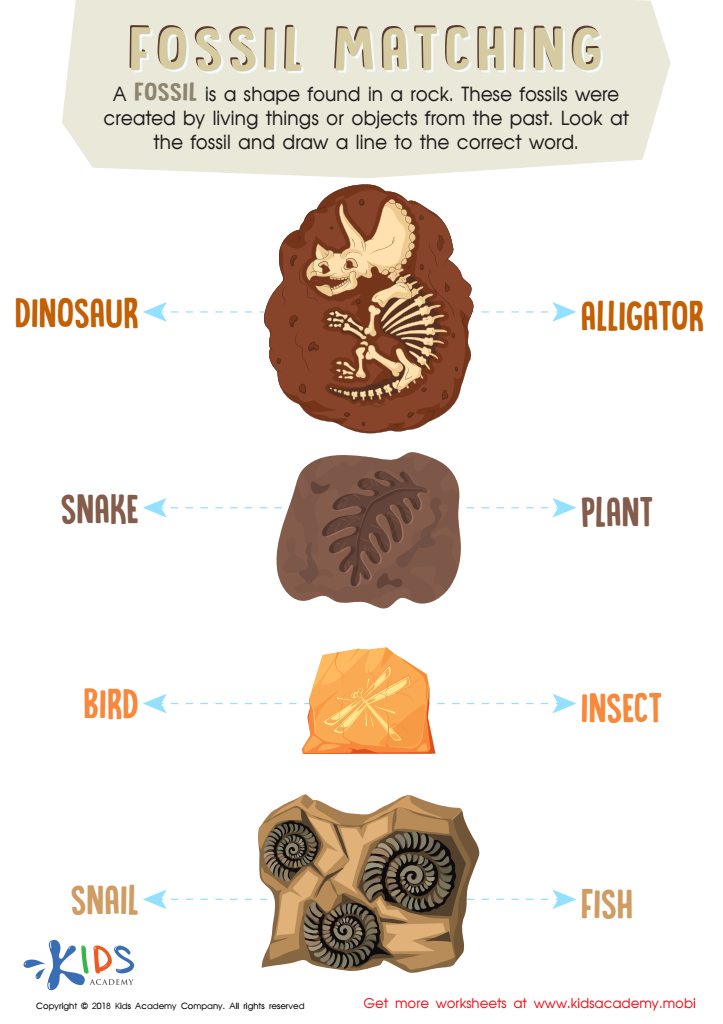
Fossil Matching Worksheet
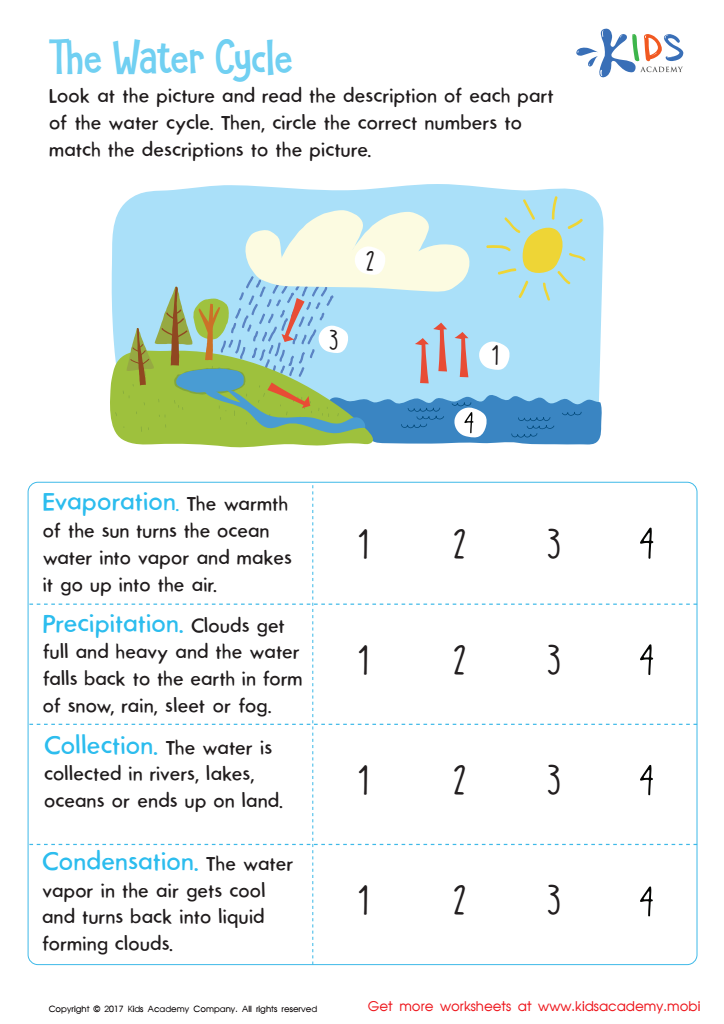
The Water Cycle Worksheet
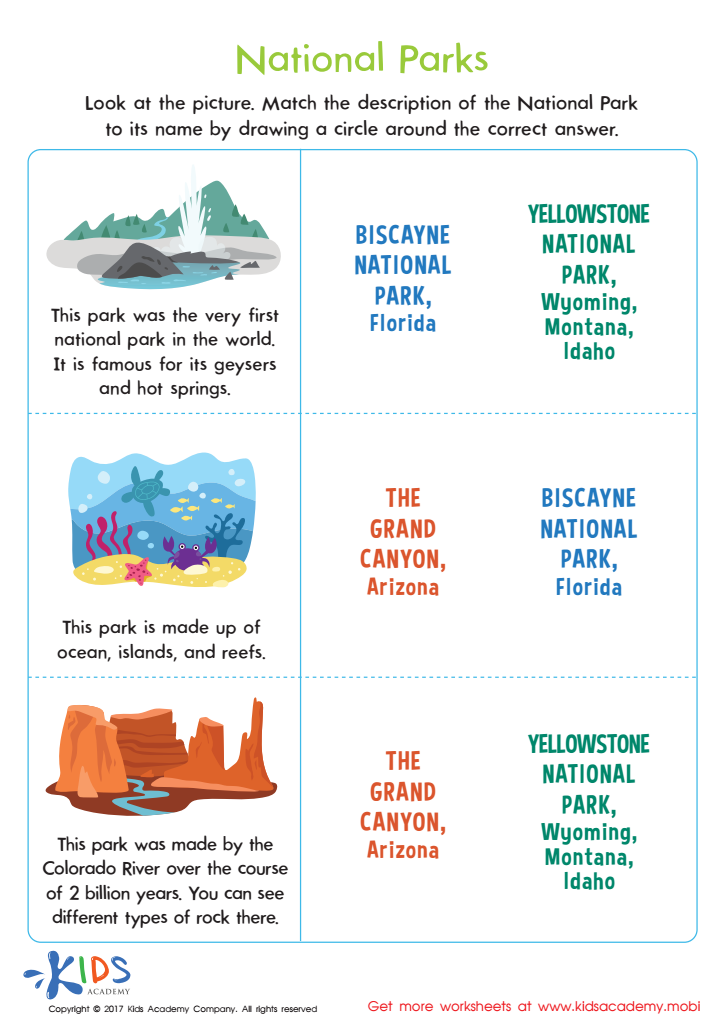
National Parks Printable
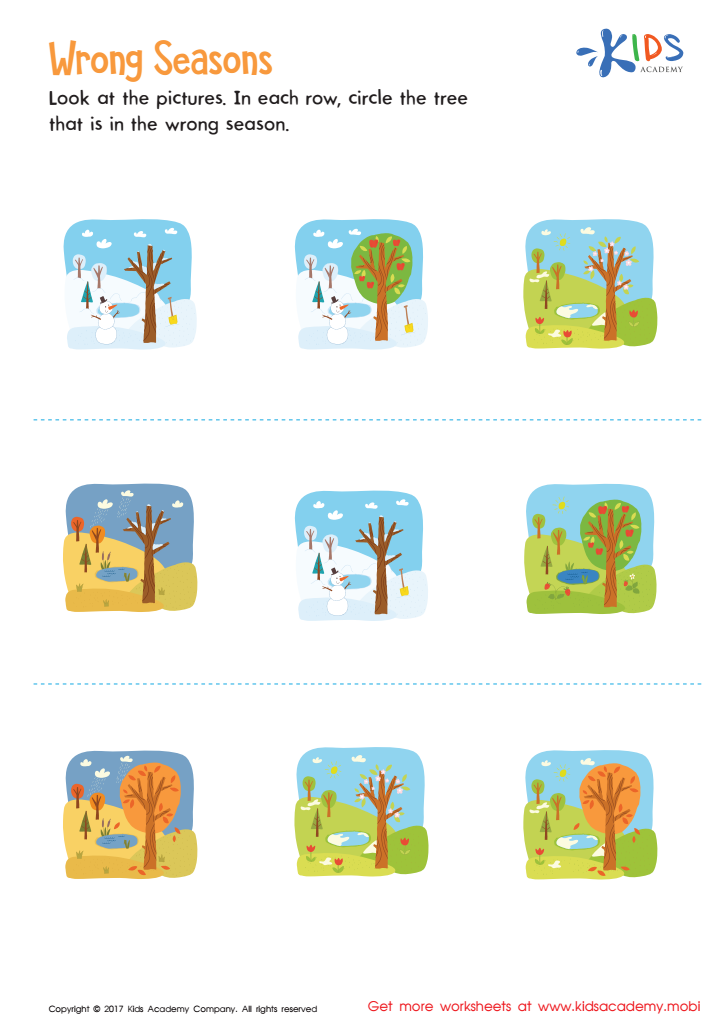
Wrong Seasons Worksheet
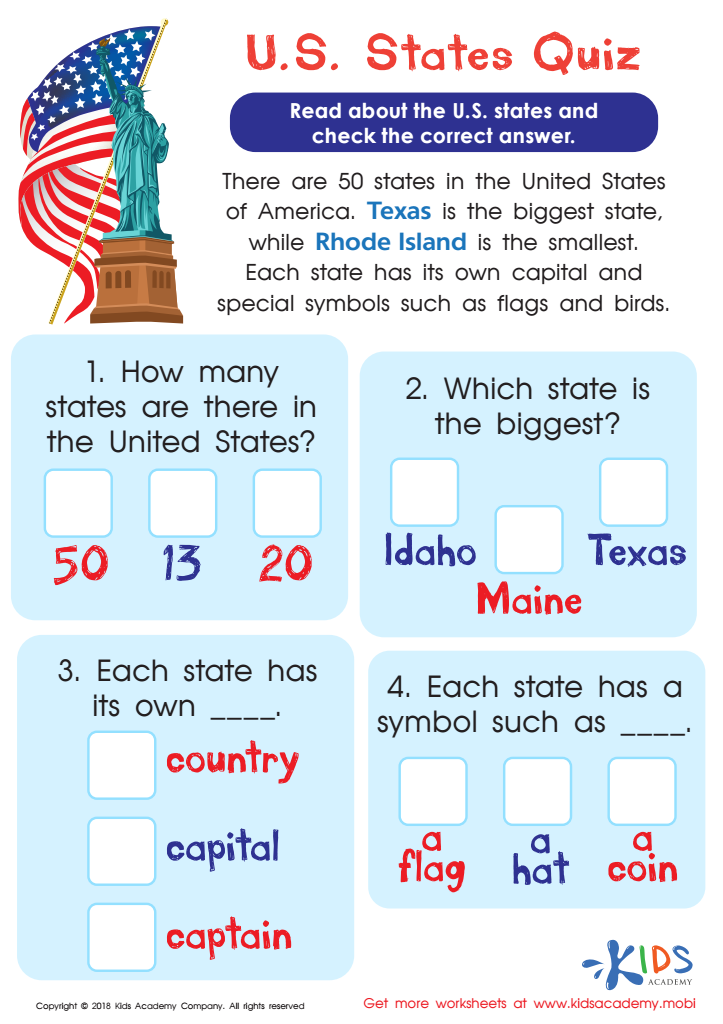
U.S. States Quiz Worksheet
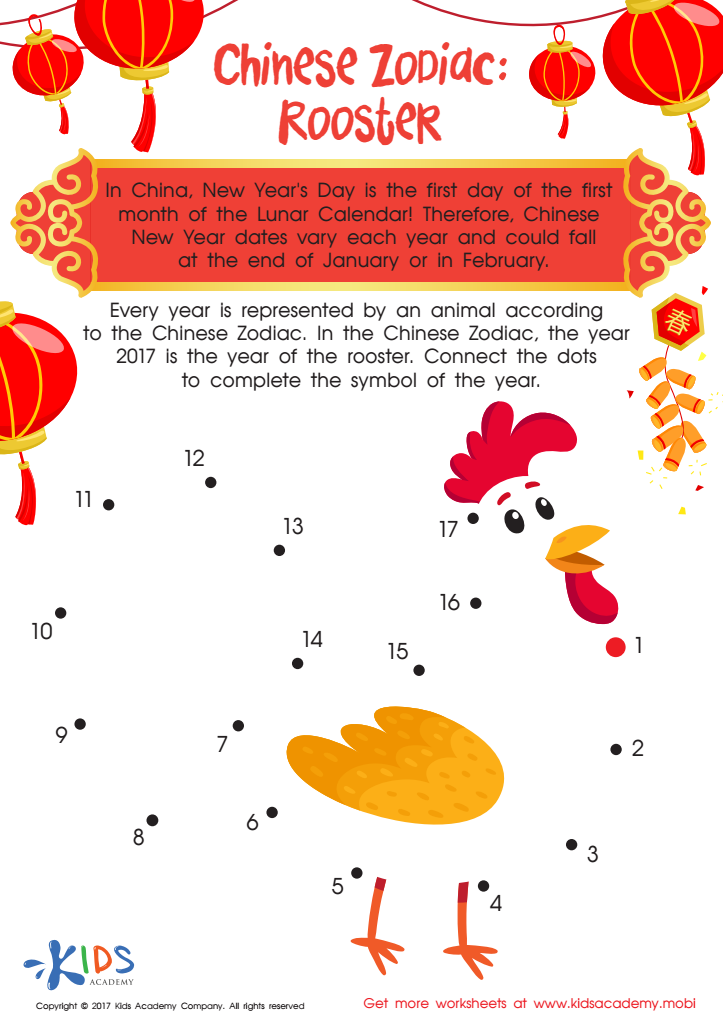
Chinese Zodiac Printable
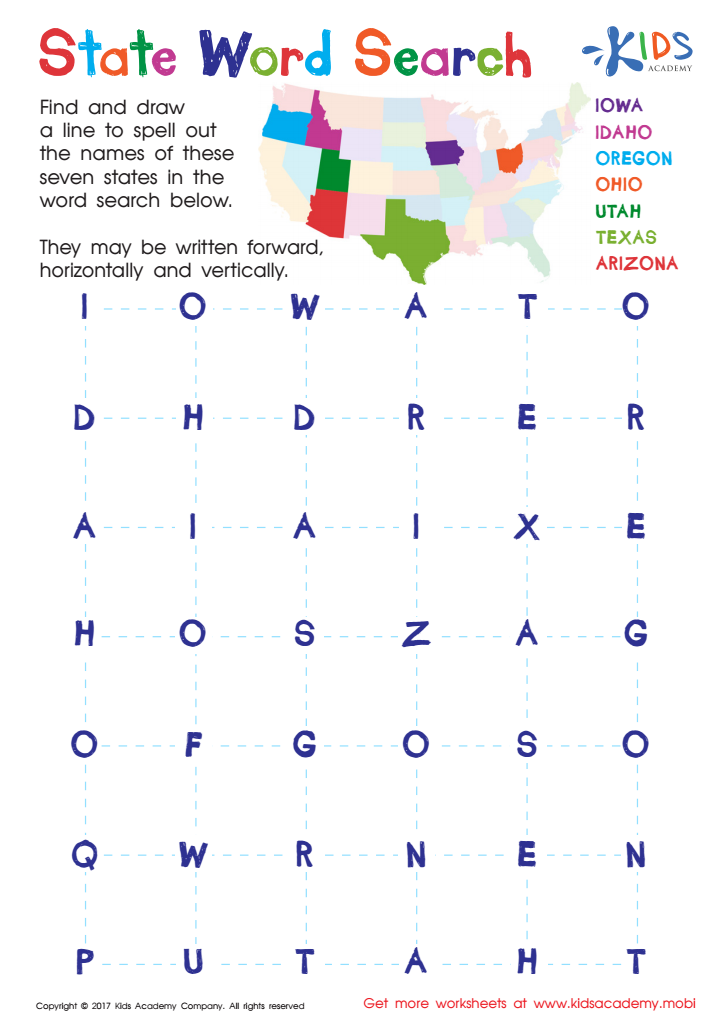
State Word Search Worksheet
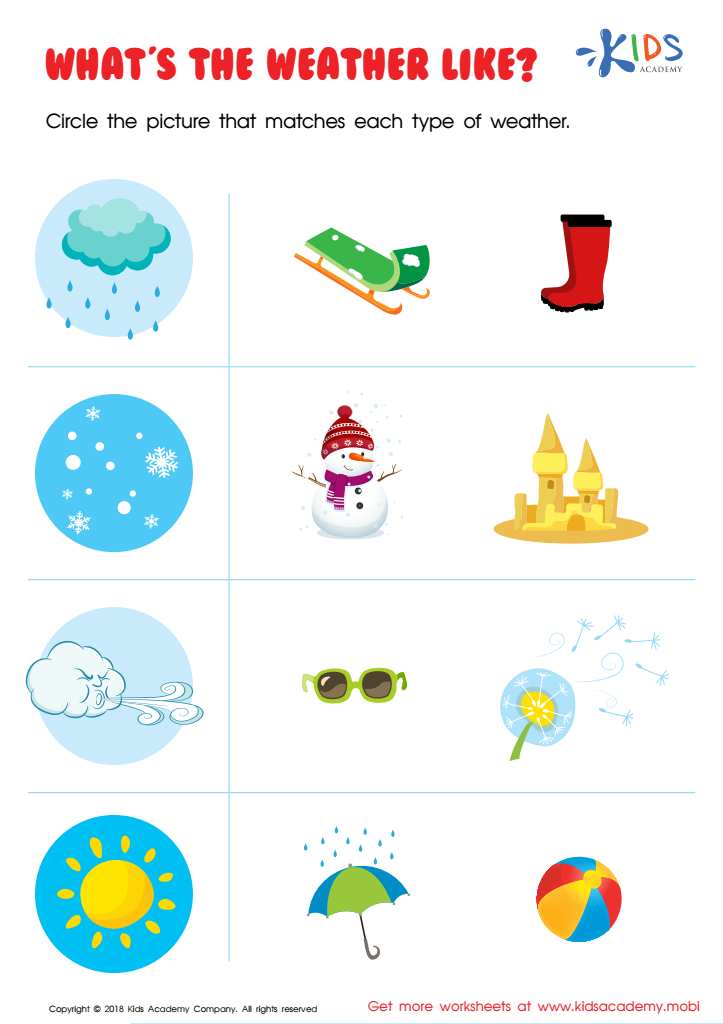
What's the Weather Like? Worksheet
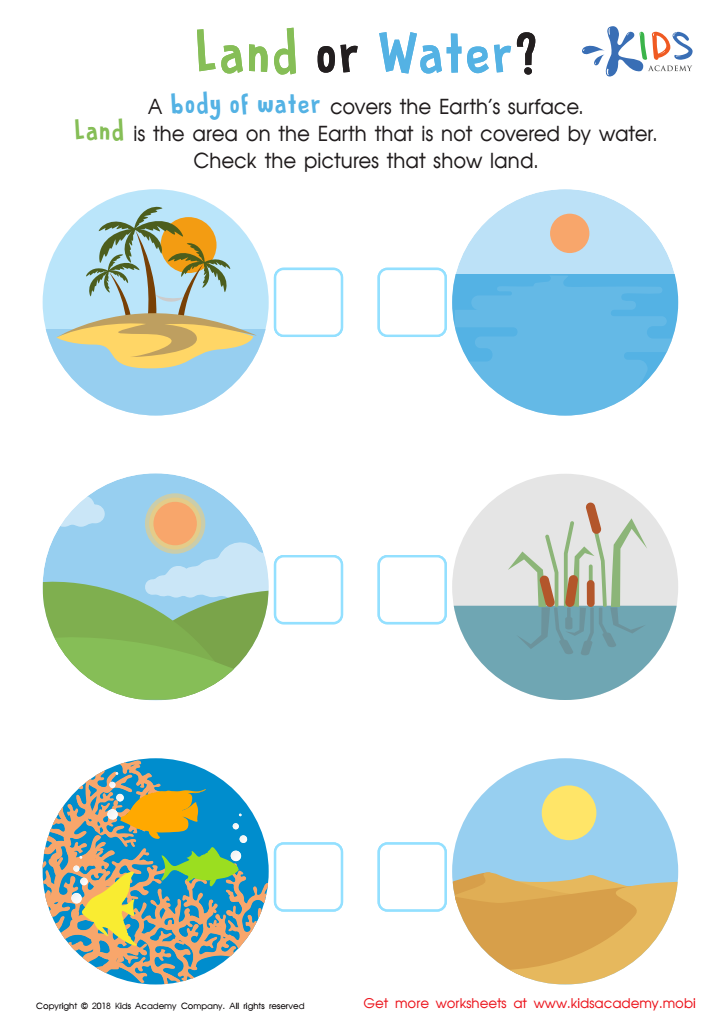
Land or Water Worksheet
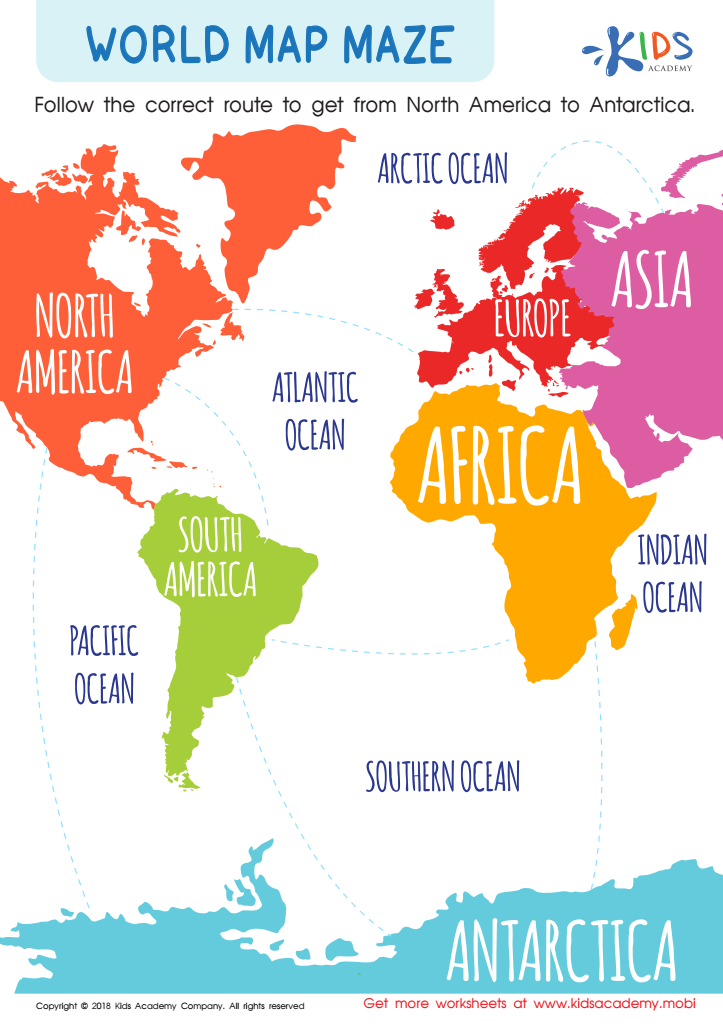
World Map Maze Worksheet
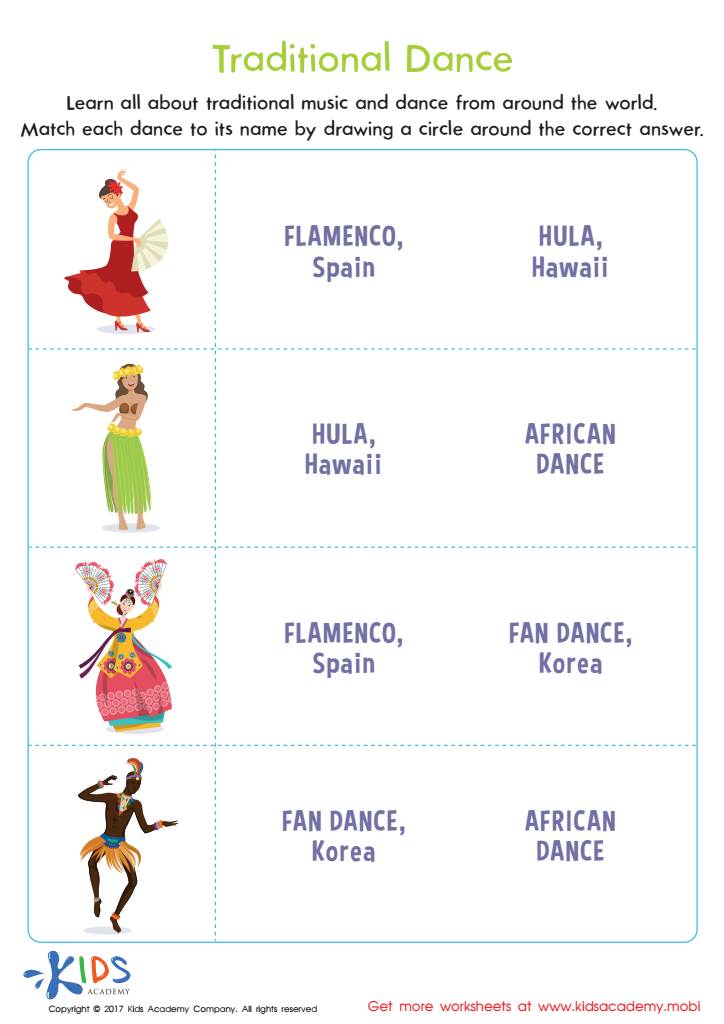
Traditional Dance Printable
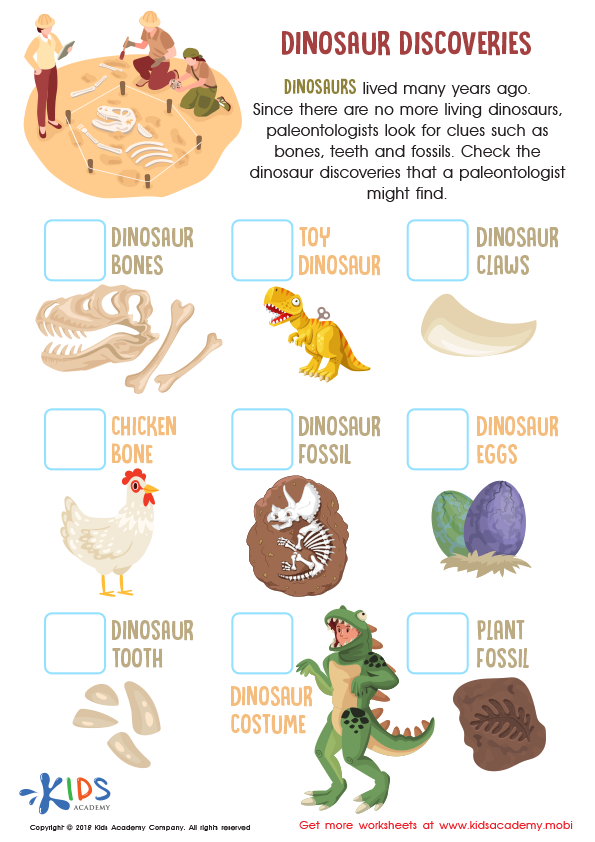
Dinosaur Discoveries Worksheet
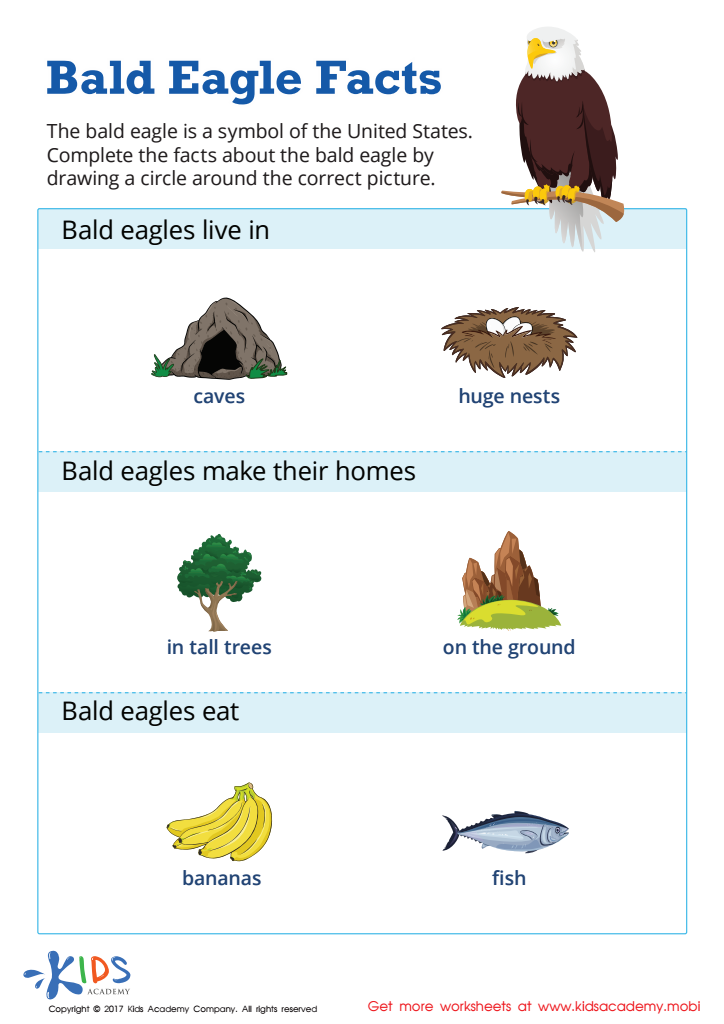
Bald Eagle Facts Worksheet
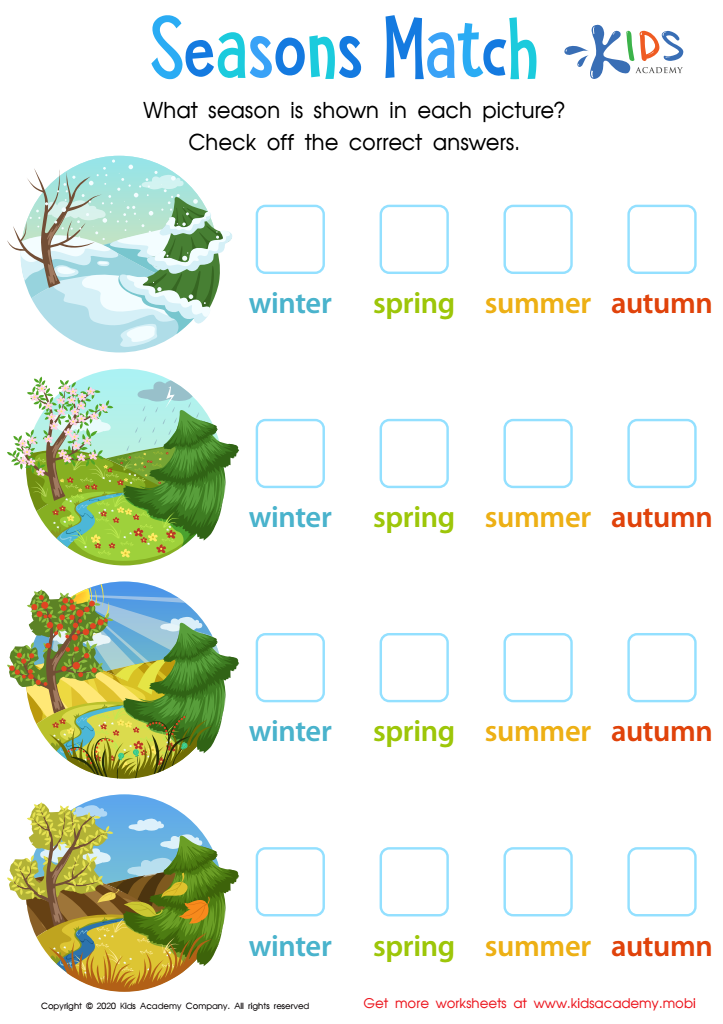
Seasons Match Worksheet
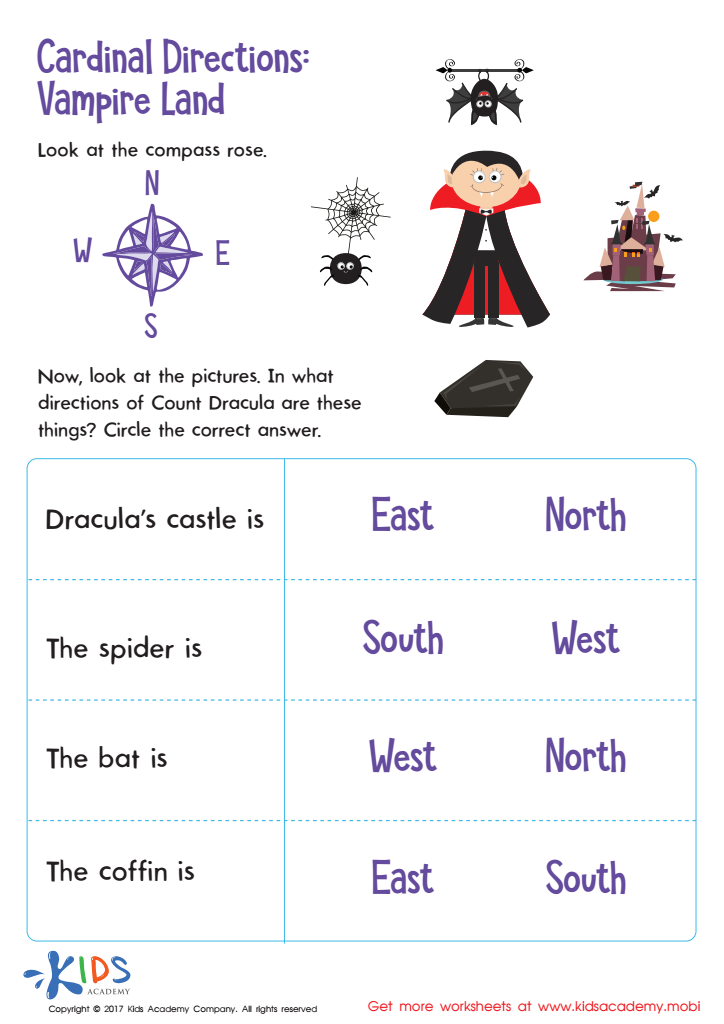
Cardinal Directions Printable
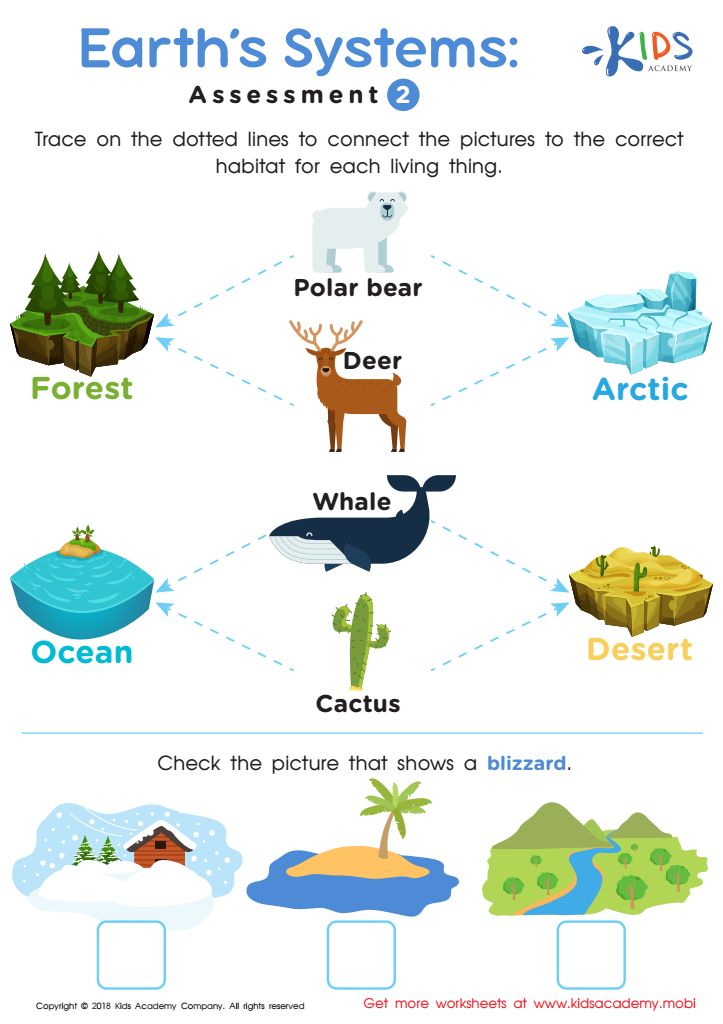
Earth's Systems: Assessment 2
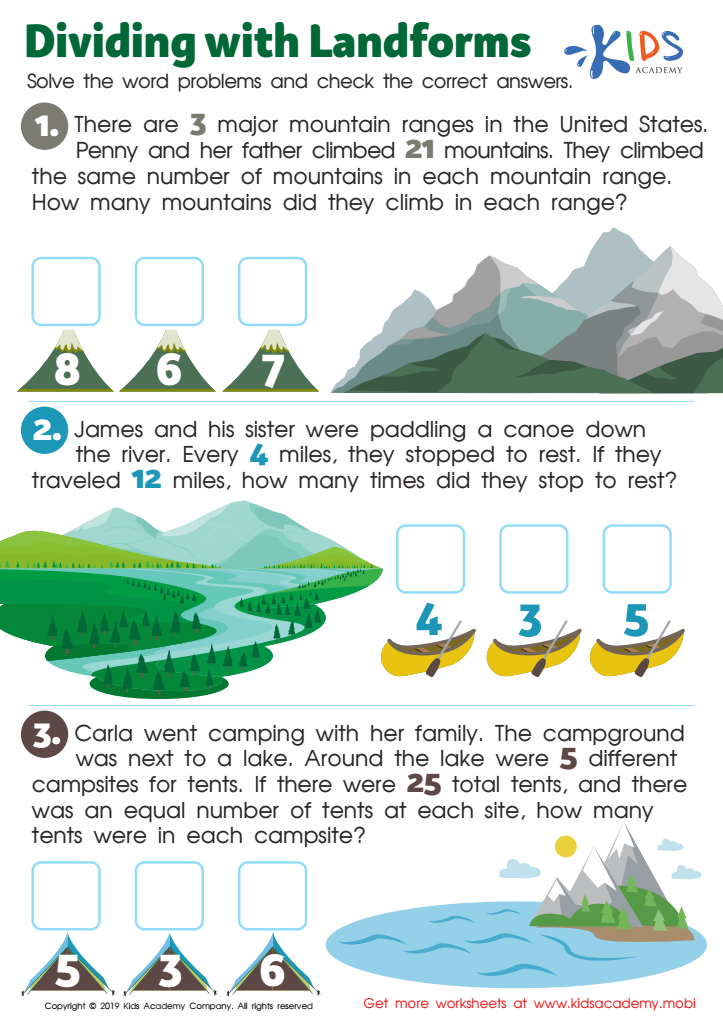
Dividing with Landforms
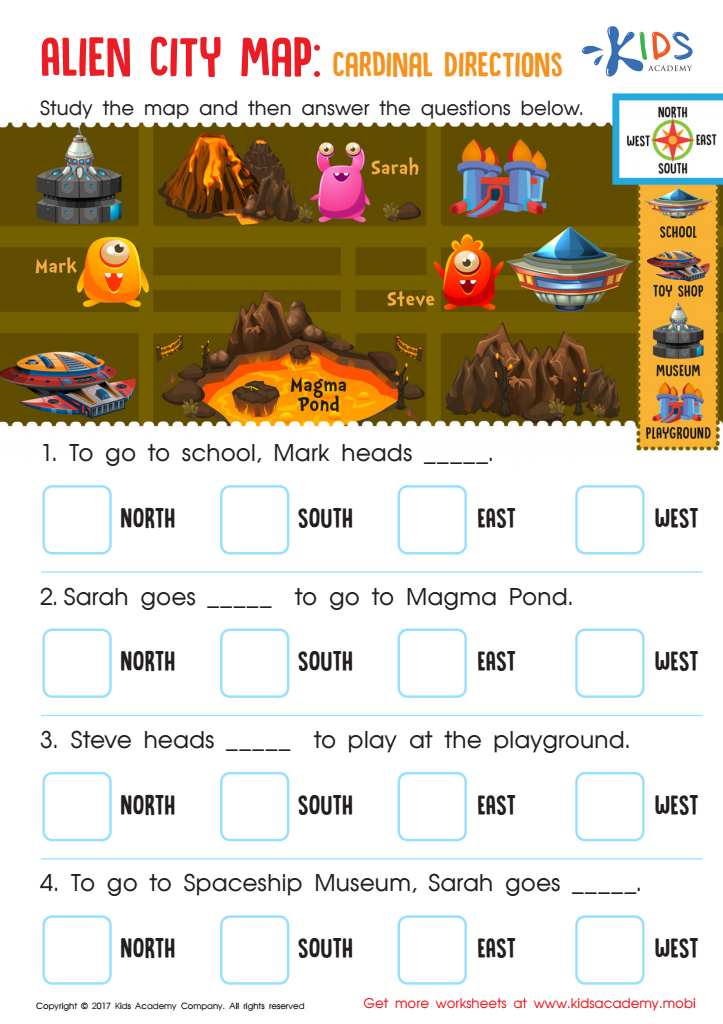
Alien City Map: Cardinal Directions Worksheet
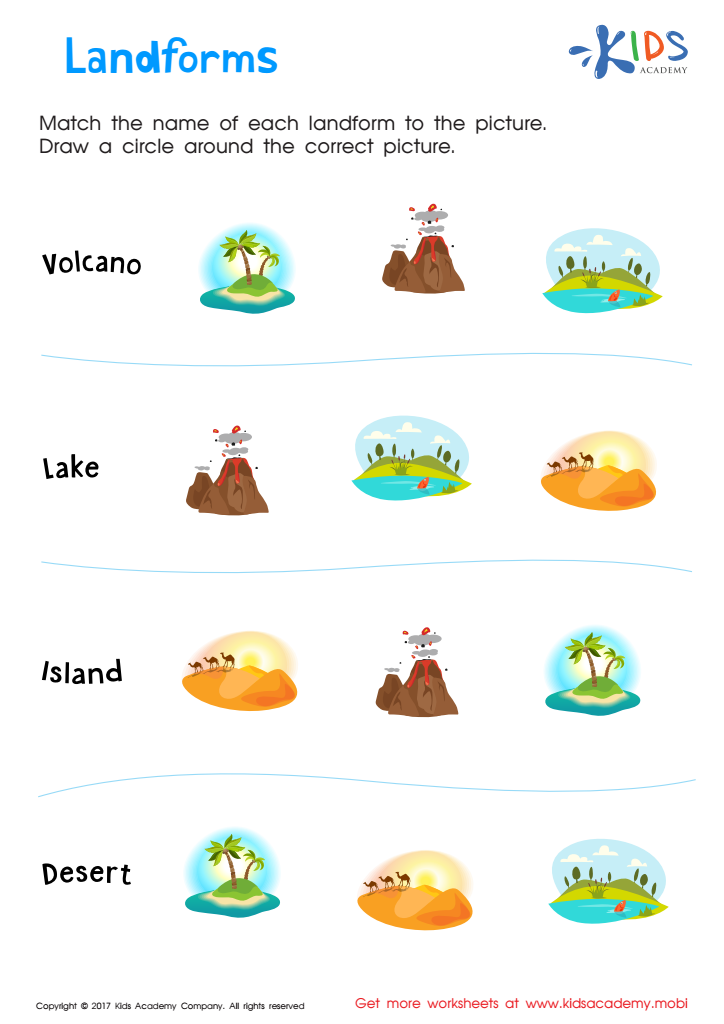
Landforms Printable
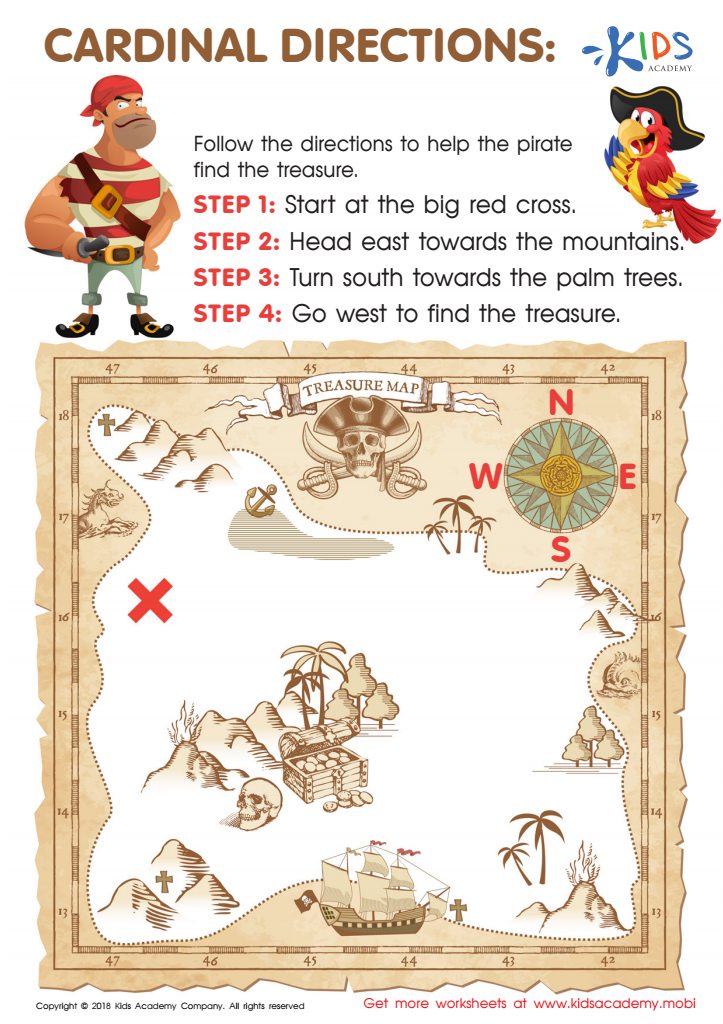
Cardinal Directions Treasure Map Maze Worksheet
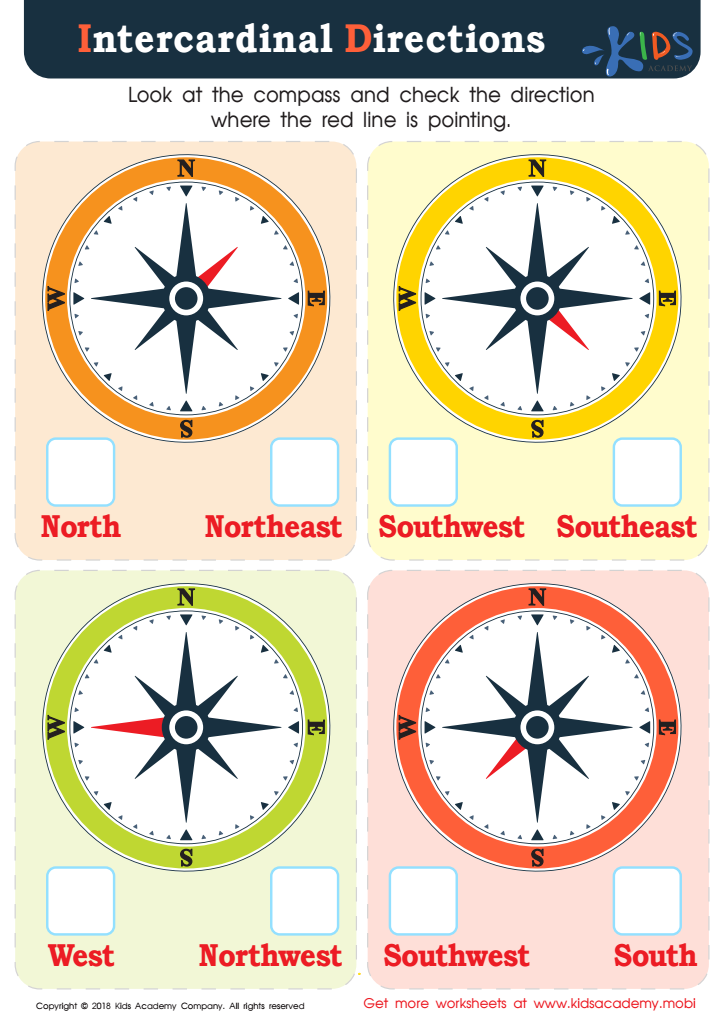
Intercardinal Directions Worksheet






Geography is vital for children aged 3-9 as it lays the foundation for their understanding of the world around them. During these formative years, children are naturally curious and eager to explore. By introducing them to geography, parents and teachers can help nurture this curiosity, allowing kids to learn about different places, cultures, and environments, fostering a sense of belonging and identity as part of a larger world.
Engaging with geography enhances critical thinking, spatial awareness, and problem-solving skills. Young children often learn through play; incorporating maps, globes, and interactive activities can make learning about geography enjoyable and relatable. Understanding basic concepts like maps, landforms, and climates helps children situate themselves within their communities and the world at large.
Furthermore, a strong grounding in geography promotes empathy and respect for diversity. As children learn about various cultures and lifestyles, they develop appreciation and an understanding of global interconnectedness, which is crucial in today’s multicultural society.
Ultimately, fostering early geographical knowledge prepares children not just academically, but also socially and emotionally, equipping them with the awareness and skills needed for a globalized future. Involvement in geographic learning enriches children’s lives and informs their perspectives as future world citizens.