Addition Facts Worksheets for Ages 4-7 - Page 2
42 filtered results
-
From - To
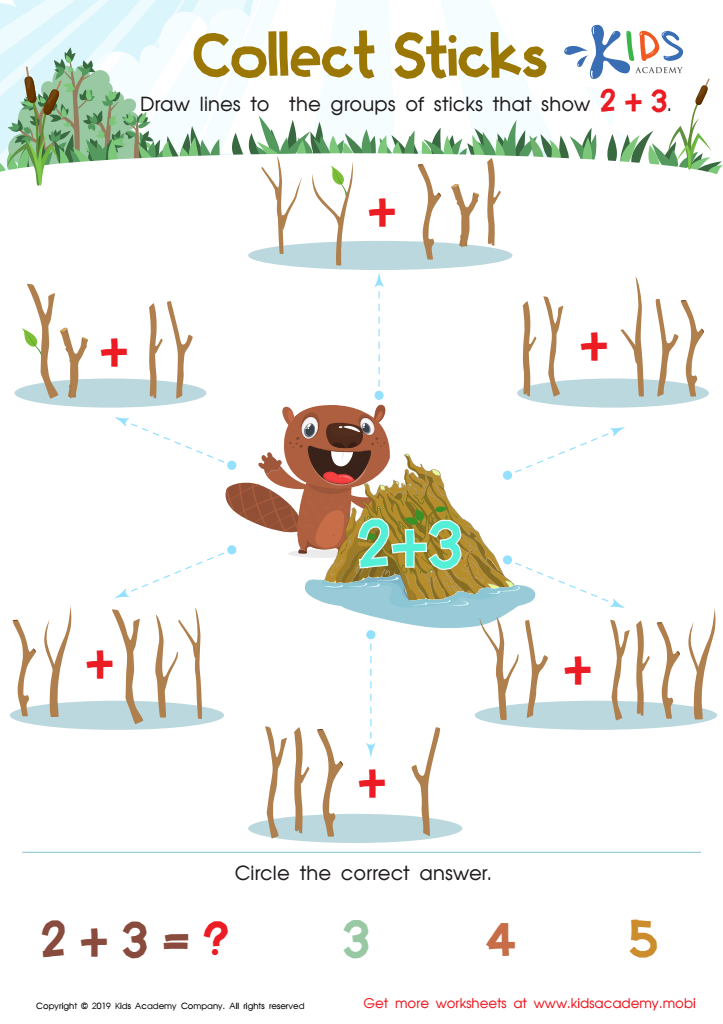
Collect Sticks Worksheet
 Assign to My Students
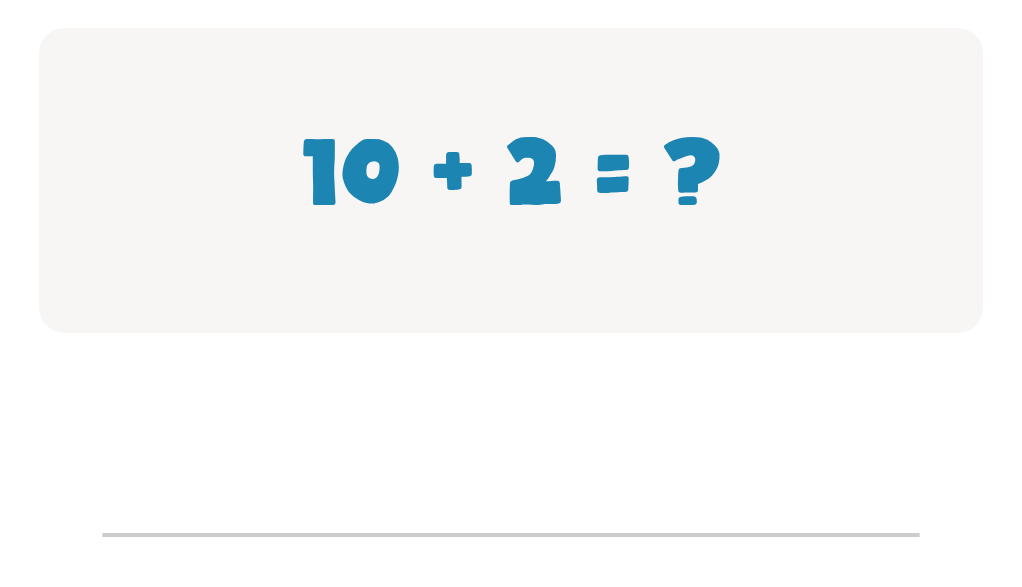

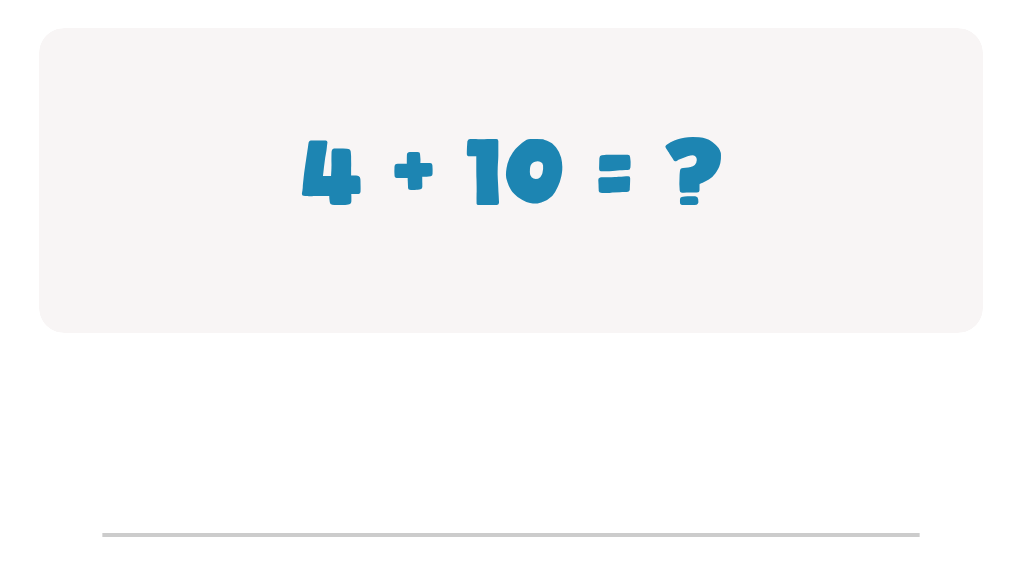
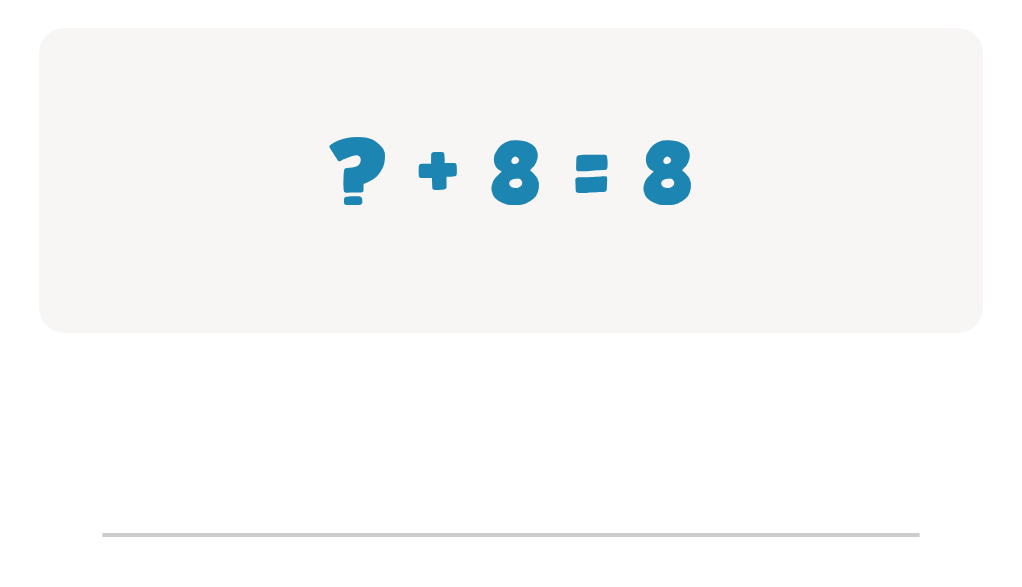

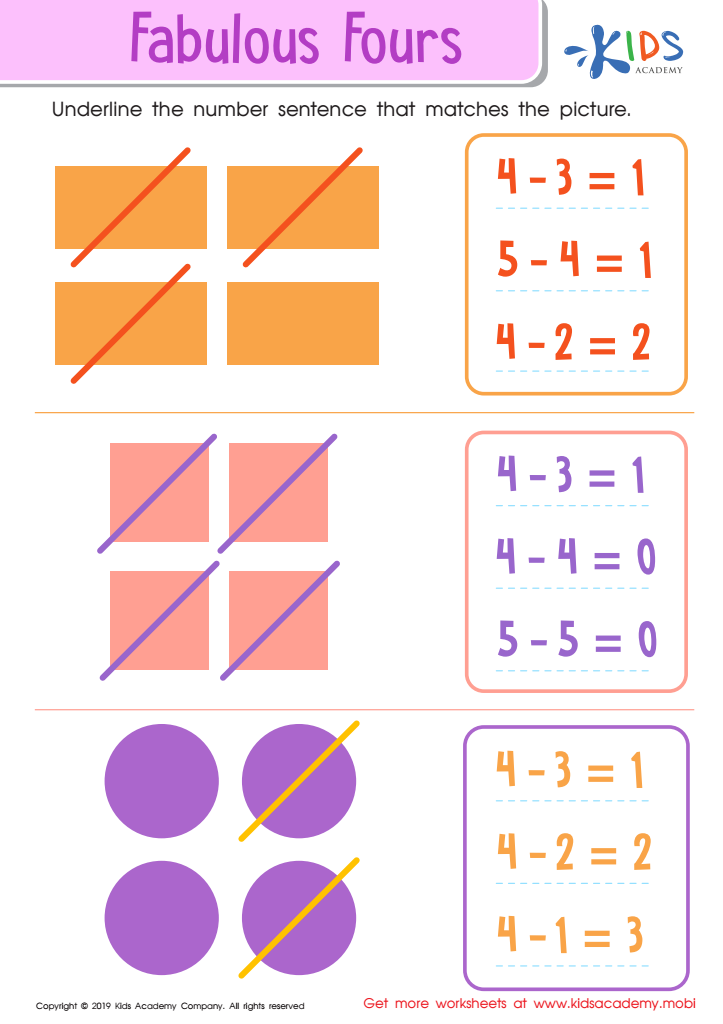
Fabulous Fours Worksheet
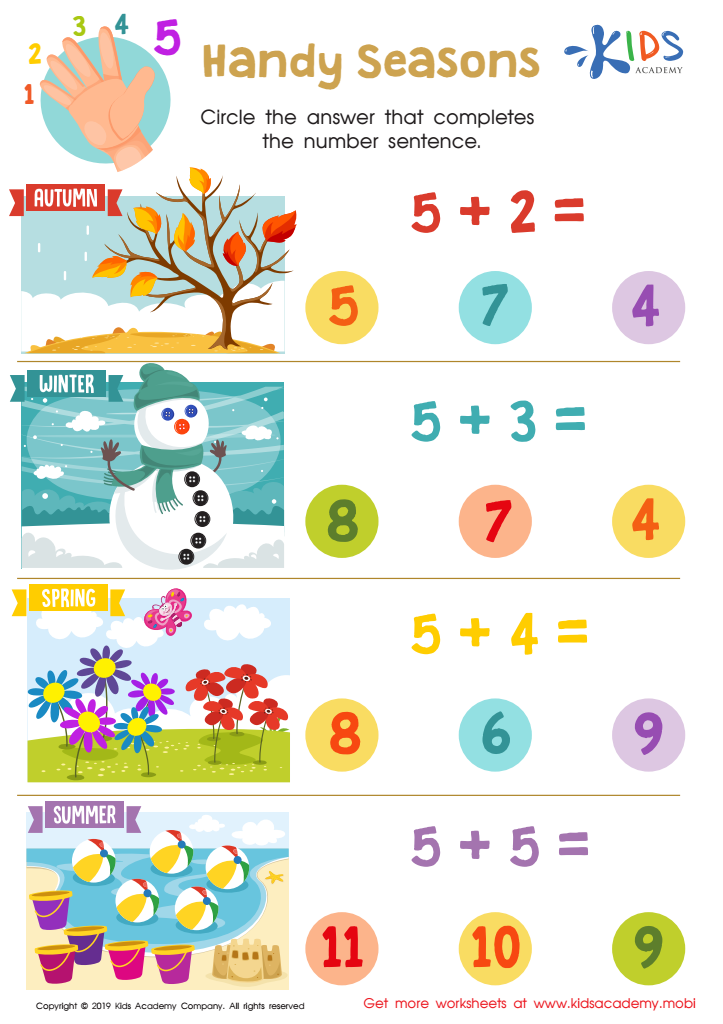
Handy Seasons Worksheet
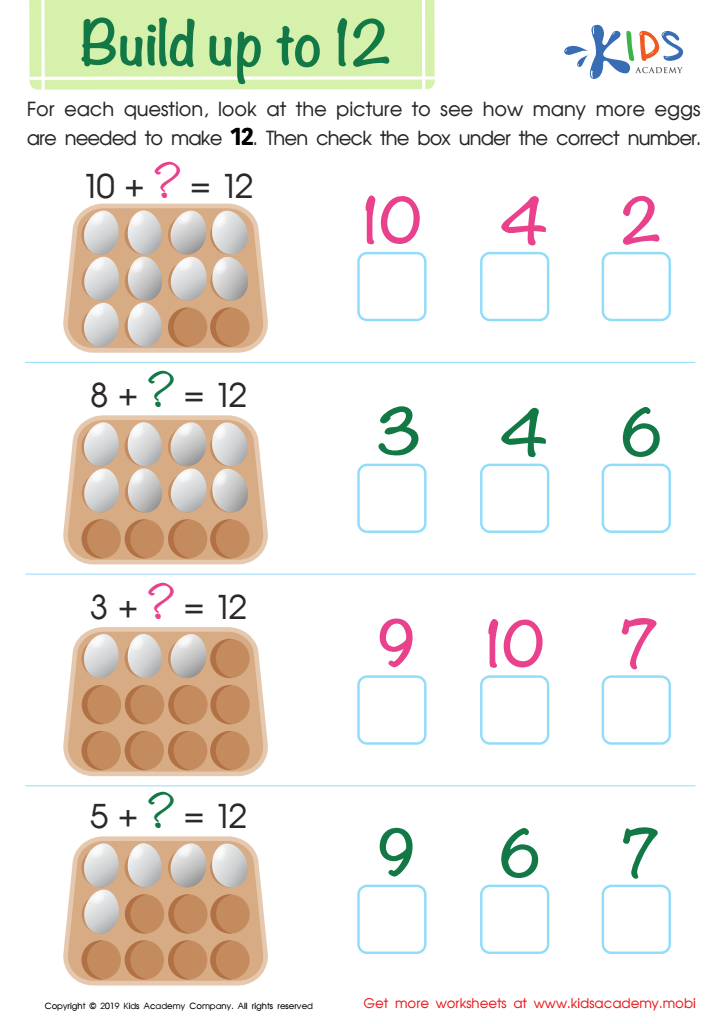
Build up to 12 Worksheet
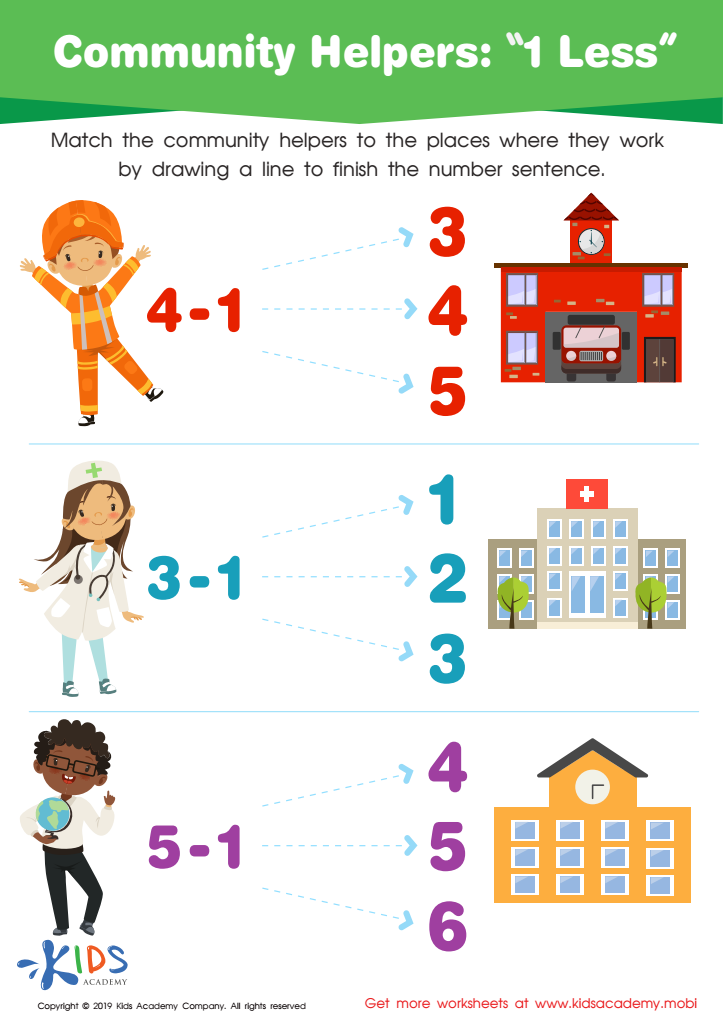
Community Helpers: 1 less Worksheet
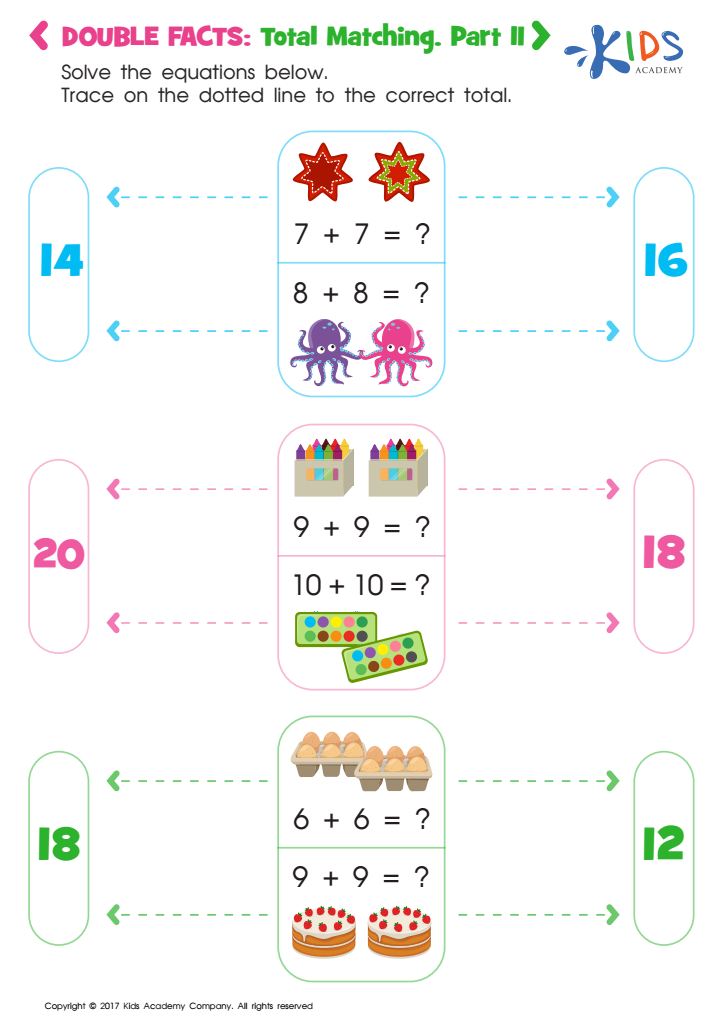
Double Facts: Total Matching 2 Worksheet
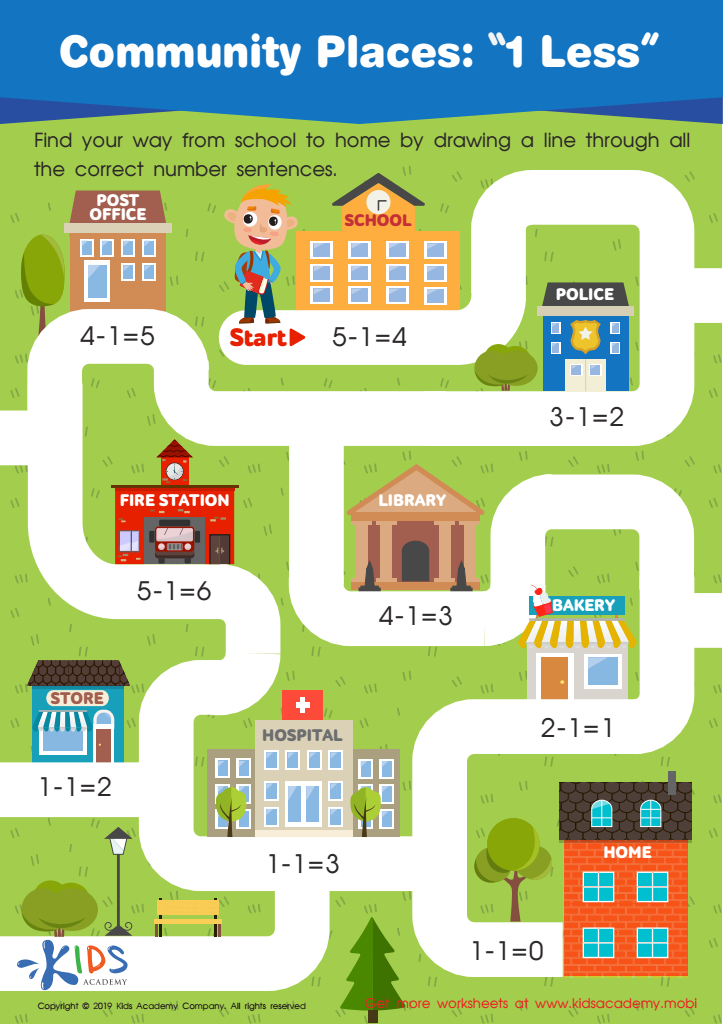
Community Places: 1 Less Worksheet
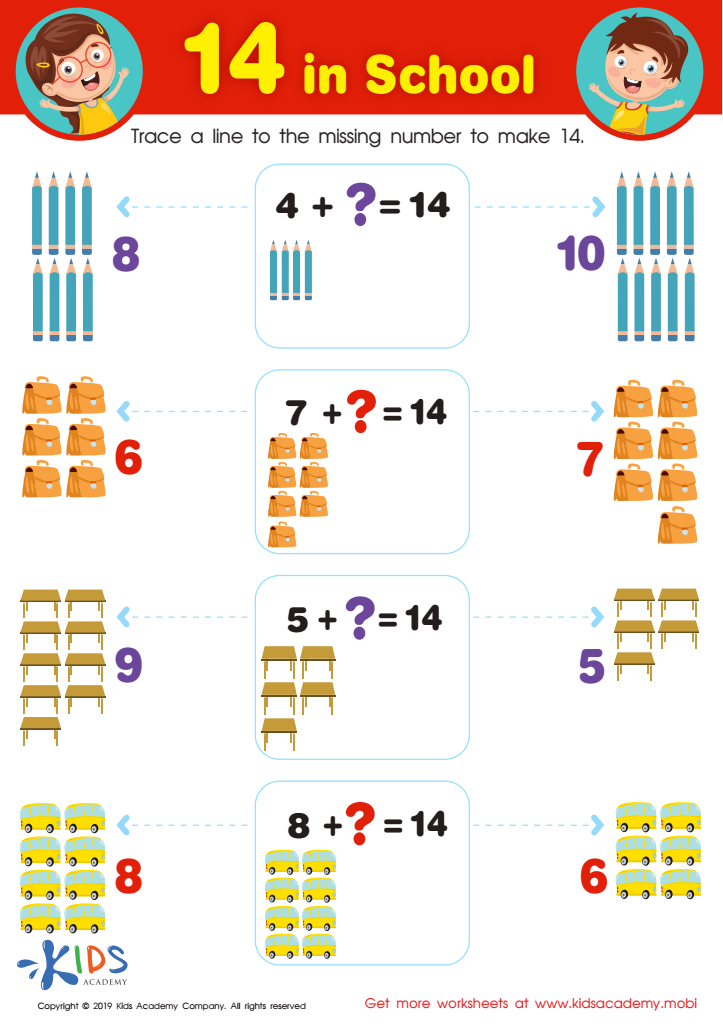
14 in School Worksheet
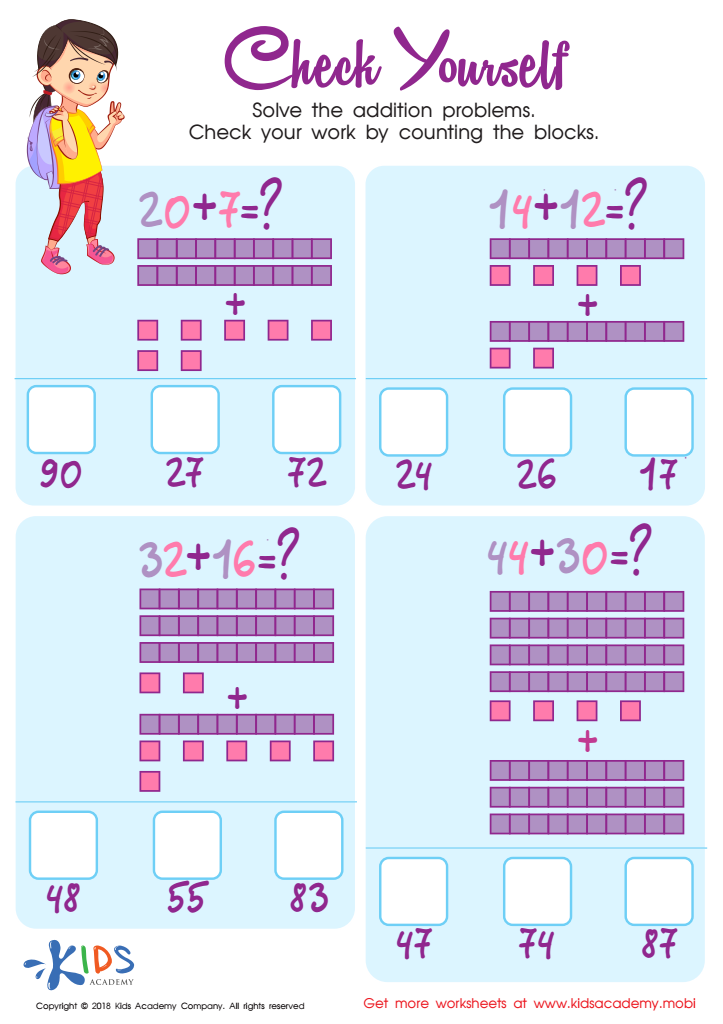
Adding with Base 1 Blocks Worksheet: Check Yourself
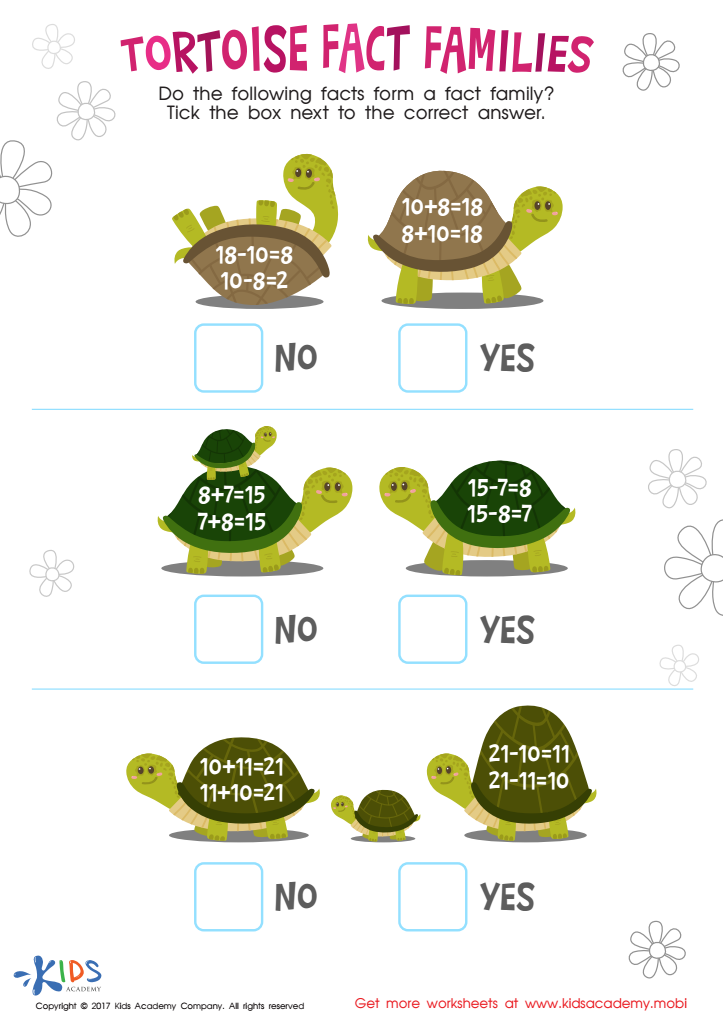
Tortoise Fact Families Printable
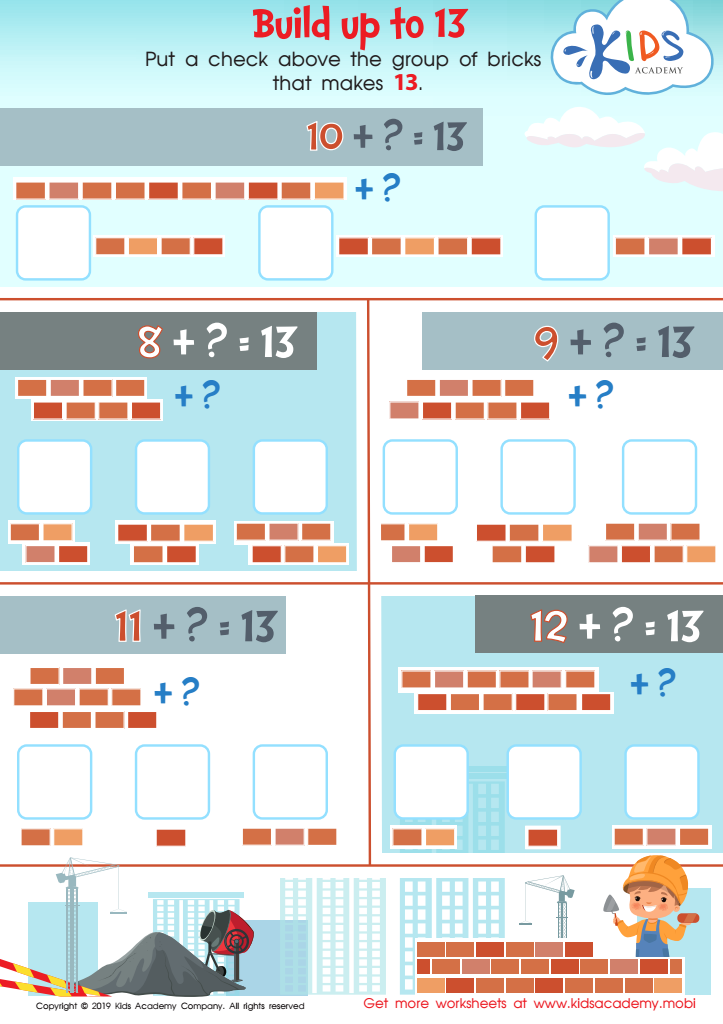
Build up to 13 Worksheet
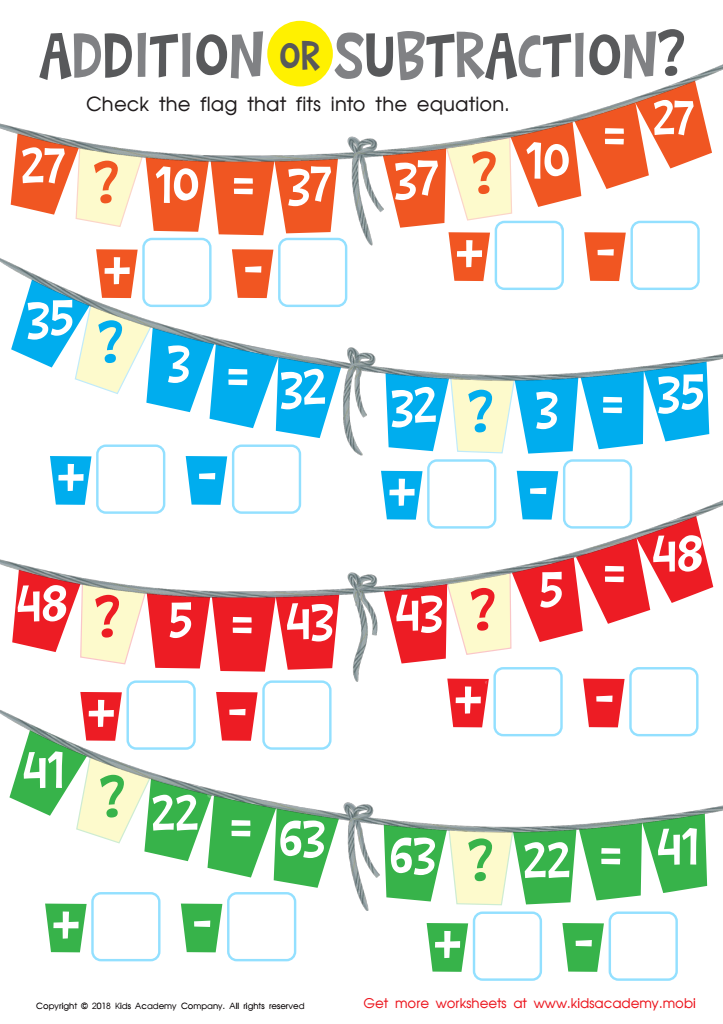
Addition or Subtraction? Worksheet
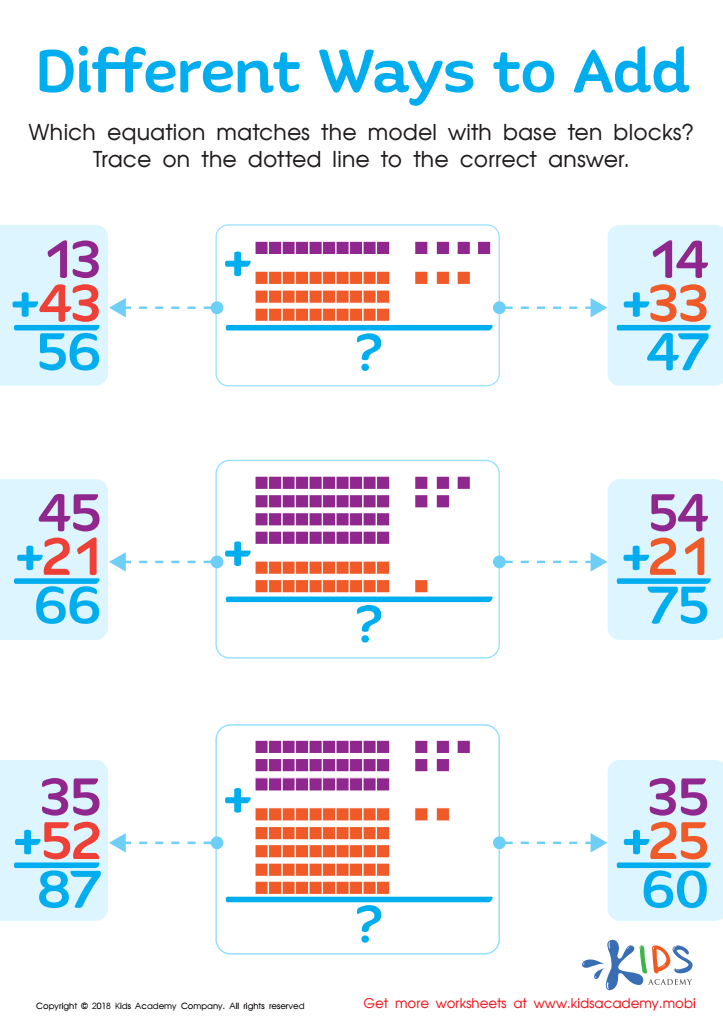
Different Ways to Add Worksheet
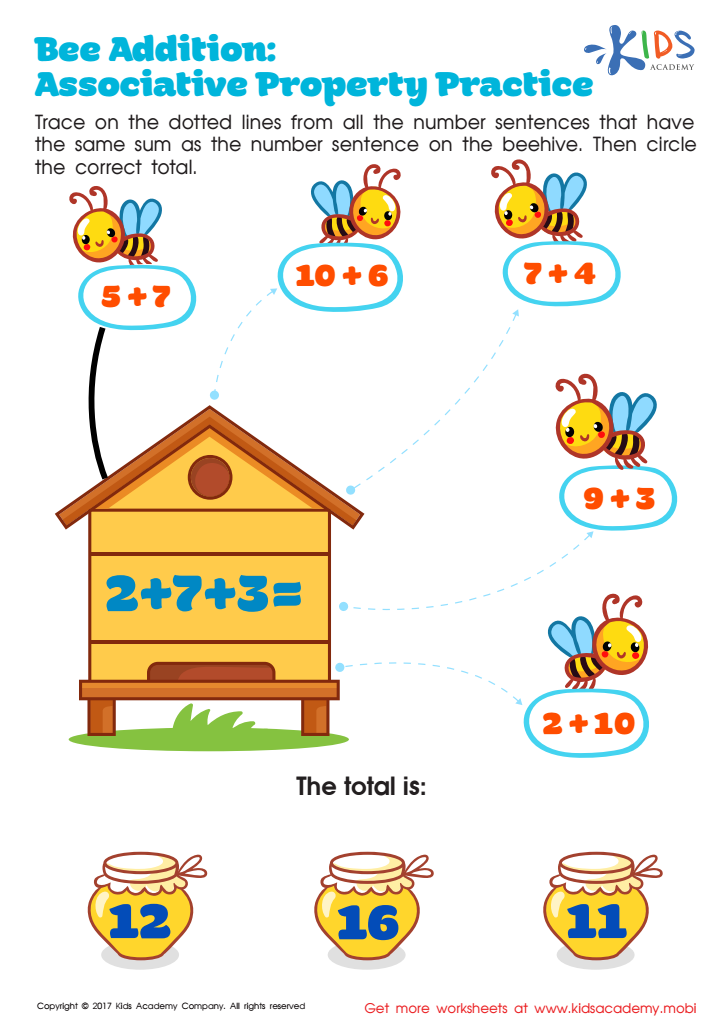
Bee Addition: Associative Property Practice Worksheet
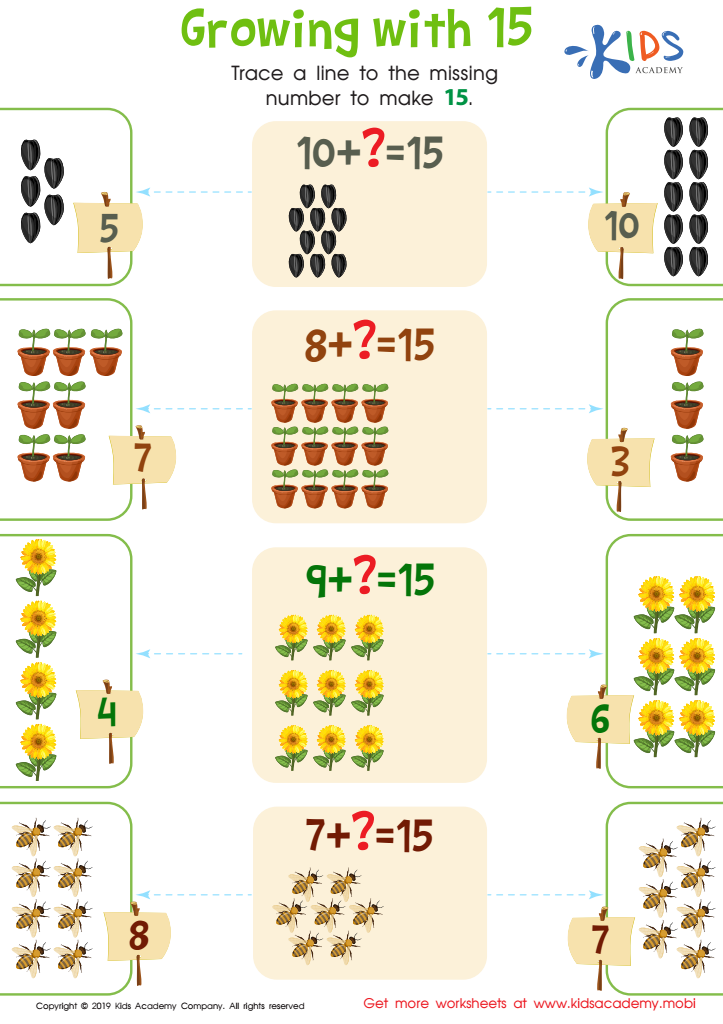
Growing with 15 Worksheet
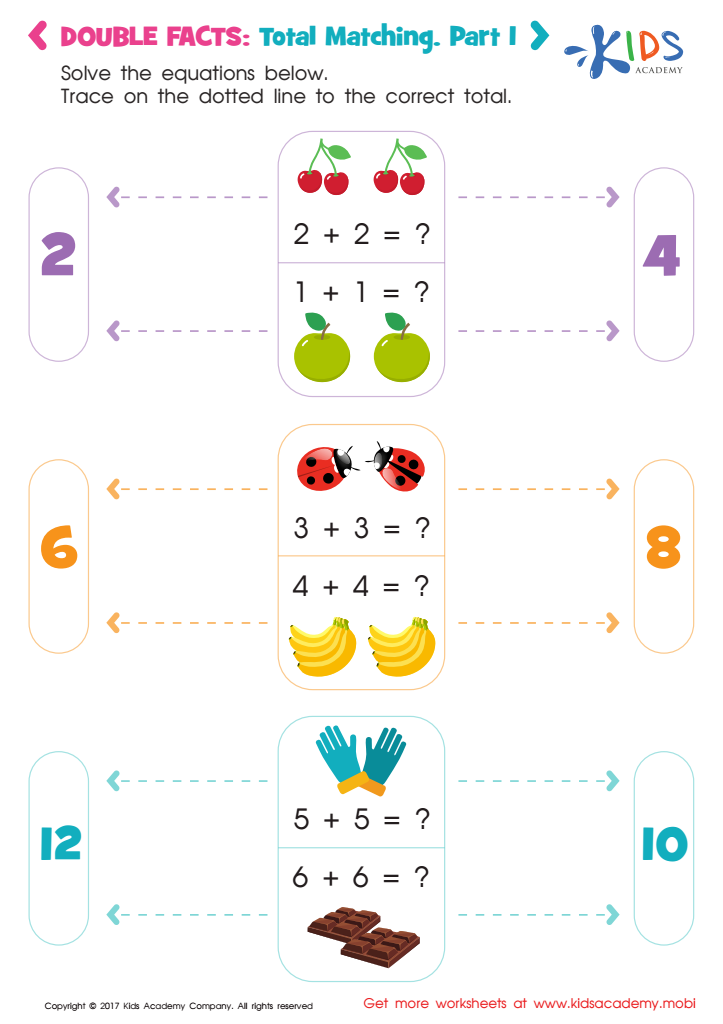
Double Facts: Total Matching Worksheet: Part 1
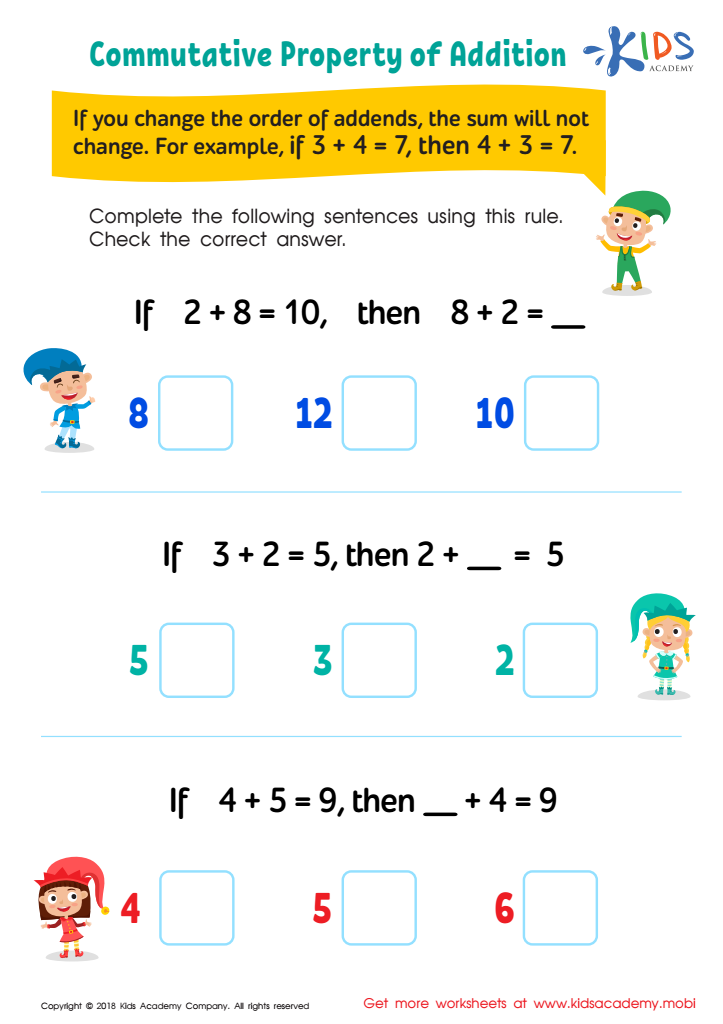
Commutative Property of Addition Worksheet
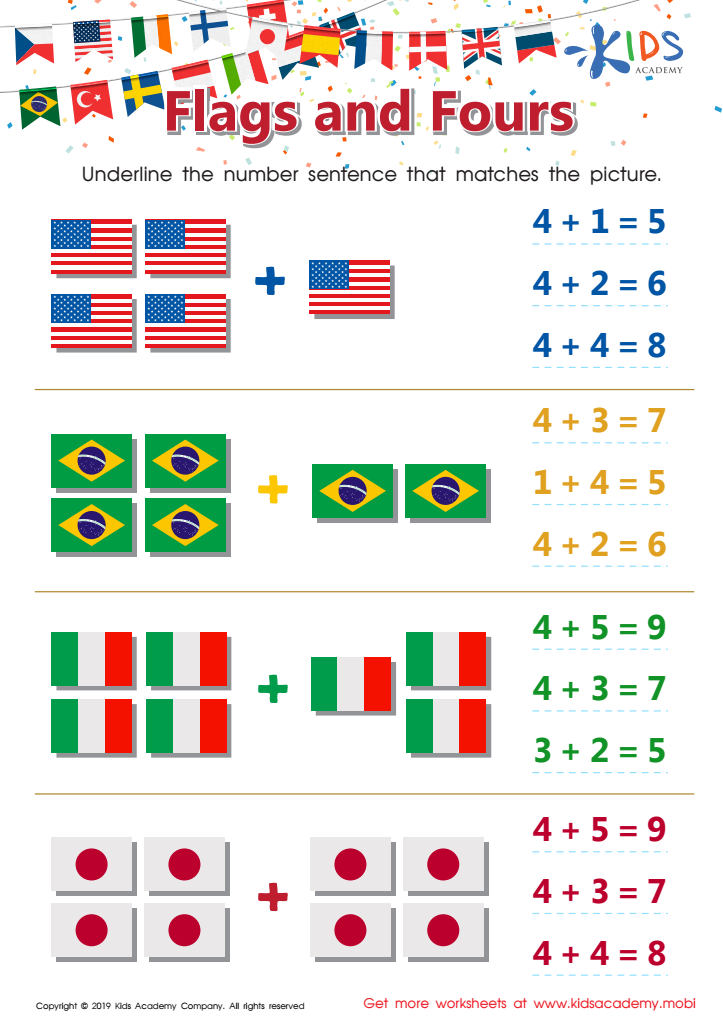
Flags and Fours Worksheet







.jpg)
Parents and teachers play crucial roles in the foundational learning of children, especially during the formative ages of 4-7. Understanding addition facts is an essential skill that paves the way for more complex mathematical concepts. Instilling this knowledge early on provides a strong numerical foundation, fostering confidence and enthusiasm for math. By mastering basic addition, children develop critical problem-solving skills and logical thinking, which are valuable across all subjects and daily activities.
Moreover, learning addition facts at a young age enhances cognitive development. This period is marked by rapid brain growth, and engaging in math exercises stimulates neural pathways, improving memory and concentration. When children can quickly recall addition facts, they are more likely to succeed in future mathematical endeavors, reducing anxiety and encouraging a positive attitude towards learning.
From a practical standpoint, comprehension of addition is necessary for everyday tasks, such as counting objects, understanding money, or telling time. Ensuring that young learners are proficient in these skills means they are better equipped to function independently and with confidence in their daily lives. Therefore, parents and teachers should prioritize and support the development of addition facts to cultivate a lifelong interest in learning and ensure academic and personal success.








