Geometry Worksheets for Ages 4-7 - Page 2
163 filtered results
-
From - To
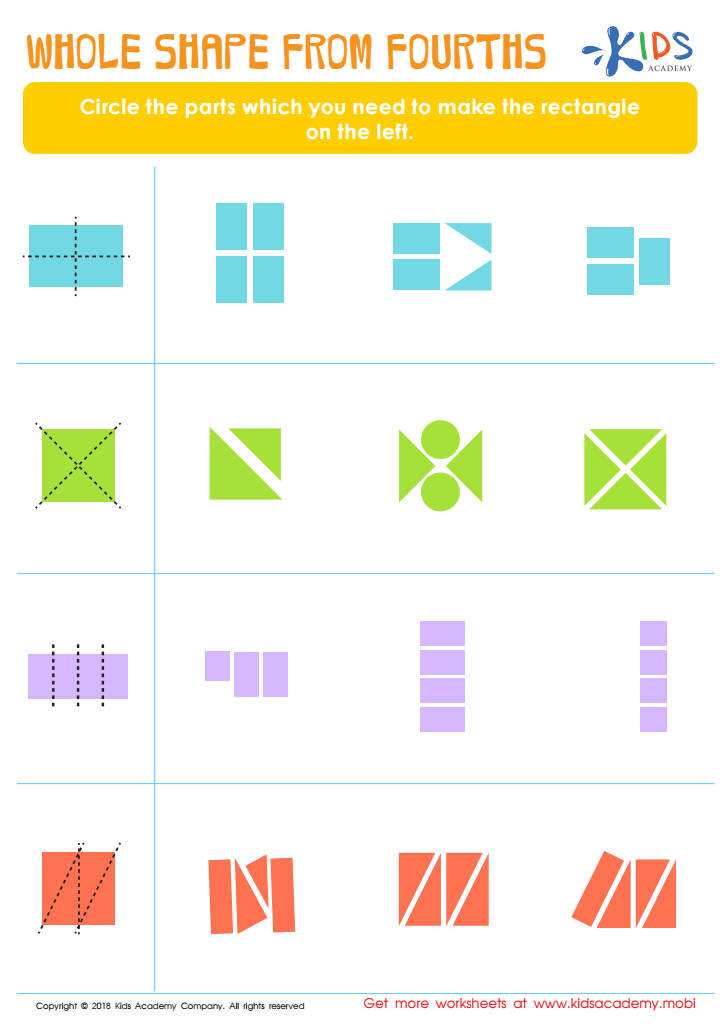
Whole Shape from Fourths Worksheet
 Assign to My Students











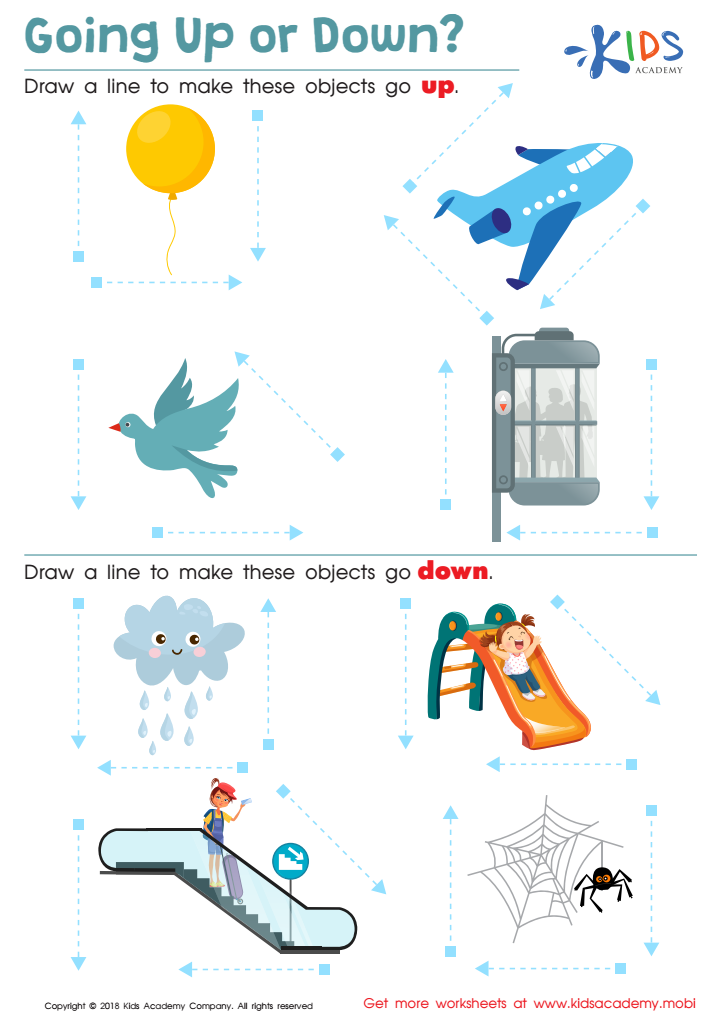
Going up or Down? Worksheet
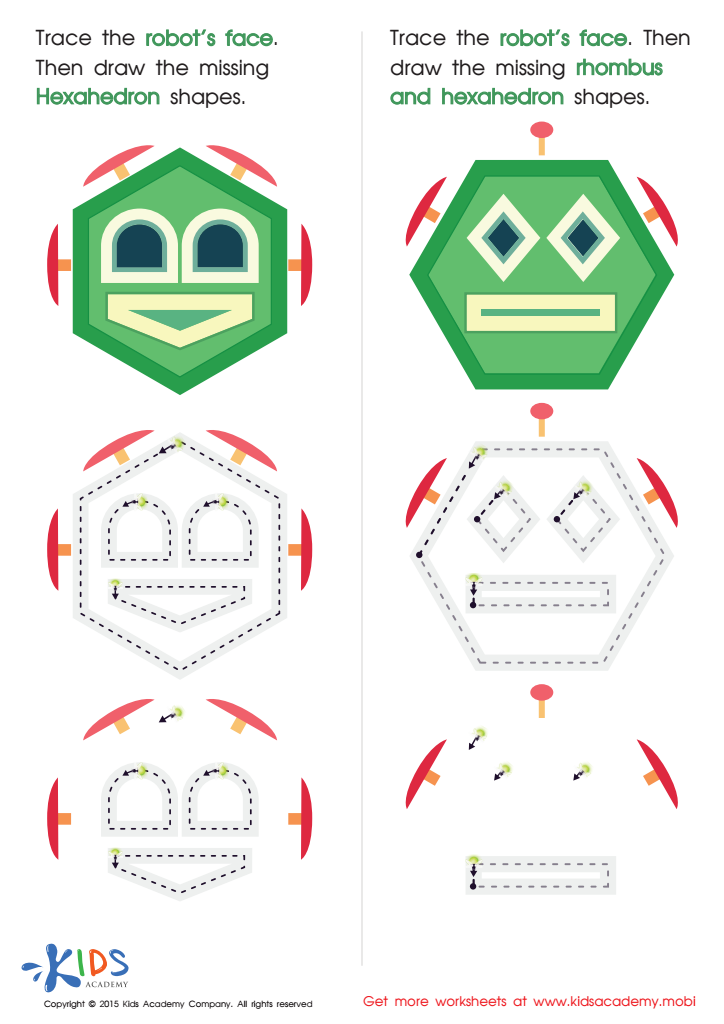
Practice Drawing Hexahedrons And a Rhombus Worksheet
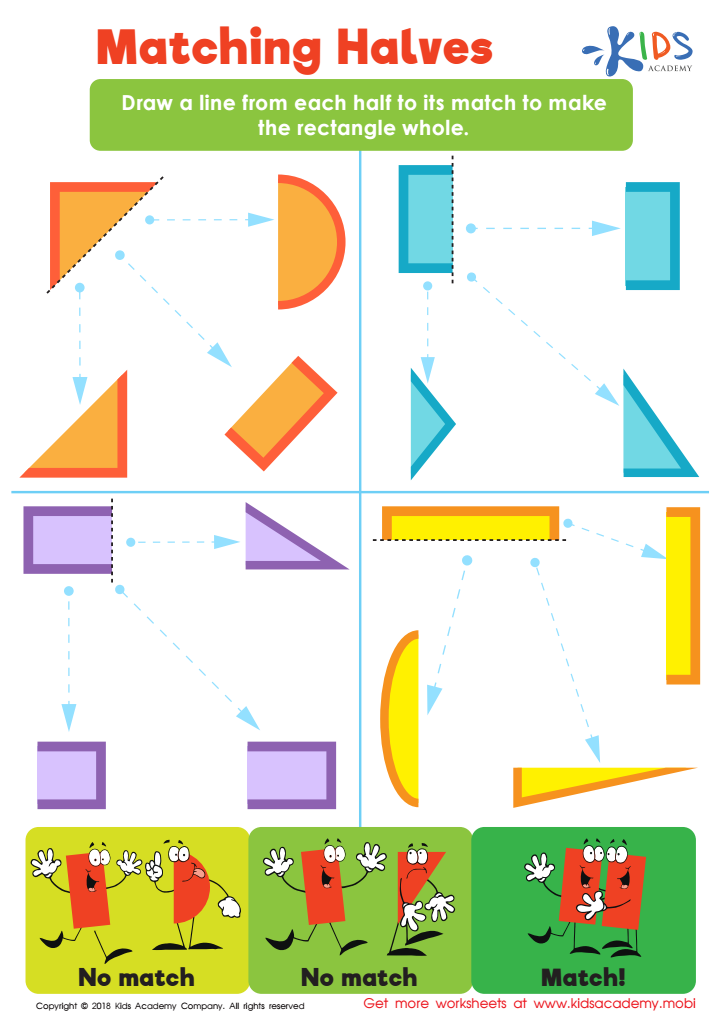
Matching Halves Worksheet
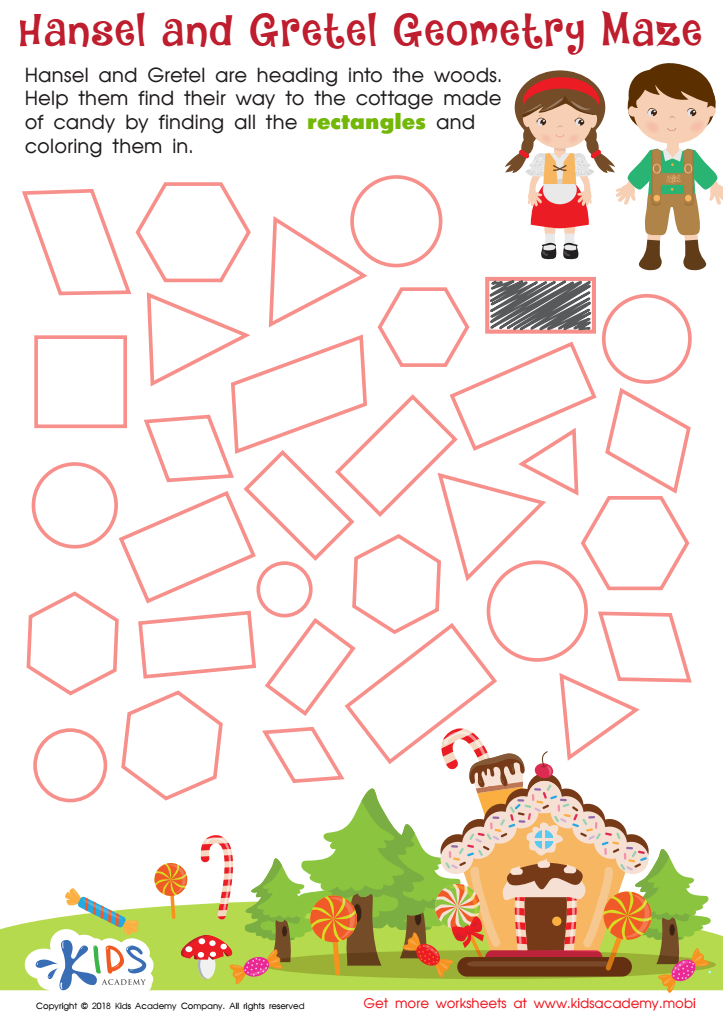
Hansel and Gretel Geometry Maze Worksheet
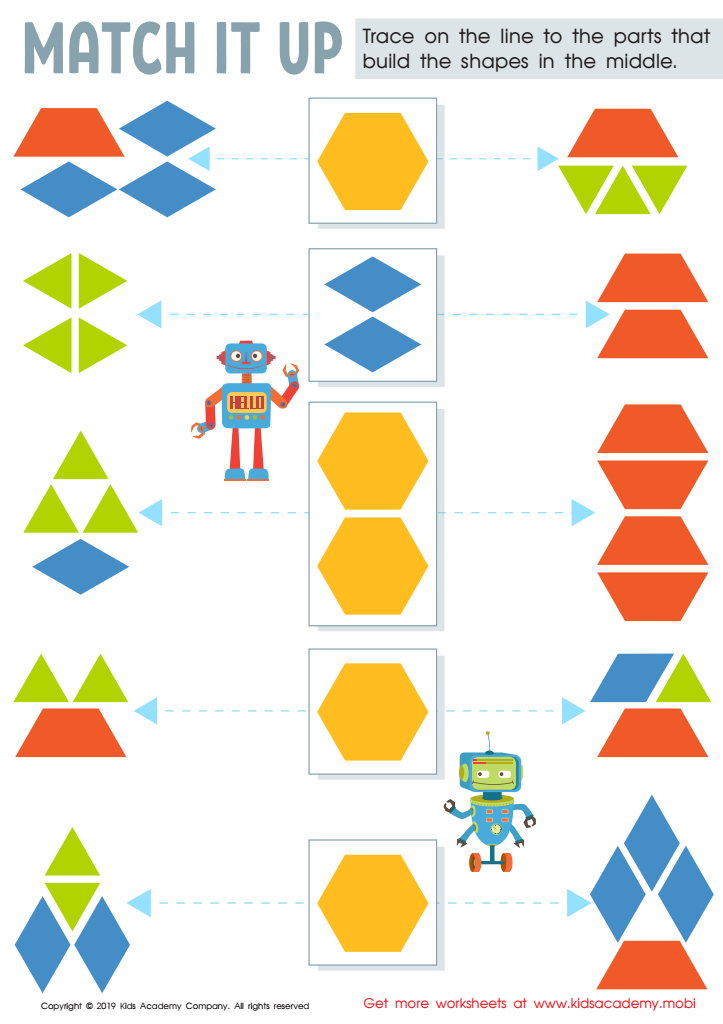
Match It up Worksheet
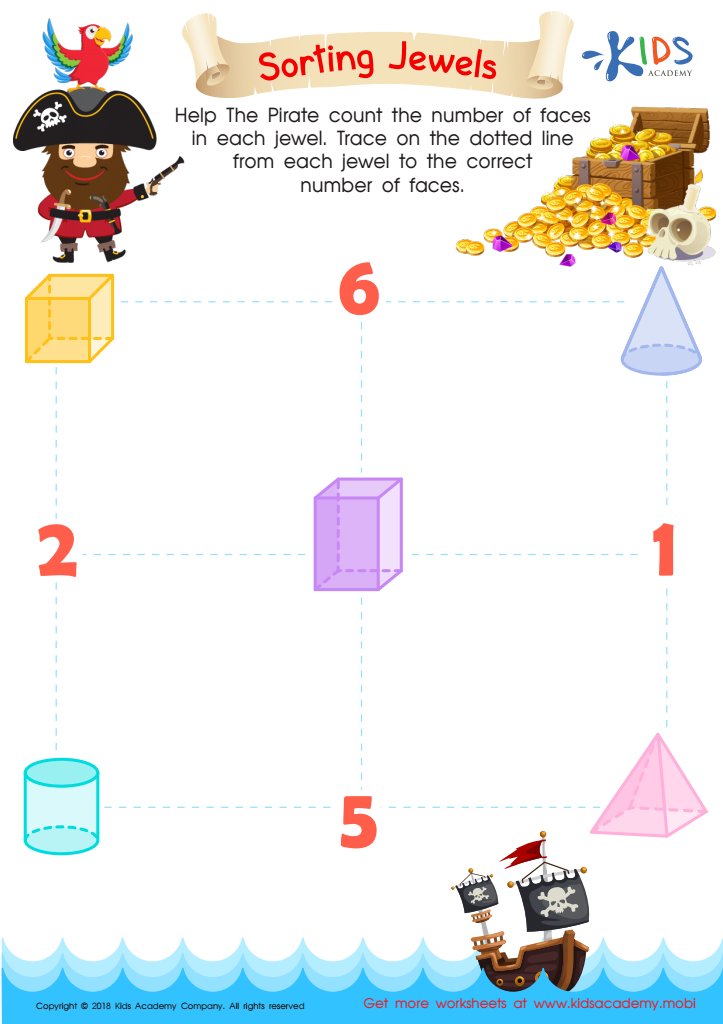
Sorting Jewels Worksheet
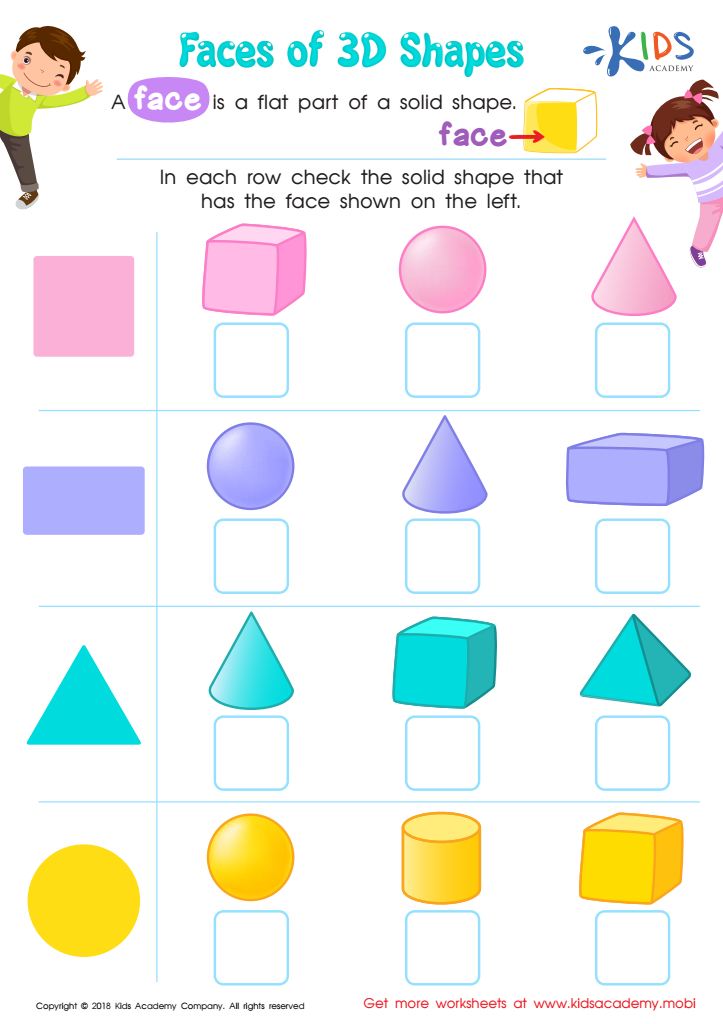
Faces of 3D Shapes Worksheet
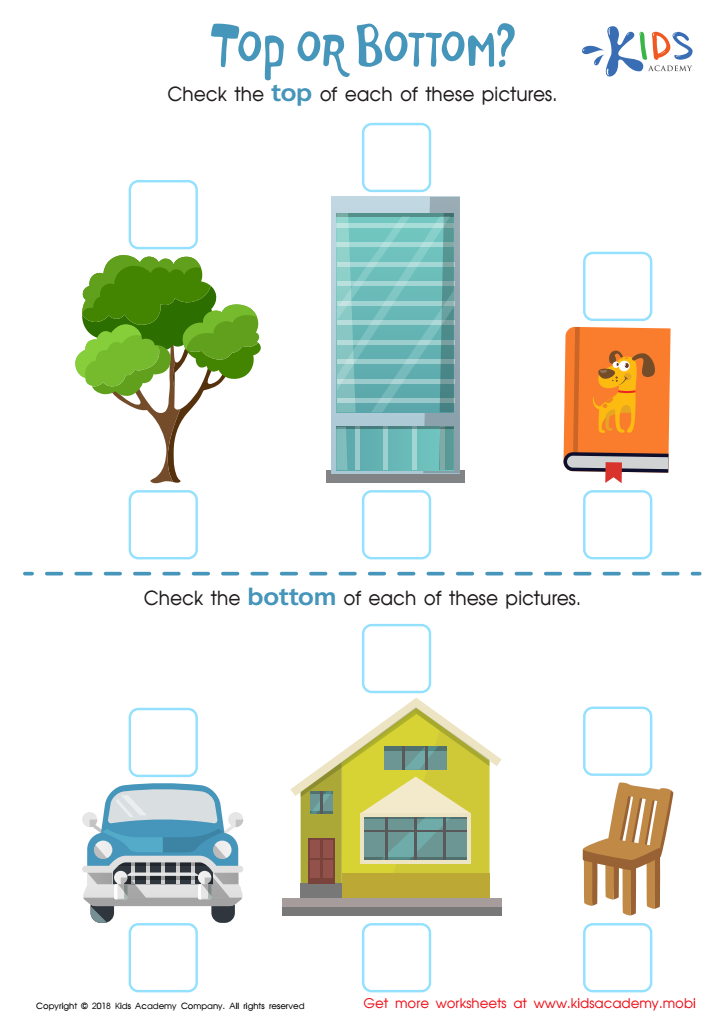
Top or Bottom Worksheet
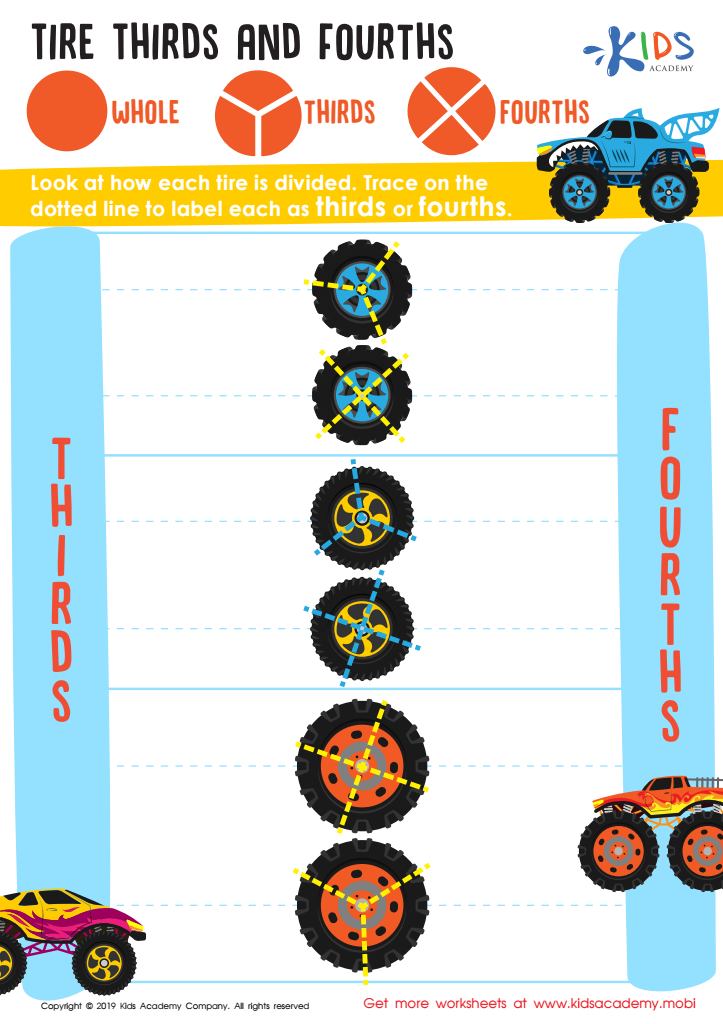
Tire Thirds and Fourths Worksheet
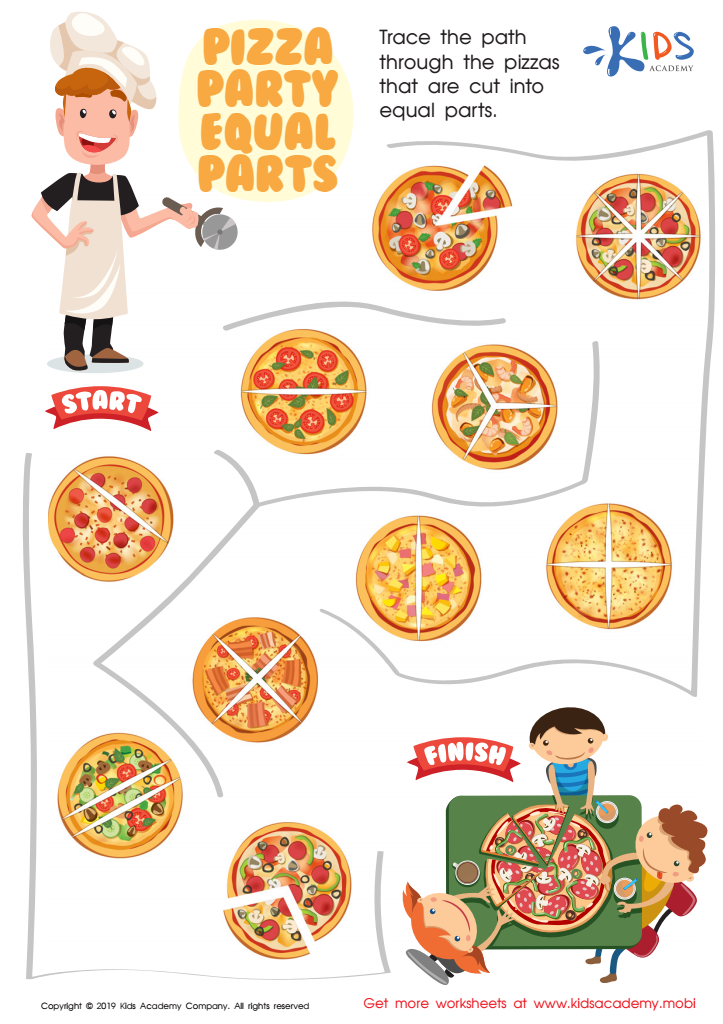
Pizza Party Equal Parts Worksheet
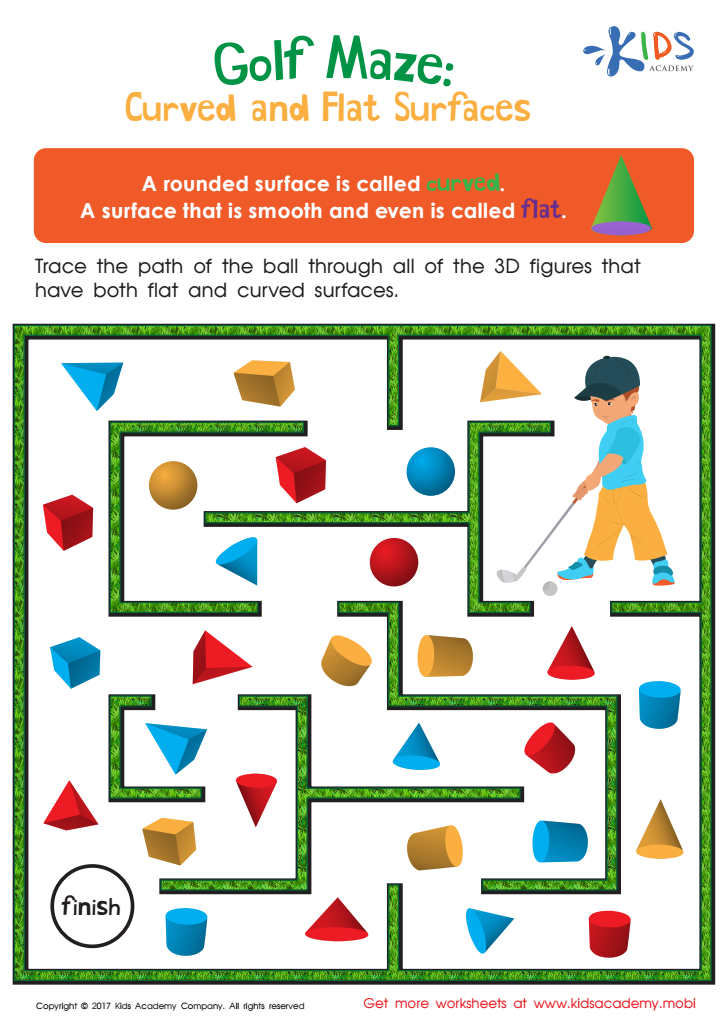
Golf Maze: Curved and Flat Surfaces Worksheet
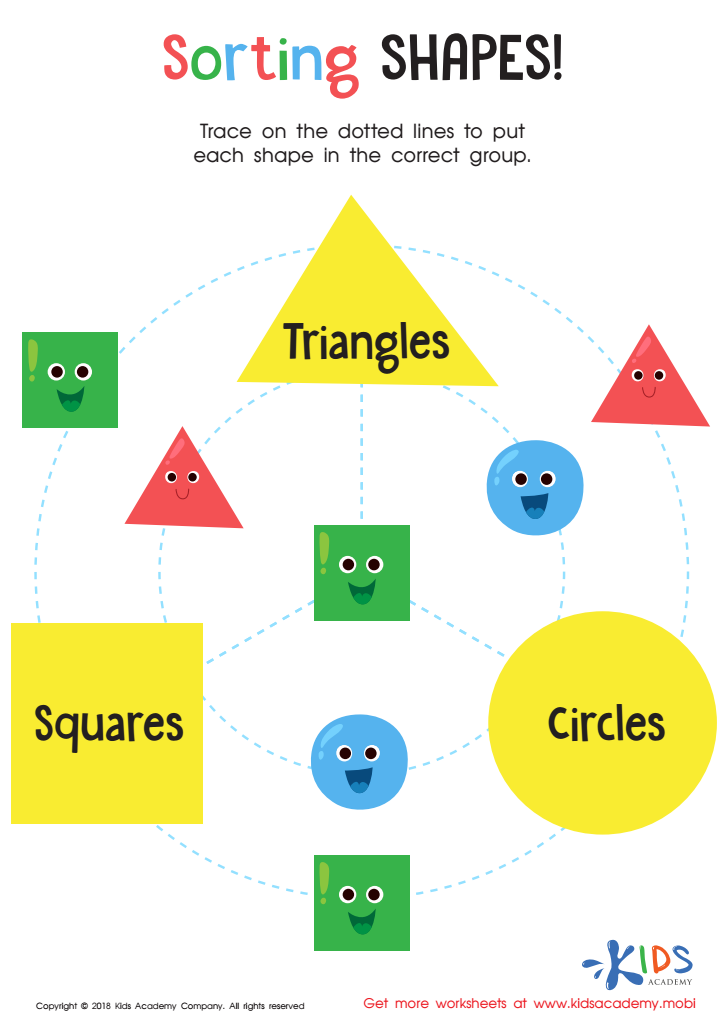
Sorting Shapes - Part 3 Worksheet
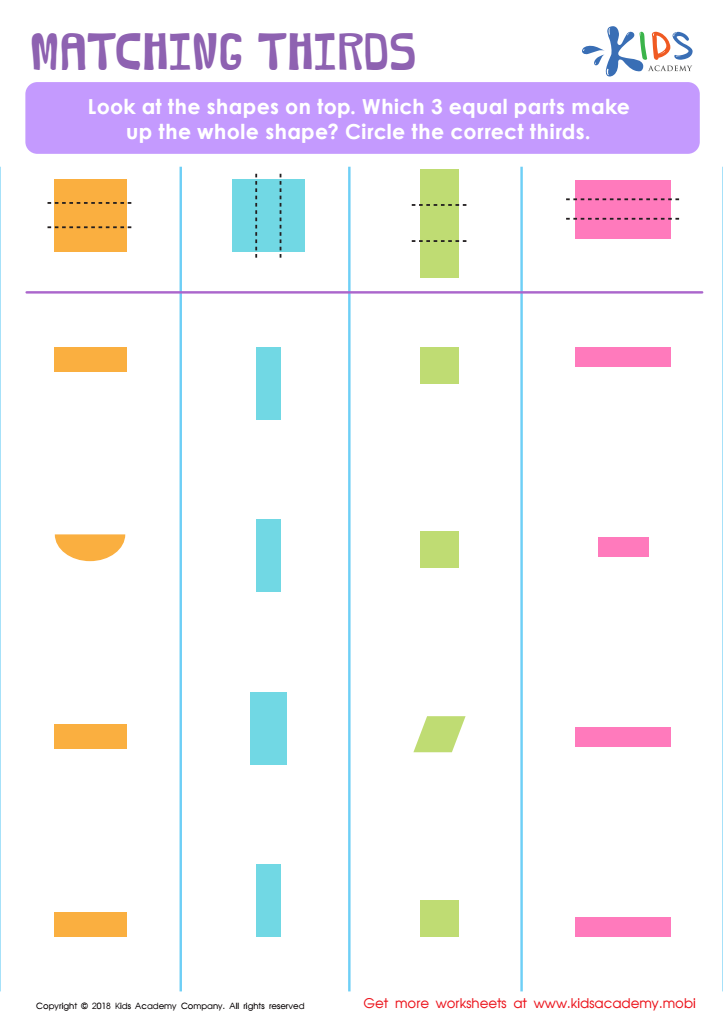
Matching Thirds Worksheet
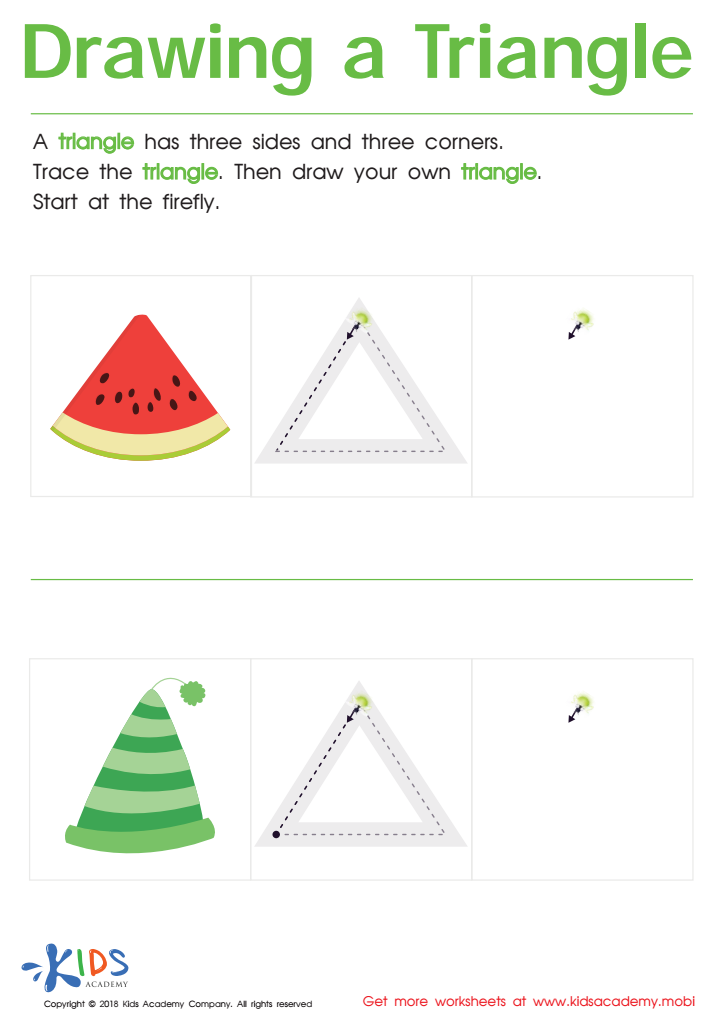
Drawing a Triangle Worksheet
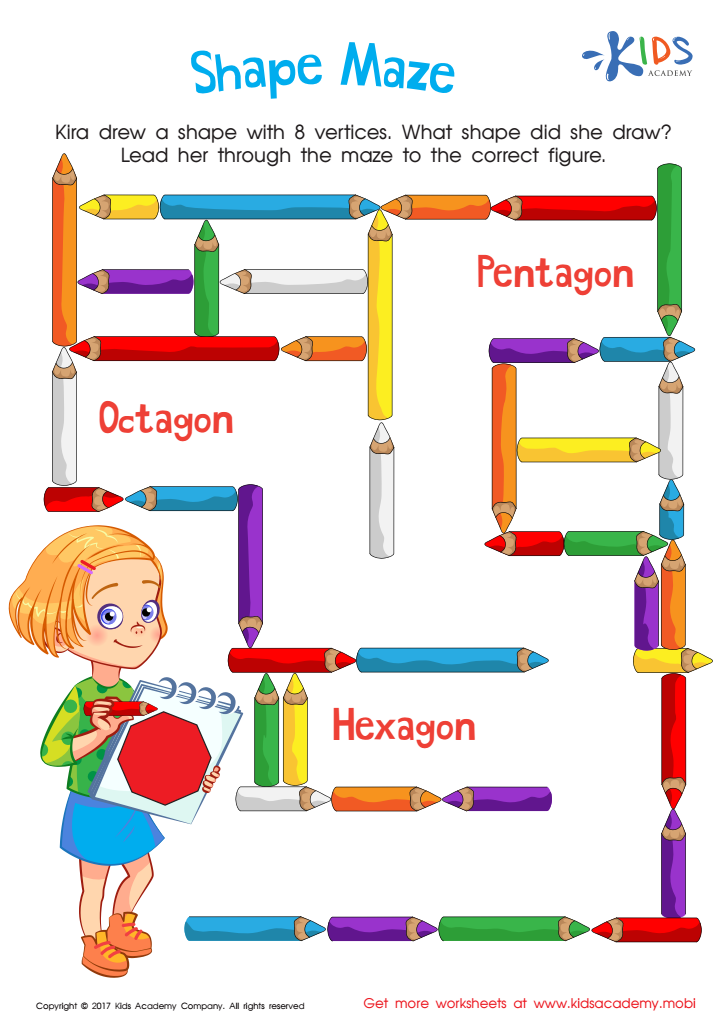
Shape Maze Worksheet
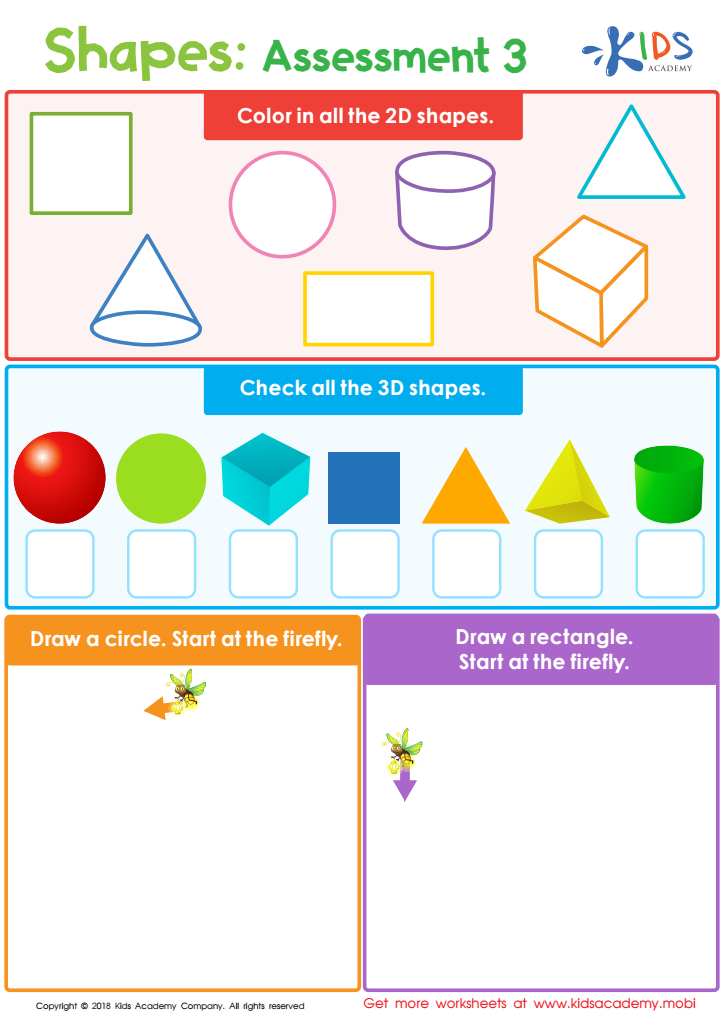
Shapes: Assessment 3 Worksheet
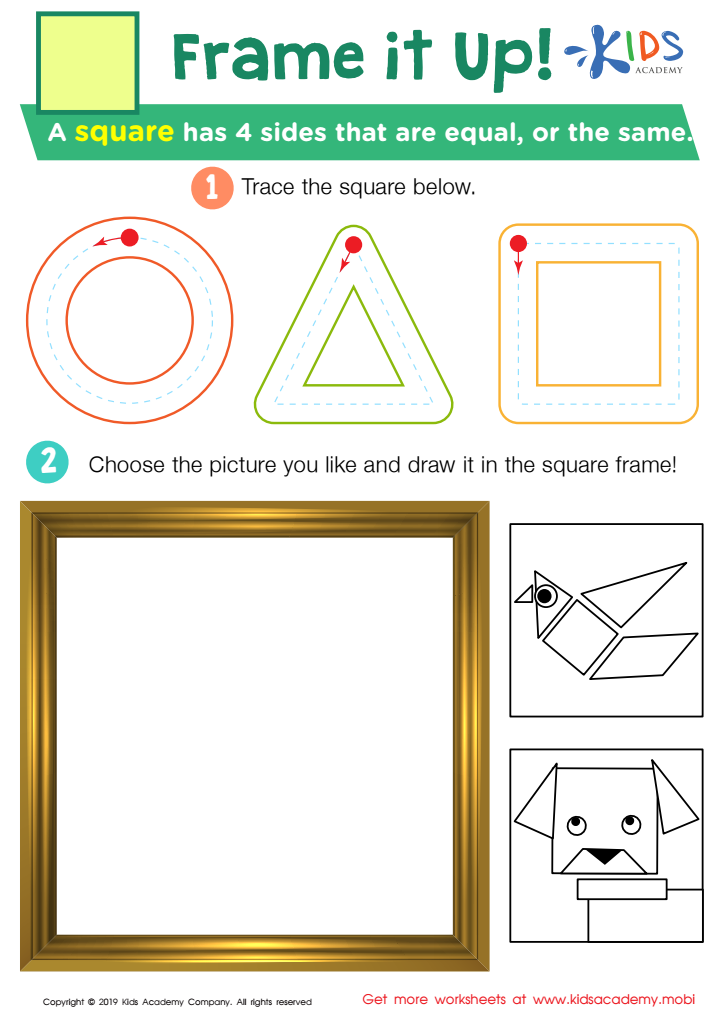
Frame it Up Worksheet
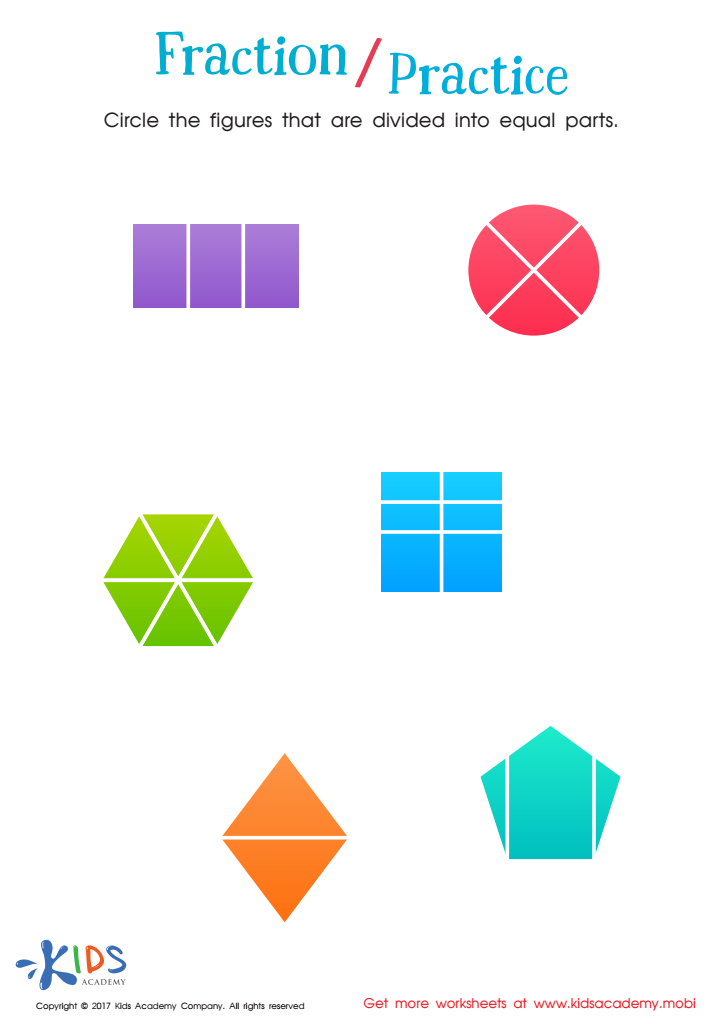
Fractions: Shapes Worksheet
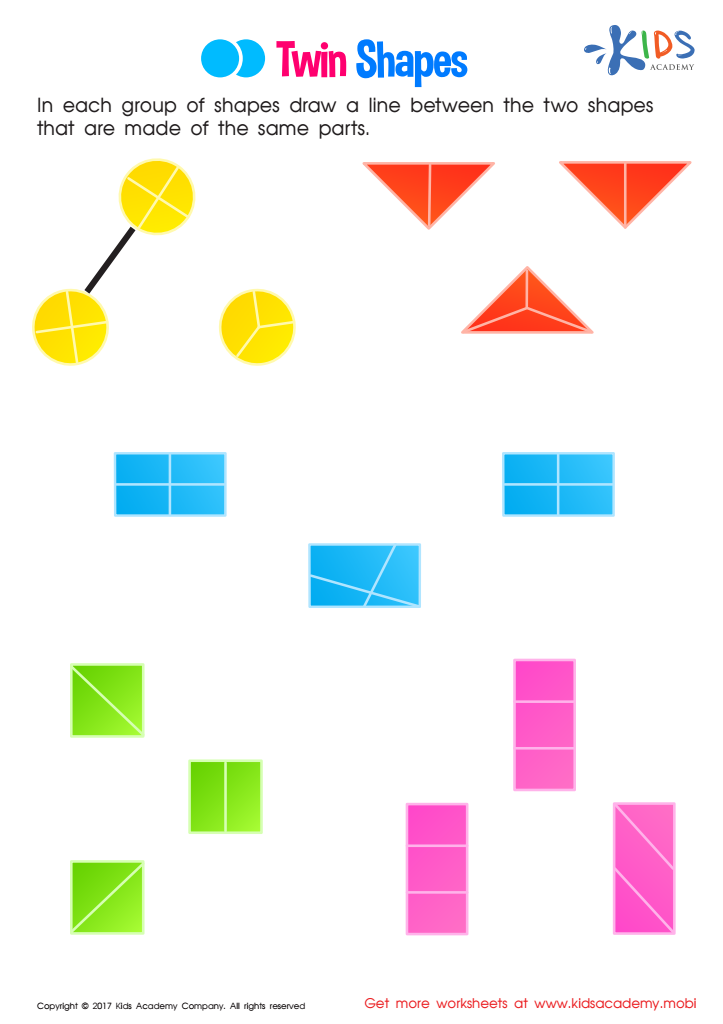
Twin Shapes Worksheet
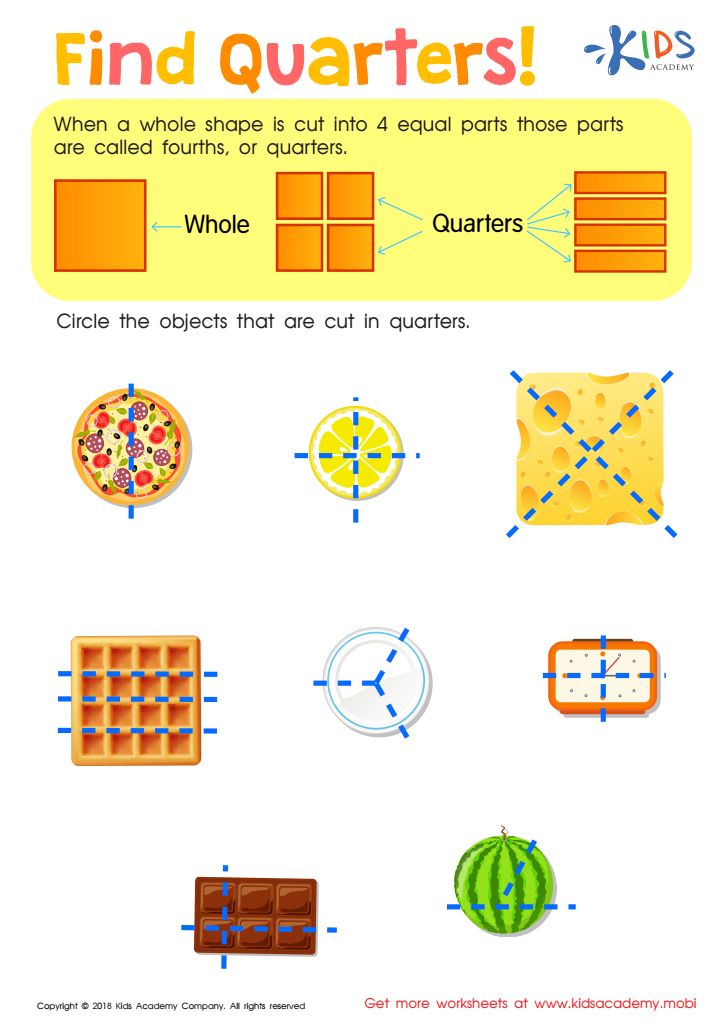
Find Quarters Worksheet
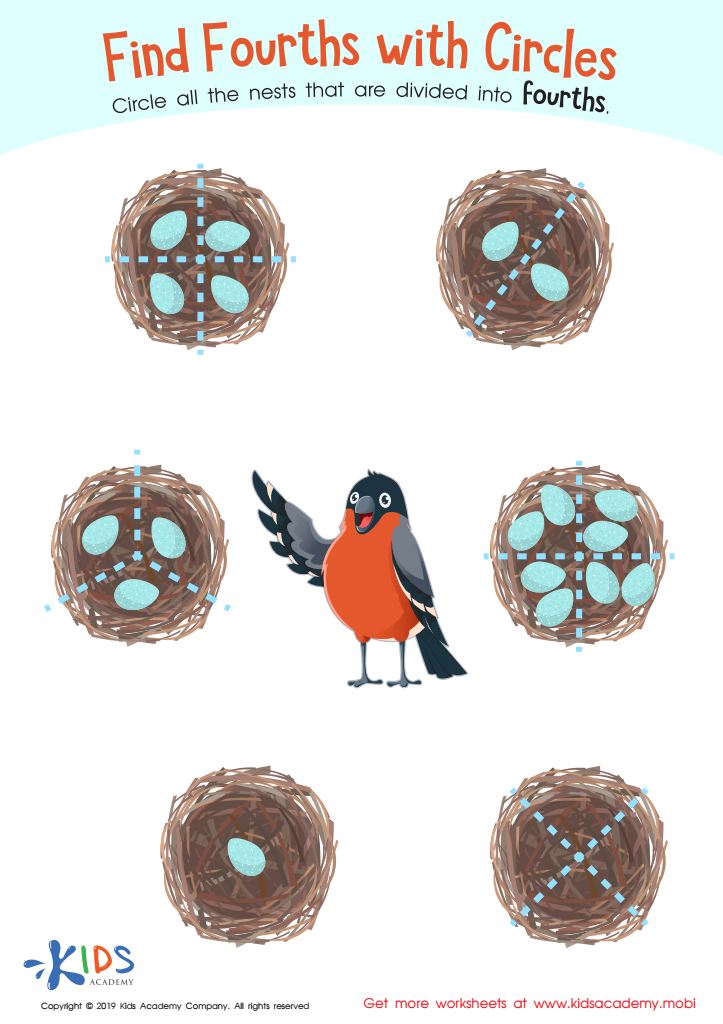
Find Fourths Circles Worksheet
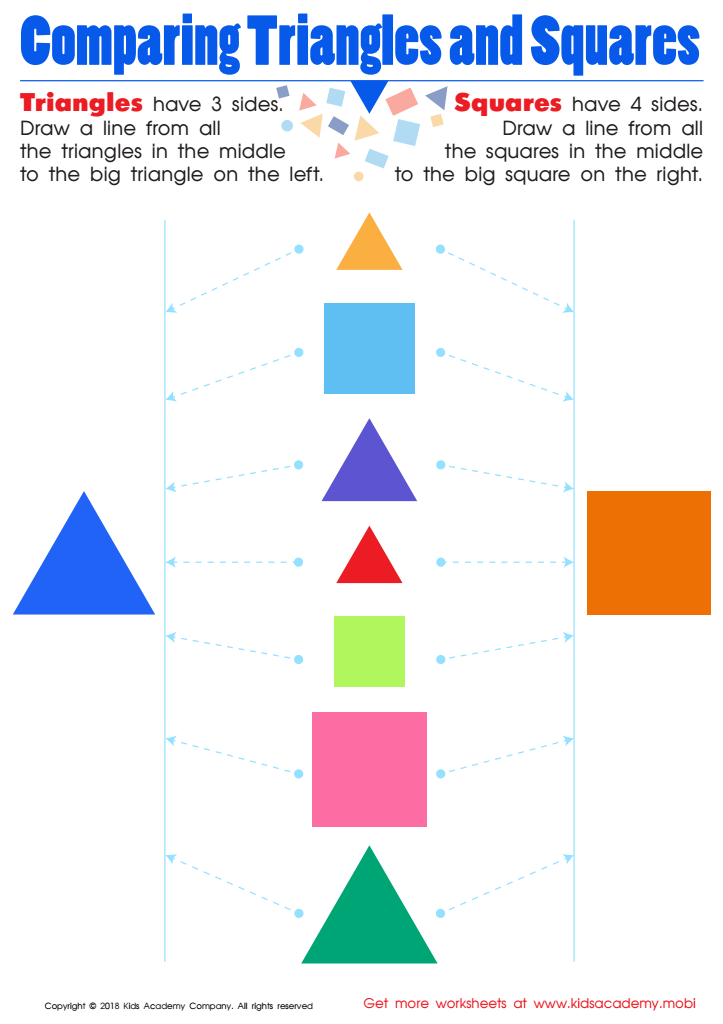
Comparing Triangles Squares Worksheet








Geometry is an essential part of early mathematics education for children ages 4-7, and both parents and teachers should prioritize its importance for several reasons. Firstly, understanding geometric concepts such as shapes, sizes, and spatial relationships lays the foundation for critical thinking and problem-solving skills. At this age, children start to recognize and categorize a variety of shapes—squares, circles, triangles—which boosts their visual-spatial awareness.
Secondly, geometry fosters creativity and innovation. Engaging with shapes through building, drawing, or enabling movements in space helps children express themselves and develop fine motor skills. These activities not only enhance mathematical thinking but also cultivate imagination.
Additionally, geometry plays a key role in real-world applications. Everyday tasks, like cooking, sewing, and arranging objects, involve important geometric principles, making lessons relatable and practical. When parents and teachers emphasize these connections, children often show greater enthusiasm and engagement in learning.
Finally, early exposure to geometric concepts supports the development of a positive attitude towards mathematics. By making geometry fun and relevant, children are more likely to excel in math throughout their education and later, in various career pursuits. Overall, integrating geometry into the early years shapes well-rounded, confident learners.








