Science Worksheets for Ages 4-9 - Page 15
393 filtered results
-
From - To
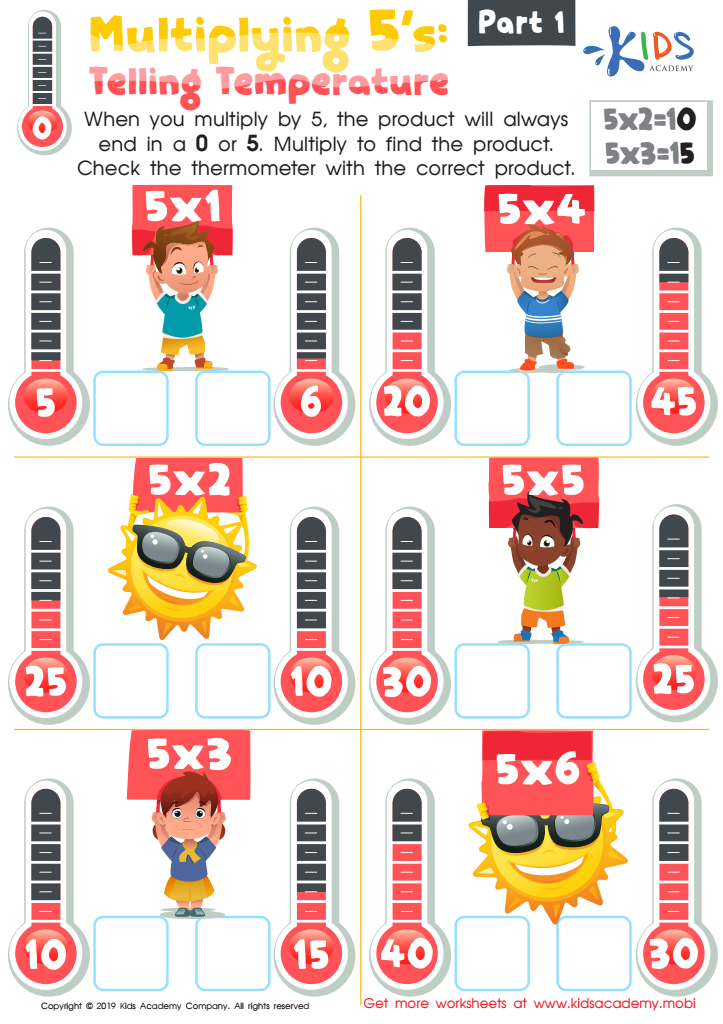
Multiplying 5’s: Telling Temperature Worksheet
 Assign to My Students
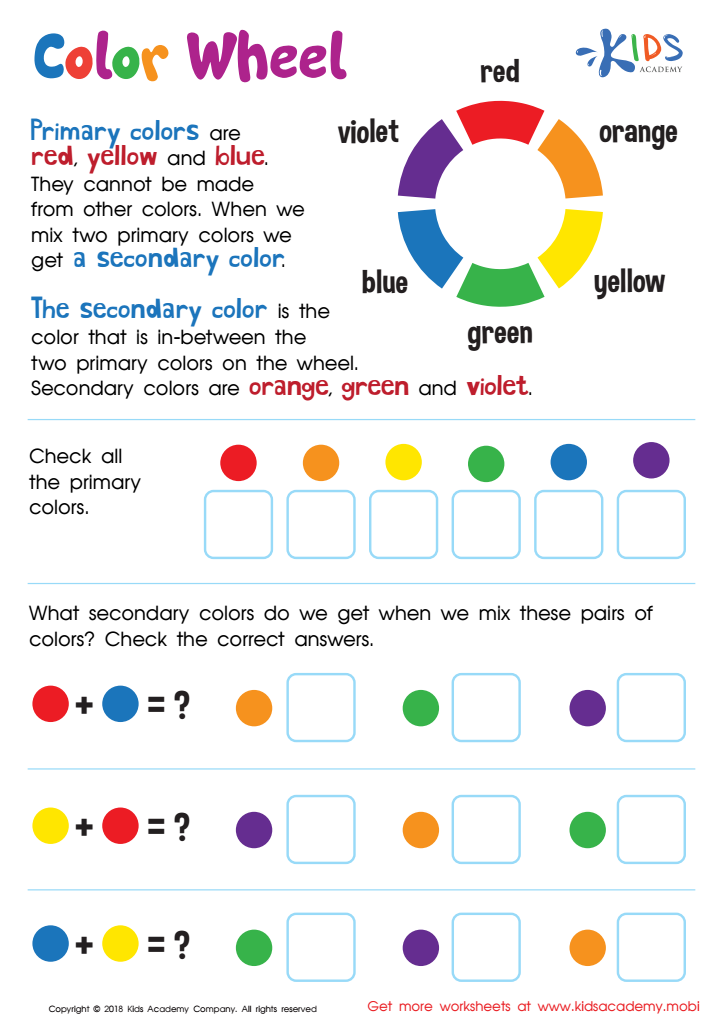
Primary and Secondary Colors Worksheet
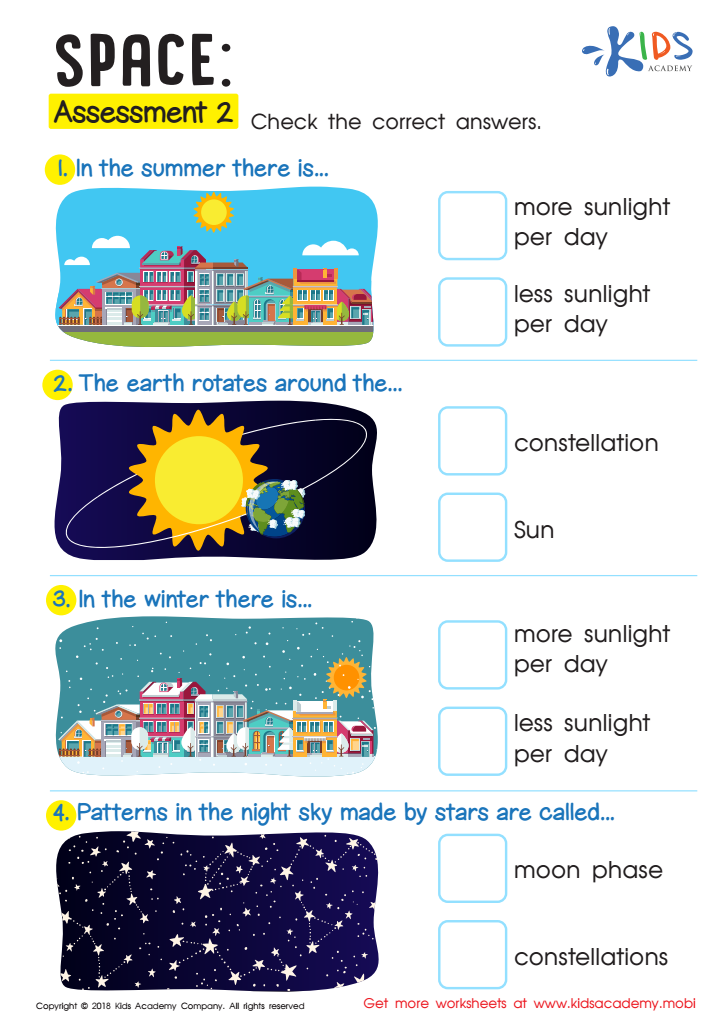
Space: Assessment 2 Worksheet
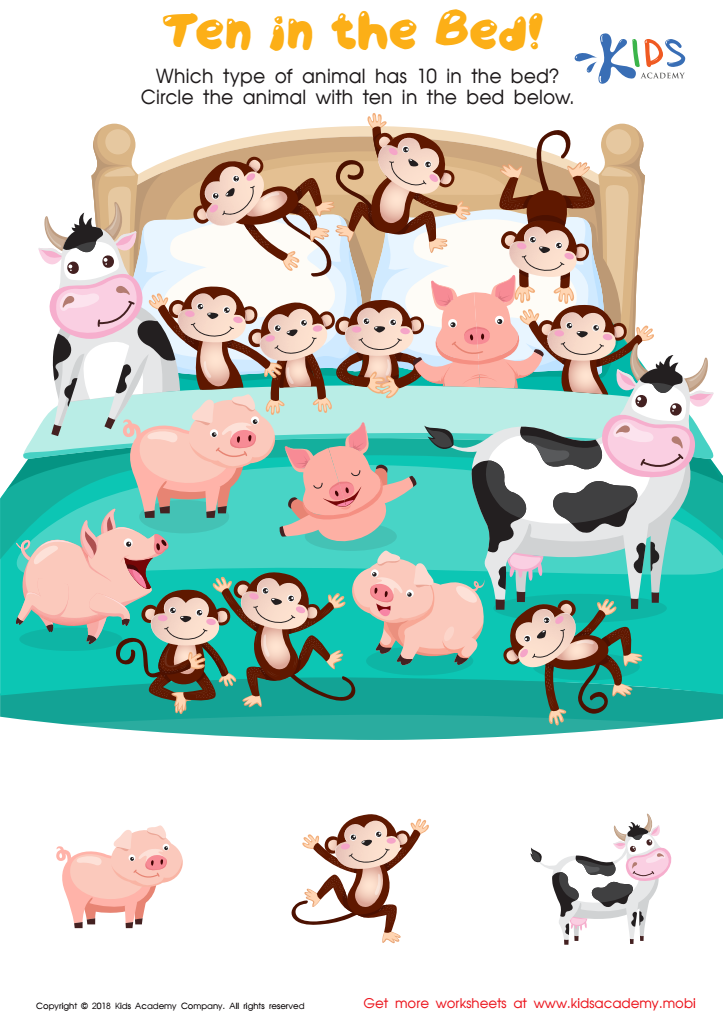
Ten in the Bed Worksheet
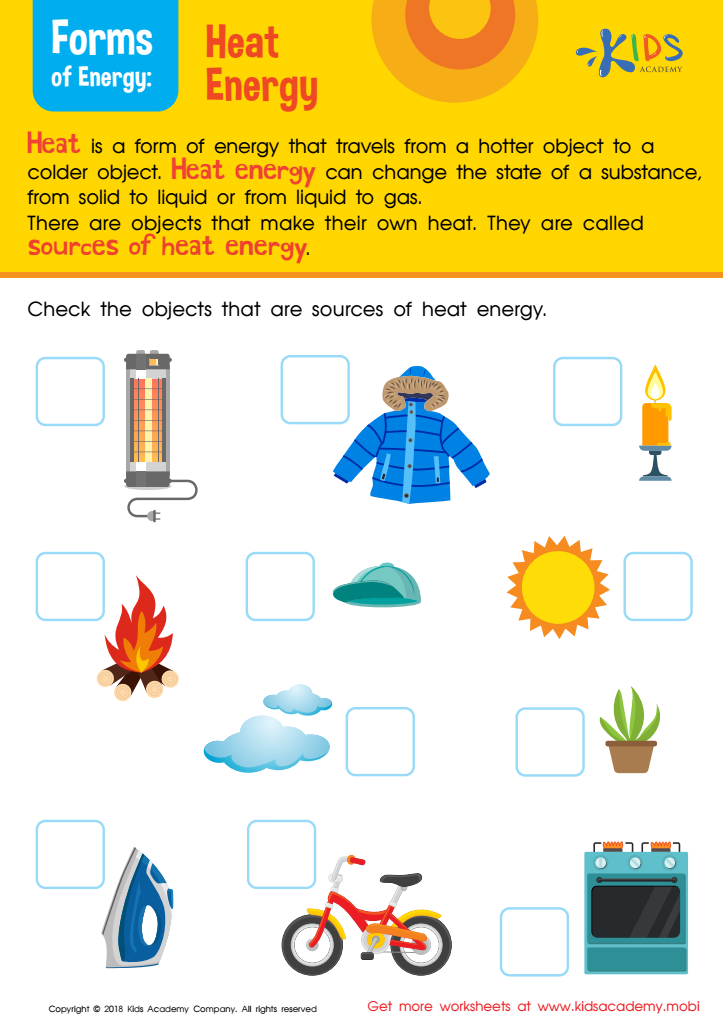
Sources of Heat Energy Worksheet
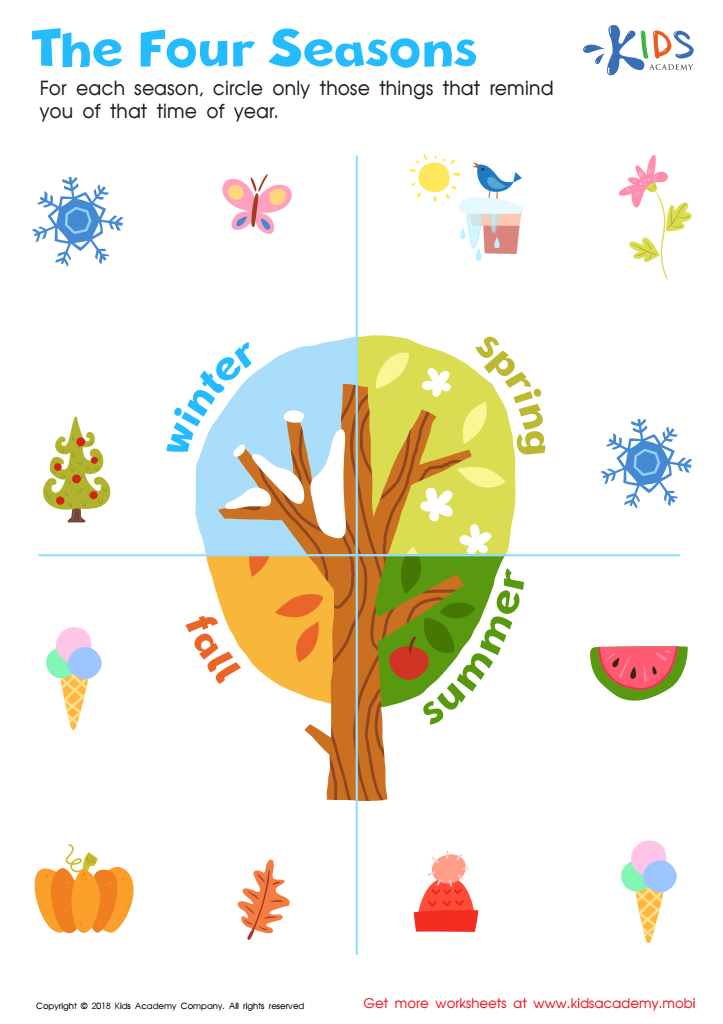
The Four Seasons Worksheet
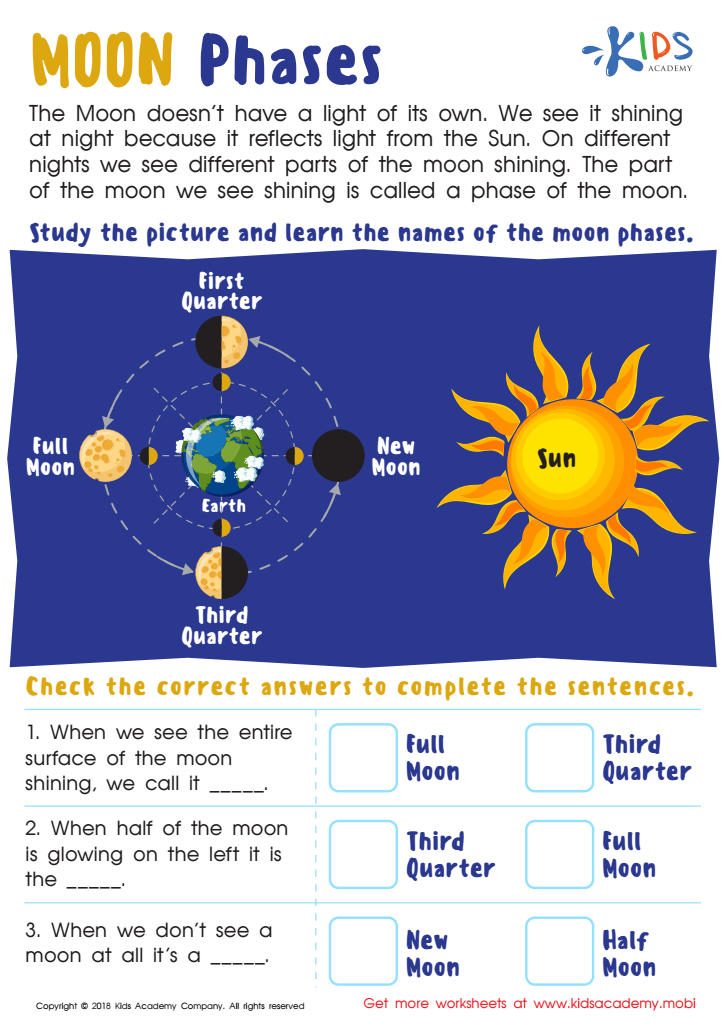
Moon Phases Worksheet
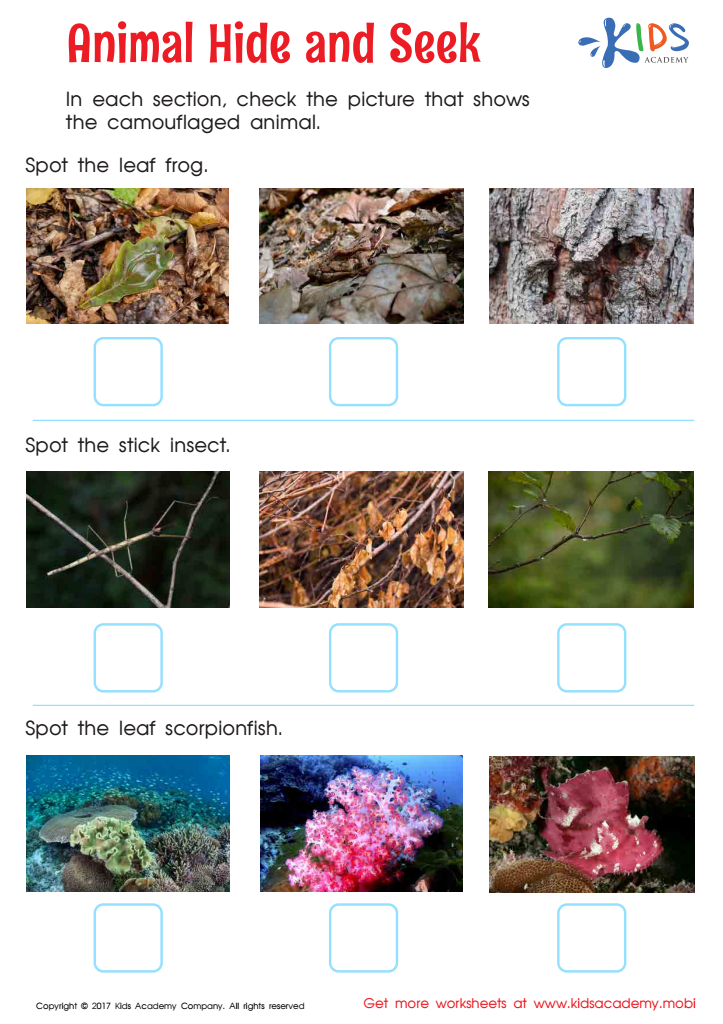
Animal Hide and Seek Worksheet
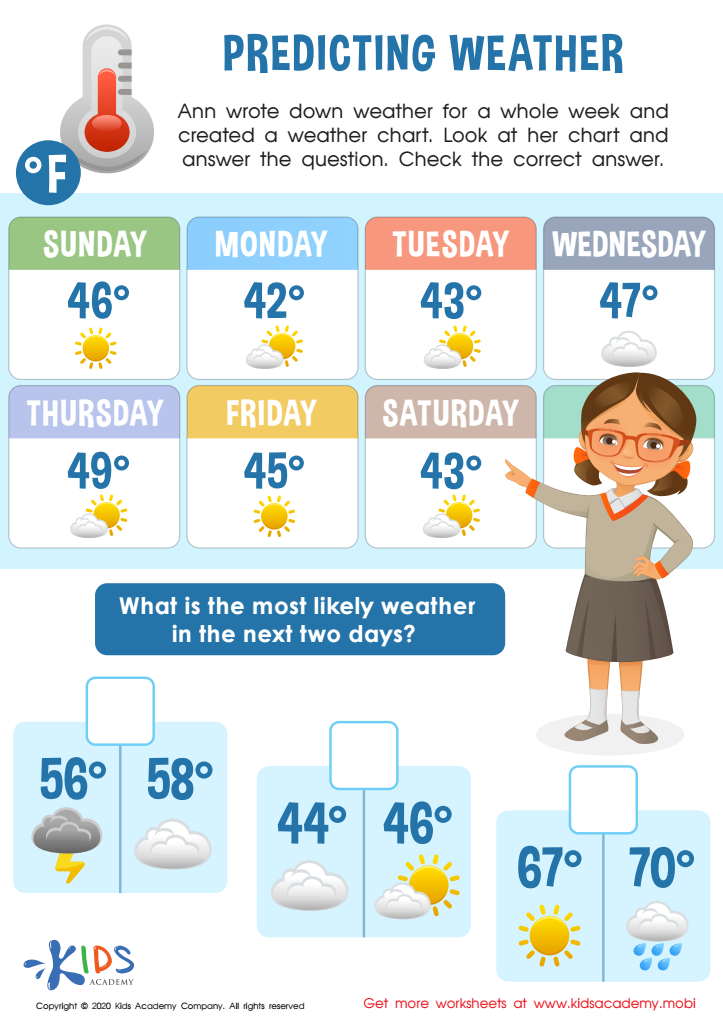
Predicting Weather Worksheet
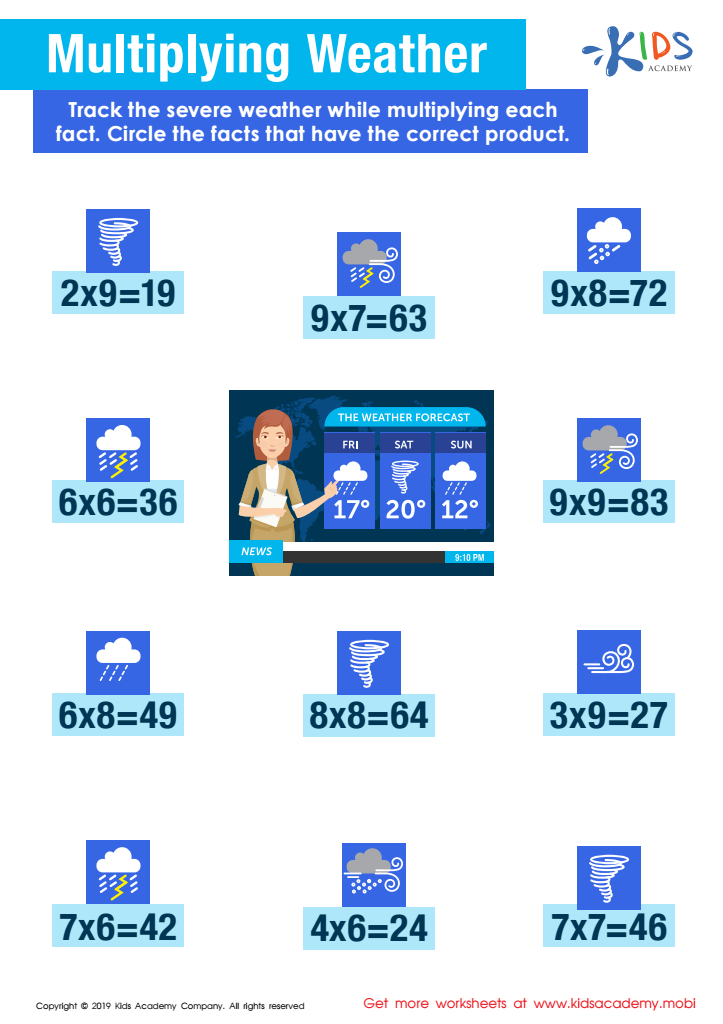
Multiplying Weather Worksheet
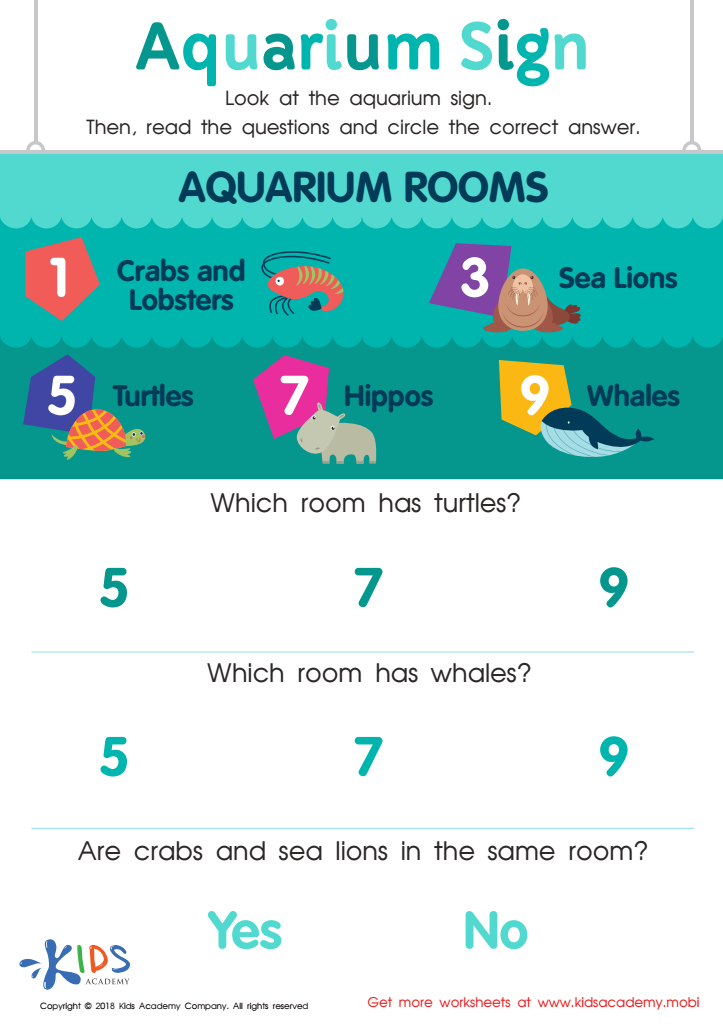
Assessment: Aquarium Sign Worksheet
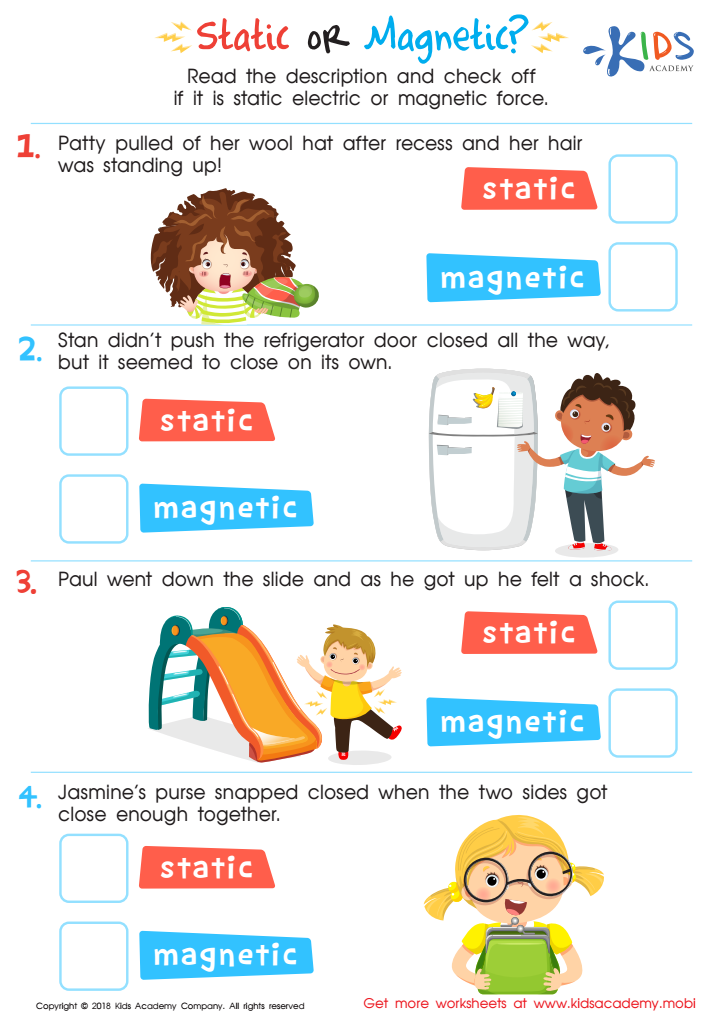
Static or Magnetic Printable Worksheet
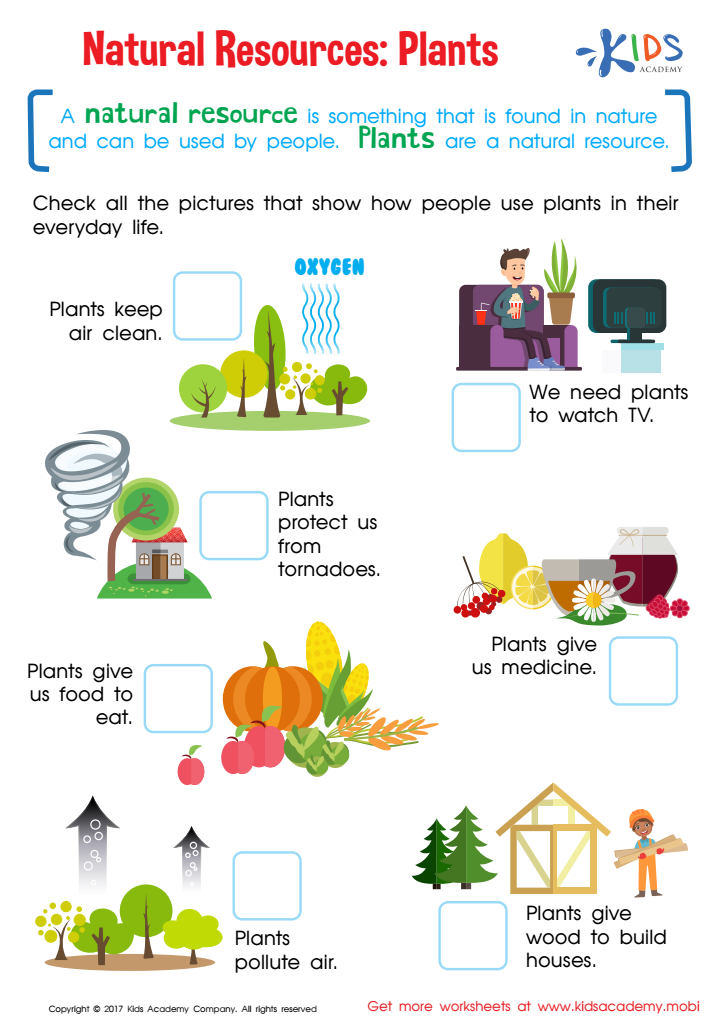
Natural Resources: Plants Worksheet
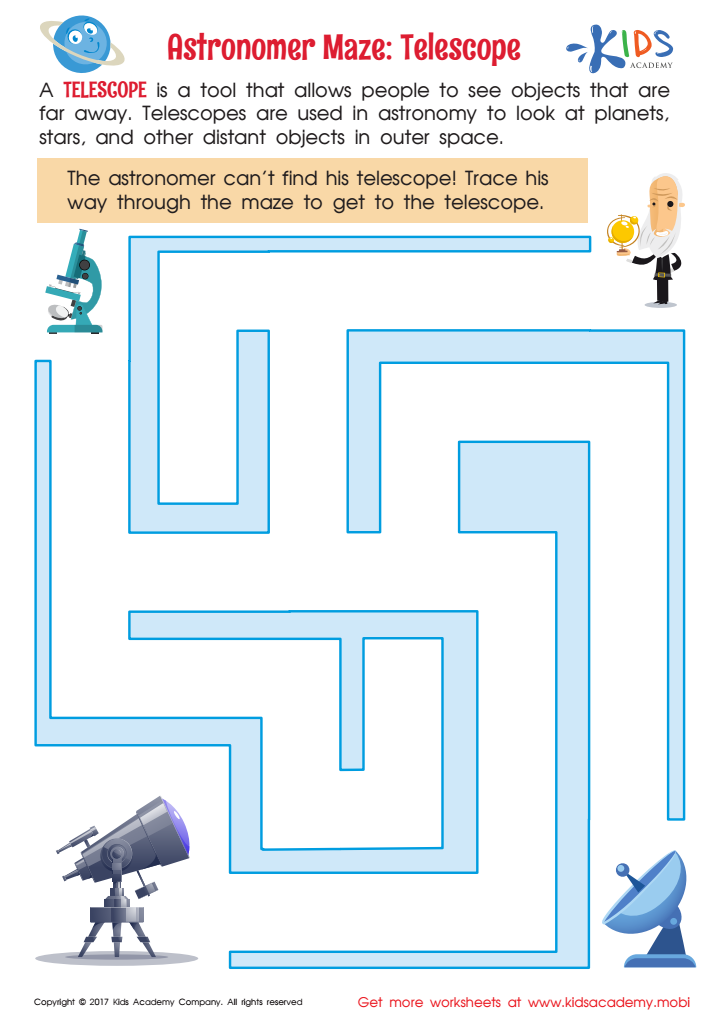
Astronomer Maze: Telescope Worksheet
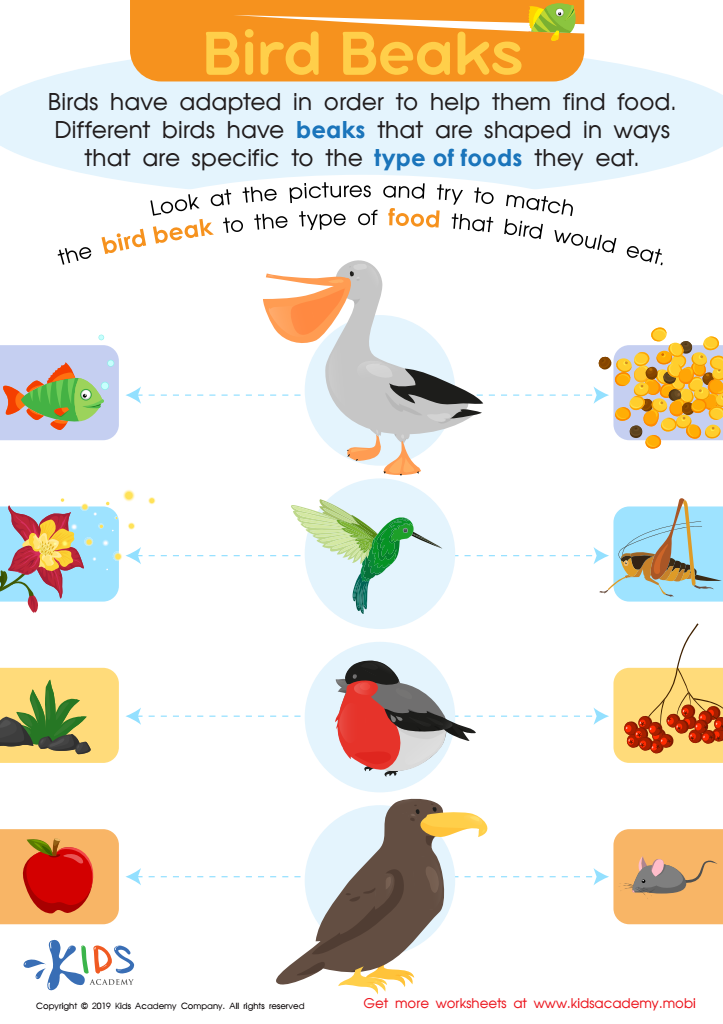
Bird Beaks Worksheet
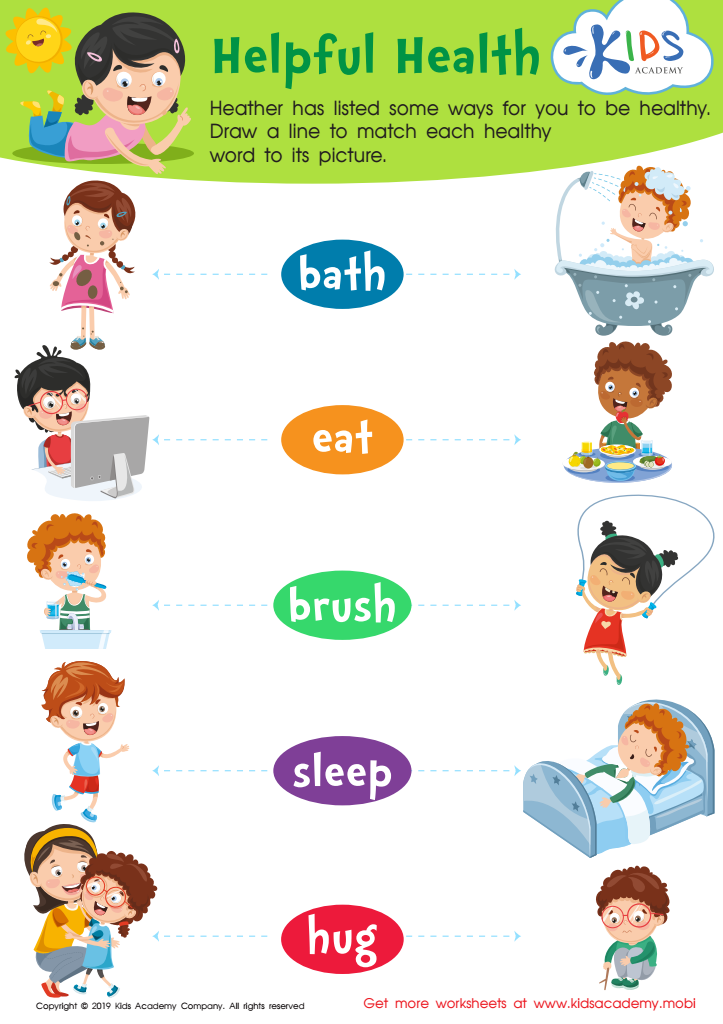
Helpful Health Worksheet
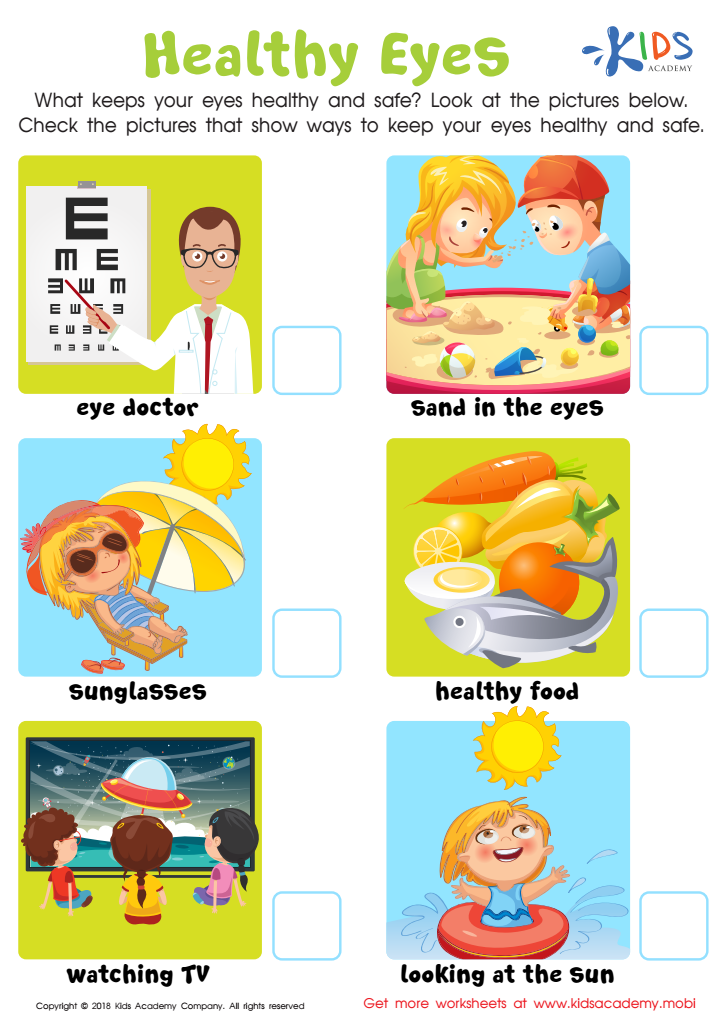
Healthy Eyes Worksheet
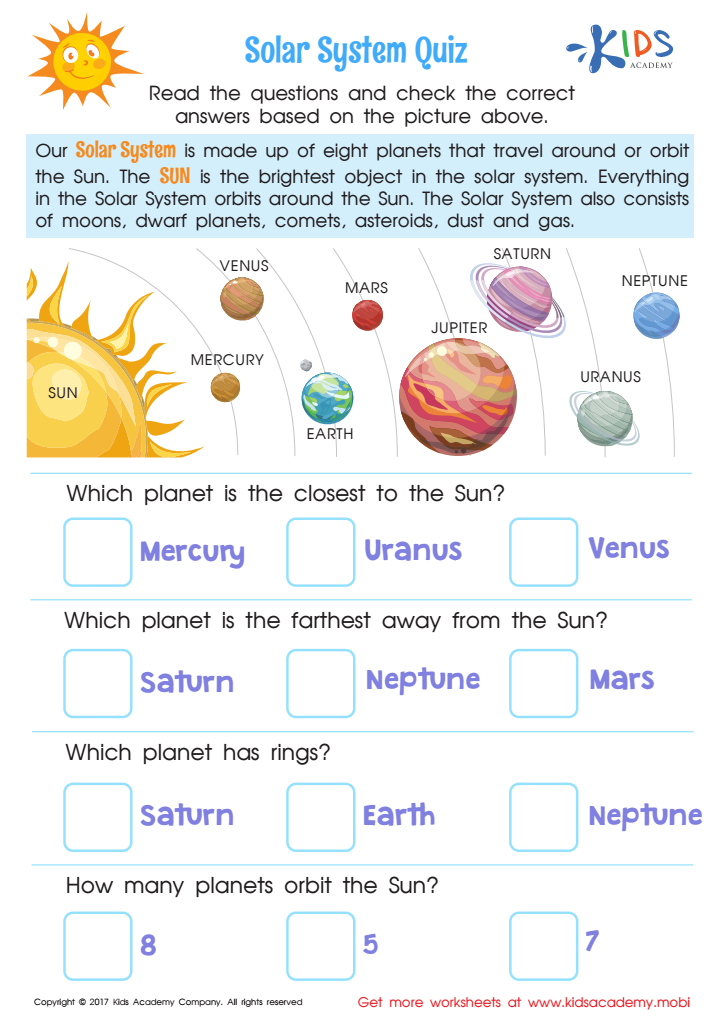
Solar System Quiz Printable
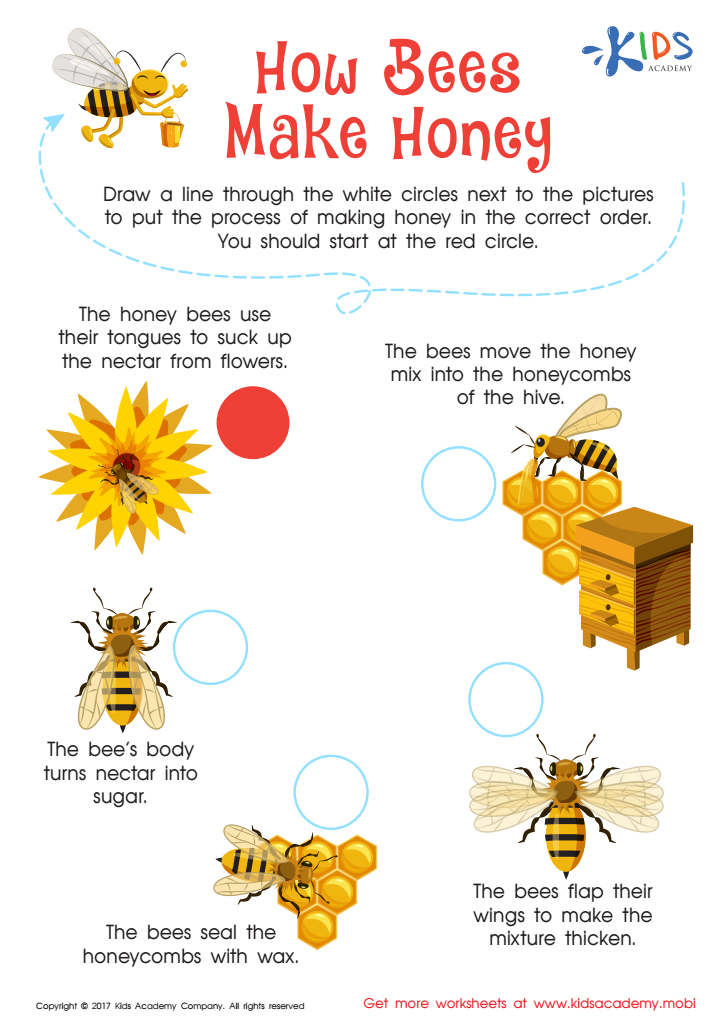
Honey Bee Worksheet
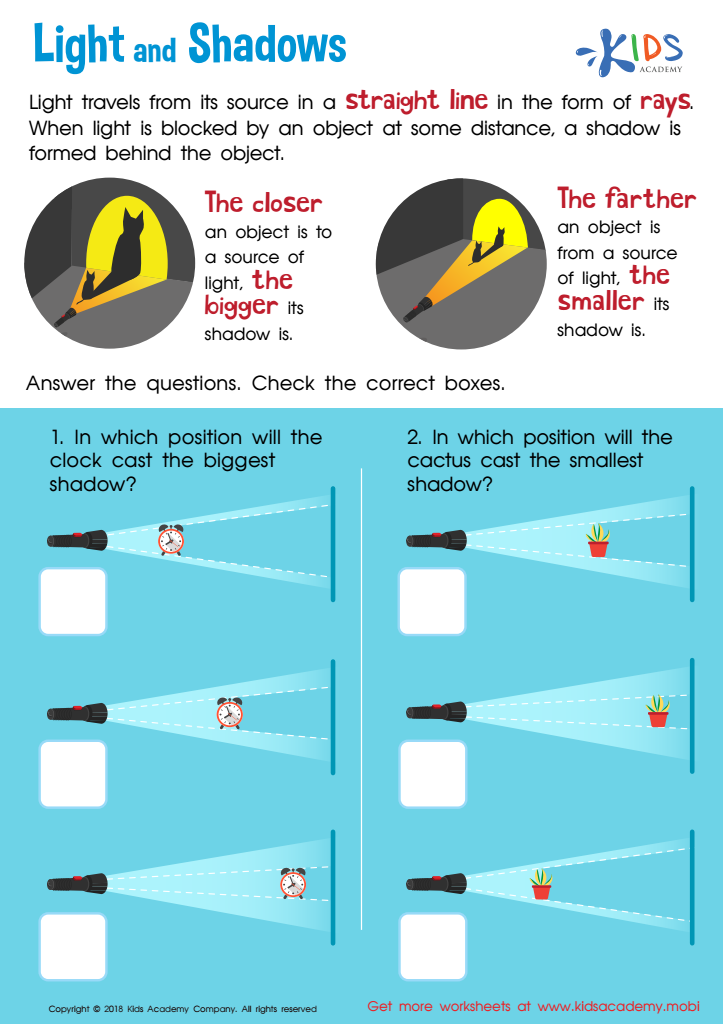
Light and Shadow Worksheet for Grade 3
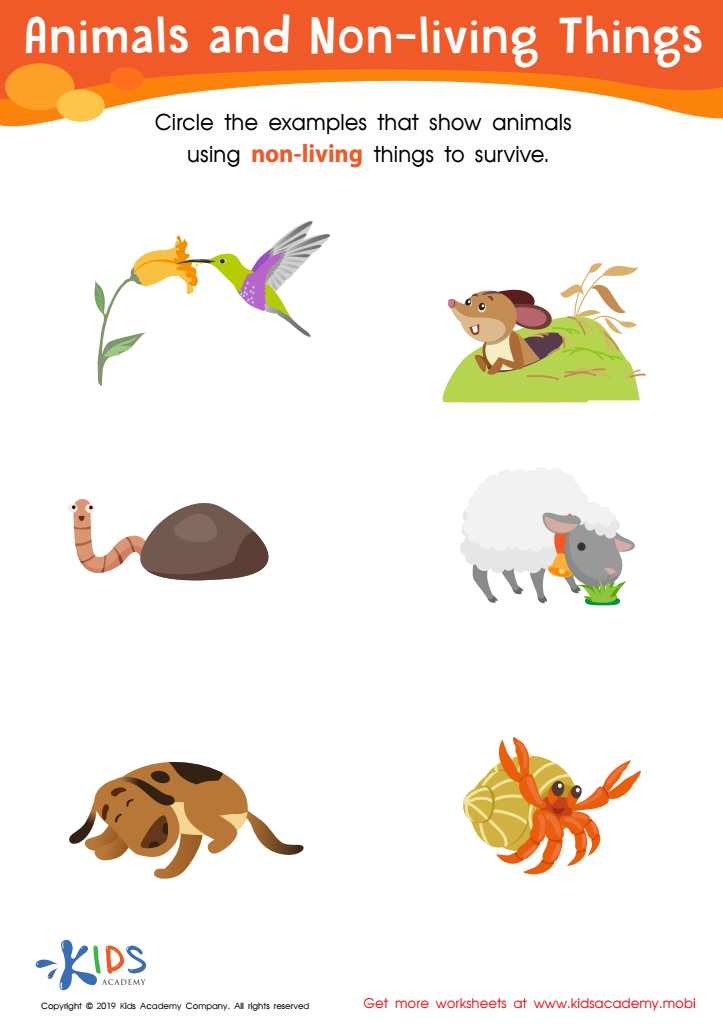
Animals and Non-Living Things Worksheet
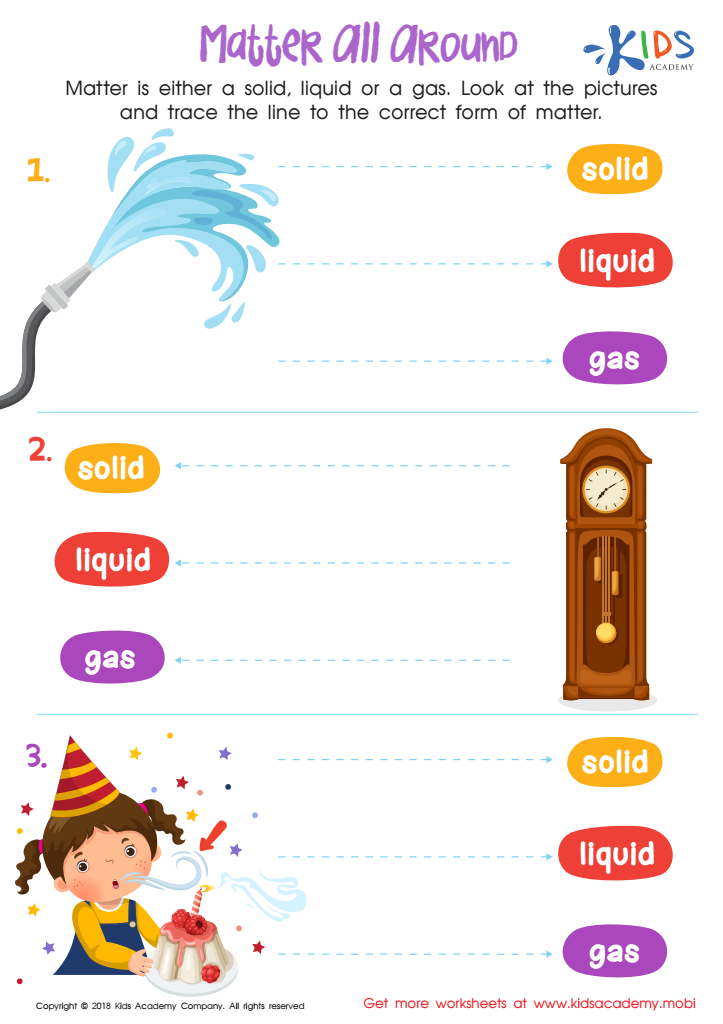
Matter all Around Worksheet
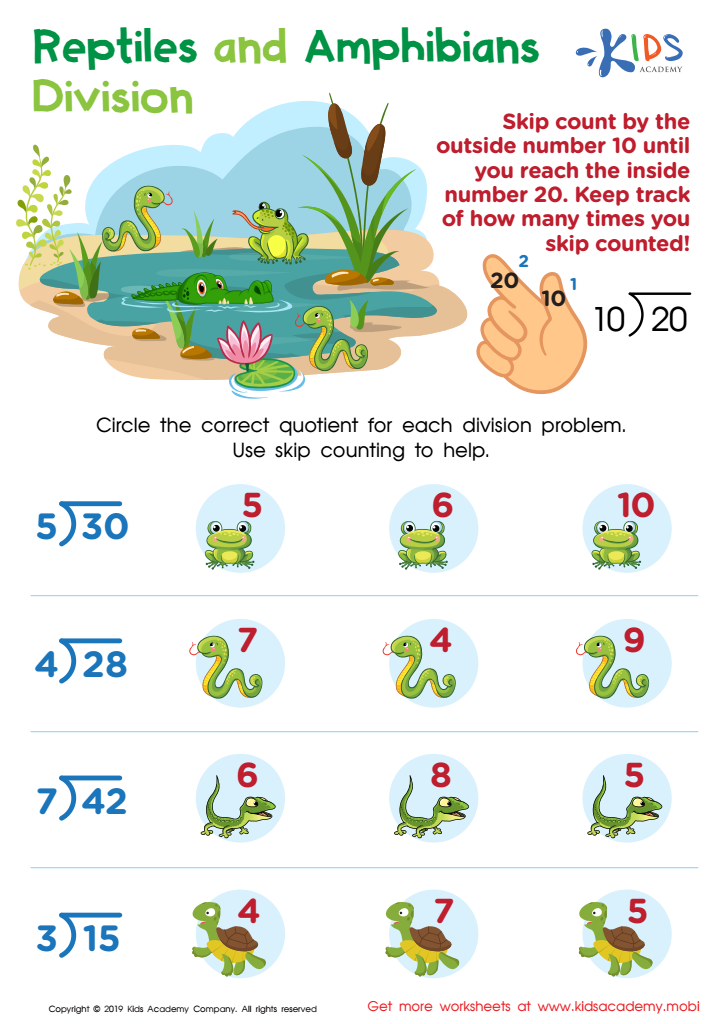
Reptile and Amphibians Division Worksheet







Science is crucial for young children aged 4-9 because it lays the foundation for a lifetime of learning and curiosity. At this formative stage, kids are naturally curious and eager to explore the world around them, making it the perfect time to introduce basic scientific concepts and methodologies. Encouraging scientific thinking helps children develop critical problem-solving skills, enhances their ability to analyze and understand their environment, and boosts their cognitive abilities.
Moreover, early exposure to science promotes a sense of wonder and excitement about discovering new things. Through simple experiments and observations, children can begin to grasp fundamental ideas about the natural world, from how plants grow to why the sky is blue. This can ignite a passion for learning and inspire them to ask questions, seek answers, and think logically, which are crucial skills not only academically but for life in general.
Incorporating science into early education also aligns with the growing emphasis on STEM (Science, Technology, Engineering, and Mathematics) education. Early engagement in science can lead to sustained interest in these fields, which are critical for the future workforce. Therefore, parents and teachers should prioritize science education for young children to nurture their development, foster creativity, and gear them up for future success.







