Addition and Subtraction Word Problems Worksheets for Ages 5-7 - Page 3
90 filtered results
-
From - To
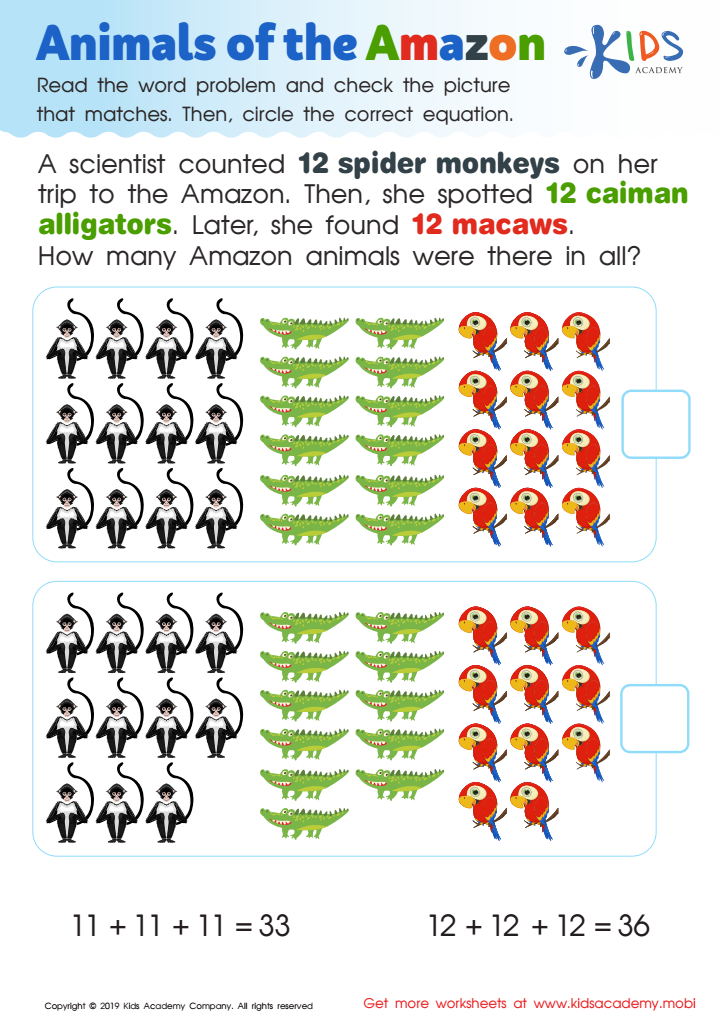
Animals of Amazon Worksheet
 Assign to My Students
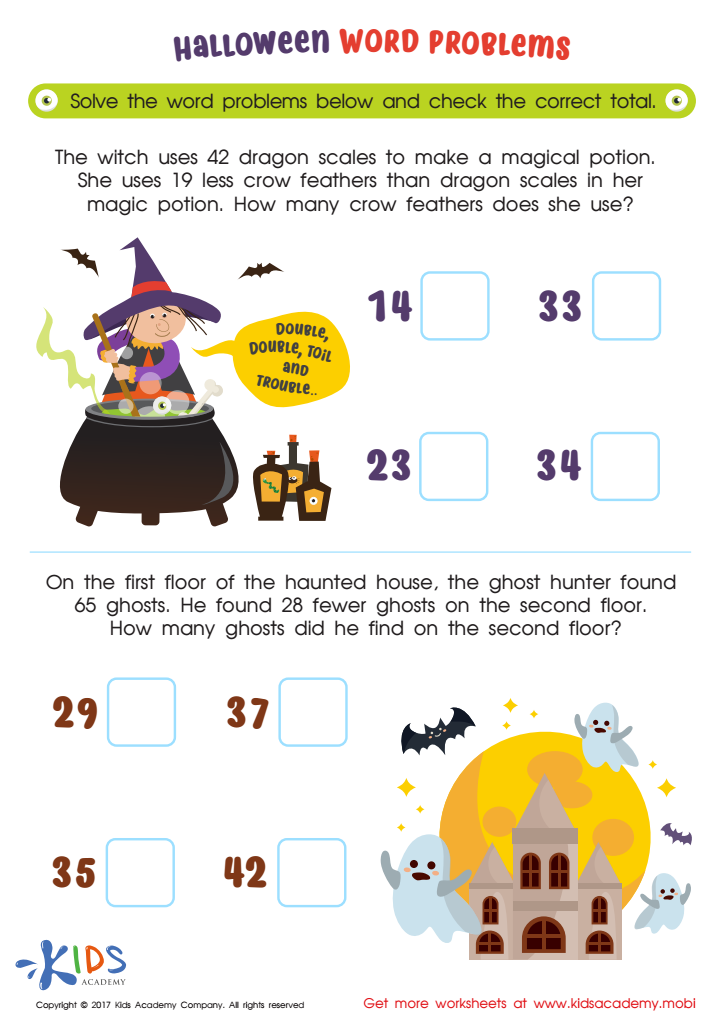
Halloween Word Problems Printable
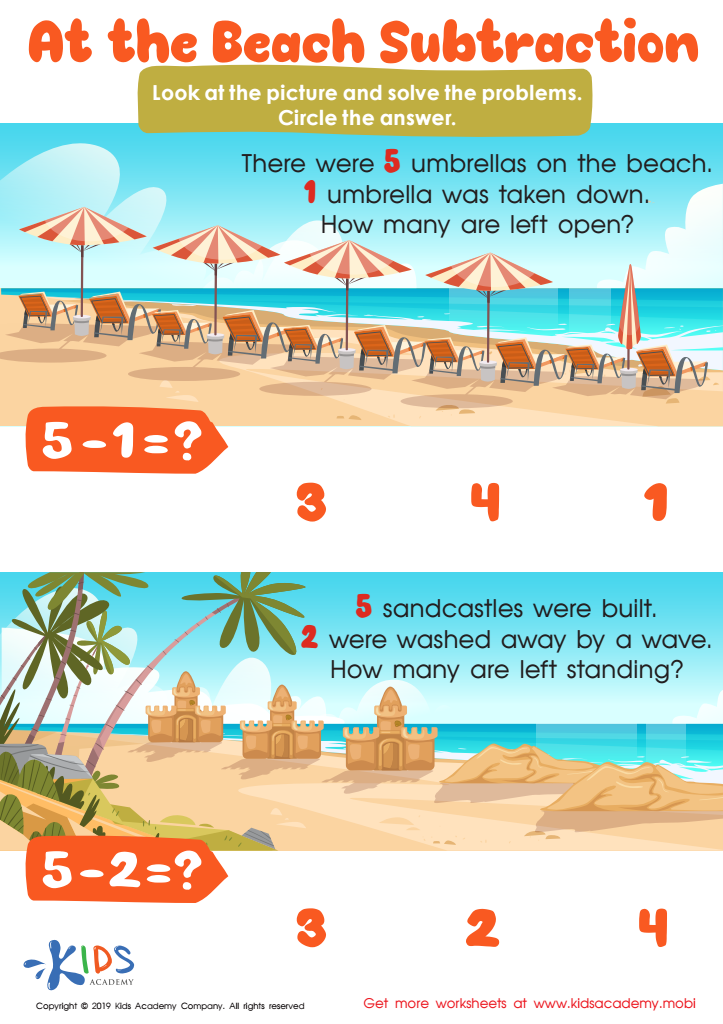
At the Beach Subtraction Worksheet
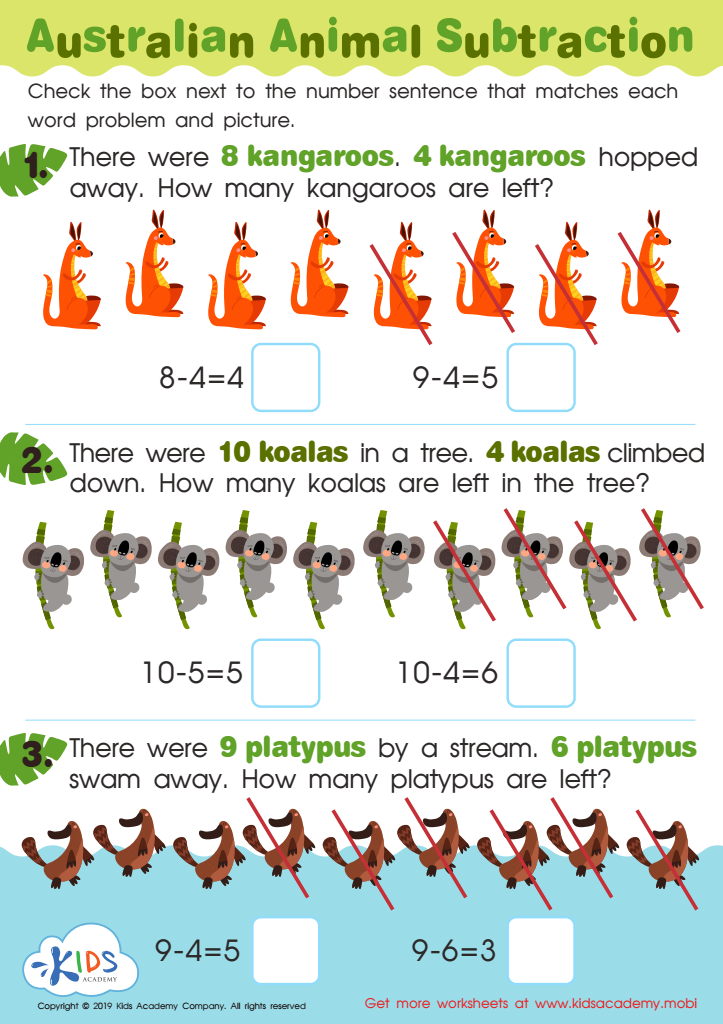
Australian Animal Subtraction Worksheet
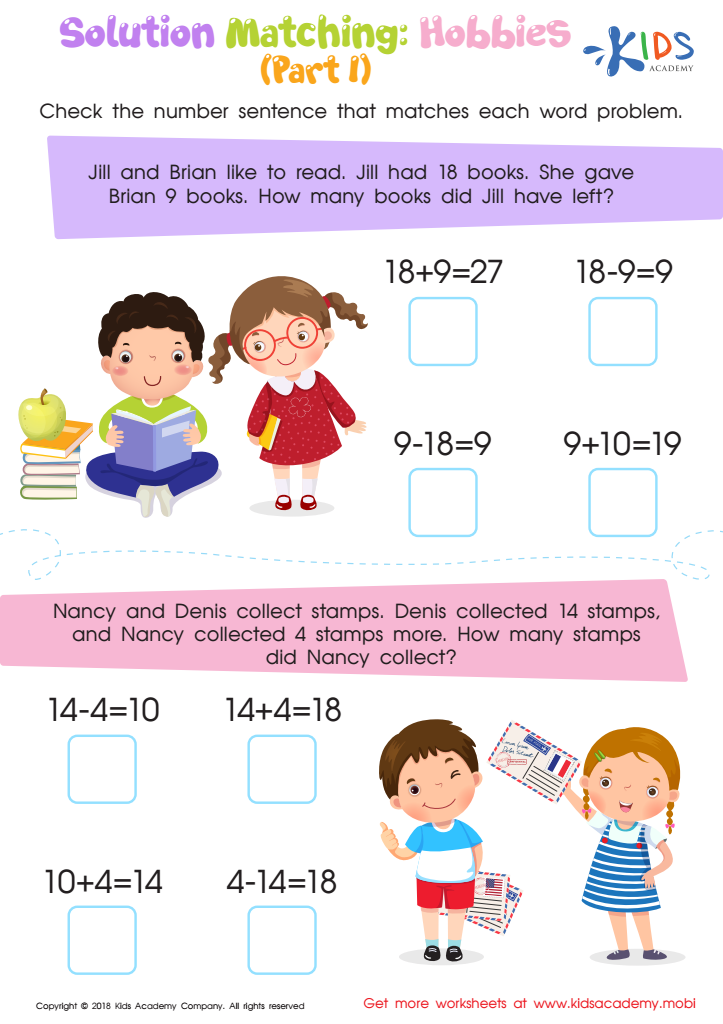
Solution Matching: Hobbies. Part 1 Worksheet
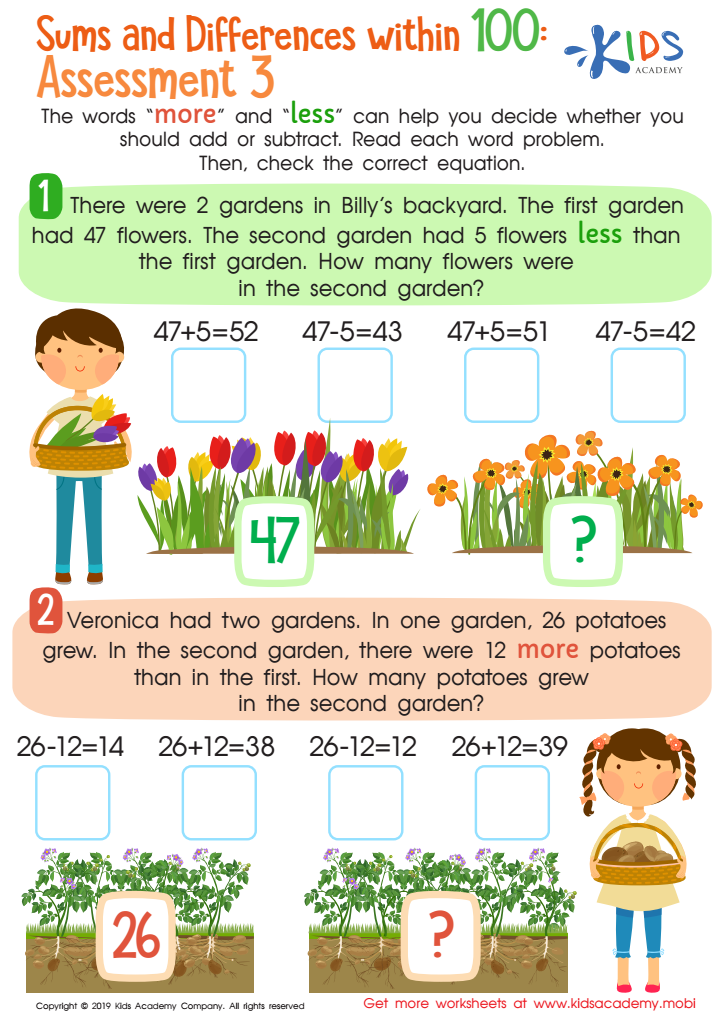
Sums and Differences Within 1 - Assessment 3 Worksheet
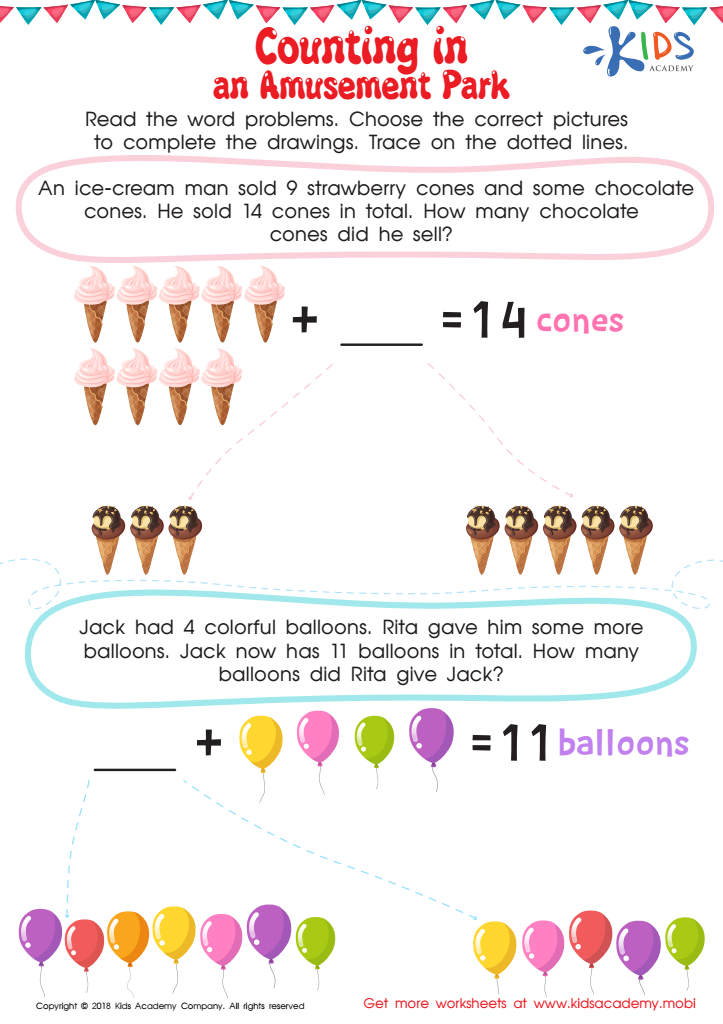
Counting in an Amusement Park Worksheet
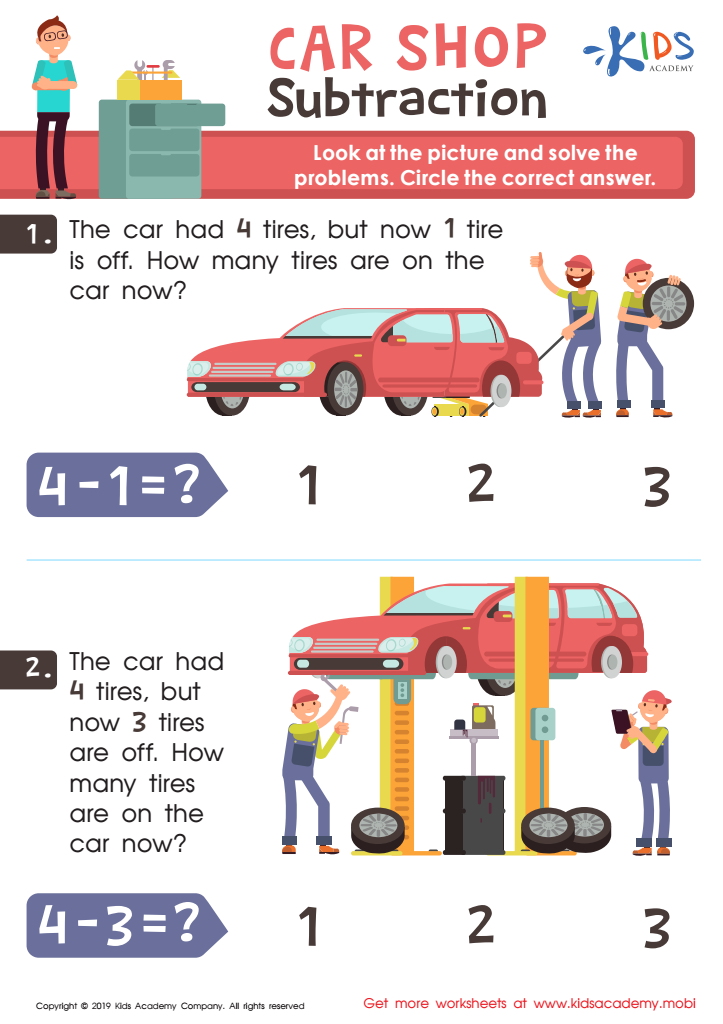
Car Shop Subtraction Worksheet
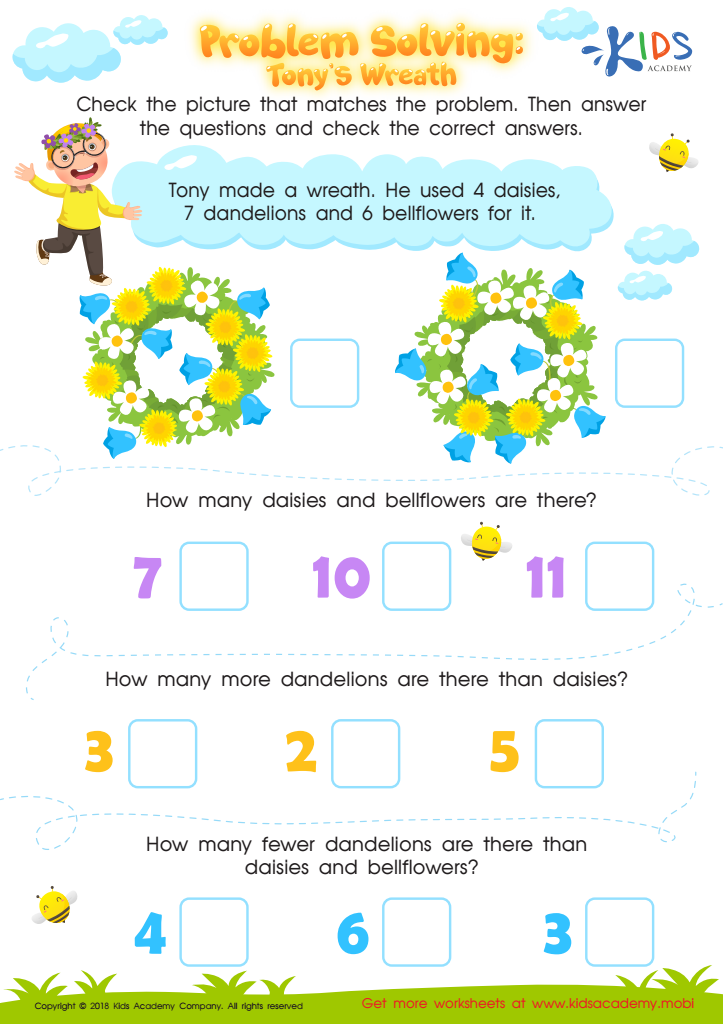
Problem Solving: Tony's Wreath Worksheet
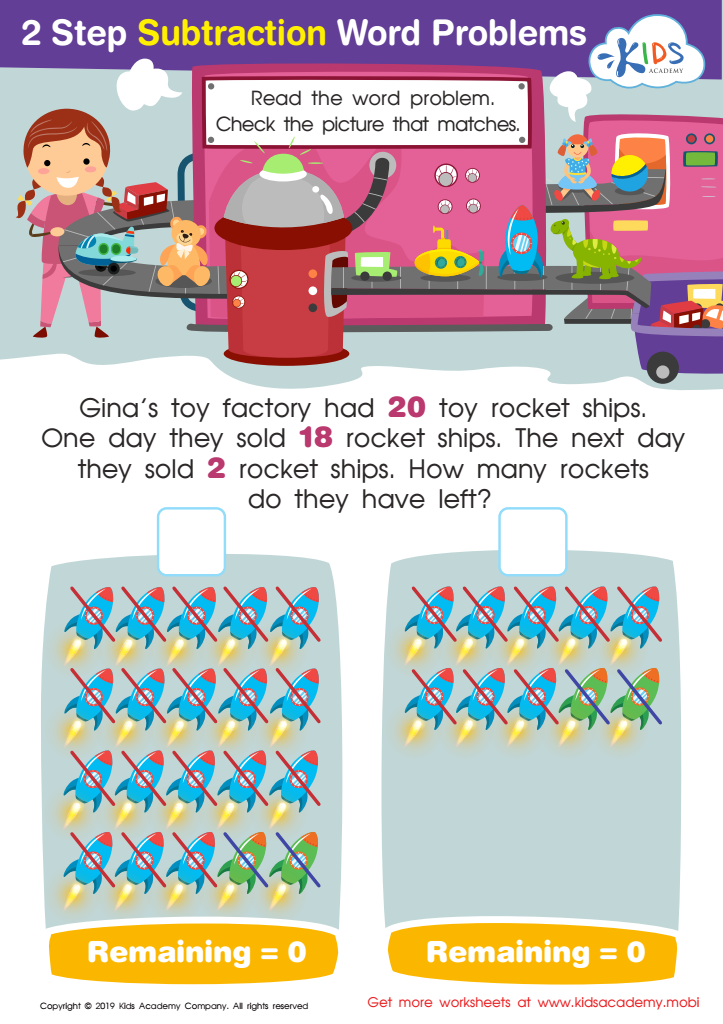
Step Subtraction Word Problems Worksheet
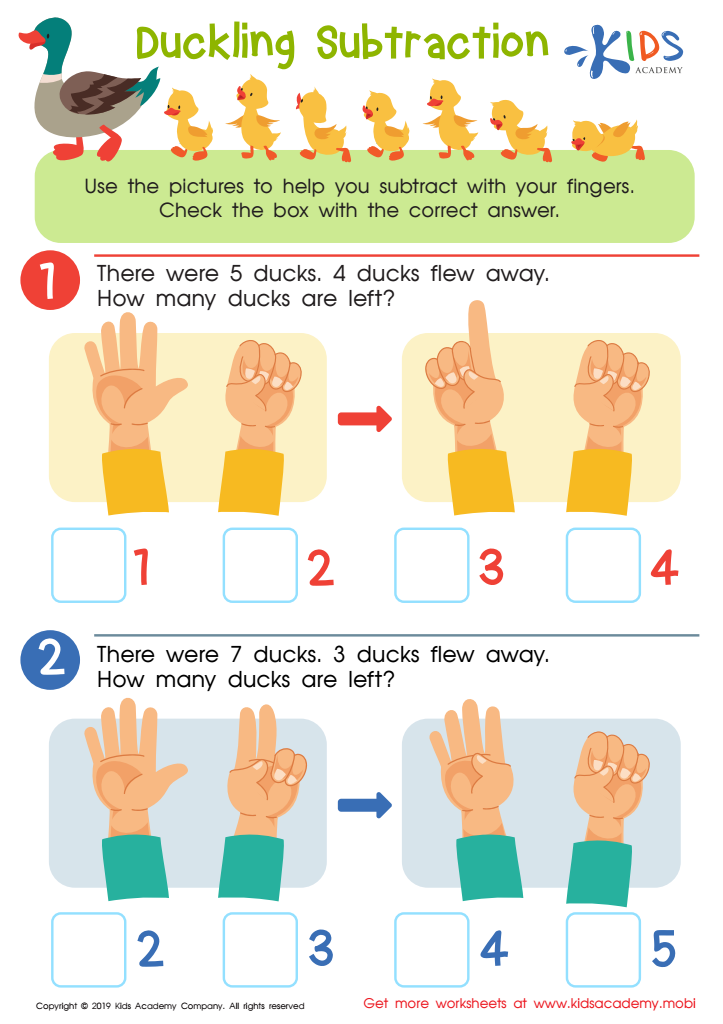
Duckling Subtraction Worksheet
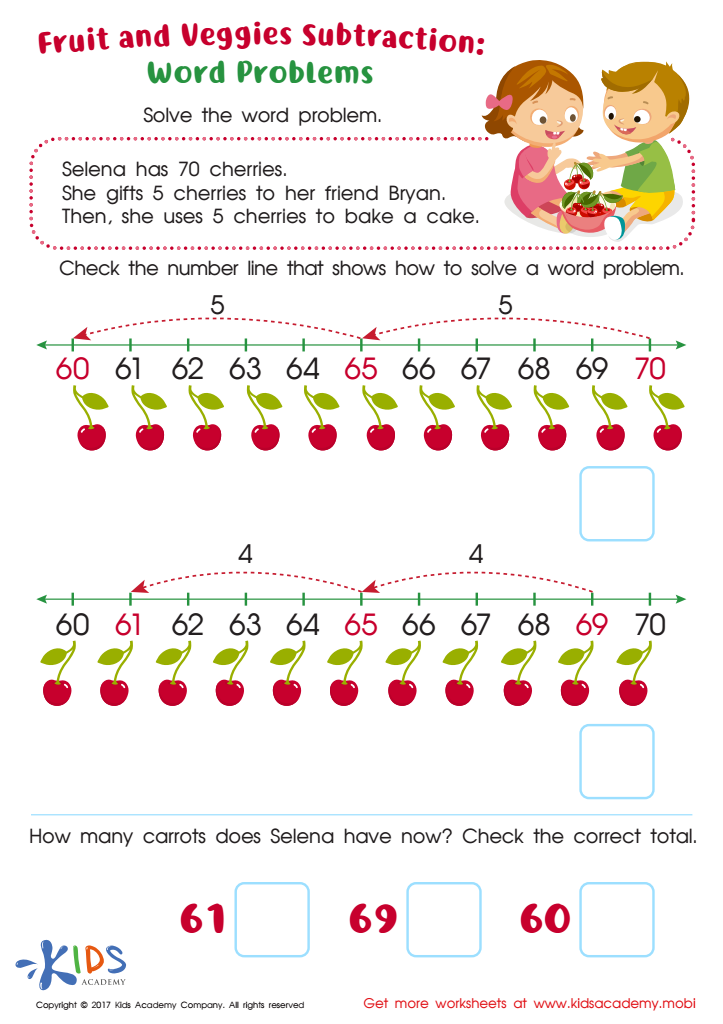
Subtraction Word Problems Free Printable
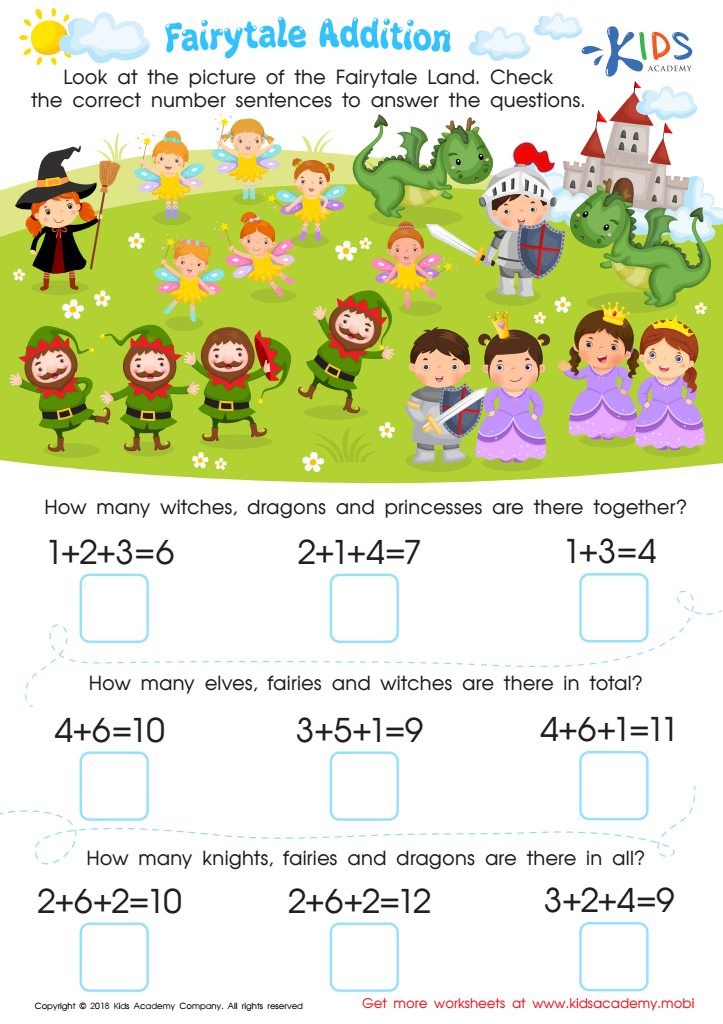
Fairytale Addition Worksheet
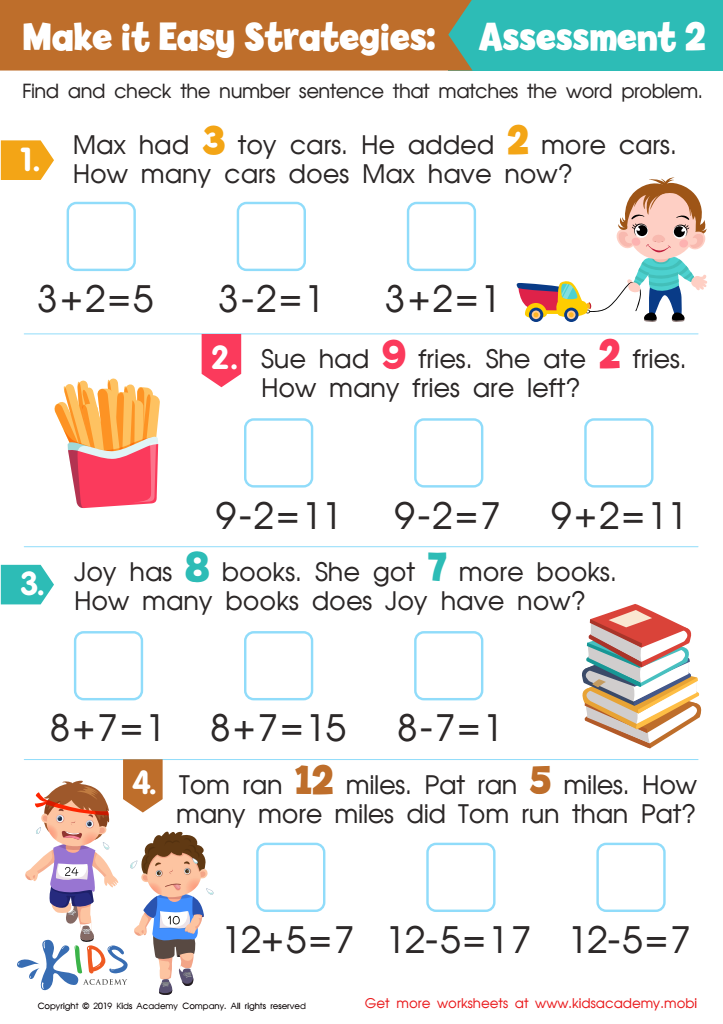
Make it Easy Strategies: Assessment 2 Worksheet
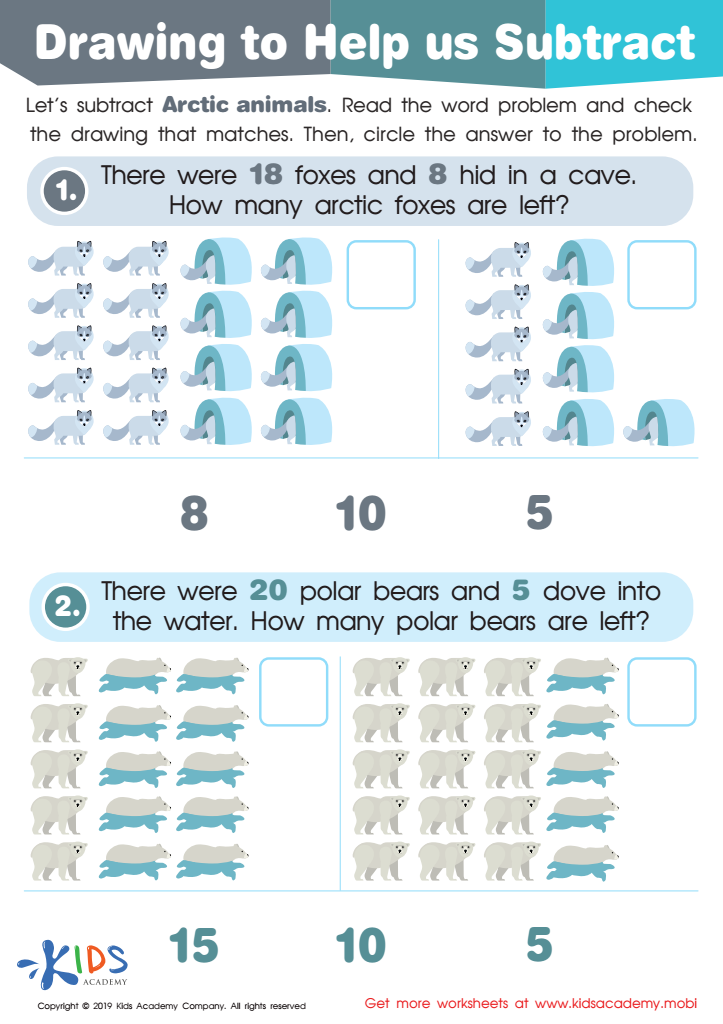
Drawing to Help Us Subtract Worksheet
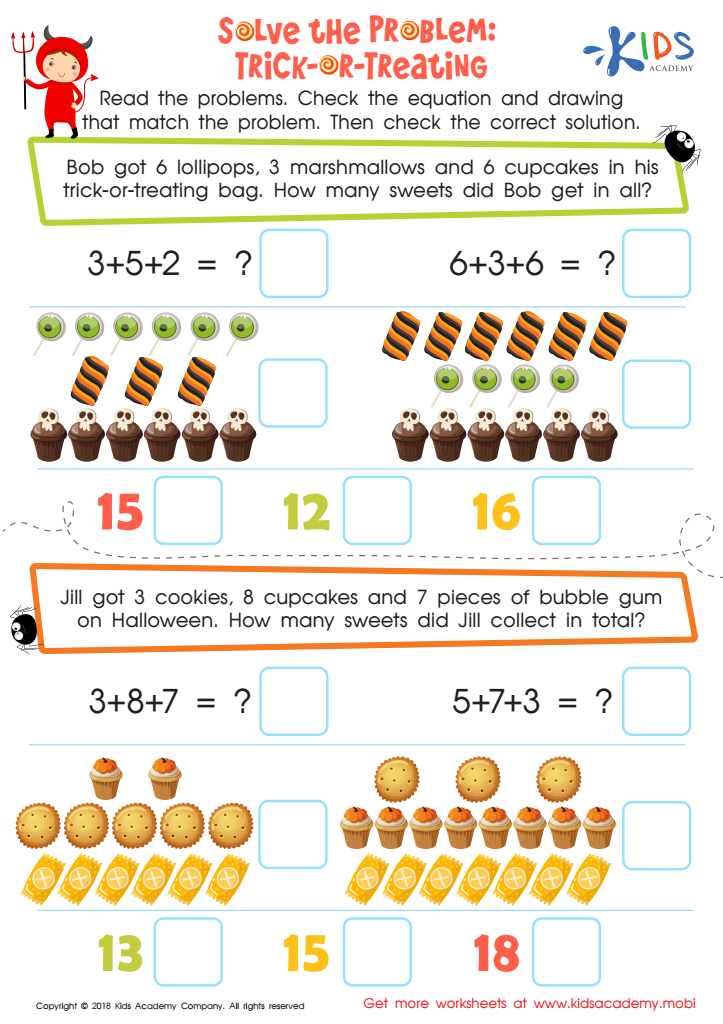
Solve the Problem: Trick–or–treating Worksheet
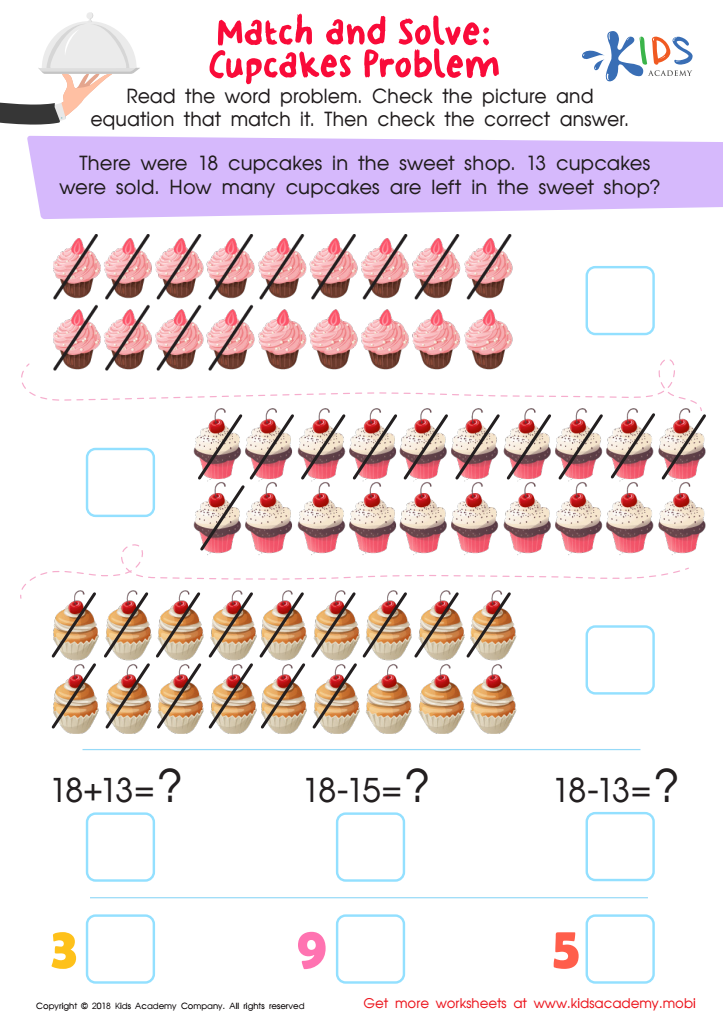
Match and Solve: Cupcakes Problem Worksheet
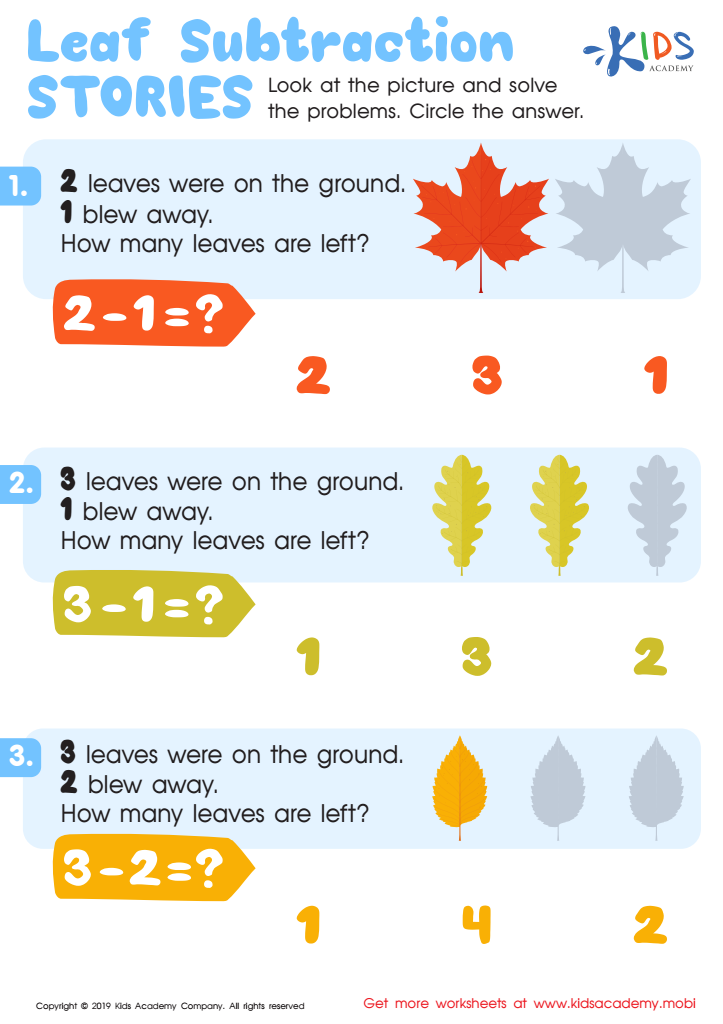
Leaf Subtraction Stories Worksheet
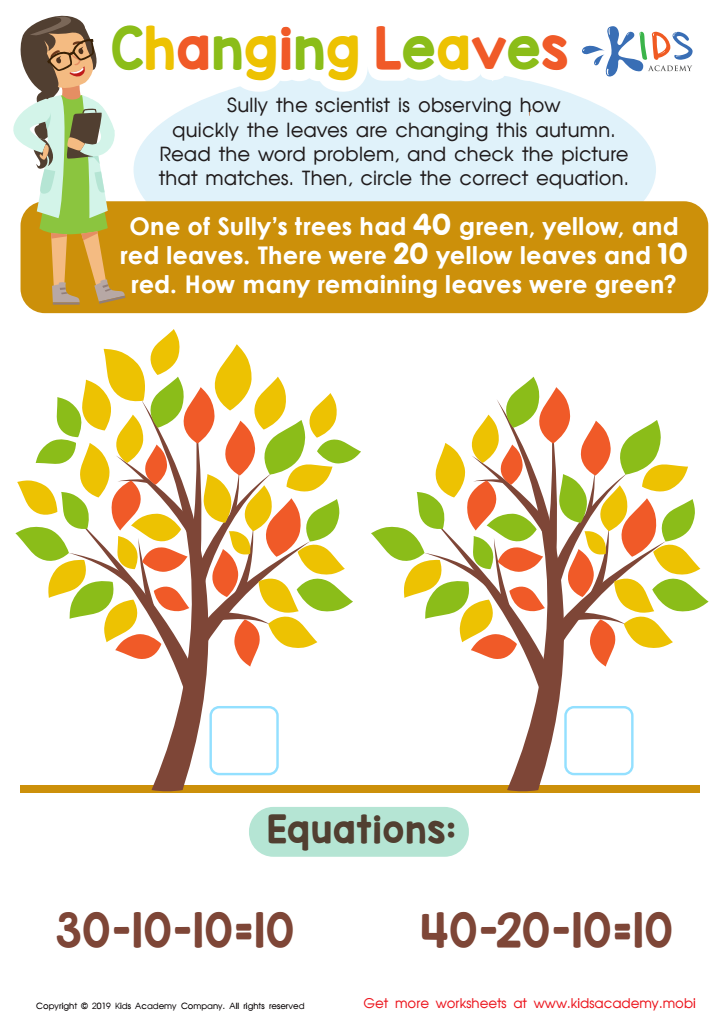
Changing Leaves Worksheet
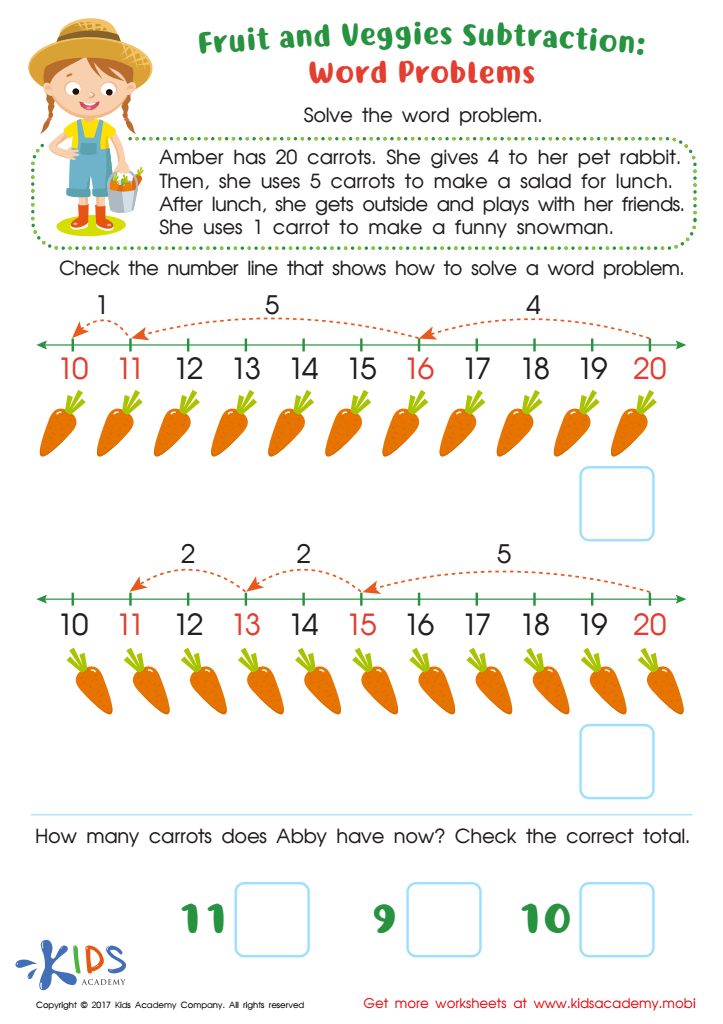
Subtraction Word Problems Printable
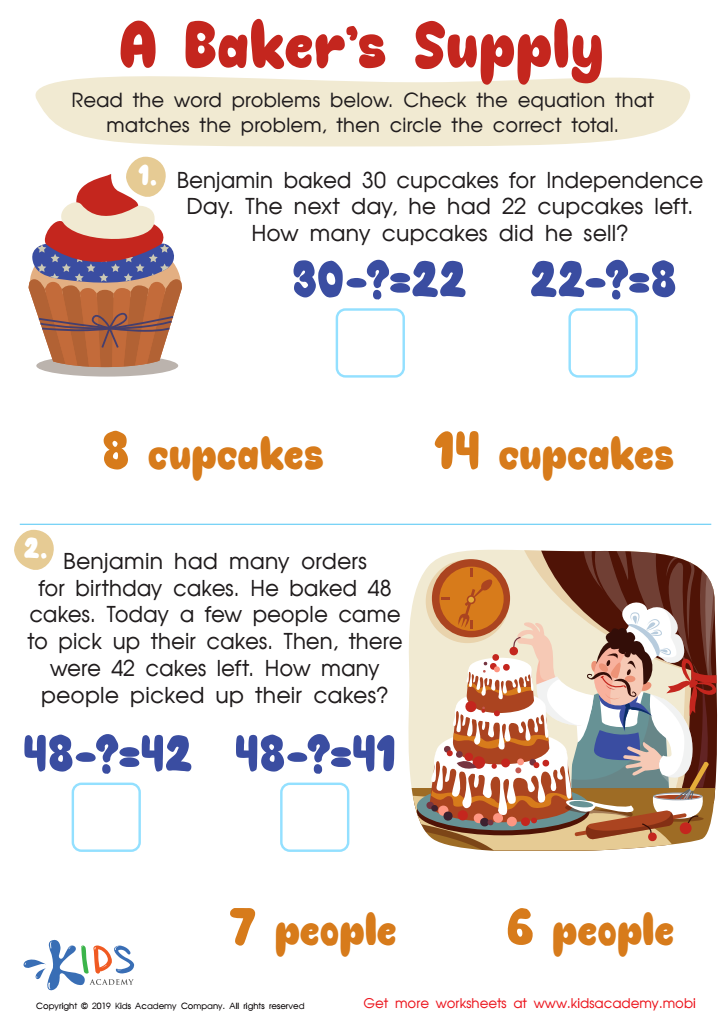
A Baker's Supply Worksheet
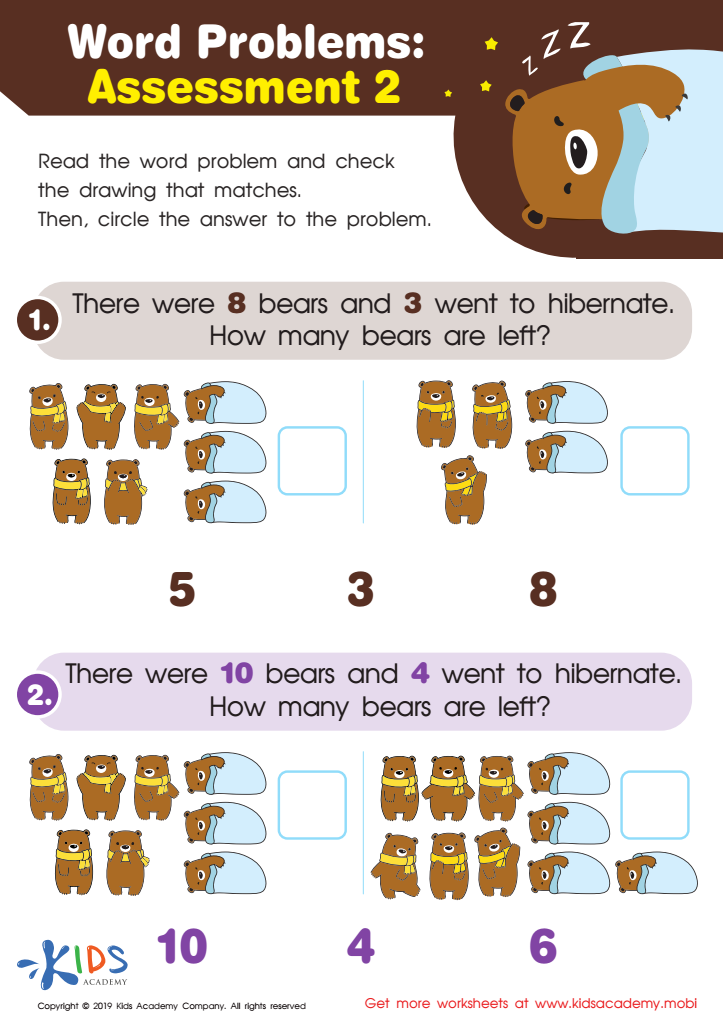
Word Problems: Assessment 2 Worksheet
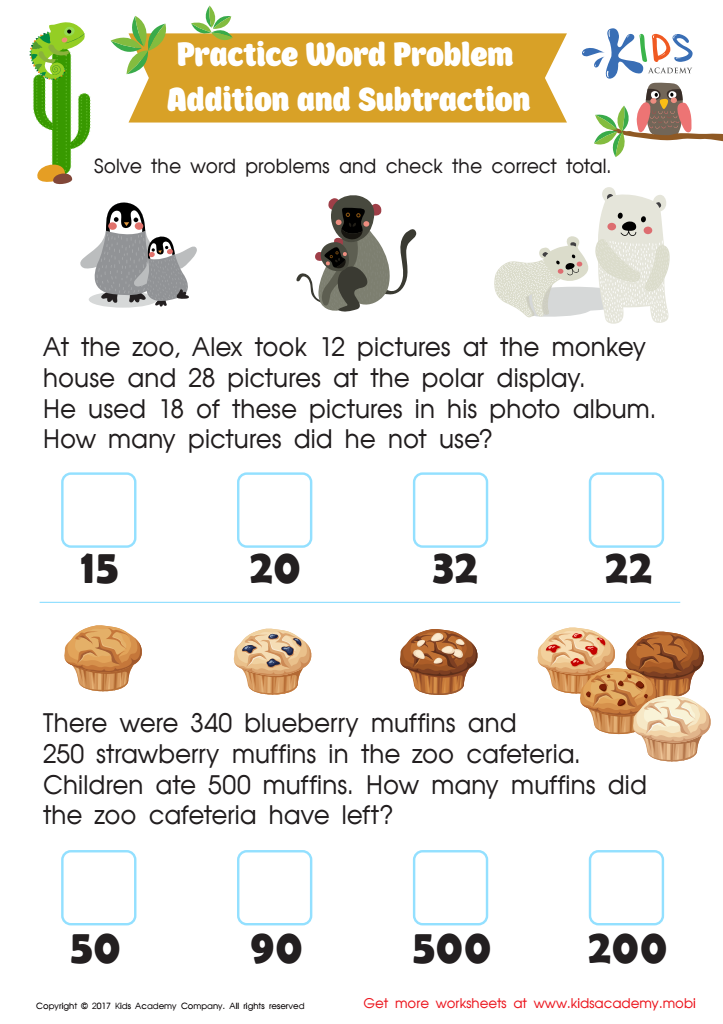
Addition and Subtraction: Word Problems Worksheet
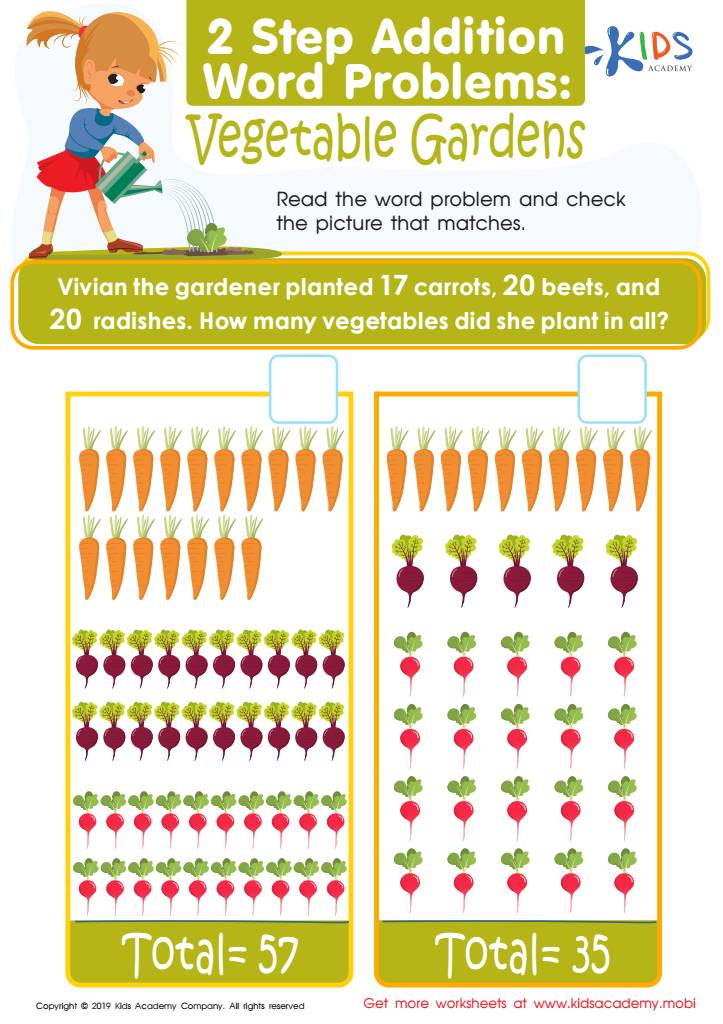
Vegetable Gardens Worksheet








Parents and teachers should prioritize addition and subtraction word problems for ages 5-7 as they play a crucial role in early mathematical development. These problems help children transition from rote memorization of mathematical facts to the practical application of these concepts in real-world scenarios. Understanding how to interpret and solve word problems hones essential analytical skills, such as critical thinking and problem-solving.
Furthermore, word problems strengthen reading comprehension. As children decode and understand the question, they develop the ability to extract relevant information and identify key details, bolstering both their math and literacy skills. Engaging with word problems also enhances a child's ability to reason logically, as they must make sense of the given information and decide how to approach the problem effectively.
Incorporating relatable contexts into word problems, such as stories about sharing toys or combining fruits, makes learning more interactive and enjoyable. This relevance fosters a deeper connection to the material, increasing a child's motivation and confidence, which is critical for nurturing a positive attitude towards math.
In summation, fostering the ability to solve addition and subtraction word problems helps develop a well-rounded skill set in young learners, laying a strong foundation for future academic success and everyday practical problem-solving abilities.