Life Science Worksheets for Ages 5-8 - Page 2
36 filtered results
-
From - To
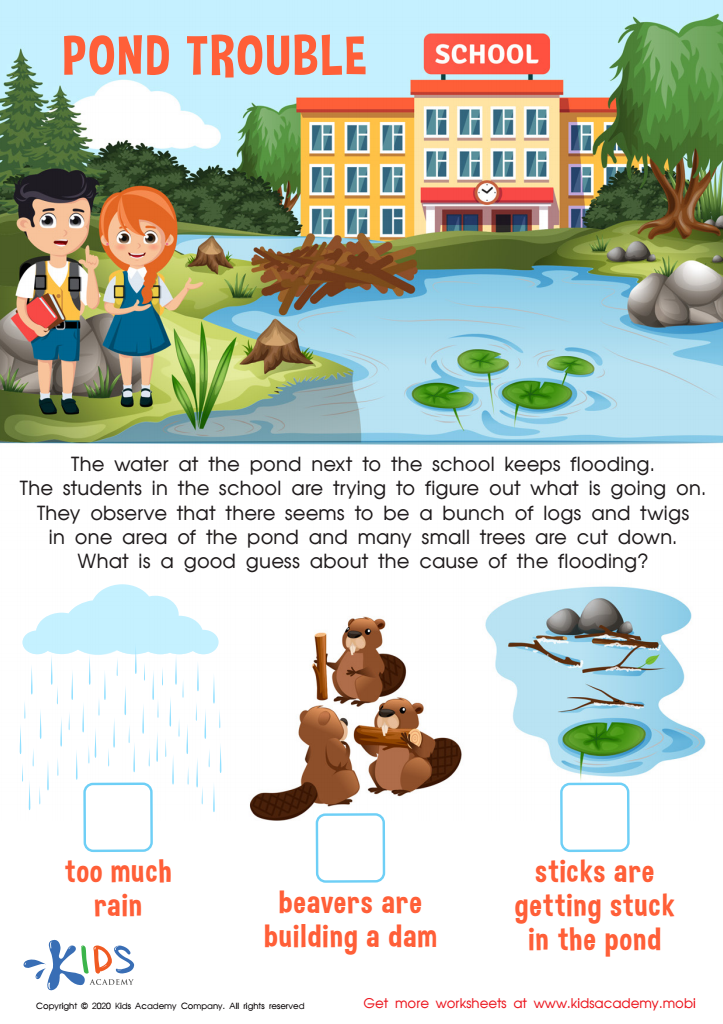
Pond Trouble Worksheet
 Assign to My Students
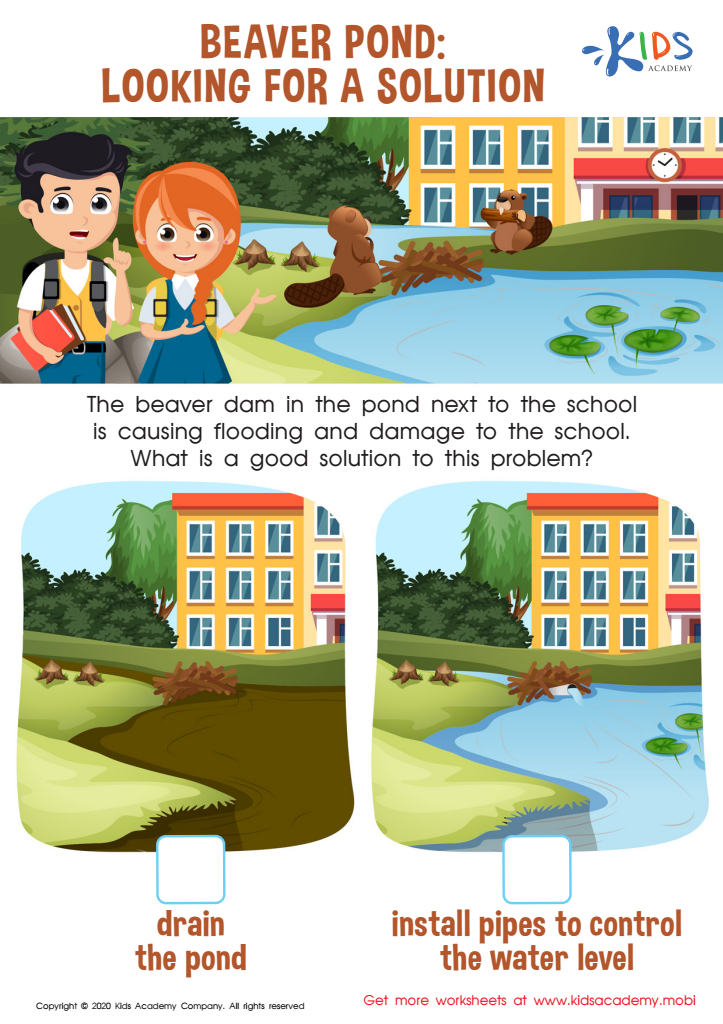
Beaver Pond: Looking for a Solution Worksheet
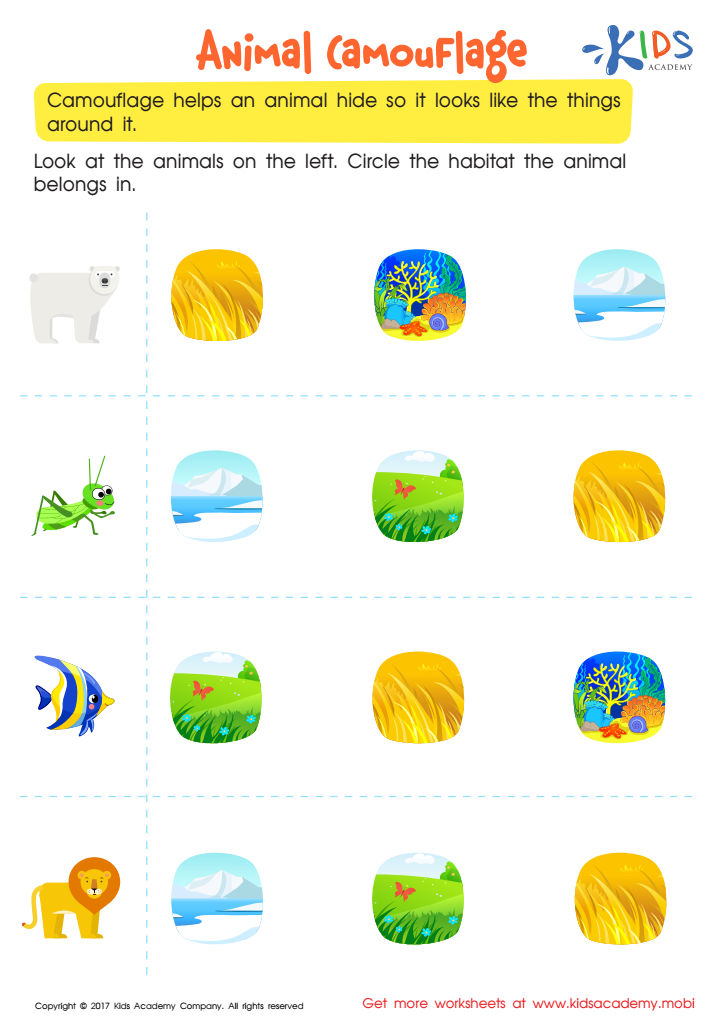
Animal Camouflage Worksheet
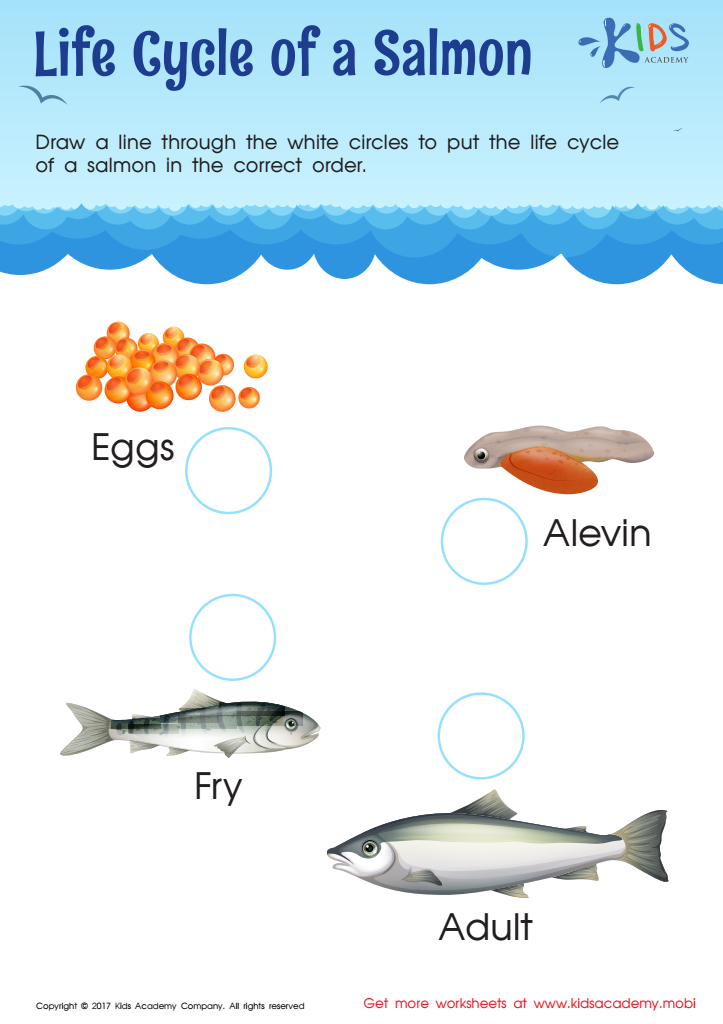
Cycle Of Salmon Worksheet
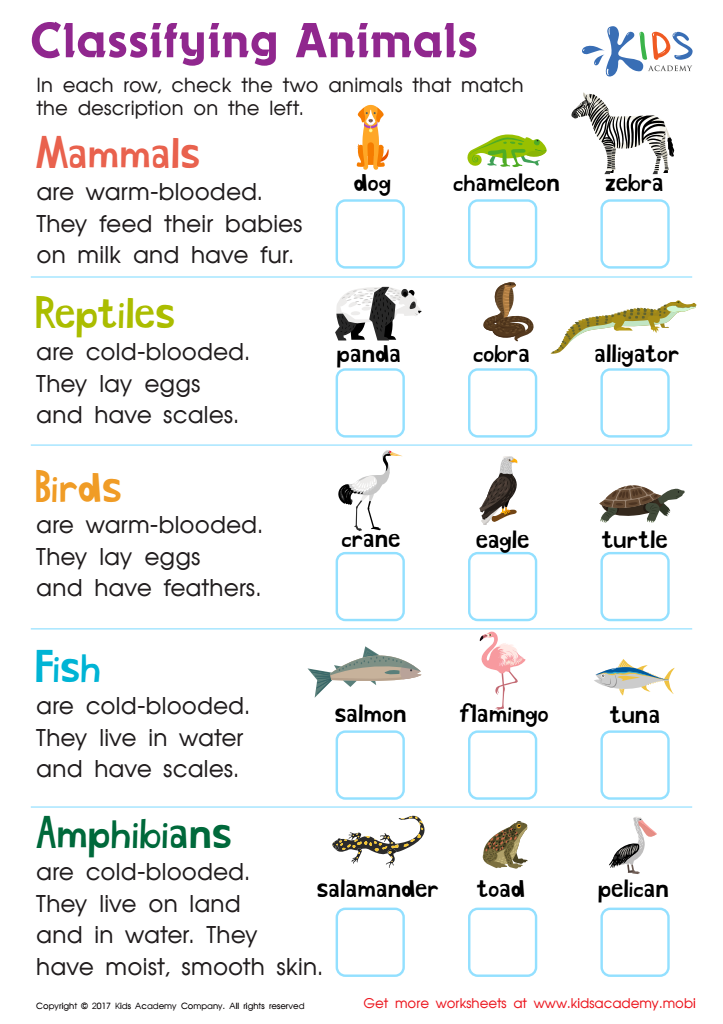
Classifying Animals Worksheet
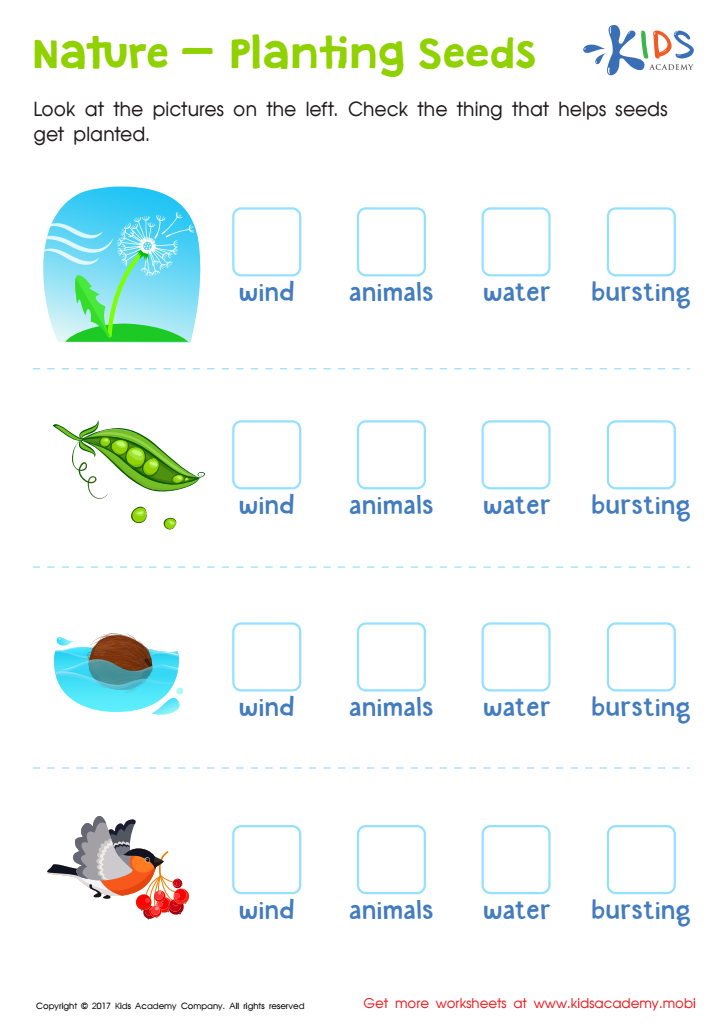
Nature Planting Seeds Worksheet
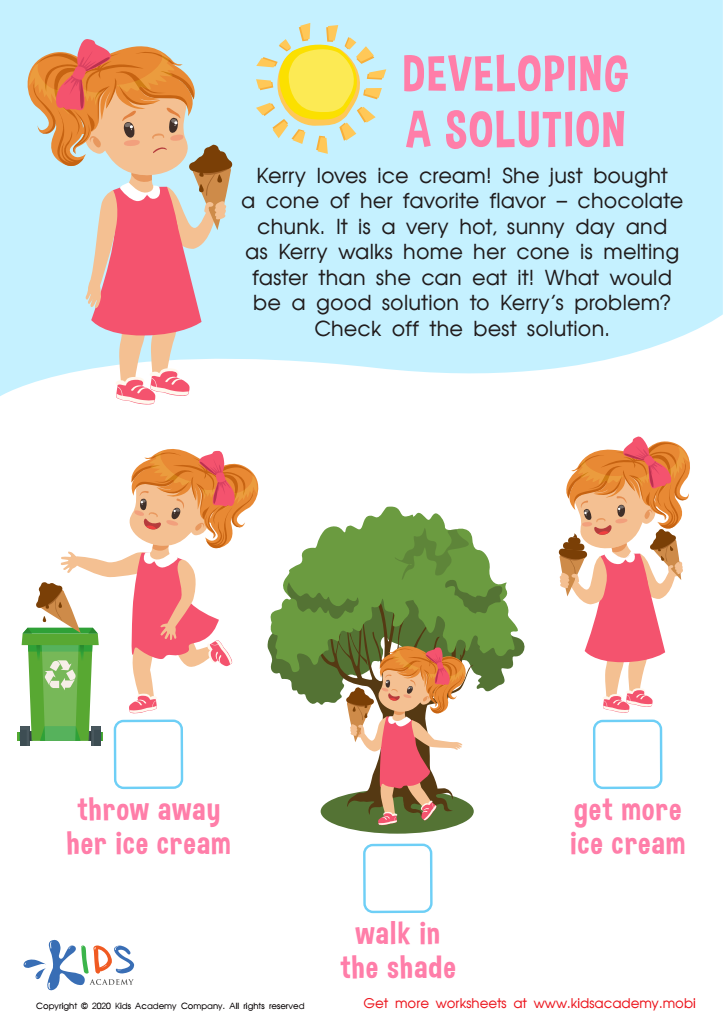
Developing Solution Worksheet
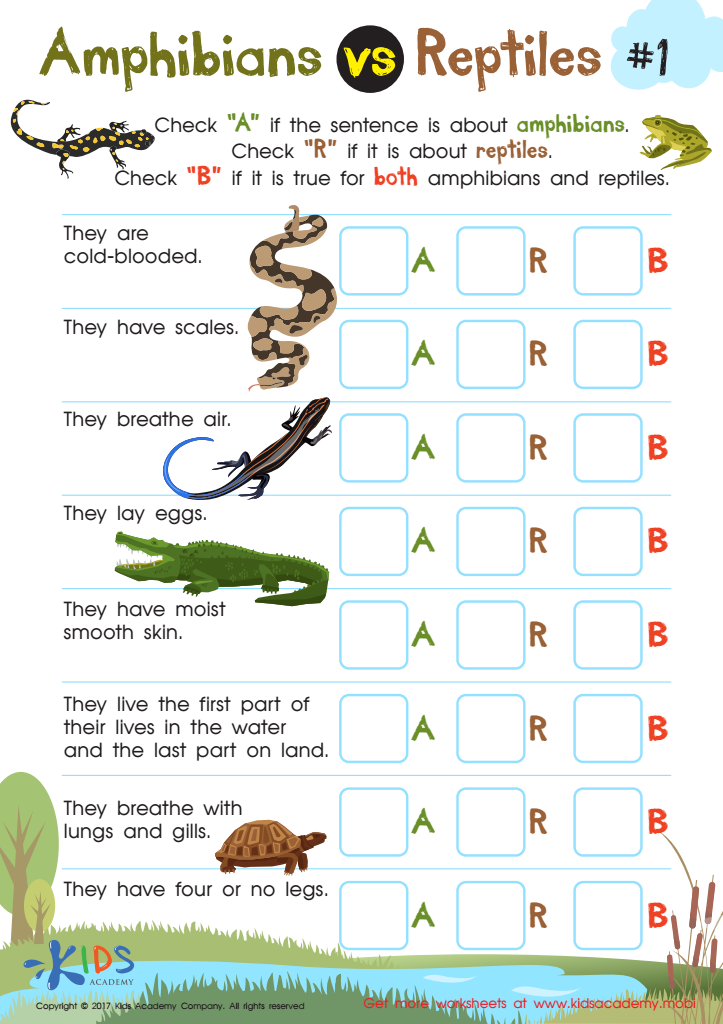
Amphibians vs Reptiles Worksheet
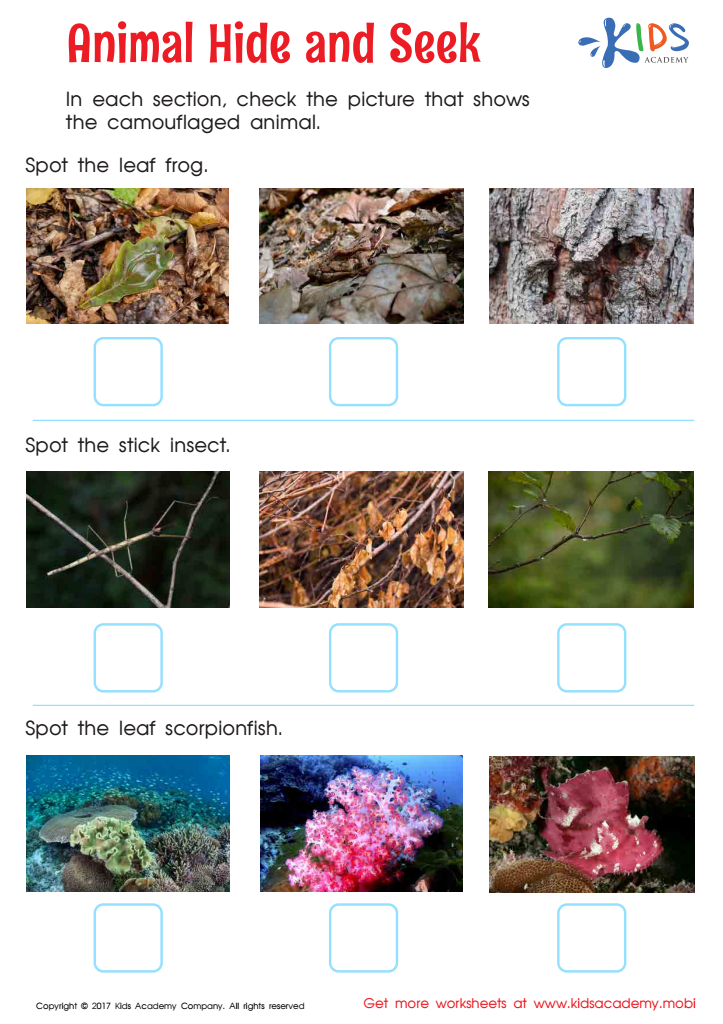
Animal Hide and Seek Worksheet
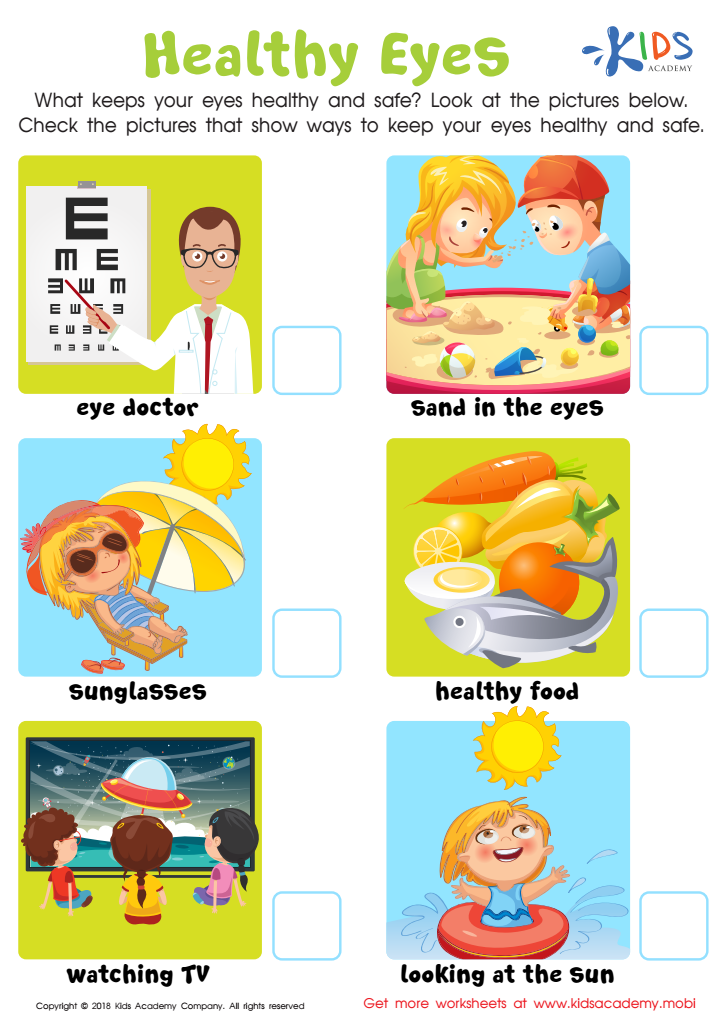
Healthy Eyes Worksheet
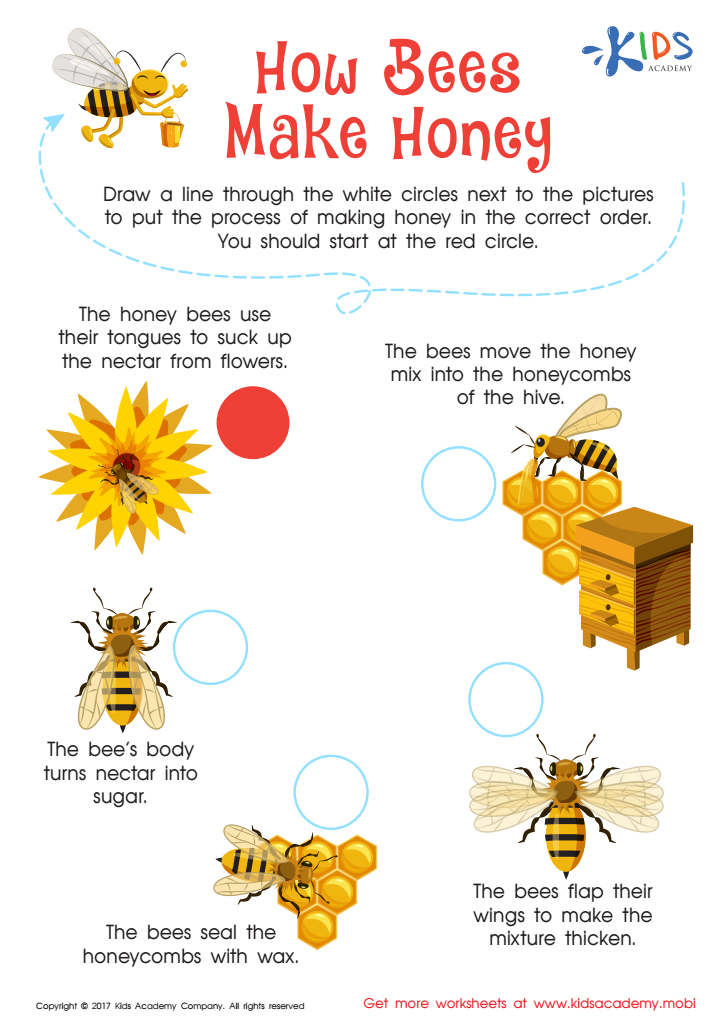
Honey Bee Worksheet
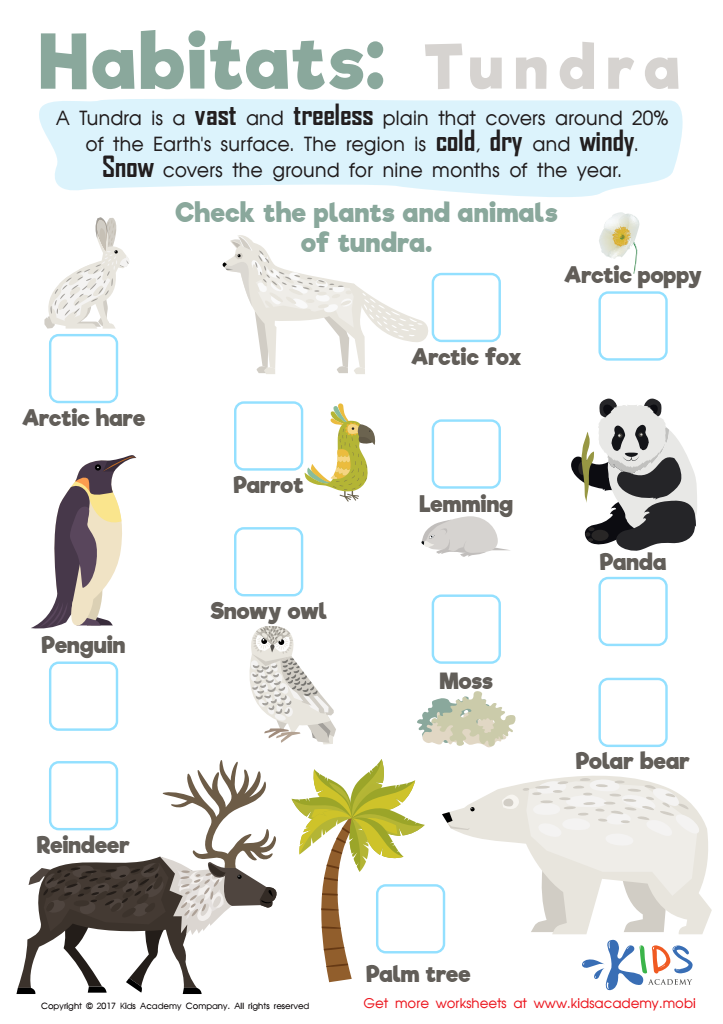
Tundra Habitats Worksheet



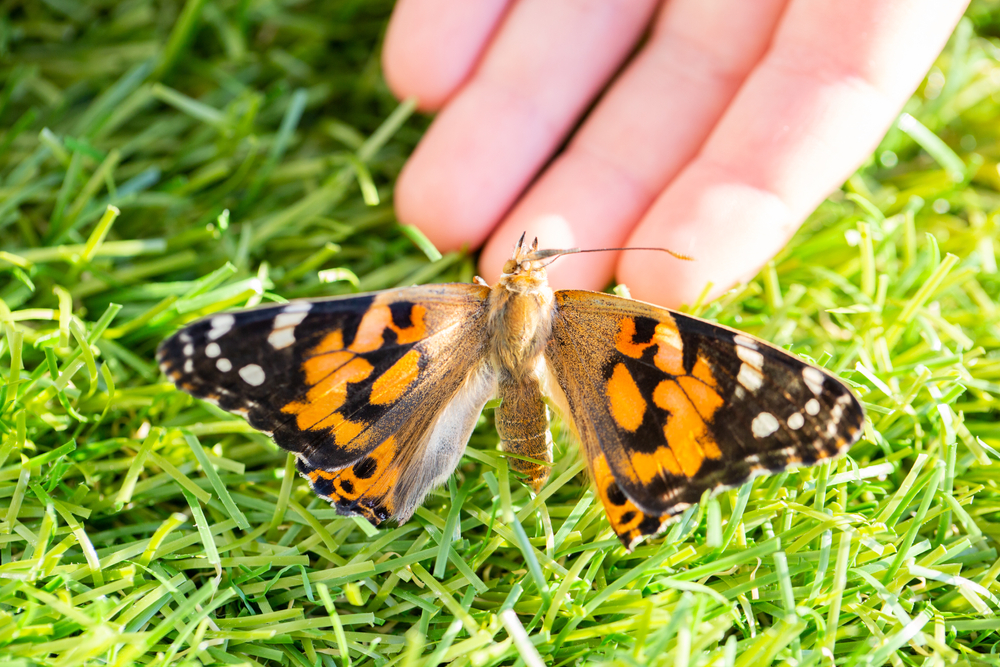



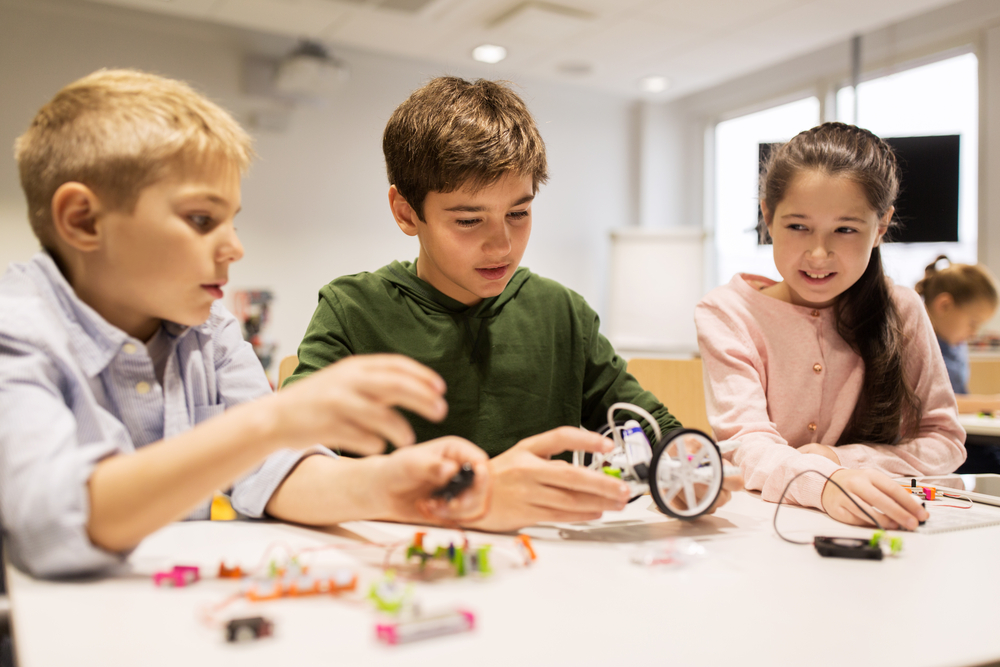
Life Science plays a crucial role in the early education of children aged 5-8, enriching their understanding of the natural world and fostering a sense of curiosity. Parents and teachers should prioritize this subject because it lays the foundation for critical thinking and observational skills. At this pivotal stage, children are primed to absorb knowledge about their environment, and Life Science offers a structured way to explore the living world.
Learning about plants, animals, and ecosystems helps young children appreciate biodiversity and promotes empathy towards living beings. It opens their eyes to the interdependence of life and the impact humans have on nature. Such awareness is increasingly vital in today’s world faced with environmental challenges.
Moreover, engaging in hands-on activities like planting seeds or observing insects can enhance sensory development and motor skills. These activities often spark a lifelong interest in science and nature, cultivating future scientists, conservationists, or informed citizens who advocate for sustainable practices.
By encouraging early engagement in Life Science, parents and teachers help develop inquisitive, well-rounded individuals who are equipped to make sense of the world around them. This early curiosity often leads to traits like patience, perseverance, and a love for learning—attributes that contribute to overall academic and personal success.








