Letter Recognition Worksheets for Ages 5-9
100 filtered results
-
From - To
Boost your child's literacy skills with our engaging Letter Recognition Worksheets for ages 5-9! Designed to make learning enjoyable, these worksheets help young learners identify and differentiate between letters through fun activities and colorful illustrations. Each worksheet focuses on various aspects of letter recognition, including uppercase and lowercase letters, matching, and tracing exercises. Perfect for both classroom use and at-home practice, these resources promote independent learning and boost confidence. Encourage your child's love for reading and writing while enhancing their foundational skills in a playful and interactive manner. Discover the joy of learning with our easy-to-use Letter Recognition Worksheets today!
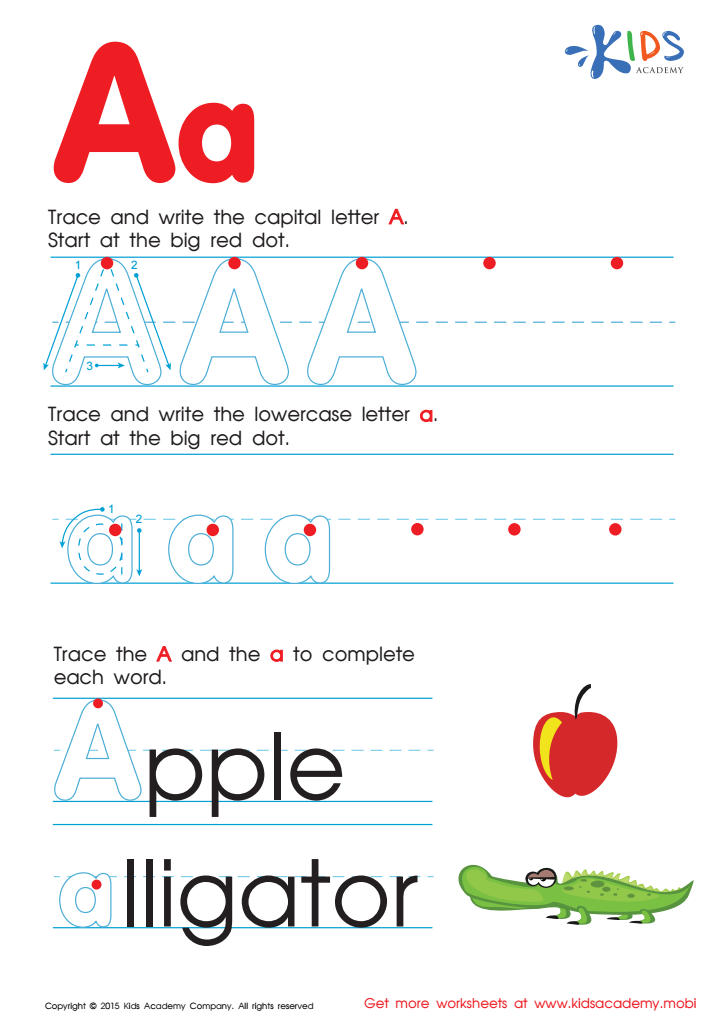
Letter A Tracing Page
 Assign to My Students
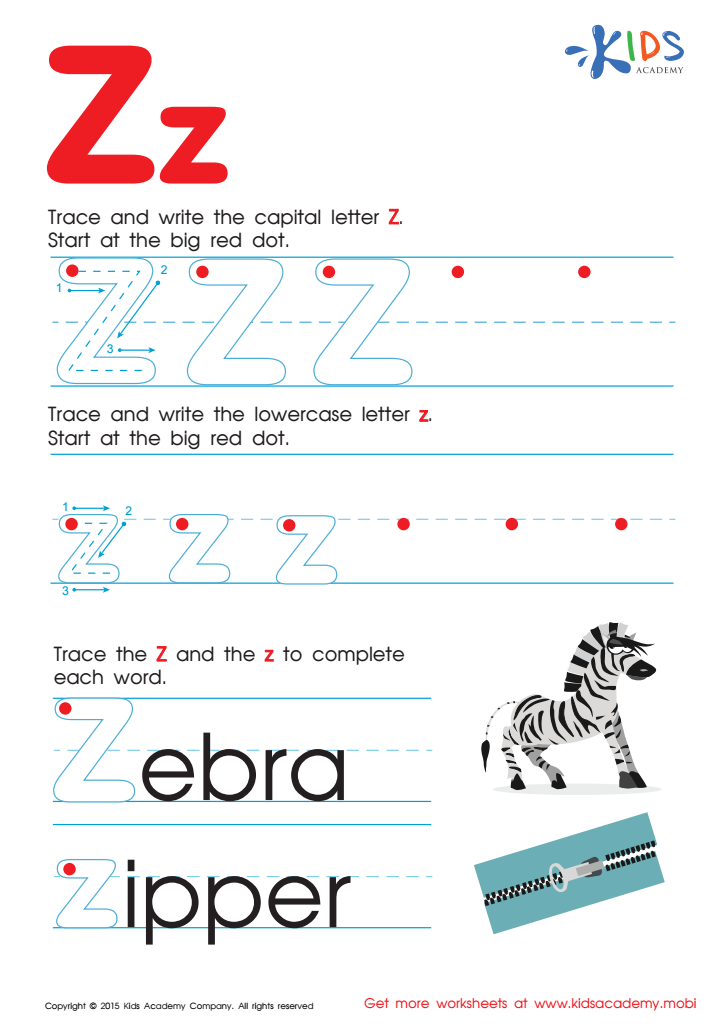
Letter Z Tracing Page
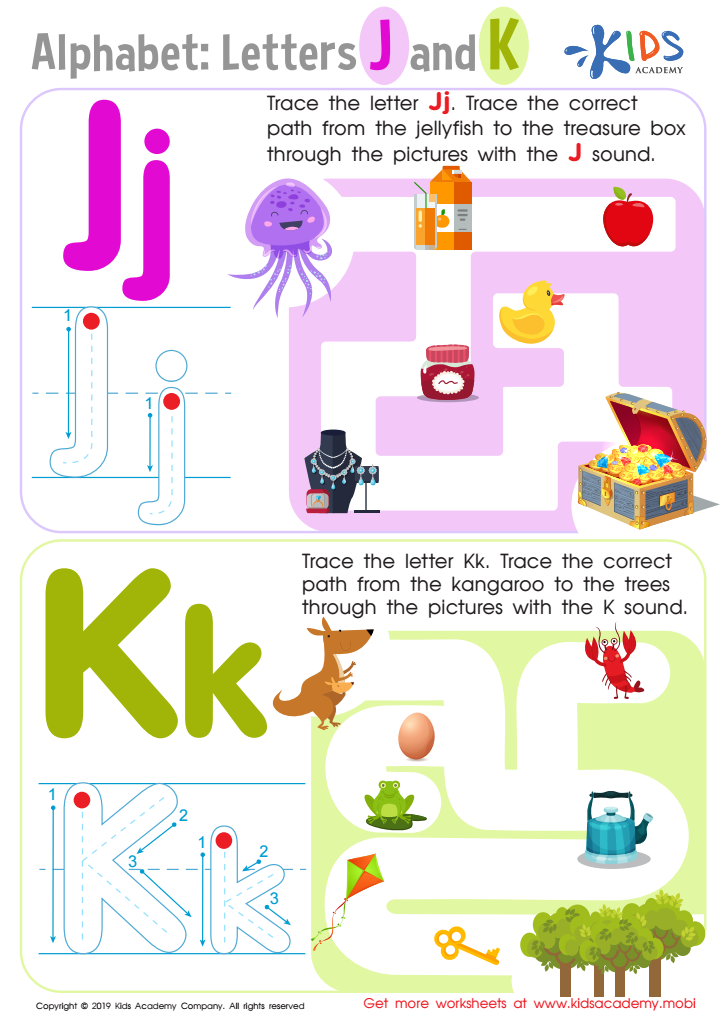
Letters J and K Tracing Worksheet
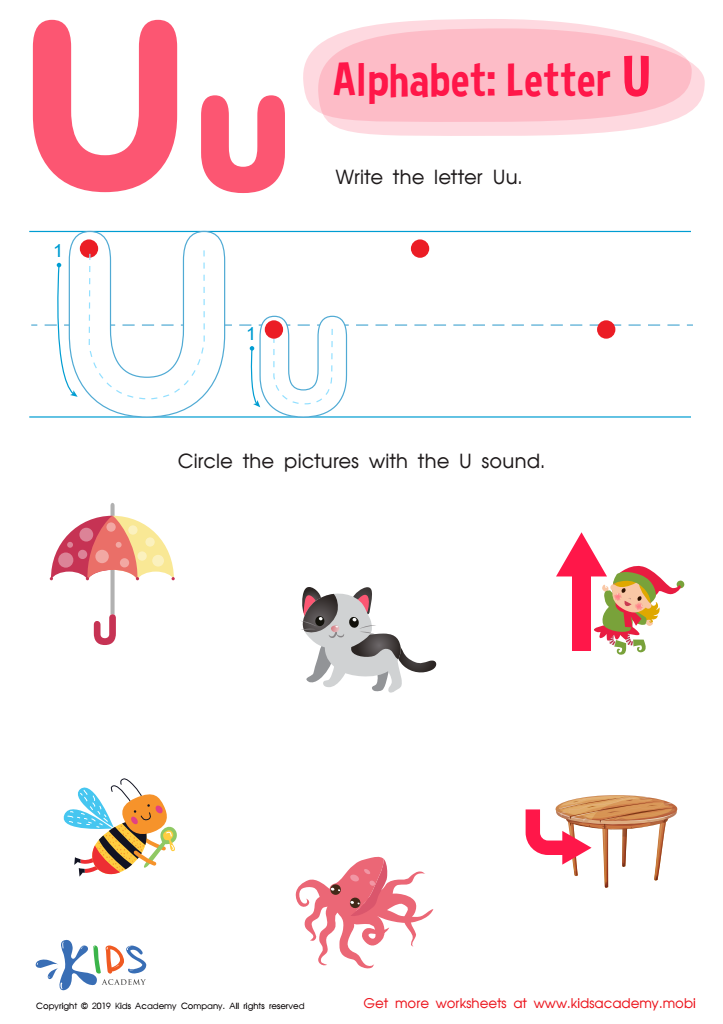
Letter U Tracing Worksheet
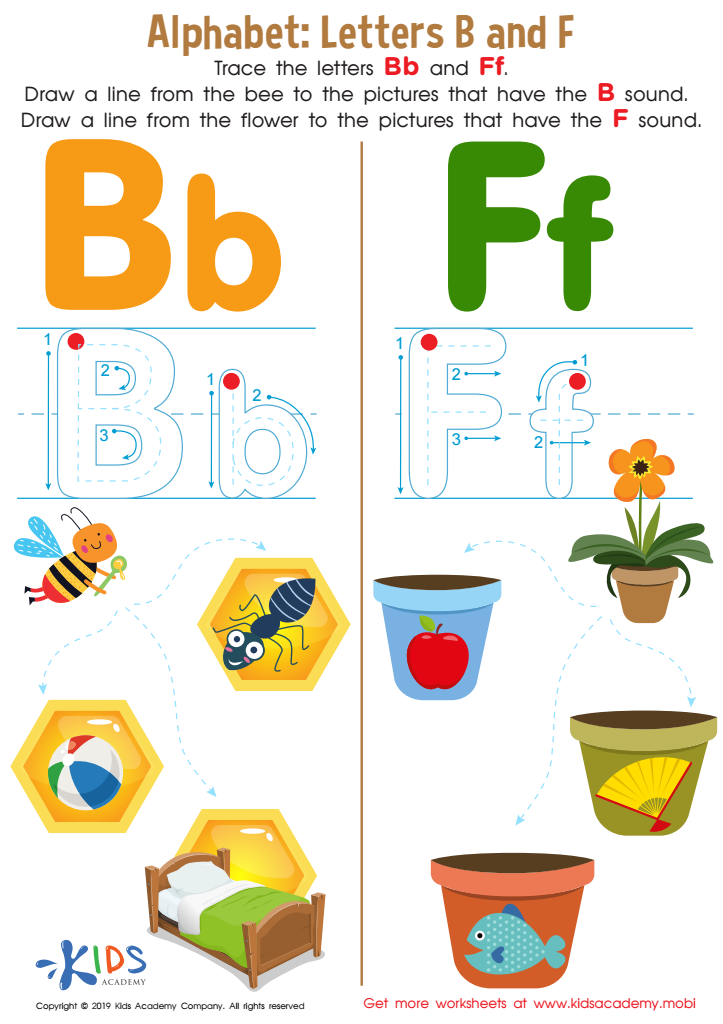
Letters B and F Tracing Worksheet
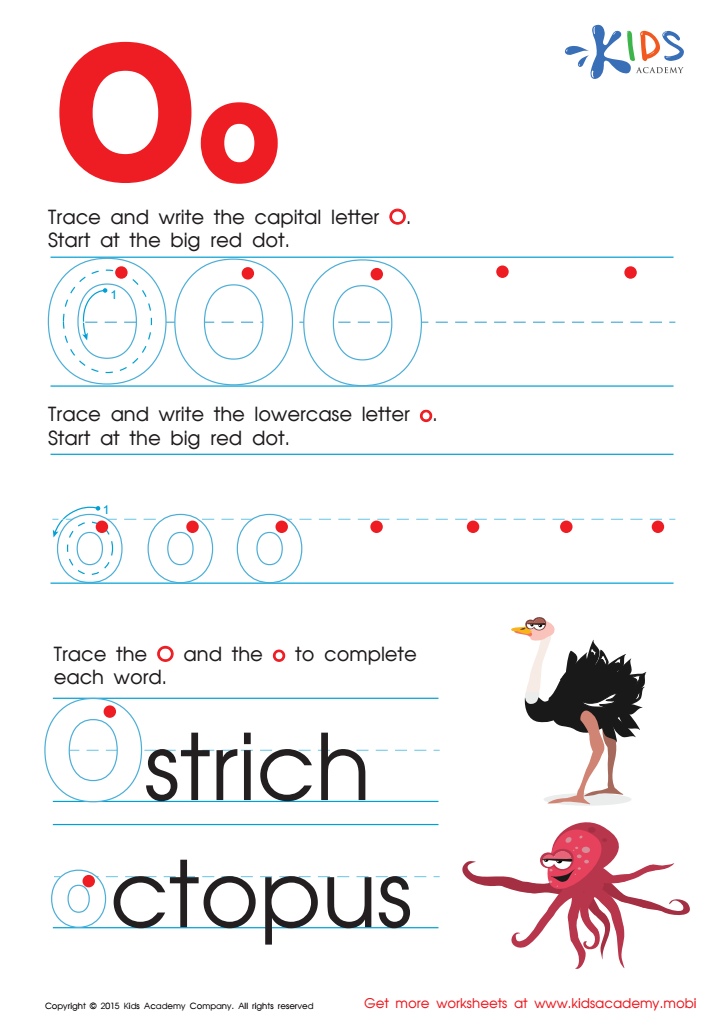
Letter O Tracing Page
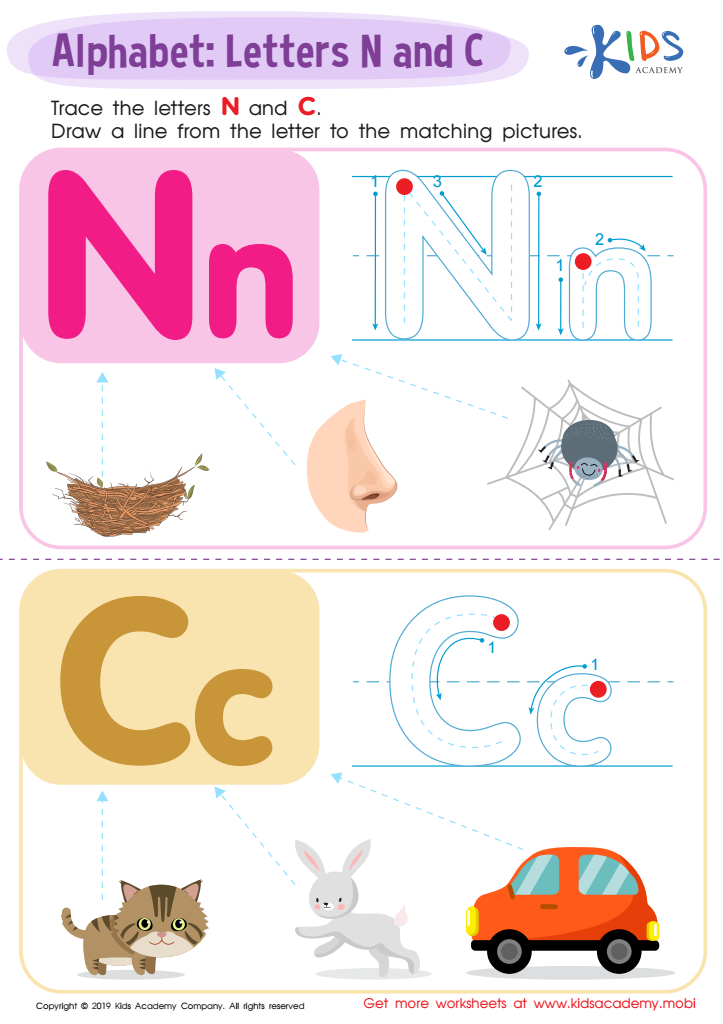
Letter N and C Tracing Worksheet
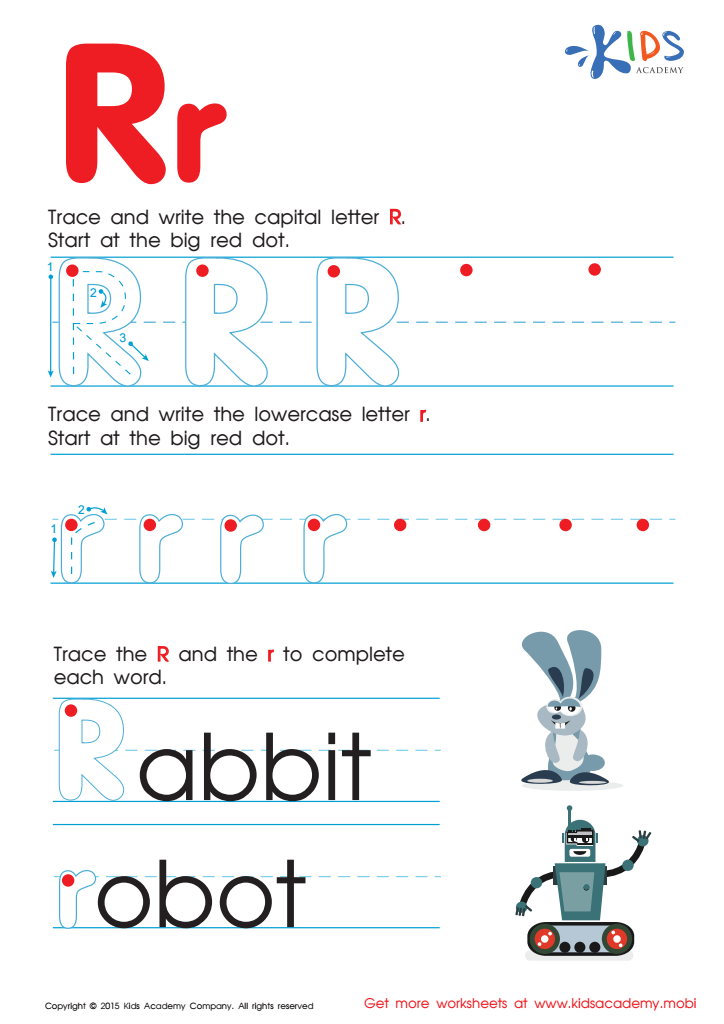
Letter R Tracing Page
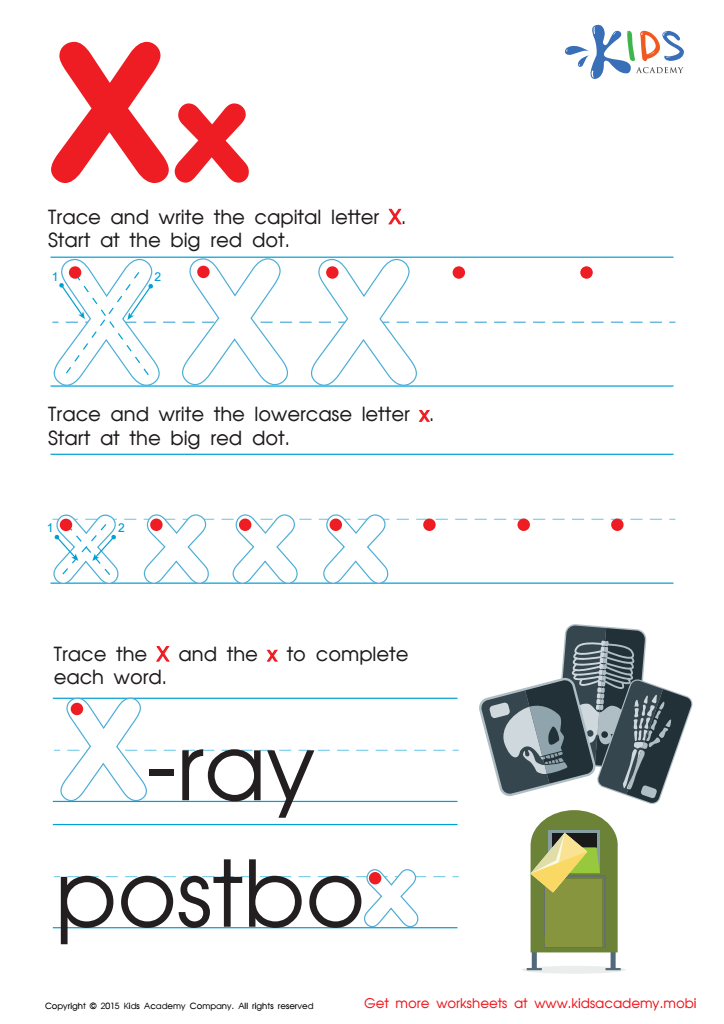
Letter X Tracing Page
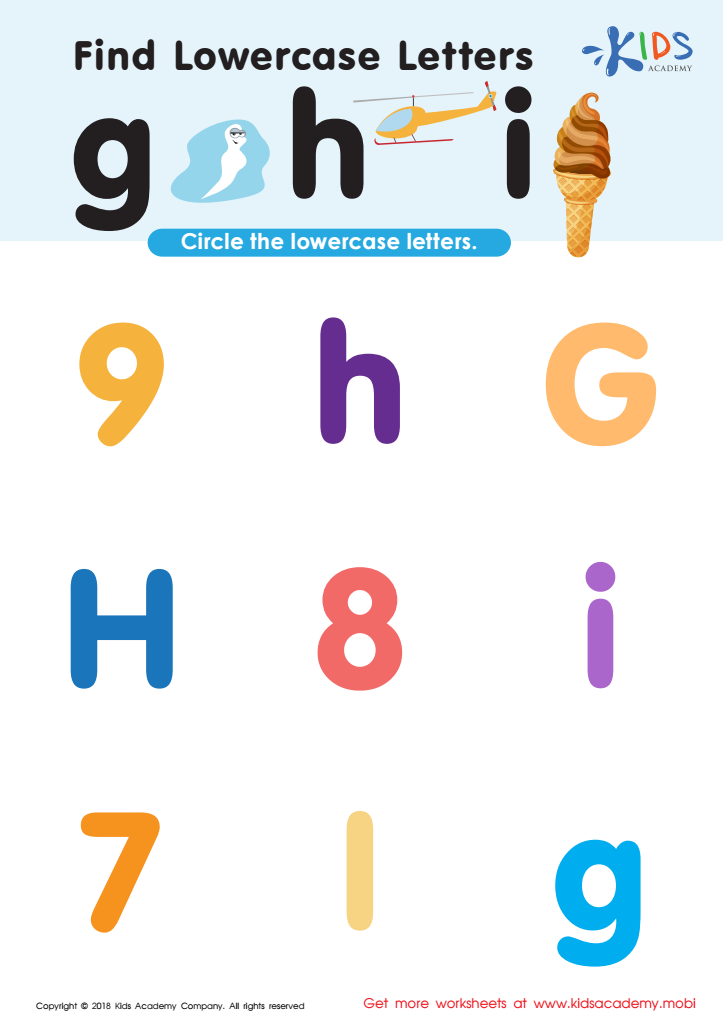
Find Lowercase Letters g h i Worksheet
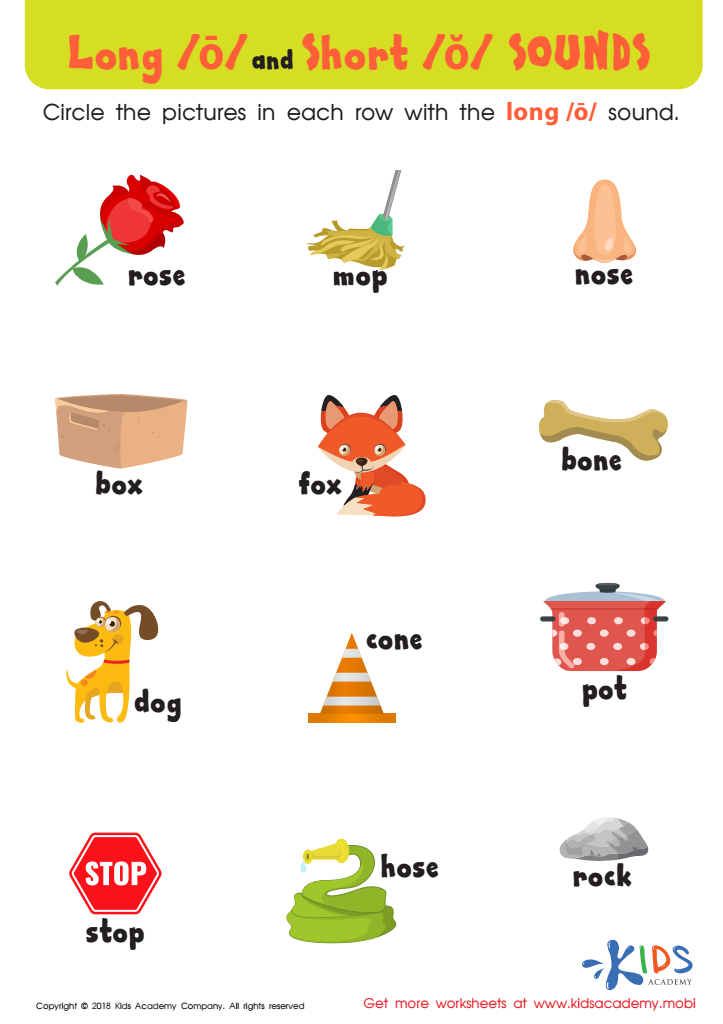
Reading: Long O and Short O Sounds Worksheet
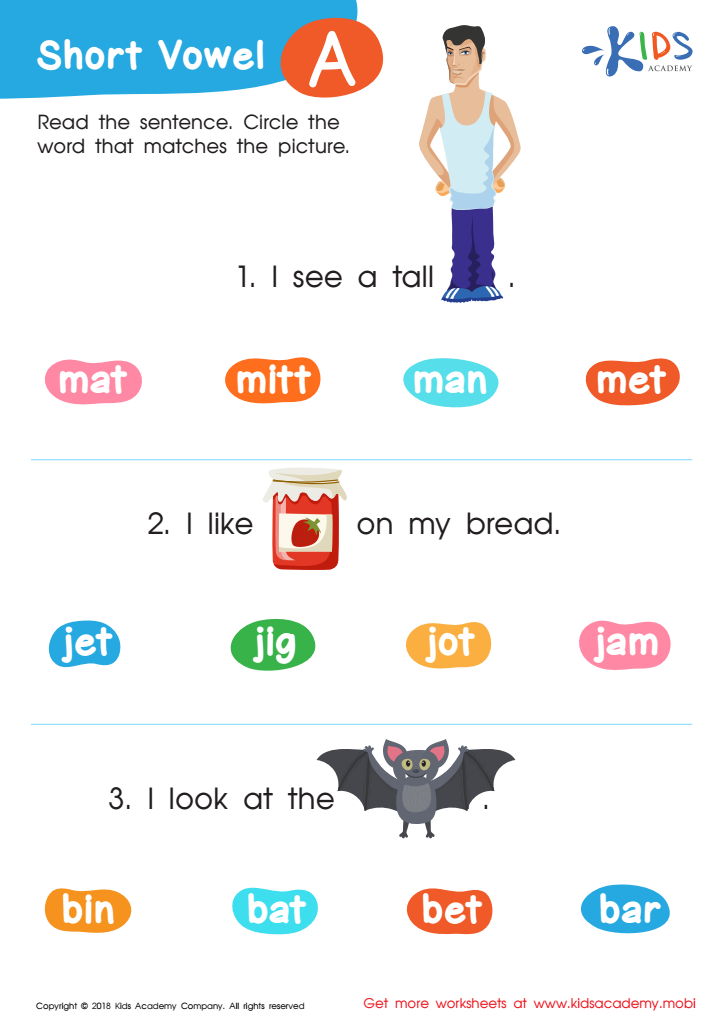
Short Vowel /a/ Worksheet
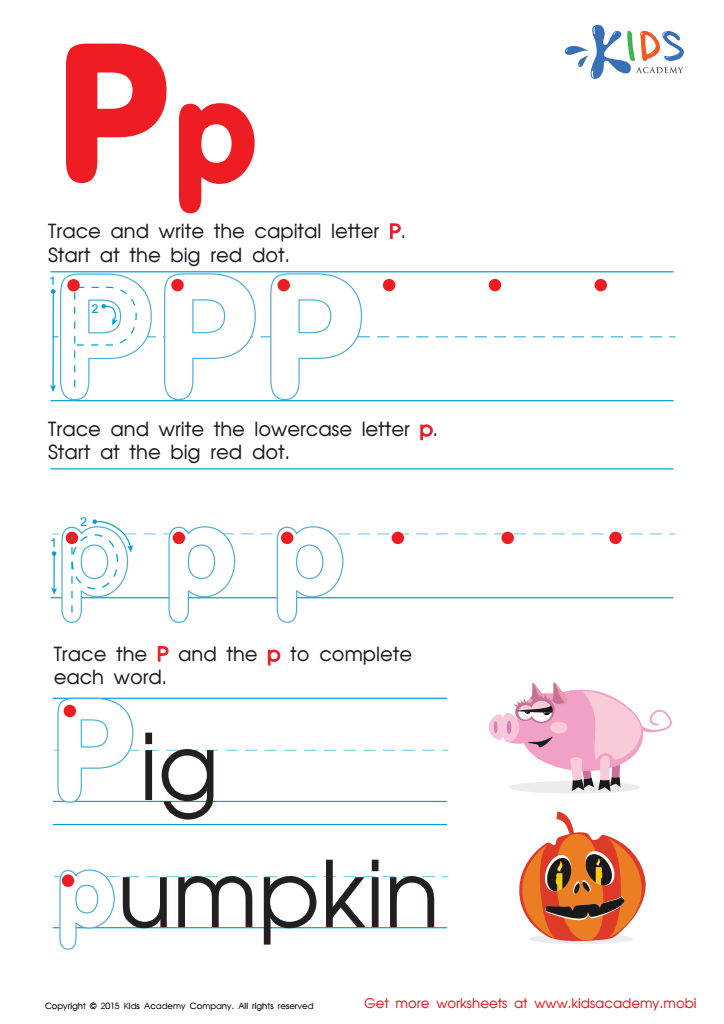
Letter P Tracing Page
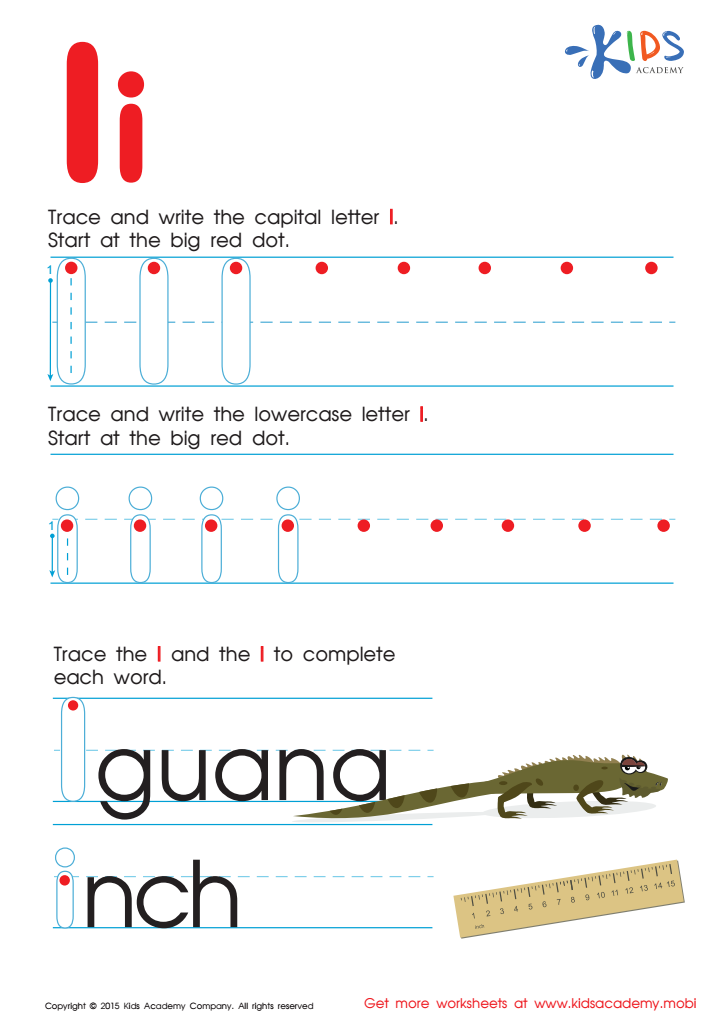
Letter I Tracing Page
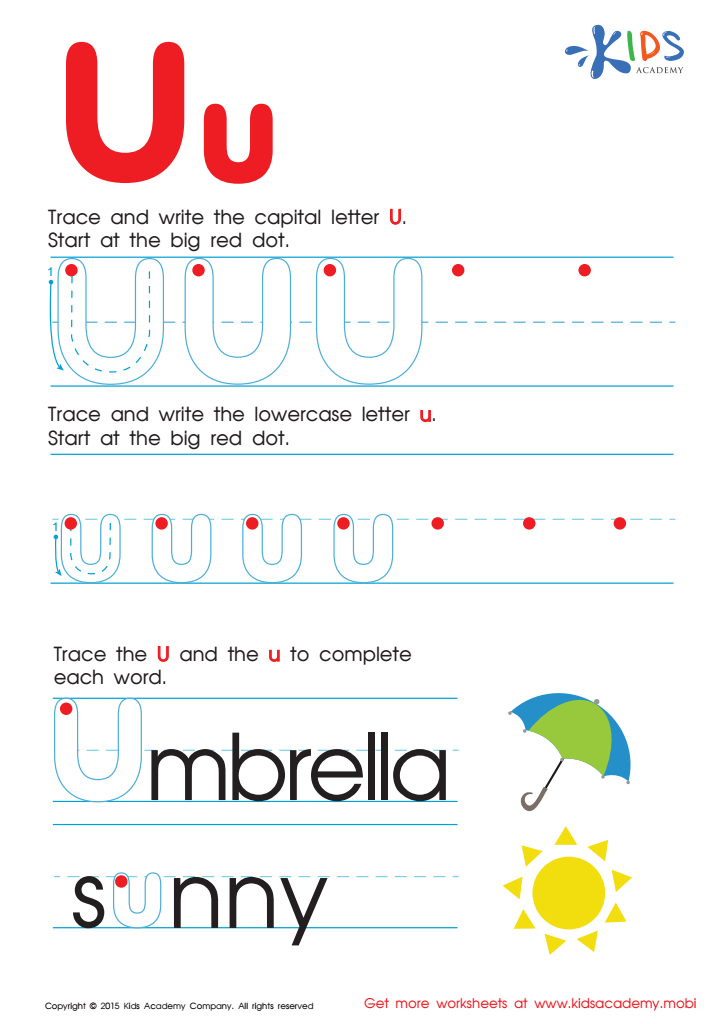
Letter U Tracing Page
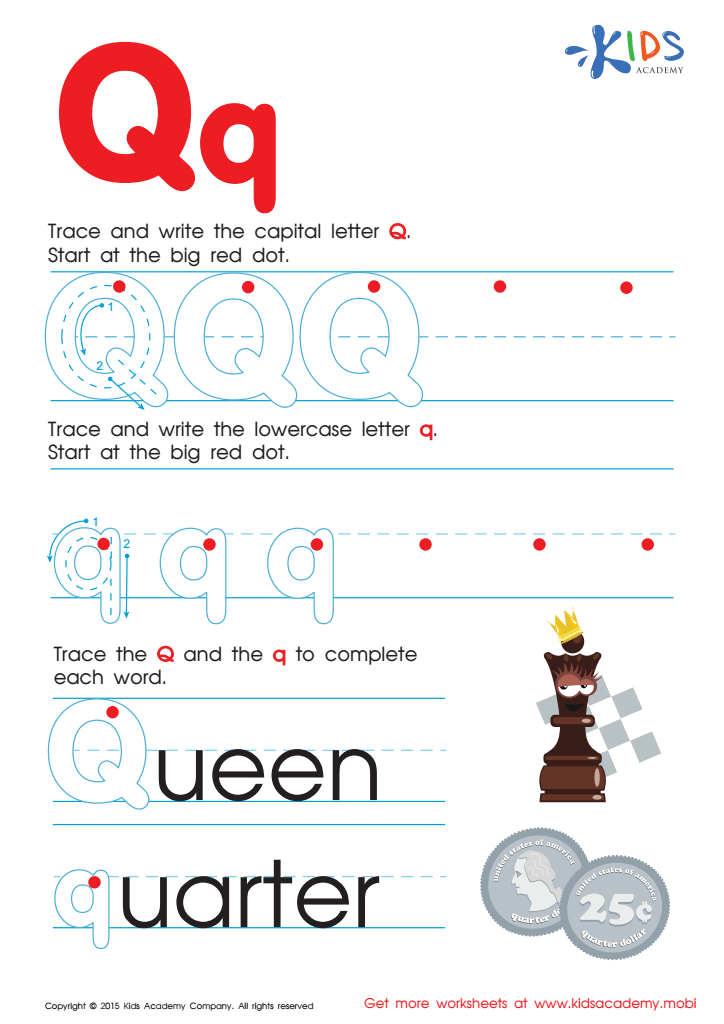
Letter Q Tracing Page
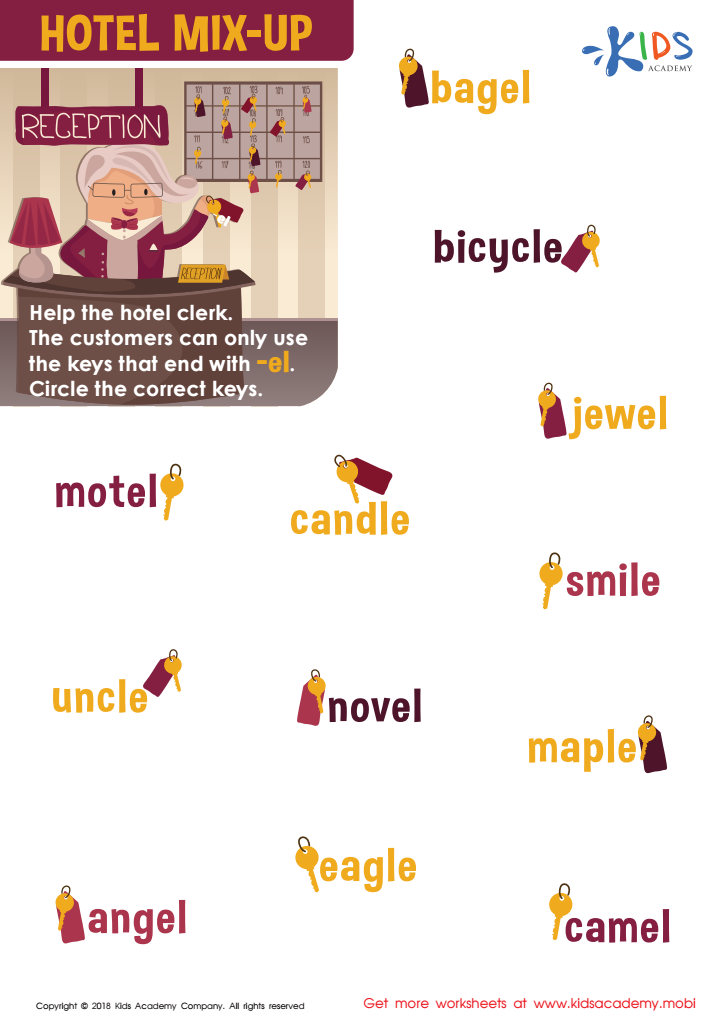
Hotel Mix-up Worksheet
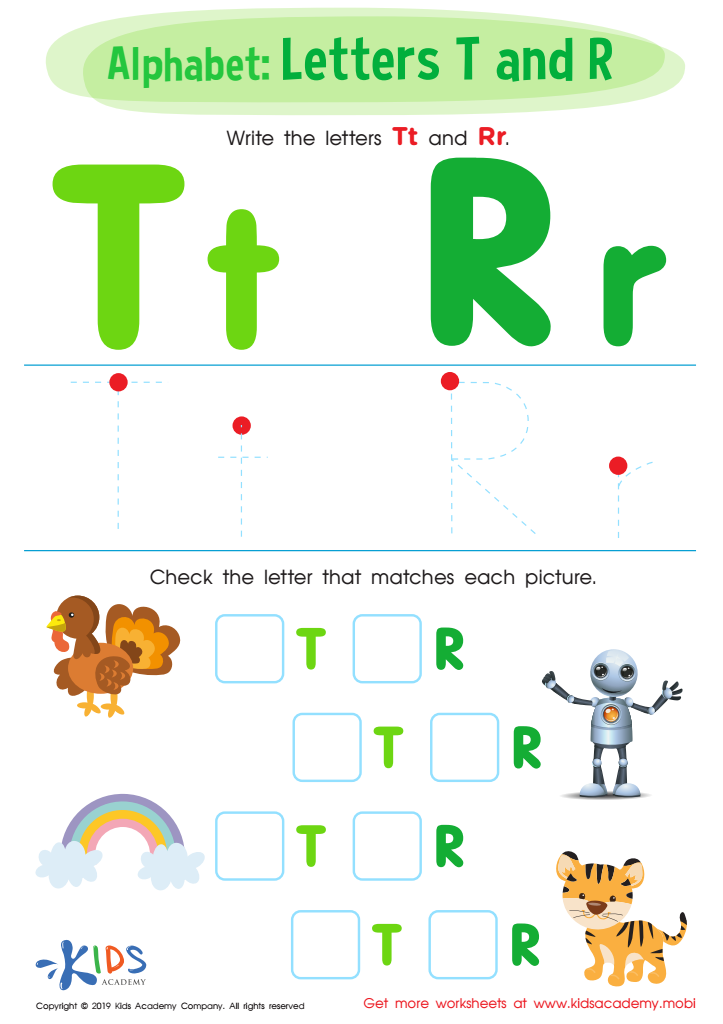
Letters T and R Worksheet
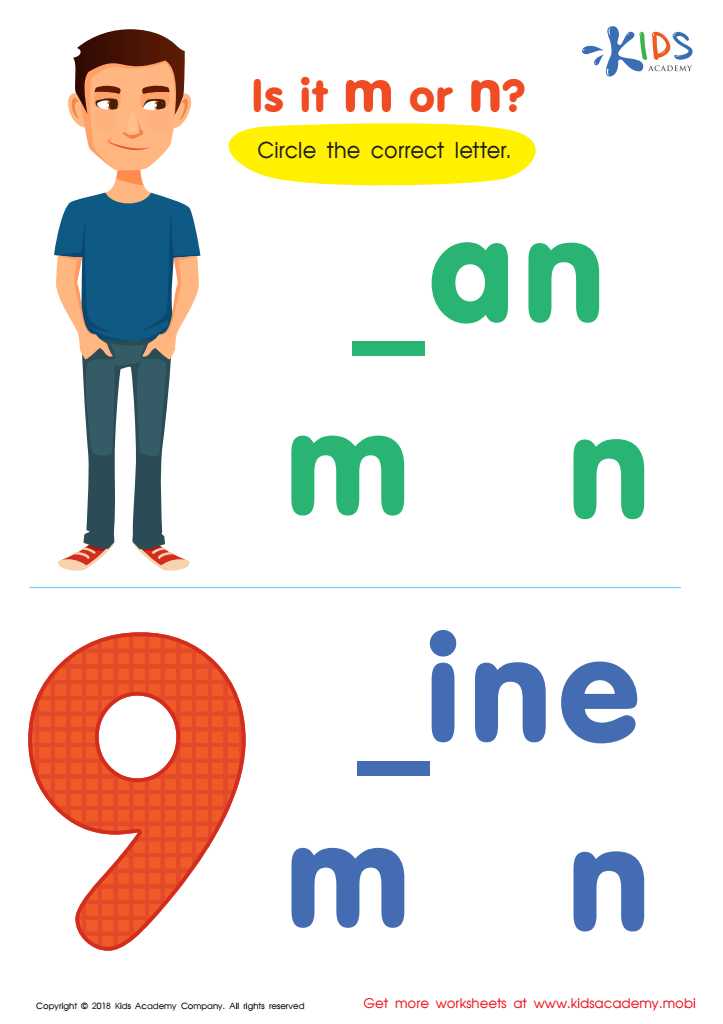
Is It m or n? Worksheet
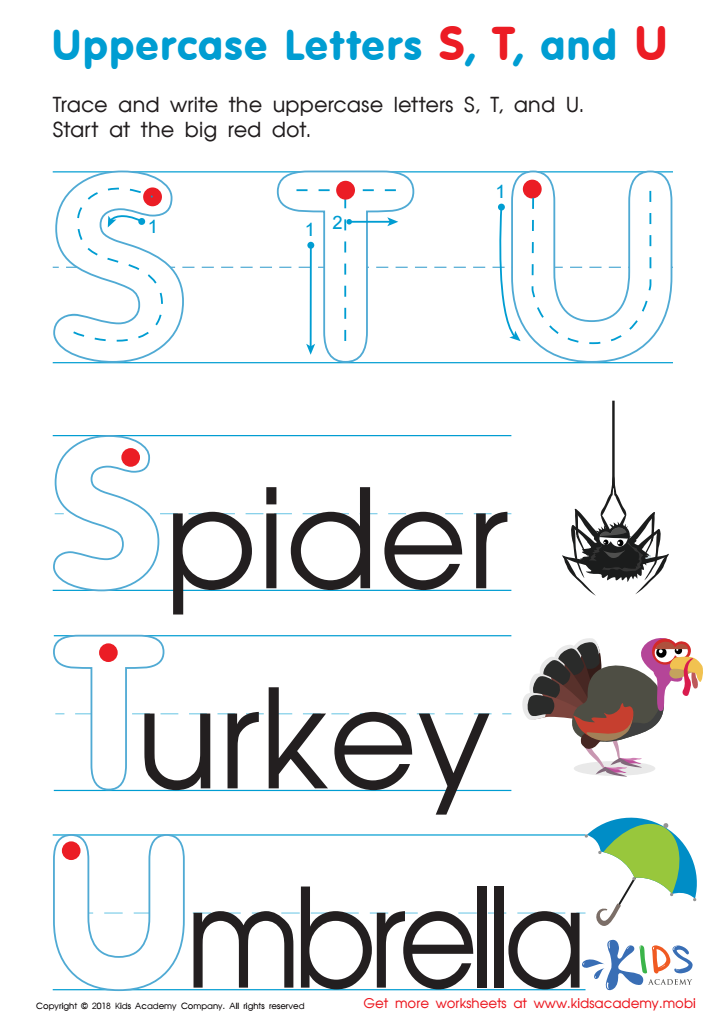
Uppercase Letters S, T, and U Worksheet
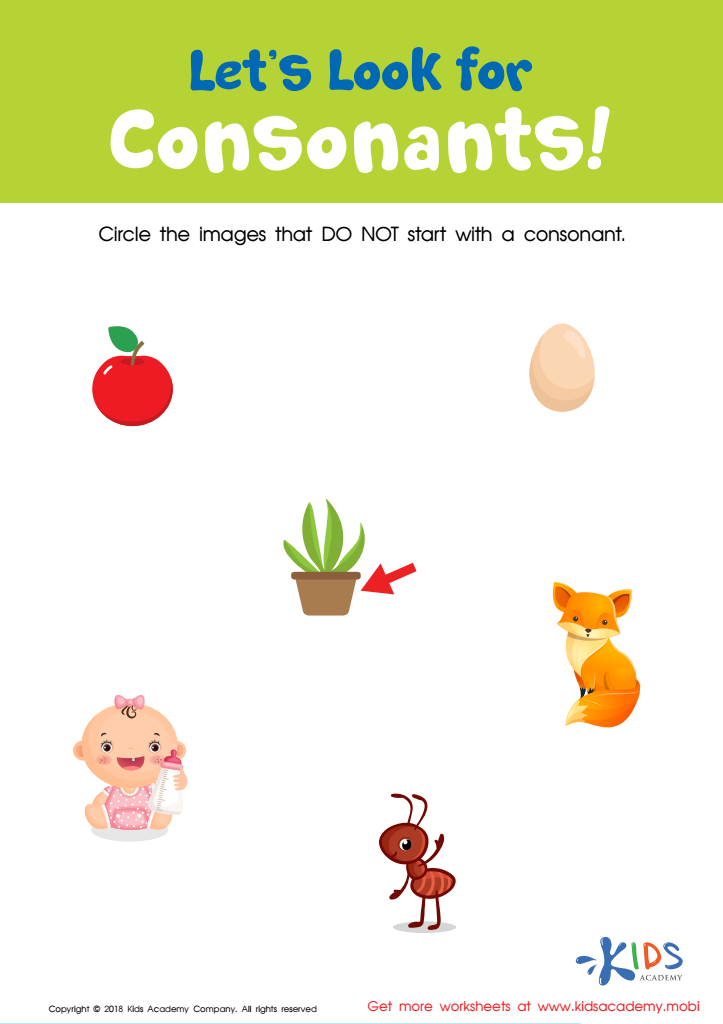
Let's Look for Consonants Worksheet
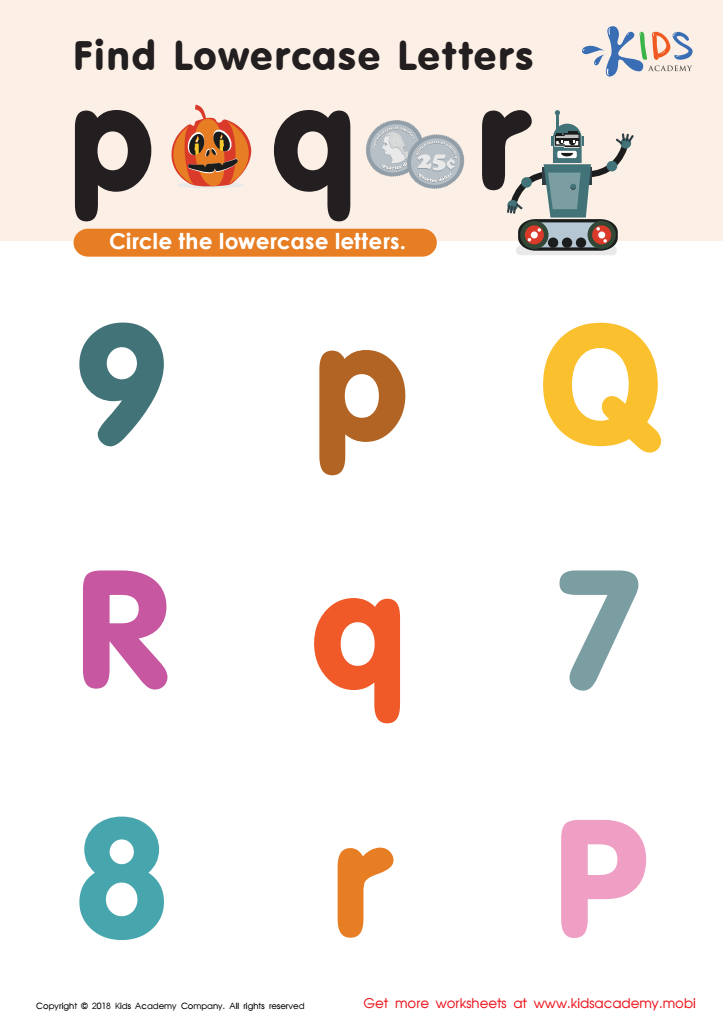
Find lowercase Letters p q r Worksheet
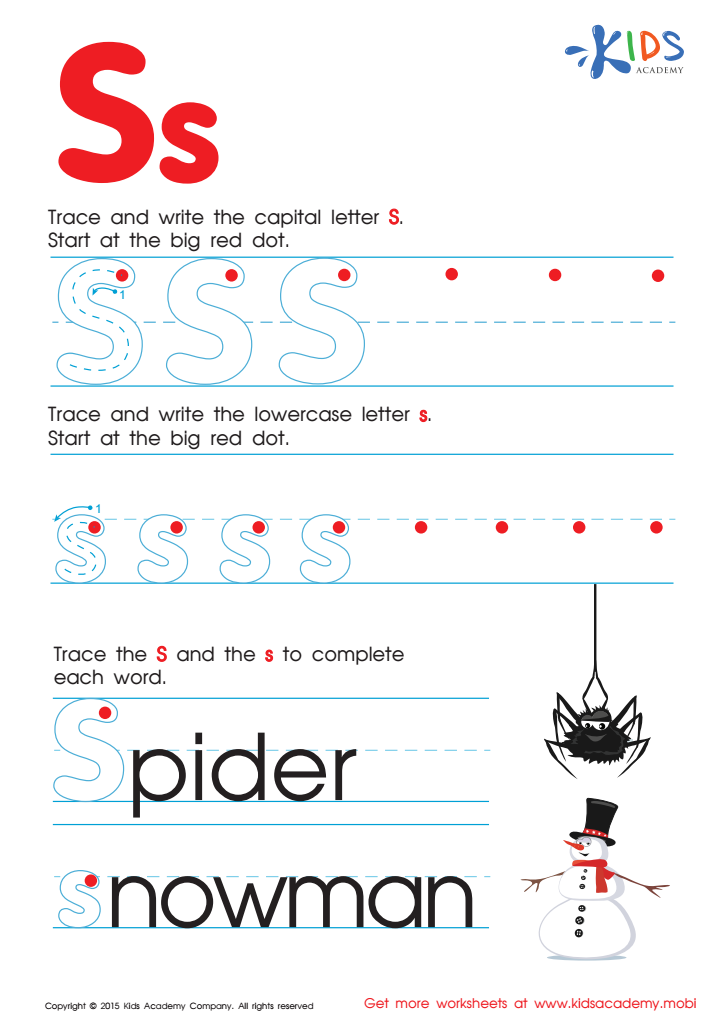
Letter S Tracing Page
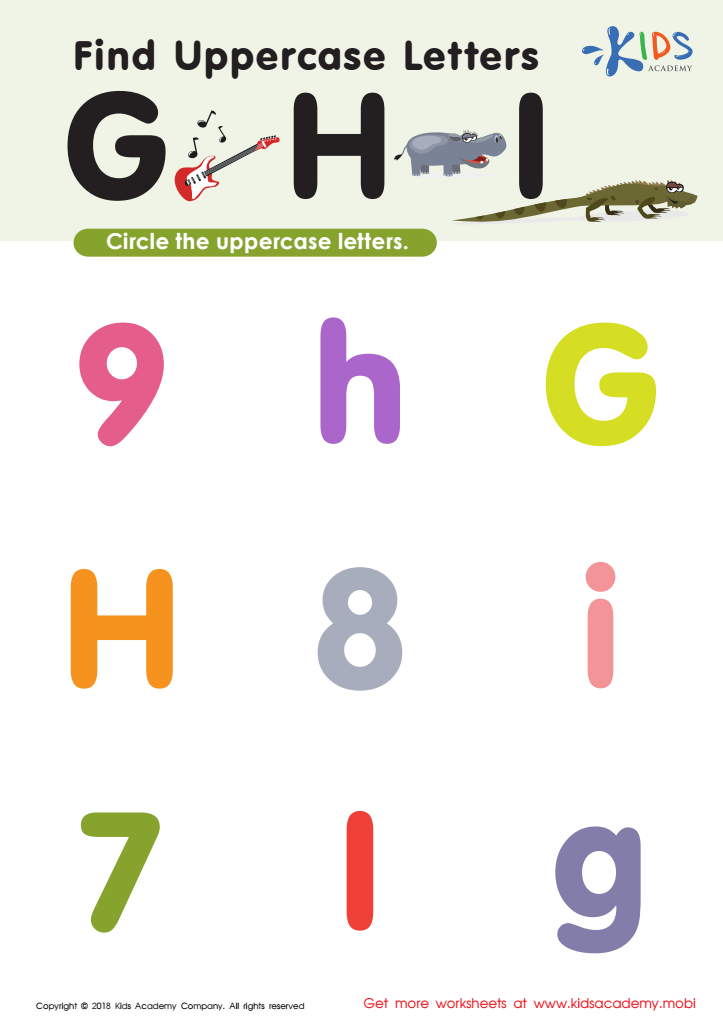
Find Uppercase Letters G, H, and I Worksheet








Letter recognition is fundamental for children aged 5-9 as it serves as the cornerstone for literacy development. During this critical developmental stage, children are beginning to make connections between spoken and written language, making letter recognition essential for both reading and writing skills.
Firstly, strong letter recognition aids in decoding—transforming written text into spoken language. Children who can readily identify letters are better equipped to sound out words, leading to improved reading fluency. This builds confidence, inspiring a love for reading that can last a lifetime.
Moreover, understanding letters boosts writing abilities. Children learn to form these letters and, in turn, express their thoughts and ideas effectively. Skilled writers who recognize letters can convey their knowledge and creativity, enhancing their overall academic performance.
Additionally, letter recognition promotes phonemic awareness, which is the ability to hear, identify, and manipulate sounds in words. This skill is crucial for spelling and vocabulary growth.
For educators and parents, fostering letter recognition in children is vital for setting a solid foundation upon which further literacy skills can be built, contributing to their overall academic success and lifelong learning. Engaging with children through fun activities, books, and games can enhance their motivation and enjoyment in this critical learning phase.







