Geometry Worksheets for Ages 6-8 - Page 2
176 filtered results
-
From - To
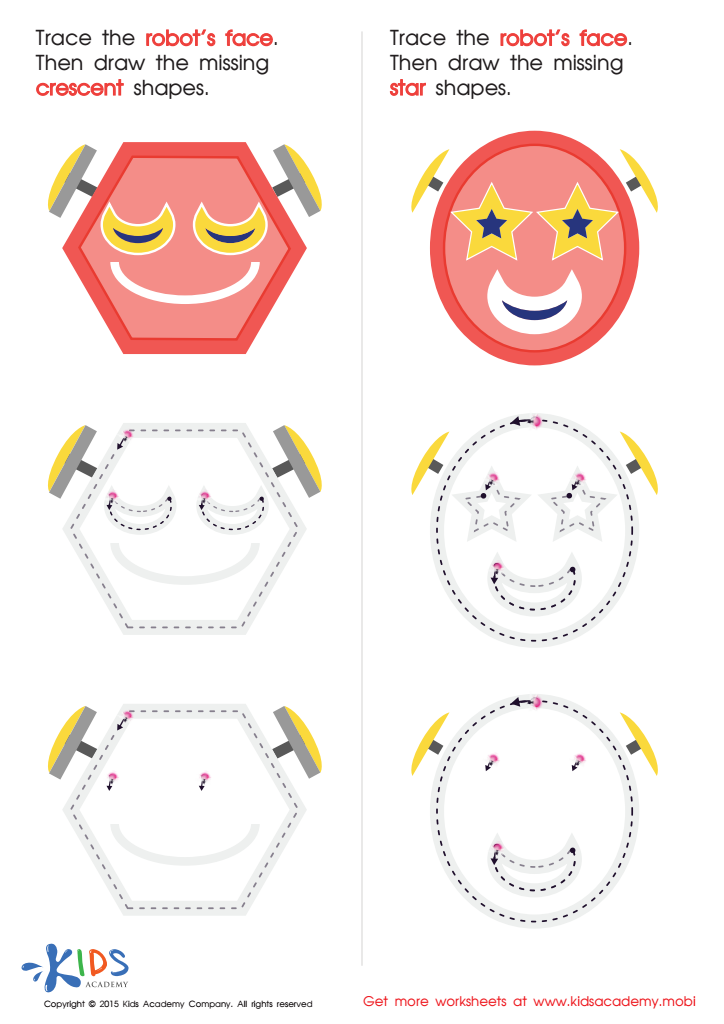
Composing a Robot's Face of Crescents And Stars Worksheet
 Assign to My Students











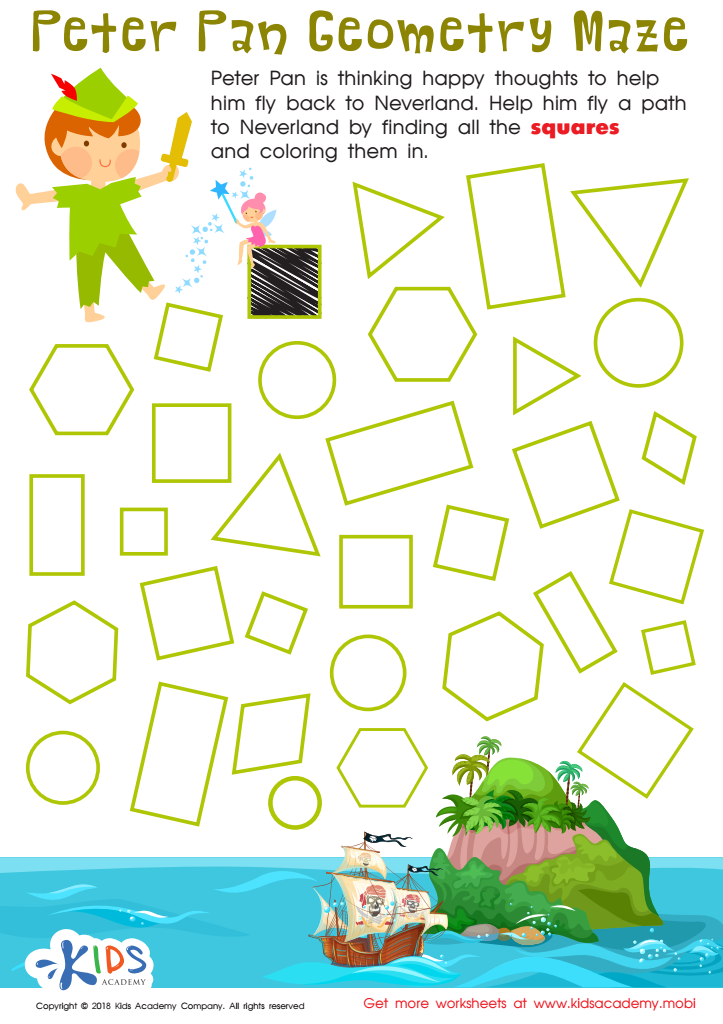
Peter Pan Worksheet
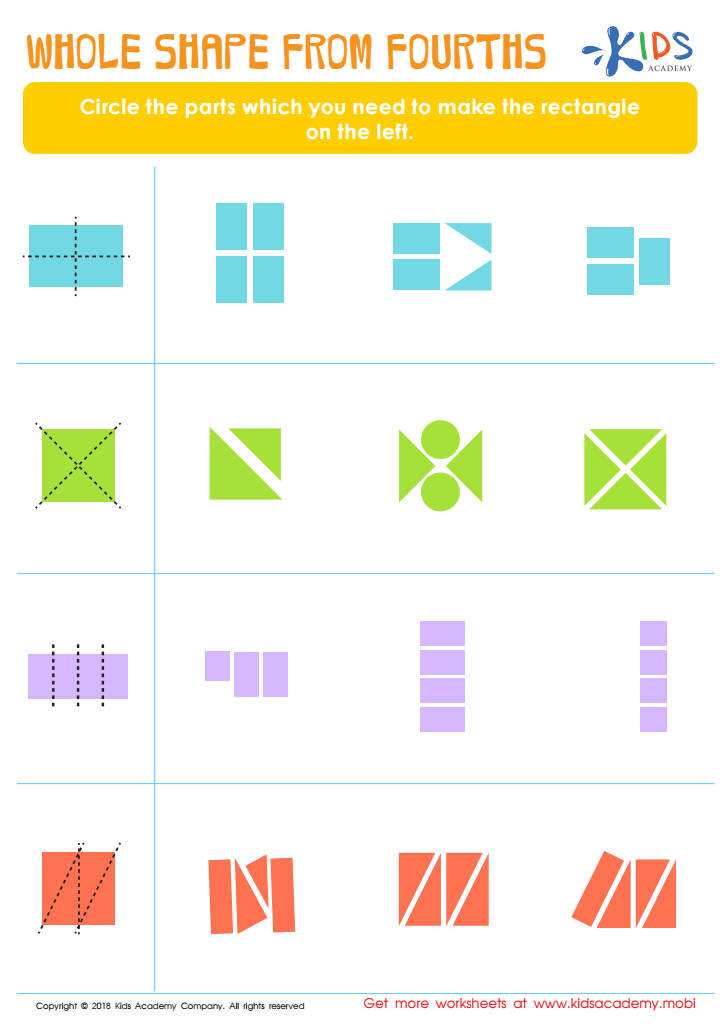
Whole Shape from Fourths Worksheet
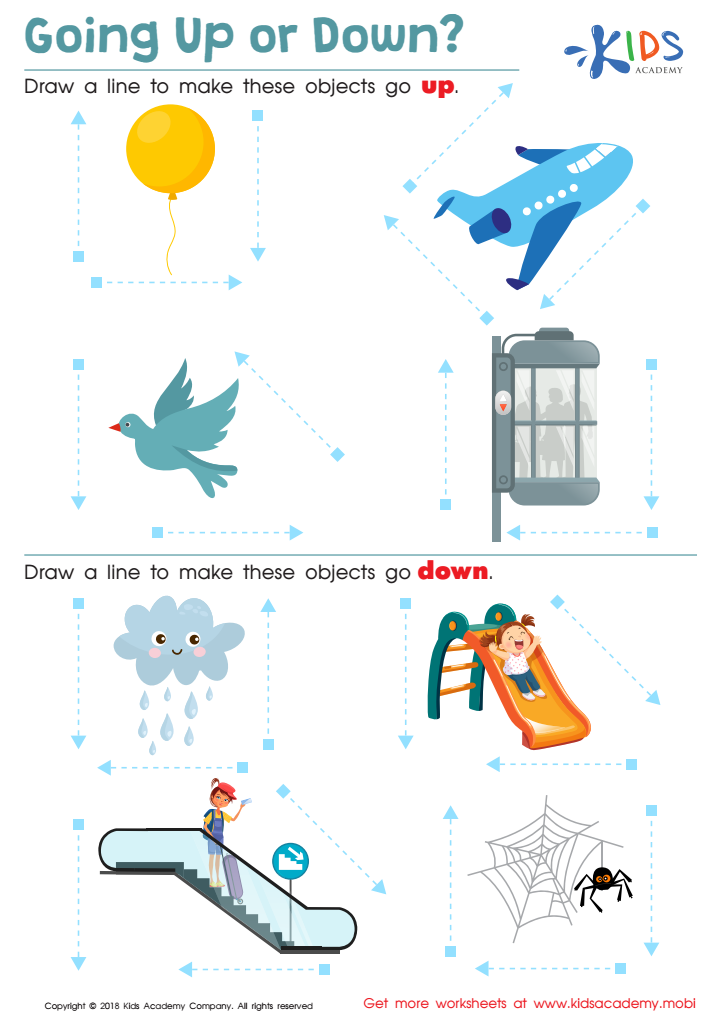
Going up or Down? Worksheet
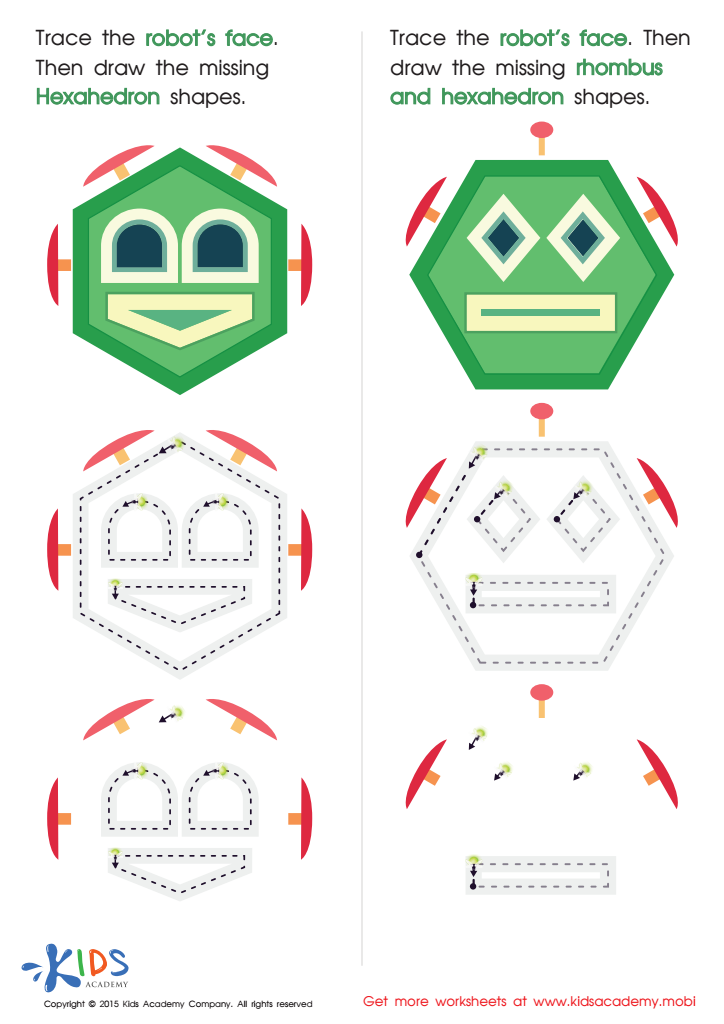
Practice Drawing Hexahedrons And a Rhombus Worksheet
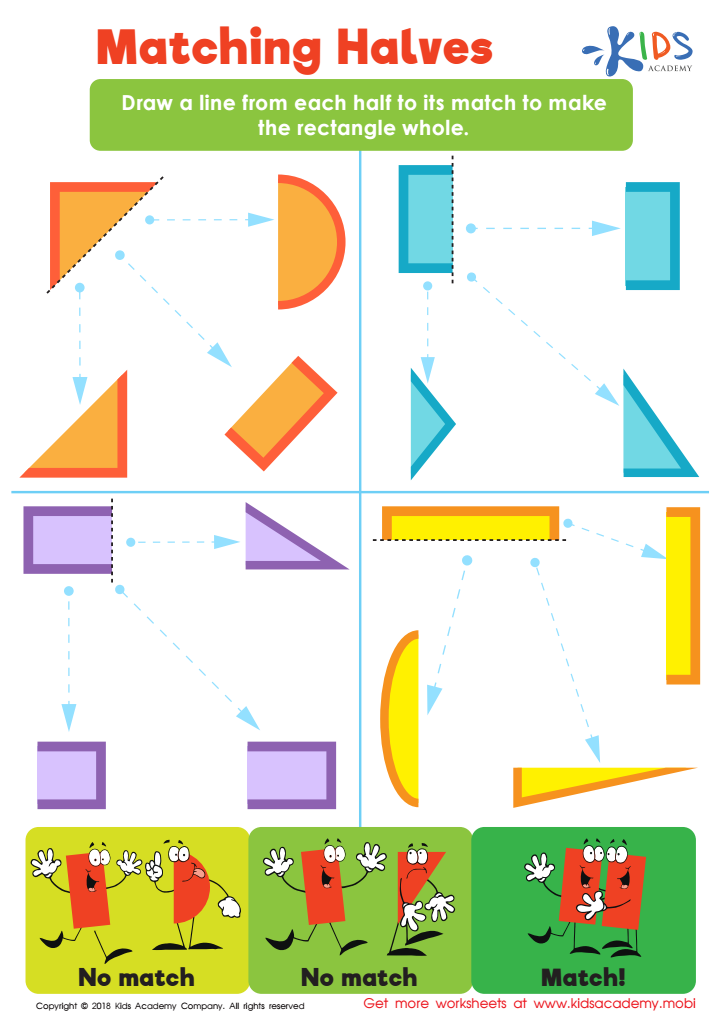
Matching Halves Worksheet
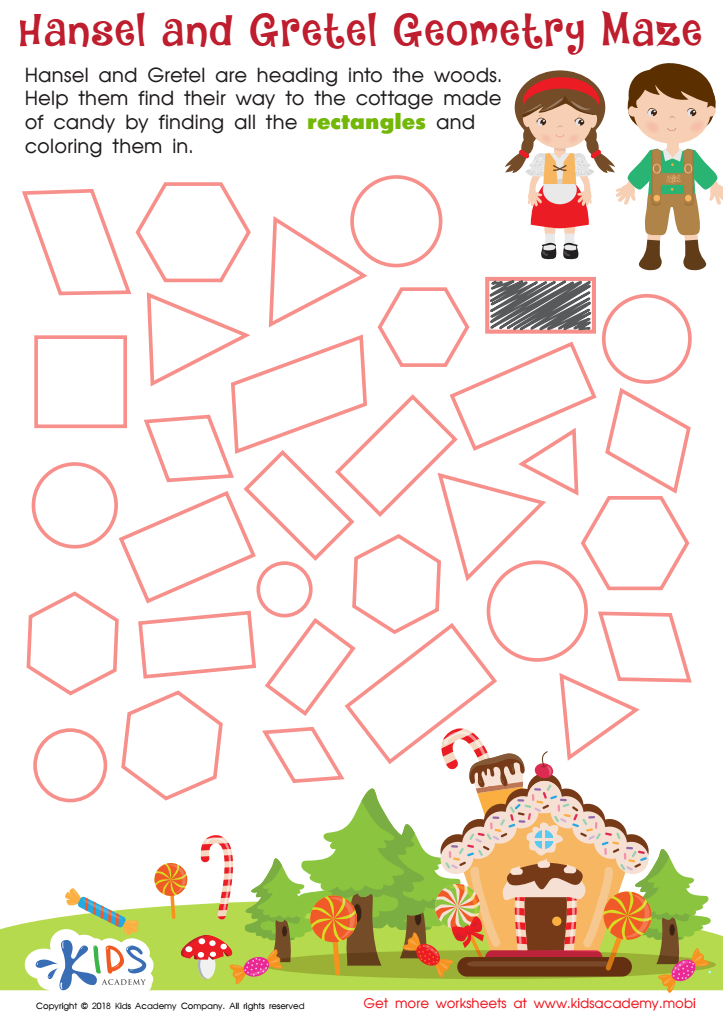
Hansel and Gretel Geometry Maze Worksheet
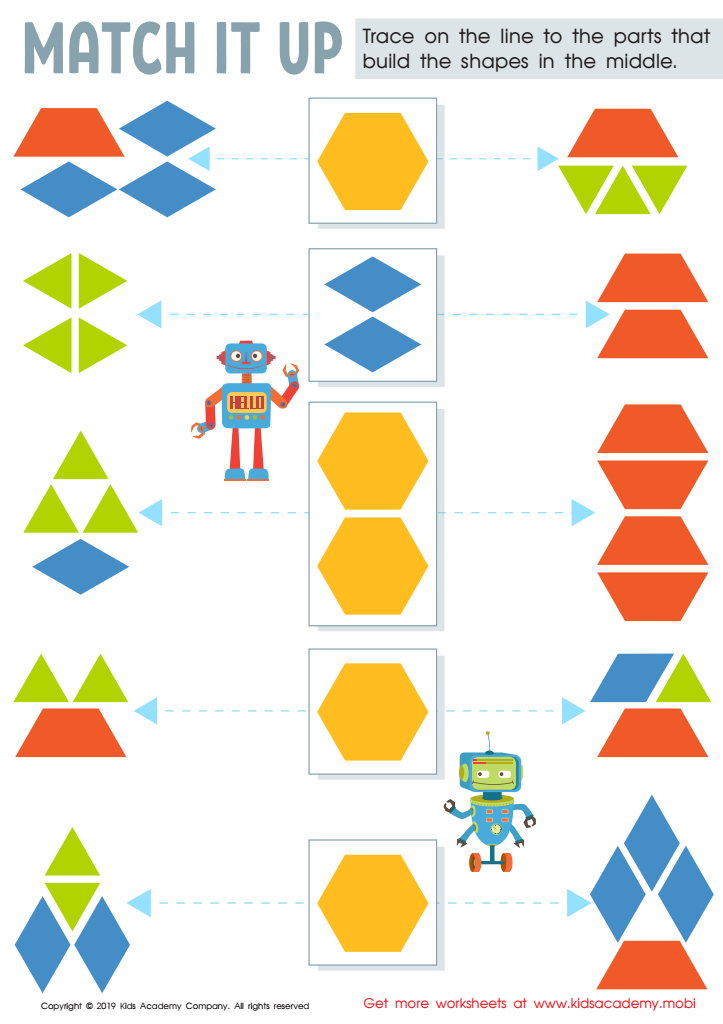
Match It up Worksheet
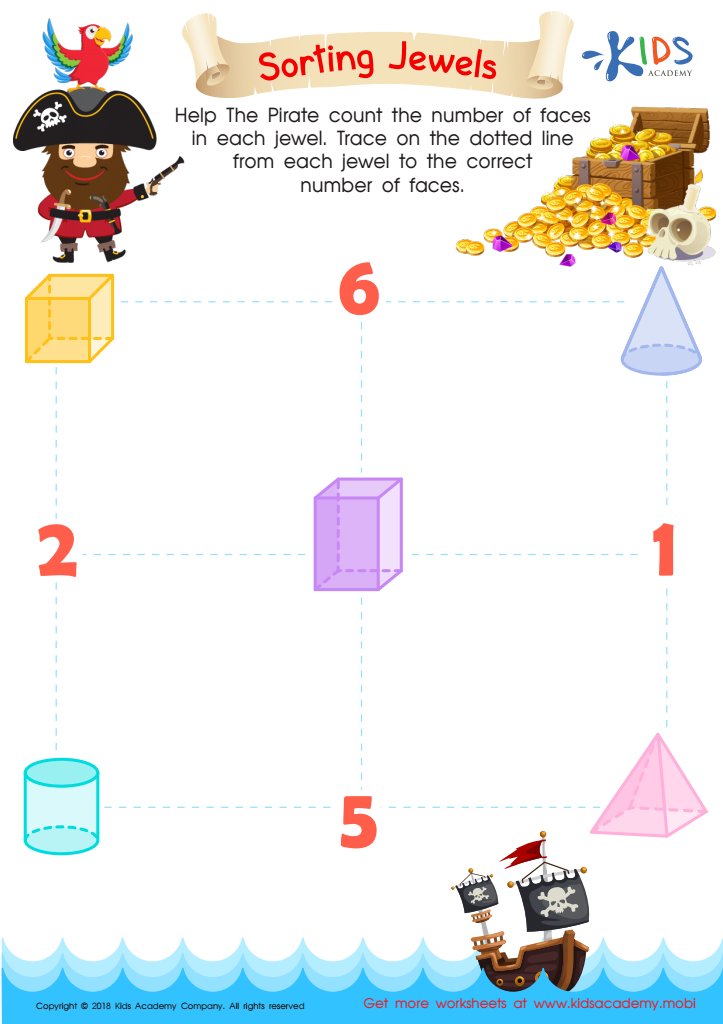
Sorting Jewels Worksheet
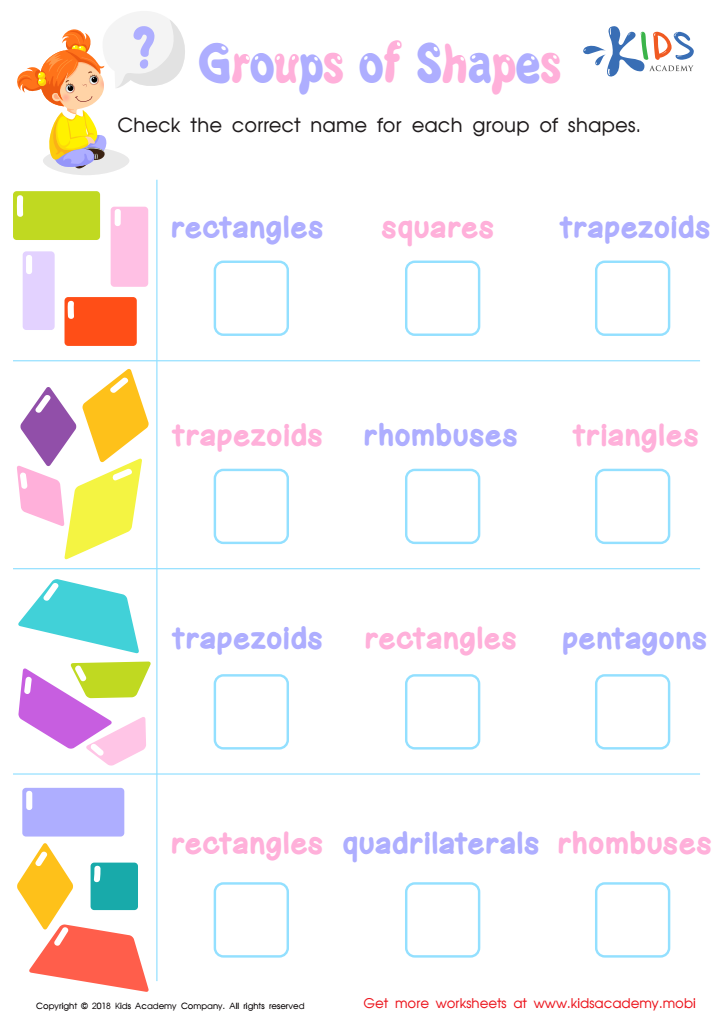
Groups of Shapes Worksheet
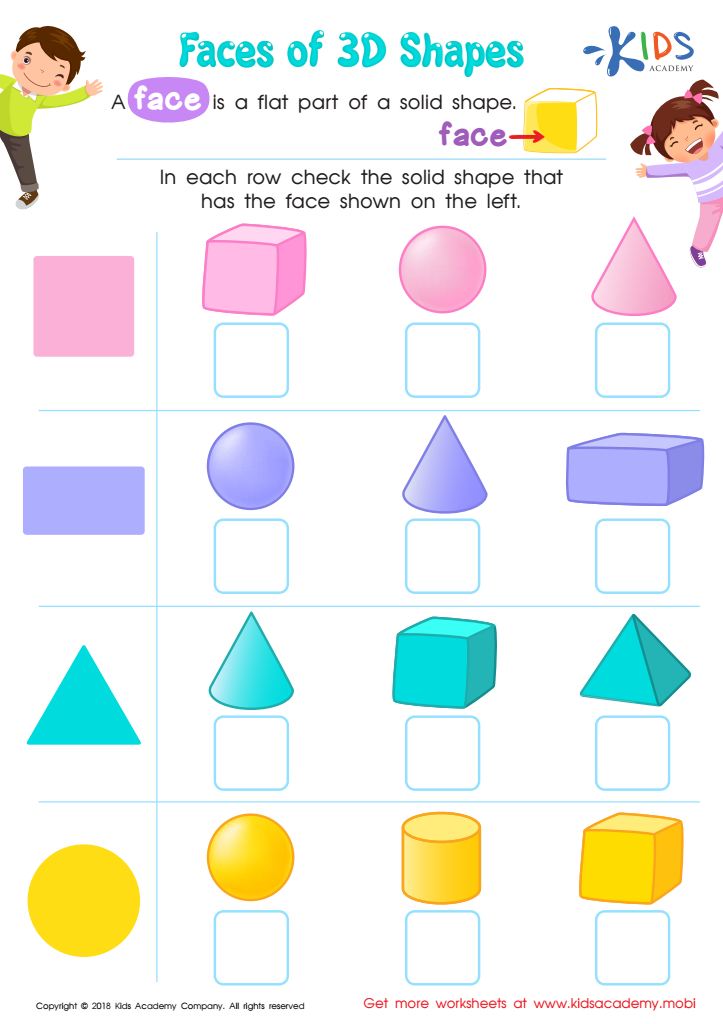
Faces of 3D Shapes Worksheet
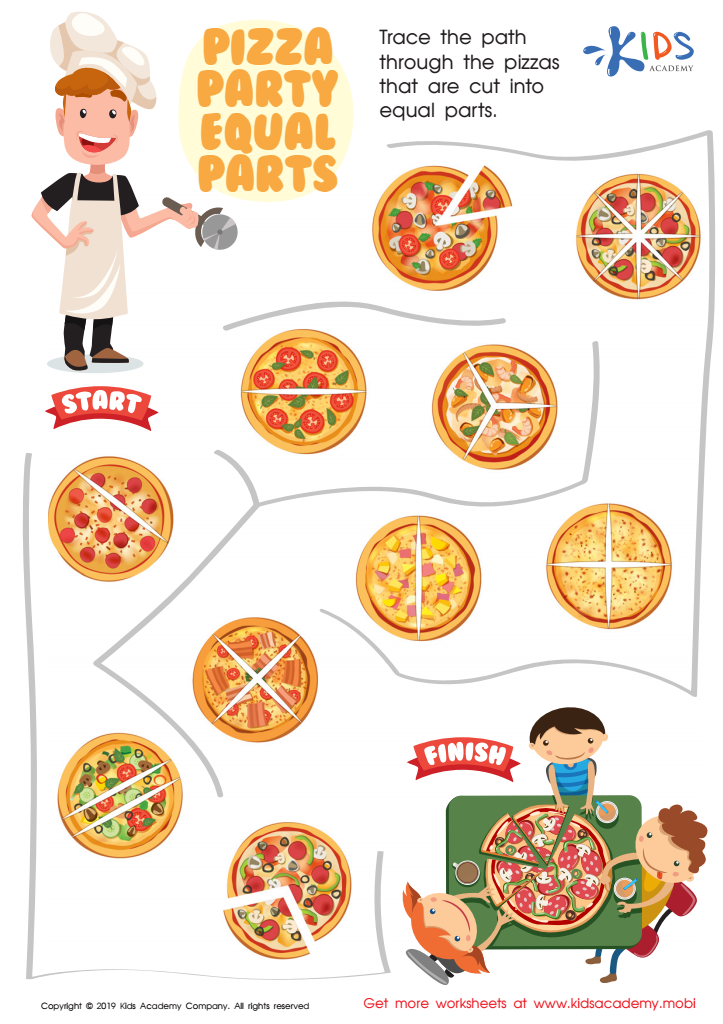
Pizza Party Equal Parts Worksheet
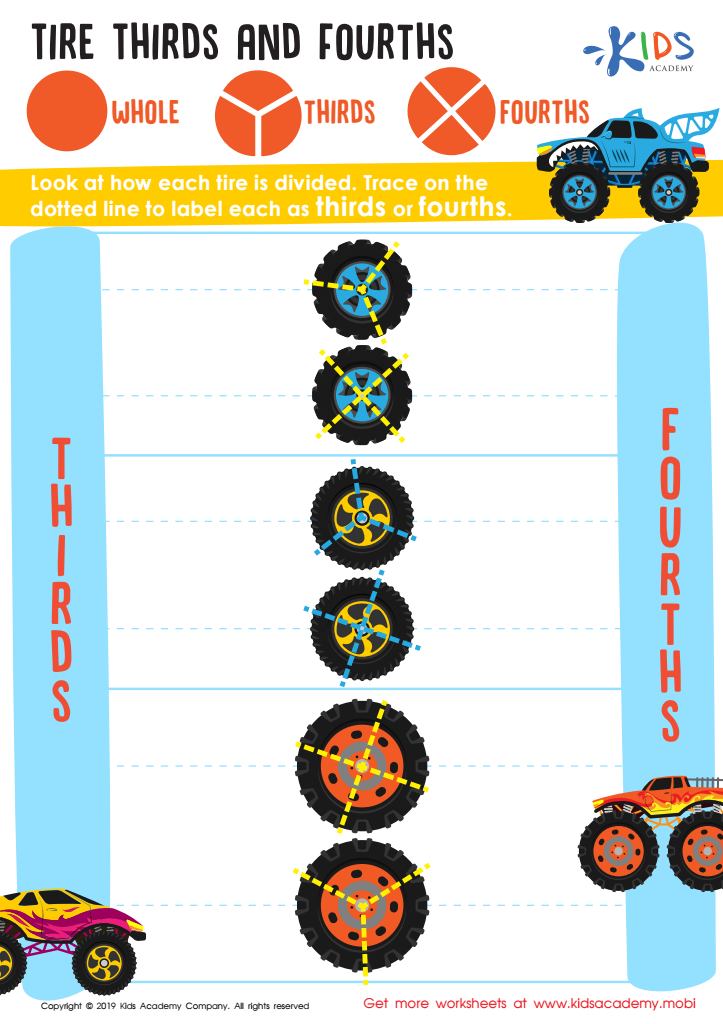
Tire Thirds and Fourths Worksheet
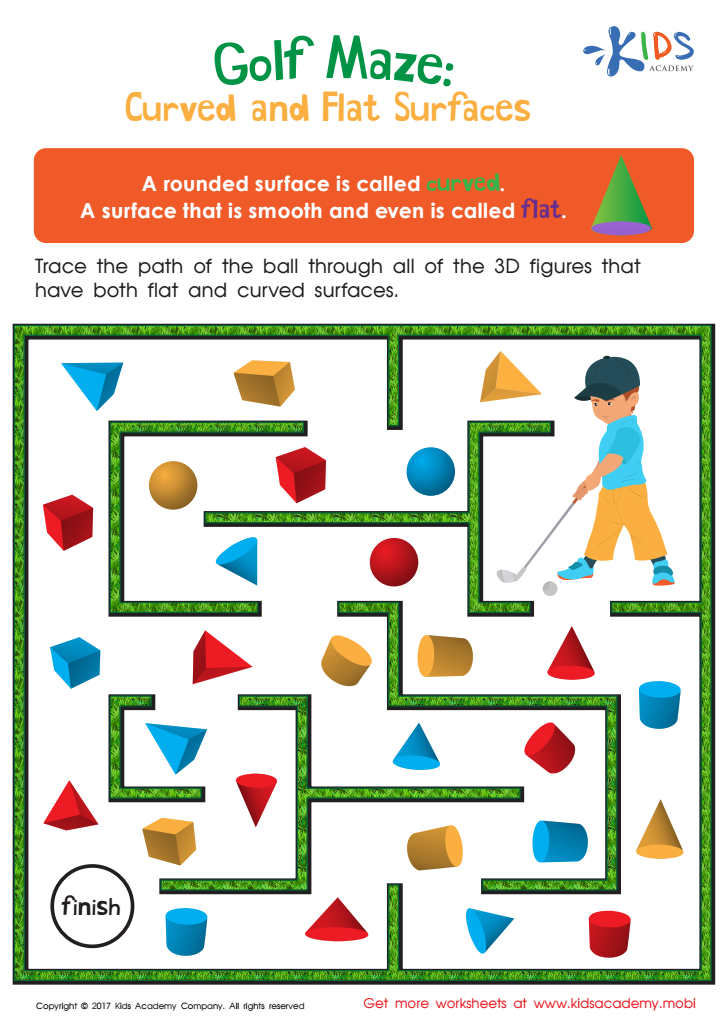
Golf Maze: Curved and Flat Surfaces Worksheet
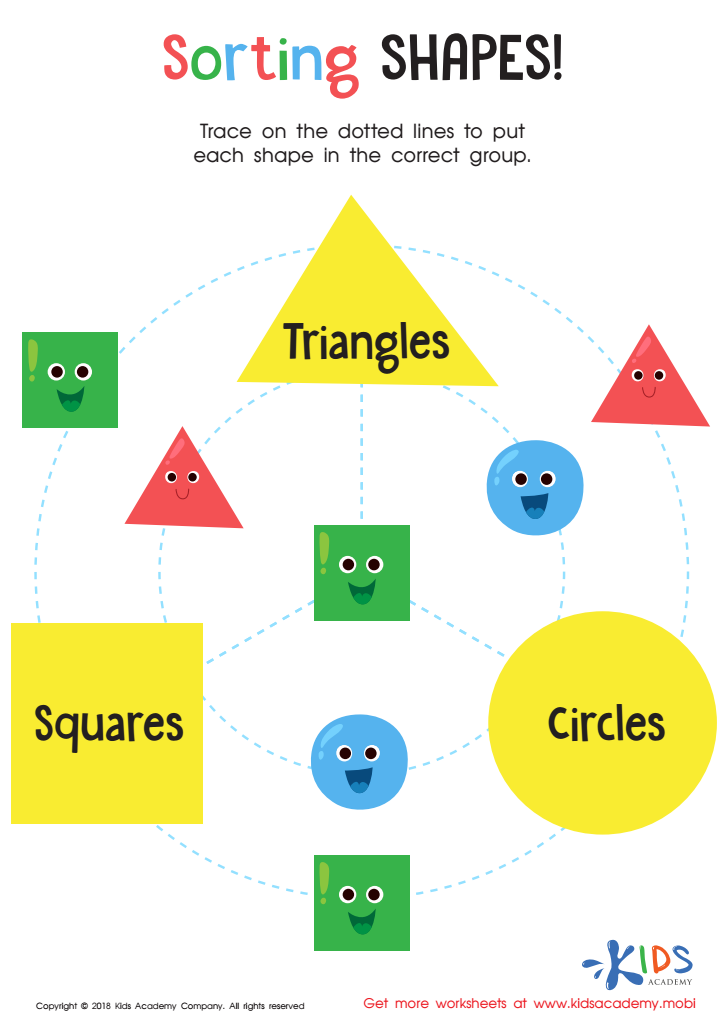
Sorting Shapes - Part 3 Worksheet
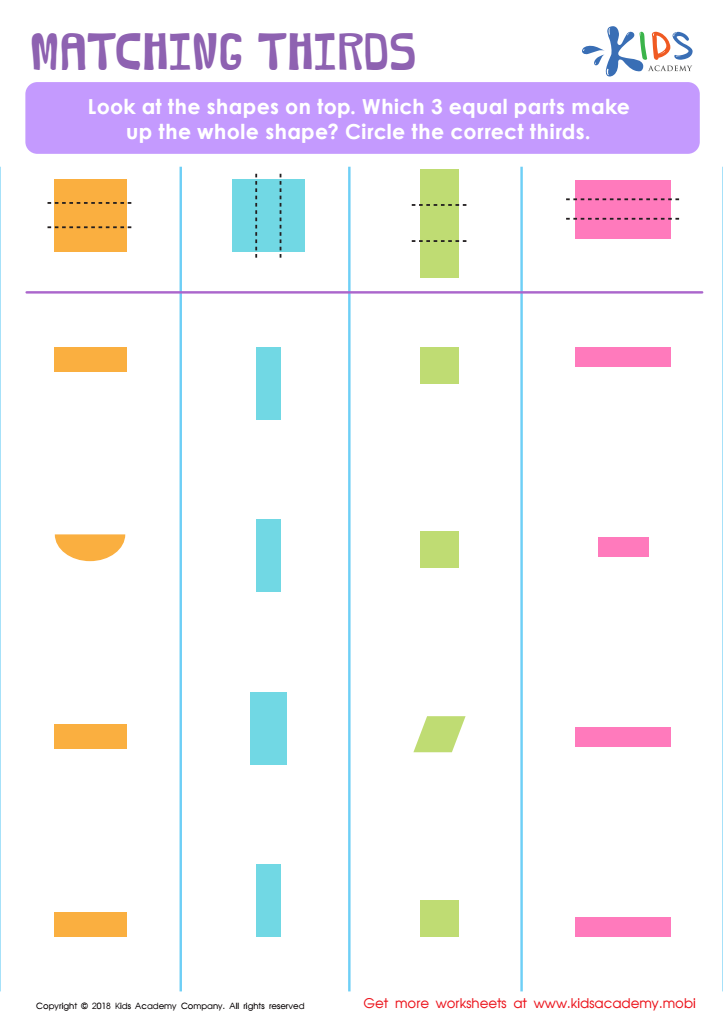
Matching Thirds Worksheet
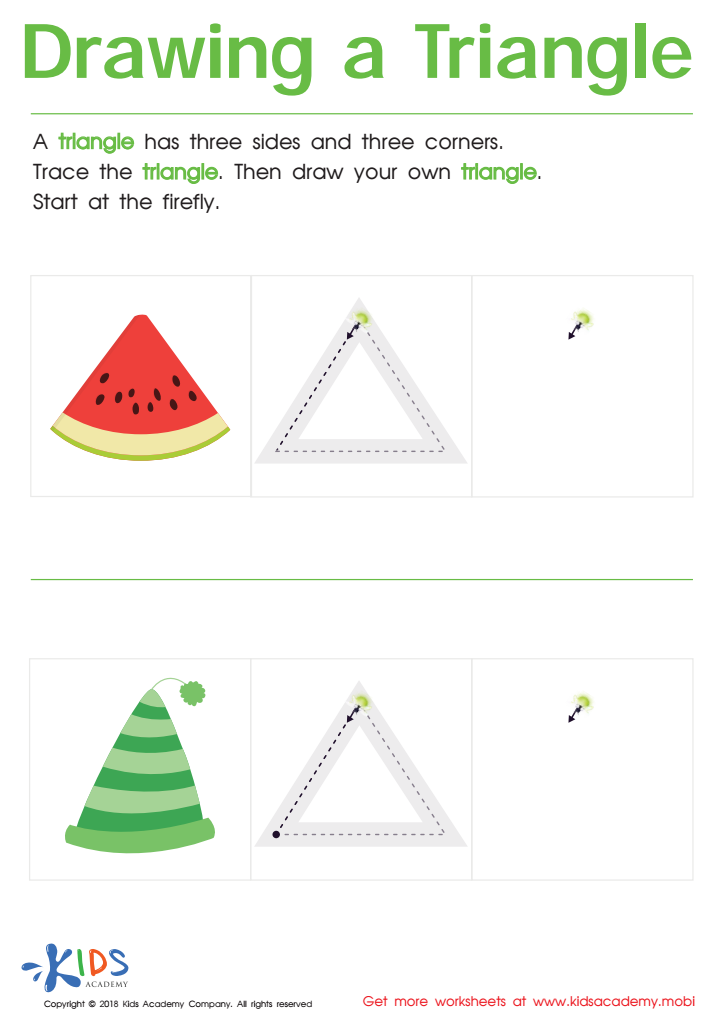
Drawing a Triangle Worksheet
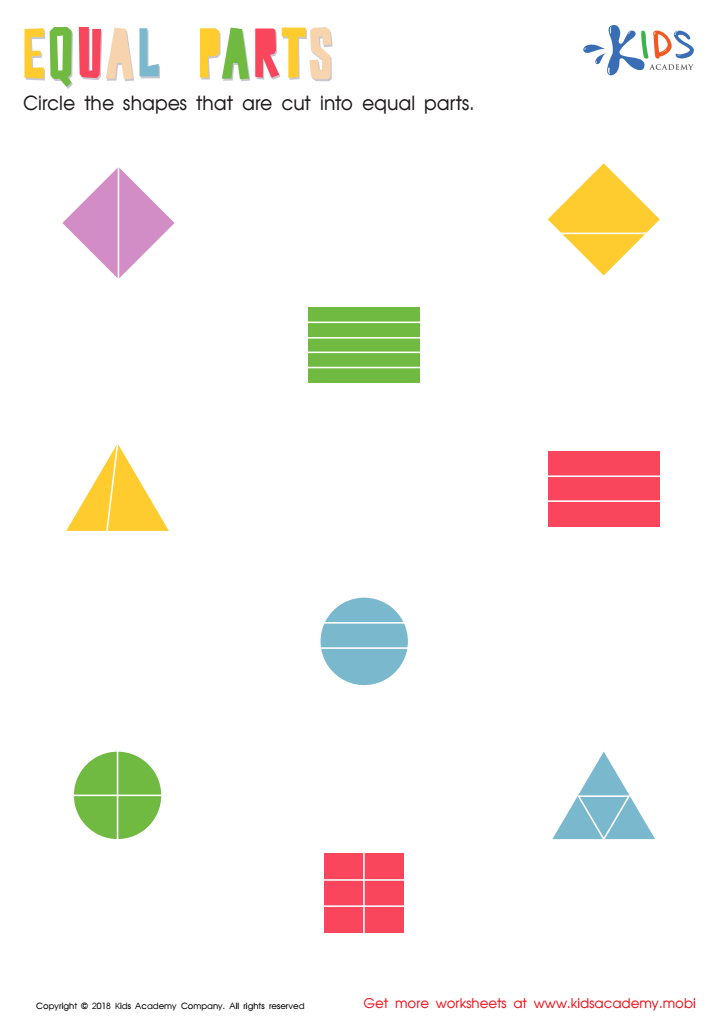
Equal Parts: Shapes Worksheet
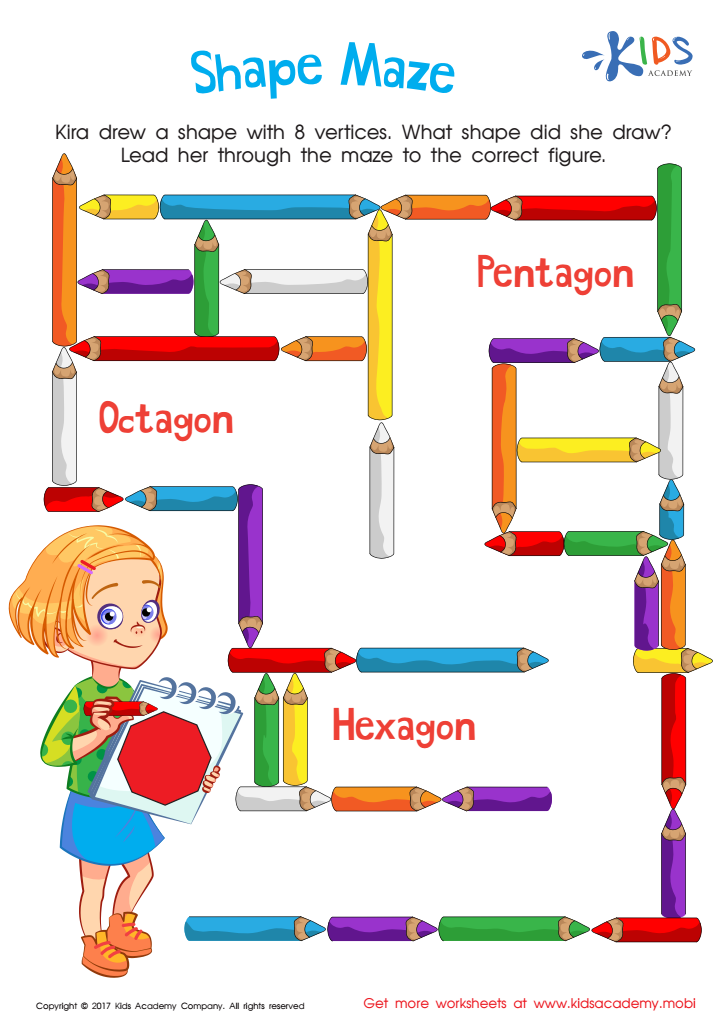
Shape Maze Worksheet
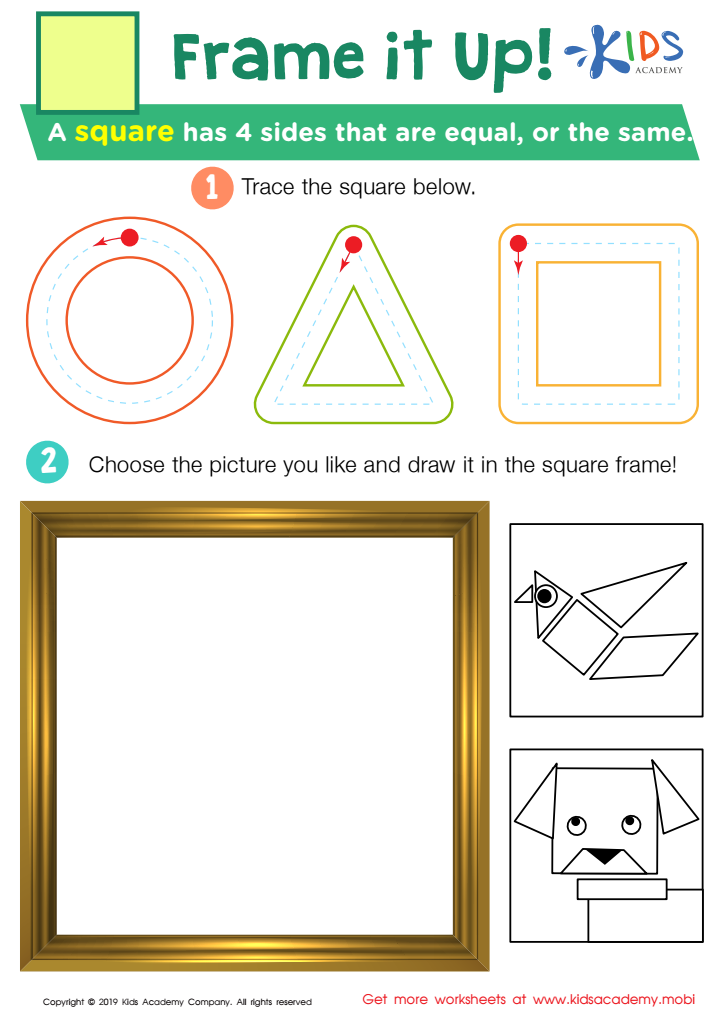
Frame it Up Worksheet
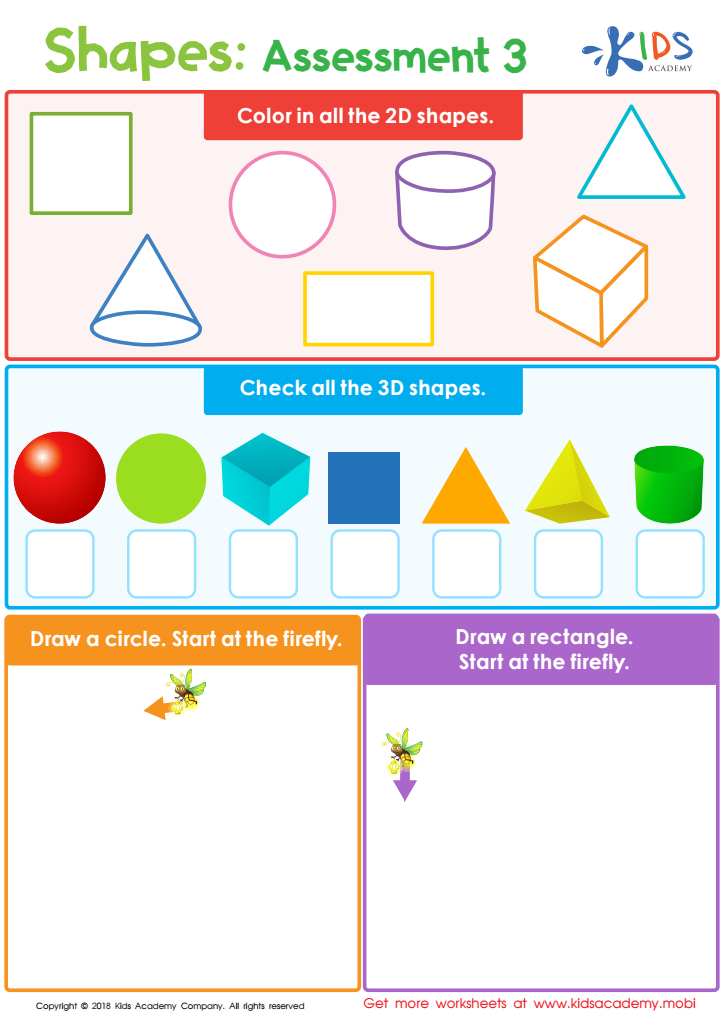
Shapes: Assessment 3 Worksheet
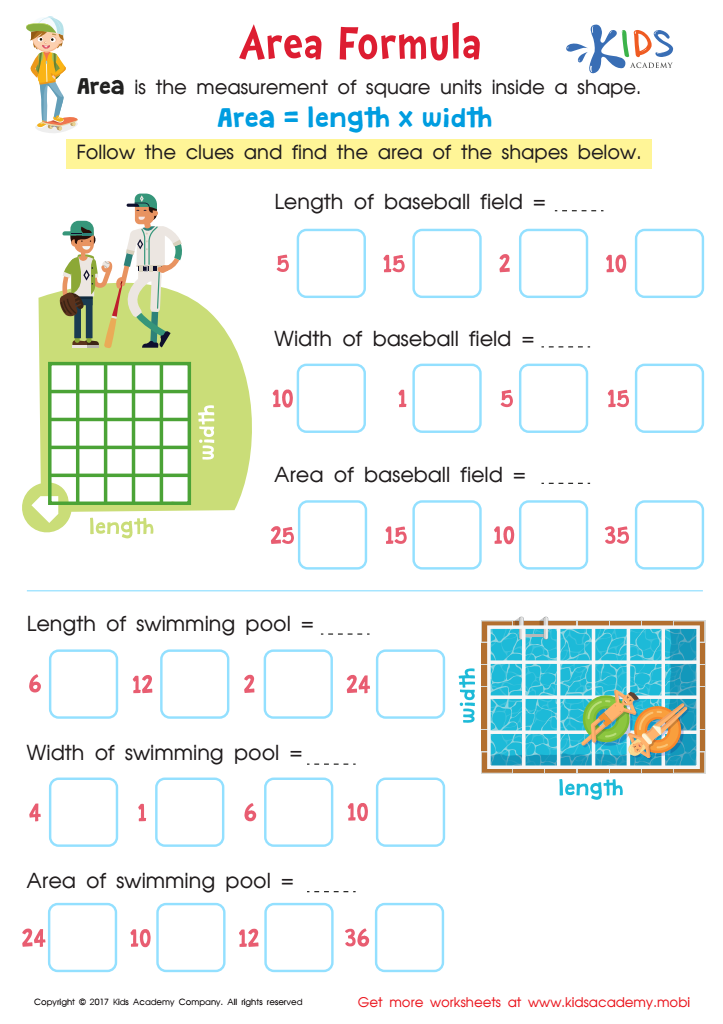
Area Formula Worksheet
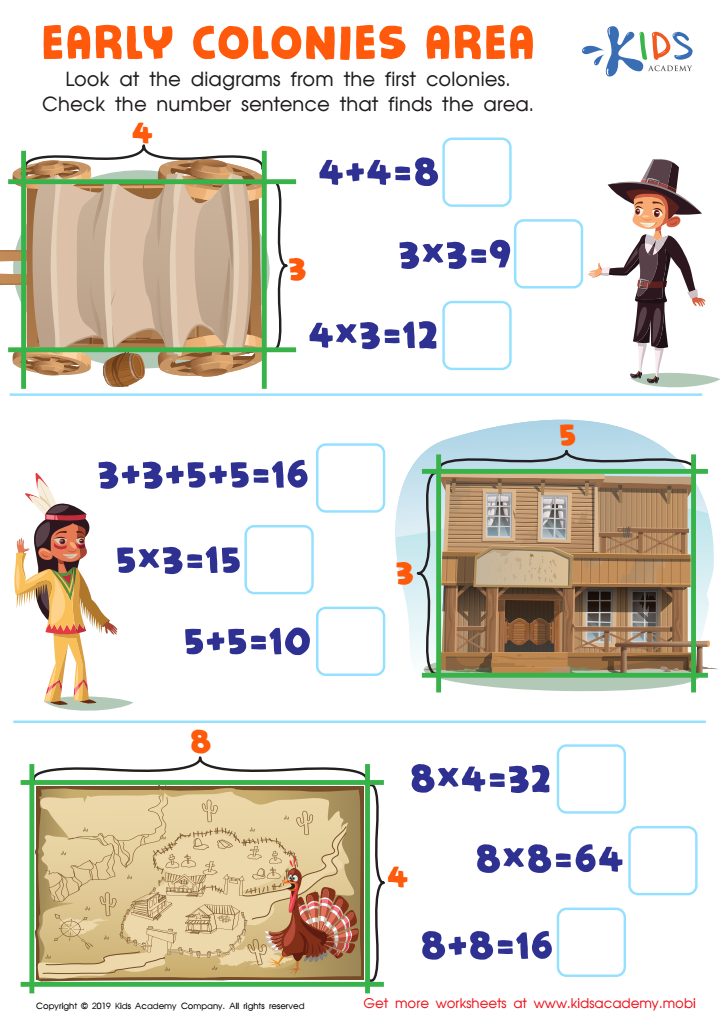
Early Colonies Area Worksheet








Geometry for children aged 6-8 is crucial as it lays the foundational building blocks for more advanced mathematical concepts and critical thinking skills. At this developmental stage, children are highly receptive to visual and spatial learning. Geometry helps them understand shapes, sizes, spaces, and positions, essential concepts in both everyday life and future academic pursuits.
Understanding geometric principles allows young learners to develop spatial awareness, which is critical for tasks ranging from reading maps to assembling puzzles. This awareness helps children identify patterns and relationships in their environment, enhancing problem-solving skills and boosting their overall cognitive development.
Moreover, engaging with geometry at an early age supports the development of fine motor skills through activities like drawing shapes or constructing objects. It strengthens language skills as children learn to describe their world using geometric terms. Teachers and parents can make learning interactive and fun through hands-on activities, such as using blocks, drawing with rulers, or playing educational games, making the abstract concepts of geometry more tangible.
Lastly, early exposure to geometry fosters a positive attitude towards mathematics, helping to alleviate math anxiety and build confidence. By caring about geometry for young children, parents and teachers support a holistic approach to education that empowers kids with the skills they need for future academic and real-life success.








