Tracing Letters Worksheets for Ages 7-9 - Page 2
43 filtered results
-
From - To
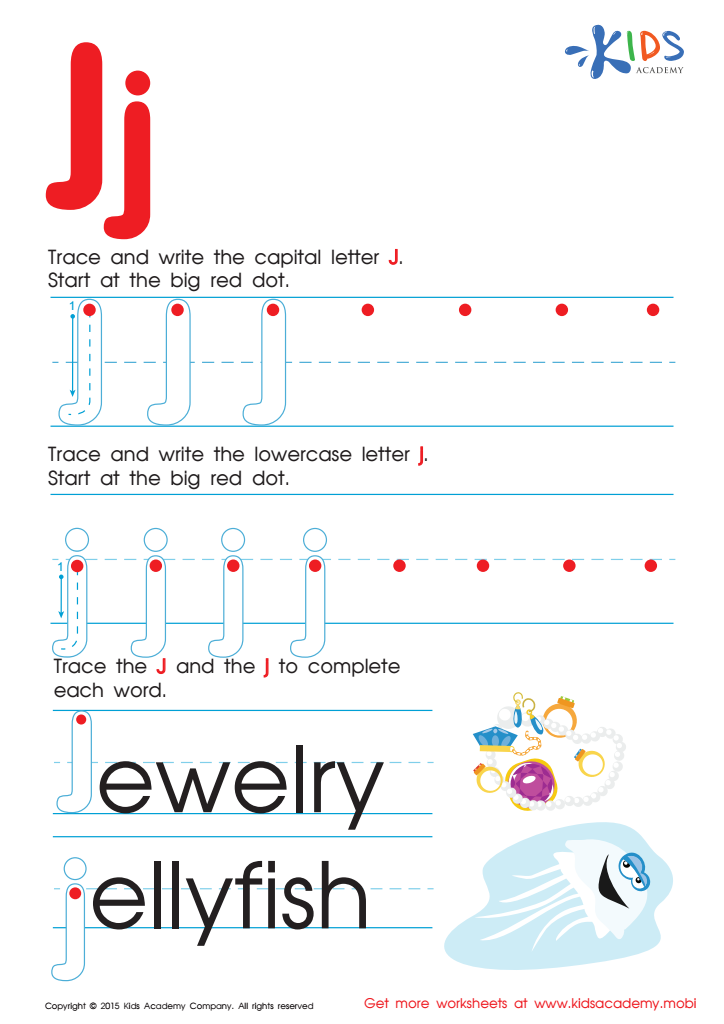
Letter J Tracing Page
 Assign to My Students
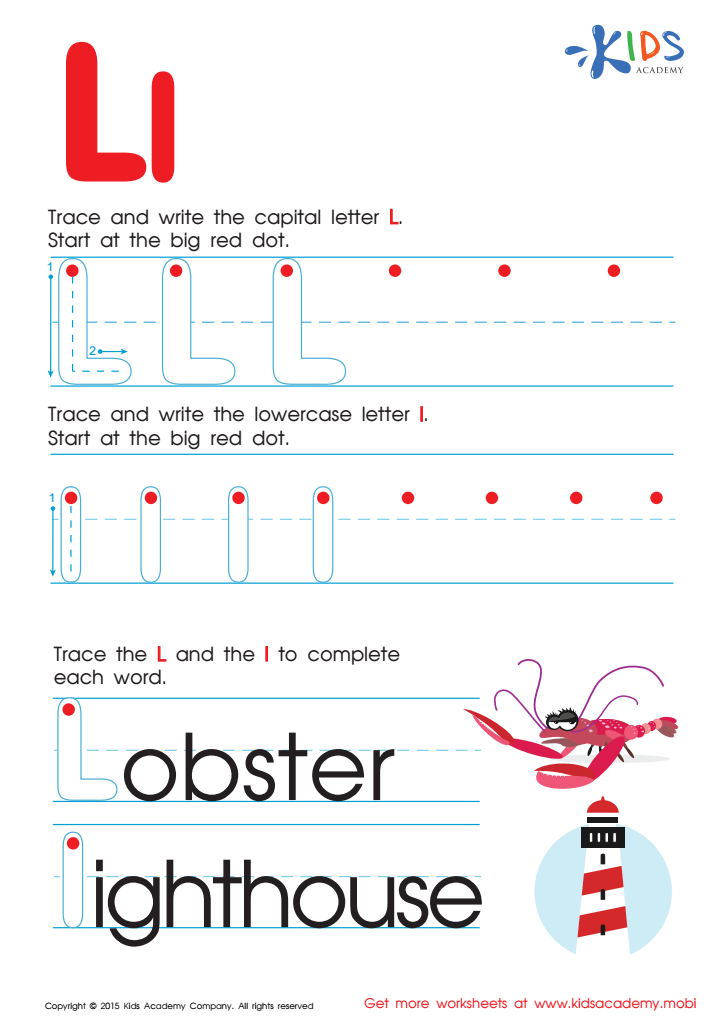
Letter L Tracing Page
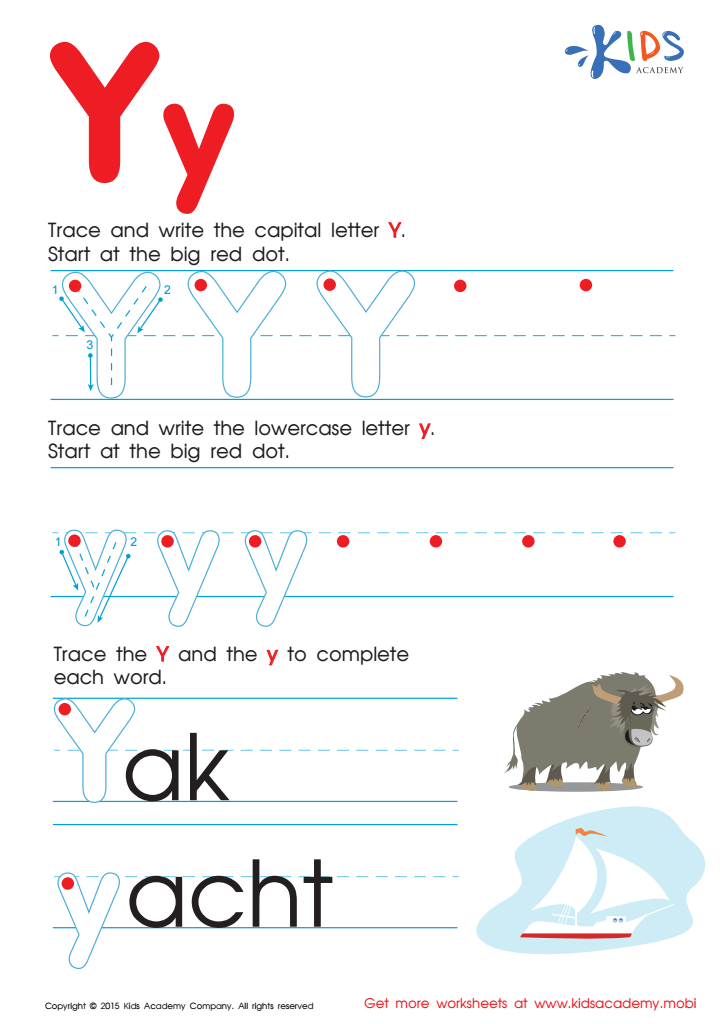
Letter Y Tracing Page
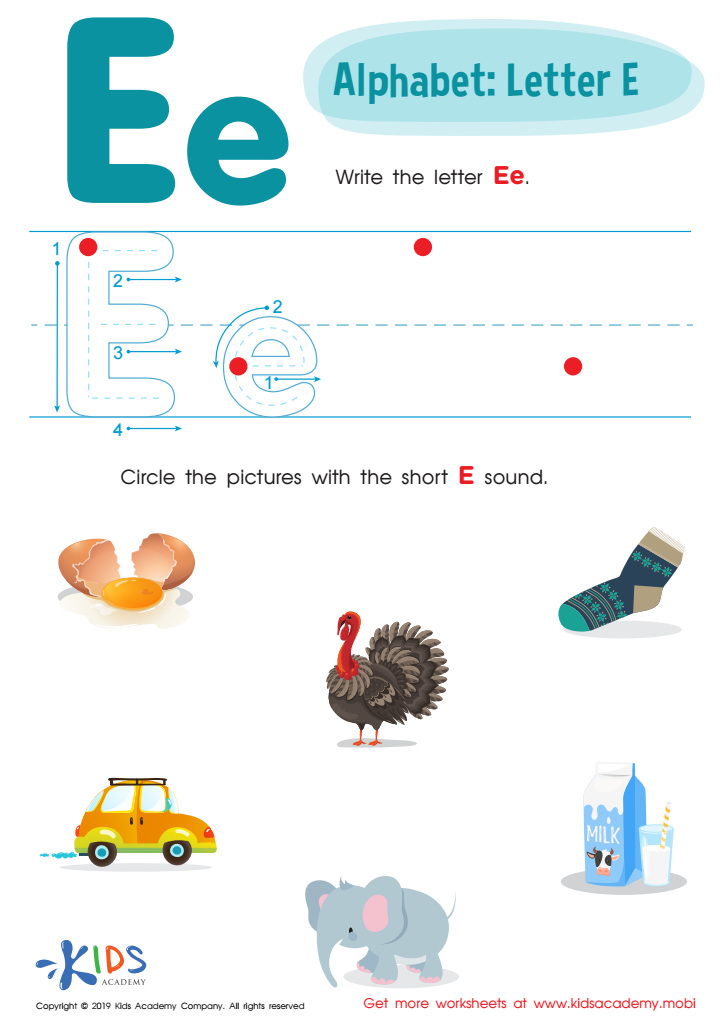
Letter E Tracing Worksheet
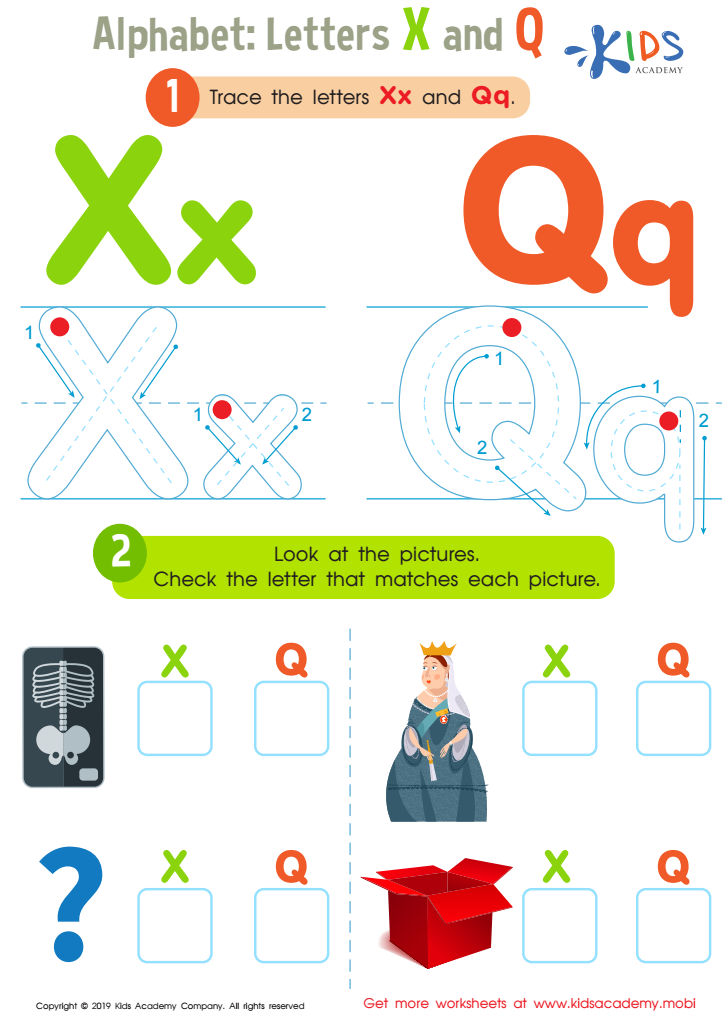
Letters X and Q Tracing Worksheet
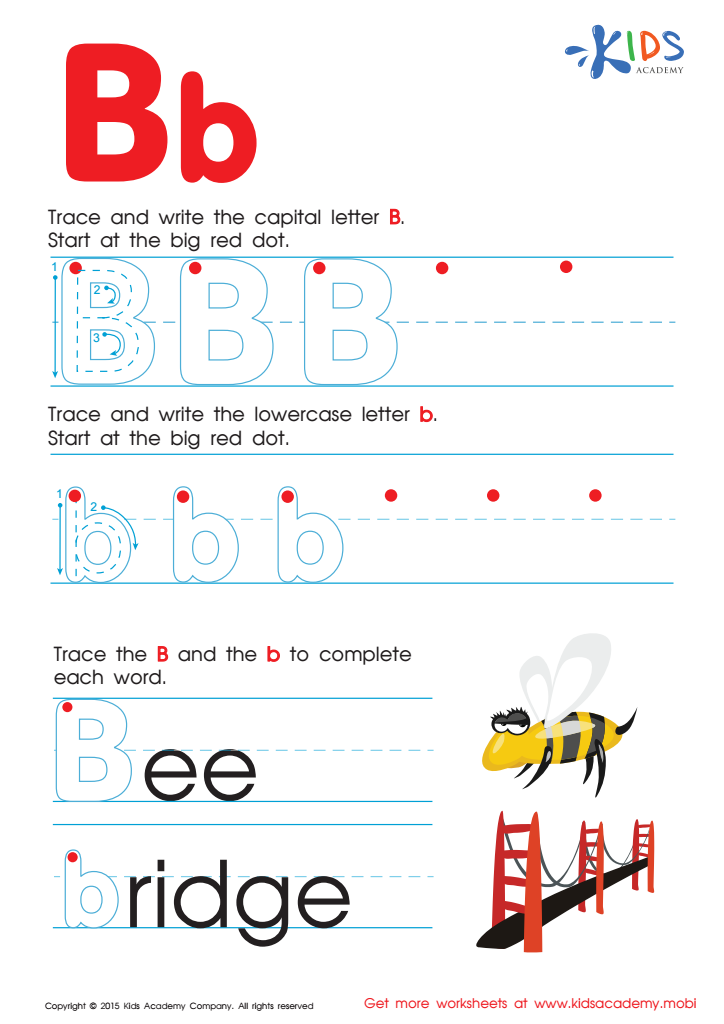
Letter B Tracing Page
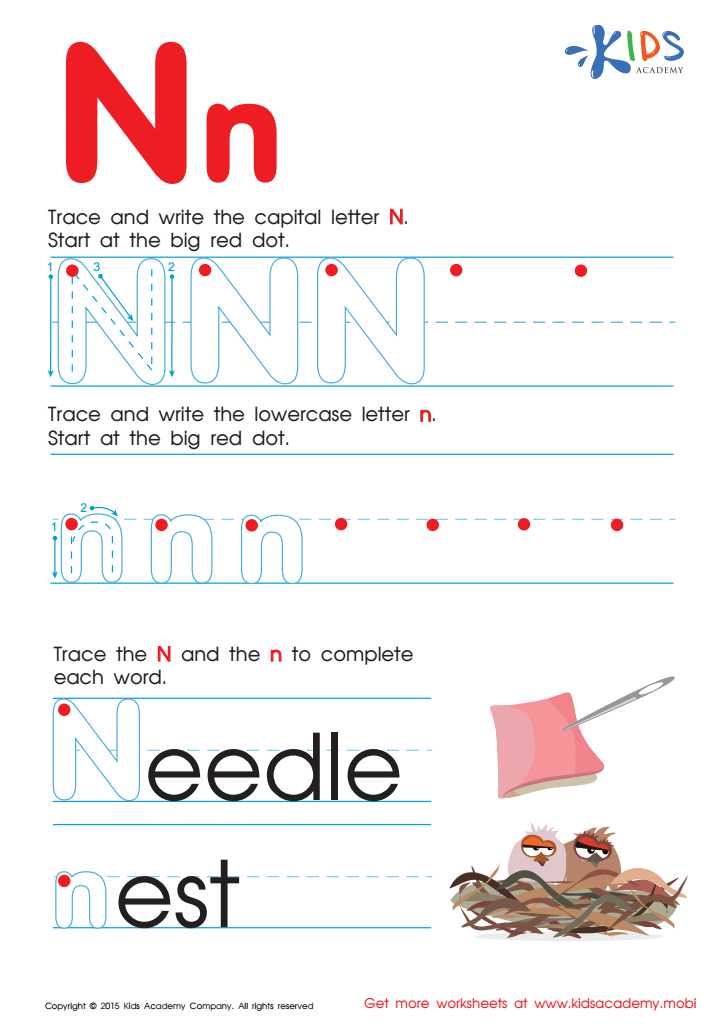
Letter N Tracing Page
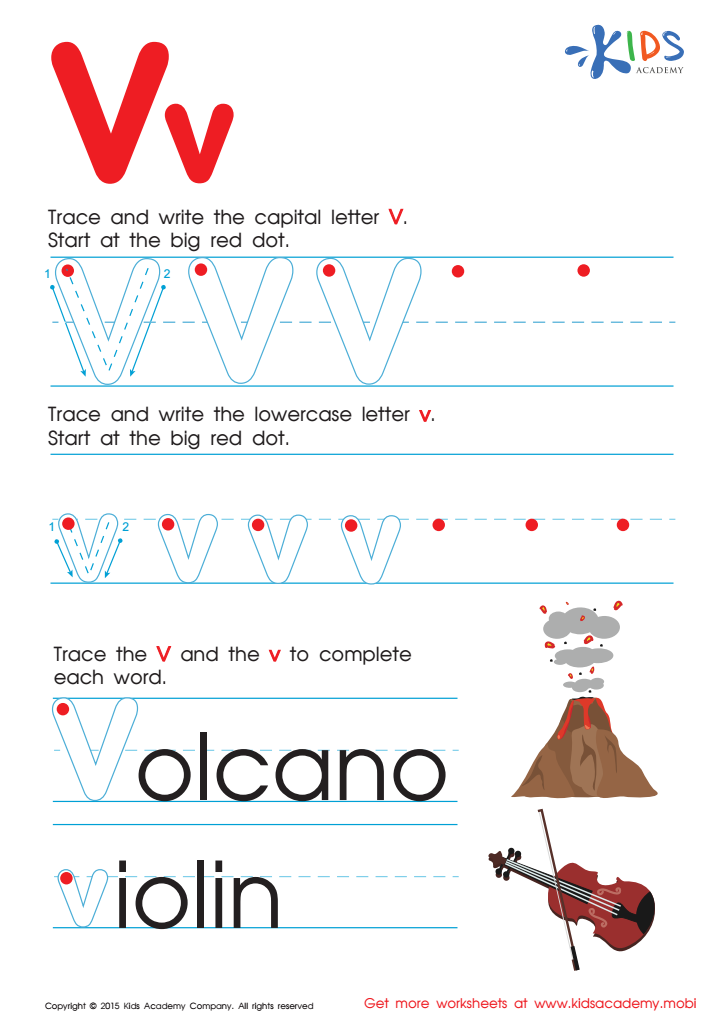
Letter V Tracing Page
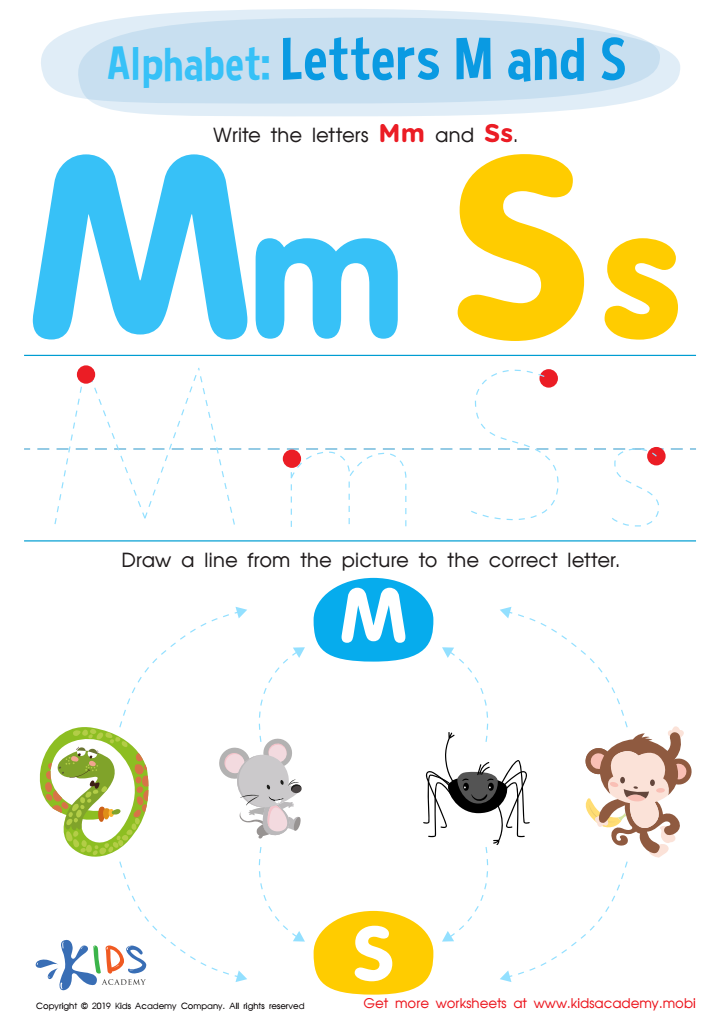
Letters M and S Tracing Worksheet
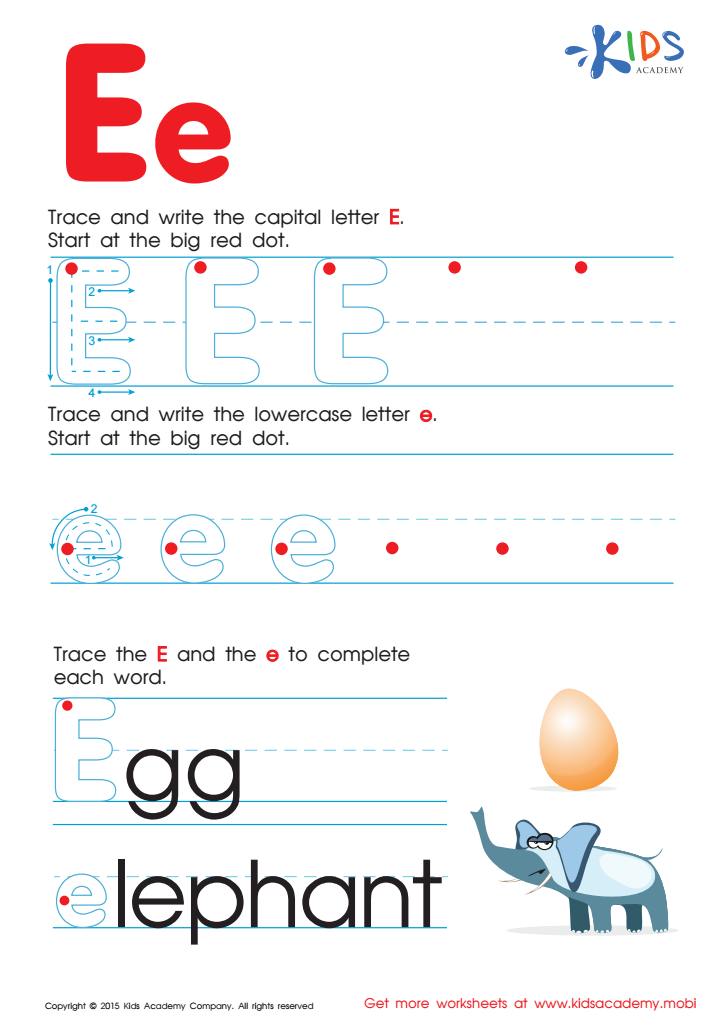
Letter E Tracing Page
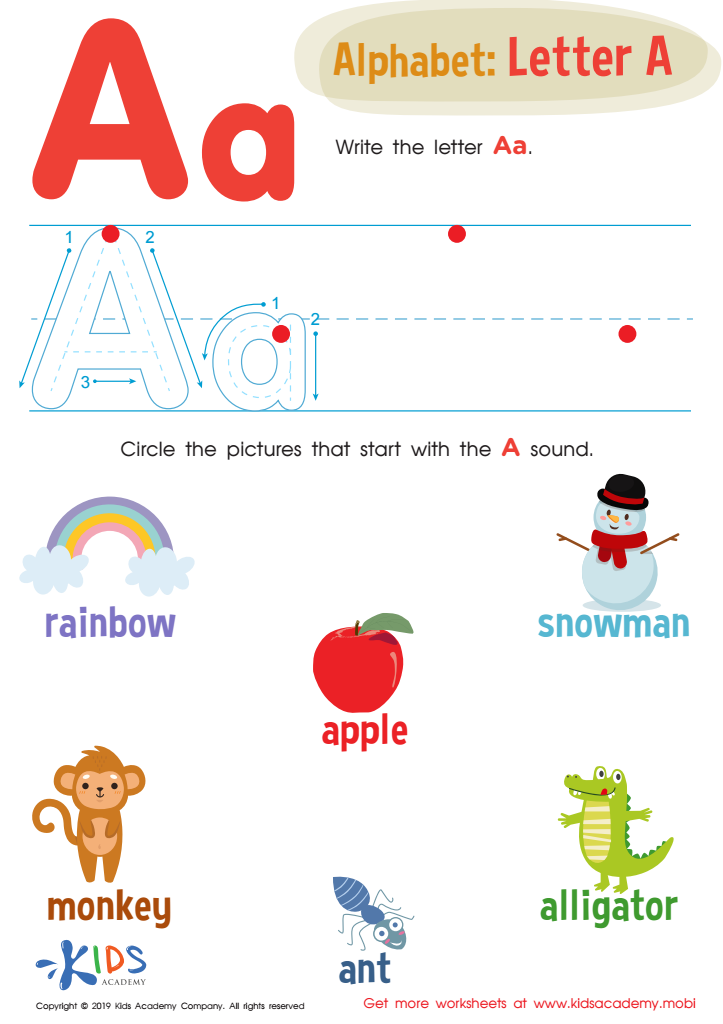
Letter A Tracing Worksheet
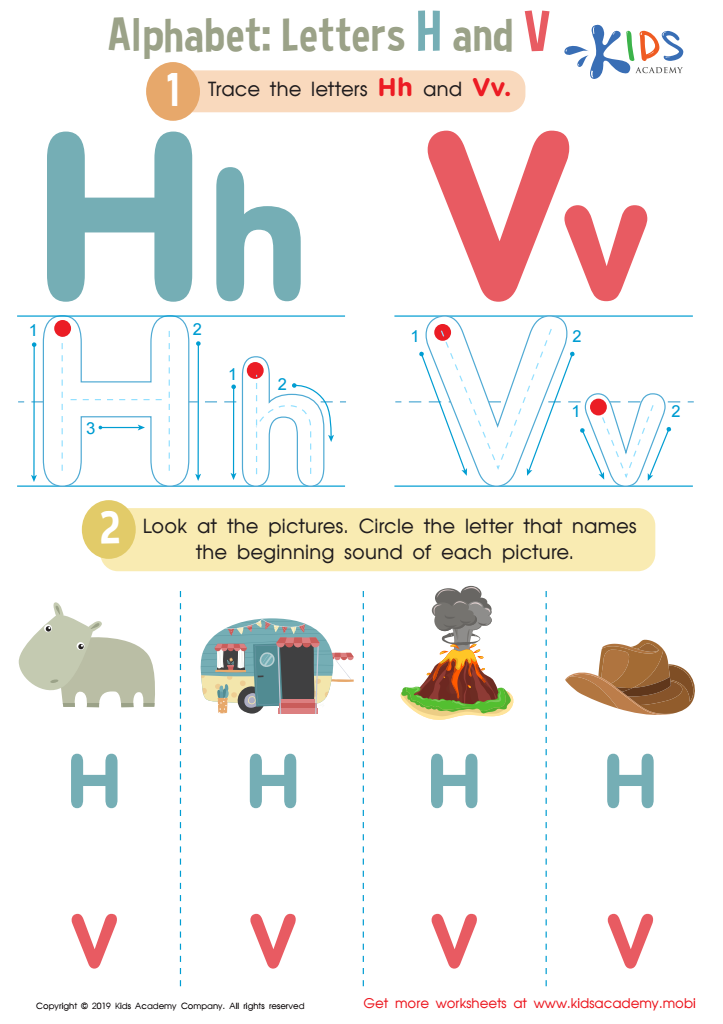
Letters H and V Tracing Worksheet
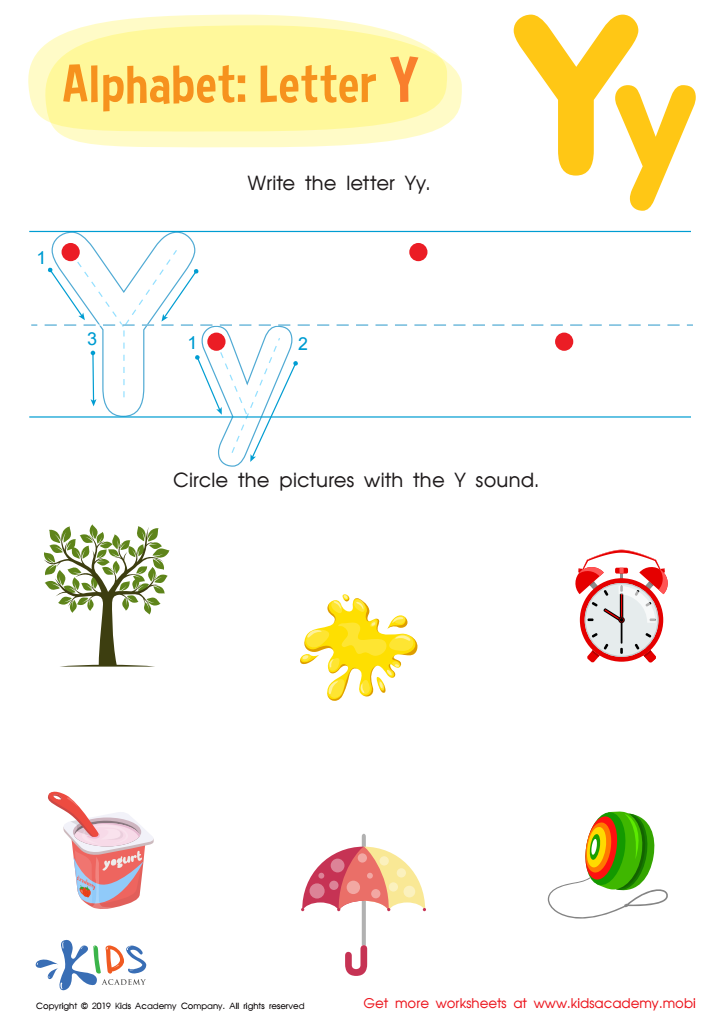
Letter Y Tracing Worksheet
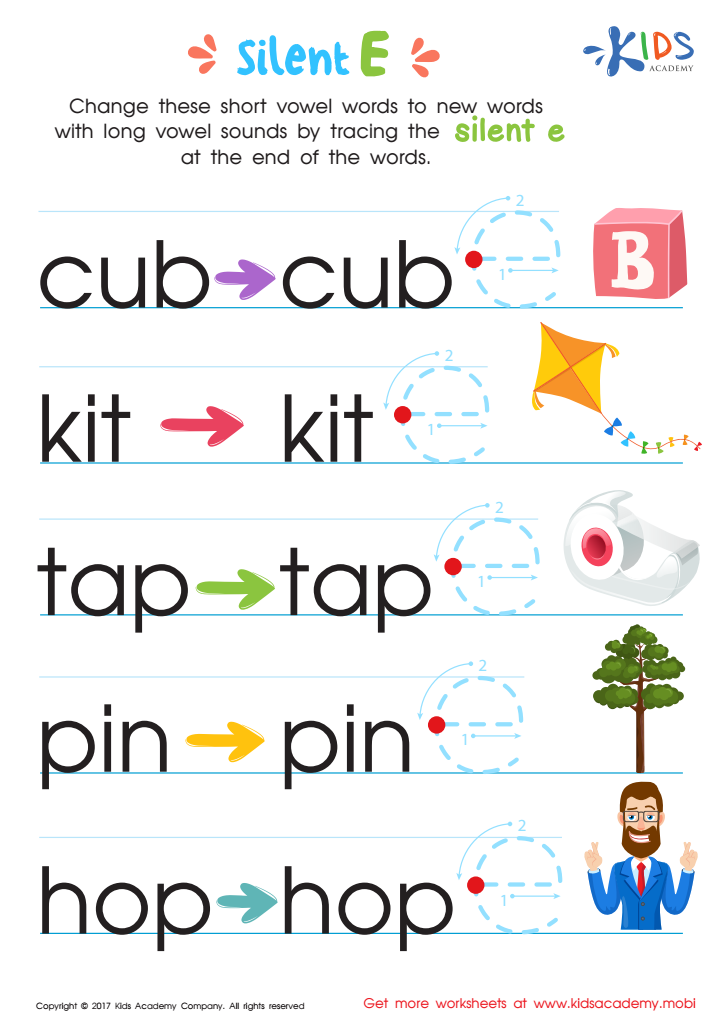
Silent E Words Worksheet
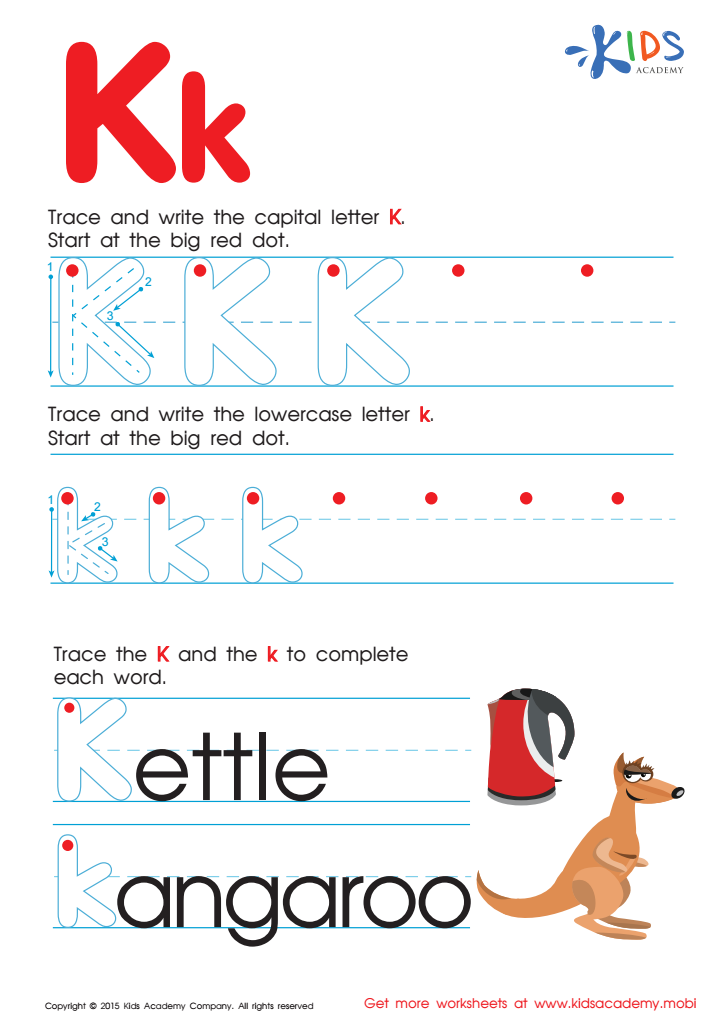
Letter K Tracing Page
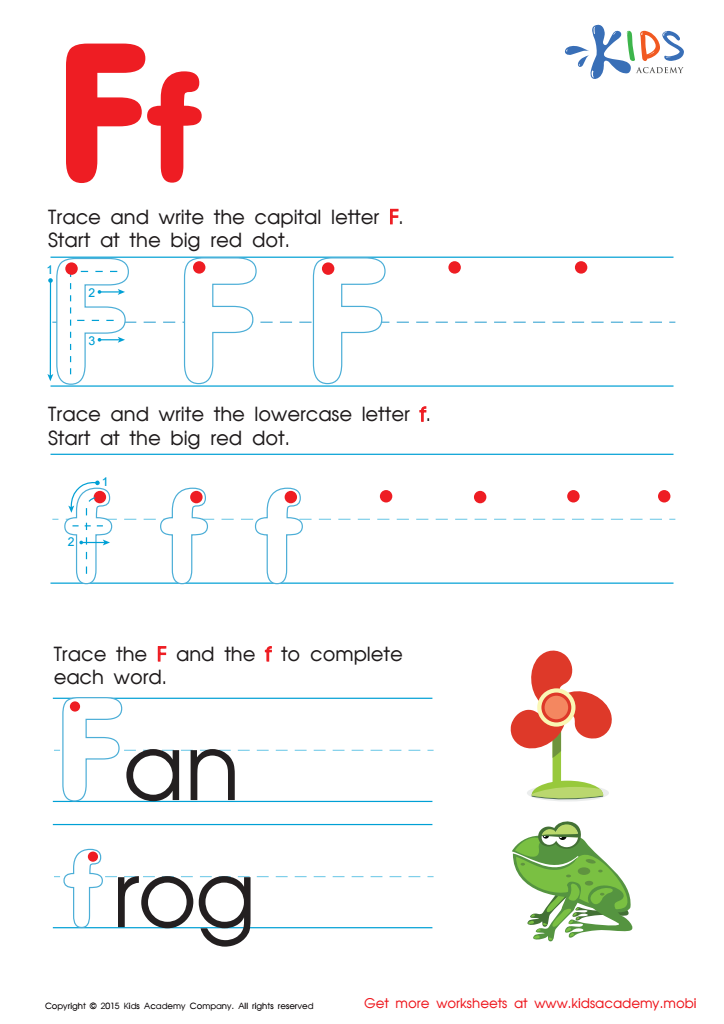
Letter F Tracing Page
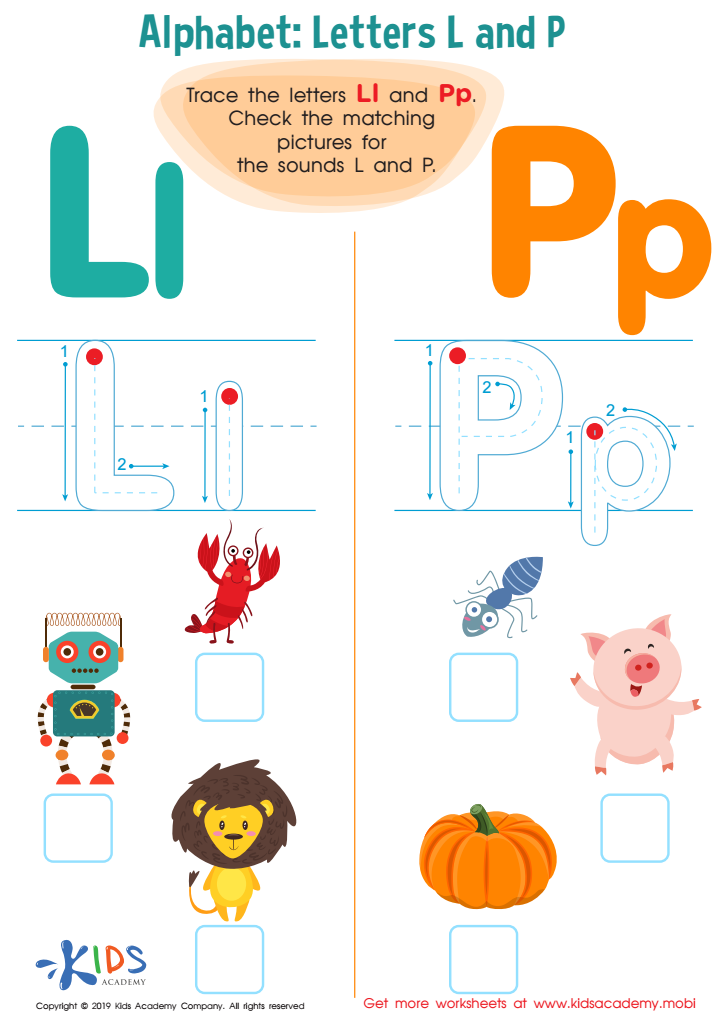
Letter L and P Tracing Worksheet
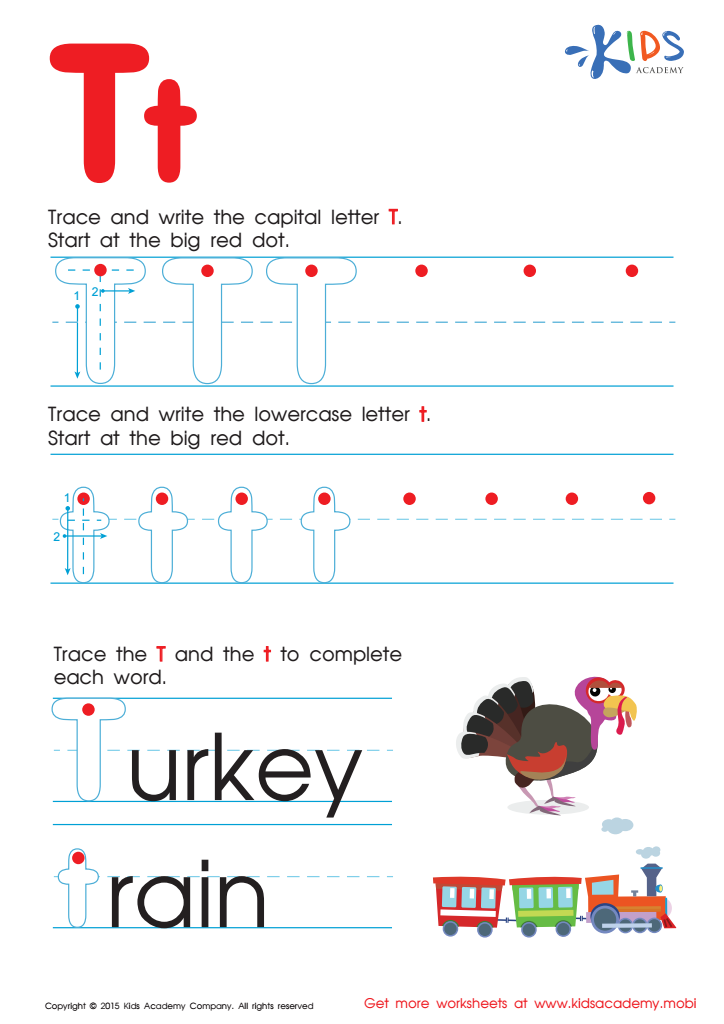
Letter T Tracing Page
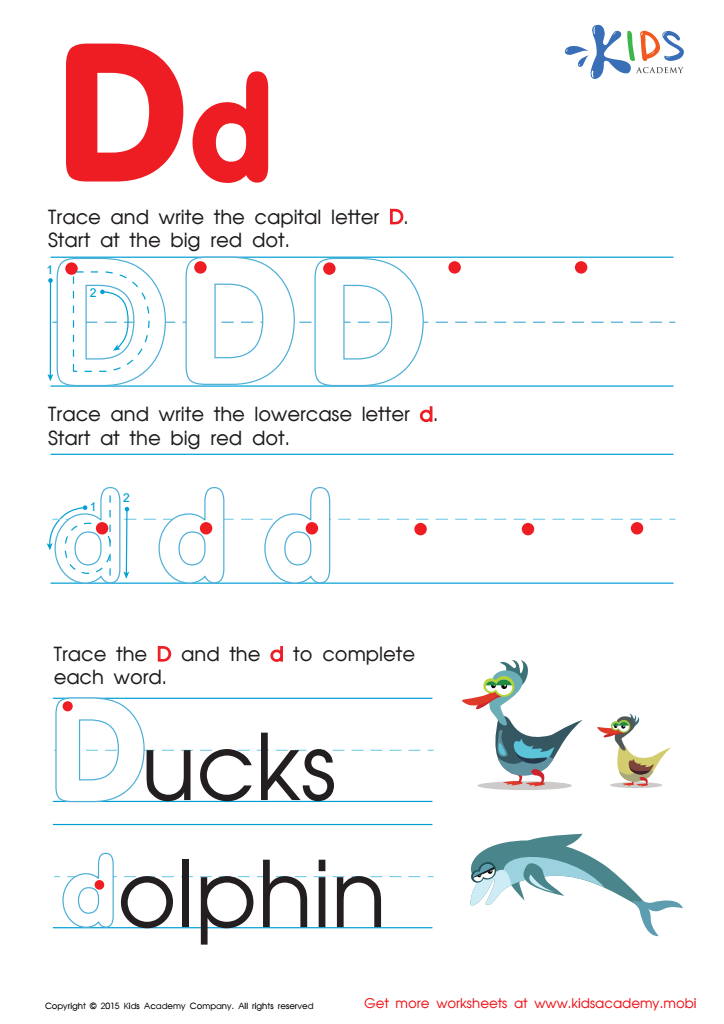
Letter D Tracing Page








Tracing letters is a fundamental activity for children aged 7-9, and both parents and teachers should consider its importance in early literacy development. At this stage, children are refining their writing skills, and tracing letters helps enhance their fine motor skills, coordination, and muscle memory. This practice supports the transition from basic shapes to crafting legible letters and eventually forming well-structured words.
Engaging in tracing activities also fosters focus and discipline, teaching children patience and attention to detail. Additionally, it can enhance their understanding of letter formation, which is critical for spelling and overall language skills. For parents, incorporating tracing into daily routines can serve as a bonding activity, allowing them to participate in their child’s learning journey, while teachers can effectively integrate it into classroom activities to support diverse learning styles.
Moreover, tracing can boost confidence, particularly for children who struggle with writing proficiency. By mastering letter shapes through tracing, students may feel more empowered to express themselves in writing tasks, further engagement in creative activities, and development of their unique voices. In essence, the implications of tracing letters extend well beyond simply learning to write; they lay a strong foundation for lifelong literacy success.








