Extra Challenge Plants and Animals Worksheets for Ages 3-8
12 filtered results
-
From - To
Discover our engaging Extra Challenge Plants and Animals Worksheets, designed specifically for children aged 3-8! These worksheets inspire curiosity in young learners about the natural world, offering fun and educational activities that promote critical thinking. Featuring vibrant illustrations, matching exercises, and advanced questions, these worksheets cater to various skill levels. Teach your child about different plant species, animal habitats, and ecosystems while enhancing their cognitive development. Perfect for at-home learning or school enrichment, our resources will spark a love for science in your little ones. Explore our collection now and watch their knowledge of plants and animals grow!
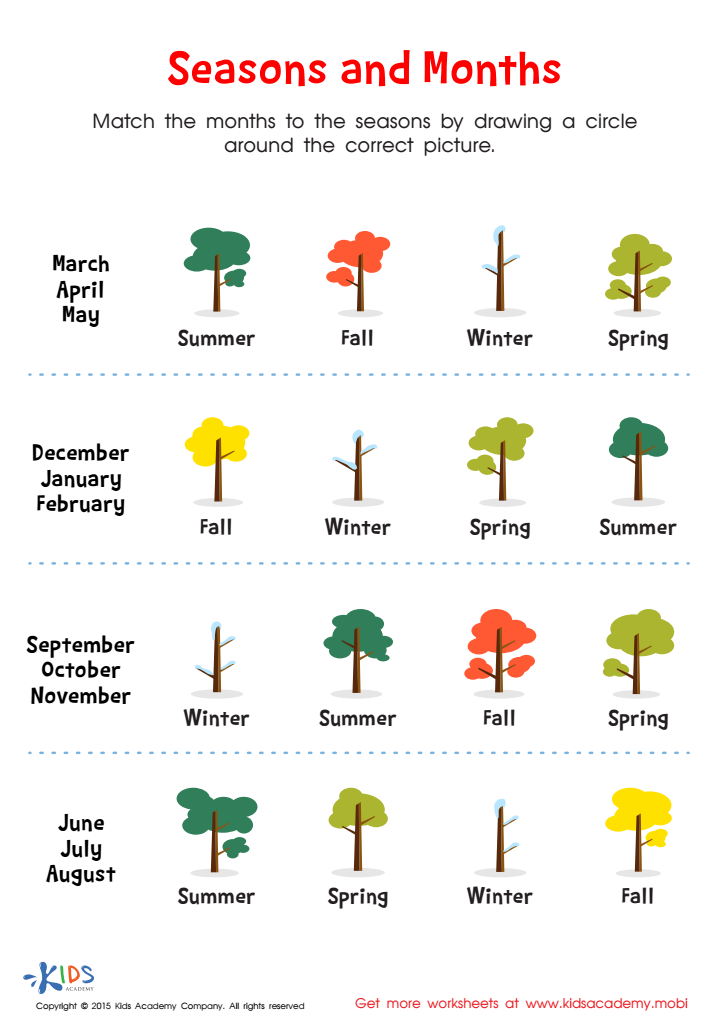
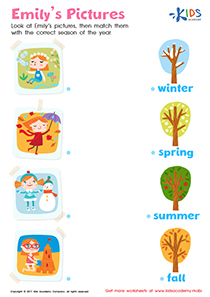
Seasons and Months Worksheet
 Assign to My Students











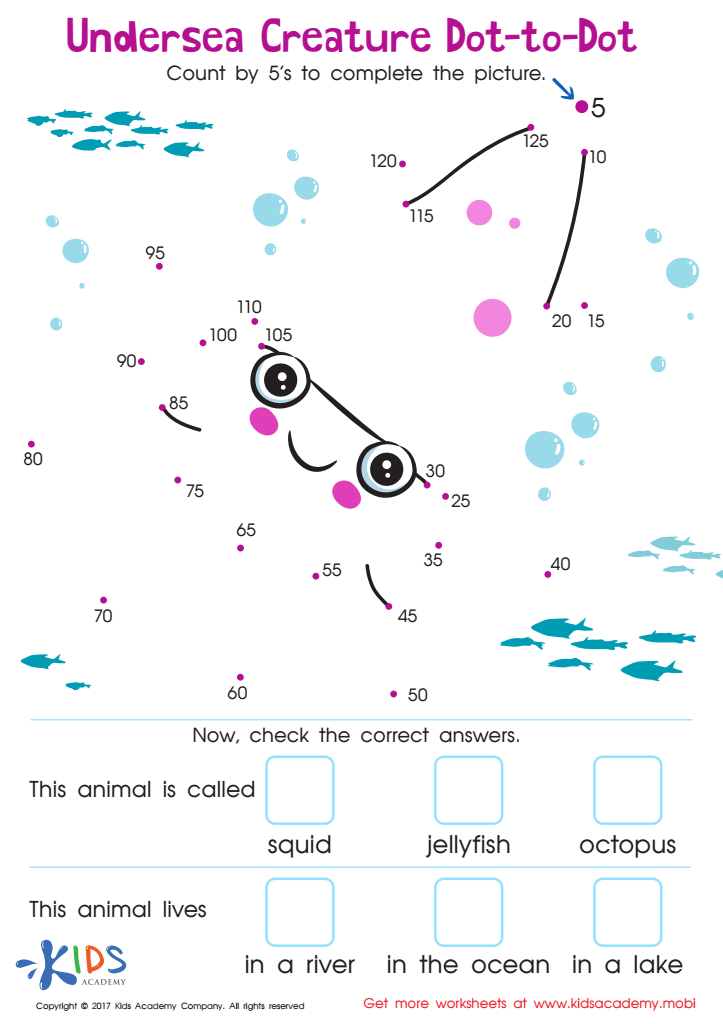
Undersea: Dot To Dot Worksheet
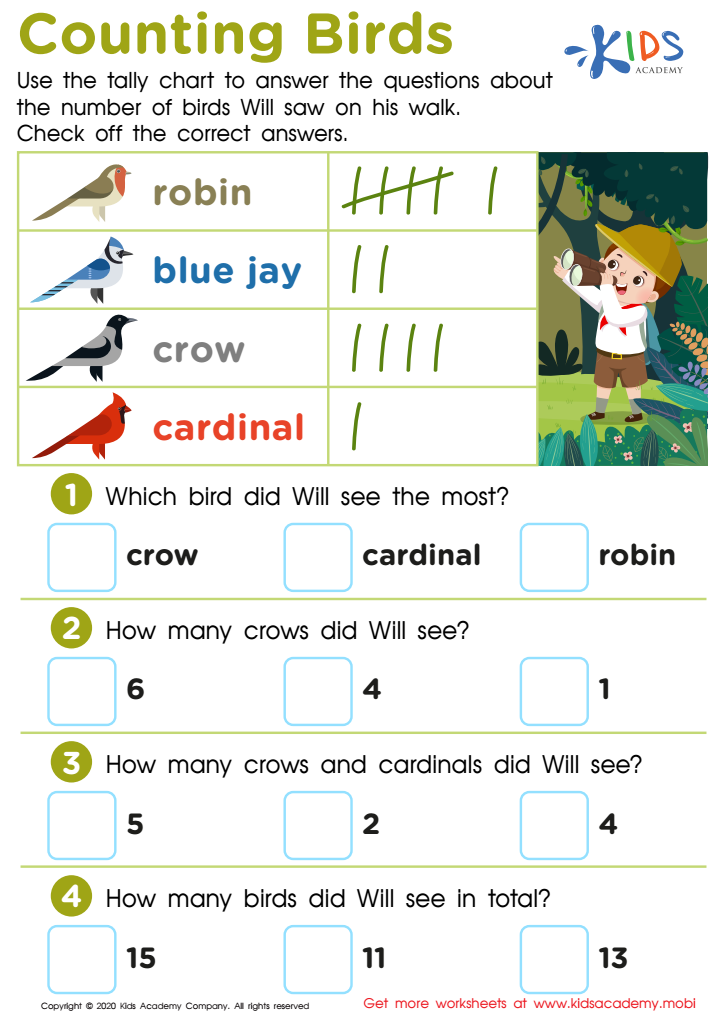
Counting Birds Worksheet
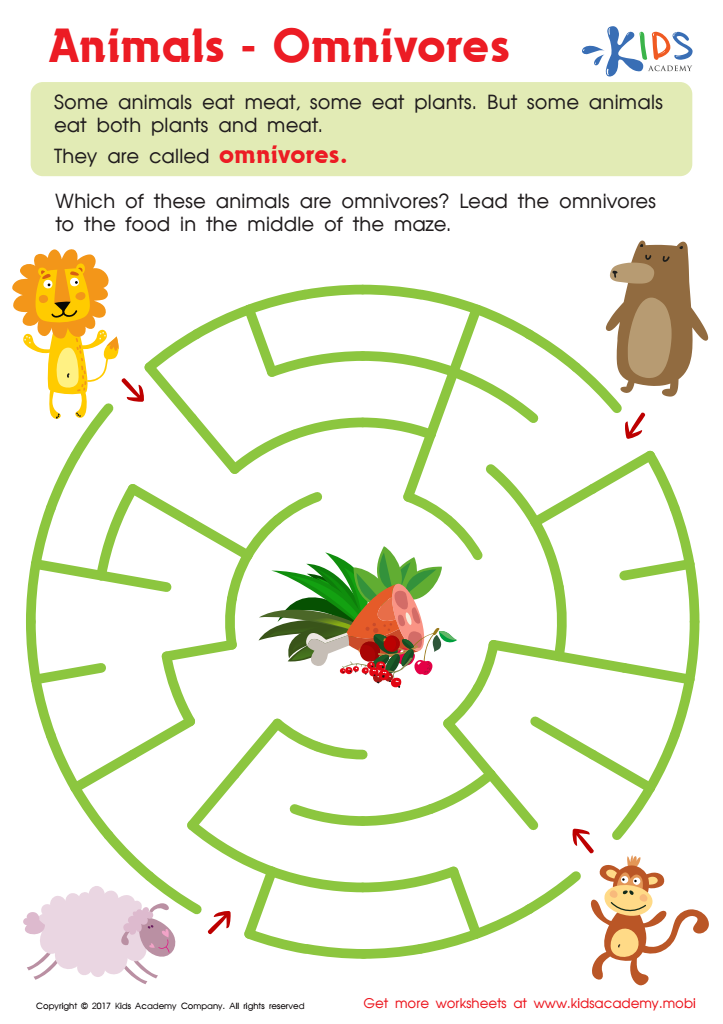
Omnivores Animals Worksheet
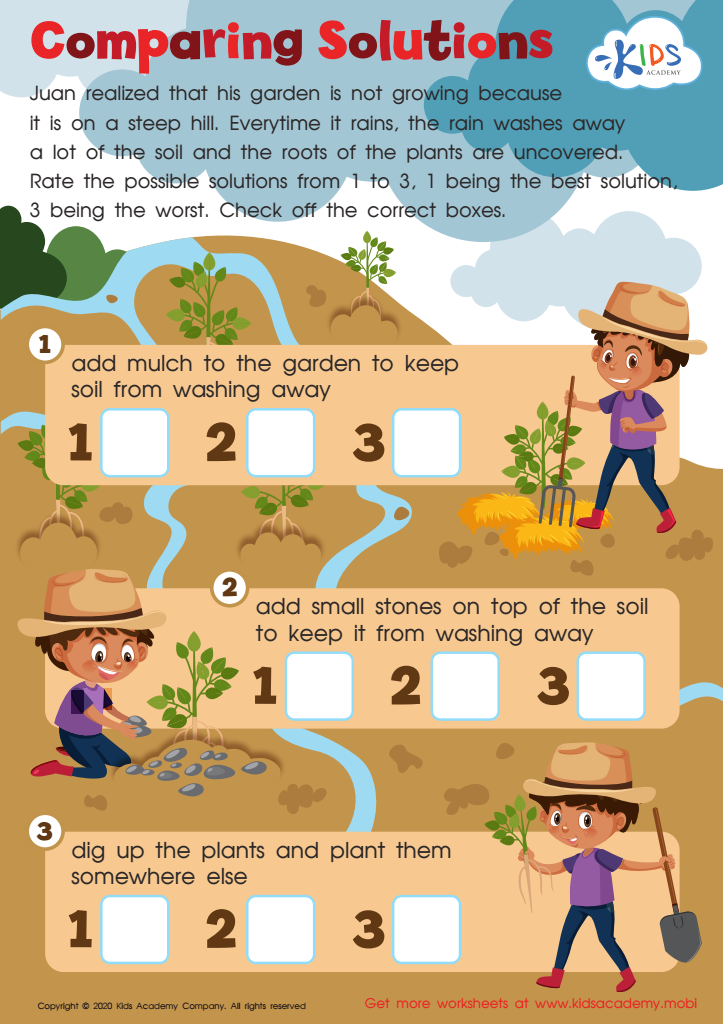
Comparing Solutions Worksheet
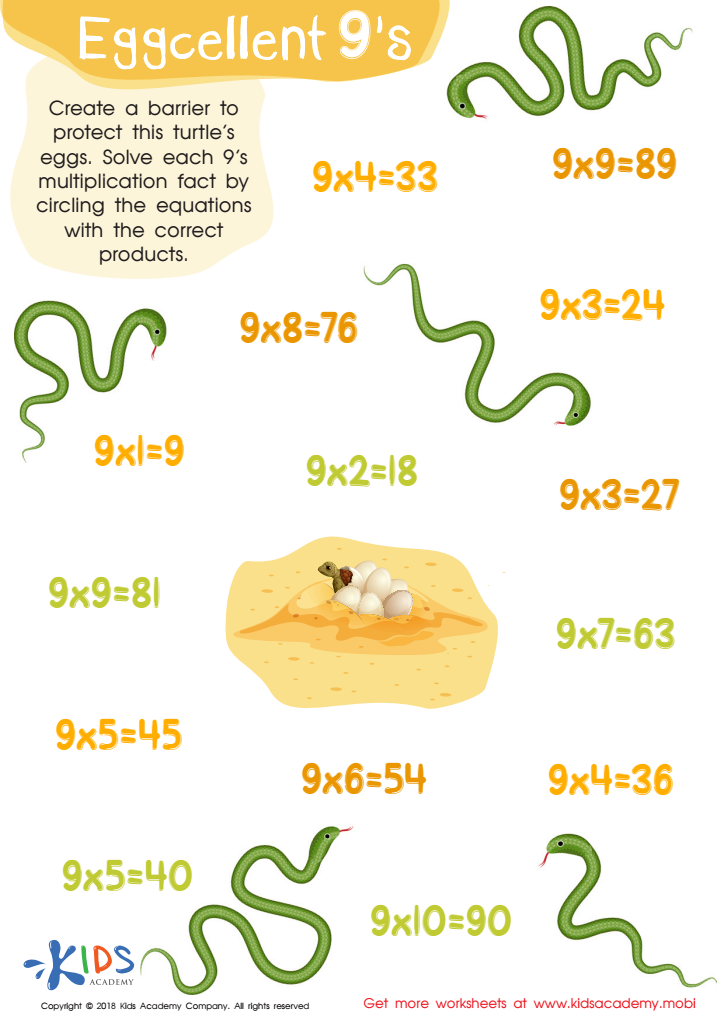
Eggcellent 9’s Worksheet
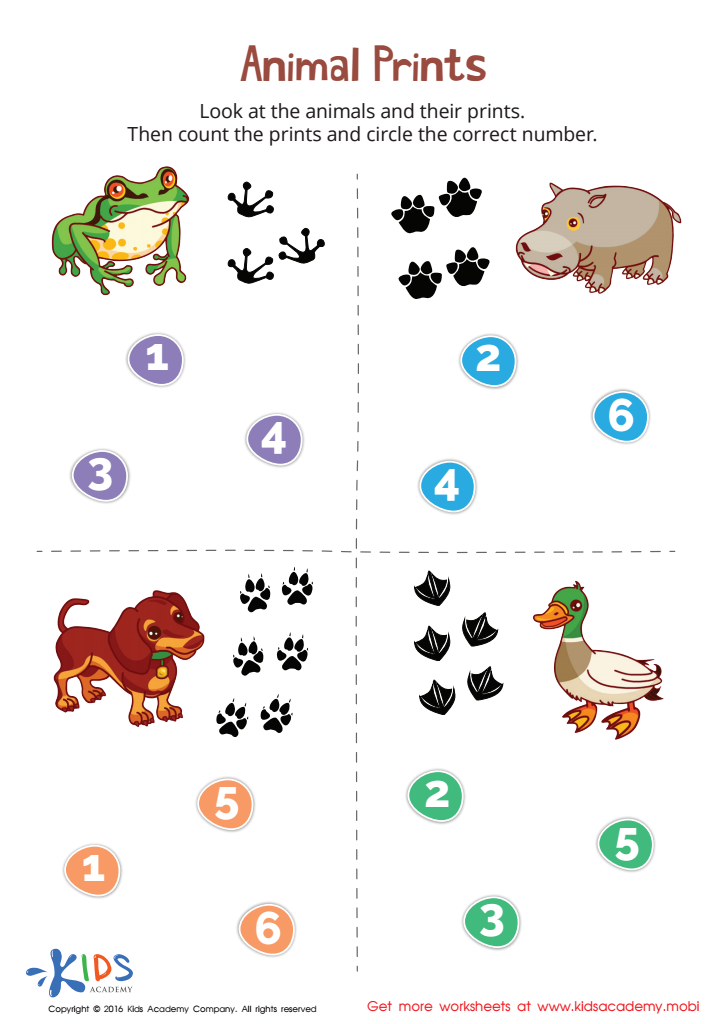
Animal Prints Match-Up Worksheet
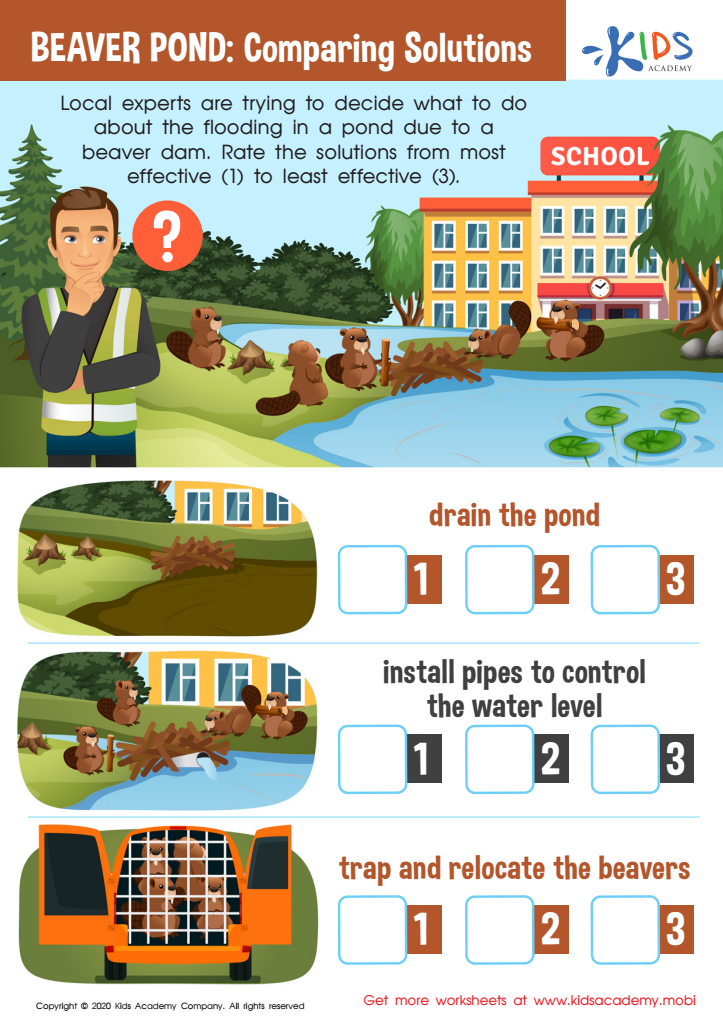
Beaver Pond: Comparing Solutions Worksheet
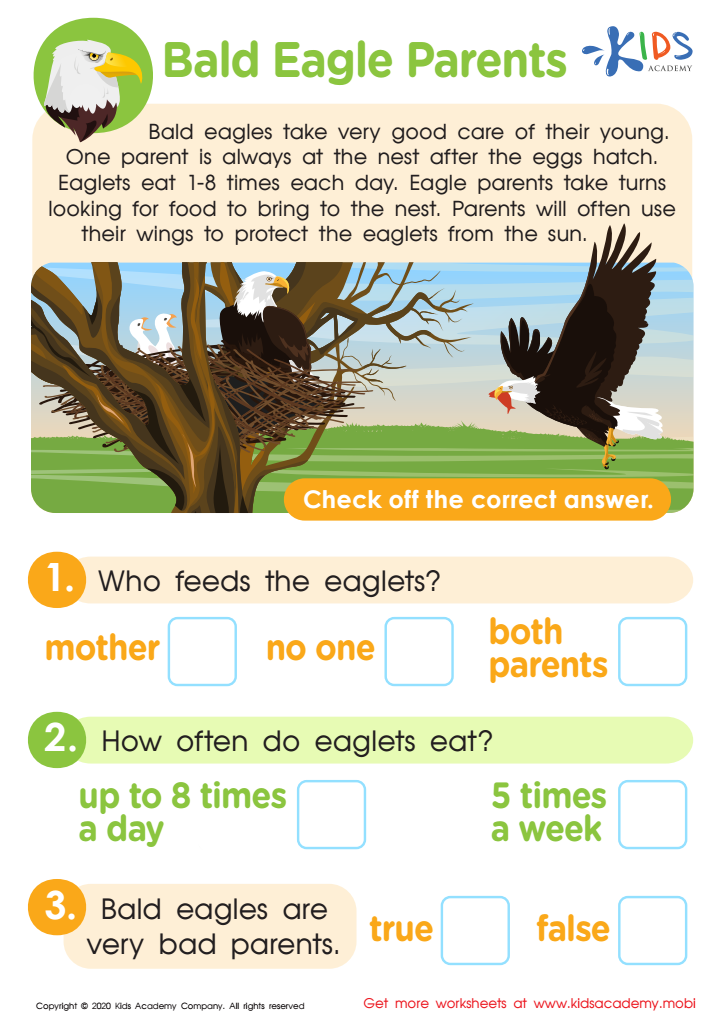
Bald Eagle Parents Worksheet
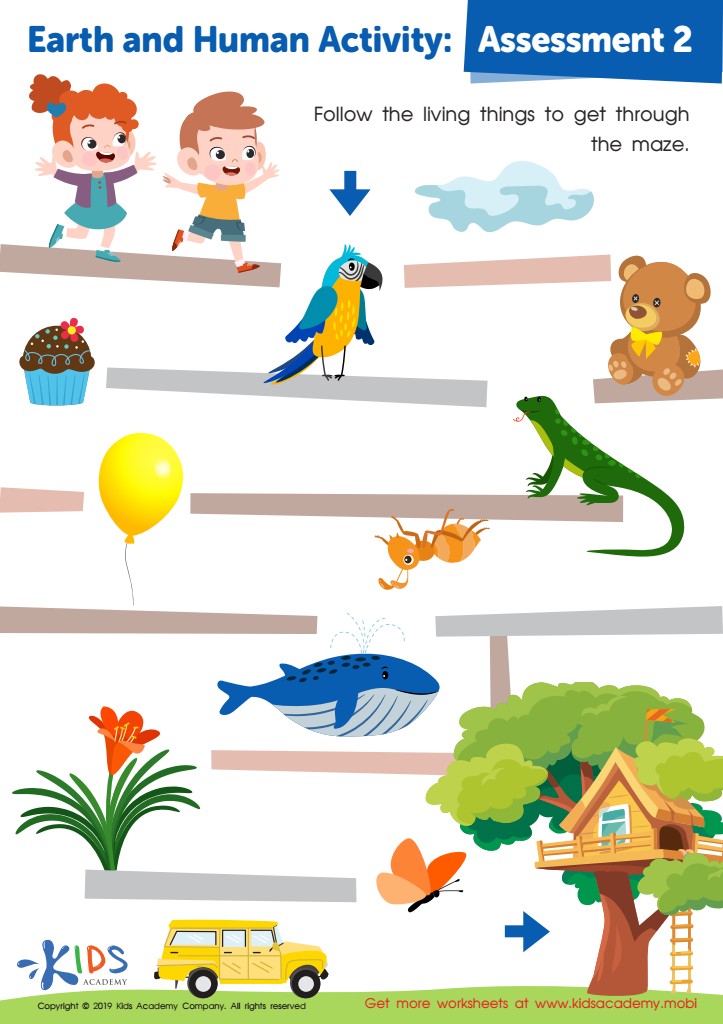
Earth and Human Activity: Assessment 2 Worksheet
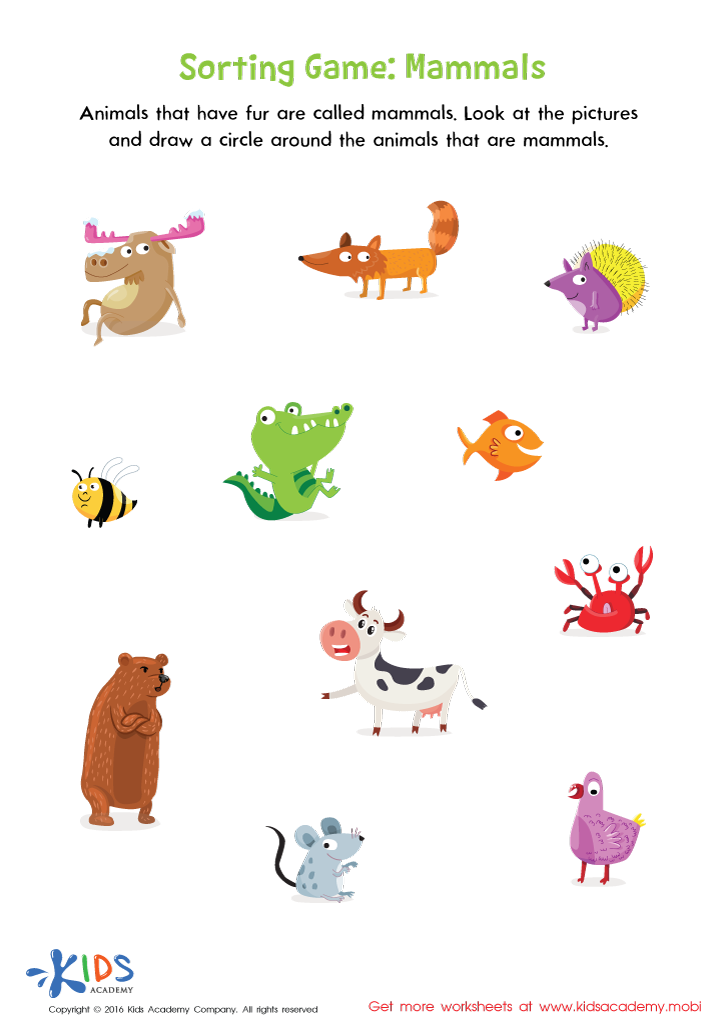
Mammals Sorting Worksheet
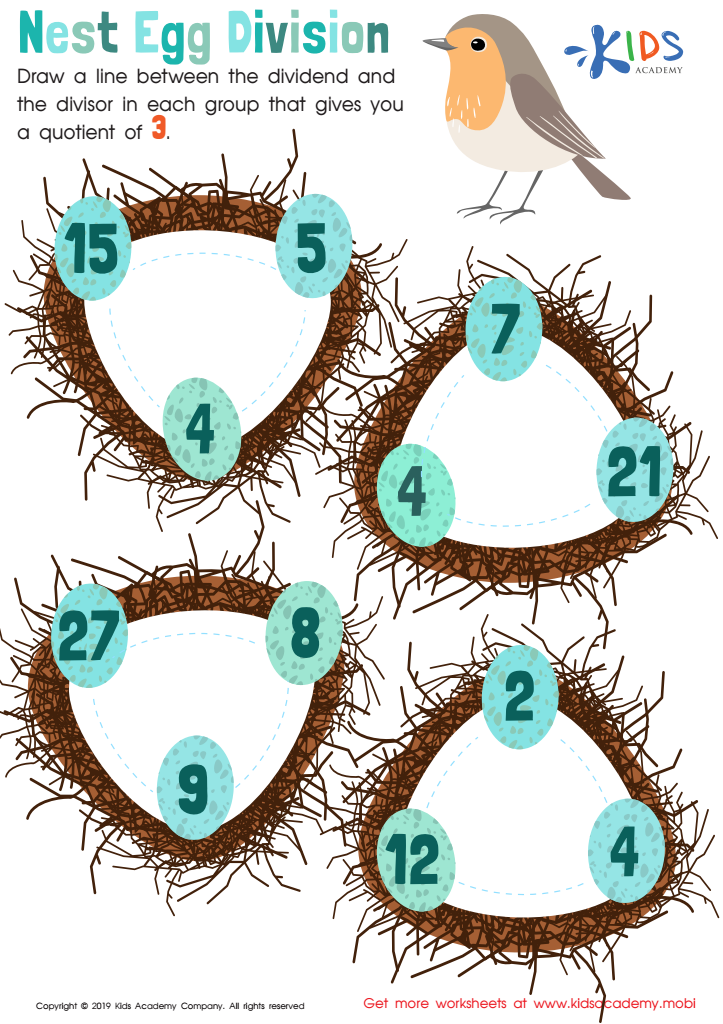
Nest Egg Division Worksheet



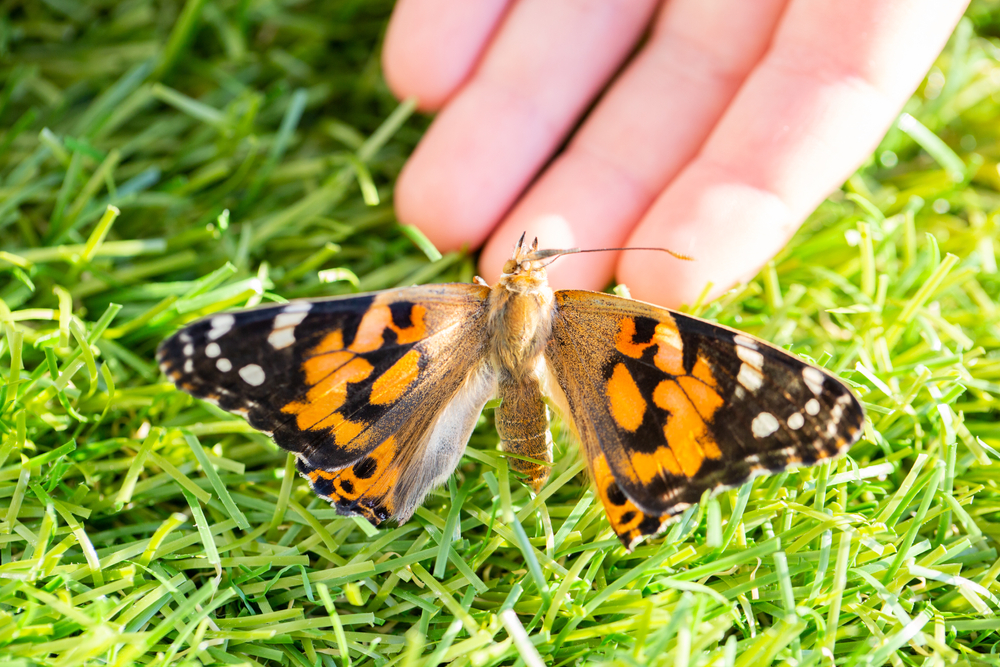


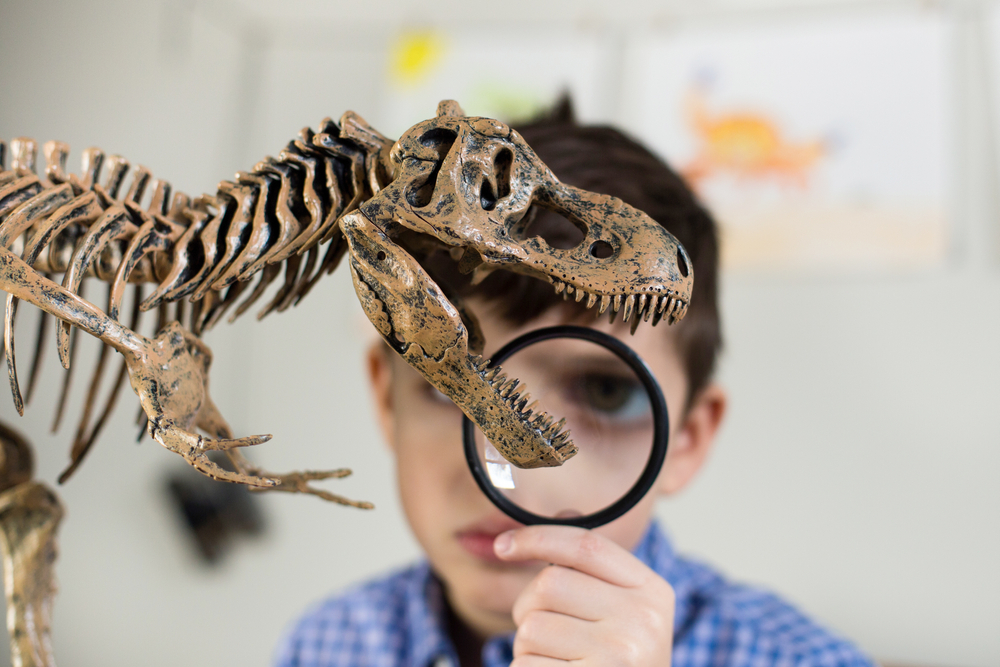

Parents and teachers should care about Extra Challenge: Plants and Animals for Ages 3-8 because it fosters essential early learning experiences in science and nature. At this stage of development, children are naturally curious about the world around them. Introducing challenging concepts related to plants and animals not only nurtures that curiosity but also enhances critical thinking skills. By engaging with these topics, children learn to recognize patterns, ask questions, and seek solutions.
Moreover, understanding plants and animals helps children build a foundation for environmental stewardship. As they learn about different species, ecosystems, and the importance of biodiversity, they develop a sense of empathy and responsibility toward nature. This aligns well with social-emotional learning, encouraging children to relate to living things and understand their role in the environment.
Involving students in interactive activities, such as gardening or exploring local habitats, can also promote hands-on learning and foster a sense of wonder. These experiences are essential for developing fine motor skills and sensory awareness.
Ultimately, by prioritizing Extra Challenge: Plants and Animals, parents and teachers contribute to a holistic education that strengthens cognitive, emotional, and social development, nurturing responsible future citizens who appreciate and support the natural world.