Extra Challenge Vowels Worksheets for Ages 4-8
10 filtered results
-
From - To
Discover the perfect way to enhance your child's learning with our "Extra Challenge Vowels Worksheets for Ages 4-8". Specifically designed to nurture young minds, these worksheets provide exciting activities that strengthen vowel sound recognition and usage. Each worksheet offers engaging exercises to solidify understanding, promote critical thinking, and build confidence in reading and writing. Tailored for young learners, our vibrant and interactive materials ensure that mastering vowels is both fun and educational. Perfect for parents and educators, these extra challenge worksheets will help your child excel in their early literacy journey. Download now and boost learning today!
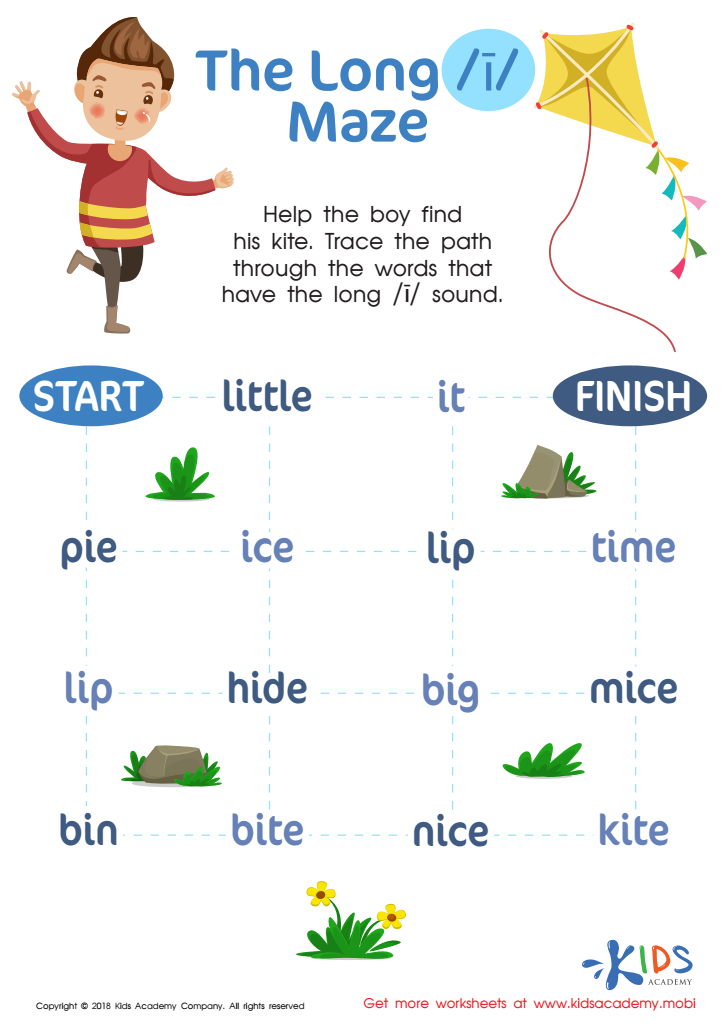
The Long I Maze Reading Worksheet
 Assign to My Students
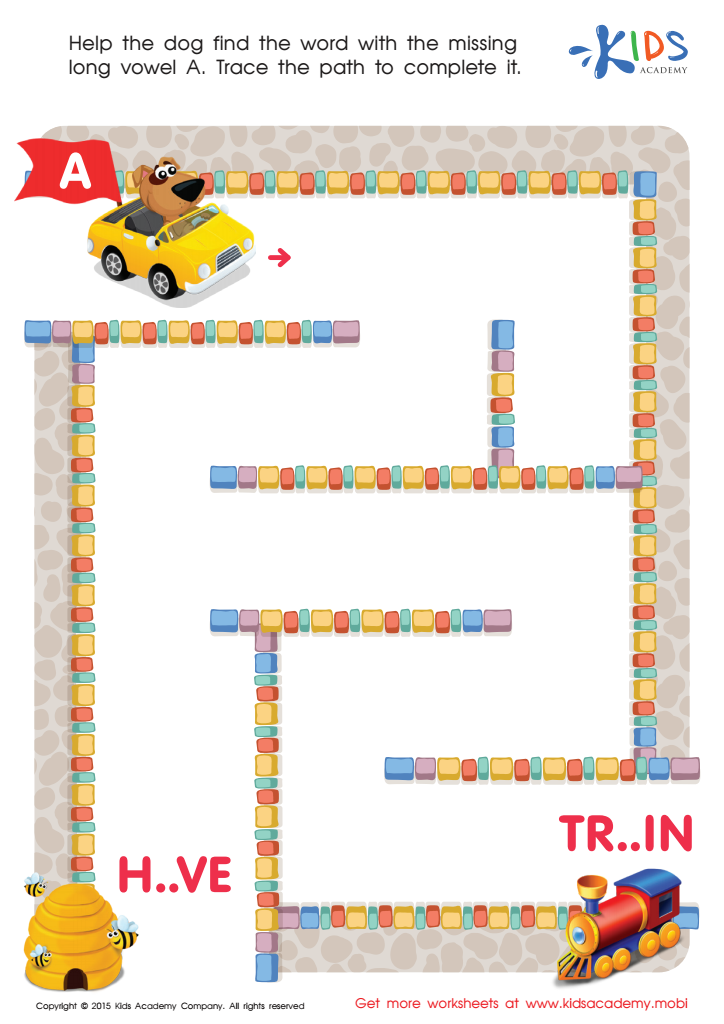
Long Vowel Sound A Worksheet
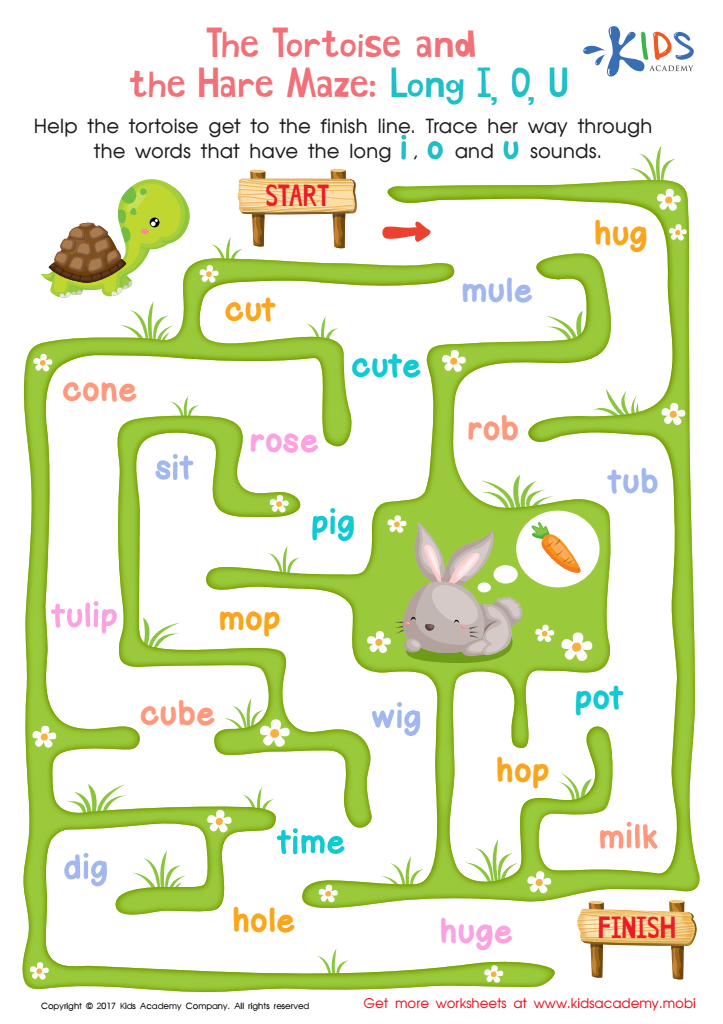
Long I, O, U Words Worksheet
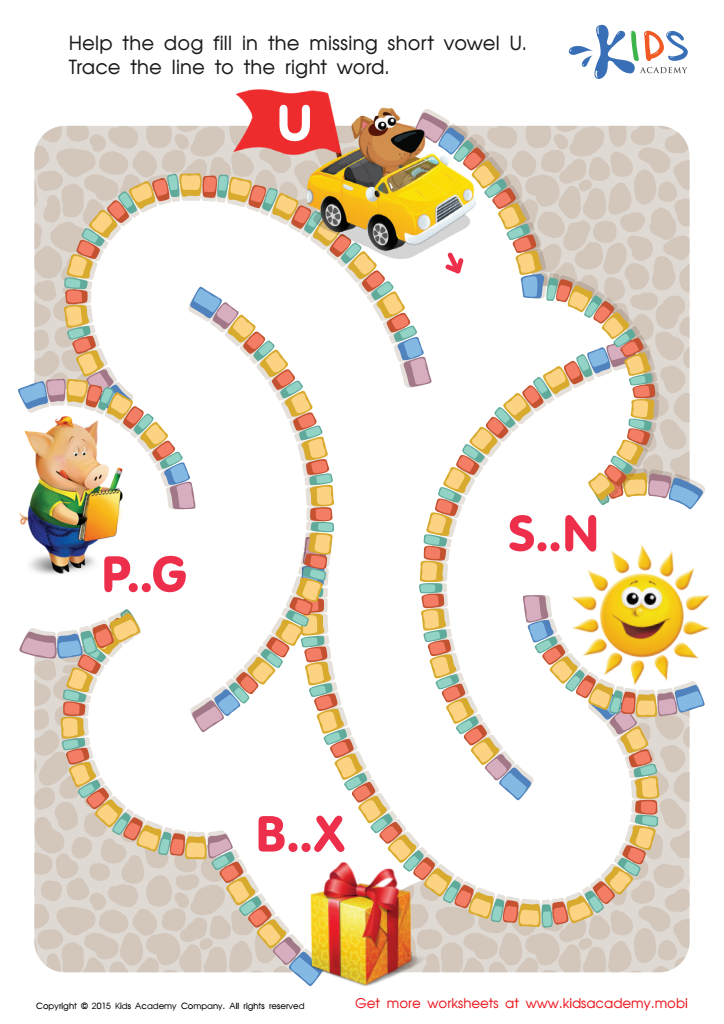
Short Vowel Sound U Worksheet
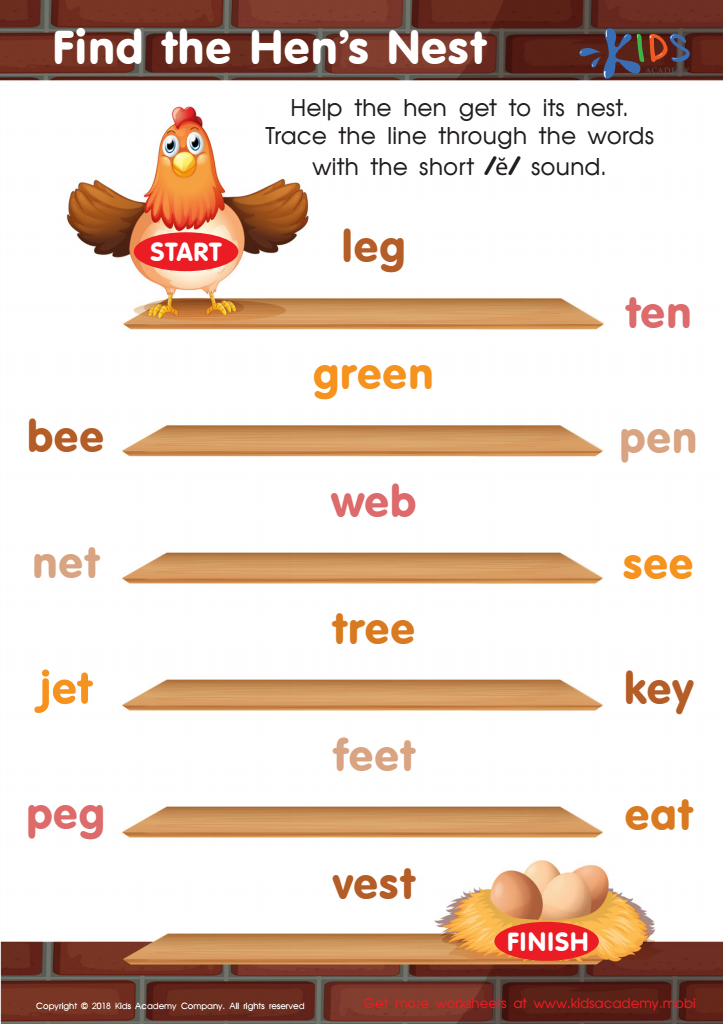
Find Hens Nest Reading Worksheet
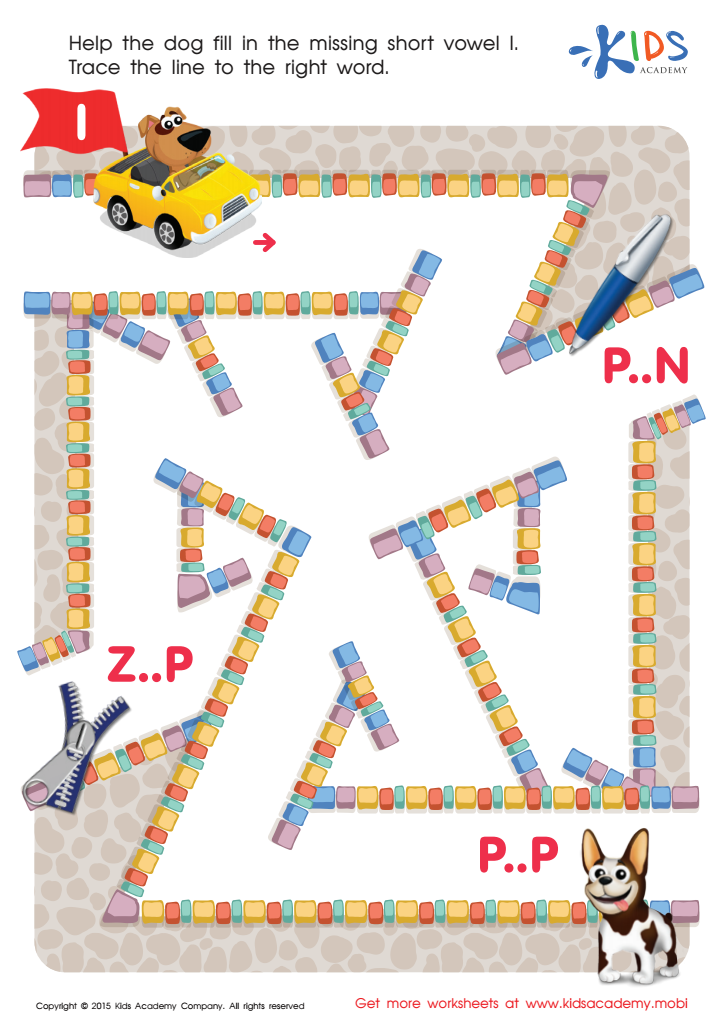
Short Vowel Sound I Worksheet
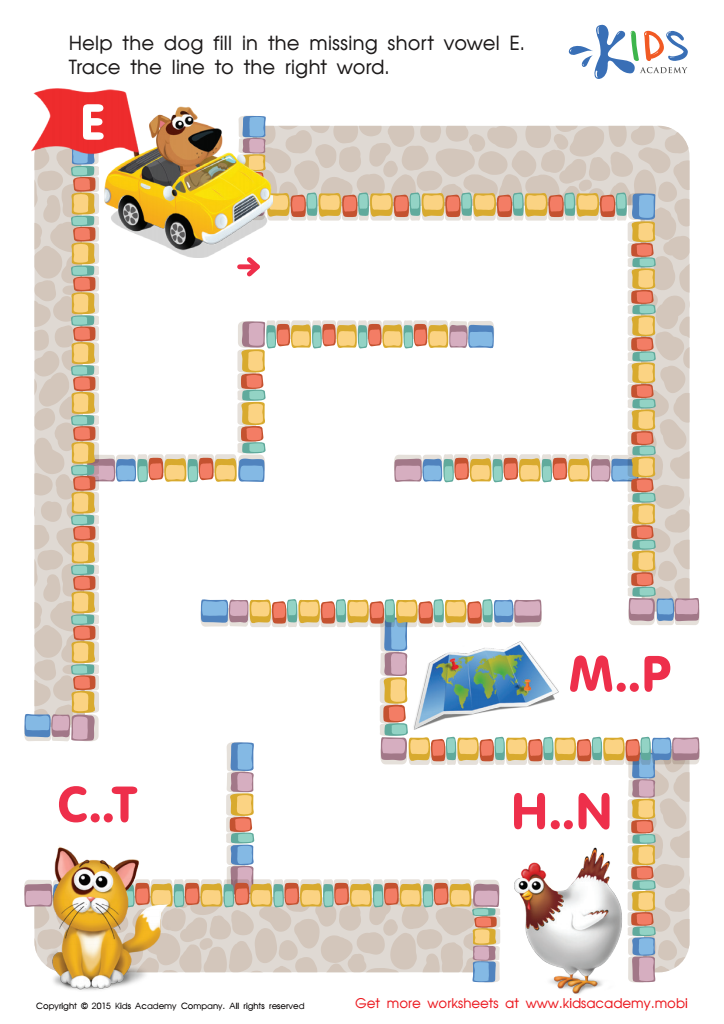
Short Vowel Sound E Worksheet
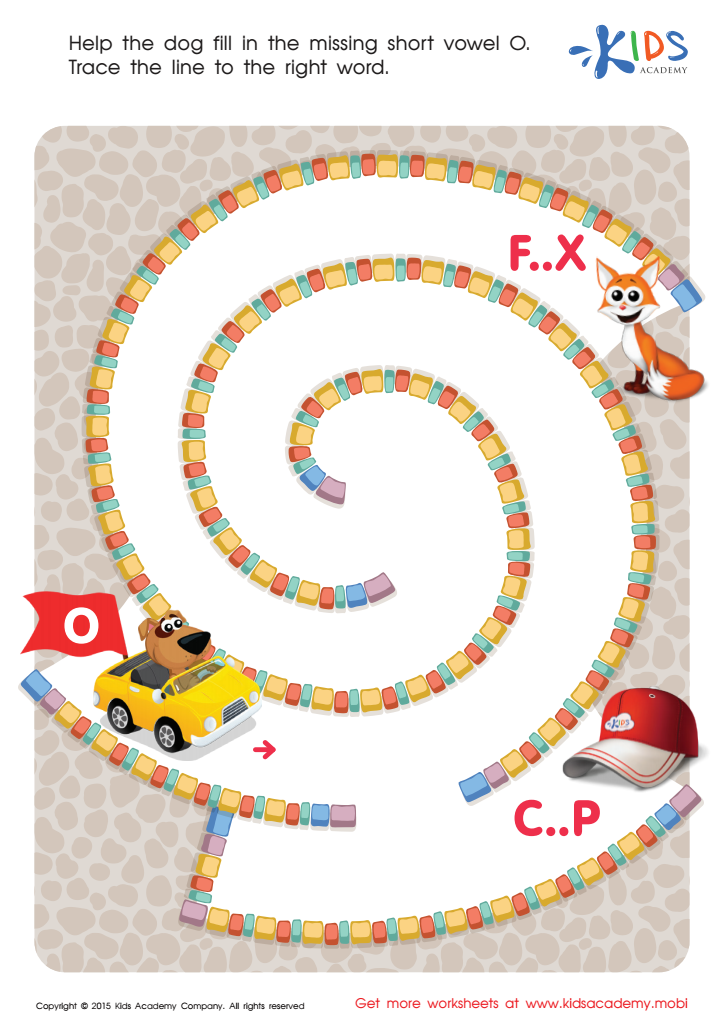
Short Vowel Sound O Worksheet
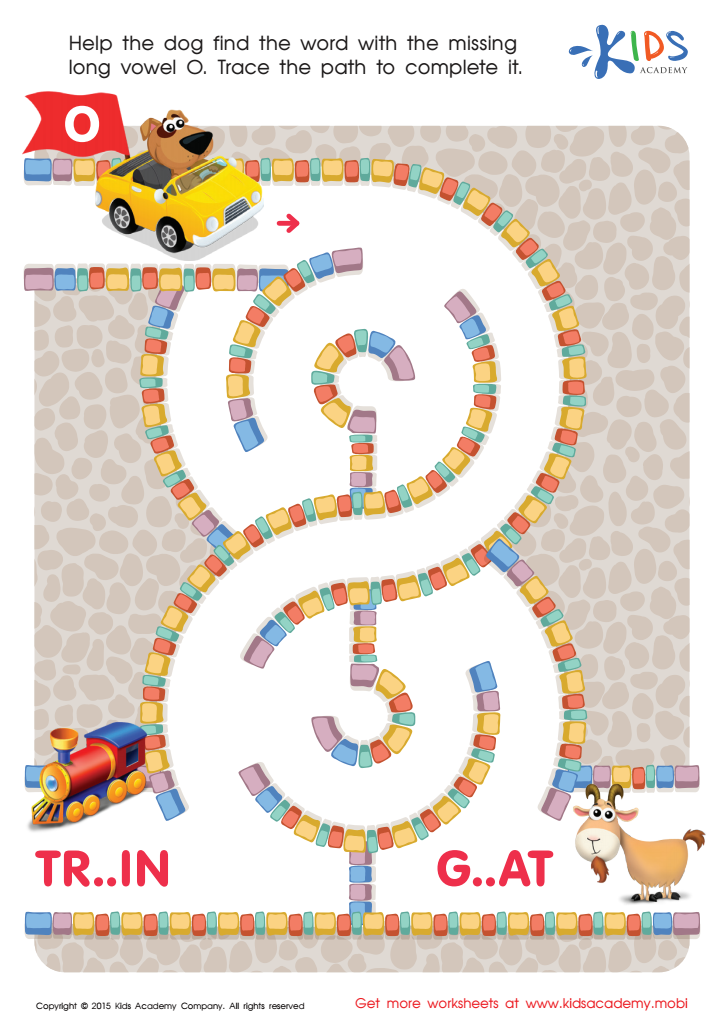
Long Vowel Sound O Worksheet
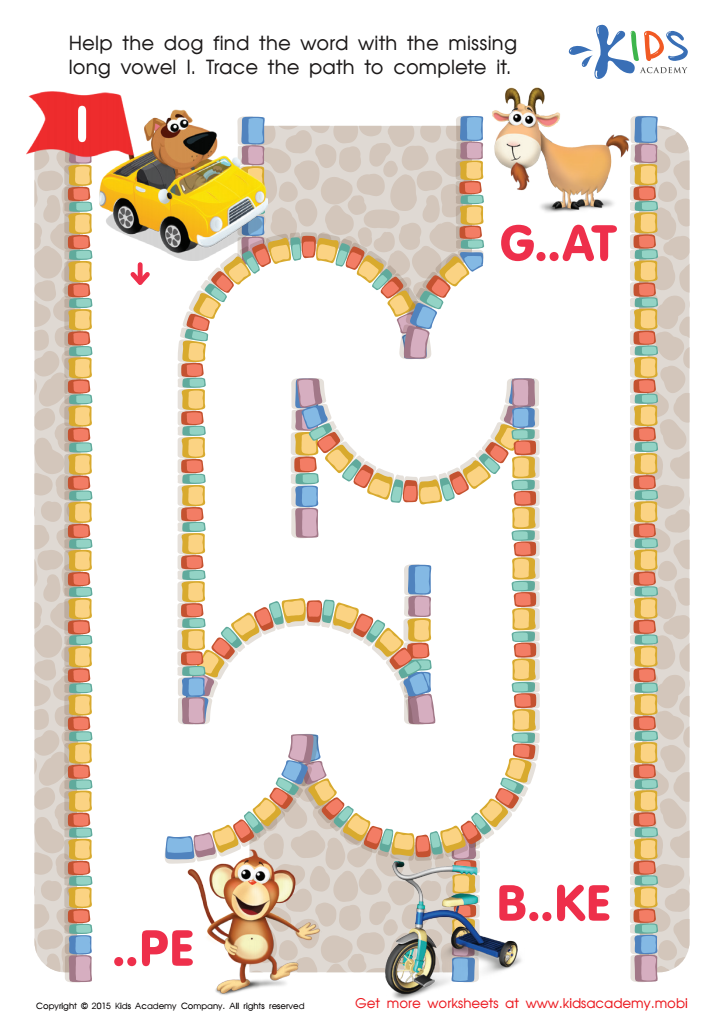
Long Vowel Sound I Worksheet





Extra Challenge Vowels activities are essential for children aged 4-8 because this period is a critical window for language development. During these early years, young children experience significant cognitive and linguistic growth, which forms the foundation for future academic success. Engaging them in activities that challenge their understanding of vowels can drastically improve their reading and speaking abilities.
Vowel sounds are the building blocks of words and mastering them allows children to decode new words, improve pronunciation, and boost reading fluency. When young learners face 'extra challenge' activities, they experiment with sounds in varied and more complex contexts, leading to a deeper understanding and retention. This also strengthens phonemic awareness, an essential skill for reading that enables children to identify and manipulate sounds in spoken words.
Furthermore, Extra Challenge Vowels activities can be fun and interactive, keeping children engaged and motivated. Parents and teachers play a pivotal role in encouraging these exercises, providing immediate feedback, and making the learning experience enjoyable. This nurturing environment fosters a love for learning and builds self-confidence.
By supporting Extra Challenge Vowel activities, parents and teachers ensure that children not only meet but exceed early literacy milestones, setting a robust groundwork for continued educational progress and lifelong learning.