Extra Challenge 2D Shapes Worksheets for Ages 4-9
14 filtered results
-
From - To
Enhance your child’s understanding of 2D shapes with our Extra Challenge 2D Shapes Worksheets, perfect for ages 4-9! Designed to engage young minds, these worksheets offer a variety of stimulating activities that go beyond basic shape recognition. Kids will classify, compare, and analyze different shapes, gaining confidence in geometry early on. Bright visuals and creative exercises ensure learning remains fun. From triangles to hexagons, these printables promote critical thinking and problem-solving skills. Perfect for home or classroom use, our worksheets are a delightful way for children to explore shapes while advancing their math abilities. Unlock the potential in your young learner today!
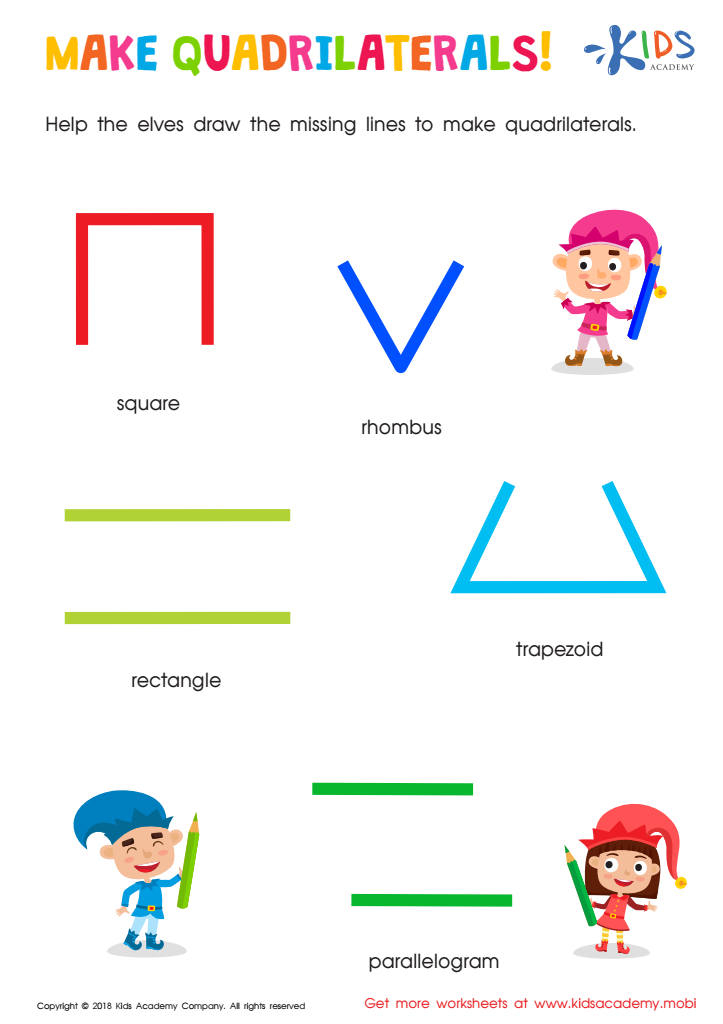
Make Quadrilaterals Worksheet
 Assign to My Students

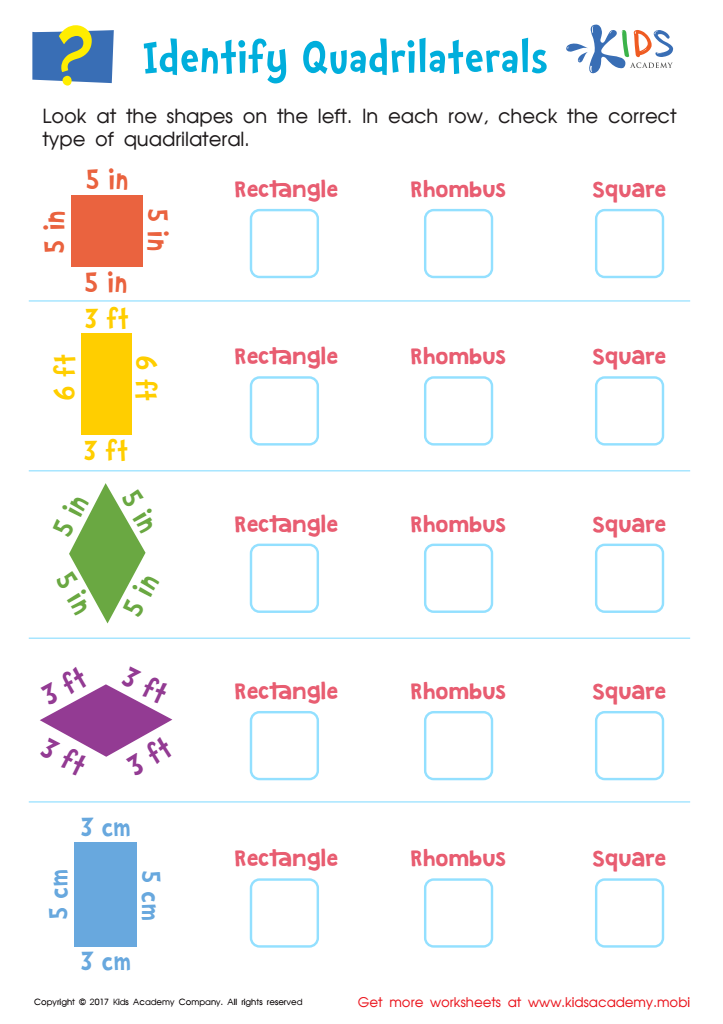
Identify Quadrilaterals Worksheet
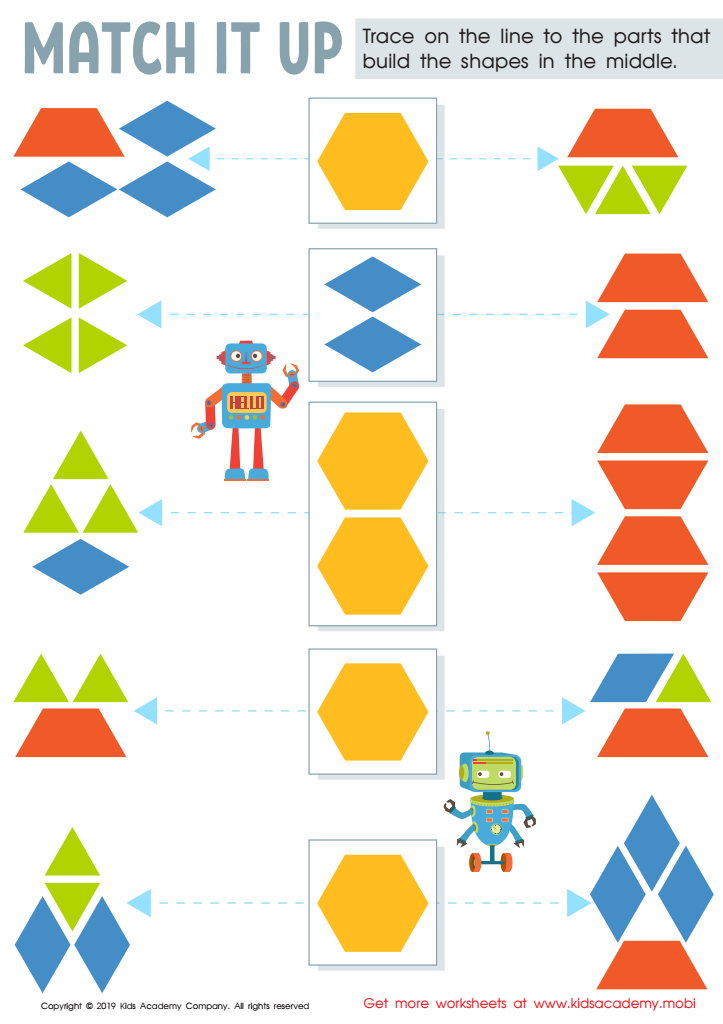
Match It up Worksheet
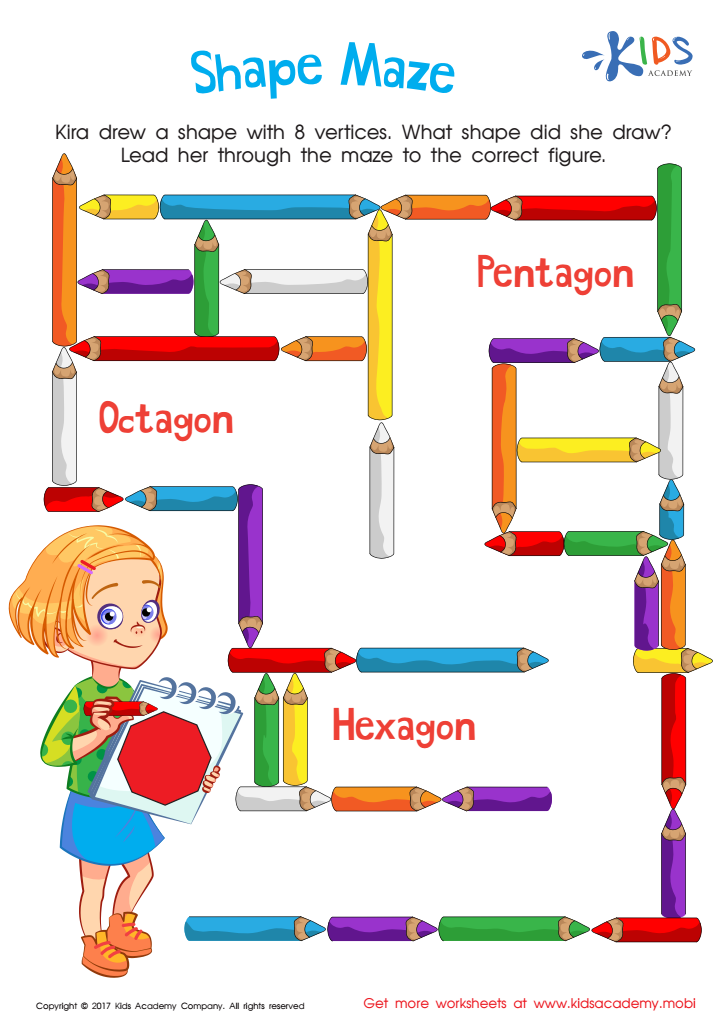
Shape Maze Worksheet
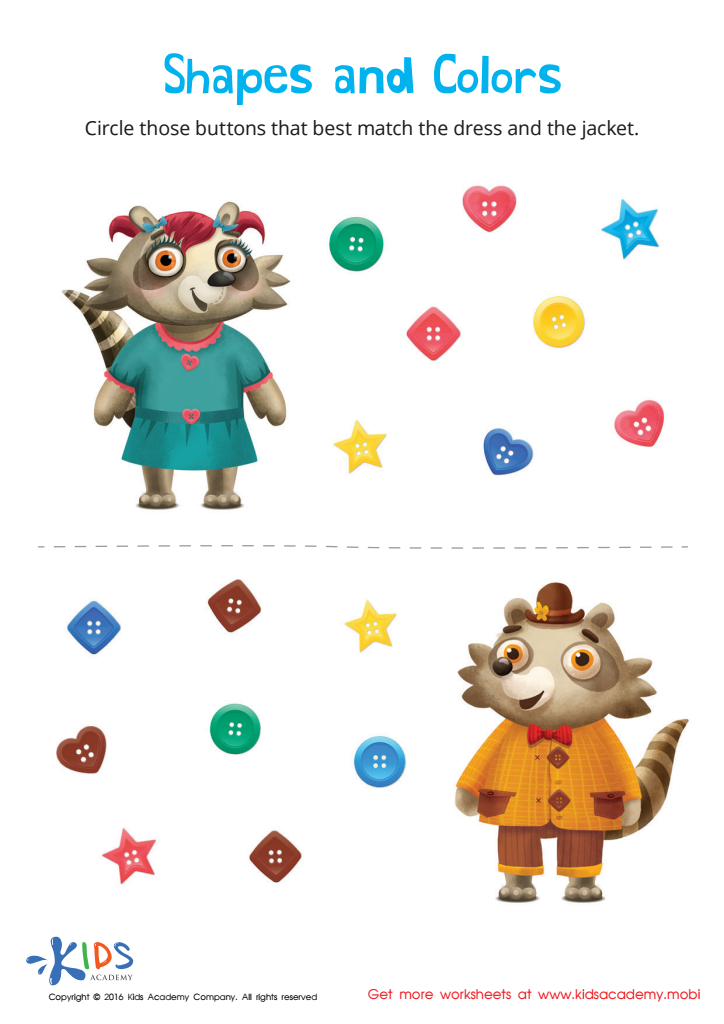
Matching: Shapes and Colors Worksheet
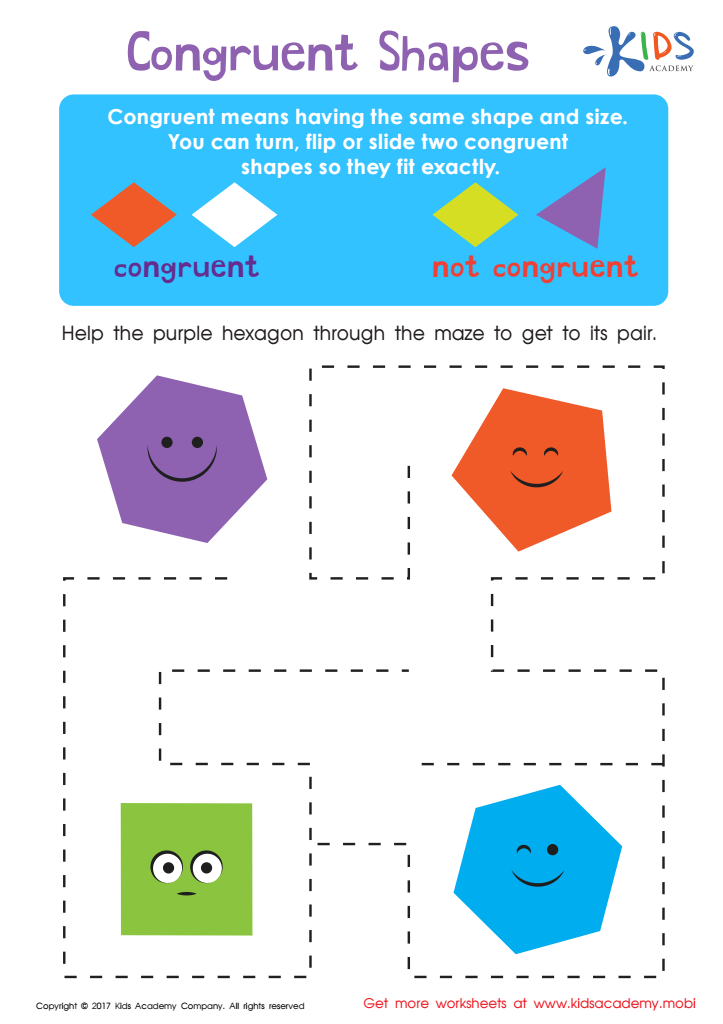
Congruent Shapes Worksheet
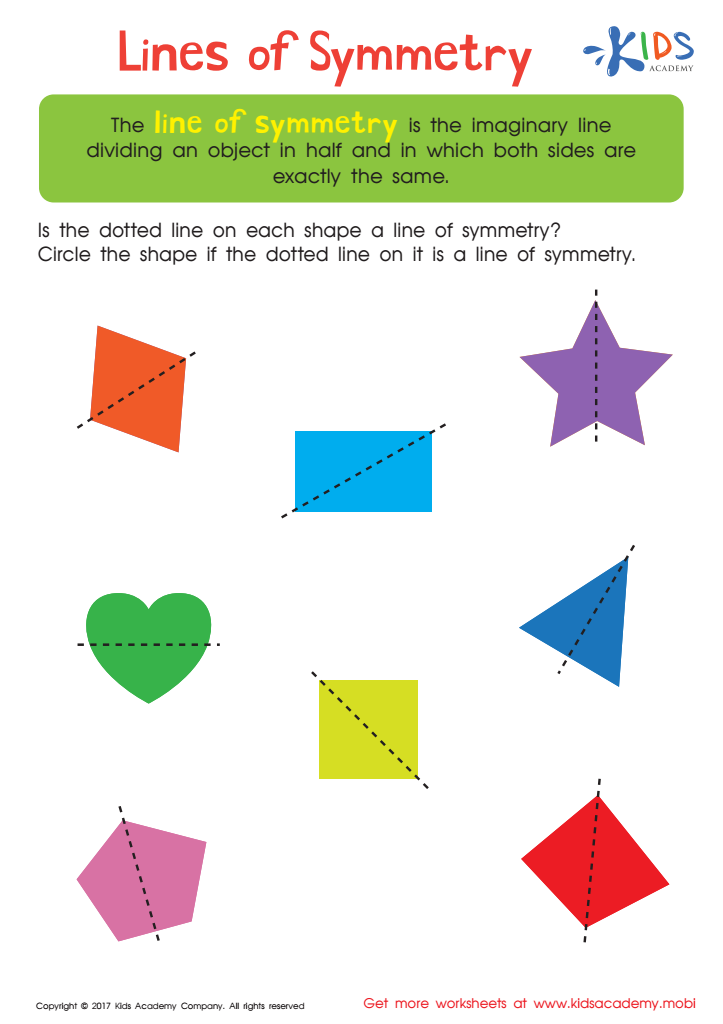
Lines of Symmetry Printable
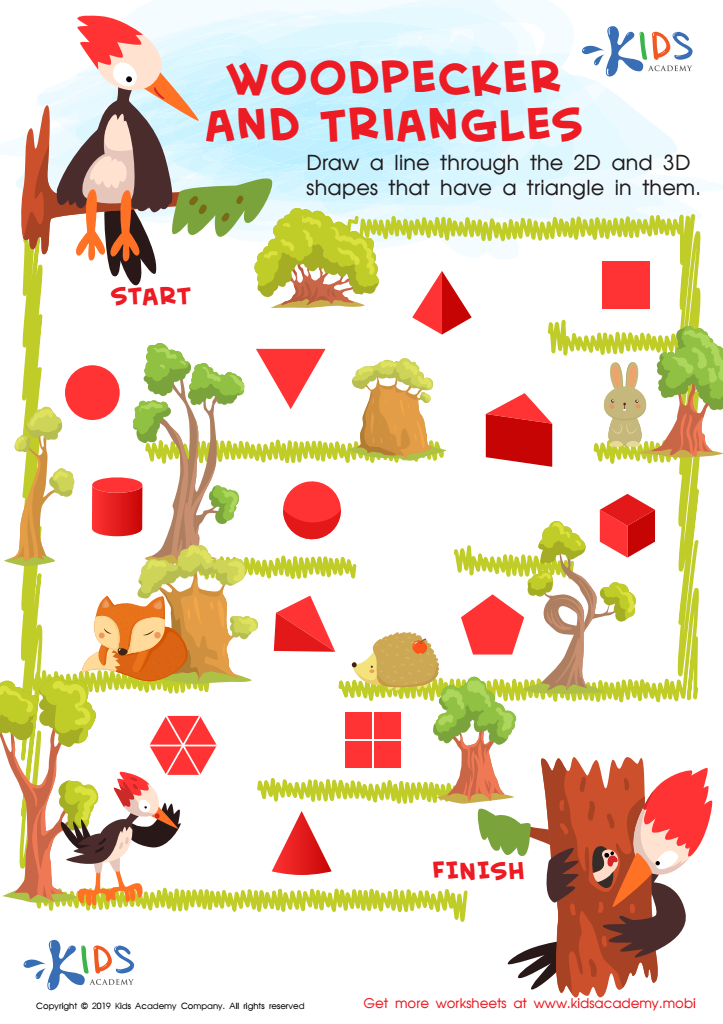
Woodpecker and Triangles Worksheet
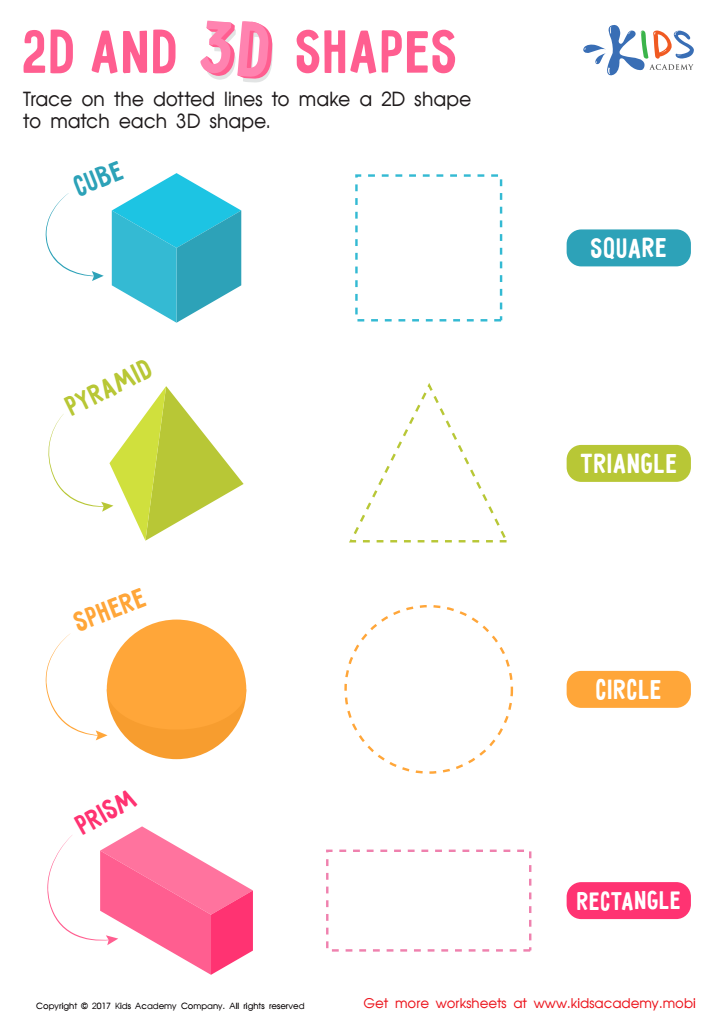
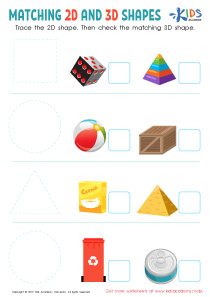
2D and 3D Shapes Worksheet
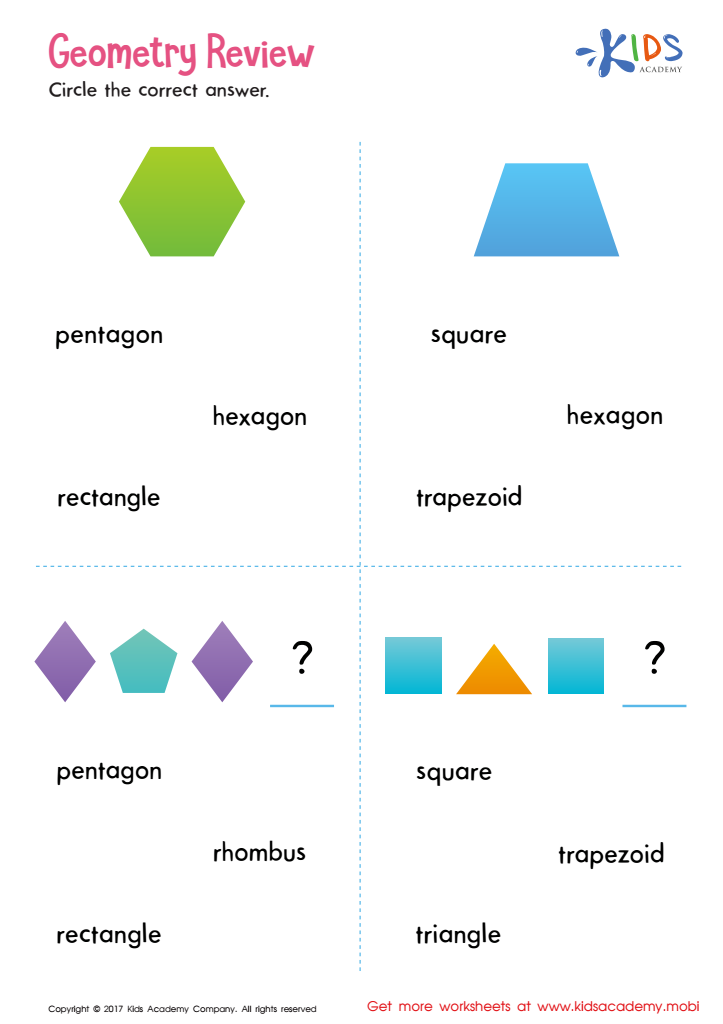
Geometry Review Printable
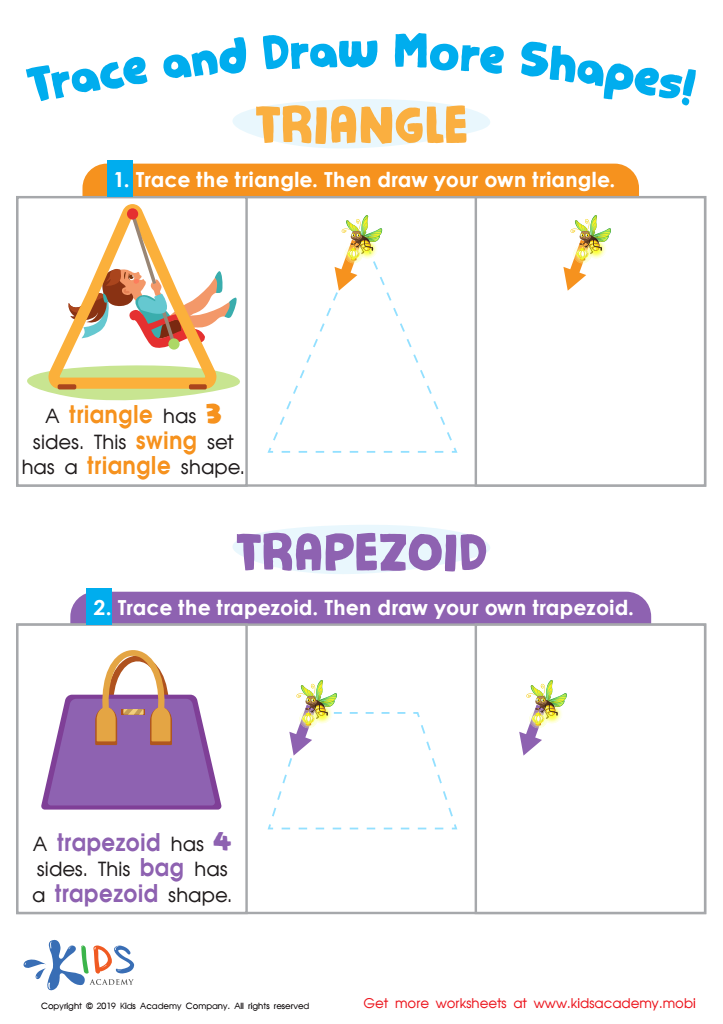
Trace and Draw More Shapes Worksheet
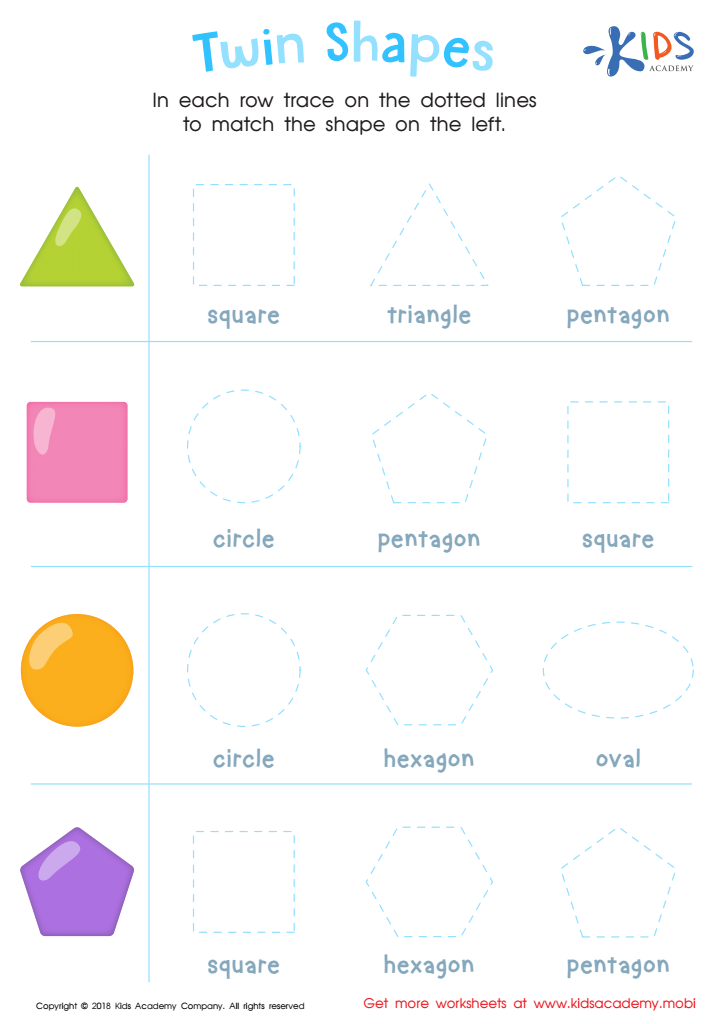
Twin Shapes Dot-to-Dot Worksheet
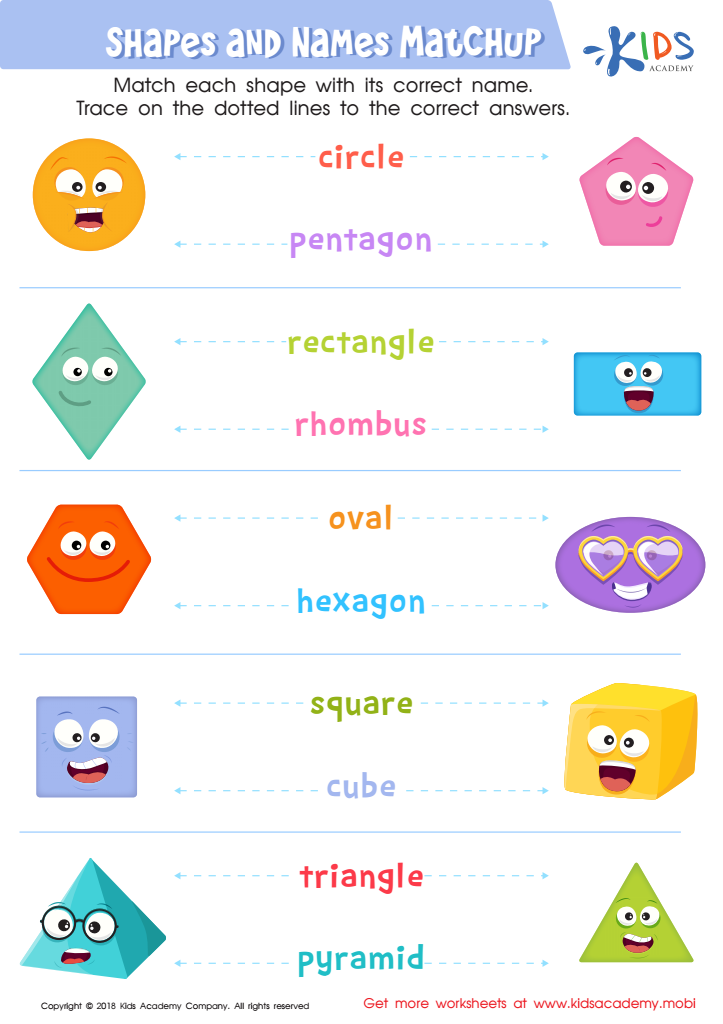
Shapes and Names Matchup Worksheet
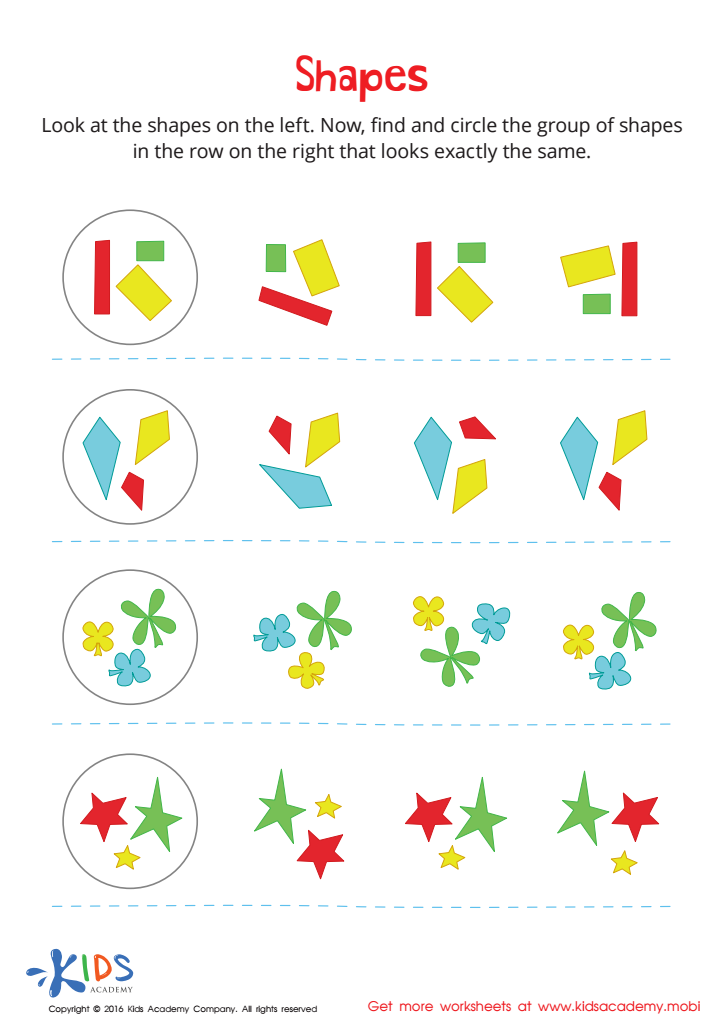
Shapes Worksheet








Exploring Extra Challenge 2D Shapes activities is essential for children aged 4-9 because it significantly contributes to their cognitive and developmental growth. At this age, kids are forming foundational skills that will support later learning in more complex subjects. Understanding 2D shapes enhances their spatial awareness and geometric thinking, helping them to recognize, categorize, and describe shapes and their properties. This is critical as it ties directly into math, a core academic skill.
Engaging with 2D shape challenges also improves fine motor skills. Activities often involve drawing, cutting, or manipulating shapes, which help children develop the precision needed for writing and other detailed tasks. These challenges can also ignite creativity and imagination, often encouraging kids to see shapes in everyday objects and art, thus integrating learning into real life.
Furthermore, solving shape-related problems promotes critical thinking and problem-solving skills as children learn to navigate challenges and develop strategies for success. It fosters a sense of achievement and builds confidence, attributes that permeate all areas of learning.
Parents and teachers should care because these activities provide a fun, engaging, and effective way to reinforce important educational concepts, striking a balance between enjoyment and learning, making it more likely that children will embrace and excel in their education journey.