Normal Alphabet Worksheets for Ages 3-6 - Page 5
192 filtered results
-
From - To
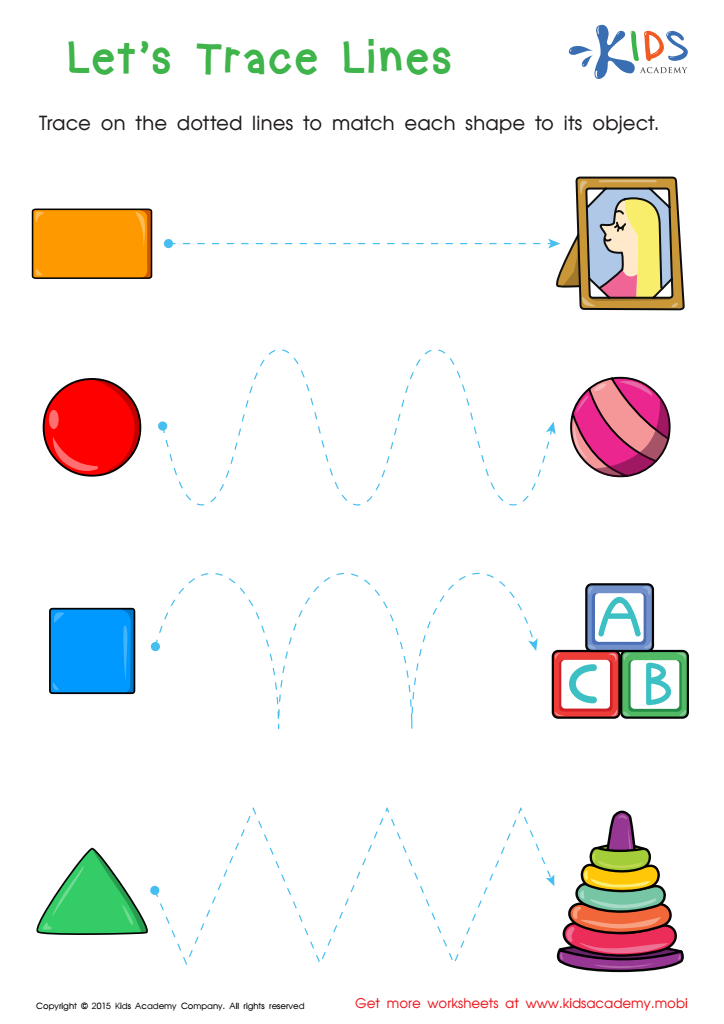
First Words: Let's Trace Lines Worksheet
 Assign to My Students
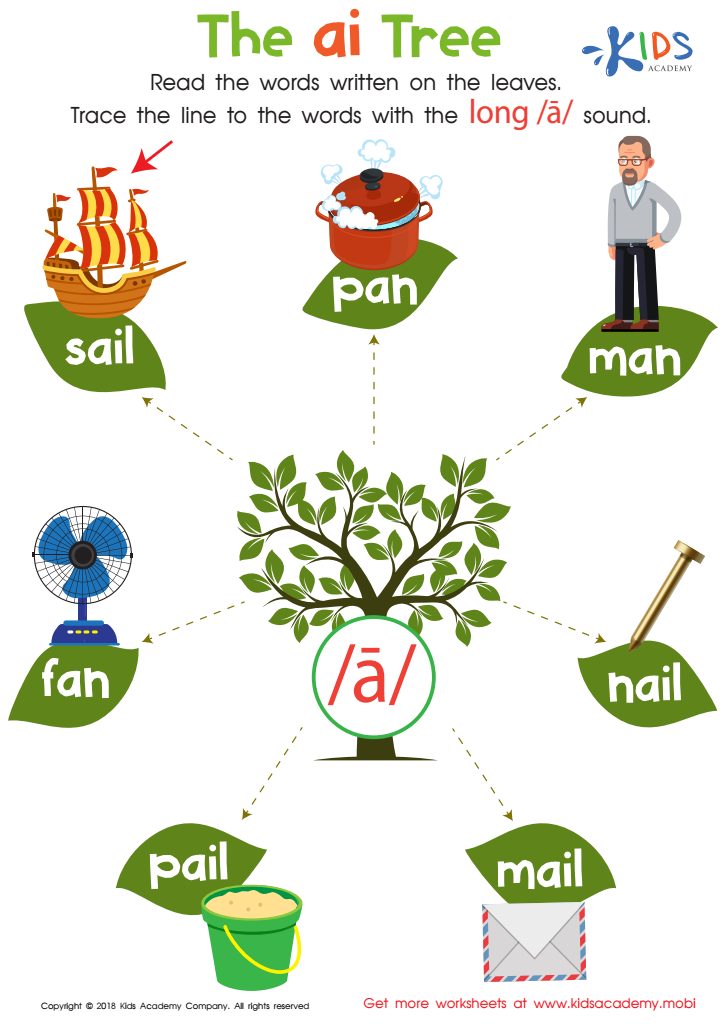
The AI Tree Worksheet
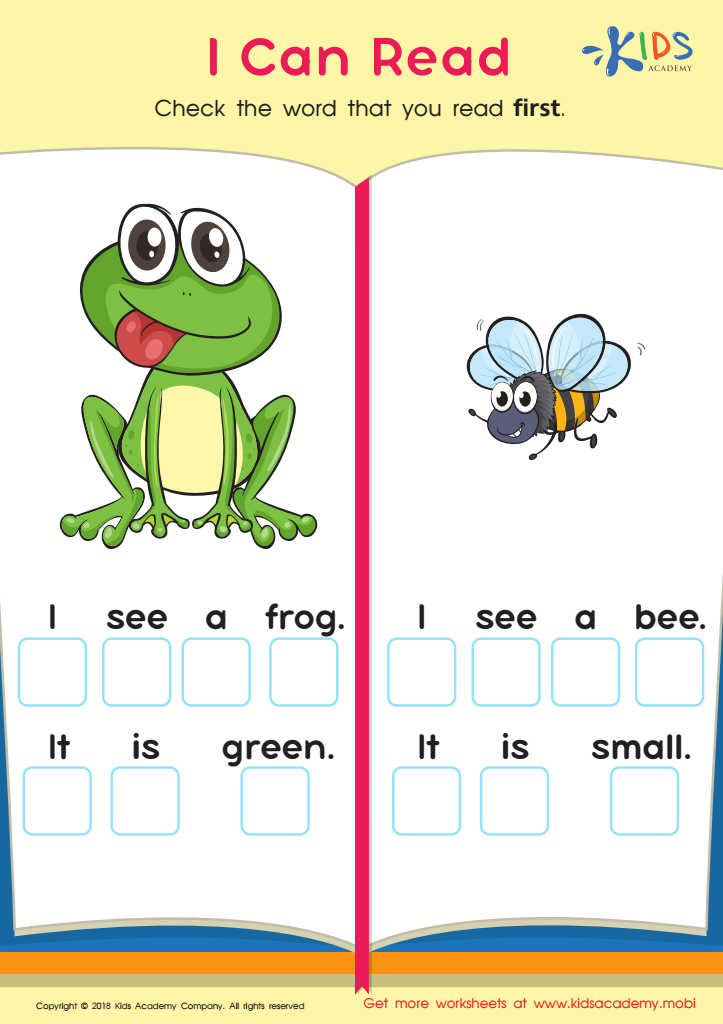
I Can Read Worksheet
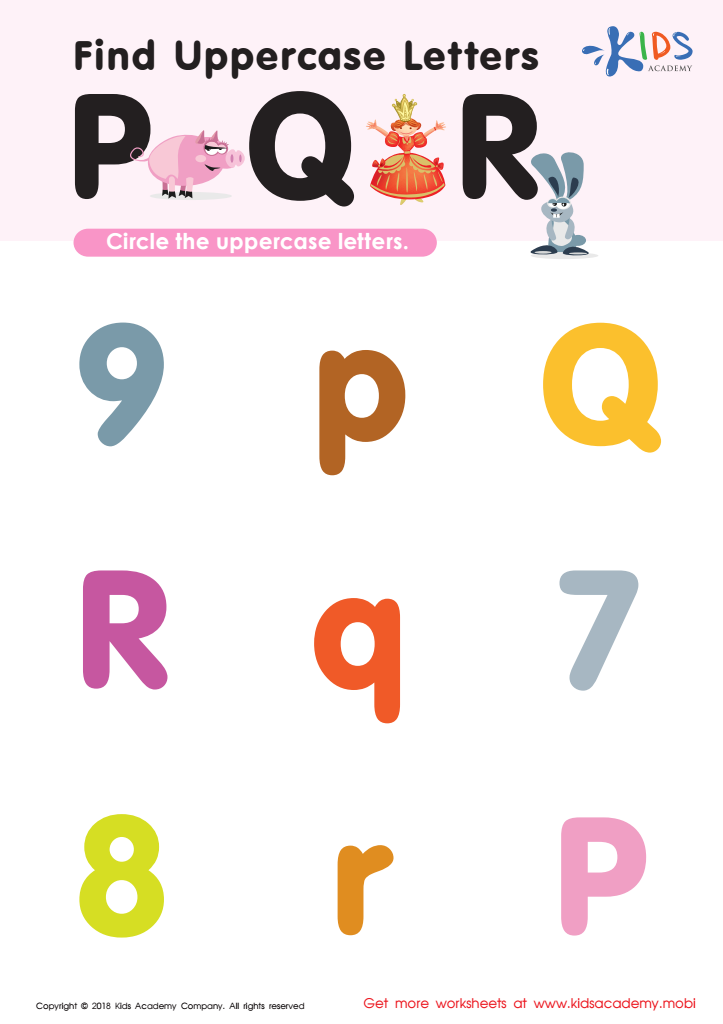
Find Uppercase Letters P, Q, and R Worksheet
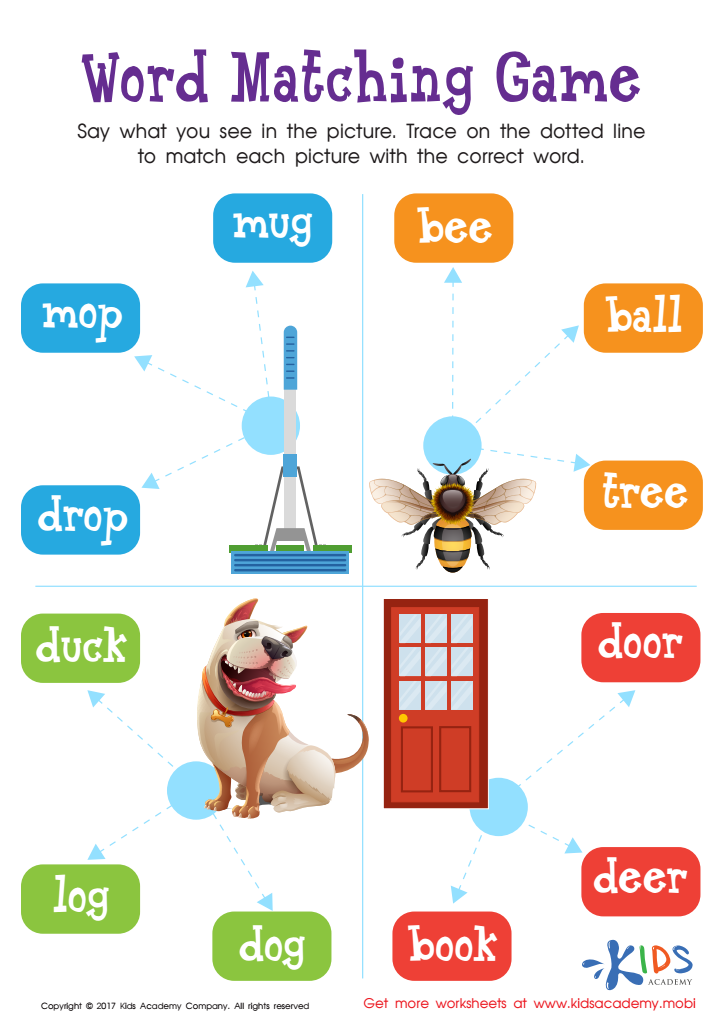
Word Matching Game Worksheet
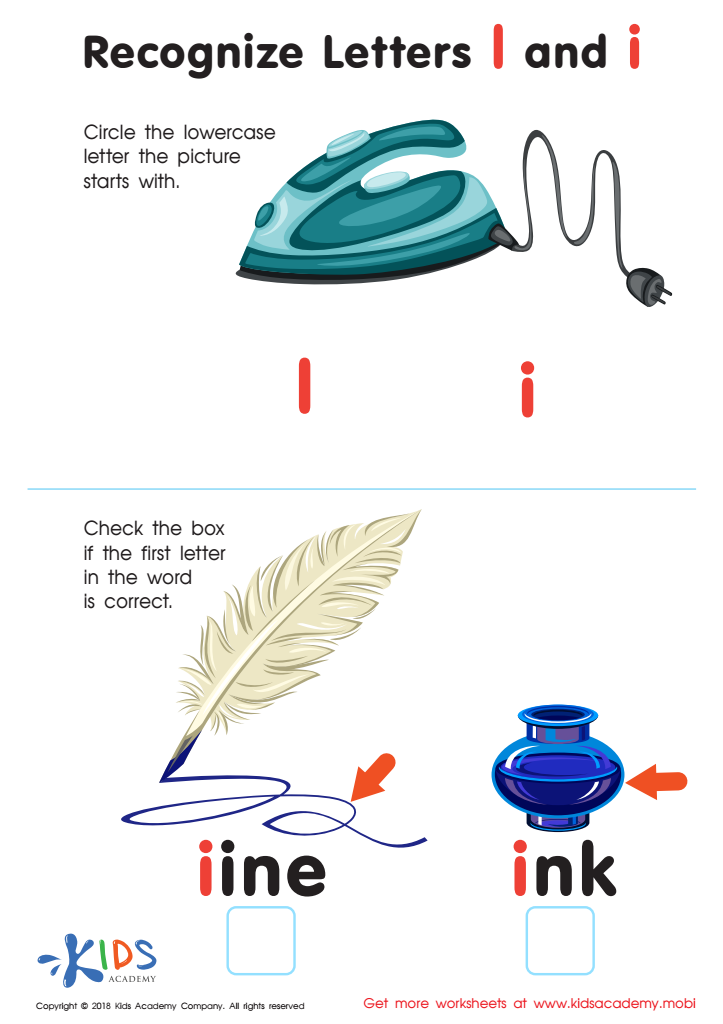
Recognize Letters l and i Worksheet
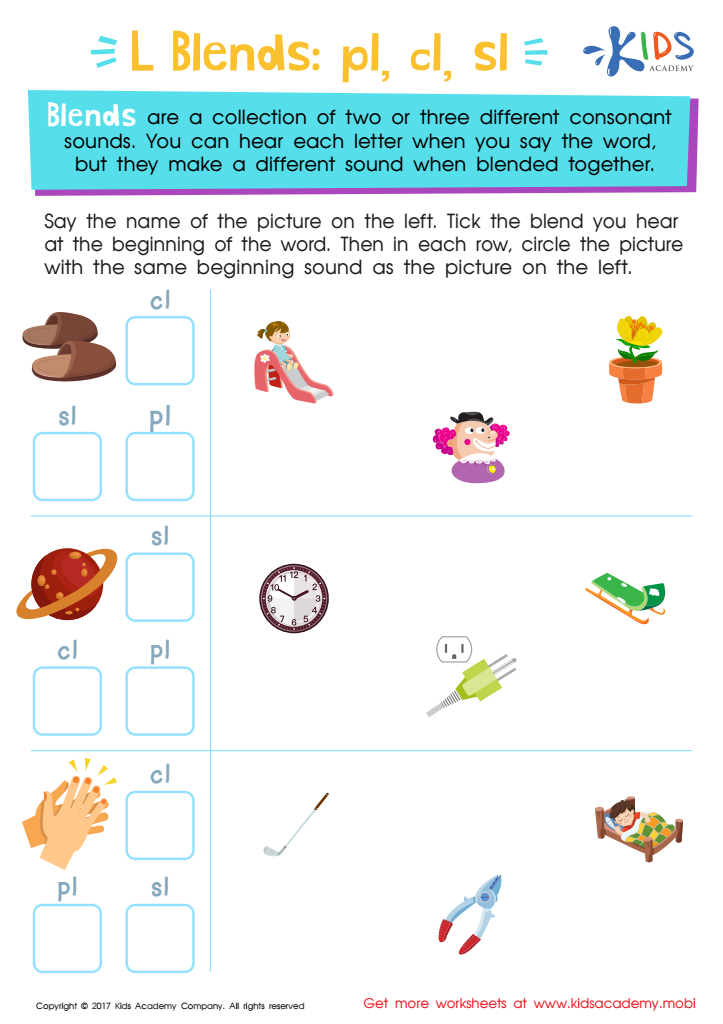
L Blends: "Pl", "Cl" and "Sl" Printable
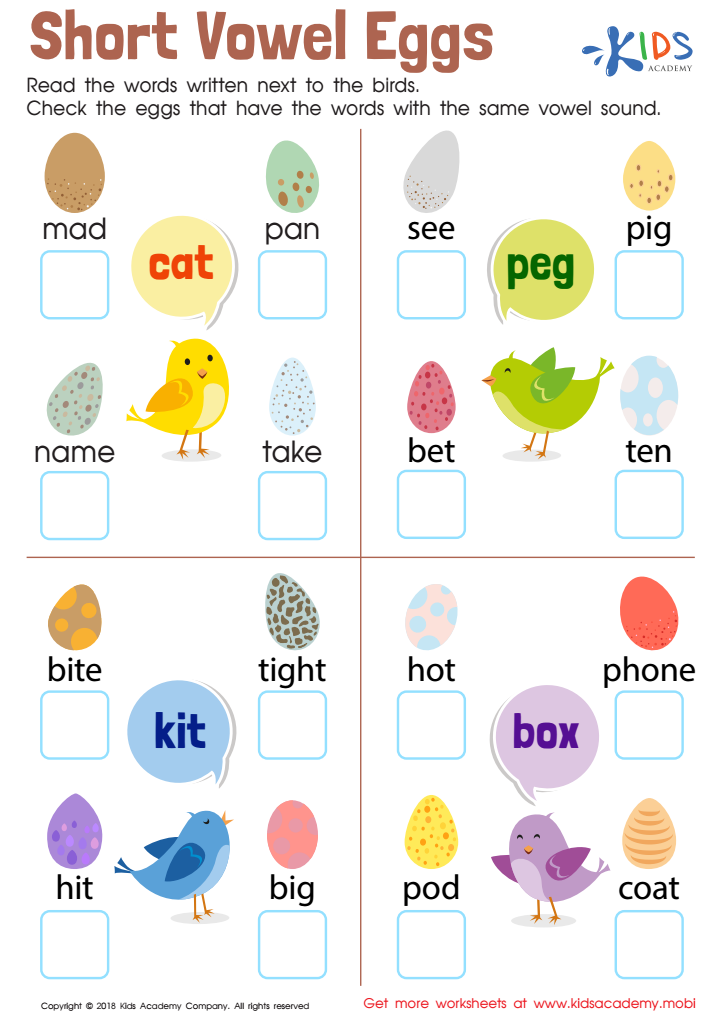
Short Vowel Eggs Worksheet
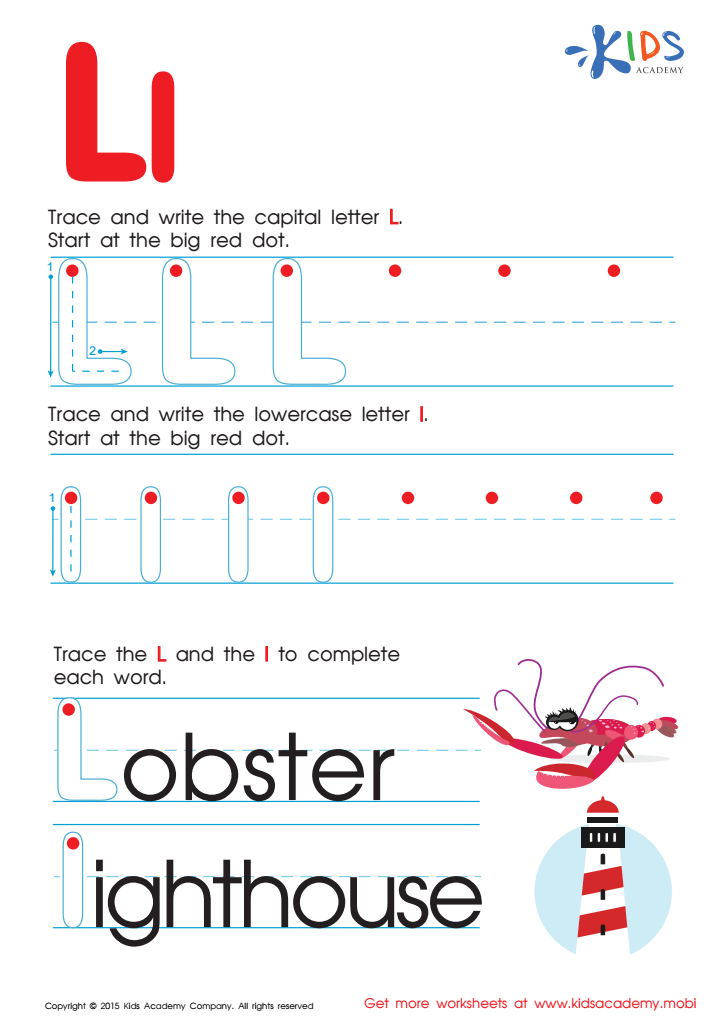
Letter L Tracing Page
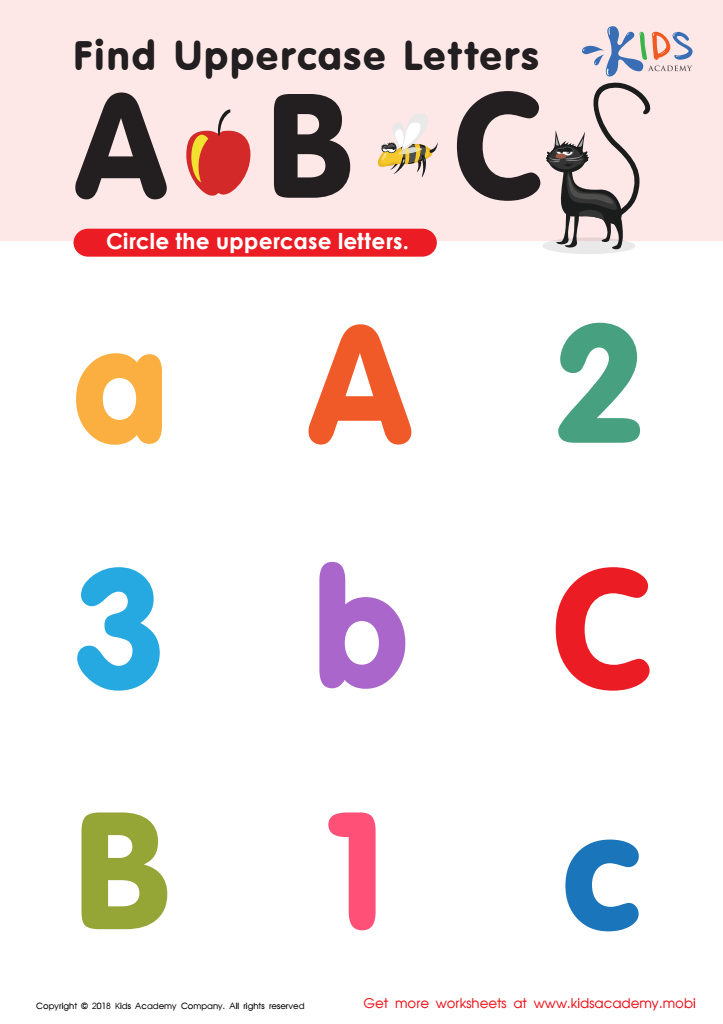
Find Uppercase Letters A, B, and C Worksheet
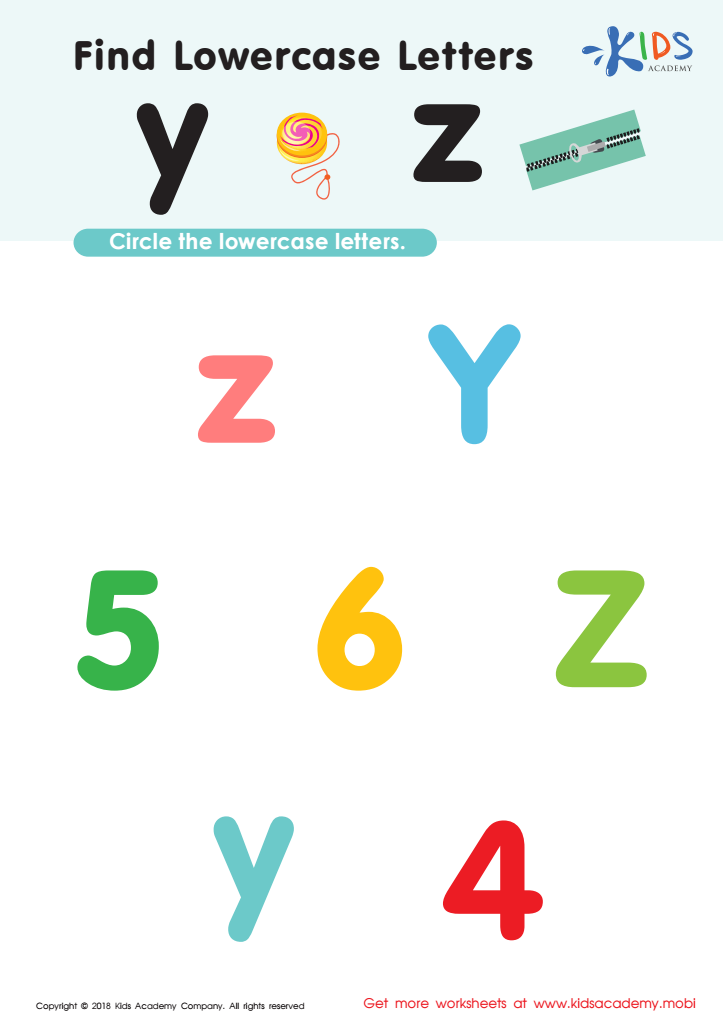
Find Lowercase Letters y z Worksheet
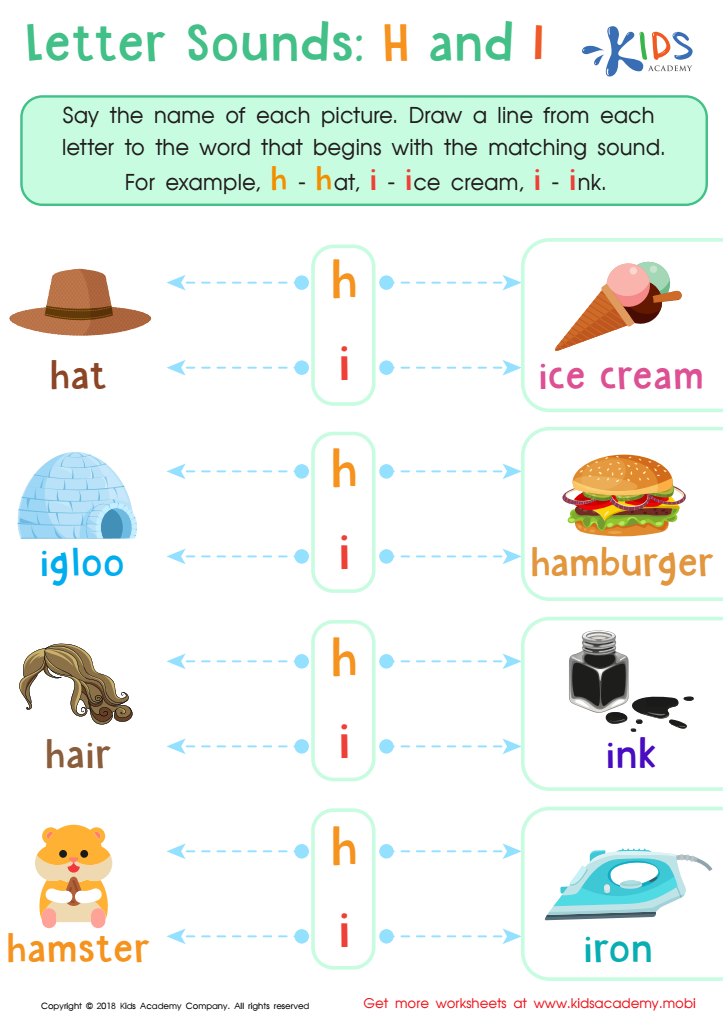
Letter H and I Sounds Worksheet
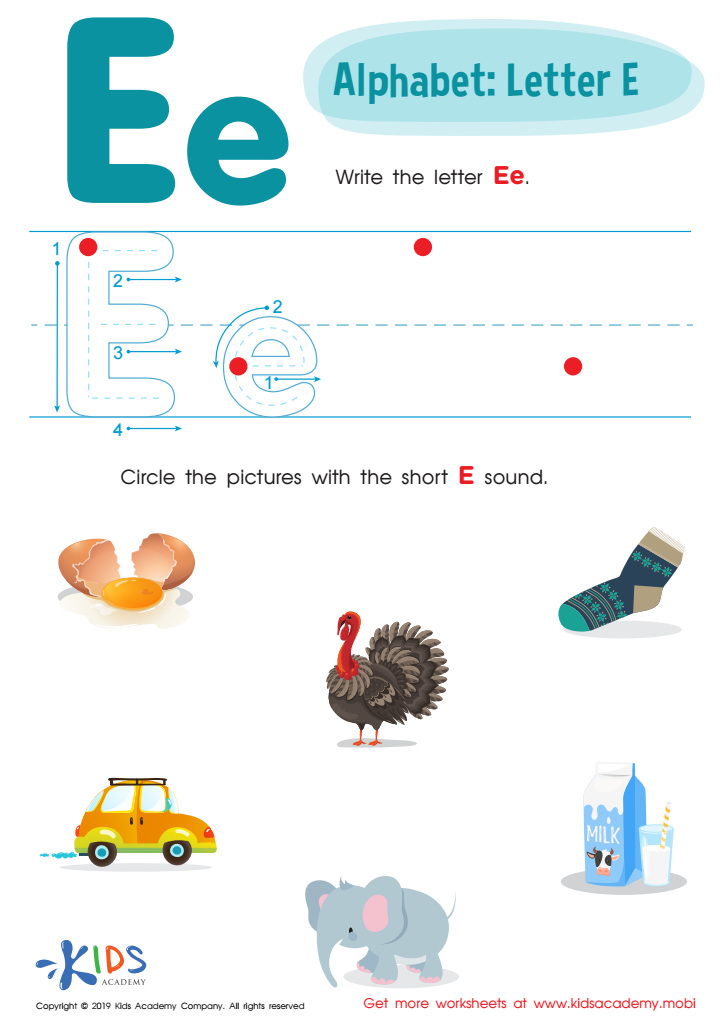
Letter E Tracing Worksheet
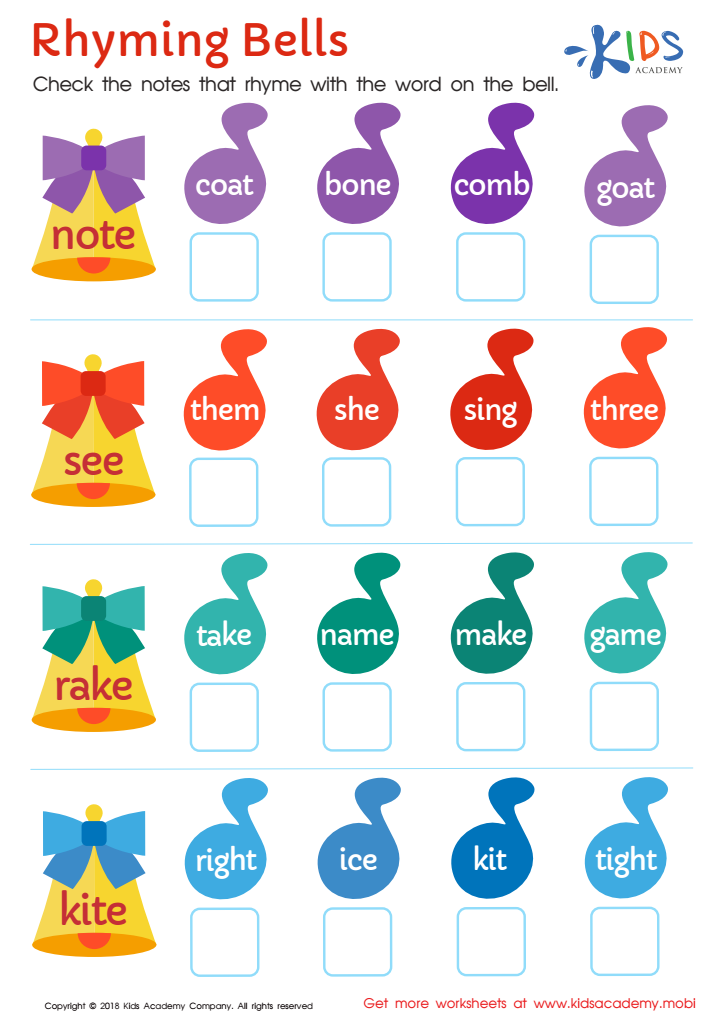
Rhyming Bells Worksheet
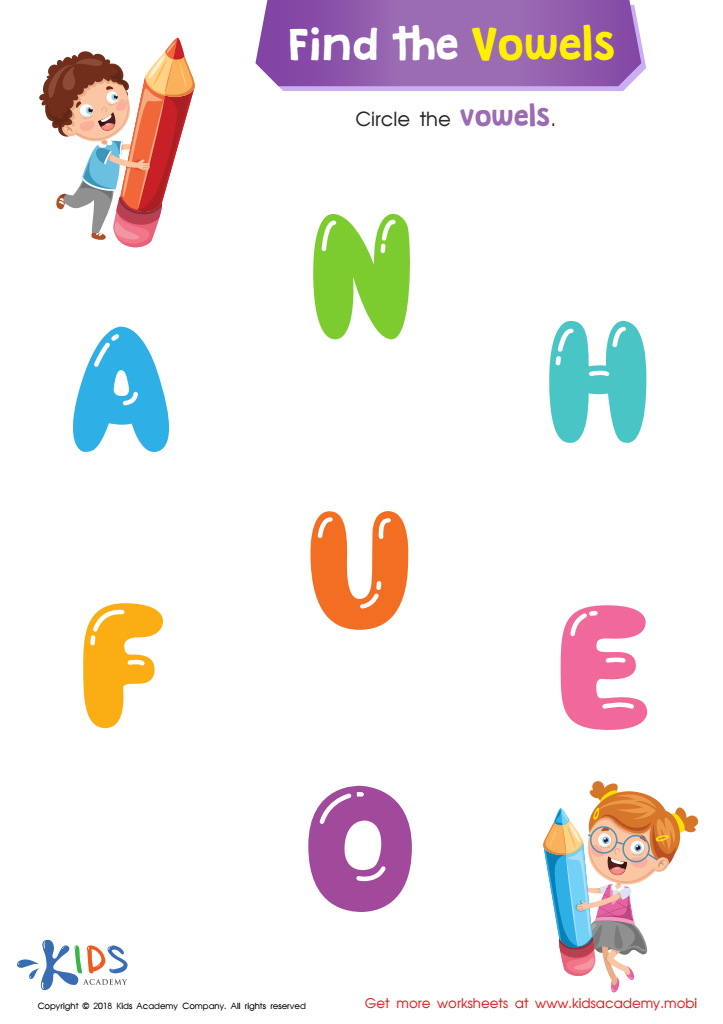
Find the Vowels Reading Worksheet
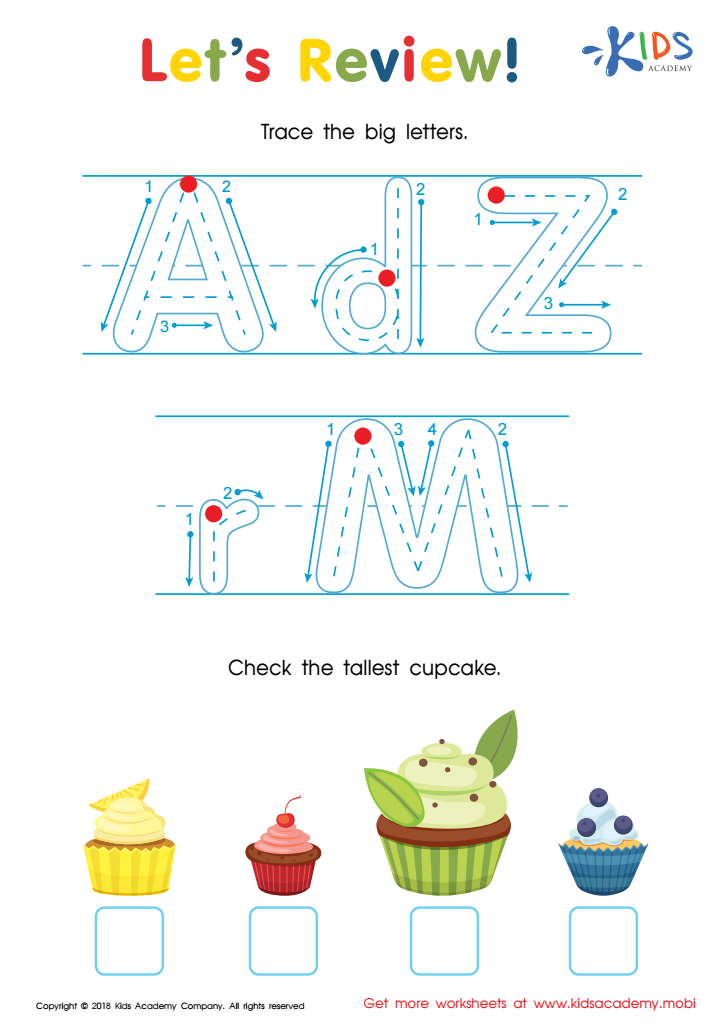
Let's Review! Big Letters Worksheet
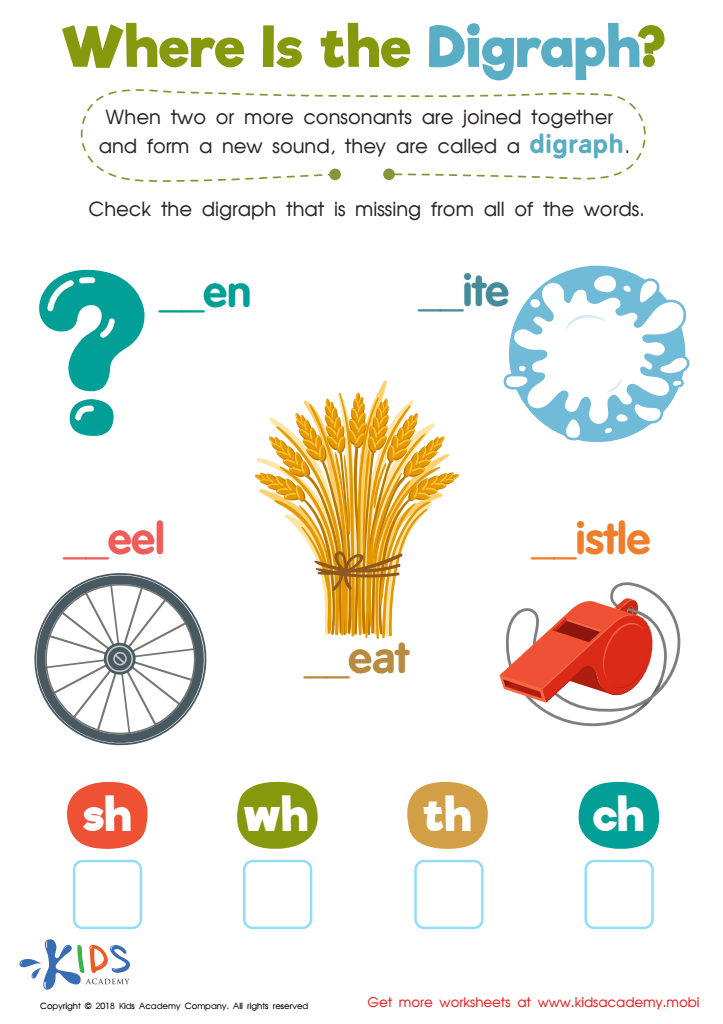
Where Is the Digraph? Worksheet
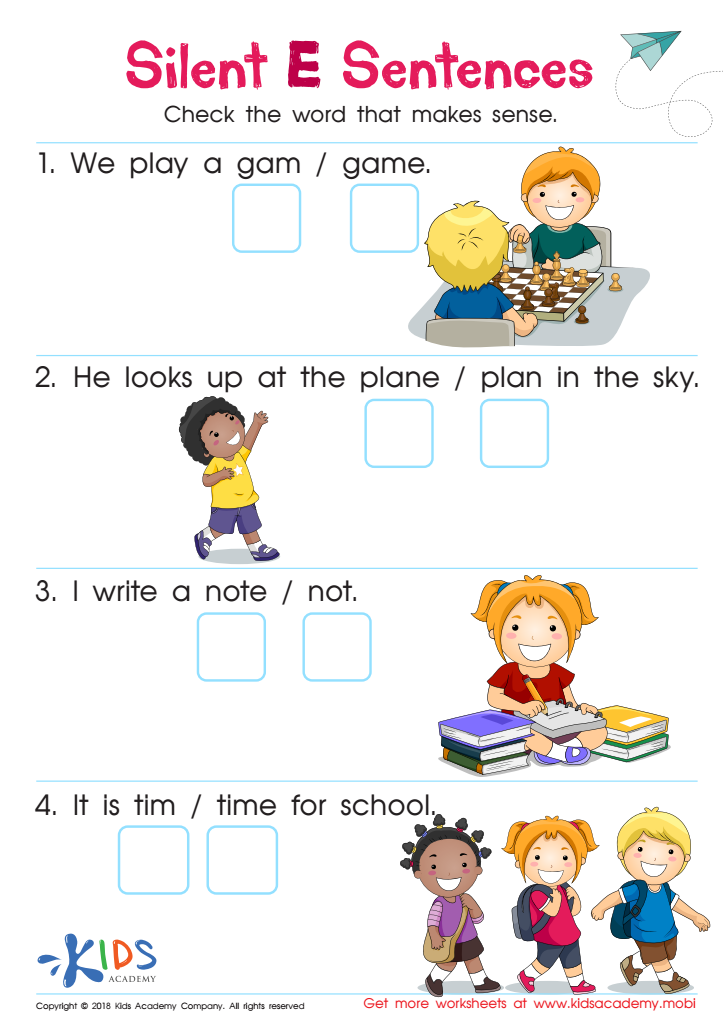
Silent E Sentences Worksheet
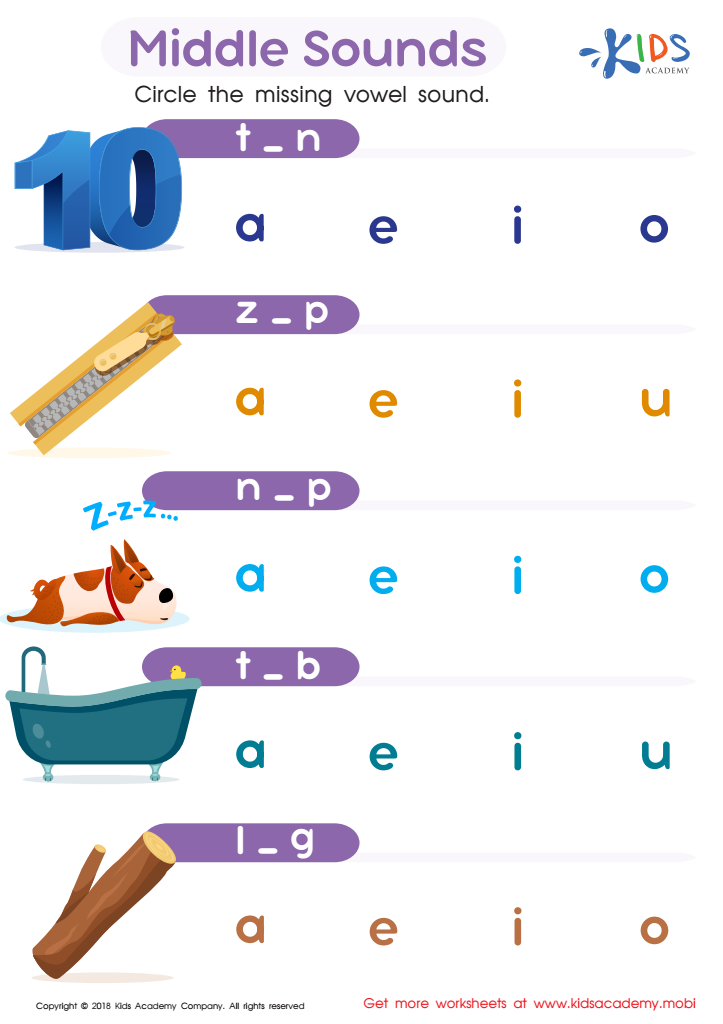
Middle Sounds Worksheet
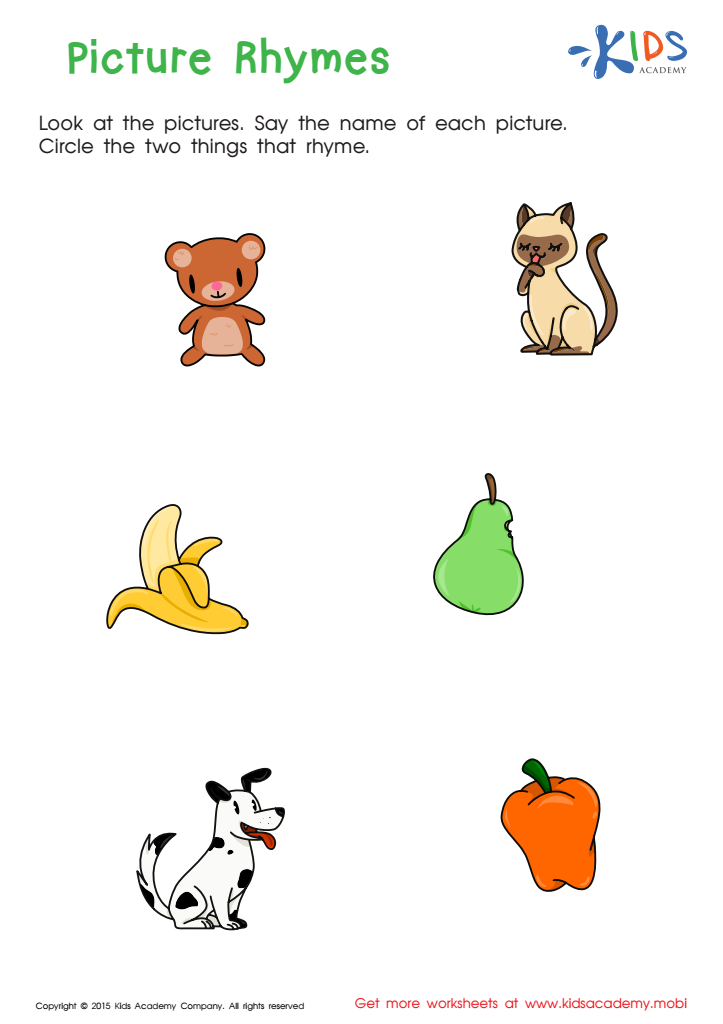
First Words: Picture Rhymes Worksheet
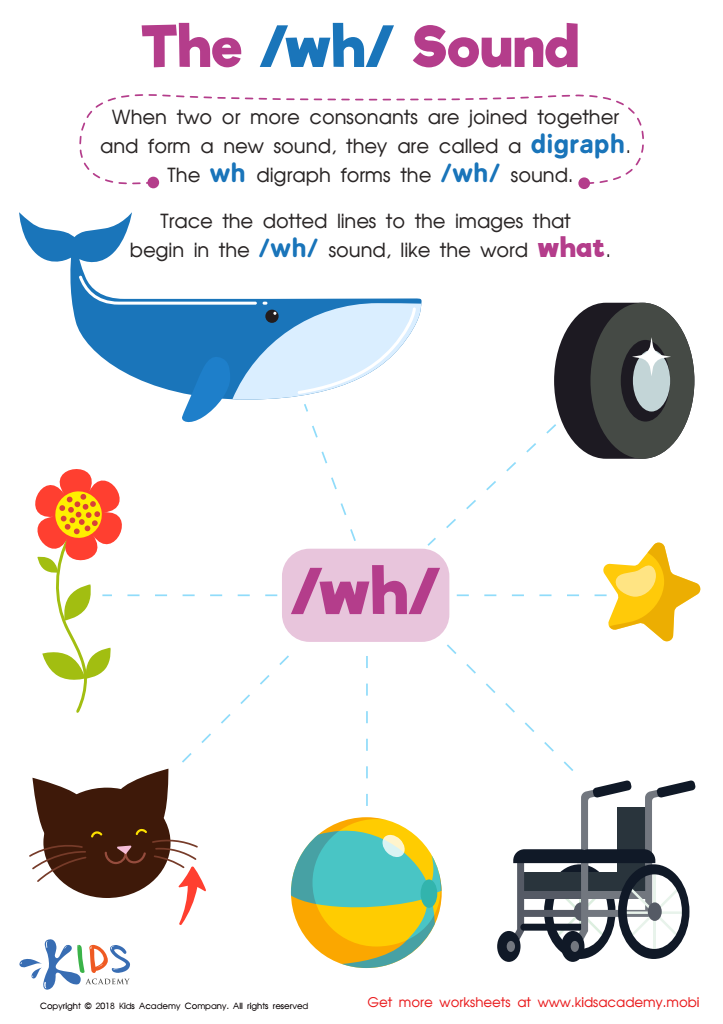
The /wh/ Sound Worksheet
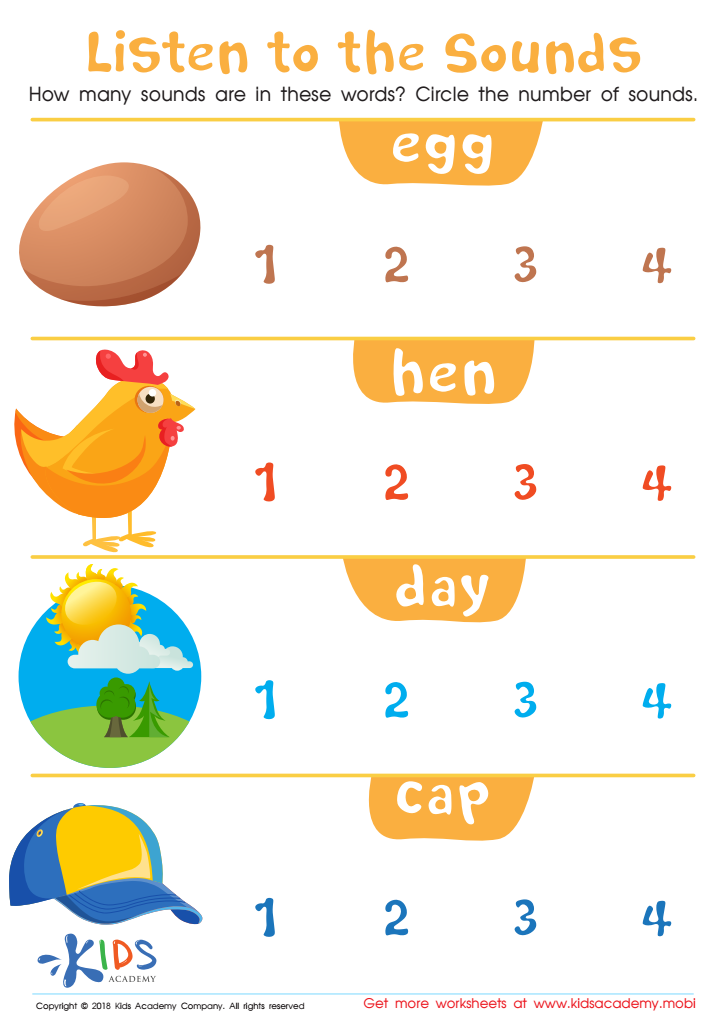
Listen to the Sounds Worksheet
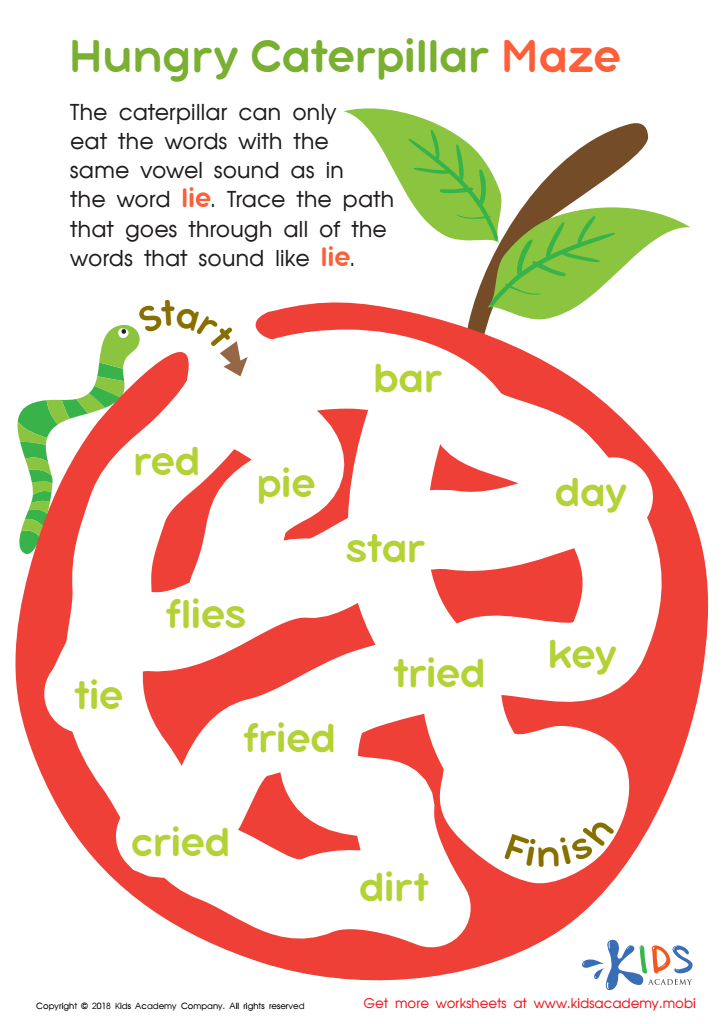
Hungry Caterpillar Maze Worksheet
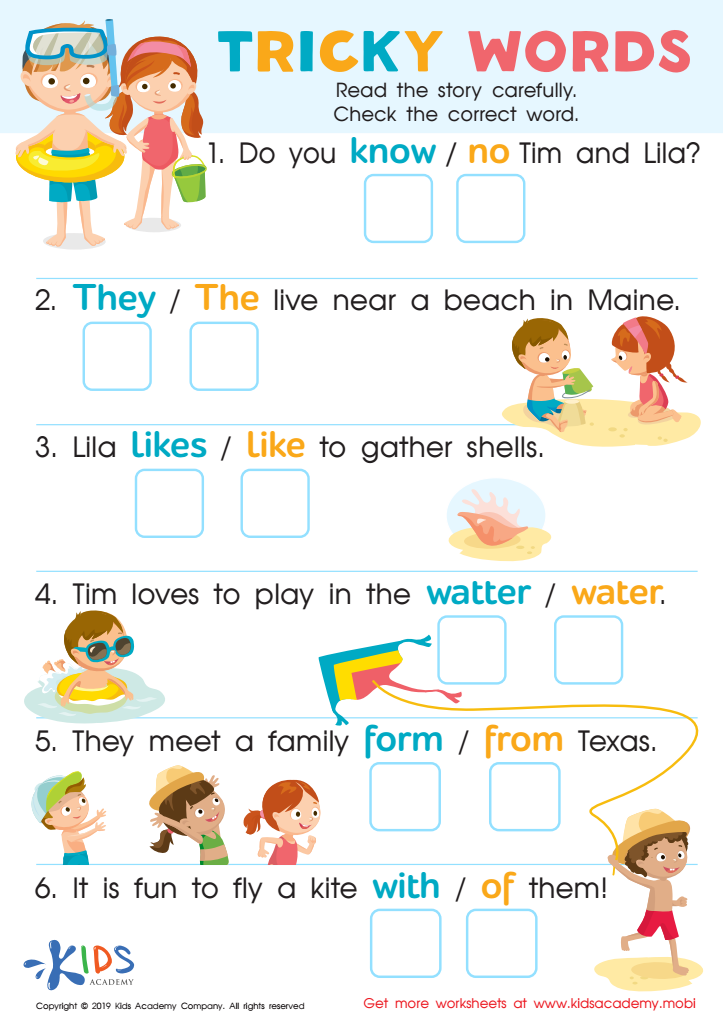
Tricky Words Worksheet







Teaching the Normal Alphabet to children aged 3-6 is crucial for their early literacy development and overall cognitive growth. At this stage, children are naturally curious and eager to learn, making it a prime time to introduce the letters of the alphabet. Mastery of the alphabet helps children recognize letters, which is the foundation for reading and writing skills. Understanding letters not only aids in decoding words but also fosters phonemic awareness, which is essential for spelling and pronunciation.
Parents and teachers should care about this learning phase because it equips children with the basic tools needed for successful communication and literacy progression. Engaging children in alphabet activities—like singing songs, playing letter games, or using interactive storybooks—can ignite a love for reading. Moreover, learning the alphabet enhances cognitive skills, such as memory and problem-solving, as children connect letters with sounds and meanings.
Additionally, encouraging letters through diverse and fun methods keeps young learners motivated and can bridge connections with their everyday experiences. By actively supporting children’s learning about the Normal Alphabet, parents and teachers are laying a strong foundation for a lifetime of academic success. Ultimately, this concerted effort ensures that children are ready for more advanced language and literacy skills in their educational journey.







