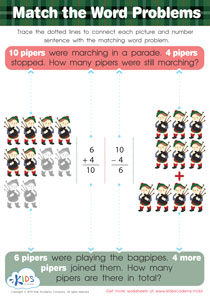
Normal Addition Worksheets for Ages 3-6 - Page 2
42 filtered results
-
From - To
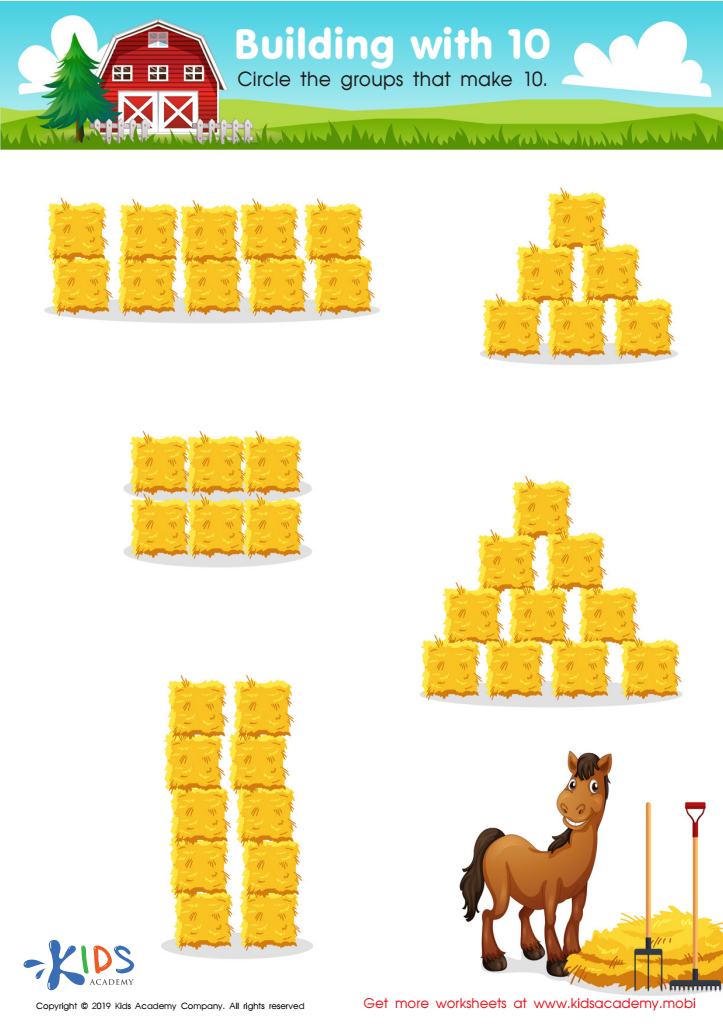
Building with 10 Worksheet
 Assign to My Students
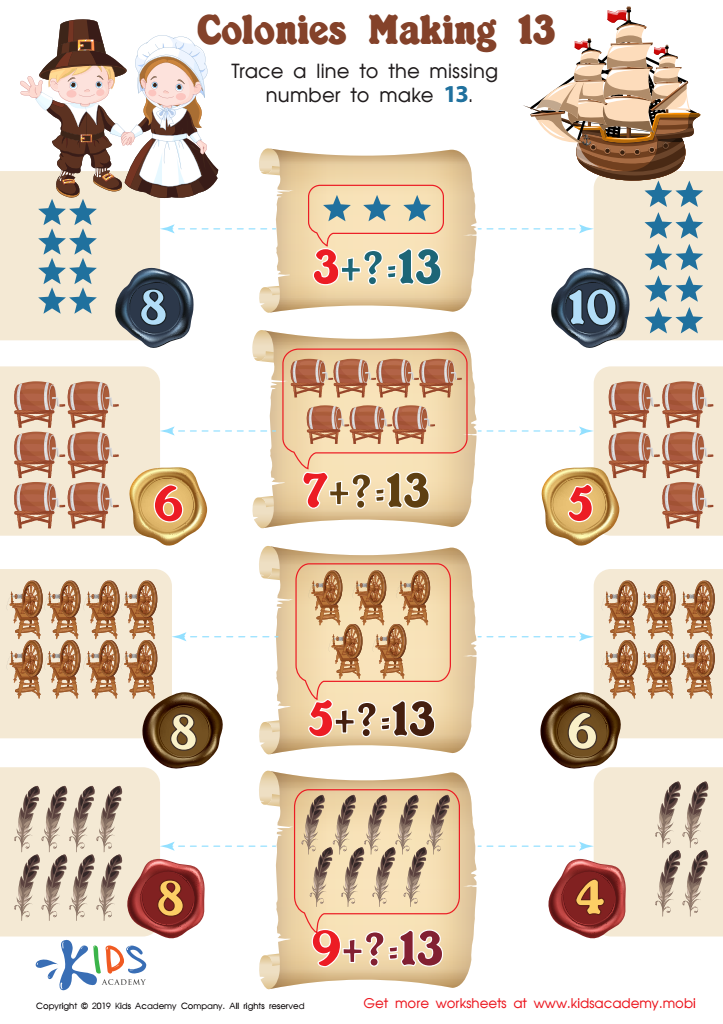
Colonies Making 13 Worksheet
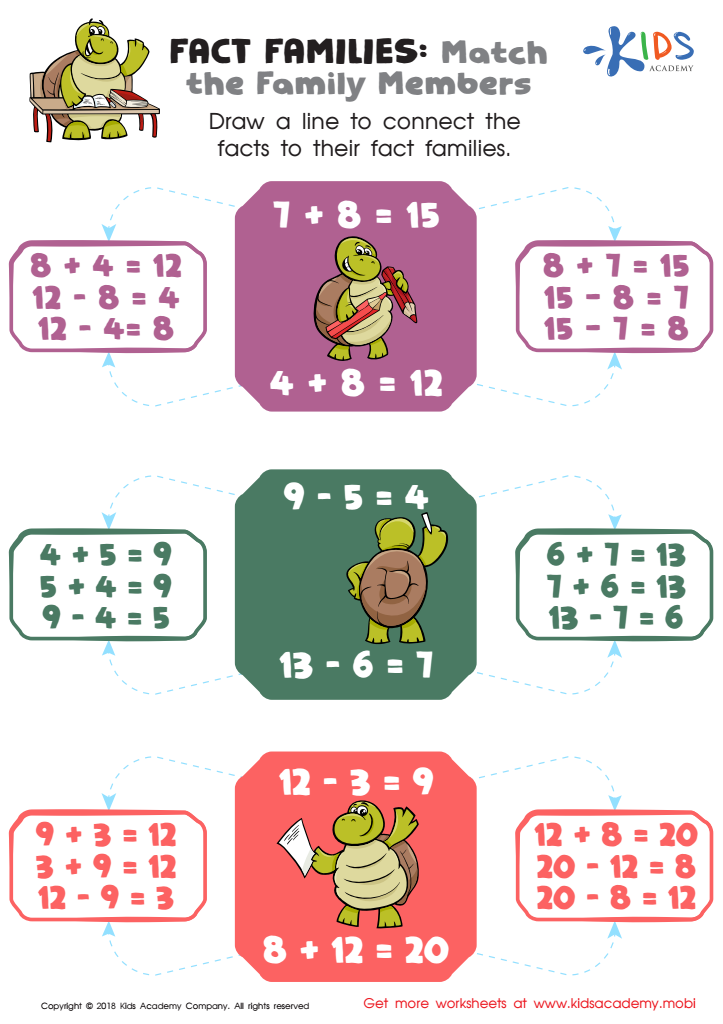
Fact Families: Match Family Members Worksheet
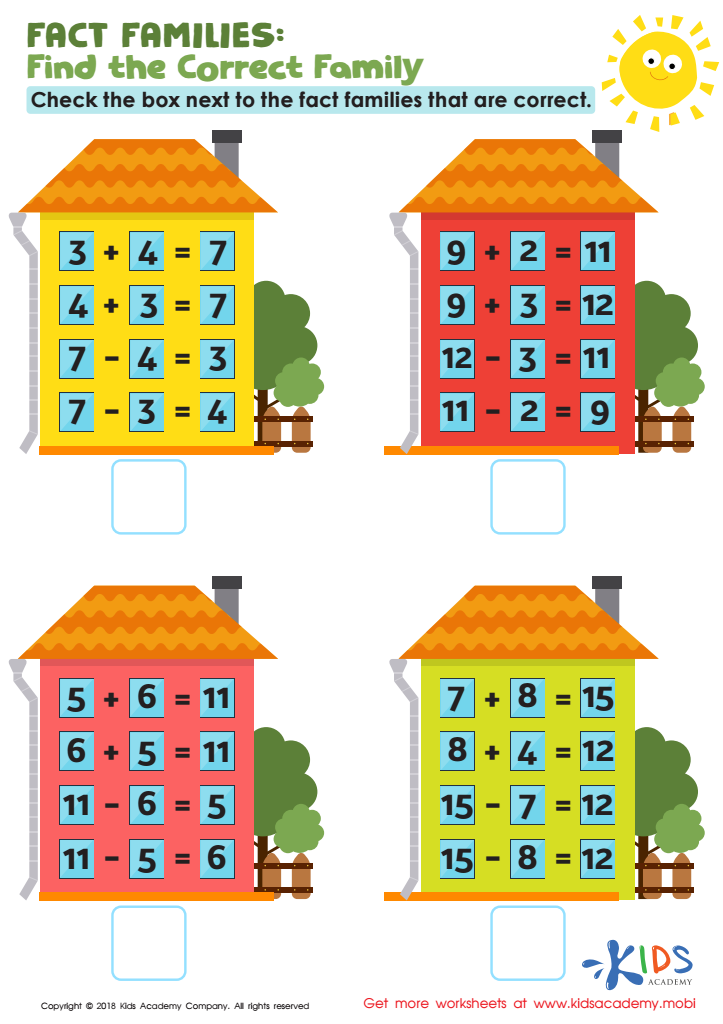
Fact Families: Find Correct Family Worksheet
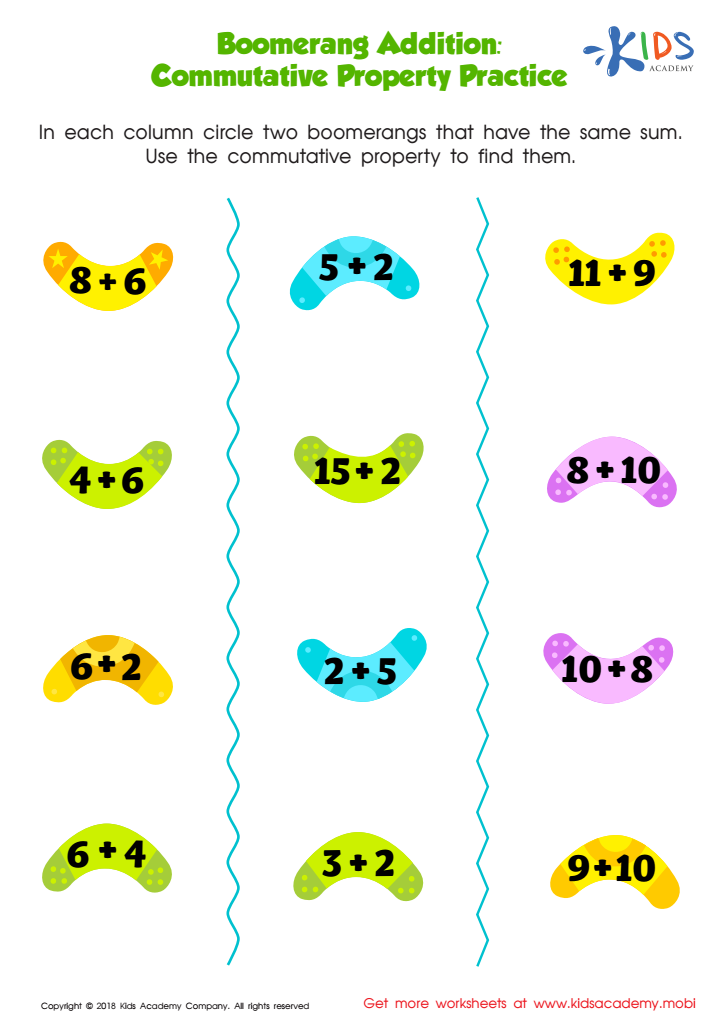
Boomerang Addition Worksheet
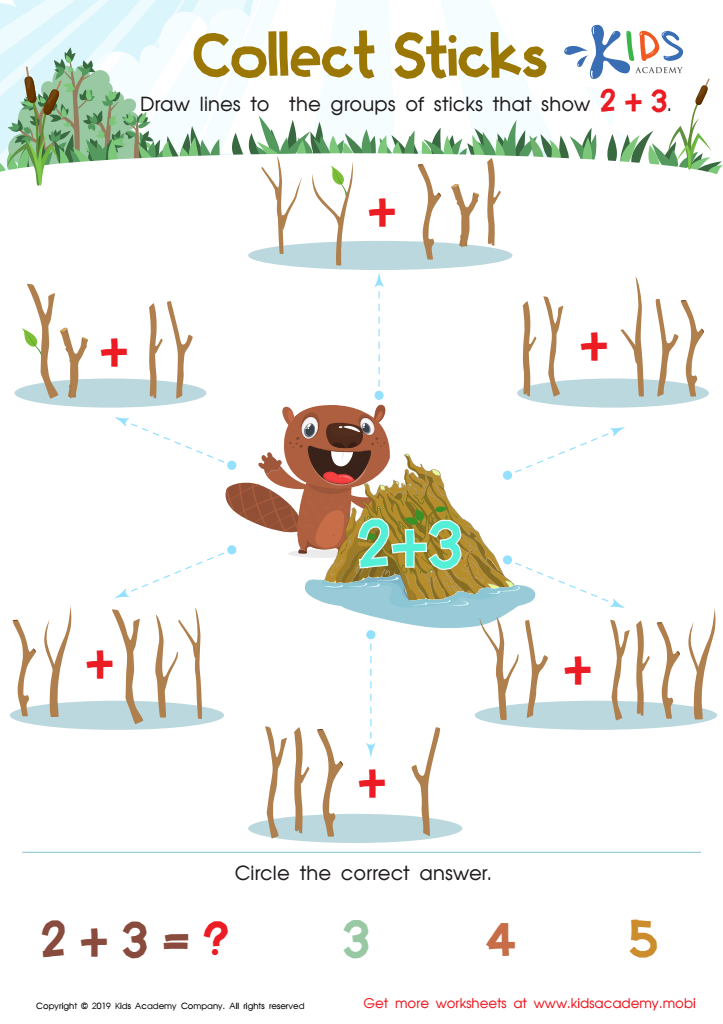
Collect Sticks Worksheet
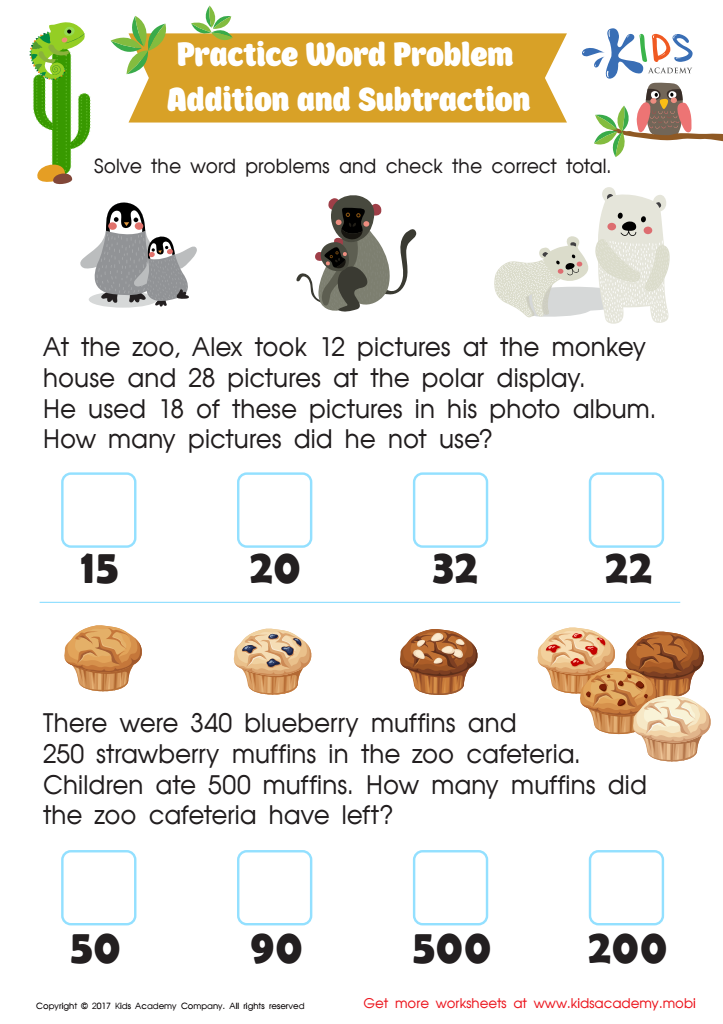
Addition and Subtraction: Word Problems Worksheet
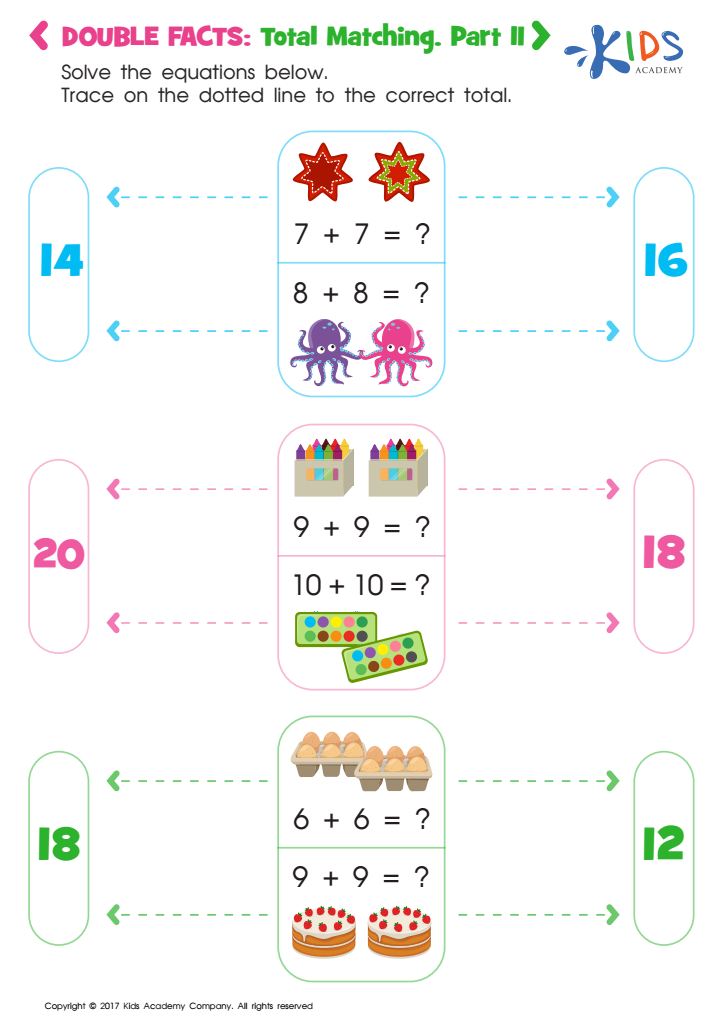
Double Facts: Total Matching 2 Worksheet
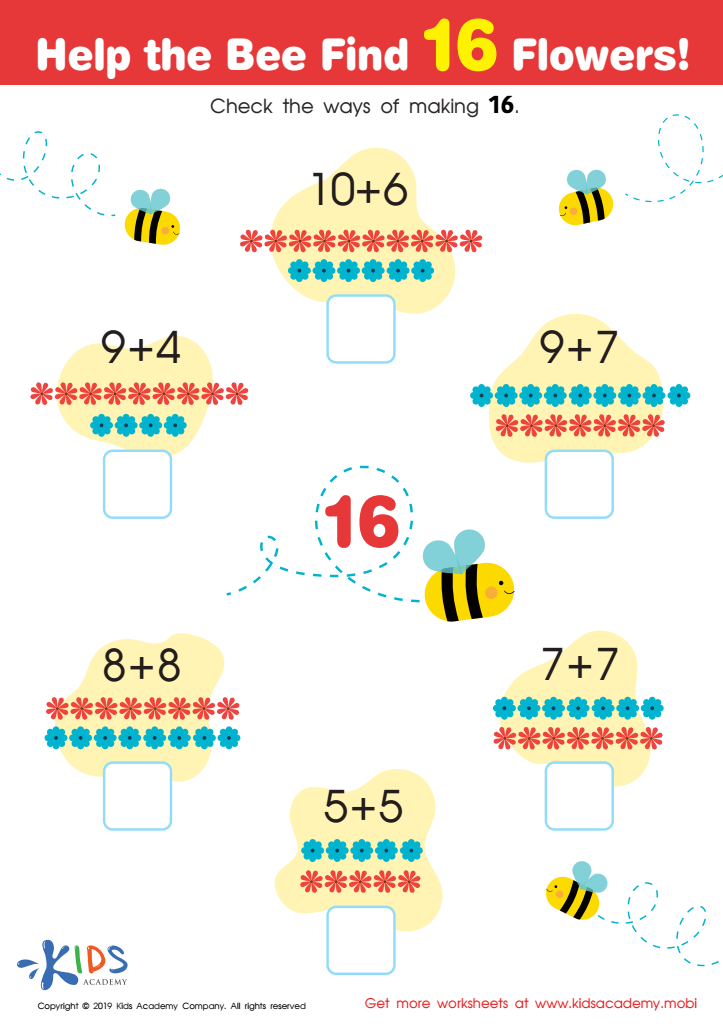
Help the Bee Find 16 Flowers Worksheet
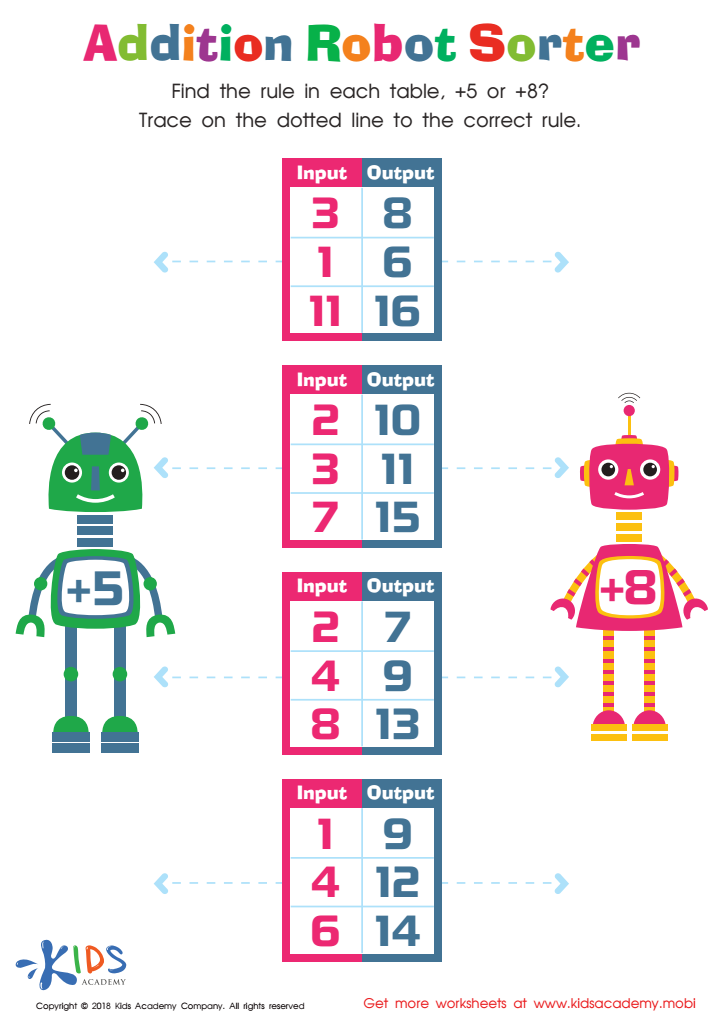
Addition Robot Sorter Worksheet
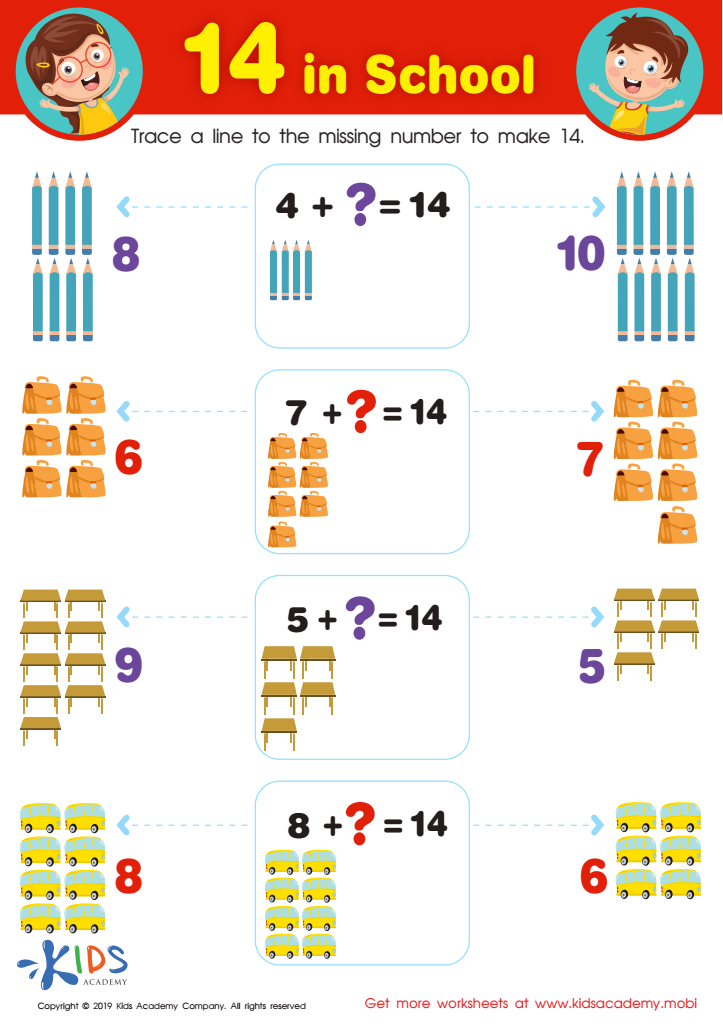
14 in School Worksheet
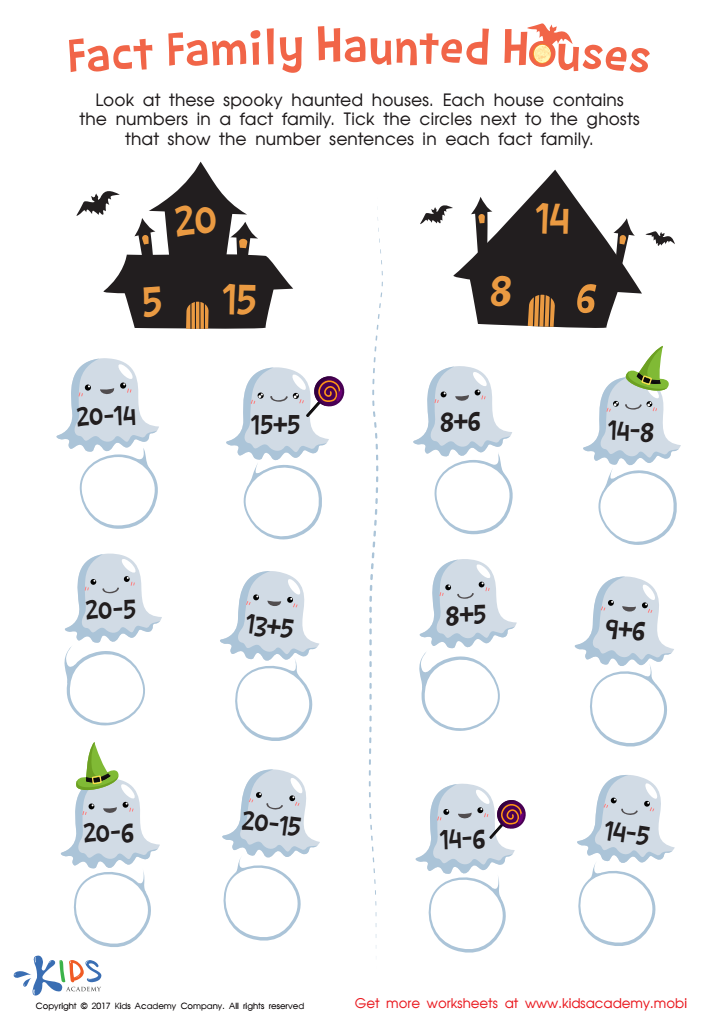
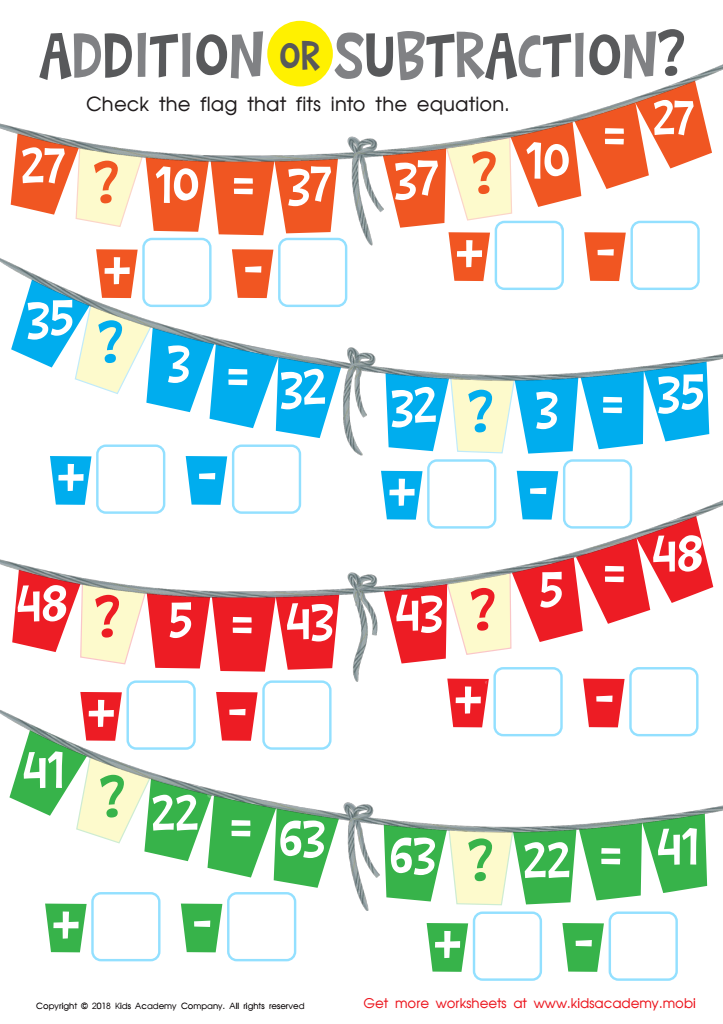
Addition or Subtraction? Worksheet
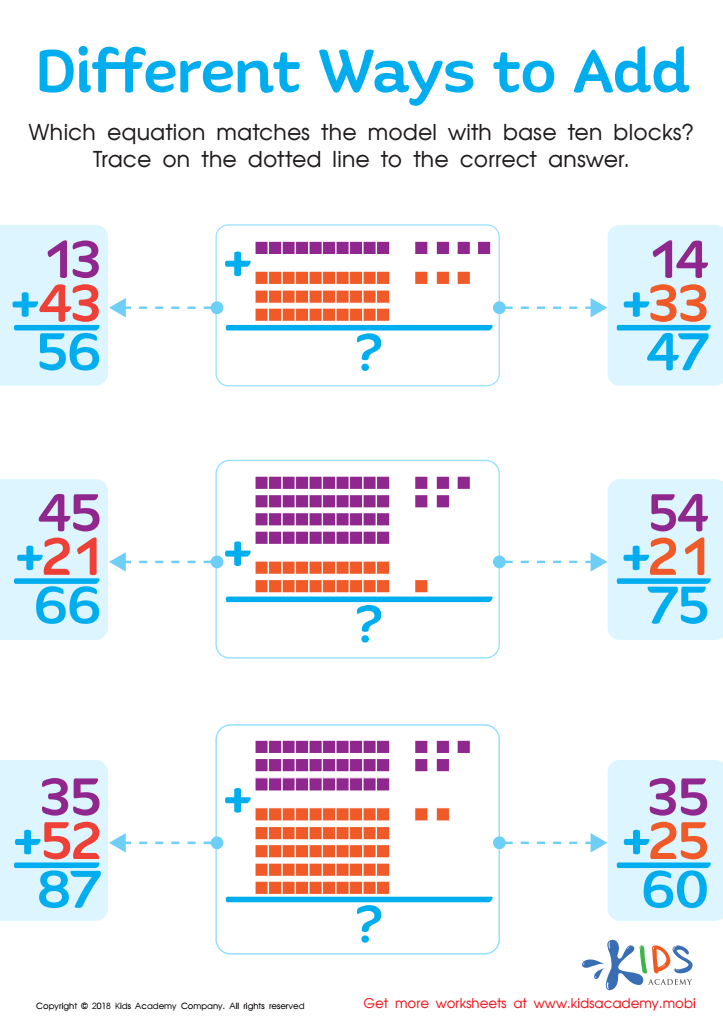
Different Ways to Add Worksheet
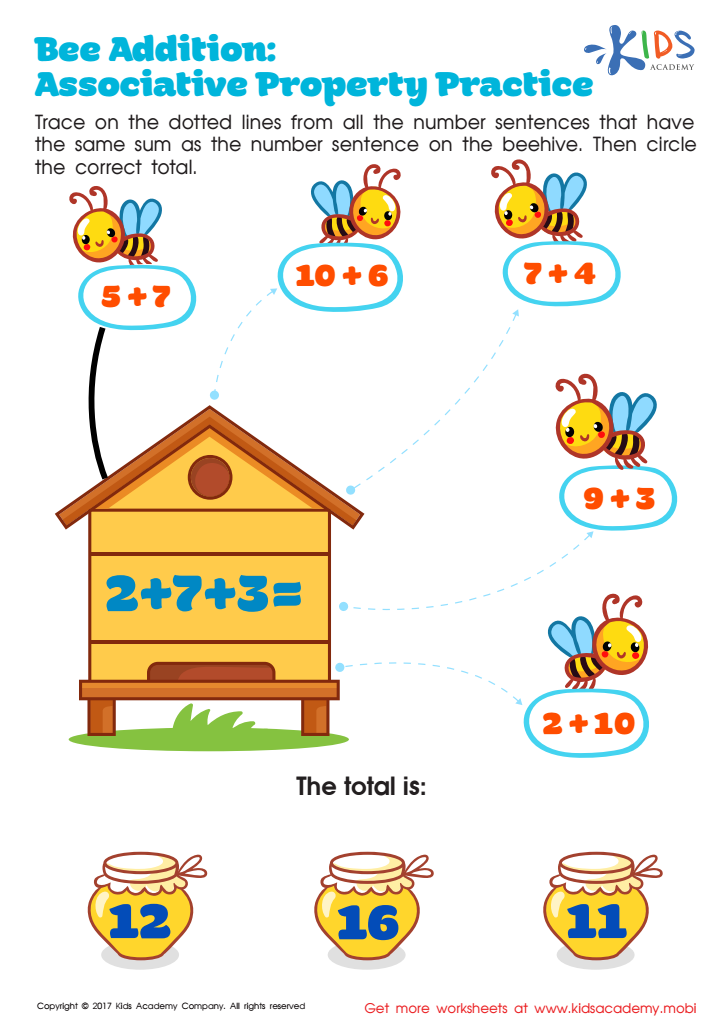
Bee Addition: Associative Property Practice Worksheet
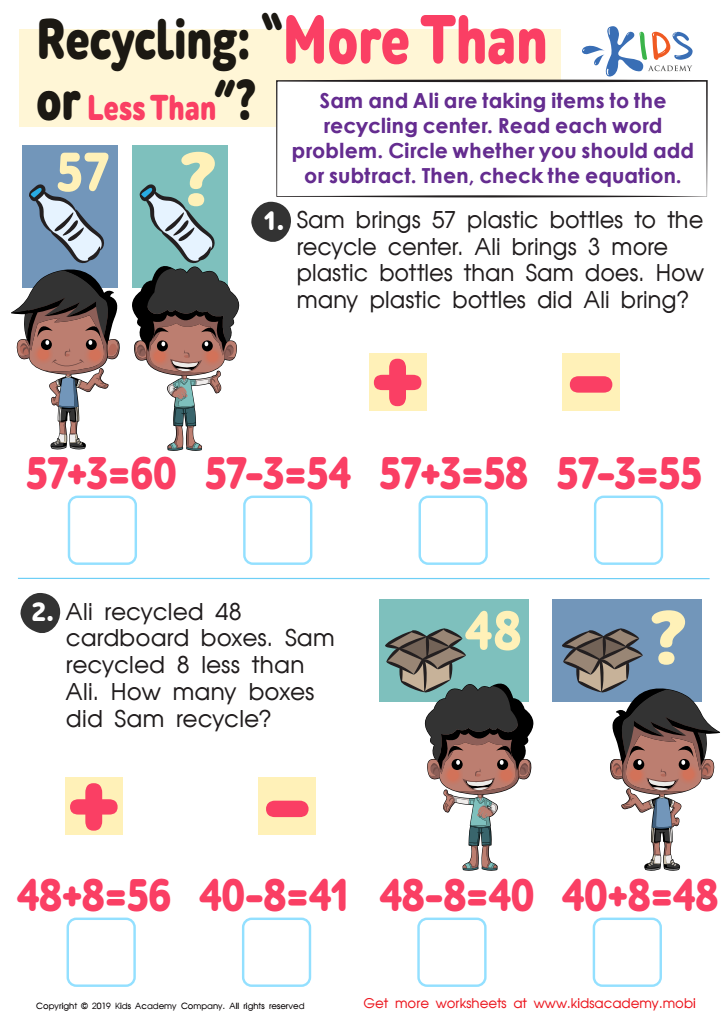
Recycling - More or Less Worksheet
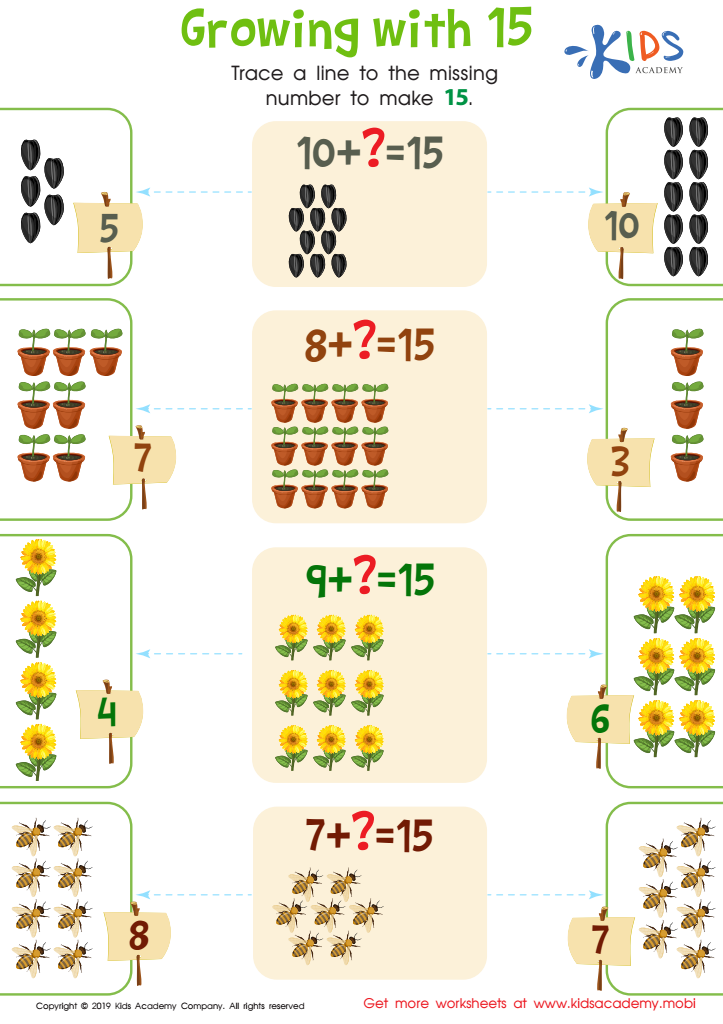
Growing with 15 Worksheet
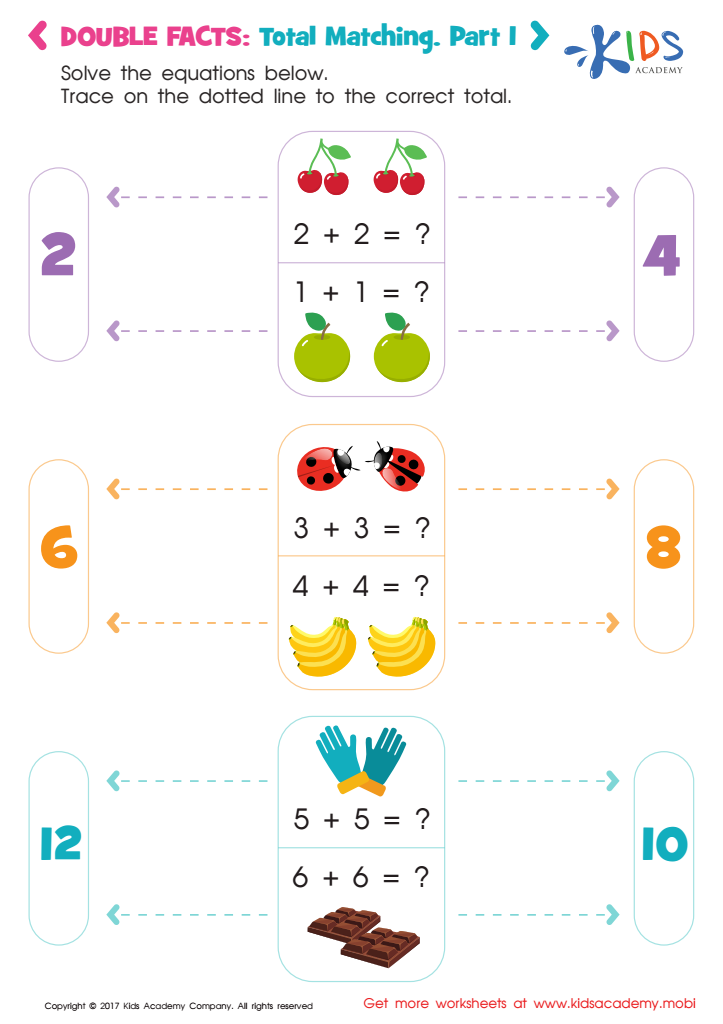
Double Facts: Total Matching Worksheet: Part 1








At ages 3-6, children are in a critical developmental period where foundational cognitive skills are established. Learning normal addition at this age is fundamental for several reasons.
Firstly, understanding addition enhances cognitive development by fostering problem-solving skills and logical thinking. These abilities are not only necessary for future mathematical learning but also crucial for everyday decision-making and critical thinking.
Secondly, early introduction to addition encourages numerical literacy. This ensures children are comfortable with numbers and basic mathematical concepts, making more advanced arithmetic less daunting. It also helps children develop a positive attitude towards mathematics, which is essential for their future academic success.
Thirdly, learning to add helps improve memory and attention span. Engaging young minds in simple addition exercises stimulates brain activity, aiding in better retention and recall abilities and laying the groundwork for efficient lifelong learning.
Emotionally, mastering addition provides a sense of accomplishment. This boost in self-confidence carries over to other subjects, encouraging an eagerness to learn and a resilience to tackle challenging tasks.
Parents and teachers should care about normal addition for these factors, as it not only builds mathematical foundation but also supports a well-rounded cognitive, emotional, and educational development. This early investment sets children up for long-term academic success.