Normal Science Worksheets for Ages 3-6 - Page 7
182 filtered results
-
From - To
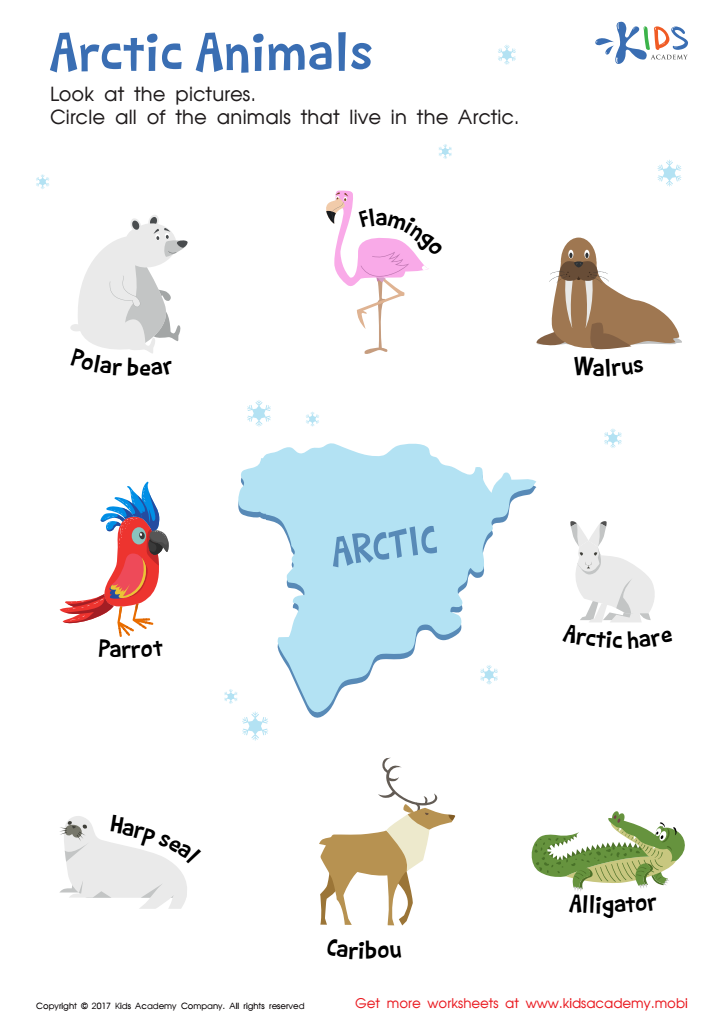
Arctic Animals Worksheet
 Assign to My Students
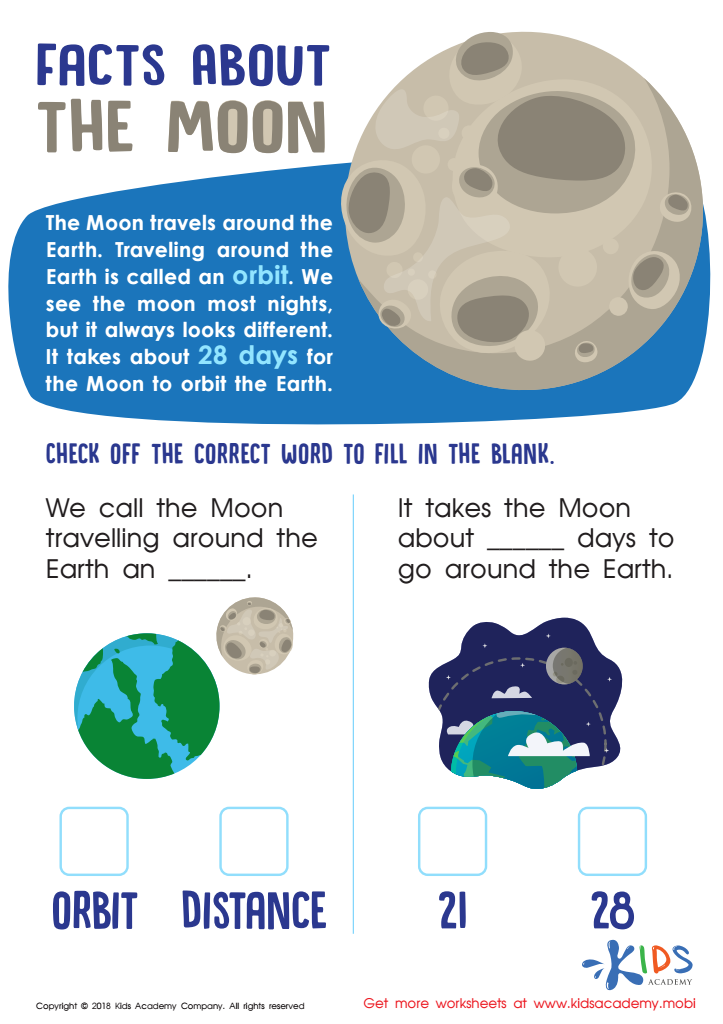
Facts About the Moon Worksheet
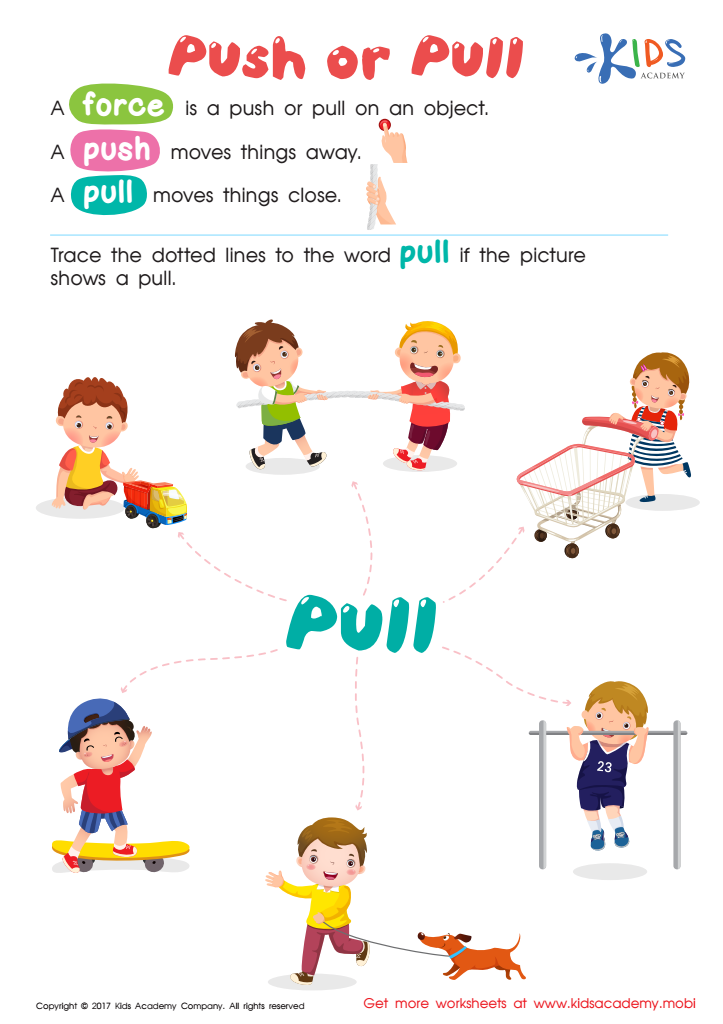
Pull or Push Worksheet
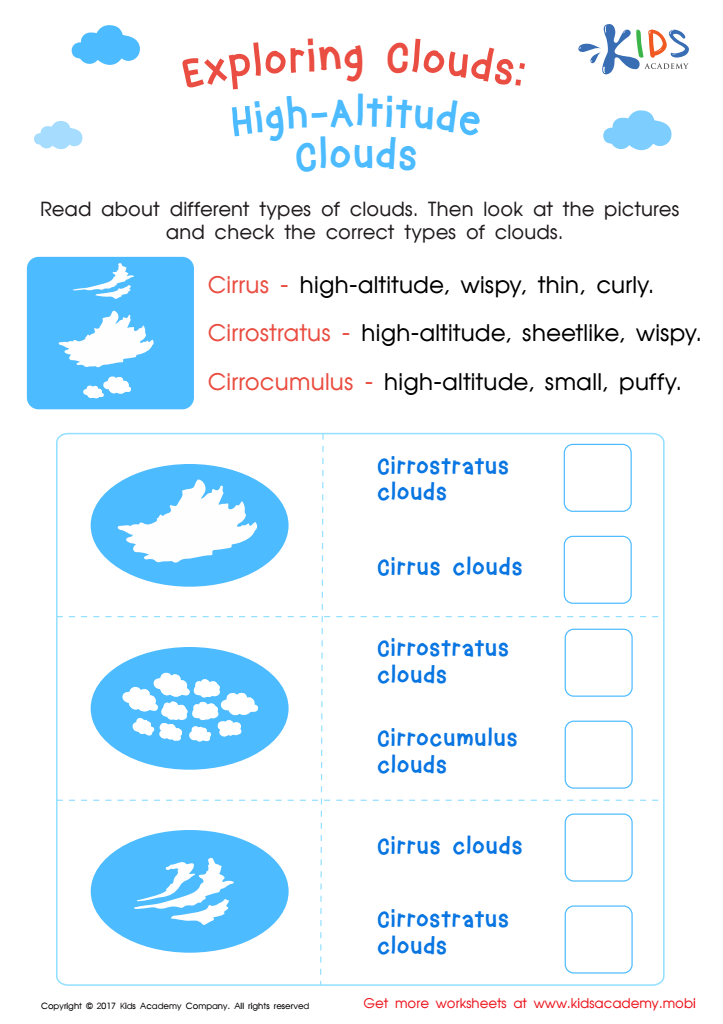
Exploring Clouds: High Altitude Clouds Worksheet
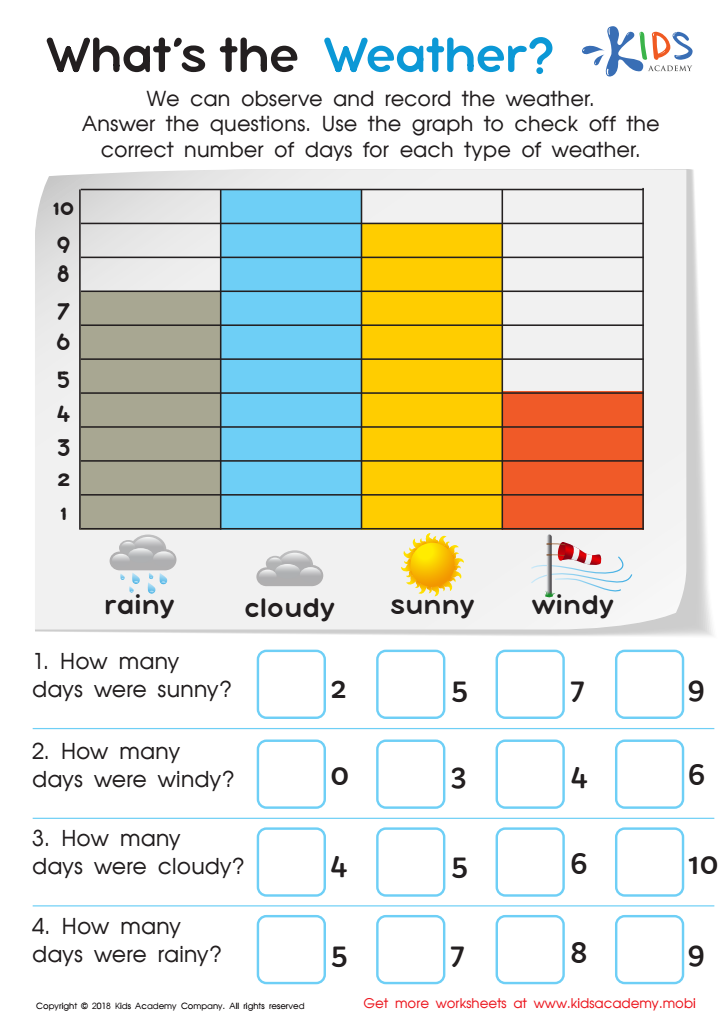
What's the Weather? Worksheet
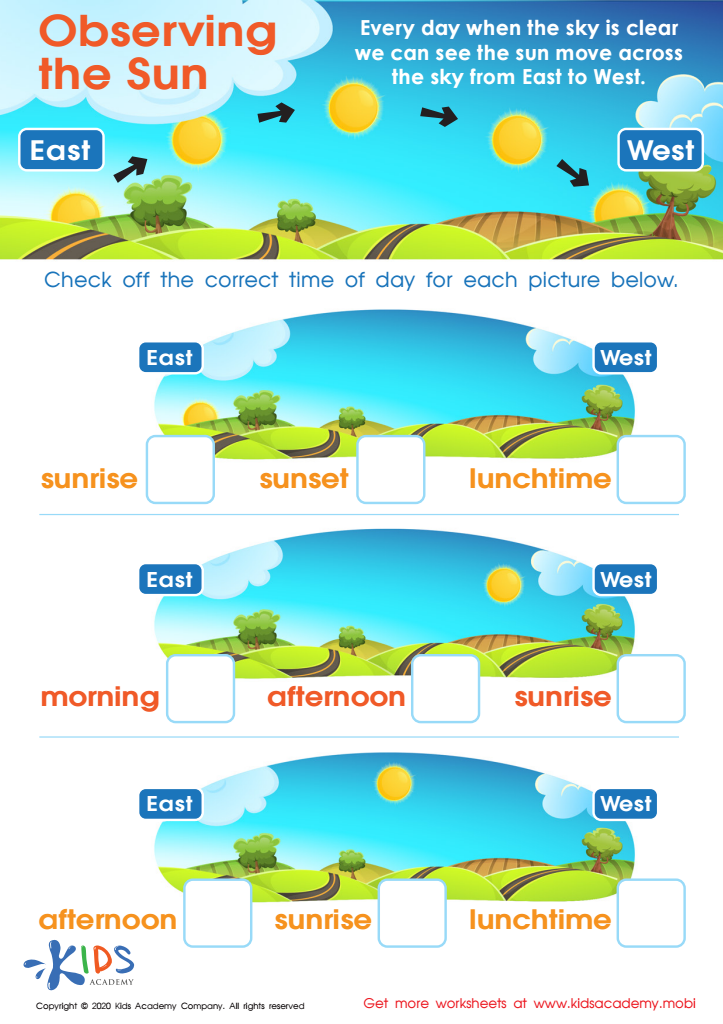
Observing the Sun Worksheet
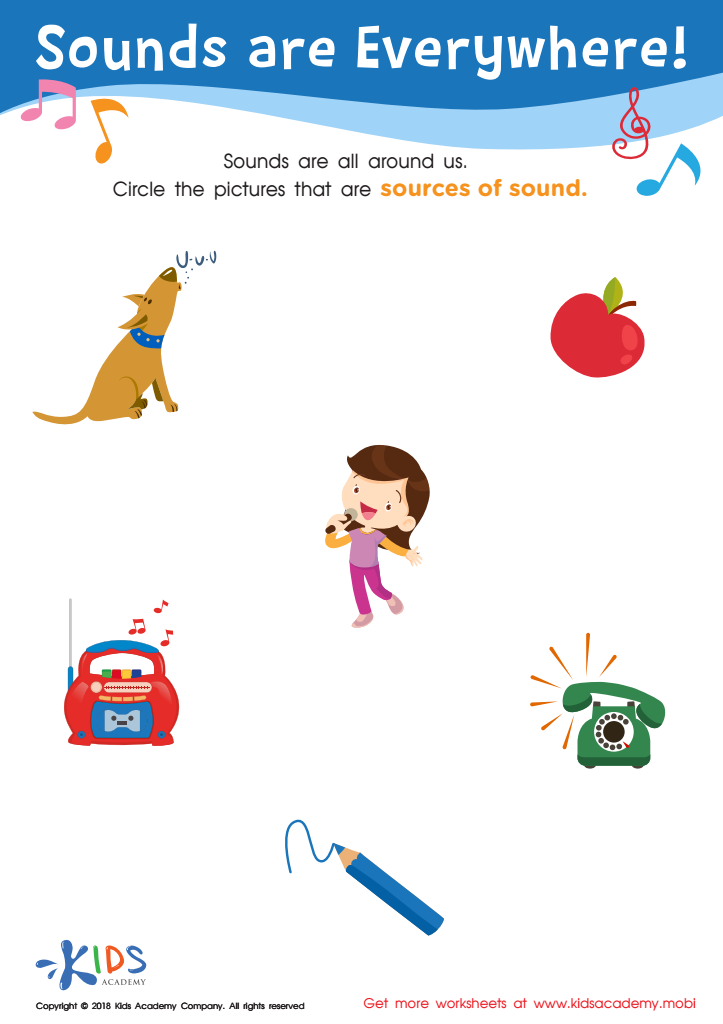
Sounds Are Everywhere! Worksheet
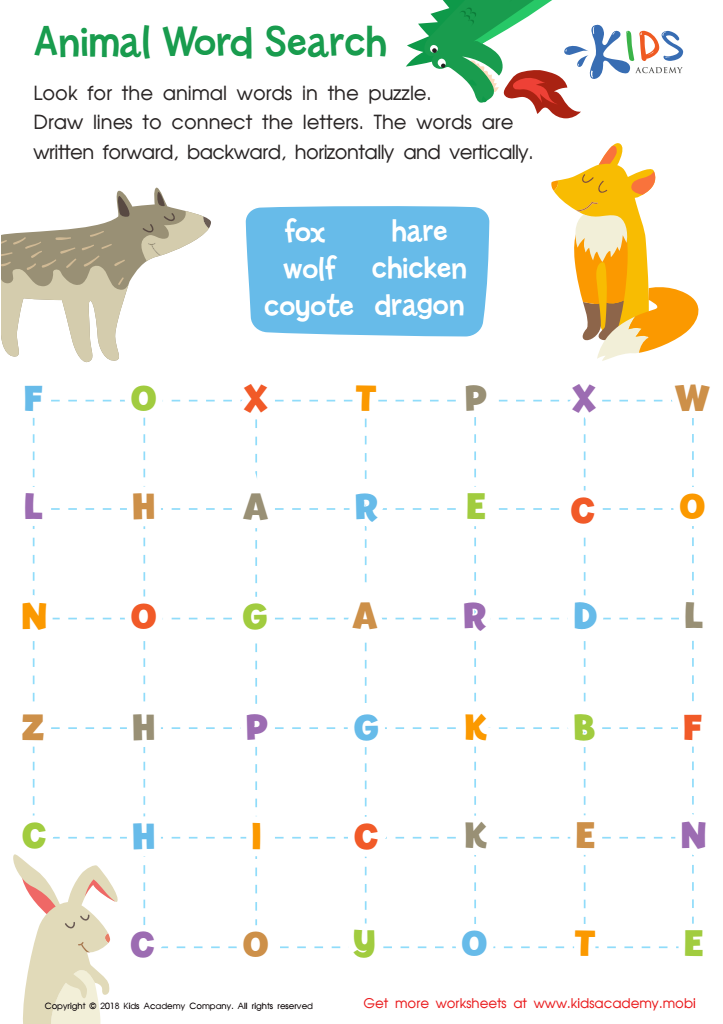
Animal Word Search Worksheet
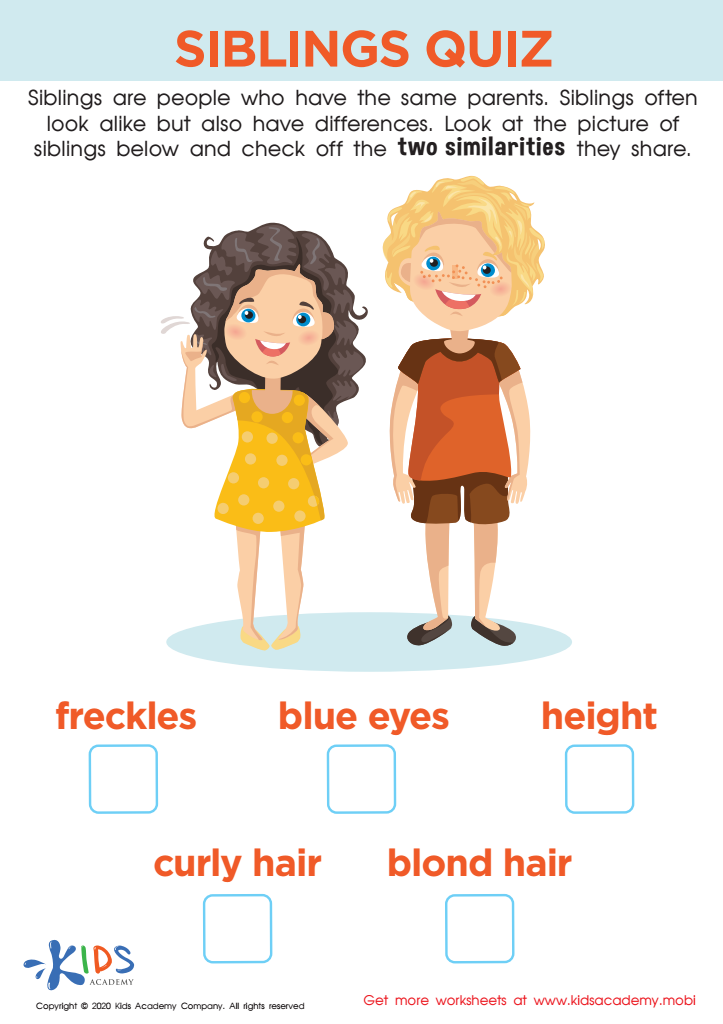
Siblings Quiz Worksheet
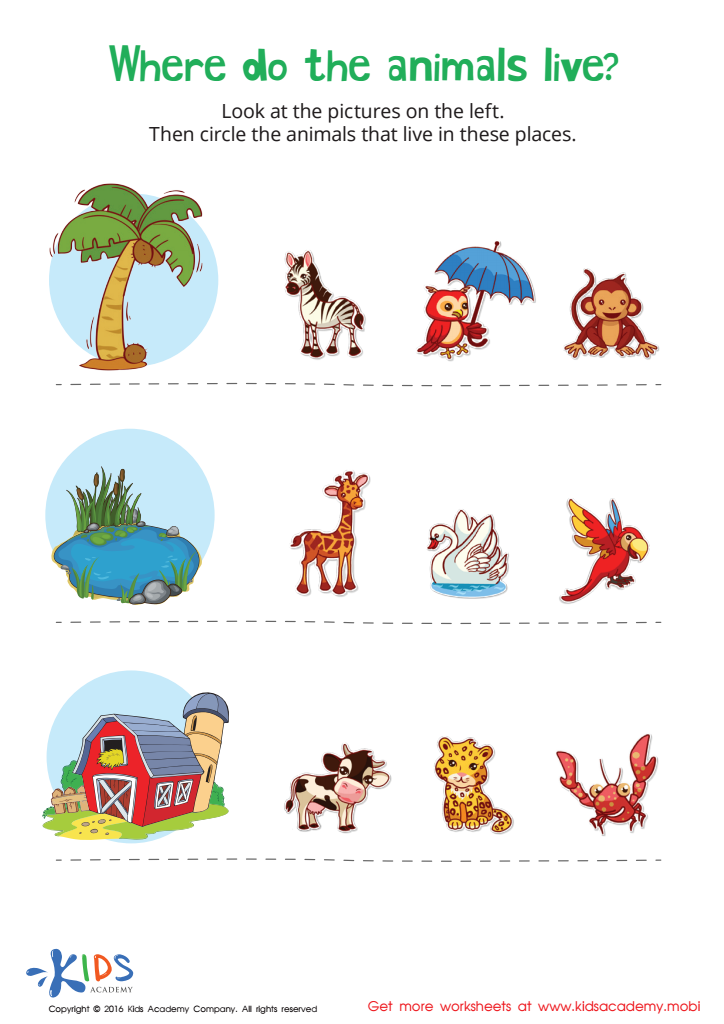
Where Animals Live Worksheet
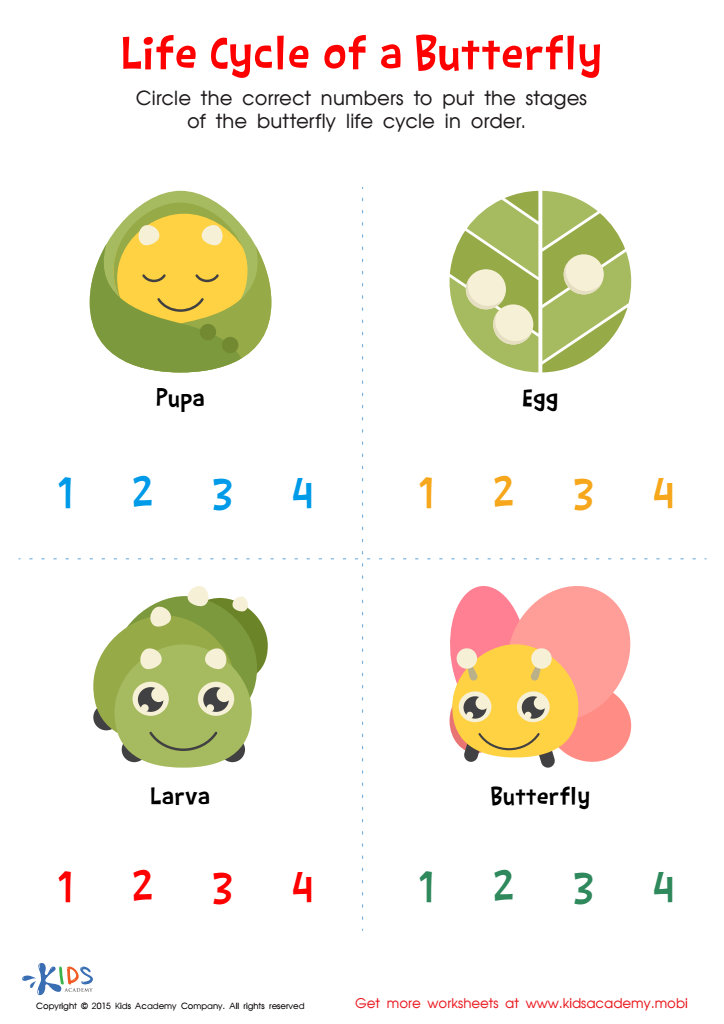
Life Cycle of Butterfly Printable
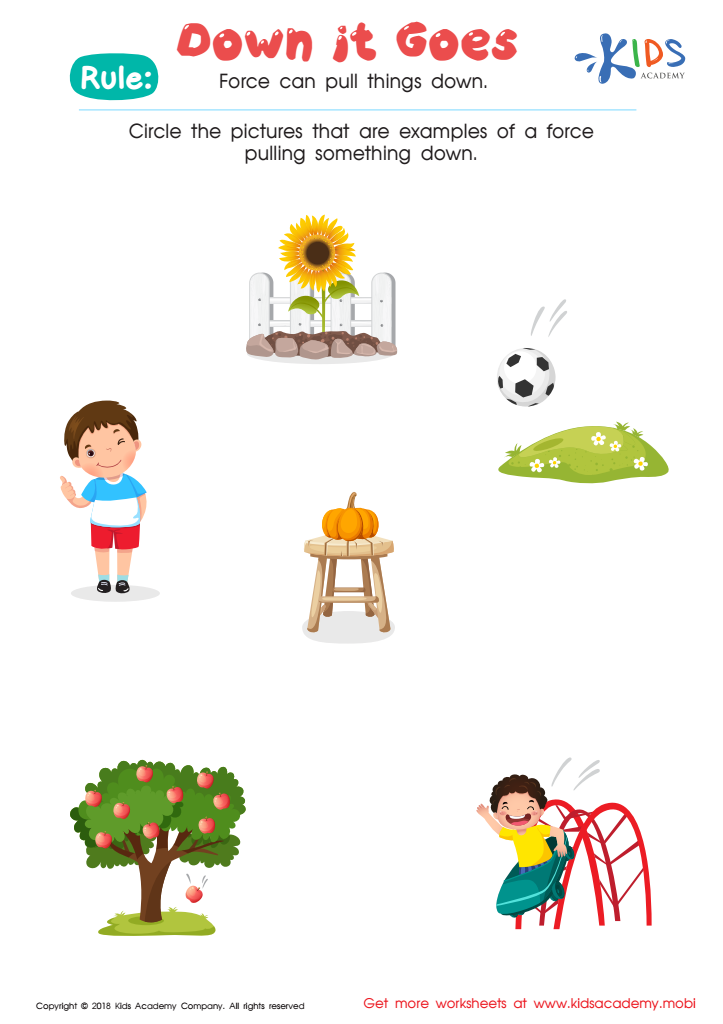
Down it Goes Worksheet
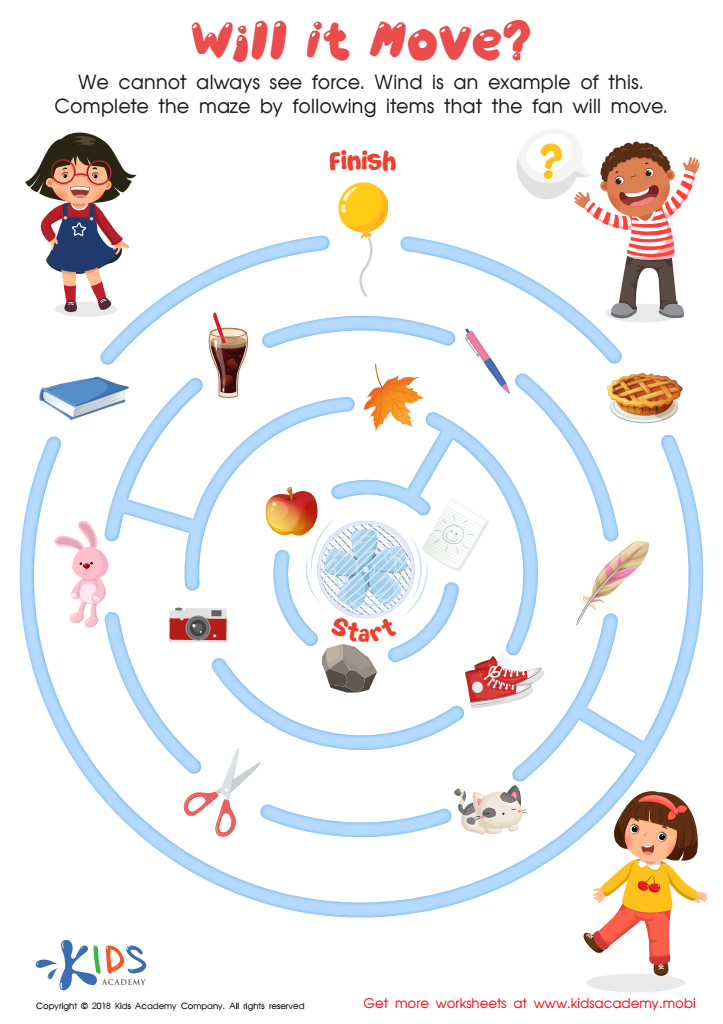
Will it Move? Worksheet
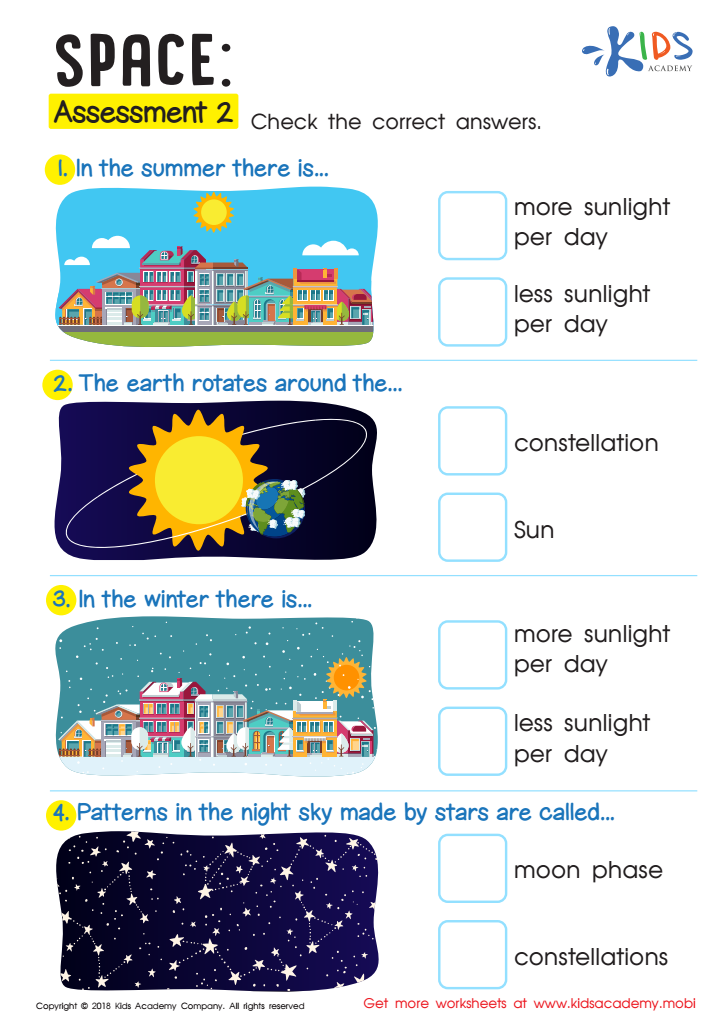
Space: Assessment 2 Worksheet
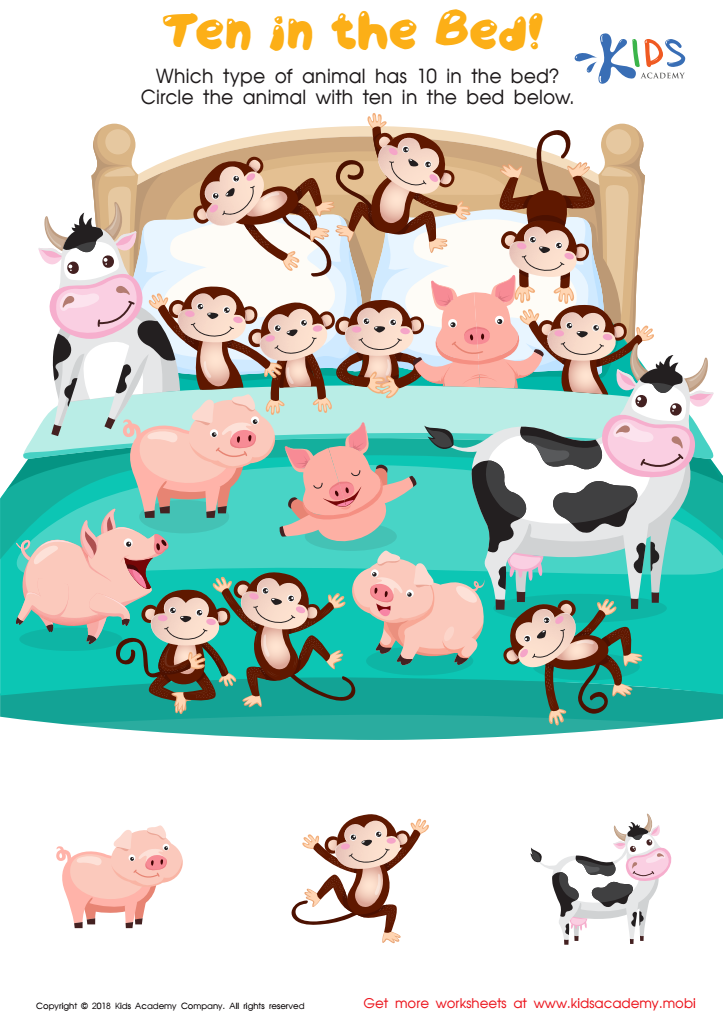
Ten in the Bed Worksheet
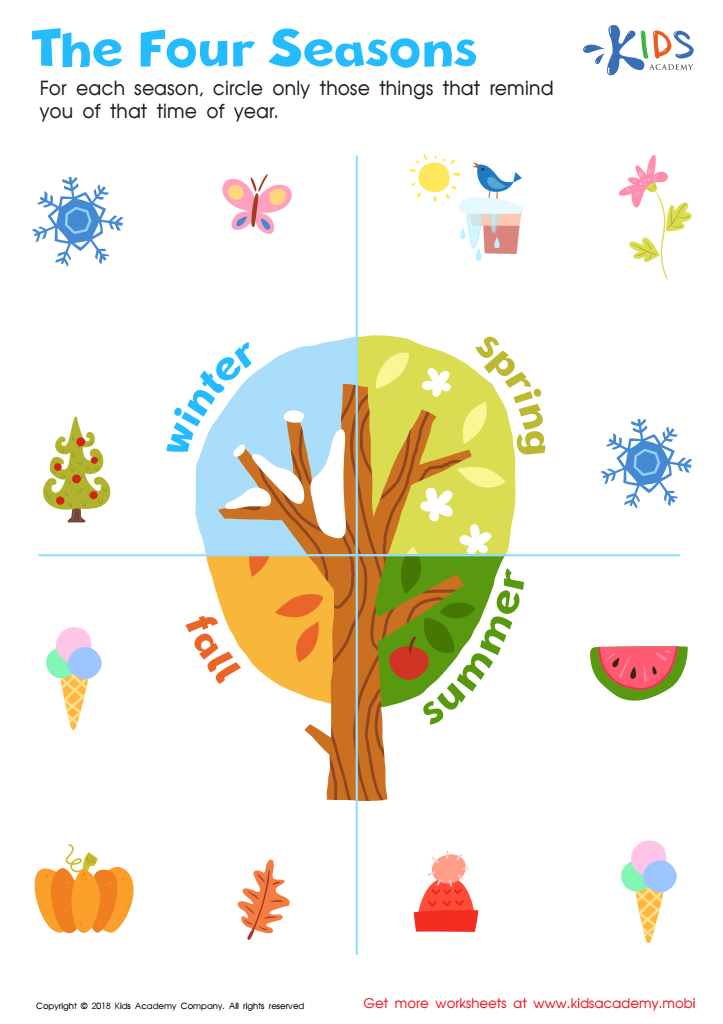
The Four Seasons Worksheet
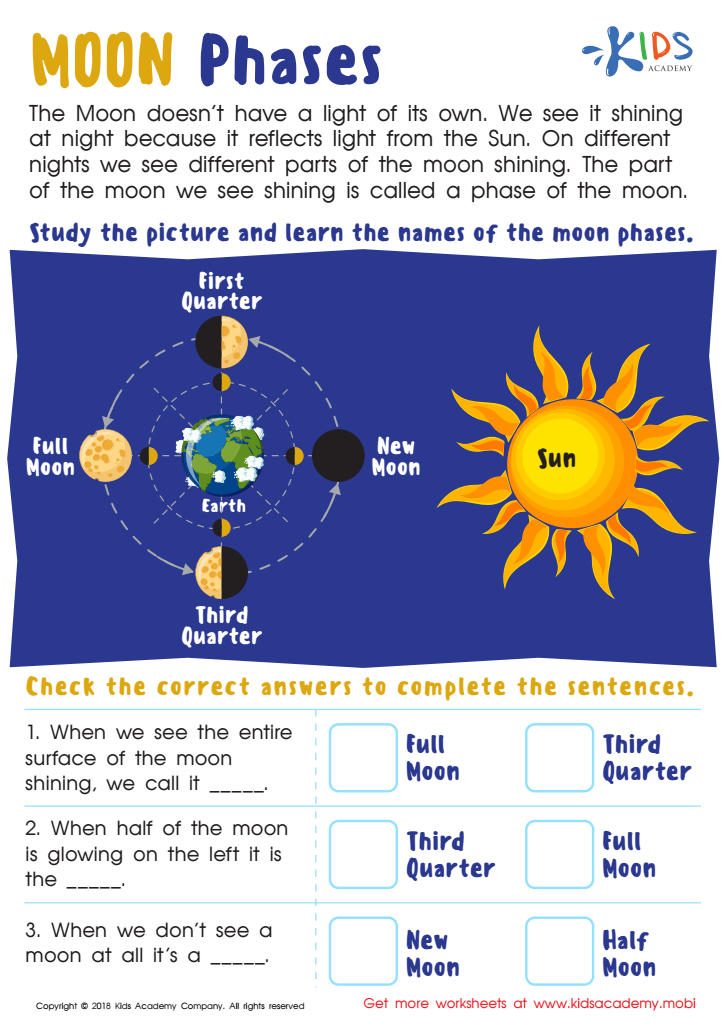
Moon Phases Worksheet
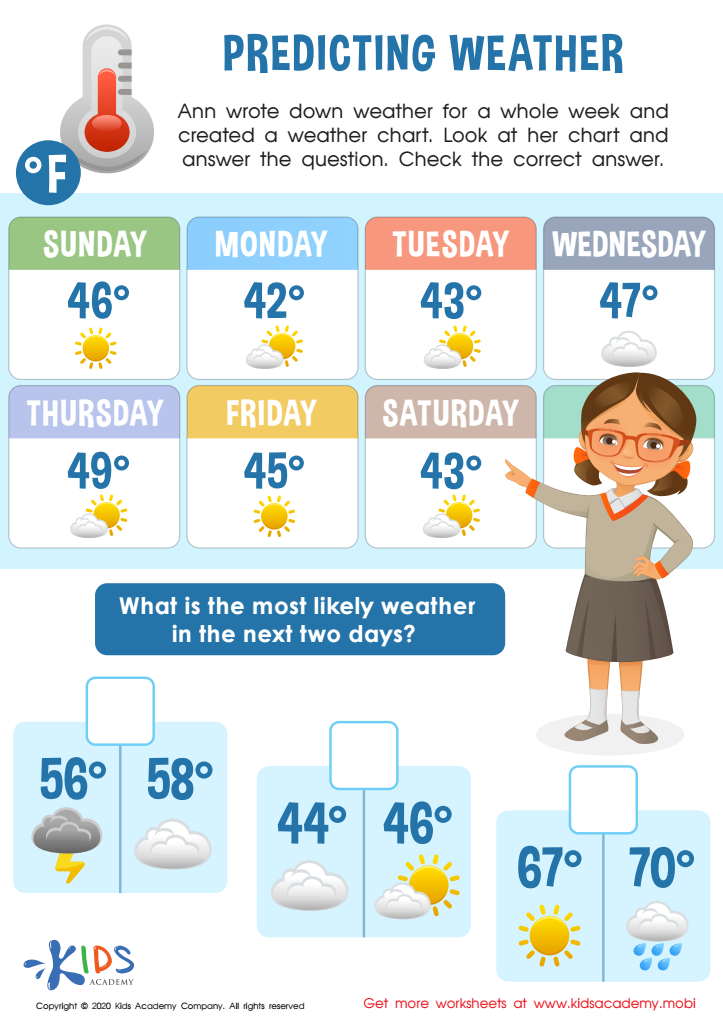
Predicting Weather Worksheet
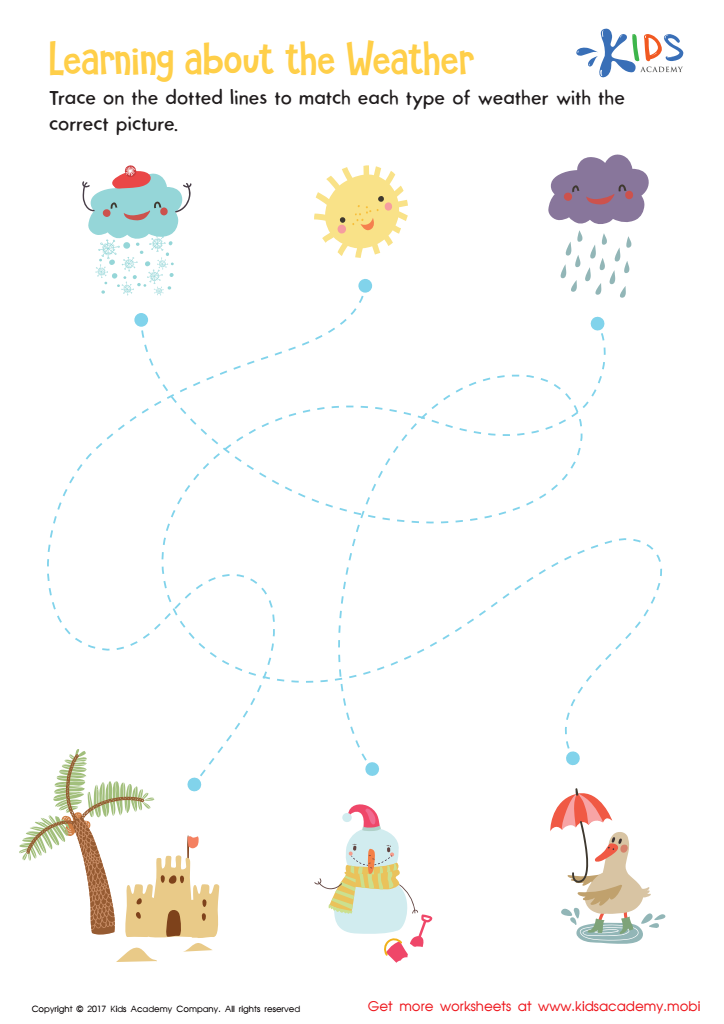
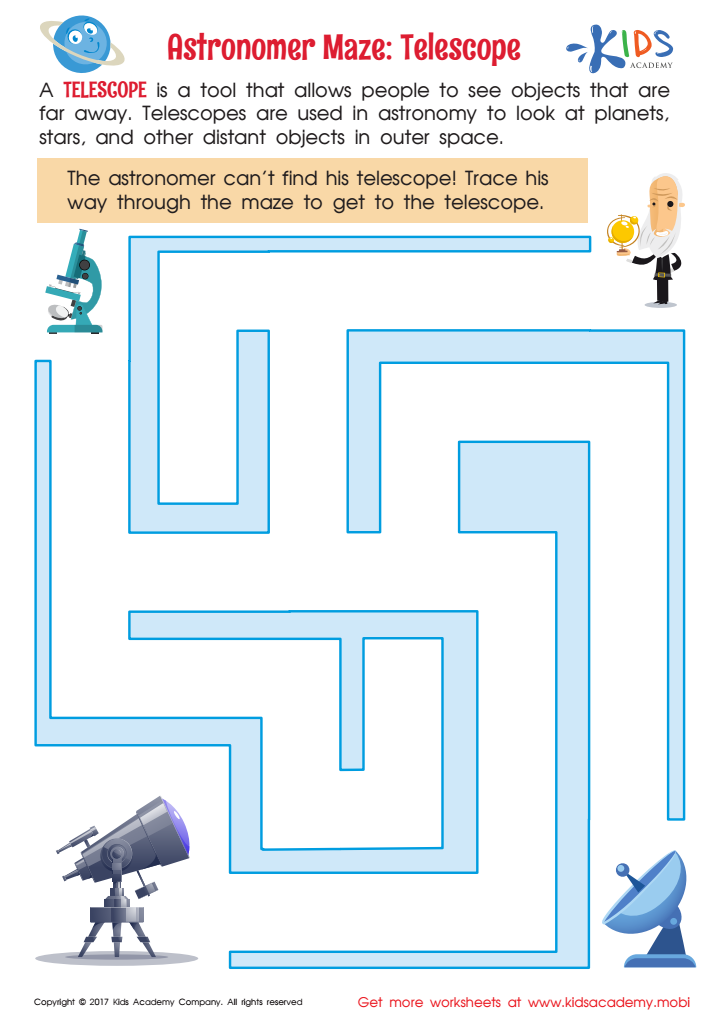
Astronomer Maze: Telescope Worksheet
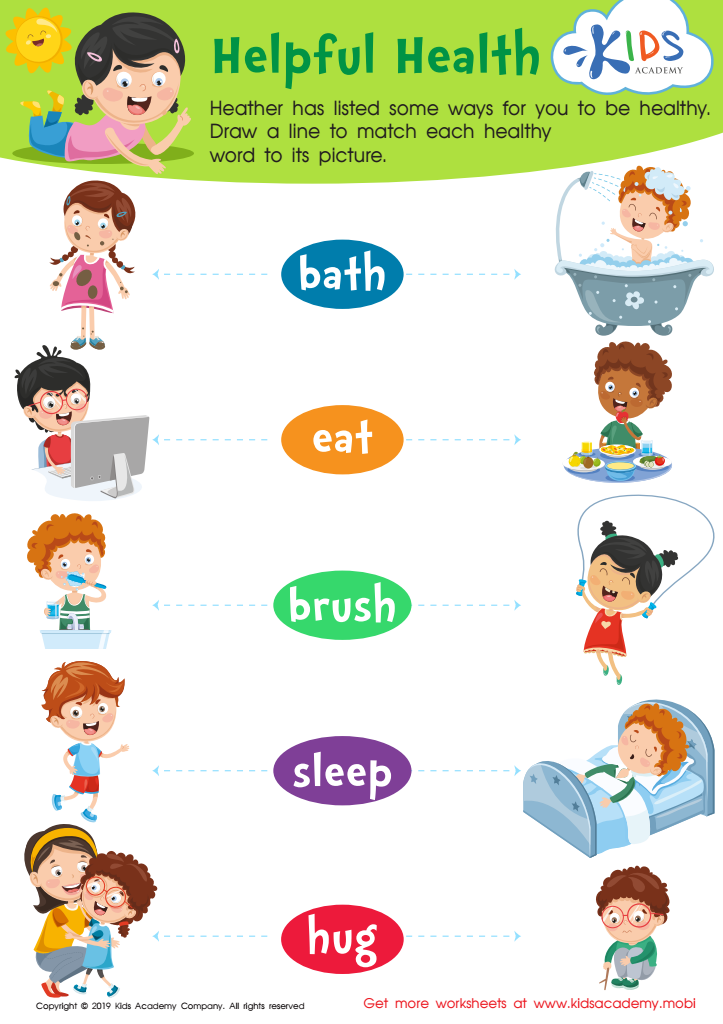
Helpful Health Worksheet
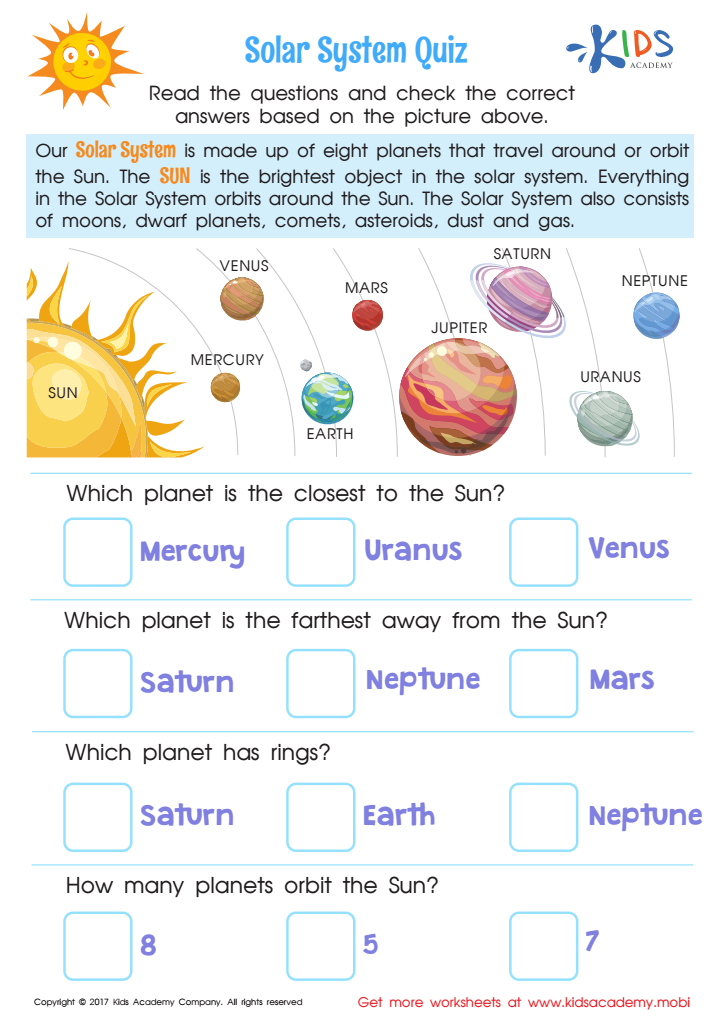
Solar System Quiz Printable
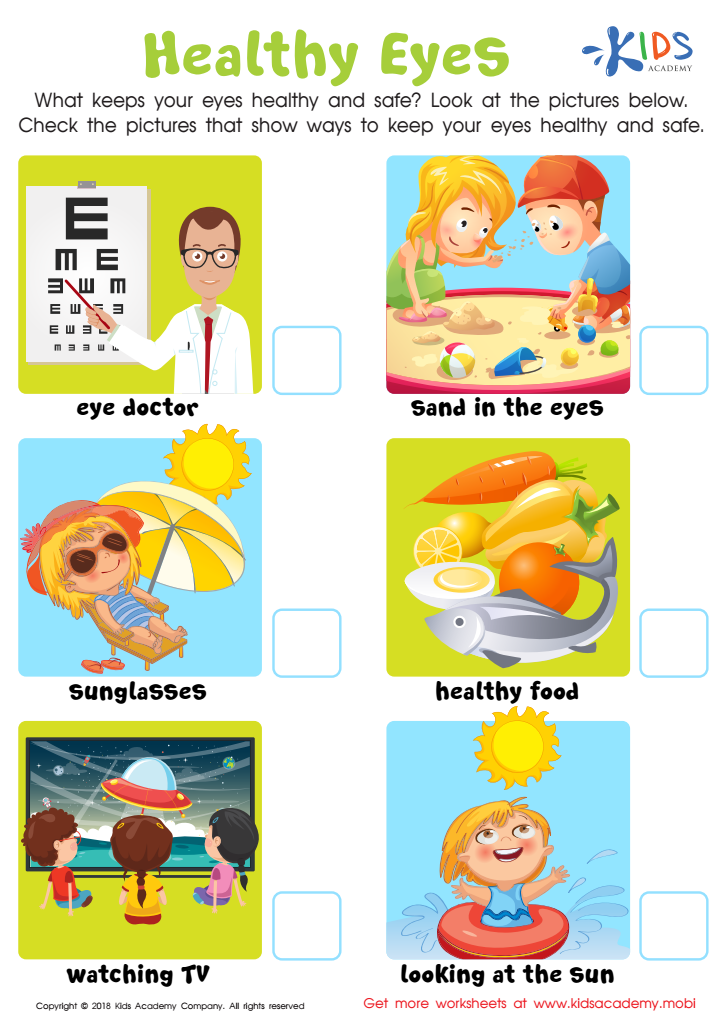
Healthy Eyes Worksheet
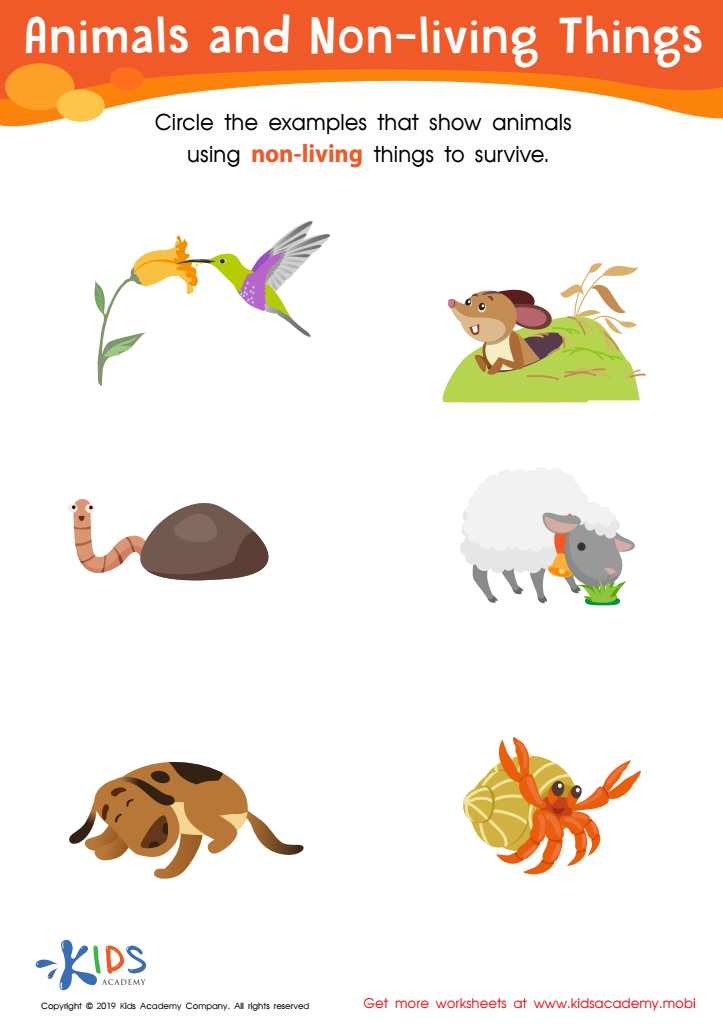
Animals and Non-Living Things Worksheet




Parents and teachers should care about Normal Science for ages 3-6 because it lays the foundation for a child's lifelong love of learning and exploration. During these early years, children are naturally curious about the world around them, and introducing them to scientific concepts in an engaging manner fosters critical thinking, problem-solving skills, and creativity.
Normal Science encourages hands-on, experiential learning, allowing children to engage in simple experiments and observations that help them understand cause and effect, patterns, and basic principles of the natural world. By nurturing their curiosity, adults can enhance children's cognitive development, setting the stage for more advanced scientific understanding in later years.
Moreover, normalizing scientific discussions at home or in the classroom promotes language development and encourages children to ask questions, boosting their communication skills. This early exposure can demystify the world of science, making it more approachable and enjoyable.
Ultimately, encouraging a scientific mindset in preschoolers empowers them with confidence and independence, fostering a generation that values inquiry and discovery. By prioritizing Normal Science, parents and teachers are investing in their children's future critical thinkers and informed citizens.







