Normal World Around Us Worksheets for Ages 3-6 - Page 3
69 filtered results
-
From - To
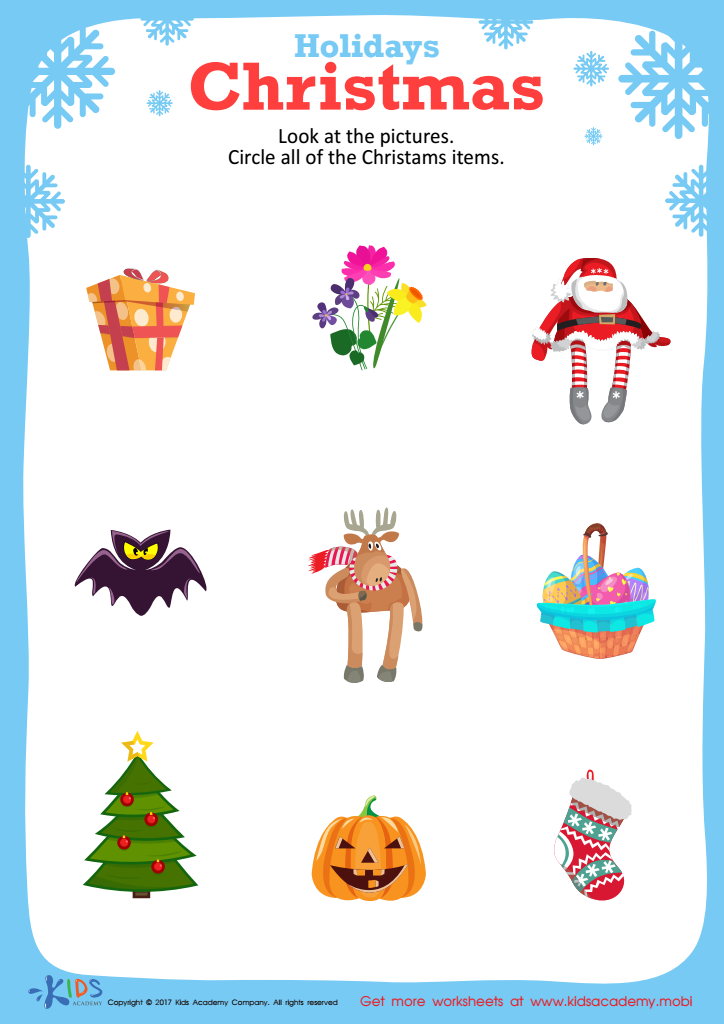
Christmas Holiday Worksheet
 Assign to My Students
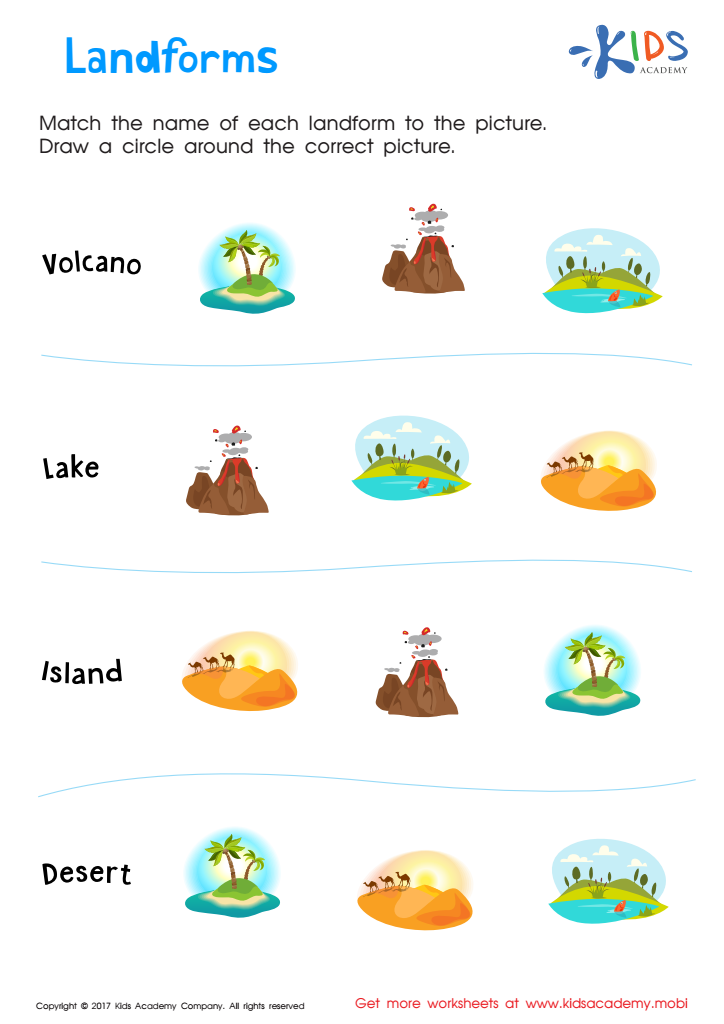
Landforms Printable
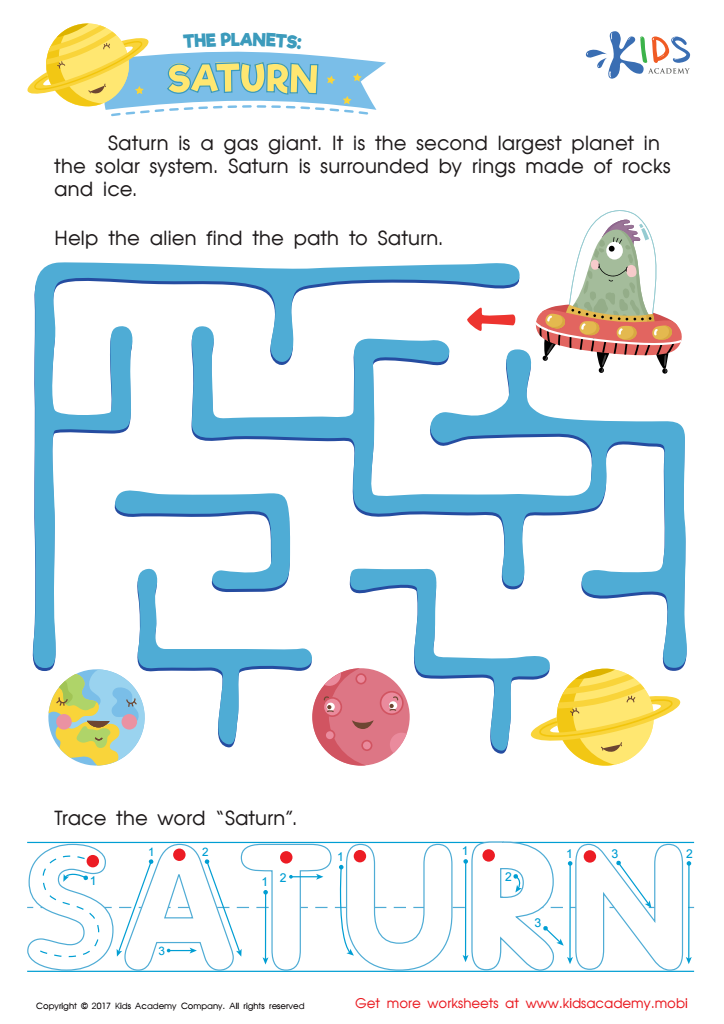
The Planets: Saturn Printable
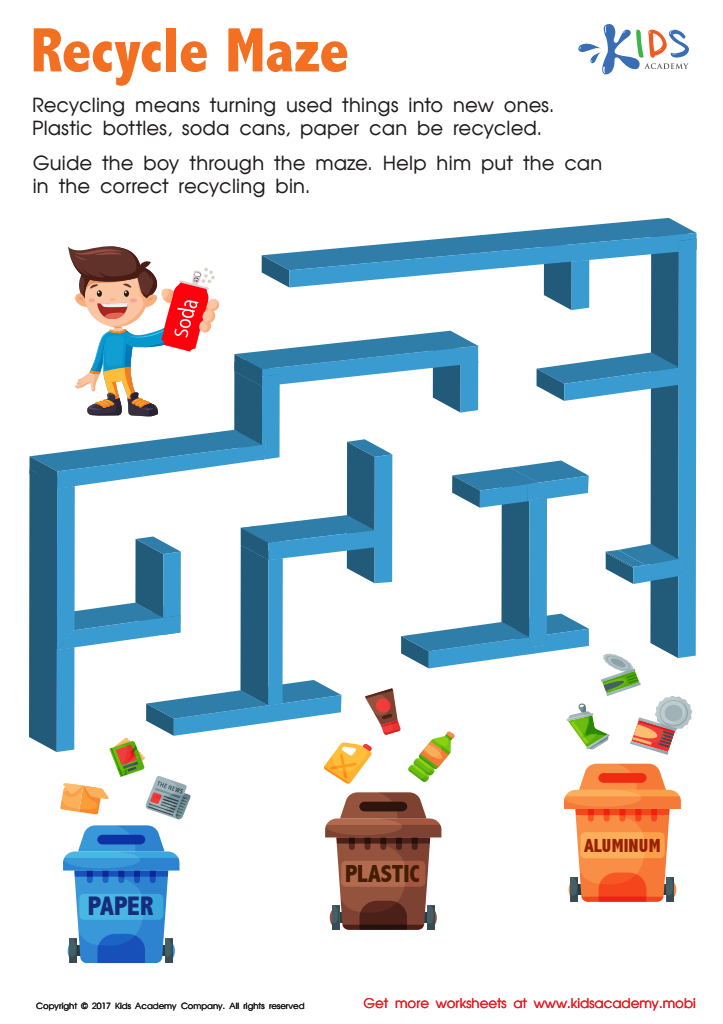
Recycle Maze Worksheet
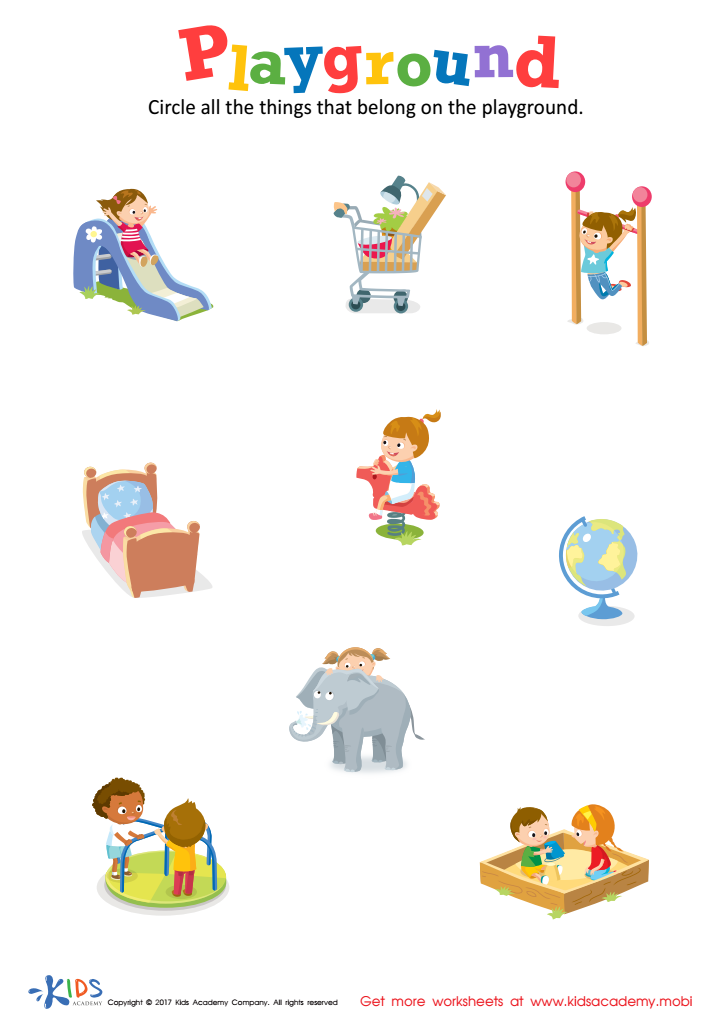
Playground Worksheet
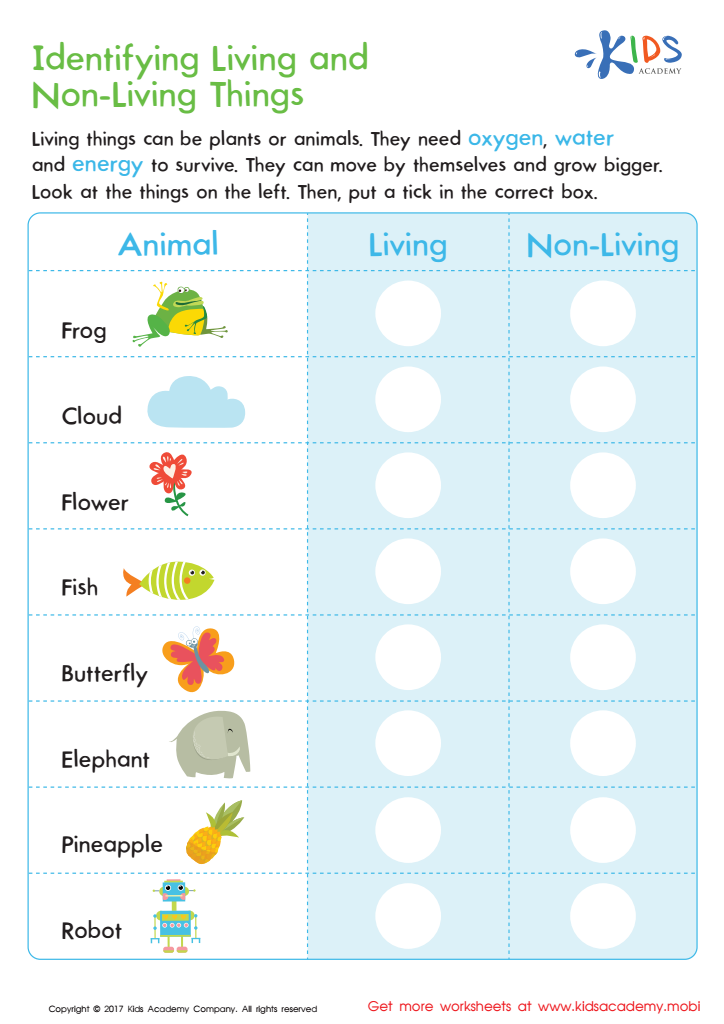
Identifying Living or Non–living Worksheet
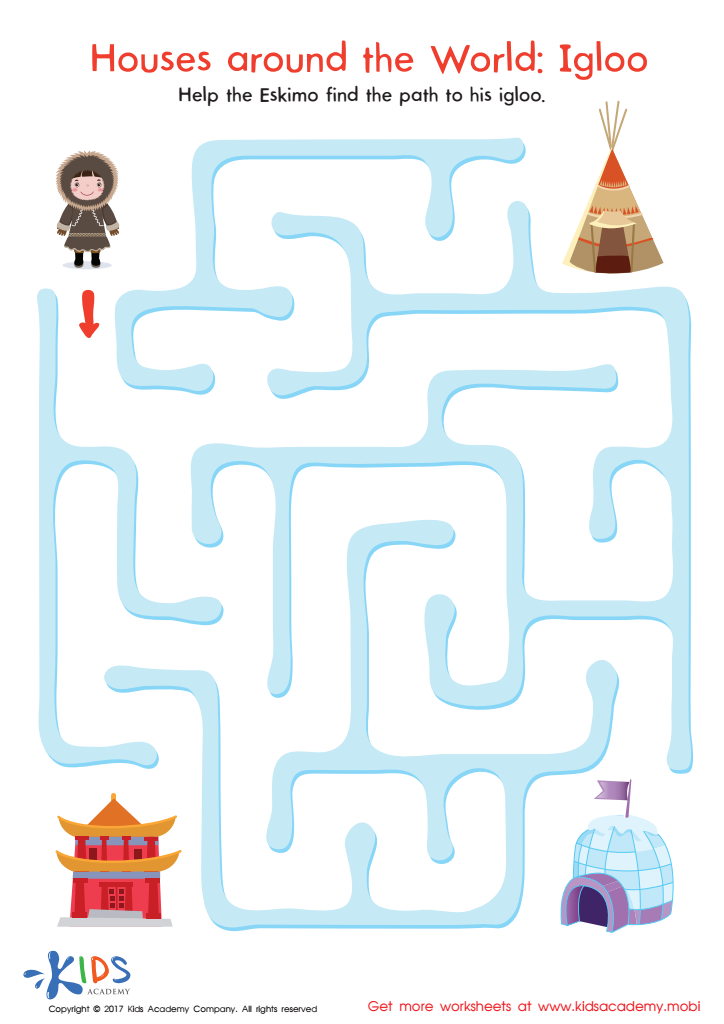
Houses Around the World: Igloo Printable
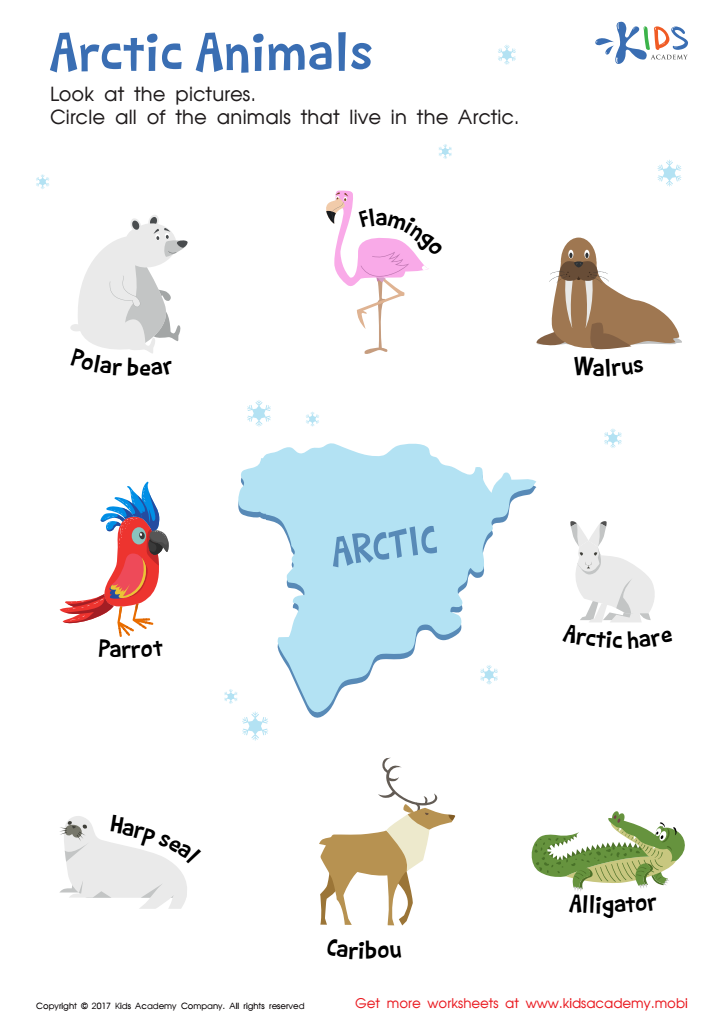
Arctic Animals Worksheet
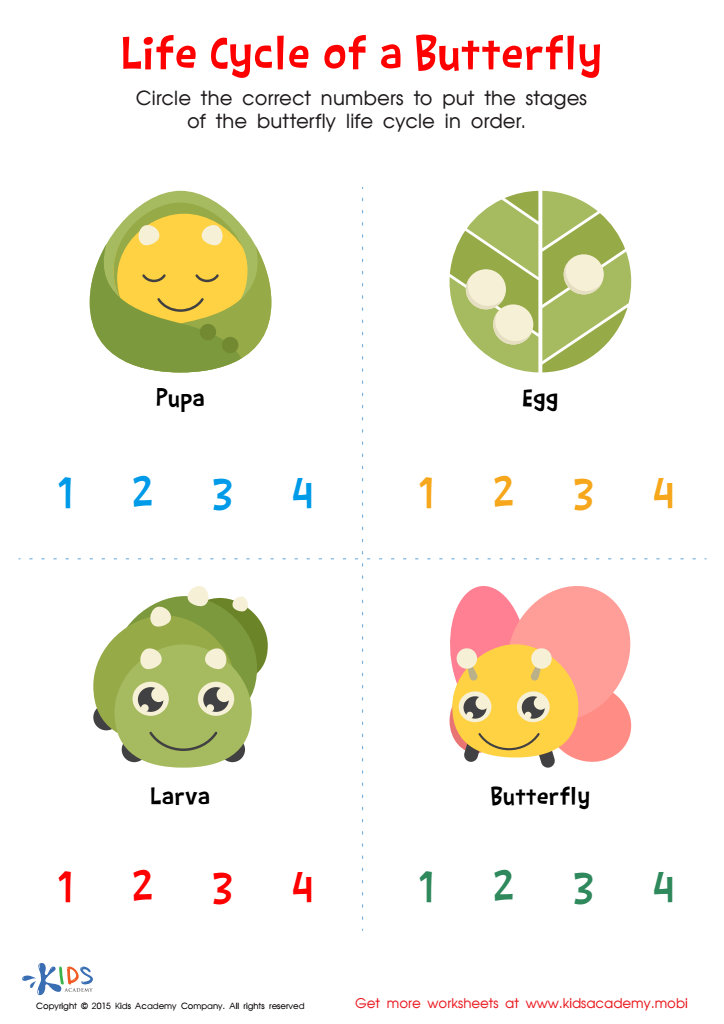
Life Cycle of Butterfly Printable
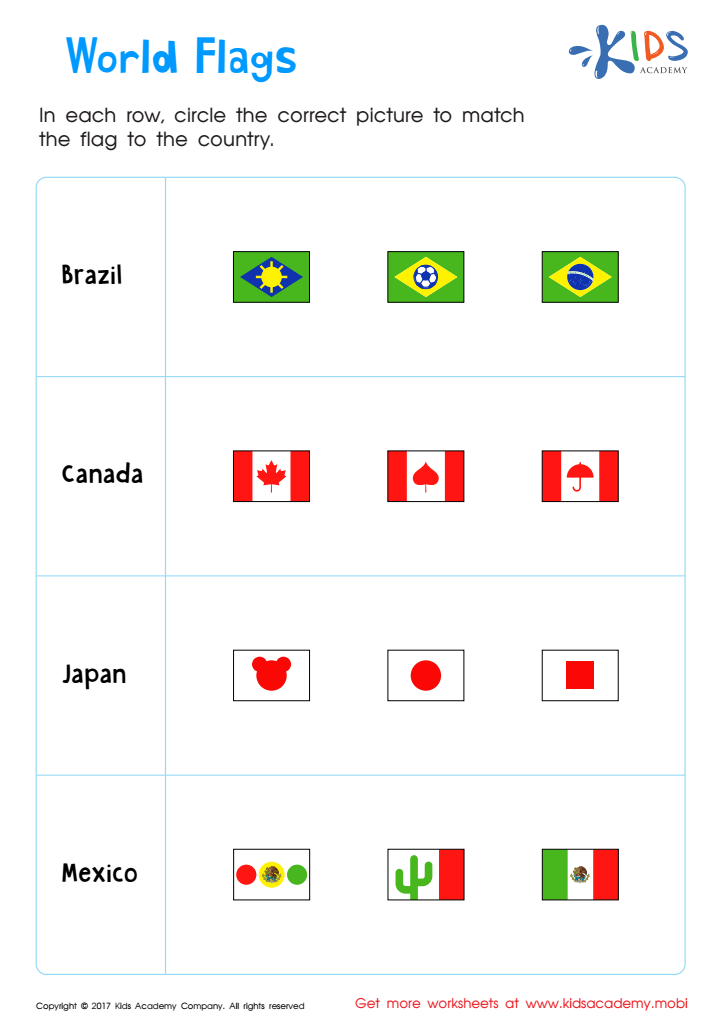
World Flags Printable
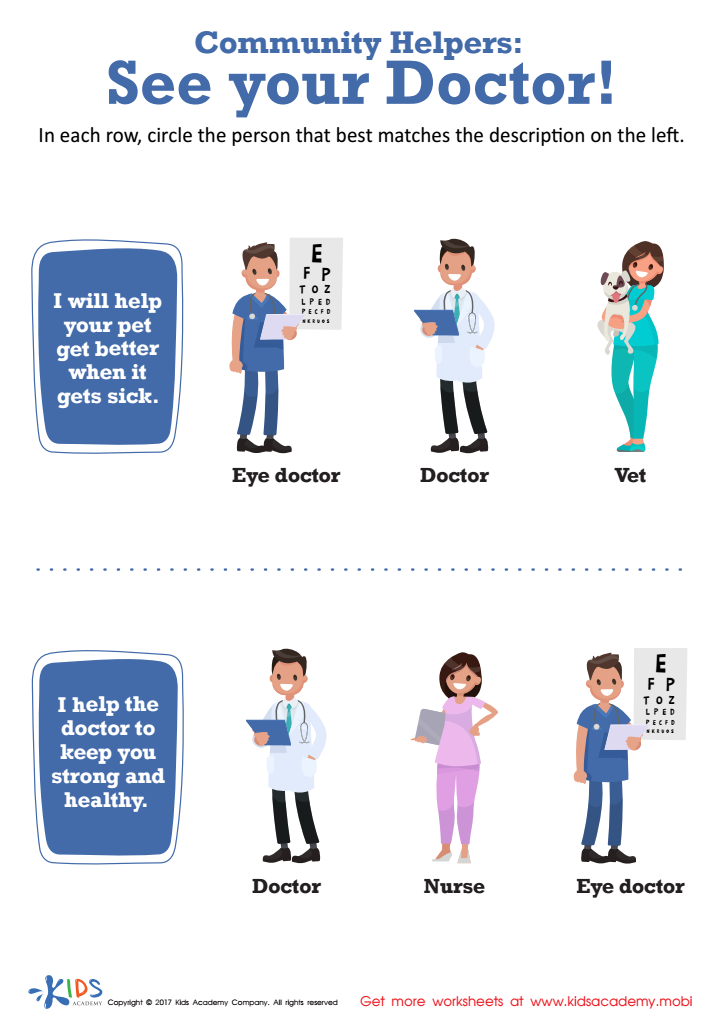
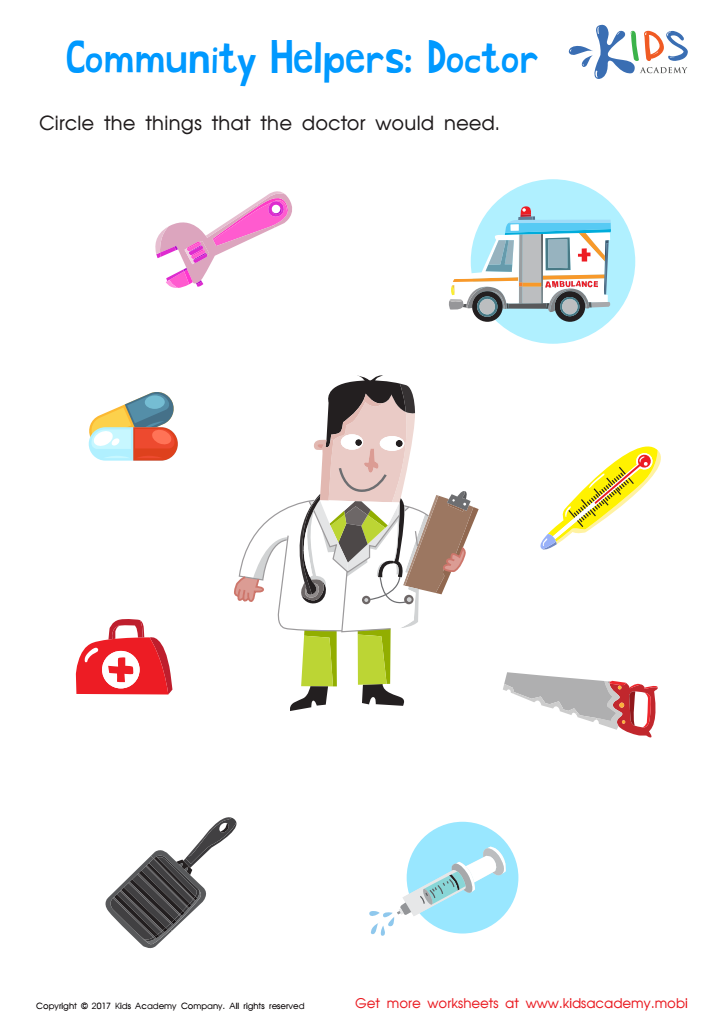
See Your Doctor (Part 2) Printable
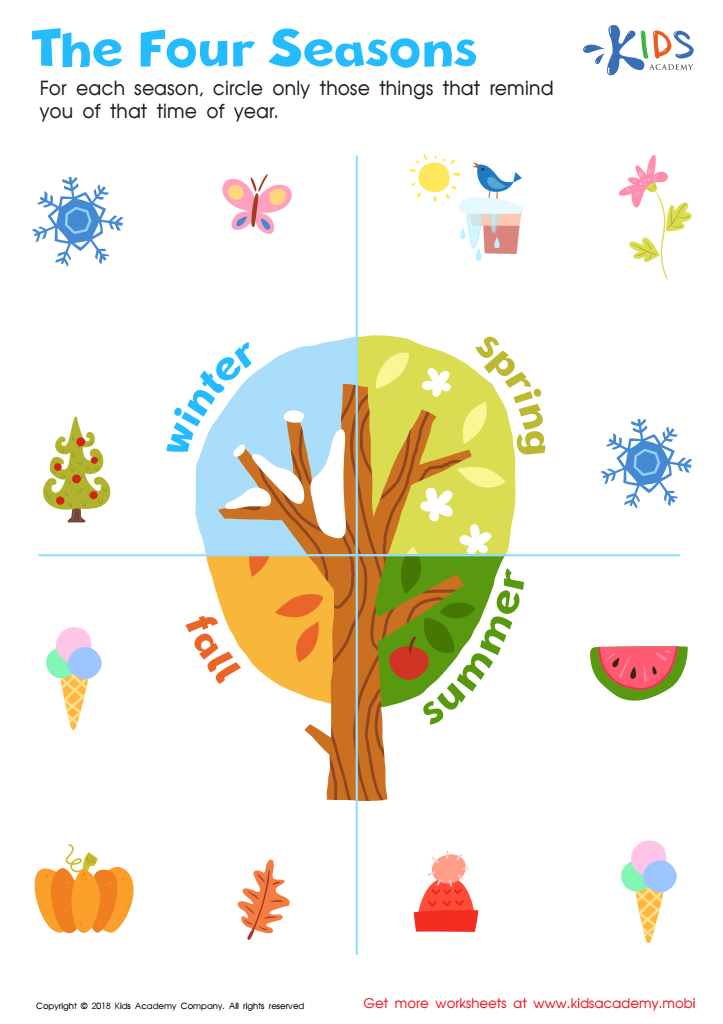
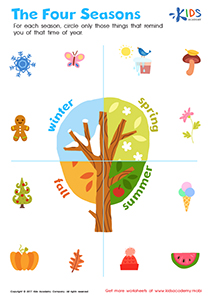
The Four Seasons Worksheet
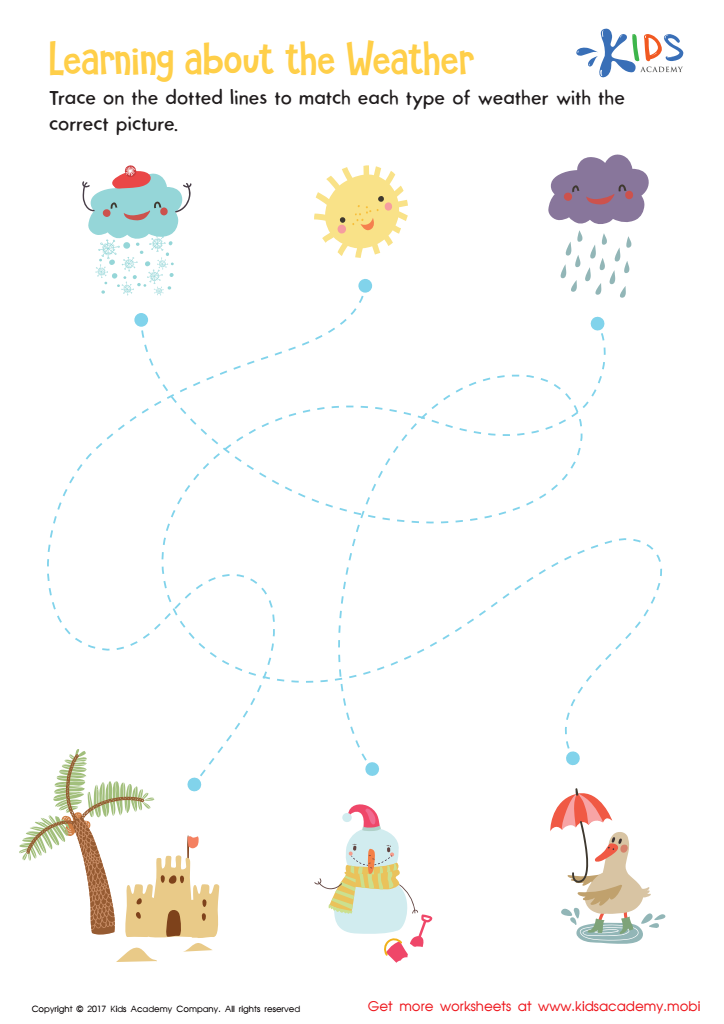
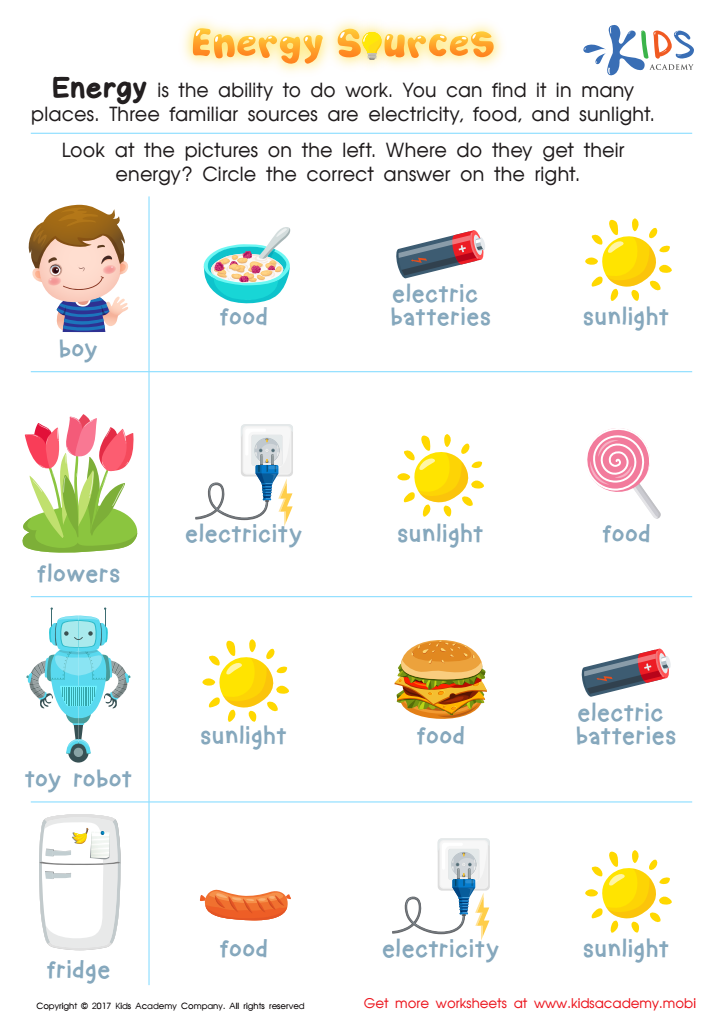
Energy Sources Printable
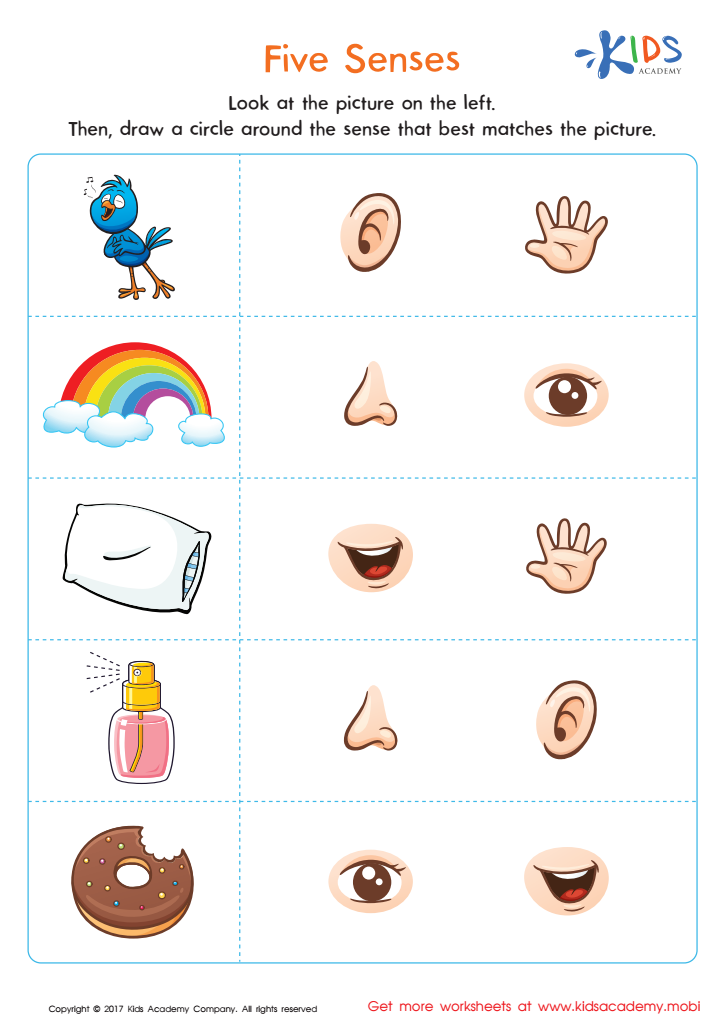
Five Senses Printable
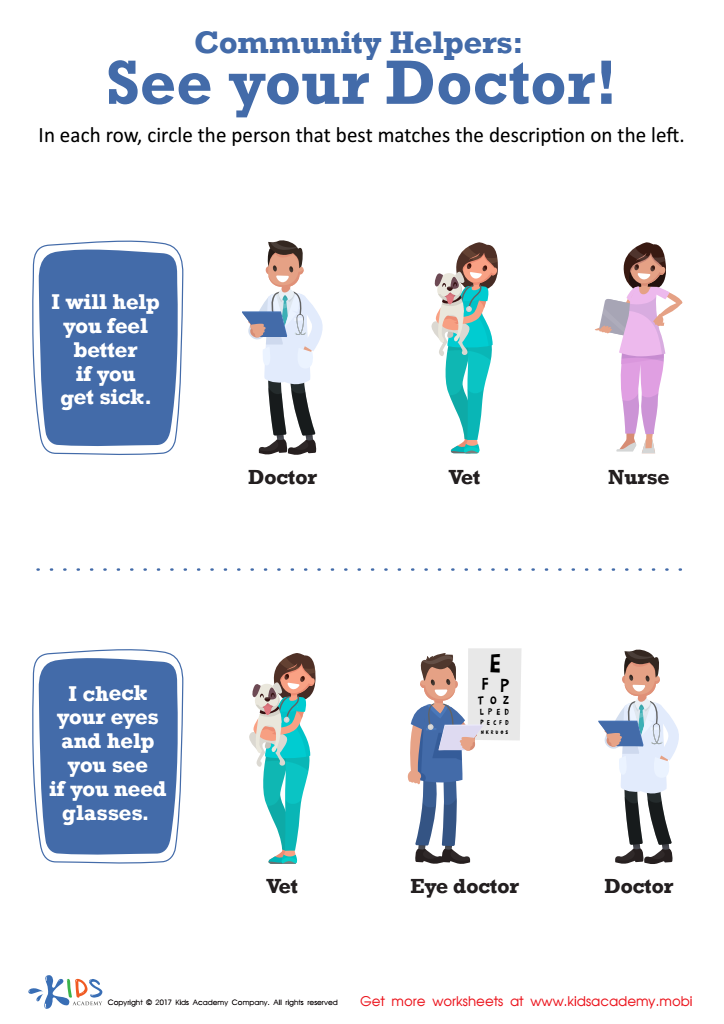
See Your Doctor (Part 1) Printable
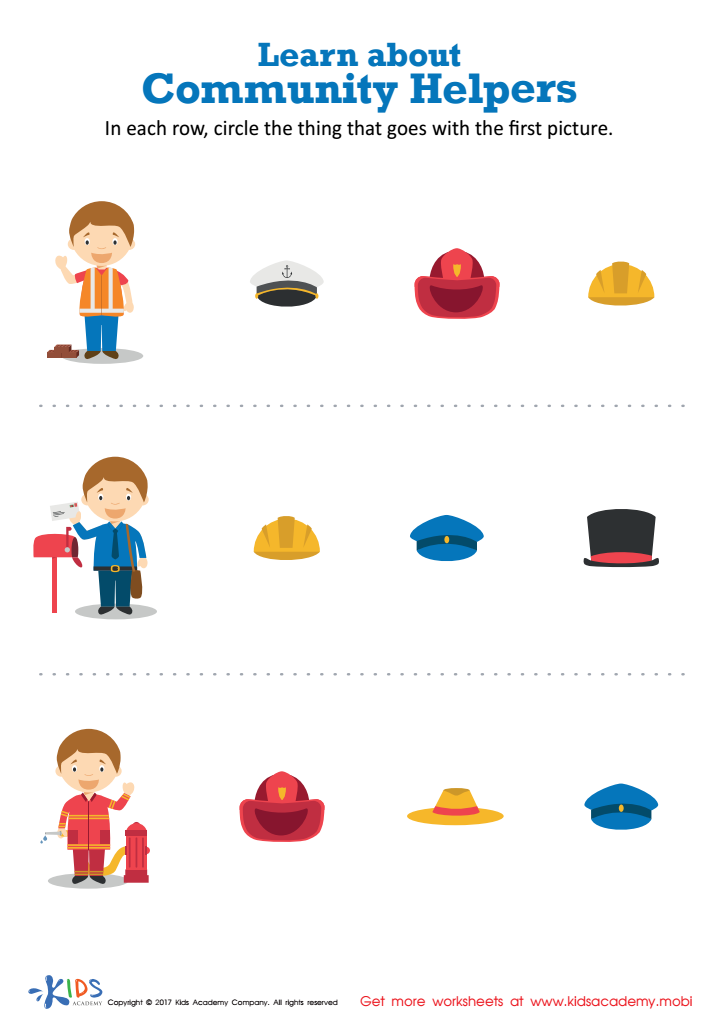
Learn about Community Helpers Printable
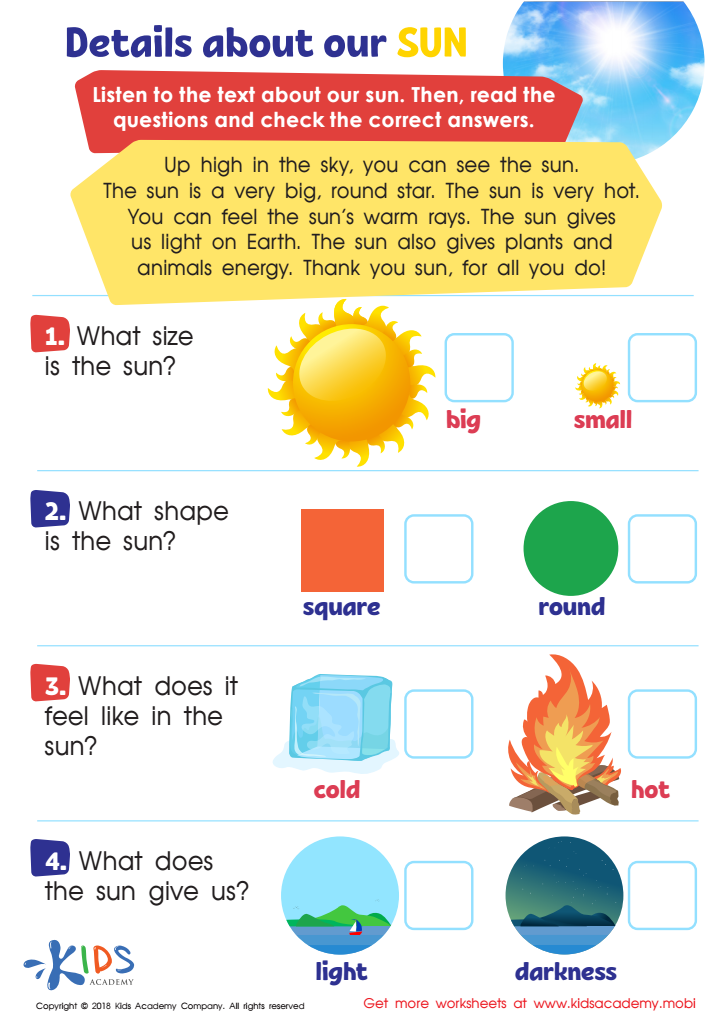
Details About Our Sun Worksheet
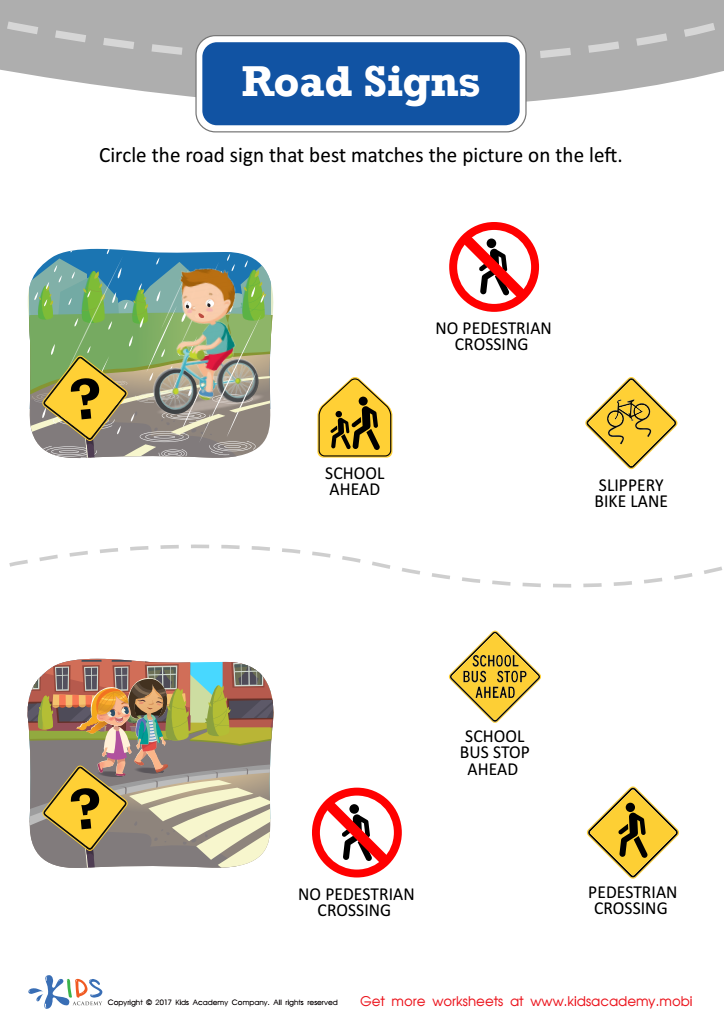
Road Signs (Part 2) Printable





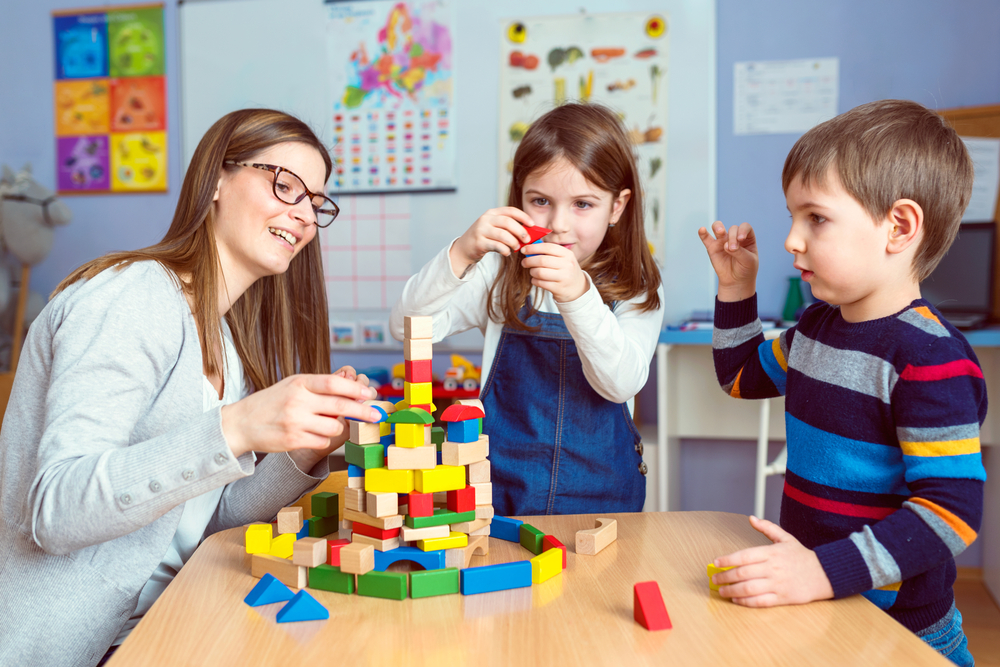

Parents and teachers should care about introducing children aged 3-6 to the concept of the "Normal World Around Us" because early exposure to their environment fosters curiosity, understanding, and communication skills. At this developmental stage, children are naturally inquisitive, and providing them with opportunities to explore their surroundings can significantly enhance their learning experiences.
Engaging with the world encourages children to develop observational skills and critical thinking. For instance, simple activities like nature walks, visits to local markets, or community events help them recognize patterns, relationships, and the diversity of life. Such experiences also promote social skills and collaboration, as children learn to interact with others and become aware of different perspectives.
Furthermore, understanding the environment helps children build essential vocabulary and language skills. By talking about what they see, hear, and touch, they can express their thoughts and feelings more effectively.
Ultimately, exploring the "Normal World Around Us" nurtures a sense of place and belonging. It instills appreciation for community and ecosystem awareness, helping to shape responsible and compassionate individuals. By supporting this foundational learning, parents and teachers play a crucial role in preparing children for a more informed and engaged future.