Normal Worksheets for Ages 3-7 - Page 55
1337 filtered results
-
From - To
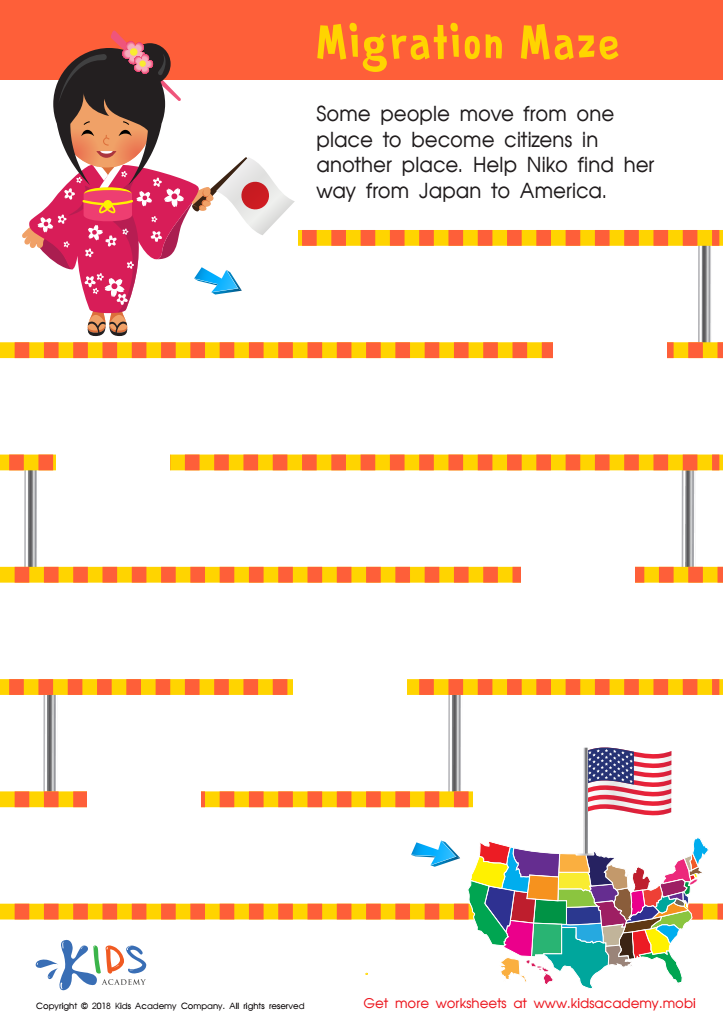
Migration Maze Worksheet
 Assign to My Students
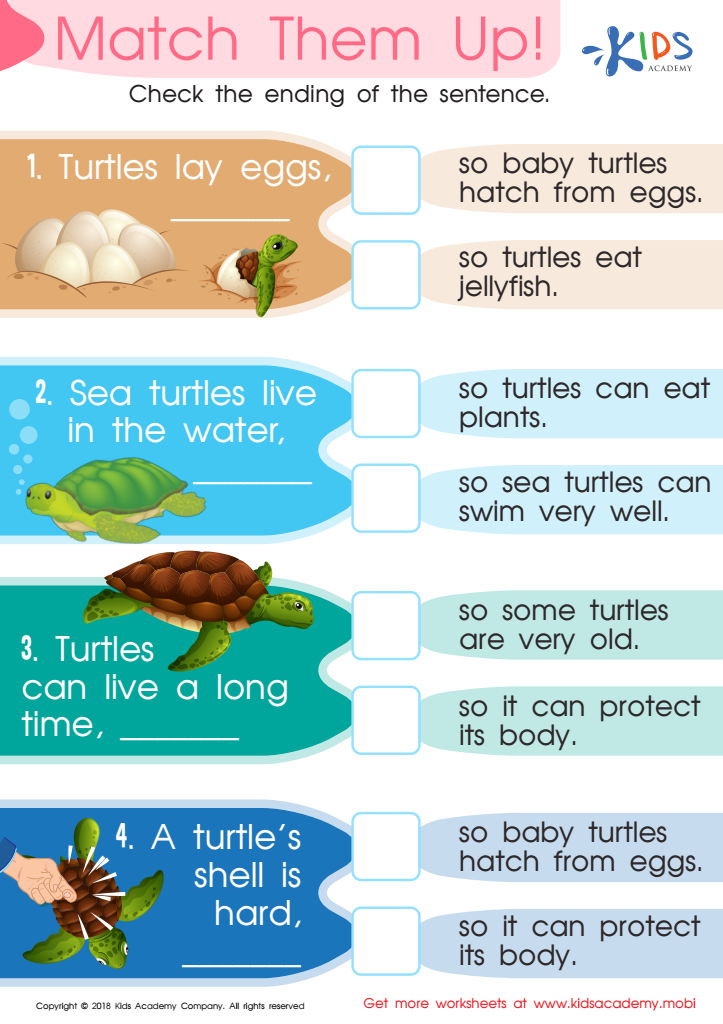
Match Them Up Worksheet
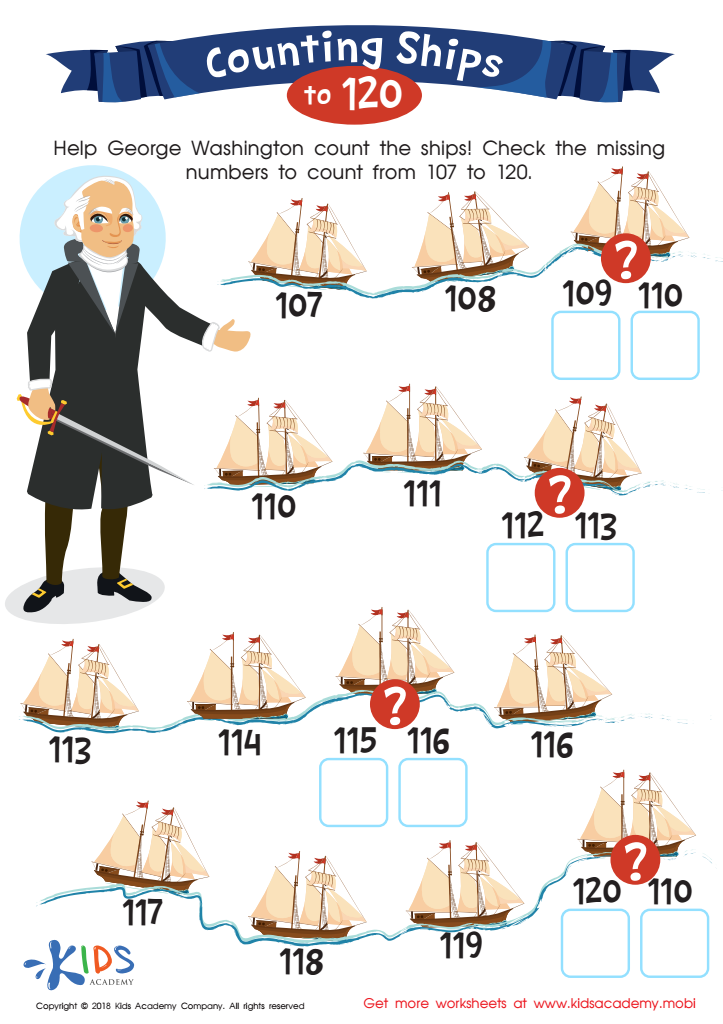
Counting Ships to 120 Worksheet
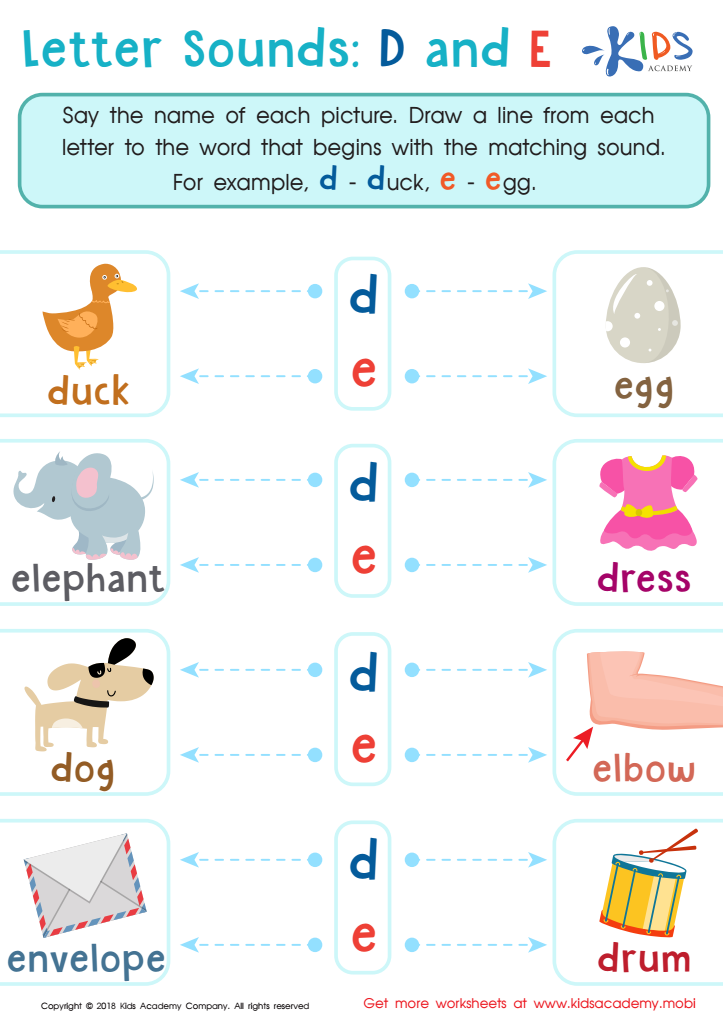
Letter D and E Sounds Worksheet
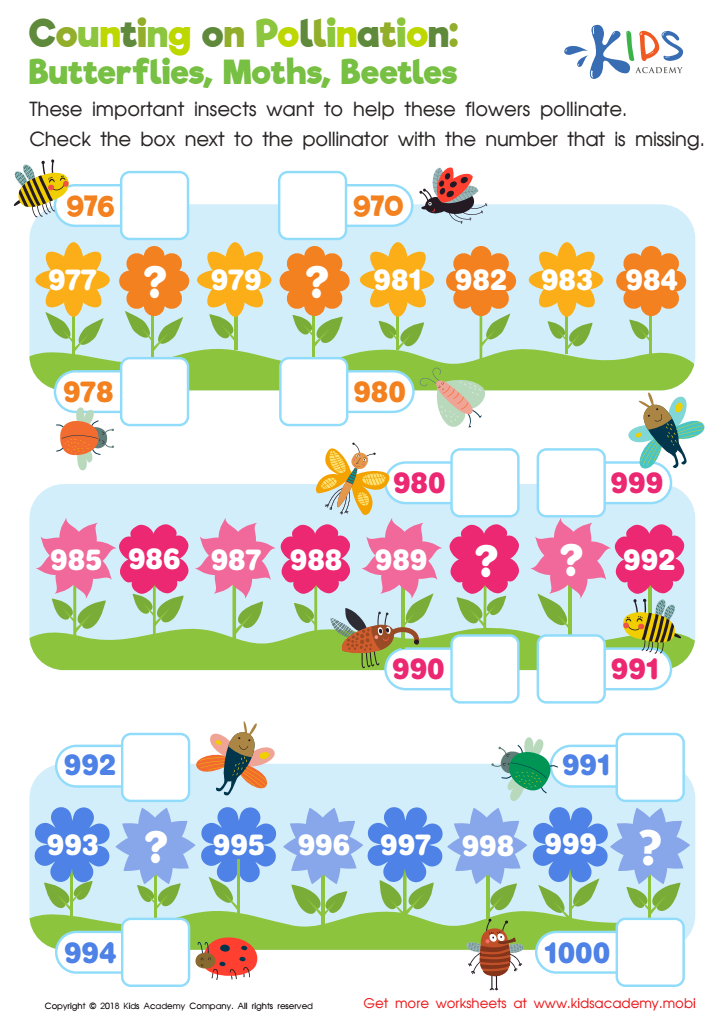
Counting on Pollination: Butterflies, Moths, Beetles Worksheet
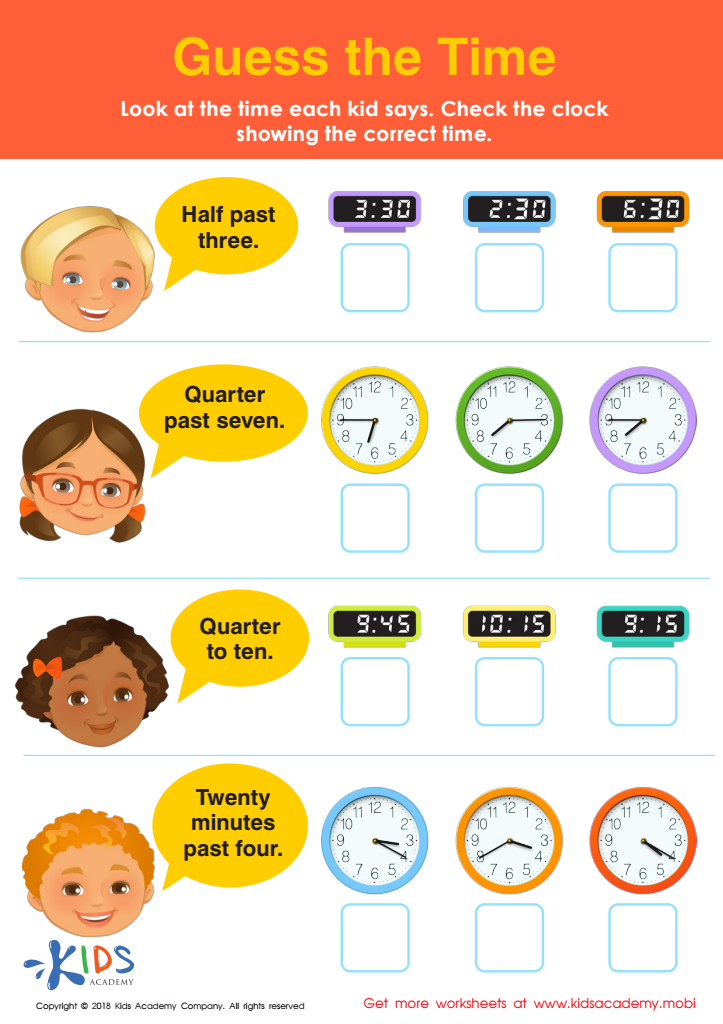
Guess the Time Worksheet
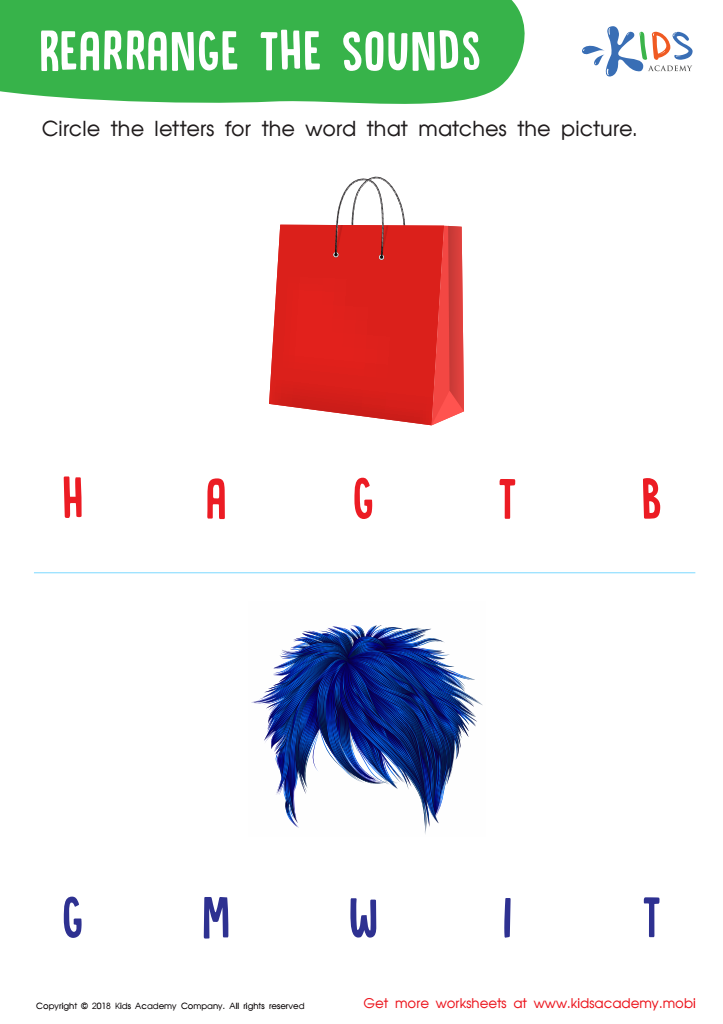
Rearrange the Sounds Worksheet
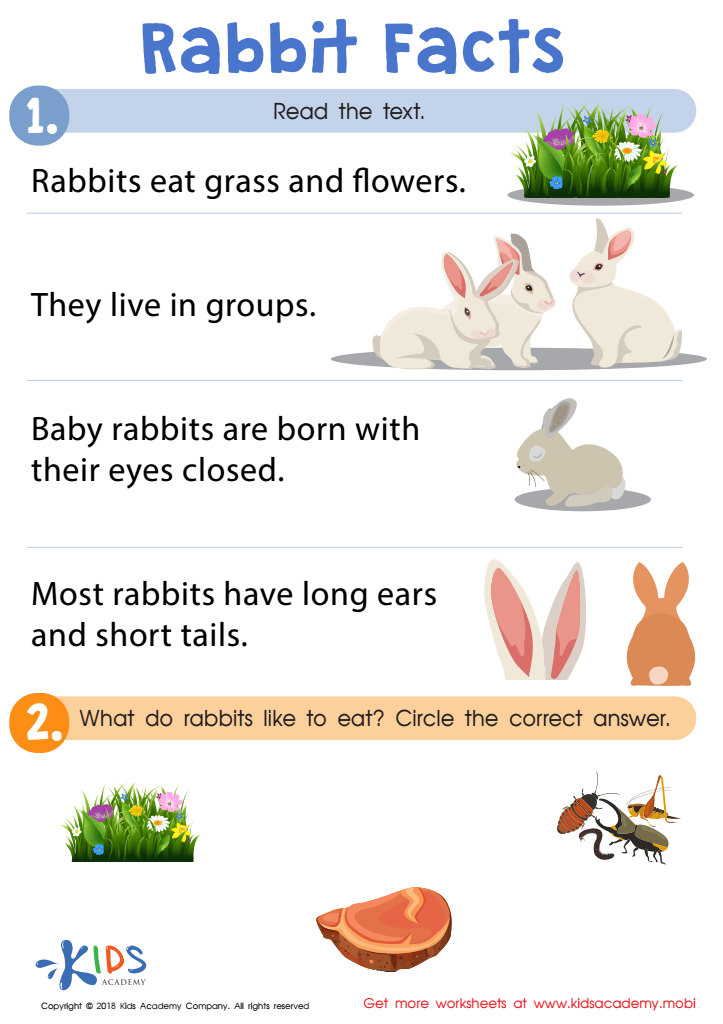
Rabbit Facts Worksheet
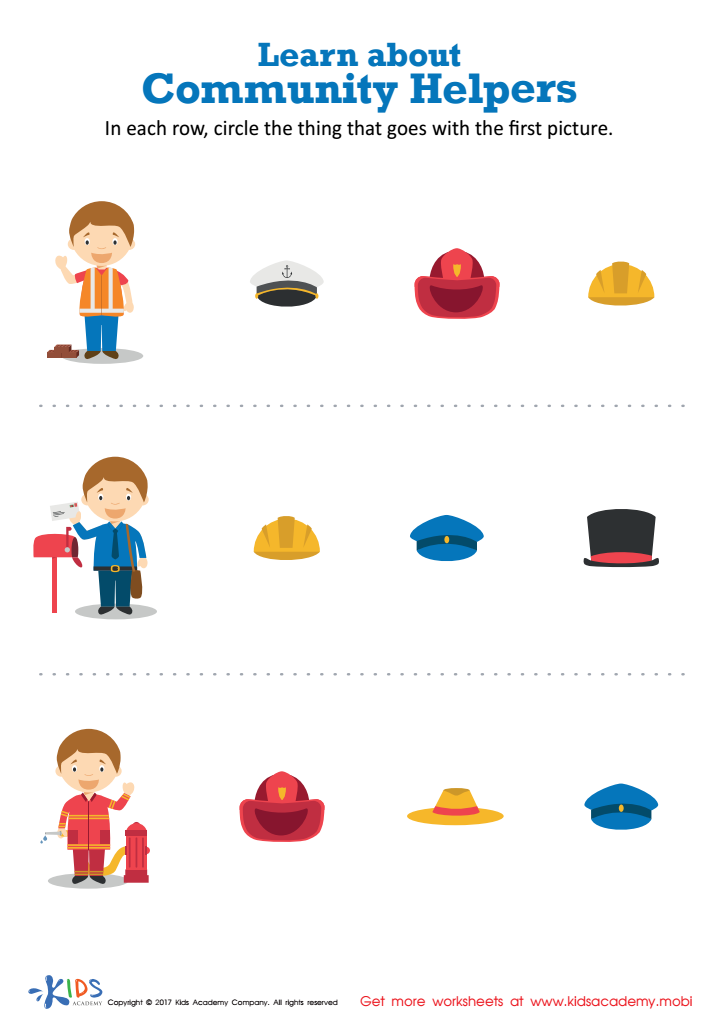
Learn about Community Helpers Printable
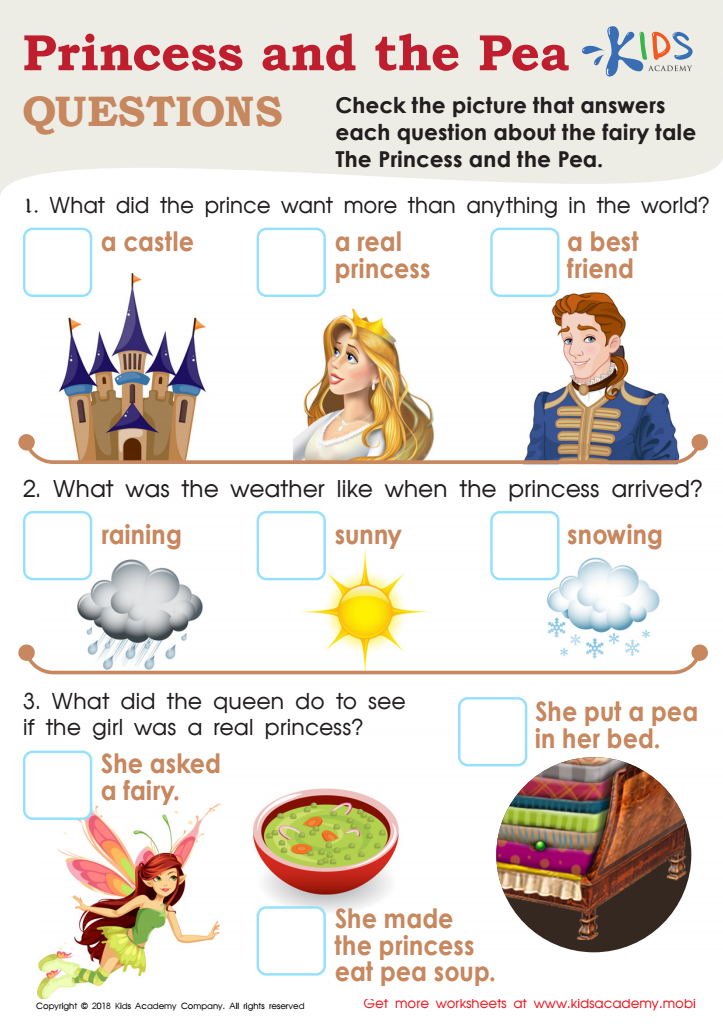
Princess and the Pea Questions Worksheet
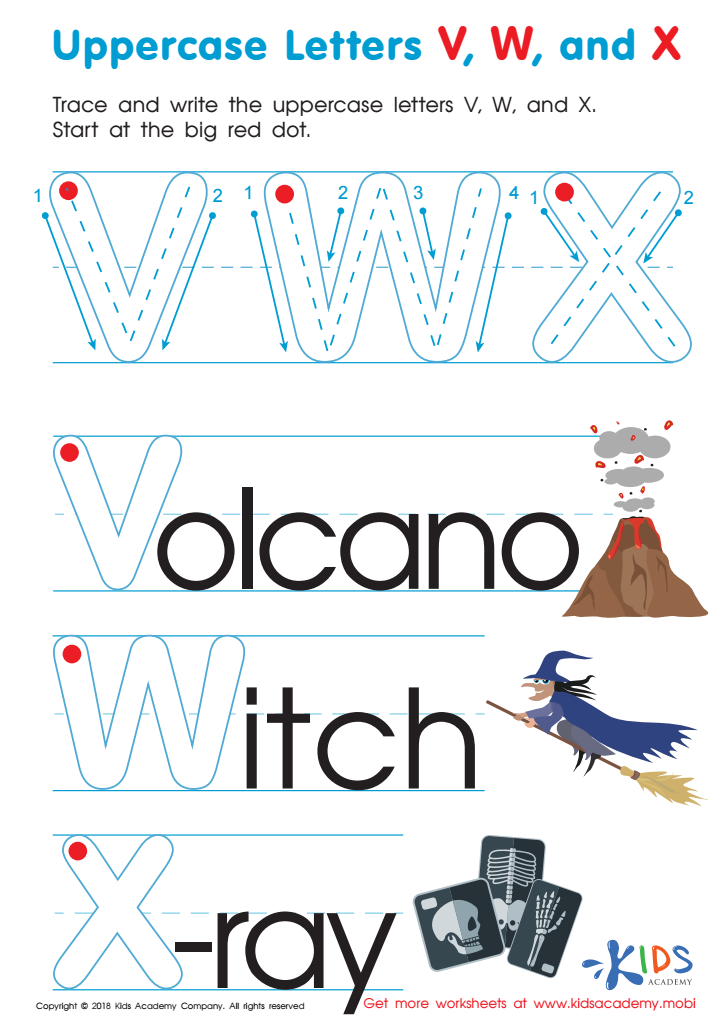
Uppercase Letters V, W, and X Worksheet
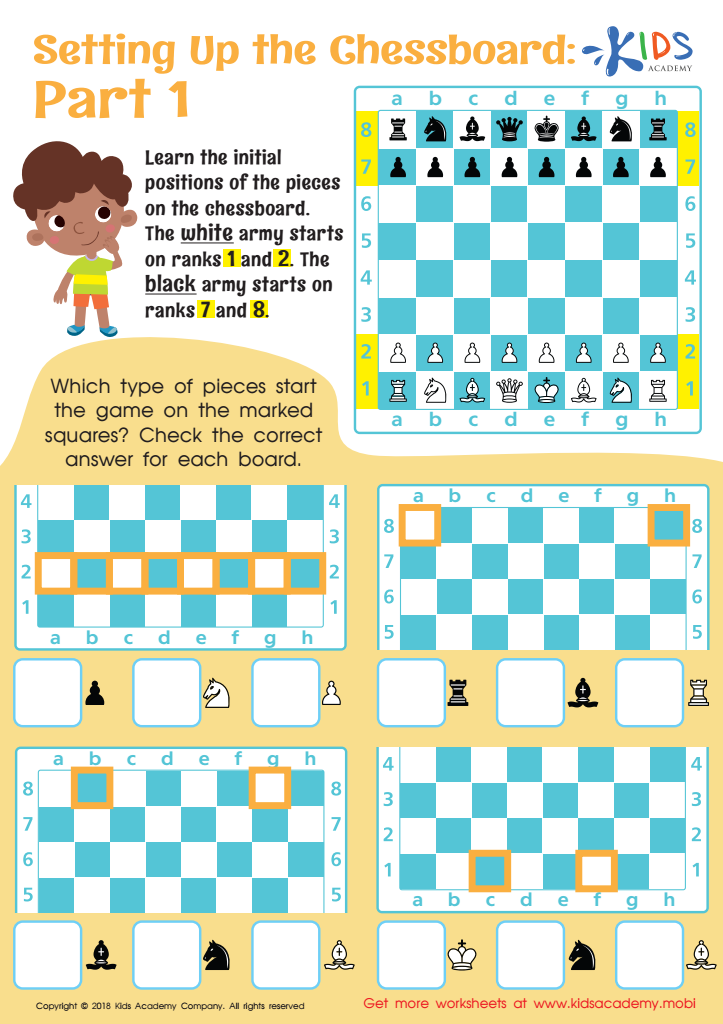
Setting up the Chessboard: Part 1 Worksheet
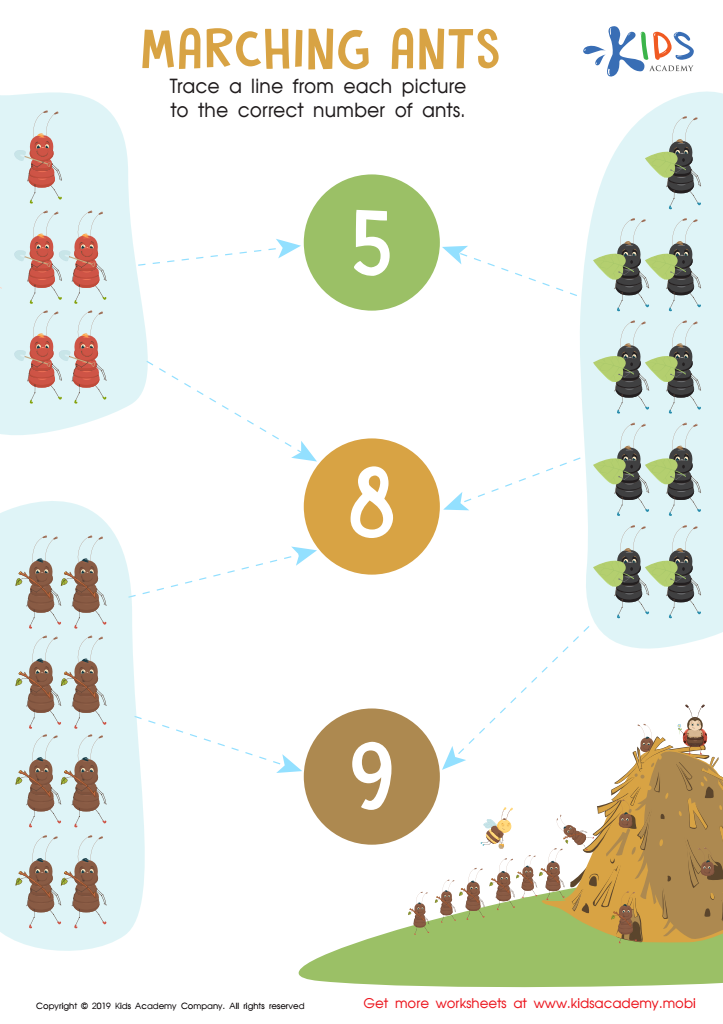
Marching Ants Worksheet
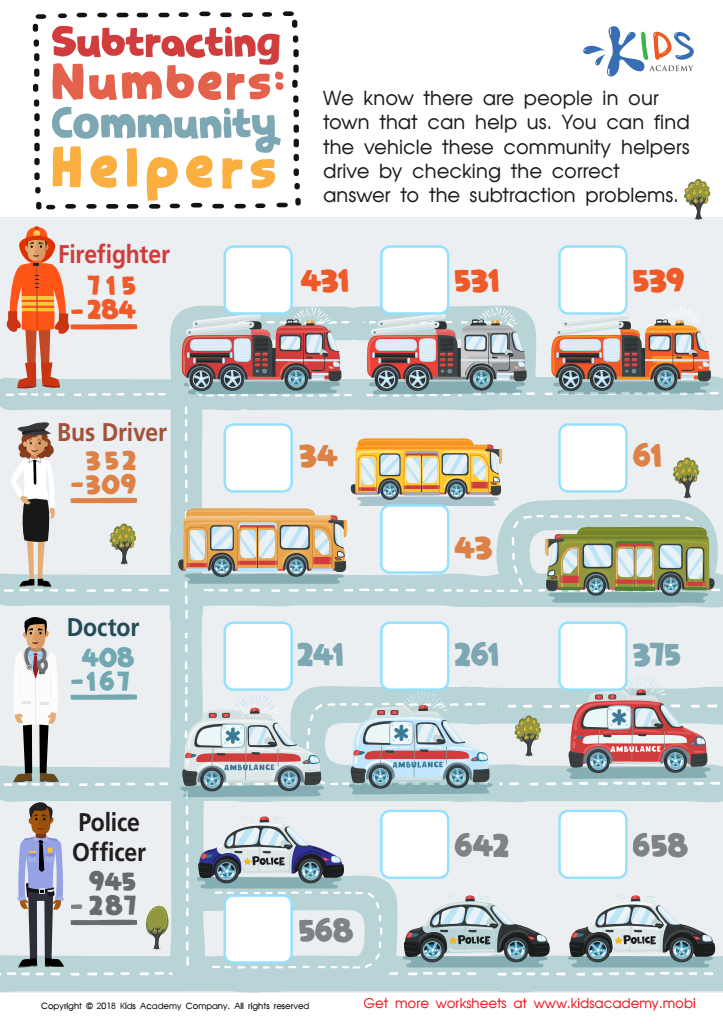
Subtracting Numbers: Community Helpers Worksheet
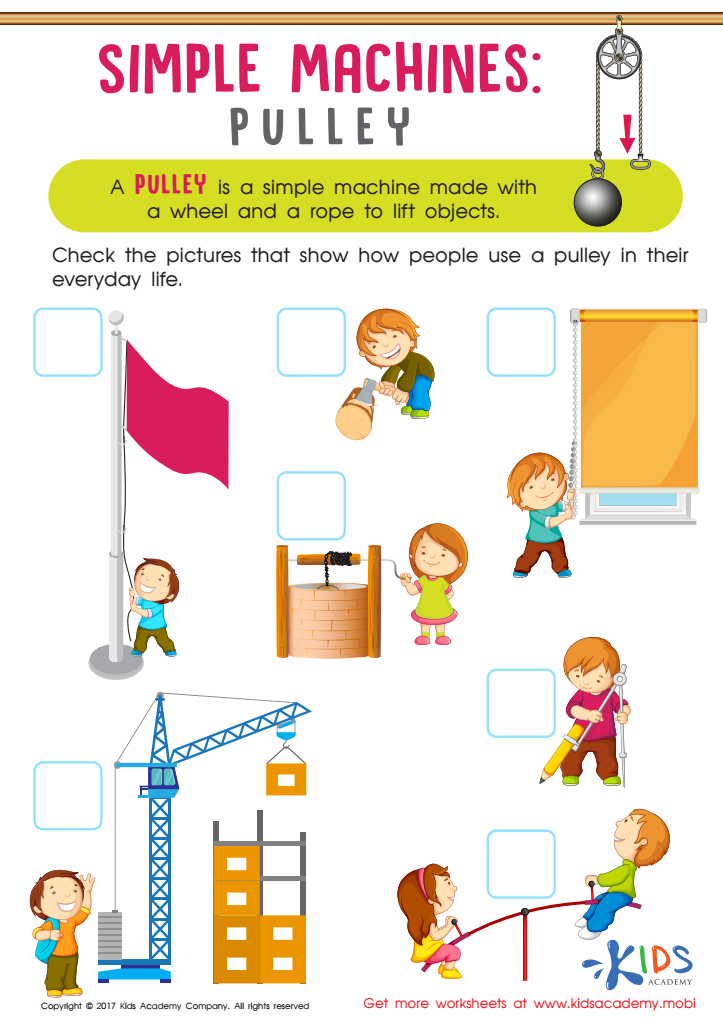
Simple Machines Pulley Worksheet
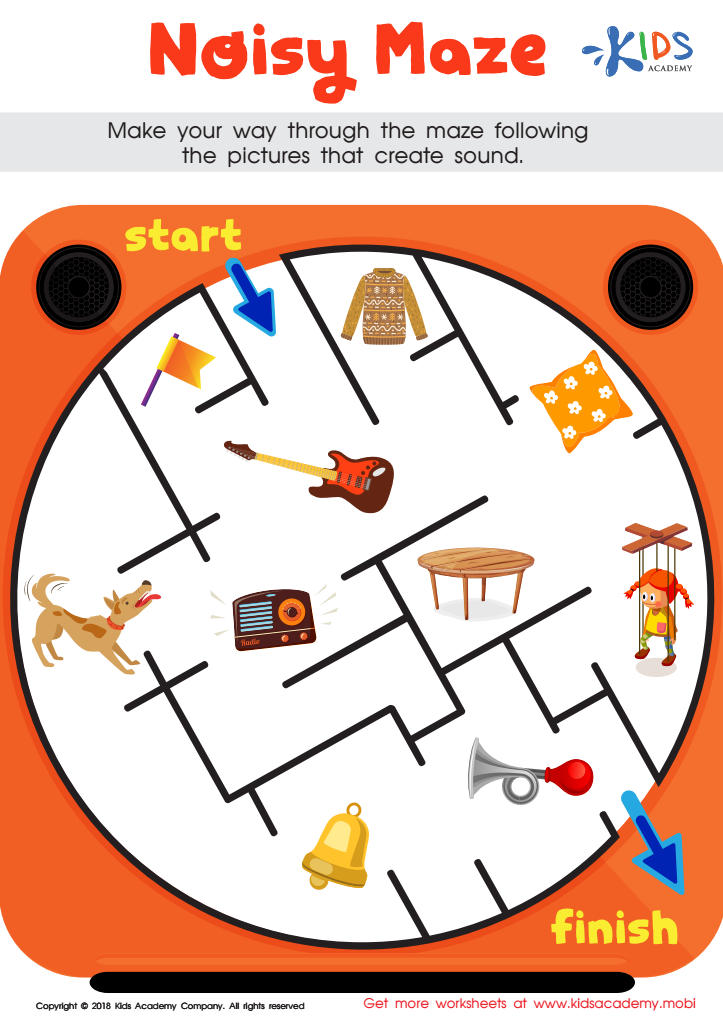
Noisy Maze Worksheet
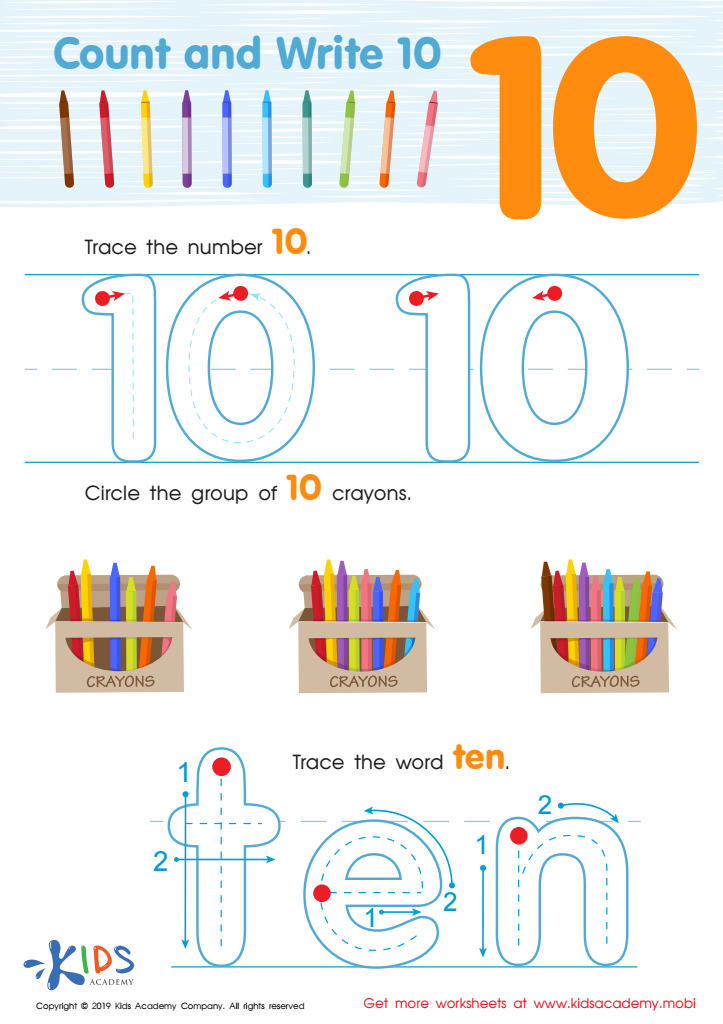
Count and Write 10 Worksheet
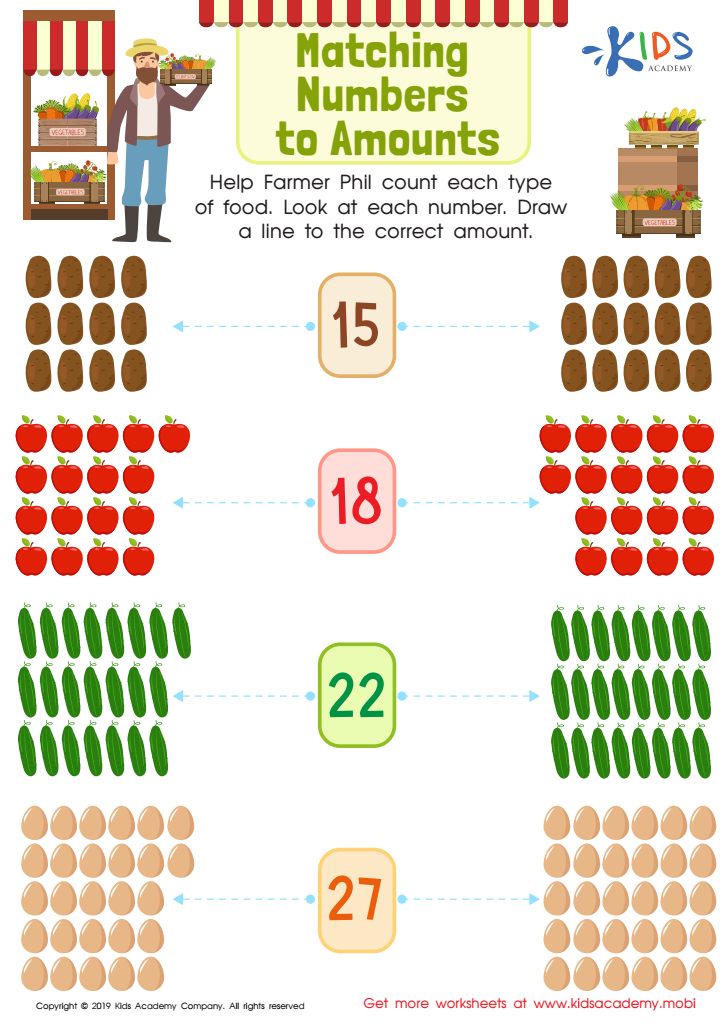
Matching Numbers to Amounts Worksheet
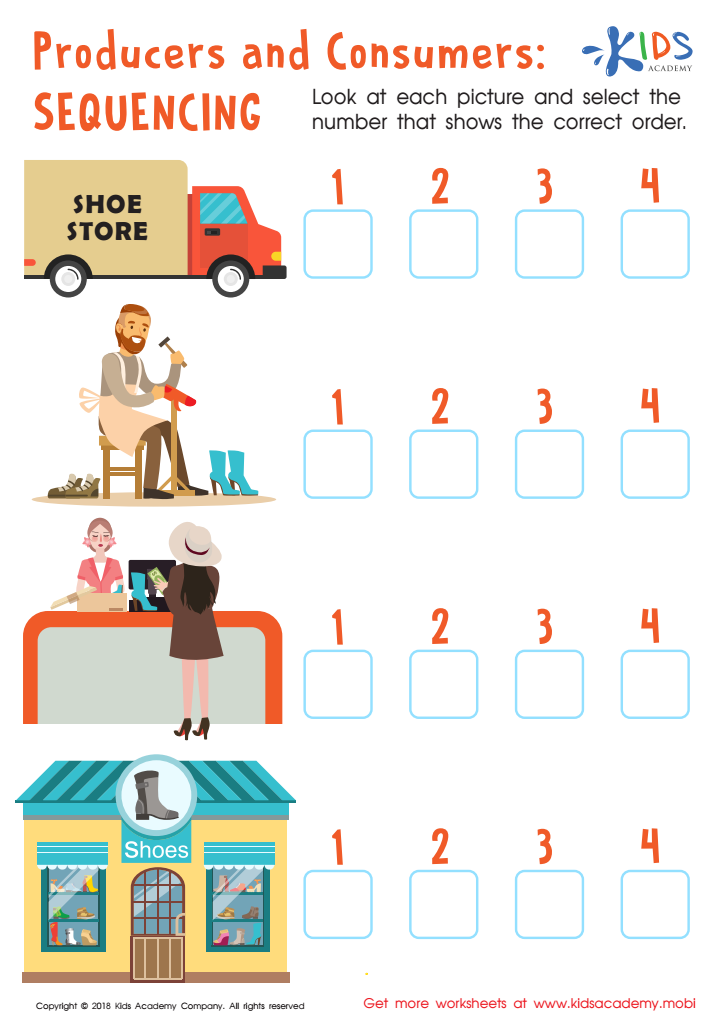
Producers and Consumers: Sequencing Worksheet
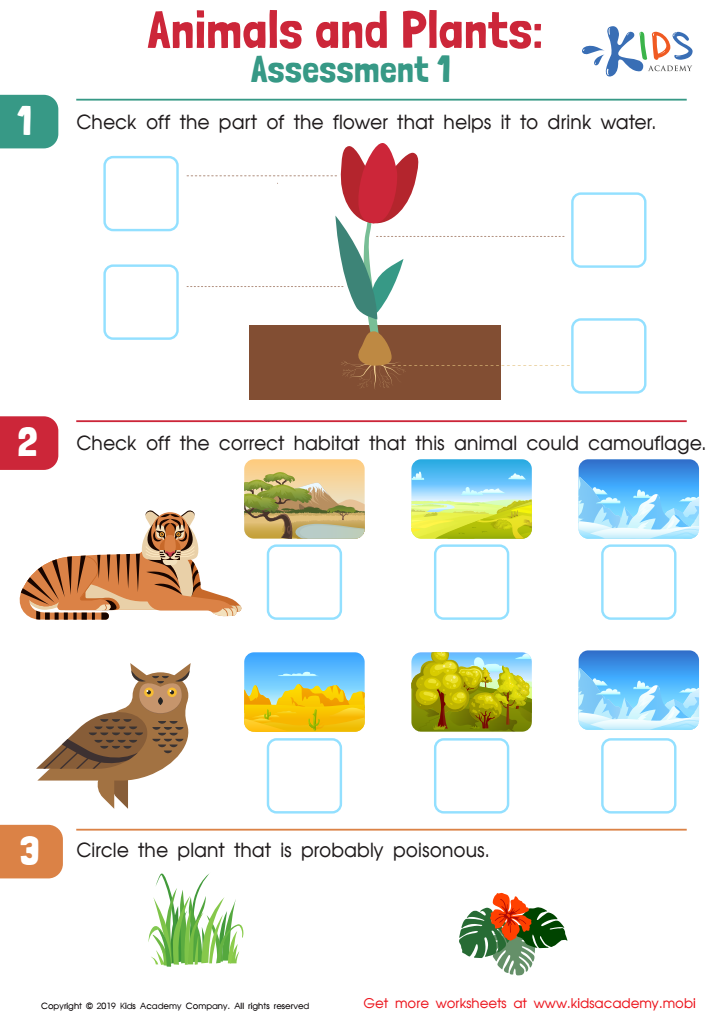
Animals and Plants: Assessment 1 Worksheet
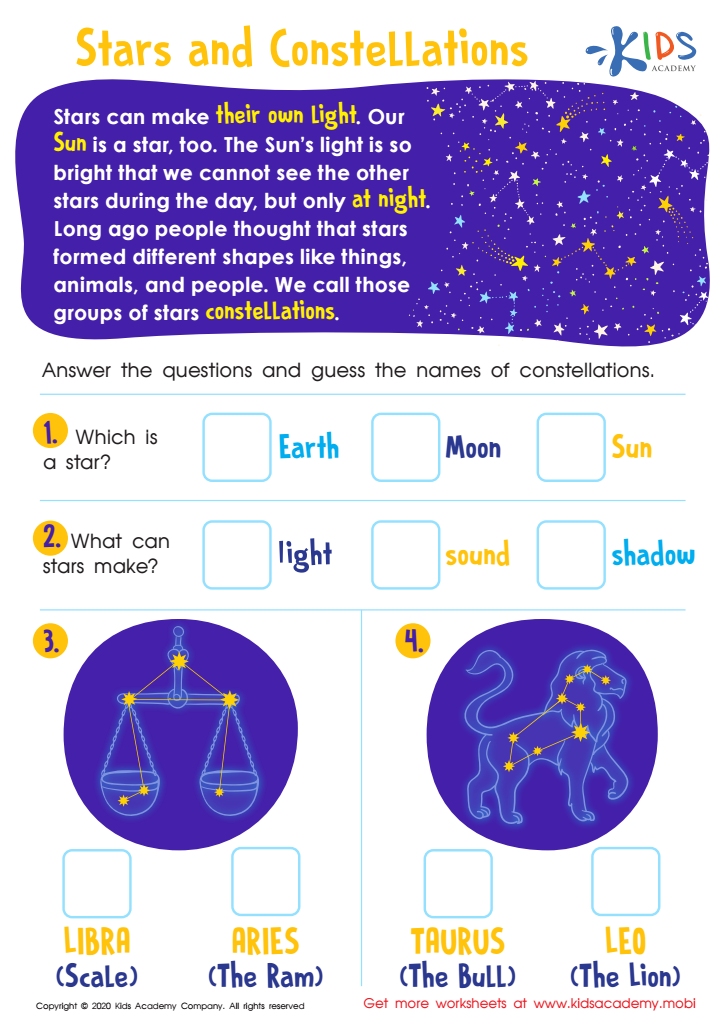
Stars and Constellations Worksheet
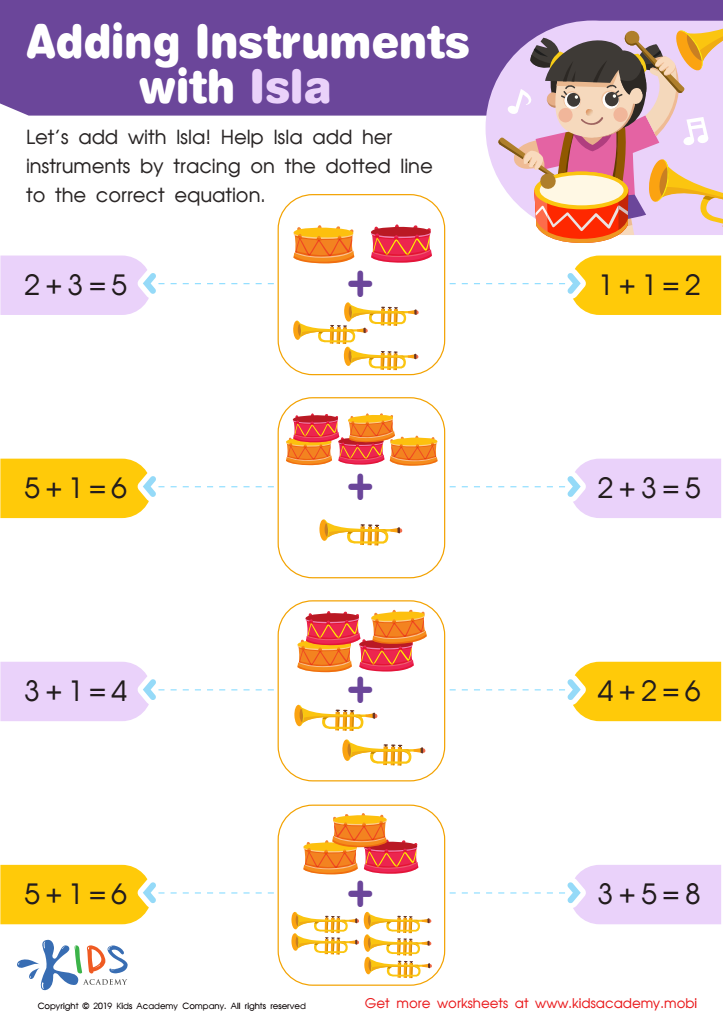
Adding Instruments with Isla Worksheet
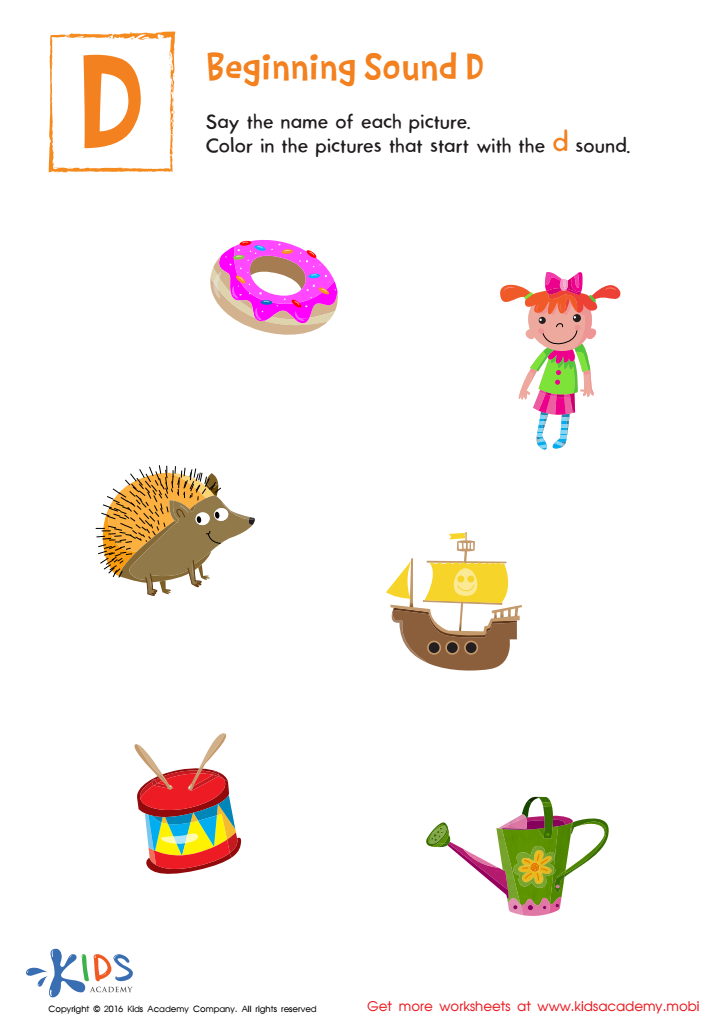
Beginning Sound D Worksheet








Parents and teachers caring for children aged 3-7 need to understand normative developmental milestones because they serve as crucial benchmarks for assessing a child's growth across cognitive, social, emotional, and physical domains. During these formative years, children rapidly acquire skills that lay the foundation for future learning and development.
For example, by age 3, most children start developing language skills, can follow simple instructions, and show a growing interest in playing with peers. By age 5, many can count to ten, understand basic time concepts, and exhibit increased independence and creativity. These milestones help adults gauge whether children are on track or if any areas might require additional support or intervention.
Furthermore, understanding normative behavior allows parents and teachers to create appropriate learning environments and activities that can stimulate development effectively. If children struggle to meet expected milestones, awareness allows for early intervention which is crucial as early difficulties in areas like language or motor skills, if unaddressed, can impact a child's future educational experience.
Lastly, recognizing normal behavior can also help in identifying giftedness or other exceptional traits early, ensuring these children receive the enrichment they need. Overall, knowing normative behavior is essential to supporting well-rounded development, therefore maximizing a child's potential during these critical early years.








