Normal Vowel Diphthongs Worksheets for Ages 3-7
24 filtered results
-
From - To
Discover our engaging "Normal Vowel Diphthongs Worksheets" designed specifically for ages 3-7! These worksheets provide a fun and interactive way for young learners to explore vowel diphthongs, enhancing their phonemic awareness and reading skills. Each worksheet features colorful illustrations and age-appropriate activities that captivate children's attention and foster a love for learning. Perfect for classrooms or at-home practice, these resources help support early literacy development by encouraging recognition and pronunciation of diphthongs in a fun format. Download our worksheets today to start your child on a successful reading journey and watch as their confidence grows with every exercise!
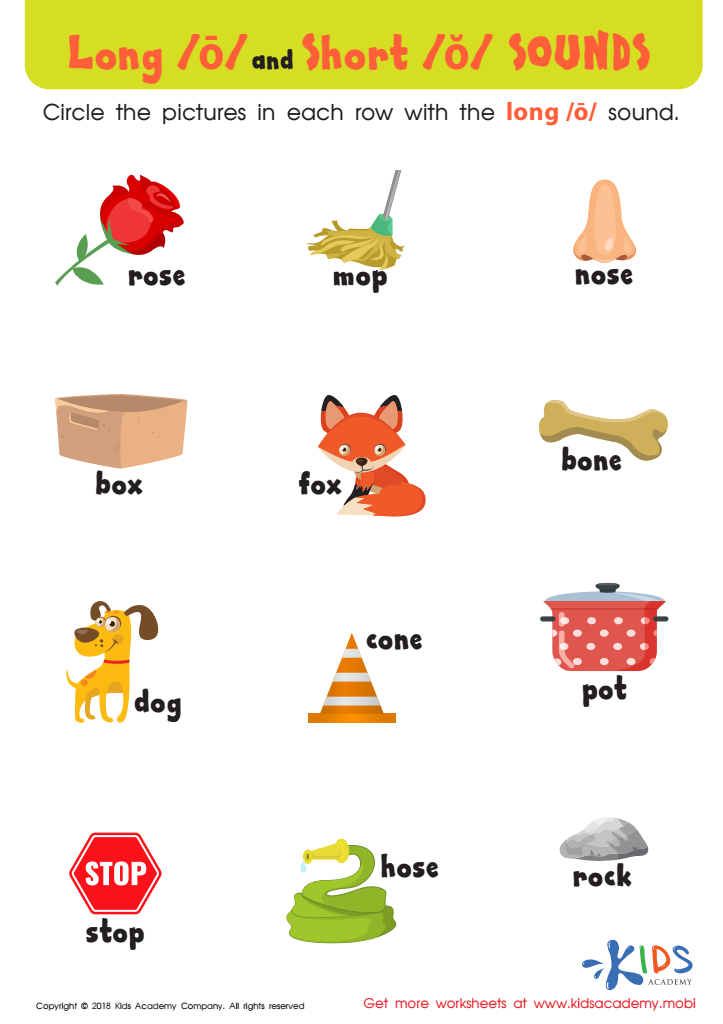
Reading: Long O and Short O Sounds Worksheet
 Assign to My Students
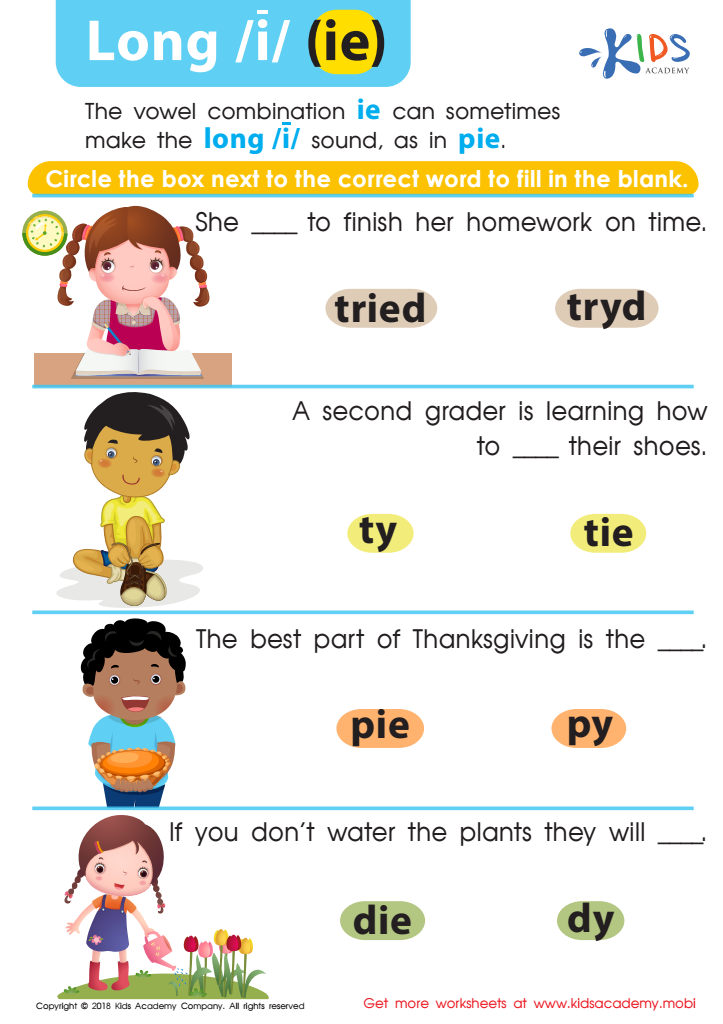
Reading: Long I and IE Worksheet
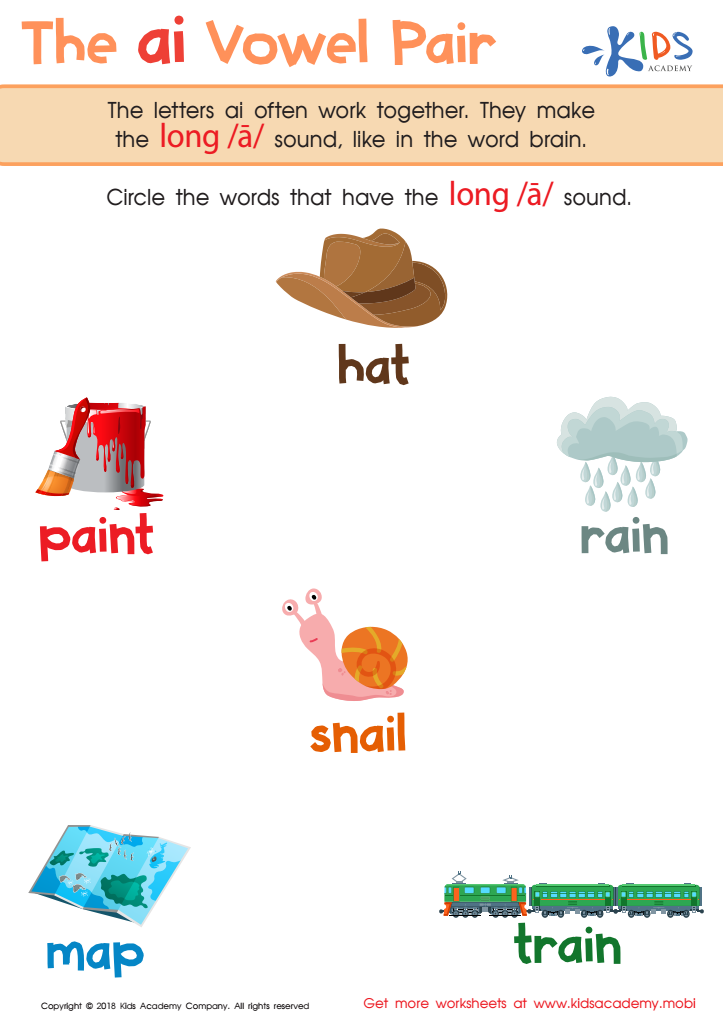
The AI Vowel Pair Worksheet
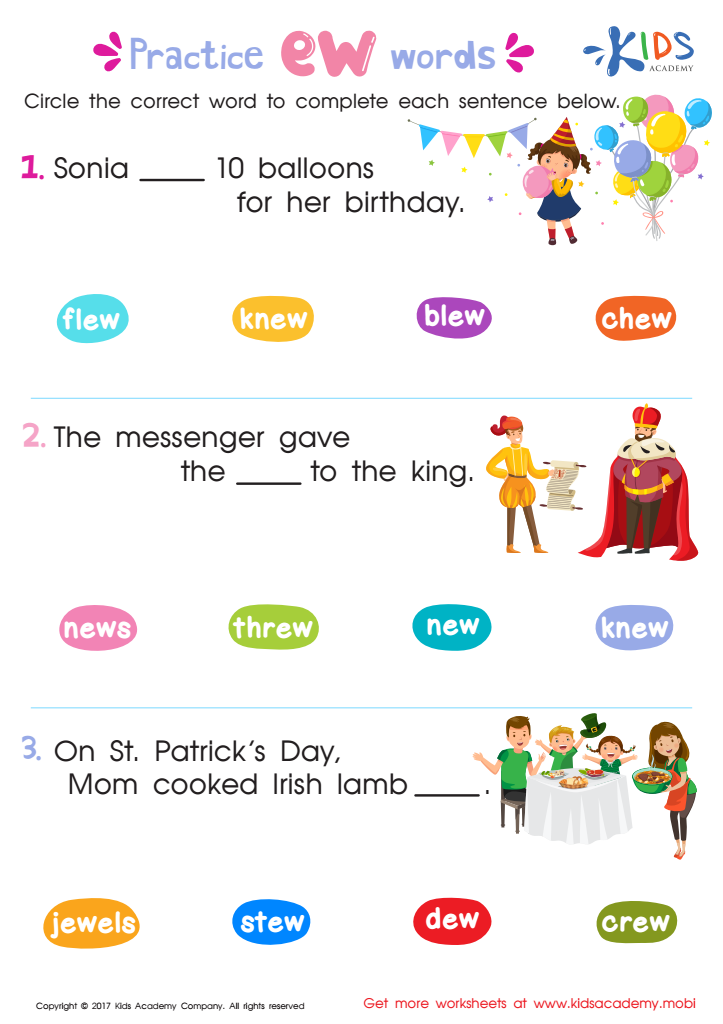
EW Words Worksheet
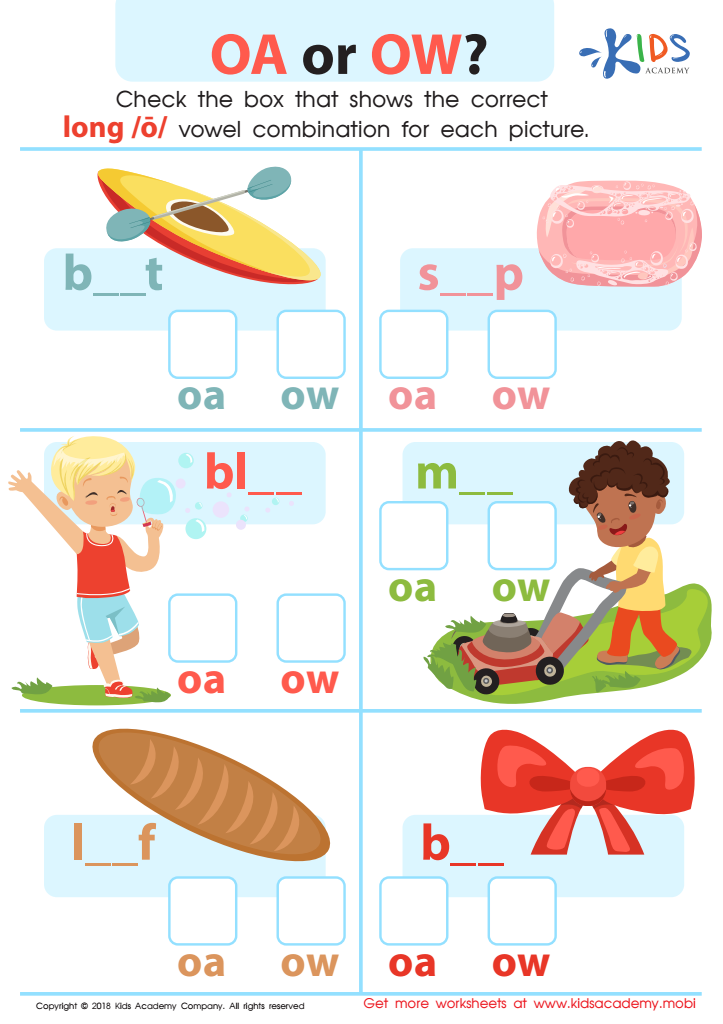
Reading: OA or OW Worksheet
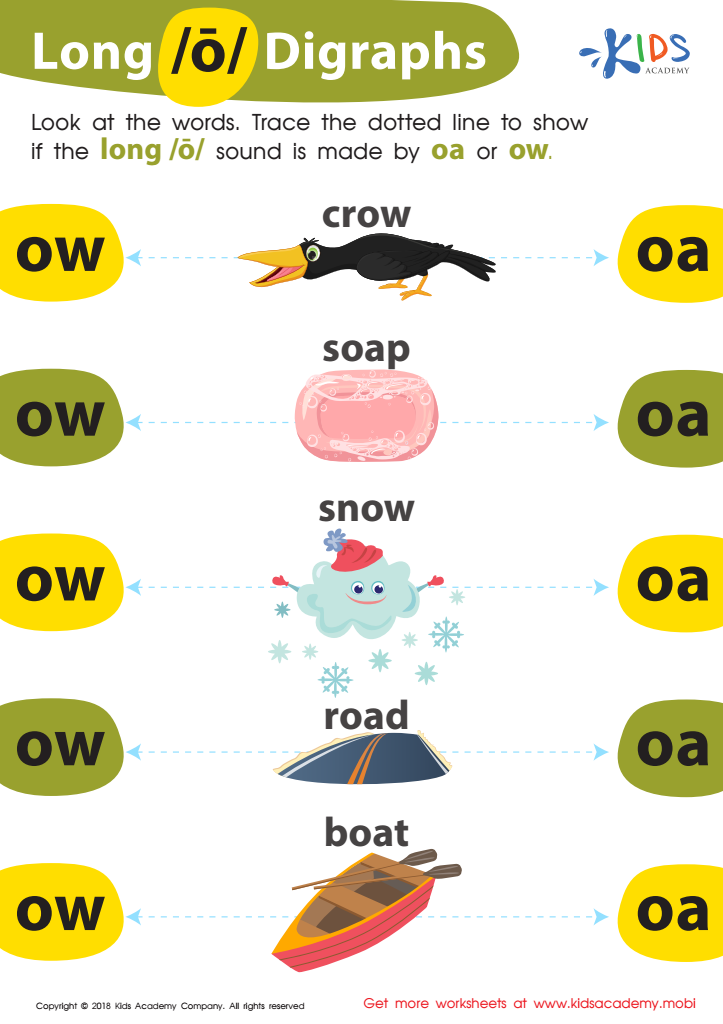
Reading: Long O Digraphs Worksheet
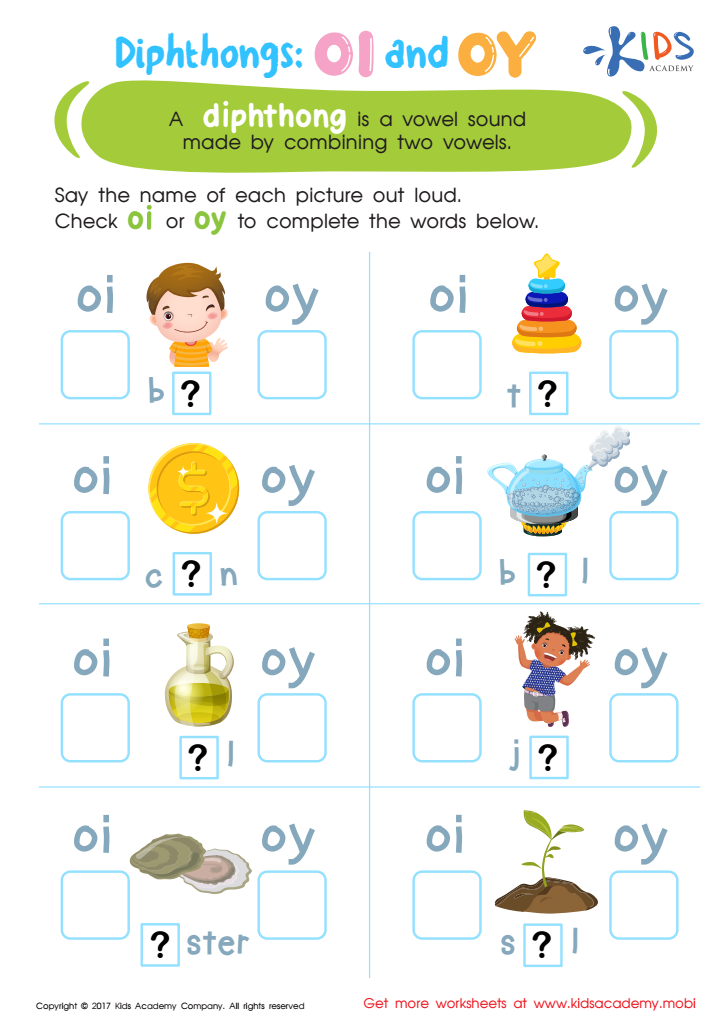
Vowel Diphthongs OI OY Worksheet
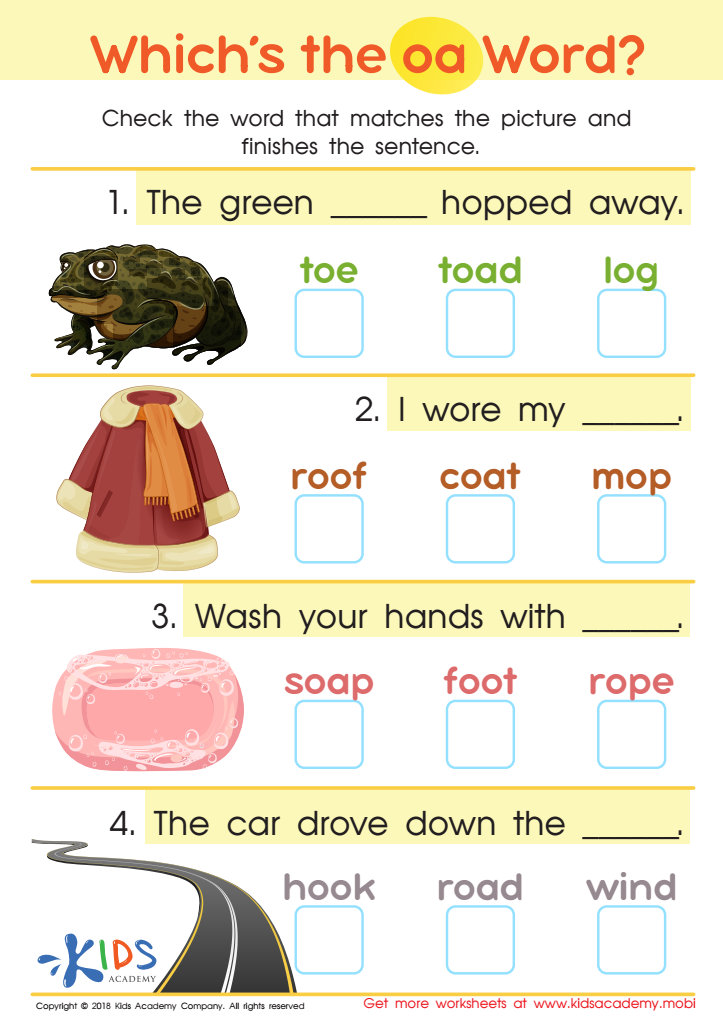
Which's the OA Word? Worksheet
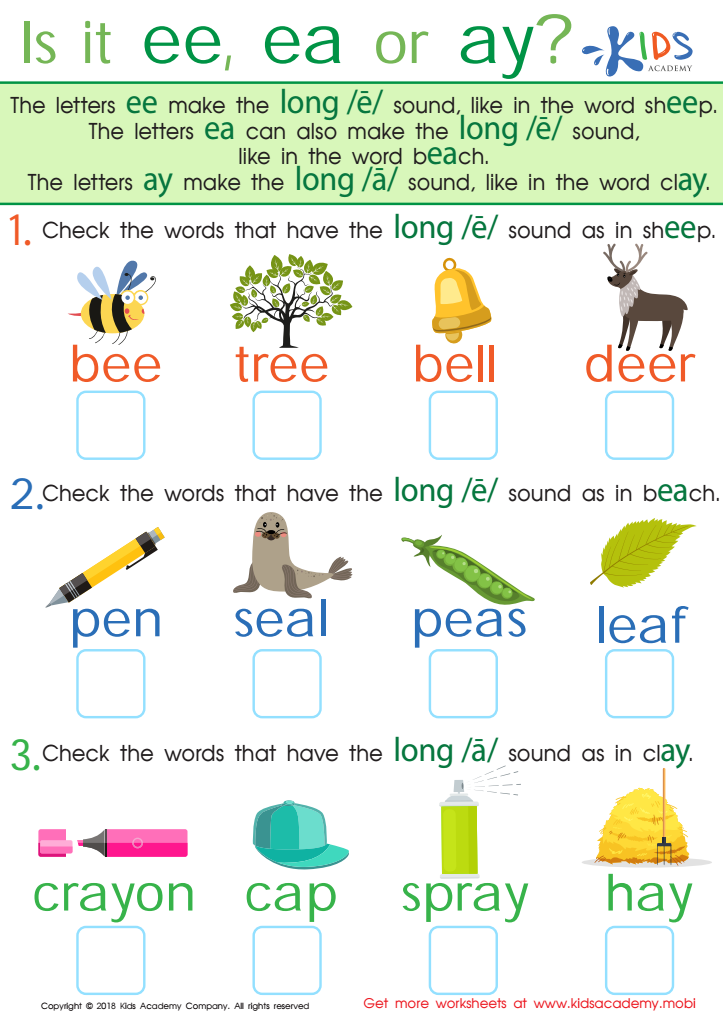
Is It EE, EA, or AY? Worksheet
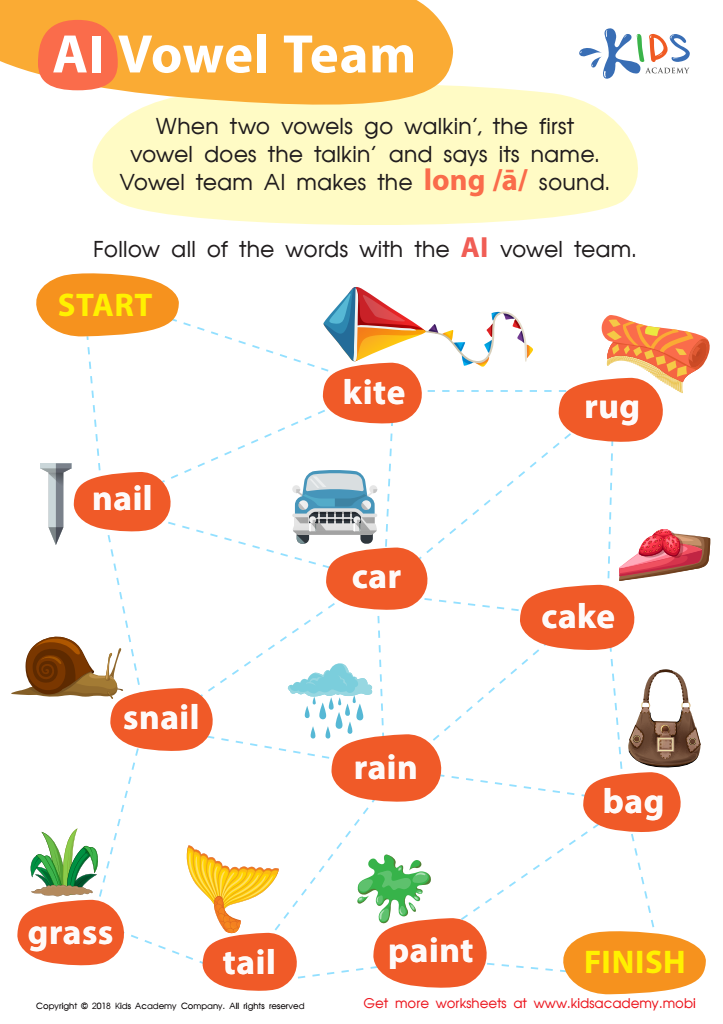
Reading: AI Vowel Team Worksheet
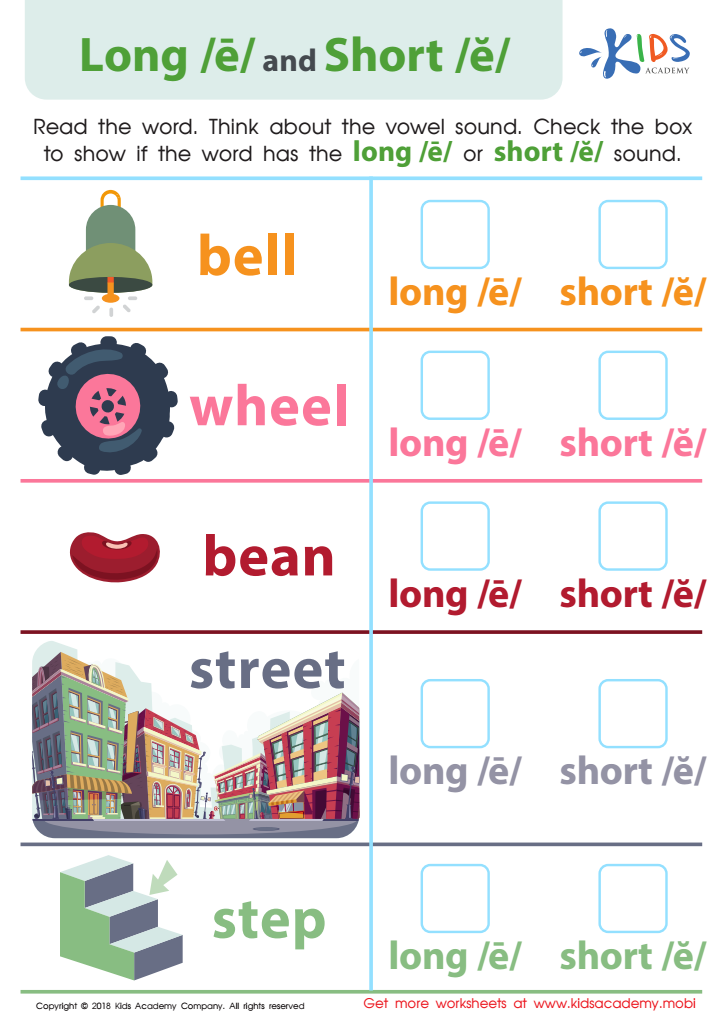
Reading: Long E and Short E Worksheet
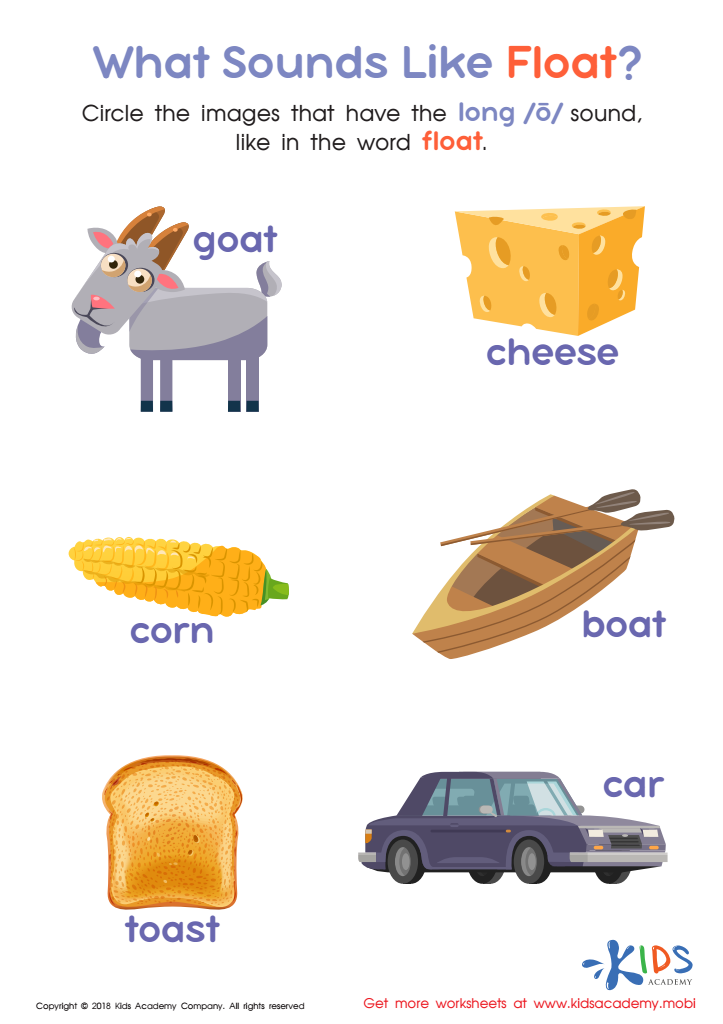
What Sounds Like Float? Worksheet
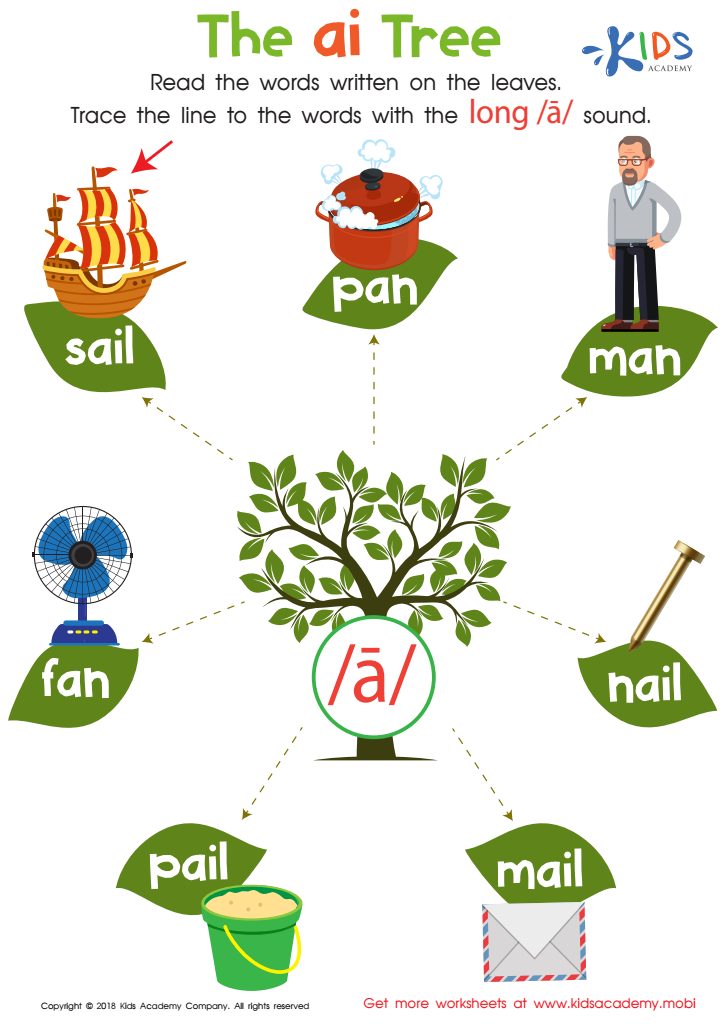
The AI Tree Worksheet
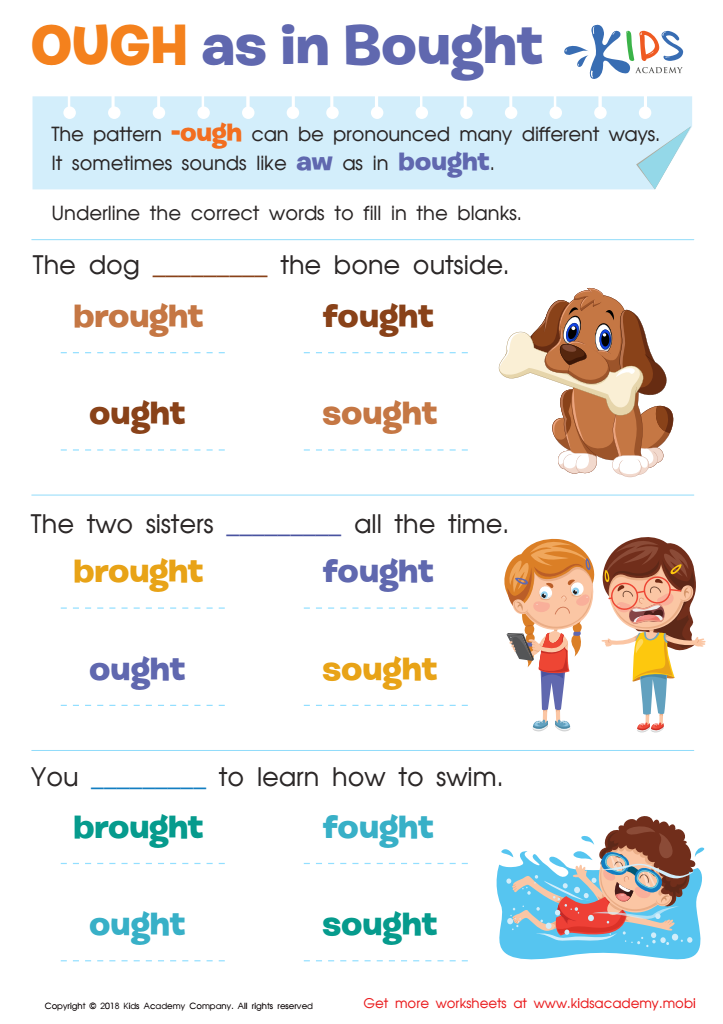
OUGH as in Bought Worksheet
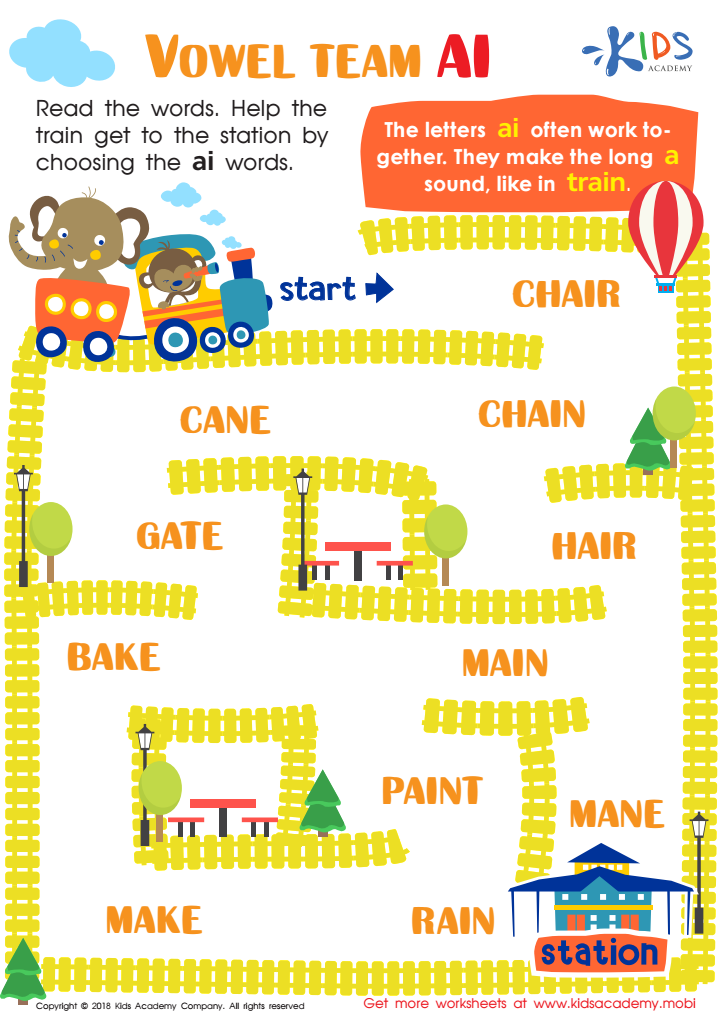
Vowel team ai Worksheet
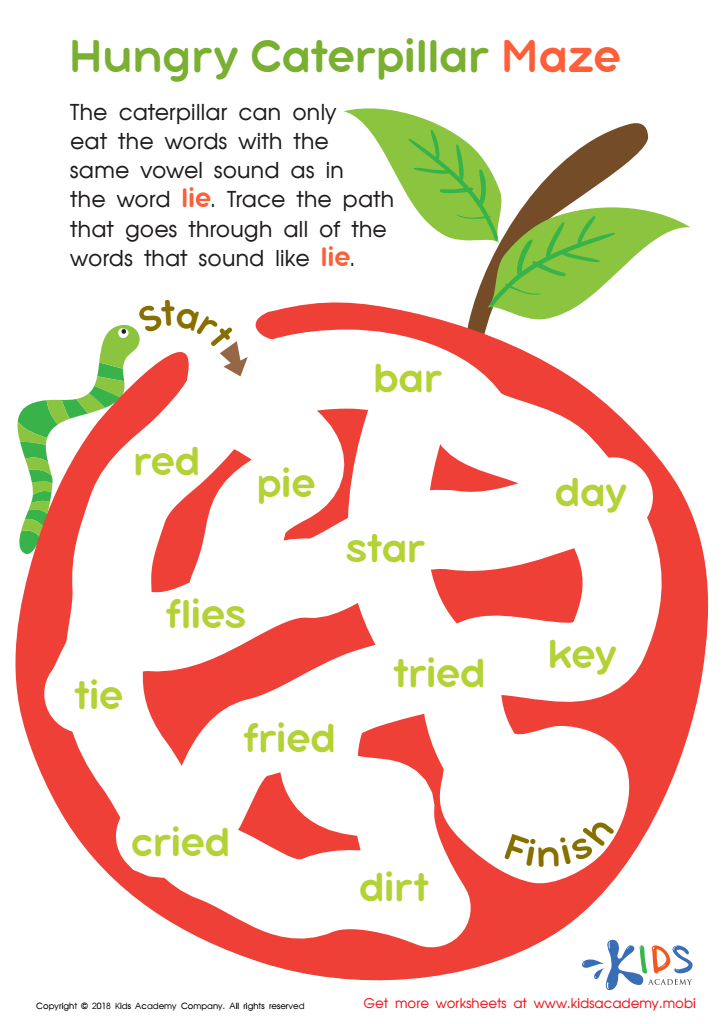
Hungry Caterpillar Maze Worksheet
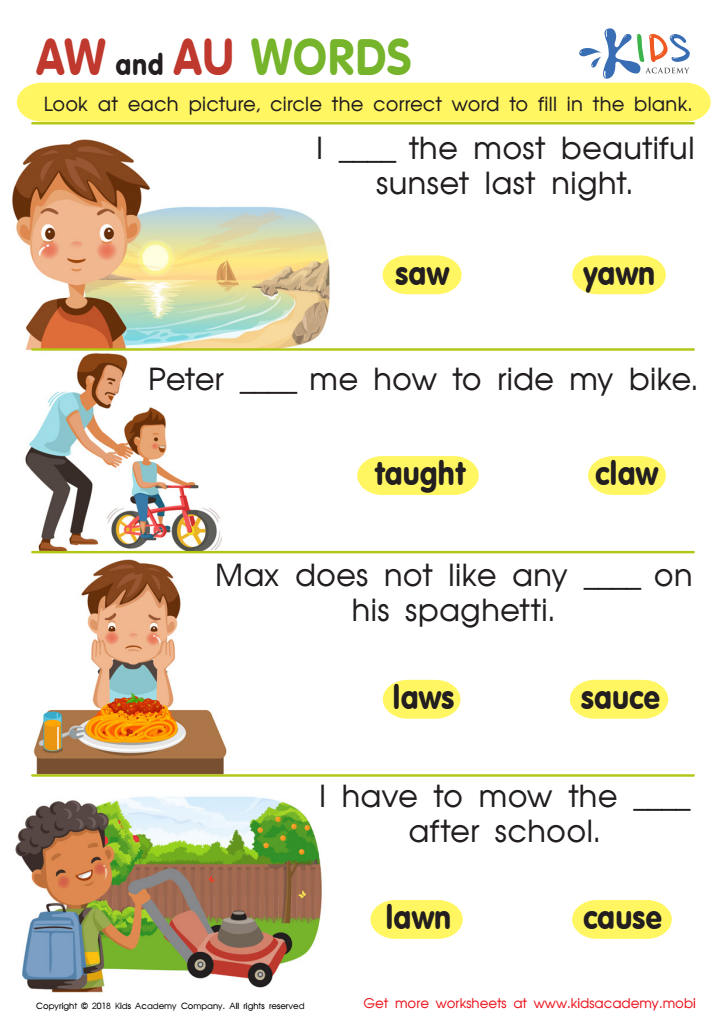
Reading: AW and AU Words Worksheet
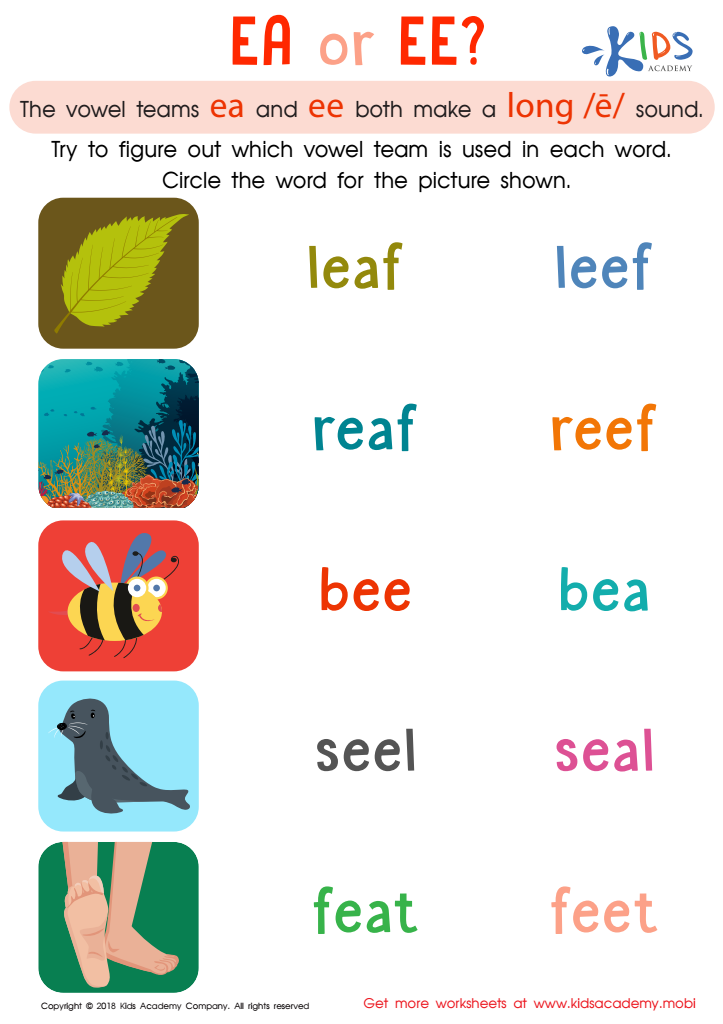
Reading: EA and EE Worksheet
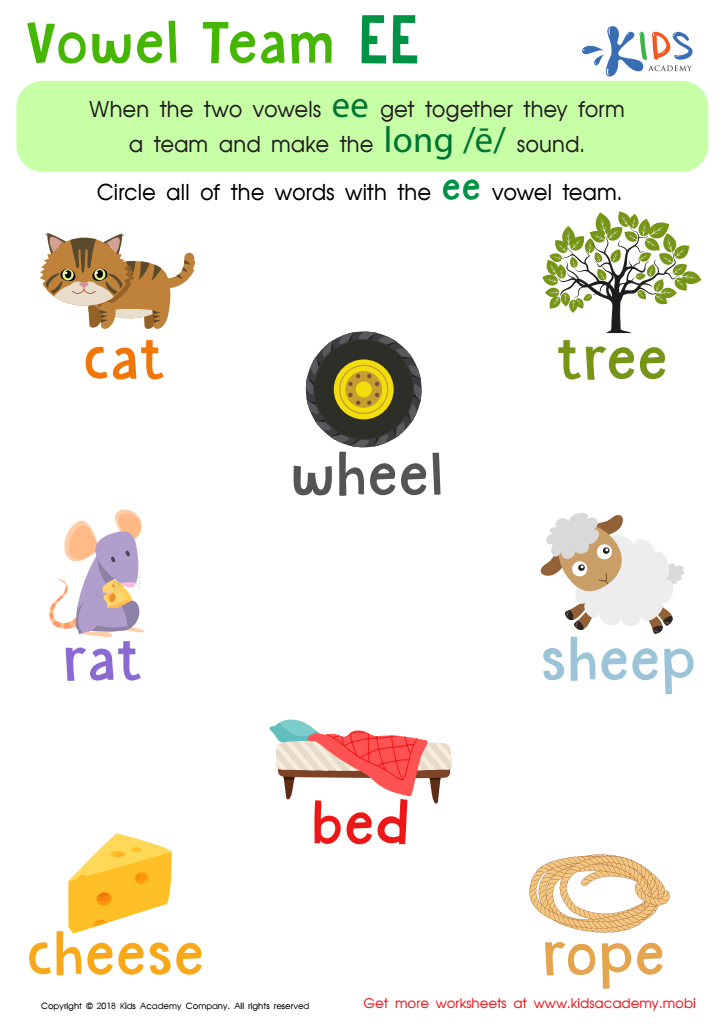
Reading: Vowel Team EE Worksheet
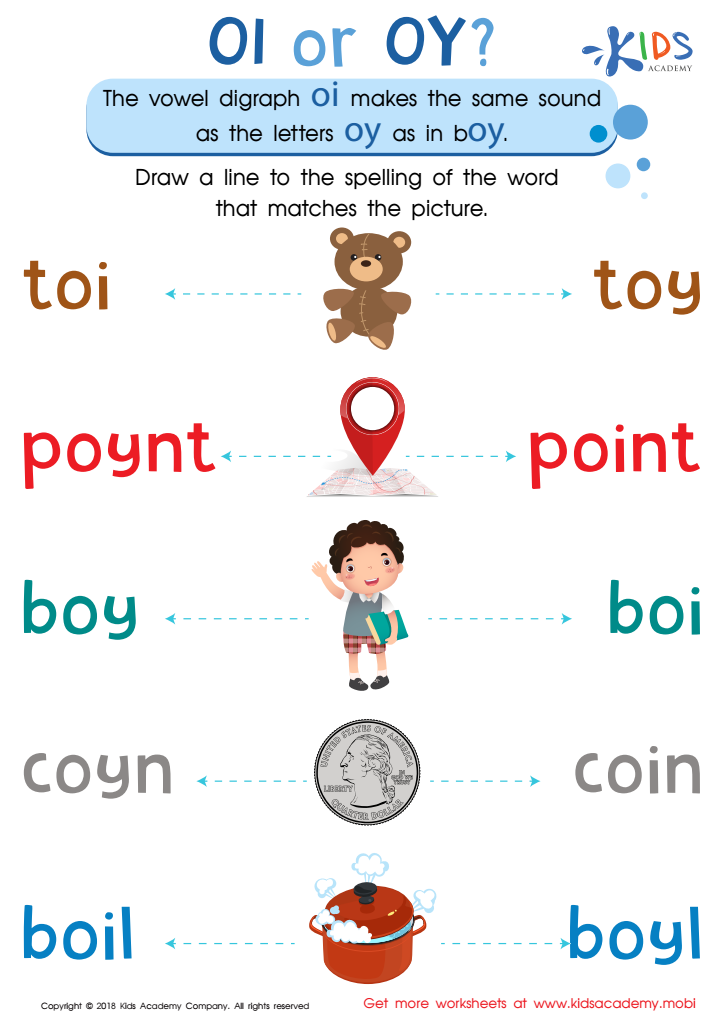
Reading: OI and OY Worksheet
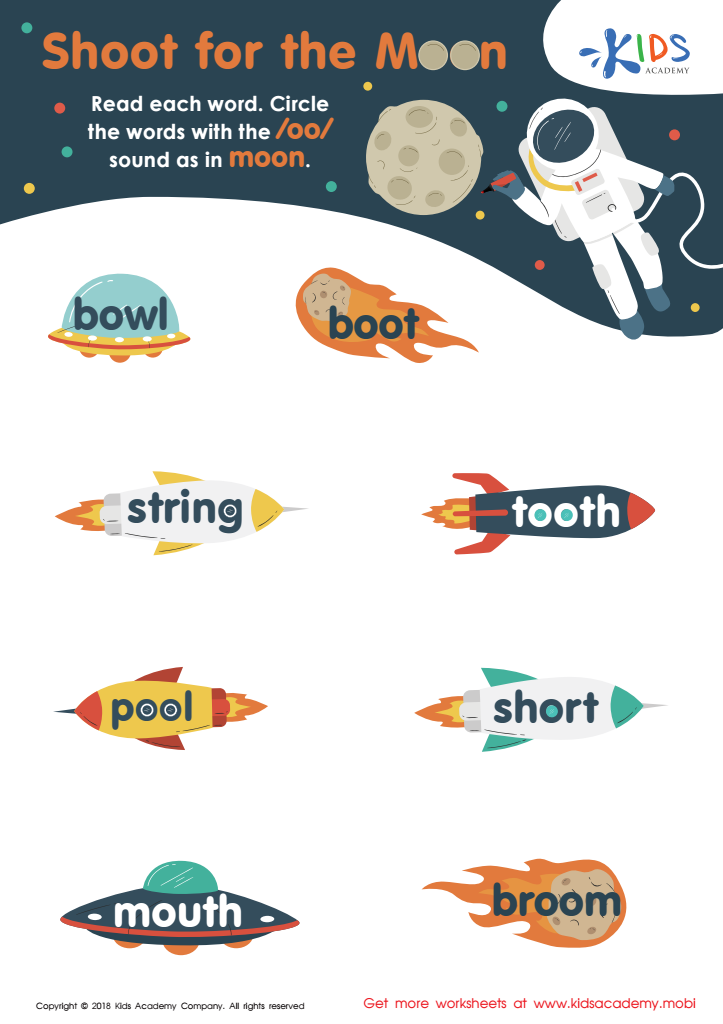
Reading: Shoot for the Moon Worksheet
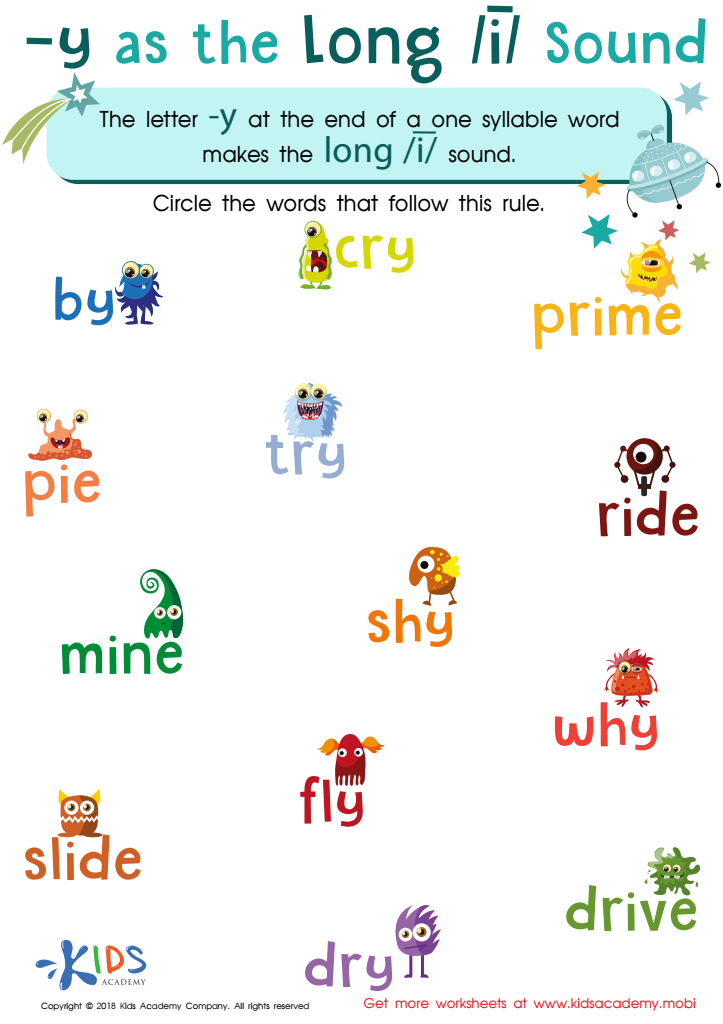
Reading: Y as Long I Worksheet
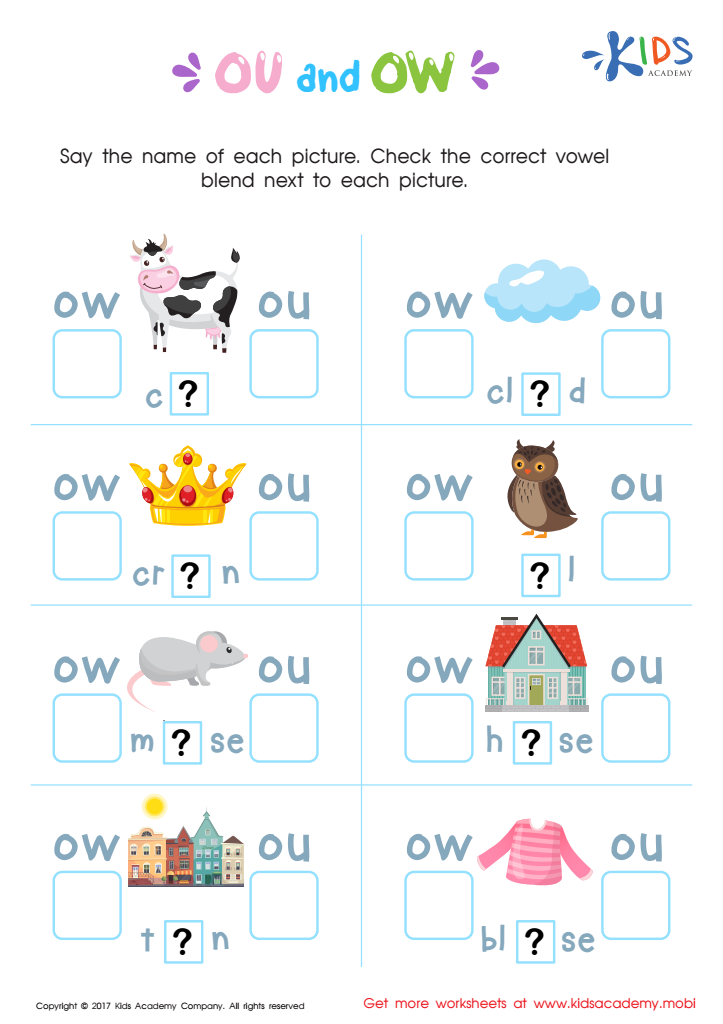
OU and OW Words Worksheet
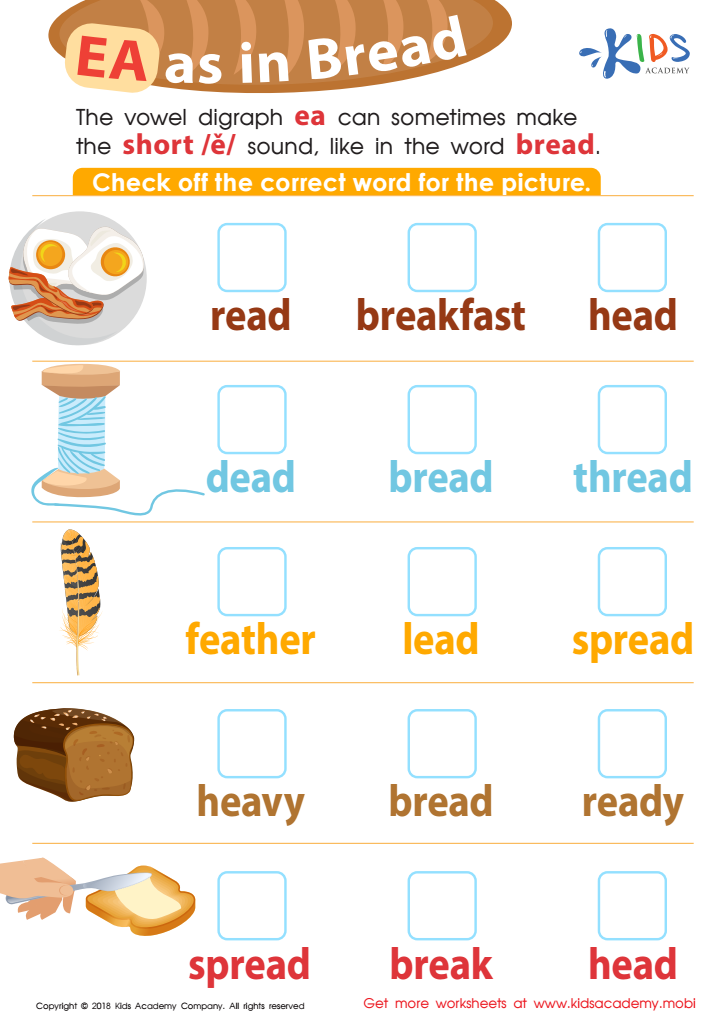
Reading: EA as in Bread Worksheet


Parents and teachers should care about normal vowel diphthongs for children aged 3-7 because they play a crucial role in early language development and literacy skills. Diphthongs, which are complex vowel sounds formed by the glide from one vowel to another within the same syllable (e.g., "oi" in "coin" or "ou" in "house"), are integral to phonemic awareness. Mastering these sounds helps children decode words more effectively, leading to improved reading comprehension.
Additionally, understanding and properly articulating diphthongs supports effective communication and boosts children's confidence in speaking. As they learn to recognize and use these sounds, they also enhance their spelling skills, paving the way for better writing. Early educators can incorporate games, songs, and interactive activities that emphasize these sounds, making learning fun and engaging.
Moreover, a solid grasp of normal vowel diphthongs fosters critical thinking, as children start to recognize patterns and similarities in word formation. Overall, focusing on diphthongs in early education not only aids in language acquisition but also builds foundational skills essential for academic success and lifelong learning. Thus, prioritizing vowel diphthongs benefits both communicative abilities and cognitive development in young children.








