Normal Vowels Worksheets for Ages 3-7 - Page 3
71 filtered results
-
From - To
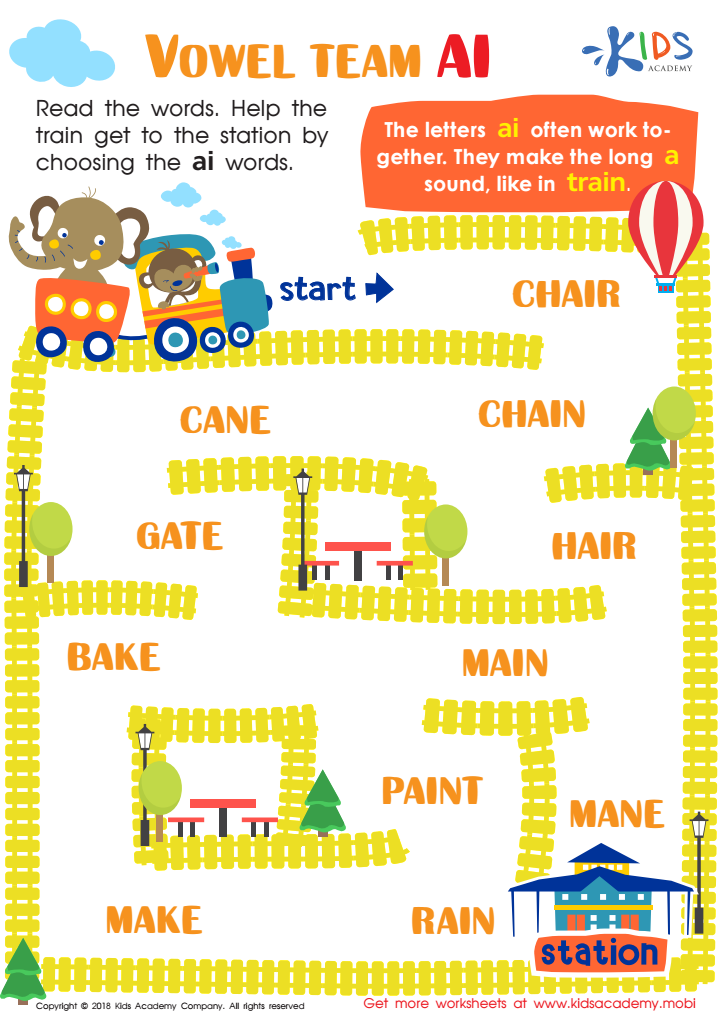
Vowel team ai Worksheet
 Assign to My Students
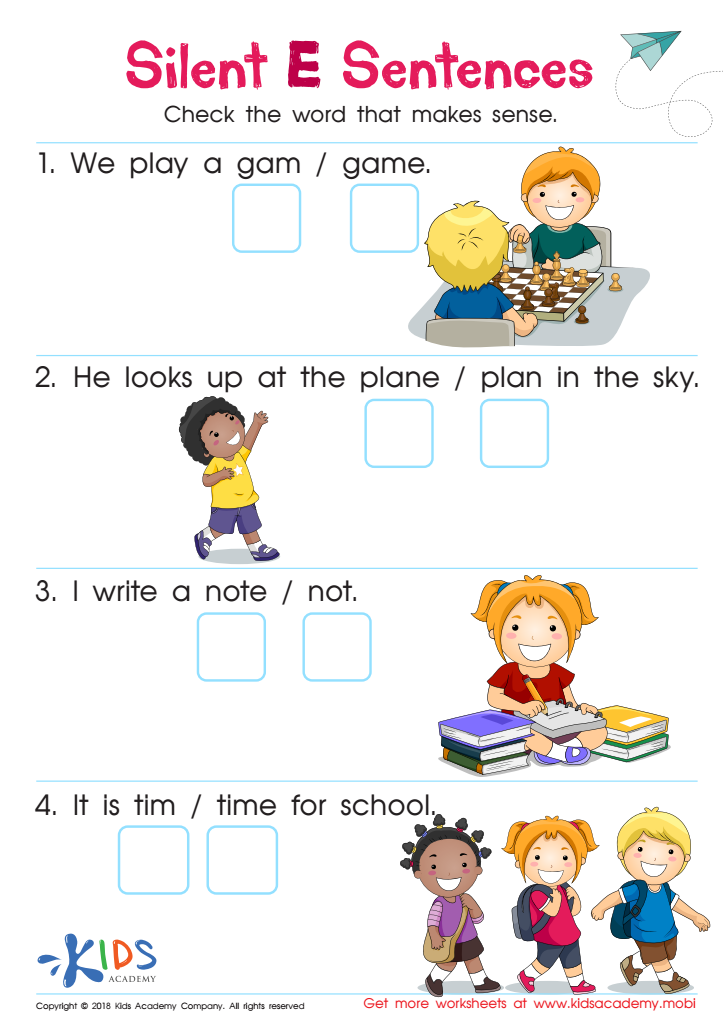
Silent E Sentences Worksheet
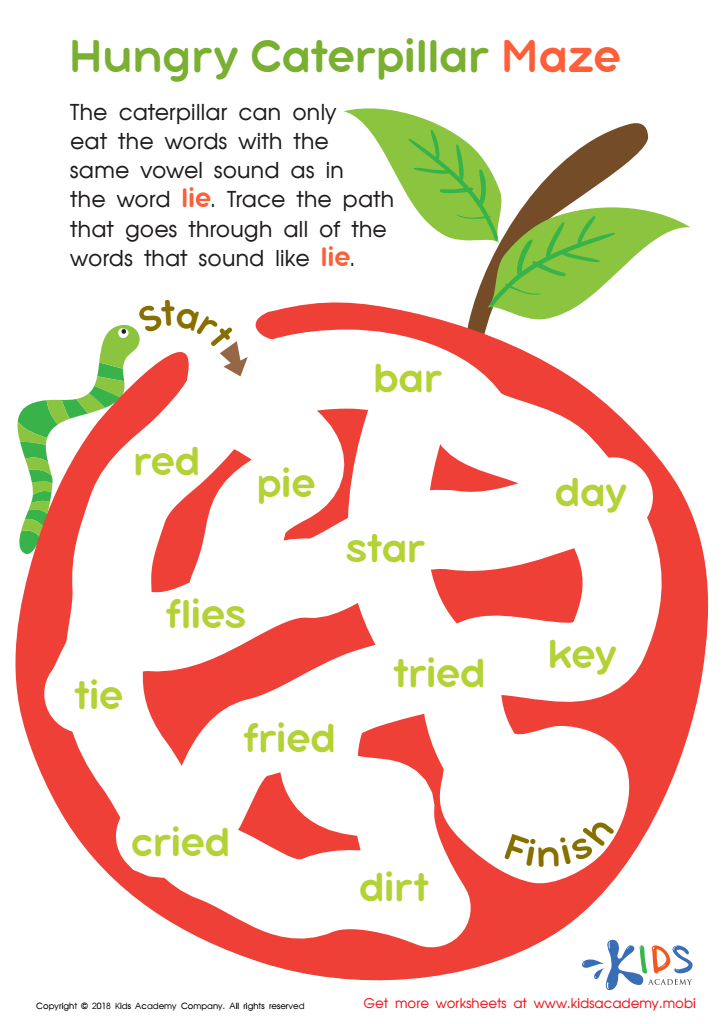
Hungry Caterpillar Maze Worksheet
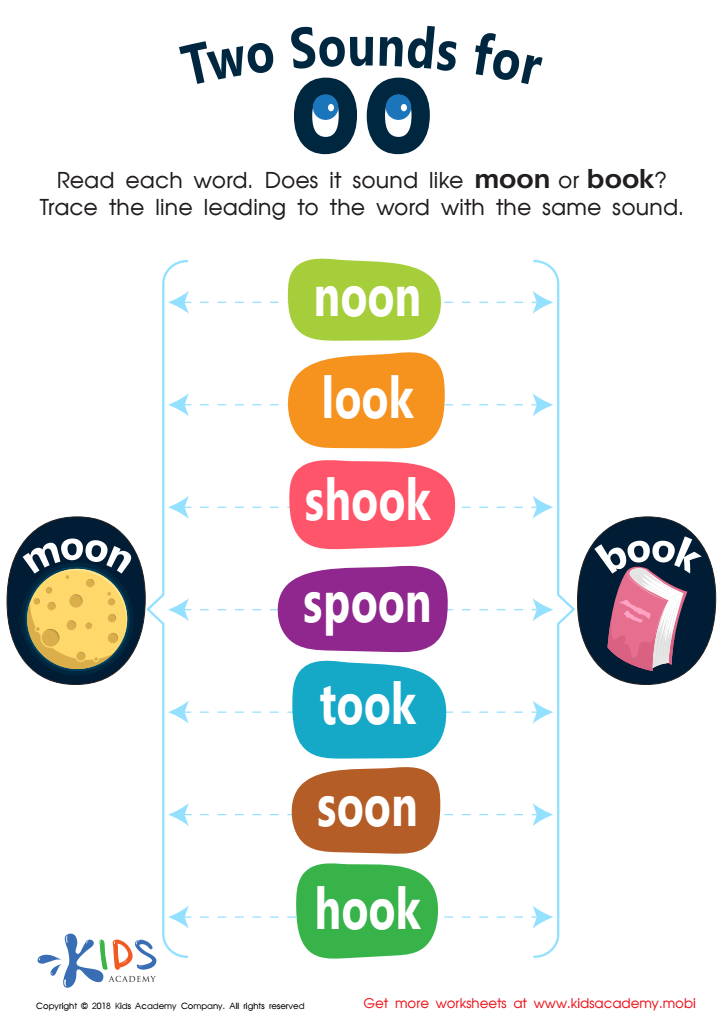
Two Sounds for OO Worksheet
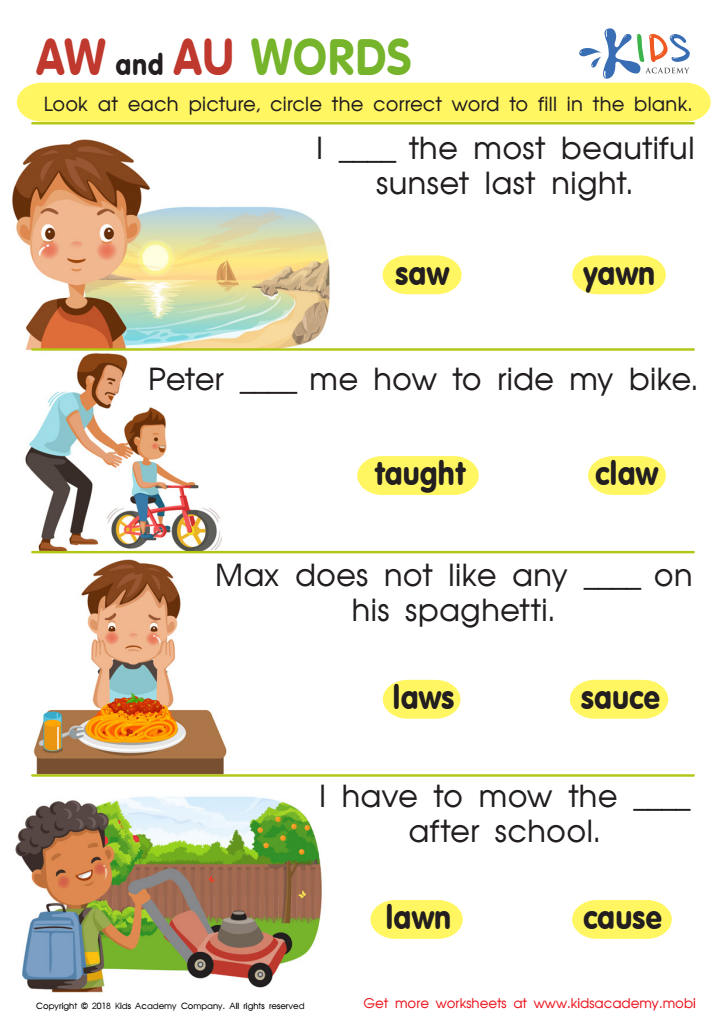
Reading: AW and AU Words Worksheet
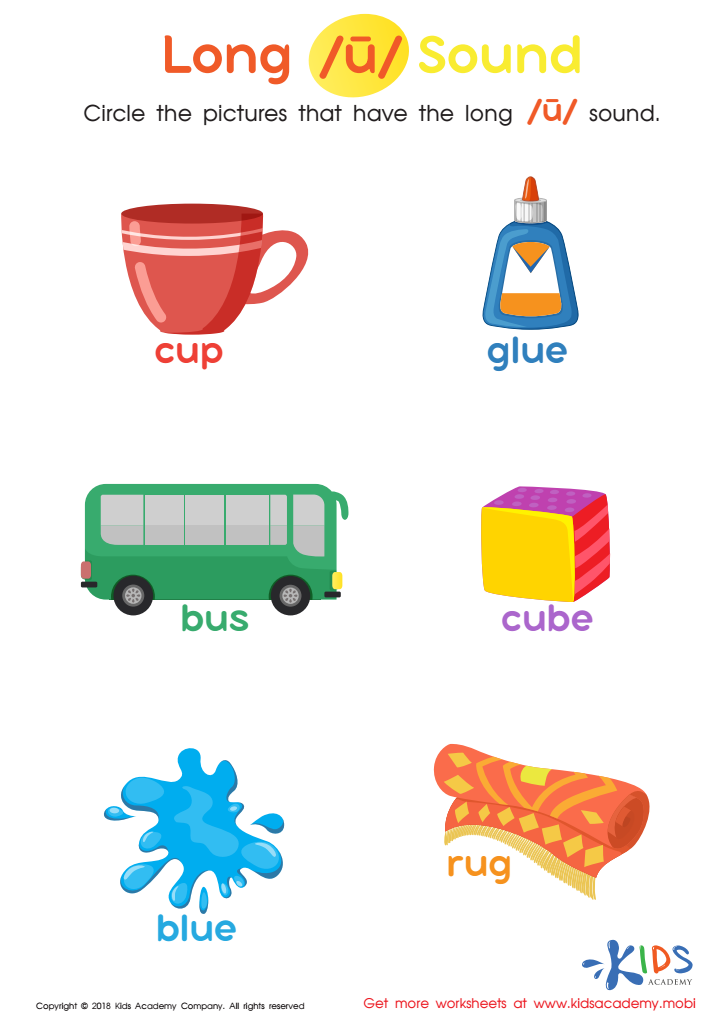
Long «u» Sound Worksheet
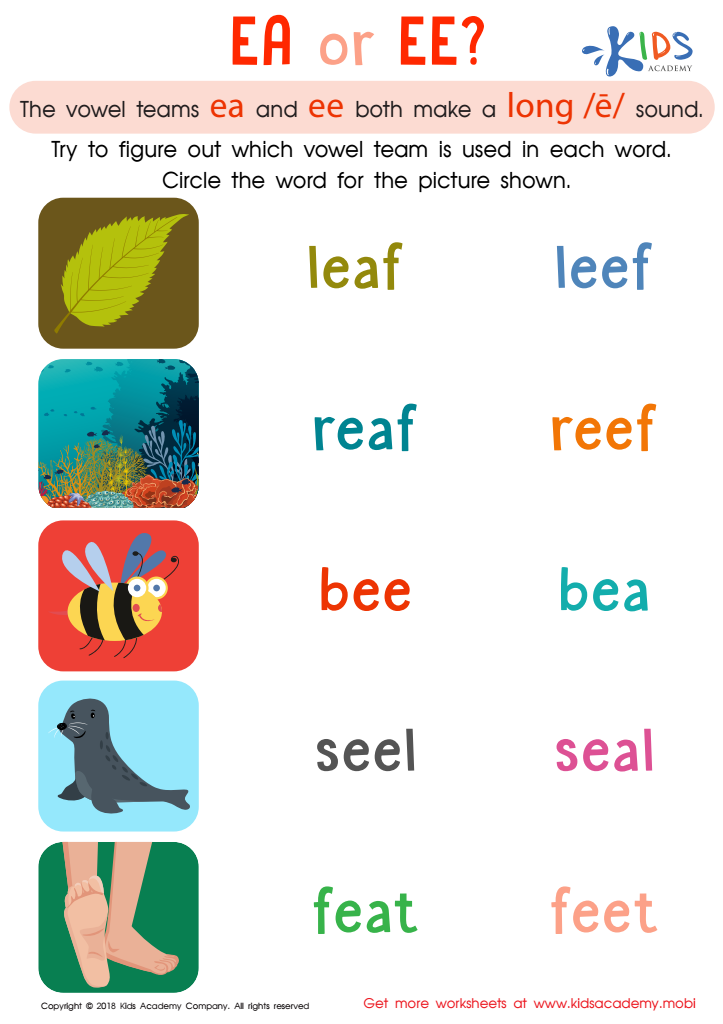
Reading: EA and EE Worksheet
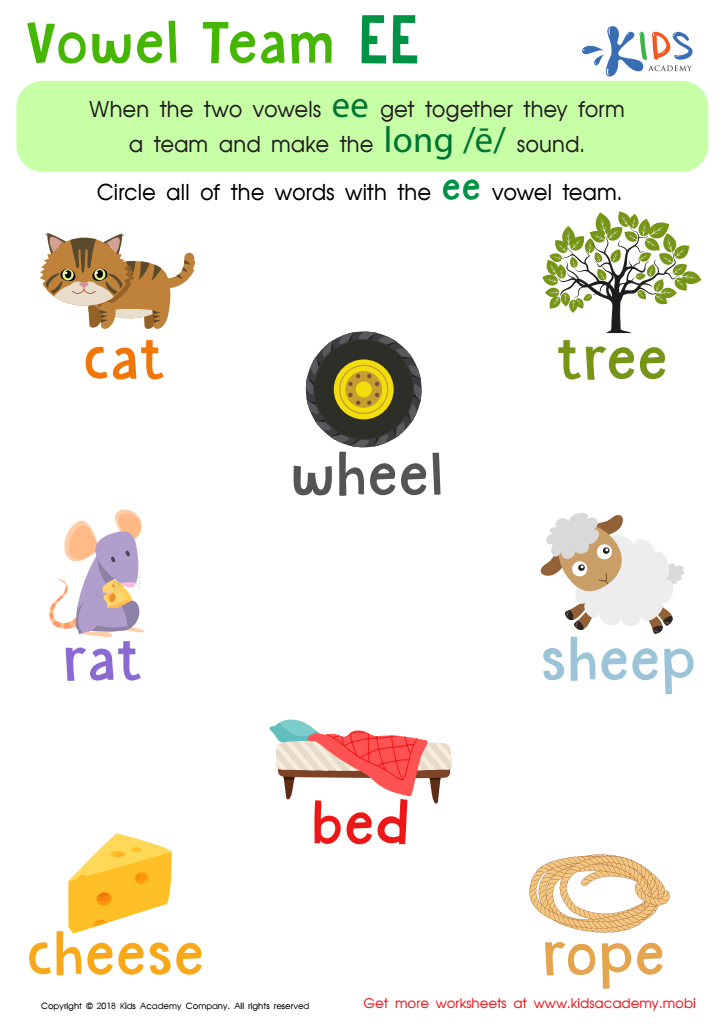
Reading: Vowel Team EE Worksheet
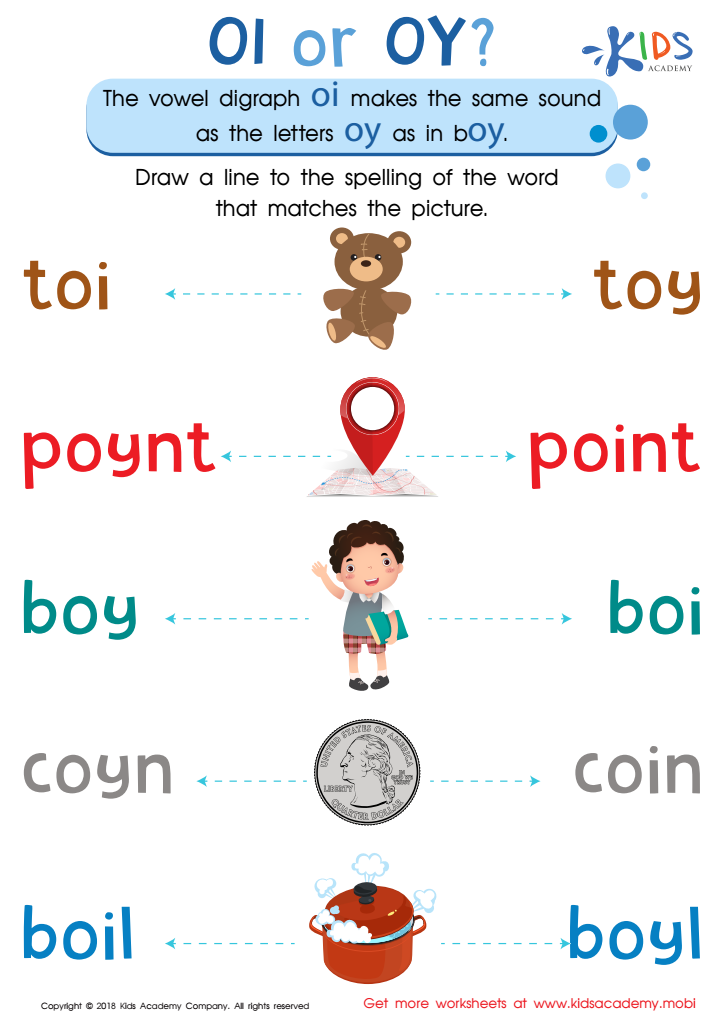
Reading: OI and OY Worksheet
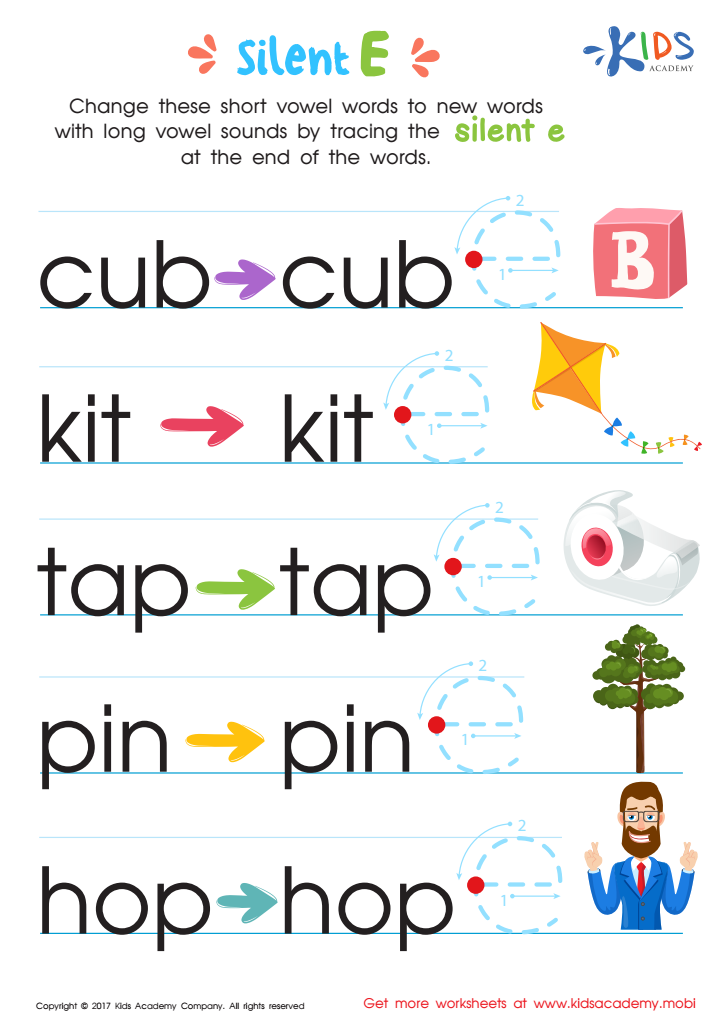
Silent E Words Worksheet
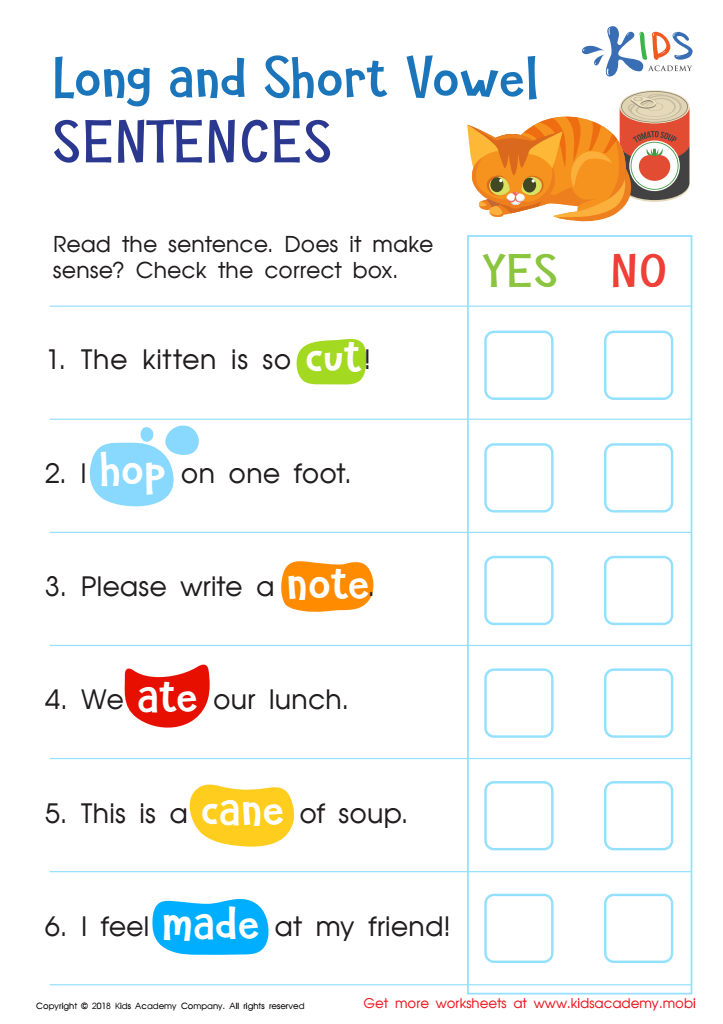
Long and Short Vowel Sentences: Assessment Worksheet
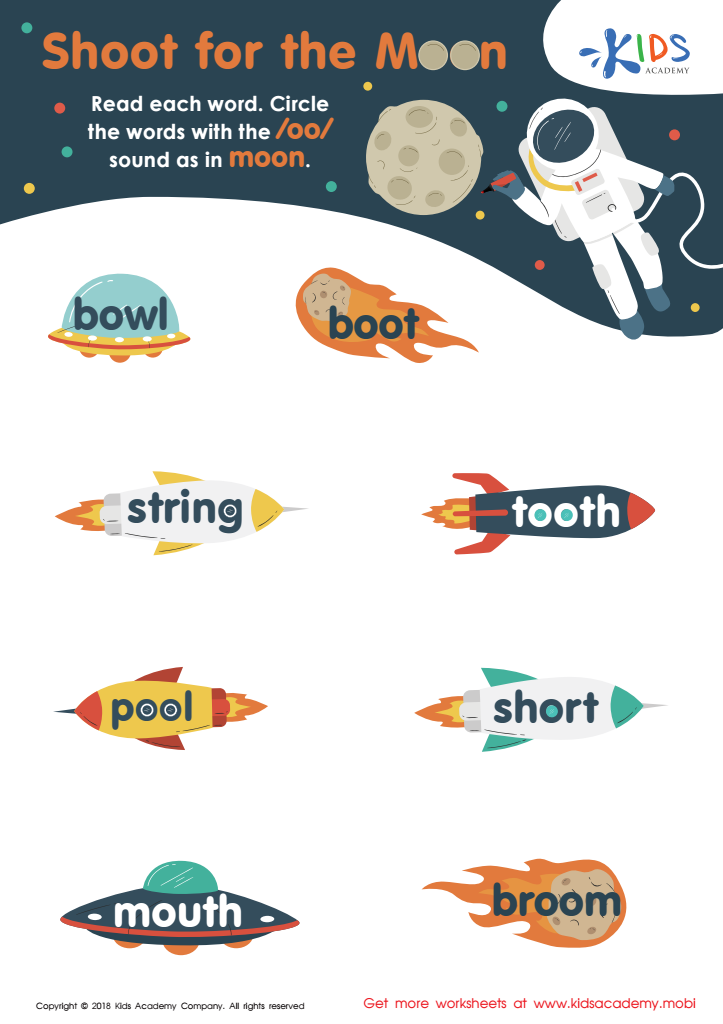
Reading: Shoot for the Moon Worksheet
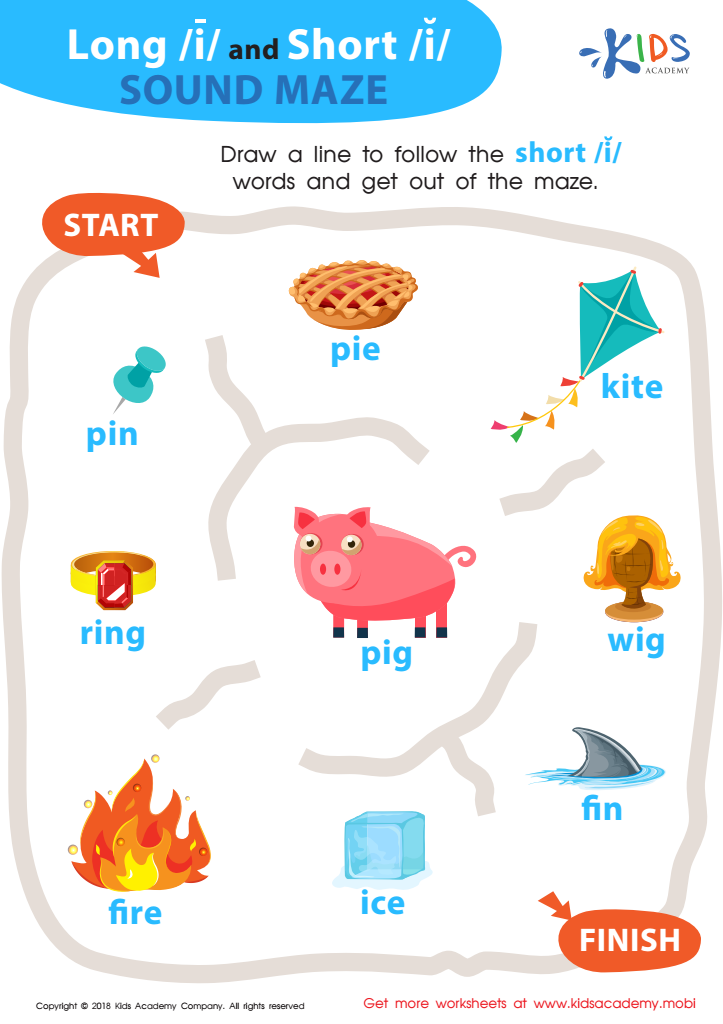
Reading: Long I and Short I Sound Maze Worksheet
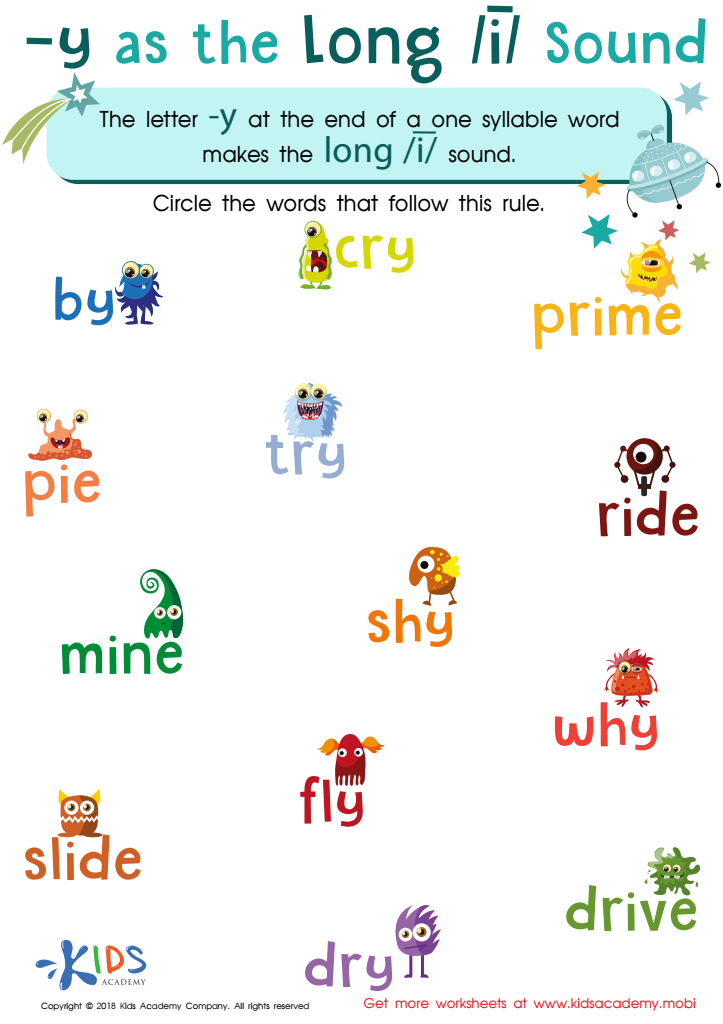
Reading: Y as Long I Worksheet
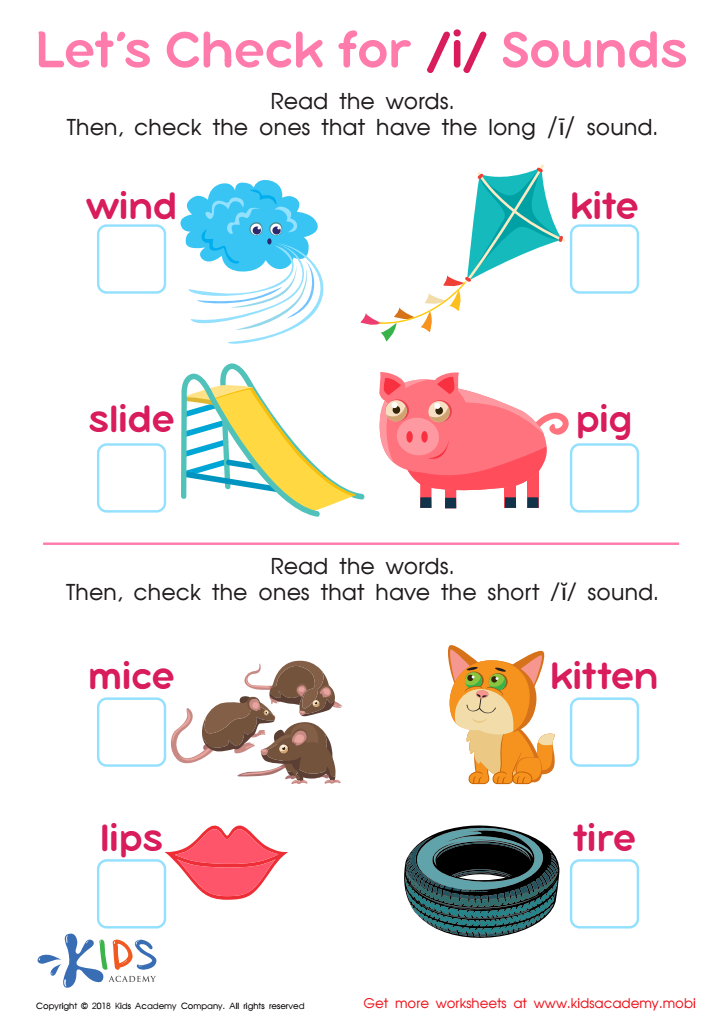
Let's Check for «i» Sounds Worksheet
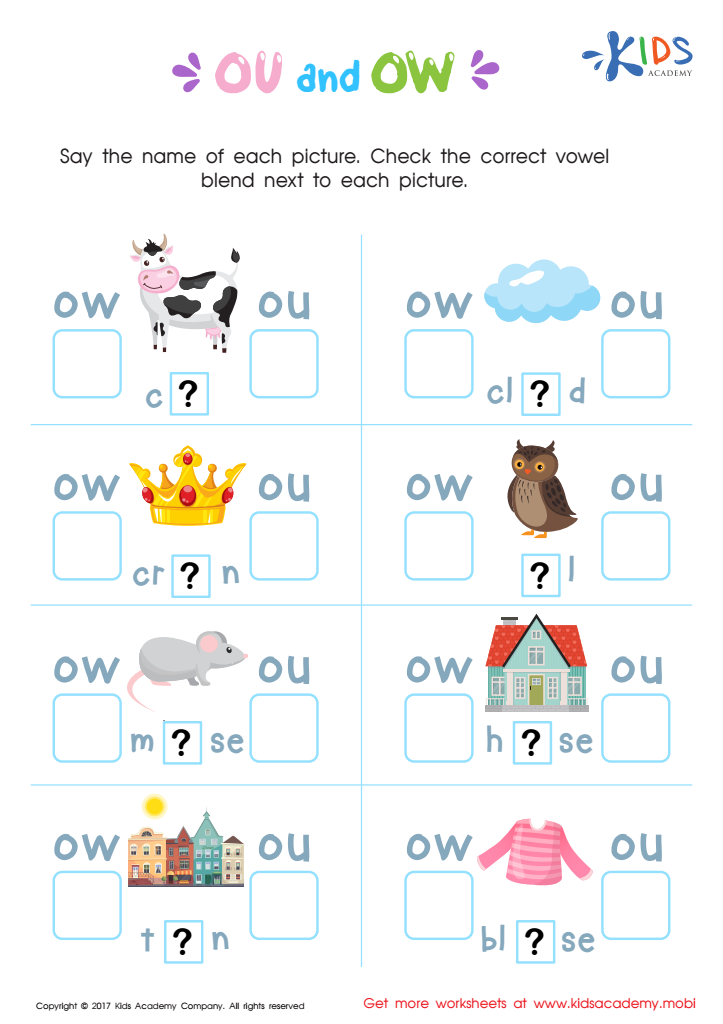
OU and OW Words Worksheet
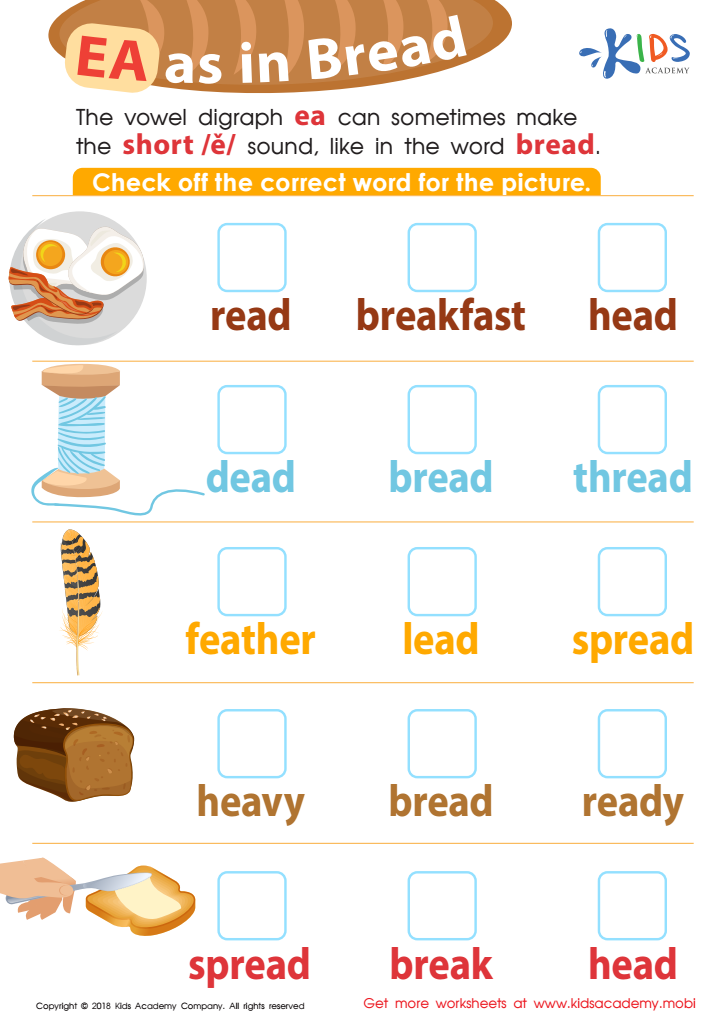
Reading: EA as in Bread Worksheet
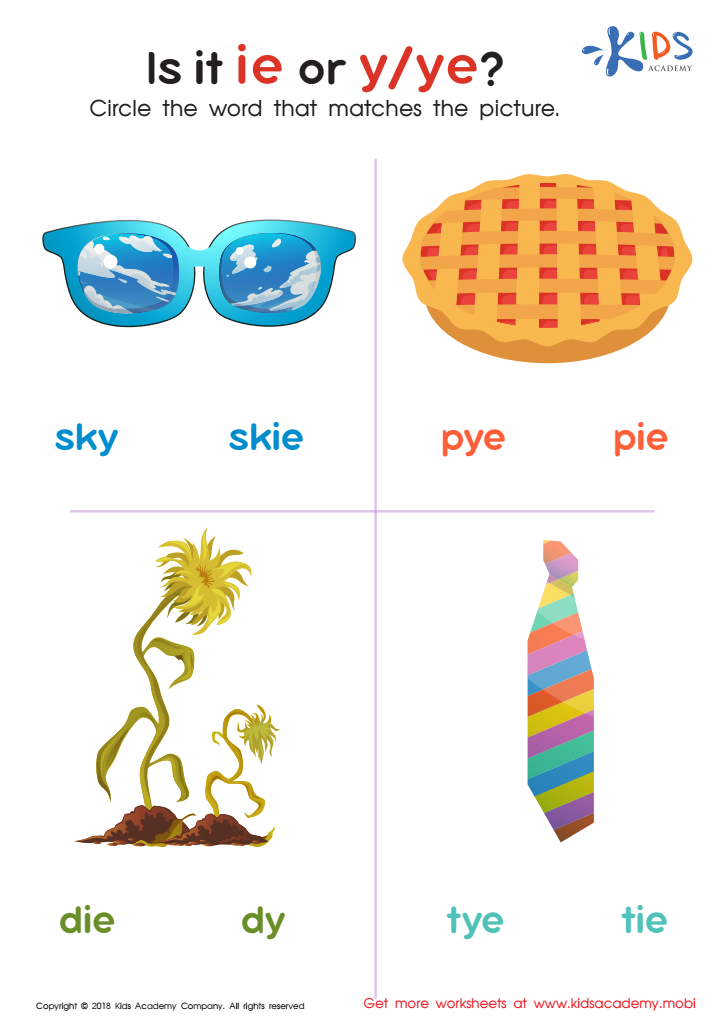
Is It IE or Y/Ye? Worksheet
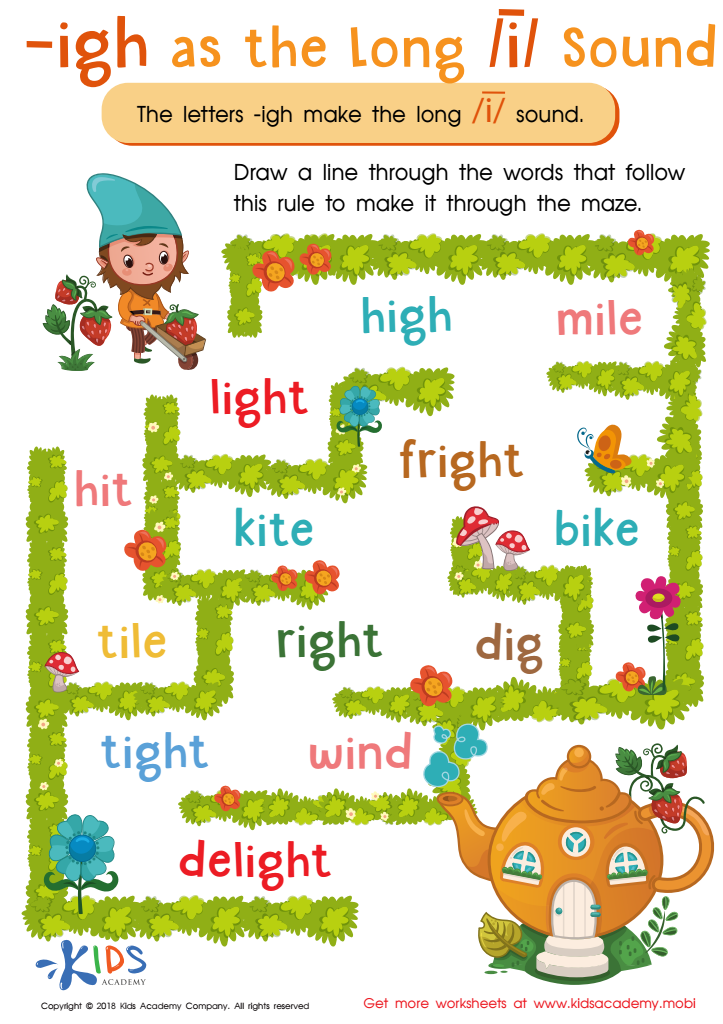
Reading: IGH as Long I Worksheet
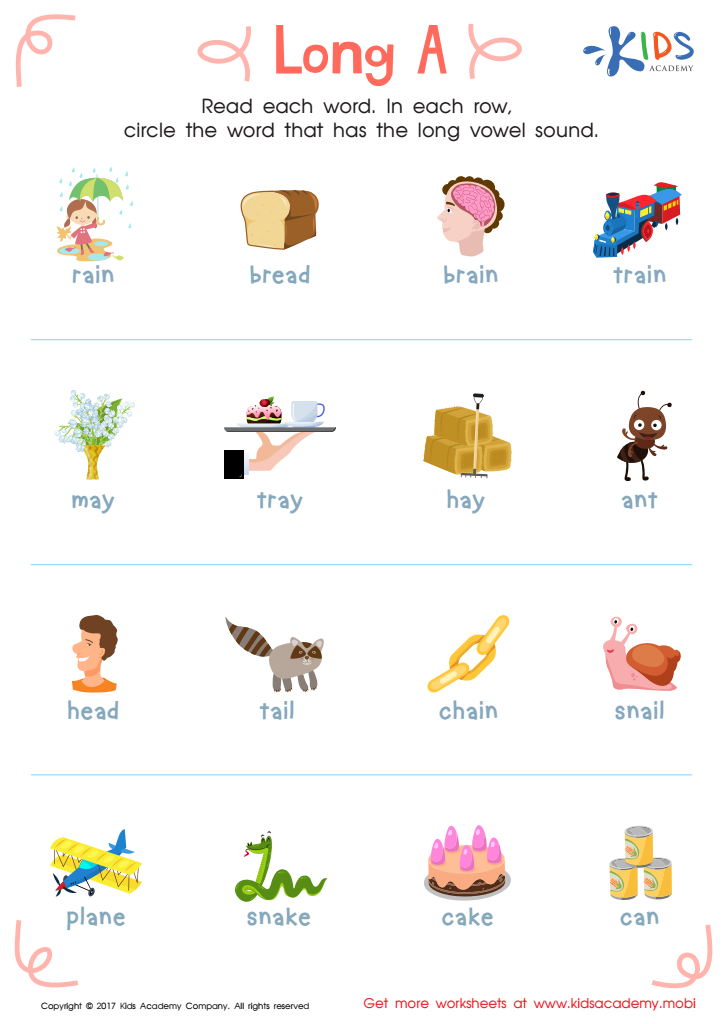
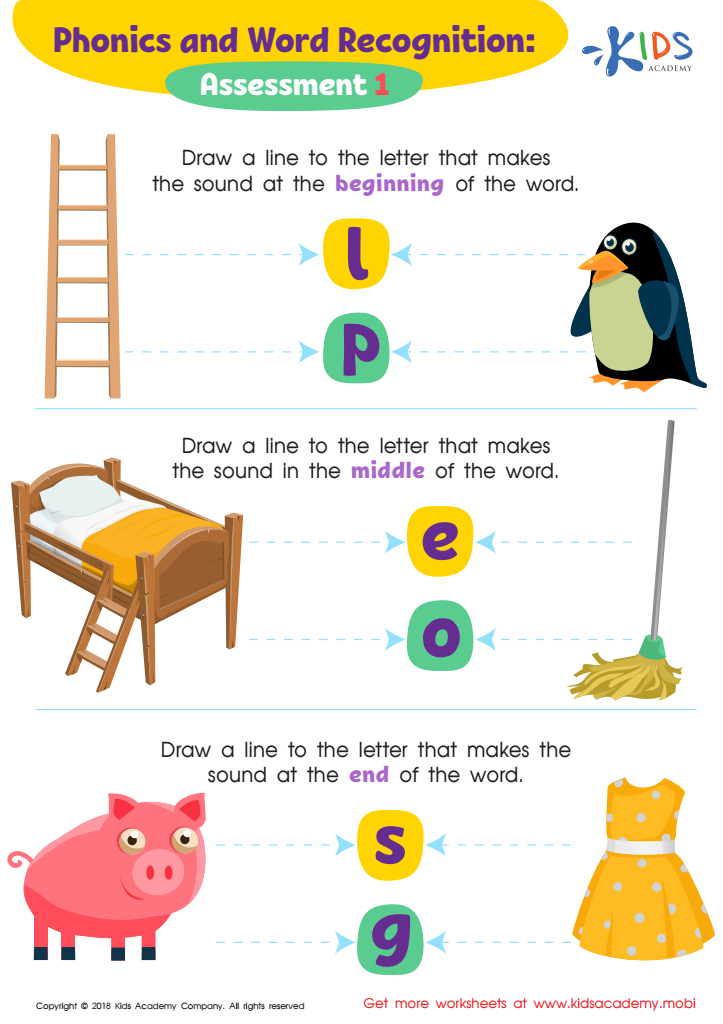
Phonics and Word Recognition: Assessment 1 ELA Worksheet
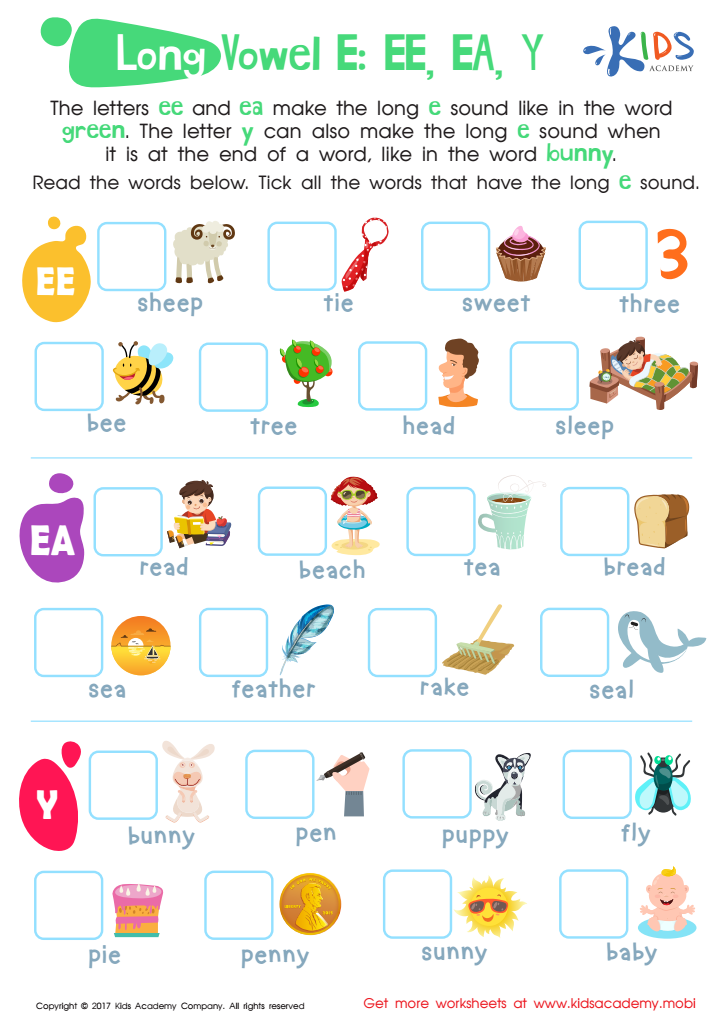
Long Vowel E Printable
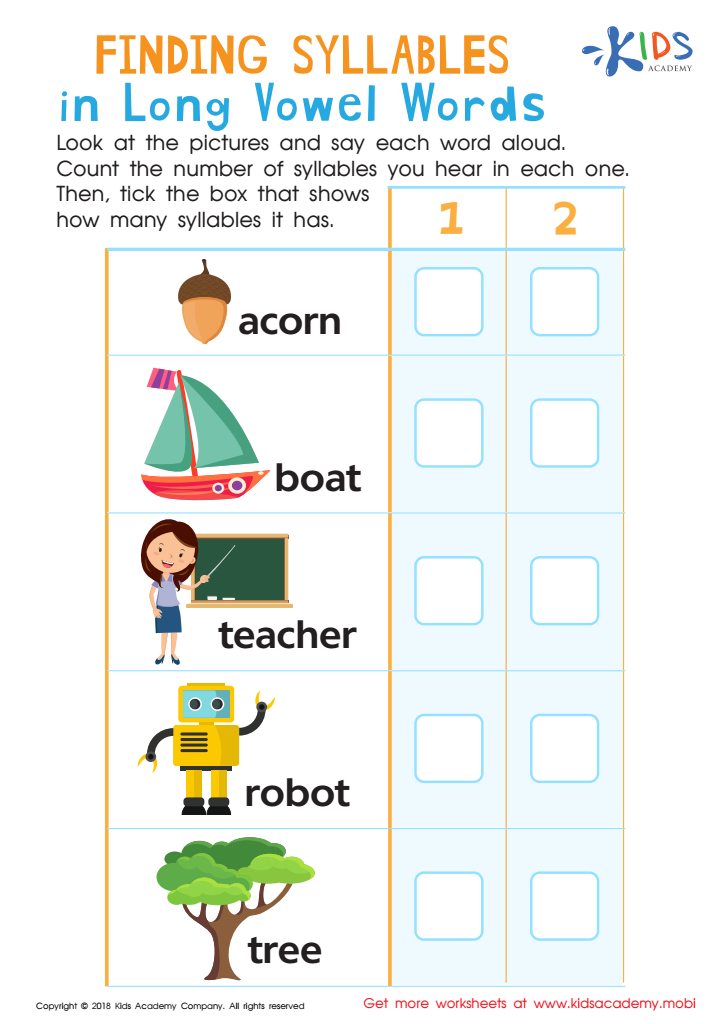
Finding Syllables in Long Vowel Words Worksheet





Normal vowels—often referred to as short and long vowels—are fundamental building blocks in early literacy development for children aged 3-7. Parents and teachers should prioritize understanding and teaching these vowels, as they play a crucial role in phonemic awareness, which is essential for reading and spelling.
At this age, children are in a critical period for language acquisition. Familiarity with normal vowels helps children recognize sound-letter relationships, facilitating early reading skills. Mastering these vowels helps them decode simple words and contributes to their overall reading fluency. For instance, understanding that the letter "a" can sound different in "cat" versus "cake" fosters vocabulary expansion and the ability to tackle more complex texts as they progress.
Additionally, teaching normal vowels promotes confidence in children’s reading abilities, encouraging a love for books and storytelling. Engaging children in games and interactive activities focused on these vowels also boosts their listening and speaking skills, which are invaluable for effective communication.
Ultimately, normal vowels are foundational to literacy, paving the way for academic success and instilling a lifelong enthusiasm for learning. By prioritizing vowel education, parents and teachers lay the groundwork for children to become proficient readers and communicators.






