Normal Chess Worksheets for Ages 3-7 - Page 2
47 filtered results
-
From - To
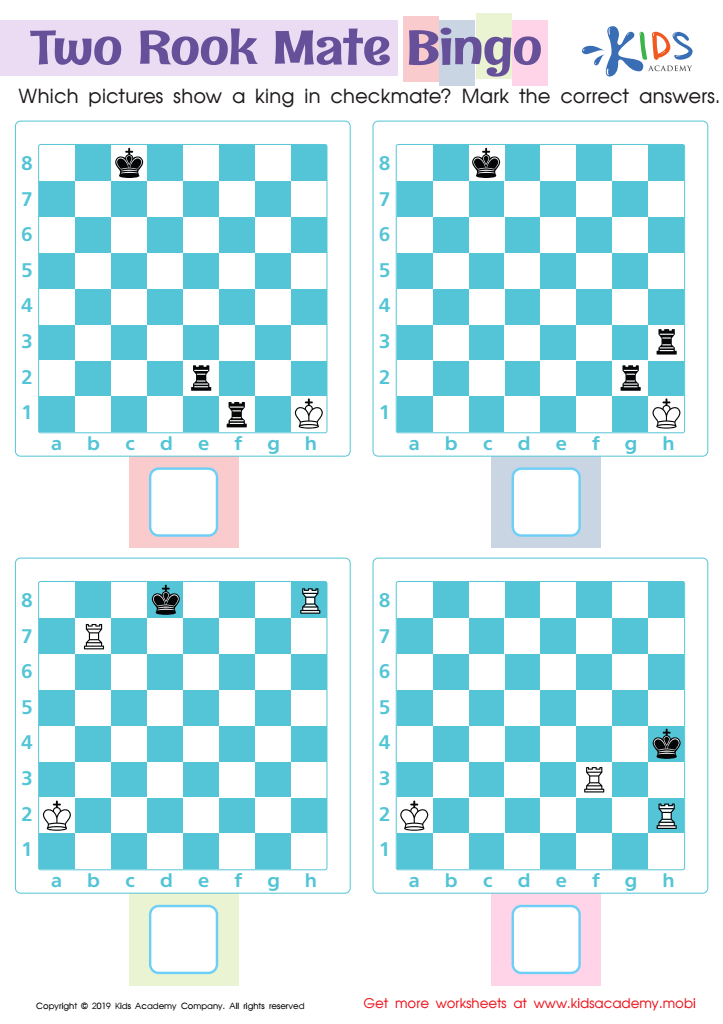
Two Rook Bingo Worksheet
 Assign to My Students
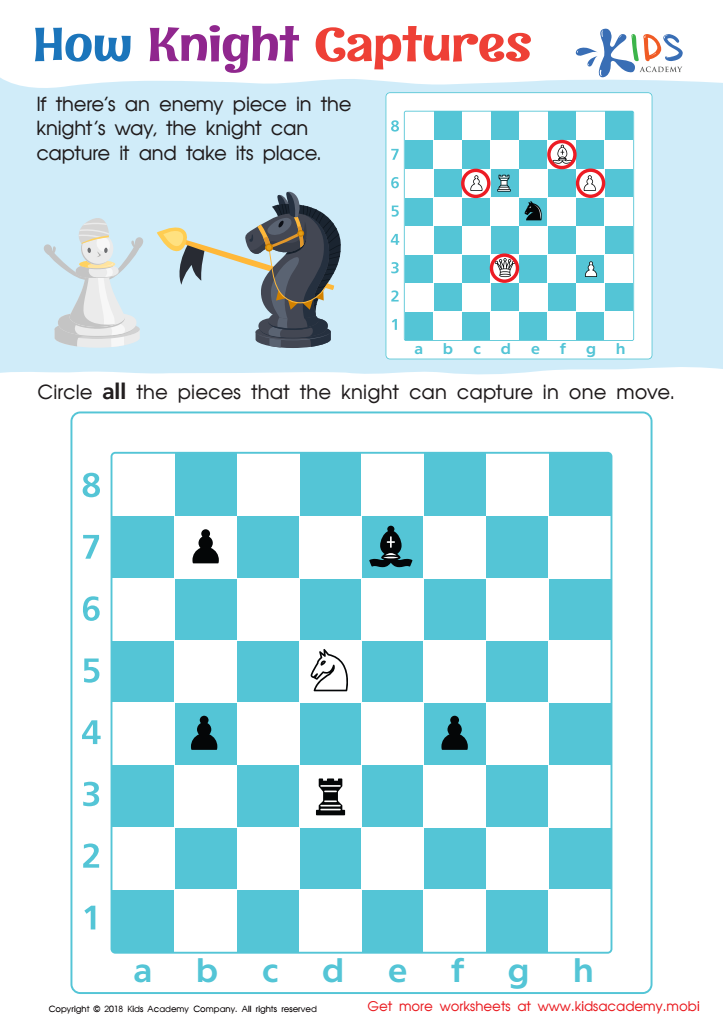
How Knight Captures Worksheet
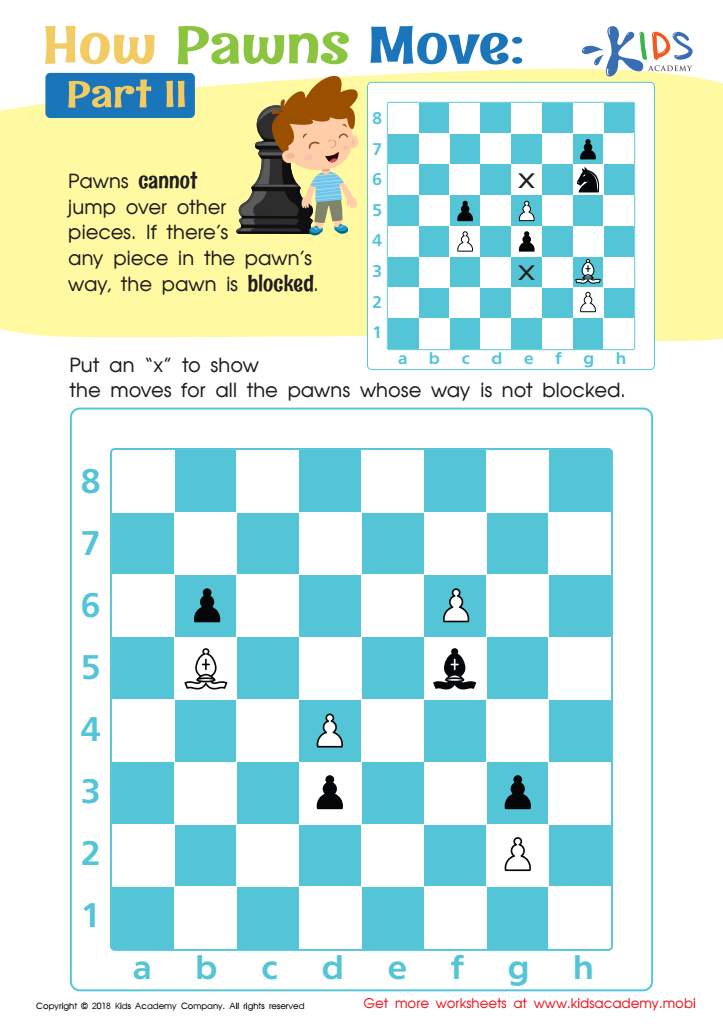
How Pawns Move: Part II Worksheet
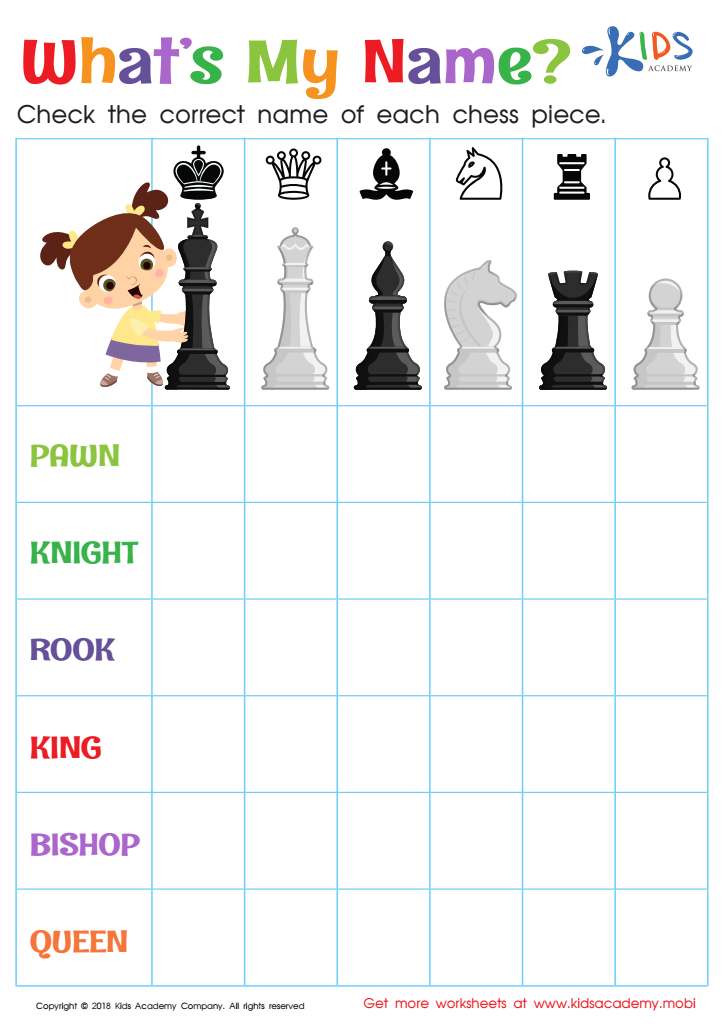
What's My Name? Worksheet
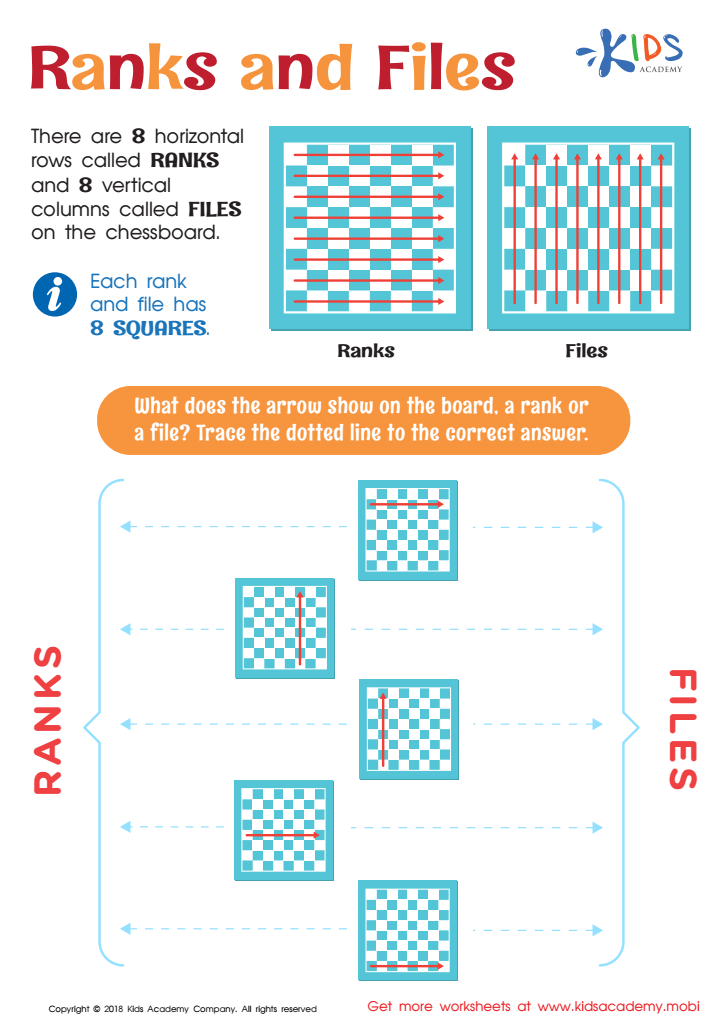
Ranks and Files Worksheet
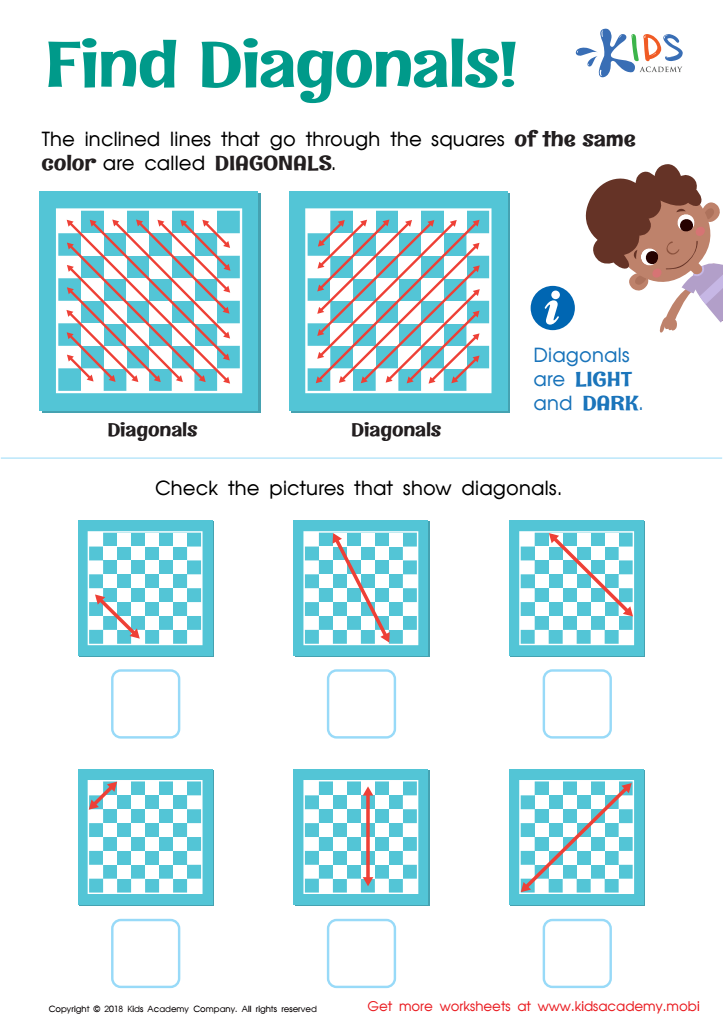
Find Diagonals Worksheet
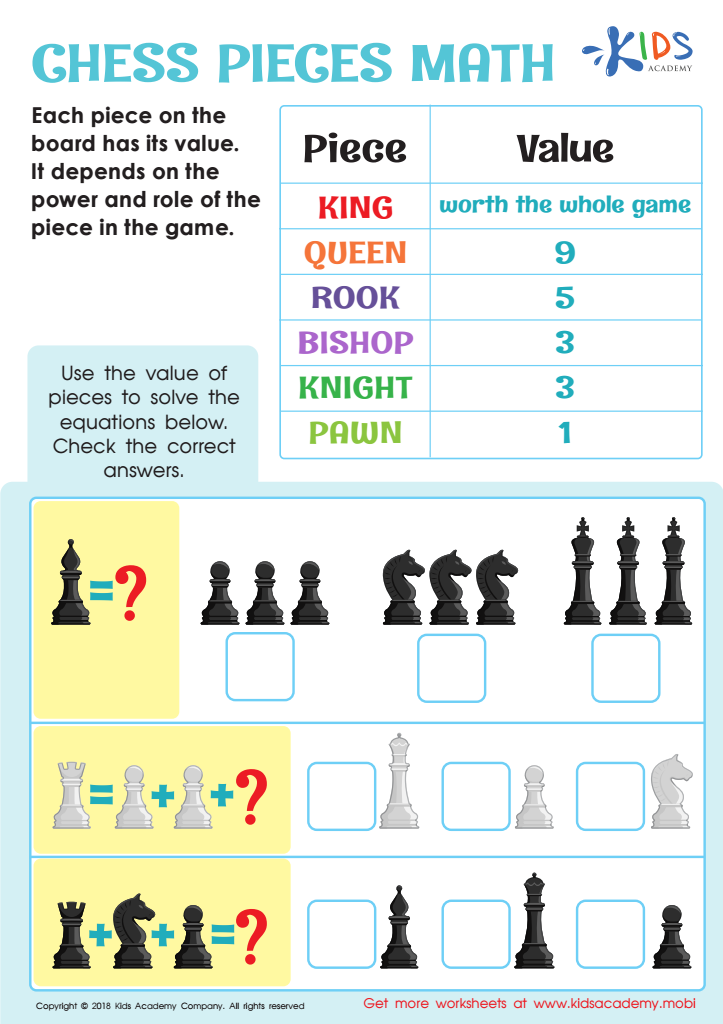
Chess Pieces Math Worksheet
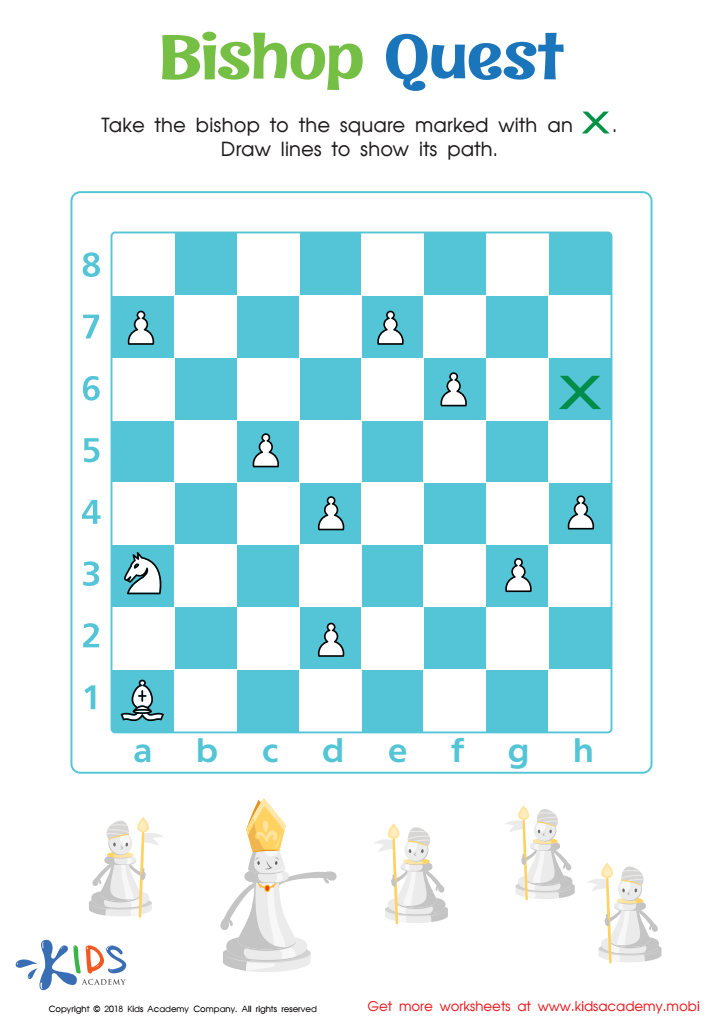
Bishop Quest Worksheet
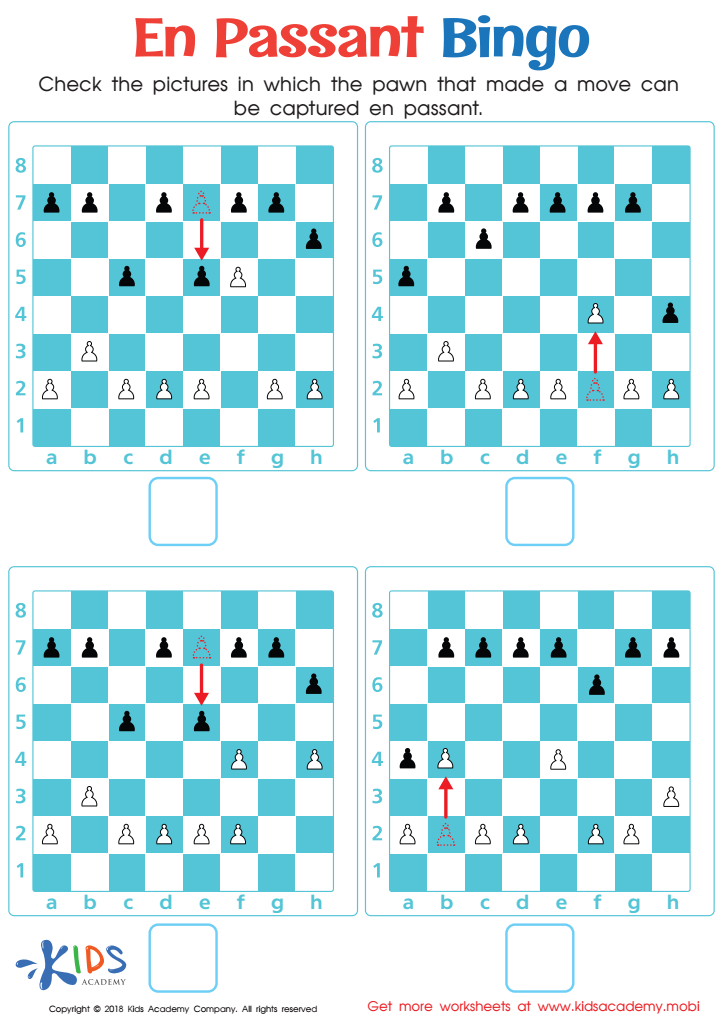
En Passant Bingo Worksheet
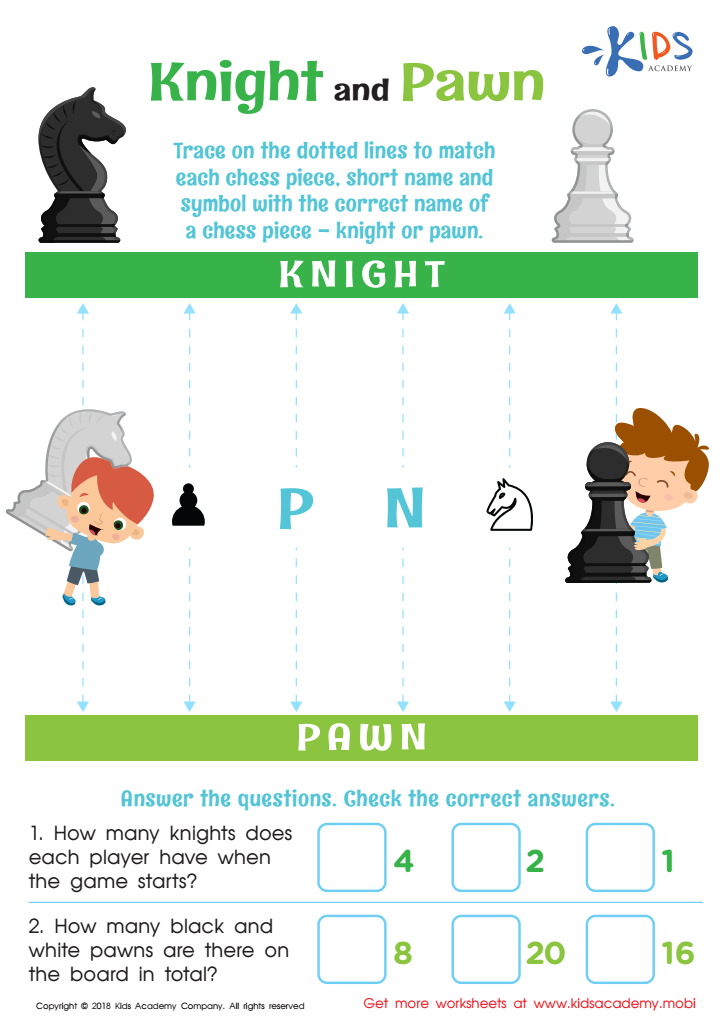
Knight and Pawn Worksheet
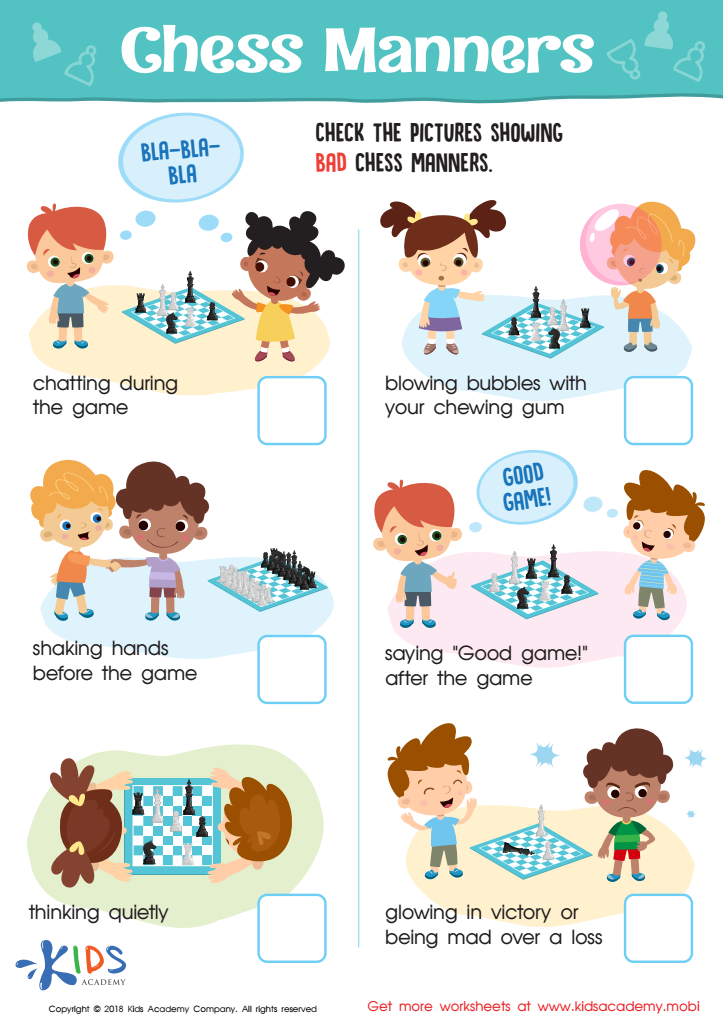
Chess Manners Worksheet
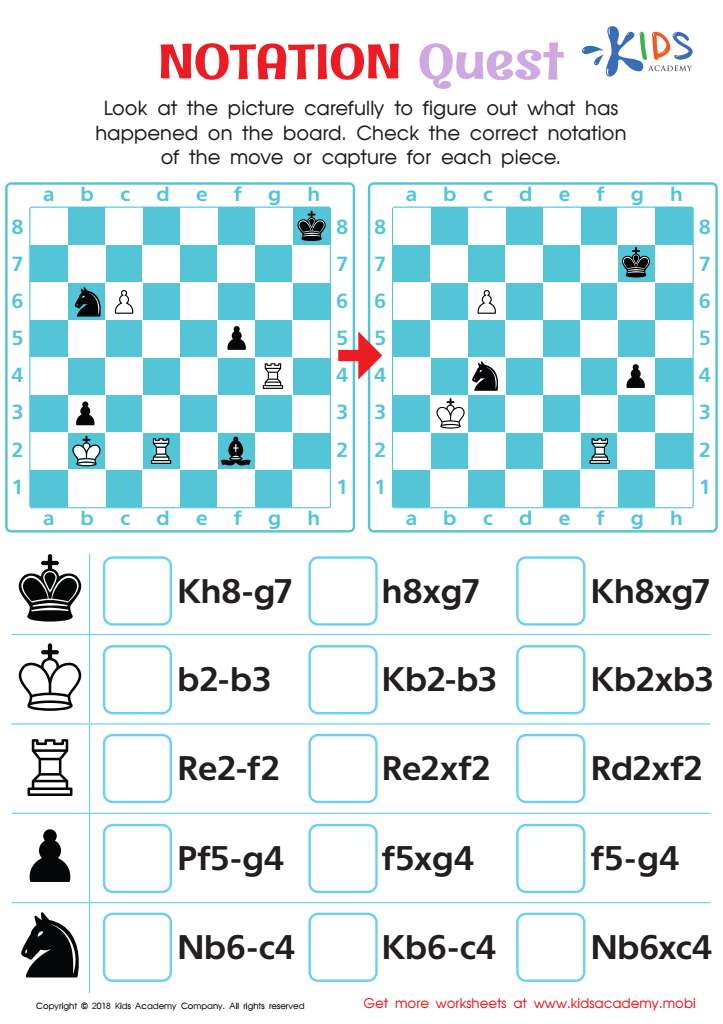
Notation Quest Worksheet
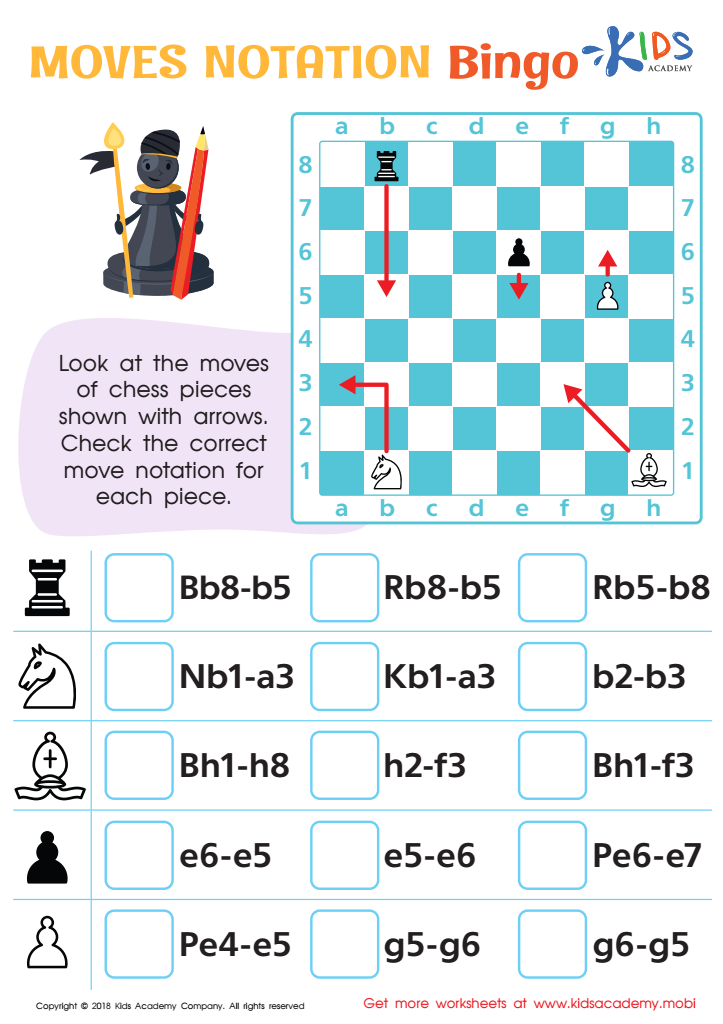
Moves Notation Bingo Worksheet
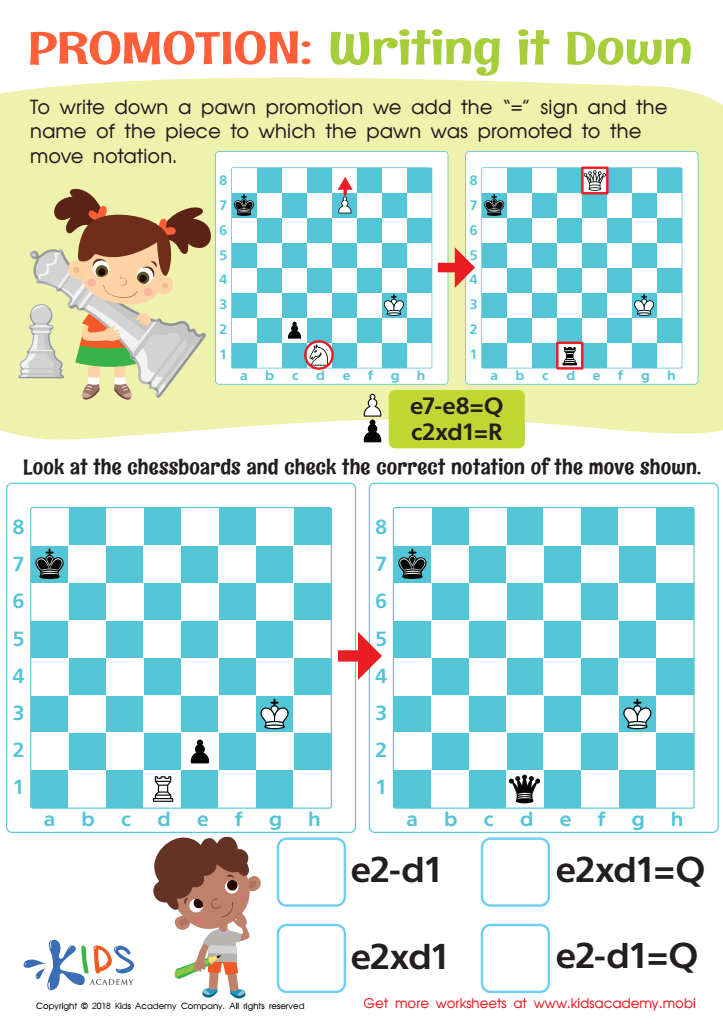
Writing it Down Worksheet
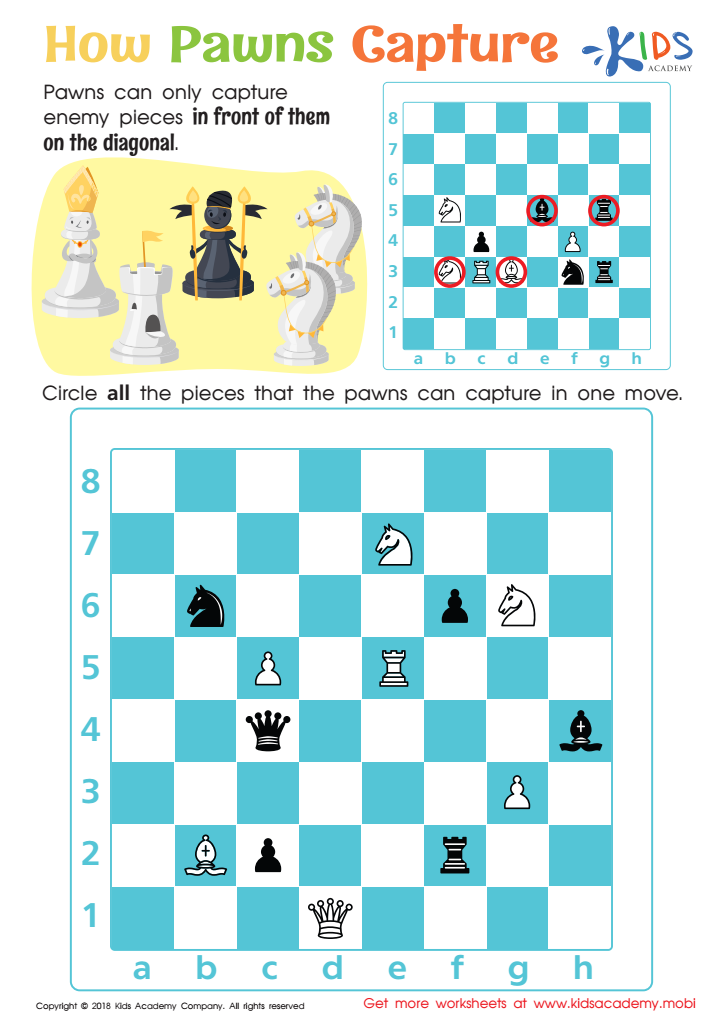
How Pawns Capture Worksheet
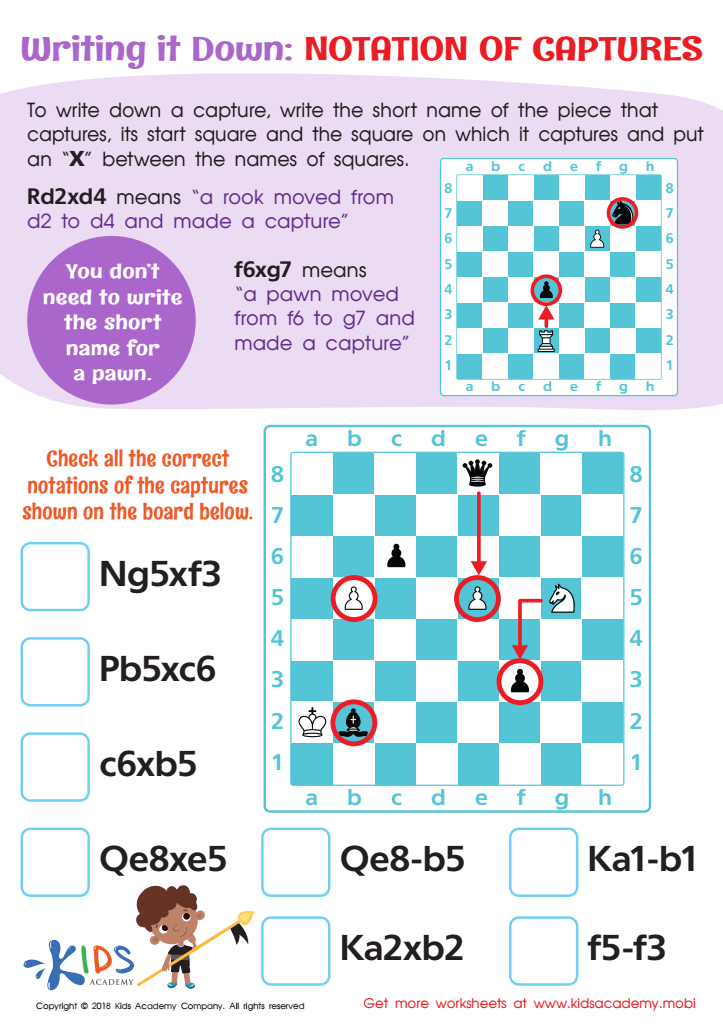
Notation of Captures Writing it Down Worksheet
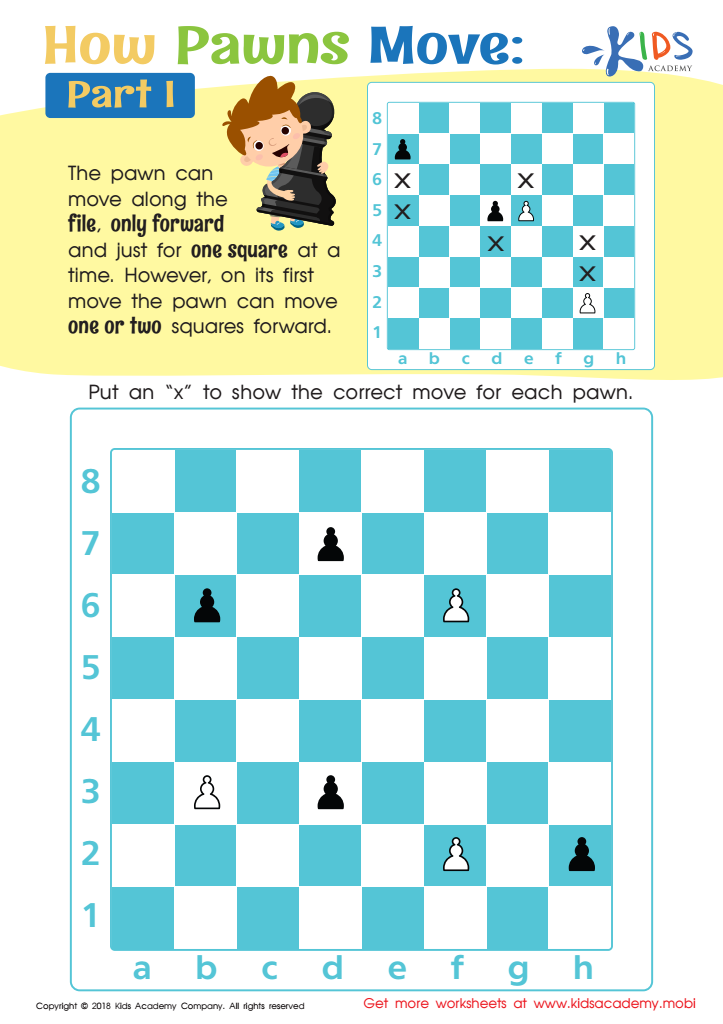
How Pawns Move: Part I Worksheet
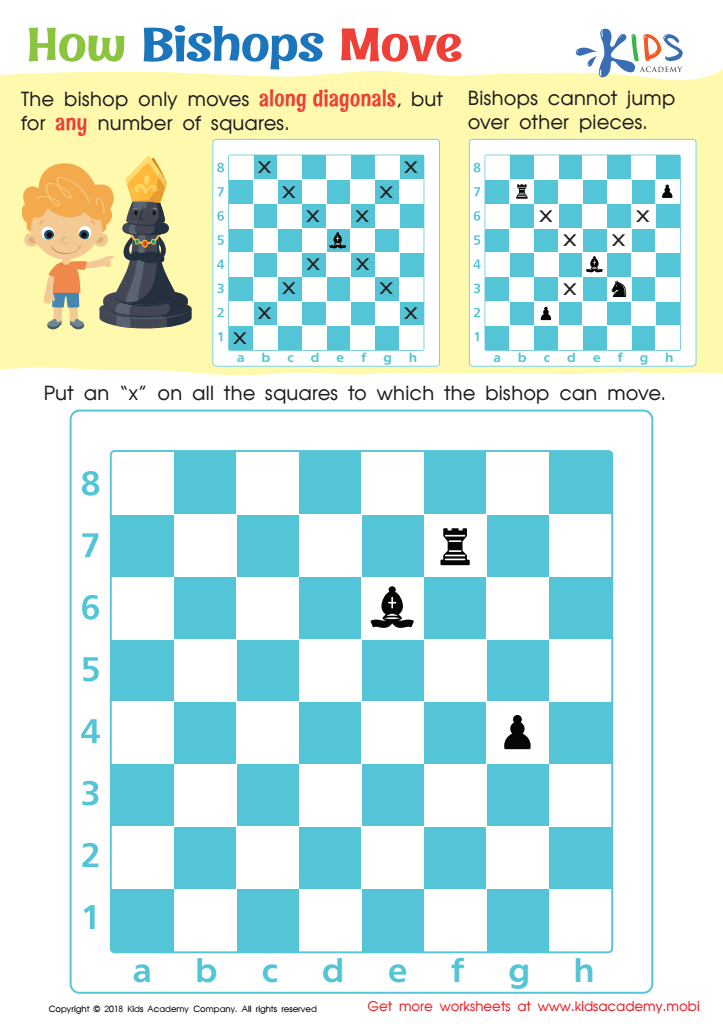
How Bishops Move Worksheet
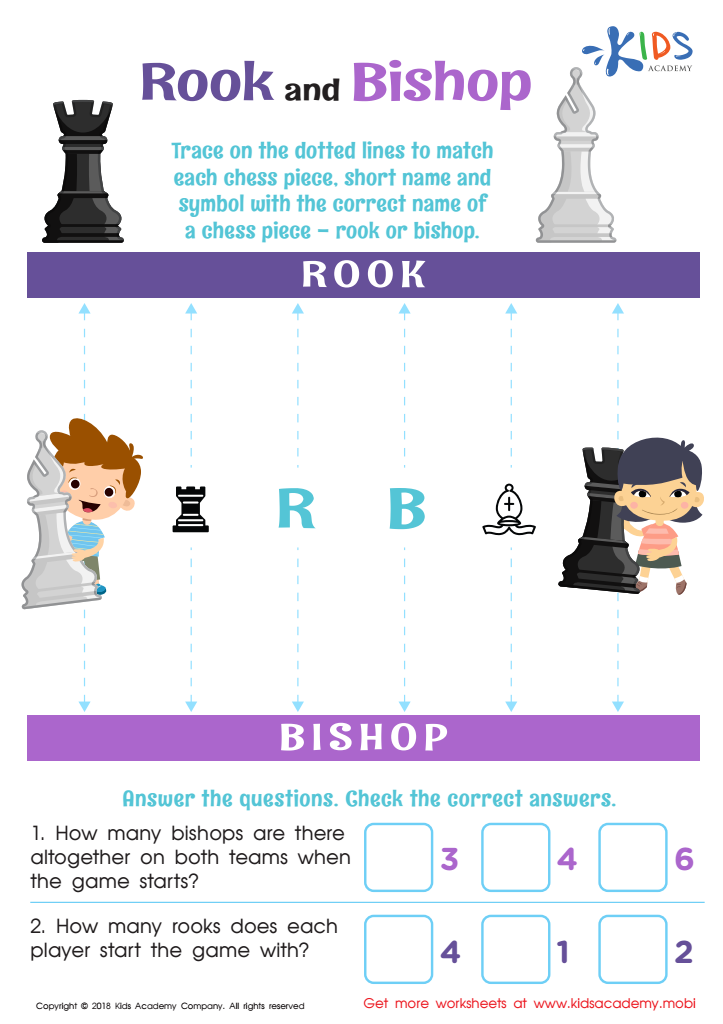
Rook and Bishop Worksheet
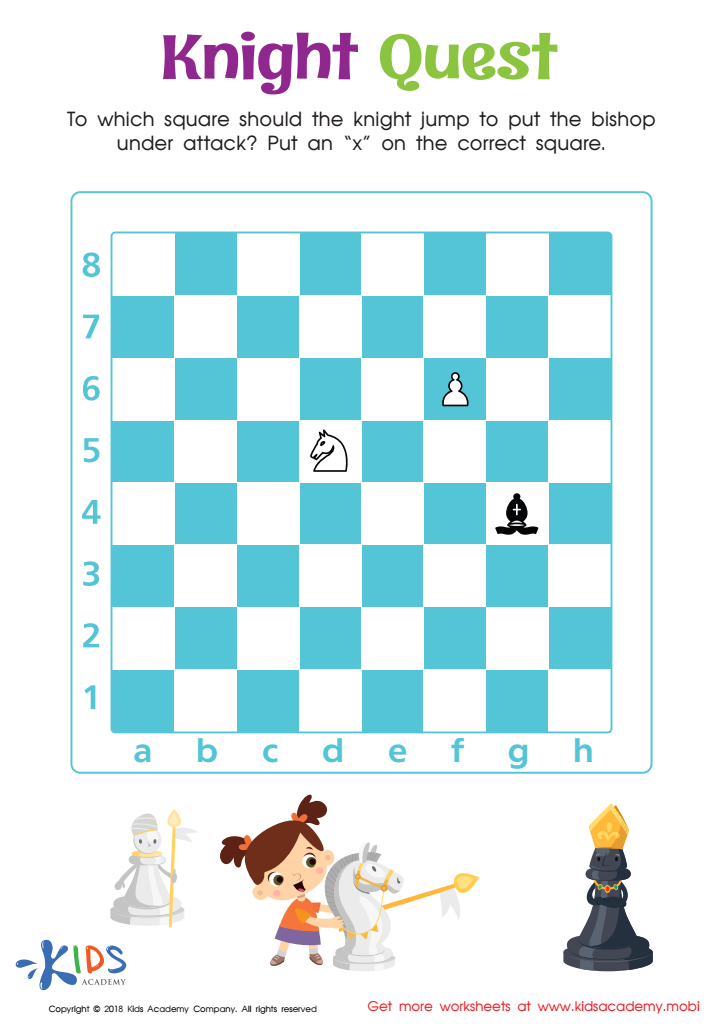
Knight Quest Worksheet
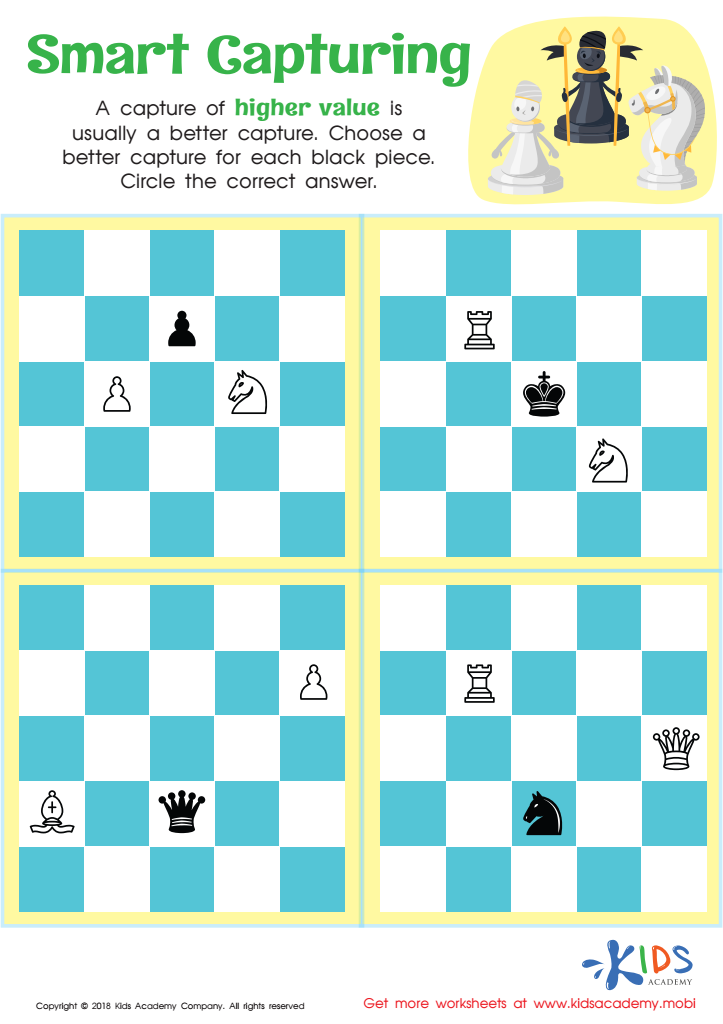
Smart Capturing Worksheet
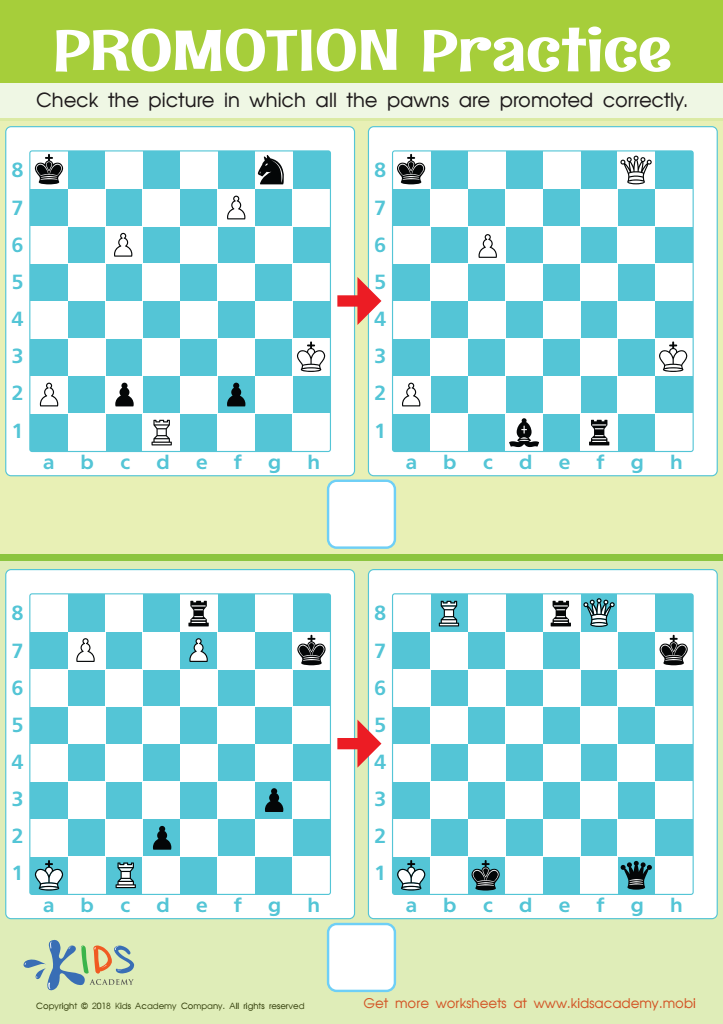
Promotion Practice Worksheet
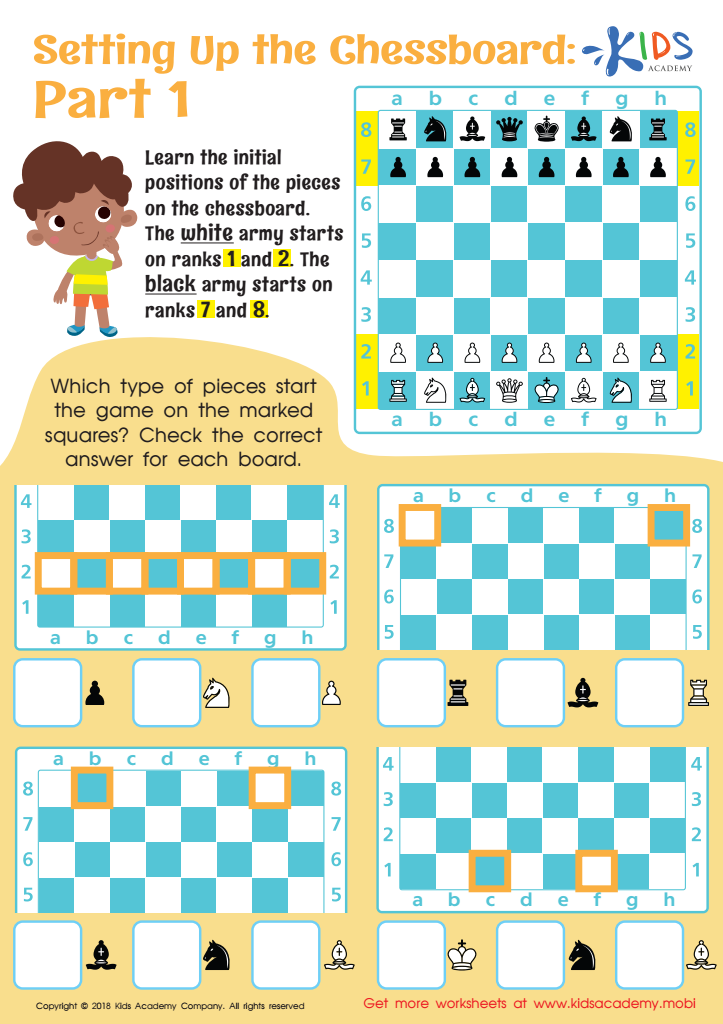
Setting up the Chessboard: Part 1 Worksheet




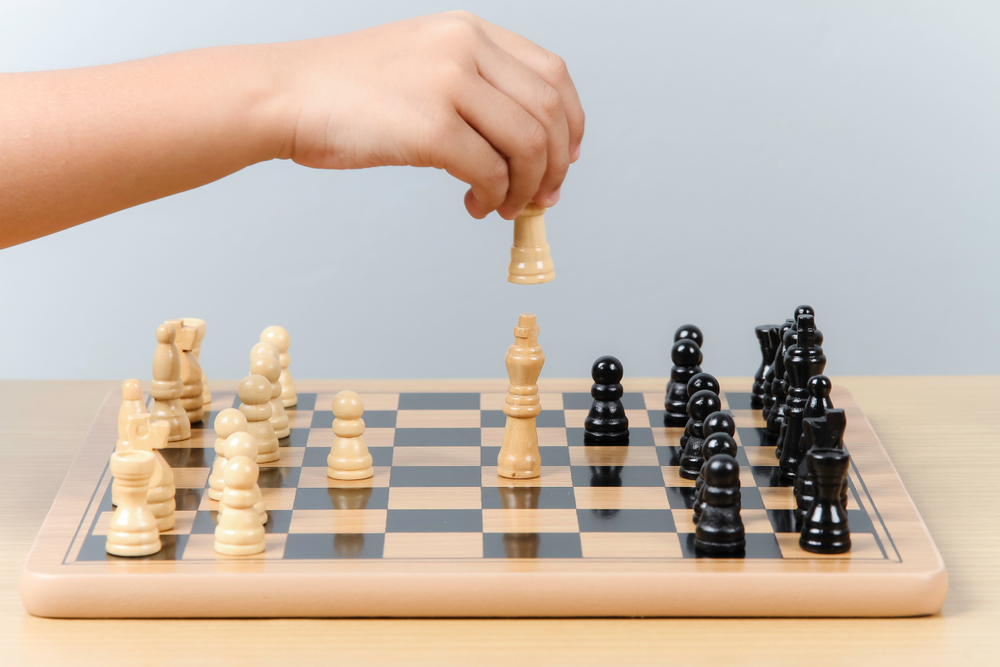

Introducing children aged 3-7 to normal chess can be highly beneficial for their cognitive and social development. At this young age, their brains are rapidly developing, and engaging in a structured game like chess can stimulate critical thinking, enhance problem-solving skills, and improve memory. Each move in chess requires children to analyze the board, consider future possibilities, and strategically plan their next move. This kind of forward-thinking is a foundational skill not only in academics but also in daily life decision-making.
Chess also fosters patience and concentration as children must focus intently on the game and weigh their choices carefully. Additionally, chess teaches the valuable lesson that actions have consequences—a critical understanding as they grow and face more complex problems.
Socially, playing chess with others encourages good sportsmanship, turn-taking, and effective communication. It creates an opportunity for children to cope with winning and losing gracefully, which can be a significant life skill. For parents and teachers, incorporating chess into young children's routines offers a stimulating way to bond and engage in an intellectually enriching activity. By investing time in chess at an early age, you are not just teaching a game, but nurturing a wide array of skills that will benefit children throughout their lives.