Normal World Around Us Worksheets for Ages 3-7 - Page 3
69 filtered results
-
From - To
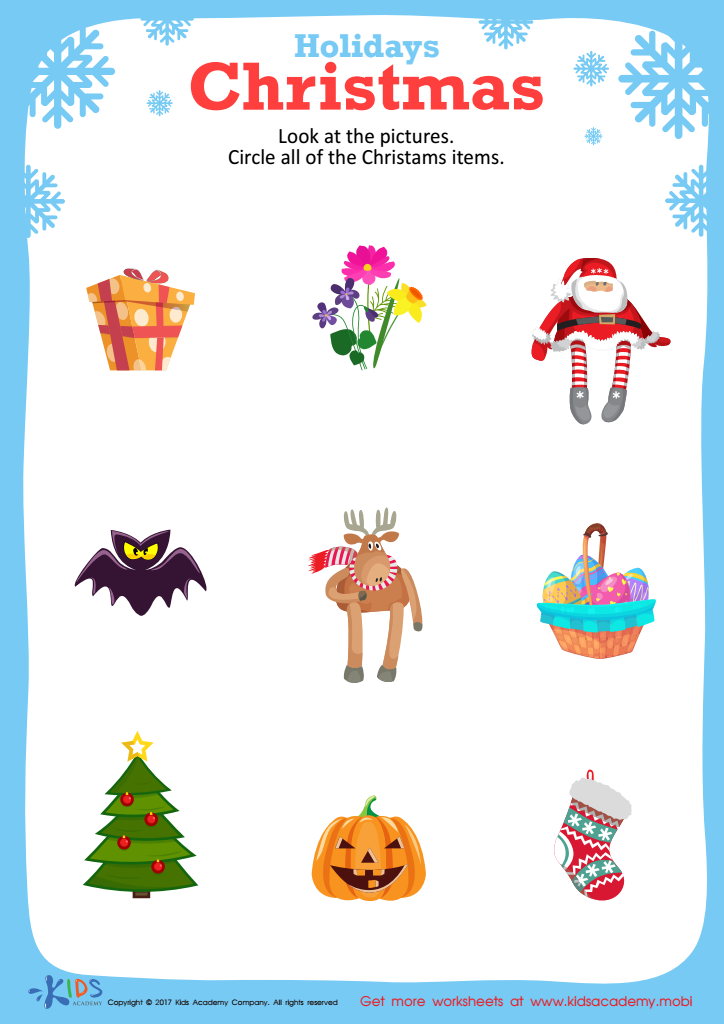
Christmas Holiday Worksheet
 Assign to My Students
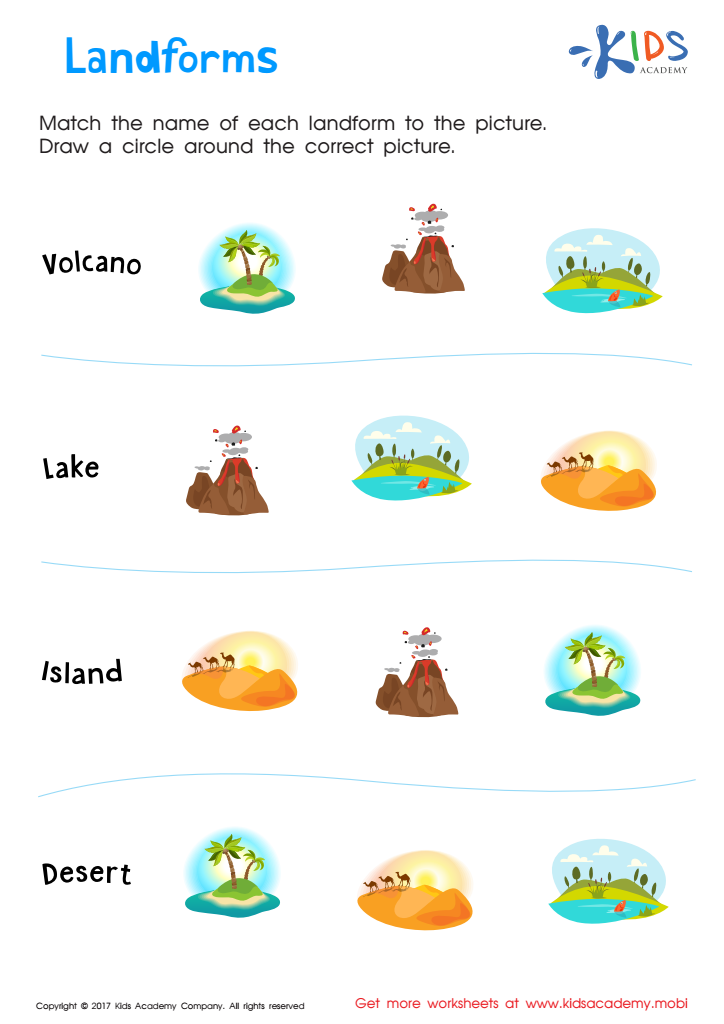
Landforms Printable
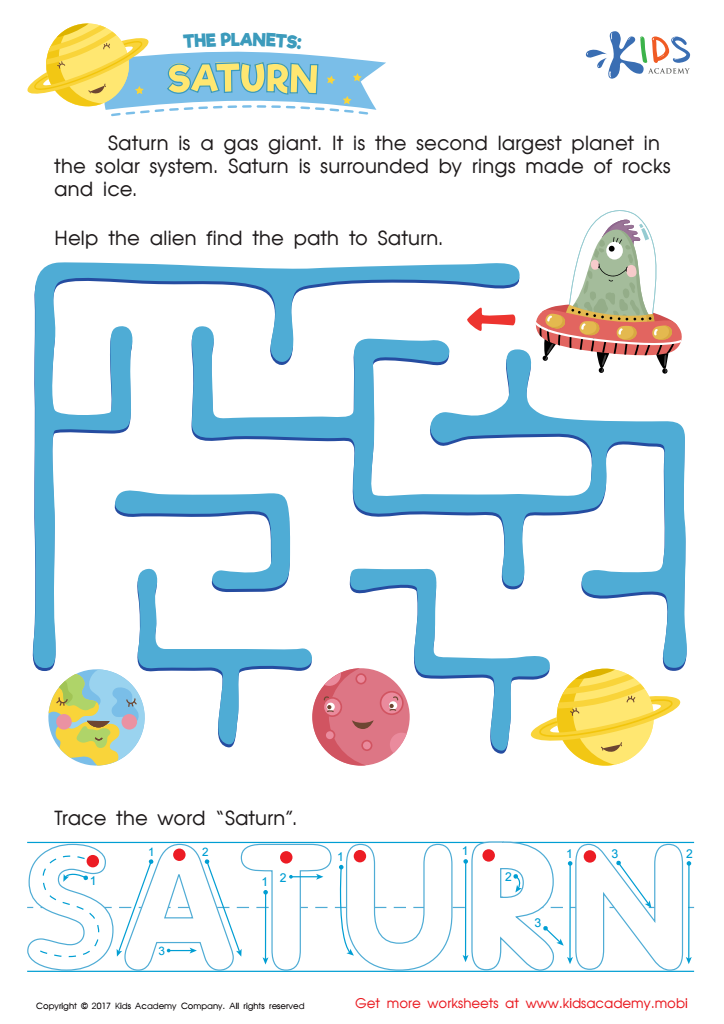
The Planets: Saturn Printable
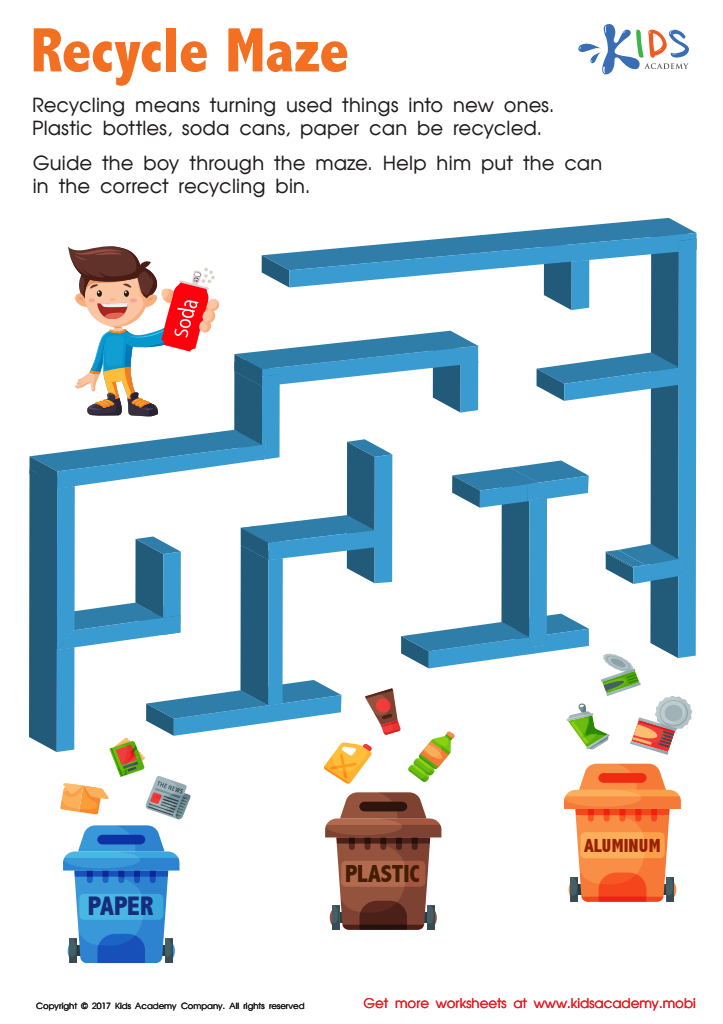
Recycle Maze Worksheet
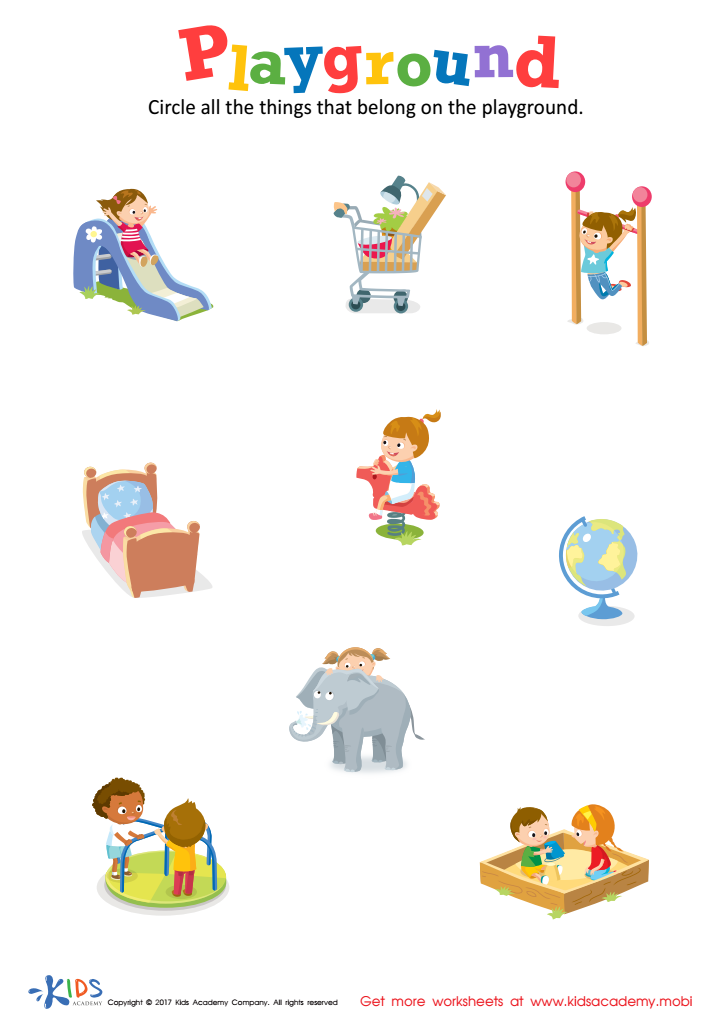
Playground Worksheet

Identifying Living or Non–living Worksheet
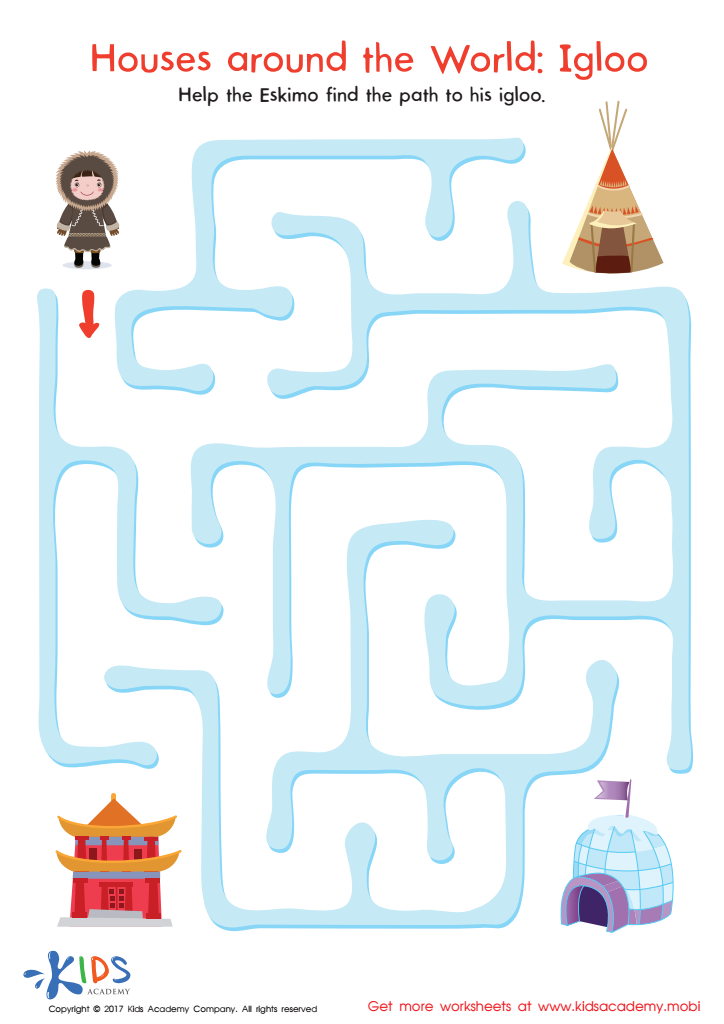
Houses Around the World: Igloo Printable
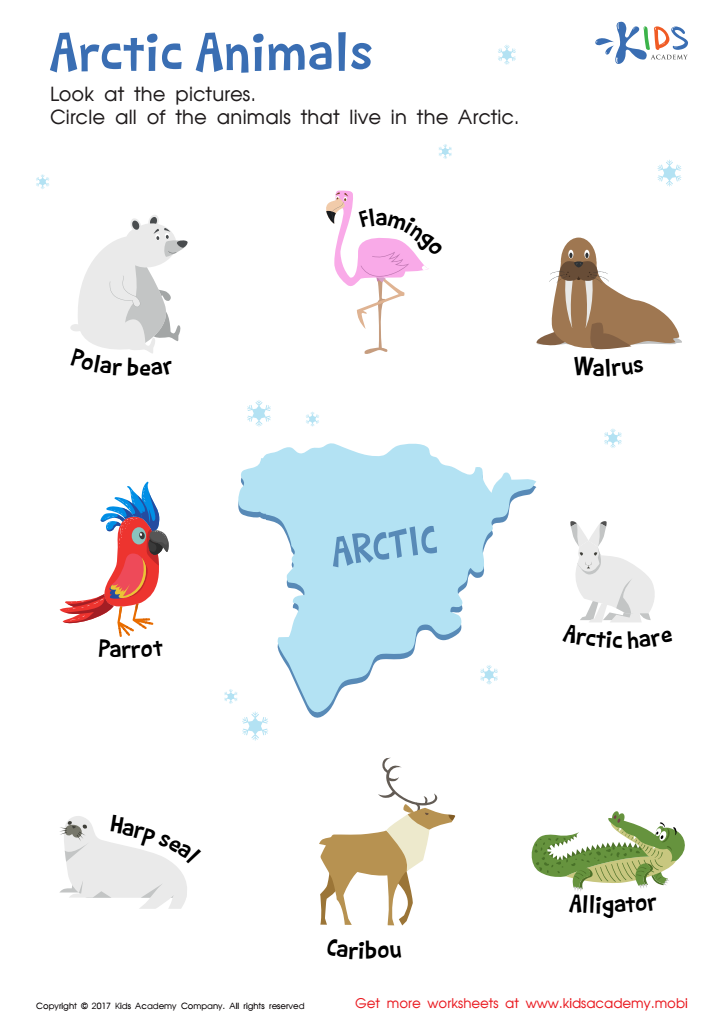
Arctic Animals Worksheet
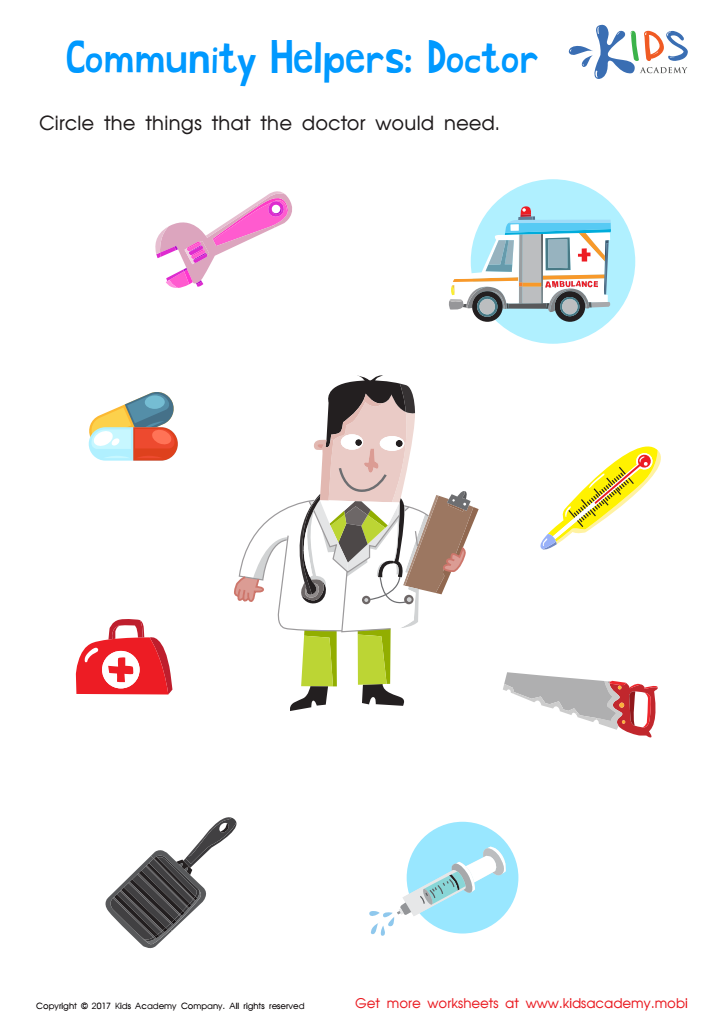
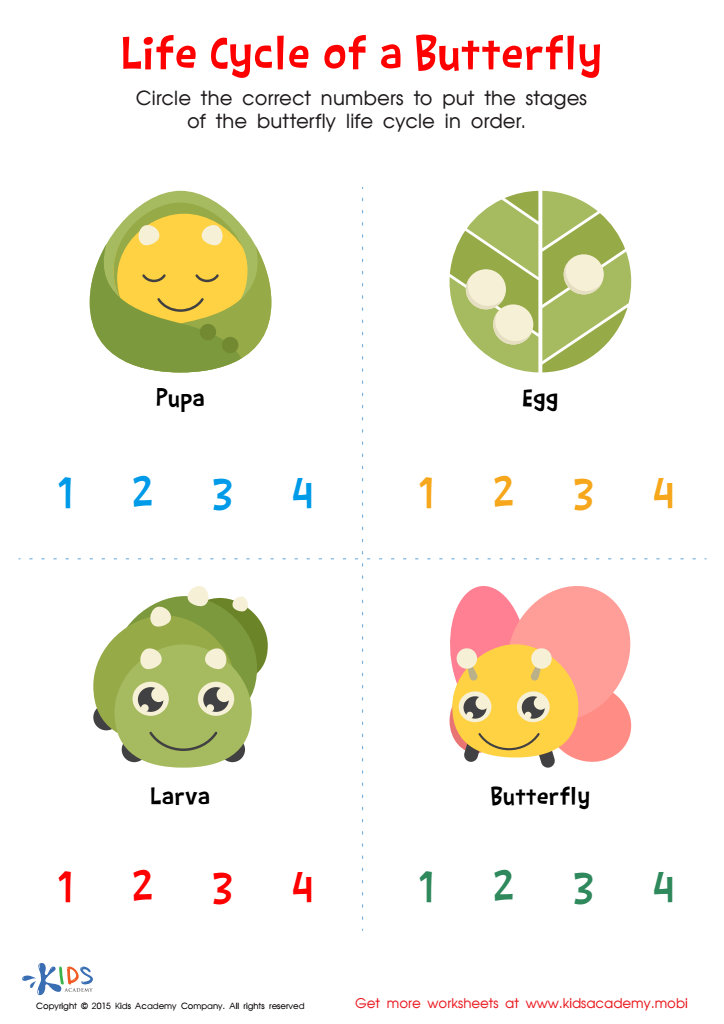
Life Cycle of Butterfly Printable
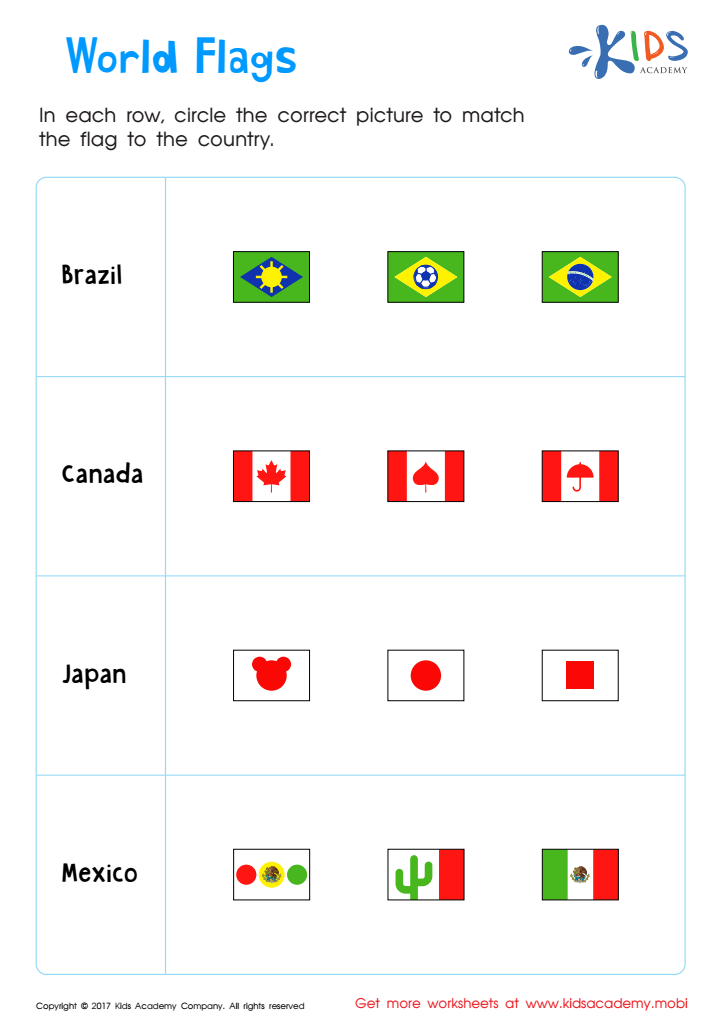
World Flags Printable
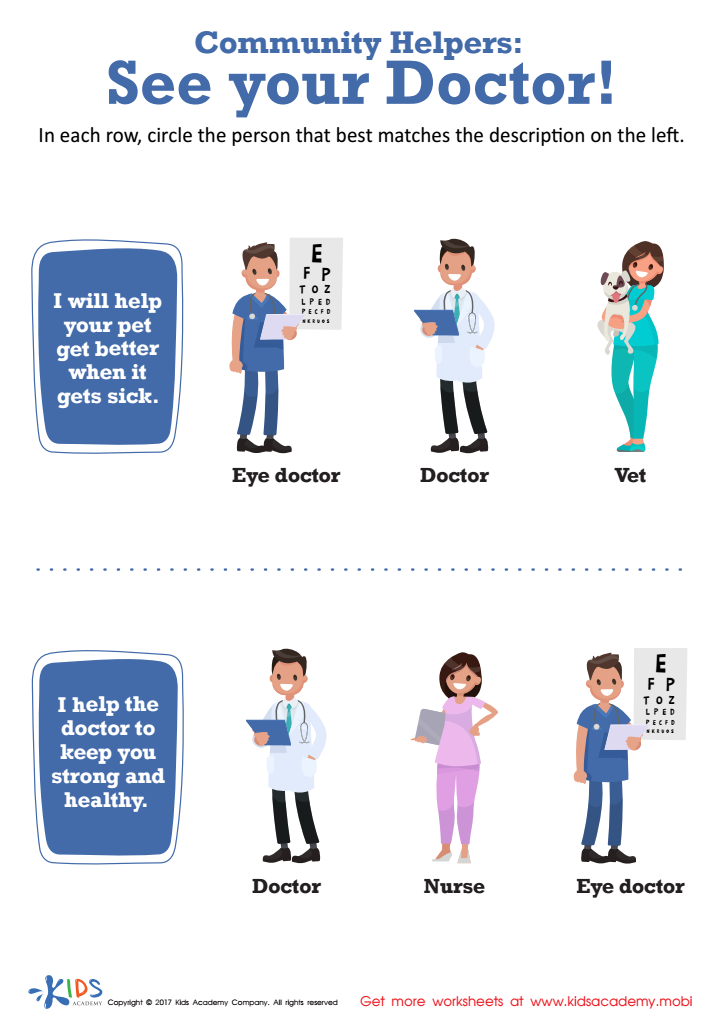
See Your Doctor (Part 2) Printable
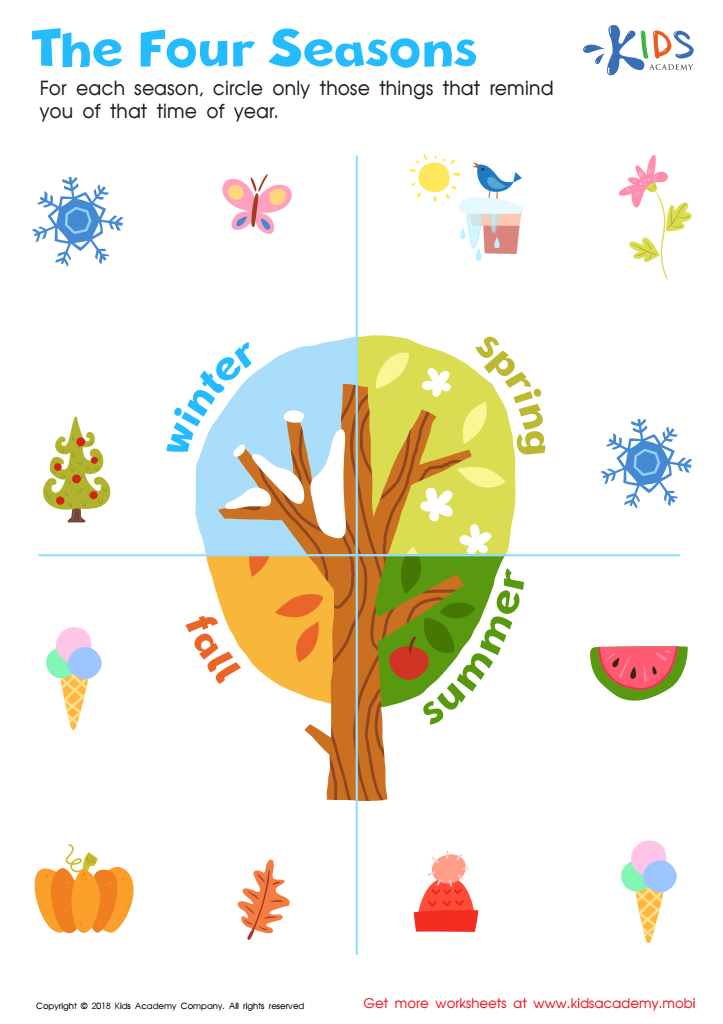
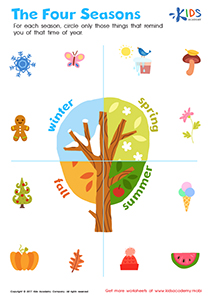
The Four Seasons Worksheet
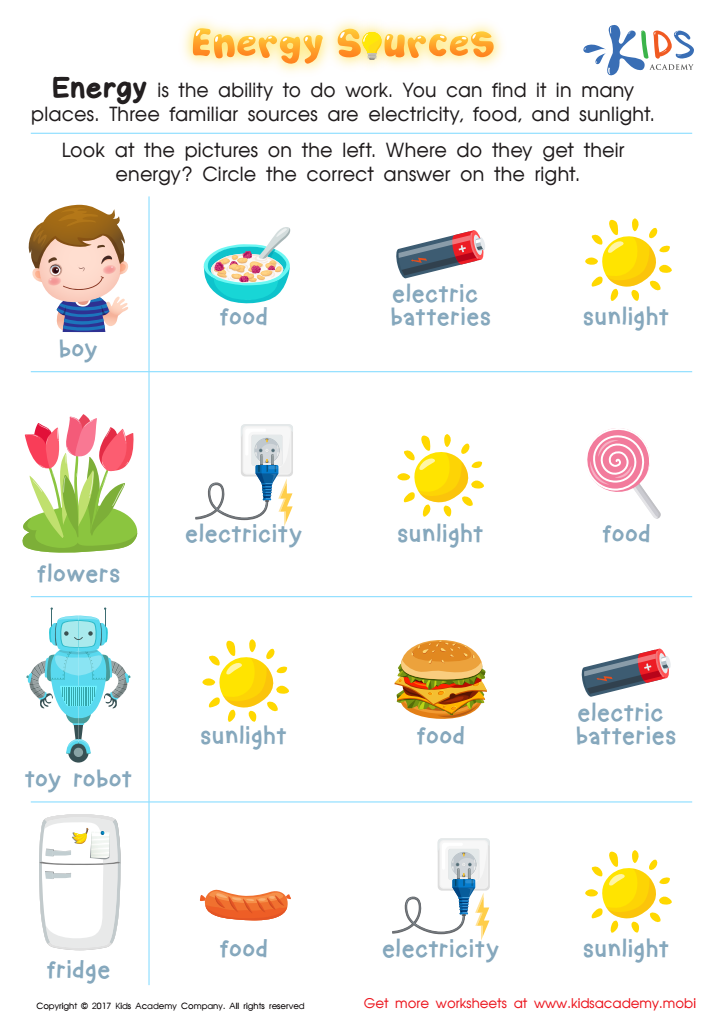
Energy Sources Printable
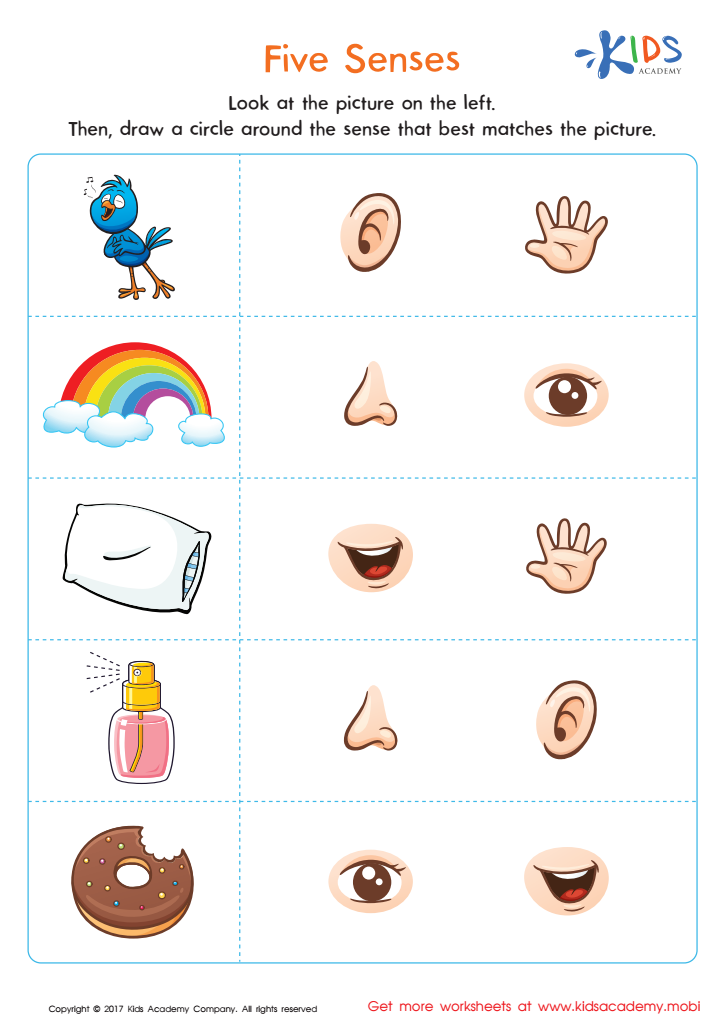
Five Senses Printable
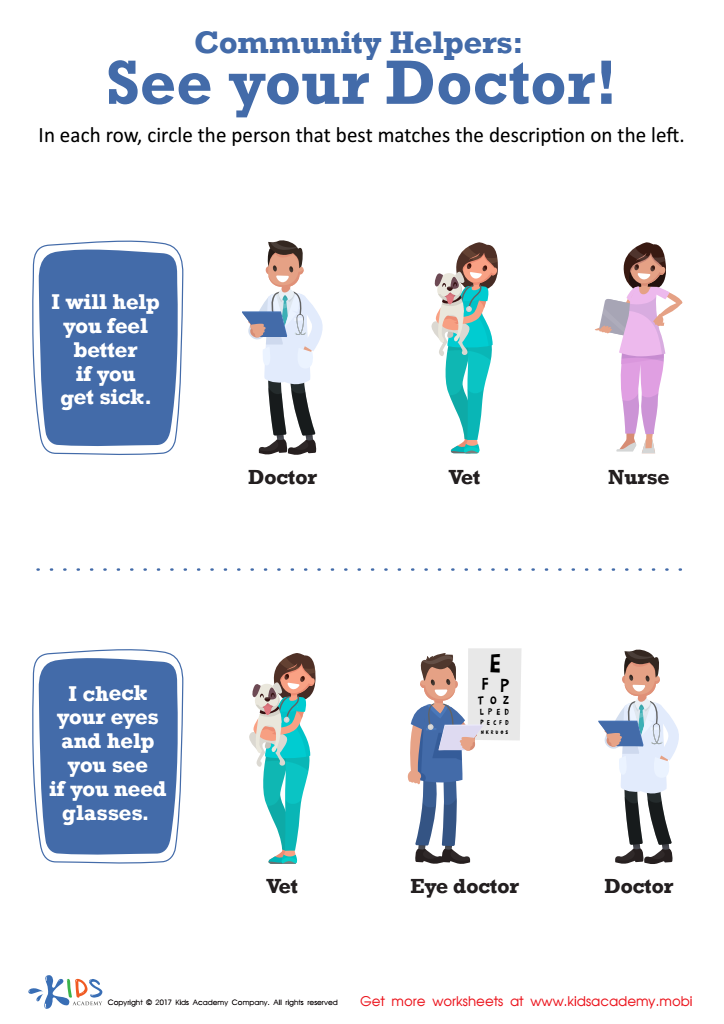
See Your Doctor (Part 1) Printable
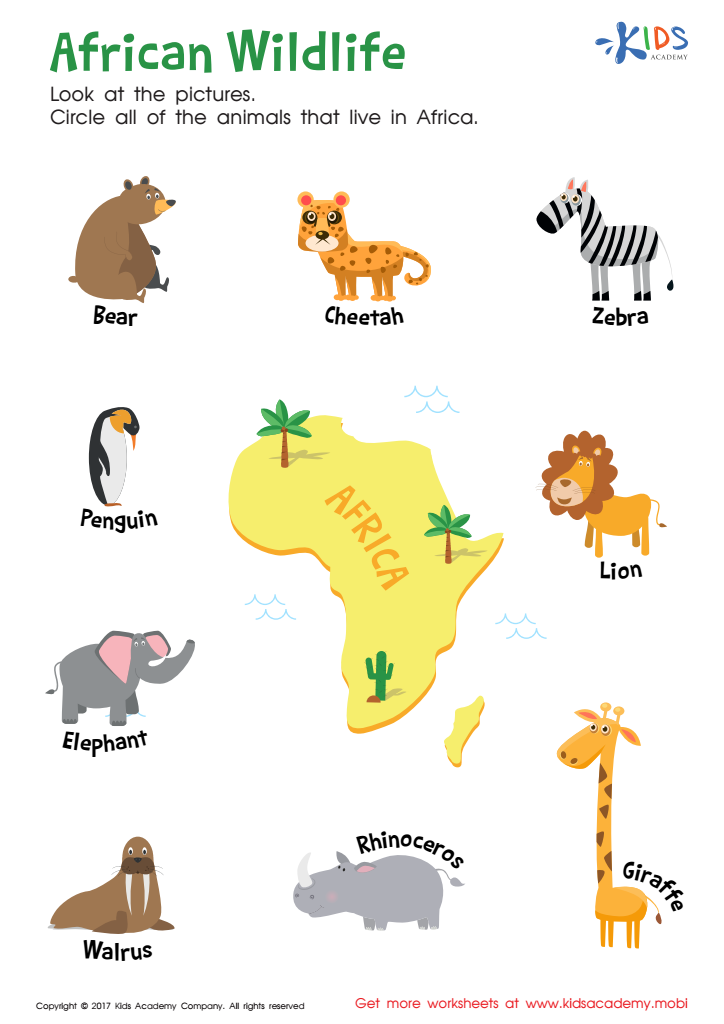
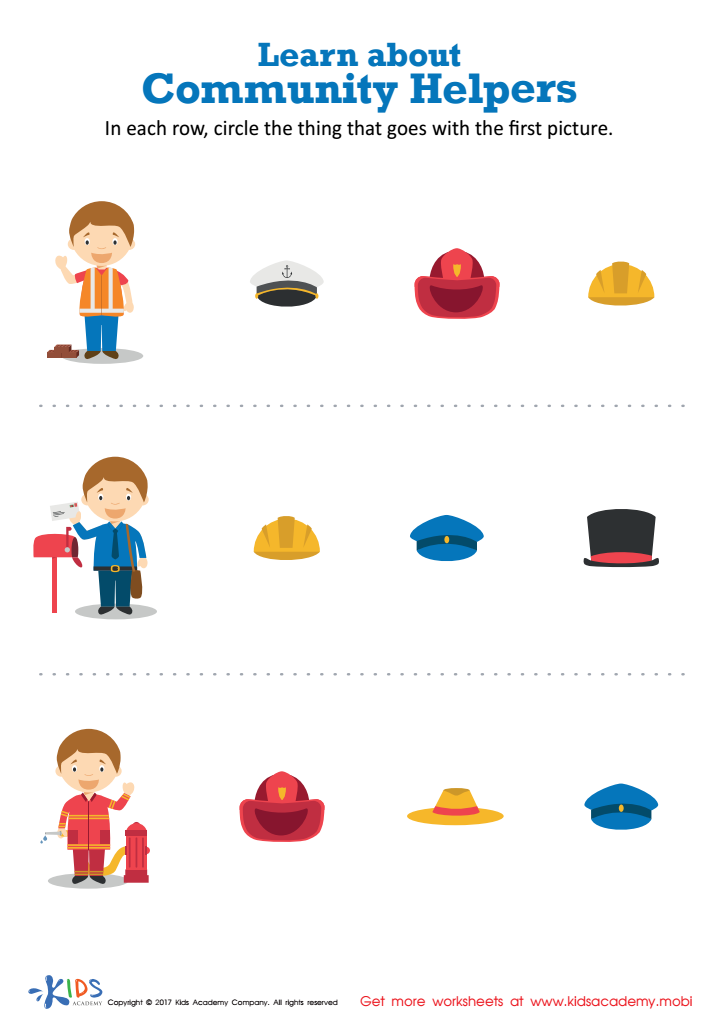
Learn about Community Helpers Printable
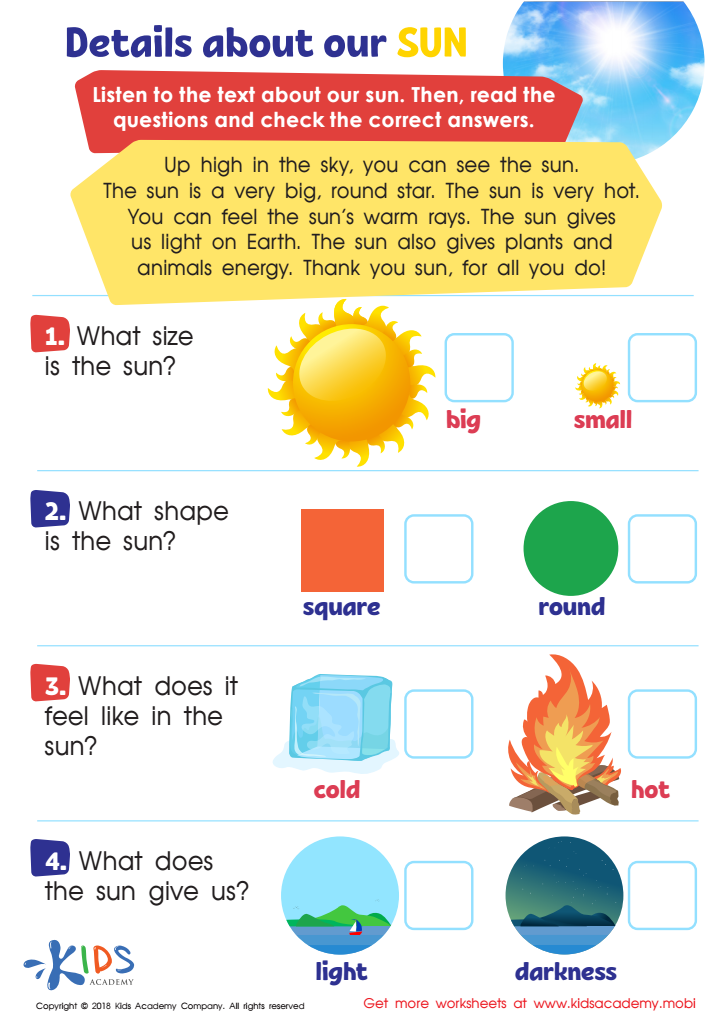
Details About Our Sun Worksheet
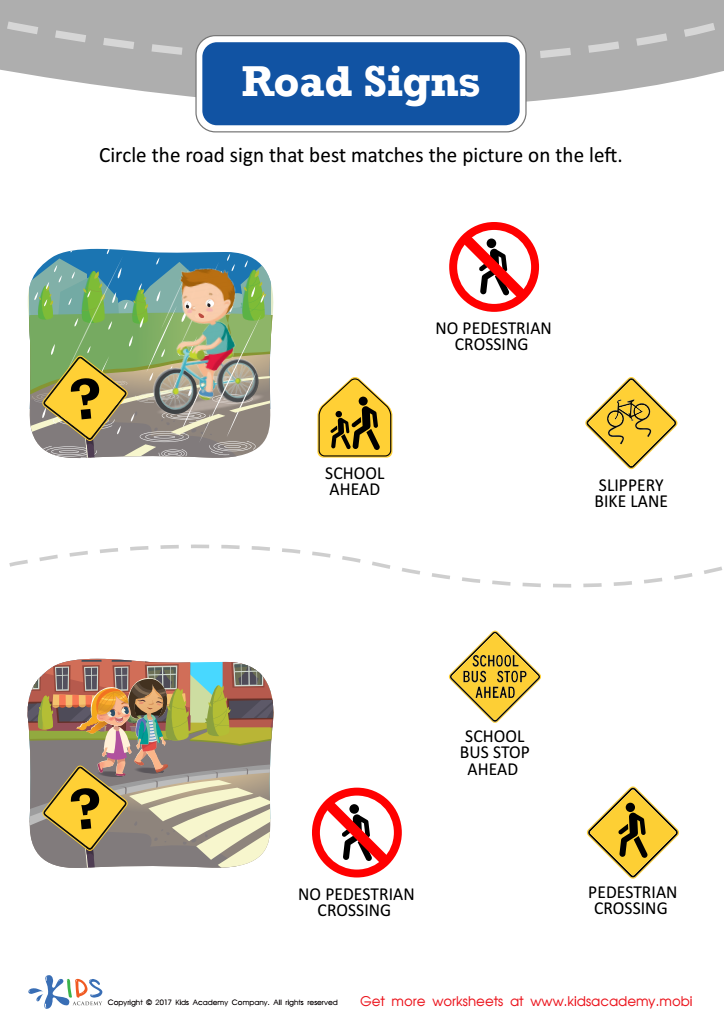
Road Signs (Part 2) Printable




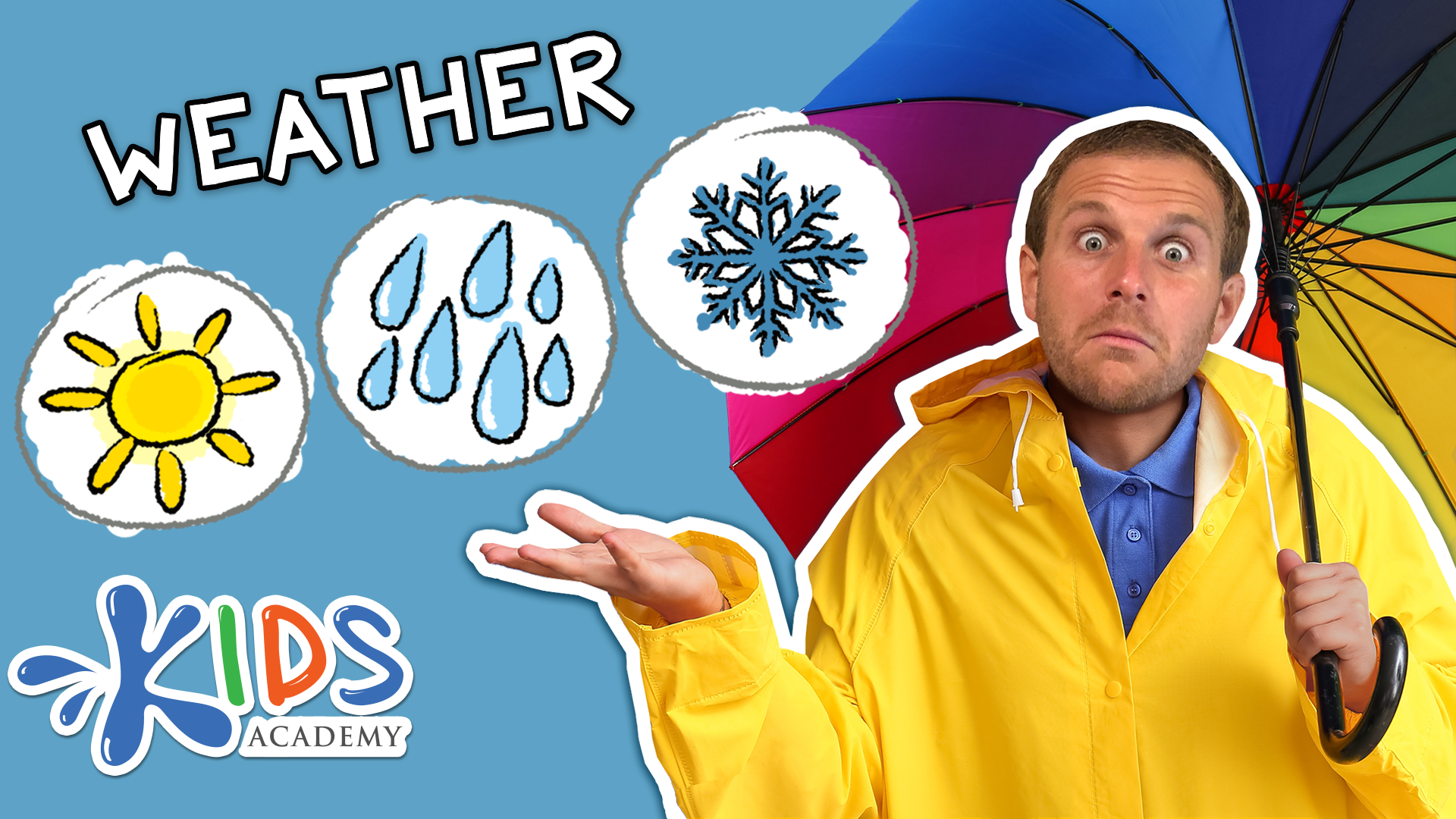
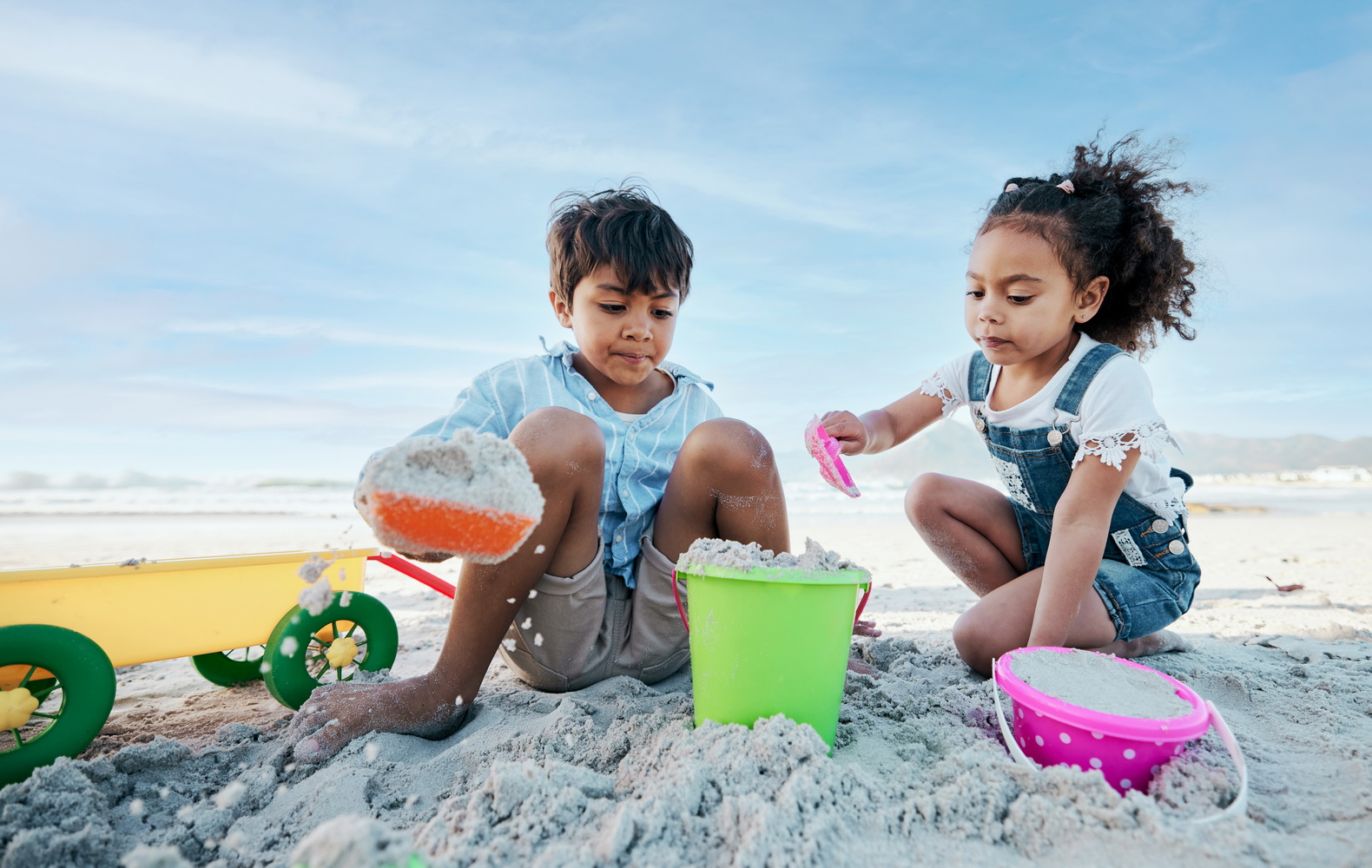
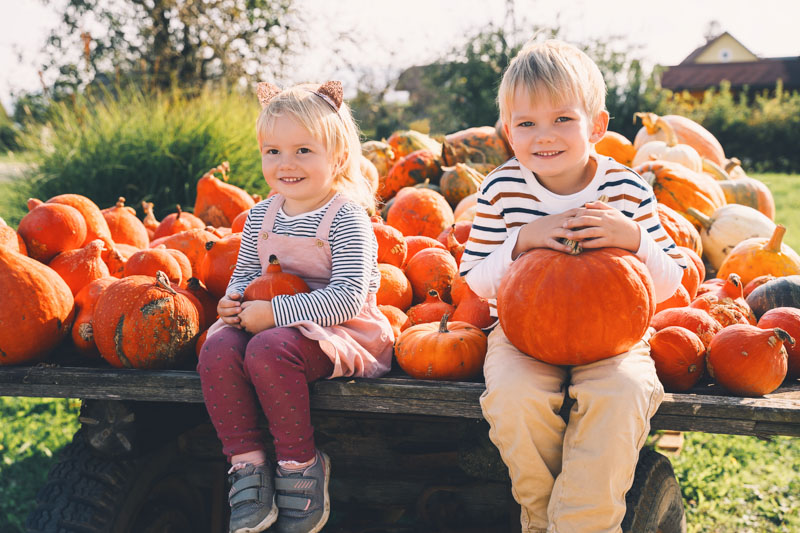

Caring about the "Normal World Around Us" for children aged 3-7 is imperative for parents and teachers because this is a formative stage in a child's development. During these early years, children are exceptionally curious and absorb information like sponges. Exposing them to the everyday world helps cultivate their understanding of their environment, fostering both cognitive and social development.
At this age, children are learning to recognize patterns, identify objects, and comprehend basic concepts. Introducing them to the natural world, community helpers, seasons, and daily routines lays a foundation for critical thinking and problem-solving skills. It also assists in language development as children learn new vocabulary and refine communication skills through their curiosity and interactions.
Teachers and parents play vital roles in facilitating this exploration. By guiding discoveries and providing interactive and sensory-based learning experiences, they help children build confidence and encourage a sense of wonder and appreciation for their surroundings. This hands-on learning is essential for developing fine and gross motor skills, as well as emotional intelligence, as children learn to navigate social norms and communal life.
Overall, caring about the "Normal World Around Us" ensures children gain a well-rounded, practical, and meaningful education that will benefit their lifelong personal and academic journeys.