Normal Multiplication Worksheets for Ages 3-8 - Page 2
34 filtered results
-
From - To
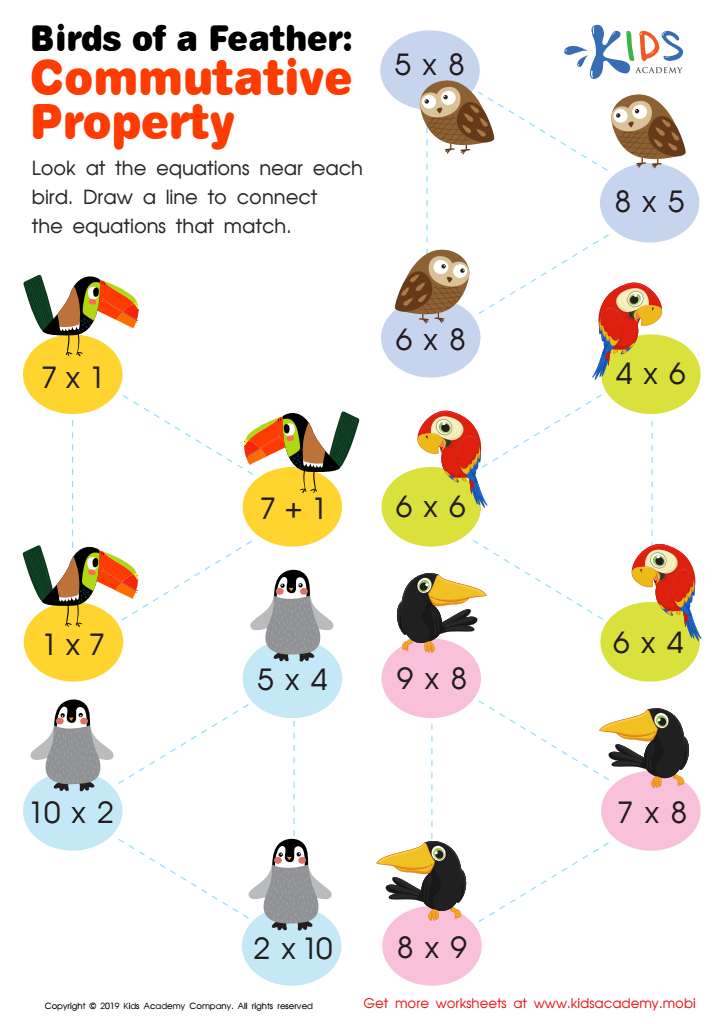
Birds of a Feather: Commutative Property Worksheet
 Assign to My Students
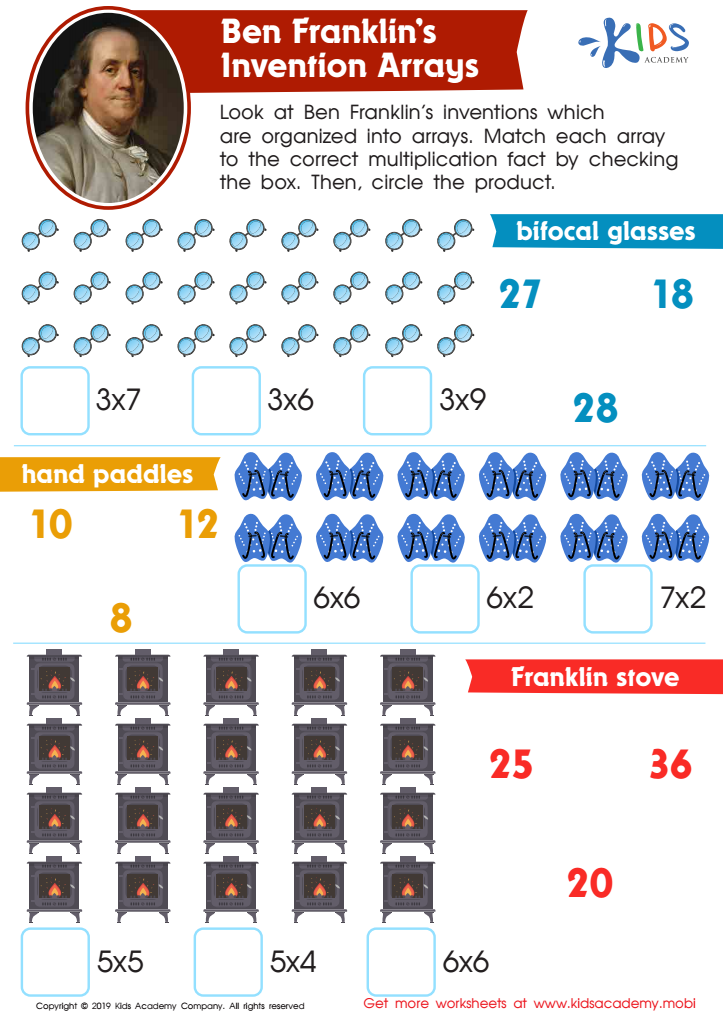
Ben Franklin’s Invention Arrays Worksheet
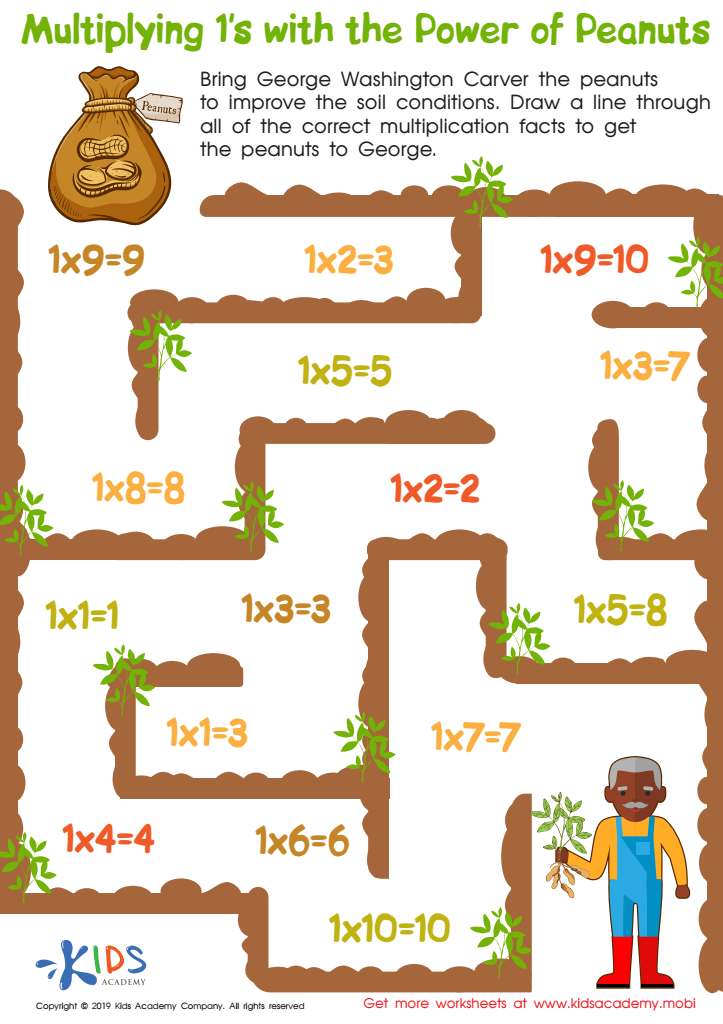
Multiplying 1’s With the Power of Peanuts Worksheet
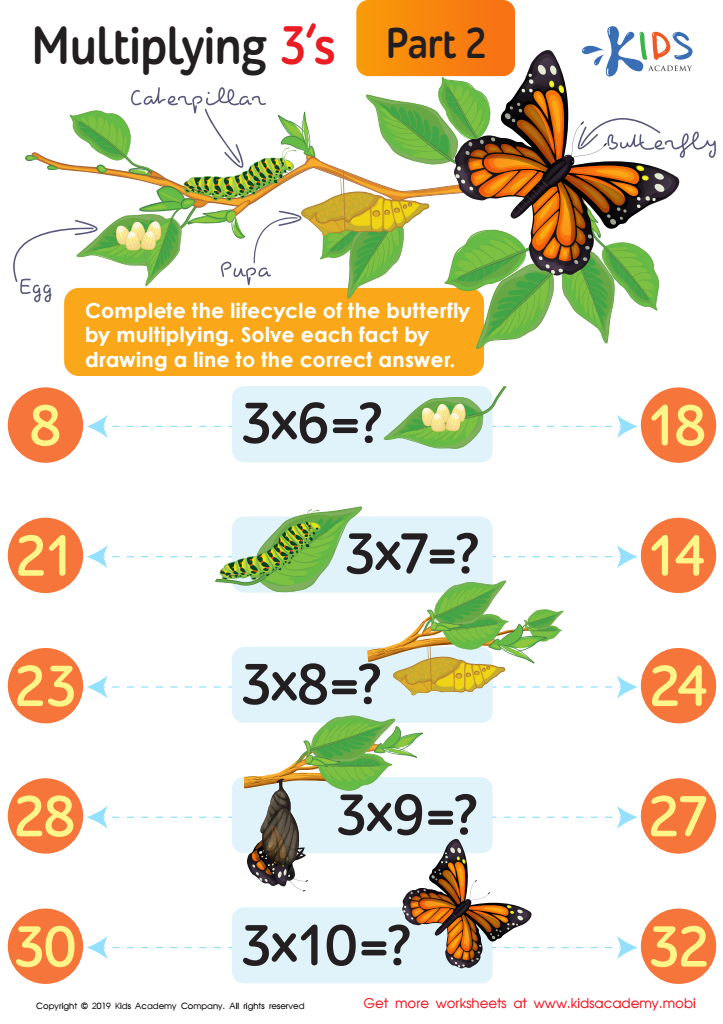
Multiplying 3s Part 2 Worksheet
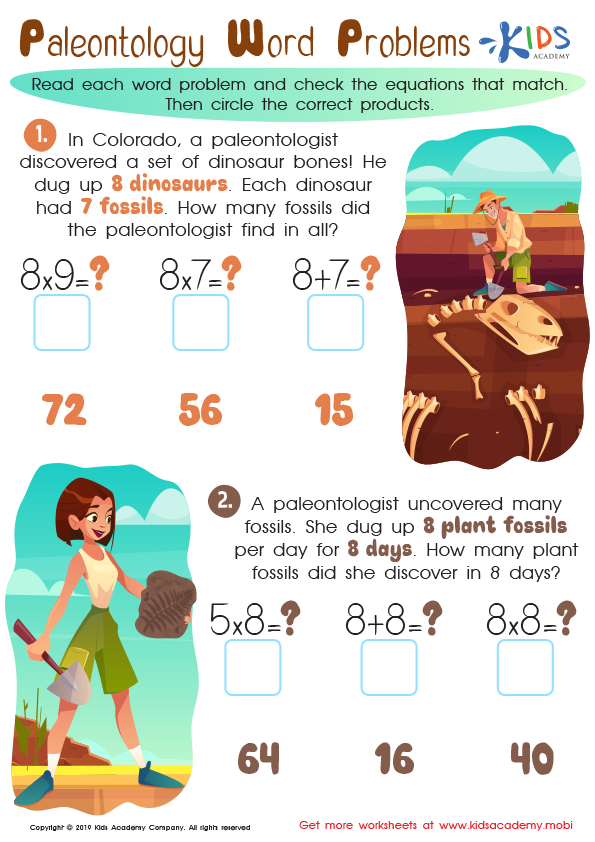
Archeology Word Problems Worksheet
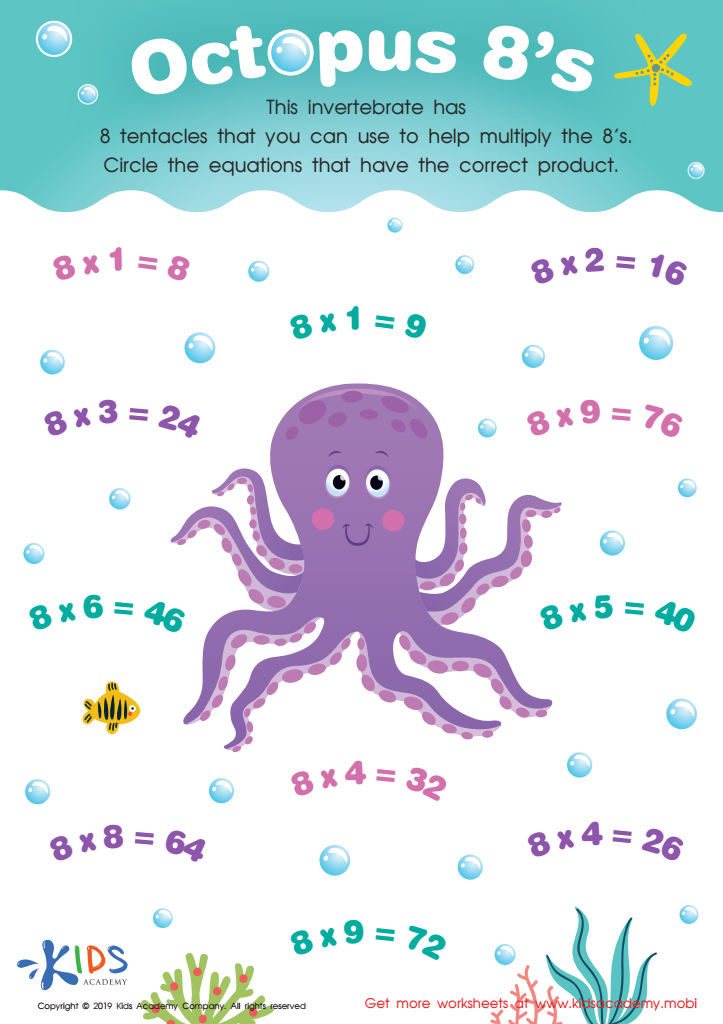
Octopus 8’s Worksheet
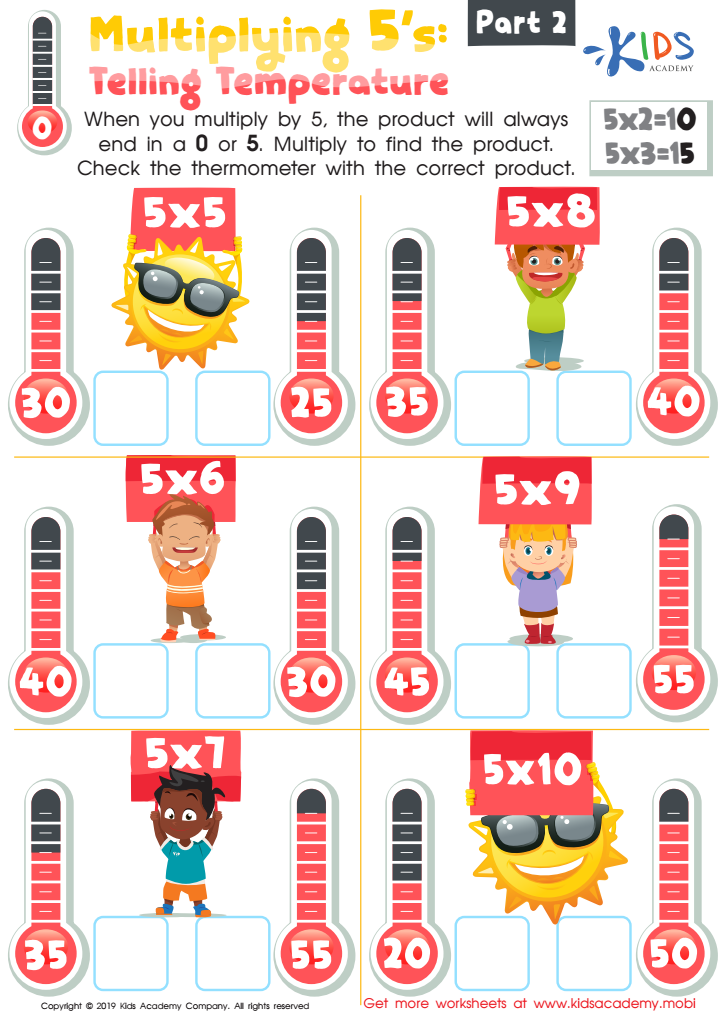
Multiplying 5’s: Telling Temperature Part 2 Worksheet
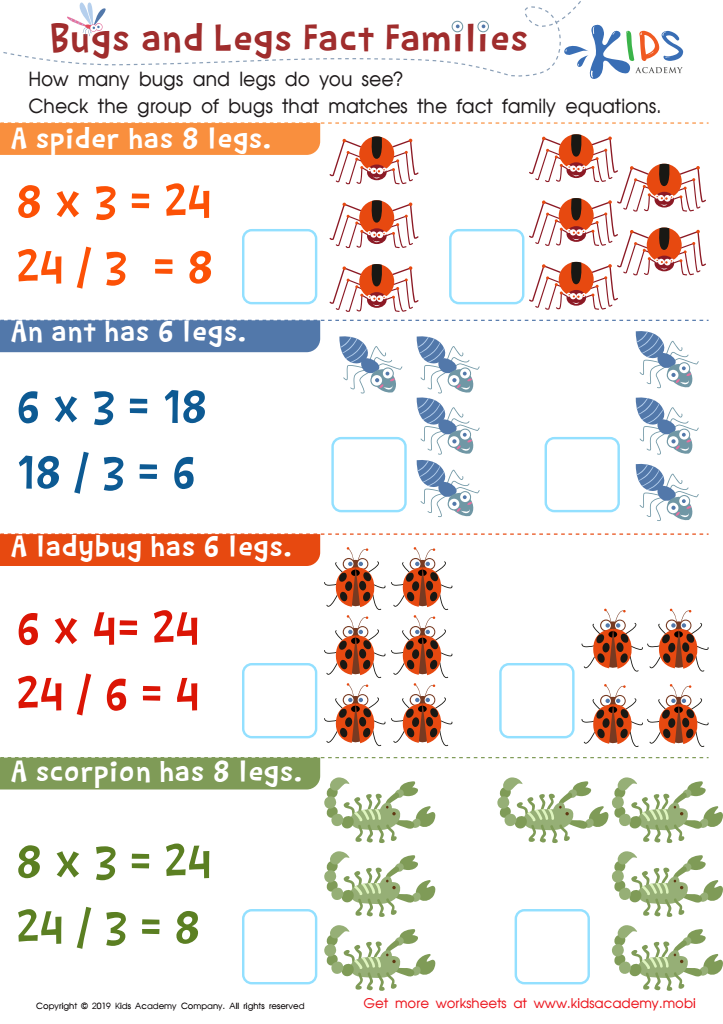
Bugs and Legs Fact Families Worksheet
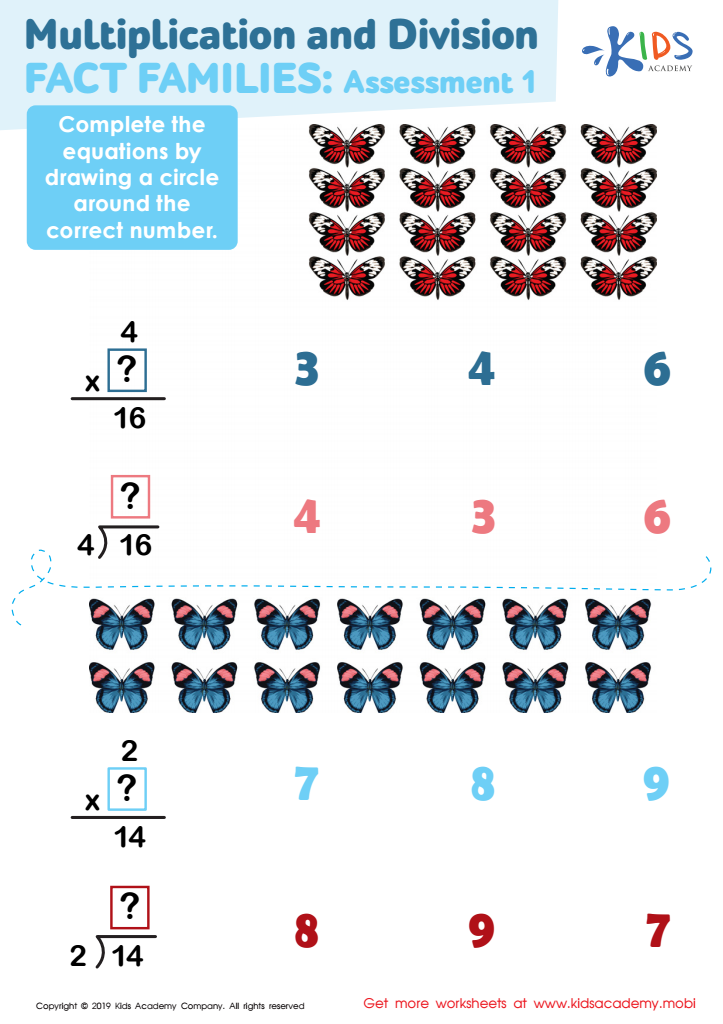
Multiplication and Division Fact Families Assessment 1 Worksheet
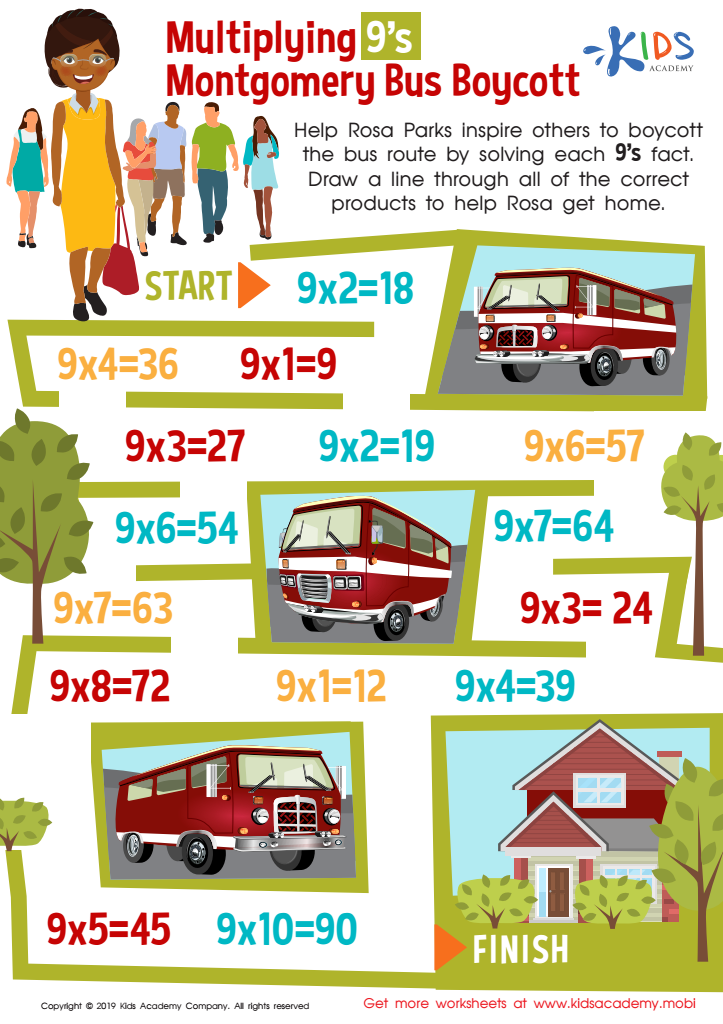
Multiplying 9’s Montgomery Bus Boycott Worksheet




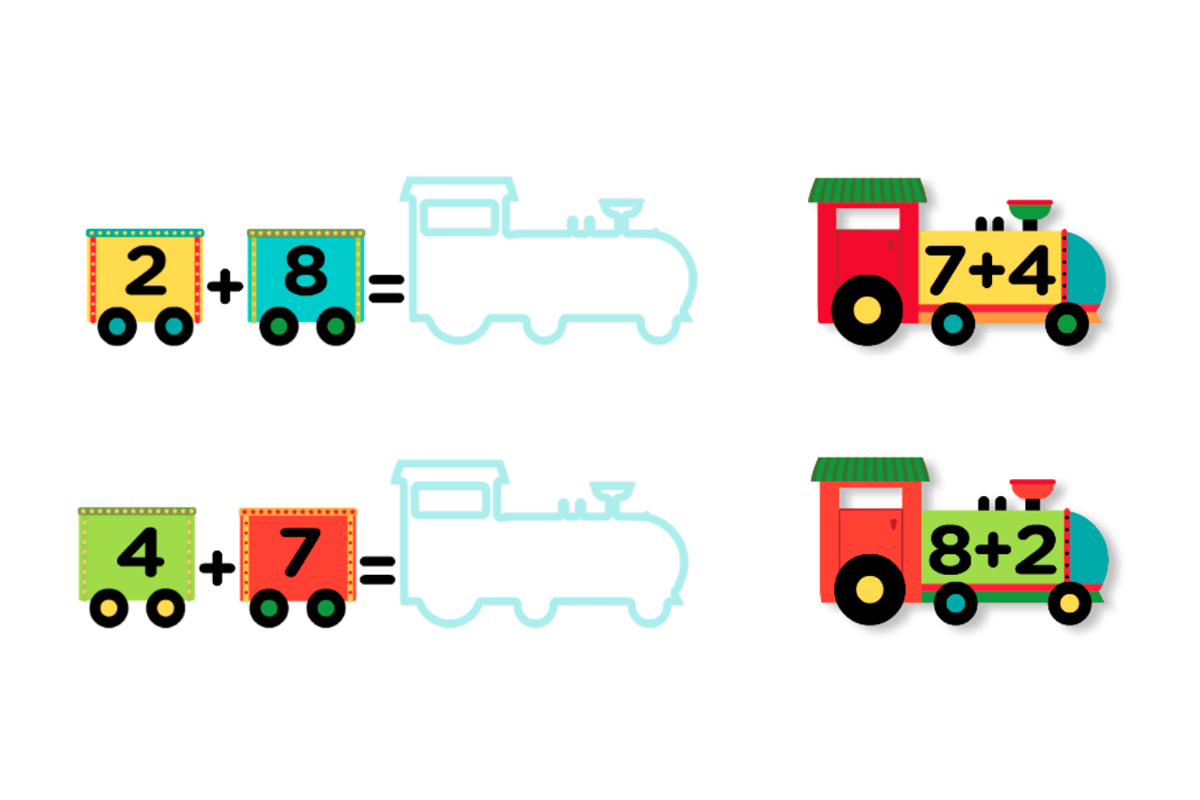



Normal multiplication, or foundational multiplication concepts, is critical for children ages 3-8 as it lays the groundwork for future mathematical understanding. At this developmental stage, children are naturally curious and eager to engage with new ideas, making it an ideal time to introduce basic multiplication concepts through playful and interactive methods.
Understanding normal multiplication helps to foster number sense, enabling children to grasp relationships between numbers and develop problem-solving skills. By grasping the concept that multiplication is a repeated addition, children start to build confidence in their ability to perform calculations and recognize patterns, which serves as a precursor to advanced math skills.
Parents and teachers play a crucial role in creating a supportive learning environment. Introducing multiplication in engaging ways—such as through stories, games, and visual aids—can make learning enjoyable and reduce math anxiety in later years. Additionally, early mastery of multiplication paves the way for success in diverse areas, from simplified division to more complex arithmetic problems later in school.
Ultimately, investing time in teaching normal multiplication strengthens children's cognitive development, prepares them for future academic challenges, and builds a solid foundation for lifelong mathematical proficiency.








