Normal Reading Non-Fiction Worksheets for Ages 3-8 - Page 2
69 filtered results
-
From - To
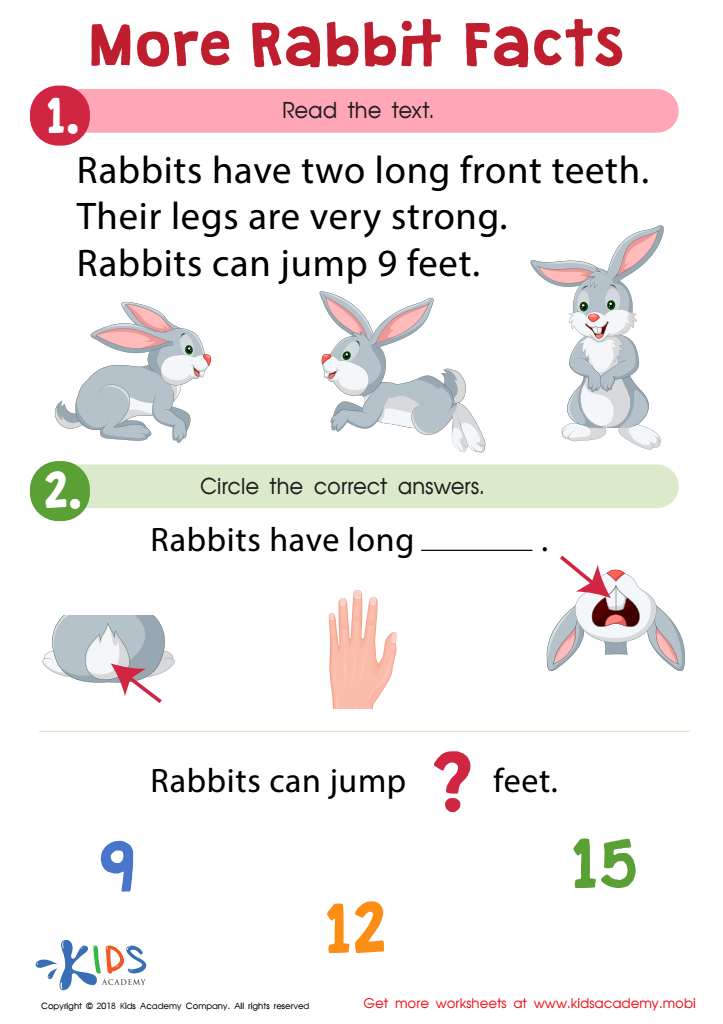
More Rabbit Facts Worksheet
 Assign to My Students
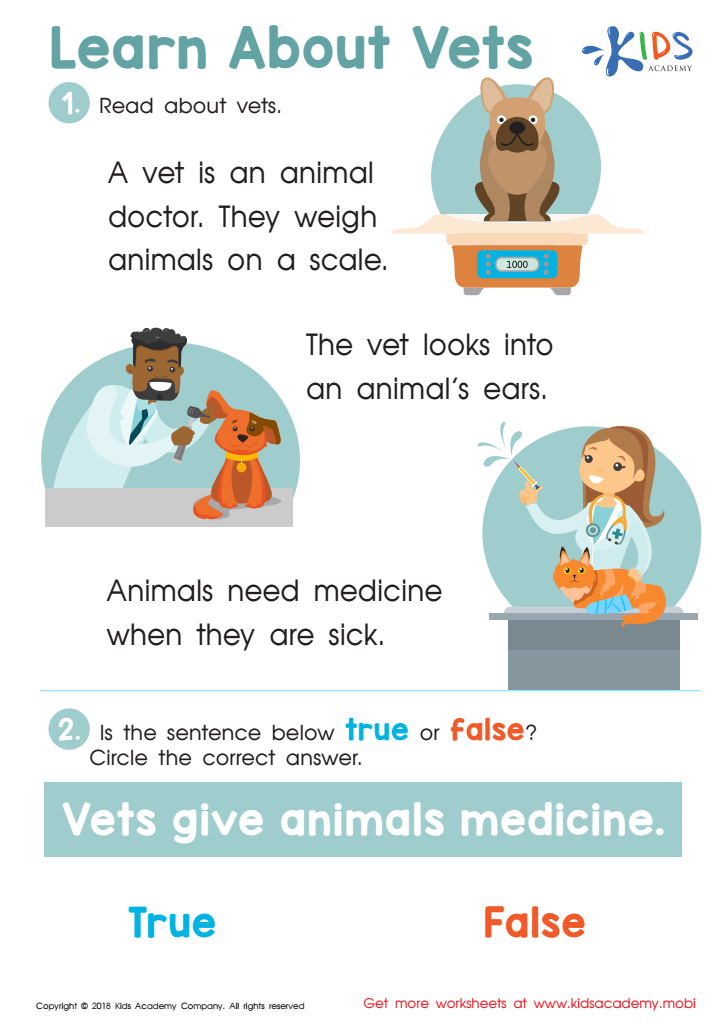
Learn About Vets Worksheet
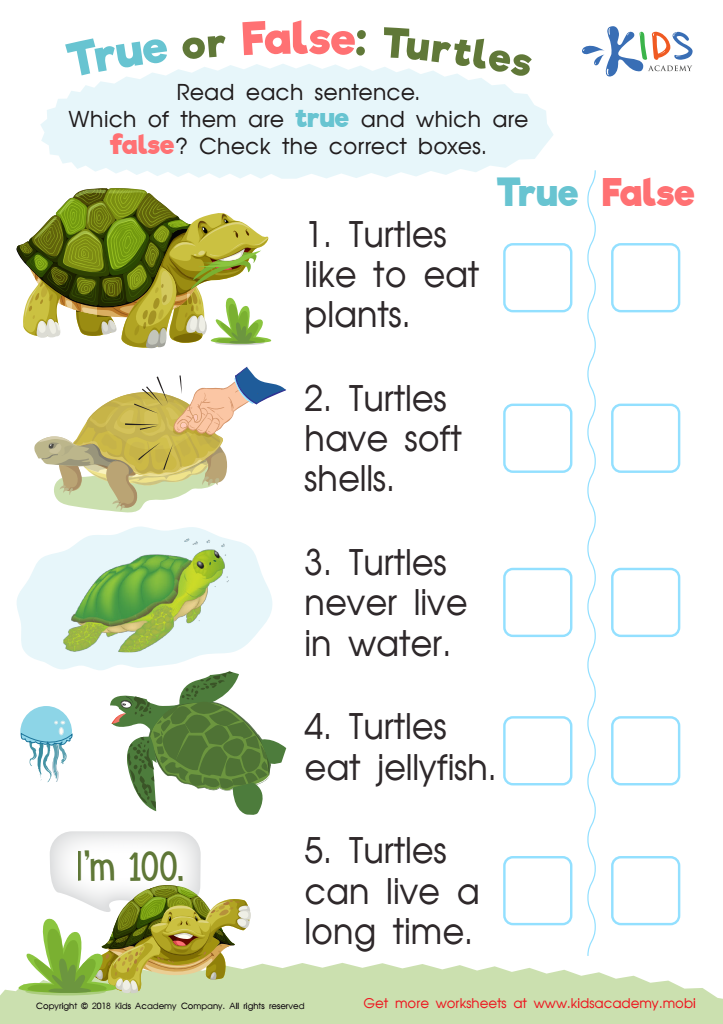
True or False: Turtles Worksheet
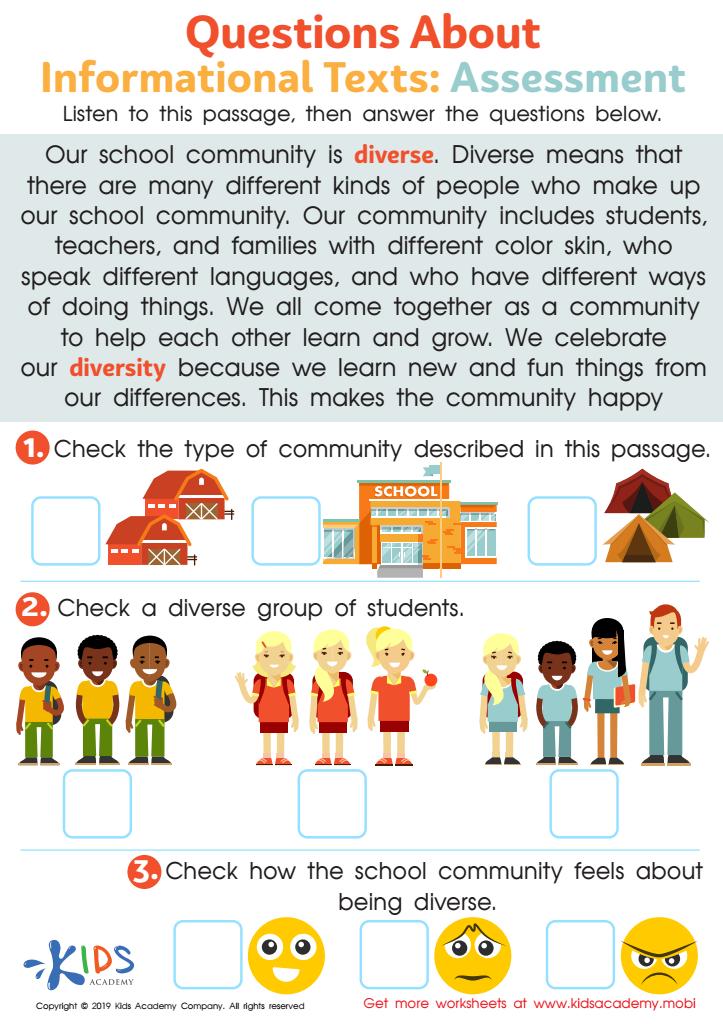
Questions About Informational Texts: Assessment 1 Worksheet
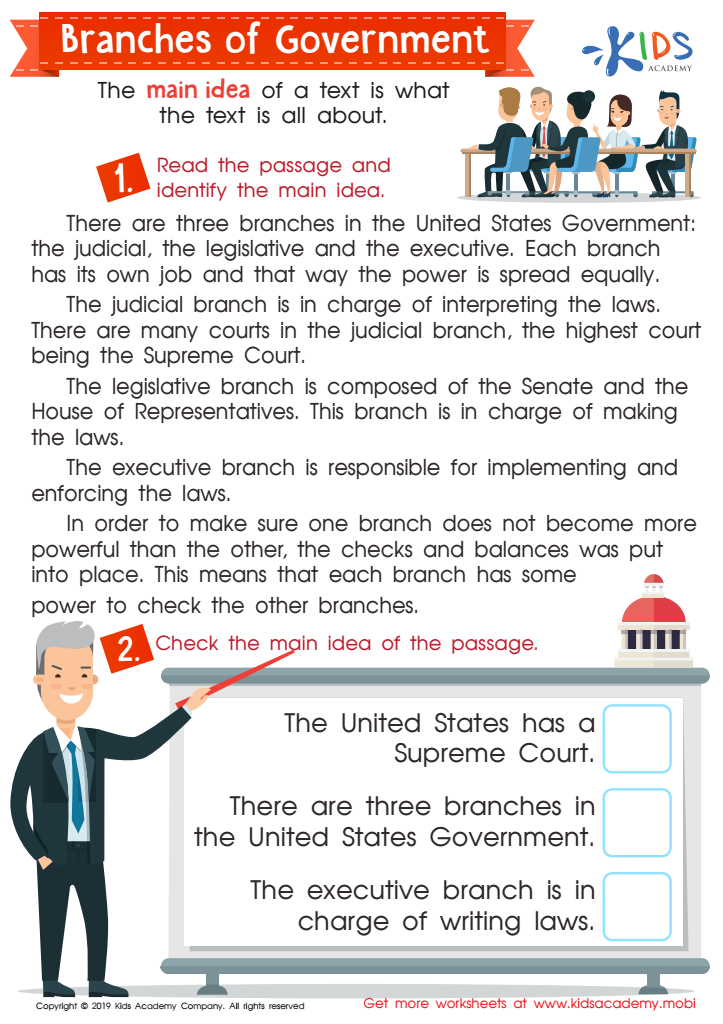
Branches of the Government Worksheet
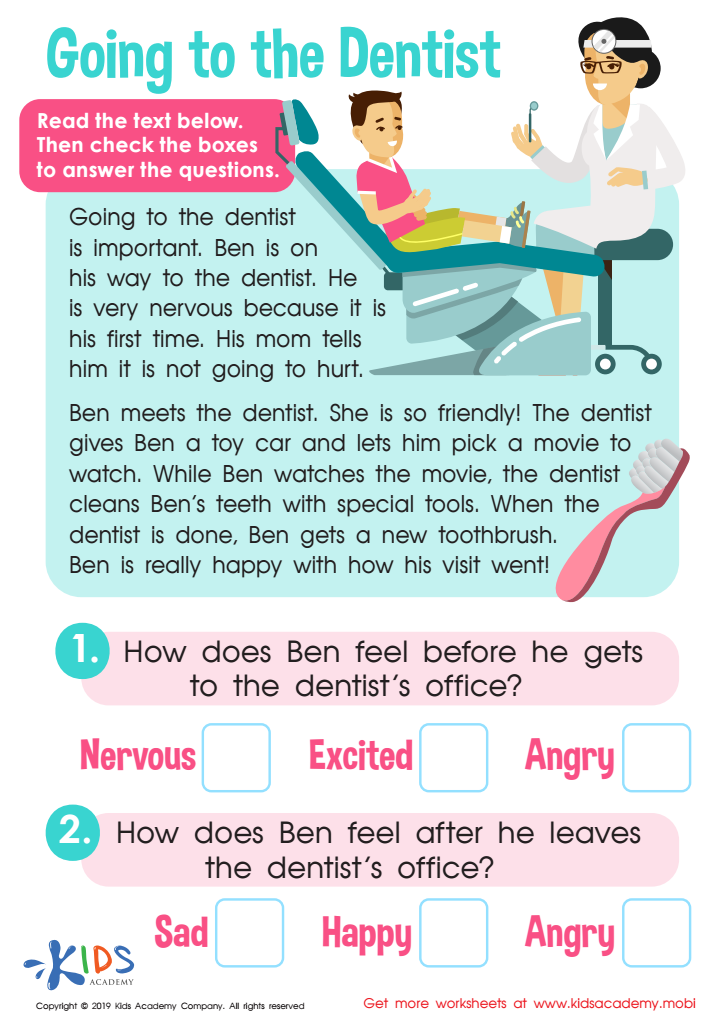
Going to the Dentist Worksheet
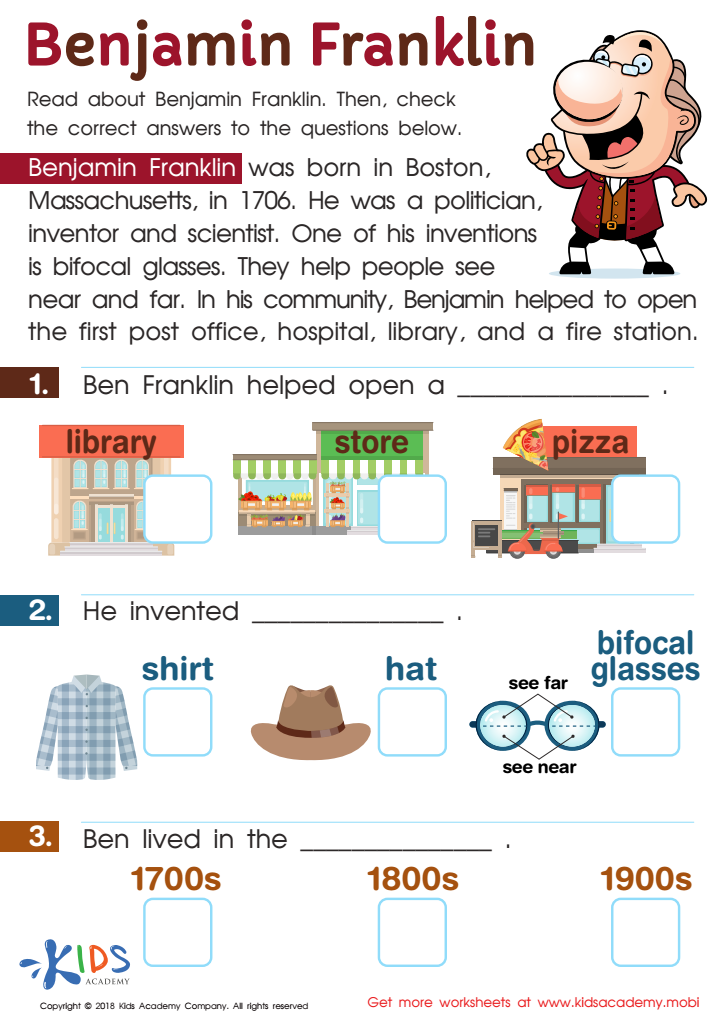
Benjamin Franklin Worksheet
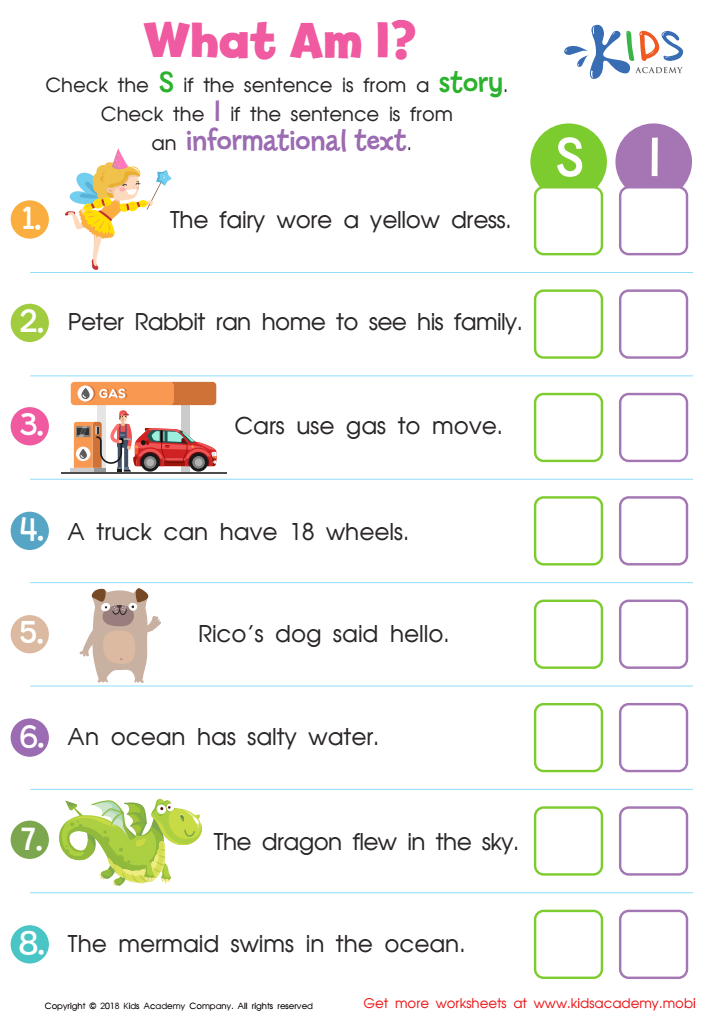
What Am I? Worksheet
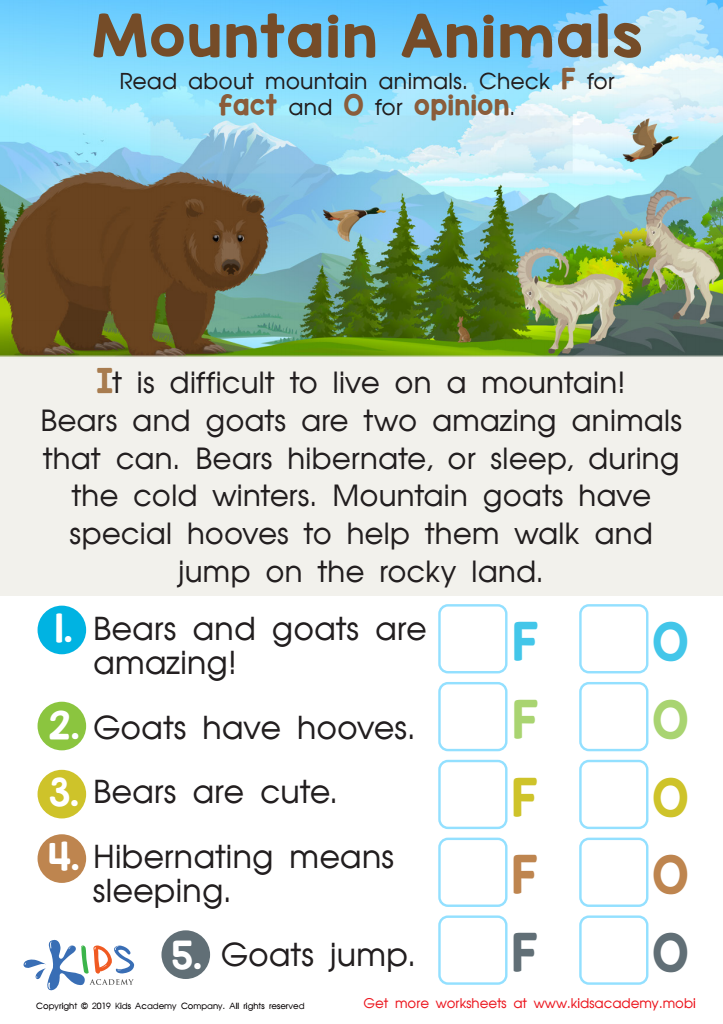
Mountain Animals Worksheet
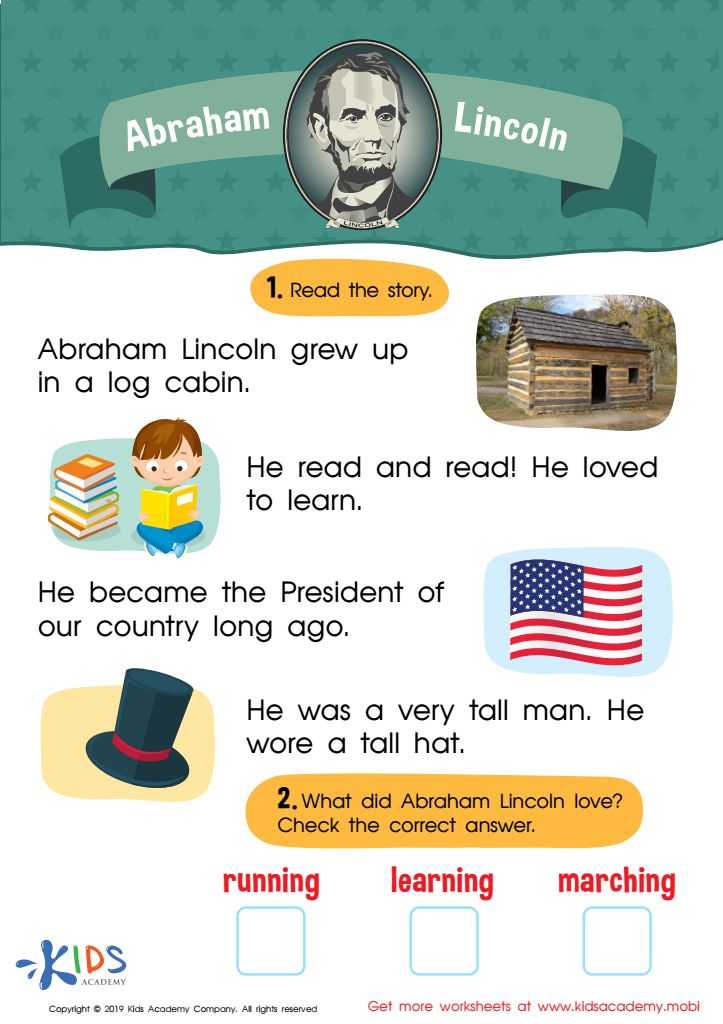
Abraham Lincoln Worksheet
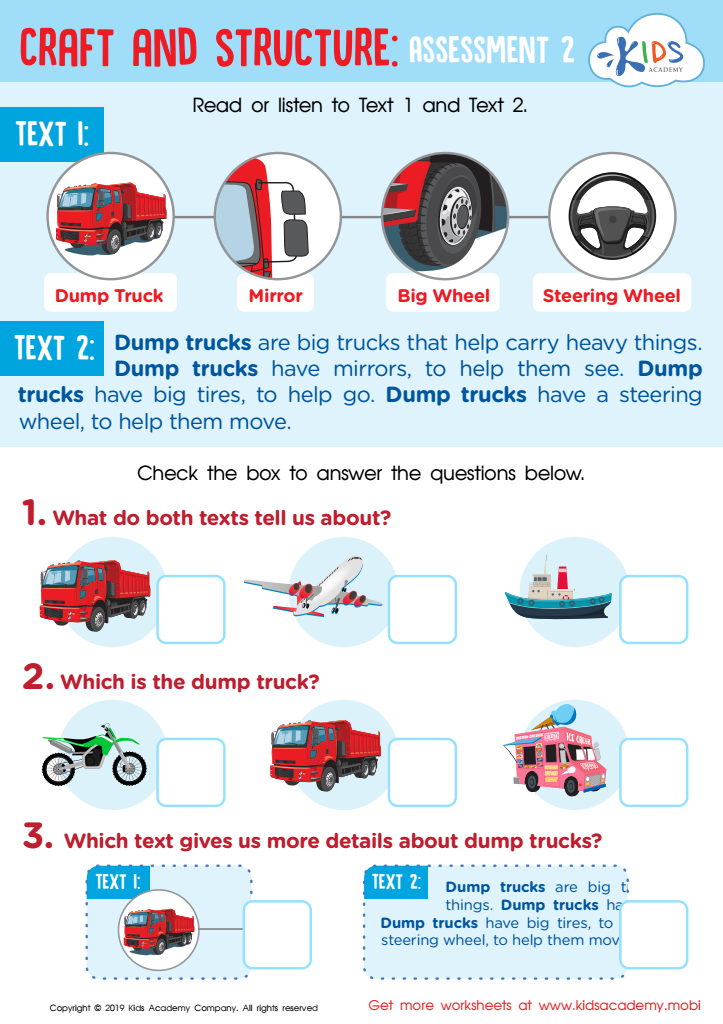
Craft and Structure: Assessment 2 Worksheet
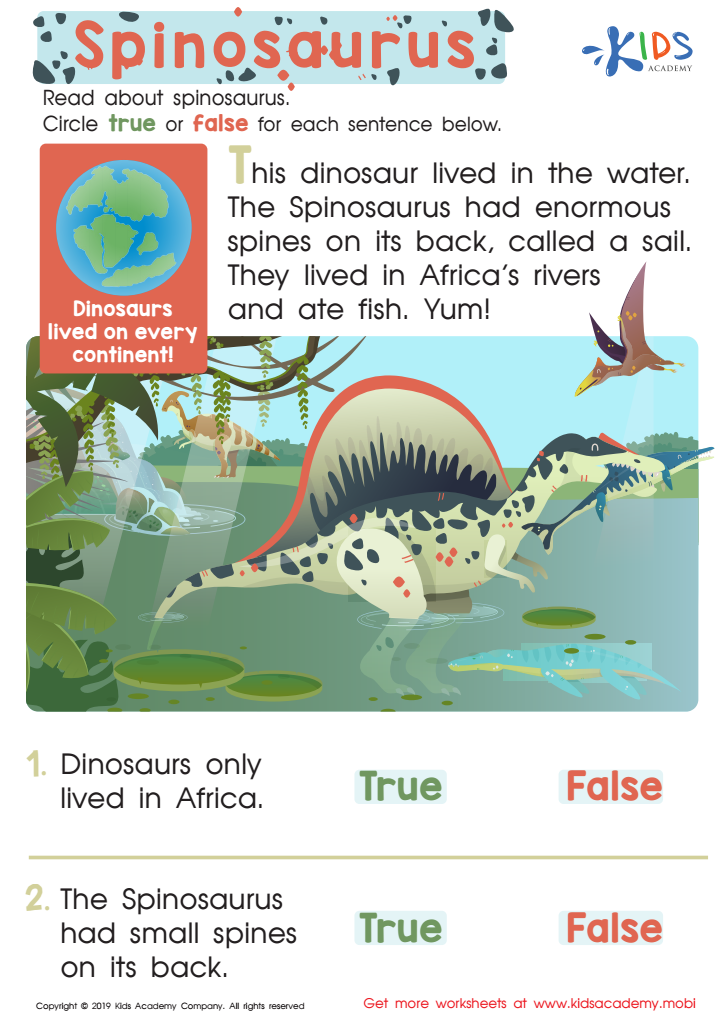
Spinosaurus Assessment Worksheet
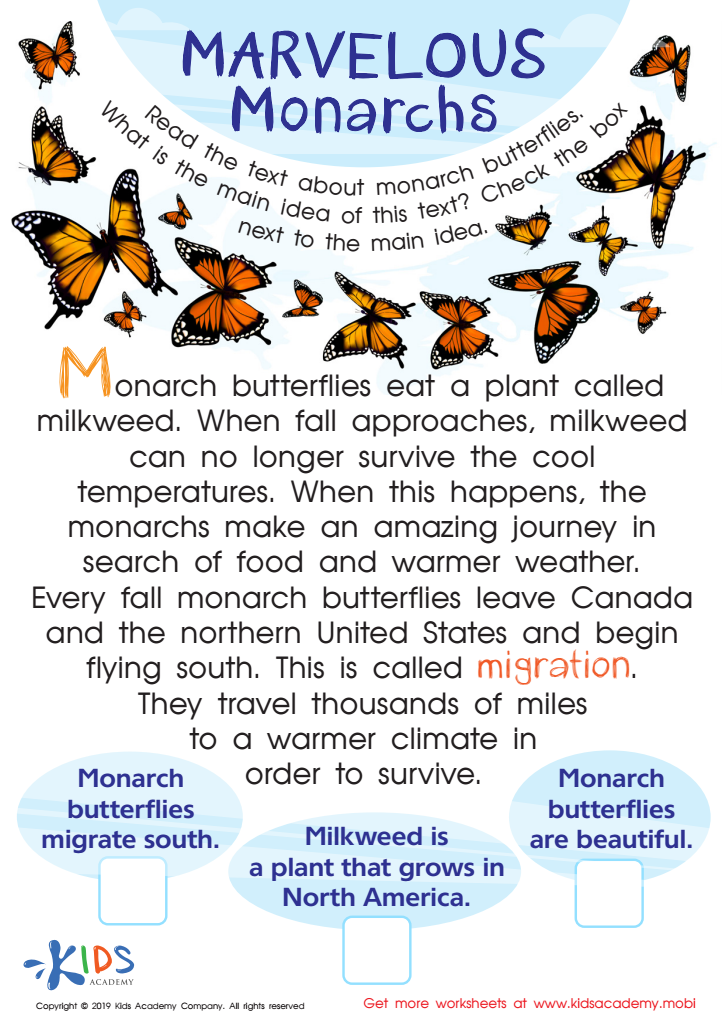
Marvelous Monarchs Worksheet
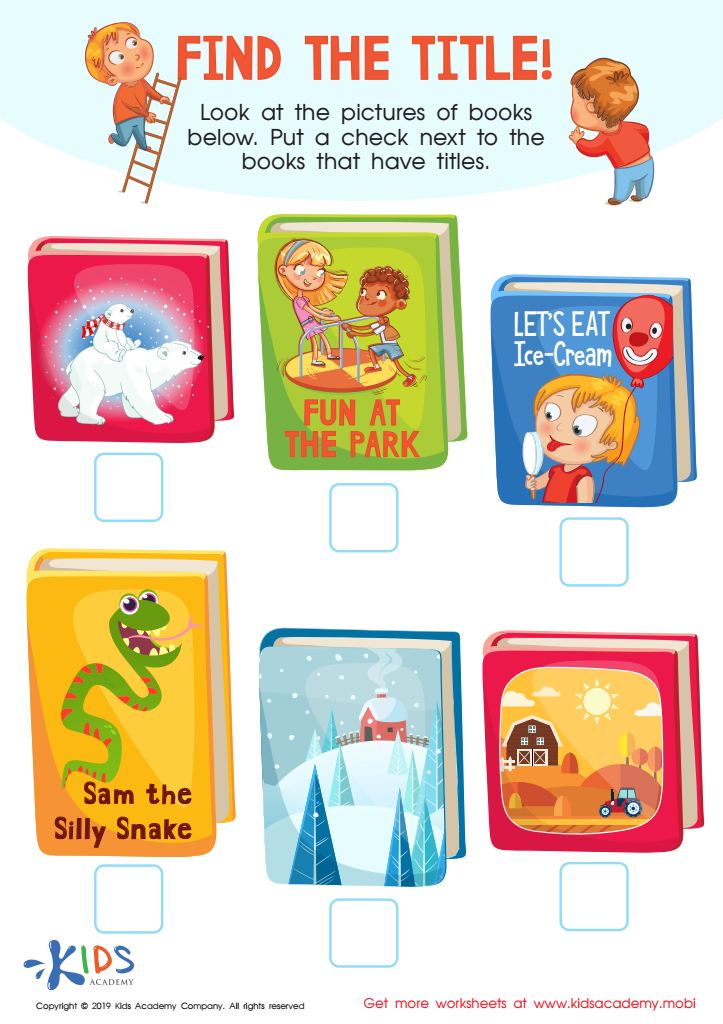
Find the Title Worksheet
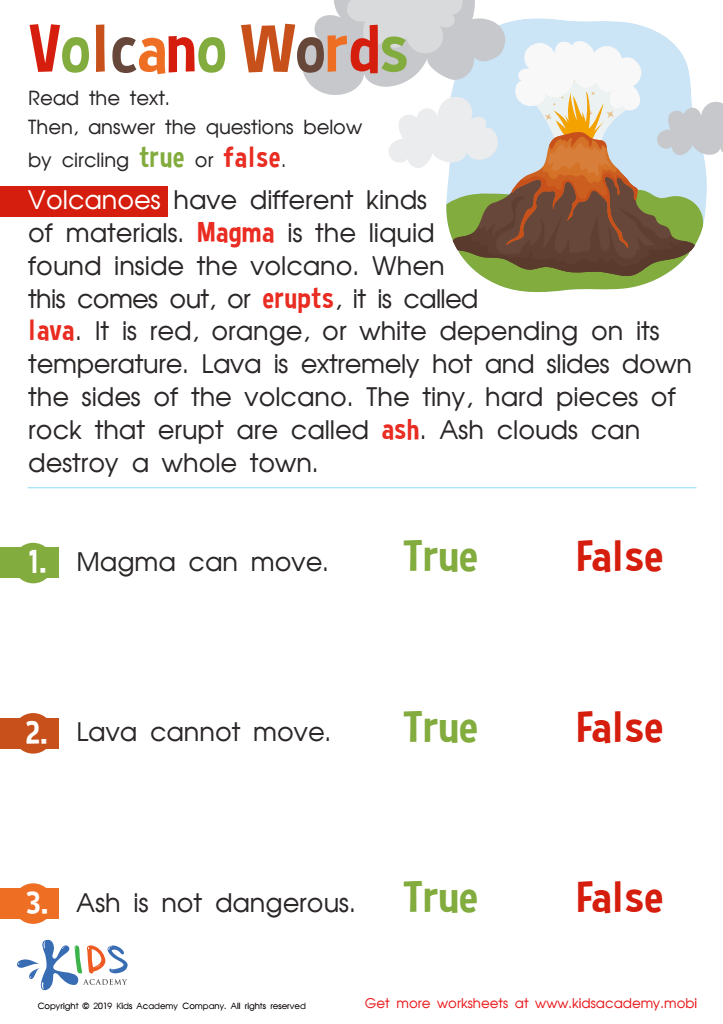
Volcano Words Worksheet
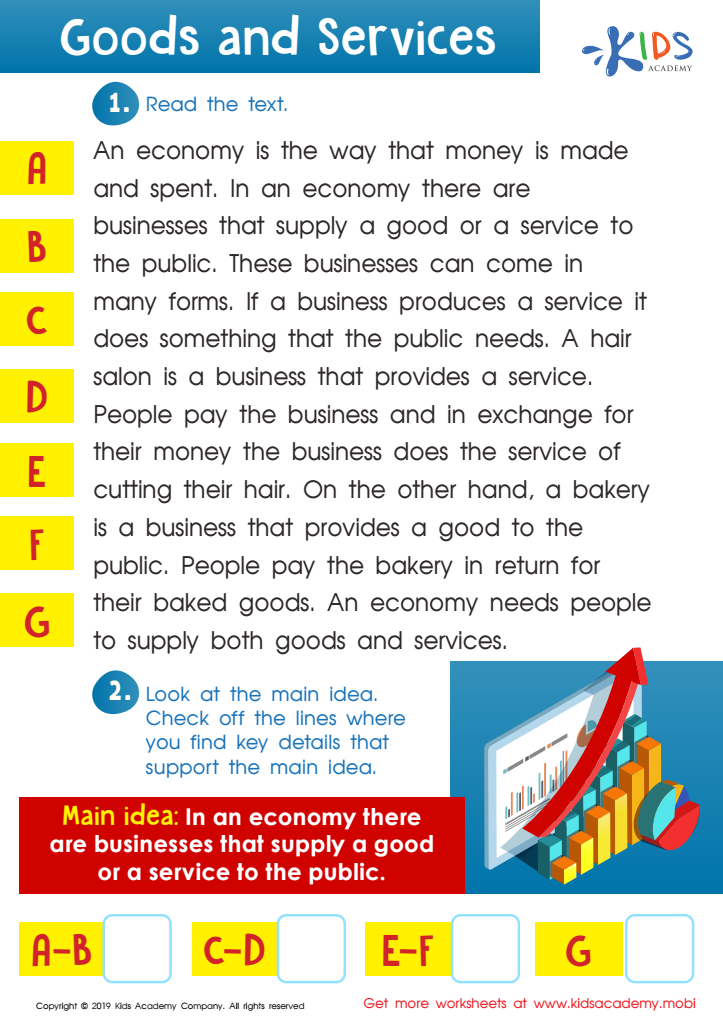
Goods and Services Worksheet
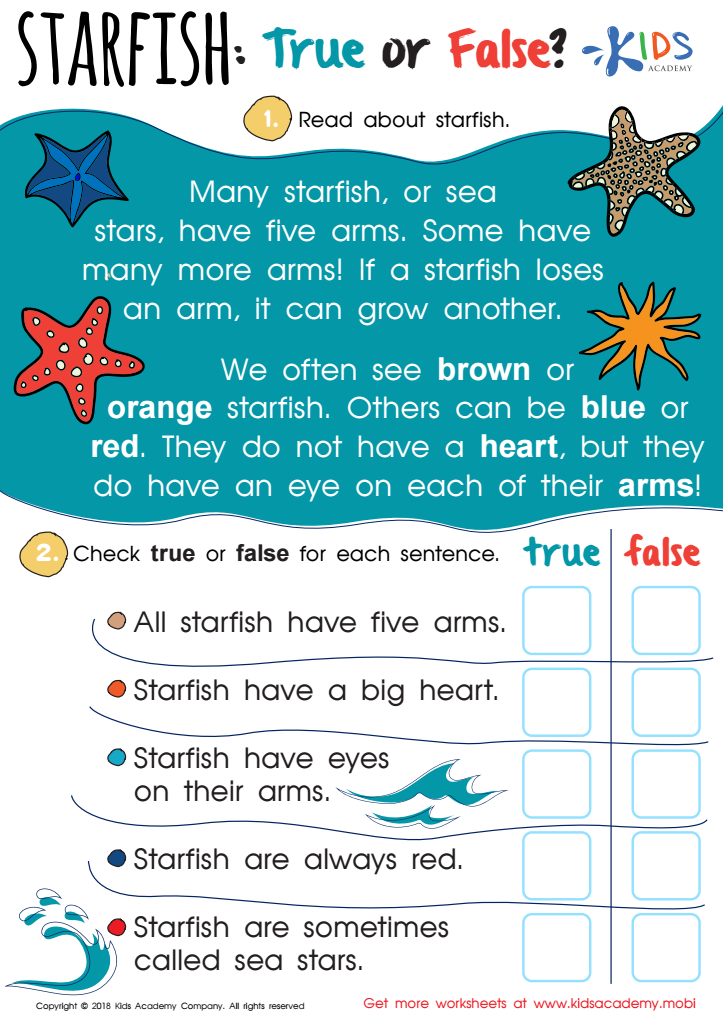
Starfish: True or False Worksheet
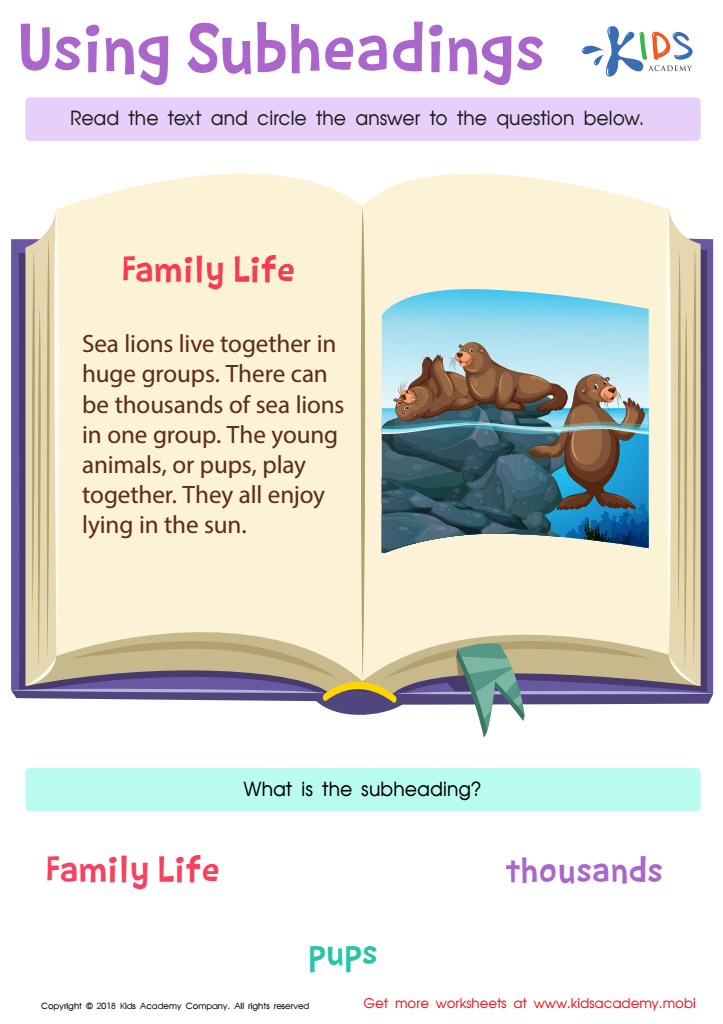
Using Subheadings Worksheet
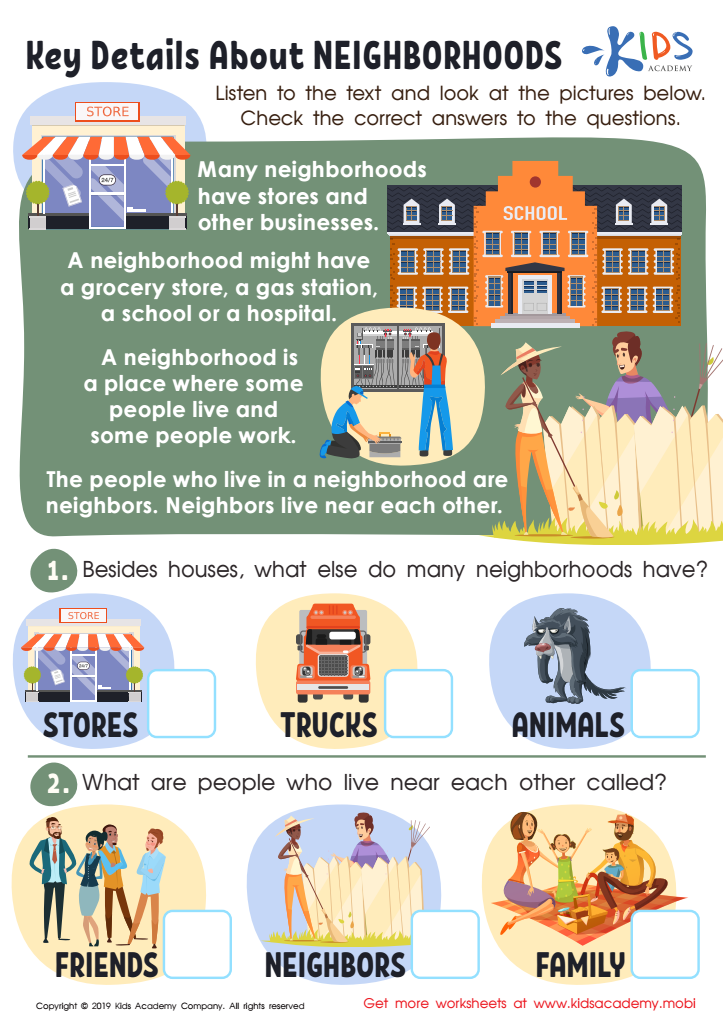
Key Details Neighborhoods Worksheet
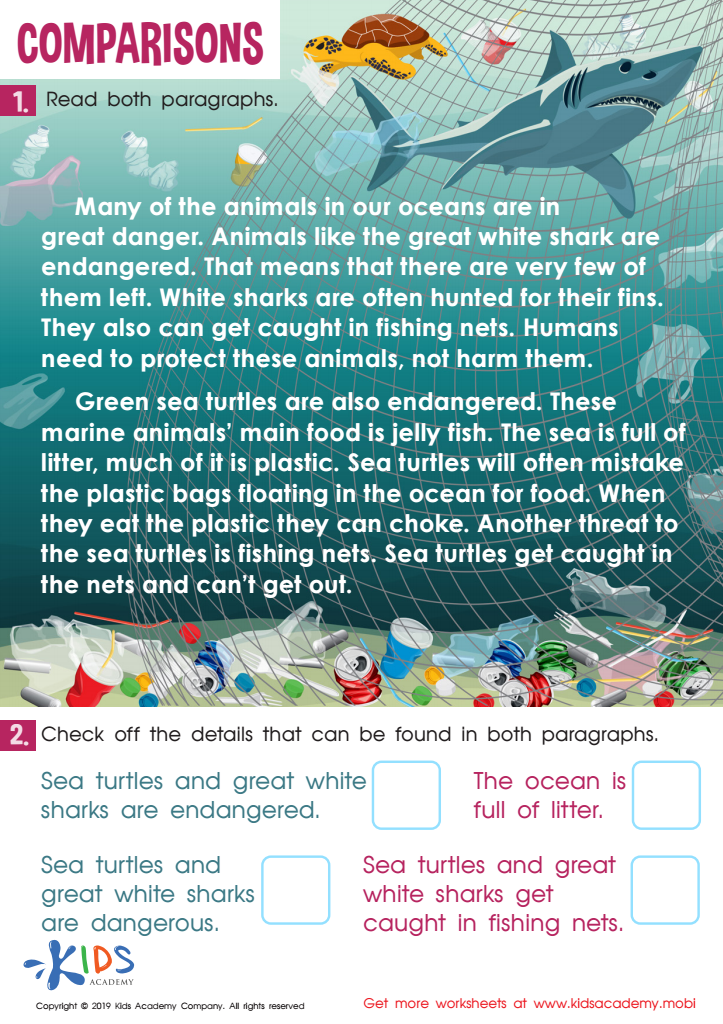
Comparisons Worksheet
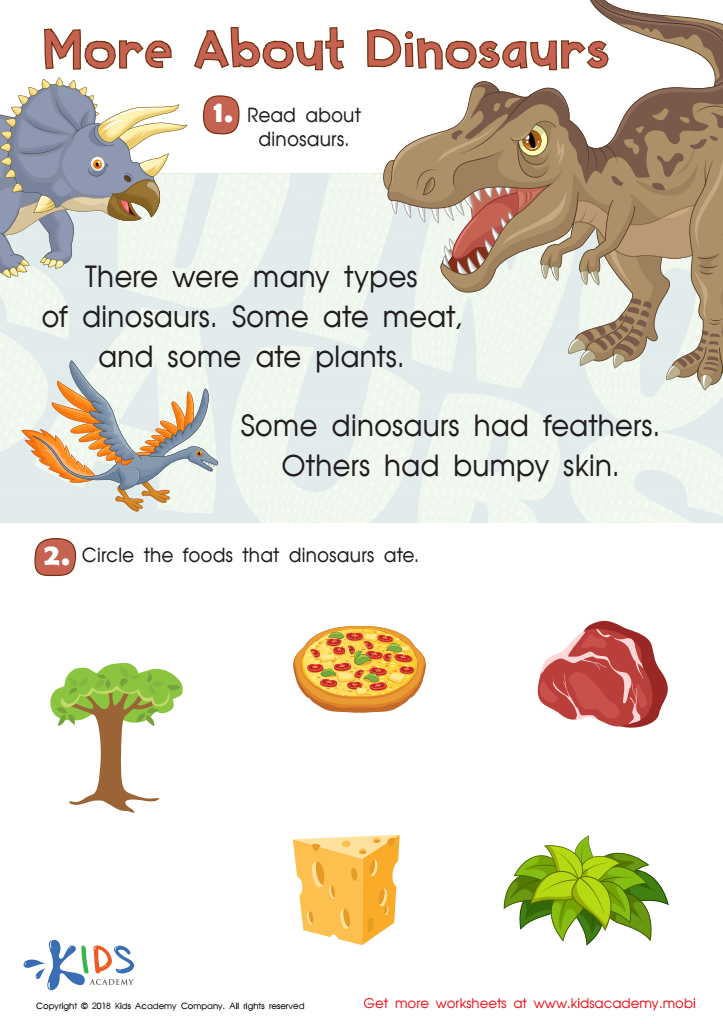
More About Dinosaurs Worksheet
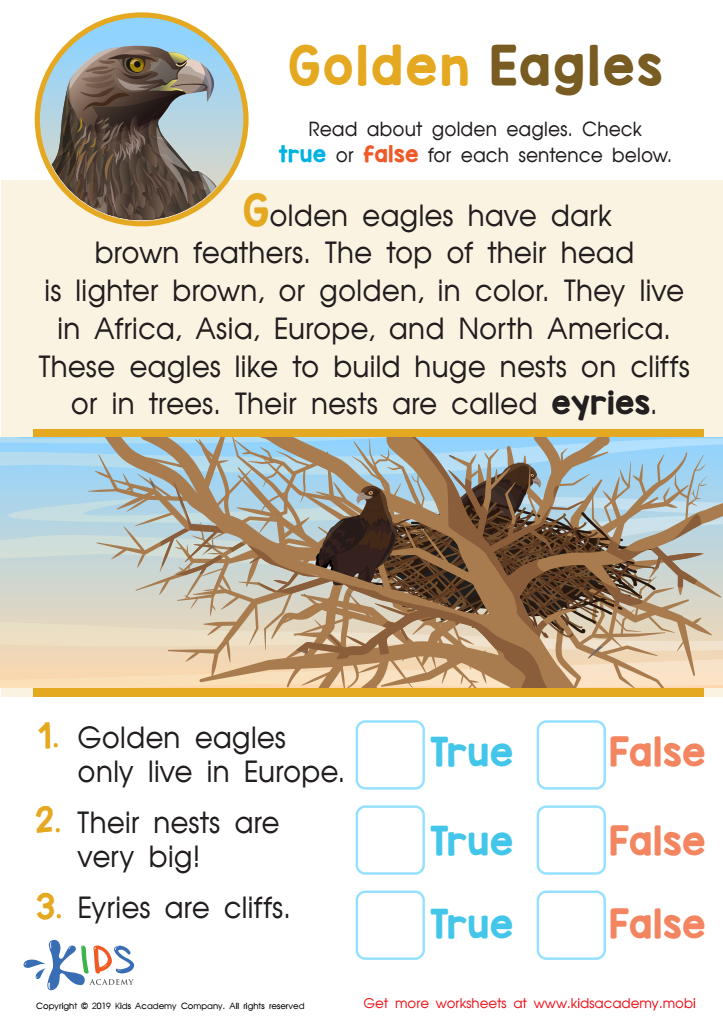
Golden Eagles Worksheet
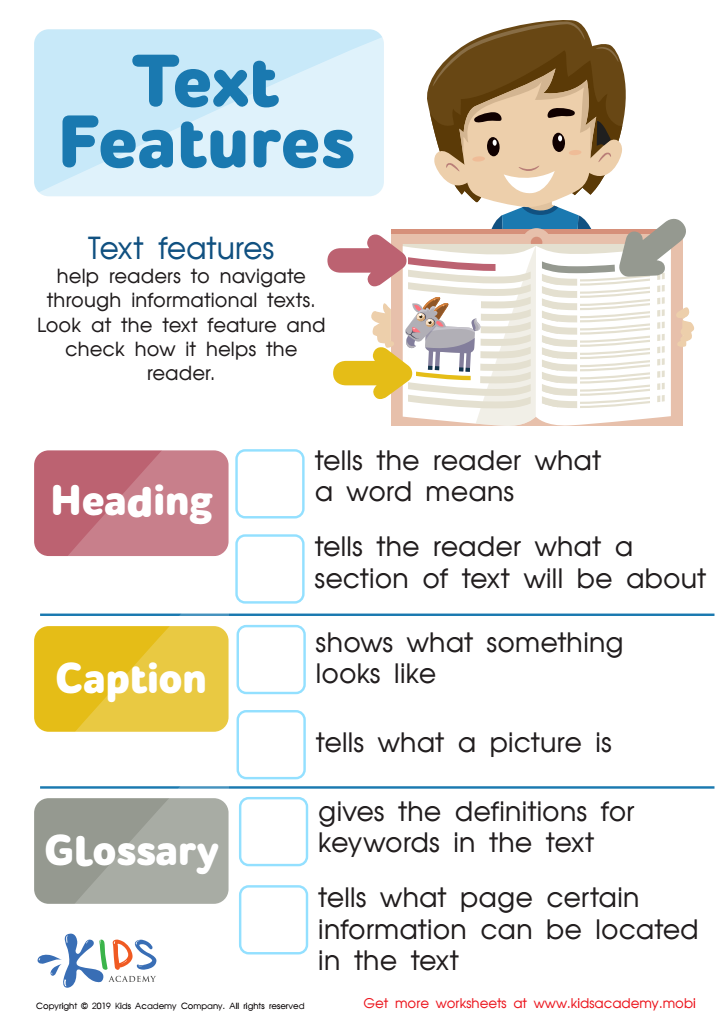
Text Features Worksheet
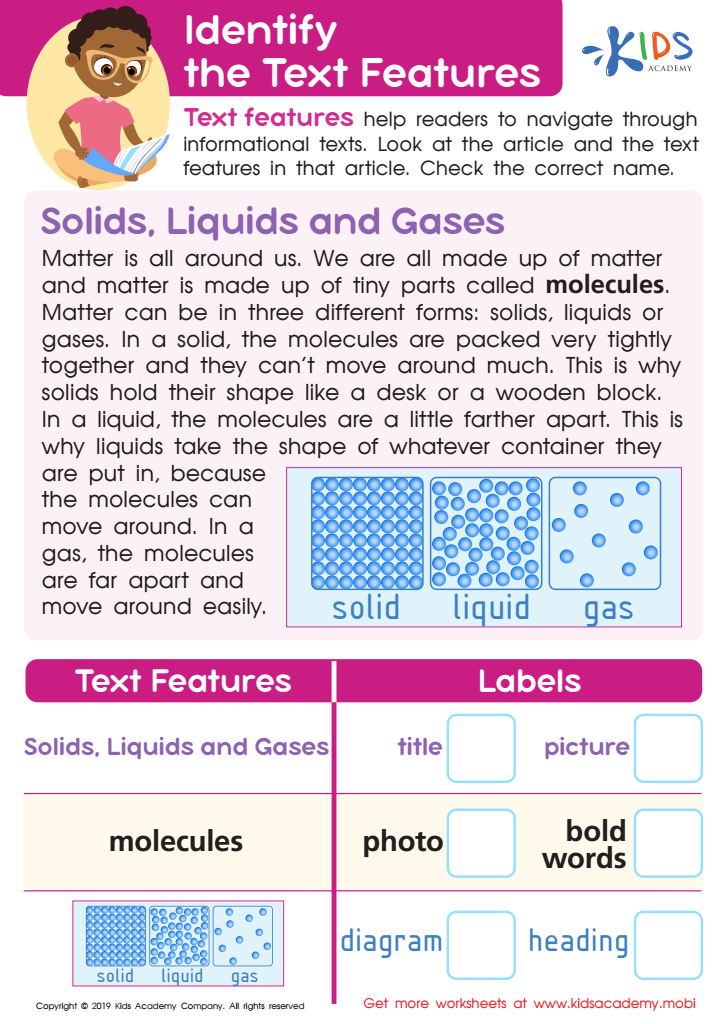
Identify the Text Features Worksheet








Parents and teachers should prioritize Normal Reading Non-Fiction for children ages 3-8 because it plays a crucial role in their cognitive and social development. First, non-fiction books expose young readers to a wealth of factual information about the world around them, nurturing their curiosity and encouraging exploration. These texts often cover topics like nature, science, and cultures, helping children make connections and understand context in an increasingly complex world.
Furthermore, non-fiction fosters essential literacy skills such as comprehension and vocabulary development. Children learn how to navigate different formats, understand layout features like tables and captions, and engage with visual information—skills that are valuable as they progress academically. Moreover, reading non-fiction strengthens critical thinking by encouraging children to question and seek out information, laying the groundwork for informed decision-making.
Finally, embracing diversity in reading materials, including non-fiction, models a balanced approach to literature. It helps children appreciate various forms of storytelling, broadening their understanding and empathy for others. By encouraging engagement with non-fiction, parents and teachers not only enhance literacy but also cultivate lifelong learners who are informed and engaged citizens.