Normal Geography Worksheets for Ages 3-8 - Page 2
51 filtered results
-
From - To
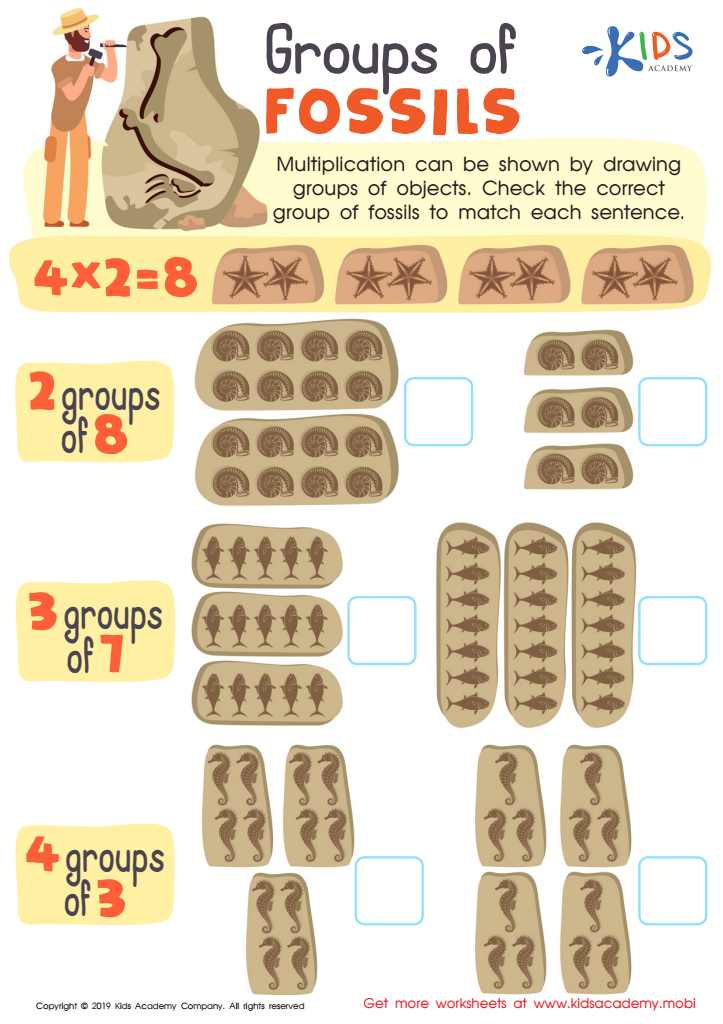
Groups of Fossils Worksheet
 Assign to My Students
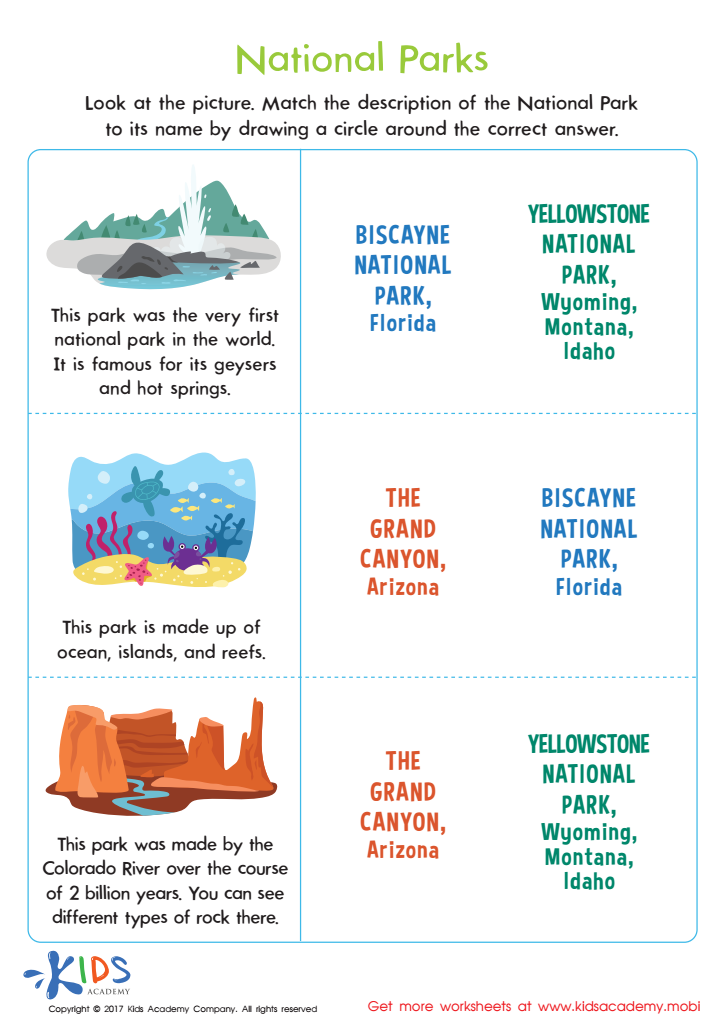
National Parks Printable
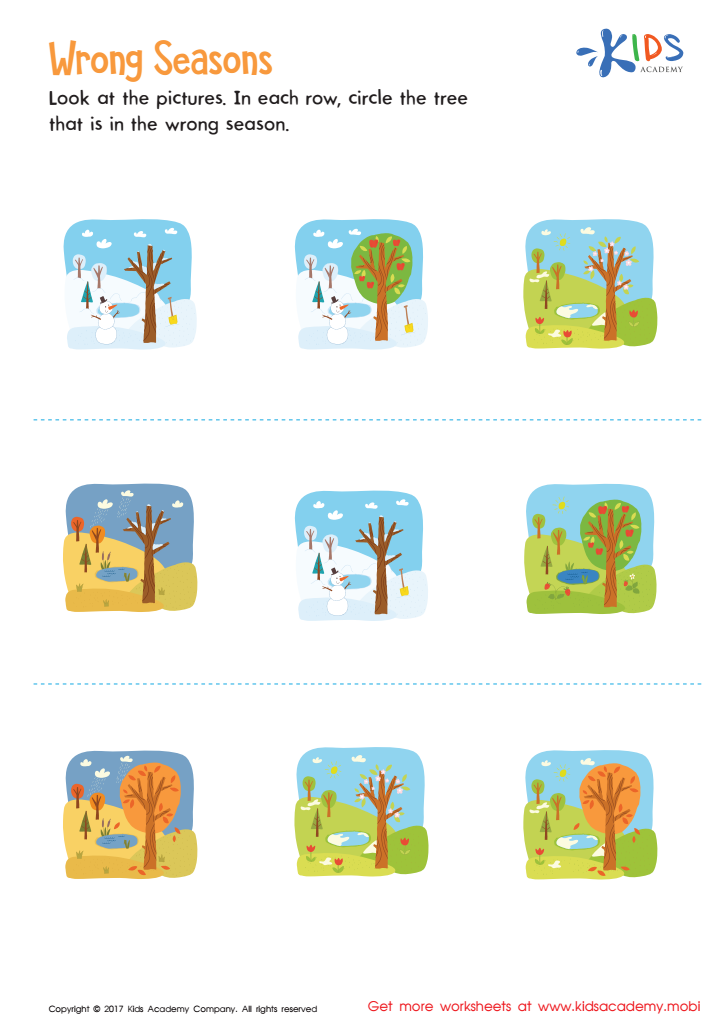
Wrong Seasons Worksheet
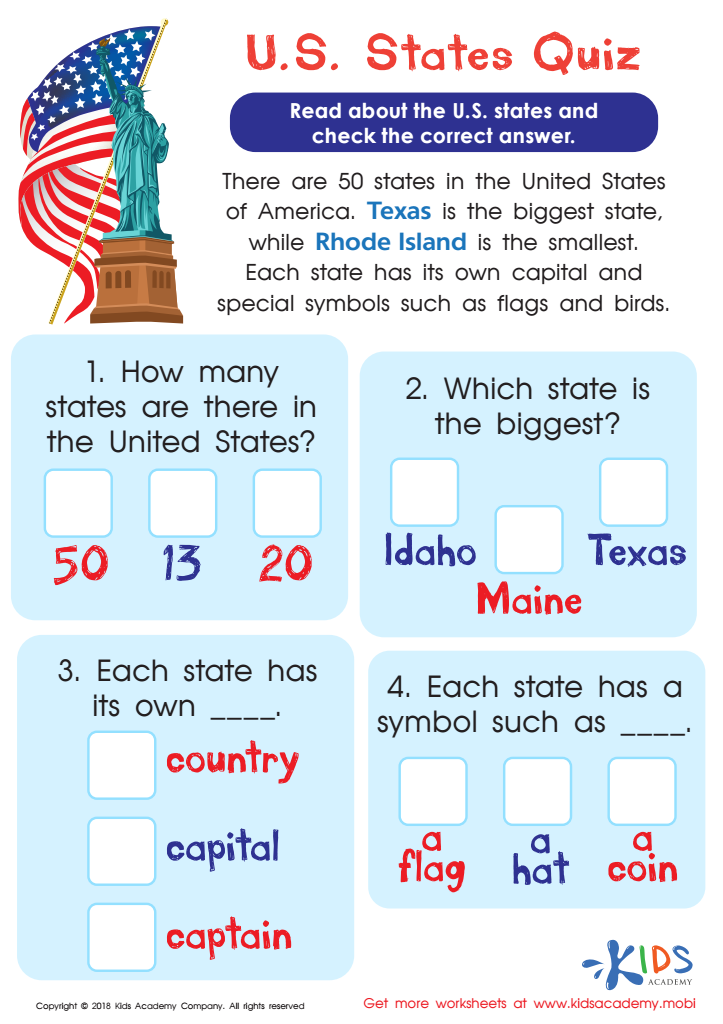
U.S. States Quiz Worksheet
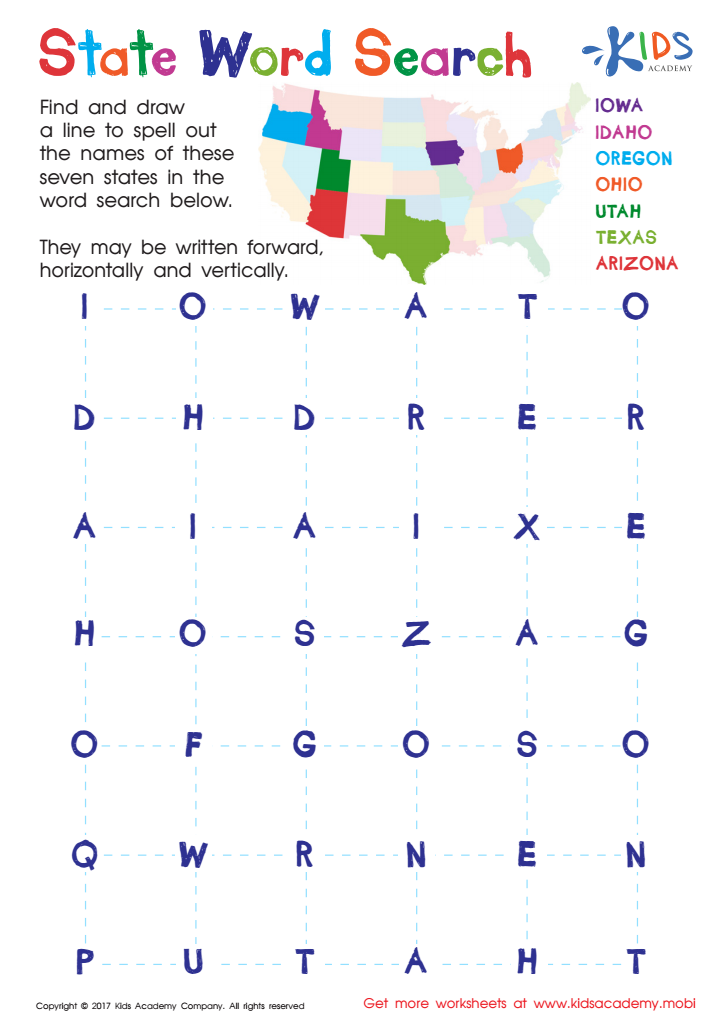
State Word Search Worksheet
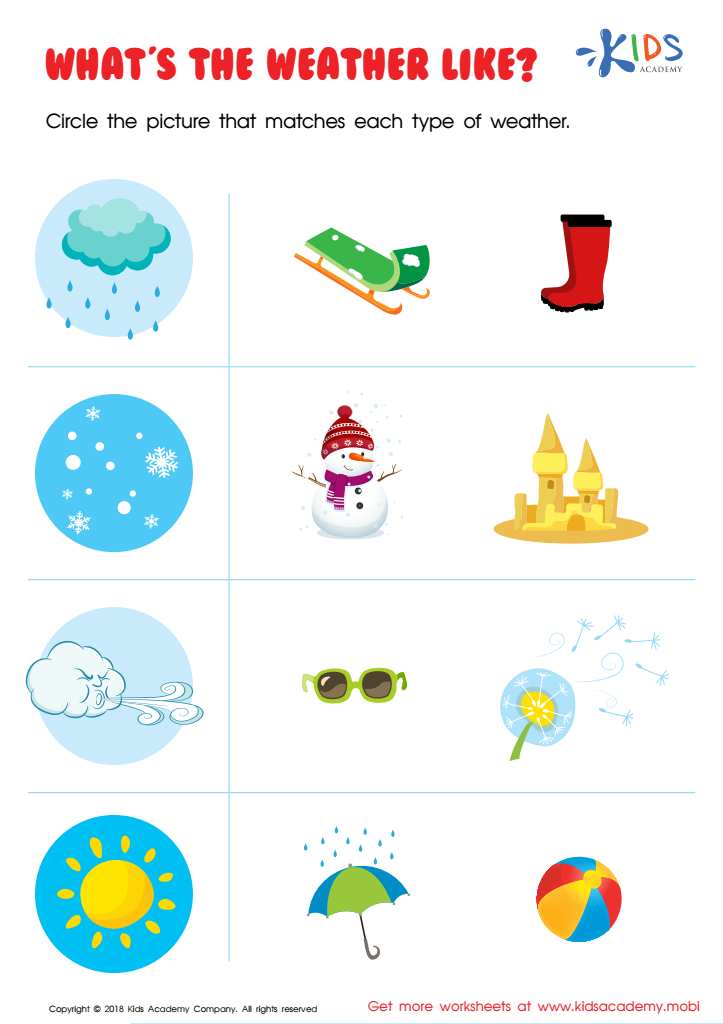
What's the Weather Like? Worksheet
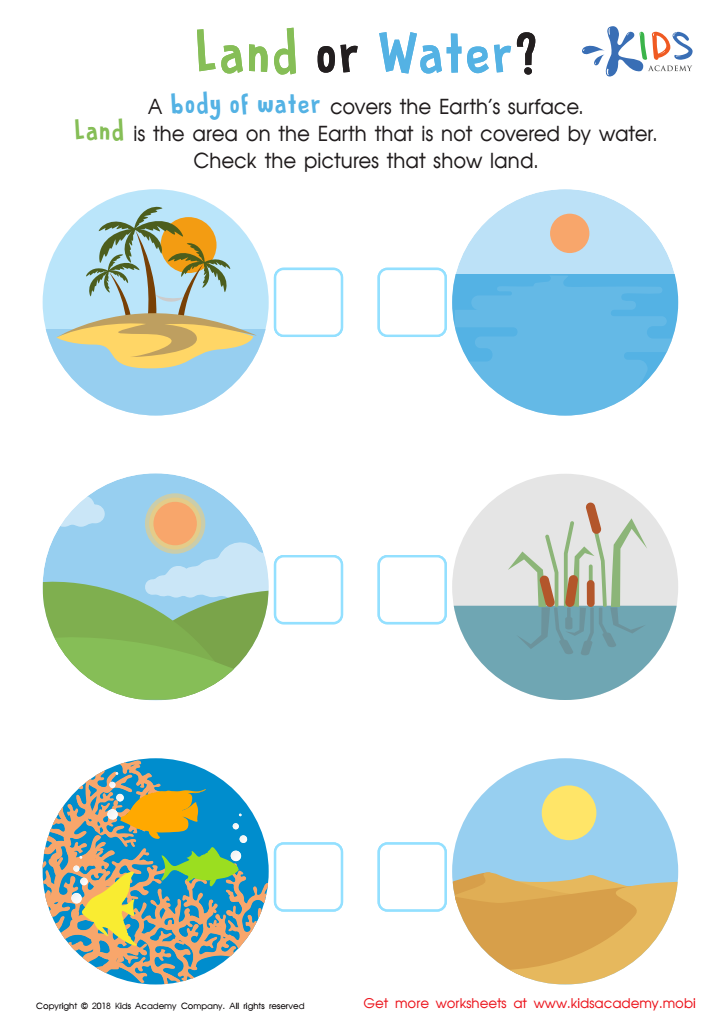
Land or Water Worksheet
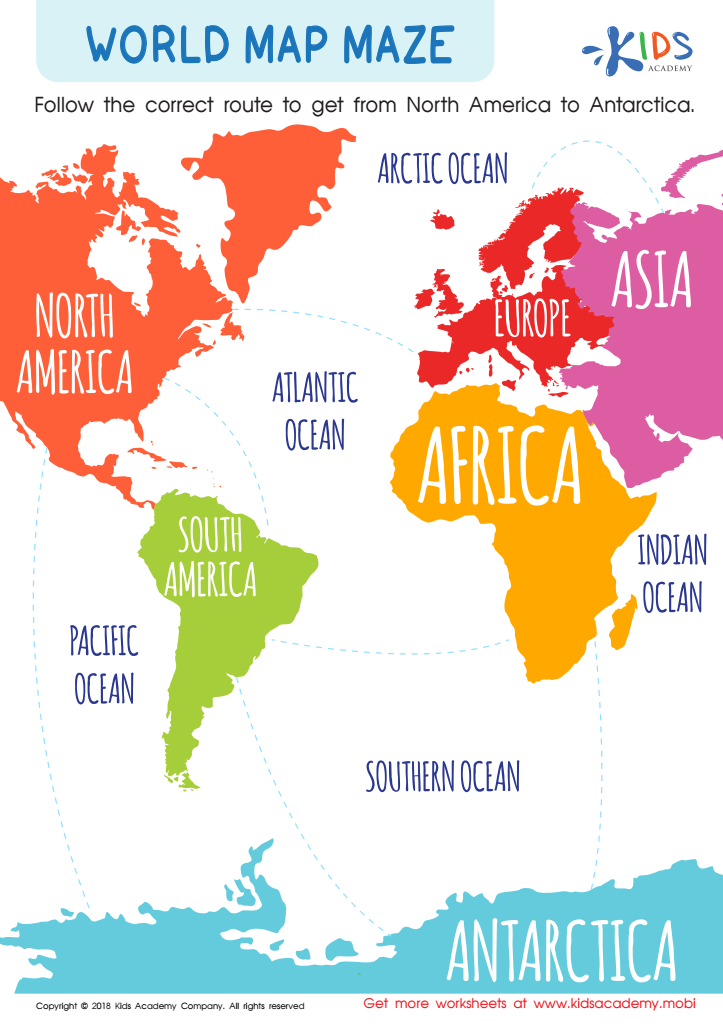
World Map Maze Worksheet
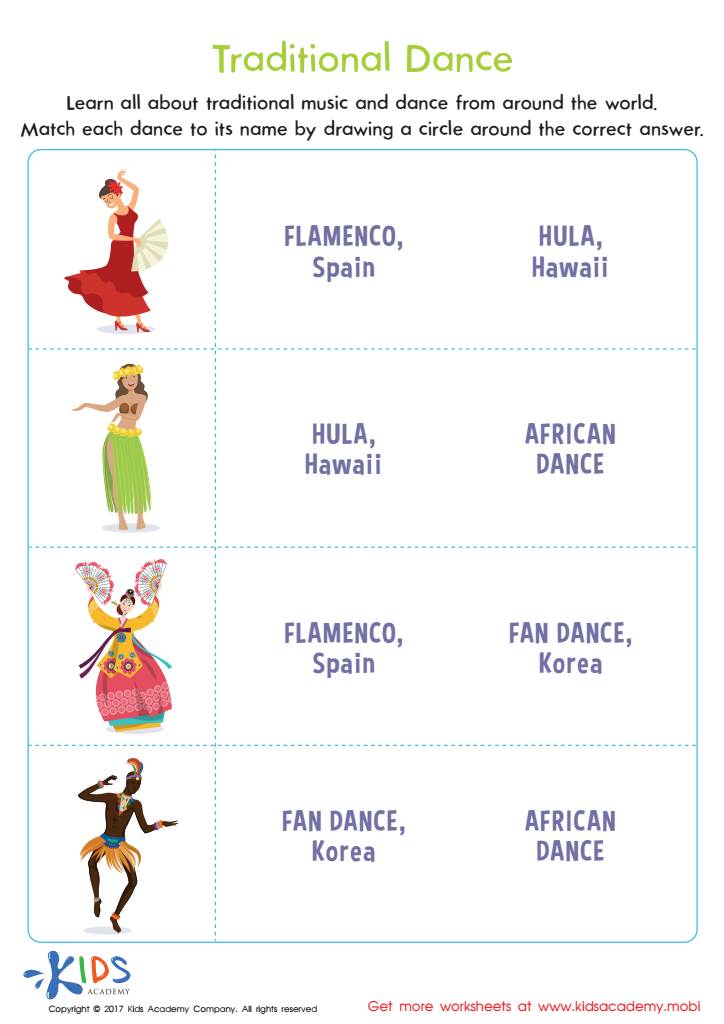
Traditional Dance Printable
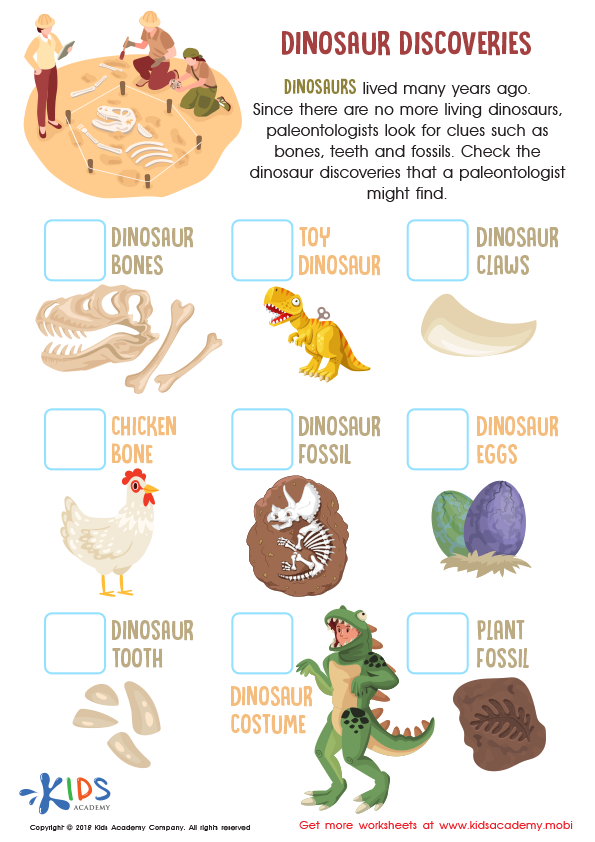
Dinosaur Discoveries Worksheet
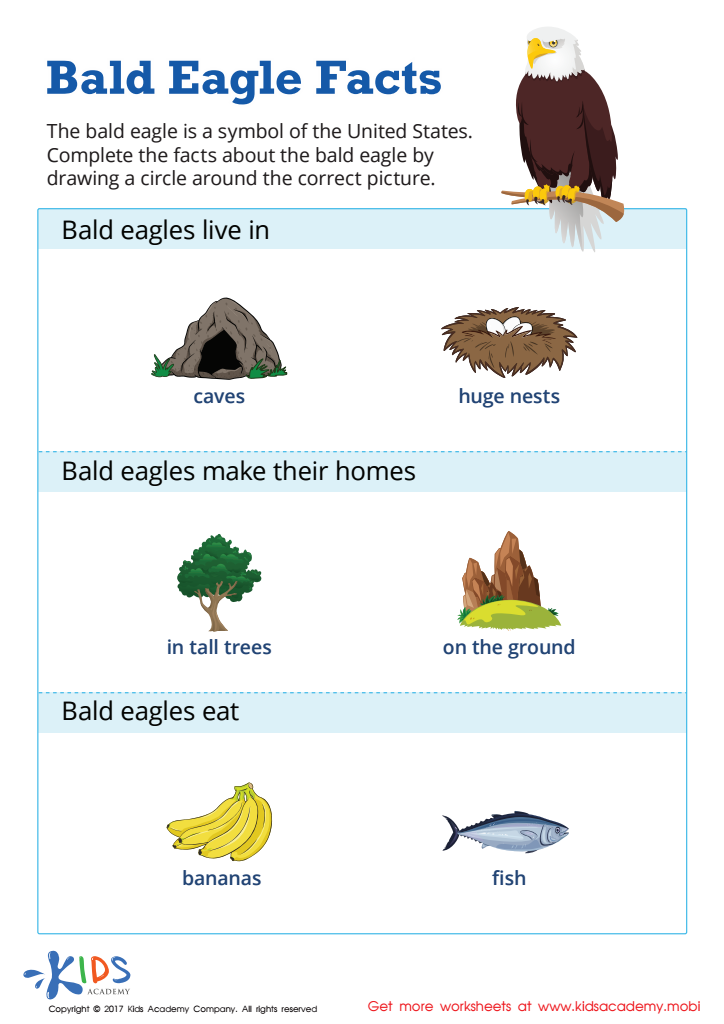
Bald Eagle Facts Worksheet
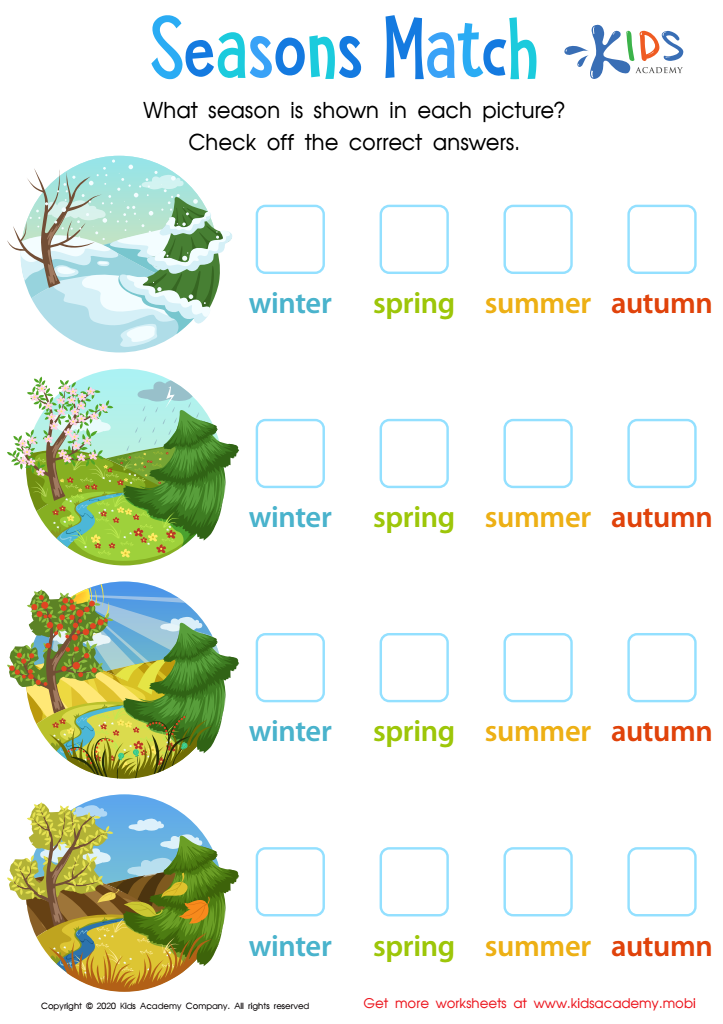
Seasons Match Worksheet
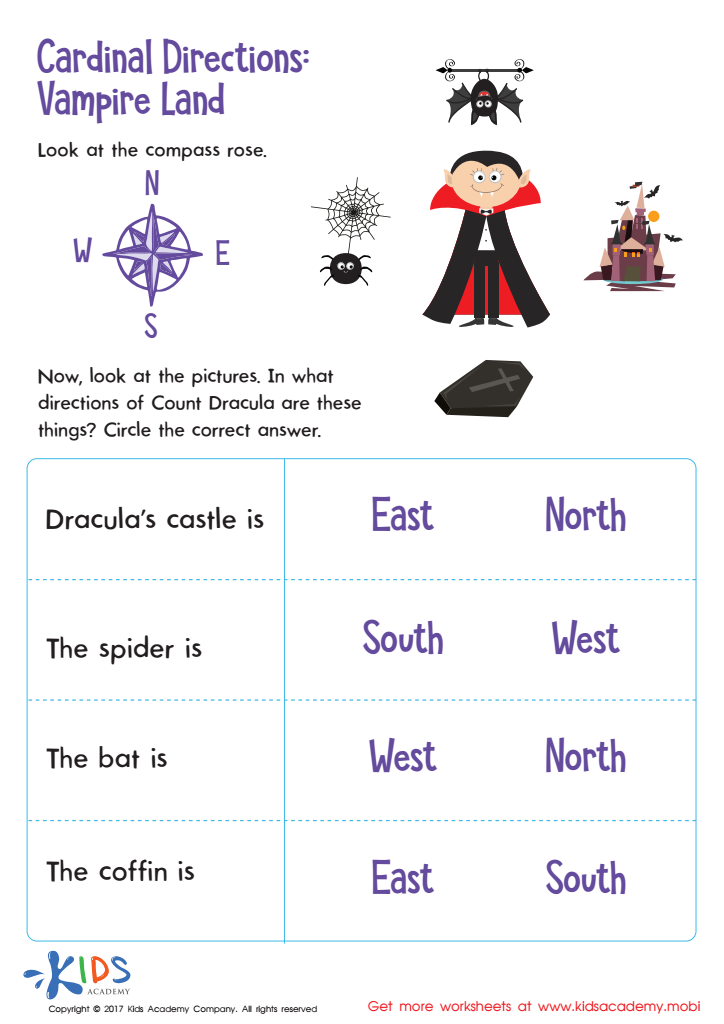
Cardinal Directions Printable
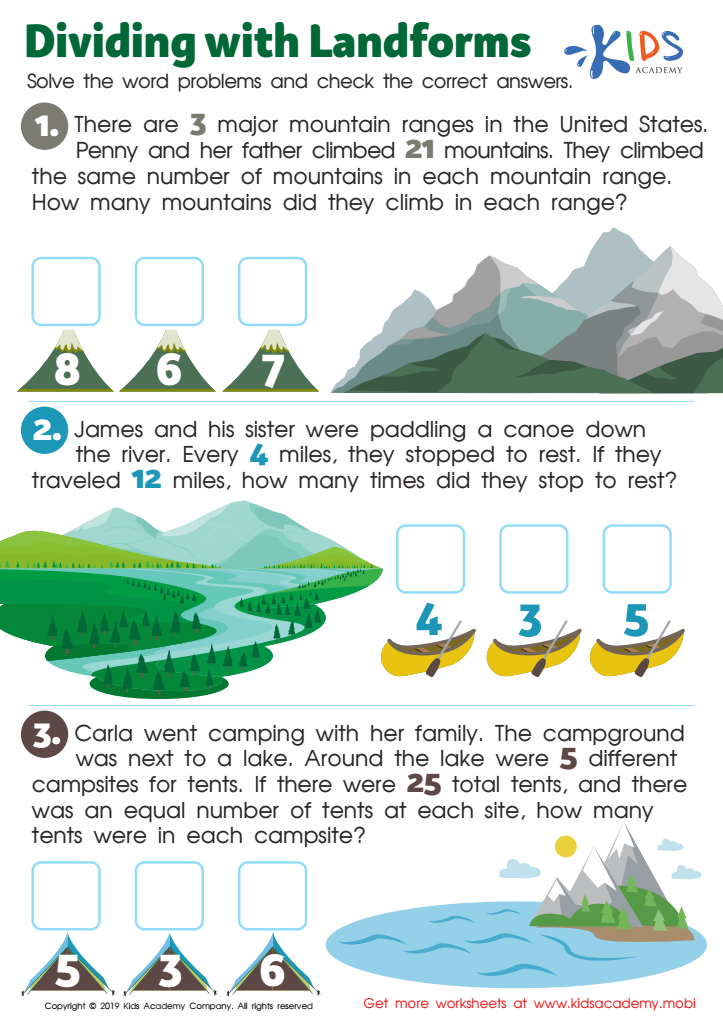
Dividing with Landforms
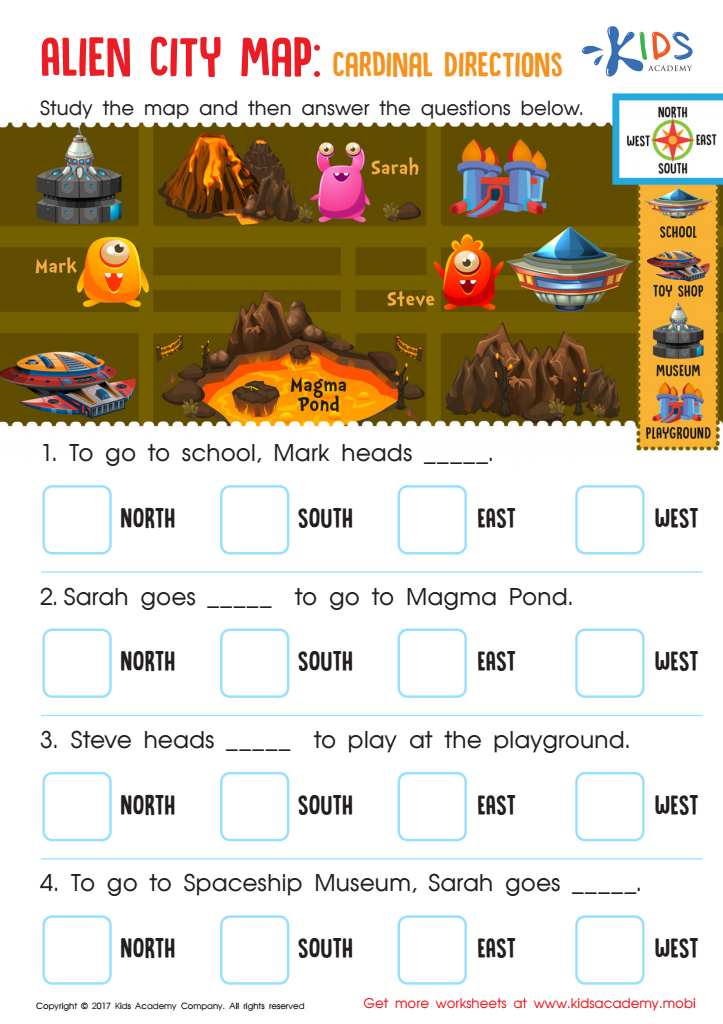
Alien City Map: Cardinal Directions Worksheet
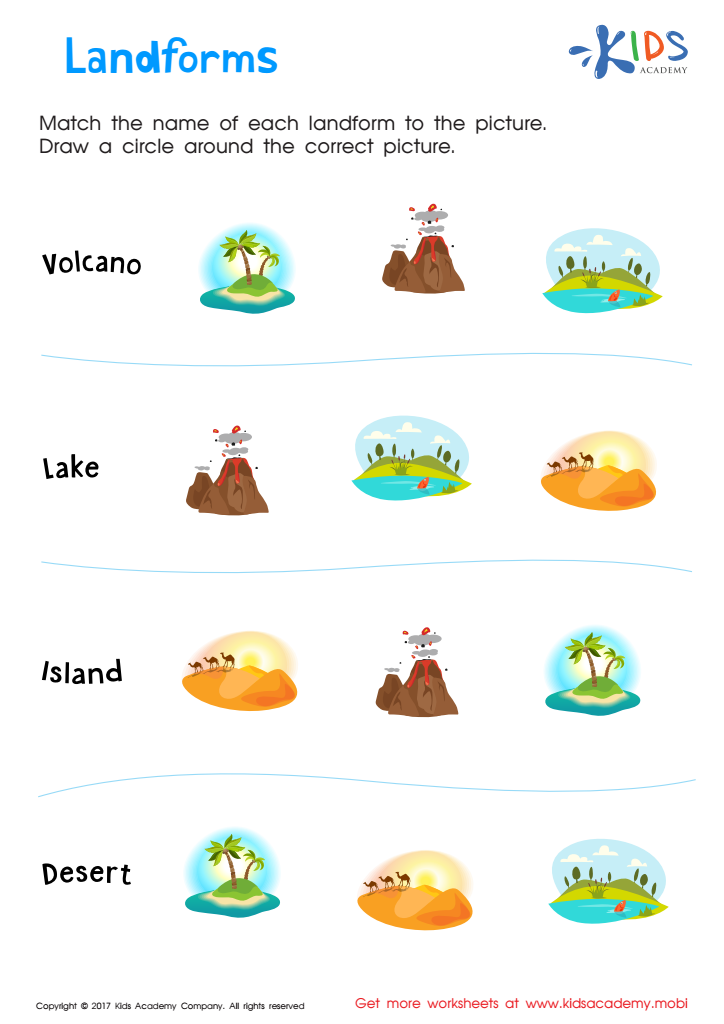
Landforms Printable
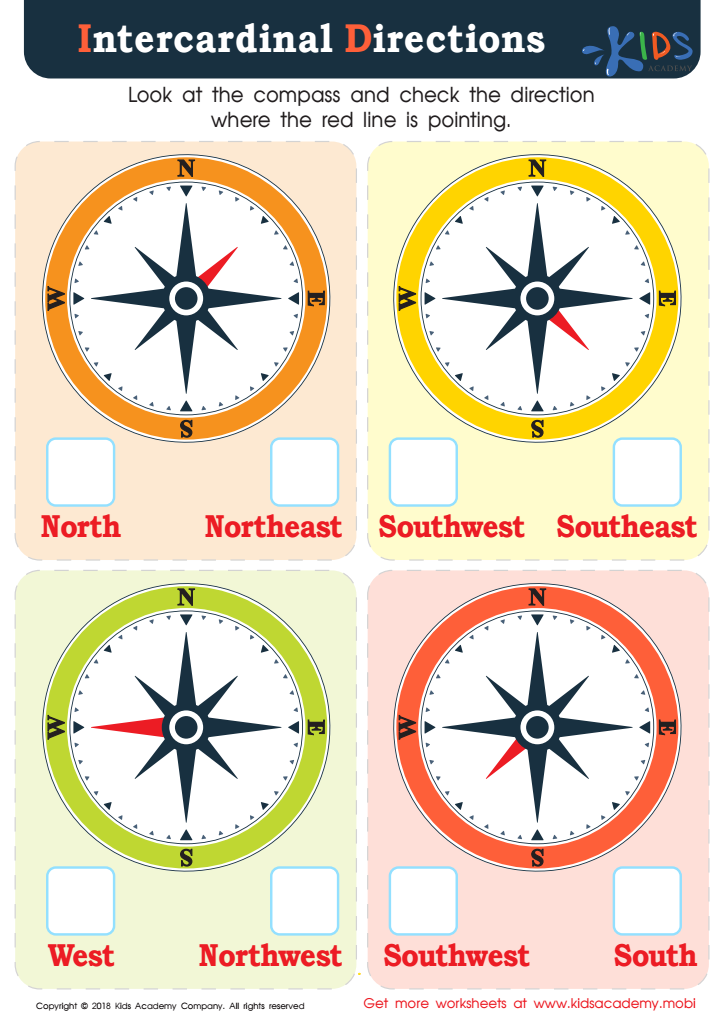
Intercardinal Directions Worksheet
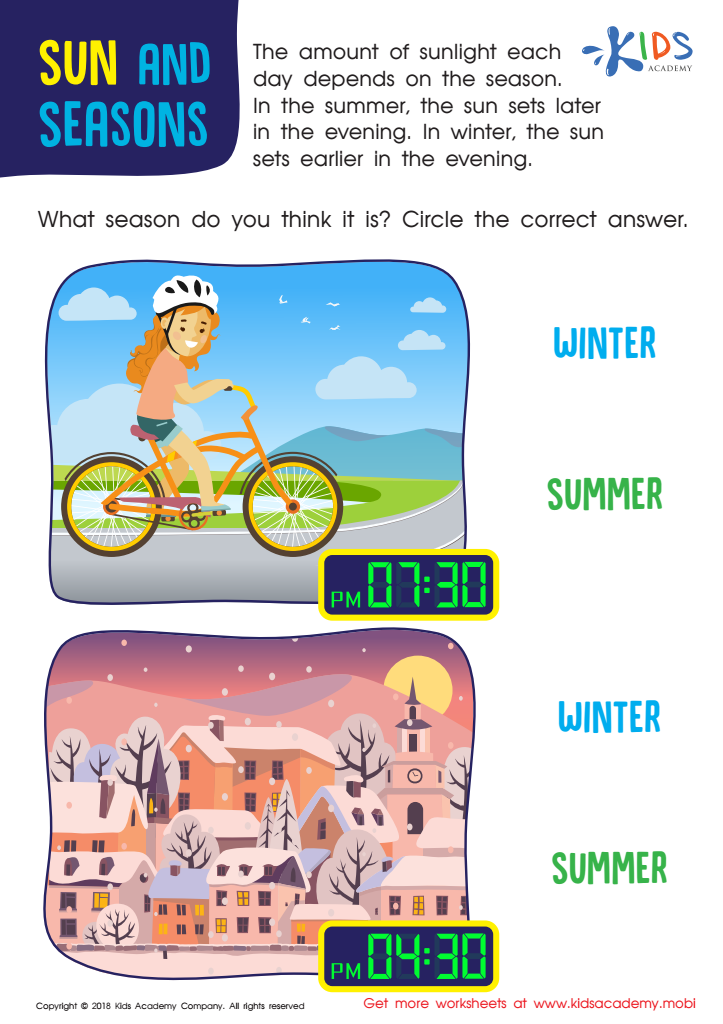
Sun and Seasons Worksheet
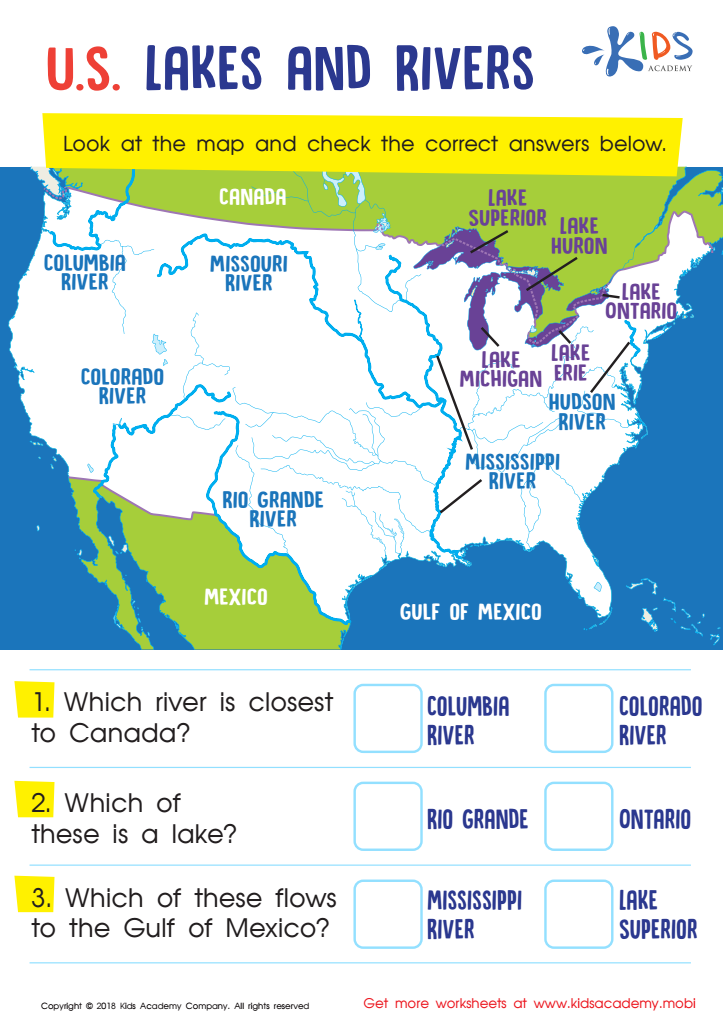
U.S. Lakes and Rivers Worksheet
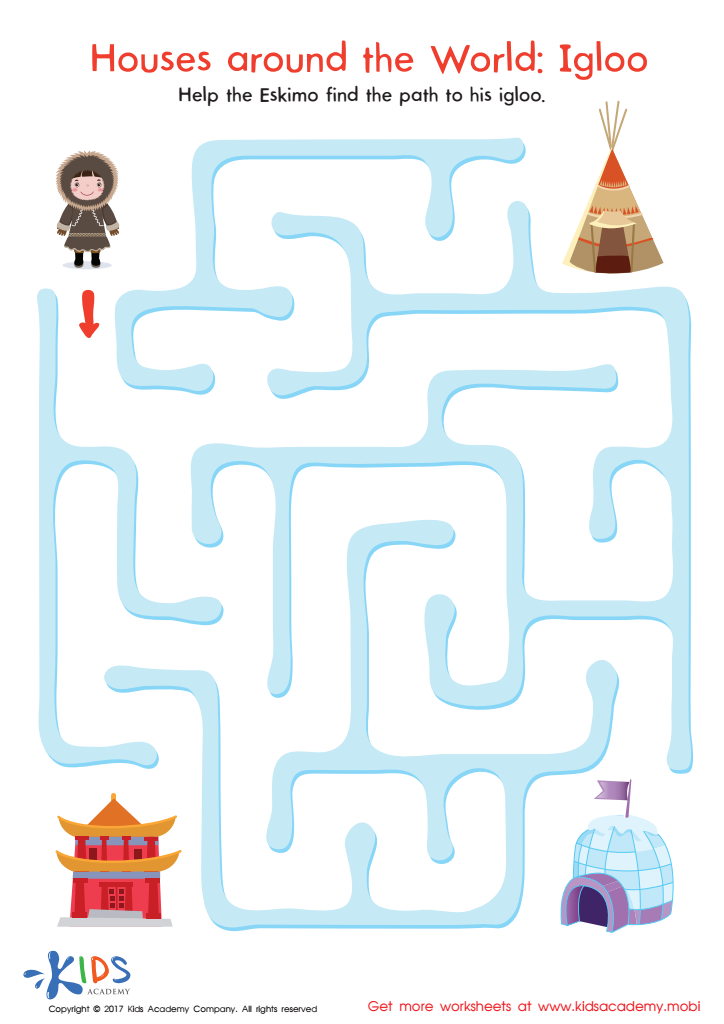
Houses Around the World: Igloo Printable
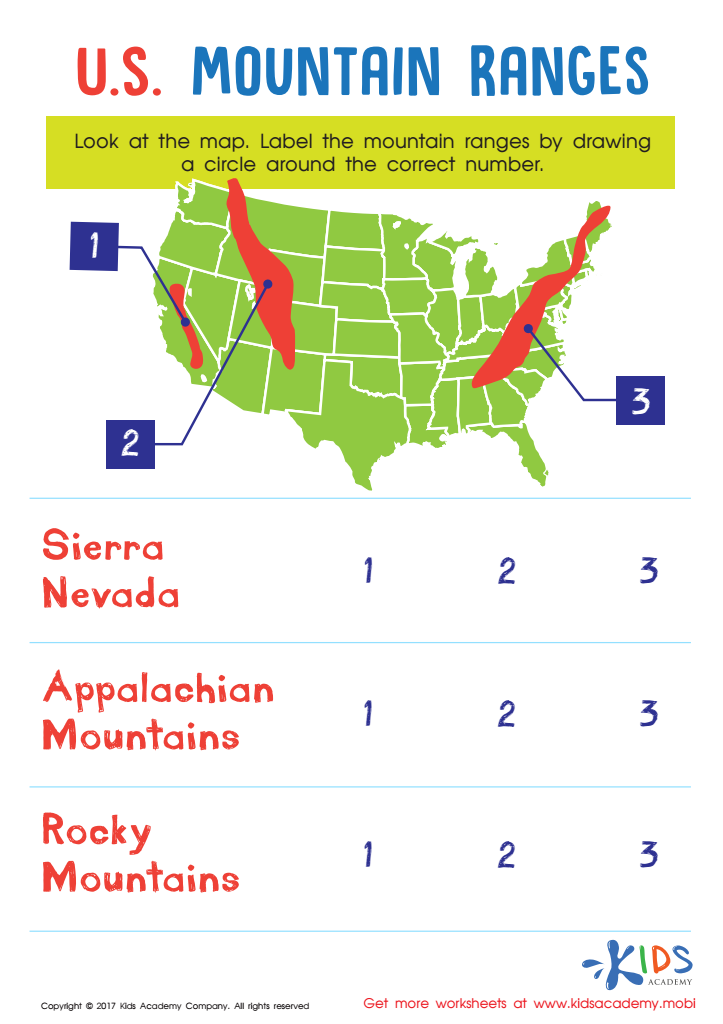
US Mountain Ranges Worksheet
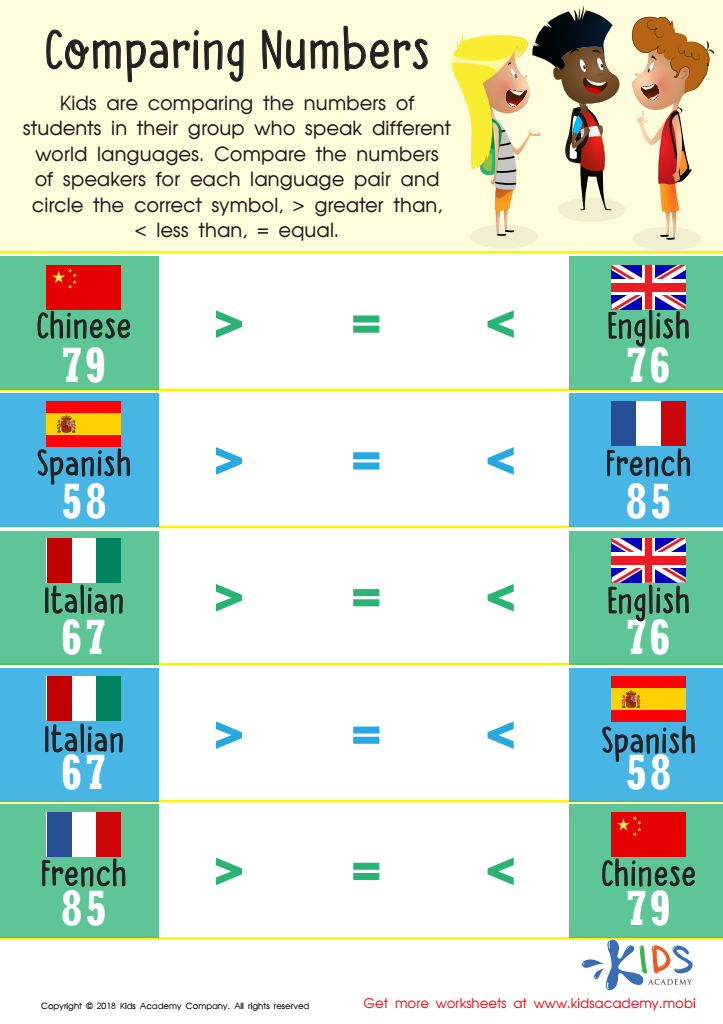
Comparing Numbers Worksheet for 1st Grade
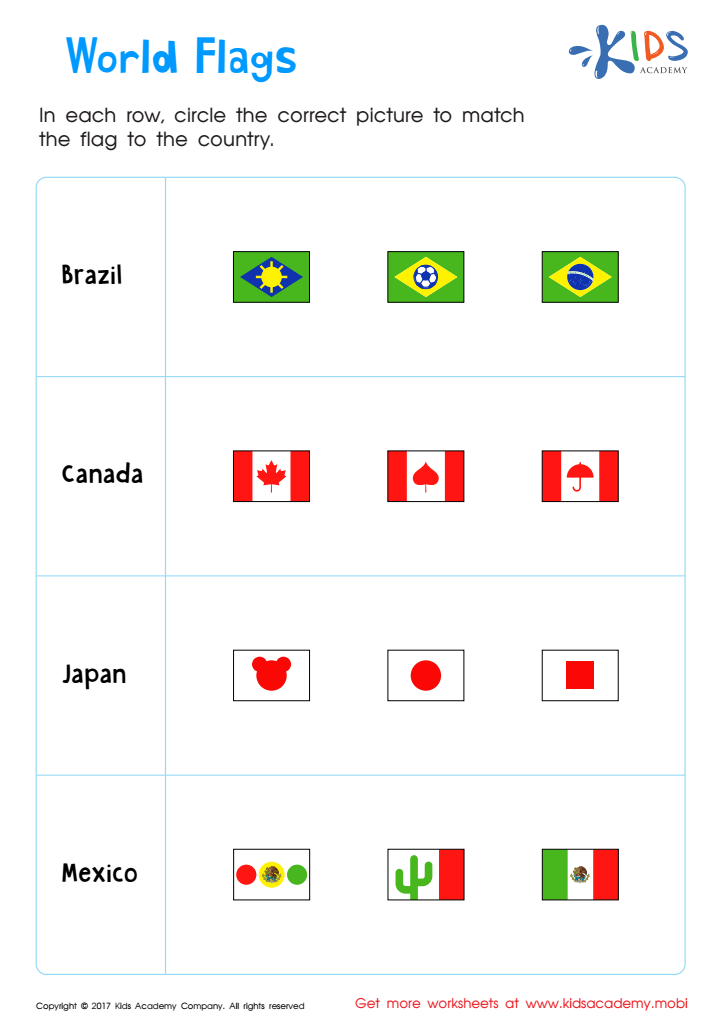
World Flags Printable
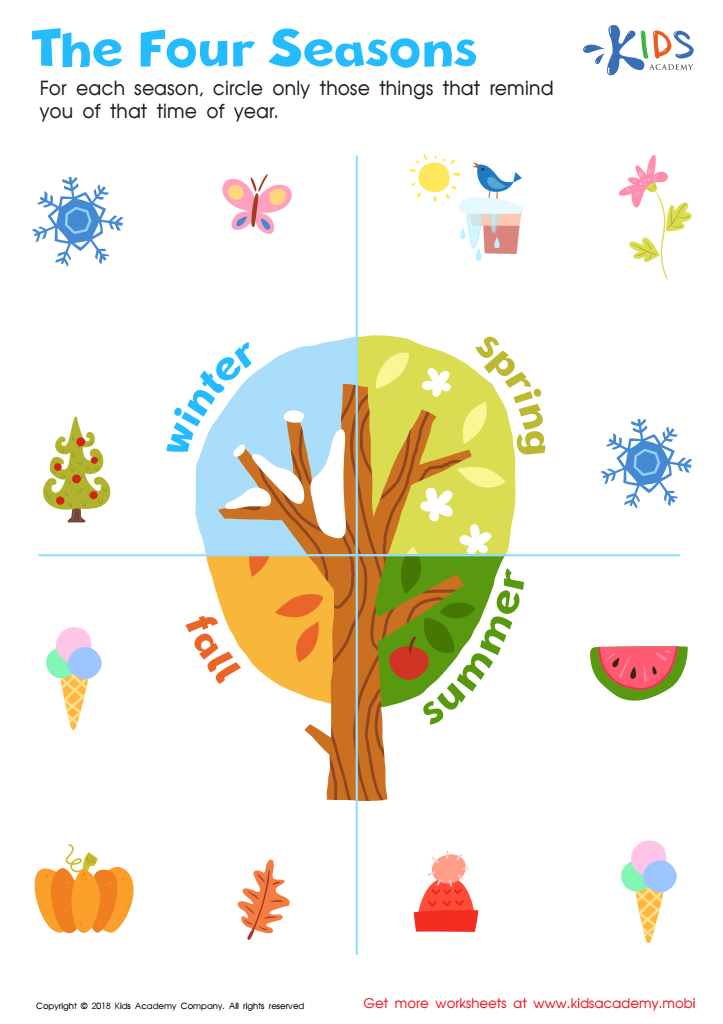
The Four Seasons Worksheet






Normal Geography for children ages 3-8 is crucial as it lays the foundation for their understanding of the world around them and fosters curiosity about diverse cultures, environments, and relationships. Learning about geography at a young age helps children develop spatial awareness, critical thinking skills, and a sense of place in their local and global community.
Firstly, geography encourages curiosity and exploration. By introducing concepts like maps, continents, and landmarks, children are motivated to learn about their surroundings, from their neighborhood to the far corners of the globe. This not only enhances their observational skills but also promotes a sense of wonder.
Furthermore, understanding geography cultivates empathy and respect for others. When children learn about different cultures and lifestyles, they become more open-minded and appreciative of diversity. This understanding is essential in promoting social harmony and awareness from an early age.
Lastly, geography education supports numerous academic disciplines, including science, social studies, and environmental stewardship. Teaching children about natural resources, ecosystems, and global interconnections encourages them to think critically about important issues, such as climate change and sustainability. By investing in early geography education, parents and teachers are nurturing informed, engaged, and empathetic future citizens.