Normal History Worksheets for Ages 3-8 - Page 3
59 filtered results
-
From - To
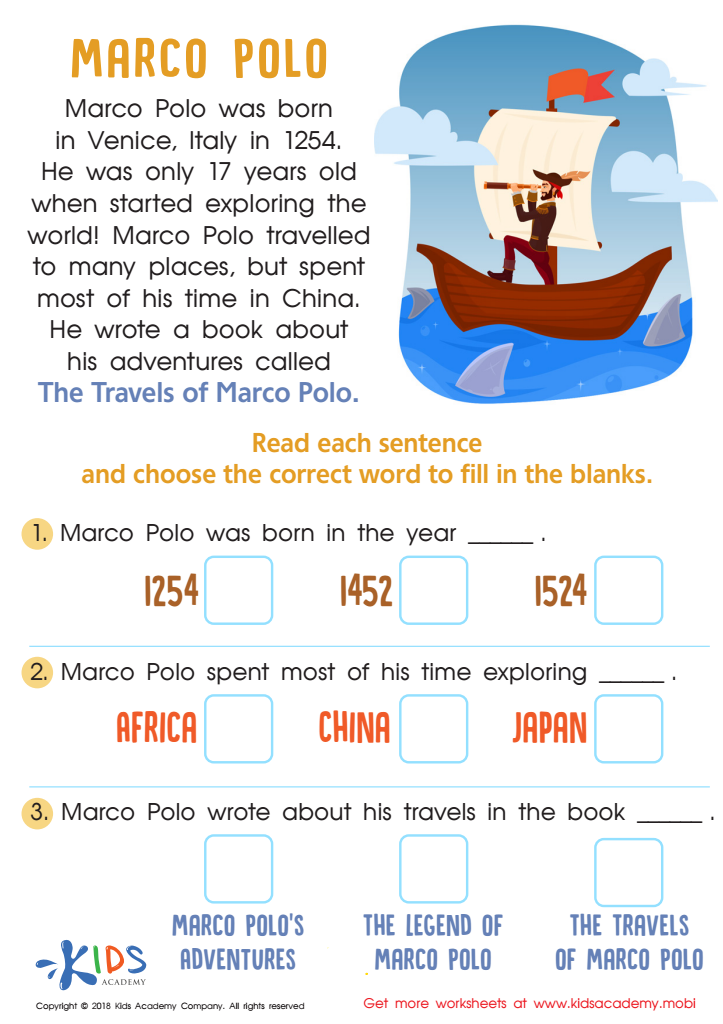
Marco Polo Worksheet
 Assign to My Students
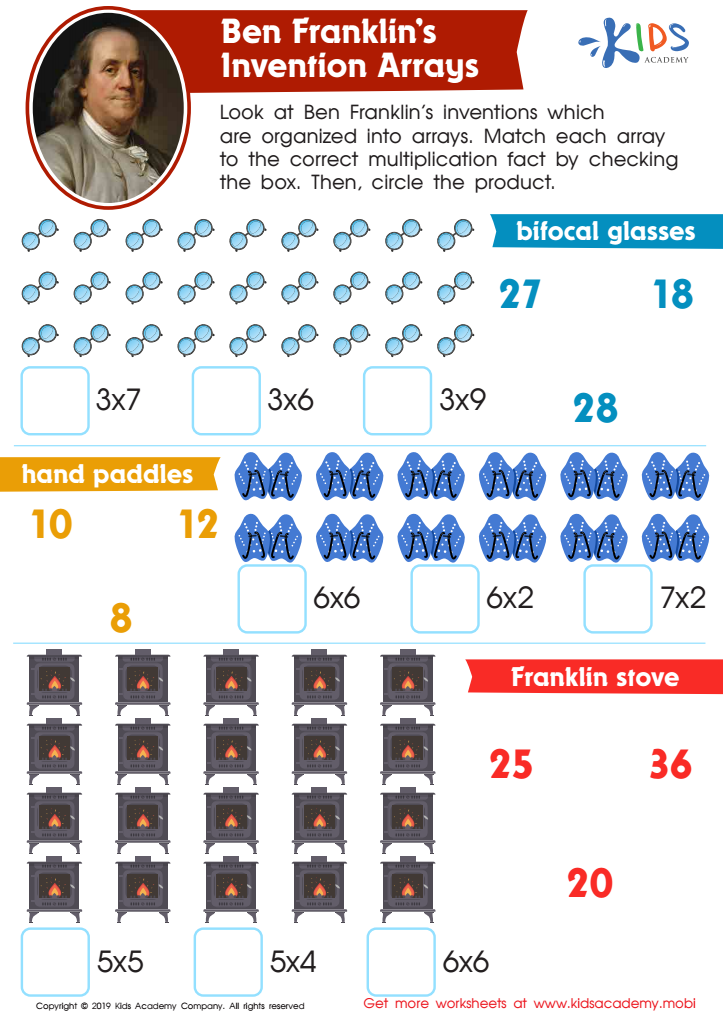
Ben Franklin’s Invention Arrays Worksheet
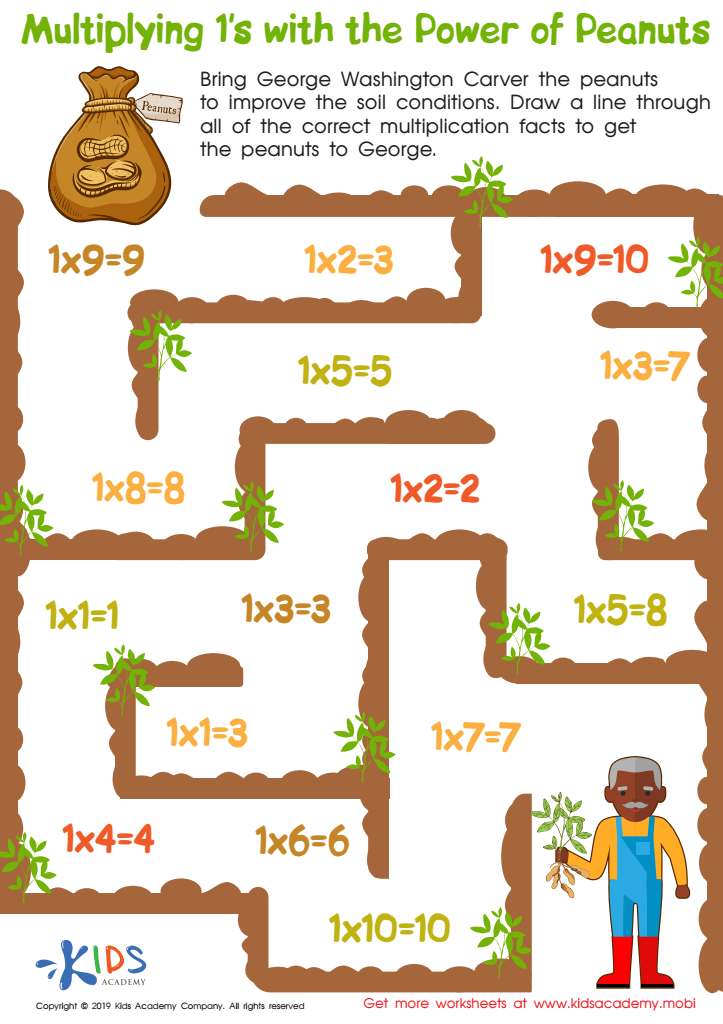
Multiplying 1’s With the Power of Peanuts Worksheet
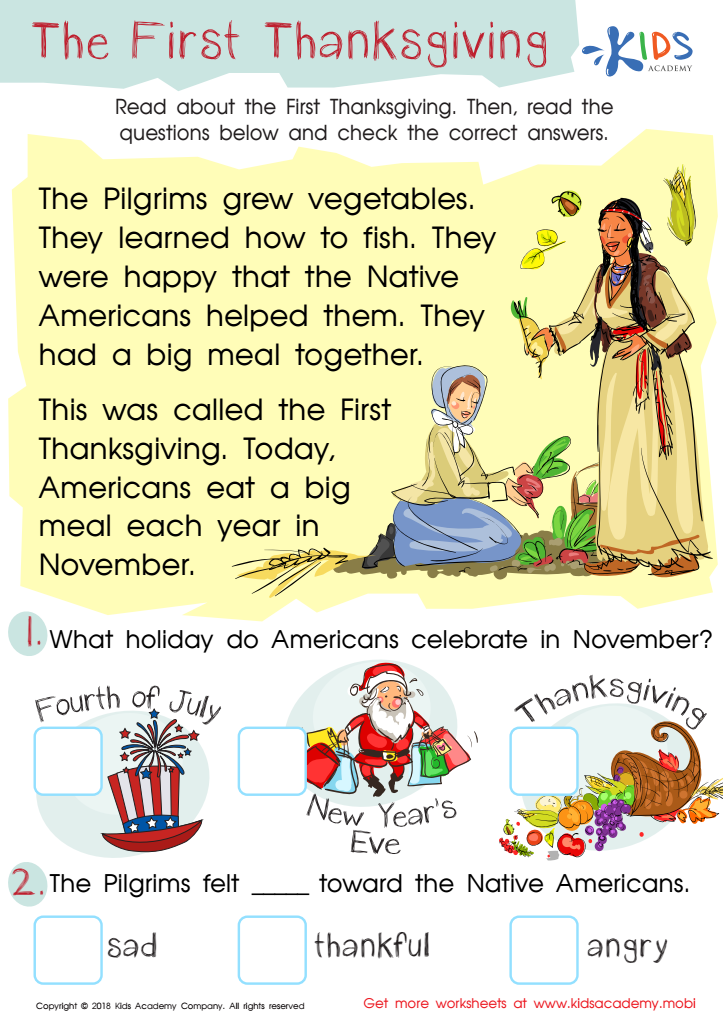
Assessment: First Thanksgiving Worksheet
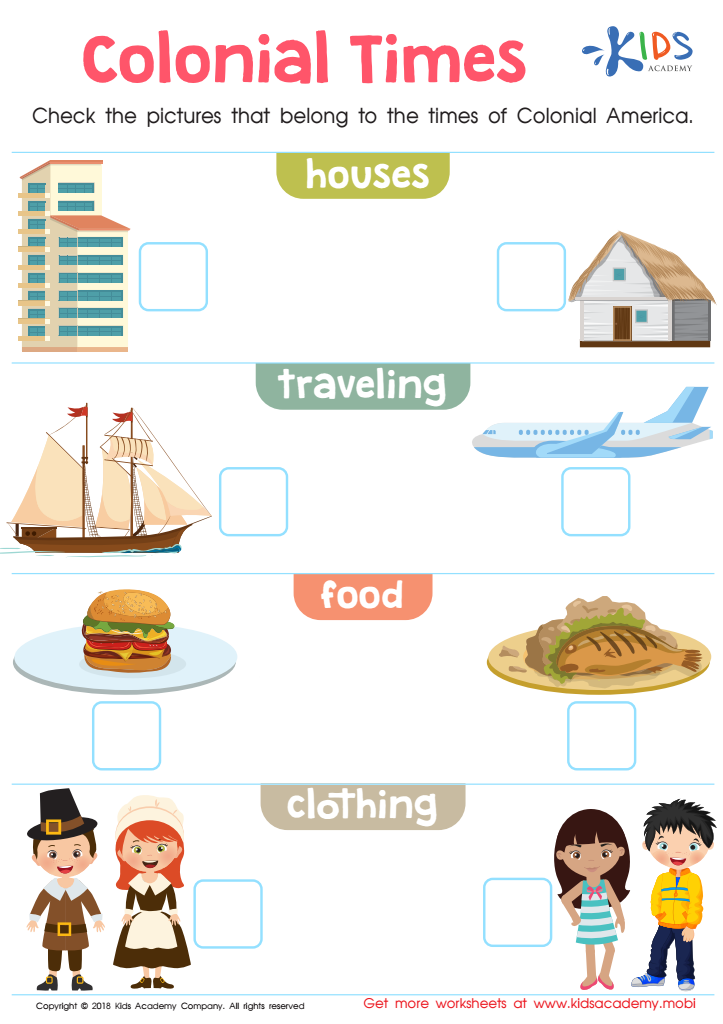
Colonial Times Worksheet
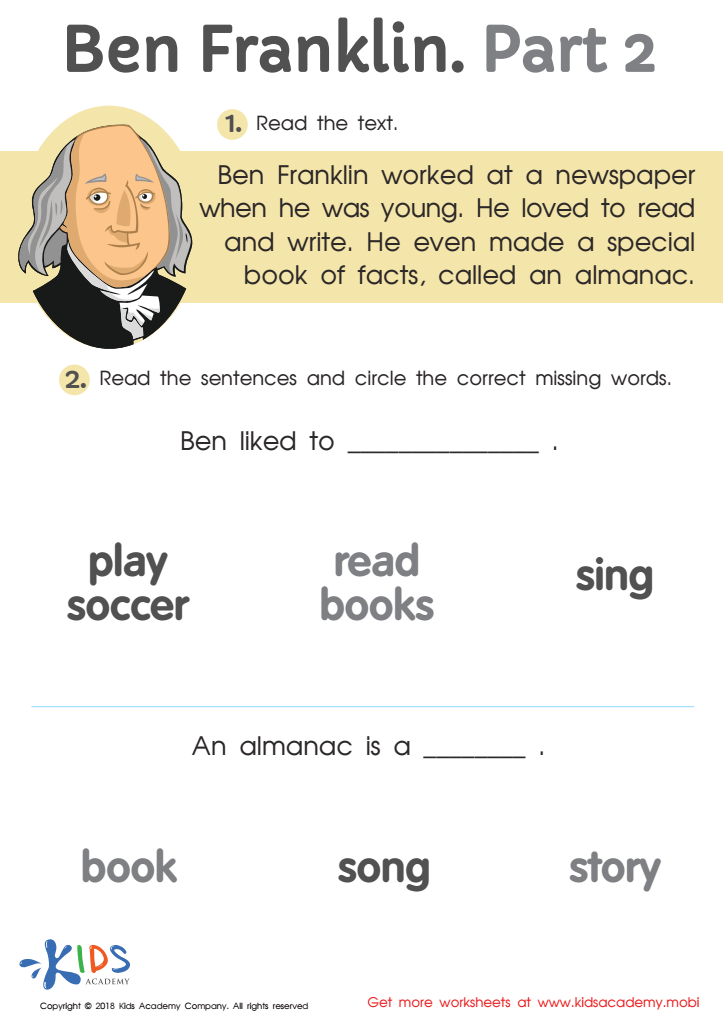
Ben Franklin Part 2 Worksheet
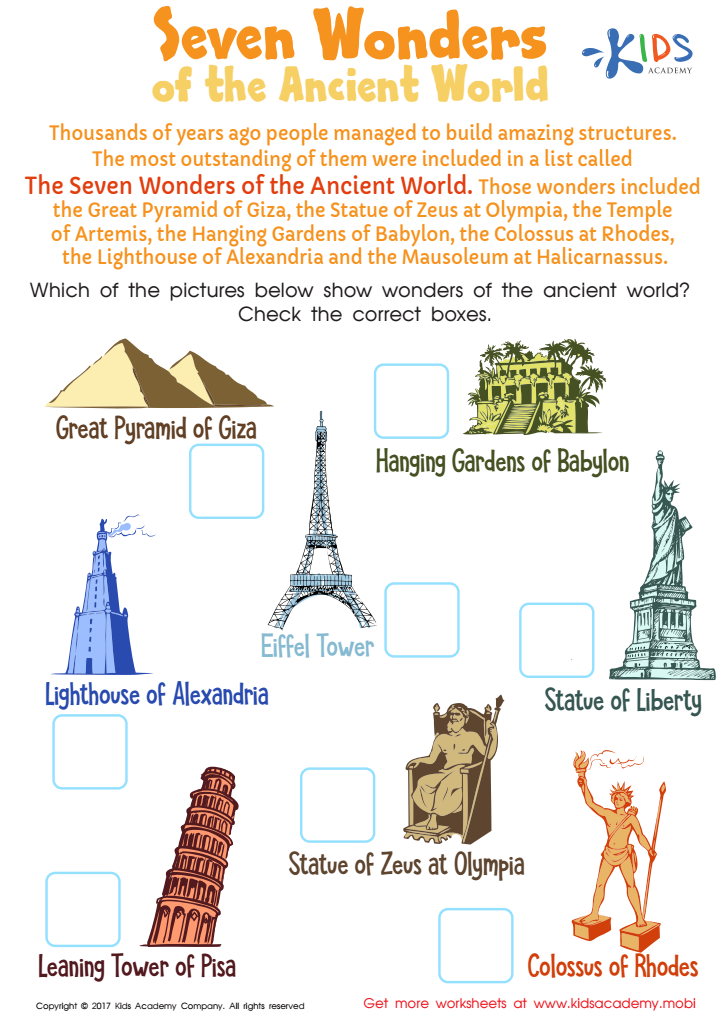
Seven Wonders of the Ancient World Worksheet
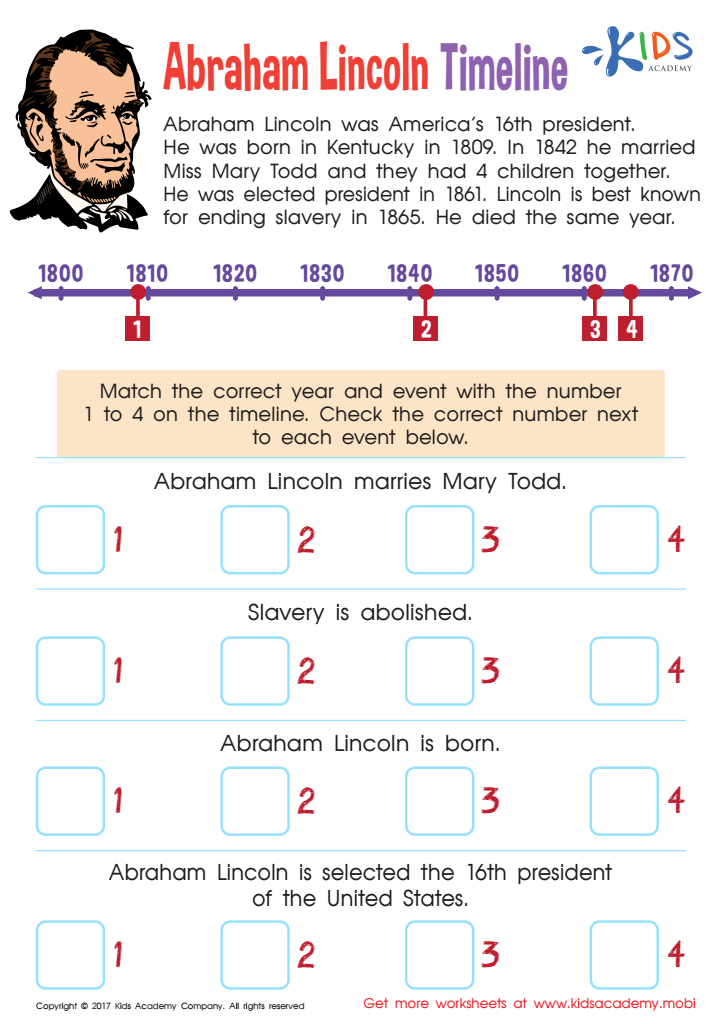
Abraham Lincoln Timeline Worksheet
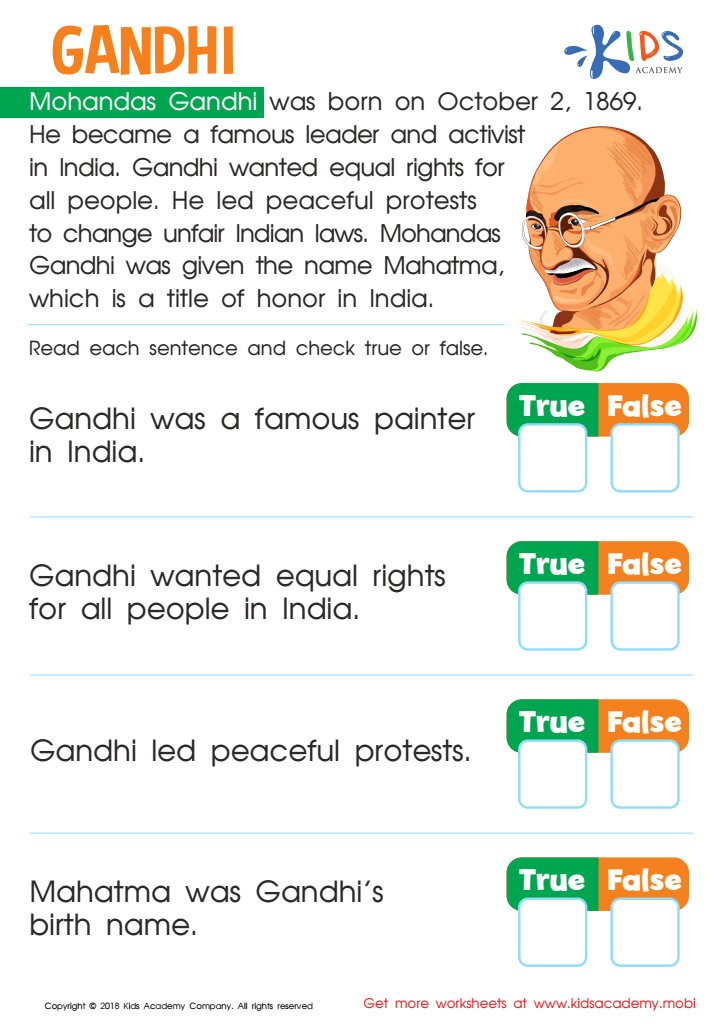
Gandhi Worksheet
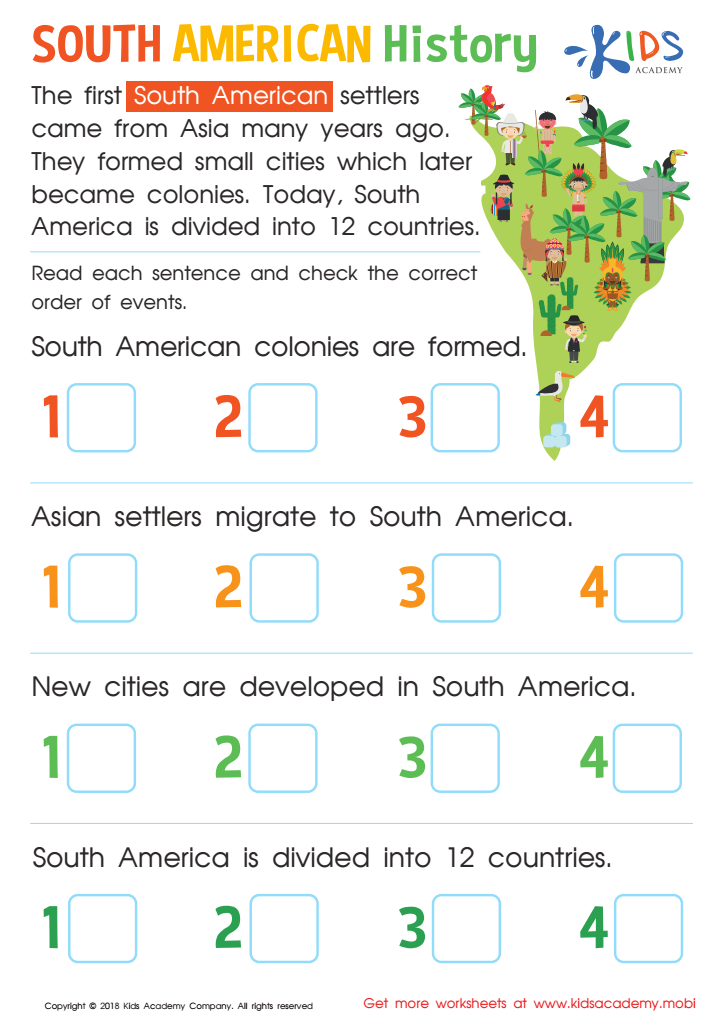
South American History Worksheet
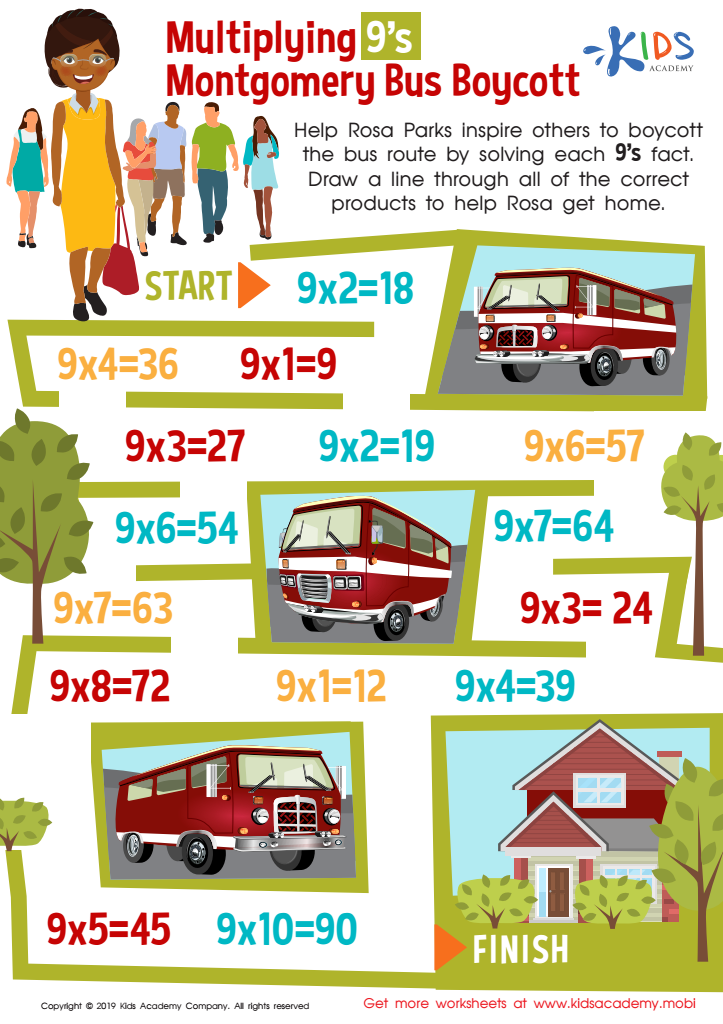
Multiplying 9’s Montgomery Bus Boycott Worksheet


.jpg)





Parents and teachers should care about Normal History for Ages 3-8 because it lays the foundation for children’s understanding of the world around them. At this developmental stage, children are naturally curious, and they begin to grasp concepts of identity, community, and the passage of time. By engaging young learners with history, they can connect their own experiences to broader narratives, fostering a sense of belonging and identity.
Normal History introduces age-appropriate stories and cultures, making historical events relatable. This process encourages critical thinking, empathy, and cultural awareness, which are essential in our diverse society. Teaching history also helps in developing language and literacy skills through storytelling, fostering a curiosity for reading, and supporting communication skills.
Moreover, normalizing discussions about history and culture can combat stereotypes and instill values of inclusion and respect from an early age. By showcasing a variety of perspectives and experiences, teachers and parents can equip children with the tools to navigate the world thoughtfully and respectfully. Ultimately, an early appreciation for history nurtures well-rounded, informed individuals who are capable of making thoughtful contributions to society.